Tag: asia

  • Gap CEO & president Jeff Kirwan resigns

    Gap CEO & president Jeff Kirwan resigns

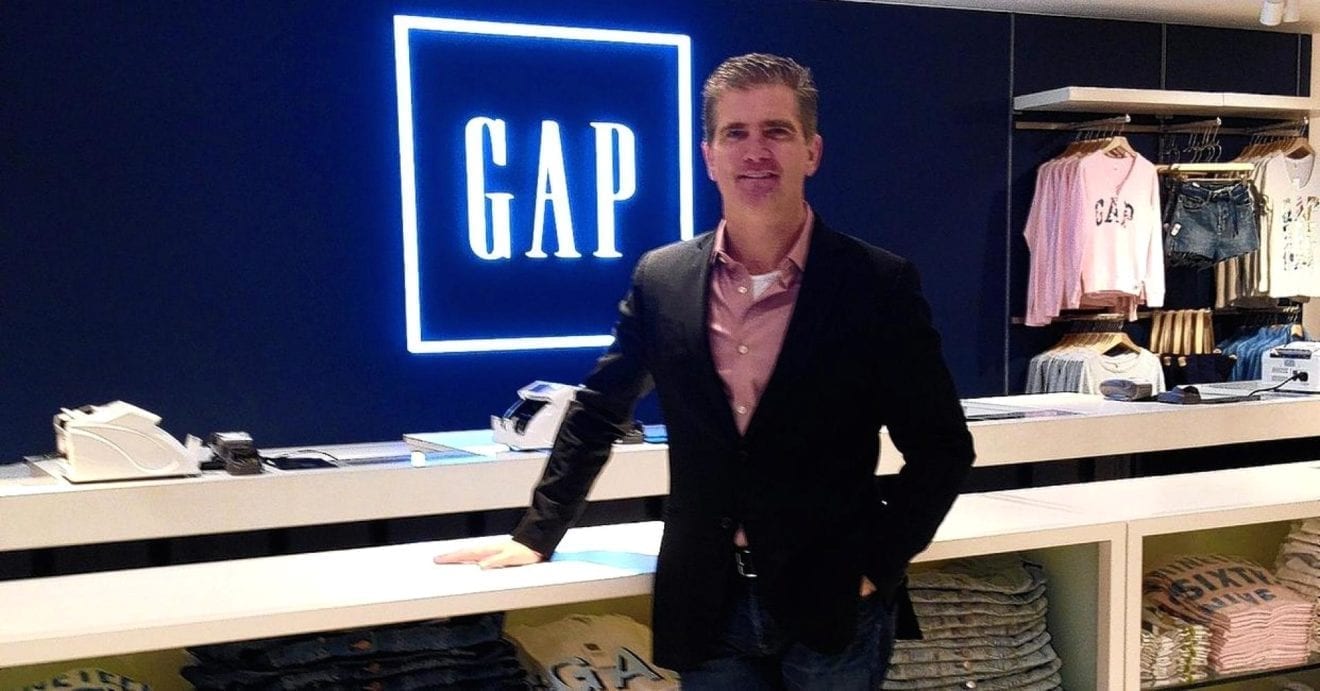
    Gap Inc has announced that Gap brand president/CEO Jeff Kirwan will leave the clothing retail company.

    A search has been launched to find a replacement.

    “As we move into the brand’s next phase of development, Jeff and I agreed it was an appropriate time for a change in leadership,” says Gap Inc CEO Art Peck.

    “Under Jeff’s leadership we made significant progress on the operating model of the brand. We are faster and more responsive than ever before, we radically improved quality and fit, and we centered the brand on the aesthetic our customers love: casual, optimistic and American.

    “We have also seen the results of exceptional marketing and customer engagement reflected in increased traffic, improved sales and the strength of the digital business.

    “While I am pleased with our progress in brand health and product quality, we have not achieved the operational excellence and accelerated profit growth we know is possible at Gap brand.”

    Until a new president is found, the brand will be overseen by executive VP Brent Hyder, who was previously the brand’s COO.

    Gap has been struggling both at home and abroad in recent years. Its Singapore franchisor FJ Benjamin this week announced it was ceding the franchise for both Gap and Banana Republic.

  • Company Announces Plans to Sell Nautica

    Company Announces Plans to Sell Nautica

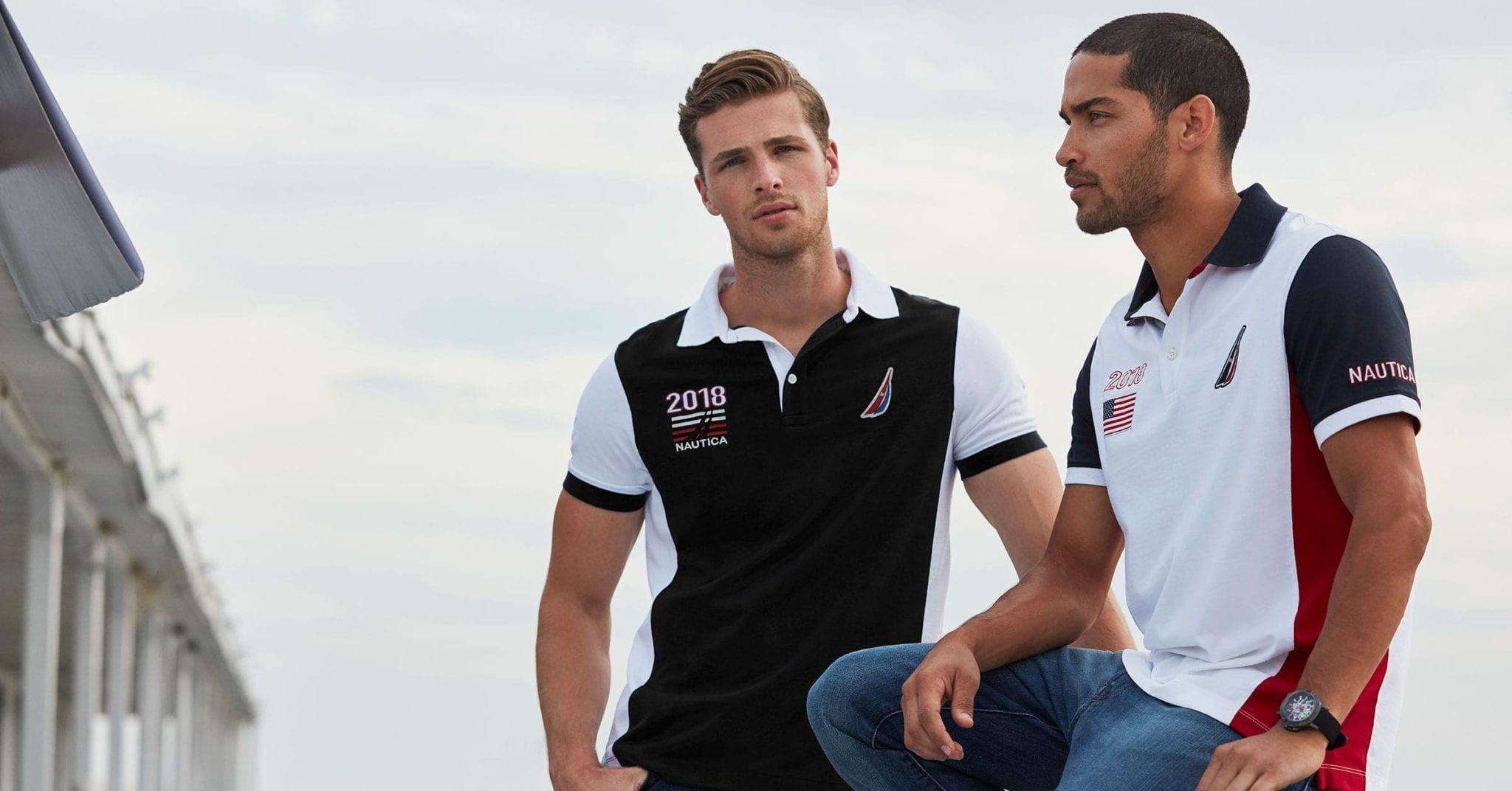
    US apparel group VF Corp. is on a mission to divest its Nautica brand, saying the decision to sell met the “held-for-sale and discontinued operations accounting criteria”.

    VF Corp. bought Nautica Enterprises Inc. in 2003 for $586 million.

    The company, which owns the North Face, Vans and Timberland, said it had decided to sell Nautica during the fourth quarter and has classified it as a discontinued business.

    It follows VF Corp’s decision in early 2017 to sell off Licensed Sports Group and after it sold its Contemporary Brands business in 2016.

    The news coincided with VF Corp’s fourth-quarter results released on Friday.

    For the three months ended December 30, net losses were $90.3 million, or $0.23 cents per diluted share, compared to net income of $264.3 million, or $0.63 cents, a year ago. On an adjusted basis, earnings per share were $1.01.

    However, revenue for the quarter increased 20 percent to $3.6 billion, which included a $247 million contribution from the company’s acquisition of Williamson-Dickie, a global workwear company, in October. This was a touch below analysts’ estimations of US$3.66bn.

    Full year 2017 revenue increased seven percent to $11.8 billion. Excluding the Williamson-Dickie acquisition, full-year revenue increased five percent.

    “VF’s fourth quarter results were stronger than we expected as growth continues to accelerate across core dimensions of our portfolio,” said Steve Rendle, Chairman and Chief Executive Officer. “We remain in the early phase of a multi-year journey to become a purpose led, agile, consumer centric organization. I am pleased with our early progress and look forward to building on our momentum in 2018.”

  • Jason Wu to leave Hugo Boss

    Jason Wu to leave Hugo Boss

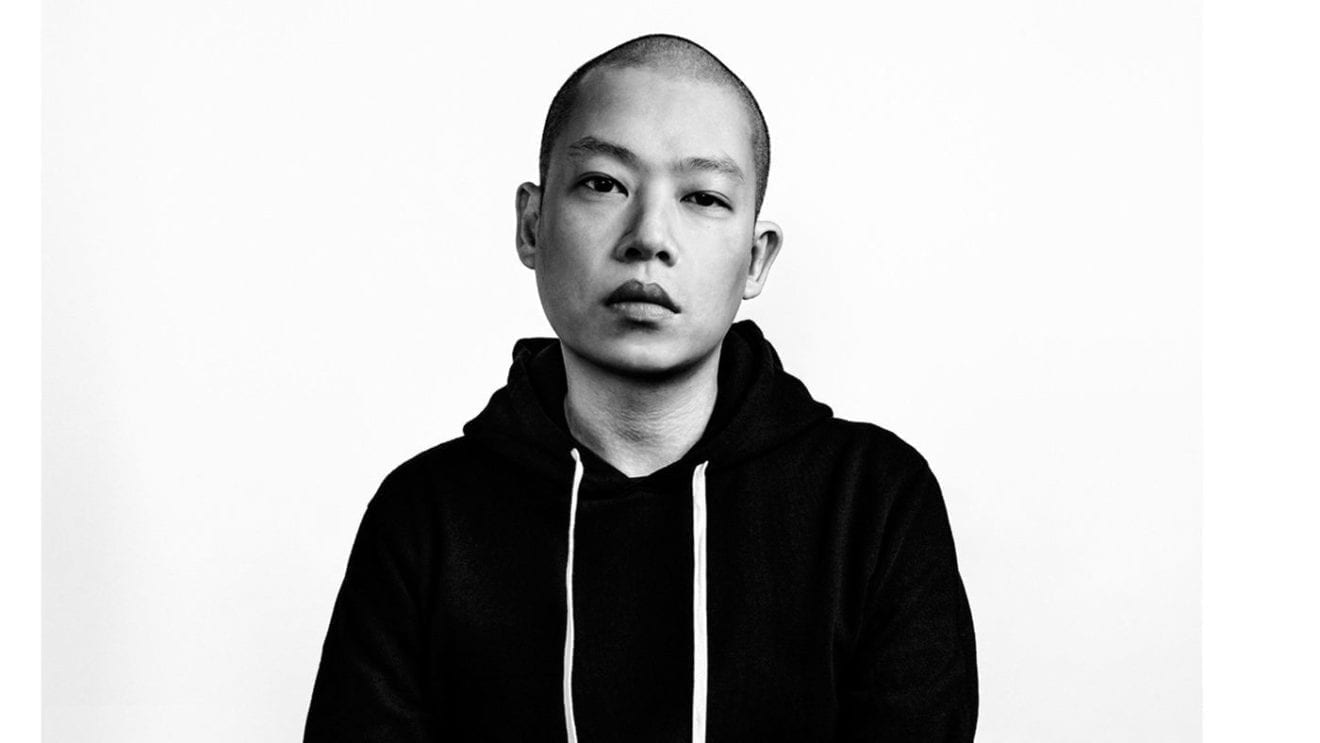
    Jason Wu is stepping down from his role as artistic director of Boss women’s. His Autumn/Winter 2018 show, presented during New York Fashion Week, is the designer’s final collection for the German fashion house.

    “The five years at Hugo Boss have been a very exciting time for me. I am especially grateful to the entire Boss womenswear team. Now the time has come for me to concentrate fully on my own label,” Wu said in a statement.

    “I would like to thank Jason for his incredible creative input and inspiration. I feel certain that he will approach all his future projects with the same compelling passion and zest that he brought to Hugo Boss,” added chief brand officer Ingo Wilts.

    Wu, an editorial favourite, as well as a go-to for celebrities and former First Lady, Michelle Obama, gained fans with his namesake line’s merging of classic American sportswear with sophisticated society dressing. In September 2014, Wu sold a majority stake to investment firm InterLuxe.

    Since joining Hugo Boss as artistic director in June 2013 — when he assumed responsibility for all product and image-related components of the brand’s women’s line — Wu has been credited for injecting a new, approachable, ease to the women’s line of the storied house, while remaining in tune with the brand’s roots in German austerity.

    Wu’s departure follows 18 months of strategic changes at Hugo Boss, which has struggled with unclear positioning between premium and luxury. In November, 2016 — six months into Mark Langer’s appointment as chief executive — the German fashion house shifted its priorities away from its womenswear business. The brand announced its plans to eliminate two brands (Boss Orange and Boss Green) within its portfolio, while narrowing its focus to casualwear and business clothes. Meanwhile, it slowed expansion of its store network and put more resources towards its online operations.

    The refocusing on men’s is slowly paying off, despite a trend of men moving away from formal wear. In its most recent fourth-quarter earnings, posted last month, Hugo Boss reported a 5 percent increase in currency-adjusted sales to €735 million ($902 million) compared to the year prior.

    This increase was driven by a rebound in direct-to-consumer sales (online sales were up by 42 percent), as well as a recovery in the US. Hugo Boss will report its full-year results on 8 March 2018.

  • Sunway Malls continues to be thronged with shoppers amidst new malls in the Klang Valley

    Sunway Malls continues to be thronged with shoppers amidst new malls in the Klang Valley

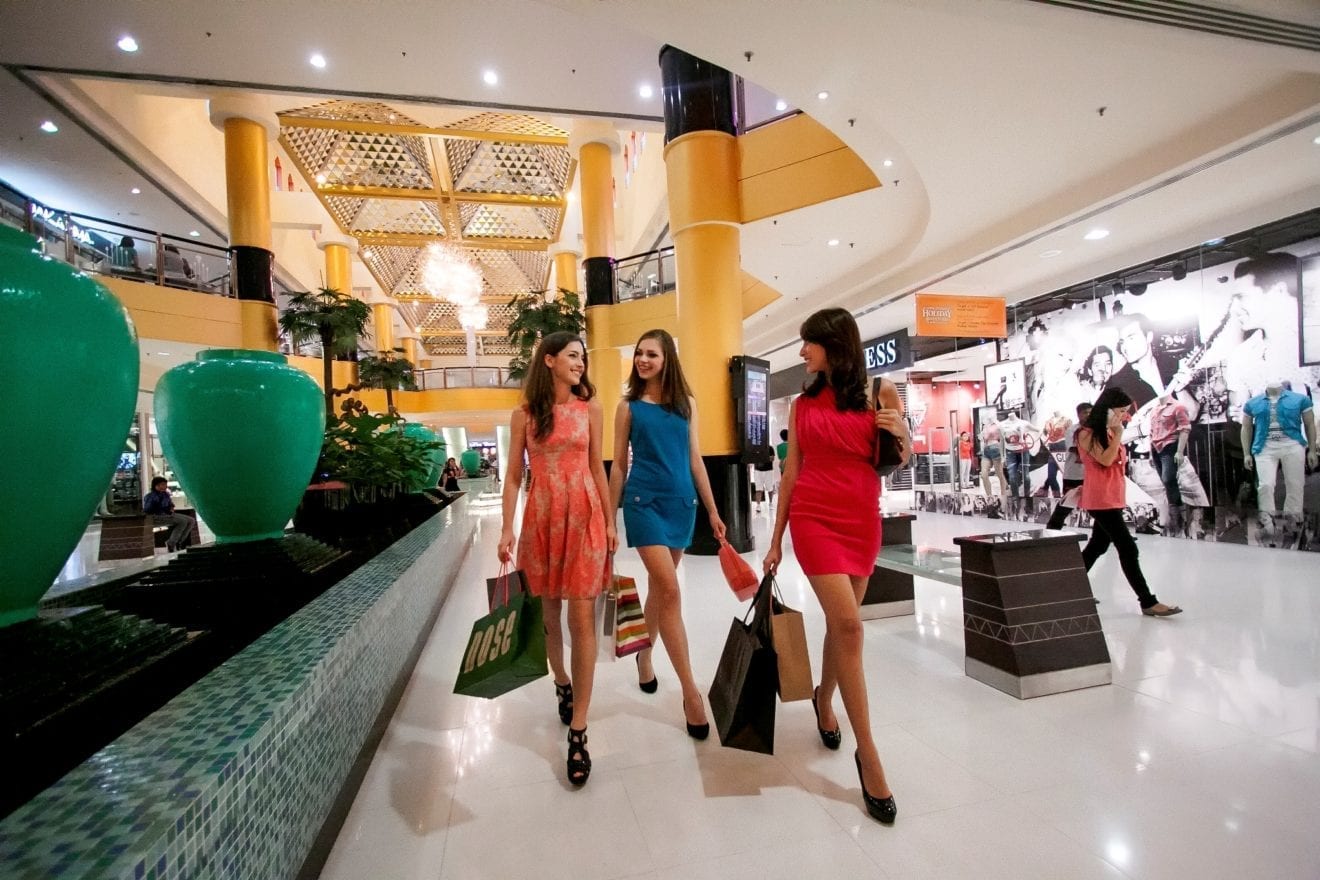
    Sunway Pyramid, Malaysia’s most iconic themed shopping destination, has recorded its highest traffic growth in 2017. The mall’s car count saw a positive 5% growth as compared to the year before amidst cautious consumer sentiment, disruption in ecommerce and the opening of more new malls in Klang Valley.

    Kevin Tan, the Chief Operating Officer of Sunway Malls, attributed this positive increase in traffic to multiple reasons.

    “Our Chairman, Tan Sri Dr. Jeffrey Cheah’s foresight to take pro-active steps to ease vehicular traffic congestions within Sunway City and Subang Jaya successfully facilitated better driving experience to Sunway City, said Kevin.
    “Tens of millions were spent to construct a new flyover, which flows traffic from KESAS into Sunway City with ease. More millions were then spent to widen the NPE roads leading to the Kewajipan roundabout, thus reducing congestion and freeing up the NPE road in front of the mall,” he continued.

    The flyover and road expansion were funded by Sunway as part of its community service to visitors of Sunway City. Sunway also contributed substantially to the Bus Rapid Transit, providing the community a cleaner alternative public transportation within Sunway City.

    There is also a plan in the pipeline to ease the congestion due to weaving traffic in front of the gateway entrance to the mall.

    Another co-relating factor is the increased parking capacity with the addition of the mall’s new wing, Sunway Pyramid West, where Sunway Clio Hotel is situated. Currently, the mall has approximately 10,000 parking bays integrated with Sunway Resort Hotel and Spa, Sunway Pinnacle and other Sunway business units nearby.

    “In addition to the 5% traffic growth, we see ride hailing as another key driver that positively contributed to the increase in footfall of the mall. The popularity of ride hailing services such as Grab and Uber is a plus factor providing alternative transportation to the mall without taking up our car park bays. It is estimated that
    these ride service arrivals is as high as 20% of the mall’s average car arrival”, said Kevin, who believes that ride hailing helps lessen the demand of car park bays during peak hours, which in return allow higher turnover of bays with lesser congestion and increasing the mall’s capacity to receive more cars.

    The mall also had a proliferation of non-shopping offerings expanding relative to shopping offerings with the growing trend on F&B and leisure spending.

    “The demand for F&B over the last few years had been so significant that 25%-30% of the today’s malls’ leaseable area is now catered to this trade category. Years ago, F&B took up less than 10% of the malls’ overall leased space. If you combine both the F&B and leisure trade categories today, it can go beyond 50% of the nett lettable area
    in a mall and these are significant traffic contributors,” Kevin explained.

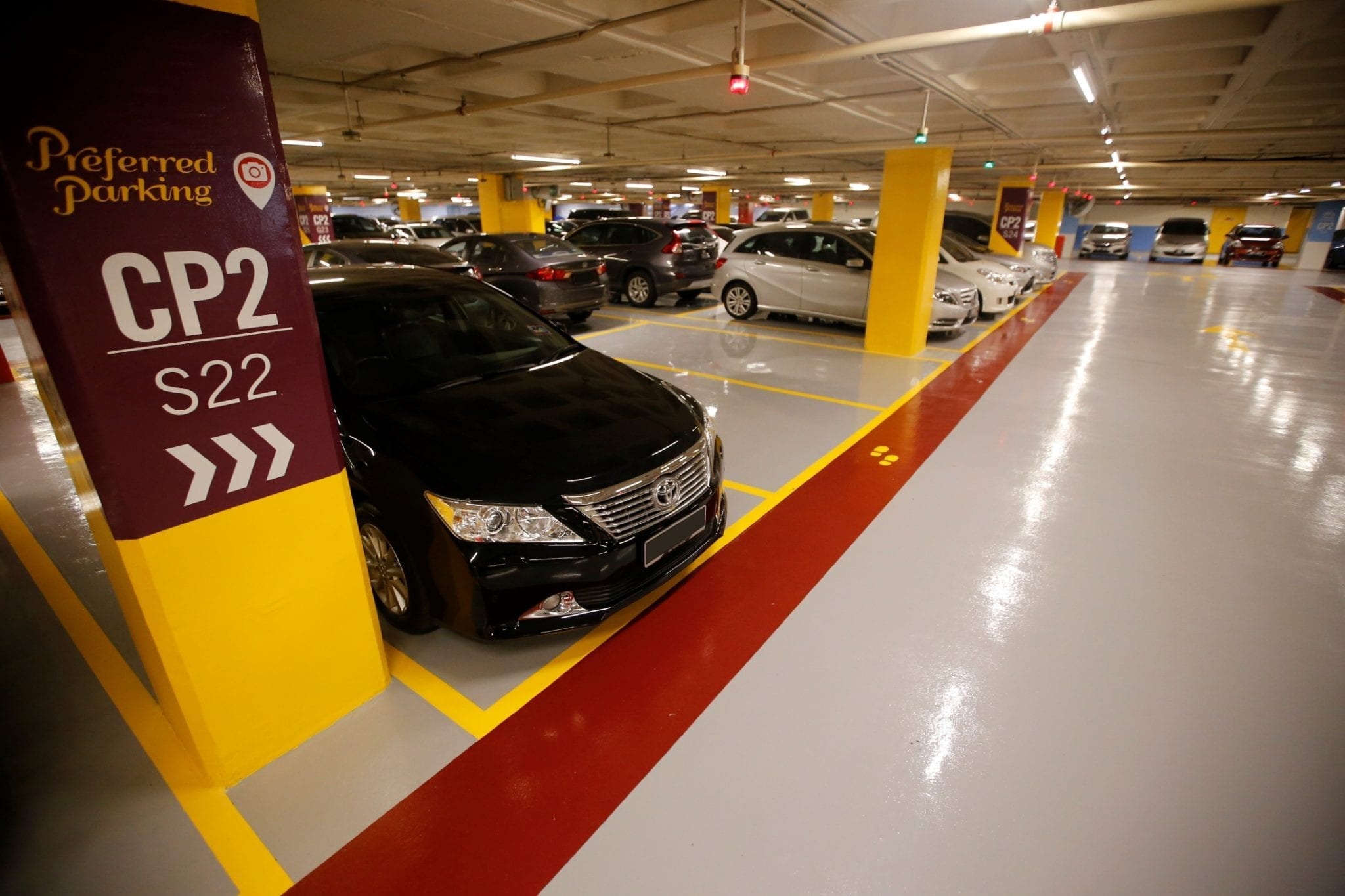
    The growth in traffic complements the mall’s plan to upgrade its parking ambience this year. The mall is uplifting its car park by applying epoxy flooring, starting with the Preferred Parking zone, and allocating charging stations for Mercedes electric vehicles.

    “We are further improvising the driving experience in our car park. A fresh coat of paint and flooring coated with epoxy is currently in progress, starting with our CP2 Preferred Parking. In view of the popularity of the Preferred Parking, we are allocating another zone for shoppers seeking convenience at B1,” said Jason Chin, General Manager of Operations for Sunway Malls, who also said that there is regular security patrol by the mall’s auxiliary police as safety has always been the mall’s top priority.

    “We are striving to create various new experiences to remain relevant to our shoppers. Those who visited the mall recently would be pleasantly surprised by sounds of the nature, especially birds chirping at our car park lobbies. We also decorated the lobby area so it creates a more wholesome ambience that depicts nature,” he
    continued.

    As for the tenants’ sales, the mall so far saw a positive growth for most of the brands. “With increased footfall, tenants have the opportunity to benefit with better sales performance. Our tenants are reporting robust growth in 2017. We cannot deny the challenging times for retailers as shoppers are spoilt for choice today. Those who
    offer value marketing, social retailing and strong brand loyalty appeal to shoppers to spend at their particular store,” said Kevin.

    2017 was a key milestone for Sunway Pyramid as the mall celebrated its 20th anniversary and was accorded The Edge Malaysia Property Development Excellence Award.

  • Tops hopes bankruptcy filing will help it compete

    Tops hopes bankruptcy filing will help it compete

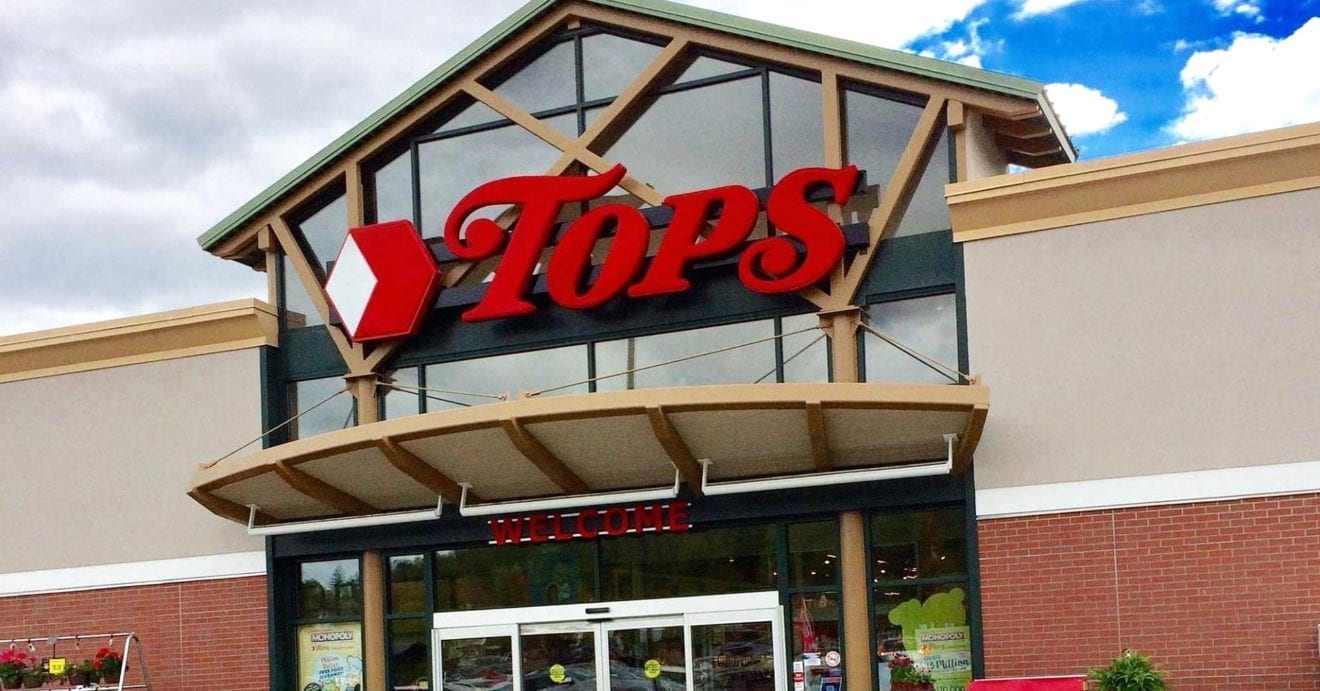
    US grocery chain Tops Markets has filed for Chapter 11 bankruptcy.

    The company says the process will not affect store operations but will enable it to pursue a financial restructure to eliminate “a substantial portion of debt” from its balance sheet and ensure its long-term survival.

    “Tops has built strong market share and our stores continue to distinguish themselves by offering quality products at affordable prices with superior customer service,” said CEO Frank Curci in a statement.

    “We believe the financing that we received from our noteholders is a vote of confidence in our business.

    Our operations are strong and we have an outstanding network of stores and a talented team to support them. We are now undertaking a financial restructuring, through which we expect to substantially reduce our debt and achieve long-term financial flexibility. This will enable us to invest further in our stores, create an even more exceptional shopping experience for our customers and compete more effectively in today’s highly competitive and evolving market.”

    Tops Markets, based in Williamsville, New York, operates 178 stores in its home state, Pennsylvania and Vermont, and employs 15,000 people. The company recently received a $140 million loan from the Bank of America and a commitment for a further US$125 million to cover debtor financing.

  • Hong Kong luxury watch imports reached its peak

    Hong Kong luxury watch imports reached its peak

    Hong Kong luxury watch imports posted their highest monthly increase for more than five years in January.

    According to the Federation of the Swiss Watch Industry, exports to Hong Kong rose by 21.3 per cent in January, leading a broader Asian rebound which saw China overtake Japan into second place as a destination with 44.3 per cent growth. Exports to the US fell 1.9 per cent, dropping that market into third. Japan was also strong, up 12.9 per cent.

    January’s improvement followed the dynamic performance of previous months and a favourable base effect, the federation reported.

    Swiss watch exports for the month were worth CHF1.6 billion (US$1.7 billion), equivalent to 12.6 per cent growth.

    The value of all the main groups of materials increased. Steel and bimetal watches made the biggest contribution. Total volumes were 2.5 per cent higher, boosted by timepieces in steel and the other metals category.

    Against the trend, the ‘other materials’ category reported another substantial fall.

    After declining for more than two years, watches costing less than CHF200 (export price) continued to lose ground last month. All the other segments had sustained growth, especially in the CHF500 to CHF3000 price range which improved by about 20 per cent.

    Many markets saw strong growth for the month.

  • Stella McCartney-Kering ready to separate

    Stella McCartney-Kering ready to separate

    After a 17-year partnership, French luxury group Kering is selling its 50 percent share of Stella McCartney back to the namesake designer. The public announcement, originally slated for early January 2018, is imminent, according to a source with first-hand knowledge of the discussions.

    According to the source, the Stella McCartney HR team is preparing a booklet outlining the details of the separation to answer outstanding questions and ease employee concerns. However, both parties issued a joint statement saying nothing has been confirmed.

    “Kering and Ms Stella McCartney have been operating and growing the Stella McCartney brand since 2001 as a 50/50 joint venture. As already stated, as it is customary between stakeholders, there are regular discussions about the future of the partnership,” Kering and Stella McCartney said. “Any significant change to the current relationship would be made public at the appropriate time. Any piece of information circulating to this respect can only be considered as speculation.”

    To be sure, unravelling the partnership will be a time consuming, expensive process.

    According the source, Kering’s brands will be forbidden from hiring Stella McCartney employees during the transition process, which could take as long as two years.London-based retail strategy consulting firm Javelin, part of global advisory firm Accenture, is working with Stella McCartney to reorganise during the transition period, creating a blueprint for the newly independent Stella McCartney business.

    While Kering and Stella McCartney have acknowledged that there have been separation talks on more than one occasion over their 17-year partnership, the exact reasons for the break, and why it’s happening now, are not yet known. The reported split does come at a time when Kering is streamlining its portfolio and focusing its attention on blockbuster brands including Gucci, Saint Laurent and Balenciaga.

    In early January 2018, the group announced that it would spin off German sportswear brand Puma, inching the parent company further toward becoming a pure luxury player. In the fiscal year ending December 31, 2017, consolidated revenues were €15.5 billion, up 27.6 percent on a reported basis. Sales within the luxury group, which excludes Puma, Cobra and skate brand Volcom, were up 27.5 percent on a reported basis.

    Stella McCartney first launched as a joint venture with the Gucci Group in 2001. At the time, the Gucci Group was run by chief executive Domenico De Sole and Tom Ford, who designed both Gucci and Yves Saint Laurent. Alexander McQueen joined the group in 2000.

    Over the next two decades, McCartney and Kering built a global brand, driven not only by the designer’s exuberant sportswear but also by her commitment to animal-free fashion. McCartney’s faux-fur and faux-leather apparel and accessories helped to elevate the materials in the eyes of the consumer, serving as an example for other brands and a resource for Kering’s entire portfolio, which now also includes Balenciaga, Christopher Kane and Brioni. In 2016, Stella McCartney published its first environmental profit-and-loss account.

    Kering does not break out the revenues of its smaller houses, although in 2015 market sources estimated that Stella McCartney’s annual global sales were somewhere between $150 million and $200 million. However, the annual retail value of Stella McCartney products is likely significantly more thanks to branded collaborations with Procter & Gamble for beauty, Adidas for activewear and Bendon for lingerie. Her collection with Adidas, first launched in 2004, has become a brand in itself. McCartney then launched menswear in 2016.

    As for how Stella McCartney may transform under the founder’s absolute rule, a push to drive more direct sales could be in the cards.

    In May 2017, the company announced that it would open four new store locations, including a second store in Paris, one in Florence, in one Costa Mesa, California, and a second location in New York City.

    A year earlier, it also assumed control of store operations of its three Hong Kong stores, which were previously managed by a local partner. The brand’s retail store portfolio currently includes 52 locations, with another store on London’s Bond Street on the way.

  • Gigya Solutions from SAP Help Companies Protect Customer Data and Build Trust

    Gigya Solutions from SAP Help Companies Protect Customer Data and Build Trust

    SAP SE  introduced three new solutions supporting organizations that have a need to collect customer data in compliance with the EU General Data Protection Regulation (GDPR) while delivering personalized experiences. The three new products are available now and can be deployed separately or as a package.

    Many brands today are struggling to initiate and build trusted relationships with their online customers. Lack of transparency and control of personal information by brands has eroded trust in digital customer experiences. In fact, a recent survey shows that data being used without their knowledge is the chief reason consumers leave brands.

    Overcoming the Compliance Challenge

    GDPR, which is effective May 25, gives extensive new rights to EU residents and visitors and applies to organizations anywhere in the world that collect personal information from within the EU.

    With the integration of its recent acquisition of Gigya, SAP now provides customers with solutions to support them in gaining transparency and control over their data, helping them overcome the compliance challenge with robust registration, consent preference and profile management. The solutions can quickly and securely scale to manage billions of identities and thousands of digital properties across hundreds of brands to help companies meet the requirements of evolving privacy and data protection regulations.

    “With GDPR around the corner, the timing of these solutions couldn’t be better,” SAP Hybris President Alex Atzberger said. “At a time when SAP is doubling down on its strategy to provide the leading front-office suite, the combination of SAP Hybris and Gigya solutions is a tremendous benefit for customers. Importantly, it turns a compliance need into a strategic business advantage and creates more trusted customer relationships.”

    Three New SAP® Hybris® Solutions from Gigya

    SAP is bringing three new solutions to market to help organizations adopt a digital approach to drive more effective marketing, sales and service through data, while keeping the customer in control of how much data is shared:

    SAP® Hybris® Identity establishes secure customer registration and login across websites, mobile applications and Internet of Things devices using flexible user authentication options, federation standards and single sign-on functionality. It captures and stores customer identity data for trusted and personalized digital experiences. Optimized registration flows increase conversion, while the platform helps protect consumers against identity fraud and data theft.

    SAP Hybris Consent presents and captures customer consent for terms of service and privacy agreements, including cookie consent and marketing communications. For auditing purposes, consent agreements and consent history are tracked across the customer lifecycle. This information can be synchronized with marketing, sales and service applications. Customers are in control of their personal information with features for consent revocation, data export and account deletion. Consent records are stored in a secure data vault.

    SAP Hybris Profile transforms customer identity information, profile attributes and other system data into a single customer view, which can be orchestrated in real time or in batch to virtually any application, service or data warehouse. Organizations can govern all the information in these single customer views throughout the customer’s lifecycle. With the platform — and providing consumer consent and transparency has been granted — SAP customers can analyze data within these single customer views to plan, predict and optimize digital experiences to support sales and services.

    “If data is the new oil, then trust is the ultimate currency that drives this new data economy,” Gigya CEO Patrick Salyer said. “To create trust, consumers demand transparency and control over how their customer data is managed. GDPR goes further by legally requiring it. With these new SAP Hybris offerings from Gigya, we can provide one of the only solutions on the market that create trusted customer relationships — just four months after SAP announced its intent to acquire Gigya.”

  • Sweet Fashion House plans Hong Kong flagships

    Sweet Fashion House plans Hong Kong flagships

    A high-end designer dessert brand founded by European investors plans flagship stores in Hong Kong and Shanghai this year.

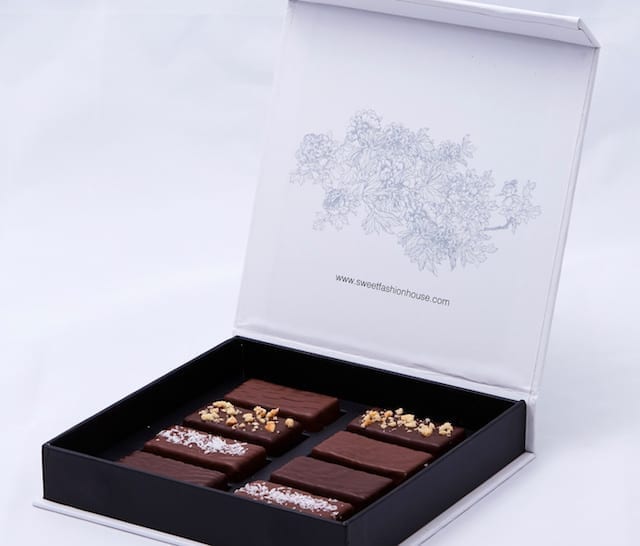
    Sweet Fashion House is launching with a confectionery factory in Tuen Mun which will be staffed by chefs brought in from France and apprentices employed locally. Under the leadership of art director Gael Majchrzak, who is also a pastry and chocolate chef, the team will create and produce handcrafted cakes, chocolates and pastries for individual customers and corporate clients.

    Once it has sufficient volumes, flagship stores will be opened in as yet undisclosed locations in Hong Kong and then major Chinese cities, starting with Shanghai.

    The company aims to tap into what it describes as a fast-growing demand for upscale confectionery in Hong Kong, Mainland China and around the region.

    CEO Kirill Neklyudov says Hong Kong is the ideal place for the group to launch the factory.

    “Hong Kong people love sweets as much as the French do. This is a big market and customers demand up-scale confectionery. Together with its simple and low tax regime and ease of doing business, the city is the ideal place for us to start our company.”

    He says the company is already experiencing strong demand, and plans are underway to expand staff numbers to meet an expected surge in orders.

    The factory also provides cake consultation and tasting for customers to create their own cakes.


  • Uber cars to become mobile convenience stores

    Uber cars to become mobile convenience stores

    Cargo, a startup intimately tied to Uber, just closed a $5.5 million seed round for its venture that lets drivers sell products to their riders.

    While PSFK has covered Cargo before, the funding represents a significant step forward for the idea and came with more details on how the whole system will work after applied tests of the concept.

    The startup sends drivers a high-tech tray and a monthly supply of goods for free. For every item sold, drivers get a $1 base commission plus 25% of the sale.

    According to Cargo, Uber drivers can earn a $100 more with its service, and some of its top drivers earn up to $300 every month.

    The startup does not exactly work like a store. Many of its products are given by brands like Kellogg’s as freebies to riders. Brands get consumer data from Cargo while Cargo charges brands for access to its distribution network.

    reAccording the startup, the actual sales alone are not even the big source of revenue yet. The startup plans to send out its hardware to 20,000 cars and open in one new city each month for the next six months.

  • McDonald’s Hong Kong Celebrates Chinese New Year with song

    McDonald’s Hong Kong Celebrates Chinese New Year with song

    Of the abundance of Chinese New Year campaigns by brands this year, McDonald’s Hong Kong has released a touching campaign that tugs at the heartstrings with the help of a classic by Sir Elton John.

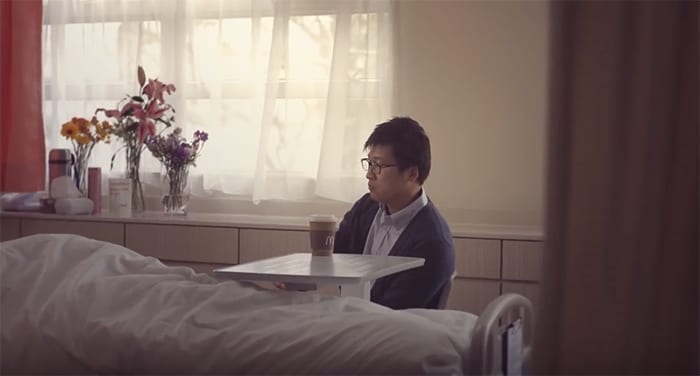
    Cantopop star and actor Eason Chan (who once performed, sort of, with Madonna) sings Elton John’s Your Song in a campaign called #LittleBigMoments, which shows McDonald’s fans of all ages enjoying sharing French fries, a burger, ice cream and more, while emotions run the gamut from sadness to joy, tears to laughter, by babies and elderly women and all ages in between.

    Released on Feb. 15th, it has received more than 2 million views across digital channels, including almost 1.5 million views just on YouTube.

    “As a brand, we understand that life is not just one big thing, but the accumulation of a million little things, a million little moments. And in the end, it is these little moments that make life big,” said Randy Lai, CEO of McDonald’s Hong Kong. “It’s been a real privilege to work with Eason Chan, and with the blessing of Sir Elton John, to create a campaign that is a love song dedicated to our customers.”

    “Nothing stirs the heart like a great piece of music, and this is something our industry often forgets,” added Andreas Krasser, Head of Strategy & Innovation at DDB Group Hong Kong.

    “In this campaign we made the music the hero, with Eason Chan lending a homegrown twist to one of the world’s most beloved songs. Since launching on the 15th February, the brand spot has already garnered more than 2 million views across multiple digital channels, successfully reaching around one-third of Hong Kong people,” he added.

    The #LittleBigMoments campaign led with a 60-second brand spot, followed on February 20th by three 15-second stories (below), each focusing on some of the moments portrayed in the brand piece, but also on some of Hong Kong’s most popular McDonald’s menu items:

    Egg & Beef Burger (imported from Japan):

    Grilled Chicken Burger:

    Chicken Nuggets:

  • BreadTalk Group posts a positive profit growth

    BreadTalk Group posts a positive profit growth

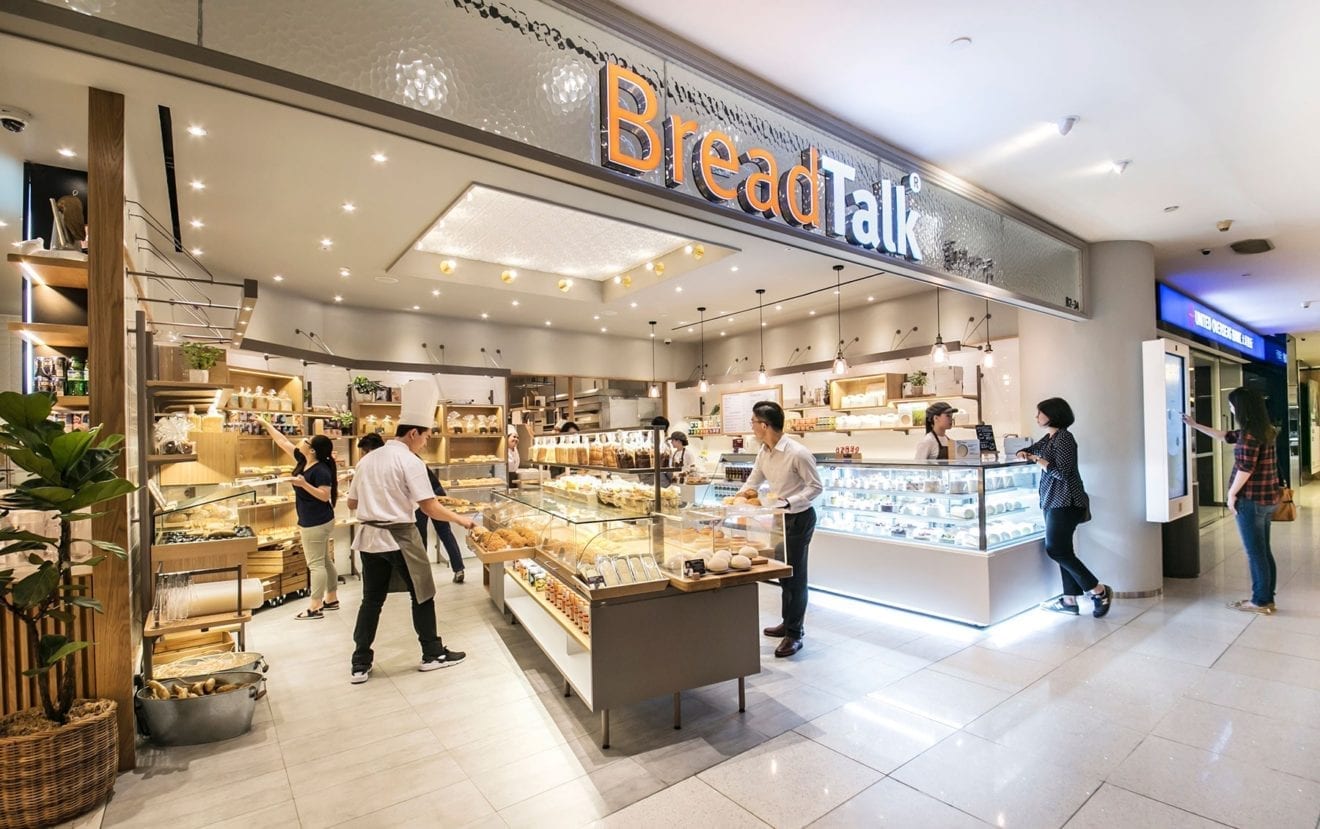
    With a record 91 per cent profit growth, lifestyle F&B company BreadTalk Group says it is ready to soar in a challenging market.

    Its record net profit for last year came in at US$21.8 million despite an “unpredictable” macro retail environment, says the Singapore-headquartered company.

    “We are well positioned to soar above the challenging retail market conditions,” says chairman Dr George Quek.

    “The group remains determined to identify innovative food concepts and partnerships, delivering them promptly across our 17 territories.”

    In line with the group’s consolidation strategy for the year, group revenue eased 2.5 per cent to $599.7 million.

    For the same period, earnings before interest, tax, depreciation and amortisation (EBITDA) fell 3.5 per cent to $84.4 million, with EBITDA margin steady at 14.1 per cent.

    Profit after tax and minority interests (PATMI) improved 91 per cent from $11.4 million to $21.8 million. PATMI margin rose from 1.9 to 3.6 per cent.

    During the year, $9.3 million in net capital gain was recognised from the divestment of the group’s investment in TripleOne Somerset in the first quarter.

    Excluding one-off items, core F&B business net profit for the year would have been $17.7 million, an improvement of 153.3 per cent.

    Bakery less bouyant

    Bakery-division revenue declined 3.2 per cent to $297.2 million, attributed to lower revenue from directly run stores in Beijing, Shanghai and Hong Kong, as well as lower franchise revenue from China because of the planned early termination of eight franchisees during the year.

    There were 20 fewer directly run stores at 240, following the reclassification of the eight outlets in Malaysia in the fourth quarter to franchise, as well as closures in China and Singapore.

    Franchise outlets ended the year at 631, 29 more because of the addition of the re-classified outlets from Malaysia as well as more outlet openings by franchisees in Indonesia, Philippines and Thailand.

    EBITDA for the division declined 20.5 per cent to $23.2 million, with EBITDA margin at 7.8 per cent, down from 9.5 per cent, mainly because of lower profitability at Shanghai and Singapore directly run stores, and lower high-margin revenue contribution from the China franchise business.

    For the food atrium division, revenue was 5.4 per cent lower at $149.3 million with four fewer outlets. The same-store sales growth momentum for the entire food atrium portfolio was strong, especially in China. Two outlets opened in Shenzhen during the fourth quarter, at MIXC World and Uniwalk.

    EBITDA improved 53.7 per cent to $25.1 million, with EBITDA margin improving from 10.3 to 16.8 per cent.

    London debut

    For the restaurant division, revenue was up 2.2 per cent to $140.7 million, with one outlet being added in Thailand. EBITDA rose in tandem by 2.1 per cent to $30.1 million with EBITDA margin steady at 21.4 per cent despite costs related to the start-up of the group’s first Din Tai Fung outlet in London.

    A new business division, the 4orth Division, was launched with the objective of incubating F&B concepts, as well as enter into joint ventures. The division ended the year with revenue of $7.9 million and EBITDA of $500,000, translating to an EBITDA margin of 6.8 per cent.

    “Significant” efforts were put into consolidating and turning around the group’s bakery business, particularly underperforming stores in China and Singapore. Also, the Toast Box product in China was revamped to better suit the local palate and to meet the consumers’ mobile lifestyle.

    BreadTalk’s food-atrium division ended the year with a record low stall vacancies of less than 2 per cent.

    The management team is also staying focused on deepening reach in Singapore and Thailand to further optimise economies of scale. Two outlets were opened last month, at the new Northpoint City in Singapore and at Thonglor in Bangkok.

    All five Ramen Play outlets were rebranded as So, turning the business profitable. The group’s first JV, Song Fa Bak Kut Teh outlet at Jing An Kerry Centre in Shanghai officially opened last month, to be followed by further Song Fa outlets in other parts of Shanghai as well as in other cities in China and Thailand.
  • Walmart sales taps US$500 billion

    Walmart sales taps US$500 billion

    Walmart sales reached US$500.3 billion last year, an increase of $14.5 billion, or 3 per cent.

    But that failed to excite shareholders, with the share price shedding 10 per cent of its value immediately after the announcement.

    Arguably, the world’s largest retailer’s biggest success last year was its e-commerce business where it is looking to take market share away from Amazon – just as Amazon is trying to encroach on the brick-and-mortar space in the US.

    E–commerce sales rose 44 per cent for the full year, although growth slowed from 50 per cent to 23 per cent in the last quarter, partly due to the annualisation of its year-old Jet.com acquisition. It forecasts 40 per cent growth in the current quarter.

    Neil Saunders, MD of GlobalData Retail, says Walmart has more work to do to widen its e-commerce customer base.

    “There are many demographics, especially younger and professional segments, for whom Walmart is not the destination of choice online. This isn’t because it doesn’t sell what they want or because the price or delivery options are suboptimal; instead, it is because they do not associate Walmart with online or they default to Amazon. This is a tough nut for Walmart to crack, and one that it can only break by more heavily marketing its services and proposition.”

    While figures for the Walmart China business were not broken out, the international division posted 6.7 per cent year-on-year growth in the latest quarter. China and Mexico were the star performers and Walmart’s troubled UK grocery chain Asda showed long-awaited improvement.

    Bottom line blues

    The weakest part of Walmart’s figures was on the bottom line. Consolidated operating income was $20.4 billion for the year, a decrease of 10.2 per cent, however the company says that when one-off impairments and costs are taken out of the equation, operating income would have been “relatively flat”.

    Saunders says there is no cause for alarm over the bottom line performance. “Walmart remains comfortably profitable and much of the deterioration is down to the various investments Walmart is making in future-proofing its business. We applaud this long-term view, especially as it is now being coupled with some rationalisation and streamlining initiatives.”

    Meanwhile, a solid US market performance reflects higher customer traffic and higher average spend.

    “Part of this is down to a more optimistic and carefree consumer, who was in a mood to spend over the holidays.

    Arguably those shoppers did not have to visit Walmart – but many did, and from our data, Walmart increased its share of shoppers over the final quarter. We believe this is down to Walmart’s focus on low prices plus better customer service, improved ranges, and better-selling environments. The bottom line is that even in an era of stiff competition, Walmart is becoming more and not less relevant to the American consumer,” said Saunders.

    -Neil Saunders

  • Gucci korea reopened its flagship store by going back to basic

    Gucci korea reopened its flagship store by going back to basic

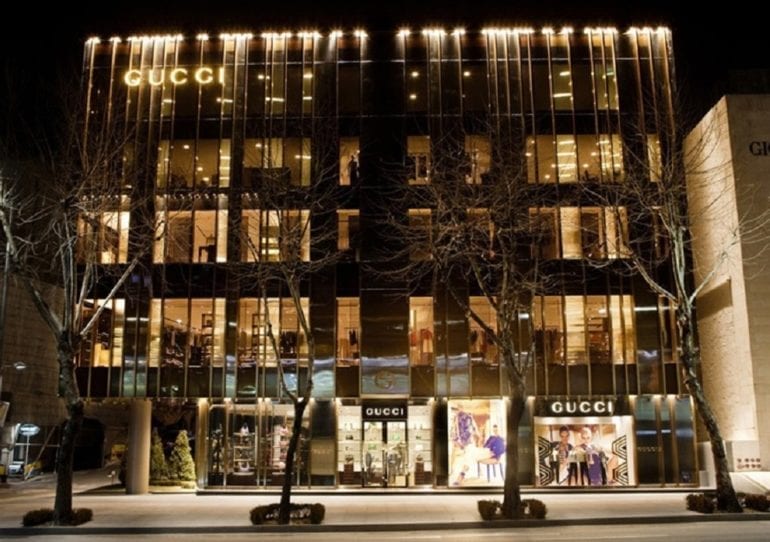
    Italian luxury house Gucci opened the doors to its renewed Korean flagship store in Cheongdam, Southern Seoul, giving fashionistas a new reason to visit the neighborhood.

    The three floors of the shop carry the brand’s most popular items, from bags, wallets and shoes to clothes and the newly launched “Gucci Deco” home-furnishing items.

    Just a few years ago, Gucci was regarded as a luxury brand with a slightly old-fashioned design that failed to appeal to younger trendsetters. But after Alessandro Michele took the helm in 2015 as creative director, Gucci has started a whole new chapter in its history, becoming the most searched for brand on Google in 2017, and adding over 8 million followers on the Gucci official Instagram account.

    Their success was attributed not to trying something entirely fresh, but to Michele’s decision to get back to basics, returning to the vibrant colors and patterns of the old archives, but adding a 21st century twist. His designs were vintage, but not too classic – bold but not gaudy.

    The flagship store carries all the popular items that made Gucci the hottest brand in town, within an interior of walls decorated in old rose, and antique carpets that add a classy ambience to the overall space. The toned-down color of the walls lends a stark contrast to the colorful products on display.

    Visitors to the store can see all of Gucci’s treasures in one space, but there are two distinct reasons why the new shop is worth a look: the do-it-yourself (DIY) zone and the Korean edition goods only available at the flagship store.

    The two DIY zones are located on the second and third floors and are both equipped with different ready-made patchworks and pins that, when guests choose from them, staff members are ready to sew them on in different ways. On the second floor, visitors can decorate their very own jackets, while on the third, one can create DIY handbags and clutches.

    Also available are the Korea-exclusive edition items, which have been embroidered with a Korean tiger that differs from any of the animals usually seen on other Gucci products. The unique Korean tiger is printed on men’s Beastiary bags, wallets and Princetown shoes, which can only be found in this particular shop and nowhere else in the world.

    And while they don’t have their own DIY zone, many of the women’s sneakers have metal buttons on them, which allow the wearer to snap different patches into place and change them as one likes.

    “The Gucci flagship store is like a cabinet of curiosities that’s made to please and inspire visitors,” said a staff member on the day of the opening. “The store is a space where you can experience the unique brand culture of Gucci.”

  • Ashley Sutton presents Dear Lilly at IFC mall rooftop

    Ashley Sutton presents Dear Lilly at IFC mall rooftop

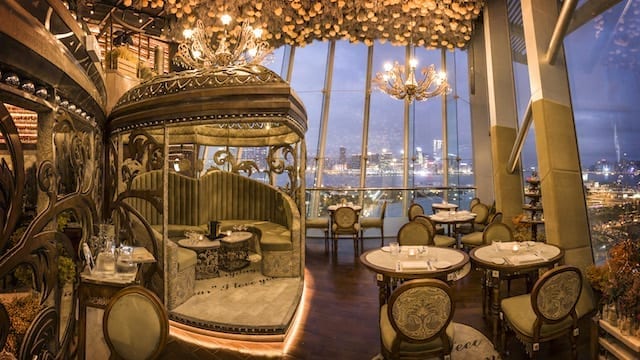
    Award-winning Australian designer Ashley Sutton has launched a restaurant and bar with a floral theme in a glass-walled space on the roof of IFC mall.

    Dear Lilly is described as a romantic restaurant and bar inspired by the hole-in-the-wall florists found along Parisian boulevards. As with Sutton’s other projects in Hong Kong, such as nightlife venues Iron Fairies, J.Boroski, Ophelia and Yojimbo, Dear Lilly is a collaboration with restaurant group Dining Concepts.

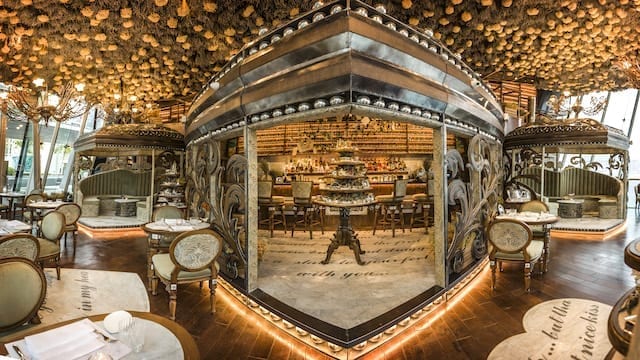
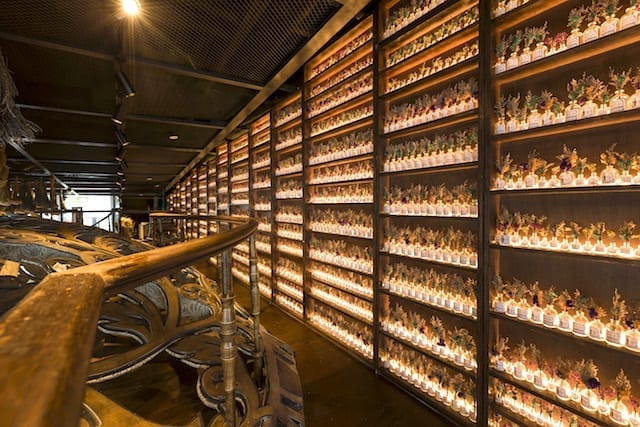
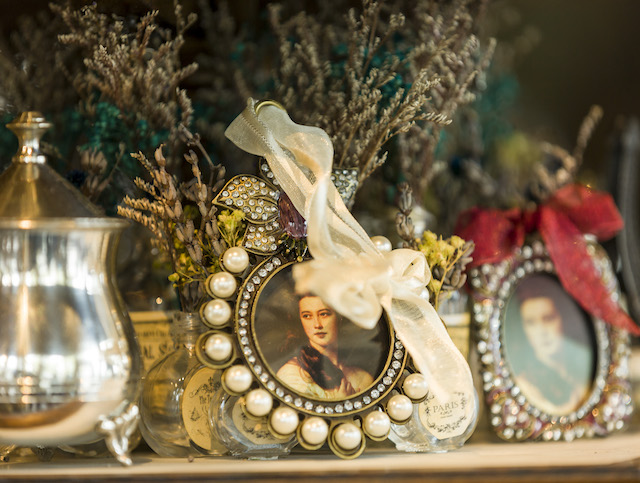
    Floor-to-ceiling shelves in Dear Lilly are crammed with vintage perfume bottles brimming with flowers, and hundreds of bouquets hang from the gently swaying kinetic ceiling.

    “Dear Lilly is unlike anything I’ve ever done before,” Sutton says. “It’s an incredibly enchanting space filled with flowers, love letters and charming antique ornaments I’ve sourced from around the world. I want people to step inside and feel like they’re in a fairytale.”

    Heart-shaped marble inlays in the floor are engraved with extracts from love letters. After reading thousands of love letters from throughout history, Sutton decided to fill Dear Lilly with extracts from letters sent by soldiers to their sweethearts during World Wars I and II. The restaurant’s name even came from one of the letters.

    Love letters and poems scrawled on scrolls of paper are piled on the bar alongside vintage black-and-white photos of couples. The bar and mixologists’ workstations are decorated with typewriters, rolls of ribbon and other knick-knacks.

    For romantic meals, Dear Lilly offers intimate booths designed as supersized versions of vintage jewellery boxes. For the steel heart-shaped structures, the metal has been treated to look like tarnished sterling silver.

    Embroidery and crowns

    Meanwhile, the serving staff at the restaurant wear outfits that feature embroidered button-up shirts or Victorian-inspired dresses and flower crowns. Mixologists wear vintage aprons with magnifying glasses, antique scissors and other knick-knacks poking out their pockets.

    Alongside classic drinks, Dear Lilly’s serves signature items inspired by 1920s French cocktails. To match the decor, the cocktails are garnished with edible flowers and sprigs of lavender. Dear Lilly also offers a range of beers served on its terrace overlooking Victoria Harbour.

    The cuisine is contemporary European featuring Mediterranean favours.