Tag: asia

  • La Perla Faces Eviction, $5.1m Bill Over Unpaid Rent on Asia Flagship

    La Perla Faces Eviction, $5.1m Bill Over Unpaid Rent on Asia Flagship

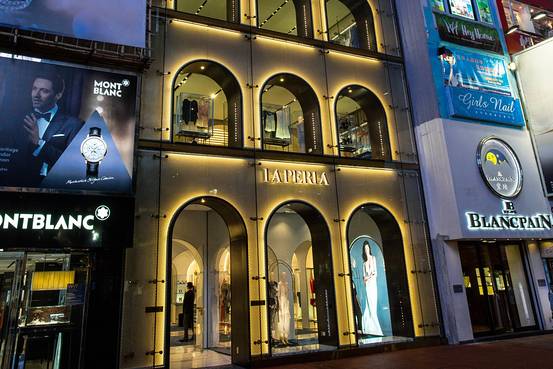
    Italian lingerie label La Perla is facing eviction and further legal action over unpaid rent on its Asian flagship store in Hong Kong, with its landlord seeking upwards of $5.1 million.

    The dispute came to light from a writ filed to a Hong Kong court last Thursday by Century Creations Ltd., the landlord of the premises at 22-24 Russell Street in Causeway Bay, against La Perla Far East Ltd. and its financial guarantor S.M.S. Finance S.A.–and despite the brand being given a rent reduction of more than 30 percent last year.

    La Perla and its prospective new owner Fosun International had not responded as of press time. Chinese conglomerate Fosun said in December it was to complete an exclusive 30-day due diligence period to buy a majority stake the brand from Italian businessman Silvio Scaglia’s Pacific Global Management, which also owns Elite Model Management.

    The boutique is a prominent four-storey location which includes a large LED screen on its facade. At the time of its opening, the 8,000 square foot store was said to the brand’s largest. It was leased commencing Sep. 8, 2015 for five years at the rate of 7.5 million Hong Kong dollars.

  • Bossini reports Bossini $12m interim loss

    Bossini reports Bossini $12m interim loss

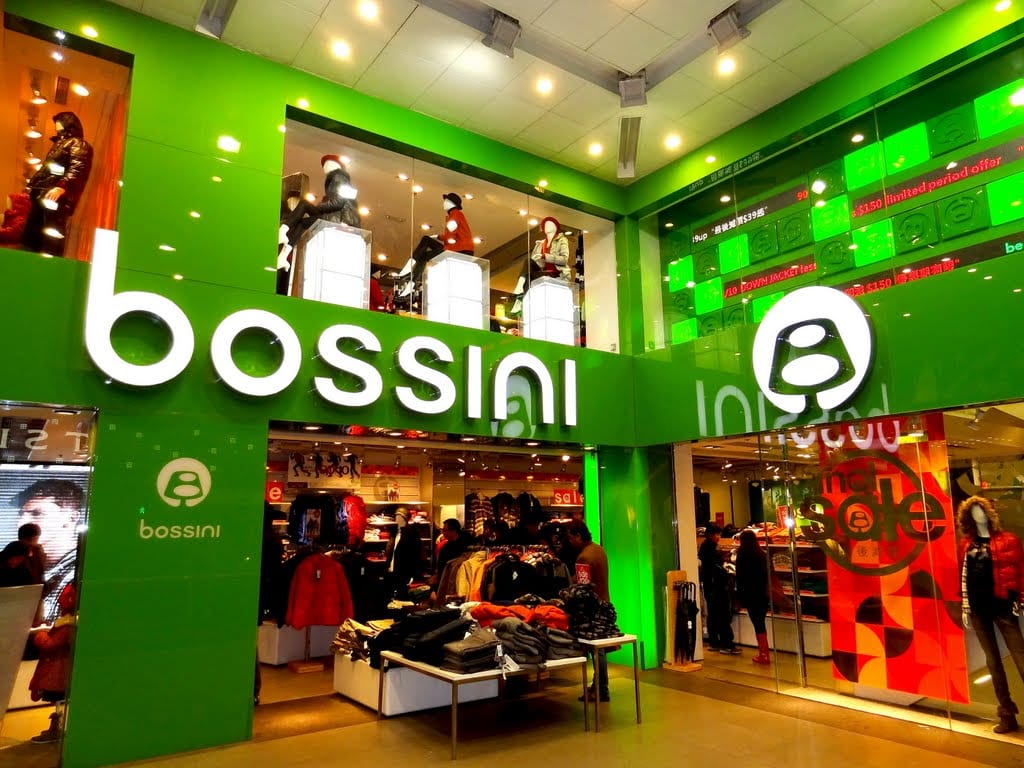
    Apparel brand Bossini International Holdings remains optimistic despite a slip in revenue and profit turning to loss for its six months to the end of December.

    It says growth is projected to continue rising in emerging markets and developing economies, supported by a favourable global financial environment and a concomitant recovery in advanced economies.

    “The regional picture is particularly encouraging as expansion in Mainland China and other parts of Asia remains solid, reflecting the strength of a broad-based upturn that saw global growth reaching its strongest rate since 2011. Mainland China is spearheading this long-overdue regional expansion, its economy having grown following two years of decline.

    “Hong Kong’s apparel retailing industry seems to have bottomed out after shrinking for consecutive years. Nonetheless, various downside risks remain evident, including geopolitical tensions, sudden capital outflows, policy indecisiveness and a sharp adjustment in Mainland China.”

    Bossini’s revenue for the six months fell by 5 per cent to HK$974 million (US$124 million), with gross profit slipping 1 per cent to $512 million.

    The group’s operating loss was $10 million with a -1 per cent operating margin, down from a positive 2 per cent a year earlier. Loss for the period attributable to the owners was $12 million, a switch-around from a $17 million profit 12 months earlier.

    Economic backlash

    Bossini says it weathered economic backlash from the China government’s “one trip per week” policy, more in-depth travel instead of retail shopping, and changes in tourist buying patterns. These factors hit retail sales in Hong Kong and Macau, which accounted for more than half of the group’s consolidated revenue.

    The drop in profit attributable to the owners was mainly because of the decrease in the profit derived from the retail and export franchising business in the Hong Kong and Macau segment. There was a 5 per cent drop in overall revenue and a 2 per cent decline in same-store sales for the period. However, same-store sales rebounded in the second quarter, particularly in China and Taiwan.

    Gross margin improved by two points to 53 per cent.

    Same-store sales in Hong Kong and Macau and Singapore declined by 4 per cent, an improvement over a 6 per cent decline the previous year, and 8 per cent (no change) respectively. Same-store sales in Mainland China and Taiwan grew 9 and 5 per cent (both had 2 per cent declines previously).

    Overall, same-store sales slipped by 2 per cent, an improvement on the previous period’s 6 per cent decline.

    At the end of the six months, the group had a presence in 29 countries and regions with  total 940 stores, the same as at June 30. The number of directly managed stores dropped by two to 282, while the number of franchised stores was 658, up two.

    Hong Kong/Macau remained the group’s core market and major contributor to the total revenue. A new outlet lifted the overall total number of stores to 41 while the export franchising business added five stores to the global network, taking the total to 656 across 25 countries.

    Mainland China had 166 stores (down two) comprising 164 directly managed stores and two franchises. Two non-performing stores in both Taiwan and Singapore were closed, giving both markets 16 outlets.

    During the six months, the group continued to launch its “on-the-go” collection to ride on the athleisure trend.

  • Retail AI startup Capillary Technologies raises $20 million

    Retail AI startup Capillary Technologies raises $20 million

    Capillary Technologies on Wednesday announced the raising of approximately $20 million over the past year from its existing investors, including Warburg Pincus and Sequoia Capital. The cloud-based software solutions startup uses artificial intelligence to enable top retailers such as Walmart, Starbucks and Dubai-based Al-Futtaim to smartly engage with their customers.

    With these funds, Capillary expects to strengthen its new product development, powered by AI and Machine Learning catering to Asia and other upcoming emerging markets. The company said it also plans to invest in the newly launched Consumer Goods vertical with its solutions.

    “More than 70% of these funds would be [spent] on AI and machine learning products,” said Aneesh Reddy, co-founder and CEO of Capillary Technologies. “We have a 25 member team for it. We are also funding a research team at IIT-Kharagpur.”

    The firm would also use the money to further strengthen its presence in China and the Middle East, besides penetrating further into Southeast Asia. The company said it will soon be opening its second office in China in Guangzhou and then another one in Beijing later this year.

    “We are pleased to continue to be a part of the company’s journey as the team further scales the business,” said Vikram Chogle, Principal, Warburg Pincus, in a statement.

    Reverse innovation

    Capillary, founded by IIT-Kharagpur graduates Aneesh Reddy, Krishna Mehra and Ajay Modani, launched the firm in India to solve the key pain points of the local retailers. Its innovation which helps retailers understand customer purchase behaviour through artificial intelligence later found the market in other countries.

    Capillary’s technology has now been used by more than 300 top brands across 25,000 stores in over 30 countries to enable easy and seamless consumer experiences. Some of them include Pizza Hut, Giordano, Bata and Puma. The firm expects to achieve a revenue of $100 million in the next three years, according to Mr. Reddy of Capillary.

  • Hong Kong’s Sa Sa cosmetics retailer pulls out of Taiwan

    Hong Kong’s Sa Sa cosmetics retailer pulls out of Taiwan

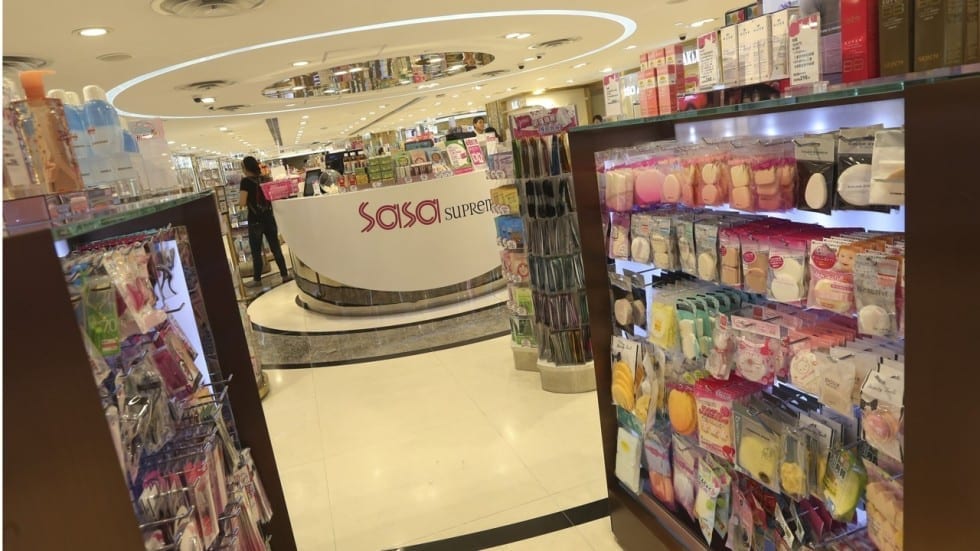
    Hong Kong’s largest cosmetics retailer Sa Sa International Holdings said Wednesday it will shut all its shops in Taiwan after losing money for six consecutive years.

    Sa Sa has 20 stores across the island according to its official website, and employs about 260 local staff. All the shops are expected to be closed by the end of March, the company said in a statement.

    The retailer’s Taiwan operation has been a drag on the group’s business, with turnover decreasing by 11.5% to 154.3 million Hong Kong dollars ($19.7 million) during the 10 months ended in January.

    “The group’s performance in Taiwan has been persistently weak, and the possibility of improvements is low into the foreseeable future,” said Simon Kwok, Sa Sa chairman and CEO.

    The Hong Kong-listed retailer operates about 280 shops — mostly in Hong Kong and mainland China — and employees about 5,000 staff. It also has operations in Singapore, Malaysia and Macau.

    Exiting the Taiwan market will allow Sa Sa to rationalize its resources to gear up for better opportunities in other markets and the development of e-commerce businesses, the statement said.

    The company said it believed the retail market in mainland China, Hong Kong and Macau would benefit from major infrastructure projects linking the mainland and the two special administrative regions, such as the Guangzhou-Shenzhen-Hong Kong Express Rail Link and the Hong Kong-Zhuhai-Macau Bridge. Both are expected to be officially rolled out this year.

    “To fully capture the opportunities that will arise from such developments, the group has decided to reorganize its business proactively by closing its loss-making operations in Taiwan,” the company said.

    While Sa Sa expects the store closures in Taiwan to result in a loss, it said the action will have limited impact on overall financial performance, as the affected stores only contribute about 2.5% of the company’s revenue.

    Sa Sa has been a popular brand with mainland tourists to Hong Kong, who contribute roughly 60% of the group’s revenue in the city. But its sales slumped in the past two to three years, as wealthy mainland shoppers traveled further afield for more diverse experiences.

    In the past few months, the company has recorded a robust performance in Hong Kong and Macau, thanks to the recovery in tourism. Sales in the two markets rose 8.1% to HK$1.89 billion in the quarter between October and December, compared with the same period last year.

    Turnover in mainland China, Singapore and Malaysia increased 13%, 3.6% and 3.9% respectively during the period.

  • Rewarding airport shoppers

    Rewarding airport shoppers

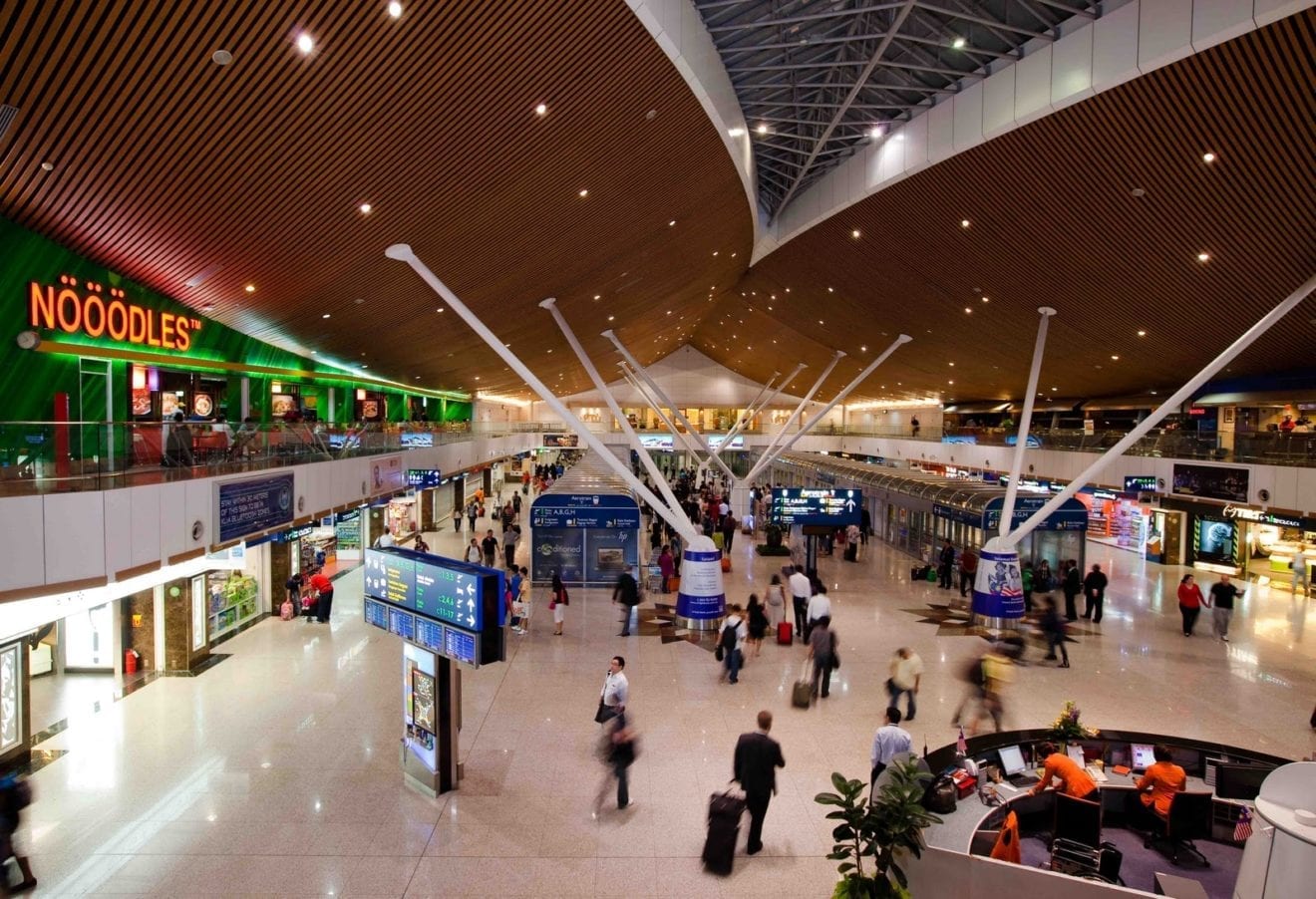
    Malaysia Airports (Niaga) Sdn Bhd, also known as Eraman, presented prizes to the winners of two contests during a ceremony held at Express, Level 3, Domestic Arrival, KL International Airport.

    The two contests, Shop & Stay and Dining Contest, launched in September and October respectively, are part of Eraman’s way to reward customers.

    The Shop & Stay Contest attracted thousands of entries.

    Malaysia Airports (Niaga) Sdn Bhd general manager Zulhikam Ahmad presented the prizes to all the lucky winners.

    He also expressed his delight over the good response both contests received.

    “It is great to see that Eraman has so many loyal customers and I would like to take this opportunity to thank everyone for their support.

    “These contests are our way of expressing our thanks to our loyal customers.

    “We hope that with these exclusive prizes, our customers will spend more at Eraman,” said Zulhikam.

    During the Shop & Stay Contest period, Eraman customers who spend a minimum of RM40 in a single receipt at Express are entitled to join the contest and win luxury hotel stays in Malaysia.

    These customers are also entitled to receive a RM10 cash voucher which can be redeemed at Chocolate Shop KLIA and the Duty Free Emporium International Arrival Hall, klia2.

    So far, two winners from each cycle – September-October, October-November and November-December – were presented with an exclusive holiday package of 4D3N stay at Shangri La Rasa Sayang Resort & Spa Penang, Tanjong Jara Resort, Terengganu and Hyatt Regency Sabah respectively, while consolation winners received RM100 worth of Eraman cash vouchers each.

    The six-month Shop & Stay Contest ends on March 14.

    One of the winners, Asmara Mansor from Kuching, Sarawak, said: “I feel very happy and blessed. I cannot believe I have won a holiday trip to Shangri-La Rasa Sayang, Penang.

    “I purchased some bread and buns at Express before my flight back to Kuching.

    “This is my second time winning a prize through Eraman. I won RM500 worth of Eraman shopping vouchers a few years ago. I guess I am lucky,” she said.

    Meanwhile, the Dining Contest which took place from Oct 1 to Dec 31 at Food Garden, rewarded three grand prize winners with two return flight tickets each to Krabi, Thailand (October winner), Bandung, Indonesia (November winner) and Hanoi, Vietnam (December winner).

    Three first prize winners received P10 Huawei smartphones while nine consolation winners were given Eraman cash vouchers worth RM100.

    “The Dining Contest managed to deliver what it set out to achieve.

    “This contest, a first for Food Garden, got the airport community and travellers to dine at Food Garden and create awareness of the many offerings that are available at Food Garden.

    “With the increase in passengers and new tenants such as Nasi Kandar and Alamin Food Empire, sales performance has increased overall, said Zulhikam.

    October grand prize winner Didayatul Adha Mohd Ros from Nilai, Negri Sembilan, said: “I plan to go to Krabi with my family during the school holidays in March. Thank you Eraman, for organising this contest,” she said.

    In conjunction with the Chinese New Year celebration, Eraman is also having Combo Deals for its customers.

    In addition to participating in the Shop & Stay Contest, customers can enjoy a combo of a drink and bun for RM2.50.

    On top of that, purchases of RM25 and above at Express as well as Eraman’s food and beverage eateries will entitle customers to a complimentary ang pow.

    Read more at https://www.thestar.com.my/metro/metro-news/2018/02/20/rewarding-airport-shoppers-retail-brand-gives-out-hotel-stays-and-flight-tickets-to-lucky-winners/#mIZBemyEtkF6WDPs.99

  • NEC Asia Pacific launches the NEC SL2100 Smart Communications System in Singapore

    NEC Asia Pacific launches the NEC SL2100 Smart Communications System in Singapore

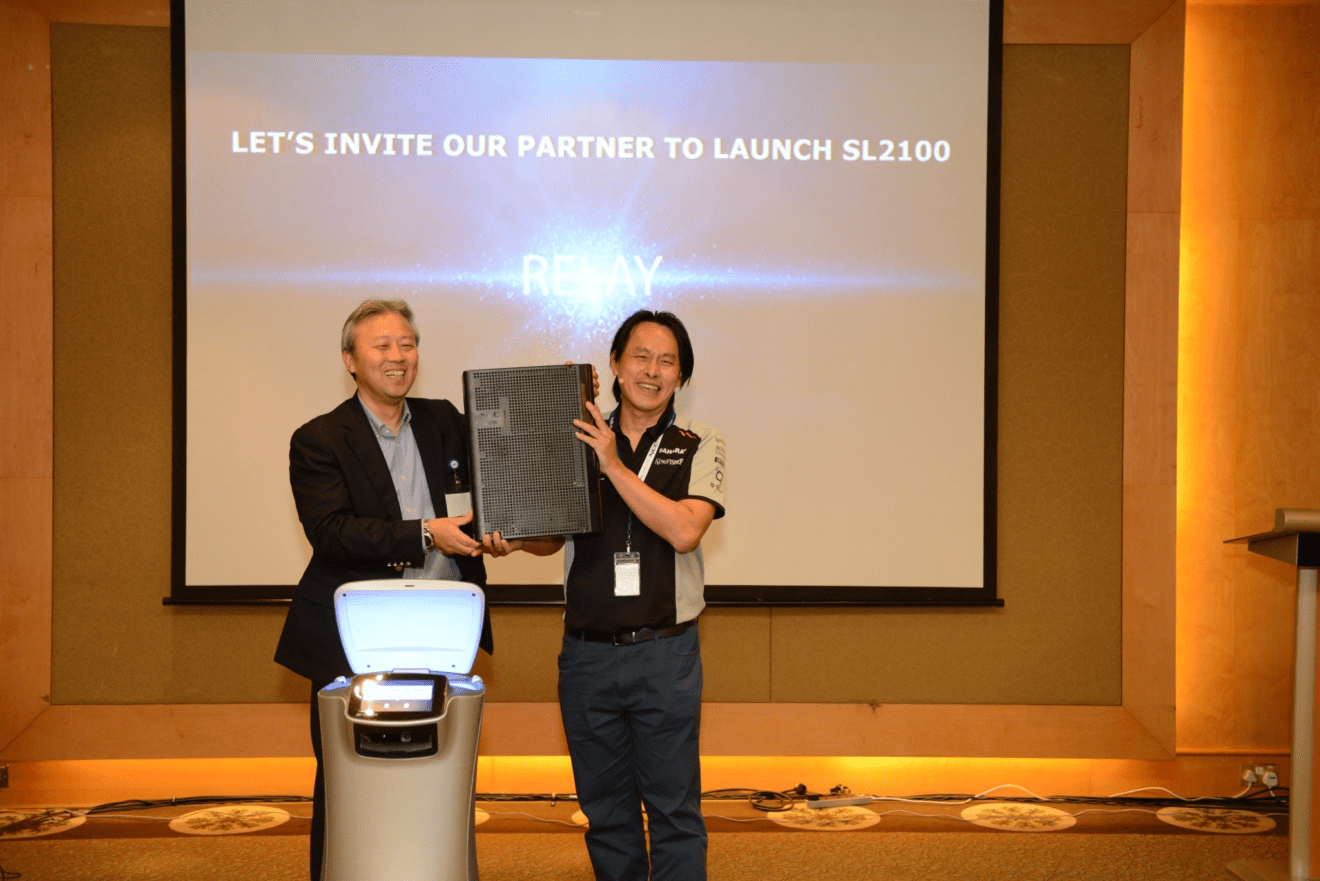
    NEC Asia Pacific held an event to officially launch the NEC SL2100 Smart Communications System in Singapore on 25 January 2018. The event was attended by over 70 participants consisting of partners and customers.

    The NEC SL2100 Smart Communications System is the newest and most advanced Server Message Block (SMB) communications platform that offers wide-ranging support for Voice over IP (VoIP), mobility and Unified Communications and Collaboration (UCC) features.

    “NEC’s new SL2100 offers industry specific features to meet the demands of small- and mid- sized businesses and to maintain high service levels. We are very excited to launch our Smart Communications System in the APAC region,” said Pablo Narata, Senior Manager, Global Platform Division, NEC Corporation.

    “NEC’s latest offering provides businesses with a powerful communication tool that is scalable and customized for each stage of the business. Through this launch event, we hope to influence more businesses to move to the Smart Enterprise Platform in order to generate a great customer experience,” said David Ooi, Vice President, Server and Networks Division, NEC Asia Pacific.


  • Interparfums and Bolloré Logistics Extend their Partnership

    Interparfums and Bolloré Logistics Extend their Partnership

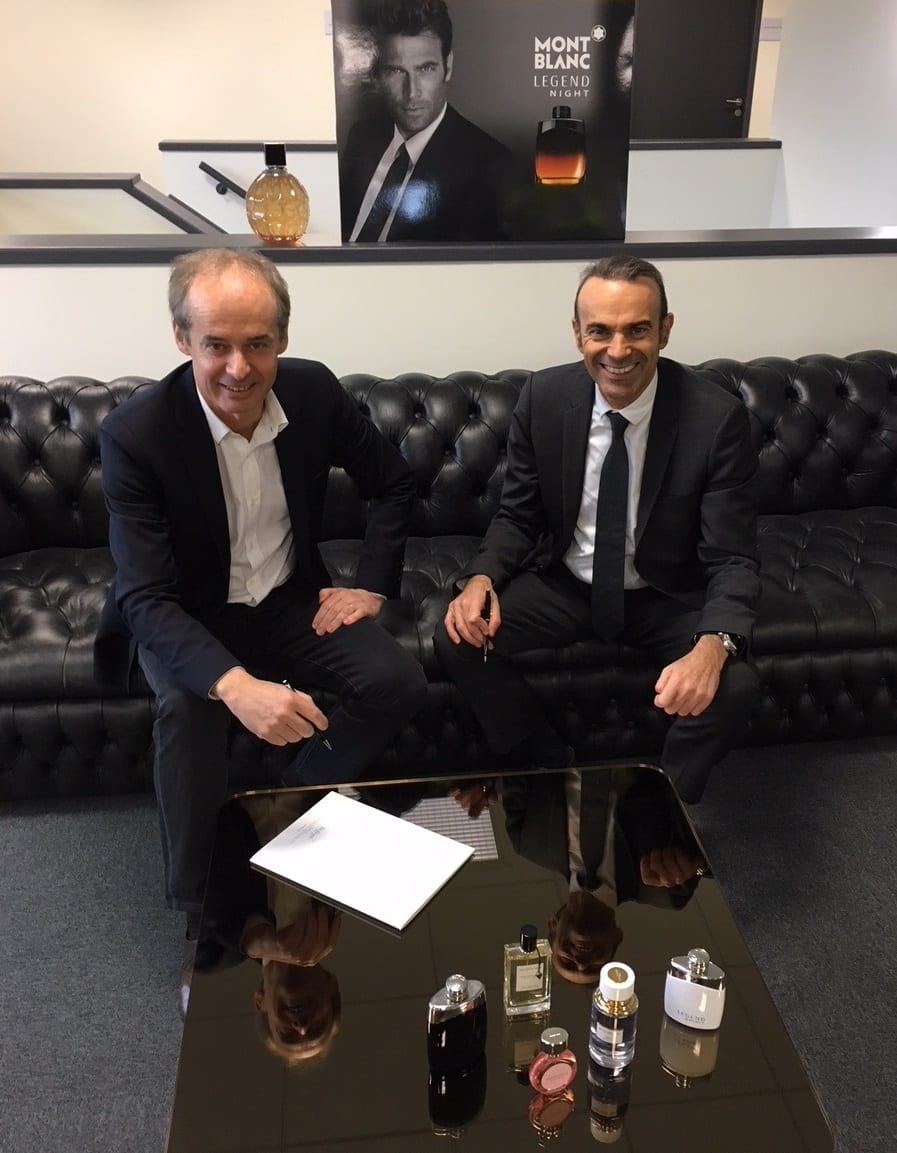
    Interparfums and Bolloré Logistics announce the extension of their partnership for a period of three years including 2018, 2019, and 2020.

    Interparfums is a French company that develops perfumes and cosmetics lines on the basis of global exclusive licensing agreements with luxury, fashion or accessories brands that include Montblanc, Jimmy Choo, Coach, Boucheron or Van Cleef & Arpels. They own Lanvin fragrances and Maison Rochas (fashion and perfumes). The company monitors and takes complete care of the perfume life cycle, from its creation to its distribution in France and internationally.

    Bolloré Logistics has accompanied the development of Interparfums’ logistics activities since 1994.

    The logistics partnership started in a 200 m² warehouse located in Petit Quevilly, Upper Normandy, and then was transferred to a dedicated warehouse of 9,000 m² in Grand Couronne in 2000, after which was expanded in 2003 to reach a surface area of 12,000 m².

    Given its strong growth, Interparfums continued their expansion with the construction of an additional 9,000 m2 building to reach a total surface area of 21,000 m2 in 2006. In 2011, activity at Grand Couronne was transferred to Criquebeuf sur seine in a 30 000 m2 building rented by Interparfums.

    To date, a construction permit for the creation of an additional 6,000 m2 cell of was issued with a delivery planned for the second quarter of 2018 therefore increasing the total surface area to 36,000 m2.

    The Bolloré Logistics branch in Grand Couronne provides upstream transport from the packers located in France in the Normandy, Centre Val de Loire and Hauts de France regions, as well as logistics services. It takes care of unloading, reception of products, storage and stock management, ordering, order preparation for France and global destinations by sea and air routes, transport planning, documentation management and returns, thanks to interfacing systems, Electronic Data Interchange (EDI) with Interparfums. Bolloré Logistics teams also provide monthly and annual inventories.

    Olivier Boccara, Global Sales Director at Bolloré Logistics, commented: “Interparfums is a historical customer who trusts us and we are proud to support during their expansion by providing quality logistical services that are recognized throughout this long partnership.”

    Philippe Santi, Deputy Managing Director of Interparfums added: “Bolloré Logistics has been a key partner in our development for many years. Their expertise in the perfumes and cosmetics sector, the quality of their processes and the professionalism of their local teams are for us key factors of success and allow us to offer a powerful service to all our customers worldwide.”

  • Starbucks Korea issues CPs to speed up domestic expansion

    Starbucks Korea issues CPs to speed up domestic expansion

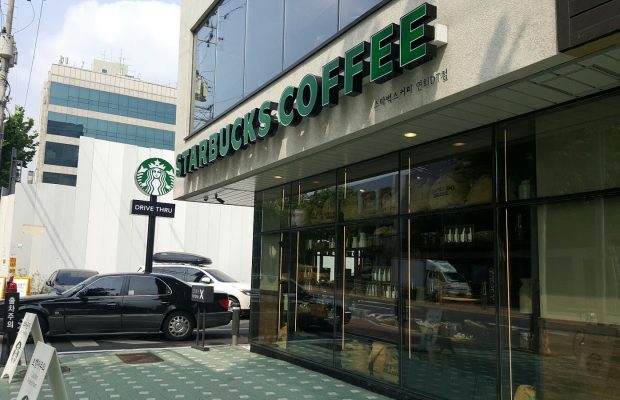
    Starbucks Korea recently issued commercial papers worth 30 billion won (US$28.07 million), possibly to further speed up its domestic expansion, according to news reports on Feb. 19.

    Seattle-based Starbucks is the nation’s No. 1 specialty coffee chain with about 1,100 outlets, followed by rival CJ’s A Twosome Place with 910 outlets. Its revenue hit the 1 trillion won mark last year for the first time as a coffee chain brand here.

    The Korean unit, a 50:50 joint venture with local retail giant Shinsegae Group, last year opened 130 new outlets nationwide, spending about 100 billion won. Sources said the firm is seeking to raise funds possibly to open about 150 new stores this year as part of its aggressive expansion plans.

    “We will continue to expand our presence here like we did last year,” a company spokesperson said. “We cannot confirm any details of the CPs now.”

    According to industry watchers, Starbucks Korea is issuing CPs as it has reduced its debt over the past years thanks to strong earnings. In the early years, the firm issued CPs to fund the expansion. Its debt reached more than 60 billion won five years ago but the figure dropped to 4 billion won by the end of last year.

  • Time to get serious about saving energy

    Time to get serious about saving energy

    A tax will never be welcome, but it can be timely. The carbon tax that Singapore will levy on large polluters from next year is one such example.

    The tax – details of which were announced yesterday by Finance Minister Heng Swee Keat – comes against a backdrop of rising temperatures and increasingly erratic weather.

    Last year was Singapore’s warmest year on record – excluding years influenced by El Nino, a weather phenomenon associated with hot and dry weather in this part of the world. The Republic is also experiencing more bouts of intense rainfall – such as the one on Jan 8 that led to flash floods in its eastern parts.

    That these effects can already be felt here highlights the urgent need for action. And a carbon tax is one direct way to tackle climate change – by trying to get large polluters to reduce the emission of greenhouse gases.

    Singapore’s introduction of a carbon tax is also in line with carbon pricing strategies adopted by other countries to reduce greenhouse gases.

    As Singapore marks its Year of Climate Action this year, its move to get ready for the roll-out of the carbon tax next year shows how serious it is in tackling the global threat of climate change.

    About 67 countries and jurisdictions, including China, the European Union and Japan, have implemented or announced plans to implement carbon pricing schemes, which incentivise emitters to reduce their greenhouse gas emissions and improve energy efficiency.

    In Singapore, the carbon tax will initially be set at $5 per tonne of greenhouse gas emissions until 2023, although the plan is to increase this to between $10 and $15 per tonne of emissions by 2030.

    This will be levied on the 30 to 40 companies responsible for the lion’s share of emissions here, but households will experience a knock-on effect – a 1 percentage point increase in total electricity and gas expenses on average, Mr Heng said.

    As the implementation of the carbon tax next year follows the full liberalisation of the retail electricity market in the second half of this year, households will be able to choose which retailer they wish to buy electricity from.

    Professor Euston Quah, head of the economics department at the Nanyang Technological University, said competition will put pressure on energy retailers to keep their prices competitive by not passing on the full cost of the carbon tax to consumers.

    The impact of the carbon tax will also be cushioned by the additional utilities rebates that eligible HDB households will get from next year to 2021.

    This gives consumers some time to form energy-saving habits, which could include turning off power at the socket when appliances are not in use, or using more energy-efficient appliances.

    The introduction of the carbon tax is a timely move which reminds both companies and individuals that it is time to get serious about saving energy.

  • Thai low-cost carrier Nok Air pins turnaround on more China, India flights

    Thai low-cost carrier Nok Air pins turnaround on more China, India flights

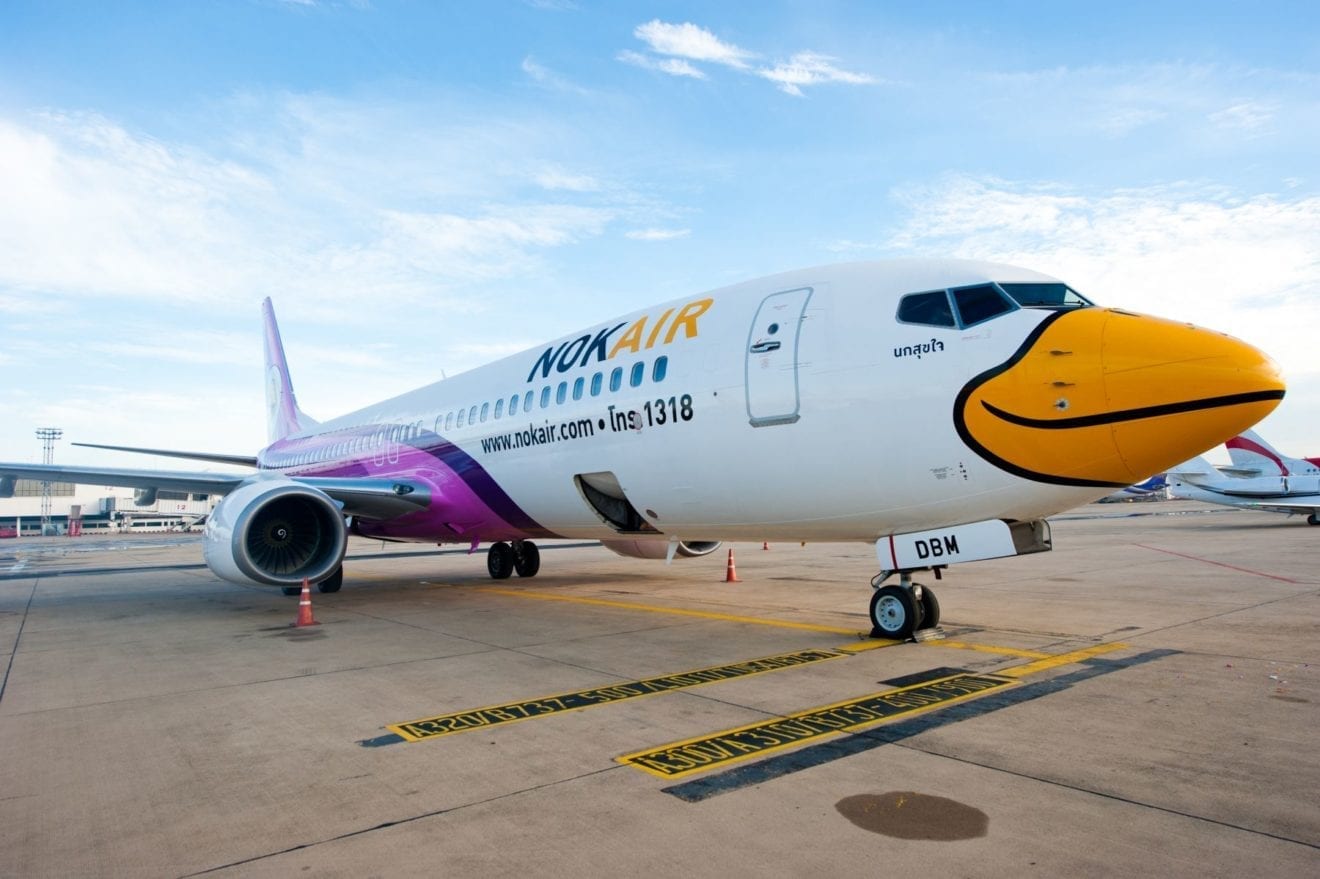
    Nok Airlines Pcl, the struggling low-cost subsidiary of Thai Airway International Pcl, aims to turn around operations by growing international revenue with more flights to China and India, a top executive said on Monday.

    The carrier, which posted a loss of 1.85 billion baht ($58.95 million) last year, aims to increase revenue by 3 billion baht this year from 20.4 billion baht in 2017, by carrying 9 million passengers, 4 percent more than a year prior, Chief Executive Piya Yodmani said.

    He also said the carrier aims to increase revenue from international operations to 40 percent of its total from 20 percent a year earlier.

    Piya, who took over as CEO in September after the resignation of Patee Sarasin, said Nok targets aircraft utilization of 12 hours, up from 10.4 hours in 2017, with more red-eye flights and routes in China to boost earnings as Chinese tourist arrivals surge in Thailand.

    “We are waiting for approval to fly into three cities in India with the possibility of increasing routes there,” Piya said.

    Hotel and retail groups are among the main beneficiaries of a Thai tourism boom, while Thai airlines struggle with competition and fuel costs.

    Nok is deferring delivery of 8 Boeing Co 737-MAXs to next year through 2021 due to a “red ocean of competition,” Vice President Surachart Angkasuwan said.

    Tourism accounts for about 12 percent of Southeast Asia’s second-largest economy, with the country expecting 37.55 million arrivals this year, up 6.1 percent from 2017.

  • Rosy results picture for HSBC

    Rosy results picture for HSBC

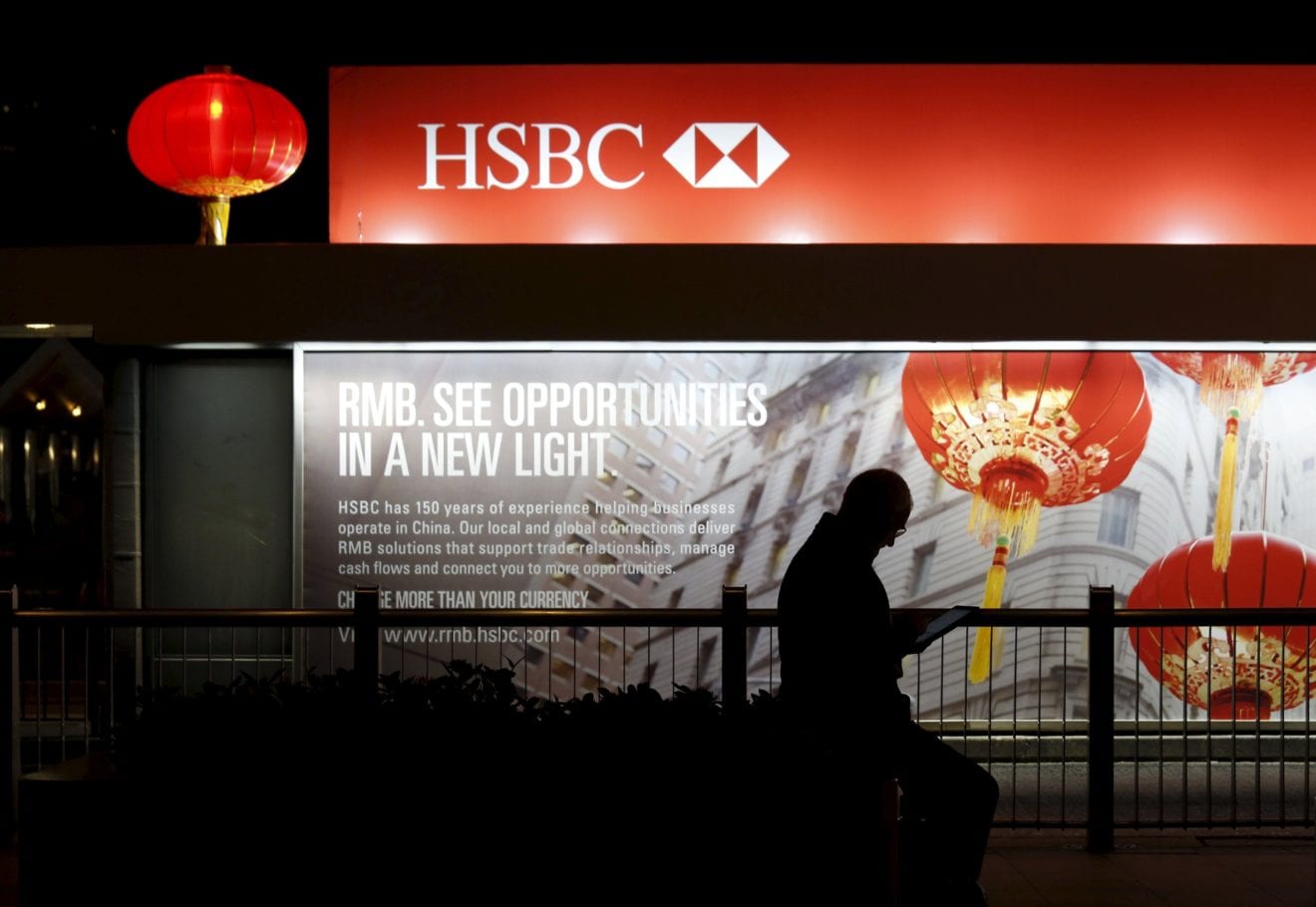
    HSBC Holdings releases its annual results this week and many investment houses seem positive.

    Goldman Sachs expects the total amount of share buybacks of the banking group to hit US$3 billion (HK$23.4 billion) this year and the dividend payout to be maintained at 51 US cents per share.

    The conglomerate has had three public repurchases in the past, ranging from US$1 billion to US$2.5 billion.

    It will record a US$3.7 billion profit before tax for the fourth quarter of the last financial year while the average market expectation is US$3.9 billion, up 49 percent from its result last year, Goldman Sachs added.

    Investors will tend to focus on the company’s retail business performance in Hong Kong in the fourth quarter last year when the local stock market surged and the interest rate grew, both of which should have benefited the HSBC’s wealth management and insurance business, Goldman Sachs said.

    According to the prediction made by analysts from Bloomberg, the company should see approximately US$20.35 billion annual adjusted profit before tax, growing 5.4 percent year on year. Internal securities and analysts from HSBC are more positive, forecasting a 10.4 percent annual growth in adjusted profit before tax to US$21.31 billion and a 7.6 times year on year gain in net profit to US$11.33 billion.

    However, China Goldjoy Asset Management managing director Matthew Kwok is not expecting too many surprises.

    He said the banking group is unlikely to have a large growth in net profit, plus the switch of management should drag the public attention to new strategy developments, though he agreed that HSBC has sufficient capital for share buybacks.

    Stuart Gulliver, chief executive of HSBC, will leave the position this week after the results’ announcement.

    Recently, he reportedly said the banking giant is unlikely to exercise any spinoff after many years of business restructuring.

    For a long time English politicians have been critical of HSBC for its merger and acquisitions in earlier years “have led the company to the stage of being hard to manage,” but now Gulliver said such concerns have faded.

    With the hope of an excellent result, the banking group’s stock price rose in Hong Kong before the Lunar New Year holiday and surged to HK$83.55 on the last trading day.

    Last October, HSBC released its third quarter result and signaled its pivot to Asia was paying rich dividends as quarterly profits leaped fivefold, and that it will continue placing strong investments in the mainland over next few years.

    The bank makes more than half of its profits in Asia, and its regional pivot is centered around the Pearl River Delta with plans to bolster its retail and wealth management business.

    Back then, Gulliver said that the group expected sustainable profit efficiency from the region.

  • Now you can WhatsApp and fly with AirAsia

    Now you can WhatsApp and fly with AirAsia

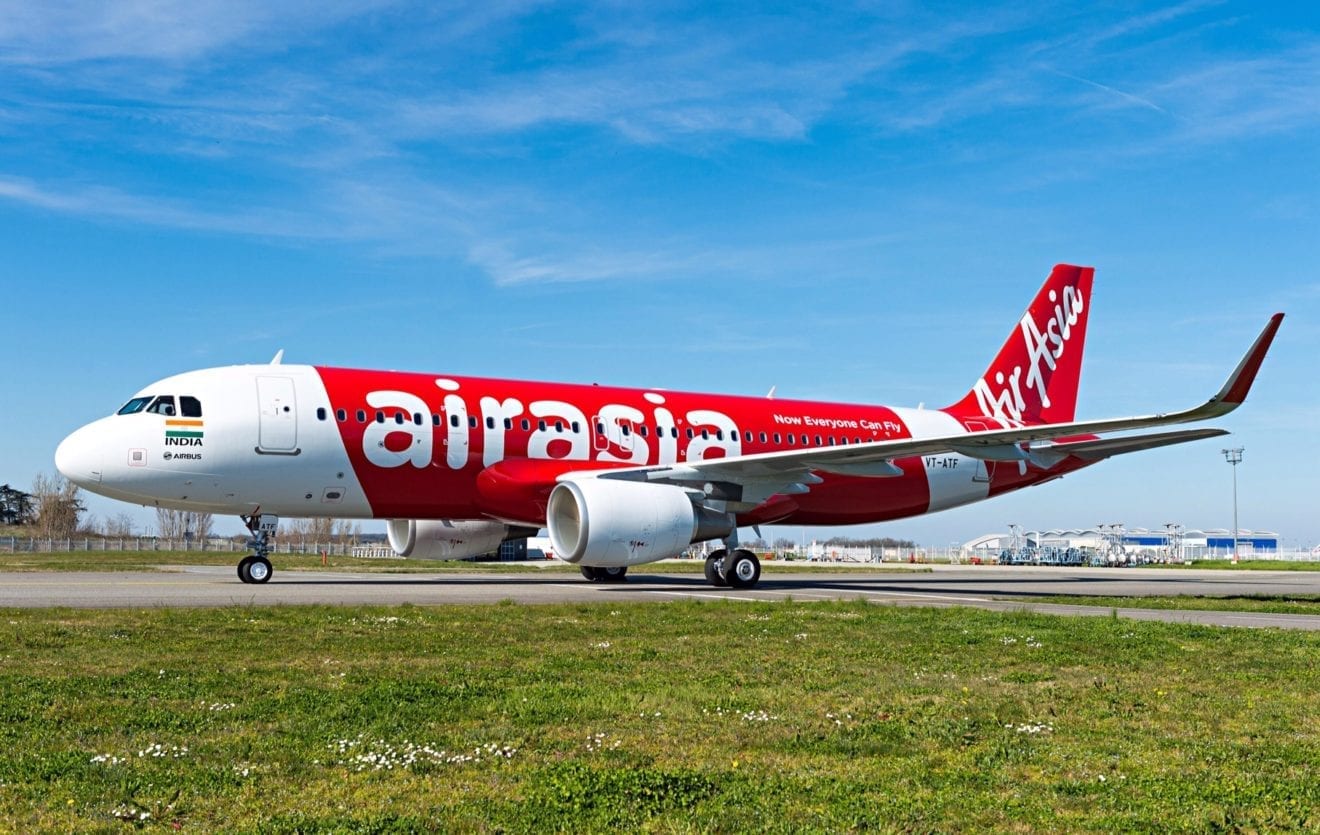
    Members of AirAsia’s loyalty programme will be able to enjoy free in-flight Internet on carriers with ROKKI WiFi starting from today.

    All AirAsia BIG members will receive 2MB chat plans for apps WhatsApp, WeChat, LINE, KakaoTalk and Viber that can be activated when they fly on ROKKI-enabled flights.

    Rokki chief executive officer Lalitha Sivanaser said the company recognised the importance of staying connected on the move, even during a flight.

    “Connectivity is integral to our lives. We hope this free inflight Internet will help guests stay in touch with their friends and family and get the latest updates no matter where they are.

    “ROKKI is continuously advancing the digital transformation on board, further enhancing the inflight portal that offers entertainment, news, and exciting shopping deals on their personal mobile devices while flying,” added Sivanaser.

    To redeem the plan, BIG Members need only connect to the ROKKI portal using their AirAsia BIG login details.

    The experience is available on any of AirAsia’s 44 ROKKI-enabled aircraft with free connection via personal mobile device.

    ROKKI is an inflight entertainment and connectivity platform that offers guests free entertainment, music, games and news, as well as shopping features.

  • Renault partners with Chinese online retail giant

    Renault partners with Chinese online retail giant

    China, a strategic market for Groupe Renault, is the top priority in the company’s new mid-term plan, “Drive the Future.” The Chinese joint venture, Dongfeng Renault Automotive Company, has set a target of 400,000 passenger cars sales by 2022 based on nine local models.

    “One of the key objectives of returning to Formula 1 was to leverage its global platform for Groupe Renault,” said Cyril Abiteboul. “China has been identified as a market of strategic importance and partnering with high-profile companies like Alibaba’s Tmall will provide opportunities to significantly improve Renault brand awareness and opinion in China, with a strong presence over the Chinese Grand Prix in April, but also throughout the year.”

    “We are excited to partner with the Renault Sport Formula One Team to make our activity around the Chinese Grand Prix a success and to be working closely together to bring one-of-a-kind experiences with the Renault Sport Formula One Team to our customers,” added Wei Yu, General Manager of Tmall Auto.”

    Alibaba Group’s mission is to make it easy to do business anywhere. The company aims to build the future infrastructure of commerce. It envisions that its customers will meet, work and live at Alibaba, and that it will be a company that lasts at least 102 years.

    Launched in 2008, Tmall caters to consumers looking for branded products and a premium shopping experience. A large number of international and Chinese brands and retailers have established storefronts on Tmall. According to iResearch, Tmall was China’s largest third-party platform for brands and retailers in terms of gross merchandise value in 2016. Tmall is a business of Alibaba Group.

  • The Macallan pursues ‘Quest’ with global travel retail rollout

    The Macallan pursues ‘Quest’ with global travel retail rollout

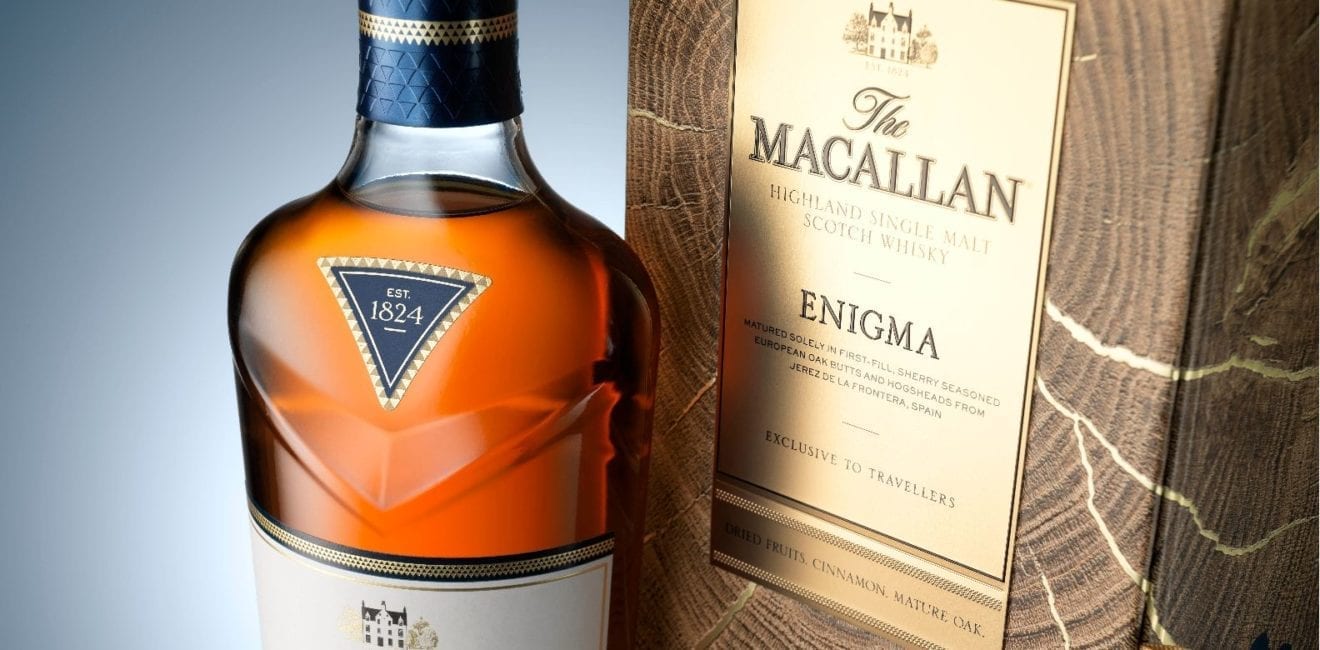
    The Macallan Quest Collection has launched in global travel retail following a month-long exclusive tie-up with DFS Group at Singapore Changi Airport.

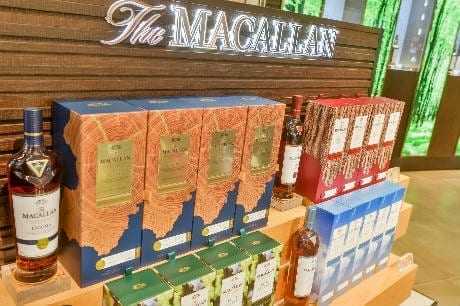
    Quest, unveiled to members of the press during TFWA WE, initially launched across all four of Changi’s terminals in January and will now be available on-shelf at key airports globally.

    A giant, rotating bottle cut-out display housed in an illuminated diamond-shaped glass showcases Quest’s four different expressions at Changi.

    As part of the promotion, shoppers were taught more about the collection via interactive displays that emphasised the cask story and flavour of the four expressions.

    This twinned with food pairings and complimentary postcards to act as an additional incentive to purchase.

    Brooke Supernaw, Senior Vice President, Spirits, Wine & Tobacco at DFS Group, commented: “The Macallan Quest Collection embodies the innovation, storytelling and dedication to quality which have made The Macallan such a powerful brand in the single malt category.

    “This partnership and exclusive launch are especially significant for DFS, as we continue our own quest to offer fresh, engaging and exciting experiences to delight travelling customers at our airport and downtown stores around the world.”

  • The Bitcoin Party is Over. The Blockchain Party has just Begun.

    The Bitcoin Party is Over. The Blockchain Party has just Begun.

    Confidence in cryptocurrency markets may have taken a major hit in recent weeks, but the same cannot be said of the value of the technology it relies on – the blockchain. Bitcoin’s price plunged this week to less than US$11,000, from almost US$20,000 in mid-December, after South Korea announced that all anonymous accounts, foreigners without local banking services and minors would be banned from trading on exchanges from January 30.

    But, particularly in Southeast Asia, much confidence remains that the blockchain technology underlying bitcoin can be adapted to drive development in everything from bank remittances to electoral rolls and health care records.

    Essentially, a blockchain is a digital ledger – a continuously growing list of records, called blocks, that are designed to be resistant to modification. Blockchains enable information to be shared in peer-to-peer networks, and because the data in any given block cannot be altered without altering all subsequent blocks, they are secure against fraud.

    It’s this quality that has raised hopes it can be adapted for a wide range of uses beyond the financial sector. In Singapore, the monetary authority has launched extensive blockchain research efforts, while its members have formed a blockchain-based trading network with Hong Kong, to be rolled out early next year.

    Indonesia’s Central Bank is following Singapore’s lead with its own research programmes, according to Eni Panggabean, head of payment system policy and the oversight department.

    “There is nothing wrong with the blockchain technology and it can be utilised in various sectors,” she said, adding that research was still in its early stages.

    Malaysia, meanwhile, is seeking to develop global blockchain standards with industry groups predicting the technology will be in widespread use by 2025. In Australia, the government has invested A$8.6 million (US$6.9 million) into a blockchain project by Perth company Power Ledger, in which energy is exchanged between households during periods of excess or shortage.

    And even in the midst of South Korea’s clampdown on bitcoin, the science and technology minister Yoo Young-min has gone on record as saying that blockchain should be considered quite separately from the volatile trading scene.

    Rob Hanson, senior research consultant at Australia’s Commonwealth Scientific and Industrial Research Organisation (CSIRO), said blockchain’s potential was “fundamentally as an anti-fraud tool”.

    “Blockchain is a term charged with excitement and confusion,” Hanson said. “It is a technology that lets anyone record transactions in a way everyone can see and trust … For governments, the obvious areas to focus blockchain research on are those where it would produce the greatest public good.”

    Southeast Asia is ripe for such innovations.

    “In Vietnam, health care records are a key area that blockchain could disrupt in public services,” said Nicole Nguyen, head of corporate marketing at Infinity Blockchain Labs in Ho Chi Minh City. “Regulation technology is also an area that government is very excited about.”

    Blockchain technology could also be used to host government registries, improve supply chain visibility and efficiency – especially in archipelago countries like Indonesia and the Philippines – and speed up international remittance payments, according to a CSIRO research paper.

    And Steven Suhadi, chief executive of Jakarta-based blockchain start-up Blocktech, said it could boost traceability and transparency across governmental agencies, potentially helping with anti-corruption efforts.

    Even so, multiple challenges remain before blockchain can achieve widespread adoption.

    On a government level, Hanson said more research was needed to develop adequate regulation that ensured the technology was efficient and did not “erode trust and confidence in the democratic process – which ironically is what a blockchain would be trying to strengthen”.

    “Blockchain uses a lot of computer power in order to create the trust we value. These costs are hidden in systems like bitcoin because of the cryptocurrency reward paid to the people who provide their computers for this purpose,” he said.

    Hanson said authorities needed to decide whether they were going to use a public network of computers to support their blockchains, or run all the computers themselves.

    He urged governments not to act too hastily to adopt the technology.

    “The problem with the amount of excitement around blockchain is that people are treating it like a silver bullet and are more interested in finding a use for blockchain than in finding the best way to solve the problems they face,” he said. “There should be a good reason for using a blockchain, and that reason should not be because other people are using it and you don’t want to miss out.”

    For Nguyen, blockchain’s supporters must also overcome the uncertainty generated by the recent cryptocurrency trading frenzy – and the heavy-handed reaction from countries such as South Korea.

    The adoption of cryptocurrency, that would affect the blockchain industry,” she said. “But on the other hand, it could make more people intrigued by the ecosystem itself and deploy this tech for other applications. That’s where the magic of blockchain would kick in.”