Tag: asia

  • FedEx Opens Shanghai Hub, Prepares for A Surge On eCommerce in Asia

    FedEx Opens Shanghai Hub, Prepares for A Surge On eCommerce in Asia

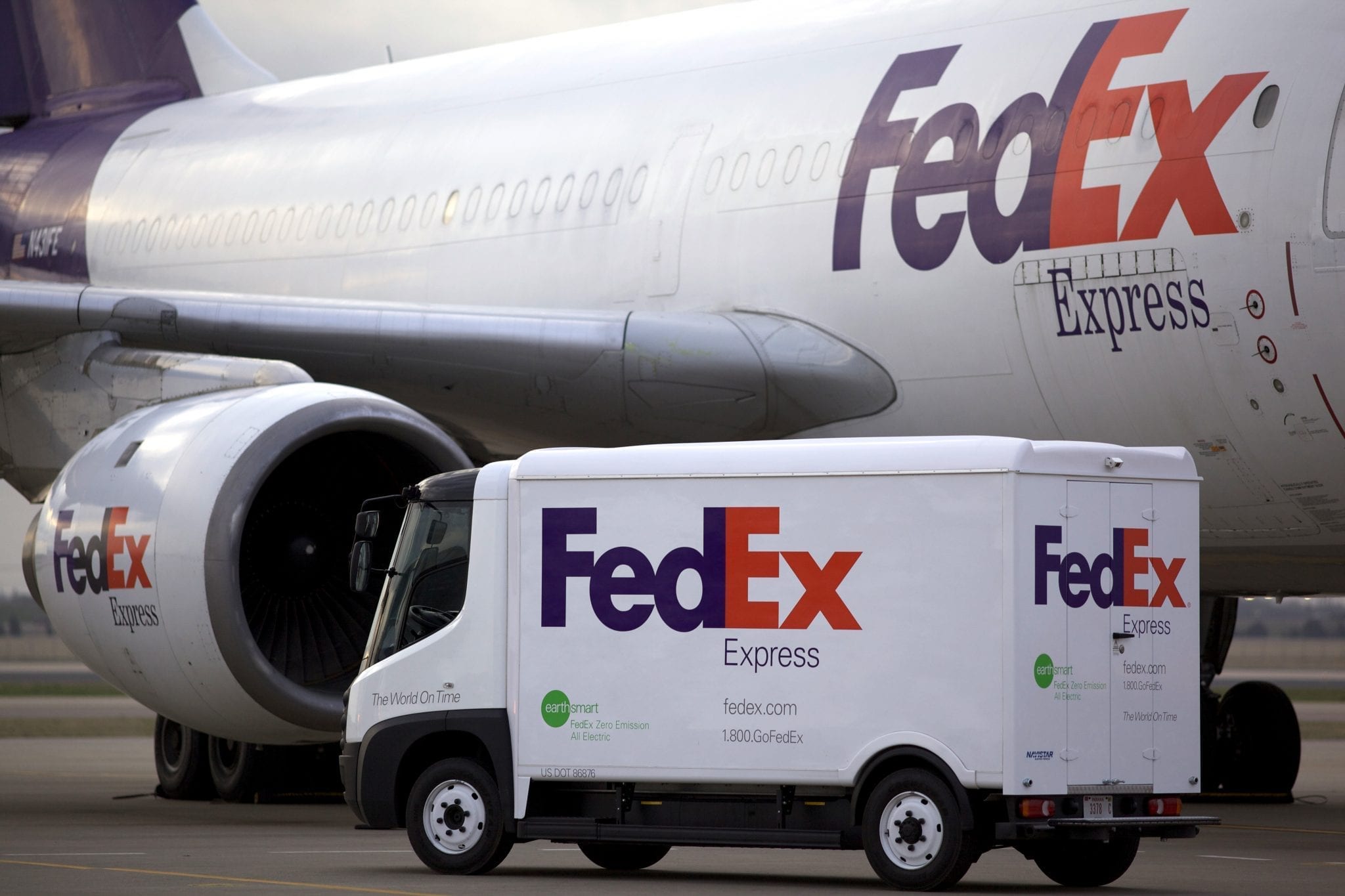
    FedEx recently opened its 1.4 million square foot Shanghai Pudong International Airport hub on January 8. FedEx’s new hub is now considered as the largest of its kind, installed with the latest sortation technology temperature-controlled storage.

    FedEx Corp. anticipates a growth in online transactions in China as the company opens its new hub in the country. Air cargo volume in China has grown steadily together with the demand of cross-border eCommerce market.

    It is approximate that the value of goods to increase to at least 43 percent to $117 billion this year. China’s air cargo volume is projected to increase to at least 6.2 percent in 2018, which is now considered as the biggest gain in the past 7 years, according to China’s Civil Aviation Administration.

    “There’s an opportunity to bring a lot of products and a lot of convenience to the Chinese consumers… With the wealth of Chinese consumers and the worldliness of Chinese consumers, they’re going to demand goods from the U.S. and Europe and parts all over the world,” David Cunningham Jr. Chief Executive Officer of FedEx Express

    China’s growing demand for cross-border eCommerce

    FedEx says that their latest facility can send real-time information such as shipment and flight status to its customers’ mobile smartphone devices. The hub also has dedicated areas for entry-exit inspection and quarantine to speed the customs clearance process.

    China’s growing demand for cross-border eCommerce has generally increased for the past 10 years, urging carriers to reorient their operations to mainly focus on the Chinese Market.

    United Parcel Service Inc. has now set up at least $10 million venture with SF Holding Co. in Hong Kong in May to cater to the growing demand of the Chinese Market. FedEx currently operates 66 flights in and out of the Shanghai hub each week.
  • Uniqlo launches in the Netherlands

    Uniqlo launches in the Netherlands

    Japanese retailer Uniqlo has entered the Netherlands, with a debut Dutch store launching in Amsterdam.

    The Fast Retailing flagship brand, after months of speculation, has confirmed it will enter the Dutch market in the autumn of 2018.

    Located on Amsterdam’s busiest shopping street, Kalverstraat, the three-level, 2,040 square-metre-store has a secondary entry for shoppers to access to the store via Rokin, opposite Canadian retailer Hudson’s Bay. The building served as the home of US retailer Forever 21, until early 2018.

    The Amsterdam flagship will boast collections for men, women, children and infants, as well as key collections like LifeWear.

    “Amsterdam is well known for its relaxed and casual lifestyle. I believe our LifeWear, designed around core items such as Denim, Ultra Light Down outerwear, Extra Fine Merino knitwear and more, will be a perfect match for the people of Amsterdam. Our entry into the Netherlands marks the next step in our plans to grow our presence in the Benelux region,” said Taku Morikawa, Chief Executive Officer at Uniqlo Europe.

    Europe has been expansion point for the Japanese retailer in the past twelve months. In May 2017, Uniqlo debuted a European distribution centre in Oud-Gastel in the Netherelands, in partnership with Ceva Logistics.

    At the time, Uniqlo said it plans to take its European store count to 100 outlets over the next three years, in a bid to strengthen its retail presence outside of Asia.

    With the opening of the Amsterdam store, the Netherlands serves as the eighth European market for the fashion giant.

    Uniqlo is owned by Fast Retailing, which also operates Comptoir des Cotonniers, GU, Helmut Lang and J Brand. It boasts 1,900 stores, in 19 markets worldwide including Asia, Europe and the Americas.

  • Chanel invests in Farfetch for digital retail push

    Chanel invests in Farfetch for digital retail push

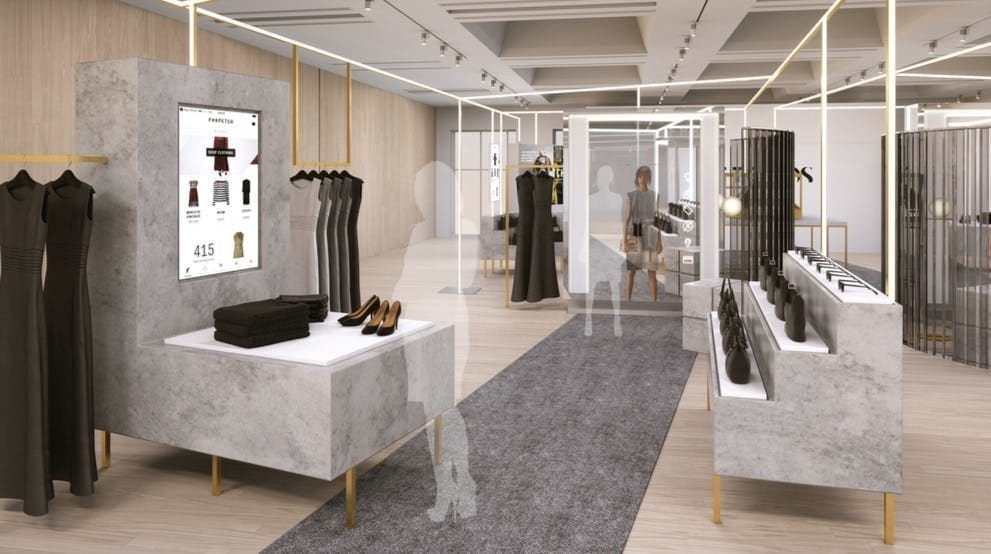
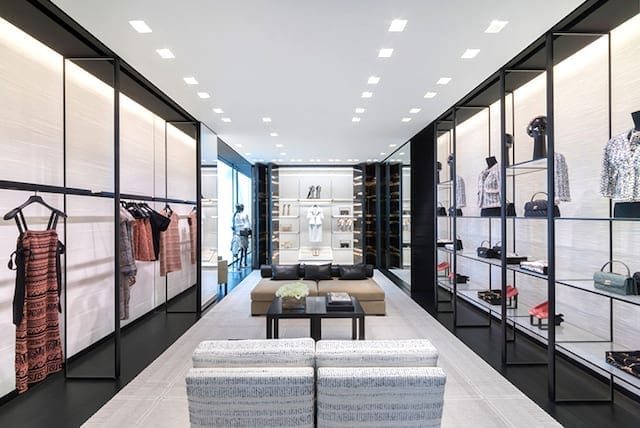
    In an effort to become more digitalized, Chanel has tapped e-commerce firm Farfetch, consolidating the partnership with a minority stake purchase in the UK retailer.

    The French couture house looks to develop digital communication such as chats to connect Chanel clients with store assistants.

    Privately owned, Chanel is known for its reluctance to digitize or stock itself in multi-brand retailers, adding to the allure and rarity of the brand.

    With the Farfetch deal, the label will still not sell its luxury fashion and apparel online, but will solely work with the platform on digital innovations linked to customer services in the coming years, said Bruno Pavlovsky, Chanel’s fashion president.

    Smartphone applications — allowing people to select their preferences and sizes on their phones before visiting a store, are in works and will let shop assistants better cater to individual needs, Pavlovsky said.

    Meanwhile, in store, shoppers will be able to preselect items as they browse, rather than wait for a sales associate to help them.

    The deal is the first of its kind for Farfetch. In 2015, Farfetch launched the Store of the Future division, and acquired London boutique Browns, serving as a playground for innovations in omni-channel retail technology and ‘augmented retail’.

    It’s the latest move from a luxury brand to tap Farfetch and other digital savants like it, in a bid to lure younger or more teched-out shoppers.

    Burberry announced a new deal with Farfetch that will see its full range being made available to shoppers in 150 countries on the Farfetch platform. It also means that its entire global inventory will be available to e-buyers for the first time.

  • Visa now accepted at all 7-Eleven stores nationwide

    Visa now accepted at all 7-Eleven stores nationwide

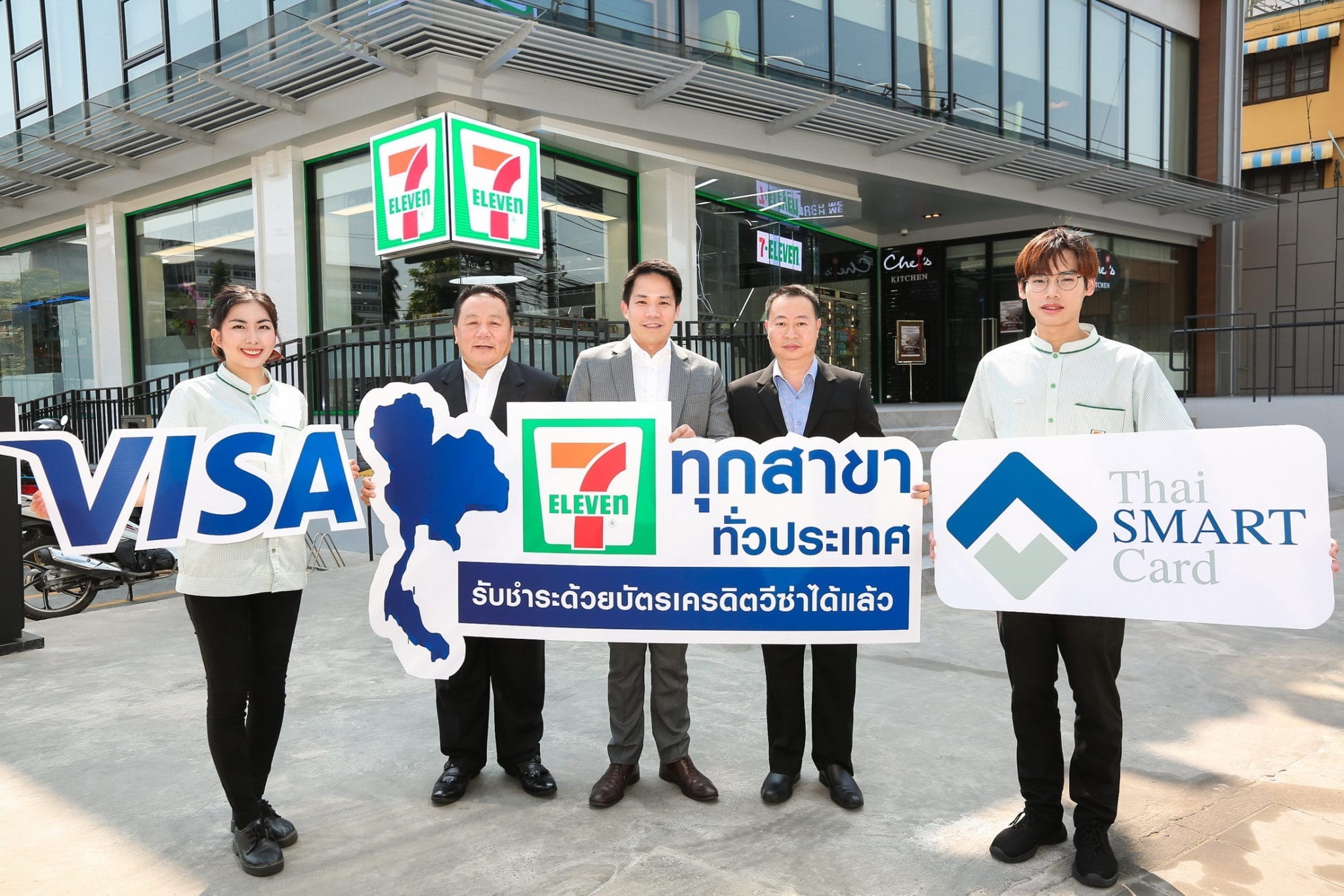
    Visa, the world’s leader in digital payments, announced the complete rollout of credit card acceptance at all 7-Eleven convenience stores nationwide.

    Expanding acceptance points is crucial to the National ePayment Plan and will help accelerate Thailand on the journey to become a full-fledged digital economy. The program was first piloted last year in selected 7-Eleven stores with high tourist traffic and has since gradually branched out across the country.

    Suripong Tantiyanon, Country Manager, Visa Thailand said: “The partnership between Visa, Thai Smart Card and 7-Eleven is an important chapter in the digital transformation of commerce in Thailand. It is an exciting milestone for our cardholders, who can now pay with any Visa credit card, including contactless, when shopping at 7-Eleven. It is a great opportunity for more people to experience the convenience and security of digital payments.”

  • VIP.com, first Chinese partner of the London Fashion Week

    VIP.com, first Chinese partner of the London Fashion Week

    The new relationship is truly special as this is the first time a Chinese retailer becomes an Official Sponsor of London Fashion Week. Vip.com will be working closely with British brands to help them launch in its hugely lucrative and ever-expanding home territory.

    “The fashion market in China is extraordinarily sophisticated and fast paced, and hungry for new design talent,” says Jenny Jioe, Managing Director of Fashion at Vip.com. “Our consumer is aware of London’s creative pedigree, and ready for both news and product. I know from first-hand experience that the brands in London, with all their energy and unbridled creativity, are precisely what we are looking for.”

    Vip.com is one of China’s top 3 ecommerce retailers, with annual retail sales of $11.2b, 57.8million active customers, over 335million orders in 2017, and eight individual international sourcing offices. In 2016 Forbes ranked Vip.com as No.2 in its top 100 companies with the highest growth.

    London Fashion Week is a renowned launch pad for emerging fashion talent. “The nature of working with so many new businesses, is that they don’t have the advertising power of the global fashion brands,” says Caroline Rush, Chief Executive British Fashion Council. “What they have is incredible products that a fashion-forward Chinese consumer is going to love. Our role is to shine a light on these businesses and work with our partners at Vip.com to introduce these brands to a highly engaged audience in China.”

    The new partnership takes sponsorship at London Fashion Week into new, global realms of business and marketing savvy. “We are going to stage a show that is exclusive run by Vip.com,” says Paul Tyce, the Chinese e-commerce site’s UK country manager. “We will offer live streaming to our customers in China, in-depth cooperation with designers, and fashion and art exhibitions. This isn’t just about title sponsorship.”

  • ShopBack searching for Singapore’s biggest online shopaholic

    ShopBack searching for Singapore’s biggest online shopaholic

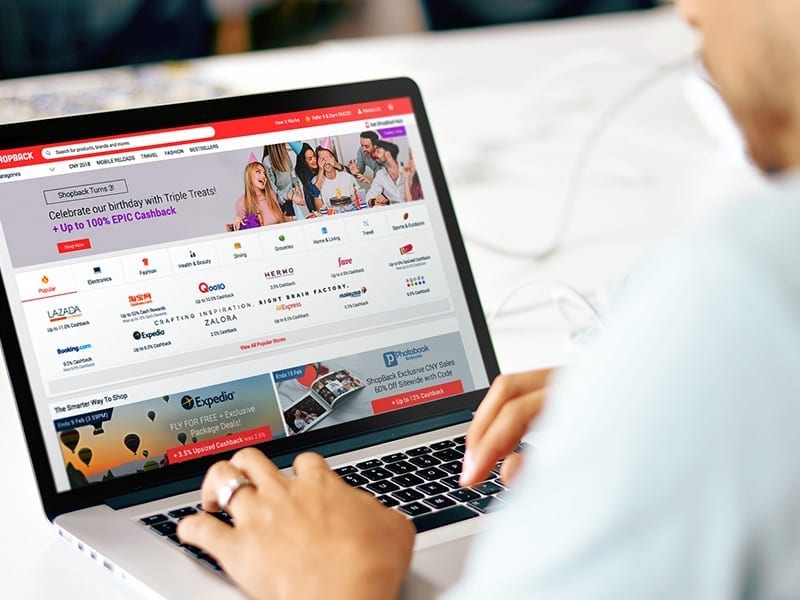
    E-commerce start-up ShopBack is teaming up with online social networking service LinkedIn to hunt for its Chief Shopping Officer.

    The Chief Shopping Officer will identify the best deals and shop for him or herself at any of ShopBack’s 500+ merchant partners, including Singapore Airlines, FoodPanda, Cathay Cineplexes, Grab and more.

    The online loyalty platform will provide SGD11,271 in shopping funds for the role, which will commence from 1 March – 30 April 2018. All purchases and cashback accumulated during the period of employment will be for the Chief Shopping Officer to keep thereafter.

    Applications for the temporary role will run for three weeks (ending on March 5, 2018) on LinkedIn and the Chief Shopping Officer will be officially announced on March 13, 2018.

    “There’s no better way for us to find out what our customers want than picking a Chief Shopping Officer from among them. Most of these customers do not necessarily have a professional background as a shopper and have regular day jobs. We wanted to tap professionals on LinkedIn, who may be a hardcore programmer by day, but an online bargain hunter at night,” said Vincent Wong, country head at ShopBack Singapore.

    ShopBack said it is looking for candidates who can work remotely with at least two to three years of online shopping experience with a knack for sniffing out the best online bargains. The role also requires some video editing skills and being on camera.

    Linda Lee, LinkedIn’s head of communications for South-east Asia and North Asia, added the company is seeing companies in Singapore and the Asia-Pacific region hire for more fun and unconventional roles on the website.

  • WeChat Pay available at European airport retailers

    WeChat Pay available at European airport retailers

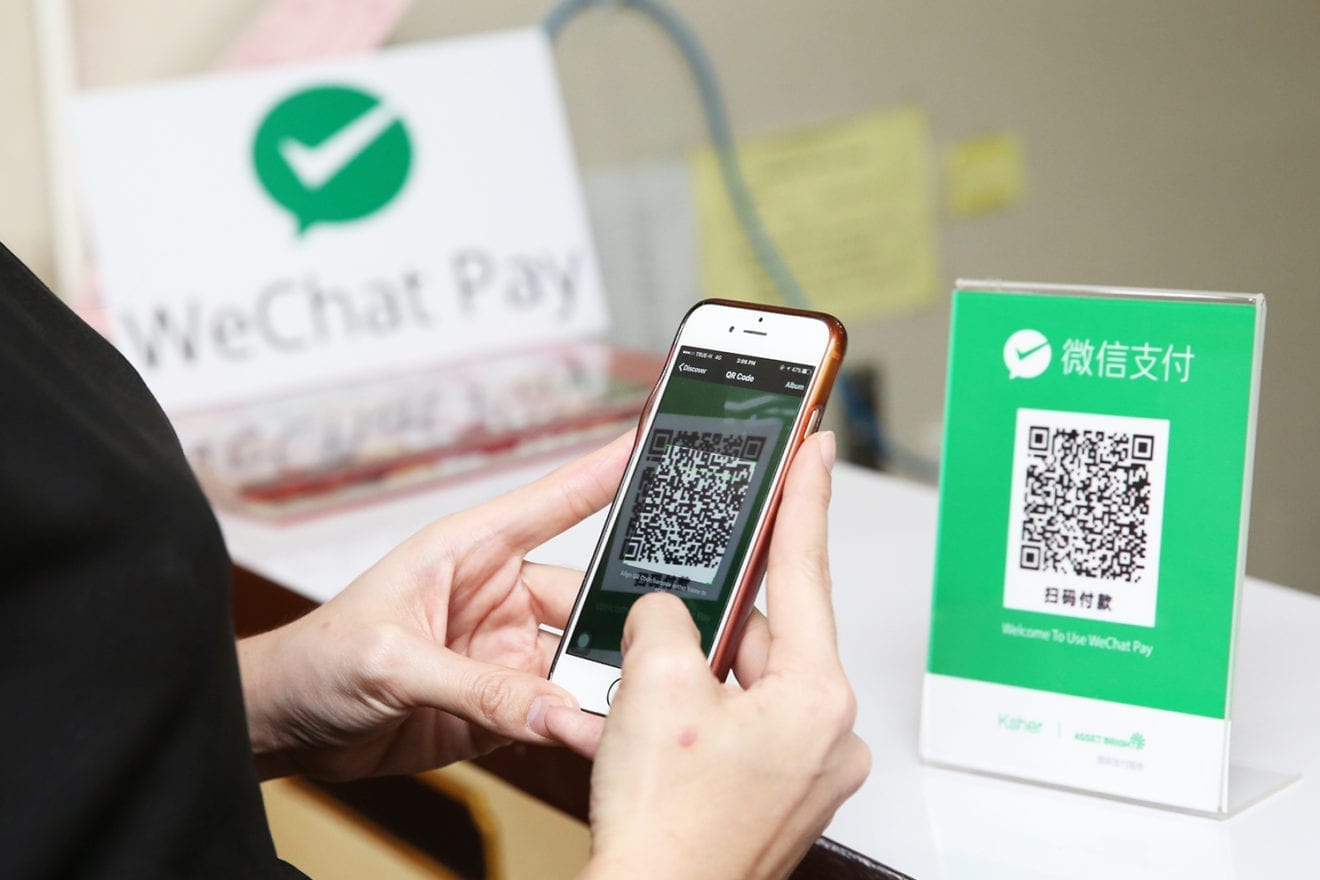
    WeChat Pay, a popular mobile payment method among Chinese consumers, will be available in several European airport retail destinations, as part of the travel retail industry’s attempts to appeal to large visitor numbers from China.

    Lagardère Travel Retail, which operates retail, foodservice, and duty-free premises at airports around the globe, has first launched the payment service in Terminal 1 of Charles De Gaulle Airport in Paris.

    Timed to coincide with Chinese New Year, a popular period for travel among Chinese consumers, shops operated by Société de Distribution Aéroportuaire – a joint-venture by Lagardère Travel Retail and French airport operator Groupe ADP – will be the first to accept WeChat Pay. It will be launched in additional airports in due course.

    WeChat Pay is a smartphone-based payment service and has around 600 million active users. It is integrated into internet group Tencent’s WeChat app, which is the most popular social network in China with nearly one billion users.

    To make a payment users scan QR codes generated within their WeChat mobile wallet stored on their smartphones.

    Travel retail is often perceived to be behind the times in terms of digital transformation when compared with the wider retail sector, but there are a number of new services being rolled out. Lagardère Travel Retail is one of several airport shopping companies to launch click & collect, enabling passengers to order products online and pick them up as they travel through the terminal.

    And as the travel industry looks to cater for international travellers in ways they are familiar with from their home countries, there is set to be further innovation in the space.

    Last week, for example, tax-free shopping company Global Blue announced it has teamed up with Tencent at Madrid Airport to allow WeChat Pay users to receive their tax refund digitally. For the first time, consumers can receive instant tax refunds into their WeChat Pay Wallet, once their tax-free forms have been validated by customs officials.

  • Chinese New Year brings retail opportunities for UK brands

    Chinese New Year brings retail opportunities for UK brands

    UK plc is an exceptional example of what London Business School expert terms an “attractive market segment”, one which has been curated and matured over a long period of time. Chinese consumers in particular are attracted to British brands, with a high percentage of shoppers in mainland China regarding British goods as “genuine and well made”. UK entrepreneurs and established retailers should leverage the appeal of “Brand Britain”, with a particular focus on Chinese New Year and an anticipated online shopping bonanza in mid-February.
    “It’s axiomatic that consumers are still eager to pay for the best, most trusted brands. However, there’s a rising number of aspirational consumers within the world’s emerging middle class who want to choose brands that have a clear purpose, set of values and meaning,” says John Mullins, Associate Professor of Management Practice at the School.

    “With its history, cultural significance and reputation for quality consumer goods, the UK regularly scores very well in international ‘nation brand’ league tables. Consistently scoring well in tourism, culture, people, exports and governance the UK is a well-rounded marque which is consistently well received by consumers.”

    This perception appears to be particularly strong with Chinese consumers. In a March 2017 Marketing to China editorial, it was acknowledged that in a market “renowned for a fake, cheaper products”, the label of ‘being British’ represents real quality. And in a recent UK Royal Mail survey it was found that within the online arena more than half (55%) of shoppers in China bought items from British brands in a three-month period, spending an average of £104 per month.

    “There is a real appetite for ‘Brand Britain’ with its goods regarded as being well made and genuine,” says Dr Mullins. “Survey after survey appears to indicate that Chinese buyers want to be certain about their purchases and obtaining a genuine article with a trusted and well-respected provenance. The UK shines in this respect.”

    In his book, The New Business Road Test, Dr Mullins asserts the view that whether one is launching a start-up or an investor sure way to mitigate the long odds is to make certain one has identified an attractive market segment. “An attractive market segment where the customers are almost certain to buy what you’ll offer. The UK is a powerful, composite nation brand which has matured over many hundreds of years. It bristles with both appeal to would-be consumers, and opportunity to entrepreneurs.”

    On the online shopping bonanza near Chinese New Year, he commented, “As Jack Ma, the founder of Alibaba, once said, ‘in other countries, e-commerce is a way to shop; in China, it is a lifestyle’. McKinsey reports that 76 percent of China’s urban population will be considered middle class by 2022, but there is already a huge consumer community in China which presents numerous opportunities to promote the UK brand to an already very receptive market.”

  • YNAP shareholder criticises Richemont’s acquisition bid

    YNAP shareholder criticises Richemont’s acquisition bid

    Richemont’s takeover bid for Yoox Net-a-Porter (YNAP) has been handed some uncertainty amid reports that a long term shareholder will vote against it.

    US-based value investor Robotti & Co – which has a stake of less than one per cent in the YNAP Group – did not see the deal as being “synergistic” or that the price offered was at “sufficient valuation”.

    “Given that Yoox Net-a-Porter has leading a position in the industry and the best management team, we think the company should remain independent for the time being,” Robotti & Co portfolio manager Isaac Schwartz told the newspaper.

    Swiss-based Richemont – which owns high-end brands such as Cartier, Montblanc and Dunhill London – already has a stake in the YNAP Group but last month it made a public tender offer to buy the shares it does not own for €38 (£33.5) per share.

    Various publications have revealed different total estimates for the takeover bid, ranging from €2.8 billion (£2.4 billion) to €5.1 billion (£4.5 billion).

    The deal would only go ahead once it is approved by YNAP Group shareholders.

  • Tesco UK to tackle food waste with new Colleague Shops

    Tesco UK to tackle food waste with new Colleague Shops

    Grocery and general merchandise retailer Tesco is set to introduce ‘Colleague Shops’ in all its UK stores to give employees the opportunity to take food approaching its expiry date, as part of its wider work to prevent good food from going to waste.

    Dedicated storage areas and fridges will be set up in back-of-store employee rooms to safely store quality food on its use by or best before date, and has the added benefit of helping to reduce food waste.

    The company said the move is part of Tesco’s on-going drive to ensure that no food safe for human consumption will go to waste in its UK retail operations by the end of 2017/18. Colleague Shops will form an additional part of Tesco’s established approach to managing stock in store which includes using sophisticated systems to predict and order the amount of food that customers are expected to buy in stores.

    Additionally, the price of products are ‘reduced-to-clear’ as they approach their expiry date to minimise surplus. If food cannot be sold, it’s offered to local charities and community food groups via Tesco’s surplus food redistribution initiative, Community Food Connection. However, charities don’t always need everything offered to them, so any food left over will now be made available to Tesco staff.

    Tesco’s head of food waste reduction Mark Little said: “We want to do everything we can to make sure perfectly good food doesn’t go to waste. Our Colleague Shops are a win-win, providing an additional step to support our efforts to tackle food waste in our own operations and offer colleagues an extra little help at the end of their shift.”

    Colleague Shops will be introduced to Tesco stores by the end of February. The surplus food will initially be made available for 1p before becoming free of charge in a few months’ time.

  • Boots’ owner accused of hiking medication prices

    Boots’ owner accused of hiking medication prices

    A supplier then owned by Walgreen Boots Alliance, BCM Specials, charged extortionate amounts to the health service for 500ml tubs of skin cream in 2016.

    A swathe of similar cases has been revealed whereby the NHS has been charged excessive prices for drugs dubbed “specials” which are often available elsewhere for a fraction of the price.

    Specials are custom-made treatments for patients requiring non-standard medications, and their prices are unregulated, allowing the supplier to dictate their price.

    This leads to the NHS paying varying prices for the same products from different suppliers.

    In October 2016, it allegedly paid £45.47 for preservative-free eye drops to Unichem, another wholesaler owned by Boots.

    A larger quantity of the same product was reportedly bought for £1 at a different time, though Boots disputed this figure.

    These are reportedly a drop in the ocean and the exploitation of the loophole in price regulation is understood to be rife.

    Walgreen Boots Alliance has denied the allegations, stating that it complied with all regulations.

    A spokeswoman said: “Specials are unique items ordered at short notice. They are made by highly trained technicians in dedicated laboratories in the UK that source ingredients, produce and quality-check often on the same day, and as a single item.

    “This process incurs high overheads, reflected in the final cost, which is set in line with the sector to reflect the bespoke nature of the products.”

    The British Association of Dermatologists chairwoman Deirdre Buckley said: “For many dermatology specials the ingredients aren’t expensive and it’s inexplicable why they cost so much.

    “It is not right. We have a duty to conserve the resources of the taxpayer so that the money is used to actually care for patients.”

    The Department of Health and Social Care said that from April the law will be changed to put suppliers and pharmacies under greater scrutiny.

  • Hana Financial Group To Drive Its Global Loyalty Network With Oracle

    Hana Financial Group To Drive Its Global Loyalty Network With Oracle

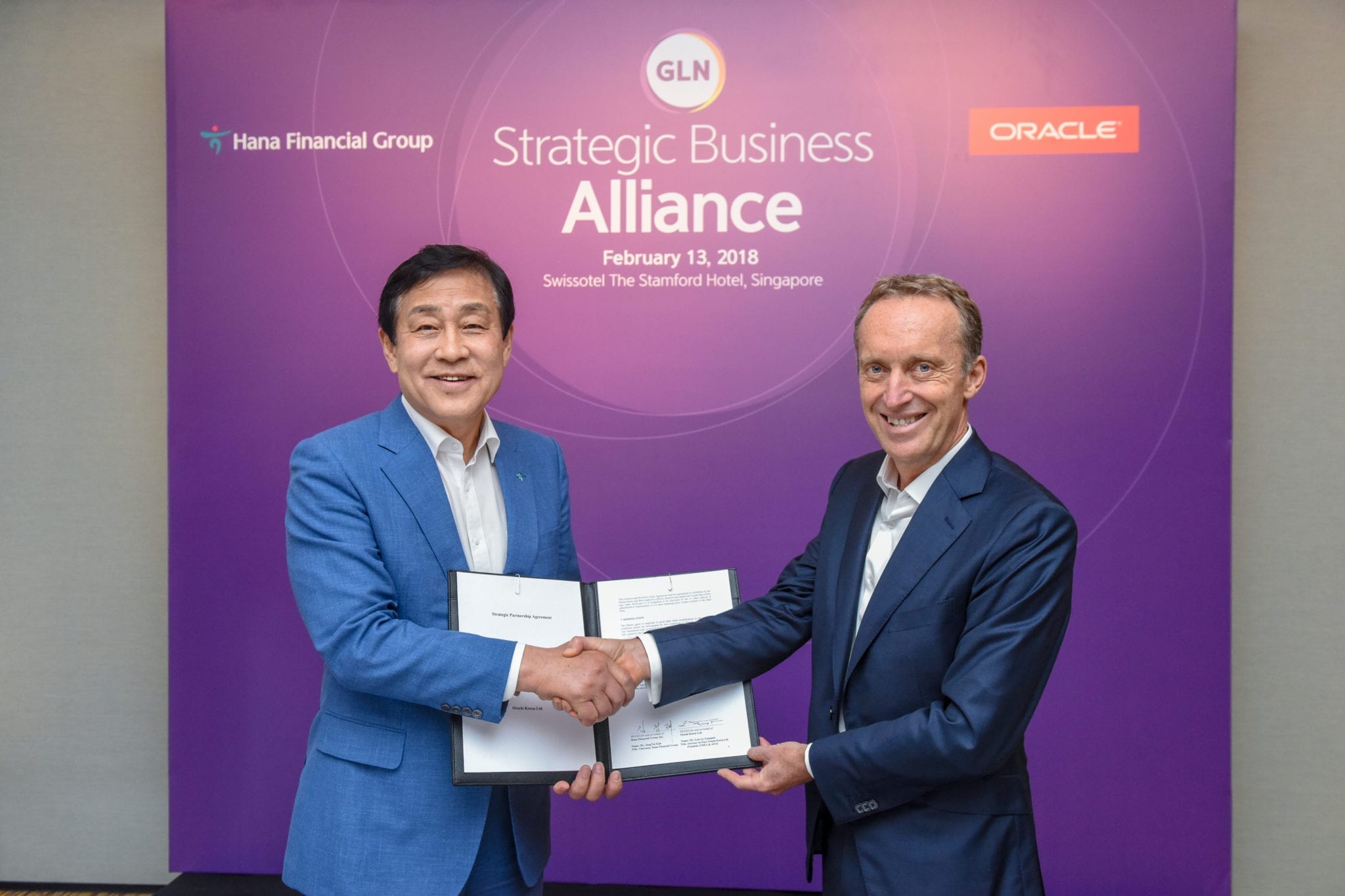
    Hana Financial Group (HFG) (Chairman Kim Jung-Tai, www.hanafn.com) announced it signed a memorandum of understanding (MOU) with Oracle in Singapore yesterday under which Oracle will work with HFG in the building and joint marketing of HFG’s Global Loyalty Network (GLN).

    Kim Jung-Tai, chairman of the Hana Financial Group, and Loïc Le Guisquet, president, International, Oracle Corporation, were in attendance at the signing ceremony. Both companies confirmed their mutual cooperation for GLN’s successful launch of services and global expansion, and agreed to collaborate on new technologies such as blockchain, membership, e-money and AI through HFG’s business know-how and Oracle’s technology capabilities. HFG will also modularize the results of the project, including digital asset exchange, and conduct consulting and sales.

    Kim Jung-Tai said, “Through this collaboration, we expect it will be easier for GLN to expand worldwide using Oracle’s leading and innovative cloud technologies that enable digital transformation. Building a global digital asset transfer network is a level of innovation that is rarely seen around the world and when the global integration platform is built, GLN’s customers will be able to enjoy locally offered deals and discounts around the world.”

    GLN is an innovative integrated platform network that enables digital institutions and retailers around the world to connect their digital platforms in one network to freely exchange digital assets and electronic money such as points and mileage. The GLN consortium was established in November 2017 with 36 companies in 11 countries. It is currently under contract with 24 companies and detailed discussions are underway with 15 banks and 20 retailers.

    Meanwhile, on Feb 2, it said that a ‘Coupon Mall Pyeongchang Edition’ in connection with GLN was opened to keep pace with the hosting of the PyeongChang Winter Olympics. This coupon mall is based on the global platform and is being provided in seven languages including English, Korean, Chinese and Japanese. This service will be also expanded globally through GLN’s consortium banks including SuMi TRUST Bank in Japan and Taiwan Taishin Bank, and it is currently offering over 1,000 free coupons. Han JunSeong, vice president of KEB Hana Bank said, “We provide foreign tourists visiting Korea during the PyeongChang Winter Olympics with information on sightseeing, restaurants and various free coupons for major domestic cities such as Pyeongchang, Seoul, Jeju and Busan.”

  • Japan company to build world’s tallest wooden skyscraper

    Japan company to build world’s tallest wooden skyscraper

    Japanese company Sumitomo Forestry plans to build the world’s tallest wooden skyscraper to mark its 350th anniversary in 2041.

    Called the W350, the 350-metre-tall tower will be made up of 10 per cent steel, said the company in a news release. The rest will comprise 185,000 cubic metres of timber.

    The “braced tube structure” will have diagonal steel vibration-control braces to “prevent deformation of the building due to lateral forces such as earthquakes and wind”, according to the news release.

    The 70-storey building may house offices, shops and hotels, as well as about 8,000 homes. There will also be balconies and greenery on every level.

    “The interior structure is made of a pure wood, producing a calm space that exudes the warmth and gentleness of wood,” said Sumitomo.

    Construction of the W350 is expected to cost 600 billion yen (S$7.4 billion) – almost double that of a conventional high-rise building.

    Sumitomo said the aim of the W350 – designed in collaboration with Nikken Sekkei – is to “create environmentally friendly and timber-utilising cities that become forests through increased use of wooden architecture”.

    “The devastation of domestic forests due to insufficient maintenance is becoming a problem. Increased timber demand will promote replanting and contribute to the revitalisation of forestry,” the company added.


  • India bank hack ‘similar’ to US$81m Bangladesh central bank heist

    India bank hack ‘similar’ to US$81m Bangladesh central bank heist

    Hackers who tried to steal nearly US$2 million from India’s City Union Bank this month used tactics similar to those employed in the unsolved cyber heist of US$81 million from Bangladesh’s central bank in 2016, City’s CEO said on Monday (Feb 19).

    The unknown hackers disabled the City printer connected to global payments platform SWIFT on Feb 6, preventing the bank from receiving acknowledgement messages for three fraudulent payment instruction sent that evening until the next morning.

    “Nobody suspected that it was an attack and thought it was a systemic network failure,” N Kamakodi said on phone. “The system department people, everybody assembled, analysed the problem, rebooted, they closed shop only around 10.00pm to 10.30pm.”

    The next morning, bank officials managed to reconcile the previous day’s transactions and found out “three transactions which were not originated from our bank”.

    The bank had been able block only one of the transfers worth US$500,000, while attempts were under way to retrieve the rest, he said. It first disclosed the heist on Saturday.

    In the case of Bangladesh Bank, hackers infected the system with malware that disabled the SWIFT printer. Bank officials in Dhaka initially assumed there was simply a printer problem.

    The hackers stole the money from Bangladesh Bank’s account at the Federal Reserve Bank of New York using fraudulent orders on SWIFT. The money was sent to accounts at Manila-based Rizal Commercial Banking Corp and then disappeared into the casino industry in the Philippines.

    Nearly two years later, there is no word on who was responsible and Bangladesh Bank has been able to retrieve only about US$15 million, mostly from a Manila junket operator.

    “We definitely see similarities between the Bangladesh case, and the similarities are being factored into the investigation,” Kamakodi said.

    City Union, a small private lender based in south India, said the three money transfer instructions were sent via correspondent banks to accounts in Dubai, Turkey and China.

    He said SWIFT was helping it investigate the matter, and that the hack happened despite the bank adding new security measures days before.

    “It’s a cat and mouse game,” he said.

    SWIFT said it did not comment on individual customers or entities.

    Russia’s central bank said last week that unknown hackers stole 339.5 million roubles (US$6 million) in an attack via the SWIFT international payments messaging system in Russia last year.


  • Bitcoin broke through $11,000 for the first time since January

    Bitcoin broke through $11,000 for the first time since January

    Bitcoin broke through the $11,000 mark over the weekend for the first time since the end of January as its price continues to slowly rise following a violent sell-off at the start of the month.

    The price of the cryptocurrency went as high as $11,279.18 on Sunday, its most elevated level since January 30, according to CoinDesk’s bitcoin price index, which tracks prices from four major cryptocurrency exchanges.

    Bitcoin’s price has been slowly climbing higher after a massive sell-off in early February, which was triggered by fears over tighter regulation, rumors of price manipulation in the market, and a hack on cryptocurrency exchange Coincheck that saw over $500 million stolen.

    Bitcoin is up over 80 percent since it bottomed at $5.947.40 on February 6.

    In South Korea, a key market for bitcoin, there were fears that an outright ban on cryptocurrency trading could come into effect. But as new measures were implemented, they were less strict than investors thought, and many sounded a positive note.

    Earlier this month, chairman of the Commodity Futures Trading Commission (CFTC), Christopher Giancarlo, and the chairman of the Securities and Exchange Commission (SEC), Jay Clayton, gave a testimony in front of the Senate Banking Committee on cryptocurrencies. They struck a positive tone, with Giancarlo saying that regulators should have a “thoughtful and balance response, and not a dismissive one.”

    Bullishness appears to be returning to the cryptocurrency markets, with both ripple and ethereum also off their lows seen earlier this month.

    Tom Lee, the first major Wall Street strategist to cover bitcoin, said recently that bitcoin will likely rise to $25,000 this year. Kay Van-Petersen, an analyst at Saxo Bank who correctly predicted the cryptocurrency’s rally at the start of last year told in a recent interview that bitcoin could go to $100,000.

    Still, there are a number of major organizations and figures warning about the potential for cryptocurrencies to crash. Goldman Sachs said in a note this month that most digital coins are likely to fall to zero. And Ethereum founder Vitalik Buterin also warned Sunday that cryptocurrencies are a “hyper-volatile” asset class and “could drop to near-zero at any time.”