Tag: asia

  • Honda aims to double market share in India

    Honda aims to double market share in India

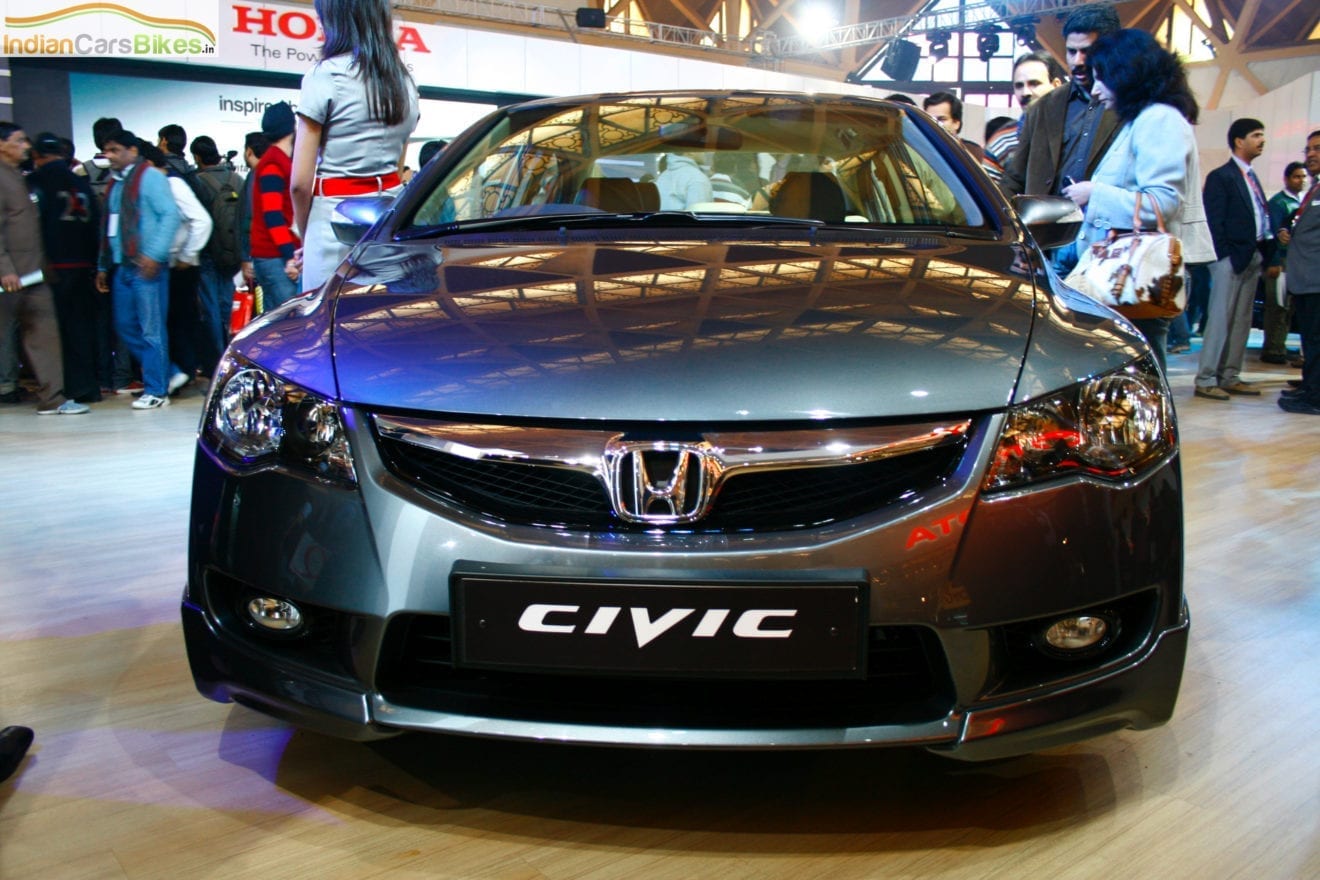
    Japanese carmaker Honda Motor Co plans to double its market share in India within the next few years, the head of its local unit said, as it looks to boost its presence in the world’s fifth-largest car market.

    To be a major player and have a meaningful presence, Honda needs to achieve a 10 percent market share, Yoichiro Ueno, managing director of the carmaker’s India unit, said during the country’s biennial auto show.

    Honda, which sells cars such as the City sedan and CR-V sport-utility vehicle in India, has seen its market share fall to about 5 percent at the end of 2017 from 7 percent three years ago, industry data show, thanks to a slew of new launches from rivals Maruti Suzuki and Hyundai Motor.

    Annual passenger vehicle sales in India crossed 3 million units last year and the country is expected to become the world’s third-largest car market by 2020, trailing only China and the United States.

    One of the challenges for Honda is that lower taxes on small cars in India make them a preferred choice for buyers, and the carmaker has few small cars to offer.

    “Our global line up is different so it is a bit difficult to utilise global resources,” Ueno said, adding car taxation policy in India needed to change to encourage carmakers to bring in products from their global portfolio.

    The Japanese carmaker is utilising only 70 percent of its annual production capacity of 300,000 units in India and needs to ramp up output to be efficient, Ueno said.

  • Indonesia Posts 670m Trade Deficit January highest since april 2014

    Indonesia Posts 670m Trade Deficit January highest since april 2014

    Indonesia posted a $670 million trade deficit in January as increased exports were offset by higher imports of raw materials by manufacturers, the Central Statistics Agency, or BPS, reported on Thursday (15/02).

    The deficit is the highest since April 2014, having increased from December’s $220 million deficit, which was revised down from $270 million. Indonesia only posted trade deficits in July and December last year.

    Exports increased 7.86 percent year on year in January to $14.46 billion, compared with 6.93 percent year on year in December, thanks to mining and manufactured goods. This figure however, is down 2.81 percent from December.

    According to BPS head Suhariyanto, prices of some commodities, such as copra and palm kernel oil, have declined, undermining export gains from rising coal and nickel prices.

    Imports jumped 26.44 percent year on year in January to $15.13 billion, compared with 17.83 percent year on year in December, due to purchases of electrical and mechanical machinery. This figure is 0.26 percent higher than in December.

    The imports of raw materials increased 2.34 percent in January, compared with a month earlier, while imports of consumer and capital goods declined by 1.46 percent and 7.39 percent, respectively.

    However, the imports of consumer goods, capital goods and raw materials showed double-digit growth on an annual basis, at 32.98 percent, 30.9 percent and 24.76 percent, respectively.

    Indonesia had its biggest trade deficits with China ($1.83 billion), Thailand ($211.4 million) and Australia ($178.2 million).

  • Retailer spending on AI to rise, says Juniper Research

    Retailer spending on AI to rise, says Juniper Research

    Juniper Research predicts global retailer spending on AI will reach US$7.3 billion a year by 2022, up from an estimated $2 billion for this year.

    Its report AI in Retail: Disruption, Analysis and Opportunities: 2018-2022 says retailers will heavily invest in AI tools that let them differentiate and improve customer services. These range from automated marketing platforms that generate tailored, timely offers to chatbots that provide instant responses to customers.

    Juniper found that spending will be strongest in customer service and sentiment analytics, where AI can be applied to understand reactions to purchased products and service received.

    It predicts retailer spending share in 2022 as:

    1. Customer service/sentiment analytics, 54 per cent
    2. AI-based automated marketing, 30 per cent
    3. Demand forecasting, 16 per cent.

    Juniper predicts retailers will use AI insights to design product ranges as well as create targeted promotional offers.

    “Retailers are looking to replicate the success of Amazon in making AI a core part of their business,” says research author Nick Maynard.

    He says retailers will increasingly turn to tactics such as AI-optimised pricing and discounting, as well as demand forecasting.

    With the advent of specific days for shopping, such as the Black Friday phenomena, understanding customer demand and planning appropriately is more important than ever, says the report.

    Juniper says retailers need to invest in this area in order to stay competitive, particularly in low-margin retail segments. Also, the cost of AI tools, now uneconomical for many players, will drop by 8 per cent over the next four years, helping realise 300 per cent growth in software spend.

  • Opel says to build next-generation Corsa in Spain

    Opel says to build next-generation Corsa in Spain

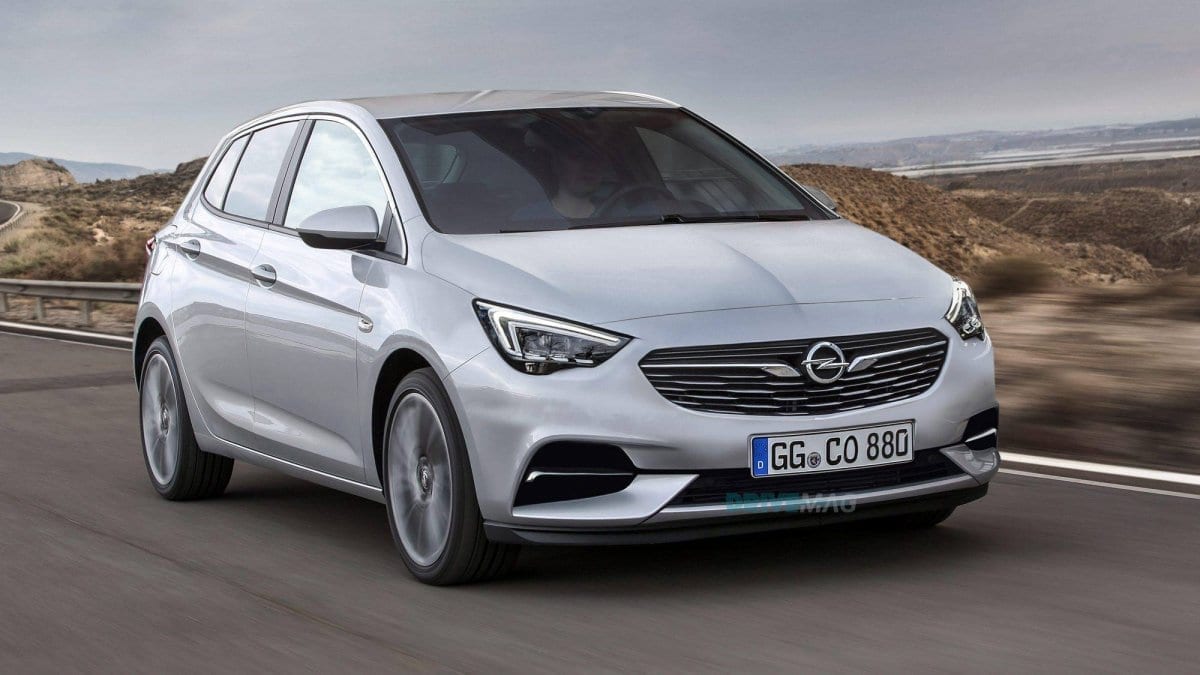
    Opel, the German carmaker now owned by France’s PSA Group (PEUP.PA), said a new version of its Corsa city car would be built exclusively in Zaragoza, Spain, from 2019.

    This includes a fully electric version that will start rolling off the production line in 2020, Opel said on Wednesday.

    The Opel Corsa has been made in Spain since 1982.

  • Porsche, Audi to develop joint electric car platform to save costs

    Porsche, Audi to develop joint electric car platform to save costs

    Porsche and Audi, Volkswagen’s main luxury car divisions, plan to develop a joint platform for electric vehicles that will enable them significantly cut down on costs, German newspapers quoted their chief executives as saying.

    “By 2025, we’re facing a low single-digit billion euro sum to develop the architecture,” Audi CEO Rupert Stadler told both the Stuttgarter Zeitung and Stuttgarter Nachrichten.

    “If both would act on their own, costs would be 30 percent higher,” Porsche CEO Oliver Blume said, adding Audi was hiring 550 developers for the project and Porsche 300.

    From 2021 onwards, both businesses want to bring several models to the streets based on the joint platform, with Stadler saying that would build two sedan cars in Neckarsulm and two sports utility models at its Ingolstadt base.

    Porsche’s Blume said the sportscar maker could build its first model based on the joint architecture in Leipzig, where it is already assembling its Macan sport-utility model. “I currently see good chances for Leipzig,” Blume said.

  • 8 best cities on this side of the world to live

    8 best cities on this side of the world to live

    Time Out’s City Life Index, a survey of 15,000 people in 32 global cities, has been released, and it shows which ones promise the most fun and excitement in 2018. Eight of them are on this side of the world.

    The survey, conducted by Tapestry Research, questioned residents on a variety of aspects of city life.

    It ranked cities in categories across food, drink, culture, friendliness, affordability, happiness, and liveability.

    It also “found the key factors that make residents find their city exciting,” from dining out often to feeling proud of where they are from.

    Here, their ranking in ascending order along with their overall scores:

    31. Singapore (98.7) — Those from Singapore may not rate its culture scene highly, but they do value the city’s safety and are perfectly comfortable walking around at night.

    28. Sydney (106.1) — While they may think the city is lacking in things to do and good restaurants, Sydney residents live a healthy life, with 66% having exercised in the past week and 38% never having taken drugs. They know how to party, though, and are the world’s No. 1 vodka drinkers.

    26. Hong Kong (109.6) — Seventy-five percent of residents said the public transport in Hong Kong was great, contributing to the city’s overall score. They’re also among the biggest restaurant-goers in the world.

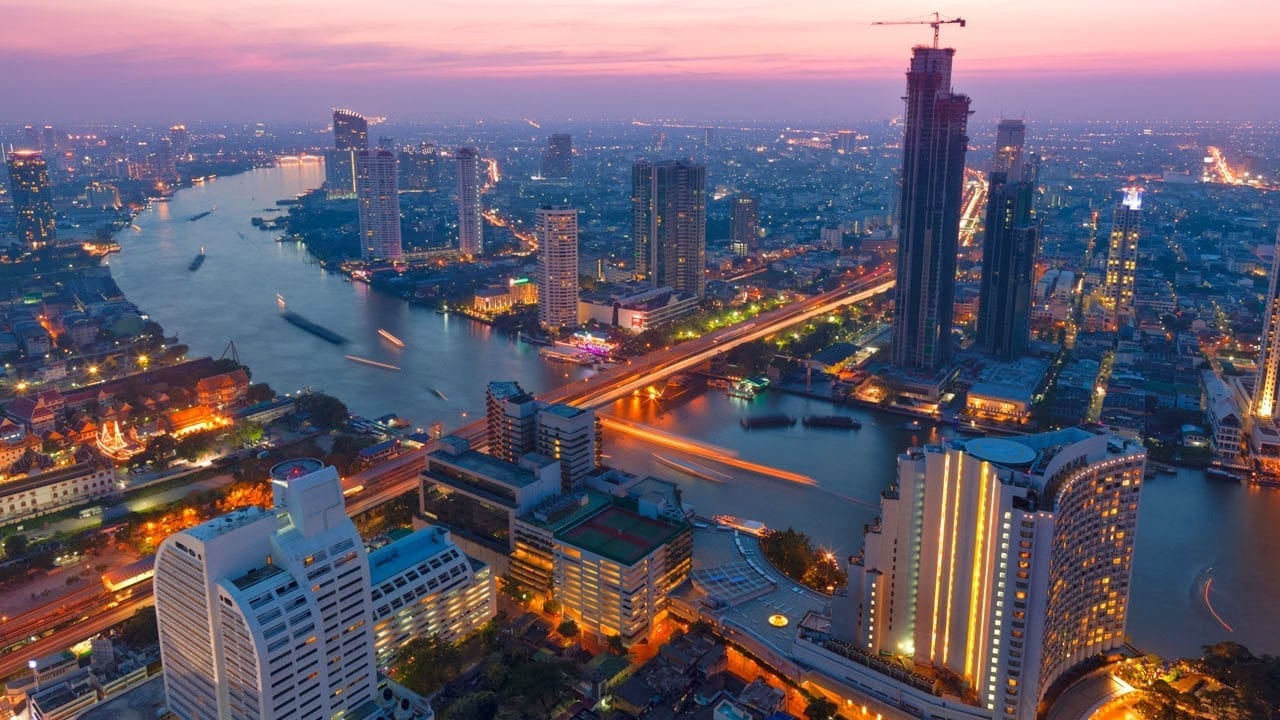
    24. Bangkok (111.0) — The survey revealed Bangkok as the world’s street-food capital, with more people eating on their feet than anywhere else — 42 times a year, on average. They’re also the biggest restaurant-goers, with 94% of respondents having visited a restaurant in the past week.

    22. Beijing (113.0) — The city may be exciting, but the commute is long, with 6% of Beijing residents even commuting for two to three hours a day.

    19. Tokyo (117.7) — Tokyo residents love their food — they visit restaurants more than most other cities on the list.

    16. Shanghai (119.5) — It may not come cheap, but there’s plenty to do in Shanghai, where residents say that while it is tough to find love, 79% believe it is easy to find a more casual encounter.

    4. Melbourne (132.3) — This Australian city came out above all others in terms of happiness, with nine in 10 residents saying they felt happy within the past 24 hours. They also find it easy to make friends and think the food-and-drink scene is one of the city’s best features.

  • China strikes telecoms from list of “sensitive” outbound sectors

    China strikes telecoms from list of “sensitive” outbound sectors

    The Chinese government has reportedly taken the telecoms sector off a list of “sensitive sectors” that require special approvals for outbound investment.

    The list compiled by the National Development and Reform Commission (NDRC) names the industries that Chinese planning to invest in an overseas company or project need to secure approval for.

    Starting from next month, companies investing in overseas telecoms projects will instead only need to file the same records with authorities as required for investment in other non-sensitive sectors.

    The telecoms sector has been considered sensitive since the previous list was published in 2014.

    The change comes at a time that the Philippines government is courting Chinese investment in its mobile market through a proposed 60-40 venture that would become the nation’s third telco.

    Xinhua noted that China’s outbound direct investment outside of the financial sector fell 29.4% in 2017 to $120 billion.

    As part of the reforms to the sensitive sector list, the energy sector has also been removed while the arms industry, properties, hotels, cinemas, entertainment, sports clubs, and equity investment funds have been added.

  • China in strong growth on the organic front

    China in strong growth on the organic front

    During the last ten years organic sales have doubled in Denmark and have accounted for 9,7 percent of all groceries sold, the Danish newspaper Berlingske say. That places Denmark to be the top number one country in the world with the largest organic share of retail trade. Now China is catching up and is ranked fourth since organic food was traded for 44 billion Danish crowns in 2017.

    Globally organic trading accounted for 540 billion Danish crowns in 2016, according to the international report “The World of Organic Agriculture” which was published at this year’s BioFach in Nürnberg, Germany. USA is still by far the largest organic market globally with a turnover of 290 billion Danish crowns in 2016.

    Organic production is a rapidly developing business area with a great market. And now might be the time to throw an extra glance at organic export to China, – a market in strong growth.


  • Imported beer sales at convenience stores on rise

    Imported beer sales at convenience stores on rise

    Sales of imported beer at South Korean convenience stores have risen sharply, store operators Sunday, as more consumers opt for variety and a growing number of people drink at home.

    BGF Retail Co., the operator of CU, South Korea’s largest convenience store chain, said sales of foreign beer brands accounted for 60.2 percent of the total in the two months of this year.

    The figure has steadily increased from 58.3 percent in 2015, with numbers surpassing the 60 percent mark for the first time ever.

    Industry insiders said the rise of single-person households also boosted the trend of demand for light alcoholic beverages. This has resulted in rising demand for imported beer sales at discount chains and convenience stores.

    “A total of US$250 million worth of beer were imported last year to set a new record,” said a CU official, noting that discounts on imported beer have also reduced the price gap with domestic beers.

    Local convenience stores have recently offered aggressive price promotions for foreign beers to meet strong demand for various flavors beyond the lager-dominated domestic brands.


  • Huawei might rebrand Honor 8 Pro and launch it in China

    Huawei might rebrand Honor 8 Pro and launch it in China

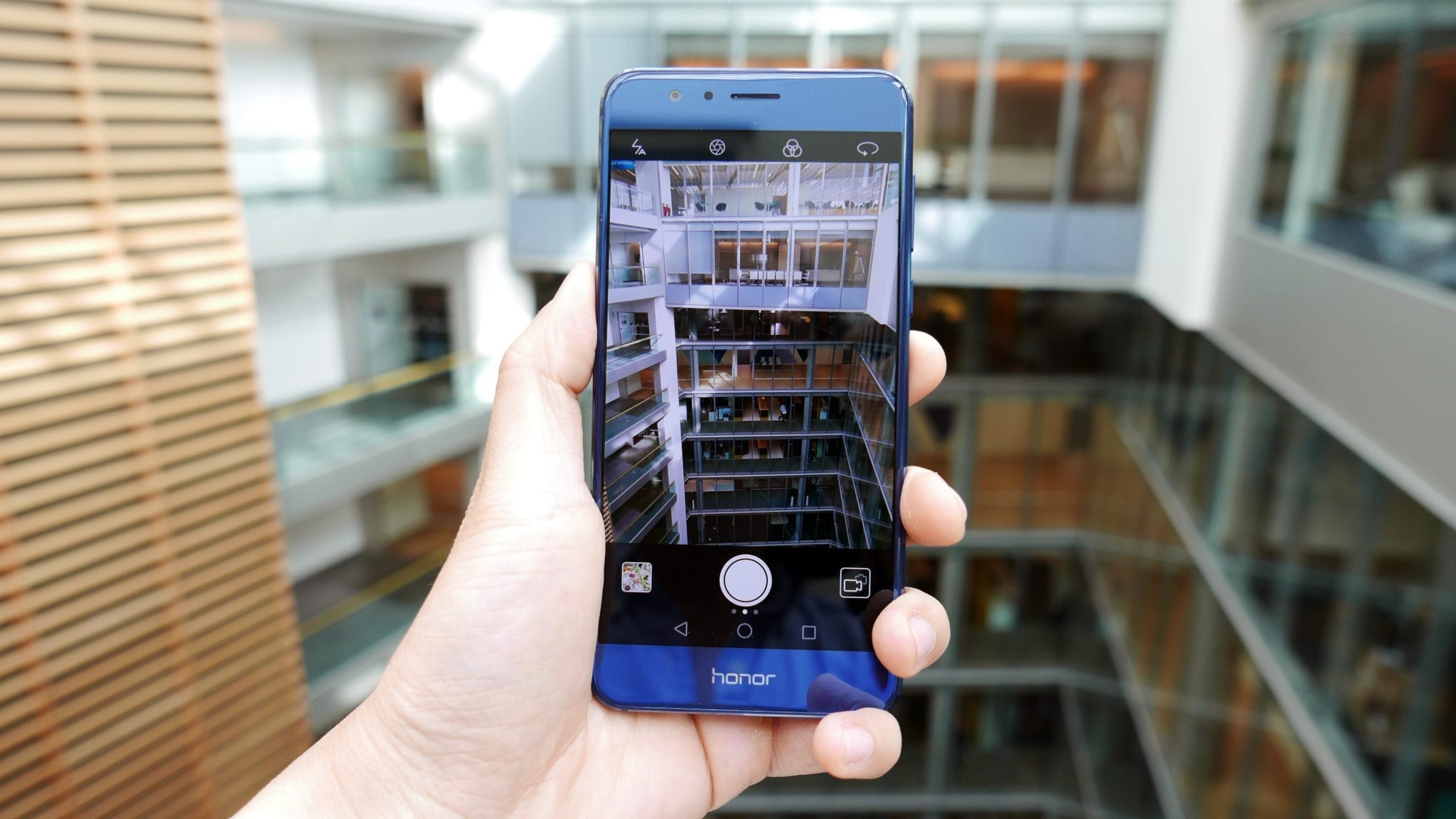
    Huawei, China’s leading smartphone maker, might be planning to rebrand Honor 8 Pro and relaunch it this year. Honor is Huawei’s online-only brand and the company might be putting its own branding on Honor 8 Pro at the time of its launch.

    The details of Huawei’s plan to launch a rebranded version of Honor 8 Pro were tweeted by Evan Blass. There is a possibility that the Chinese smartphone maker might be targeting the offline retail segment with its branding on Honor 8 Pro. To recall, Honor 8 Pro was launched in 2016 as company’s device competing with OnePlus 3 and OnePlus 3T in the premium mid-range segment.

    The Honor 8 Pro was one of the successful devices for Honor brand, and it helped the company establish itself in key markets including India. In terms of features, the Honor 8 Pro gets a 5.7-inch IPS LCD display with a resolution of 2560×1440 pixels. The smartphone is powered by company’s own Kirin 960 chipset coupled with 6GB RAM and 64GB storage.

    The Honor 8 Pro features a dual 12-megapixel rear camera setup with one color sensor and another monochrome sensor. It also offers an 8-megapixel selfie camera with f/2.0 aperture and support for 1080p video recording.

    Other features include Wi-Fi, Bluetooth, GPS, NFC, 4G LTE with VoLTE support. The smartphone was launched with EMUI 5.1 based on Android Nougat, but has since been upgraded to EMUI 8.0 based on Android 8.0 Oreo. The Honor 8 Pro packed a 4,000mAh battery, and was available in white, black and blue color variants.

    Huawei often rebrands Honor-branded smartphones in its home market, and targets them in the offline retail space since Honor already has strong presence in online segment. With rebranded version of Honor 8 Pro, Huawei might be planning to target those who are not getting Honor View10 and will fill a gap in the price segment.

  • Singapore’s economy jumps by 3.6% in 2017

    Singapore’s economy jumps by 3.6% in 2017

    Goods producing industries push the growth with 5.7% increase.

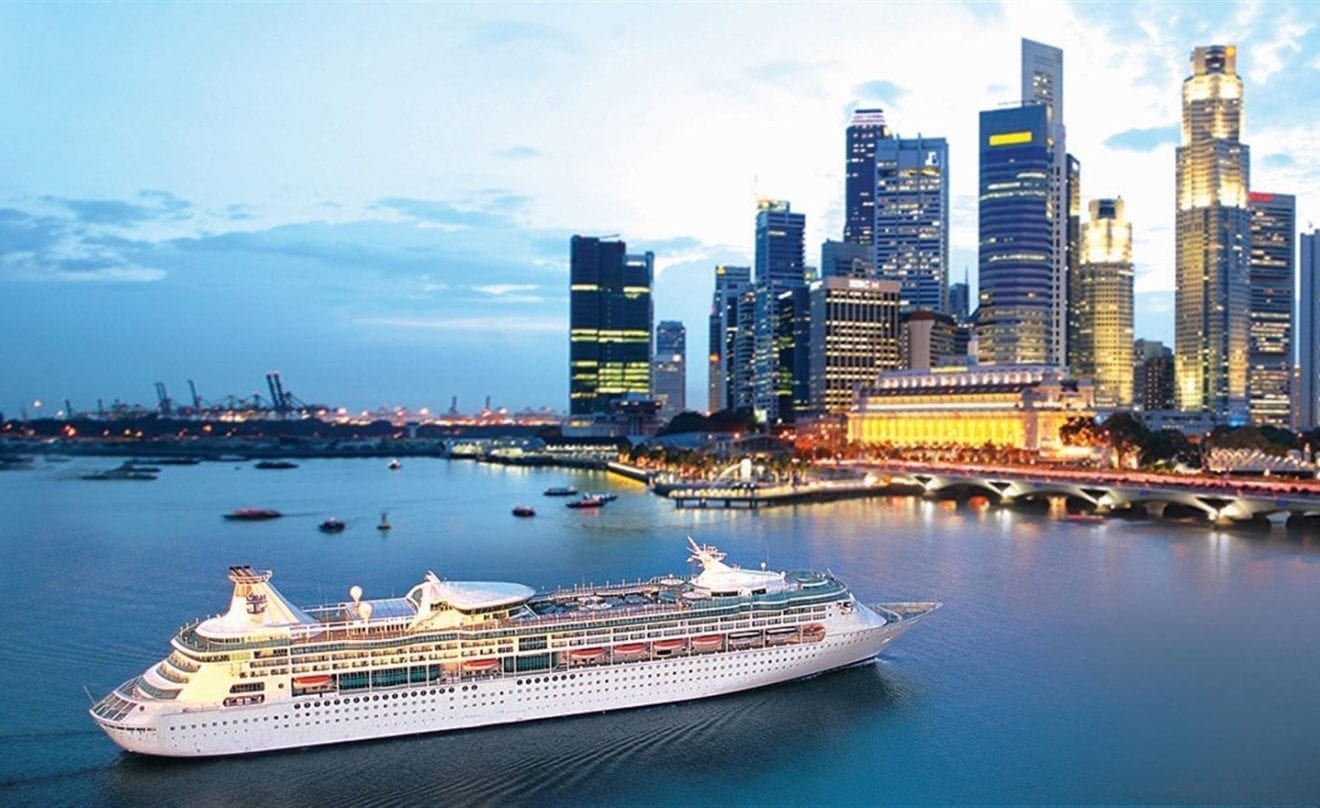
    Singapore economy grew by 3.6% for the whole year of 2017, faster than 2.4% growth in 2016.

    Goods producing industries, which include manufacturing and construction, posted the highest growth with 5.7%.

    The manufacturing sector expanded by 10.1%, which is pushed by growth in the electronics and precision engineering clusters.

    The construction sector, on the other hand, shrank by 8.4% from 1.9% growth in 2016. The output was pulled down by 29.1% decline in private residential and private industrial construction works.

    Meanwhile, service producing industries grew by 2.8% driven by increase in the finance & insurance (4.8%), transportation & storage (4.8%), and wholesale & retail trade (2.3%).

  • Softbank 9m17 Profit Grows 20 Procent

    Softbank 9m17 Profit Grows 20 Procent

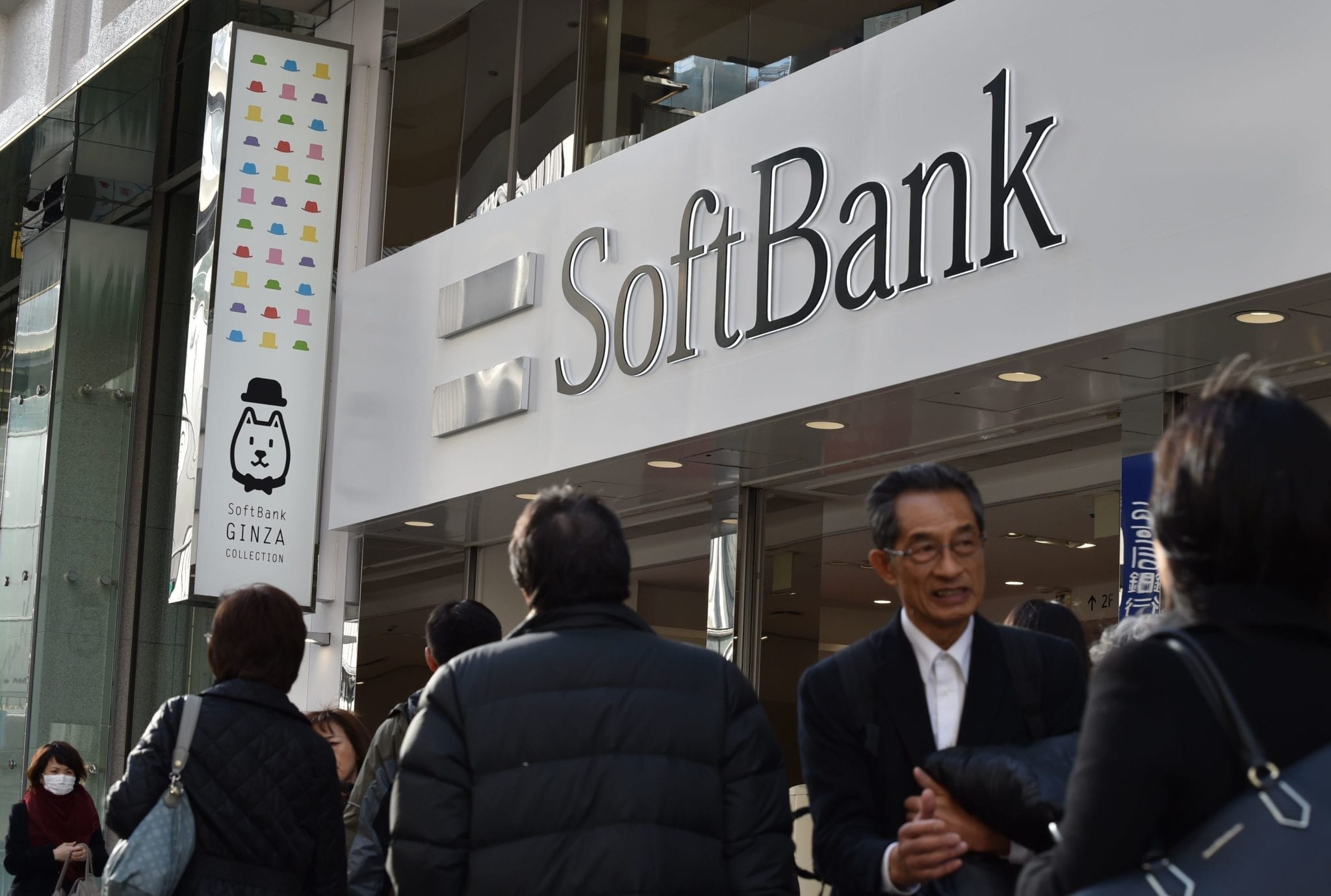
    Japan’s SoftBank has reported a solid 20% increase in net profit for the nine  months ending in December to 1.01 trillion yen ($9.35 billion), partly as a result of cost cutting at US subsidiary Sprint.

    Net sales for the first nine months of SoftBank’s financial year grew 3.5% to 6.58 trillion yen, with revenue increasing across all the company’s market segments.

    Domestic telecoms revenue grew slightly to 2.406 trillion yen despite a 1.4% decrease in telecoms service revenue to 1.8 trillion yen.

    Mobile service revenue fell 5% to 1.36 trillion yen, but broadband revenue improved 23.2% to 240.02 billion yen and fixed telecommunications revenue edged up 0.5% to 200.86 billion yen.

    Smartphone net additions for the nine-month period grew to 1.13 million, with the operator’s total mobile customer base growing to just under 33 million, while churn fell slightly to 0.84%.

    SoftBank’s FTTH subscriber base meanwhile reached 4.67 million, up from 3.14 million as of the end of 2016.

    Net sales at Sprint increased 2.6% to 2.72 trillion yen, while the unit’s adjusted ebitda grew 19.1% to 938.8 trillion won on the back of cost reduction efforts that resulted in nearly $1 billion in savings. Net sales from Yahoo Japan increased from 630.8 billion yen to 651.5 billion yen.

  • All International Flights From Jakarta Move to Soekarno-Hatta’s Terminal 3

    All International Flights From Jakarta Move to Soekarno-Hatta’s Terminal 3

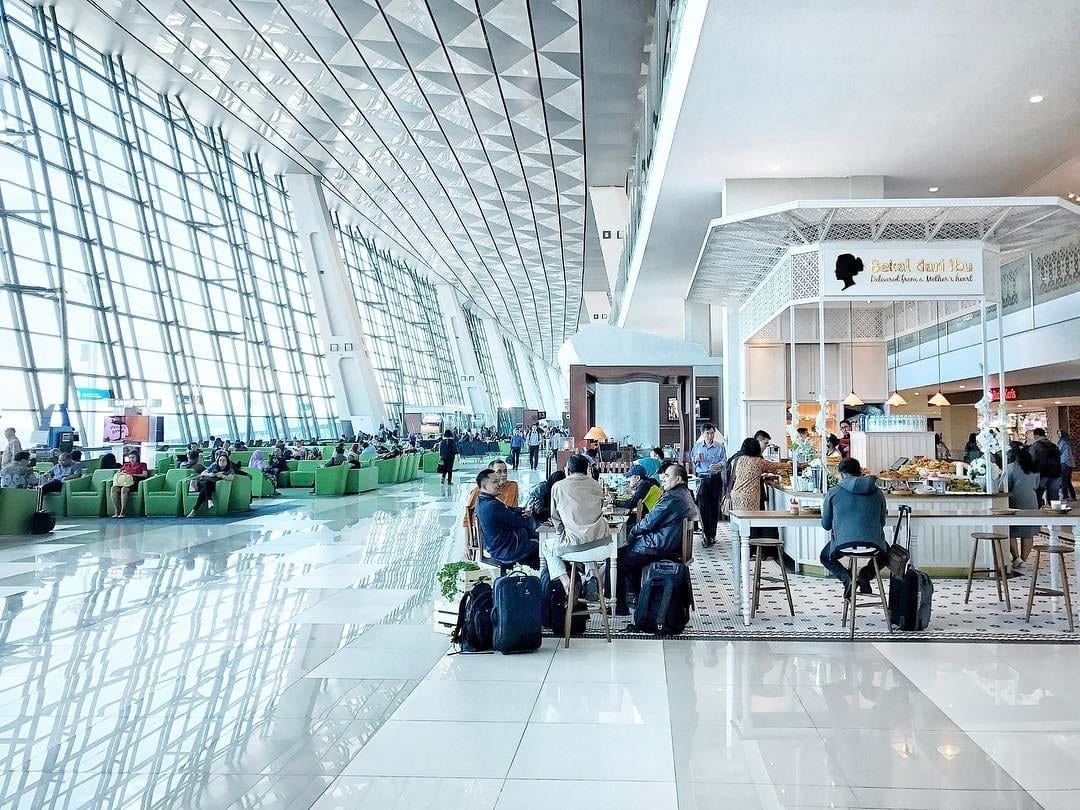
    Soekarno-Hatta International Airport, Indonesia’s largest and busiest hub near Jakarta, by June will move all international flights to Terminal 3.

    The terminal was opened in August, after three years of construction works to expand it, which cost Rp 7 trillion ($516 million). It is now significantly bigger than the other two terminals.

    It can serve up to 25 million flights a year, spans 420,000 square meters and is 2.4 kilometers long.

    “We’re are going to have all international flights moved to Terminal 3 by June,” Yado Yarismano, vice president of the airport’s operator Angkasa Pura II (AP II), said on Wednesday (14/02).

    He added that now, when all expansion works are complete, the terminal needs to be assessed by the Transportation Ministry’s directorate general of civil aviation to serve all international flights.

    Revamp of Terminal 1 and Terminal 2

    The airport’s Terminal 1 and Terminal 2 will also be expanded to accommodate together 36 million passengers a year — twice more than before.

    Contractors will soon be invited to bid to partake in the Rp 3.2 trillion project.

    “The bidding for Terminal 1 starts in March, while for Terminal 2 in May, so construction works at the first one will start sooner,” AP II president director Muhammad Awaluddin said.

    He added that both terminals will be finished by August 2019.

    “The revamp won’t disrupt our operations, as it will be done in sections, so the terminals will still serve passengers. We also won’t change their architecture, we will just add more room,” Awaluddin added.

    AP II is now also preparing to build Terminal 4 of the size and capacity of Terminal 3.

  • Disney And Alibaba’s Youku Sign Licensing Deal For Animation Shows

    Disney And Alibaba’s Youku Sign Licensing Deal For Animation Shows

    Chinese online retail giant Alibaba and U.S. media and entertainment giant Walt Disney have inked a licensing deal which will see animation series from the latter become available on the Youku online video streaming service owned by the former. The multi-year agreement was signed by a unit of Disney, Buena Vista International, and Alibaba Digital Media and Entertainment Group.

    Besides subscribers of the Youku streaming service, Chinese households numbering nearly 30 million who use the set-top boxes of Alibaba as well as SmartTV platforms will access the Disney content. Episodes numbering over 1,000 are expected to be streamed on Youku. Besides the television shows Disney films such as Mulan, Frozen, Beauty and the Beast, and Pirates of the Caribbean are also part of the deal.

    More international content

    “We look forward to further cooperation with global entertainment companies, which will help increase our penetration in the family entertainment segment and strengthen Youku’s position as a leading multi-screen entertainment and media platform in China,” Youku’s president, Yang Weidong, said in a statement.

    Other U.S. entertainment companies that Youku has previously struck licensing deals with include NBCUniversal, Fox, Paramount and Warner Bros. Youku also has a licensing deal with Sony Pictures Television. Last year in November Youku inked a licensing agreement with Netflix allowing its subscribers to view the show Day and Night on its platform. Per Alibaba, about 580 devices are reached by Youku daily and this translates to about 1.2 billion views.

    Joint venture

    Two years ago Walt Disney and Alibaba launched a joint venture known as DisneyLife which gave the Chinese online access to content from the media and entertainment giant. However regulators shut down DisneyLife after months after launch. Last year in May Walt Disney set up an online store on the Alibaba-owned e-commerce website, Tmall, to sell its merchandise in China.

    The deal with Youku comes at a time when Walt Disney is preparing to unveil an online video streaming service in the United States as consumers increasingly abandon traditional cable and satellite services for platforms such as Netflix. The chief executive officer of Walt Disney, Bob Iger, has indicated that the planned online streaming platform won’t be expensive to start since the media and entertainment giant already has lots of existing content.

    Alibaba’s licensing agreement with Disney coincides with the Chinese online retail giant acquiring a 15% in retail firm Easyhome as it expands on its ‘click and mortar’ retailing strategy. Easyhome has a total of 223 brick and mortar stores in China.

  • Bursa Malaysia to trade firmer this week

    Bursa Malaysia to trade firmer this week

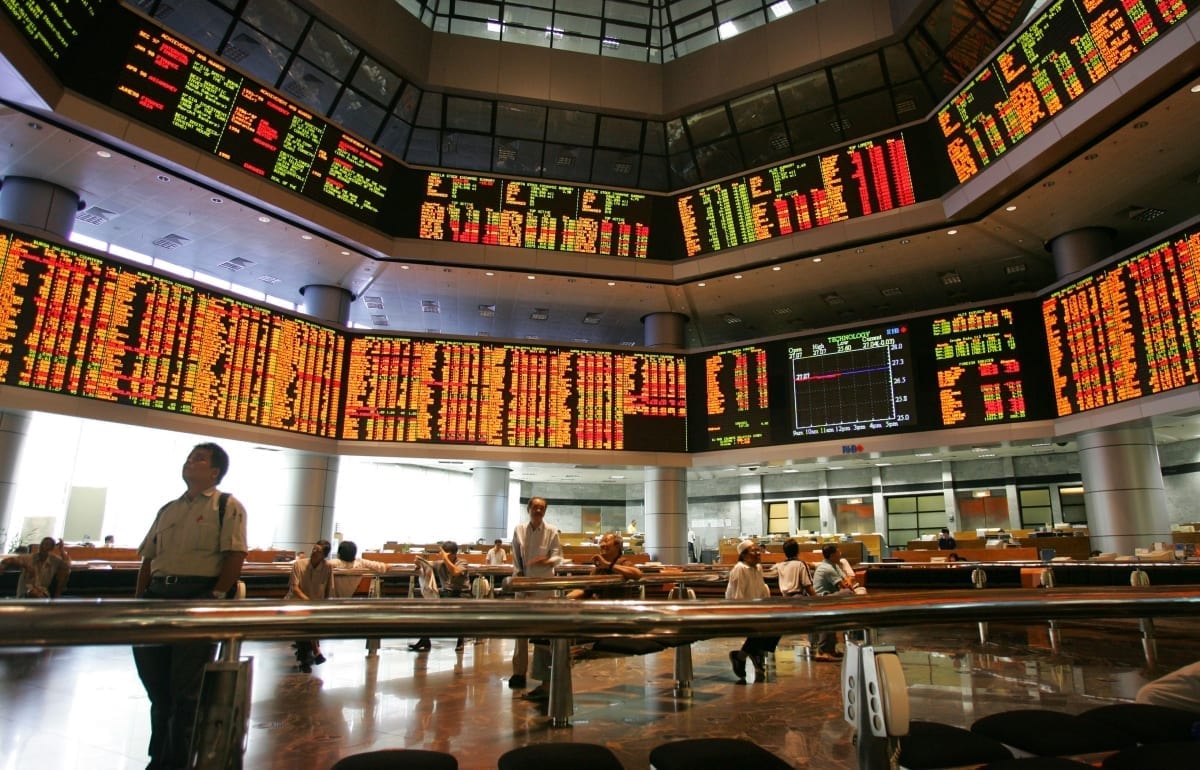
    Bursa Malaysia is expected to trade firmer next week, taking cue from the encouraging 2017 gross domestic product (GDP) data released on Wednesday.

    Affin Hwang Investment Bank Vice-President/Head of Retail Research, Datuk Dr Nazri Khan Adam Khan said the 5.9% GDP growth, deemed as positive and taking on the good momentum from last year, would improve investors’ appetite on the local bourse.

    “We can see that the volume has gone up too, which means we have the momentum to trend higher next week.

    “The benchmark FTSE Bursa Malaysia KLCI (FBM KLCI) is also likely to touch the 1,860 points level next week,” he said.

    Bank Negara Malaysia in a statement said Malaysia’s GDP expanded 5.9% in the fourth quarter of 2017 from a year earlier, driven mainly by private sector demand, with support from the external sector, while the 2017 full-year GDP grew 5.9% against the 4.2% expansion in 2016.

    The central bank said the outlook for 2018 remained favourable, supported by domestic demand.

    Nazri said that the ringgit is also expected to be higher next week amid a stronger current-account surplus of RM12.9 billion in the fourth quarter last year.

    “The rebound in the ringgit to currently quote at 3.8-level, recovery in oil prices as well as positive sentiment on global equity markets, will boost the FBM KLCI’s performance and increase investors’ confidence,” he added.

    Meanwhile, Maybank Investment Bank in a note said in the first half of 2018 (1H2018) Market Outlook session, it expects fiscal stimulus pre-GE14 (General Election-14) and Bank Negara’s overnight policy rate (OPR) hike to be the two main thematics driving investment.

    “But for the longer term play, the focus is on multi-year orderbook replenishment in infrastructure construction, tourism and Look East Malaysia.

    “Fiscal stimulus in the lead up to the general election will be those in the consumer sector as a boost to disposal income is expected to continue and will be front loaded in 1H2018.

    ‘While for the OPR, it will benefit banks and it is believed, contractors will have the highest potential of winning jobs for the upcoming megaworks,” it added.

    On a Thursday-to-Friday basis, the benchmark FTSE Bursa Malaysia KLCI (FBM KLCI) finished 18.46 points higher at 1,838.28.

    The FBM Emas Index jumped 142.43 points to 13,117.49, the FBMT100 Index appreciated 127.74 points to 12,829.58 and the FBM Emas Syariah Index fell 132.54 points to 13,145.10.

    On a sectoral basis, the Plantation Index gained 50.94 points to 7,996.97, the Industrial Index declined 18.70 points to 3,202.66, while the Finance Index increased 137.94 points to 17,594.41.

    Weekly turnover went down to 6.46 billion units worth RM7.76 billion from 15.68 billion units valued at RM16.43 billion.

    Main market volume fell to 4.08 billion shares valued at 7.30 billion from 10.01 billion units worth RM15.42 billion.

    Warrant turnover decreased to 1.24 billion units worth RM242.26 million from 2.79 billion units valued at RM566.26 million last week.

    The ACE market slipped to 1.10 billion shares worth RM205.73 million from 2.83 billion units worth RM432.96 million previously.

    The local market was closed on Friday for the Chinese New Year celebration.

    The gold futures contract on Bursa Malaysia Derivatives is likely to extend gains next week as investors remain cautious on global equity markets and a weaker US dollar, said an analyst.

    OANDA Corp Head of Trading for Asia Pacific, Stephen Innes said higher US inflation combined with the US dollar exhibiting zero correlation to higher interest rates amidst burdening dual deficits, should play out favourably for the gold markets.

    “Gold is in a perfect spot to extend gains. Higher US inflation as expressed through the higher consumer price index data is positive. We could see a more significant move into gold if equity prices start to lose traction,” he said.

    Another dealer said Bursa gold futures market might track closely the movement of COMEX gold’s Friday close to get direction of the week.

    The local gold market traded higher throughout the holiday shortened week in line with COMEX gold.

    The market was traded half-day on Thursday and closed on Friday for the Chinese New Year celebration.

    On a Thursday-to-Friday basis, February 2018 increased 46 ticks to RM169.40 a gramme, March 2018 rose 37 ticks to RM169.65 a grame, April 2018 jumped 49 ticks to RM170.45 a gramme and May 2018 went up 37 ticks to RM170.20 a gramme respectively.

    Weekly turnover eased to 15 lots worth RM286,365 from last week’s 26 lots valued at RM436,615, while open interest eased slightly to 72 contracts from 75 contracts.