Tag: asia

  • Korean embracing the chill, retail sales number peak in low degrees

    Korean embracing the chill, retail sales number peak in low degrees

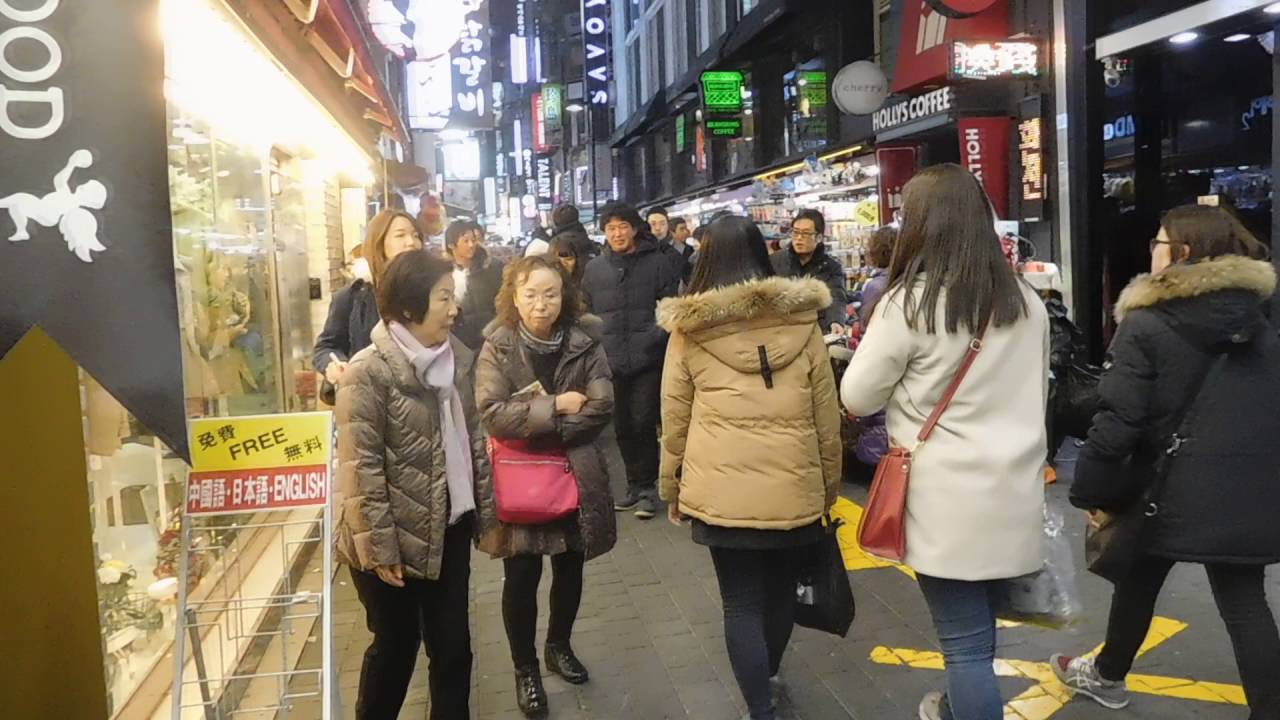
    A new study has revealed that Korean shoppers embrace the cold winter climate – but not much beyond minus 5 degrees.

    Supermarket operator E-Mart says the number of customers peaks during winter when the temperature hits minus 5 degrees Celsius, also known as the ‘golden temperature’ in the South Korean retail industry.

    Researchers learned that customers were most likely to come out and shop when the mercury fluctuated around the golden temperature, after analysing the shopping patterns of consumers from last December to early January on Wednesday, Thursdays and Fridays.

    The number of visitors to E-Mart reached the highest levels between December 20 and 22 of  last year, totaling 2.17 million shoppers. During this period, the temperature dropped to around minus 5 degrees Celsius.

    Between January 31 and February 2, 2.12 million people shopped at E-Mart stores across the country, with the temperature plunging to a low of minus 4.3 degrees Celsius on average.

    During the seven weeks when the study was conducted, the temperature stayed at a low of minus 4 to minus 7 degrees Celsius on the top four most visited days.

    The best temperature for retail sales didn’t come often, however.

    The number of customers dropped when the mercury rose to minus 0.3 degrees Celsius, with only 2.05 million people visiting E-Mart stores on Wednesday, Thursday and Friday during the third week of January.

    When it was too cold, retail sales were impacted negatively, with the number of customers plunging below 2 million during some days in January when the temperature dropped to minus 10 degrees Celsius.

    “When cold waves hit and temperatures drop below minus 10 degrees Celsius in the winter, shoppers tend to avoid offline shopping. At the same time, warm weather also doesn’t help retail sales as sales of seasonal products like heating supplies become sluggish. We believe around minus 5 degrees Celsius is best for retail sales,” an E-Mart spokesperson said.
  • FAO Schwarz Sets Its Sights on China

    FAO Schwarz Sets Its Sights on China

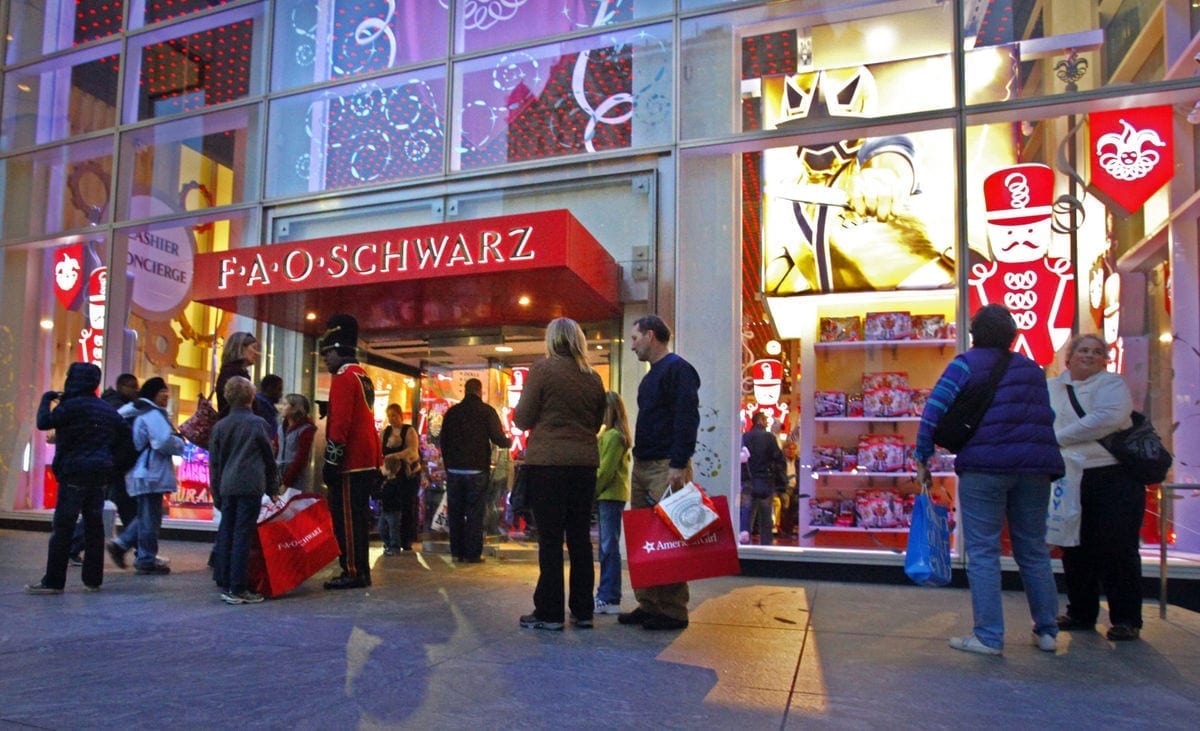
    As it continues its revival, US retail toy giant FAO Schwarz has set its sights on China.

    It plans to open stores in Beijing and Shanghai this year through a collaboration with China toy distributor Kidsland.

    Kidsland will also open 30 FAO Schwarz shops in 200 department stores across China over the next five years.

    “With customers looking for authentic brands and memorable encounters, we believe the brand will become a game changer in China’s toy industry,” says Kidsland International chairman/CEO Lee Ching Yiu.

    Founded in 1862, FAO Schwarz was the oldest toy store in the US when its sole remaining outlet, a flagship on Manhattan’s Fifth Avenue, closed in 2015. But its branded products continued to live on at Toys R Us, which bought the brand in 2009. In October 2016, Toys R Us sold FAO Schwarz to ThreeSixty Group, which designs, makes and distributes toys and other consumer products under a portfolio of owned and licensed brands.

    Meanwhile, FAO Schwarz has signed a licence agreement with Wild and Wolf, which designs and makes wooden toys, puzzles and games.

  • Nature Republic opens store in Indonesia

    Nature Republic opens store in Indonesia

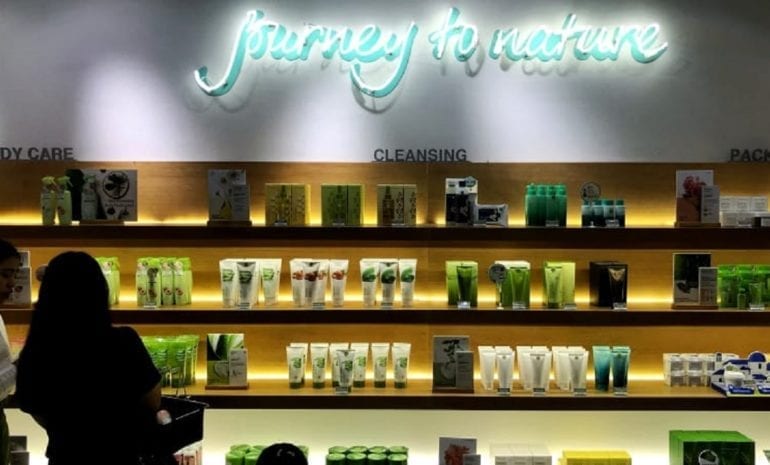
    South Korean cosmetics company Nature Republic opens its first outlet in Indonesia.

    Nature Republic speeds up to expand overseas market. The store is in a Jakarta shopping mall and registered 100 million won (US$94,000) in sales on its pre-opening day,  the Seoul-based company said.

    Indonesia is the fourth largest country in the world and is considered the next big thing after China.

    The economy continues to grow at a rate of 5% and has more potential to growth. As about 90% of the population is Muslim, the world’s largest Muslim country, the company plans to establish a bridgehead for the Middle East and other Muslim markets.

    In order to enter Indonesia, the company has been thoroughly prepared for one year including local market analysis and product pre-registration.

    The company focused on product selection, reasonable price, and all-round marketing strategy, and online marketing considering the characteristics of the country.

    Jakarta shopping mall, chose by Nature Republic to open the store, is main shopping area for Muslim Indians.

    In particular, young people from 10s to 20s who are interested in Korean culture such as K-pop and K-beauty visit the store. The company is targeting young customers to raise brand awareness and stabilize the local market.

    “We will expand our presence in the overseas market, including the Middle East and Europe, in the long-run, with Indonesia as our outpost,” the company said.

    Nature Republic plans to operate up to 10 outlets in Indonesia by the end of this year.

    The company has stores in 17 countries, including China and Vietnam.

  • Jumbo Group to go jumbo in Asia

    Jumbo Group to go jumbo in Asia

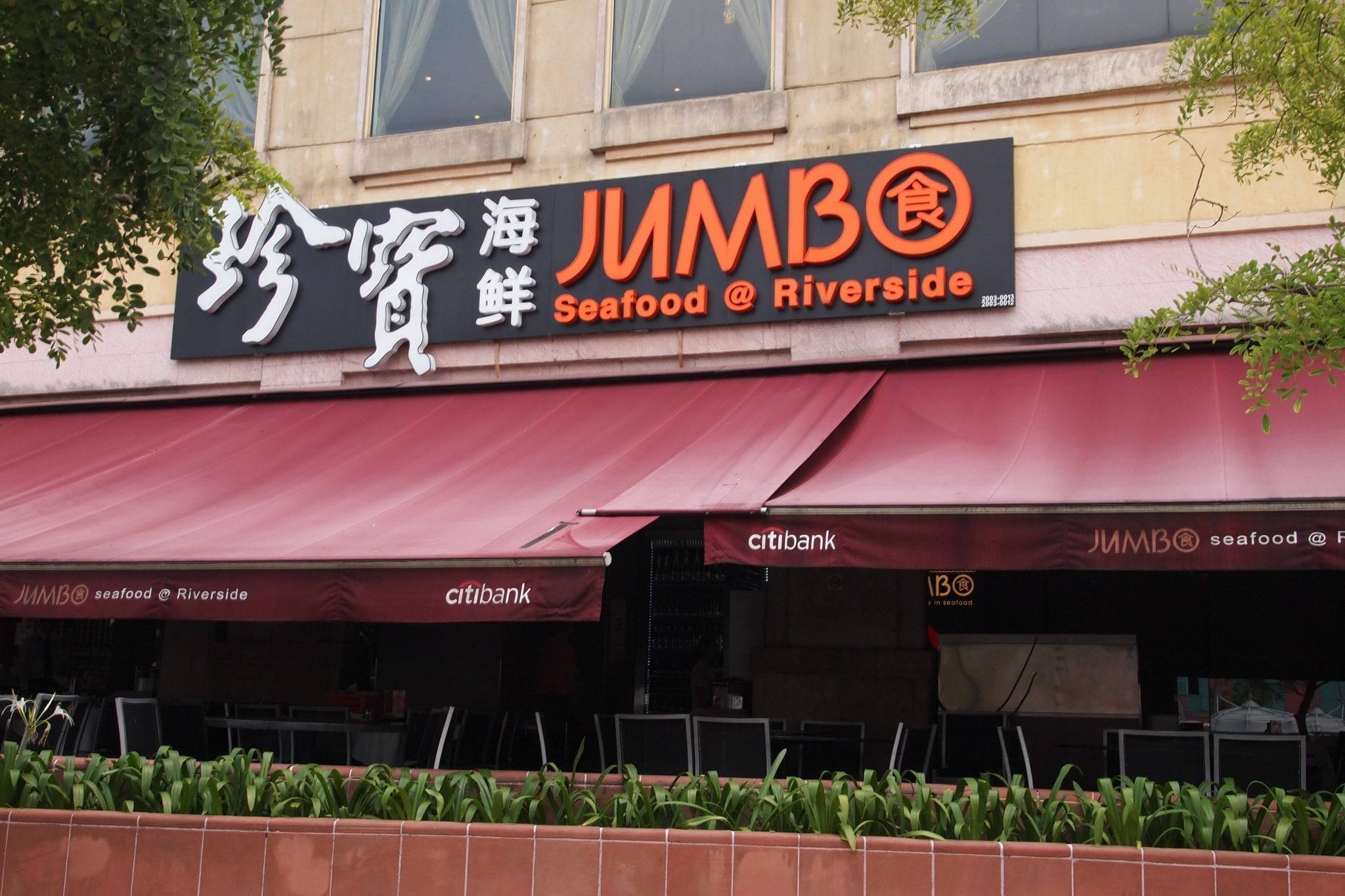
    Following another strong quarter, multi-dining concept company Jumbo Group says it aims to expand its brands to other major Asian cities.

    “We will continue to take a calibrated approach in our expansion plans to capture the growing F&B market in major Chinese cities such as Shanghai and Beijing as well as other regional markets like Vietnam,” says group CEO/executive director Ang Kiam Meng.

    Jumbo also plans to pursue franchising opportunities as well as growing its network through openings, acquisitions, JVs and strategic alliances.

    For its first quarter to the end of December, Jumbo has announced a profit attributable to the owners of the company of $2.6 million, compared to $2.1 million for the corresponding period a year earlier.

    Revenue increased by 5.8 per cent, or $1.8 million, to $32.7 million, mainly because of  increased revenue contributions from the group’s seafood outlets in Shanghai.

    Gross profit increased by 8.1 per cent, or $1.6 million, to $21 million. Gross profit margin was 64.2 per cent, up year on year from 62.9 per cent.

  • Gap, Banana Republic to exit by end of Feb

    Gap, Banana Republic to exit by end of Feb

    Clothing brands Banana Republic and Gap are about to quit Singapore, FJ Benjamin has announced.

    Both outlets have announced their impending departure on their respective Facebook pages.

    FJ Benjamin, which brought both American brands to Singapore, says it will be closing the final two Banana Republic and three Gap stores in Singapore by the end of this month. The company has decided not to renew the franchise, which expires on February 28.

    When the fashion retailer announced the brands’ arrival in Singapore in 2006, it said it planned to open 30 stores – including outlets in Malaysia – by 2010.

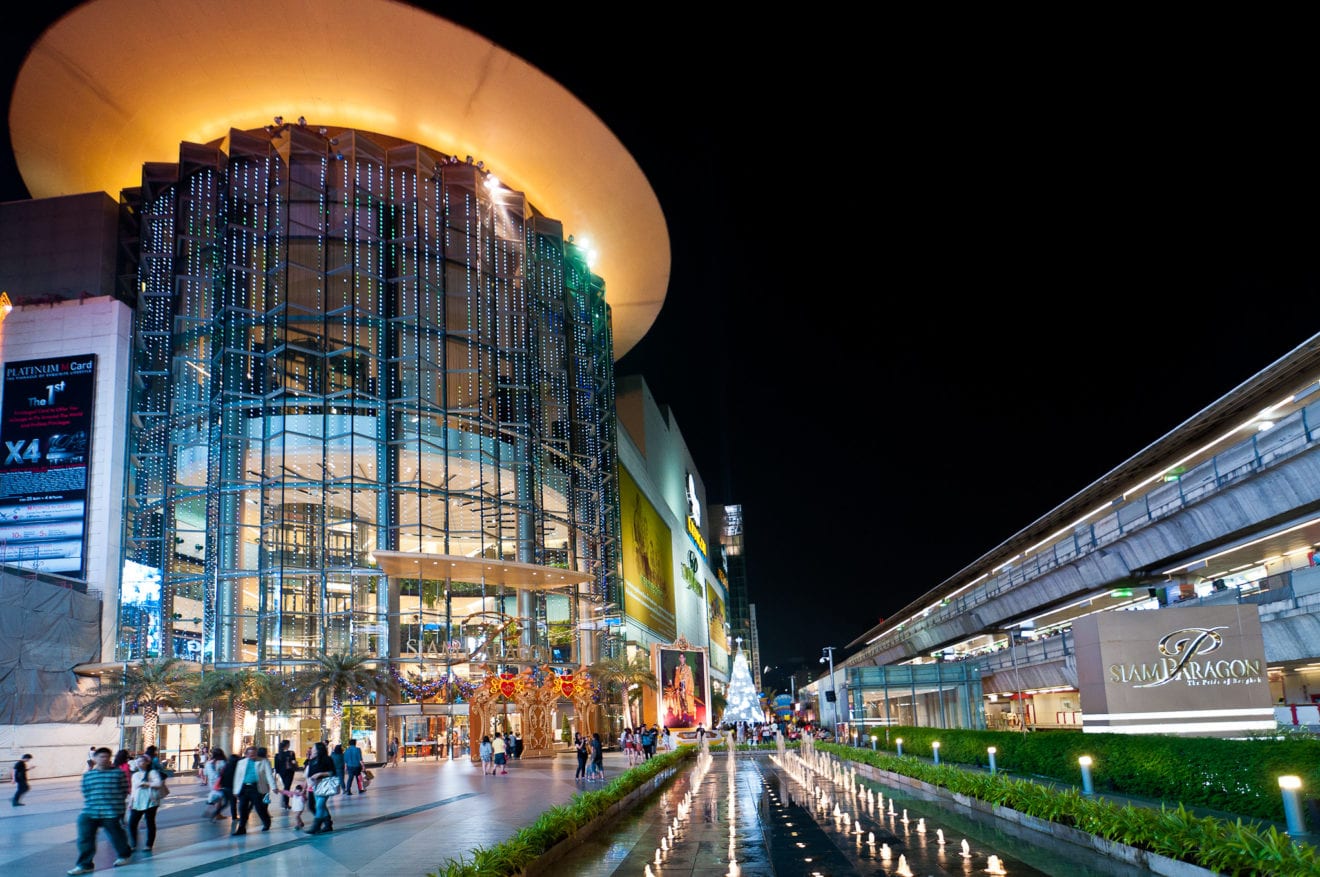
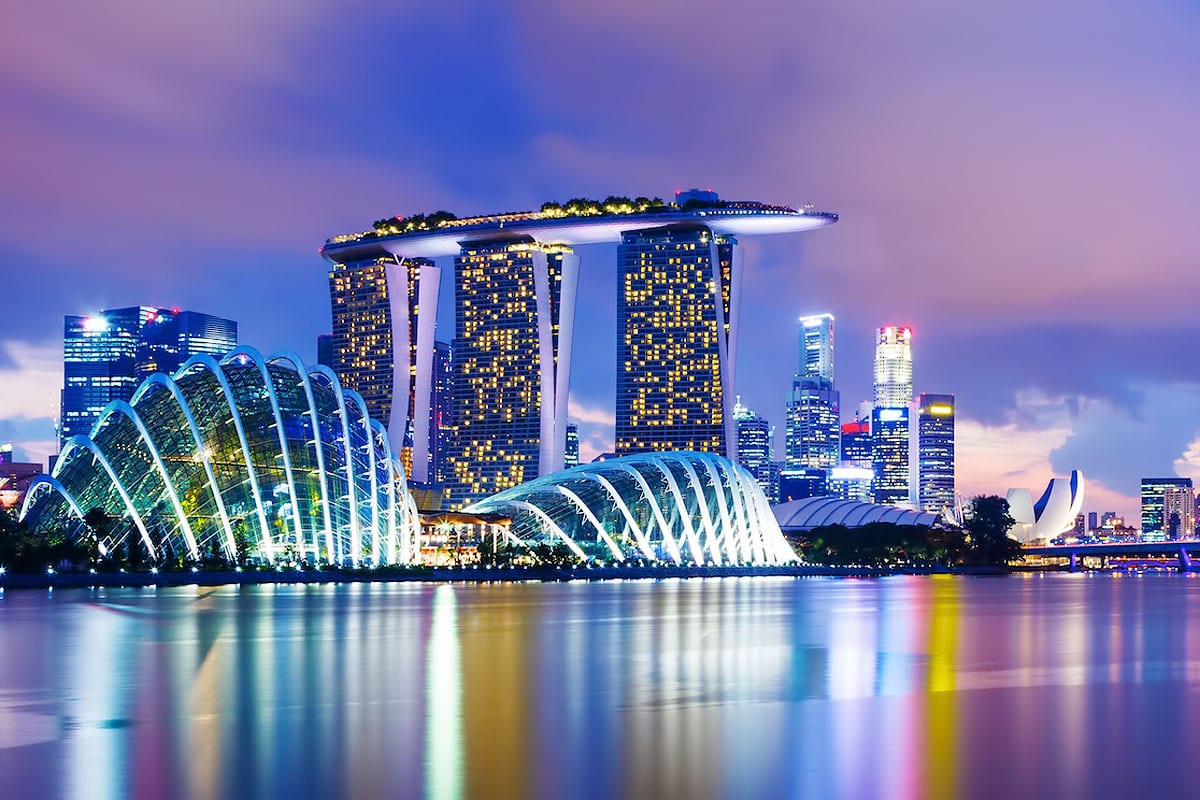
    Gap’s stores are at Suntec City, United Square and VivoCity, while the Banana Republic stores are at Paragon and the Shoppes mall at Marina Bay Sands.

  • Paul Marciano resigned from Guess

    Paul Marciano resigned from Guess

    Guess co-founder Paul Marciano has stepped away from the business for an indefinite period while an investigation takes place into allegations of improper conduct.

    Marciano denies the allegations which have not been detailed by Guess.

    However Retail Dive has reported that actress and model Kate Upton, who has worked for the brand, accused Marciano of sexual harassment via Twitter and model Miranda Vee, who previously accused Marciano and real estate developer Mohamed Hadid of sexual harassment and assault, had filed a report against the two men with the Los Angeles police.

    “The company takes very seriously any allegations of sexual misconduct, is committed to maintaining a safe work environment, and looks forward to the completion of a thorough investigation of all the facts,” the company said in a brief statement.

    Two independent directors were appointed to oversee the investigation on February 7. The probe is being conducted by the law firm of O’Melveny & Myers and the directors have also retained the law firm Glaser Weil.

    “The board… and Mr Marciano have agreed that Mr Marciano will relinquish his day to day responsibilities at the company, on an unpaid basis, pending the completion of the investigation,” the statement said

    Marciano added: “I have pledged my full cooperation to the company, and I have the utmost confidence in our CEO, Victor Herrero, to continue leading the company during this time.”

  • Arabesque eyes pension funds as it looks to expand in Asia

    Arabesque eyes pension funds as it looks to expand in Asia

    Arabesque Asset Management (Arabesque), a London-based boutique money manager, is looking to expand its presence in Asia, and is setting its sights on pension funds in the region.

    The company, which specialises in environmental, social and governance (ESG) investments, had assets under management (AUM) of US$150 million as at end-2017. Most of its customers are family offices.

    Arabesque Chairman Georg Kell says the company is looking at “securing mandates from Asian pension funds”.

    “As an asset management firm that is very focused on ESG, we are in good position to capture the growth and demand for ESG investment by institutional investors and pension funds,” Mr. Kell said on the sidelines of a recent capital market conference in Kuala Lumpur.

    He declined to disclose which Asian pension funds Arabesque is in discussions with.

    A growing number of pension funds in Asia have begun to take ESG investments more seriously in recent years.

    Japan’s Government Pension Investment Fund, which had AUM of $1.5 trillion at the end of 2017, said last year it plans to allocate 1 trillion yen ($9 billion) or 3% of its equities portfolio into companies that practice ESG.

    In Malaysia, Kumpulan Wang Persaraan, the country’s second largest pension fund, hopes to have 70% of its AUM be ESG-compliant by an undisclosed timeline, up from the current 50%. The fund had AUM of over 137 billion ringgit ($35.22 billion) as at end-September 2017.

    Mr. Kell says Arabesque, which was founded in 2013, needed a few years to build its track record before moving to expand aggressively.

    “In this industry, you are pretty much non-existent until the third or fourth year onwards,” he says.

    According to Mr. Kell, Arabesque will also be looking to grow its retail investor business. This will be done via partnerships with local players because it can be costly to set up a distribution network to reach out to retail investors.

    “In Malaysia, we have a partnership with BIMB Investment Management. We are looking for similar partnerships in the region,” he says.

    But he believes it’s important to educate retail investors about ESG products in order to boost demand.

    “In Asia, their (retail investors) mindset is not open enough… Of course, we know that building something new is never easy. It takes time,” Mr. Kell says. “Nevertheless, I am confident that sustainable investing is here to stay and will become a new normal.”

  • IKEA to open stores in Philippines, looking for designer

    IKEA to open stores in Philippines, looking for designer

    Swedish furniture-maker IKEA will open stores in the Philippines after it found a local partner, a spokesman for its worldwide franchisor said.

    Inter IKEA Systems B.V. has awarded the franchise right in the Philippines to a company called Ikano, according to its spokesperson, Josefin Thorell.

    Singapore-based IKEA Southeast Asia also posted a job opening on recruitment website LinkedIn for a Manila-based design manager in late January.

    IKEA’s simple but sturdy designs and self-assembly products are now familiar in homes around the globe and the retailer is aiming to generate 50 billion euros ($62 billion) in annual revenues by 2020.

    Reports of its impending arrival has in recent years stirred excitement on social media.

    “We are very happy to confirm that Inter IKEA Systems has taken the decision to open IKEA stores in the Philippines and that the franchise right for the Philippine market has been allocated to Ikano,” Thorell said in an email to ABS CBN News.

    The Manila designer will “work close together with the design team and play a decisive role in planning, executing and planning our first IKEA store in the Philippines,” according to the LinkedIn post, which expires on Feb. 28.

    Ikano Group is engaged in finance, real estate and retail. It’s marketing manager, Jasmin Cruz, said the company had been registered with the Board of Investments for 2 years.

    Ikano Pte Ltd, the Southeast Asian franchisor of IKEA, pre-qualified as a foreign retailer in the Philippines in December 2016, according to a list from the BOI.

  • Cryptocurrency Market Stabilizes at $500 Billion, While Bitcoin Maintains at $11000 Level

    Cryptocurrency Market Stabilizes at $500 Billion, While Bitcoin Maintains at $11000 Level

    The price of the leading digital currency keeps growing in value, positively influencing the entire cryptocurrency market.

    Bitcoin continued to move higher on Monday, after surpassing the $11,000 mark over the weekend for the first time since January. The cryptocurrency reached its highest level since last month at over $11,200 on Sunday, before falling to $10,350 by the end of the day. However, it rebounded on Monday to $11,050, showing a 5% gain.

    Thus, bitcoin has managed to recover from its two-month low of $6,000 recorded earlier this month and is currently trading at $11,186. Other major digital currencies have escalated as well. The world’s second cryptocurrency, Ethereum, is getting closer to the $1,000 level and is now standing at $940. The third cryptocurrency, Ripple, is trading at $1,14.

    The surge had a positive impact on the overall cryptocurrency market, which recorded a valuation of $502 billion on Monday. The last time it broke the $500 billion mark was in mid-December. At the time of writing, the total market cap is worth more than $501 billion.

    Cryptocurrency prices declined at the start of 2018, which according to analysts was due to bans on virtual currencies imposed by different countries. Several major banks, including JP Morgan Chase, Citigroup, and Bank of America, prohibited the use of credit cards for purchasing digital currencies, while South Korea recently banned unknown cryptocurrency trading accounts. Meantime, the US authorities have begun an investigation of the Bitfinex exchange over its links to Tether, which is rumored to being used to artificially inflate bitcoin prices.

    Still, the regulators in South Korea, which is the key market for cryptocurrencies, confirmed last week that they will allow digital currencies to operate in the country, what has been positive news for traders who feared a complete ban. According to HanKyoReh, the demand for the cryptocurrency is surging now, for the first time since the middle of January.

    Besides, analysts predict that bitcoin will continue its upward momentum. Tom Lee, the Wall Street strategist covering bitcoin, said bitcoin will reach $25,000 this year, while Saxo Bank’s analyst Kay Van-Petersen believes the digital currency will cost $100,000.

    According to a new report by S&P Global Ratings, institutional investors should not fear a collapse of the cryptocurrency market, as it is unlikely to disrupt financial markets. Investors, researchers say, would be better protected in case of a huge drop, while retail investors would feel the impact of the collapse the most.

    “We expect rated banks to be largely insulated, given that their direct or indirect exposure to cryptocurrencies appears to remain limited,” said Mohamed Damak, financial institutions sector lead at S&P Global Ratings. “For now, a meaningful drop in cryptocurrencies’ market value would be just a ripple across the financial services industry, still too small to disturb stability or affect the creditworthiness of banks we rate.”

    “We believe that the future success of cryptocurrencies will largely depend on the coordinated approach of global regulators and policymakers to regulate and enhance market participants’ confidence in these instruments,” Damak added.

  • Blackmores stumbles on China costs and fish oil shortages

    Blackmores stumbles on China costs and fish oil shortages

    Blackmores CEO Richard Henfrey is wrestling with supply constraints for some ingredients and a more competitive market in China.

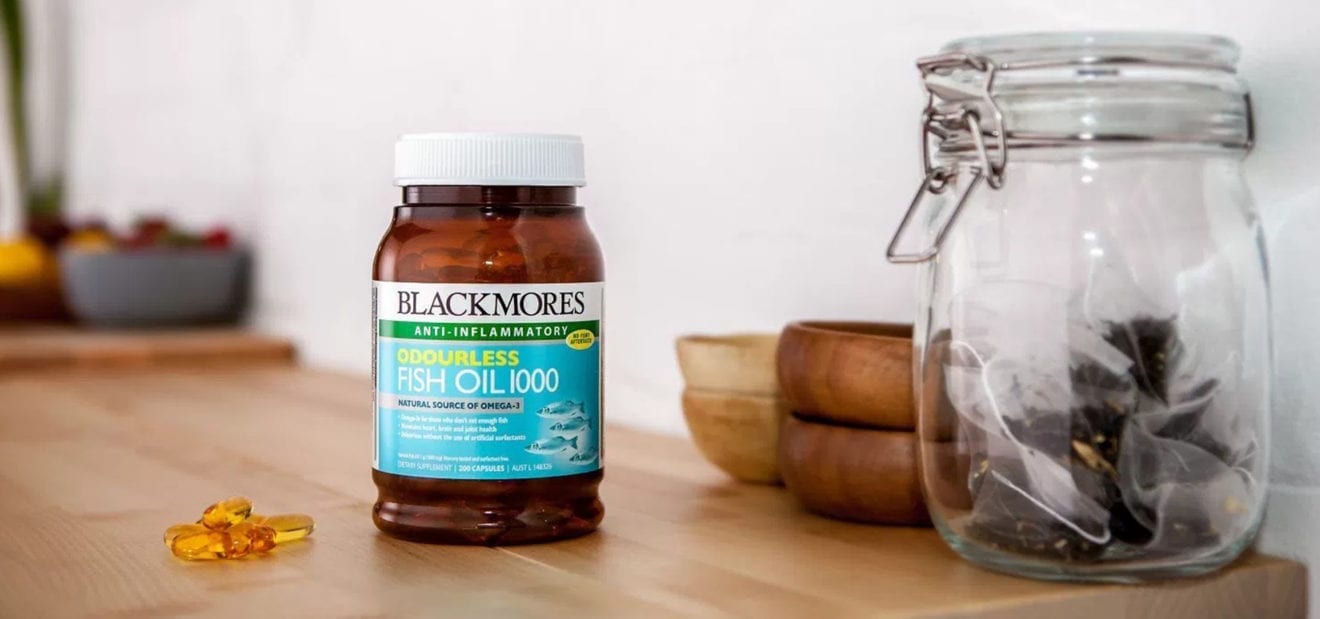
    Blackmores is grappling with shortages of ingredients such as whey protein and fish oil, and competition in China is becoming more fierce but chief executive Richard Henfrey says the long-term growth projections for the vitamins maker are robust.

    Blackmores shares tumbled more than 15 per cent in early trading on Thursday to $135 as the company said it was working with ingredients suppliers to shorten lead times in its supply chain and that profits from its China business had grown by 4 per cent as it bumped up investment and spent more on expanding its in-country presence in China.

    Mr Henfrey said Blackmores still expects solid growth in the second half of 2017-18, after generating a 20 per cent per cent rise in net profit after tax to $34.2 million.

    He said on Thursday that Blackmores was a more consistent business now after going through extreme volatility in the past couple of years and it would be some time before it was able to repeat the stellar full-year profit of $100 million notched in 2015-16. “That was the gift year,” he said, when booming demand from China fuelled extraordinary profit growth.

    Cost-cutting inside the business and a reduction in discounts to customers enabled Blackmores to generate a 20 per cent rise in bottomline profits, with revenues up 9.3 per cent to $287.4 million. The company lifted its first half dividend by 15 per cent to $1.50 per share, to be paid on March 22.

    But the soft Australian retail market is expected to crimp growth in the second half, while Blackmores is also wrestling with some supply constraints. “We’re working with our suppliers to shorten lead times,” Mr Henfrey said. Whey protein and fish oil were two specific areas where there had been constraints.

    The China market is becoming a tougher market in which to compete, as different players step up their efforts to gain a bigger share of the market as Chinese consumers flock to “clean and green” products from countries like Australia.

    “It’s becoming a more competitive space,” Mr Henfrey said. China sales were up 27 per cent. But Mr Henfrey said profits from China grew 4 per cent as more investment was made in bolstering the in-country presence. Blackmores was also hit by an increase in doubtful debts provisions in China of $2.8 million.

    Blackmores has a new distribution centre at Bungarribee in western Sydney which went into full overdrive in December after a staged ramp-up. “We’ve finished building out the technology in there,” he said. But it was at the start of the supply chain where headaches emerged. “It’s at the other end of the chain,” he said.

    Mr Henfrey, who took over from long-serving chief executive Christine Holgate in August 2017, said sales revenue in Australian and New Zealand slipped marginally to $121 million as more sales which had previously been emanating in Australia from entrepreneurs buying up in local retail stores and then selling them online in China, shifted across to direct sales online in China by Blackmores itself. But EBIT from Australia and New Zealand was up 19 per cent to $26 million.

    Blackmores shares had almost doubled in the past six months from $87 in late August 2017 to $160 on Wednesday before the fall on Thursday.

    This was on renewed optimism returned about Mr Henfrey’s strategy of ensuring a more consistent and reliable Blackmores with a focus on lifting investment returns with tighter management.

    Lofty gains

    Blackmores shares reached the lofty heights of $220 in early January 2016 on the strength of enormous appetite from Chinese buyers for “clean and green” vitamins brands.

    It was largely driven by the Chinese entrepreneurs buying up large volumes of vitamins from Australian supermarkets and big box outlets such as Chemist Warehouse, and then selling them online on e-commerce sites in China.

    But then regulatory uncertainty resulted in a pull-back. Chinese tourists and exporters changed their buying patterns and the Australian market became much more competitive, with high levels of stock left in warehouses, which blunted the speed of replacement orders.

    Rival Swisse was acquired in two tranches for a total of $1.7 billion in 2015 and 2016 by a company now called Health & Happiness, which changed its name from Biostime International.

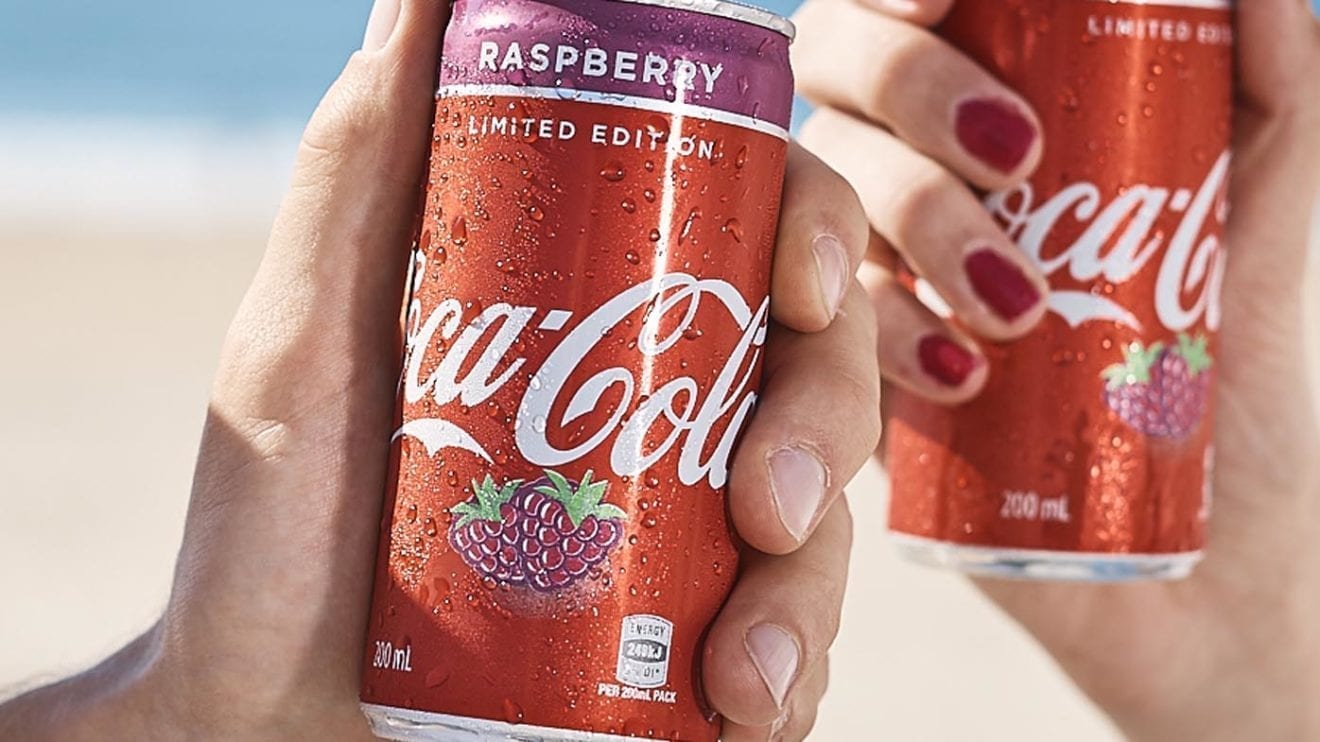
  • Coca-Cola Amatil-owned fruit brand SPC to enter China market in 4500 stores

    Coca-Cola Amatil-owned fruit brand SPC to enter China market in 4500 stores

    Managing director Reg Weine said that its premium Goulburn Valley 700g fruit range, SPC snack cups and pouch ranges, and IXL jam would be the first products to enter stores.

    SPC’s snack cups are already available on online retailer JD.com and Weine said the full range of SPC, Goulburn Valley and IXL products will progressively be available across major online and offline retailers in China.

    In end-January, SPC finalised an agreement with China State Farm Agribusiness (CSFA) Shanghai to export SPC, Goulburn Valley and IXL lines of processed fruit products to China.

    CSFA Shanghai, a wholly-owned subsidiary of China National Agriculture Development Group Corporation — one of China’s largest agribusiness conglomerates — will be “master distributor” of SPC’s brands and product lines in China.

    “It takes significant time and resources to build brands in overseas markets, which is why we are partnering with China’s leading agricultural firm. Their enviable track record of successfully bringing premium foreign brands to China is very attractive to us,”​ said Weine

    Marketing to middle class

    He added that CSFA Shanghai had the dedicated personnel and sales and marketing support that SPC needed to build its brands, as well as the distribution capability to reach China’s burgeoning middle class.

    At the signing ceremony, he said, “It’s about taking our market-leading brands into markets where provenance plays a part and there is a large enough consumer segment that is affluent and willing to pay a premium for Australian produce.”​

    To this end, they have engaged Chinese singer and actress Ye Yiqian, who as a “deep connection with aspirational Chinese consumers”​ to be brand ambassador.

    Extensive distribution 

    Weine confirmed that the exported fruit products will be available in over 4,500 premium retail and mother and baby stores, which he said will provide a considerable market for the company’s products.

    “We will have a strong presence in bricks-and-mortar retailing ​— including Alibaba’s HEMA retail outlets, Ole supermarkets and mother and baby chain Kidswant,”​ he said.

    Initially, they will be in China’s tier one cities including Beijing, Shanghai, Guangzhou and Tianjin, and later will include Shenzhen and Chongqing.

    The products will also be carried by leading e-commerce platforms such as such as JD.com, Kaola, and Alibaba’s T-Mall.

    Asian expansion

    Said Weine, “This hopefully will only be the beginning of our relationship with Chinese consumers.”​

    He emphasised that China represents a significant business opportunity for SPC in the years ahead, with its processed fruit market five times that of Australia.

    Among further plans for expansion, Weine said SPC’s ProVital, functional and fortified fruit products in accessible packaging, will also appeal to China’s ageing population.

    In the vast Asia Pacific region, aside from China, SPC already exports to Hong Kong, Japan, Singapore, Malaysia, Pacific islands and the Middle East.

    In February, SPC will also be launching its Perfect Fruit frozen fruit whip dessert in India and, shortly after, to Japan as well.

    Coca-Cola Amatil-owned SPC is the largest producer of premium packaged fruit and vegetables in Australia, processing about 150,000 tonnes of fruit a year. Its products include processed and packed fruit, vegetables, spreads and jams, prepared meals, snack foods, sauces and condiments.

    CSFA Shanghai already has established business relationships with several Australian companies including A2 Milk and Stanbroke Premium Beef. The company will organise staff and carry out sales and marketing to build SPC’s product brands in China.

  • Thai mall operator profits up 47 percent on tourism boom

    Thai mall operator profits up 47 percent on tourism boom

    Thai retail property developer Central Pattana Pcl (CPN) reported net profit of 13.6 billion baht ($432.3 million) for its 2017 fiscal year on Wednesday, up 47 percent from a year earlier.

    CPN beat estimates of 12.1 billion baht based on a survey of 11 analysts.

    CPN, which operates 32 shopping malls in Thailand, has been one of the main beneficiaries of the country’s tourism boom, led by Chinese arrivals.

    More direct flights from China, a visa fee discount and waiver incentives led to strong inbound tourism, CPN said in a statement.

    Thailand received 35 million tourists in 2017 and expects 37.55 million arrivals this year.

    Revenue from rent and services were up 3.2 percent from the year earlier, reaching 26 billion baht.

    Average occupancy rates in its retail properties stood at 92 percent, lower than 94 percent a year earlier due to major renovations.

    CPN, part of Central Group, owned by the billionaire Chirativat family, plans a compound annual growth rate of at least 13 percent until 2022 focusing on mixed-use and residential developments, increasing rental rates and new malls in Southeast Asia.

    Hotel revenue grew 10 percent to 1.1 billion baht, with an average occupancy rate of 93 percent, up from 83 percent a year ago, due to a higher number of tourists, it said.

    CPN expects its new mall on the tourist island of Phuket to open by mid-year and another mall in Malaysia to open by year-end.

  • 3 companies submit bids to operate Singapore Expo

    3 companies submit bids to operate Singapore Expo

    Singapore Expo could be managed by a different operator for the first time in its nearly 20-year history, if SingEx loses its tender bid to two new contenders.

    A tender to operate the space was launched by the Singapore Tourism Board (STB) on Dec 6 last year, and three companies including SingEx have submitted bids, according to government procurement portal GeBIZ.

    The two new contenders have put in bids of S$60 million each, above incumbent SingEx’s bid of S$50 million.

    SingEx, which is owned by Singapore investment arm, Temasek, has managed the space in the east of Singapore since it was opened in 1999.

    According to GeBIZ, the two other bidders are Futuristic Store Fixtures, a store fixture specialist that serves global retail clients such as Victoria’s Secret and L’Occitane and is part of OSIM founder Ron Sim’s V3 Group, as well as Unusual Development, a subsidiary of media entertainment and content company mm2 Asia.

    Futuristic Store Fixtures will be teaming up with AEG, a leading sports and entertainment presenter that owns, operates and provides services to some of the most successful facilities in the world.

    The bidders have signed a non-disclosure agreement and are not able to divulge details of the tender or their plans.

    Aside from price, government tenders also take into consideration criteria such as the bidder’s track record and their vision, direction and strategy of how they intend to run the project.

    The bids come amid a slowdown of Business Travel and Meetings, Incentive Travel, Conventions and Exhibition (BTMICE) visitor arrivals to Singapore.

    While overall visitor arrivals to Singapore reached a new record of 17.4 million in 2017, the BTMICE segment saw 1.75 million visitors in the first three quarters of 2017 – a dip of 5 per cent compared to the same period in 2016.

    In addition, while the 100,000sqm Singapore Expo is one of the bigger spaces in Singapore for such events, it only holds about 600 events a year.

    In comparison, Suntec Singapore holds 1,500 events a year, while Marina Bay Sands Expo and Convention holds more than 3,000 events a year.

    Group managing director of Conference and Exhibition Management Services Edward Liu said that based on the current utilisation rate at Singapore Expo, Singapore must continue to hold trade shows and find ways to differentiate its products from others to stay ahead of rising competition in the region.

    Despite regional competition heating up, experts say the dip in business travellers to Singapore is temporary due to the global economic slowdown in 2015 and 2016.

    UOB Economist Francis Tan said that 2017 was “a good growth year”, and that there was “an uptake in various segments of our economy”. “(I am) a little bit more optimistic on 2018’s BTMICE arrivals into Singapore,” he said.

    While STB has not said when results of the bid will be announced, the winning operator will take over from Jan 1, 2019.

  • Lotte’s chair resigns Japanese CEO role after bribery conviction

    Lotte’s chair resigns Japanese CEO role after bribery conviction

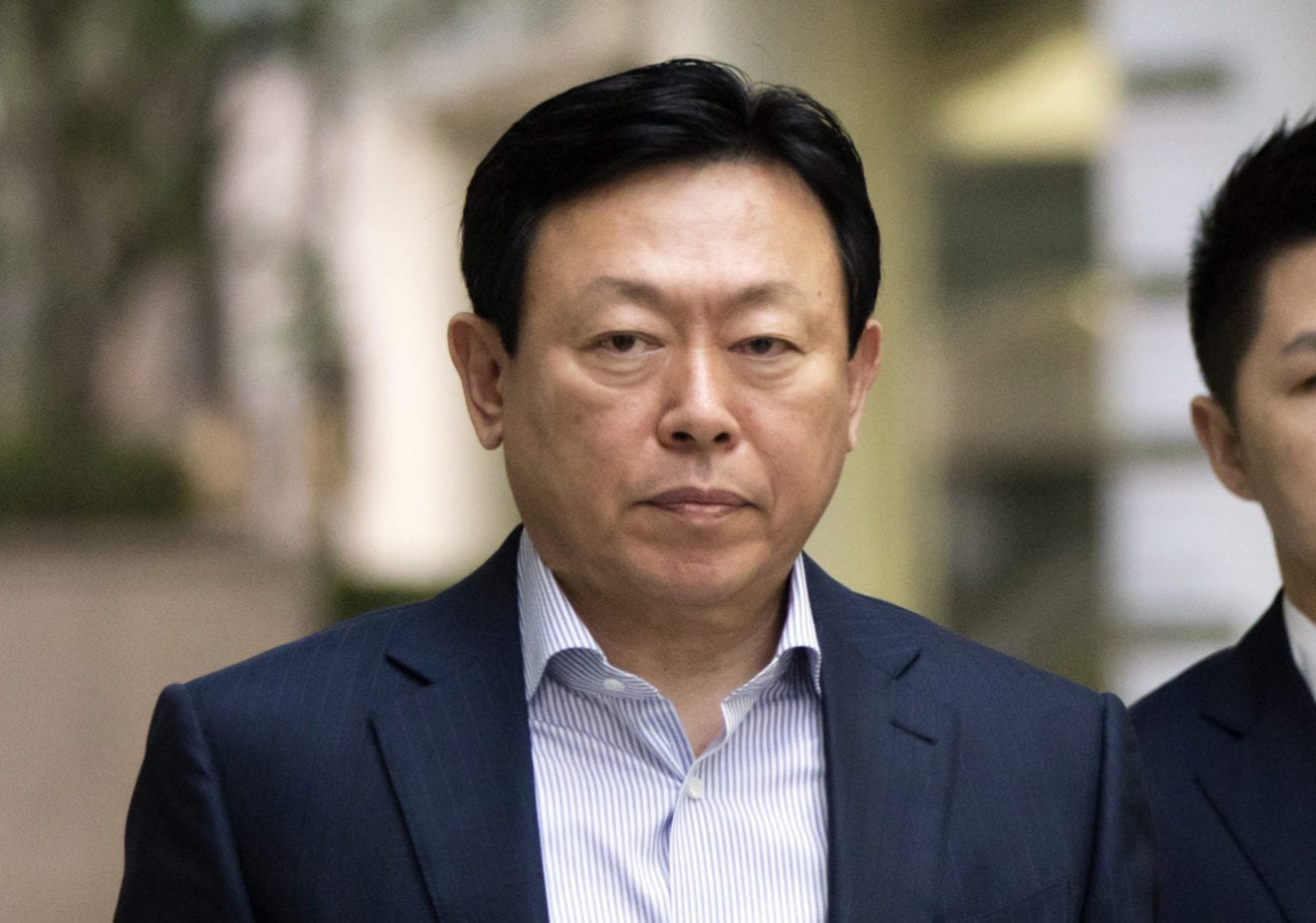
    Lotte Holdings held a board meeting on Wednesday and accepted Shin Dong-bin’s resignation, following a Japanese tradition of convicted chief executives stepping down, the group said in a statement. But Mr Shin will retain his post as vice-chairman of Lotte Holdings and the move will not affect his status in Lotte’s Korean units, the group added.

    Lotte Holdings is at the heart of the retail-focused conglomerate’s complex ownership structure and indirectly controls the group’s key businesses in South Korea such as Lotte Hotel and Lotte Chemical through cross shareholdings.

    Mr Shin’s resignation as chief executive of the holding company comes after a South Korean court sentenced him to two-and-a-half years in prison for bribery, in a stern warning to the country’s political and business elites. Mr Shin was found guilty of offering Won7bn in bribes to foundations of the long-time confidant of former South Korean president Park Geun-hye in return for political favours.

    Lotte said Mr Shin’s resignation would likely have a negative effect on business cooperation and synergies between the group’s South Korean and Japanese operations.

    Mr Shin is appealing the court case. However, his legal troubles could reignite a family dispute over management control at South Korea’s fifth-largest conglomerate and slow its group-wide restructuring efforts.

    Lotte officials are also concerned that Mr Shin’s detention could undermine Lotte’s major investment plans as the group grapples with ballooning losses in China.

  • Sydney Airport reports 12.7% retail revenue rise in 2017

    Sydney Airport reports 12.7% retail revenue rise in 2017

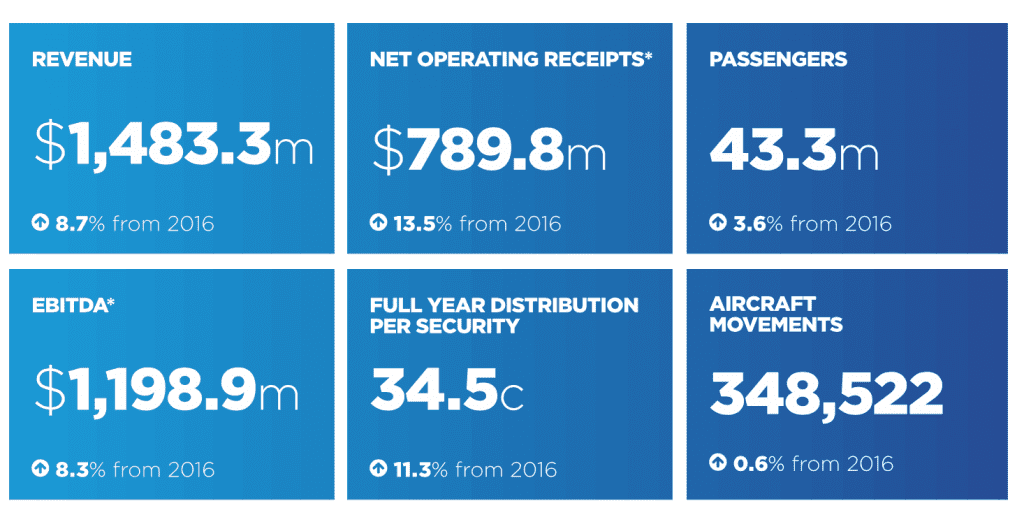
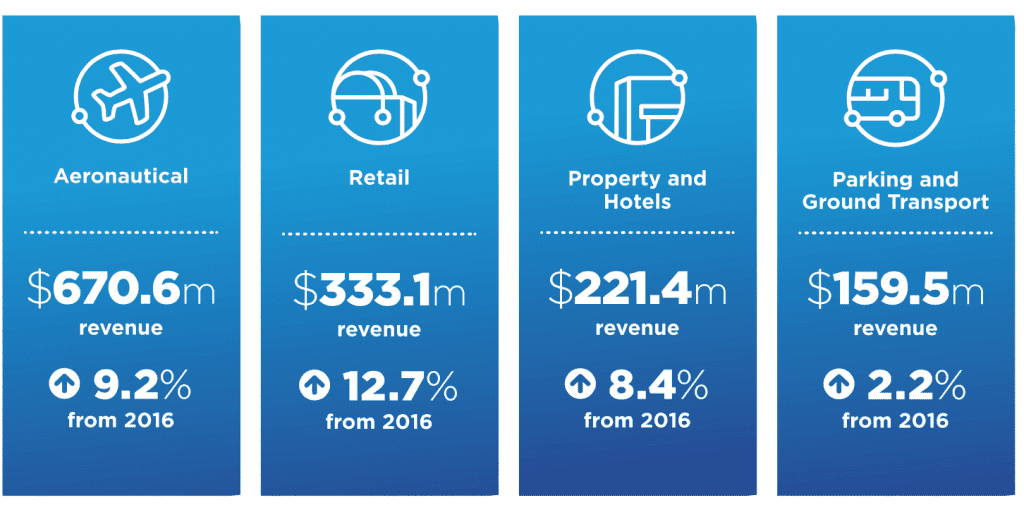
    International Airport has reported a retail revenue increase of 12.7% to A$331.m ($260m) in its full year 2017 results.

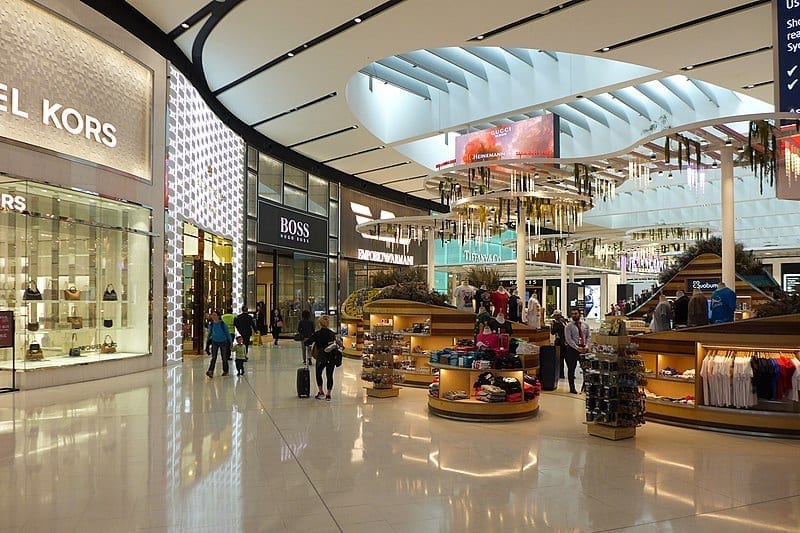
    The strong retail performance reflected the Terminal One International luxury precinct’s (which offers luxury lifestyle speciality retail concepts) first full year of operations and completion of the new Marketplace area and Domestic food court.

    The consistent performance of the airport’s domestic terminals was also a factor. The transformation of Domestic Terminal Two continued in 2017 with first to Australia concepts and a mix of local and international brands including Desigual and Joe & The Juice.

    In 2017, the airport handled 43.3m passengers, up 3.6% from 2016. This is due to the fact it has has “successfully competed internationally to attract airlines and grow inbound tourism.”

    Overall revenue increased 8.7% from 2016 to A$1.5bn while EBITDA was A$1.2bn, a rise of 8.3% on the previous year.

    RETAIL PERFORMANCE

    Retail as a business contributed 23% of total group revenue in the period with duty free delivering strong growth. The standout core category performers were liquor, perfume and cosmetics. Currently, the airport has 244 retail outlets, 127 in Terminal One, 65 in Terminal Two and 52 in Terminal Three.

    In addition, all three terminals were fully leased with continued strong retailer demand for space. According to the airport, the retail offering  is delivering a superior passenger experience with continued focus on value, range and choice. The is proven via strong retail sales, passenger satisfaction scores and “positive sentiment.”

    The airport is focusing on providing high quality retail space in shopping areas and creating an “exciting and vibrant” retail environment. It is also continuing to develop a product and merchandise mix to meet the retail experiences of passengers and to identify appropriate retailers who can meet the airport’s service, operational and financial objectives. Enhancing its understanding of customer trends and behaviour is also a priority.

    Reflecting on the airport’s retail transformation, a statement in its annual 2017 results presentation said: “We’re proud to offer our customers more choice and value with the best of global, local, luxury and high street brands as part of our world-class shopping and dining offering.

    “The completion of our Terminal One International luxury fashion precinct [tailored to meet a diverse international passenger base] was a major milestone in our retail transformation this year. The precinct continued to perform strongly as passengers responded to a retail offering tailored to meet the unique needs of our 16.0 million international travellers.

    “Swiss watchmaker Rolex and Gucci completed the precinct, complementing a streetscape of global designer brands to suit all tastes, including Tumi, Michael Kors, Kate Spade New York, Hugo Boss, Emporio Armani, Tiffany & Co., Hermès, Burberry, Max Mara and Coach.”

    STRONG DUTY FREE OFFERING

    Heinemann Tax & Duty Free, which won the Sydney duty free contract in 2014 and operates the world’s largest standalone airport duty free, spanning 5,750sq m continued delivering a “strong contemporary offering” across its core products of liquor, skincare and fragrance.

    “Exclusive limited editions created a unique value proposition for international travellers,” the airport said.

    The travel essentials and Australian experience categories also continued to perform well, with larger store footprints proving successful following a number of openings.”

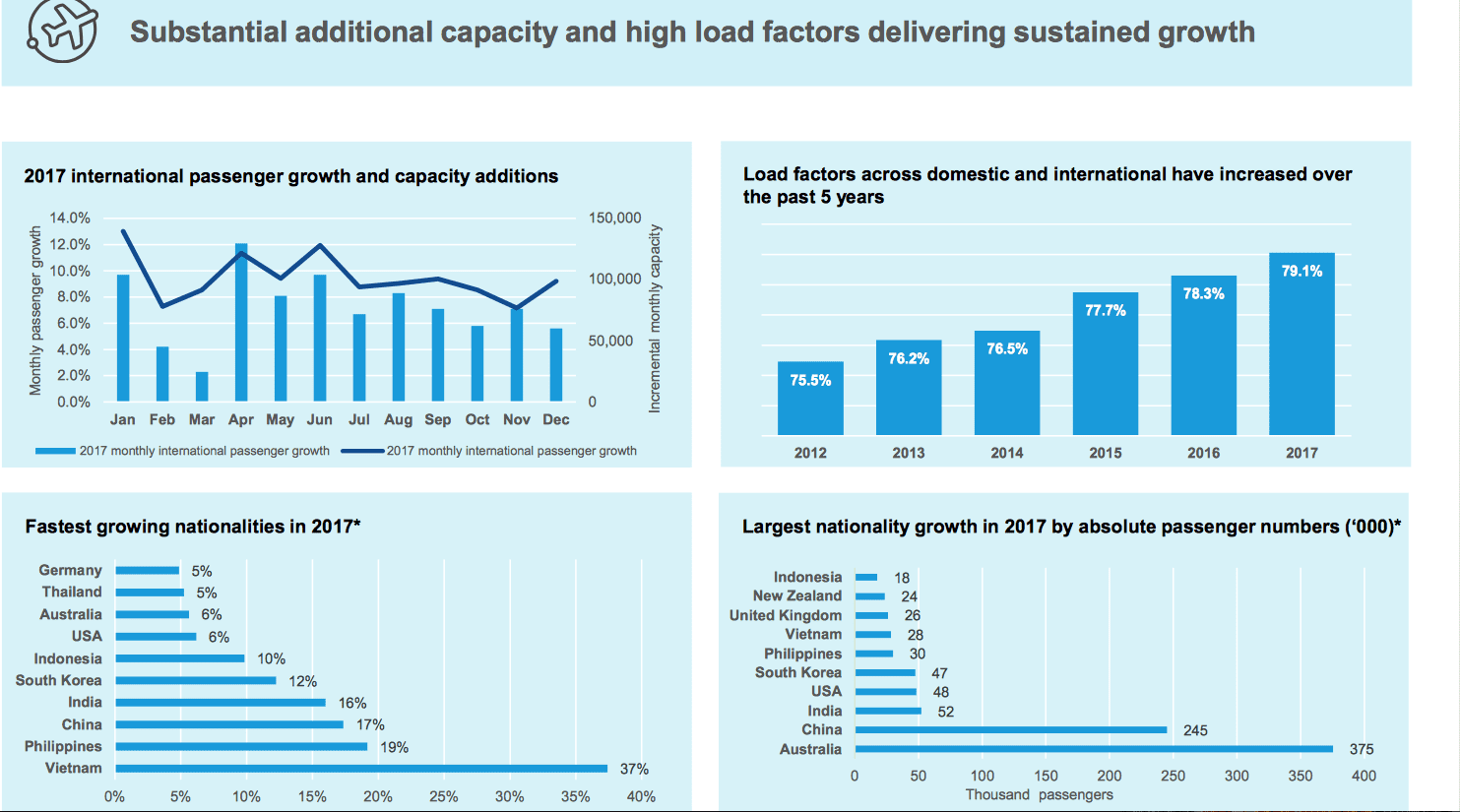
    CEO Geoff Culbert, who replaced former CEO and Managing Director Kerrie Mather in January after the former retired said: “2017 was an excellent year for the airport in which we welcomed a record 43.3m passengers. This increase of 3.6% was driven primarily by strong international passenger growth resulting from increases in airline seat capacity and load factors. We also continued to expand the number of direct services and frequencies from a wide range of destinations.

    “Highlights for the year include solid growth in aviation services, resulting in part from successful and proactive marketing initiatives and long-term collaboration with tourism partners.”

    He concluded: “We are looking ahead to another year of opportunity for our industry. We are committed to the successful operation of Sydney Airport as a dynamic and diverse business that benefits our customers, investors, community and broader stakeholders, now and for the long term.”