Tag: asia

  • DHL Express to build new Helsinki facility

    DHL Express is set to build a logistics center for international air shipments at Helsinki-Vantaa Airport and is allocating around €100 million for the entire lease period for new premises and technology in the Aviapolis area.

    Once operational, the airside access will DHL aircraft parked on the apron to be reached directly from the new building. All incoming and outgoing express shipments in Finland will be handled in the logistics center, which is scheduled to be completed in the second half of 2025.

    DHL said the new facility comes in response to growing shipment volumes in Finland, powered by international e-commerce and remarkable growth in demand in all customer segments.

    “The new state-of-the-art gateway facility will enhance our ability to continue to create reliable and fast transport services that support the competitiveness of Finnish export and import companies,” said Oktay Nuri, Managing Director DHL Express Finland.

    “The new facility will be about 16,000 gross square meters in size, more than double the size of our current gateway in Vantaa. The automated sorting system can handle approximately 6,500 items per hour. 90 direct loading bays enable efficient sorting of shipments directly from the conveyor to the delivery vans. All bays will be equipped with charging stations for e-vehicles, supporting our goal to electrify our entire pick-up and delivery fleet within a few years,” explained Janne Appel, perations director of DHL Express Finland.

    DHL said the new facility will be built by AVIA Real Estate Oy, with Meijou Oy as the main contractor, and has been designed to be carbon neutral. The new Helsinki gateway is part of an extensive network infrastructure improvement program that the group is undertaking, which includes a new Nordic Express opened in Copenhagen a couple of months ago and a similar gateway facility being built in Munich.

    Some 150 employees will be employed at the new gateway with the head office of DHL Express Finland located in separate premises.
  • Vietnamese-American billionaire’s Sriracha sauce sees eightfold price hike

    Vietnamese-American billionaire’s Sriracha sauce sees eightfold price hike

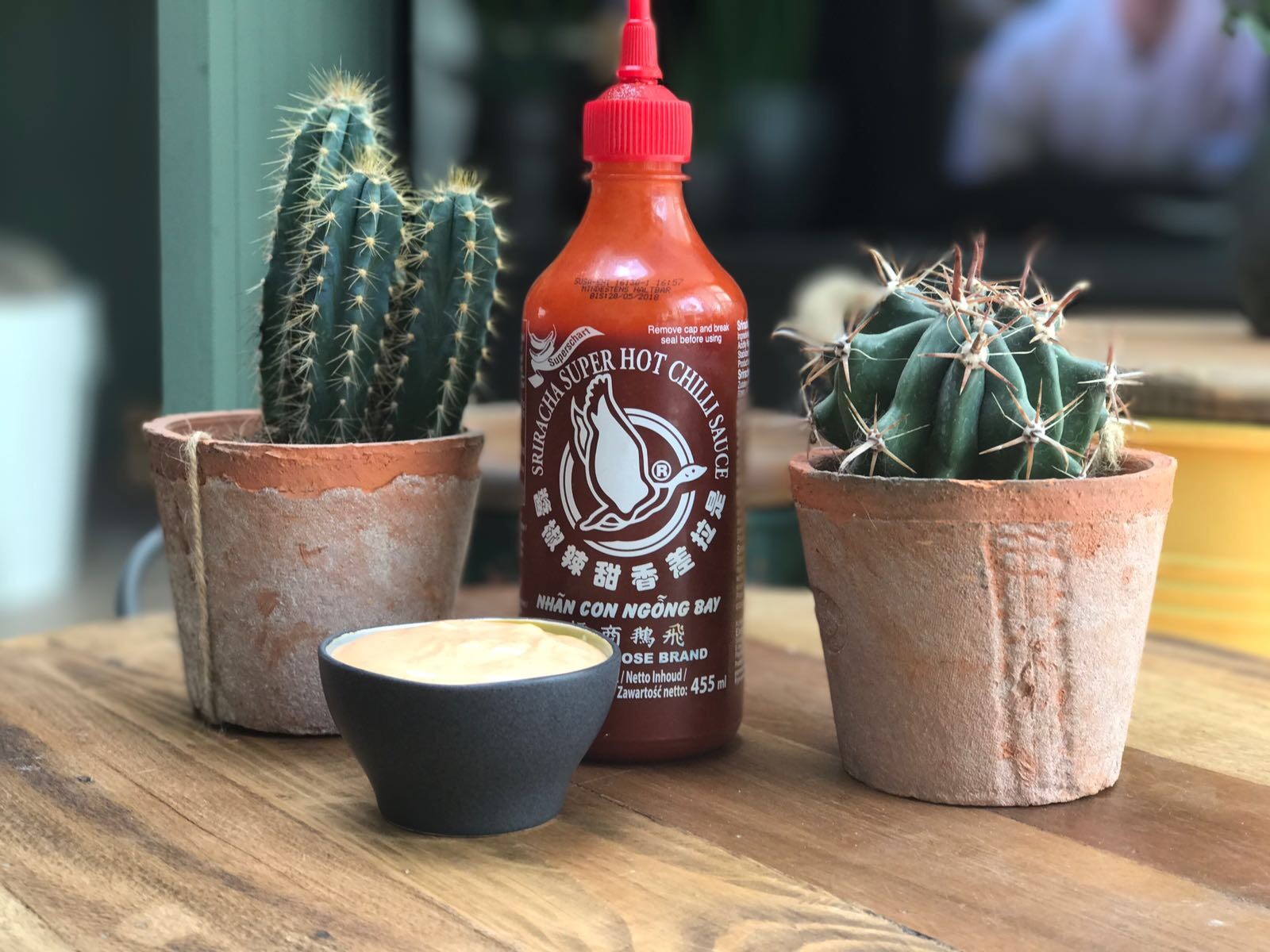
    Prices of the popular hot sauce Sriracha have surged eight times in the U.S. as drought in Mexico leads to a scarcity in the key ingredient, red jalapeños.

    The hot sauce, which is produced by Huy Fong Foods owned by Vietnamese-born billionaire David Tran, is sold at US$40 per bottle of nearly 500 grams on eBay, compared to $5 before.

    A bottle of nearly 800 grams is sold at $60 on the same platform. In Vietnam, a 500-gram bottle is sold at VND89,000 ($3.75) on e-commerce platform Shopee.

    The shop that sells it imports thousands of bottles a year from California, but since April Sriracha prices have risen as its supply become scarce. Huy Fong Foods recently told CNN that it’s still experiencing a shortage of
    raw materials.

    “Although some production did resume this past fall season, we continue to have a limited supply that continues to affect our production. At this time, we have no estimations of when supply will increase,” a Huy Fong spokesperson said.

    There’s been a shortage of the main ingredient, red jalapeños, for the past three years.

    Last year, the company temporarily stopped orders because of the shortage, which also affected its Chili Garlic and Sambal Oelek products.

    Drought in Mexico has resulted in a scarcity of chilli peppers. “It is a challenging crop to grow,” said Stephanie Walker, a plant scientist at the New Mexico State University, who serves on the advisory board of the Chile Pepper Institute.

    “Jalapeños are really labor intensive, requiring people to de-stem them by hand before they go for processing.”
    Huy Fong’s Sriracha, created in 1980 by Chinese immigrant David Tran, is sold in popular retailers like Target and Whole Foods.

  • Coupang launches luxury beauty shopping service Rocket Luxury

    Coupang launches luxury beauty shopping service Rocket Luxury

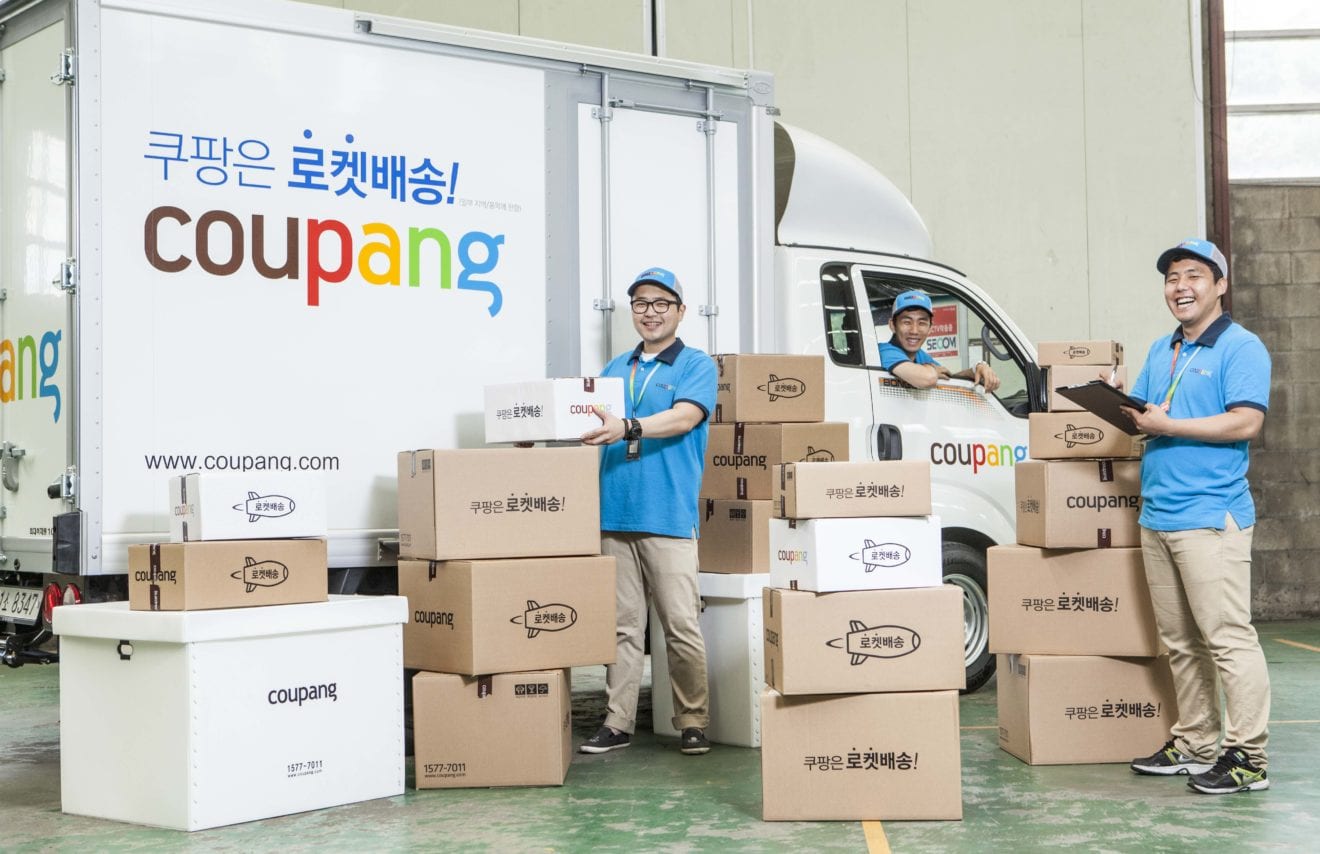
    South Korea’s top e-commerce retailer Coupang said Monday it has launched a new service allowing customers to buy luxury beauty brands’ products at its platform.

    At Rocket Luxury, customers will be able to purchase products of 16 high-end beauty brands from home and abroad, including Estee Lauder, MAC, Bobby Brown, and Hera, directly bought by Coupang.

    The products will be delivered through the “rocket delivery” service, which offers delivery service within 24 hours upon order.

    For members of Coupang’s paid subscription service, Wow, the company will provide free delivery and free return service.

    “Customers who use luxury beauty brands will be able to buy at Rocket Luxury with trust as it only provides genuine products certified by Coupang,” Lee Byeong-hee, the head of Coupang’s retail division, said.

  • Property developers sell off assets to pay debts

    Property developers sell off assets to pay debts

    Property developers in southern Vietnam are selling off their assets despite losses to pay debts amid a slump in demand.

    A property developer in District 1, which develops projects in southern Ho Chi Minh City and Binh Duong Province, last month sold off one of its projects for VND300 billion ($12.71 million), 57% lower than its valuation.

    The company leader, who asked to remain anonymous, said that in May the landlord warned the company that it might have to move its headquarters if rents were not paid.

    “I had to mortgage my home and car to pay for the company’s rents and some short-term debts. I also had to reduce the office space to cut costs,” he said.

    Another developer in District 3 in the first quarter had to pay a VND300 billion debt and intended to use dozens of apartments as a mortgage, but the apartments were valued at VND200 billion, one-third less than three years ago.

    “Even though the assets were valued less I had to mortgage them to pay debts amid a cash crunch,” he said.

    In the second quarter, many premium apartments at a high-end project in District 1 were sold at a 40-50% discount, a price reduction of VND6-9 billion per unit.

    Nguyen Van Dat, chairman of Phat Dat Real Estate Development, said at a recent meeting that he had to sell off many of the company’s’ and his own assets to help the company pay debts.

    “I sold a VND3-trillion asset for VND2 trillion. I also sold and mortgaged many family assets to help the business through difficulties,” he said.

    Property developer Quoc Cuong Gia Lai is even considering selling its hydropower power plant in the central highlands province of Gia Lai to pay debts this year, even though the plant is making large profits.

    A recent report by the Vietnam Association of Realtors said that mid-2023 was the peak of difficulties for property developers and they had to sell off many assets for losses to pay debts.

    They either have to do this or sit still and eventually will go under due to the lack of revenue, he added.

    Tran Khanh Quang, CEO of property developer Viet An Hoa, said that the issues in the bond market and lack of access to new loans from banks, combined with declining property prices, have left companies struggling to survive.

    In the last two quarters, the situation might improve if loan interest rates are lowered, he added.

  • VietinBank to sell 358 properties to collect debts

    VietinBank to sell 358 properties to collect debts

    State-owned VietinBank is selling 358 foreclosed properties pledged by loan borrowers, including four- and five-star hotels, worth a total of VND8 trillion (US$337.69 million) to realize their debts.

    The properties will be either auctioned or negotiated for sale.

    The bank is also selling 38 vehicles, machines and other equipment.

    The most valuable asset is a five-star hotel in Da Nang City built on a 1,200-square-meter parcel of land with 236 rooms and priced at around VND600 billion.

    The second most expensive are two four-star hotels in Hoi An with around 100 rooms each and priced at VND420 billion apiece.

    The lender is also set to sell nearly 60 other hotels and properties in Hoi An.

    Vietinbank is also selling office buildings, including one worth VND213 billion in Ho Chi Minh City’s District 12, and a water treatment plant worth VND108 billion in Gia Lai Province.

    The bank is also selling 566 consumer loans at 90% of their remaining value.

    Other banks too have been selling off collateral assets this year to restructure their credit portfolio.

    BIDV has been trying to auction a hydropower plant with a reserve price of VND325 billion but 10 attempts have proven unsuccessful.

    Sacombank has been selling bad debts this year.

    Banks saw credit quality deteriorate in the first quarter this year due to the slump in the property and consumer goods markets.

    Bad debts in the sector rose from 2% to 2.91% in the first two months, according to the latest data available from the State Bank of Vietnam.

    VNDirect analysts said in a note that banks’ rising bad debts are driven by the property sector, which accounts for 21% of all credit.

  • Samsung TV Plus adds seven new channels in the United States

    Samsung TV Plus adds seven new channels in the United States

    Initially launched eight years ago as a video rental service, Samsung TV Plus quickly pivoted to an ad-supported streaming service format. Although it started with a limited number of channels available to watch for free, Samsung TV Plus now provides access to more than 250 channels.

    The most recent additions to the streaming service’s offering include channels from ABC, CBS and other networks. The new channels are already available in the United States, so if you have a compatible Samsung smart TV, Galaxy phone or tablet, you can watch these right now.

    The seven channels that have been added to Samsung TV Plus in June include 6ABC Philadelphia, ABC7 New York, ALLBLK Gems, Billiard TV, CBS News Explore, Get TV, and Vevo 2010s.

    In addition, Samsung TV Plus gained several movies in June and a few others are expected to drop in July: The Tree That Saved Christmas, Songs of Mistletoe, A Christmas Cruise, Angels in the Snow, An En Vogue Christmas, A Holiday for Love, Christmas Comes Home, and A Dogwalker’s Christmas. These movies will be available via the company’s first-party channel, Holiday Movies Channel.

    If you didn’t know, Samsung TV Plus is available for free on 2016 – 2022 Samsung smart TVs and select Galaxy mobile and tablet devices. Simply turn on your Samsung smart TV, open the Samsung TV Plus app, and you can start watching your favorite channels or movies.

  • Gasoline prices drop

    Gasoline prices drop

    Gasoline and diesel prices declined in Vietnam Monday afternoon, following a similar trend globally.

    The popular RON95 gasoline dropped 2.68% to VND21,420 ($0.91) per litter after staying unchanged in the last two revisions by authorities.

    Biofuel E5 RON92 fell 1.91% to VND20,470 per liter.

    Diesel, after rising two times in a row, was 0.06% lower at VND18,160 per liter.

    Global fuel prices since June 21 have been falling due to a plunge in U.S. fuel reserves and concerns about central banks’ rate hikes, according to the Ministry of Industry and Trade and Ministry of Finance.

    RON92 fell nearly 1.5% to $86.78 per barrel while RON95 dropped 1.8% to $91.59. Diesel declined by 0.5% to $92.16.

  • Indonesia’s Tanamera Coffee launches in Malaysia

    Indonesia’s Tanamera Coffee launches in Malaysia

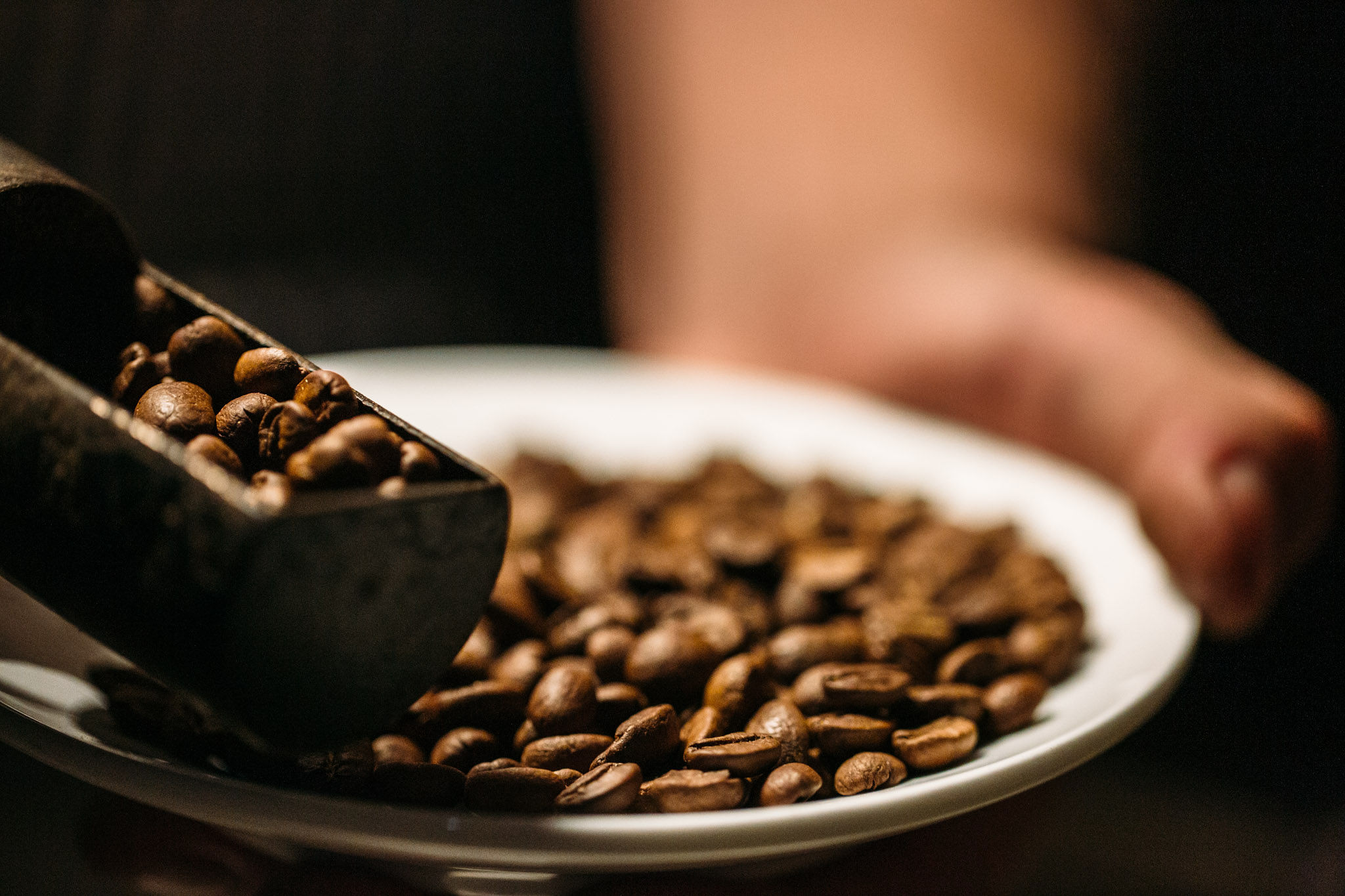
    Indonesian specialty coffee roaster and café chain Tanamera Coffee has opened its first outlet in Malaysia.

    The Kuala Lumpur outlet marks Tanamera Coffee’s third market after its native Indonesia, where it operates 22 stores, and Singapore, where it has opened eight sites since debuting in 2020.

    “We are thrilled to finally bring Indonesian specialty coffee to Malaysia with the opening of our very first outlet in the exciting and vibrant city of Kuala Lumpur. This is our third country and we can’t wait to serve you, both in this store and other upcoming outlets,” Tanamera Coffee said on social media.

    Founded in 2013 to promote Indonesian specialty coffee, Tanamera Coffee sources its coffee from the Aceh, Sumatra, Toraja, Bali, Java, and Flores regions of Indonesia.

    World Coffee Portal research forecasts the total Malaysian branded coffee shop market will exceed 2,700 outlets by 2025.

    Alongside strong outlet growth for convenience-focused operators, such as ZUS Coffee and Gigi Coffee, a wave of premium coffee chains are seeking to catalyse growing demand for specialty coffee in Malaysia.

    Having opened its first international outlet in Malaysia in October 2022, Indonesia’s Kopi Kenangan is aiming to reach 100 locations in the Southeast Asian country by the end of 2024. Luxury US brand Ralph’s Coffee entered Malaysia in the same month as part of its new flagship retail store in Kuala Lumpur.

    Meanwhile, Seattle-based Starbucks, operated in Malaysia by Berjaya Food Bhd, expects to reach 400 stores in July 2023. Additionally, Taiwanese specialty coffee chain HWC Coffee has grown its Malaysian footprint to 29 outlets and opened a flagship store and coffee academy in Kuala Lumpur in June 2023.

  • Processed fruit, vegetable exports expected to rise by 20%

    Processed fruit, vegetable exports expected to rise by 20%

    Processed fruit and vegetable exports are likely to be worth US$1.2 billion from exporting processed this year, up from $1 billion last year, according to the Vietnam Fruit Association.

    Their exports rose by 23% year-on-year to $356 million in the first four months of the year, Dang Phuc Nguyen, the association’s general secretary, said.

    While exact figures are not available yet for May and June exports grew strongly in the second quarter, he added.

    But data is available for the combined exports of fresh and processed fruits and vegetables, and they surged by 63% to $2.8 billion in the first half, according to the association. They had been worth $3.4 billion last year, with 30% coming from processed items.

    For years Vietnam’s fresh vegetable and fruit exports have largely been to China, which accounts for a 60% share. But exports to the U.S., EU and Japan have grown rapidly.

    Nguyen called it “a good sign” as fruit and vegetable processors diversify into global markets and reduce their dependence on China.

    A large volume of Vietnamese canned fruit products and bottled juices with a shelf life of up to two years has gone to the U.S., Japan and Europe this year.

    According to the U.S. International Trade Commission, imports of Vietnamese processed fruits and vegetables have grown by 30-45% annually in the past three years.

    Exports to the EU have increased by 10-20% a year. Leading exporter Westfood shipped large volumes of processed fruits and vegetables to the world market in the first five months of this year, with exports to Europe growing by 22%, its chairwoman, Nguyen Thi Minh Nguyet, said.

    She said exports to China would increase dramatically this year, while South Korea, Japan, the Netherlands, and the EU (eh?) are increasing purchases.

    According to the Ministry of Agriculture and Rural Development, the country’s annual output of fruits and vegetables is more than 31 million tons, but only 4.5 million tons, or 14%, are processed.

    Most processing and preservation establishments are very small and run by households, and so their products often fail to meet export quality requirements.

  • WhatsApp adds new Chat Transfer feature

    WhatsApp adds new Chat Transfer feature

    WhatsApp has been rolling out new features to its messaging app like there’s no tomorrow. Several updates were released last month alone (not counting the beta version), which is unusual even for one of Google’s most popular apps. Over the weekend, WhatsApp announced yet another new feature is making its way to Android and iOS users: Chat Transfer.

    Announced on Twitter, the new feature allows WhatsApp users to transfer their full chat history without having to leave the app. However, there’s a big catch, as the feature can only transfer data across the same operating system, so if you’re planning to switch from Android to iOS or vice versa, the new Chat Transfer feature will not work.

    If you’re an Android or iOS user who wants to switch to a different operating system, you can transfer your WhatsApp chats using apps like Move to iOS. The new feature announced over the weekend has the same functionality, but it makes it possible to transfer WhatsApp chats without having to leave the app, albeit only across the same operating systems.

    To take advantage of the new feature, you must set up a new account on your new phone and choose the Chat Transfer option to create a QR code. Then, simply scan the QR code provided with the old phone and wait for the phones to connect and the data to be transferred to the new smartphone.

    According to Google, the ability to transfer WhatsApp chats without having to leave the app is available starting today, although it may take a few weeks to show up for everyone, so be patient if you didn’t get it yet.

  • Spotify reportedly plans to add music videos to its app

    Spotify reportedly plans to add music videos to its app

    Spotify is working on a new feature that will allow users of its music streaming services to watch and listen to full-length music videos in its app. While the company hasn’t confirmed the information, it’s common for Spotify to thoroughly test new features before making them official.

    According to a new report by Bloomberg, Spotify is considering adding music videos to its app, but that doesn’t mean that the feature is already being tested. The move is meant to put Spotify in a better position against competitors like YouTube and TikTok.

    Currently, Spotify is looking for partners that will help it bring music videos to its streaming service, at least according to people familiar with the company’s plans. If the rumor ends up being accurate, it will confirm what seems to be a trend for Spotify: complete focus on video content.

    Spotify is trying to keep up with other players in the market by adding features that proved to be very popular among users of competing services. In that regard, Spotify launches “clips” at the beginning of the year, a new feature that would allow artists using its music streaming service to publish videos shorter than 30 seconds as a means to keep in touch with their fans.

    After heavily focusing on podcasts until a few months ago, it looks like Spotify has turned its attention to video content in an attempt to appeal to different audiences. Either it will succeed or not, it depends on its approach and how well its partners will react to Spotify’s business proposal.

    Although it might not be something that will bring to many customers to the platform, it could convince those that are already subscribed to not consider switching to other music streaming services due to lack of new features.

  • Vietnam leads rice exports to Philippines

    Vietnam leads rice exports to Philippines

    Vietnam continued to be the biggest rice provider to the Philippines in the first five months of this year with a turnover of $772.4 million, surging 31.1% year-on-year.

    During January-May, the Philippines imported 1.5 million tons of rice from Vietnam, accounting for nearly 90% of its total imported rice, according to the Asia-Africa Market Department under the Ministry of Industry and Trade, citing data from the Philippine Bureau of Statistics.

    This was also the record level of Vietnam’s rice exports to the Philippines so far.

    million dollarsRice export turnover to the PhilippinesJanuary-May period between 2019 and 2023turnover

    In the first five months, Vietnam exported 3.6 million tons of rice, with the Philippines accounting for 42.3% of the share.

    In the last six months of the year, rice exports to the Philippines are forecast to continue to increase due to the impact of climate change and the El Nino phenomenon that could severely affect domestic food production in the country of 113 million people.

    To take advantage of the opportunity to export rice to this market, businesses should closely follow market developments and policies on rice trade, the Asia-Africa Market Department said.

    Market research firm Fitch Solutions forecast that the global rice market will face the most severe shortage for 20 years in 2023. A shortfall of about 8.7 million tons is expected in the 2022-2023 crop year, the highest level since 2003-2004.

    Vietnamese agricultural experts said that rice prices will stay good in the short term due to global economic, and political uncertainties pushing up demand for food reserves.

    In addition to the Philippines, Indonesia and many countries in Asia are also increasing purchases of Vietnamese rice due to a decrease in supply.

  • Fresh lychee conquering US market

    Fresh lychee conquering US market

    The first batch of fresh lychee has arrived in the U.S., opening up big opportunities for the specialty and other Vietnamese fruits to conquer the demanding market.

    Thanks to coordination between importer LNS International Corporation and the distributor L&V Food Supply Company in Houston, Texas, fresh lychee grown in the northern province of Bac Giang – dubbed Vietnam’s kingdom of the fruit, has been available on the shelves of many supermarkets and the largest Asian market in Houston.

    Chinh Nguyen, CEO of L&V Food Supply, said her group and LNS International Corporation are working on a plan to import big shipments of Vietnamese food and fruits to the U.S. this year.

    “After three shipments of fresh lychees (approximately 9 tonnes) to the U.S. in June, we plan to import frozen lychee (about 2 containers per month, equivalent to about 30 tonnes),” she said.

    “If Vietnamese suppliers can ensure enough standard products, we will import an additional three shipments (80-90 tonnes) this year.”

    The success demonstrates the efforts by Vietnamese ministries and agencies, including the Ministry of Industry and Trade, in trade promotion to deliver Vietnamese agricultural products to demanding markets such as the U.S. and the European Union.

    According to the Ministry of Agriculture and Rural Development, among Vietnamese agro-forestry-fishery products, the U.S. has purchased cashew nuts, aquatic products, wood and fruits most.

    The U.S. Department of Agriculture forecast that the US will import up to $199 billion worth of agricultural products this year, $5 billion higher than last year’s figure, which offers an opportunity for Vietnamese agro-forestry-fishery exports.

    Last year, the U.S.’s fruit-vegetable import reached a record high of over $31 billion, including $19.3 billion= of fresh and frozen fruits, an increase of 10% compared to 2021. The majority of these imports came from Canada, Mexico, and some countries in Central and South America.

    Apart from Vietnam, the U.S. also imported lychee from China, India and Thailand. Vietnam’s Bac Giang lychee has been favoured by local consumers for its quality.

    Vietnamese Trade Counsellor in the U.S. Do Ngoc Hung pointed out that there is ample room for Vietnamese fruits in the U.S. market.

    However, Vietnamese agricultural products and lychee still encounter obstacles in accessing the market due to the far geographical distance, and high irradiation and transportation costs.

    The Vietnamese trade office in Houston suggested relevant associations and businesses of Vietnam and the US exchange information and work together to support export-import activities.

    In particular, businesses should make long-term commitments to ensuring good coordination among exporters, importers, and distributors for large shipments, exchange market information and share responsibility and risks with partners, thus creating a healthy competitive environment, Hung said.

    He also suggested intensifying product promotion to introduce Vietnamese fruits to other communities in the US apart from Asian consumers.

  • Three of the Biggest Asian Cryptocurrency Projects

    Three of the Biggest Asian Cryptocurrency Projects

    As we’re sure you’ve seen, cryptocurrencies and blockchain technology have become very popular over the past decade, gaining ground in all markets, including Asia. It is for this reason that numerous exciting cryptocurrency and blockchain projects are currently being developed in Asia, having the ability to have a significant impact on a variety of industries.

    Here, we’ll show you three of the most exciting cryptocurrency projects to have come out of Asia in recent years. If these have inspired you and you’re looking to get ahead of the curve when it comes to presales for the next best Asian cryptocurrencies, you can read more here.

    1. NEO

    In case you’re unaware, NEO is a blockchain platform developed in China and was launched in 2014, although it is sometimes known as Antshares, which is its old name. Referred to as the “Chinese Ethereum” by many because of how similar they are, NEO was the first large-scale blockchain project to be released in China. With a proof-of-stake consensus mechanism and the ability to support smart contracts, NEO clearly has a lot of potential and should be watched with interest.

    Despite China not having a free market, as we can see in the West, NEO is interesting to investors because it was a strong focus on enterprise adoption. The NEO technology is still being developed, but it already has numerous partnerships with major Chinese businesses. China appears keen to get ahead of the blockchain curve, with attitudes towards cryptocurrencies seeming to soften in Beijing.

    As of June 2023, NEO has a market capitalisation of over $615 billion and a price of around $8.70 per coin.

    2. VeChain

    Like NEO, VeChain is an Asian blockchain project. It was founded in Singapore way back in 2015 and has a strong focus on supply chain and product management, using RFID technology to make the supply chain process more transparent and accountable.

    Unlike many projects that are yet to demonstrate real-world value, no matter how interesting, VeChain has a number of real-world applications that have value. As it stands, VeChain is currently being used by a number of luxury brands to track the authenticity of their products.

    As of June 2023, VeChain has a market capitalisation of over $1.39 billion and a price of around $0.019 per coin.

    3. Conflux

    The newest inclusion on our list, Conflux is another Chinese blockchain project that was launched in 2018, focussing on decentralised applications with high-performance capabilities. Like NEO, Conflux uses a proof-of-stake consensus mechanism, while it also supports smart contracts.

    Having a focus on decentralised applications (dApps), it has a number of key features, including a low transaction cost and the ability to process numerous requests simultaneously. Despite being a high-performance project, it also uses sustainable technology and is energy efficient.

    As of June 2023, Conflux has a market capitalisation of over $612 million and a price of around $0.2 per coin.

    What Does the Future Hold?

    Countless cryptocurrency and blockchain projects are of great interest, with many being developed in Asia. The future for projects coming out of Asia looks bright, with China positioning itself to be a key player in the digital currency market. There’s no way we can predict how the market might move in the future, but by doing your research and watching the market, you’ll always stand a better chance of getting the results you want.


  • BetOnline’s Live Card Game Scandal

    BetOnline’s Live Card Game Scandal

    No business across any industry gets shielded from controversy or allegation. Whether true or false, these allegations can cause a thriving business to go under very quickly. However, for some businesses, controversy is an opportunity for them to learn and grow from their mistakes. One of those businesses swamped with controversy at one time was the online gambling site BetOnline. While it was a struggling time for them, they were able to come out on the other end of the controversy with the business intact and their reputation recovering.

    Below we will look at the scandal that hit BetOnline and how it overcame this challenge to remain one of the more desired online gambling sites.

    Backstory

    The controversy’s origins come from an online video in 2017 where a Youtube video recorded by blackjack player Micheal Morgenstern seems to show a dealer during a live casino show doing a “second-dealing.” It’s called a second dealing when the second card of a deck is dealt instead of the top card. Of course, a dealer would do something like this only if they knew what the second card was, which they should not.

    This results in the dealer winning the hand over the other player, cheating the player out of what would have been a win if everything went according to plan.

    This video immediately leads to outrage amongst the general public. The common assumption was that this was either a rogue dealer who didn’t want to lose or a dealer trained to do this trick in certain circumstances. BetOnline hired this dealer through a third party, so there is a chance they did not know the dealer’s tactics. But they hired the company simultaneously, and the criticism still came. In any sense, the backlash was immediate, and BetOnline was slow to respond. They cut ties with the third party they were working with who sent over the dealer but trust in playing on their site diminished, and no one wanted to be the next victim of cheating.

    An investigation occurred against the dealer in which they did not disclose much helpful information. The dealer was eventually fired and sent back to his home country, but no further action occurred.

    How did BetOnline recover from the scandal?

    Of course, the first necessary course of action was for BetOnline to sever ties with the third party they contracted the dealer from. That action was the first step in gaining the public’s trust back. The next step was properly screening all dealers who work for them regardless of where they are hiring. Then a lesson they learned was to be upfront and honest with the public from the jump. One criticism they suffered as they were too slow to respond to the controversy, which only shows they may have something to hide. Giving the public an immediate apology and plan for course correction is something they learned from this experience. Although they most likely would want to avoid this situation again.

    Current day BetOnline

    As mentioned in the intro, despite the controversy, BetOnline remains one of the top online betting sites for poker, casino, and sports. They retained this position by providing excellent user experience on their site and putting in proper roadblocks to ensure this controversy does not happen again.

    Some people believe time heals all one, so the fact that it happened six years ago and has not happened again is good for any company looking to resurrect its reputation. So a combination of an overall good user experience on their site, emphasis on customer service, no follow-up controversies, and severing ties with controversial companies has allowed BetOnline to continue operating and remain at the top of the league regarding online betting.

    Mistakes do happen and one of the most important things is to learn from them, so if you’re looking to see how the overall experience is now, the best thing to do is sign up and try it out for yourself. But be sure to claim the sign-up bonus being offered on this list of the top 10 online cash poker sites so you can get more value from your cash deposit.

    Conclusion

    You expect to be treated fairly and not cheat when you do anything. You expect a fair game even in a casino where everyone knows they need to make money. So to see a live event where a dealer hired by the company hosting the event egregiously side-swiped the players, it is easy to imagine a world where that business is no longer in service. Lucky for BetOnline, they were able to make the necessary changes to their company from a structural standpoint, and from an online experience standpoint, they were able to recover. Unfortunately, everyone’s eyes may still be on them, looking for another cheating scandal. Still, as long as they remain on the course they are currently traveling down; then they should be able to maintain their business and reputation in the long run.