Tag: asia

  • Apple raises iCloud+ prices

    Apple raises iCloud+ prices

    Backing up your photos, videos, and important documents to the cloud is super handy. It keeps everything safe, even if your phone gets stolen or breaks. But, of course, this convenience comes at a price.For many Apple product users, iCloud+ is a familiar and widely used cloud storage service. Recently, Apple has raised the prices of its cloud storage in the UK and several other countries. The prices have increased by approximately 25%. iCloud+ offers additional features such as more storage space, a custom email domain, and HomeKit Secure Video, which are not available in the free version.

    When you create your Apple ID for the first time, Apple provides you with 5GB of free storage on iCloud. If you require more space, you can upgrade by choosing one of the iCloud+ subscription plans. Until recently, the prices in the UK were £0.79 per month for 50GB, £2.49 per month for 200GB, and £6.99 per month for 2TB.

    With the new pricing, these subscription plans have become slightly more expensive, now costing £0.99 per month, £2.99 per month, and £8.99 per month, respectively. The price increase affects not only iCloud+ users in the UK but also those in Poland, Romania, Turkey, Sweden, the Arab Emirates, and other countries. However, for now, the price for the service remains the same in the US.
    The higher prices without any additional storage upgrades may not be appealing to users, especially considering the availability of alternatives. There are numerous other cloud services to explore, such as Google Drive, which offers 15GB of free storage upon registering a Google account, as well as Dropbox and Microsoft’s OneDrive cloud storage.
    You can even make your own iCloud alternative using a network-attached storage (NAS) device – read our guide on how to make your cloud backup service for more details.
    Apple gave iCloud.com a fresh makeover last year, giving it a more modern and user-friendly look. However, redesigning the website might not be sufficient in a highly competitive market.
  • Thaco to sell 10% stake in automobile subsidiary

    Thaco to sell 10% stake in automobile subsidiary

    Truong Hai Group (Thaco Group) is looking for investors to sell a 10% stake in automobile manufacturing and distributing subsidiary Thaco Auto.

    Nguyen Hung Minh, vice chairman of Thaco Group, said Wednesday that the sale of 10 percent of shares in Thaco Auto is meant to raise funds for production and business, investment in expanding the retail system and development of new products.

    Ho Chi Minh City Securities Corporation (HSC), Thaco’s financial advisor, is working on this plan.

    DMeanwhile, Thaco’s ESOP shares issued in 2018 will be converted to make it a public joint stock company. This company plans to list on the market within the next next years.

    According to Nguyen Hung Minh, all production activities of Thaco Auto currently take place at our industrial park in Chu Lai.

    Recently a number of domestic and foreign investors have been working with Thaco and HSC on buying the Thaco Auto shares.

    Negotiations are still ongoing and no decision has been made, but Minh said Thaco expects to complete the deal this year.

    The company, owned by billionaire Tran Ba Duong, is a diversified corporation with interests in automobiles, agriculture, mechanical engineering and supporting industries, construction investment, logistics, trade, and services.

    Thaco Auto manufactures, assembles, and distributes KIA, Mazda, Peugeot, and BMW cars and has nearly 400 showrooms across Vietnam.

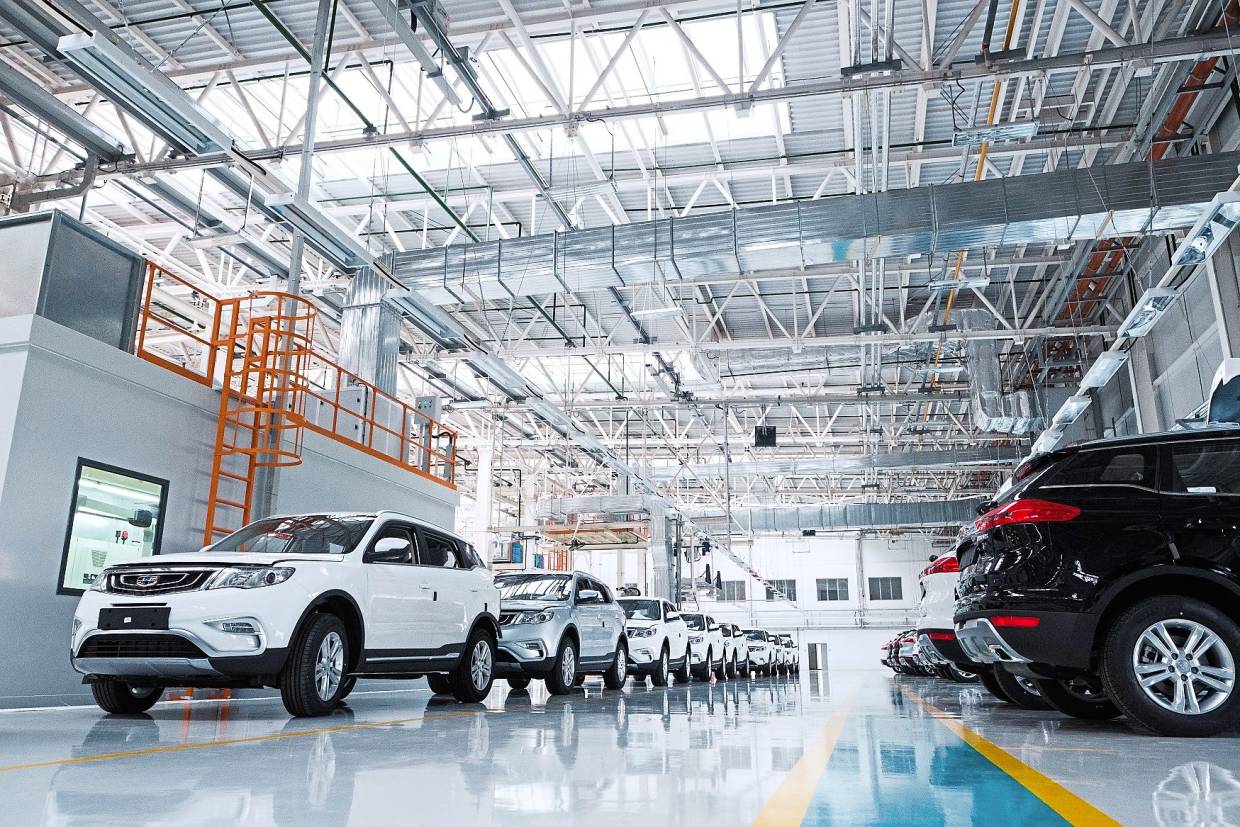
    Mazda cars being manufactured at Thaco Auto’s factory in the Chu Lai Industrial Park, Quang Nam Province. Photo courtesy of Thaco Auto

    Thaco Auto has a production complex with seven factories in the Chu Lai Industrial Park (Quang Nam).

    This year it targets sales of over 120,000 vehicles, including 96,000 passenger cars, 23,500 trucks and 1,500 buses and minibuses.

    It expects consolidated revenues of over VND90 trillion, equivalent to nearly $USD3.8 billion, including VND5.2 billion from services.

    In 2022 the company sold 111,440 vehicles to retain the largest market share in the country at 38 percent.

  • Agritech firm FoodMap raises $1M

    Agritech firm FoodMap raises $1M

    Vietnamese agritech company FoodMap has raised $1 million in a bridge round from foreign investors to expand its presence to new markets.

    Founder and CEO Tung Pham said that existing investors including Vulpes Investment Management, Beenext and Wavemaker Partners participated in this round.

    A Singapore family office also joined as a new investor.

    The Ho Chi Minh City-based company has received a total of $4.5 million in funding since its establishment in 2020.

    FoodMap connects farmers and small and medium-size agricultural producers with consumers to provide transparency and traceability of farming products.

    The company offers its services via website and smartphone app.

  • AirAsia to resume Bangkok to Colombo flights

    AirAsia to resume Bangkok to Colombo flights

    AirAsia has announced the resumption of direct flights between Bangkok and Colombo, Airport and Aviation Services (Sri Lanka) (Private) Limited said.

    AirAsia is to resume the popular Bangkok (Don Mueang) to Colombo route on 9th July 2023.

    The new services to the capital of Sri Lanka will operate four times weekly.

    At present, BIA facilitates 18,000–19,000 passenger movements and 110-120 aircraft movements daily.

    AASL said it is happy to see the resumption of scheduled international flight operations by international airlines which will contribute to the nation’s economy.

    AirAsia is a Malaysian multinational low-cost airline headquartered near Kuala Lumpur, Malaysia. It is the largest airline in Malaysia by fleet size and destinations. AirAsia operates scheduled domestic and international flights to more than 165 destinations spanning 25 countries.

  • Thailand expedites durian exports to compete with Vietnam

    Thailand expedites durian exports to compete with Vietnam

    Thai exporters are halving the time it takes to deliver durian to China, from 8 days to four days, in order to better compete with Vietnam over the pungent fruit.

    Thailand shipped 477,700 tons of fresh durian to China in the first five months, valued at a record high of $1.75 billion and the highest in 30 years, according to official data.

    This is because the country has been utilizing a new railway connecting it with Laos and China which help reduce transportation time.

    TerapongTechasathian, Assistant Chief Operation Officer at Pan-Asia Silk Road Ltd, which operates the railway, said that in April the company set the record by transporting 25 containers of durians from Thailand to China in one day.

    The train arrived at the destination in 4.5 days, quicker than the original estimate of six days, he added.

    In March, Thailand raised its durian export quality to retain Chinese customers.

    CEO of Vietnam’s fruit exporters Vina T&T, Nguyen Dinh Tung, said that Thailand is making moves to consolidate its durian market share in China amid rising competition from Vietnam.

    Vietnamese fresh durian exports to China in the first five months surged 18 times to $477 million. China accounted for 95% of all durian exports from Vietnam.

    Vietnamese durian can be harvested all year round, which is an advantage compared to Thai durian, Tung said. But Thailand has more advantage in shipment time, he added.

    Dang Phuc Nguyen, general secretary of Vietnam Fruits & Vegetables Association, said that Vietnam’s border with China means it is easier to export to there by road.

    Exporting by train from Thailand to China is fast but costly, he added.

    Vietnamese exporters need to be prepared to compete with rising competition not only from Thailand but also Malaysia and the Philippines for the Chinese market, with demand forecast to reach 2 million tons a year in the future, Nguyen said.

    Increasing exports quality, building brands and investing in technology to enhance preservation are key tasks, he added.

  • Google Wallet is adding QR code card payments for phones without NFC

    Google Wallet is adding QR code card payments for phones without NFC

    Google Wallet is adding support for QR code payments, making it easier for users to pay for goods and services at locations and with devices that do not support NFC. With QR code payments, users can simply scan a code displayed by the merchant with their phone’s camera, and the payment will be processed automatically.

    This capability was announced by Google today via a blog post specifically targeting the Google for Brazil conference taking place in said country. Expanding digital payments in the country was referenced as one of the initiatives currently in the works.
    As such, Brazilians who use Google Wallet will be the first that will get to experience this new way of making payments. QR codes are pretty universal and as long as the device has a camera, it will be able to use them with their digital wallet.
    The QR code payment feature is being launched in Brazil first because a significant portion of smartphones in the country do not have NFC, the technology used in contactless payment methods. This means that many Brazilians have been unable to use Google Wallet’s digital payments feature.

    This addition will make Google Wallet more accessible as well as bring the safety and ease of digital payments to more people. QR code payments are a secure and convenient way to pay for goods and services, and their worldwide popularity makes them the perfect workaround for those that lack the necessary hardware to use NFC.

    Google Wallet is expected to launch the QR code payment feature in Brazil in the coming months and will, of course, be available to all Android devices with a camera. Hopefully, if this experiment works out well in Brazil, this could open up the possibility for this payment method to become available elsewhere in the world via Google Wallet.
  • WhatsApp tests Material Design tweaks on Android to make it look more like its iOS app

    WhatsApp tests Material Design tweaks on Android to make it look more like its iOS app

    WhatsApp has been hard at work lately adding features and applying design tweaks in order to set itself apart from competing products and become more relevant in the U.S. market, where SMS/MMS/RCS and iMessage are king. The latest of these attempts being its apparent attempt to make its iOS and Android apps look more alike than ever.

    In the latest update of WhatsApp Beta on Android (v2.23.13.16), as reported by WaBetaInfo, WhatsApp appears to be experimenting with a bottom navigation bar (also called an action bar) in the style of Material Design 3.
    The navigation bar will replace the current tabbed interface that sits at the top of the chat list. This gives users the option to access Chats, Communities, Status, and Calls from the bottom by cycling through a more clearly labeled navigation system accentuated by its corresponding icons.
    The bottom navigation bar switches between a dark and white color scheme, depending on your theme choice. This is the same navigation bar that is used on the iOS version of WhatsApp, and it is more in line with Google’s design guidelines for Android apps.
    The new bottom navigation bar is currently being tested with a limited number of users, but it is expected to be rolled out to everyone eventually. The change is likely to be welcomed by users who prefer a more simplified interface, and it will also make it easier to use WhatsApp with one hand.

    In addition to the new bottom navigation bar, WhatsApp has also been rolling out Material Design tweaks such as redesigned switches and floating action buttons with rounded menus. It is unclear when these changes will be rolled out to everyone, as they are currently available in beta and to a limited amount of users, but they are all part of WhatsApp’s efforts to improve the app’s user experience.

  • Nespresso appoints Stefan Vermeulen as new Oceania MD

    Nespresso appoints Stefan Vermeulen as new Oceania MD

    Nespresso has announced that Stefan Vermeulen, currently Managing Director for Nespresso New Zealand, will succeed Jean-Marc Dragoli as Managing Director of Nespresso Oceania.

    Mr Vermeulen brings a wealth of brand knowledge and local experience, having held leadership roles within Nespresso for more than 12 years, including three leading the team in NZ and four as Head of Nespresso Australia’s Professional business.

    Mr Dragoli will now step into the position of Global Head of Nespresso Authorised Brands, based in Switzerland, after four years growing the Oceania business from Australia.

    Under Mr Dragoli’s leadership, Nespresso says the market has benefitted from the launch of many new product innovations and services. His prioritisation of local sustainability initiatives has also helped the business deliver on its B Corp commitments and broader purpose of using coffee as a “force for good”.

    Mr Vermeulen, too, has driven strong growth for the business in NZ with the successful launch of the Vertuo system to market in 2021, the expansion of Nespresso’s coffee range, and local sustainability initiatives.

    Sharing his vision for the business in 2023 and beyond, Mr Vermeulen says: “We truly believe that coffee can be a force for good for people, communities and planet and the more we drive sustainable growth, the more we can have a positive impact as a brand and organisation through the entire value chain.

    “For Australians and New Zealanders, coffee plays such an important role in their lives so delivering exceptional coffee experiences based on an obsession for uncompromised in cup quality is paramount.

    “Nespresso often leans into and learns from the rich coffee culture and behaviours of this market to drive innovation for the benefit of customers around the world, which we saw with the launch of the Original Line Creatista machine in partnership with Breville.

    “There are more exciting innovations to come this year alone, particularly within our Vertuo system, that will reimagine how coffee can be enjoyed at home and in the workplace in the region.

    “Sustainability will also remain at the core of our strategy, as we explore new ways to engage more consumers with our recycling program and introduce initiatives that will help us on our journey towards net zero and improve as a B Corp.”

    Mr Vermeulen will start his new role from 1 July.

  • Pattern Identifies Key Shopping Categories to Watch This Amazon Prime Day

    Pattern Identifies Key Shopping Categories to Watch This Amazon Prime Day

    Home & Kitchen, Electronics, Books, Sports and Fitness Predicted to be Popular

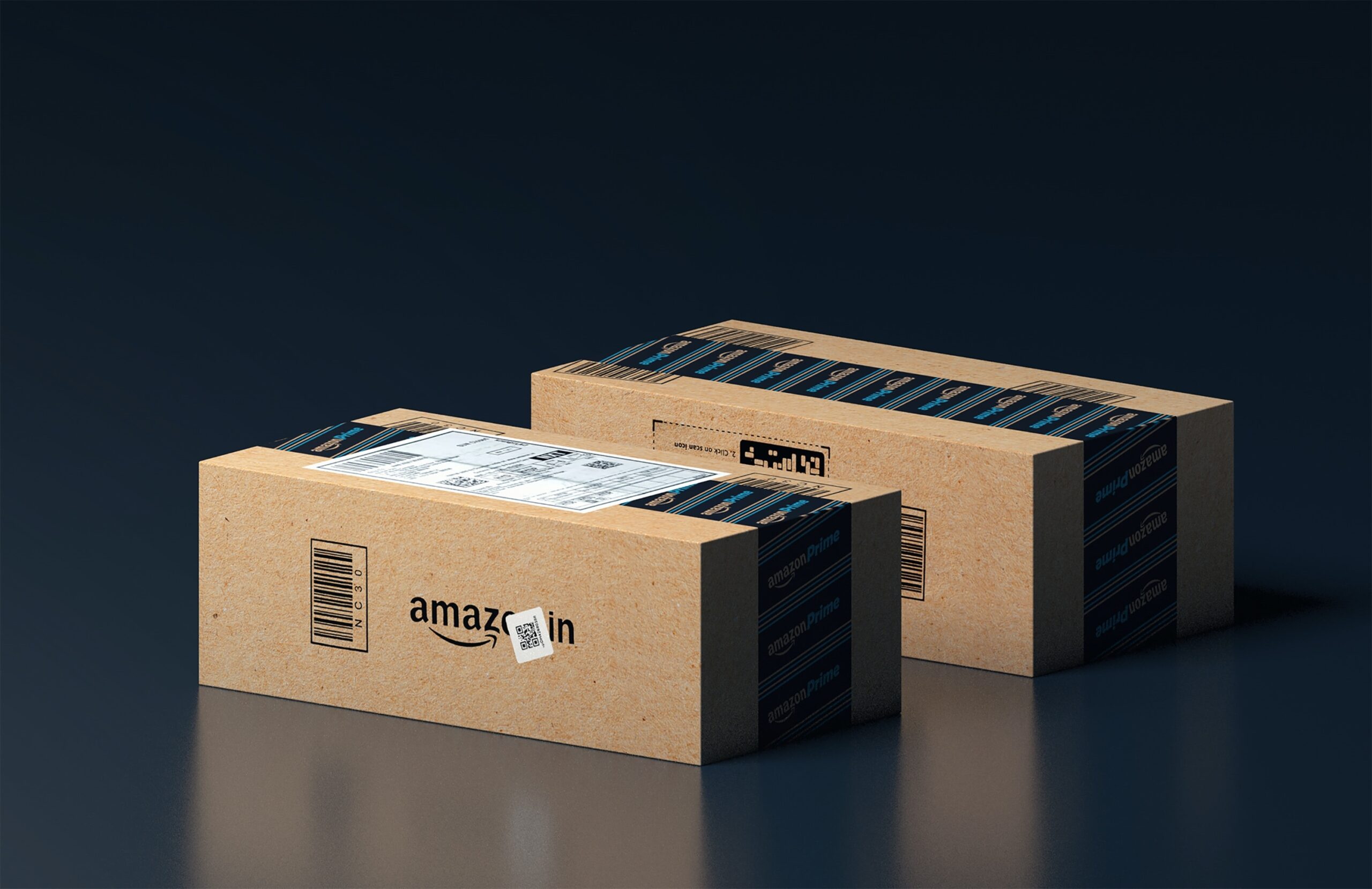
    Amazon Prime Day, the two-day members-only sales event being held from 11-12 July, is expected to reach new heights in 2023. New research within Pattern’s fifth annual ‘Marketplace Consumer Trends Report – 2023’, shows 43% of Australians now have access to Amazon this year, presenting local brands with significant opportunities for revenue.

    “In spite of ongoing cost of living pressures impacting household budgets, it’s not expected that Amazon Prime Day will feel the force of reduced consumer spending. Our research shows 84% of consumers expect to spend more or the same amount shopping on the marketplace, and only 16% of consumers are planning to reduce their spend. This bodes well for local brands participating in Prime Day, as it is expected there will be strong consumer participation and opportunity for sales,” said Merline McGregor, General Manager of Pattern Australia.

    To assist local brands in planning their Prime Day activities, the shopping categories Australian consumers indicated they would most likely consider purchasing on Amazon are:

    • 58% would consider buying Home & Kitchen products
    • 57% would consider buying Electronics & Computer Equipment
    • 55% would consider buying Books or eBooks
    • 47% would consider buying Sports, Fitness and Outdoor Products
    • 44% would consider buying Toys, Kids and Baby Products
    • 44% would consider buying Luggage and Travel Gear
    • 37% would consider buying Skin Care and Make-up.

    “The popularity of these product categories across the Amazon Australia marketplace can (in part) be linked to the fact that there are a large and growing number of sellers within these categories, leading to wider ranges of products for consumers to choose from and competitive pricing,” McGregor explained.

    While shoppers participating in Prime Day sales will be eager for bargains, high value goods will also attract interest due to Amazon’s shopper demographic. High income earners are most likely to shop on Amazon compared with any other online marketplace – 36% of Amazon shoppers are high income earners, versus 21% for marketplaces overall.

    Australian businesses have significant opportunities for brand exposure and growth through Prime Day, with 30% of consumers stating they are open to buying from new brands on Amazon if they can’t find the brand they are looking for. This also presents a risk for brands not present on Amazon or participating in Prime Day, who may lose customers if they aren’t providing consumers the products they are looking for on the platform, at the right time.

    Importantly for brands considering listing on Amazon, consumers are becoming increasingly loyal to shopping on the marketplace, with 91% of shoppers indicating they had purchased multiple times from Amazon over the last 12 months, up from 82% in the previous year. Research also indicates those purchasing at least monthly had doubled in the past twelve months, and Prime deliveries are up 60% over the past year.

    “Prime membership is growing strongly in Australia. As Prime members rise, so too will the number of shoppers taking part in Prime Day and businesses looking to sell on the Amazon marketplace. Brands should proactively and strategically prepare for Prime Day by aligning their offerings with key categories for the opportunity to attract the most attention,” concluded McGregor.

    Download the full ‘Australian Marketplace Consumer Trends  Report – 2023’ report HERE


  • Fertilizer exports decrease

    Fertilizer exports decrease

    Vietnam shipped abroad 692,259 tonnes of fertilizers in the first five months of this year for more than $289 million, down 8.9% in volume and 42.2% in value over the same period in 2022, reported the Vietnam Customs.

    In May alone, the export volume reached 154,995 tonnes of all kinds, up 17.5% year on year, with a turnover of $56.9 million, a rise of 17.4% over that of April but a decrease of 35.2% over the same period last year.

    The major market of Vietnamese fertilizers in the period under review was Cambodia which made up 33% of the total export volume and value of the product.

    It was followed by the Republic of Korea with 47,838 tonnes with a value of US$17.62 million, down 16.9% and 62% year on year. Malaysia came third by buying 44,552 tonnes.

    Meanwhile, the export of the products to the RCEP (Regional Comprehensive Economic Partnership) countries reached 391,107 tonnes, earning $162.64 million, down 16.2% in volume and 42.8% in value. Meanwhile, Vietnam exported 48,442 tonnes of fertilizers worth $16.61 million to CPTPP (Comprehensive and Progressive Agreement for Trans-Pacific Partnership) member countries, a decrease of 47.9% and 63.5%, respectively.

    A downturn of 14.5% in volume and 37.6% in value was also seen in the Southeast Asian market to 340,379 million tonnes and $143.63 million, according to the department.

    Amid the situation, local firms are working to expand export markets, and seeking new markets along with traditional ones.

  • Australian tangerine prices halve due to Chinese competition

    Australian tangerine prices halve due to Chinese competition

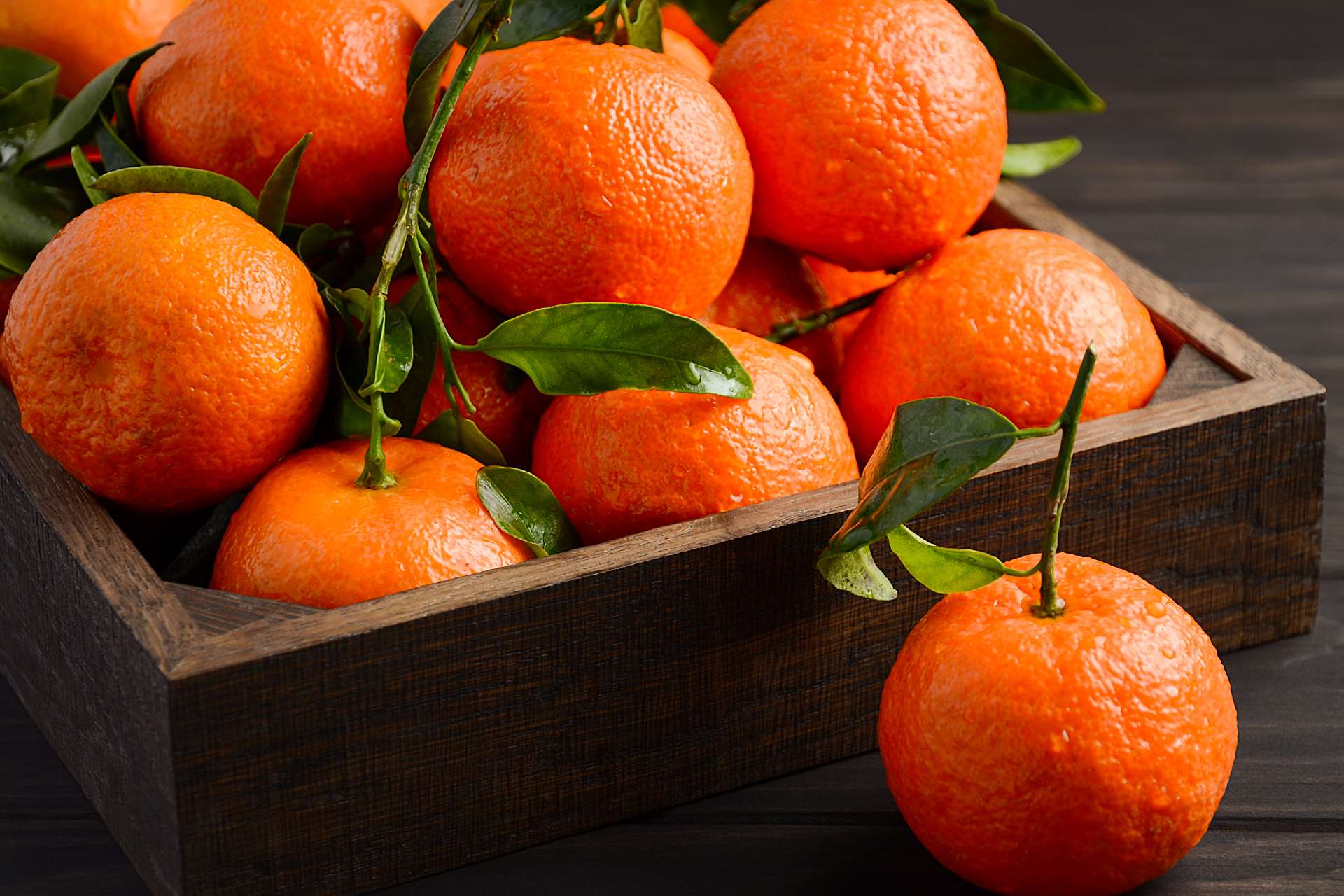
    The retail price of Australian tangerines sold in Vietnam in late June halved over the same period last year because the fruit is in season and competing with China-grown tangerines.

    In traditional markets and fruit shops in Ho Chi Minh City, Australian tangerines are sold for VND90,000-120,000 (US$3.83-5) per kilogram.

    The prices downed from VND250,000 when they were first imported to Vietnam in 2017.

    Oanh, the owner of an imported fruit shop in the city, said: “The Australian tangerine season lasts from June to October or November.

    Every year, this fruit has been exclusive to the local market, but this year there is competition for the Australian variety due to tangerines grown in China and packaged similarly to the Australian imports.”

    According to the manager of Thu Duc agricultural product wholesale market in HCMC, most tangerines at the market are from China, and their wholesale prices stand at VND25,000-30,000 per kilogram.

    Compared with Vietnamese tangerines, tangerines grown in Australia or China are more succulent, and have less fiber, thinner skin and stronger aroma.

  • Fake Chanel perfume seller fined

    Fake Chanel perfume seller fined

    A shop in the Central Highlands has been fined VND50.5 million (US$2,100) for selling counterfeit Chanel and Lancome perfumes and sunscreen through Facebook livestream.

    The shop in Pleiku, Gia Lai Province, was busted during a livestream session, the local police said.

    They had been monitoring the shop for some time, and during the raid found 300 bottles of perfumes labeled Chanel and 118 purporting to be Lancome besides 204 sunscreen tubes with the latter’s label.

    The police checked all the documents the shop provided and established that the products were fake.

    They also found 440 breath refresher bottles without invoices.

    The shop was fined VND50.5 million for selling fake goods, violating intellectual property rights and trading cosmetics of unknown origin.

    All the fakes were confiscated and will be destroyed.

  • Honda Motor Recalls 1.2 Million US Vehicles For Rearview Camera Issue

    Honda Motor Recalls 1.2 Million US Vehicles For Rearview Camera Issue

    Honda Motor has initiated a recall of approximately 1.2 million vehicles in the United States after a potential problem was identified with the rearview camera image, as confirmed by the National Highway Traffic Safety Administration (NHTSA) on Friday.

    The recall affects specific models including the 2018-2023 Odyssey, 2019-2022 Pilot, and 2019-2023 Passport. The issue stems from a faulty communication coaxial cable connector, which may result in the absence of the rearview camera image on the display.

    To address this concern, Honda has previously extended the warranty for affected vehicles in 2021. The automaker revealed that it has received a significant number of warranty claims, totalling 273,870, associated with this matter from May 2017 to June of this year. Fortunately, there have been no reported injuries or fatalities connected to this recall.

    Authorized dealers will resolve the issue by installing an enhanced cable harness between the existing display audio and vehicle terminal connections. Additionally, a straightening cover will be placed over the vehicle cable connector to establish a proper connection with the audio display unit.

  • YouTube could host mobile and desktop video games

    YouTube could host mobile and desktop video games

    YouTube is testing a product for playing online video games. YouTube’s plan to stretch beyond hosting video content and into sharing video games was the subject of an email sent to Google employees. The product already has a name, Playables, which will allow users to access games on mobile devices or desktop computers. The email invited Google employees to test the new gaming platform and the Journal did get a chance to view the email.

    One of the games mentioned is called Stack Bounce which is described as an arcade game that has players throwing a bouncing ball to smash layers of bricks. Users will be able to play the games instantly using the YouTube website, or via the YouTube mobile app for iOS and Android. Gamers already visit YouTube to watch live streams of video gaming competitions. YouTube competes with Amazon’s Twitch for viewers interested in watching others compete.

    By hosting games, YouTube would be getting into another aspect of the online gaming industry as the platform seeks to put a charge back into its lagging advertising revenue. Although the online gaming sector also has been struggling lately, a company spokesman said, “Gaming has long been a focus at YouTube. We’re always experimenting with new features, but have nothing to announce right now.”
    The Google Play Store does include mobile games available for Android users and developers who earn over $1 million a year must give Google up to a 30% cut of in-app transactions. It isn’t known how Google expects to profit from the new YouTube product. But even game developers are having a hard time making money in the post-pandemic world. And once-popular titles, such as Angry Birds, no longer generate the revenue stream that they once did.
    Last year Google announced that it was shutting down Stadia, a service that allowed users to stream games directly from the cloud to multiple devices. But the number of subscribers never took off and Stadia chief Phil Harrison saw the opportunity for YouTube to use Stadia’s technology to help the video streamer create a new revenue source.
    Some of the games being tested for YouTube are simple games that were popular a while back on services such as WeChat and Facebook. In other words, the games that YouTube might offer might not be the latest and greatest titles as Google leaves those for the Play Store and its 30% cut of in-app purchases. But these games might have a track record of being popular at one time making them interesting enough for online game players to still have an interest in playing them.
  • Indian burger chain Good Flippin’ Burgers raises $4 million

    Indian burger chain Good Flippin’ Burgers raises $4 million

    Good Flippin’ Burgers has successfully raised $4 million in its latest Series A funding round, which Tanglin Venture Partners led.

    Viren DSilva, co-founder of Good Flippin’ Burgers said, “This investment is a significant milestone for us and will empower us to expand our operations, fortify our supply chain, and bring our delicious burgers to an even wider customer base. We are grateful for the overwhelming love and support we have received from our loyal patrons and will continue to delight them with our product portfolio,” he added.

    “Viren, Sid Marchant and Sijo Matthew are exceptional founders with extreme customer obsession and process orientation. They have built a strong brand in Good Flippin’ Burgers with extraordinary customer love. We are really impressed with their focus on supply chain capabilities which has enabled them to maintain the highest level of quality as well as consistency across their store footprint,” added Sankalp Gupta, partner at Tanglin Venture Partners.

    Good Flippin’ Burgers raised $1 million in April 2022.

    With the latest capital infusion, the start-up plans to fuel its geographical expansion, reinforce its supply chain and refine its dining and quick service restaurant (QSR) models. It also hopes to scale up its growth, which it claimed had increased by 3X last year.