Tag: asia

  • Premier outlet malls to receive some financing

    Premier outlet malls to receive some financing

    A US$750 million fund to finance premier outlet malls in China has been set up by asset manager Allianz and realty investor TH Real Estate.

    The Eres APAC II – China Outlets fund will be established by the Allianz real-estate investment arm Allianz Real Estate. It aims initially to raise the target commitments ($750 million) to acquire two established outlet malls, Florentia Village Jingjin, between Beijing and Tianjin, and Florentia Village Shanghai.

    In fact, say the asset managers, the fund has identified a pipeline of targets.

    Allianz will be the anchor investor with a 30 per cent share, the balance to be held by institutional investors like TH Real Estate, which will also act as fund manager. RDM Asia, part of Italy’s Fingen Group, will be asset manager.

    It is not the first partnership for Allianz and TH Real Estate, but is their first bid to form an investment fund in China. In 2004, both parties invested in Europe Outlet Mall Fund followed in 2008 by the UK Outlet Mall Fund.

    Three months ago Allianz partnered with Singapore’s Keppel Group to buy Hongkou Soho in Shanghai for $525 million.

    “China is moving toward an economy led by services and domestic consumption,” says Allianz Real Estate Asia-Pacific CEO Rushabh Desai. “Alongside the traditional brick-and-mortar retail formats, outlet malls have been successful in attracting buyers looking for branded products at discounted prices. We look forward to replicating our European outlet mall performance in China.”

  • Walmart US’s online sales soars by 50 per cent

    Walmart US’s online sales soars by 50 per cent

    Walmart’s online sales in the US soared 50 per cent during the latest quarter, described as a stellar rate of increase which shows Walmart is growing its digital market share at pace.

    The world’s largest brick and mortar retailer recorded a revenue rise of 4.2 per cent, which equates to a US$5 billion increase in sales over the three months. Walmart US led the way with a 4.3 per cent increase in revenue and a 2.7 per cent increase in comp-store sales.

    GlobalData Retail MD Neil Saunders described that result as “impressive” and underscoring the company’s determination to not only defend its leading position but to extend it.

    That most of the online growth came from the core Walmart.com operation rather than from new additions, highlights the success of initiatives such as free two-day shipping and an expanded online selection, which now encompasses over 70 million products, said Saunders.

    “From GlobalData Retail’s figures, it is clear that Walmart is not only getting existing customers to spend more online but is also attracting new shoppers.

    “With a solid e-commerce base, Walmart is now looking to deepen its offer and experience in a select number of categories. This is one of the reasons it has struck deals with partners like Lord & Taylor in fashion and is building relationships with premium brands like KitchenAid and Bose.

    Walmart’s longer-term aim is clear: it wants to become the go-to online destination for both everyday and specialty items. The push into higher-end products should also help to bolster online margins.”

    Strong traffic

    However, although online has been a success story for Walmart, the second reason for its US growth is the performance of stores. Traffic held up well across the US, with price cuts helping to keep customers loyal, especially in categories like grocery. Some modest improvements to store layout and design have also aided conversion rates, particularly in non-food categories.

    “For a retailer of its size and scale, Walmart’s ability to keep its stores growing is impressive,” said Saunders.

    While he cautioned that some of the US sales success could be attributed to post-hurricane spending and recent acquisitions, the core business is performing well, with a broad pickup in both customer traffic and spending across all of Walmart’s channels.

    Sales outside the US also picked up. He said the Mexican operation is benefitting from investments in e-commerce, including an expanded online offer. Revenue in Canada has increased, mainly thanks to sharper pricing and expansion of the number of locations offering grocery pickup.

    In the UK, Asda posted its second consecutive quarter of comparable growth. “While this result comes off the back of a long run of weak performance and does not yet constitute a return to sustainable growth, we believe the investments made in price, offer, and service are starting to pay dividends.”

    Saunders said the latest results show Walmart is a retailer on the front foot.

    “Admittedly, the investments it is making in price and e-commerce are taking their toll on the bottom line, but they are also positioning the company for significant future success.”


  • Baselworld to halve exhibitor numbers in 2018

    Baselworld to halve exhibitor numbers in 2018

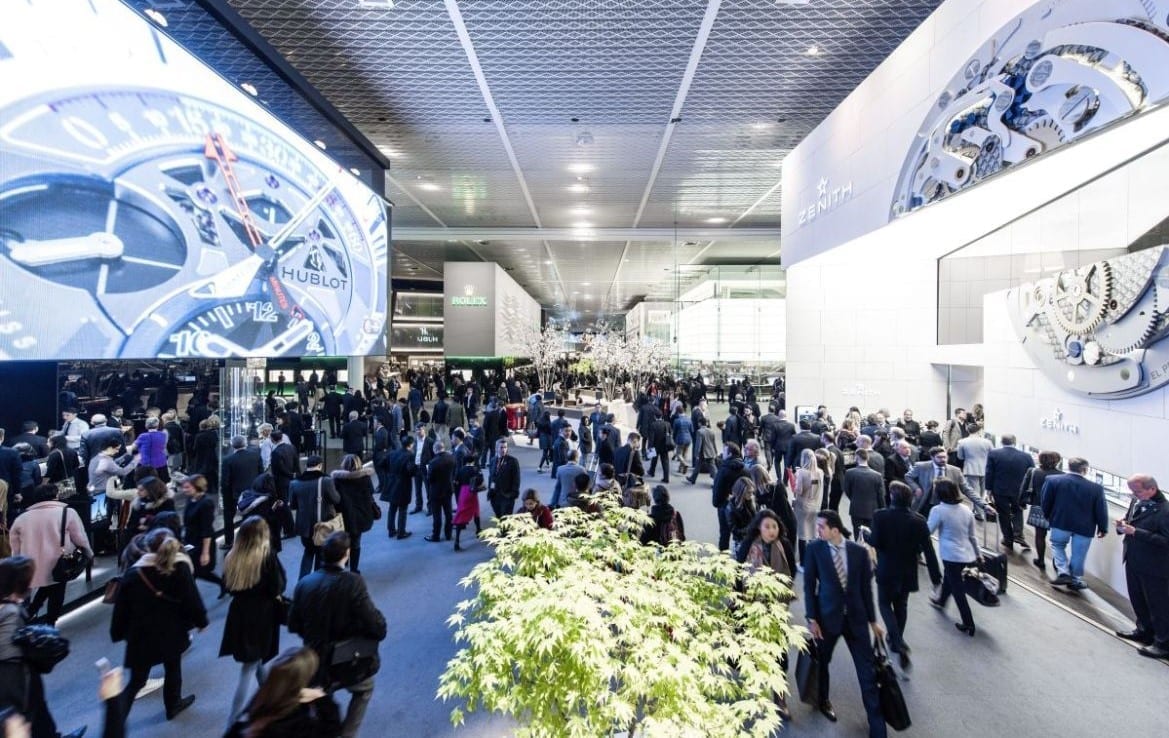
    Baselworld, the world’s leading show for watches and jewellery, will halve its exhibitor numbers and shorten the show’s duration by two days in 2018.

    The exhibitor numbers in 2018 are expected to be around 600-700, compared to around 1,300 this year. The prices for stand rental will also be lowered by -10%, the organizers revealed.

    Baselworld said the decision to reduce the number of exhibitors and length of the show is a result of market consolidation in terms of marketing and production and the challenges of digital technology.

    In a statement, Baselworld said: “Baselworld remains faithful to its strategy of quality and diversity. However, the watch and jewellery market is undergoing a period of profound change. Baselworld 2018 presents itself in a denser and more concentrated form in several respects.

    “Baselworld has decided to maintain its outstanding quality for the next edition. The show does not rely on quantity, but will remain the leading event for premier global brands. And this in all segments.”

    According to the Federation of the Swiss Watch Industry, Swiss watch exports fell by -9.8% in 2016 – their second consecutive annual drop.

    “The environment confronting the Swiss watch industry remained difficult throughout the year 2016. Demand for personal luxury goods fell, especially for the most expensive products. Timepieces therefore had to contend with changes in the choices made by consumers who are increasingly interested in the notion of experience associated with the world of luxury and less in shopping as used to be the case,” said the Federation of the Swiss Watch Industry.

    Baselworld is scheduled to take place from 22 to 27 March 2018.

  • Owndays Philippines opens flagship store in Manila

    Owndays Philippines opens flagship store in Manila

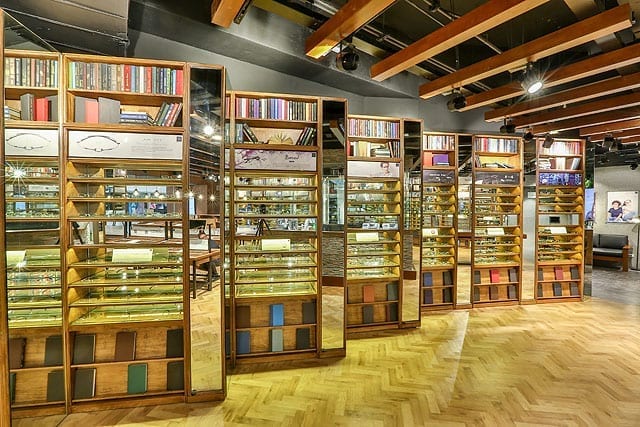
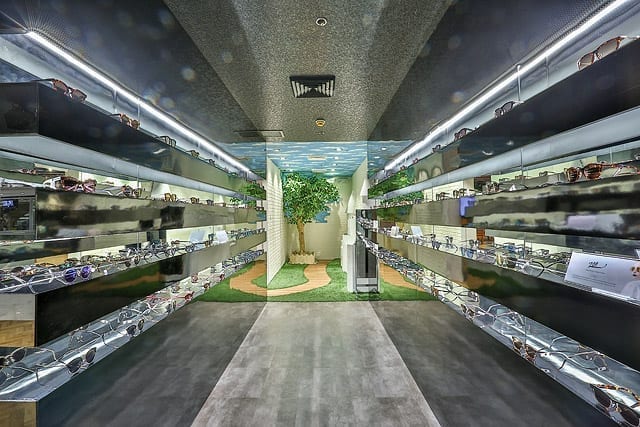
    Owndays Philippines has opened its largest optical shop yet, at SM Megamall in Manila.

    With 1500 frames to choose from, the Japanese eyewear retailer can provide prescription glasses in 20 minutes.

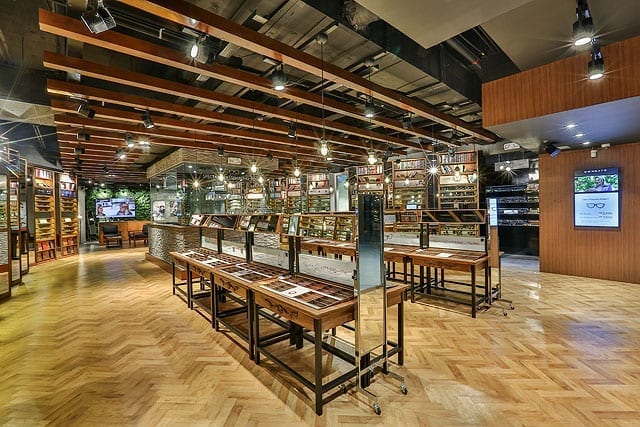
    Its 280sqm flagship has a children’s department featuring the Junni brand. With its open module system, it is easier to try on glasses. Its pricing model is simplified, being inclusive of frames, ultra-thin multi-coated lenses and the eye examination. All products come with a warranty and lifetime cleaning and maintenance services.

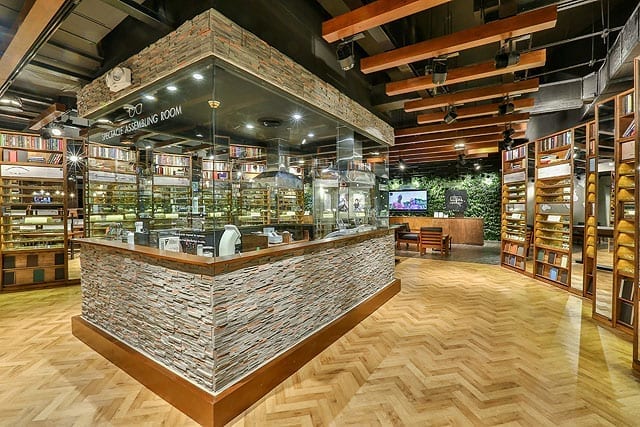
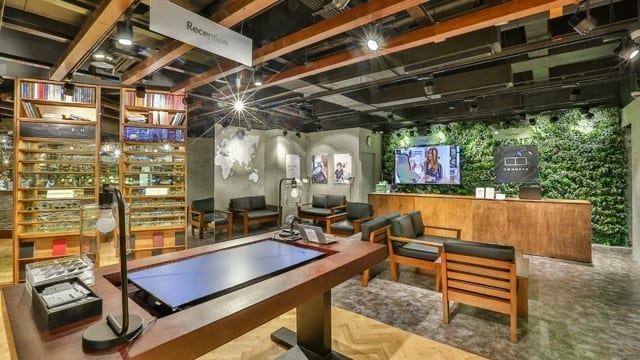
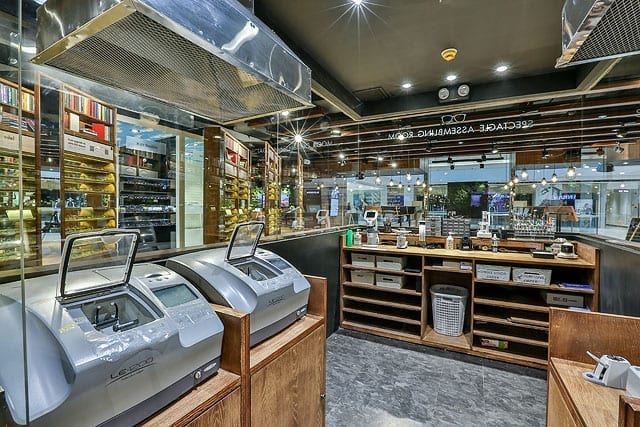
    Owndays SM Megamall also has three refraction rooms for eye tests (there are usually two), and as well as the spacious shopping area offers a lounge. At the shop’s centre is the space where spectacles are assembled.

    Owndays has 21 outlets in the Philippines, with six scheduled to open soon.

  • Kim Kardashian to launch her first fragrance

    Kim Kardashian to launch her first fragrance

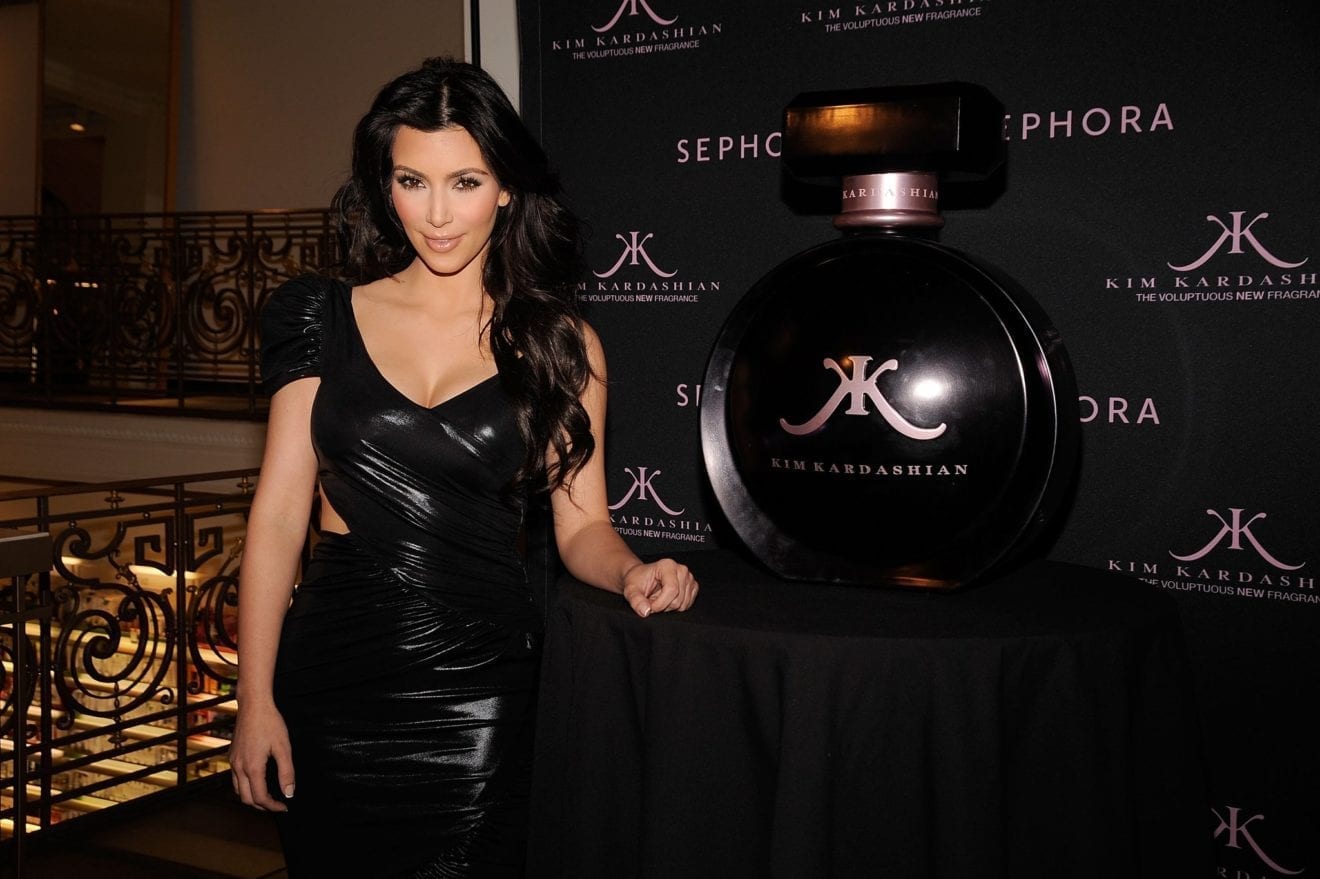
    Reality TV star and businesswoman Kim Kardashian has announced she will launch a gardenia-inspired fragrance collection under her KKW Beauty firm.

    The social media savant-turned-entrepreneur will release three eau de parfums via Kardashian’s online beauty portal kkwfragrance.com.

    Dubbed ‘Crystal Gardenia’, ‘Crystal Gardenia Citrus’ and Crystal Gardenia Oud’ – all variations on Kardashian’s preferred flower scent – the perfumes will be available in two sizes, both 30ml. and 75ml.

    For the Gardenia collection, Kardashian worked with fragrance house Givaudan.

    The brand’s signature scent, ‘Crystal Gardenia’, features notes of water lily, gardenia, tiara flower and velvet tuberose, rounded out by warm woods and skin musk for a deeper finish. ‘Crystal Gardenia Oud’ opens with top notes of bergamot, lavender, red rose and jasmine, featuring base notes of oud, patchouli and royal amber, while ‘Crystal Gardenia Citrus’ boasts top notes of sparkling citrus, woods and musks.

    Some 300,000 bottles with go on sale and are expected to sell out in minutes.

    “I think that with the social media aspect of it, [and] being able to really reach so many people, I think it’s going to work. Obviously I’m in the celebrity category, but I just wanted a bottle that was so simple that can look like it’s something sitting on your counter and be a beautiful object. I tried to make it really timeless so that it can’t just all be about a celebrity fragrance,” Kardashian told WWD, in an interview.

    Kardashian first unveiled her KKW Beauty brand in June this year, with the launch of a Creme Contour & Highlight Kit, available in four shades. The star then went on to launch a powder version of the first contour set, available in three shades.

    The businesswoman has been doing fragrance since 2009 through a licensing deal with Lighthouse Beauty that has since ended.

  • Non-retail business dents Metro Holdings

    Non-retail business dents Metro Holdings

    Despite a rugged first half, property development and investment group Metro Holdings has still managed positive results and has formed strategic partnerships in Indonesia.

    It had a net profit after tax of S$4.6 million (US$3.3 million) despite a net loss after tax of $13.6 million as the result of events not related to its retail developments.

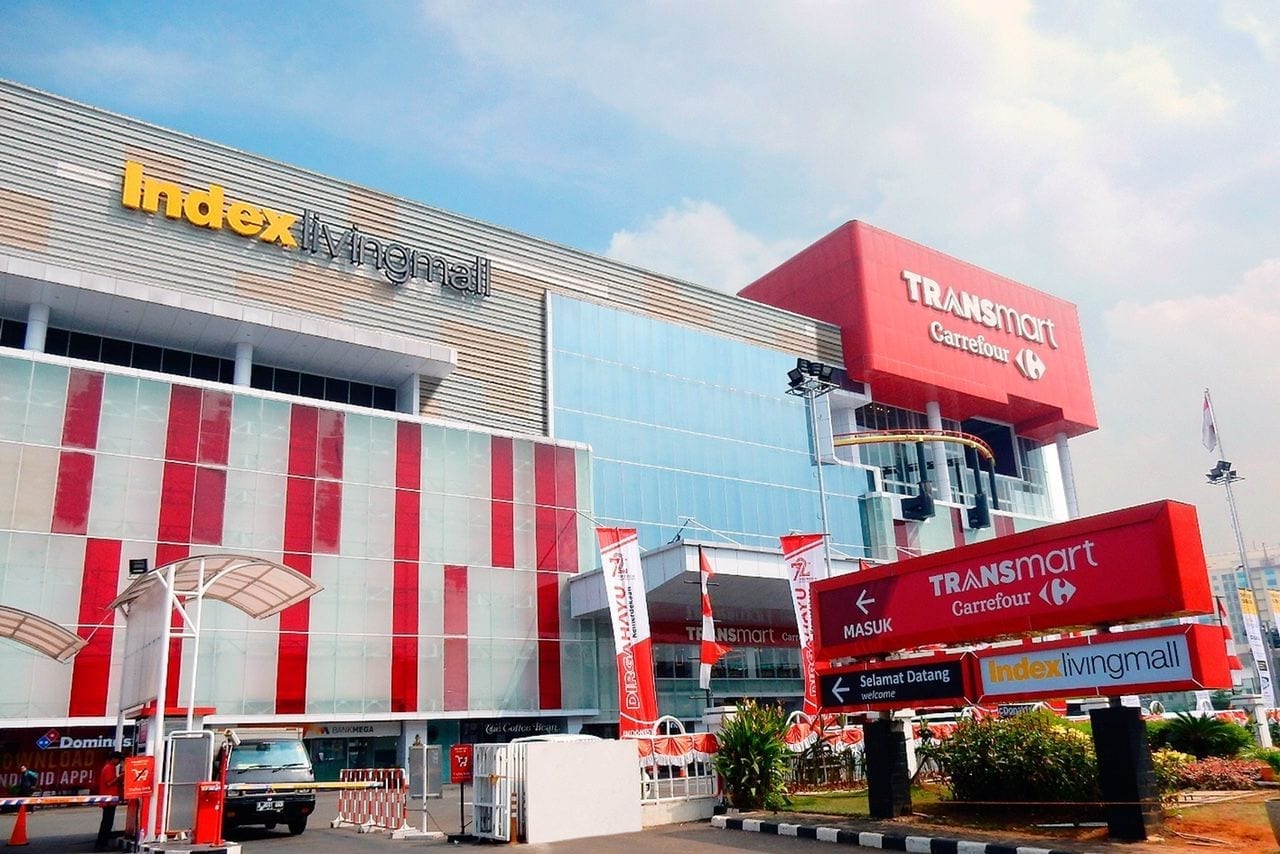
    Meanwhile, it is moving ahead with a IDR1.99 trillion (US$147.2 million) mixed project in Bekasi, Jakarta. For the retail component it is partnering with Trans Corp, while Lee Kim Tah Group will handle the residential side.

    Trans Corp will develop its trademark Transmart mall with a gross floor area of about 30,485sqm, including department stores, supermarkets and cinemas, as well as a theme park in conjunction with Kidcity and Snow Town.

    Metro chairman Winston Choo says the group has worked with Trans Corp since it took an initial stake in Metro Indonesia in 2008 to run Metro’s retail department store business.

    Metro’s retail arm runs three Metro department stores in Singapore and another nine in Indonesia.

  • Amazon Australia launch to happen “really soon”

    Amazon Australia launch to happen “really soon”

    US giant Amazon announced it plans to launch both an online retail and a “marketplace” presence in Australia, confirming that its arrival is imminent in the buoyant local retail market.

    In a conference in Melbourne, Amazon Australian country manager, Rocco Braeuniger said the e-commerce heavyweight was “getting really, really, really close” to opening trade, but failed to give an exact date.

    Braeuniger did confirm, however, that when Amazon opens, it plans to sell products from first Australian warehouse, and also host third-party retailers on its online marketplace.

    Right now, Amazon is in the process of converting a 24,000-square-metre warehouse in Dandenong South, in Melbourne’s outer east, into its first Australian fulfillment centre.

    The company has already taken out trademarks on private-label brands that sell electronics, home wares, baby products, and pantry staples.

    The company this week also booked out several photography studios around Melbourne for product shoots, according to local media reports, highlighting a push into fashion and accessories.

    Amazon said it would wait, however, before taking on Australia’s grocery market, saying “it is really, really complicated to make fresh food delivery a great customer experience.”

    “We have the long-term ambition to be successful and to earn the trust of Australian companies and the Australian customer,” Braeuniger told the crowd, made up of media and hundreds of small business owners hoping to sell their products on the website.

    “We will be focusing on listening to the Australian customer, inventing on behalf of the Australian customer, [and] delivering a great customer experience.”

    While a date has not been disclosed, experts predict the company will start taking orders before Christmas, particularly close to the Black Friday or Cyber Monday shopping events on 24 and 27 November 2017.

    For the three months ending 30 September 2017, Amazon Inc. said global revenues rose 34 percent to $43.7 billion in the third quarter. The world’s largest online retailer said net income rose to $256 million, or 52 cents per share.

  • DHL announces HK$2.9 billion expansion for Central Asia Hub

    DHL announces HK$2.9 billion expansion for Central Asia Hub

    DHL Express has announced that it will launch an approximate HK$2.9 billion expansion plan for its Central Asia Hub (CAH), in partnership with Airport Authority Hong Kong. This multi-year expansion brings DHL’s commitment for this strategic hub to approximately HK$4.5 billion.

    The expansion follows the CAHs record of an average 12% year-on-year growth in its shipping volume in the past decade. As one of three global hubs for DHL, the expanded CAH will continue to act as the core hub of the DHL Express global and Asia Pacific regional network, handling more than 40% of its total Asia Pacific shipment volumes.

    It is expected to begin operations in Q1 2022, in time to capture strong demand in the Pan-Pearl River Delta (PPRD) region and completion of the Three Runway System for the Hong Kong International Airport in 2024.

    Ken Allen, CEO of DHL Express, said that given the expected rise in international e-commerce and intra-Asian trade, the company looks to strengthen its global network and services.

    The CAH thus plays a key role in DHL’s strategy to strengthen its existing network of hubs in Asia Pacific, including Shanghai, Singapore and Bangkok.

    “Based in a strategically important location to DHL, the expanded Central Asia Hub in Hong Kong will not only bolster our operational capacity in Asia Pacific, but also facilitate the rapidly-growing international trade demands in the region and around the world,” he said.

    The expanded CAH will be equipped with an enhanced material handling system that will improve productivity and increase the hub’s throughput capacity from the current 75,000 pieces of shipments per hour to 125,000 pieces per hour.

  • Decathlon Indonesia opens nation’s largest sports store

    Decathlon Indonesia opens nation’s largest sports store

    French sports equipment retailer Decathlon Indonesia has opened its first store, along Alam Sutera Boulevard in Tangerang City.

    Offering 2000sqm of retail space and 500sqm of community playground, it is the nation’s largest sports store. Before setting up the store, Decathlon Indonesia opened an e-commerce site.

    “In the next 10 years the local content in the store is planned to reach 50 per cent,” says Decathlon Indonesia CEO Jeremie Ruppert. “We believe the advancement of Indonesian industry can help us to localise Decathlon products with good quality.”

    He says the country’s landscapes, mountains and ocean access plus a love of sports activities ensure a potential market for the French brand.

    Founded in 1976, Decathlon has more than 1200 stores in more than 35 countries.

  • Customs service’s estimated revenue to double in 2018

    Customs service’s estimated revenue to double in 2018

    The estimated revenue of South Korea’s customs authorities is projected to more than double next year due to a surge in licensing fees for duty-free shops, a report said.

    According to the report by the National Assembly and related government agencies, the Korea Customs Service’s estimated revenue stands at 97.8 billion won (US$87.3 million) for 2018, up 118 percent from this year’s 44.7 billion won. The estimate includes fines, forfeits, additional charges and other income.

    The main reason for the sharp rise is an up to 20-fold increase in the licensing fees for duty-free stores, which accounts for 60.5 billion won, or 61 percent of the total.

    Last year, the government revised a related law to jack up the fee, which had been under fire for being too low and giving big favors to operators.

    Coveted by large companies, local duty-free shops had been called the goose that lays the golden egg before they took a big hit from a diplomatic row between South Korea and China over the deployment of an advanced US missile shield here in 2017.

    The government periodically selects duty-free operators after a close scrutiny of aspirants and has pledged to overhaul the selection system to root out any wrongdoing following irregularities during the government of ousted President Park Geun-hye.

    The sharp increase in licensing fees is said to have helped eliminate room for excessive favors but has come as a double whammy to duty-free shop operators hit hard by the tumble in the number of Chinese tourists.

    The missile defense row, which led to Beijing’s ban on group tours to South Korea, has dealt a harsh blow to local duty-free shops and department stores, as Chinese tourists were their key customers.

  • Sales plunge for Salvatore Ferragamo

    Sales plunge for Salvatore Ferragamo

    Asia Pacific, particularly China, was best dressed for Italian luxury brand Salvatore Ferragamo as it foundered overall in negative territory for the nine months to the end of September.

    Asia Pacific was its top market, with revenues growing by 2.8 per cent (3.5 per cent at constant exchange rates), despite softness in South Korea through significantly reduced tourism from China, and ongoing negative performance in Hong Kong.

    Meanwhile, says its consolidated interim report, China recorded 8.1 per cent retail grown (15.5 per cent at constant exchange rates) for the period, while there was a 6.7 per cent (4 per cent) drop in the Japanese market.

    Ferragamo says a strategic rationalisation of its wholesale channel saw revenues drop 0.8 per cent to €1 billion (US$1.1 billion), while overall retail revenue rose 1.2 per cent. The wholesale channel was also penalised by political tensions in South Korea and a strategic rationalisation in Japan.

    Its gross operating profit (EBITDA) fell by 25.1 per cent to €162 million, and its net profit by 28.3 per cent to €79 million.

    Footwear sales were down by 1.2 per cent, and handbags and leather accessories by 0.6 per cent, while fragrance sales were up 3.2 per cent.

    At the end of September, the group’s retail network comprised 687 points of sales including 407 directly run stores and 280 third-party outlets in the wholesale and travel retail channel, as well as its presence in department stores and multi-brand specialty stores.

    With a positive net financial position of  €100 million compared to debt of €18 million at the same time last year, Ferragamo says the current year is a transition period for the group which will see the introduction of strategic initiatives.

  • MoneyMax Holding More Ground Malaysia

    MoneyMax Holding More Ground Malaysia

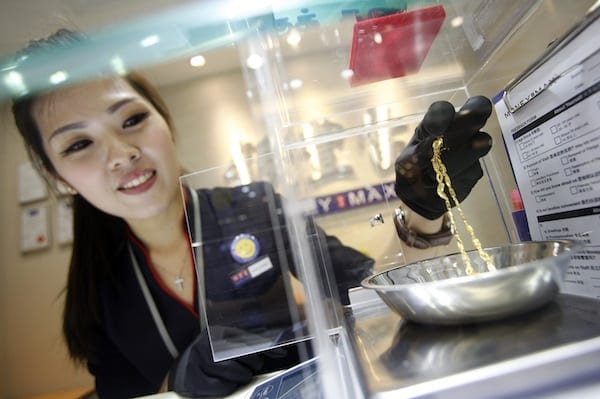
    Malaysian pawnbroker MoneyMax Financial Services – an offshoot of the Singapore group that specialises in pawnbroking, retail and trading in pre-owned jewellery, watches and branded goods – is buying into 13 pawnbrokers in Malaysia.

    It is acquiring interests in the traders from CMS Top Holdings for a consideration of RM56.6 million  (US$13.5 million) through its wholly owned subsidiary Cash Online. The transaction is being funded through internal resources and will underwrite expansion of its pawnbroking network in Malaysia.

    The target firms last year posted an aggregate net loss of about RM1.02 million, and have net tangible assets of about RM50.1 million.

    Separately, Chong Mei Sang, which established a JV with MoneyMax in 2014, will acquire about 1.96 million shares in the capital of each target company, including Pajak Gadai Bukit Gambir and Pajak Gadai Senai.

  • Koda is off to a flying start

    Koda is off to a flying start

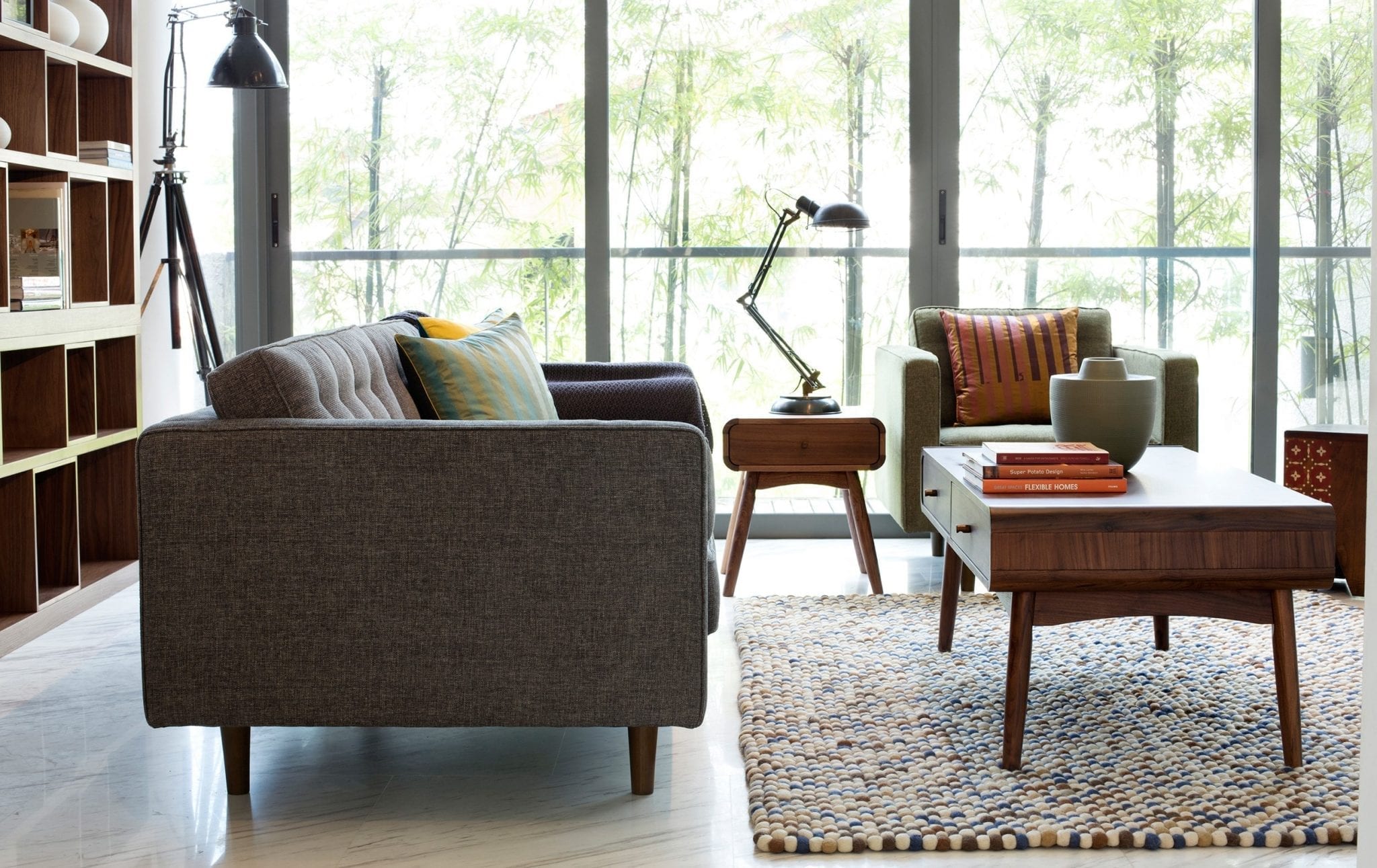
    Expansion in China of its in-house brand Commune has kickstarted the latest fiscal year for Singapore furniture group Koda.

    With seven more Commune stores on the mainland, coupled with rising exports, Koda’s first-quarter net profit jumped 64 per cent to US$1.4 million while revenue rose 4.5 per cent to $12.3 million.

    This, coupled with lower production costs, improved economies of scale and more efficient supply chain, lifted the group’s gross profit margin by 6.1 points to 34.5 per cent.

    At the end of the quarter on September 30, Commune had 50 outlets across Singapore, China, Malaysia and Australia, and says it is on track to setting up 100 outlets in China by 2020. Over the next 12 months, Commune will be rolled out in fresh markets within Asia.

    In China, Commune is seen as being different, even avant-garde, says Commune CEO Joshua Koh. “Commune’s growing appeal among younger home-owners gives us confidence to roll out more stores in China and elsewhere in Asia.”

    Founded in Singapore in 1972, Koda is an original design manufacturer that has production and sourcing bases in China and Vietnam, plus a specialist manufacturing plant in Malaysia. Established in 2011, Commune Lifestyle is a wholly owned subsidiary managed by the third generation of the founding Koh family.

  • Global Brands Group profit jumps high

    Global Brands Group profit jumps high

    Despite a slight revenue dip, Global Brands Group Holding has almost doubled its first-half operating profit.

    Its total margin continued its upward trajectory, increasing from 28.3 to 30.5 per cent, primarily because of sourcing optimisation.

    As a result of the increased total margin and lower running costs, operating profit for the period to the end of September increased by 94.1 per cent to US$80 million.

    However, revenue eased by 3.2 per cent year on year to $1.7 billion. The branded apparel, footwear and fashion accessories company says this was largely a result of a shift of retail buying to later in the year, as well as the anticipated end of the Quiksilver children’s fashion licence because of the company’s bankruptcy, and Coach taking its footwear business in-house following the expiration of its licence in June.

    “The global retail industry continues to experience a structural transformation, with consumers becoming progressively more powerful when it comes to defining their shopping experience,” says Global Brands CEO/vice-chairman Bruce Rockowitz. To meet ever-changing expectations, he says brands are increasingly looking to work with licensing partners such as Global Brands because of their product expertise, global platforms and multi-channel distribution networks.

    “The industry has seen a growing number of specialised brand investors continue to acquire brands, while looking to separate intellectual property (IP) ownership from brand operations.

    Global Brands has continued to benefit from this trend and has forged an increasing number of long-term licensing agreements with these IP owners.”

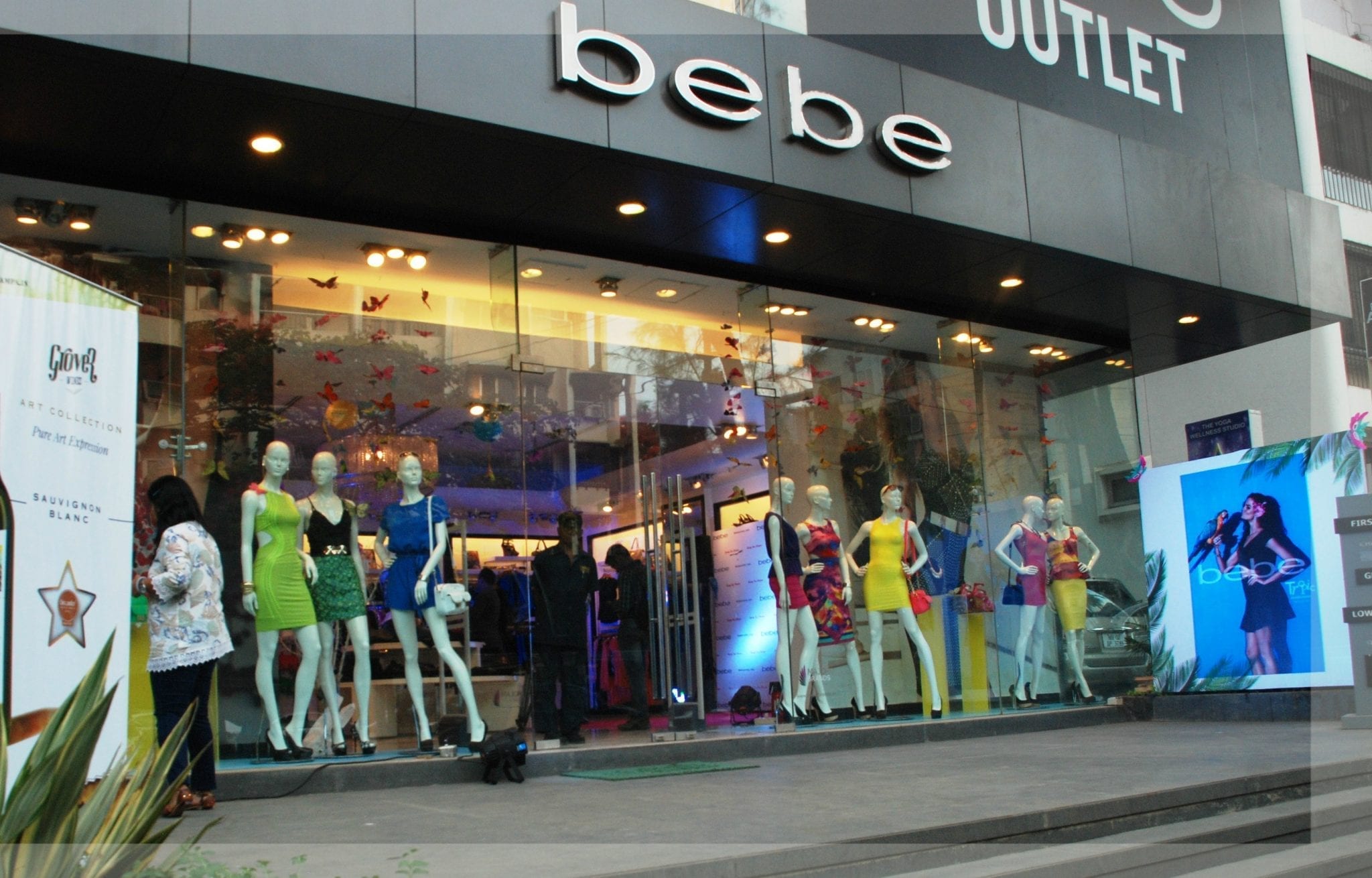
    During the reporting period, these notably included the BCBG and Bebe brands.

  • LG moving to acquire AI business

    LG moving to acquire AI business

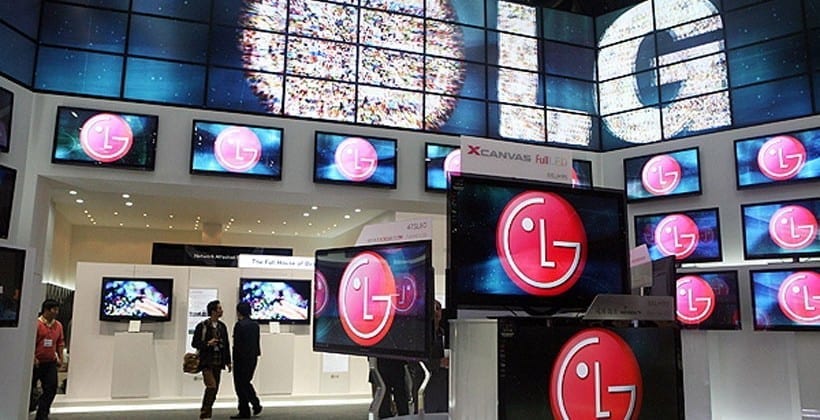
    As part of efforts to expand its smart home business, LG Electronics will double its investment by 2020 including mergers and acquisitions of promising artificial intelligence tech firms, said Song Dae-hyun, head of the company’s home appliance and air solutions division.

    At a press conference held at a hotel in Berlin, Song said LG would spare no efforts to boost its smart home business and continue investing to acquire AI and Internet of Things technologies.

    “As for the AI business, inorganic growth would be more effective,” Song said.

    “LG officially seeks to acquire some AI companies. But so far, many acquisition projects fell apart due to market conditions,” he continued.

    “LG is aggressively looking for a good AI company,” he added.

    Song visited the German capital to meet with major European clients and check out latest tech trends at the IFA 2017.

    “LG was the first to add Wi-Fi to all of the home appliance lineups this year. Based on connectivity, the company will try to bring value to consumers by establishing a smart home ecosystem pivoting on AI, IoT and robotic technologies,” he said.

    Recently, LG has been increasing partnerships with Google and Amazon to apply the two IT moguls’ voice recognition platforms to LG products for global consumers.

    “We do have our exclusive voice technology, but we apply the Google and Amazon technologies in order to allow consumers to conveniently use LG products with what they prefer to use,” Song said.

    “We are now working with Google to take advantage of its database accumulated through its search engine. But we are also continuing to develop our DeepThinQ AI platform at the same time,” he added.

    The CEO added robots would be a major pillar of the smart home business.

    “We are nearing commercialization of robots. We receive orders for robots from various industries, such as shopping malls and libraries,” he concluded.