Tag: asia

  • When tech meets beauty to create skin solutions

    When tech meets beauty to create skin solutions

    In 2013, L’Oréal Group, one of the world’s top cosmetics makers, launched an advanced skin care system for cleaning and firming for Korean women, who are known for their intensive skin care routines.

    Since then, global electronics makers, including Philips, Panasonic and Toshiba, and South Korea’s big two cosmetic firms — AmorePacific Co. and LG Household & Health Care Ltd. — have all launched various skin care gadgets.

    Their introduction of innovative beauty products comes as the niche market is expected to grow even more, with tech-savvy consumers being more willing to use them on their skin.

    According to P&S Market Research, the global beauty devices market is likely to grow from US$27.8 billion in 2016 to US$94.3 billion by 2023.

    “Introduction of new beauty devices, increasing utilization of electronic beauty devices and rising inclination of consumers towards easy to use at home beauty devices are some of the major trends observed in the global beauty devices market,” the New York-based market researcher said in a report.

    “Increasing prevalence of skin diseases, growing aging population, increasing hormonal disorders and high disposable income are some of the major factors driving the growth of the global beauty devices market,” it added.

    Eyeing potential in the market, South Korea’s tech giants have started to showcase new beauty technology as they see more consumers seeking convenient ways to maintain themselves.

    In September, LG Electronics Inc. launched its “LG Pra.L” beauty appliance lineup, showcasing four items — the Derma LED Mask, the Total Lift-up Care, the Galvanic Ion Booster and the Dual-Motion Cleanser. Their price tags range from US$200 to US$700.

    Its LED mask and lift care use high-frequency LEDs and microcurrents to improve skin tightening. Its booster helps cosmetics penetrate deeper into the skin, and the cleanser is capable of washing skin 10 times better than conventional methods, the company said.

    “The home beauty business was born with a vision of applying artificial intelligence and big data technologies to the market,” Seo Young-jae, a senior official from LG Electronics’ home appliance division, said in a launch event. “Data is a crucial part of the cosmetics industry.”

    Samsung Electronics Co., the world’s largest smartphone manufactuer, has introduced two devices that analyze users’ skin and offer solutions for any issues they might have.

    During a Consumer Electronics Show (CES) in Las Vegas in January 2017, Samsung’s Creative Lab unveiled S-Skin, a home skincare and analysis solution, and Lumini, a portable device that checks your skin to identify and prevent skin problems.

    Lumini and S-Skin can scan skin for issues such as dryness, blemishes, excess sebum, wrinkles and more. Both devices send users’ information to corresponding smartphone apps that will offer solutions, products, and even recommend dermatologists that they can chat with in the app.

    “The gadgets will take a picture of the whole face and will analyze the skin condition immediately, and even track the history of wrinkles,” said Lee Sang-myung, a public relations officer at Lumini, which spun off from Samsung Electronics in May. “We plan to launch the product in the first quarter of 2018, first targeting cosmetic shops and skin care clinics.”

    While some devices promise an “instant” or “dramatic” effect on the skin, dermatologists say careful application is needed to use products that utilize lasers or certain forms of light because they could damage skin if used improperly.

    “Dermatologists have used blue lights to kill acne-causing bacteria for years,” No Do-gyun, a dermatologist in Seoul, said. “But even medical-grade red lights may not drastically improve wrinkles. They’re best for calming inflammation. Those with sensitive skin should use home beauty devices carefully, especially laser or light gadgets.”
  • MMUK to “make history” with first men’s make-up store

    MMUK to “make history” with first men’s make-up store

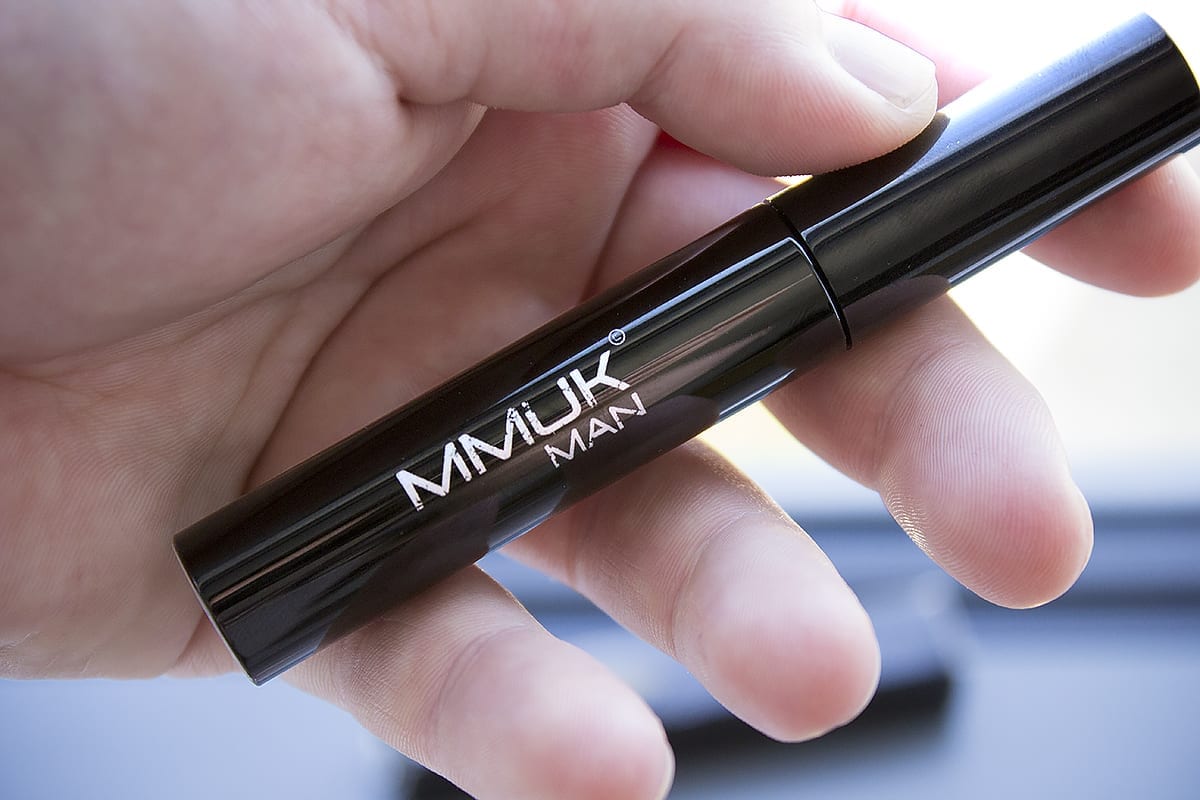
    Online make-up brand MMUK MAN has decided to make its first foray into brick and mortar retail by opening of the UK’s first make-up store for men, according to GlobalData.

    The brand has been one of the first ones to enter the nascent male make-up realm and made headlines earlier this year when it announced a deal to take its products into the mainstream market via Asos.

    10 MMUK products are now available on Asos, ranging from concealer and brow gel to ‘manscara’. While they were previously available online prior to this, the deal with Asos marked a step forward towards normalizing male beauty products in the marketplace and at a wider, societal level.

    And the new store will contribute to driving growth in the industry by providing a platform for consumers to interact, test and engage with products in real life, said GlobalData.

    “This development is indicative of a changing consumer landscape. Male cosmetics have traditionally only appealed to small niche groups. However, driven by the individualistic mindset of the millennial consumer in particular, the male grooming industry is seeing something of a revolution,” commented Lia Neophytou, Consumer Analyst at the data and analytics company.

    MMUK is tapping into a market that is ripe for growth, with 25% of European males willing to increase the number of products they use in their beauty/grooming routine to improve their appearance, according to research by GlobalData.

    And the launch of its first physical store could become a major catalyst for growth in the industry. “Both innovative products and effective marketing strategies are key in promoting the male beauty industry. However the availability of male beauty products in physical stores is an emerging opportunity that beauty manufacturers worldwide should tap into and will gain traction, particularly as the social barriers to wearing cosmetics and make-up among men continue to break down,” said Neophytou.

  • AW Lab Singapore to open in Suntec City

    AW Lab Singapore to open in Suntec City

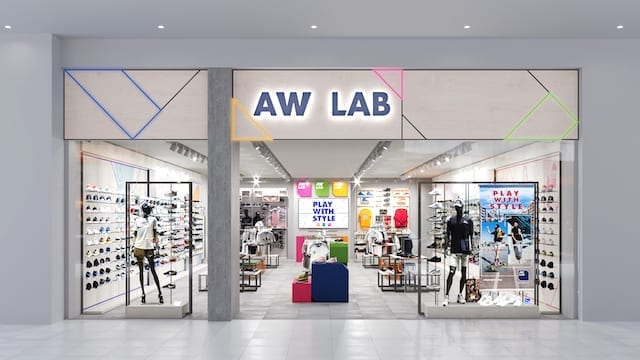
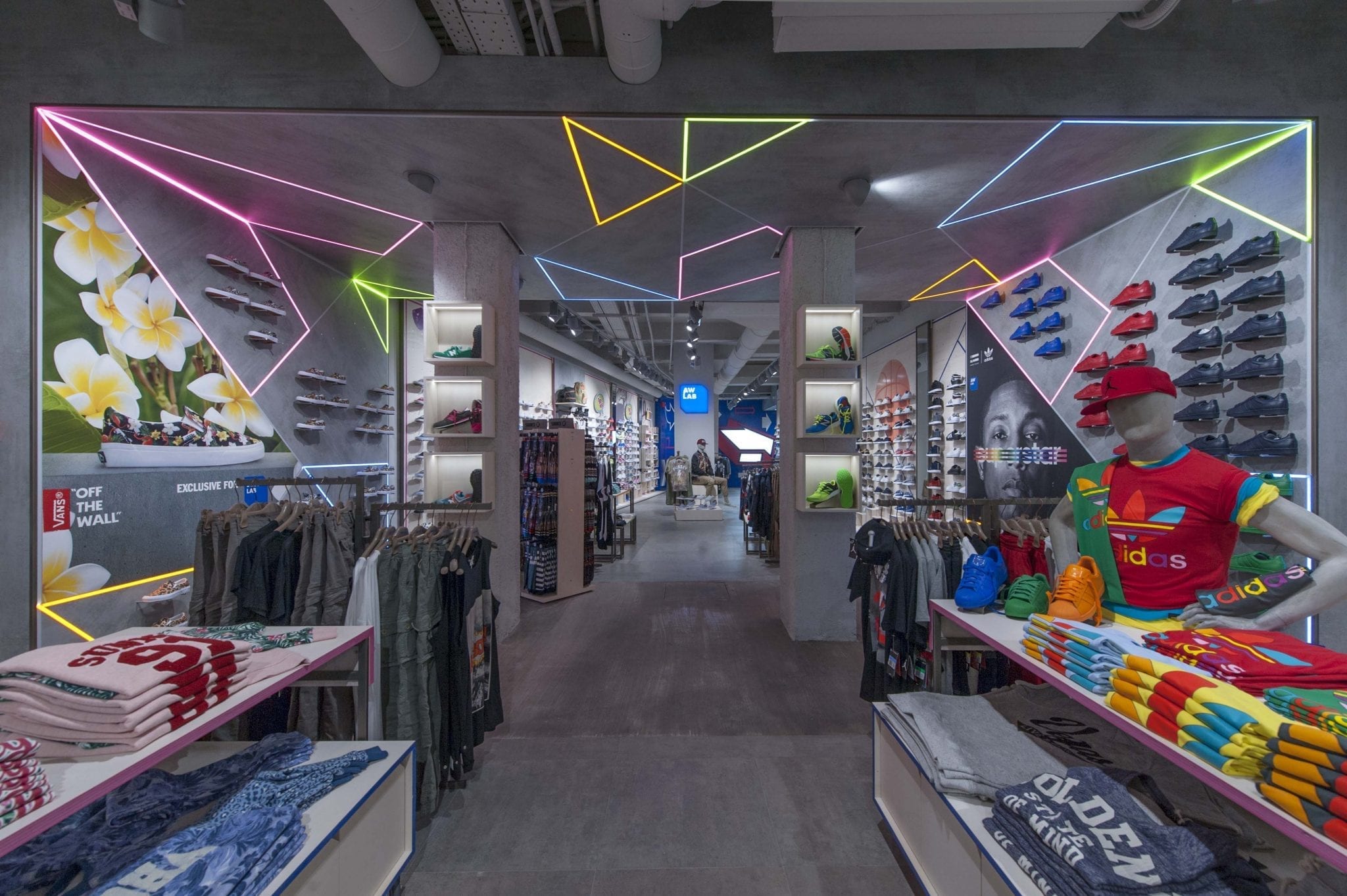
    AW Lab Singapore has opened a store in Suntec City, the first brick-and-mortar outlet in Asia Pacific for the Italian sports apparel retailer.

    Covering 2630sqft (240sqm), the store has a futuristic concept that invites young people to “play with style”. Whited out from floor to ceiling with blocks of bright colours, the outlet features ultra-sleek shelving and bright, stark lighting to present footwear from such brands as Adidas Originals, New Balance, Nike and Vans.

    Galvanised-steel racks are stocked with apparel from brands like Jordan and Under Armour, as well as AW Lab’s own fashion and street apparel labels, Down Up and Two of a Kind.

    The store also offers exclusive collaborations and limited-edition sneakers.

    “We have trust in the commitment and planning of the team to tap into the market’s potential, and it is high time we focus our attention here,” says head of Asia Giuseppe Nisi of AW Lab, which has opened more than 200 stores across Italy and Spain in its first three years.

    “Singapore has always offered its own style, and sometimes the best way to explore a city is simply to walk the streets,” he says. “That’s what we’ve always envisioned for AW Lab – to let the people define their own style while keeping it playful and exciting.”

    AW Lab is known for its exclusive collaboration collections with brands such as Adidas, Champion and Puma, and in Singapore will be releasing several special sneakers and collaborations in the coming months.

  • Anticipating your customers reaction to the launch of Amazon in Australia

    Anticipating your customers reaction to the launch of Amazon in Australia

    The Amazon juggernaut is coming to change Australian retailor so they say. There is also lots of conjecture over what their offering will be? What is their strategy? And how will they deliver it to the Australian consumer?

    A great deal of debate, conjecture and for some, abject fantascism and equally many opinions are somewhat isolated from the opinion that ultimately matters most – being the customer

    So, we decided, within our insights division at Retail Doctor Group, and supported by our partners at Lightspeed, to ask a wide range of Australian retail customers about Amazon.

    What do our customers think about this launch? What will their reaction be?

    Awareness of the Amazon brand was high however, the results also uncovered the lack of knowledge around what the Amazon proposition really is, with 38 per cent of Australians reporting not to be aware of the upcoming launch of Amazon, surprisingly millennials were even less aware.

    Retailers where naturally 100 per cent aware.

    Dig a little further into the fuller Amazon model and we see even less Australian consumer awareness.

    Knowledge of Amazon Prime was murky for consumers when asked to define it, with 24 per cent thinking TV streaming, 15 per cent thinking delivery subscription and a whopping 47 per cent admitting they’re not sure. Likewise, Alexa hadn’t been heard of by 65 per cent of respondents and only 27 per cent knew it was artificial intelligence.

    So, the process begins in earnest for Amazon to educate and convert customers, as all retailers need to do on an ongoing basis,

    Security, trust, fulfillment, value add, community build and experience are the currencies of competition with Amazon. As retailers, focus on improving service offerings, simplifying order processes, accelerating the speed to customer while still retaining a focus on quality.

    Only 22 per cent of consumers think Amazon will change their shopping behaviour. For those unlikely to shop at Amazon, the barriers were around a physical element as 33 per cent like to see, touch and feel the product before buying and 28 per cent prefer the shopping experience in a store.

    This confirms what we already firmly believe, that building a one channel retail ecosystem is key to customer loyalty, as we like to say “Interaction before transaction”. Retailers should be dialing up their in-store experience and emotionalising their brand attributes to build their customer connection and loyalty.

    During our recent event we asked some of the country’s most influential retail leaders some of the same questions we asked the consumers.

    Interestingly, we saw that retail professionals think 97 per cent of their customers are likely to start shopping at Amazon post Australia launch versus only 57 per cent of consumers who report this intention.

    Trust was a key area of difference between consumer and our retail leaders’ opinion.

    93 per cent of the retail professionals said Amazon was a brand consumers trust, whereas consumers themselves rated this at 58 per cent.

    Building your customers trust is key to customer loyalty, ensure you know everything about your customer. Knowing how to connect to them on an emotional level with strengthen their loyalty to your offering and brand.

    During these times, it is imperative to understand consumers to better build quality strategy

    The real risk lies with not understanding the changing customer needs and how to fulfil these, rather than Amazon itself.

    The world of retail is changing and as retailers we must keep up, but how can we realise this change if we do not understand our raison d’être, our customer.

  • Stuart Weitzman taps Gigi Hadid for footwear range

    Stuart Weitzman taps Gigi Hadid for footwear range

    Supermodel Gigi Hadid has partnered with Stuart Weitzman on two exclusive footwear styles for launch this fall.

    Hadid, face of the F/17 ad campaign has created the Eyelove and Eyelovemore ranges, pointed-toe mules which represent the first project for Stuart Weitzman’s new creative director Giovanni Morelli.  With hadid, he modified an existing brand silhouette to “reflect her sleek style and strong affinity for the mule”.

    Hadid says she was inspired by her personal connection to the mystical symbol the “evil eye” in creating the Eyelove, which comes in ballet suede and deep indigo suede. Reflecting her minimalistic design aesthetic, the shoes feature one “evil eye” symbol on just the right foot of each silhouette.

    The Eyelovemore, available in frosted suede, illustrates her playfulness with its bold multi-eye pattern on both shoes.

    Morelli says Hadid’s designs easily transition from season to season – the inside of each toe-box is lined with shearling. Packaged in a signature Gigi Hadid box with a matching dust bag, the shoes are available exclusively at Stuart Weitzman retail locations and global websites as well as Moda Operandi and Lane Crawford in Hong Kong, Singapore and Mainland China.

    “I’ve really been into slides lately and wanted a pair that can take me into fall… no more cold toes!,” exclaimed Hadid. “The evil eye is a powerful symbol meant to protect those who wear it from negative energies. It’s emotionally comforting and beautiful and captivating to look at. The bright colors are fun and remind me why we designed these shoes – they represent our commitment to build three additional schools with Pencils of Promise. Look Good, Do Good.”

    A short film The Season for Loving, starring Hadid, will kick off the Gigi Mule’s global retail debut on the brand’s online store. The film was directed by Cameron Duddy – a music video director who has worked with Bruno Mars and Jennifer Lopez, and bassist of country trio Midland. The film combines beautiful cinematography with edgy color treatments and strikes a perfect balance between the real and surreal – all while showcasing the shoes.

    Stuart Weitzman is part of the Tapestry Group, formerly known as Coach.

  • Target US is recovering, slowly

    Target US is recovering, slowly

    With both total and comparable sales in positive territory, the latest results from Target US are undoubtedly another step in the right direction.

    Unfortunately, the pace at which the company is moving is slow, as attested to by the modest 0.9 per cent increase in same-store sales. It has also cost the company a great deal to travel even this short distance, with both operating profit and net income down sharply over the prior year. Sales reached US$16.67 billion in the quarter.

    All of this raises two questions. Is Target US on the right track? And, is the effort and expense of the company’s turnaround worth the potential reward? The answer to both queries is yes, albeit with some reservations.

    On the expense question, it is a fact that no retailer of Target’s scale and size can implement a quick turnaround in today’s retail market. The process of reinvention takes time, effort and money – all of which have to be expended before any eventual rewards are reaped. In Target’s case, pressure on the bottom line has come from increased staffing costs, lower prices, and improvements to stores and products. In our view, these things should not be seen as costs, but as investments in the future of the company. Without them, Target’s future would be bleak.

    The second question flows from this. If Target US needs to invest, is its current strategy going to deliver? Over the past few months, GlobalData Retail has undertaken extensive analysis on Target’s reinvention process, visiting new and refurbished stores, analysing sales patterns, surveying shoppers, and talking to staff. From this, we conclude that Target is making the right moves. However, we also recognise that there is room for improvement.

    One of the most significant blocks of investment is that directed at store refurbishment. Here, Target is completely reinventing the in-store experience by creating a more open format with improved visual merchandising and a more logical layout. Decor, fixture design, lighting, and signage are also being upgraded. The early results of this process are positive. A store like Talking Stick in Arizona has gone from being a dingy, down-at-heel shopping experience to an attractive, modern space which is pleasant and comfortable to shop.

    GlobalData Retail’s customer survey responses show shoppers have both recognised the transformation and are positive about it. Customer satisfaction for Talking Stick customers, for example, rose significantly after the conversion. Metrics like frequency of shop, amount of time spent in the store, and average basket size are all rising. However, they are doing so at a gradual pace which suggests the return on the improvement expense will only accrue over time. This is one of the reasons why store only comparables increased by a meager 0.1 per cent, with the rest of the increase coming from the digital operation.

    Brand direction

    Just as store improvements have been welcomed by customers, so too have Target’s new own brands. In apparel, Goodfellow & Co and A New Day are gradually attracting the attention of younger, fashion-conscious shoppers and clearly Target is starting to see better clothing sales as a result. However, this process is gradual: it is taking time to persuade people who have never bought clothing at Target to look again at the offer.

    One slight concern with the new brands is the execution in store, especially for the Project 62 home label. As much as the styling and positioning are solid, the assortment available in most shops is limited, and the way in which it is merchandised is poor. It is almost as if Target lacks the confidence to push this range heavily. Target needs to be bolder with these new brand assets if it is to attract more customers and improve sales.

    Pricing has been another area of expense, especially on the grocery side of the business. As much as this has helped to drive some sales, Target still lacks a comprehensive food strategy. This part of the operation will not see significant traction until Target comes up with much clearer points of differentiation – something that appears to be a long way off.

    As much as Target is making progress, we believe it needs to be bolder and more creative. Many legacy issues, such as a lack of stock control which leaves frequent gaps on shelves, also need to be resolved.

    All that said, the company is now in a much stronger position than it was at this time last year which bodes well for the holiday quarter and beyond.

  • Louis Vuitton losing past luster in Korean market

    Louis Vuitton losing past luster in Korean market

    The sales growth rate of Louis Vuitton has backtracked in 2017 at the nation’s major department stores, losing its market prestige as one of the most desired luxury brands, industry sources said on 13 November 2017.

    According to market insiders, sales of the French luxury brand at a department store between January and October 2017 slipped 5.3 percent from the same period of 2016, while that of its rival luxury brands, Chanel and Hermes, rose 11.2 percent and 16.5 percent, respectively.

    At another department store, sales of Louis Vuitton dropped 2.1 percent while Chanel and Hermes respectively surged 13.7 percent and 17.1 percent. The department stores were not identified.

    Louis Vuitton Korea, the local importer and distributor of the French fashion and jewelry brand, operates as a limited company here and is therefore not required to disclose its sales records.

    Chanel Korea and Hermes Korea are also not obligated to do so. Louis Vuitton Korea was launched as an incorporated company, but it became a limited company in 2012 in the face of public criticism over its low corporate outreach despite considerable profits here.

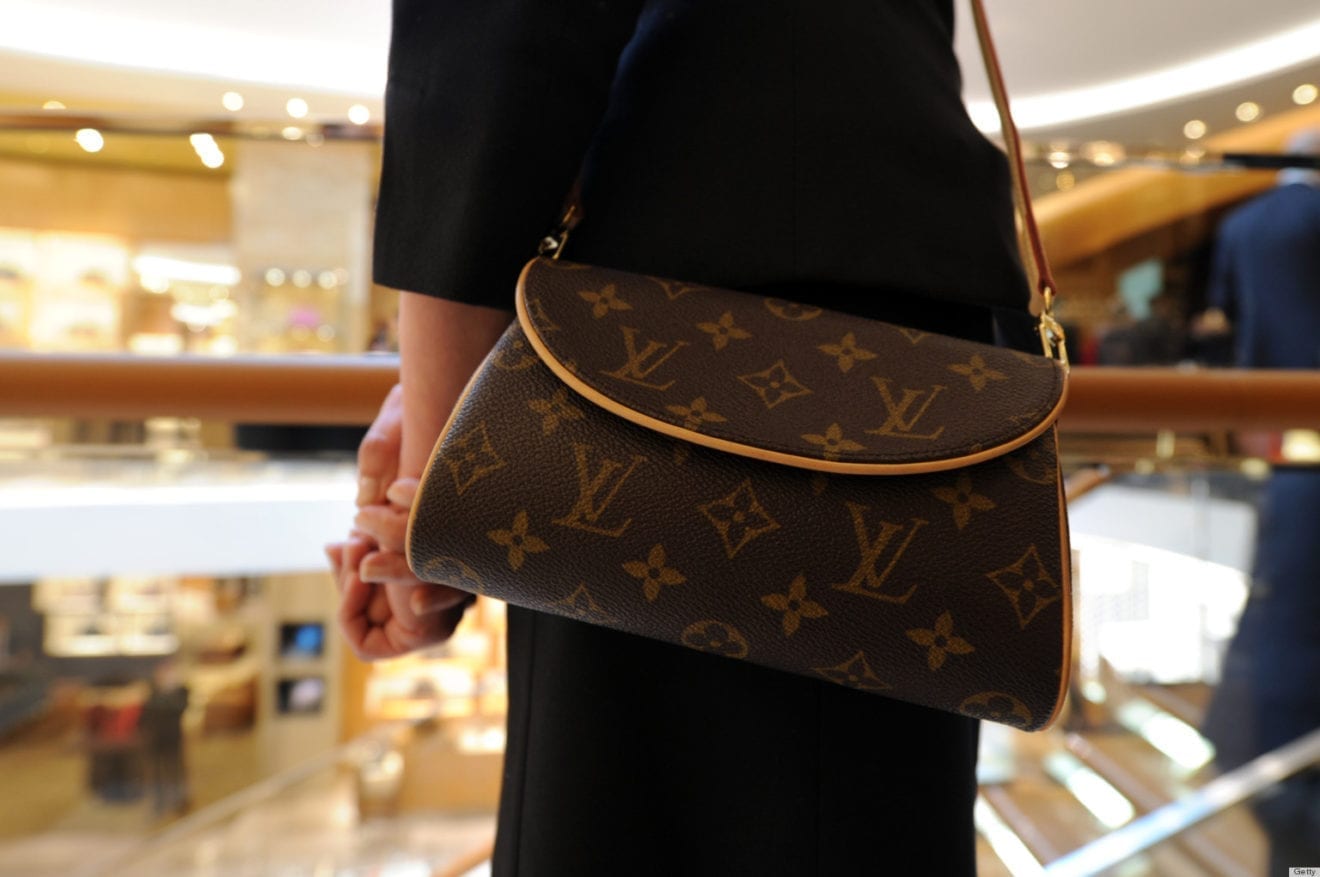
    The French fashion house has enjoyed popularity in the recent past, targeting young women with its monogram series. Market insiders say Louis Vuitton appears to have lost some of the brand value from its rarity, focusing on bags priced 2 million won (US$1,790) that have become an affordable range for customers in the luxury segment.

    The vast popularity of Louis Vuitton in the past and consequent sales have made the brand too common, taking away much of its cachet, a retailer said. “The popularity of its monogram series fizzled out, and there was no succeeding product, which is another reason for the slump,” he said.

    Meanwhile, Hermes and Chanel have targeted the higher end segment, keeping their price range within the highest level of the market.

  • Prime retail rents in Hong Kong still top Asian rankings

    Prime retail rents in Hong Kong still top Asian rankings

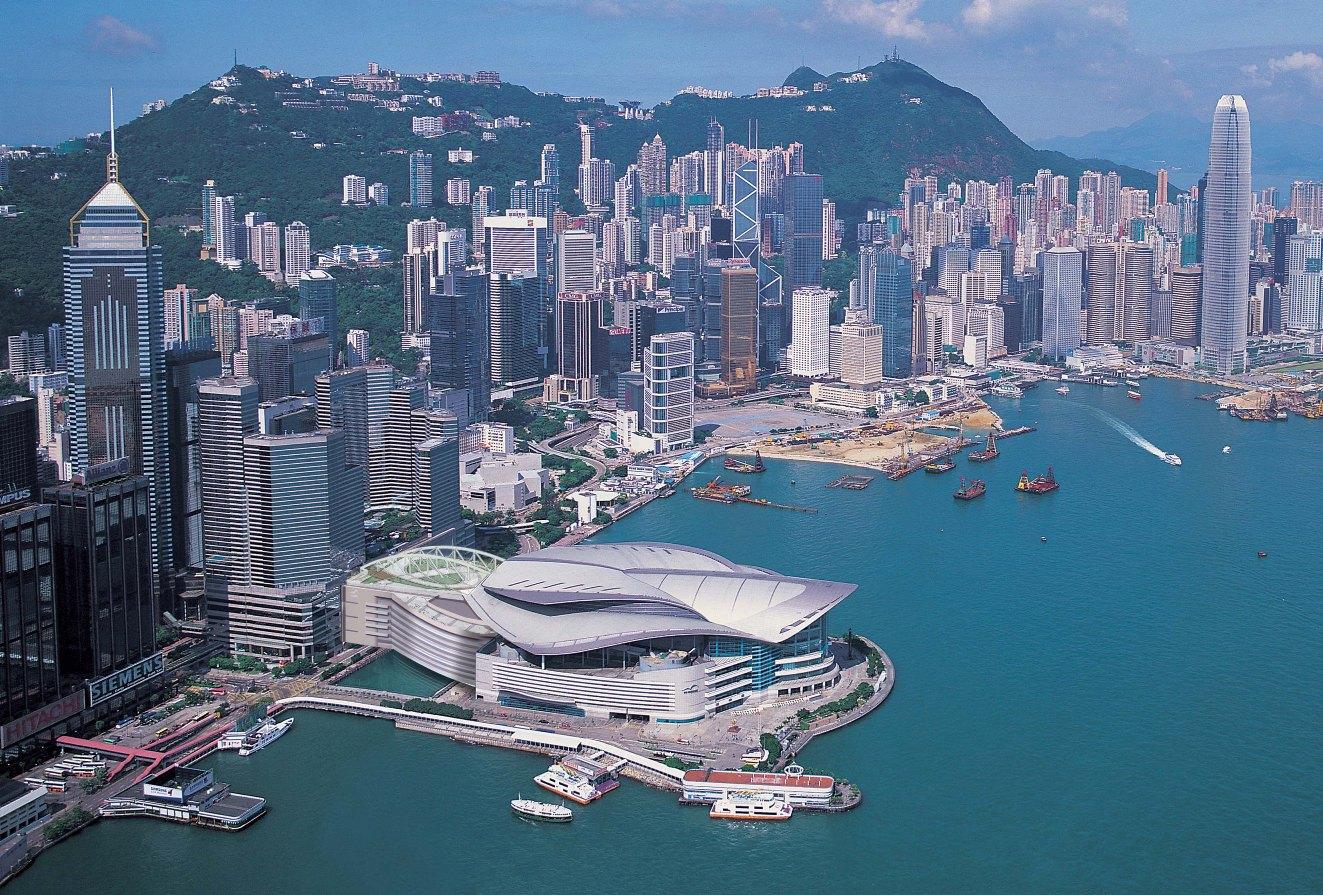
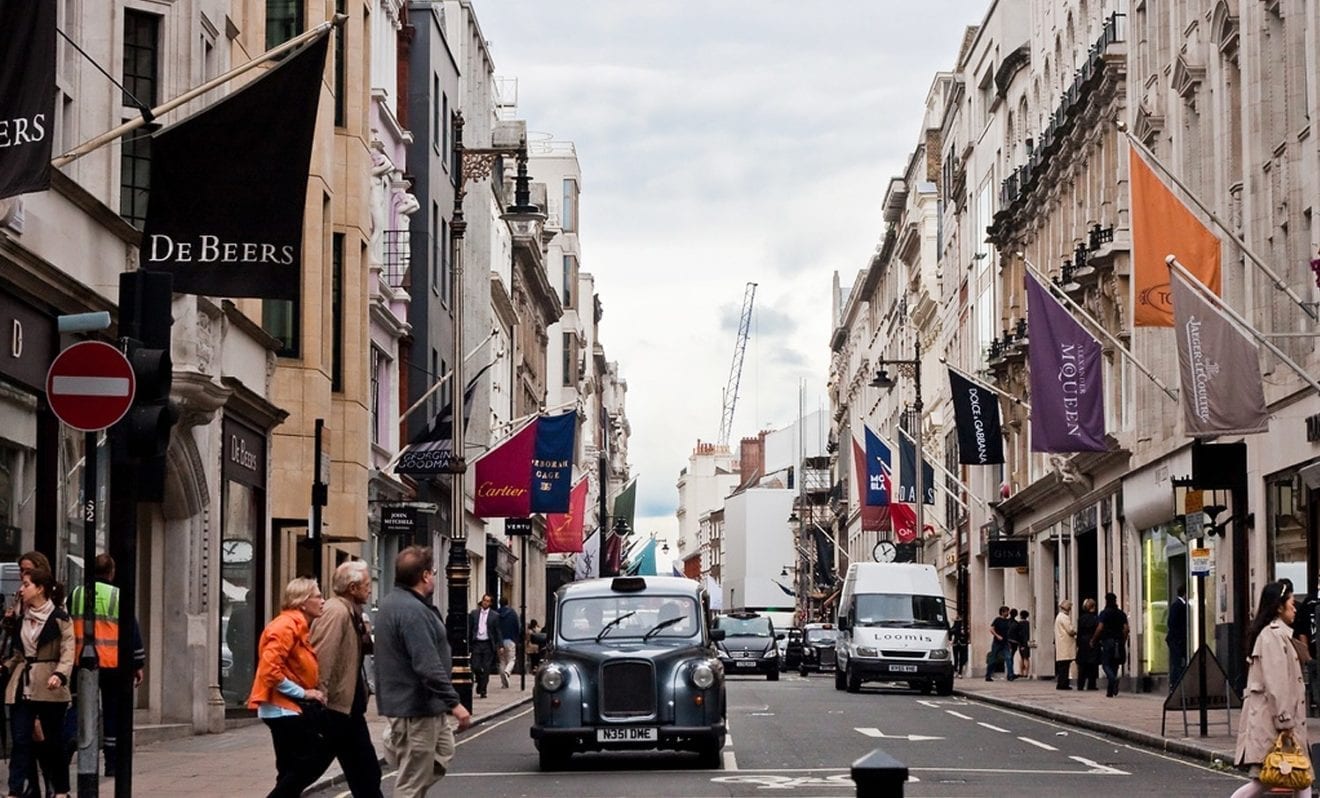
    Despite plummeting retail rents in Hong Kong, Causeway Bay has retained its ranking as Asia’s most expensive retail strip – and the world’s second, behind Upper 5th Avenue in Manhattan, New York.

    Soaring London rents have seen New Bond Street rise to become the world’s third most expensive retail street, according to an annual survey by Cushman & Wakefield.

    The annual Main Streets Across The World report, now in its 29th edition, tracks 451 of the top retail streets around the globe and ranks the most expensive in 68 countries and regions by prime rental value using Cushman & Wakefield’s proprietary data.

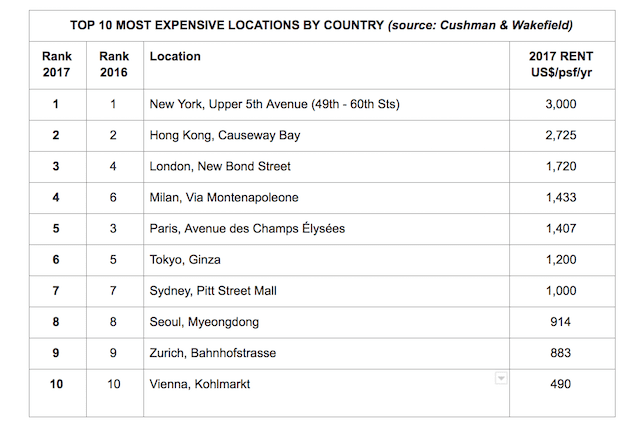
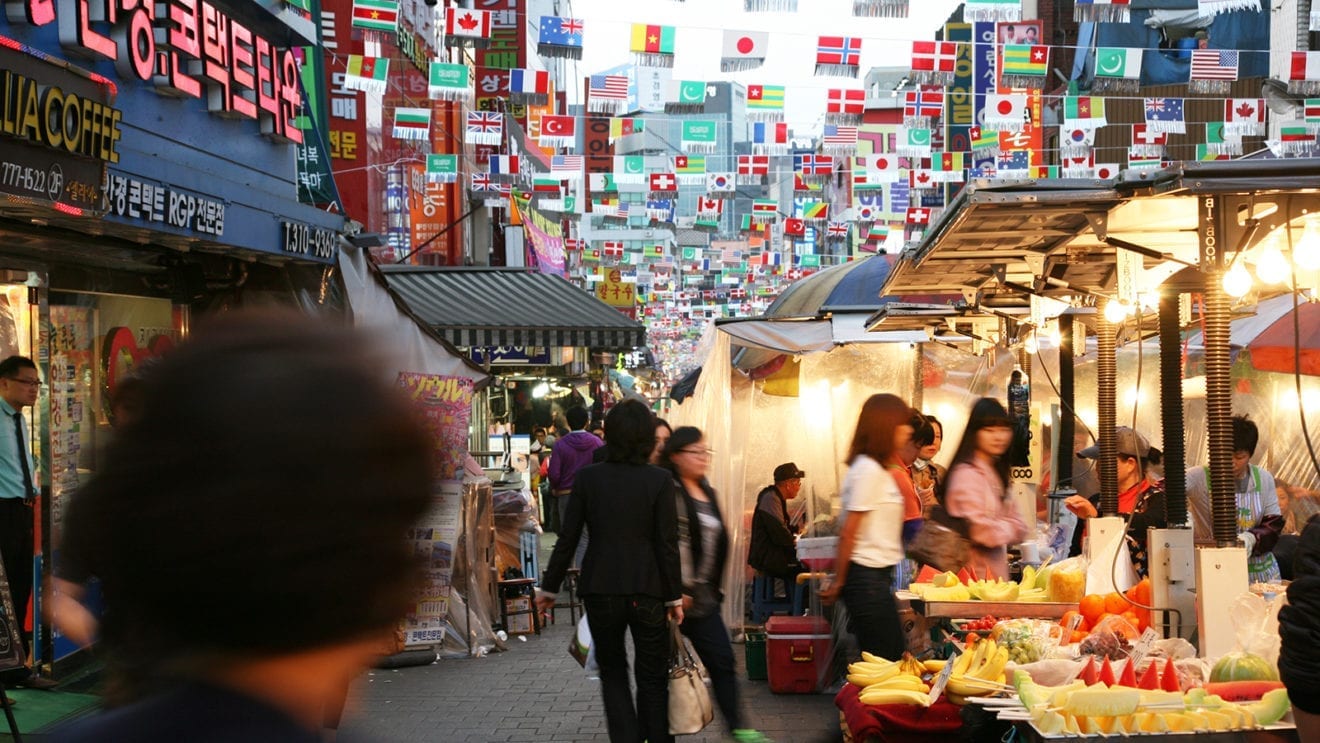
    Only three Asian cities feature in the top 10 globally, with Tokyo’s Ginza in sixth place, down one place from last year, and Myeongdong in Seoul eighth, its same ranking as before.

    The Top 10 list is as follows:

    Average annual rents on Upper 5th Avenue stayed the same as last year at  US$3000 (HK$23,400) per square foot. Despite a 4.7 per cent fall to US$2725 (HK$21,255) psf/yr, Hong Kong’s Causeway Bay retained its second place and Cushman & Wakefield observed the rental correction in the district “is almost complete” nearing the year’s end.

    London’s New Bond Street leapt into third place as rents increased by more than a third (in local currency) on the previous year to US$1720 psf/yr.

    Report author Darren Yates, head of EMEA retail research with Cushman & Wakefield, said that despite a lot of negative headlines, global retail remains as dynamic and vibrant as ever in response to technological and demographic change across the world.

    “Premium retail destinations, including Upper Fifth Avenue, Causeway Bay and New Bond Street, are highly sought after by international brands seeking to create engaging retail experiences that offer something new and exciting. The most innovative retailers are combining their online and physical platforms to create a seamless omni-channel experience for the customer, but profile and location play such a crucial role in the premium retail experience,” he said.

    Rents “will be better”

    Kevin Lam, Cushman & Wakefield’s executive director, head of retail services in Hong Kong , said that while rents eased in causeway Bay during this year, the pace of decline has slowed in the second half and the correction is expected to finish towards year-end.

    “Rents in Causeway Bay will be in a better position next year, although there will still be some distance between the rents of Causeway Bay and of Upper 5th Avenue in New York,” he said.

    “Ranking at second place globally reflected a softening of high street rents in Causeway Bay, but the plus side is this healthy correction has driven greater diversification in trade mix on the high street. Apart from the luxury trades which have always been dominant in Causeway Bay, there are more lifestyle merchandise, food and beverage and Mainland China brands entering the district, which would enhance the shopping experience for customers.

    “As cases of duplex and triplex leasing become rarer, we expect the number of varieties of shops will increase.”

    Meanwhile, Mainland China’s retail market continues to evolve as a rapidly growing consumer base of savvy, brand-aware shoppers seek out new and sophisticated retail experiences. Beijing’s Wangfujing is ranked 11th in the global table, with annual rents at $477 psf/yr. The city’s online retail market has experienced exceptionally strong growth and internet sales now account for about 18 per cent of the total, although 12.4 million sqft of new space is expected to become available in the Fengtai and Tongzhou districts in 2018 as new developments complete.

  • Korea retailers embracing self-checkout technology

    Korea retailers embracing self-checkout technology

    Unmanned convenience stores are slowly making their way in South Korea and may significantly change or eliminate jobs behind the counter.

    Due to a steep rise in the minimum hourly wage, which will come into force next year, and advancements in technology, local retailers are adopting unmanned operations.

    There are five unmanned convenience stores in the country, according to industry officials.

    Lotte Group‘s Korea Seven started operating its unmanned store 7-Eleven Signature at Lotte World Tower in May. Retail giant Shinsegae operates four unmanned E-mart 24 stores nationwide.

    At the unmanned stores, consumers can buy products by scanning them at auto-checkout counters.

    “Whenever there was a person behind counter, I instinctively felt like I had to pick products fast and go to the counter,” Lee Gil-yong told DongA News.

    “But now that there are no workers in the unmanned store, I feel like I can take my time to choose what I want to buy.”

    But some people have had difficulty adjusting to the stores and their security features.

    According to E-mart 24, three out of 13 people who visited its unmanned store in Seongsu-dong, Seoul, between 11 p.m. and 12:30 p.m. on Oct. 24 did not know how to get in. The store operates without workers from 11 p.m. to 6 a.m.

    To enter the unmanned E-mart 24 stores, shoppers must identify themselves with their credit cards. Also, they cannot buy alcoholic beverages ― a popular night-time product ― because unmanned stores cannot verify ages.

    E-mart 24’s unmanned stores suffered a decrease in sales, but cheaper labor costs meant the stores generated more profit.

    Concerns about the safety have also been raised because people entered without identifying themselves by waiting for the door to open for a shopper leaving the store.

    “We have not been able to operate the self-checkout machines in franchises because we have not yet found a way to prevent theft,” said an industry official.

    Only stores directly managed by headquarters operate unmanned checkout machines.

    “We are just checking the unmanned stores’ efficiency for now,” an E-mart 24 official said. “We have yet to decide whether to set up additional unmanned stores.”

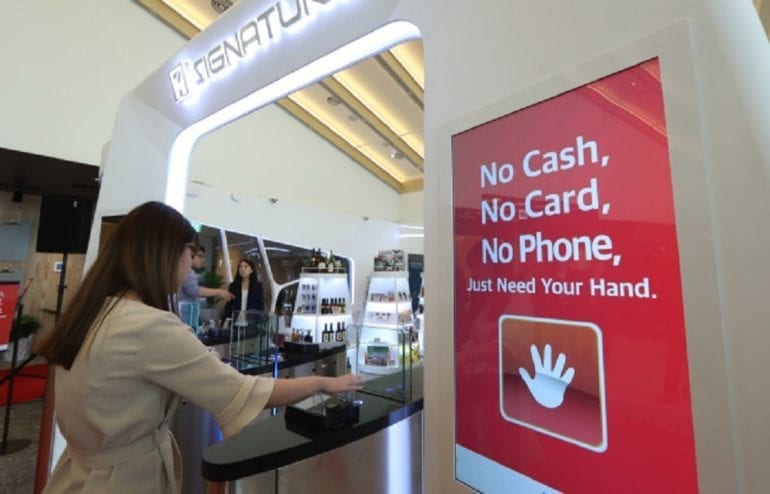
    E-mart 24’s competitor 7-Eleven Signature has a HandPay system that identifies individuals by the pattern of their veins. Consumers can register their vein patterns on their Lotte Cards and the store will recognize the consumers.

    But shoppers have expressed discomfort because the store can only be accessed by those whose veins are registered.

    More retailers are expected to turn to automation due to the minimum wage hike next year, when the hourly minimum wage will rise to 7,530 won (US$6.67), up 16.4 percent from this year.

    Other major convenience stores such as GS Retail’s GS25 and BGF Retail’s CU also are preparing for unmanned stores.

  • Baby Milo try luck with popup store

    Baby Milo try luck with popup store

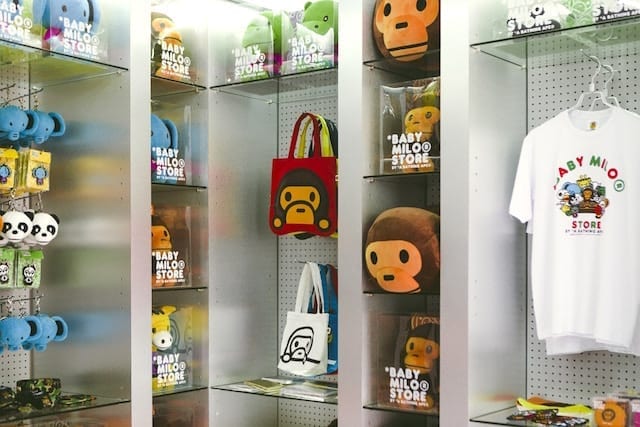
    A Baby Milo popup store has opened in Gala Place, Mongkok.

    The short-term store will trade through until January 1, according to our friends at Hypebae.

    “Streetwear lovers will be able to shop themed accessories and apparel, ranging from fluffy pillows to printed tote bags,” the site reveals.

    Baby Milo, is a monkey character developed by Japanese-founded Bathing Ape, now owned by I.T Group, one of Inside Retail’s Top 50 Innovative Hong Kong Retail Leaders in 2017.

    Besides accessories and limited-edition items, the popup features a three-metre tall Baby Milo DJ character playing music outside the boutique.

    Fans of the character can connect with the brand via social media and share selfies taken with the cute monkey for the chance to win a custom Baby Milo Walkman.

    Gala Place is located at the Park-in Commercial Centre at 56 Dundas Street, Mongkok.


  • New entry in the top highest rents globally

    New entry in the top highest rents globally

    Bond Street in London is the new entry in the podium of the highest rents globally, after overtaking the Champs Elysées in Paris.

    Property firm Cushman & Wakefield released the new list this week and said that Upper Fifth Avenue in New York stays top ($3,000 per square foot) with Hong Kong’s Causeway Bay next ($2,725). After Bond Street ($1,720) is Milan’s Via Montenapoleone, with the Champs Elysées now in fifth place.

    Bond Street rents raced ahead by almost 40% in the year 2017 to June as demand stayed strong despite fears over Brexit. In fact, the Brexit effect could have been partly responsible for the rise with a tourist surge as international visitors took advantage of the weak pound after the Brexit vote.

    Report author Darren Yates of Cushman & Wakefield’s Darren Yates said: “London’s major thoroughfares are some of the most desirable and expensive streets in the world. Although there was a pause in activity in London in the initial aftermath of the EU referendum, the start of 2017 brought a resurgence in leasing deals.”

    There had been fears this summer that some luxury brands would quite the area as it had become so expensive with Colliers International telling The Guardian that a number of Bond Street leases were being “quietly marketed”.

    Dolce & Gabbana, Hugo Boss, De Beers and DKNY were among the big names said to be looking at a move.

    But Yates said he hasn’t seen any signs of big brands wanting to move, although he added that with the property market slowing, they are probably less likely now to want to hand over million of pounds to encourage an existing tenant to move as they have done in the past.

    A new report from Savills earlier this year showed that Bond Street is evolving into a home for ultra-luxury brands with fewer affordable luxury or premium labels occupying stores there.

    Super-luxury retailers now occupy 73.9% of its retail space, up from 62.8% over the last five years, and following the launch of the report, Savills said it would see a further 12 new stores by year-end, a high number and on a level with the peak reached in 2012.

    The newcomers include several ultra-luxury names (Alaïa, Delvaux and Officine Panerai).

  • Changing face of retail becomes the focus in HKTDC Asian e-Tailing Summit

    Changing face of retail becomes the focus in HKTDC Asian e-Tailing Summit

    As e-commerce continues to grow, it is fundamentally changing the face of retail. It has already influenced how many products and services are being sold, from clothes, packaged goods and seafood to hotel bookings, music files and taxi services.

    Because of this, companies of all sizes in all sectors cannot afford to ignore this channel, which is the focus of the upcoming Asian e-Tailing Summit, being organised by the Hong Kong government’s HKTDC. It is aimed at e-commerce professionals, retailers, industry leaders, service providers and users, as well as brand owners and suppliers, online marketplaces and platforms, wholesalers and distributors.

    As social networks proliferate and supply chains improve, more and more people are buying from foreign online shops. E-commerce Foundation figures show that more than 300 million consumers worldwide are now buying from merchants outside their own immediate jurisdiction, and Euromonitor International says this number is expected to increase to nearly one billion by 2020.

    On the move

    Other research shows that the total value of purchases made by cross-border online consumers is growing at the rate of 28 per cent a year and is set to reach US$1 trillion by 2020, and much of this shopping is being done on the move by smartphone. As well as searching for products or services, smartphone users can easily compare product specs and prices, download coupons and make online purchases all in one go.

    Overall, m-commerce has been a game changer, making it a necessity for merchants to have a mobile-optimised website or app. Ideally, every retailer should offer omni-channel options, and also be aware of social-media opportunities.

    In China, meanwhile, billions of shops now accept payments via Alipay and/or WeChat Pay. On the international front, Apple Pay, Google Wallet and Tap & Go have also swelled the number of digital wallets available. Improved and safer e-wallet technology has been a key factor in optimising the O2O buying experience.

    An overview of this fast-growing side or retail will be offered at the Asian e-Tailing Summit, at the Hong Kong Convention and Exhibition Centre, on December 6, with speakers representing such companies as eBay, Fung Global Retail and Technology, Gartner, KPMG, Lazada, Macy’s China, PayPal, Sephora, Suning and Zalora.

    It launches with a plenary session that looks at the impact of rising digital consumption on the world economy.

    There will be two breakout sessions following the plenary. The first examines worldwide procurement for cross-border e-commerce, while the other looks at the social-commerce movement as an omnichannel priority.

    Two concurrent workshops wind up the event. The first offers practical tips on cross-border e-commerce, while the other covers best practice in e-commerce.

  • Korean retailers shifting to ASEAN from China

    Korean retailers shifting to ASEAN from China

    Lotte, Shinsegae and other retailers in Korea have been shifting their focus to Southeast Asia as it has become difficult to conduct business in China amid deteriorating Korea-Sino ties.

    The increasing number of middle-class consumers in Vietnam and other countries has also encouraged the retailers to establish a larger presence in the rapidly-growing region.

    The exodus from the Chinese mainland has been accelerating as the Chinese government shows no signs of easing economic retaliation against Korean firms and their products because of Seoul’s decision to deploy a Terminal High Altitude Area Defense (THAAD) battery here.

    Of the Korean retailers, Lotte Group has engaged most actively in the Southeast Asian markets, pushing ahead with its plan to carry out multi-complex construction projects in Southeast Asia as the group’s new growth engine.

    Lotte Mart, the hypermarket brand of the nation’s largest retailer, is currently operating 45 stores in Indonesia and 13 in Vietnam, industry sources said. It will also open another store in Lampung Province, Indonesia, in December 2017.

    In September 2014, Lotte built the Lotte Center in Hanoi, Vietnam. The 65-story multi-complex offers the group’s various shopping and accommodation brands, including Lotte Department Store, Lotte Mart and Lotte Hotel.

    Lotte is building a large-size shopping mall with a gross floor area of 200,000 square meters in Hanoi, with completion scheduled for 2020. It is also reviewing its plans to invest about 2 trillion won (US$1.74 billion) to build another 100,000-square meter multi-complex in Ho Chi Minh City.

    Lotte Duty Free, the group’s duty free store affiliate, has also recently entered Vietnam. It partnered with a local retailer to establish the Phu Khanh Duty Free at the Da Nang International Airport, and the company official said it has a similar plan to open business in other major cities in Vietnam.

    Shinsegae Group’s discount chain brand E-Mart is also shifting to Southeast Asian markets.

    It has officially announced its exit from the Chinese market, and chose Vietnam as its new overseas growth engine. E-Mart opened its first store in the Go Bap area of Ho Chi Minh City, in December 2015, and is planning to open its second store in the city soon.

    The E-Mart Go Bap store recorded 41.9 billion sales the previous year to exceed its sales target by 20 percent. Its sales performance also marked 25.8 billion won during the first half of this year, up 27.5 percent from the same period the previous year.

    It signed an MOU deal with Ho Chi Minh City last year to invest $200 million in September, and an E-Mart official said it will enter Laos, Indonesia and Cambodia soon.

    GS Retail, the nation’s convenience store brand is also entering Southeast Asian markets.

    GS Retail, which operates the GS25 convenience store chain, has recently established a joint venture with Vietnamese SonKim Group. Taking 30 percent in shares, GS Retail plans to open its first store in Ho Chi Minh City.

    GS Retail opened its first GS Supermarket in Indonesia in October 2017.

  • DHL Express to expand opration at HKIA hub

    DHL Express to expand opration at HKIA hub

    Growing regional e-commerce trade has prompted DHL Express to expand its central-Asia hub (CAH) in partnership with Airport Authority Hong Kong.

    Costing about HK$2.9 billion (US$371.4 million), the expansion takes DHL’s commitment for the hub to about $4.5 billion.

    Recording an average 12 per cent year-on-year growth in its shipping volume in the past decade, CAH is one of three global hubs for DHL. With its expansion, it will handle more than 40 per cent of DHL’s Asia Pacific shipments.

    DHL Express CEO Ken Allen says the hub is based in a location that is strategically important for the company as the region’s international trade demands continue rapid growth.

    As part of the expansion, CAH will be equipped with an enhanced material-handling system that will improve productivity and increase throughput from 75,000 shipment items an hour to 125,000 items. The annual throughput of the expanded hub is expected to rise by 50 per cent to 1.06 million tonnes.

    As a dedicated air express cargo unit at Hong Kong International Airport (HKIA), the expanded CAH can handle six times more in terms of shipment volume than when it was established in 2004.

    Three times faster

    “Connecting with more than 70 DHL Express gateways in the region, the hub plays a significant role in strengthening our network in Asia Pacific, including Bangkok, Shanghai and Singapore,” says DHL Express Asia Pacific CEO Ken Lee.

    “The expansion will also help us capitalise on the growth in intra-Asian trade that currently contributes more than 40 per cent of our revenue in Asia Pacific. Equipped with fully automated X-ray inspection machines, the expansion will make our shipment inspection three times faster.”


    “The strong growth of cross-boundary e-commerce has generated new opportunities for the air-cargo industry,” says Airport Authority Hong Kong CEO Fred Lam. “We have taken an array of measures to further strengthen our role as an international and regional aviation hub, which include reserving land on both the airside and landside to support the growth in transshipment, cross-boundary e-commerce and the high value-added air-cargo business.”

    The CAH extension is expected to start work in early 2022, in time to capture demand in the Pan-Pearl River Delta region and completion of the airport’s three-runway system in 2024. The expansion will increase the CAH warehouse space by about 50 per cent to 47,000sqm.

    Its security system will have 520 CCTV cameras and an advanced access-control system, and a quality-control centre will monitor flight uplift/landing times and reporting any irregularities so DHL can notify customers of flight delays or cancellations.

  • Tiny Samsung Galaxy S9 Mini could be in the works

    Tiny Samsung Galaxy S9 Mini could be in the works

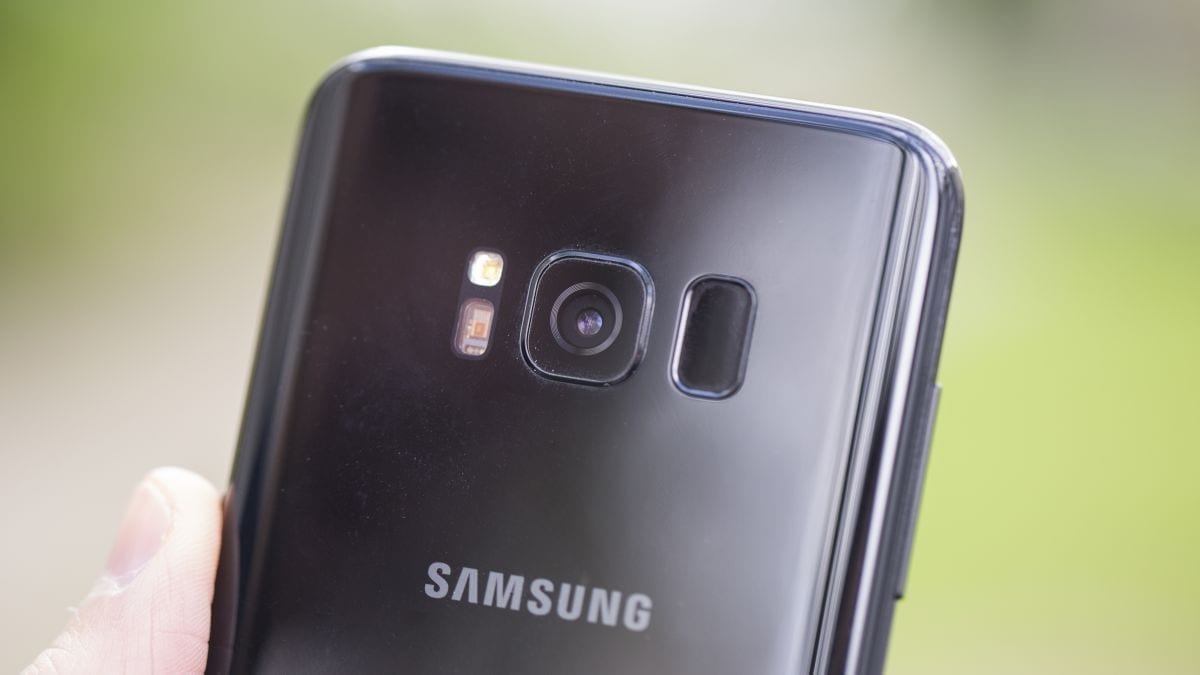
    Other than the iPhone 8, Sony Xperia XZ1 Compact and their predecessors there haven’t been many high-end compact phones in recent years, but Samsung could be about to add to the list with a Samsung Galaxy S9 Mini.

    Known leaker I ice universe has said as much on Weibo (a Chinese microblogging site), adding that the screen is less than 5 inches and that it has a “full screen”, which suggests that it will have minimal bezels and a super-widescreen 18.5:9 aspect ratio, just like the Samsung Galaxy S8 range.

    They don’t actually name the phone, but the mention of “full screen” suggests it will be using design language from the S series, so an S9 Mini is the obvious conclusion.

    Some sites are reporting that the Samsung Galaxy S9 Mini – or whatever it ends up being called – will also have a curved display, which would make sense if it uses the Galaxy S9 name, but the original information is in Chinese, and based on our own translation attempts we feel it could just as well be saying that the screen won’t curve.

    Coming soon… probably

    Similarly, there’s no suggestion that it will launch alongside the Samsung Galaxy S9 and Galaxy S9 Plus, despite what you might read elsewhere, though a launch in the first half of 2018 would seem likely if it’s going to arrive at all.

    And that’s a big if, I Ice Universe seems to say they’re not sure if it will be released or not (though this again is based on Google Translate).

    There’s reason to be skeptical, as Samsung hasn’t made a mini version of its flagships in years. But if the Samsung Galaxy S9 Mini is real we’d expect to hear more about it soon.