Tag: asia

  • Aldi to open its first Townsville store

    Aldi to open its first Townsville store

    Aldi has announced a new lease agreement with Dexus to see Townsville’s first Aldi arrive at the Willows Shopping Centre later this year.

    The new 2,252sqm store will offer North Queenslanders the full Aldi experience, providing shoppers with award-winning grocery products at low prices and Special Buys together with fresh fruit, vegetables, and bread delivered daily.

    Ryan Wheelhouse, Willows Centre Manager, said the Townsville community looks forward to having its Aldi open later this year.

    “We know the community have been excited about this announcement and the great value Aldi offers across its grocery range, including its famous Special Buys. The store will open later this year and will be next to TK Maxx, making Willows the only centre north of south-east Queensland to house all three supermarket chains under the one roof.”

    Dexus’s Head of Retail Leasing, Eddie Giraldo said that Aldi will bring a new affordable, quality supermarket offering to Willows where customers can continue to enjoy the convenience of having everything they need under one roof. We are committed to delivering the best retail experiences in Townsville.

    “After much anticipation and popular demand from the Townville community, we are delighted to be working with Aldi to bring them to North Queensland,” he said.

    Aldi will join Woolworths, Coles, Big W, Rebel, JB Hi-Fi, TK Maxx, Cotton On Mega and Best & Less and 130 specialty retailers making Willows Townsville the home of the biggest brands.

  • Google Drive will soon get its own Spam folder just like Gmail

    Google Drive will soon get its own Spam folder just like Gmail

    In an effort to enhance user experience and fortify its security measures, Google announced a new update to Google Drive that those that have been plagued by spam will surely appreciate. This update will introduce a new spam folder within Google Drive, which will work similarly to what we have now with Gmail.

    Unfortunately, spam and malicious attempts are becoming more common in today’s digital world. In fact, according to Google, it is constantly blocking spam from our email inboxes at a rate of 15 billion unwanted messages daily. Thankfully, these same protections are now being expanded to Google Drive, one of the latest targets spammers and scammers alike have gravitated towards.

    To separate legit Google Drive files from potential spam, Google will be adding a new view or folder within the application that will let you sort through and classify them as needed. If an uninvited file finds its way into your spam folder, you’ll be automatically unsubscribed from it, effectively halting any subsequent notifications, such as comments, shares, or mobile push alerts. Once you’ve opted out, the file will be inaccessible from any location in Drive except for the new spam folder, which will live in the left sidebar.

    Just like Gmail’s spam folder, Google Drive will automatically scan and reroute files that are highly likely to be unwanted to the spam folder. However, users remain under control and can always manually move files back and forth between their My Drive and Spam folder. Once a file has been in your spam folder for over 30 days, it will be automatically deleted from your Drive.
    This update to Google Drive will be available to all Google google accounts, including personal ones, starting on May 24th, 2023. The new Spam folder will be visible on Android, iOS, Drive for Desktop, and the Drive homepage on the web. Note though, that it will undergo an extended two-week rollout starting on the launch date.
  • Shrimp prices plummet on stubbornly low global demand

    Shrimp prices plummet on stubbornly low global demand

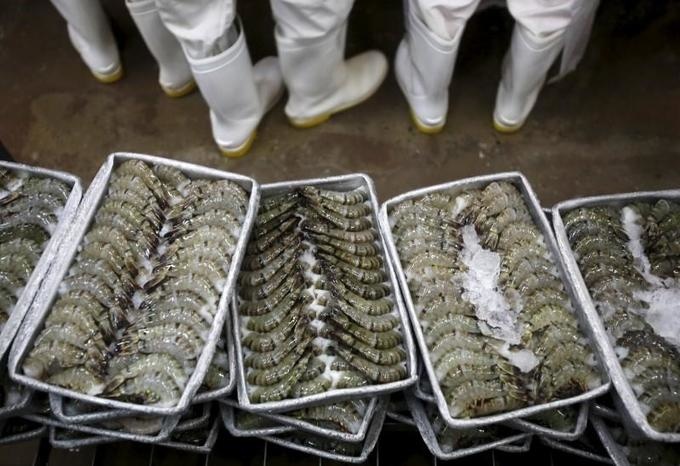
    Shrimp prices have fallen by up to 30% within a month, and threaten to cause losses to southern farmers.

    In the Mekong Delta provinces of Tien Giang and Ca Mau, the prices of shrimp sized 100 to a kilogram have declined by a third from four weeks ago to VND70,000-80,000 (US$3-3.41).

    Larger ones, sized 30 to a kilogram, are priced at VND108,000, down 20%.

    Minh, a farmer in Ca Mau, said with prices dropping by 20-30%, he is not earning profits.

    “I have been trying to cut expenses, but at these prices I might record a loss.”

    Trong in Tien Giang Province faces potential losses of hundreds of millions of dong (VND100 million = $4,260).

    Other farmers are saying on online forums that they had been expecting prices to rise for weeks and are hit by the decline.

    The fall has been caused by lower demand in major export markets while supply has been rising in Vietnam, the Ministry of Agriculture and Rural Development said in a recent report.

    Rising inflation has caused a drop in consumption in the E.U. and the U.S., two main export markets, the Vietnam Association of Seafood Exporters and Producers said.

    Exports to China fell by 40% year-on-year in the first quarter to $54 million, according to Vietnam Customs.

  • WhatsApp introduces new Chat Lock feature for those sensitive conversations

    WhatsApp introduces new Chat Lock feature for those sensitive conversations

    WhatsApp has announced a new feature called “Chat Lock” that adds an extra layer of privacy to its users’ most private chats. This feature allows users to lock a chat thread so that it can only be viewed after once again entering the device’s password or fingerprint.

    WhatsApp touts this feature as a tool to make sure its users are able to keep their private talks private, even if the smartphone in question is passed around or someone is able to get into it without permission. This also works with notifications, making sure that any notifications from a locked chat does not show a preview of what is being said.

    With WhatsApp Chat Lock, you can make sure that your private talks stay private even if someone gets into your device without your permission. Whether you share sensitive information, talk about personal things, or have private conversations, this new tool gives you the power to keep your privacy at its highest level.

    The announcement is accompanied by a video highlighting how the feature works and how it can be convenient in family settings where the phone could be borrowed several times by others to either take a photo or participate in a video chat. In it, you see the main character escape several scenarios where his private conversation could have been made public, only to be saved by the existence of this feature.

    Locked chats can be accessed via the “Locked chats” folder, which can only be accessed by authenticating via the same method you use to unlock your phone. Locked chats will also be expanded in the coming months with new features such as extending the lock to companion devices and the ability to apply a different password to your locked chat folder than the one being used to unlock the device.

    The latter helps when you want to give access to your phone to someone else by sharing your device pin, but still want to keep specific WhatsApp chats private. Currently, you are able to lock the entire WhatsApp application with your chosen authentication method, but this takes it one step further by targeting specific conversations. The feature is rolling out in the latest version of the app.
  • More Barclays Bankers Decamp for UBS

    More Barclays Bankers Decamp for UBS

    For the second time in weeks, Barclays bankers are leaving for UBS. Six investment bankers in the US are on the move.

    UBS appears to have found rich poaching grounds at Barclays, as it is hiring half a dozen investment bankers specializing in technology, media, and telecom companies,  citing sources familiar.

    According to the sources, Richard Hardegree, Laurence Braham, Ozzie Ramos, Richard Casavechia, Neil Meyer, Jason Williams, and Ken Tittle are those departing for UBS locations in New York, San Francisco, and Chicago.

    The recent departures follow three more in April, when it was announced Marco Valla, Jeff Hinton, and Kurt Anthony are joining the UBS banking team in New York, with Valla appointed co-head of global banking alongside Javier Oficialdegui.

    Although UBS wants to reduce its investment banking to 25 percent or less of risk-weighted assets as part of its new structure with the merger with Credit Suisse, it wants to stay active in certain sectors. The recent hires appear to confirm that.

    Neither bank commented to Bloomberg about the departures, first reported by Reuters.

  • Coles launches Southern Style Hot Roast Chicken

    Coles launches Southern Style Hot Roast Chicken

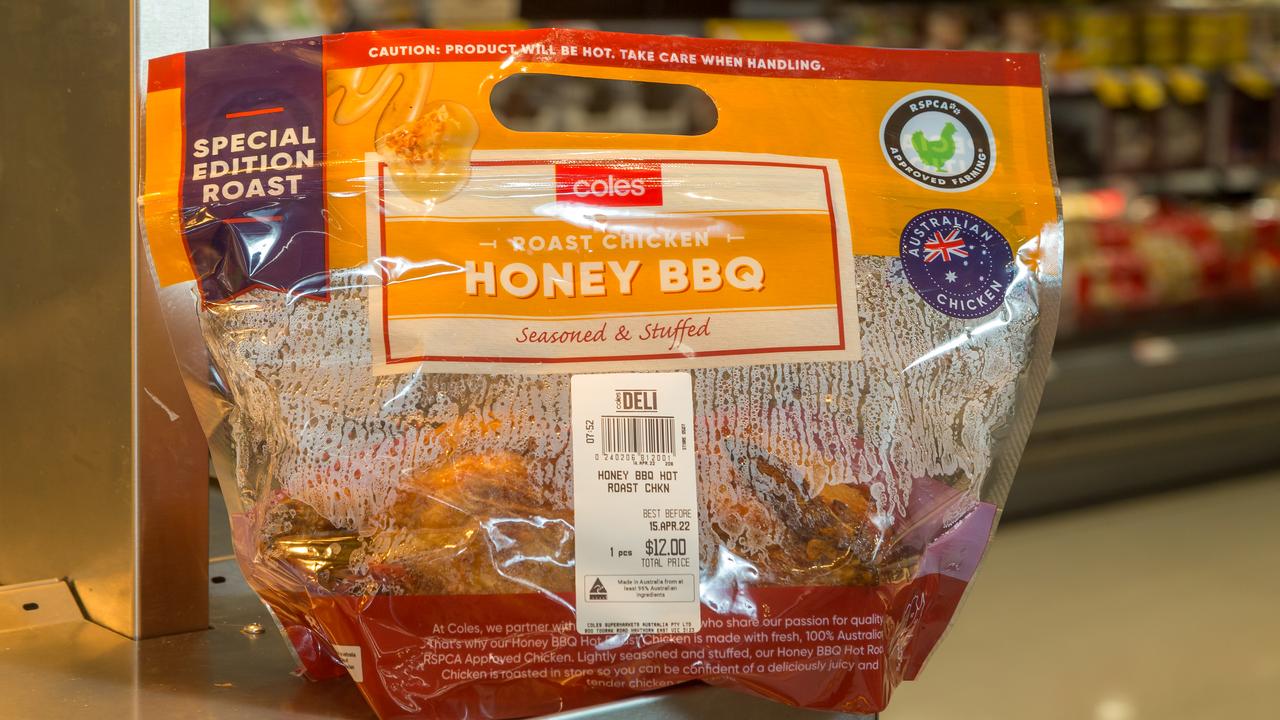
    Coles has announced a major new flavor for its famous hot roast chickens – and it’s sure to be a hit with KFC fans. For the first time, the supermarket giant will release a Southern Style version of the family favorite.

    Coles tells 7Life it “wanted to create a tasty and tangy flavor” to build on its “best-selling” roast chooks.

    “As the weather is cooling down, Aussies want comforting and hearty meals that are easy to prepare but won’t break the bank,” a spokesman said.

    “With a smokey buttermilk marinade and herby stuffing, our Southern Style hot roast chicken is delicious when paired with traditional BBQ-style sides or even a simple green salad and potatoes.”

    The new flavour adds to the existing range of Southern Style products, which includes the Southern Fried Chicken Portions.

    They are prepared with a buttermilk marinade, complete with a “flavor-packed” Southern-inspired stuffing including onion, garlic and a secret blend of herbs and spices.

    The Southern Style inspired Hot Roast Chicken, $13, is now available at all Coles stores nationwide.

  • FamilyMart Malaysia to open 300 halal-certified stores

    FamilyMart Malaysia to open 300 halal-certified stores

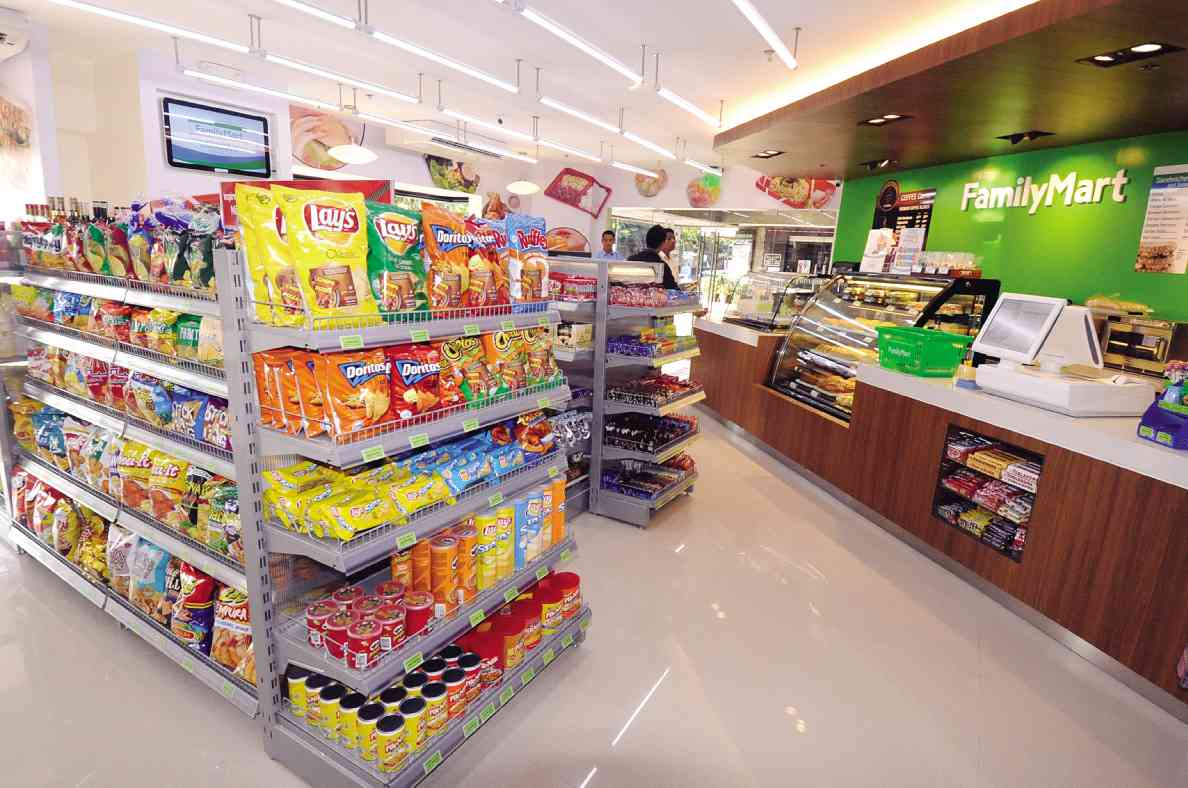
    In a statement shared today (May 10) by FamilyMart Malaysia, the convenience store chain announced that its FamiCafé in Menara U, Shah Alam, has obtained halal certification from Jabatan Kemajuan Islam Malaysia (JAKIM).

    This makes it the first convenience store café in Malaysia to receive this certification. Based on a check on the Halal Malaysia Official Portal, other convenience store cafés such as 7 Café and emart24, are not halal-certified by JAKIM.

    According to the statement, the halal certification aligns with FamilyMart Malaysia’s ongoing effort to ensure that its customers have total peace of mind while shopping and dining at its premises.

    It also added that other FamilyMart Malaysia stores will undergo halal audits in stages as guided by JAKIM, and that the process has already begun at two other stores.

    Subsequently, as a result of the certification, it stated that all new FamiCafés will automatically adopt the layout guided by JAKIM while existing ones will be converted to incorporate the changes required.

    The company aims to have the FamiCafés in 300 stores halal-certified by 2025 with the halal-certified concept serving café beverages and ready-to-eat food prepared in-store.

    There are currently 16 FamiCafés in Malaysia, with an overall target of 50 planned by the end of 2023.

    “We are very excited to be the first convenience store café in Malaysia to be halal-certified as part of our continuous improvement to enhance customer experience and provide value to them.”

    “Our journey to obtain halal certification in our stores is the next step in providing greater assurance and confidence for customers to shop and dine with us,” it shared.

    FamilyMart Malaysia’s central kitchen, operated by QL Kitchen, has been certified halal by JAKIM since 2019. As of April 30, 2023, 172 FamilyMart branded food products have been registered halal on JAKIM’s official halal portal.

    Meanwhile, in alignment with the announcement, FamilyMart Malaysia has also shared that it has stopped the sale of alcohol from all stores to provide an added assurance for all Muslim customers.

    In addition to the halal certification, FamilyMart stated that the team is expanding to the east coast of Peninsular Malaysia and that the company is currently securing identified locations to meet the demands of its fans in the region.

    It plans to open 20 stores by the end of 2023 and expansion is already underway in various parts of Kuantan, Pahang.

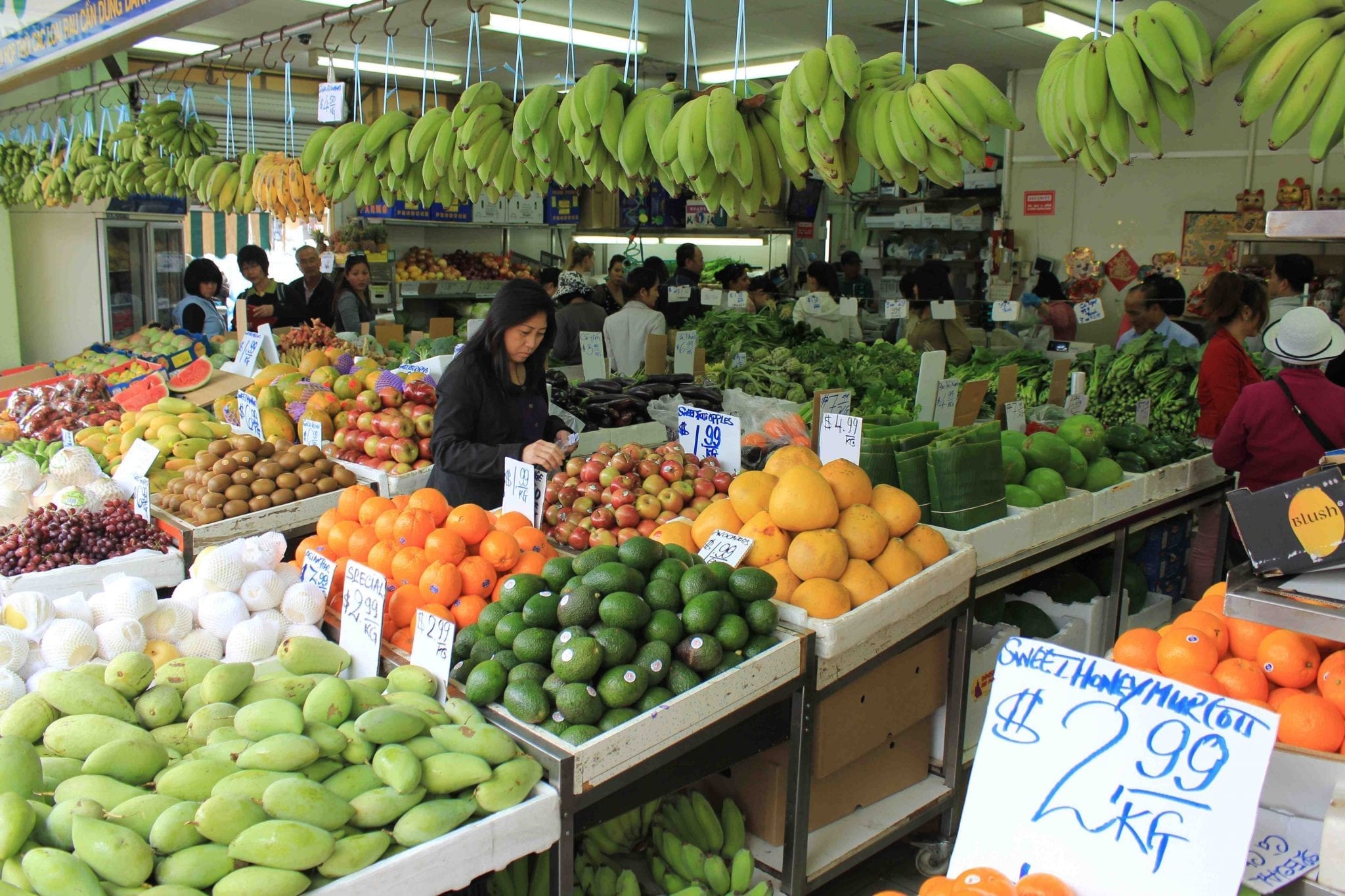
  • Vietnam’s vegetable, fruit exports likely to hit $4B this year

    Vietnam’s vegetable, fruit exports likely to hit $4B this year

    As one of the few sectors reporting export turnover increase in the first quarter of 2023, Vietnam’s vegetable and fruit sector has a bright outlook to earn $4 billion in export revenue this year.

    Vietnam exported nearly $1 billion worth of fruits and vegetables in Q1, up 8% from a year earlier, with the Chinese market recording an impressive growth of 23%.

    Dang Phuc Nguyen, Secretary General of the Vietnam Fruit Association (Vinafruit), attributed the result to the signing of protocols on exports of durian, sweet potato and banana to China through official channels.

    The export of pomelo to the U.S., and passion fruit to New Zealand was also a driver for the overall growth of the sector.

    Durian was a big contributor to the impressive export results in the first months of this year. The export turnover of this fruit is expected to hit $1 billion, helping the sector’s total figure to $4 billion this year, up 20% year-on-year, said Nguyen.

    The implementation of free trade agreements is also an important driving force helping fruit and vegetable exports to increase sharply in the first months and make an important contribution to boosting the sector’s exports throughout the year.

    Good demand for fruit imports in China can help raise total fruit and vegetable exports in Q2 by 10% or higher, Nguyen noted, predicting that the revenue can reach about $2 billion in the first half of 2023.

    Vinafruit has proposed the Ministry of Industry and Trade (MoIT) and other ministries and agencies, especially the Vietnam Trade Office in China, study and negotiate for the signing of more protocols for several officially-exported products such as dragon fruit, mango, watermelon, jackfruit and rambutan, together with the opening of markets for other fruits such as green-skinned pomelo, fresh coconut, avocado, lemon, pineapple and star apple.

    Besides China, it is also necessary to step up trade promotion activities in other markets such as the U.S., China, the Republic of Korea and Australia, said Nguyen.

    According to the Vinafruit Secretary General, the greatest difficulty at present is that there are not many planting area and packing facility codes to meet the requirements of the Chinese market. Currently, there are only 246 planting area and nearly 100 packing facility codes granted, much lower than the respective 20,000 and 2,000 of Thailand.

    With an area of nearly 110,000 hectares, and an output of around 1 million tonnes per year, there will be a bottleneck in durian exports to China, if no more planting area code is granted this year.

    He also suggested the MoIT and other ministries and sectors to call on investment and advanced technologies for processors to improve the export value, and gain a firmer foothold in such choosy markets as the U.S. and the EU.

    Vietnam Trade Offices abroad were advised to regularly organize Vietnamese fruit festivals to introduce the fruits to people in their host countries and international visitors.

    Vietnam earned nearly $3.4 billion from vegetable and fruit exports last year.

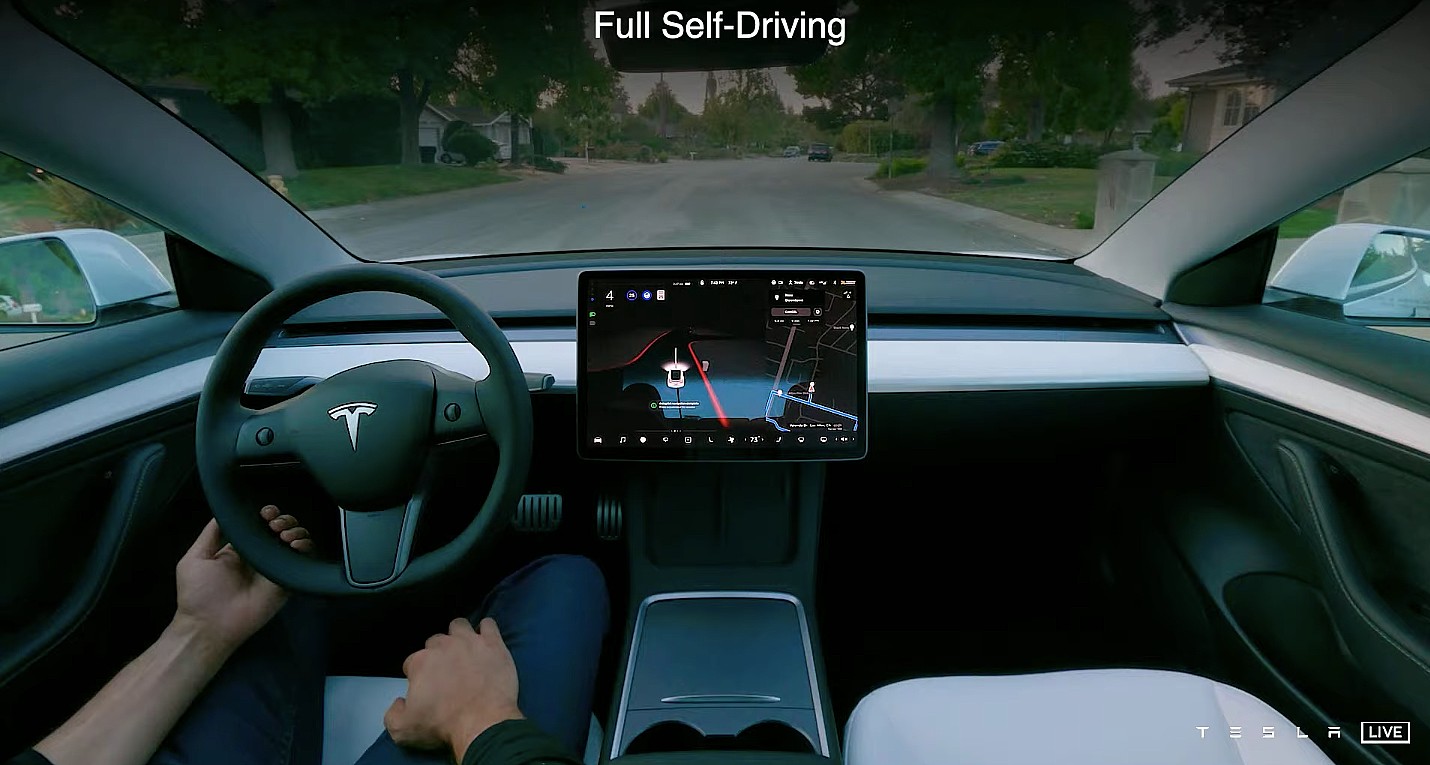
  • Tesla Cancels Production of Right-Hand Drive Model S and Model X

    Tesla Cancels Production of Right-Hand Drive Model S and Model X

    Tesla has recently announced that it is cancelling the production of right-hand drive Model S and Model X vehicles, citing low demand in certain regions. This move surprises many customers who have been waiting for their orders to be fulfilled.

    According to the company, customers who have already placed orders for the right-hand drive Model S and Model X will be offered refunds or the option to switch to a left-hand drive version. Tesla has also stated that it will continue to support existing right-hand drive vehicles with parts and service.

    This decision by Tesla is likely because most countries drive on the right-hand side of the road, making left-hand drive vehicles more popular. Additionally, the Model S and Model X are older models in Tesla’s lineup, and the company may be looking to shift its focus to newer vehicles.

    Tesla has informed reservation holders that they will not offer right-hand-drive Model S and Model X vehicles for the foreseeable future. Customers can opt to purchase a left-hand drive model, receive a credit towards a Model 3 or Model Y, or cancel the reservation and receive a full refund. Those who choose to change their reservation for a Model 3 or Model Y will receive a credit of up to $2,175 in Ireland and up to $2,000 in Australia.

    The demand for Tesla’s Model S and X has decreased significantly due to their outdated models compared to newer models from startups and established OEMs. In 2022, Tesla built 71,777 of these models but only sold 66,705, and in Q1 2023, they built 19,437 but almost half remain unsold.

    Despite this setback, Tesla has been making strides in the electric vehicle market. Its latest vehicle, the Model Y, has been well-received, and the company is working on developing new technologies such as autonomous driving and advanced battery system

  • WhatsApp test the ability to edit sent messages

    WhatsApp test the ability to edit sent messages

    WhatsApp, the popular instant messaging app, has released a new beta version for Android – version 2.23.10.13. This latest update brings several new features and improvements to the app, including the ability to edit sent messages for some select users.
    The key feature with this update would allow users to edit messages they have already sent. WhatsApp users have highly requested this feature for some time, as it would give them the ability to correct mistakes or clarify unclear messages that were perhaps sent accidentally.
    As reported by WABetaInfo, the feature allows users to tap on a sent message and select the “Edit” option from the top menu. They could then make changes to the message, and the edited version would be visible to all recipients of the original message.
    However, there are some limitations to the feature – edited messages will still show a notification that they have been edited, and there will be a limit on how much time users have to edit their messages after they have been sent. The current time limit to edit a message is within 15 minutes of sending it, and you cannot edit a message that you sent from a different device. Once edited, the message will show an “edited” label on it to notify other users that the message is no longer the original one.
    Not all users enrolled in the WhatsApp Beta Program are currently able to test this feature, as it appears to be rolling out to only a certain amount of users, suggesting a staged rollout. Hopefully this won’t take long to roll out to the stable version of WhatsApp, as I anticipate many users would likely welcome it. However, it remains to be seen if and when the feature will become widely available to all.
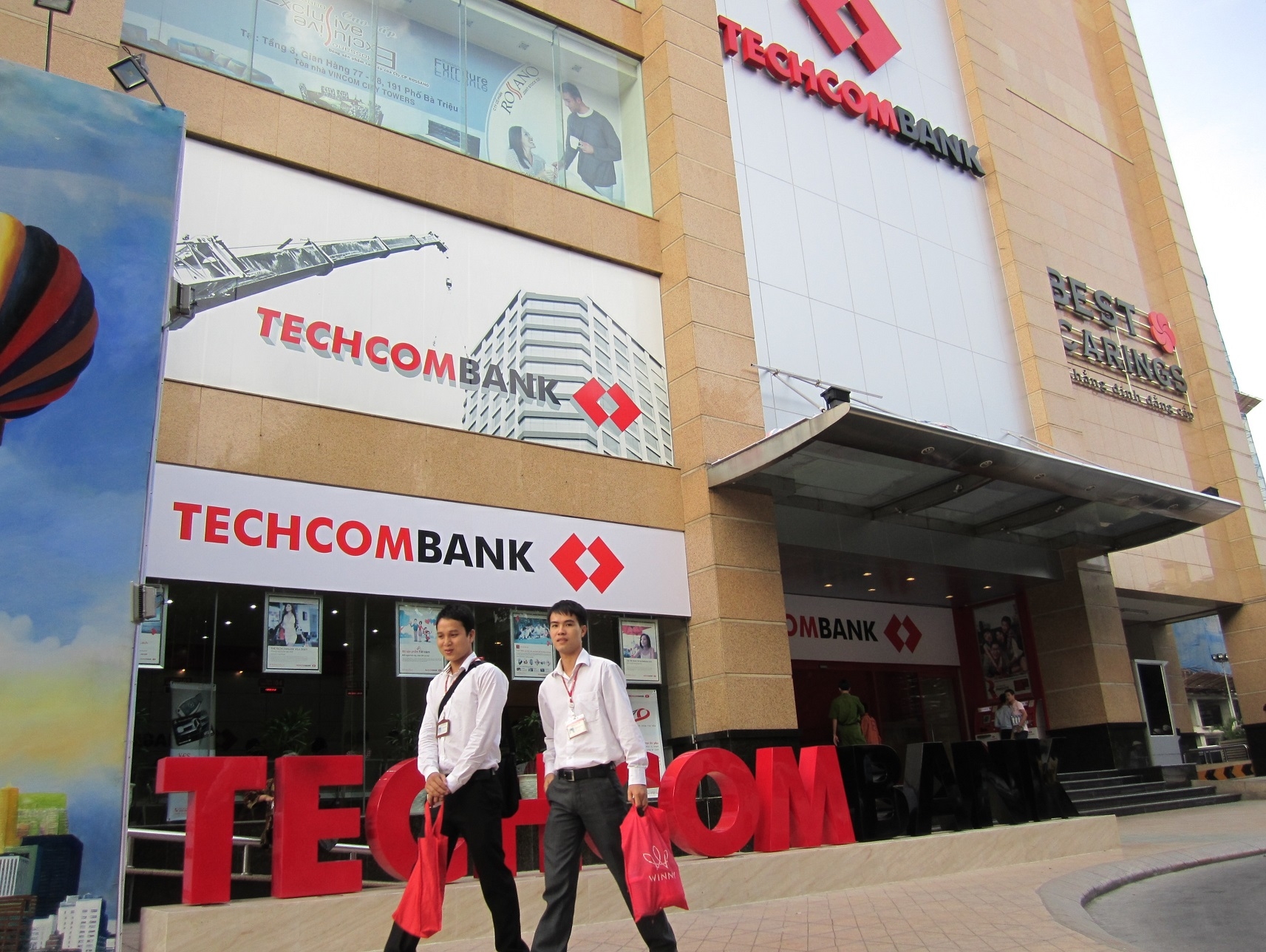
  • Techcombank remains on track to hit 2025 targets

    Techcombank remains on track to hit 2025 targets

    Techcombank has set a CASA (current account savings account) target of 55% by 2025 by investing in digitalization and increasing lending to retail customers and SMEs.

    At its recent annual general meeting, CEO Jens Lottner said he was optimistic about the bank’s ability to achieve the targets despite market volatility.

    Lottner said though Vietnam’s economy has recovered, higher borrowing costs, tighter credit and slower GDP growth in the first quarter of 2023 remain challenges.

    The challenges for the banking sector include the high-interest rates, tight liquidity that has pushed up the cost of funds, compressing the net interest margin, and the volatility in the bond and real estate markets.

    Techcombank has entered the third year of its five-year transformation journey, and stuck to its medium-term targets that focus on three pillars: Data, Digital and People.

    According to Lottner, the bank’s digital transformation accelerated significantly in 2022 due to heavy investments in digital technologies.

    In 2022 the lender deployed digital platforms for its retail and business customers, including the Techcombank Mobile and Techcombank Business apps. Around 90% of customer transactions are conducted via the bank’s digital platforms.

    “Techcombank is investing in digitalization to create seamless experiences for customers in both online and offline channels,” Lottner said.

    “This process requires investment, technology capability and integrating various systems and platforms across the bank.”

    “Techcombank is now at an inflection point, and ready to accelerate.”

    The bank is employing artificial intelligence to create human-like interactions with customers over digital platforms, analyze data to understand the needs of individual customers and offer each customer the right products and services throughout their financial lives.

    “The technology application helps reduce the customer acquisition cost while enhancing customer value,” Lottner explained.

    Techcombank has been adding around one million new customers a year and plans to add another 2-3 million by 2023, primarily through digital channels.

    Techcombank plans to allocate more of its credit quota to retail customers and SMEs to diversify its credit book while reducing exposure to the property sector, thus improving risk diversification.

    By increasing lending to retail and SMEcustomers, Techcombank aims to broaden its exposure to growing sectors such as fast-moving consumer goods, auto, utilities, and others.

    But Lottner said this strategy would be flexible and depend on market dynamics.

    As demand returns, the strategic shift to retail and SMEs is expected to resume in the second half of the year.

    Techcombank has set a CASA target of 55% by 2025. Increasing the CASA ratio is the bank’s top priority. In 2022, it had a CASA ratio of 37%.

    Lottner remained optimistic about the real estate and bond markets.

    “As customer confidence returns and interest rates fall, appetite among affluent customers for bonds, stocks and real estate will rise. The need to transact and move money in and out of assets will lead to a shift from term deposit accounts back into CASA.

    “Techcombank is working hard to strengthen its wealth proposition through better products, more experienced relationship managers and advisory processes to ensure its products are ideally suited to the individual risk-return expectations of every customer.”

    Techcombank is strengthening its offerings in transaction banking for SME customers while enhancing its credit underwriting capabilities.

    Techcombank is launching new initiatives to drive the acquisition of account relationships.

    It plans to launch new cash and liquidity management and treasury management services on the corporate banking side. For merchants, the bank is preparing to launch a series of new offerings in the coming months while it is also releasing a host of new digital features and functionalities to drive online retail customer engagement, as well as new rewards and loyalty platforms.

    “I am confident that we should be able to go to 55% CASA ratio if we continue to follow our strategy,” Lottner said.

    In 2023 Techcombank continues to invest in digital transformation and transition to the cloud to meet customers’ evolving needs.

  • Vietnam-dominant Mercedes challenged by cheaper BMWs

    Vietnam-dominant Mercedes challenged by cheaper BMWs

    Mercedes has been dominating Vietnam’s luxury car market in recent years, but that could start to change this year as BMW lowers prices.

    “We have always considered BMW a major competitor in most markets globally, but things are different in Vietnam,” said CEO Brad Kelly on the sidelines of the launch of the new Mercedes GLC models in Ho Chi Minh City recently.

    He added that in Vietnam, BWM does not yet seem to threaten Mercedes in terms of sales.

    Between 2019 and 2022, Mercedes secured and average of around 60% of Vietnam’s total luxury car market share, and the German brand last year sold over 7,900 units alone.

    Its competitor from the same country, BMW, only secured fourth place last year – behind Lexus and Volvo – with the sale of 973 units.

    However, Thaco, the Vietnamese company that distributes BMW cars, has been assembling several BMW models, such as the 3 Series, the 5 Series, and the X3 and X5.

    This implies that BMW wants to reduce its retail prices in Vietnam as assembling the vehicles locally will bring down costs.

    The strategy seems to have succeeded as the BMW X3s assembled last year are now selling from VND1.8 billion ($76,700), compared to the new Mercedes GLC price tag of VND2.3 billion.

    Thus, the cheapest luxury car in Vietnam now belongs to BMW, not Mercedes.

    The rising competition with BMW therefore will benefit Vietnamese customers and the local auto industry, and it will motivate Mercedes to come up with more new ideas, Kelly said.

  • Standard Chartered cuts Vietnam growth forecast to 6.5%

    Standard Chartered cuts Vietnam growth forecast to 6.5%

    Standard Chartered has reduced Vietnam’s GDP growth forecast for this year by 0.7 percentage points to 6.5%.

    In a release Thursday the British bank said it amended the forecast it had made in January of 7.2% growth after considering external factors more carefully with Vietnam’s macro indicators slowing down in the last four months.

    Exports have declined by 11.8% year-on-year, and the trade surplus is US$6.4 billion. Inflation for April was 2.8%, the third consecutive month of decline, though core inflation – not including food and energy prices — was 4.6% as retail sales jumped by 11.5%.

    FDI fell by 17.9% to $8.9 billion. Imports decreased by 15.4% year-on-year.

    “Vietnam imports a lot, so import indicators going down considerably shows that economic activity is slowing down despite strong domestic consumption”, Tim Leelahaphan, the bank’s economist for Thailand and Vietnam, said.

    Many other international financial institutions have also adjusted their Vietnam growth forecasts downward.

    The IMF has reduced it from 6.2% to 5.8%, the World Bank from 6.7% to 6.3%, and the ADB from 6.7% to 6.5%.

    Vietnam’s economic growth this year is likely to be constrained by the global economic downturn, monetary tightening in developed countries, rising commodity prices, and geopolitical issues.

    The government targets 6.5% growth, but there are challenges ahead with the GDP only growing by an annualized 3.32% in the first quarter.

    Minister of Planning and Investment Nguyen Chi Dung expressed concern about growth at a recent meeting, saying to achieve the target the economy needs to grow at 6.7%, 7.5% and 7.9% in the next three quarters.

    Standard Chartered predicted that the State Bank of Vietnam would reduce the refinancing rate by 0.5 percentage points to 5% by the end of the second quarter and maintain that rate until the end of 2025.

    But it did not rule a hike in rates, especially towards the end of the year, due to the possibility of the central bank focusing more on stability than growth.

    “Since the start of 2023 the SBV has turned to supporting the economy’s recovery,” Leelahaphan said.

    “Besides cutting interest rates, it also helped struggling businesses by giving them more time to deal with illiquidity.”

    Since April loan terms have become easier, with banks rolling over debts for up to 12 months and cutting interest rates.

    But the real estate market needs more support, with all measures taken until now only helping relieve short-term loan repayment pressure, he added.

  • Fuel prices drop for third straight time

    Fuel prices drop for third straight time

    Gasoline and diesel prices in Vietnam fell for the third straight time Thursday afternoon.

    RON95 gasoline price dropped 5.91% to VND21,000 per liter, lowest since December 21.

    Biofuel E5 RON92 fell 6.07% to VND20,130. Diesel declined by 3.29% to VND17,650.

    Gasoline and diesel prices have been going down non-stop since mid-April.

    Fuel prices globally dropped by 4-7% in the last 10 days as OPEC+ reduced its production by over 1.1 million barrels a day, according to the Ministry of Industry and Trade and Ministry of Finance.

    RON92 gasoline dropped by over 7% to $83 per barrle.

    RON95 fell 6.4% to $87.37 per barrel.

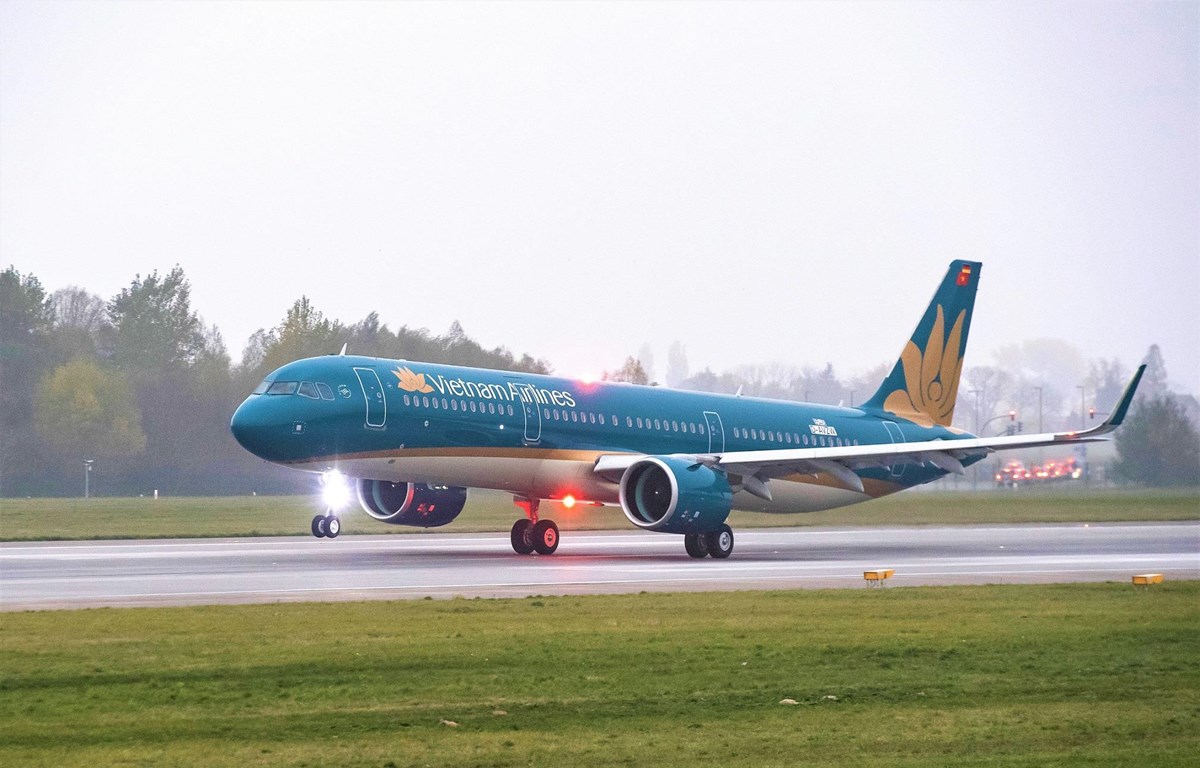
  • Vietnam Airlines pays local pilots 41% less than foreigners

    Vietnam Airlines pays local pilots 41% less than foreigners

    The average monthly salary of Vietnamese pilots working for Vietnam Airlines was 41% lower than their foreign colleagues’ last year, a gap that caused many to quit.

    A recent report by the Ministry of Labor, Invalids and Social Affairs, which flagged this, said the 829 Vietnamese pilots working for the carrier received on average VND85 million (US$3,620) a month while the 152 foreign pilots got paid VND145 million.

    The latter work for Vietnam Airlines through a third-party agency and are not directly on its payroll.

    The airline plans to increase its payroll by 2025, when it will have 1,044 Vietnamese pilots.

    The average salary of Vietnamese pilots will be hiked by 59% by then to VND134.8 million.

    But foreign pilots’ salaries will be increased by 93% to VND279.2 million, increasing the wage gap between to 52%.

    The ministry said the carrier could not afford higher salaries for Vietnamese pilots, and the intense competition in the country’s skies means many pilots look for jobs elsewhere.

    Thirty five have quit since 2020, and more are set to leave when their contracts expire.

    The decline in number of Vietnamese pilots will place an even bigger burden on the airline since it will have to hire more foreign pilots, whose compensation is around VND2.5 billion a year each, including accommodation, insurance and others.

    Assuming the airline loses 120-140 Vietnamese pilots every year, it would have to spend VND300-600 billion on hiring foreign replacements and face greater risk of flight cancelations.

    It is therefore necessary to increased the salary budget to ensure stable operations, the ministry said.

    If it is increased by VND300 billion annually, the current 41% salary gap would decrease to 30%, and if the hike is VND800 billion, the gap would shrink to 10%, it said.

    But the increase must be tied to commitments from the airline that it would achieve its profit and revenue targets so that its losses do not bloat further, it added.