Tag: asia

  • Meta, Sa Sa and Vita Green join Omnichat to share WhatsApp marketing

    Meta, Sa Sa and Vita Green join Omnichat to share WhatsApp marketing

    Omnichat, a one-stop omnichannel messaging integration platform that offers conversational commerce solutions, recently hosted an offline event, “Future Commerce Summit cum New Product Launch”.

    Leading global social media giant Meta and several prominent retail brands in Hong Kong, including beauty product retailing group Sa Sa and health supplements group Vita Green were invited to explore the recent retail trends this year along with WhatsApp Marketing to foster conversions and sales while delivering a first-class customer experience.

    As the WhatsApp Business Solution Provider of Meta, Omnichat also announced the launch of its latest social commerce solutions comprising automated customer journey, in-chat payment, social customer data platform (Social CDP) in tandem with “Omni AI”, the latest integration with ChatGPT. The features are designed to empower retail businesses to drive efficient customer service and better customer engagements, thus improving sales conversion rates online and offline.

    Meta builds technologies that help people connect. Adam Bowden, partner lead, GCR & global partners of Meta, said that 70 percent of consumers worldwide use instant messaging software to communicate with businesses, according to the statistics of Meta.

    “Meta has provided WhatsApp Business Platform to businesses, enabling them to meet the needs of consumers and achieve their business goals more quickly. This platform drives merchants to interact and communicate with customers anytime and anywhere, enhancing the relationship between merchants and customers and encouraging consumption. With monthly active users reaching 2.5 billion, WhatsApp has a global presence in 180 countries,” Bowden said.

    According to the survey conducted by Meta & Forrester Consulting, 88 percent of surveyed businesses said that WhatsApp has brought in more revenue. Claudia Chiu, senior strategic partner manager, Greater China Region of Meta, noted that the WhatsApp Business Platform has empowered businesses to establish a complete shopping journey.

    “WhatsApp Business Platform can tailor-make different messages to customers based on their characteristics or scenarios, such as new customers, repeated customers, and potential customers. Moreover, businesses can include different response buttons and product catalogues in WhatsApp messages.”

    Sa Sa proactively integrates its offline and online businesses to deliver a customer-centric omnichannel shopping experience. Hong Li, director of e-commerce at Sa Sa, said that using Chatbot auto-reply feature of Chat Commerce has significantly reduced the response time of customer service, enabling the team to solve other customers’ problems, thereby increasing sales conversion rates.

    “During the last Lunar New Year and 3.8 International Women’s Day, we delivered game messages and exclusive coupons to customers via WhatsApp and Omnichat’s Chat Commerce platform. Through this way, not only the customer engagement rates can be increased but also a 39-fold increase in coupon redemption rates compared to the general rate,” Li added.

    Vita Green has been continuously increasing member engagement and digital marketing automation capabilities through technology advancement. Terrence Siu, head of IT at Vita Green, said their iconic brands, Vita Green and Tea Château have been using WhatsApp to precisely send customised marketing and promotional messages to their loyal members. Salespersons can also be bound to their respective customers for providing one-on-one services, including product recommendations and customer enquiries.

    “Thanks to WhatsApp and Omnichat’s platform, our team is equipped with a new communication channel for member engagement which has boosted our sales and enhanced the overall customer experience,” Siu said.

    Across WhatsApp Business Platform, Facebook Messenger and Instagram, Omnichat empowers brands to deliver seamless online and offline communications for customers.

    Alan Chan, founder and CEO of Omnichat, said: “Our merchants can use the Social CDP to collect customer identities from various social media platforms and map them to a unique profile, building a more comprehensive customer database. Together with the automated customer journey solutions, customised marketing messages can be automatically sent out in accordance with different shopping scenarios.

    “We expect the function will empower merchants to achieve more than 20 per cent revenue growth. With the integration of ChatGPT, we further optimise the handling of customers’ enquiries, product recommendations as well marketing campaign planning. Our In-Chat Payment function is also available for merchants to send payment links and deliver a seamless Chat-and-Buy customer shopping experience.”


  • Maltesers unveils dessert-flavoured range into Woolworths

    Maltesers unveils dessert-flavoured range into Woolworths

    Confectionery brand Maltesers has launched a dessert range inspired by German and Italian treats.

    The range comes in two flavours: Dark Choc Black Forest Gateau which offers a crisp malt centre, dark chocolate with hints of cherry and sponge cake and Milk Choc Tiramisu which has coffee and whipped cream notes coated in rich milk chocolate.

    Mars Wrigley’s bitesize portfolio director, Drew Davis, said the new products “marked an exciting time” for the brand.

    “The new range delivers a top-notch, premium dessert experience in a simple bitesize format. It’s the first time we’ve created a product like this and we’re anticipating consumers to really enjoy what I believe feels like an indulgent experience.”

    The range is available in Woolworths stores nationwide and will be rolled out to other retailers in July.

  • Vietnam Airlines shares face restrictions for delay in filing financial statements

    Vietnam Airlines shares face restrictions for delay in filing financial statements

    Vietnam Airlines’ HVN shares will see trading restrictions from May 12 for failure to file its results in time.

    The carrier has been more than 30 days late in submitting its audited consolidated financial statements for 2022, the Ho Chi Minh Stock Exchange (HoSE) said in a statement.

    At the end of March Vietnam Airlines had sought permission from HoSE to delay the submission, but its request was turned down.

    Now its shares will not be traded for at least two days a week.

    The airline said earlier this month that due to its ongoing restructuring, it needs more time to complete its financial statements.

    If the company fails to submit them 45 days after the deadline, its shares will be restricted.

    HoSE had warned in February that HVN could be delisted if it posted losses for 2022.

  • Seafood exporter Minh Phu suffers $4.1M loss in Q1

    Seafood exporter Minh Phu suffers $4.1M loss in Q1

    Minh Phu Seafood, one of the country’s biggest shrimp processors, reported a loss of VND95 billion ($4.1 million) in the first quarter, ending its seven-year profitability streak.

    Its revenues fell by half year-on-year to VND2.1 trillion.

    The gross profit margin almost halved from over 11% to less than 6%, while interest on borrowings nearly tripled, contributing to the huge loss.

    In the comparable period last year it had earned profits of VND100 billion.

    For the full year it targets revenues of VND18 trillion and profits of VND1.1 trillion.

    Last year profit growth was in double digits and the highest in a decade.

    According to Agribank Securities JSC, the results of shrimp export companies, including Minh Phu, are bleak because demand in key markets such as the U.S. and EU was weak during the quarter.

  • Vietnamese fruit exports to China and Laos surge

    Vietnamese fruit exports to China and Laos surge

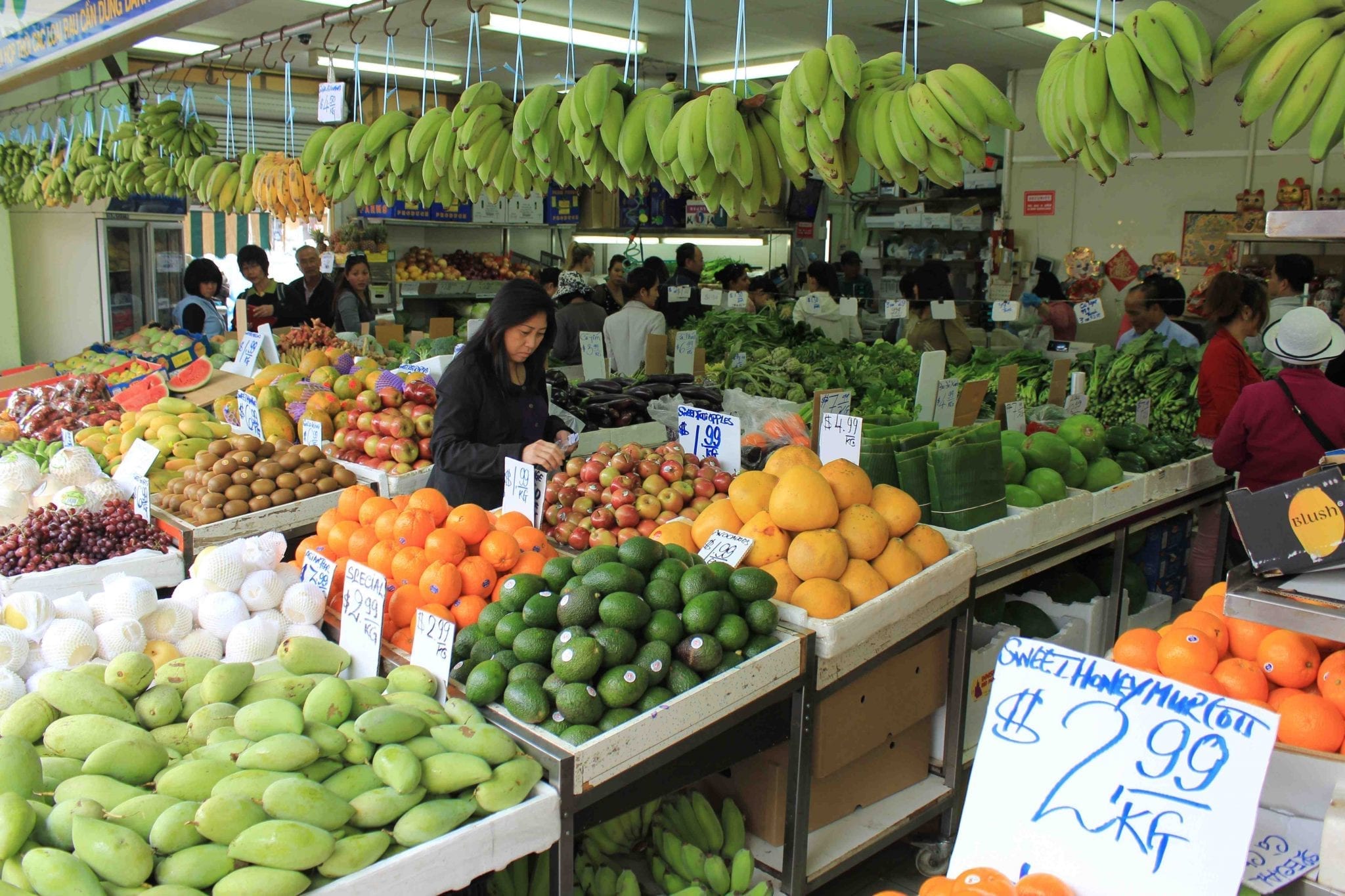
    The export of bananas, durians, and jackfruit from Vietnam to China and Laos surged in the year’s first four months.

    The export value of vegetables and fruits reached $1.39 billion, up 19.4% over the same period last year, according to the Ministry of Agriculture and Rural Development.

    China led the consumption of Vietnamese fruits and vegetables with 58.7% market share, valued at $576.4 million in the first quarter of the year, up 27.4% over the same period in 2022.

    Laos, South Korea and Japan also increased imports of Vietnamese fruits. Exports of Vietnamese vegetables and fruits to Laos increased the most, by 2.8 times.

    Durian, jackfruit and banana had a significant increase in exports. In the first quarter, Vietnam’s durian export turnover reached $153.5 million, up more than 8.3 times over the same period last year. China accounted for 87% of the market share with a turnover of $133.6 million.

    Thousands of tons of durian have been exported to China every month. Vietnamese durians are ordered in large quantities because of their good quality, suitability for local tastes and prices that are more attractive than produce from Malaysia and Thailand.

  • Lender NCB wants to sell 11% stake in Bamboo Airways pledged as collateral

    Lender NCB wants to sell 11% stake in Bamboo Airways pledged as collateral

    National Citizen Commercial Bank plans to seek shareholders’ permission this month to sell 203 million shares, equivalent to a 11% stake, of Bamboo Airways.

    Property developer FLC pledged some of the shares as collateral for loans.

    FLC and its disgraced former chairman, Trinh Van Quyet, who is in custody for alleged stock market manipulation, had also used Bamboo Airways shares for borrowing from OCB and Sacombank.

    The carrier last month sought shareholders’ approval to increase its capital by VND9.57 trillion ($408.15 million) to deal with debts, but failed to get it.

    It plans to convene another extraordinary general meeting this month to raise the issue again.

  • UBS Gaming Out Different Scenarios for Credit Suisse

    UBS Gaming Out Different Scenarios for Credit Suisse

    All options appear to be on the table. Switzerland’s largest institution could keep the rescued bank’s investment banking business. Or it might spin off its domestic retail franchise in an IPO.

    UBS continues considering various options for Credit Suisse, citing people familiar with the matter.

    In March, the Swiss government prodded Switzerland’s largest bank to rescue its competitor, which is the country’s second-largest institution.

    The news agency indicated that a number of scenarios are being envisaged. They include keeping Credit Suisse’s troubled investment banking business while selling the remainder rumps of the failed franchise.

    As part of that, UBS also appears to be studying plans to potentially list the Swiss business in an initial public offering once it assumes control of the rescued bank.

    The news agency said the sources queried spoke on condition they remained anonymous. It added that all considerations remain preliminary as attention is currently focused on completing the takeover. Any decision to proceed with an IPO could take months after its successful conclusion.


  • What Are People Buying on Amazon Right Now?

    What Are People Buying on Amazon Right Now?

    Amazon is the world’s largest retailer – online, offline, or otherwise. That means by studying the popular site’s revenue and sales statistics, you can get a pretty good feel for the larger global shopping trends. And here’s what’s most interesting: The hot product categories and trends tend to change on a yearly basis.

    In this article, we’ll take a deep dive into the biggest shopping trends on Amazon, focusing on the most popular product categories and what experts predict will be the next hot items.

    Amazon Shopping Statistics and Trends

    Did you know that shoppers spent a collective $513 billion on Amazon in 2022? That amounts to a jaw-dropping $977,898 per minute.

    Overall, Amazon’s revenue grew by 9.4 percent year-over-year in 2022, while 59.3 percent of Americans now have a Prime membership.

    In total, Amazon is believed to own 7.34 percent of the total U.S. retail market (and a whopping 37.8 percent of the total ecommerce market).

    To get an idea of how much product Amazon is moving, consider that net sales surpassed the $149 billion mark for Q4 2022 alone. 

    Unbeknownst to most people, 15.6 percent of Amazon’s sales revenue actually comes from Amazon Web Services, the company’s B2B service platform. 

    Beauty and Grooming

    The beauty and grooming category has always been popular, and it remains a top seller on Amazon. Consumers are increasingly interested in natural and organic products, with the demand for sustainable and ethical options growing. Skincare products, especially anti-aging products, are a significant trend, and hair care products are also in demand.

    According to Amazon’s 2021 Beauty Trends Report, top products in this category include collagen peptides, hyaluronic acid serums, and retinol creams. Korean skincare products, including sheet masks and essences, continue to be popular, with sales increasing by 85 percent.

    Sport and Fitness

    The COVID-19 pandemic has caused a surge in demand for home fitness equipment and products that can help individuals maintain an active lifestyle while practicing social distancing. As a result, the sport and fitness category has seen significant growth on Amazon.

    Yoga mats, resistance bands, and dumbbells have all seen an increase in sales, and fitness trackers and smartwatches remain popular. Health supplements, including vitamins and protein powders, are also in demand.

    Home and Kitchen

    As more people spend time at home, the home and kitchen category has seen significant growth on Amazon. Consumers are investing in products that make their homes more comfortable and functional, such as air purifiers and smart home devices.

    Cookware and kitchen gadgets are also in demand, with sales of instant pots and air fryers increasing. Sustainable home products, including reusable food wraps and bamboo utensils, are also popular.

    Toys

    The toy category is always a popular one on Amazon, especially during the holiday season. Electronic toys, including drones and remote-control cars, remain a significant trend, and board games and puzzles have also seen an increase in sales.

    STEM toys, which help children develop skills in science, technology, engineering, and math, are also in demand. Educational toys, such as science kits and building sets, have seen significant growth in sales.

    Electronics

    The electronics category is vast and includes everything from smartphones to headphones. Wireless earbuds, smartwatches, and laptops are all in demand, and gaming laptops have seen a significant increase in sales.

    Smart home devices, including voice-controlled speakers and security cameras, remain popular, and sales of 4K televisions continue to increase. As remote work and online learning become more prevalent, sales of webcams and monitors have also seen a surge.

    Fashion

    Amazon has made significant strides in the fashion industry, and the category is now a top seller on the site. Consumers are increasingly interested in sustainable and ethical fashion, and the demand for eco-friendly clothing is growing.

    Athletic wear and comfortable loungewear have seen significant growth, as more people work from home. Accessories, including jewelry and handbags, remain popular, and sales of face masks have also seen a surge.

    Tap Into the Power of Amazon

    The beauty of Amazon is that it’s set up for third-party sellers to thrive. In fact, third-party sellers account for 350 million of the nearly 362 million items listed on the site. So if you’re looking to take advantage of these trends, there’s never been a better time!


  • Estee Lauder sinks after dour 2023 outlook due to slow recovery in Asia

    Estee Lauder sinks after dour 2023 outlook due to slow recovery in Asia

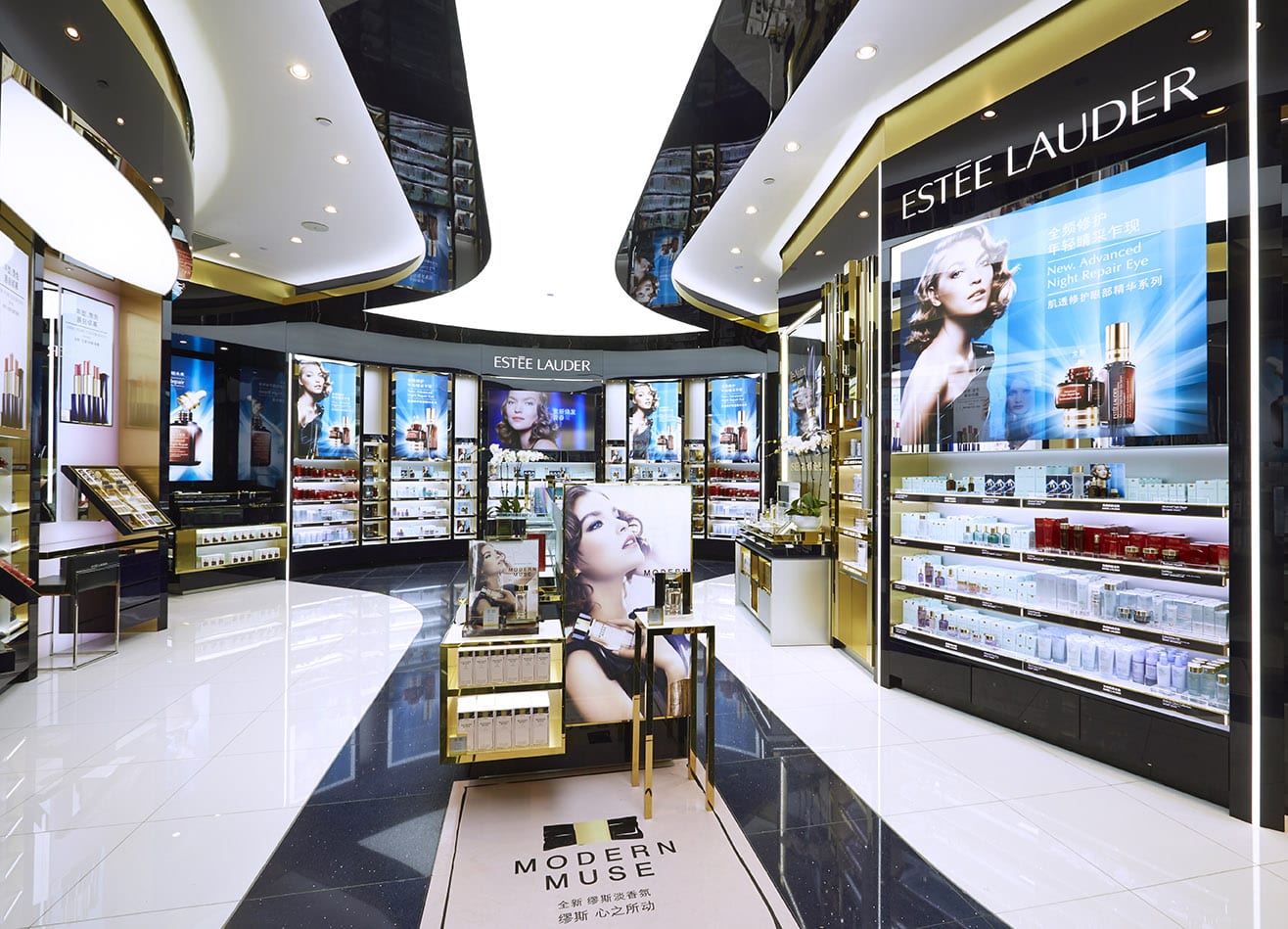
    Estee Lauder Cos’s shares plunged on Wednesday after the cosmetics maker forecast weaker sales and profit for the year than previously estimated, blaming slow recovery at duty-free and travel destinations, especially in Asia.

    Global retailers have banked on improved demand out of Asia after China eased Covid restrictions last year, but Estee’s travel retail division, one of its highest-growth sectors, did not rebound as expected.

    Shares of the company hit a six-month low of US$190.30 during trading hours after Estee Lauder slashed its fiscal-year forecasts for a third time. They closed down 17 percent at $202.70.

    Estee expects full-year 2023 net sales to fall between 10 percent and 12 percent, compared with its prior forecast of a 5 percent to 7 percent decrease.

    It said while major shopping districts such as Hainan, an island in the southernmost province of China, and Korea saw more traffic, the conversion of travelers to consumers in luxury beauty lagged.

    Even though China relaxed pandemic-related restrictions, the company saw January 2023 pressured by retailers destocking due to an increase in Covid-19 cases.

    Meanwhile, European luxury companies LVMH and L’Oreal saw a rise in first-quarter sales, boosted by a rebound in Asia as China eased Covid restrictions last year.

    Barclays analyst Lauren Lieberman said in a note that Estee’s forecast was the “last thing” expected even by the Street and the company’s comments on its travel retail division in Asia raise doubt on how much “control or visibility” Estee has in sales through this channel.

    CFO Tracey Travis said in a post-earnings call Estee has seen improvement in travel retail, which includes duty-free sales at airports and shopping districts in China and Korea, through the third quarter, and the company also expects sales from the segment to rise in double digits.

    However, Travis said it’s “difficult to know” when travel in China and Korea will normalize.

    Estee’s sales also remain challenged in the US, another major market. The company’s organic sales in the Americas grew in double digits last fiscal year, but began to decline in the first quarter of 2023.

    Bernstein analyst Callum Elliott said the company’s brands skew toward older customers even as millennials and Gen-Z increase their share of beauty spending.

    According to Travis, Estee has also been challenged by the growth of smaller competitors in the beauty space.

    “We’re seeing an awful lot of indie activity in the US that has taken share gains away from the largest companies,” she said.

    Estee reported mid-single-digit growth in North America in the third quarter, while prestige beauty as a category grew more than 16 percent, according to data from Circana.

    LVMH said its US spending declined in the April earnings call, though the company noted its performance there was strengthened by brisk business at its Sephora beauty chain.

    A stronger dollar has also hurt Estee, which has sprawling global operations and convert foreign currencies into the greenback.

    Estee forecast adjusted per-share profit to fall by 50 percent to 51 percent, compared with a 27 percent to 29 percent decrease it expected earlier.

    The company beat third-quarter sales expectations, but missed profit estimates.

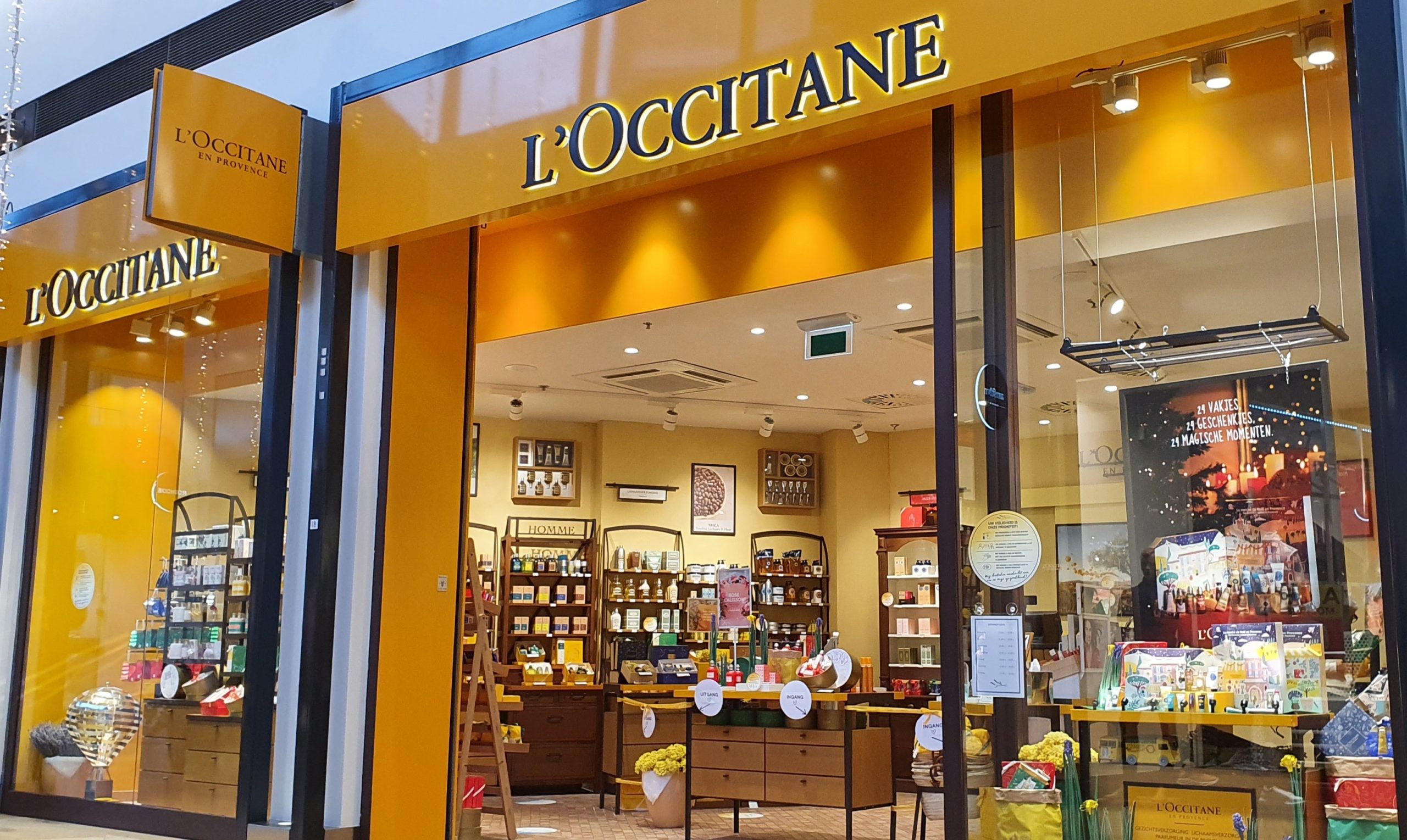
  • L’Occitane’s sales soar as multi-brand strategy pays off

    L’Occitane’s sales soar as multi-brand strategy pays off

    Soaring sales in the Americas and a growing brand portfolio helped drive beauty retailer L’Occitane International’s global sales up by 17.9 percent in the year to March 31, to US$2.356 billion.

    Sales surged 80.4 percent in the region – or 62.8 percent at constant exchange rates – mainly thanks to the US performance of the group’s Sol de Janeiro brand acquired 18 months ago, and Elemis.

    In contrast, the group’s core L’Occitane en Provence brand saw sales decline 0.5 percent over the full year, despite a 0.8 percent improvement in the fourth quarter as Chinese sales rebounded after the Covid impact. The brand was hit by the closure of the Russian business and China’s retail trading restrictions.

    Elemis recorded 18.1 percent growth in the fourth quarter, to end the full year at 8.9 percent, driven by a 34 percent improvement in the US and what L’Occitane described as “outstanding e-commerce and cruise ship businesses” and a 29.2 percent boost in Asia Pacific, where the brand has been a development focus during the past year.

    Sol de Janeiro became the group’s second-largest brand during the March year, accounting for $295 million in sales after surging 267.5 percent in the fourth quarter and 135.2 percent over the 12 months. “[This was] fuelled by the highly anticipated launches of the Bum Bum Firmeza body oil, in tandem with its bestselling Brazilian Bum Bum Cream, and the Rio Radiance fragrance mist,” the company said.

    Andre Hoffmann, vice-chairman & CEO at L’Occitane, said the company is well-positioned to sustain growth during the coming year as it introduces its newer brands into new markets and channels, underlying the success of the group’s strategy to develop multiple brands.

    “We also continued to make solid progress in the ESG space having recently announced a roadmap for achieving a science-based net-zero target across all of our brands, with a focus on reaching 100 percent renewable electricity by 2025, reducing our greenhouse gas emissions by 2031 and achieving net-zero emissions by 2050.”

    The next results from L’Occitane will include the performance of Australian brand Grown Alchemist which L’Occitane announced in March it had bought to add to its growing brand line-up.

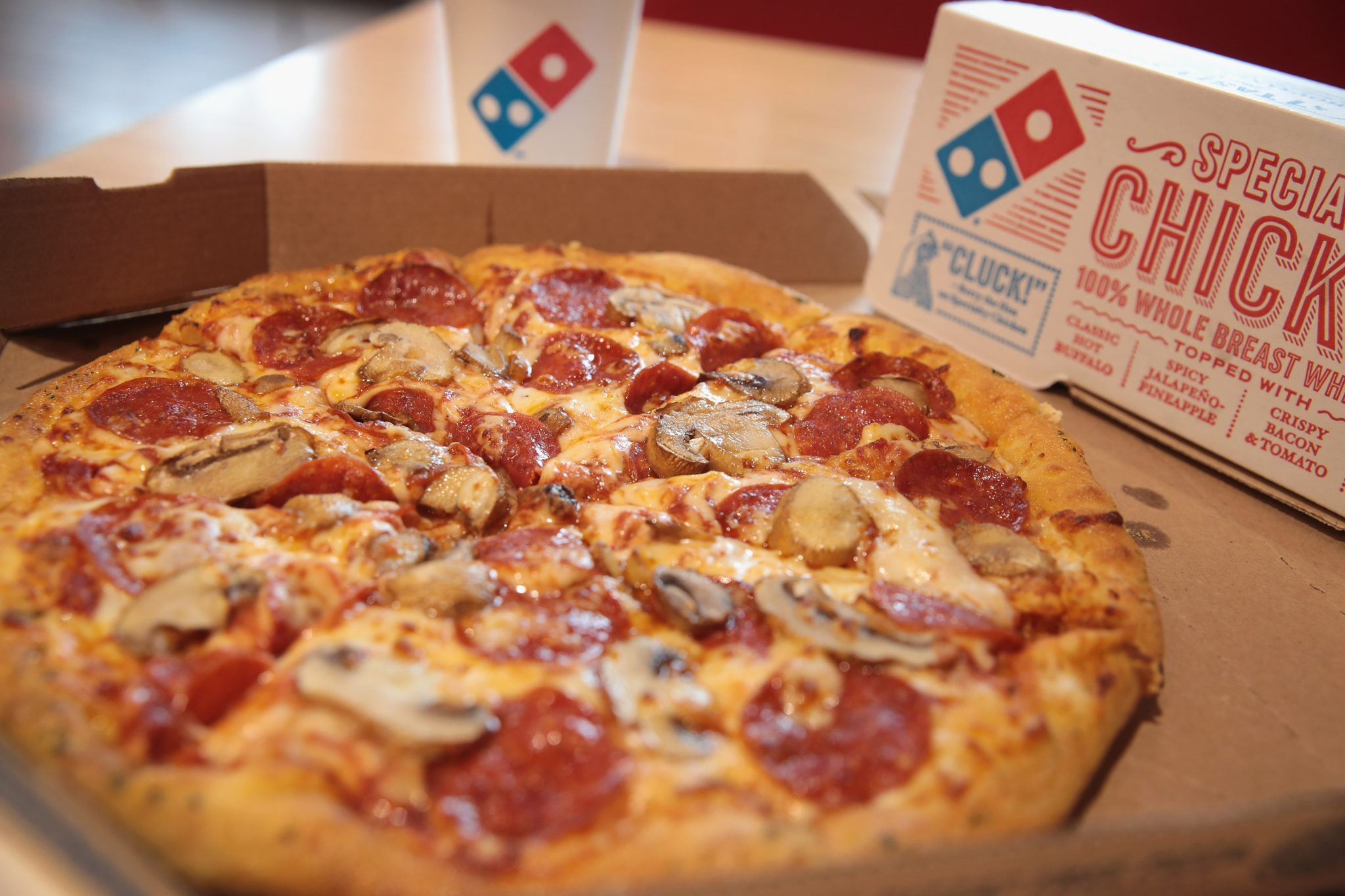
  • Domino’s Pizza eyes 420 more stores in China after Hong Kong IPO

    Domino’s Pizza eyes 420 more stores in China after Hong Kong IPO

    Following its successful Hong Kong IPO in March, DPC Dash, the master franchise of Domino’s Pizza, is accelerating its expansion in China, debuting in three new cities on the same day last week.

    The company says it aims to open another 180 new stores this year and 240 next year.

    DPC Dash entered the cities of Qingdao, Changzhou, and Wenzhou last Saturday, taking the store count to 638 as of April 30.

    “The recent listing was a great achievement for DPC Dash as well as for our global franchisor, Domino’s Pizza,” said Frank Paul Krasovec, director and chairman at DPC Dash.

    “With the newly raised proceeds, we aim to expand across the greater China region aggressively and to bring our comprehensive product offerings to hundreds of millions of potential Chinese consumers.”

    According to DPC Dash, the business established its first location in Jinan in December, setting new records for both the best opening sales for the first week and the best opening sales month for the first 30 days for Domino’s worldwide. By turnover, the top four trading stores in Domino’s global network are new locations opened by DPC Dash in Jinan, Chengdu, and Wuhan during the past five months.

    DPC Dash has been operating Domino’s Pizza since December 2010, when it purchased Pizzavest China Ltd, Domino’s Pizza’s then-master franchisee in several Chinese provinces. DPC Dash renewed the master franchise agreement with Domino’s Pizza International Franchising Inc in June 2017 and expanded the franchise territory to include the entire China mainland, Hong Kong and Macau.

    The company says the new Domino’s Pizza stores emphasise online channels through delivery and carryout services, which the company believes it can replicate in other markets in China.

  • WhatsApp launches new features for polls and captions

    WhatsApp launches new features for polls and captions

    WhatsApp is bringing new features to those using polls and captions on its messaging platform. Three new updates for polls are now available for WhatsApp users, as well as a new option to share with captions. Three new changes have been added to the polls feature, each significantly improving productivity and the fun factor.

    The first one is the ability to create single-vote polls. This new type of poll allows people to vote only once. Poll creators must turn off the “allow multiple answers” option to prevent people from voting more than once.

    Another interesting new feature introduced today is the ability to search for polls in a chat window. It makes it easier to find a poll that you decide to answer later. A new option to filter messages by polls is now available in WhatsApp, which is similar to the one that filters photos, videos or links. The new filter can be found by pressing Search on the Chats screen and then choosing Polls.

    The third and last update for polls is aimed at poll creators. Notifications will now be sent to poll creators when people vote. In addition, poll creators will now be able to see how many people have voted in total with every notification they receive.

    As far as captions goes, WhatsApp announced that users can now share documents with captions. Also, when forwarding any type of media that has a caption, new options are now available to keep, delete or completely rewrite it to provide more details when sharing photos between chats. WhatsApp users can also add a caption to photos and videos when they forward them.

    According to WhatsApp, all the new features announced today will be rolled out to users globally in the coming weeks, so be patient if these don’t show for you immediately.

  • Techcombank sells headquarters building for $72M

    Techcombank sells headquarters building for $72M

    Techcombank has sold its building in Hanoi for VND1.7 trillion (US$72.49 million), making a profit of over VND730 billion.

    It had bought the building on 191 Ba Trieu Street in Hai Ba Trung District 10 years ago from conglomerate Vingroup, changed its name to Techcombank Tower and made it its headquarters.

    Earlier this year Vietnam’s biggest private bank moved to its headquarters to 6 Quang Trung Street in Hoan Kiem District.

    Techcombank reported pre-tax profits of VND5.6 trillion for the first quarter, down 17% year-on-year.

    Its credit growth for the period was 10.6%.

  • Coconut prices bounce back after sharp drop during Covid

    Coconut prices bounce back after sharp drop during Covid

    Prices of dried coconut in Ben Tre Province, the Mekong Delta coconut-farming hub, have recovered to VND3,300-4,200 (US$14-18 cents) per fruit after falling steeply in the last two years.

    “The prices are the highest in the last two years” when nut exports fell due to the Covid pandemic, Huynh Phuc Hau, who owns two hectares of coconut trees in the province’s Giong Trom District, said.

    Before the pandemic, prices were VND5,800-6,700 for dried coconuts, enabling him to earn VND6-10 million a month by selling them.

    Nguyen Van Binh, a trader in Ben Tre City, said due to the low prices in recent times many coconut farmers neglected their orchards and even switched to growing other fruits, resulting in decreased output of coconut and lower quality.

    Now he manages to buy 700-900 coconuts a day, half the volume at this time a few years ago.

    Huynh Quang Duc, deputy director of the Ben Tre Department of Agriculture and Rural Development, said the global market for coconut has begun to recover after the pandemic, and so prices are increasing again.

    The province hopes the nut could be exported to the U.S. and China, two major markets, under official quotas, he said.

    Ben Tre has over 74,000 hectares of coconut orchards, or 50% of the country’s total area, and an annual output of 690 million dried coconuts, whose copra is used for processing including oil extraction.

    Some 62% of the province’s population depends on coconut trees for its main source of income.

  • Electricity price rises 3%

    Electricity price rises 3%

    The cost of electricity will increase 3% starting Thursday, due to rising input and production costs.

    The hike to VND1,920.37 (8.2 cents) per kWh, excluding VAT, decided by Vietnam Electricity (EVN) and approved by the Government and the Ministry of Industry and Trade marks the end of four years of unchanged electricity prices.

    Vietnam’s electricity retail price had remained at VND1,864.44 per kilowatt-hour since 2019.

    According to the Ministry of Industry and Trade, the electricity production cost stood at VND2,032.26 per kWh in 2022, a 9.27% increase from 2021.

    EVN posted a loss of VND26.2 trillion last year, which it blamed on rising input and production costs.