Tag: asia

  • Meta’s ad platform experiences huge glitch wiping out some customers’ advertising budgets

    Meta’s ad platform experiences huge glitch wiping out some customers’ advertising budgets

    Facebook advertisers say that they experienced a strange glitch last weekend forcing them to pay as much as twice the usual ad rates. These advertisers were charged rates as high as hundreds of thousands of dollars for ads they claim that no one was able to view even though Facebook parent Meta denied this. This happened at 2 am last Sunday and for a brief period Meta removed all ads from its network and at the same time, it barely spoke with its advertising customers.
    The glitch affected mostly advertisers on Facebook, although some Instagram advertisers were also affected. A Meta spokesman said, “A technical issue that has now been resolved caused ad delivery issues for some advertisers.” Last Sunday not only did advertisers notice that they were being charged more than Meta was supposed to charge them for ads, but they also spent more money that budgeted for specific campaigns.
    Amazingly, complete advertising budgets were wiped out in just a few hours. And the ads were not being shown to any more users than usual and didn’t even drive more clicks despite all the money being drained from advertisers’ accounts. And as we mentioned earlier, some advertisers said their ads were not being viewed.
    The Meta spokesman added that the issue “resulted in some miscalibration for advertising campaigns that were focused on optimizing for certain sales objectives. This caused faster campaign spending, resulting in more variable costs. We do not have evidence that we charged customers for ads no one saw. If no impression occurred, the advertiser would not be charged.”
    Typically, a company might lay out money for a two-week ad campaign. Say the company budgeted $5,000 for the campaign. Meta would control exactly how much money would be spent and when it would be spent. Advertisers would have access to metrics showing how well the ad campaign was working but wouldn’t know anything beyond that. They can look at a status page that shows them when Meta’s systems are down.
    Meta allows the platform to spend 25% over the daily amount budgeted by each company. The Meta spokesman said, “We do not have evidence of exceeding this 25% increase on daily budgets amid the technical issue on Sunday, however.”
    The advertisers affected by the glitch were forced to make a tough decision. They could temporarily pause their ad campaigns or keep the status quo and hope that Meta would straighten things out. For small companies that depend on these ads to generate business, the problem could be a major one. Advertisers dislike making a big fuss and noise because Meta and Google own 50% of the digital advertising market.
    Long-time advertising consultant Barry Holt, who has a decade’s experience managing Facebook advertising campaigns, said, “We shouldn’t have to take action when Facebook has a bug. But for the small business who don’t have an ear at Facebook, there aren’t a lot of options. Meta is just counting on advertisers to bend over and take it.” Holt adds, “Meta is extremely opaque and always has been. All we get is a generic explanation that ‘we are aware of an issue.’ That’s better than nothing, but it’s not enough.”
    Meta has admitted that the events of last Sunday did happen and promised to initiate its “normal refund policies.” But as the ad consultant notes, this is not a quick, smooth, and painless process. “You can burn hours and resources complaining and begging them for refunds and credits. Sometimes it works, but it may not be worth the investment,” Holt said. “And when the restitution comes, it can be months later.”
    Media strategist Eric Seufert wrote in a tweet last week, “Meta’s ad platform experienced an irregularity today that saw many advertisers’ campaigns dramatically increase spend with poor performance. Meta’s communications about this situation with advertisers have been woefully inadequate. This is unacceptable and insulting.”


     

  • Google News smartphone app gets limited Material You makeover

    Google News smartphone app gets limited Material You makeover

    Google’s Material You design language has been used to update several Google apps including some very popular ones such as Google Maps, Gmail, and Google Photos. Now the Material You look is coming to the Google News smartphone app. The changes include a pill-shaped indicator highlighting the tab you selected at the page’s bottom. The dynamic theming feature, which changes the color of the app’s interface to match the dominant color of the wallpaper being used on an Android device, is not working yet as the app defaults to a blue color for accents.
    The tablet version of the Google News app has already been through the Material You makeover which added a navigation rail on the left-hand side with buttons for Headlines, Newsstand, Following, and For You. The same blue pill used to highlight the selected tab being viewed on the smartphone version is used to highlight the selected tab on the navigation rail.
    Remember that the Material You additions to the smartphone version of the Google News app has yet to be disseminated to everyone. It did hit the Google News app running on my Pixel 6 Pro running QPR3 Beta 3 but if you haven’t received this app version, you will soon.
    There is no indication from Google when the rest of the Material You features will be available to the Google News app. The app briefs you on top stories, shows you local news from your area, takes deep dives into stories with multiple perspectives, and even shows you stories based on your interests. If you want the Google News app on your Android phone, you can tap on this link to install it from the Play Store. Apple iPhone users c
  • Laptop prices drop further

    Laptop prices drop further

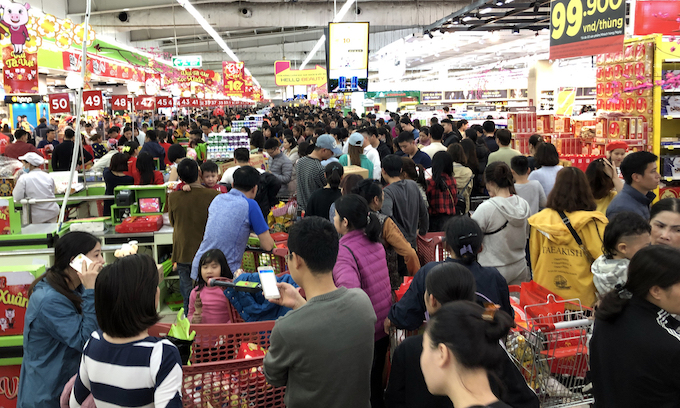
    Electronics retailers have cut laptop prices by millions of dong (VND 1 million = $42.62) this year, but have been unable to spur sales as consumers remain wary of spending.

    The price of a MacBook Air M1 was cut by VND3 million since early January to VND17.9 million (US$758.5) in April. It is down by VND11 million since its launch in January 2021.

    The prices of newer Apple laptops like the MacBook Air M2 have also fallen quickly, coming down within seven months of launch from VND32.9 million to VND26.4 million now.

    The manager of an Apple distributor said prices had to be slashed to cut inventories and ensure cash flows.

    The inventory in the market is equivalent to 8-12 months of sales, according to the manager.

    Laptops sales were high in the first four months of 2022, with MacBook Air M1 accounting for more than 50% of revenues.

    But this year, consumers have tightened their purse strings, causing the market to plunge, the manager said.

    Laptops running on Windows have also seen prices decline.

    Electronics retail chain The Gioi Di Dong has cut the prices of Chuwi LarkBook X N5100 to VND5.7 million from VND12.8 million and MSI Gaming GE66 Raider 11UH i7 to VND38 million from VND78 million.

    Retailers said profits from laptops were down 40-50% year-on-year in the first four months.

    According to Nguyen Lac Huy, the manager of a CellphoneS store, retailers have had to slash laptop prices due to high interest rates, abundant supply, low cash flows, and weak demand.

    The leading PC distribution company manager said most people bought laptops and desktops in 2021-22 when they needed them to work or study online during Covid.

    Now, especially with the economic downturn, they are no longer buying new devices, he said.

    According to research firms Gartner and IDC, global computer shipments fell by 30% in the first quarter to usual levels as life returned to normal after the pandemic.

    According to Bao Viet Securities Company, the laptop segment’s profit in the first quarter of 2023 it decreased by 39.1% year-on-year.

    It forecast sales to drop further in the second quarter, rise sharply in the third and decrease slightly in the fourth.

  • Durian prices plunge 40% in a month

    Durian prices plunge 40% in a month

    Ri6 durian prices grown in the Mekong Delta have plunged by 30-40% to VND50,000-55,000 ($2.13-2.34) per kilogram from early April.

    Prices in the localities of Tien Giang, Ben Tre and Can Tho, where most of the fruit is grown, have plummeted 70% since early February.

    Vendors say that prices have fallen because Chinese buyers have reduced purchases.

    “There is a large supply of Ri6 durian. Some farmers harvest hundreds of tons daily,” said vendor Linh in Tien Giang.

    She added that the Chinese buyers she knew were not rushing to buy more as durian in Thailand and the Philippines were also starting to ripen for harvest.

    Thailand has long been exporting large quantities of durian to China, while the Philippines obtained permits to export to this country earlier this year.

    China is also growing its own durian to meet domestic needs. The country has over 93 hectares of the fruit on Hainan Island.

    Laos has agreed to set aside 30,000 hectares of agricultural land to grow durian specifically for the Chinese market, equivalent to around 27% of Vietnam’s durian farming area.

    Vietnamese durian was the fastest-growing export to China among fruits in the first two months of this year, rising by 291% year-on-year to $56.9 million.

    The country’s farming area reached 110,000 hectares by the end of last year after the country was allowed to export the fruit to China officially. This exceeded the government’s plan by nearly 47%.

    Two main types of durian grow in the region, Ri6 and Monthong.

  • iPhone imports cost Vietnam $1.6B

    iPhone imports cost Vietnam $1.6B

    iPhone imports cost Vietnam US$1.61 billion last year, equivalent to 46% of all phone imports.

    According to the Ministry of Industry and Trade, total imports were up 10.5% to $3.5 billion, with Samsung, Oppo, and Xiaomi accounting for most of the rest.

    Samsung imports cost $940 million, and that of Oppo, $442 million.

    Almost $18 worth of components were also imported, and South Korea and China accounted for 93% of phone and part imports.

    Many Apple distributors said the more expensive an iPhone model, the higher the demand.

    According to the ministry, some 210.5 million phones worth VND663.7 trillion were manufactured in Vietnam last year, down 9.1% in volume but up 15.1% in value.

    Exports fetched the country $33.32 billion, with Samsung alone accounting for $31.42 billion.

  • Airlines buying planes for more int’l flights

    Airlines buying planes for more int’l flights

    Vietjet, Bamboo Airways and Vietravel Airlines are buying additional planes to open more international flights this year as the travel industry recovers from Covid.

    Vietravel Airlines, the youngest carrier in Vietnam, said it will receive three aircraft in the next quarter of this year to launch more international routes.

    The airline currently operates two routes between Hanoi/Ho Chi Minh City and Thailand’s Bangkok, and between Khanh Hoa Province’s Cam Ranh and South Korea’s Daegu.

    Bamboo Airways said it will obtain 6-8 planes from now through the end of the year, and an additional 10 planes in the 2024-2025 period.

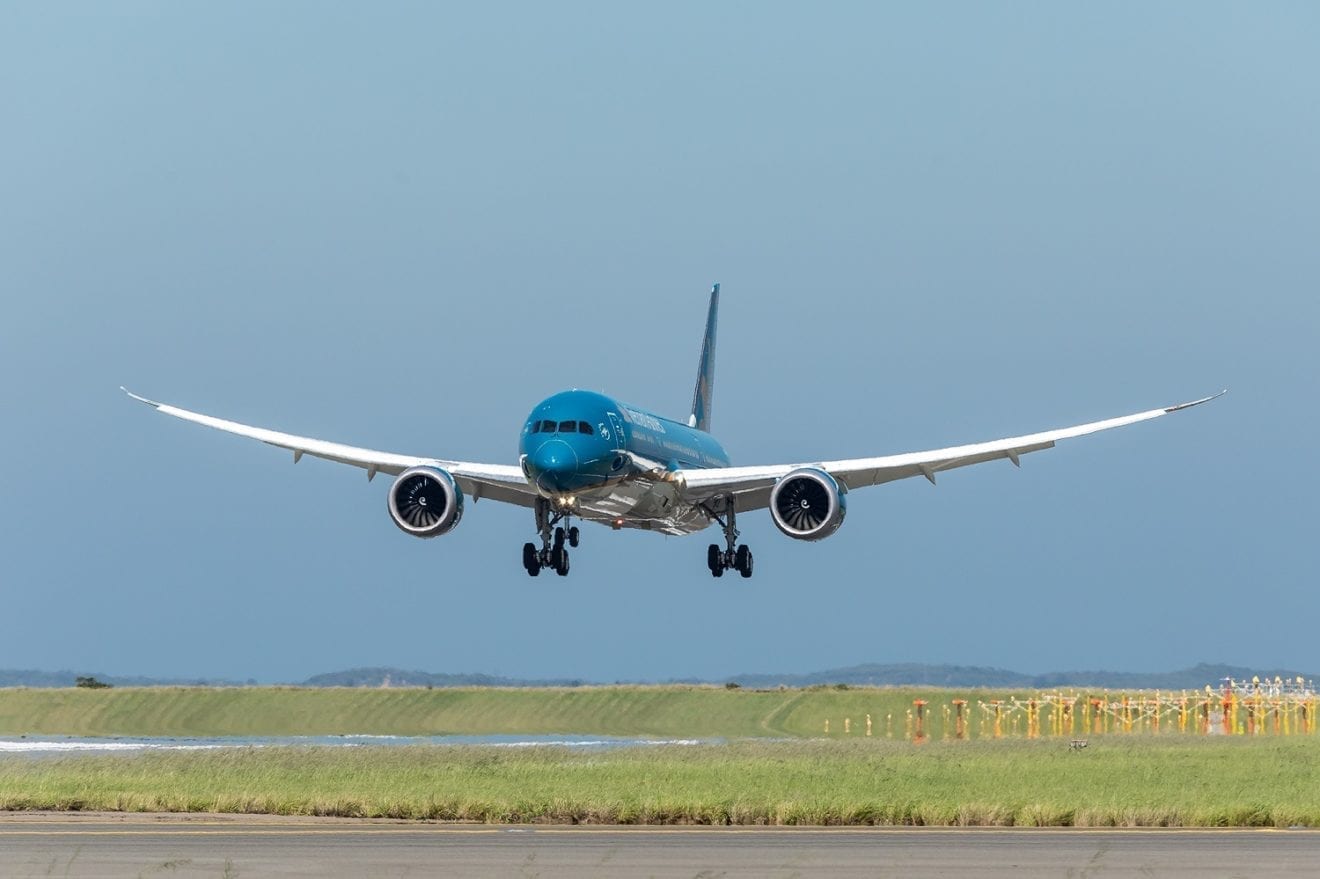
    Vietjet Air will also receive 10 new planes this year, including three Airbus A321 ACFs this week, increasing its total to 87 by the year’s end while opening new routes to India, Japan and South Korea.

    Vietjet, which currently has 77 aircraft, including 5s A330s, 54 A321s and 18 A320s, operates over 100 domestic and international routes.

    Earlier this year, the Civil Aviation Administration of Vietnam asked the Ministry of Transport to allow domestic carriers to increase the size of their fleets to meet the market’s recovery needs.

    As of January, six domestic airlines were using 225 aircraft, nine less than the pre-pandemic level in early 2020.

    According to the administration, an average aircraft transports 250,000 passengers per year.

    With the domestic market forecast to reach 45.5 million passengers in 2023, the number of aircraft serving the domestic market alone is only 182.

    And to serve 13.6 million international passengers this year, airlines need 57 more planes.

    So analysts say that the total number of domestic airlines’ aircraft should increase to 230 in the first months of this year, and to 250 by the end of the year.

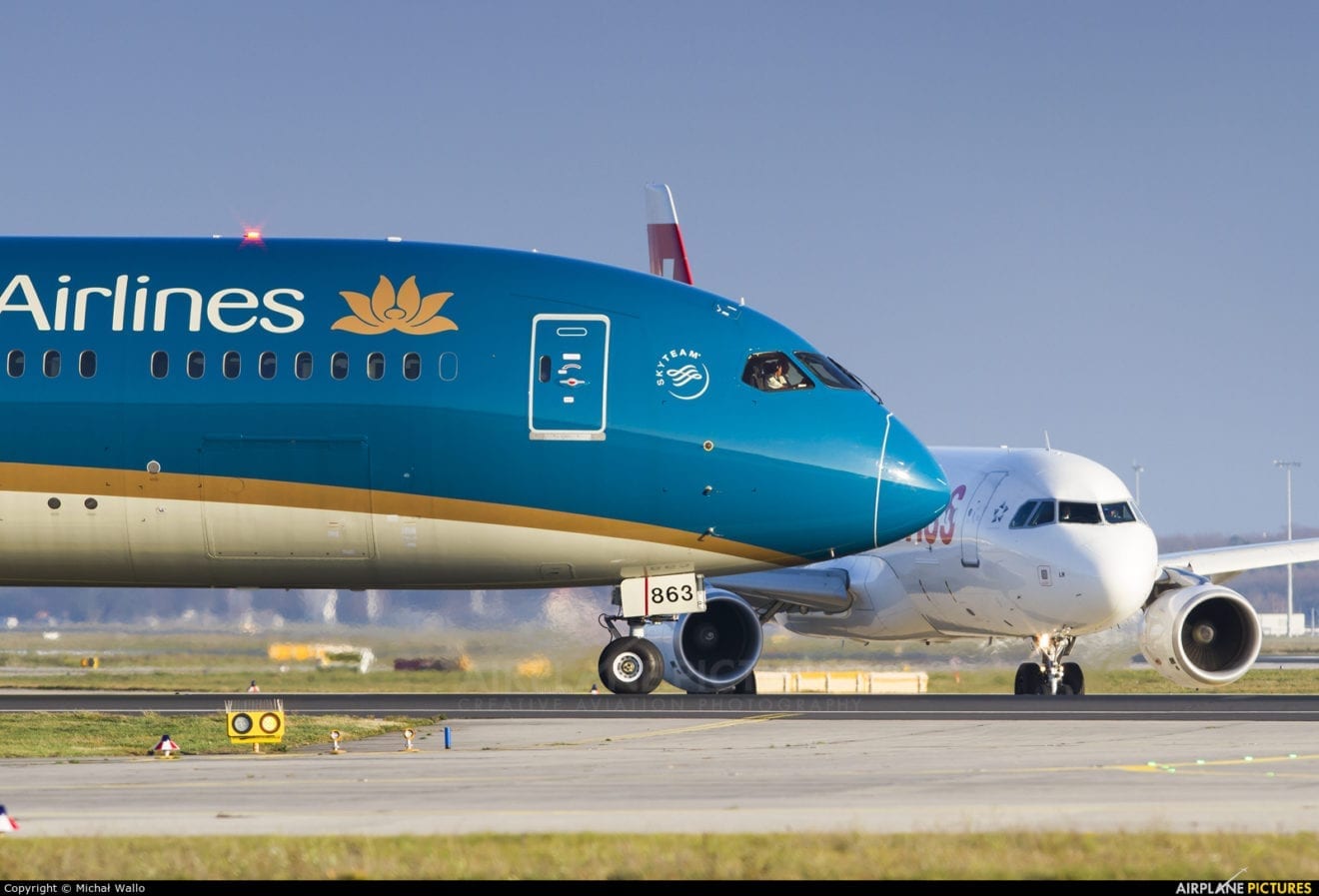
  • Vietnam Airlines posts profit in Q1

    Vietnam Airlines posts profit in Q1

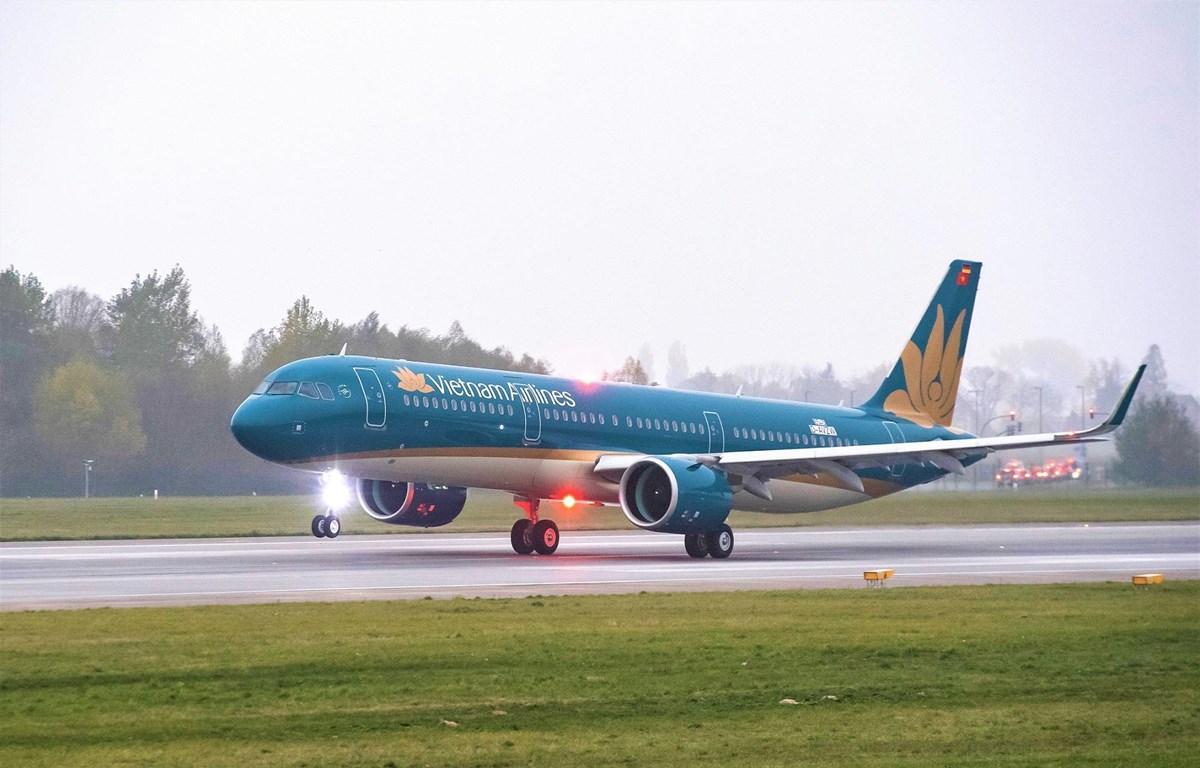
    Vietnam Airlines posted a pre-tax profit of VND19.3 billion ($822,500) in the first quarter after losses in 12 consecutive quarters. The airline saw revenue doubling year-on-year to VND23.64 trillion, the highest quarter record since Q1 2020.

    It is near the pre-pandemic levels of 2019. The state-owned carrier however still posted a post-tax loss of VND37.3 billion.

    The pre-tax profit, however, is still considered a strong signal of recovery after the carrier plunged into major financial difficulties due to Covid-19.

    The airline said that in the first quarter of this year, the domestic market recovered, and China lifted its Covid-19 restrictions, which resulted in a surge in passenger numbers.

    There was also high occupancy on flights to the United States., Europe and Australia, it added.

    The company served 5.1 million passengers in the first quarter, up 63% year-on-year. A weaker U.S. dollar and lower-than-expected fuel prices also helped reduce costs.

    But Vietnam Airlines, which operates Pacific Airlines and Vietnam Air Services Company, still sees high risks in the future as the domestic market remains 40% lower than pre-pandemic.

    It added that global geopolitical tensions will likely still affect the aviation industry in 2024.

  • April’s consumer price index down

    April’s consumer price index down

    The consumer price index (CPI) in April decreased by 0.34% month-on-month, but increased by 2.81% year-on-year, according to the General Statistics Office (GSO).

    In the first four months of this year, the index rose by 3.84% y-o-y, mainly due to increases in prices of education, housing and construction materials, culture, entertainment and tourism, food, and electricity.

    In April, seven out of the 11 groups of main consumer goods and services witnessed price decreases, and the remainders saw rises.

    Notably, a 0.38% fall in the price of food and catering services caused a decline of 0.13 percentage point of the CPI.

    Gold prices in April were up 2.04% m-o-m, but down 1.09% y-o-y. In the January-April period, the prices rose by 0.66% y-o-y.

    Meanwhile, the USD price in April fell 0.89% m-o-m, but rose by 2.5% y-o-y, leading to a y-o-y increase of 3.21% in the first four months of this year.

    According to the GSO, this month, core inflation increased by 0.13% over the previous month, and by 4.56% over the same period last year. On average, in the first four months, it increased by 4.9% y-o-y, higher than the overall average CPI (3.84%).

  • Miniso opens new flagship store in Times Square, NYC

    Miniso opens new flagship store in Times Square, NYC

    Chinese discount variety store Miniso will open a flagship store in New York City next month, a move it describes as its biggest milestone since its foundation in 2013.

    The new store, located on the first floor of 5 Times Square, will offer customers almost 2000 different products.

    The new flagship will feature an updated design and nine distinct zones, including licenced collections, blind box collectibles, toys, plushies, fragrances, accessories, makeup tools, snacks, and gifts & stationery.

    According to Miniso, the overall design will be simple and clean, concentrating on licenced products from international brands like Sanrio, Hello Kitty’s parent, which will be included in the window design for the store’s launch. Miniso says it plans to bring more brand collaborations to the US market, including Peanuts, Barbie and Mario Bros.

    “The opening of the Times Square store is a crucial step towards our transformation and upgrade,” said Jack Ye, founder and CEO of Miniso.

    “Times Square is the Crossroads of the World and a hub of business, entertainment and culture. By making a physical presence in one of the busiest pedestrian areas, Miniso appeals to New Yorkers and visitors worldwide and responds to consumer demands for attractive, fun, useful, and affordable products.”

    Miniso unveiled its new worldwide strategy earlier this year, stating that it will convert into a lifestyle superbrand that brings joy to clients worldwide.

    In addition, the Chinese retailer also disclosed to expand into four new markets: Panama, Angola, Trinidad and Tobago, and Latvia, at the beginning of this month.

  • Apple opens second MixC store in Shenzhen, China

    Apple opens second MixC store in Shenzhen, China

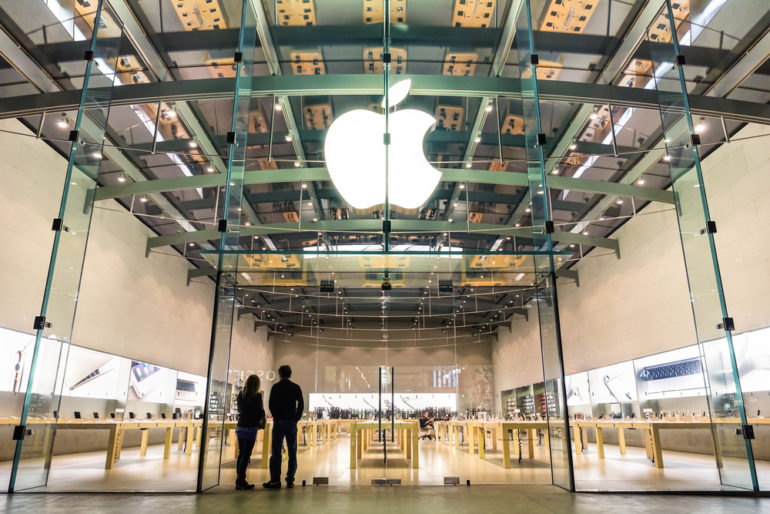
    Apple will open its second MixC store in Shenzhen, China, as part of its strategy to strengthen its local footprint.

    Apple said the new store has a Padang Light stone floor and a timber veneer-clad wall sourced responsibly and locally in China, maximizing visibility within the store.

    The store will feature the latest Apple products and accessories and an Apple Pickup station that combines the online and in-person purchasing experiences for Chinese customers. Apple said the dedicated area allows customers to order online and conveniently pick up their devices in-store.

    “At Apple, we’re constantly innovating to deliver the best possible experience for our customers, and our incredible team members in Shenzhen can’t wait to welcome them when doors open,” said Deirdre O’Brien, Apple’s senior VP of Retail.

    The addition of Apple MixC Shenzhen marks the 55th Apple Store location in the area and the fourth in China’s Guangdong province. Apple has welcomed 22 million visitors to Shenzhen since Apple Holiday Plaza Shenzhen, the city’s first Apple Store, opened its doors in 2012.

    The new store employs approximately 150 trained retail team members who speak ten languages, including Chinese, Cantonese, English, Japanese, Korean, French, Spanish, Russian, Arabic, and sign language.

    After Europe and the United States, China is Apple’s third most important market. According to Bloomberg, Apple gained its most quarterly market share in China earlier this year, outpacing Covid outages and a global economic downturn.

    Apple disclosed plans to open its first company-run retail presence in Mumbai, India’s financial powerhouse, at the beginning of this month.

  • Apple will reportedly allow Apple Watch to pair with multiple devices

    Apple will reportedly allow Apple Watch to pair with multiple devices

    When you buy a new Apple Watch, it must be paired with an iPhone. While one iPhone can be paired with multiple Apple timepieces, one Apple Watch cannot be paired with multiple Apple devices. But a Twitter tipster who made a great call last year says that the rumor mill is actively cranking out fresh speculation for mass consumption. This rumor says that Apple is developing software updates allowing an Apple Watch to pair with multiple Apple devices, including an iPhone, an iPad, and a Mac.
    Currently, an Apple Watch cannot pair with an iPad, but with the timepiece paired with an iPhone, a user can use his Apple Watch to help him view Apple Fitness+ workouts on an iPad that uses the same Apple ID. And those with an Apple Watch can unlock their Mac computers, view passwords, authenticate apps, and verify the user’s identity to complete an online Apple Pay transaction.
    “Apple Watch will sync across multiple iOS/iPadOS/Mac devices, and will no longer be tied to one single iPhone.” The tipster says that while he doesn’t know how Apple will implement this, he does know that in a future update, Apple will allow the Apple Watch to sync with more than one Apple device. Also unknown is which Apple Watch models will have this new feature and when it will be introduced.
    For example, the tipster says he is unsure whether Apple will include this new capability with watchOS 10, iOS 17, iPadOS 17, and macOS 14, all due out later this year, or if it will be delayed until then the 2024 updates.  The tipster, @analyst941, made a great call on the Dynamic Island before the feature was announced last year giving him some legitimacy.

    Recently, @analyst941 posted not to give up on seeing solid-state buttons replace the mechanical buttons on the two upcoming premium iPhone 15 models, contradicting more well-known analysts such as Haitong Tech’s Jeff Pu, and TFI International’s Ming-Chi Kuo. Pu and Kuo both say that Apple will stick with the physical buttons on the iPhone 15 Pro and iPhone 15 Ultra. But @analyst941 wrote that the two models “will still have capacitive touch buttons, {and that] contrary to rumors, the development team is working too closely with new hardware to turn back now.”

    The tipster also recently tweeted a list of new features he expects to see on iOS 17. Apple will discuss iOS 17 on June 5th, when the keynote will be held for the WWDC 2023 Developer’s Conference. The new iPhone, Apple Watch, and iPad operating systems will be released in September.


  • YouTube Music introduces feature to share your listening habits with your friends

    YouTube Music introduces feature to share your listening habits with your friends

    YouTube Music is set to add a new feature where profile statistics can be now made public. Enabling this will allow users to view their own and other users’ music listening habits and preferences on the platform.

    With this new feature, users will be able to view their own public profile, which will include information such as their top artists, top tracks, and recently played songs. Additionally, they can view other users’ public profiles, which will display their listening habits and preferences, as well as any playlists they have created and shared for up to two years.

    The public profile statistics will also include information about the user’s activity on the platform, such as the number of playlists they have created, the songs and artists most listened to, the music videos most viewed and the playlists most listened to on repeat. This information will be displayed on a public profile page, accessible to anyone who searches for the user on the platform.

    While this new feature may seem like a simple addition, it has the potential to transform the way users engage with each other on the platform. By allowing users to view each other’s music preferences and habits, it will create a sense of community among users and may even lead to the discovery of new music and artists.

    It is important to note that this feature will only be available to users who have opted in to making their profile public. Users who prefer to keep their listening habits private can choose to keep their profile hidden from public view.
    The feature is not yet live for everyone and the link to the help article is not yet live. However, the feature seems to be rolling out to a limited amount of users at this time. If you wish to access your own public stats, open your YouTube Music app and navigate to “Settings”, then navigate to “Privacy and Location”, then “Channel Settings”. If the setting is available to you, you should then see the “Enable public stats” toggle.
    The addition of public profile statistics to YouTube Music is a significant development for the platform as it has been steadily and adding new features to compete with the likes of Spotify and Apple Music. It has the potential to create a more interactive and engaging user experience, while also


  • TSMC’s current 3nm chip production not enough to satisfy Apple’s needs

    TSMC’s current 3nm chip production not enough to satisfy Apple’s needs

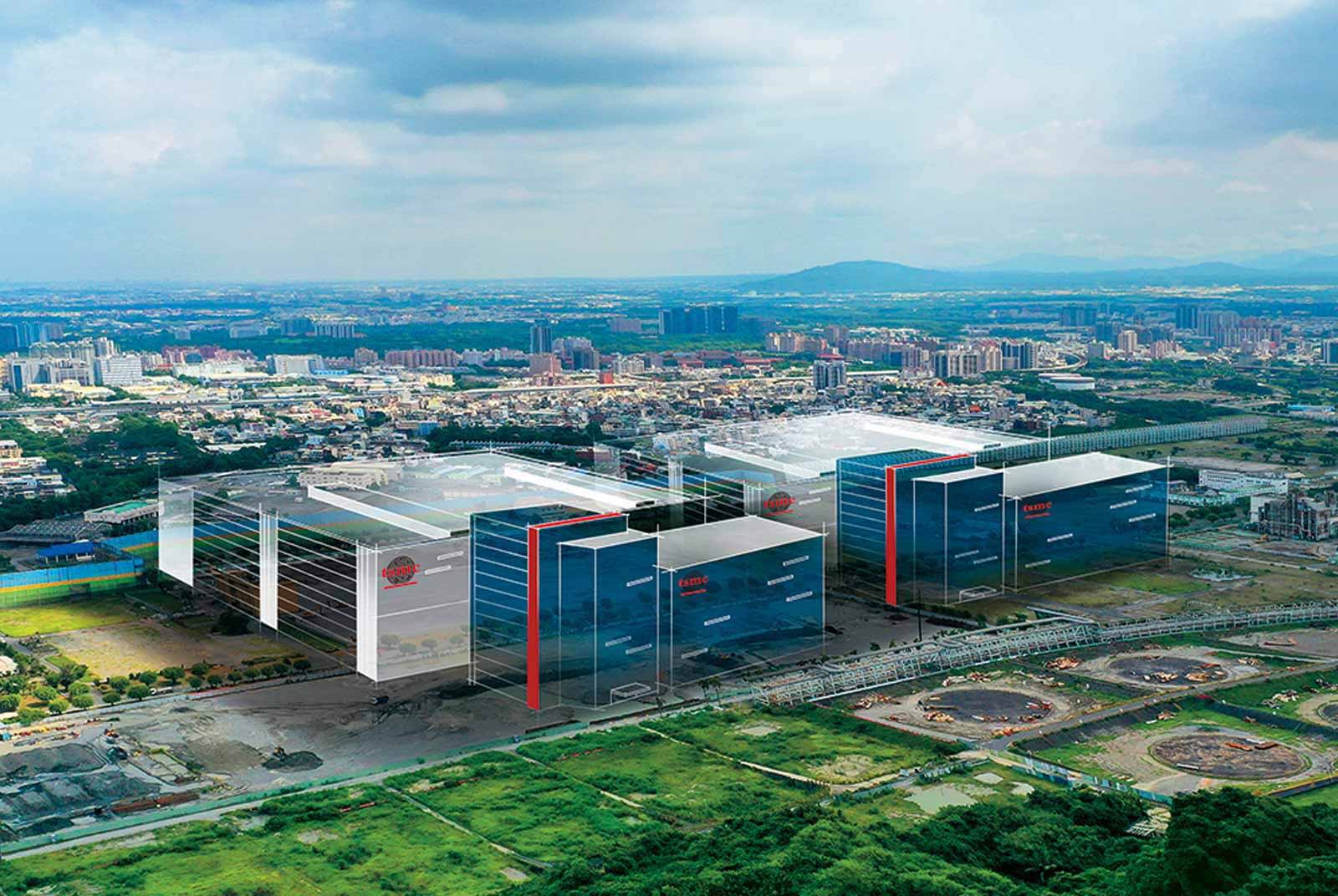
    The world’s leading foundry, TSMC, is having problems meeting the demand for 3nm chips from Apple. The latter is TSMC’s largest customer, accounting for 25% of its revenue. Apple reportedly locked up all of TSMC’s 3nm production for this year and plans on debuting the 3nm A17 Bionic chipsets with the iPhone 15 Pro and iPhone 15 Ultra.
    The smaller the process node, the smaller the chip’s feature set, including transistors. Smaller transistors mean that more can fit inside a chip, which is important because the higher its transistor count, the more powerful and energy-efficient it is. For example, the Apple iPhone 11 line was released in 2019 and was powered by the 7nm A13 Bionic which contained 8.5 billion transistors in each chip. Last year’s iPhone 14 Pro models were powered by the 4nm A16 Bionic SoC with a transistor count of 16 billion.
    The aforementioned A17 Bionic that will power Apple’s premium iPhone 15 models this year will be made on the 3nm node and could include more than 20 billion transistors. The iPhone 15 Pro and iPhone 15 Ultra could be the only two phones from a major brand to use a 3nm chip under the hood this year. One reason is cost. With the price for each silicon wafer used for 3nm chip production tagged at approximately $20,000, moving to 3nm this year is an expensive proposition, especially with yields still improving.
    As TSMC and Samsung jockey for 3nm leadership, TSMC CEO C.C. Wei recently spoke to analysts during a conference call and said, “Our 3-nm technology is the first in the semiconductor industry to high-volume production with good yield. As our customers’ demand for N3 (TSMC’s 3nm production) exceeds our ability to supply, we expect N3 to be fully utilized in 2023, supported by both HPC (High-Performance Computing) and smartphone applications.”
    The executive added, “Sizable N3 revenue contribution is expected to start in the third quarter, and N3 will contribute a mid-single–digit percentage of our total wafer revenue in 2023.” The sizable N3 revenue contribution Wei sees in Q3 has to do with the release of the 2023 premium iPhone models.
    While TSMC and Samsung are the top two chip foundries in the world, Intel has joined the fight and promises to regain process node leadership in 2025. Right now, that crown belongs to TSMC. Mehdi Hosseini, senior equity research analyst with Susquehanna International Group says, “TSMC, in our view, remains the preferred foundry choice for leading-edge nodes as Samsung Foundry has yet to demonstrate a stable leading-edge process technology, all while IFS is years away from offering a competitive solution.”
    Besides the A17 Bionic, TSMC will also produce Apple’s M3 chip using the 3nm node. Brett Simpson, senior analyst at Arete Research, said in a report provided to EE Times, “We think TSMC will move to normal wafer-based pricing on N3 with Apple during the first half of 2024, at around $16-17K average selling prices. At present, we believe N3 yields at TSMC for A17 and M3 processors are at around 55% [a healthy level at this stage in N3 development], and TSMC looks on schedule to boost yields by around 5+ points each quarter.”
    As is the case in the chip industry, there is no time to rest because you always have to look ahead. With 3nm heading for the iPhone this year, 2nm production will start in 2025. TSMC CEO Weil says, “At N2, we are observing a high level of customer interest and engagement. Our 2-nm technology will be the most advanced semiconductor technology in the industry in both density and energy efficiency when it is introduced and will further extend our technology leadership well into the future.”
    Even with Apple’s 3nm business, 2023 is not shaping up as a good year for TSMC and revenue might fall this year for the first time in a decade. Year-over-year sales could decline by a mid-single–digit percentage point. Even with business slowing, the foundry expects capital expenditures to remain in the range of $32 billion to $36 billion.
    The Apple A17 Bionic has a die size in the range of 100-110 mm square allowing it to produce 620 chips per wafer. With a die size of 135-150 mm square, TSMC’s yield for the Apple M3 is 450 chips per wafer.


  • Vietravel Airlines to get three more planes in Q3

    Vietravel Airlines to get three more planes in Q3

    Vietravel Airlines is expecting to expand its fleet to six by adding three more aircraft in the third quarter following a plan set out from the early days of its establishment.

    The move in association with a recruitment program slated for May in Ho Chi Minh City aims to help the carrier be ready for its market expansion targets.

    The airline, which debuted in late 2020, is currently operating six domestic routes connecting Hanoi, Ho Chi Minh City and major tourist destinations of Da Nang, Phu Quoc and Quy Nhon, along with two international ones connecting Hanoi, HCMC and Bangkok.

    It is also partnering with a company from the Republic of Korea to provide 11 charter flights on the Daegu-Cam Ranh route in the period from March 28 to May 7 with one flight every five days.

    As of the first quarter of 2023, Vietravel Airlines had operated over 11,600 flights safely and carried close to 2.5 million passengers, with an average occupancy rate of 93.7%.

  • Laos raises minimum wage for workers

    Laos raises minimum wage for workers

    The Lao Government has decided to raise the monthly minimum wage from LAK1.2 million (nearly US$70) to LAK1.3 million starting May 1 to ease workers’ difficulties amid soaring inflation and economic uncertainties.

    The decision was made at the Lao Government’s meeting held on April 25 – 26 under the chair of Prime Minister Sonexay Siphandone.

    In 2022, as workers’ lives were hit hard by soaring inflation, the Lao Federation of Trade Unions Central Committee proposed increasing the monthly minimum wage to 1.5 million LAK.

    However, the Lao National Chamber of Commerce and Industry opposed it, saying that the wage hike would negatively impact enterprises that were also struggling with difficulties.

    Aside from the minimum wage rise, PM Sonexay Siphandone told the Ministry of Labour and Social Welfare to work with related sectors to consider how the increase is relevant to the current economic situation.

    He also asked ministries and sectors to conduct an in-depth study on wage hikes and report results to the Government in the third quarter of this year.