Tag: asia

  • Indonesian supermarket opened in Qatar

    Indonesian supermarket opened in Qatar

    A supermarket selling Indonesian products was opened in the Messaieed City, located around 40 kilometers from Doha, Qatar. The Indonesian supermarket, called KWIQ Supermarket, was officially opened to the public on June 17 by Indonesian Ambassador to Qatar Muhammad Basri Sidehabi, as quoted from the official website of the Indonesian Ministry of Foreign Affairs on Monday.

    “This Indonesian supermarket serves as a concrete manifestation of Deputy Minister of Foreign Affairs A.M. Fachirs instruction during a coordination meeting last month,” Sidehabi noted.

    The deputy minister had instructed the Indonesian representative to focus on feasible and concrete efforts and to dare to innovate for the benefit of the people, he said.

    The supermarket is expected to encourage the Indonesian diaspora to develop businesses in Qatar as well as to serve as a platform for Indonesian businessmen keen to expand their business in Qatar.

    The plan to set up an Indonesian supermarket was initiated by the KWIQ cooperative group.

    Head of the KWIQ cooperative group Kartini Sarsilaningsih said Indonesian citizens living in Messaieed and Wakrah are keen to support the plan to set up an Indonesian supermarket in Qatar.

    Sasilaningsih said the business holds high potential, adding that the Government of Qatar is currently conducting diversification of products following the diplomatic rift with several gulf countries.

    She hoped that in future, the Indonesian supermarket would gain greater support from Indonesian business entities and producers that are looking to expand their business in Qatar.

    “For now, the supermarket has set a target to function as a distributor for Indonesian products since it has a business network,” she revealed.

    The supermarket has been supported by the Indonesian Business Association in Qatar and is selling Indonesian products, such as food and beverages and household appliances.

  • Shinsegae Department Store to strengthen online presence in China

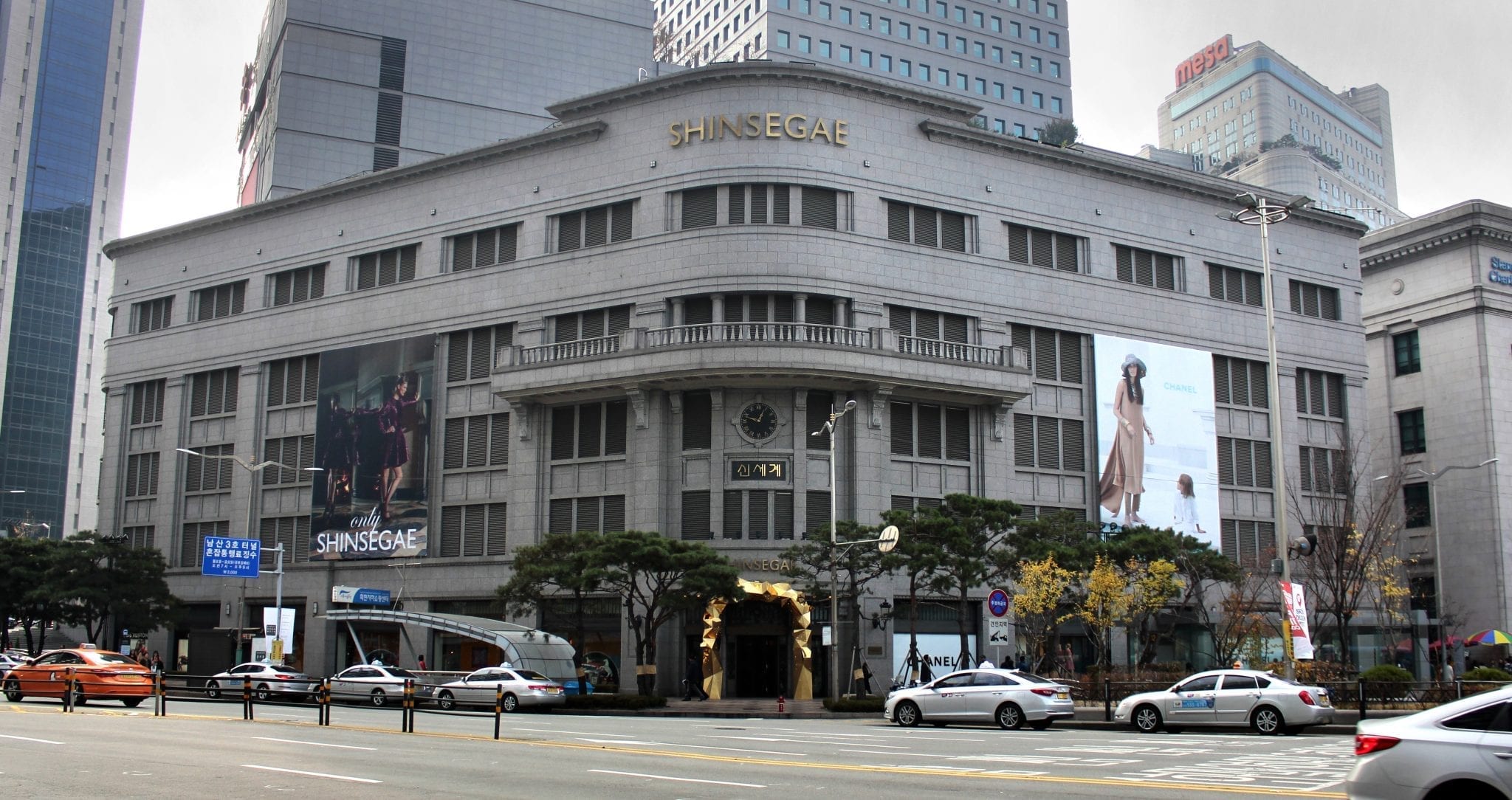
    Shinsegae Department Store to strengthen online presence in China

    South Korean retail conglomerate Shinsegae Group that announced a complete pullout of its discount Emart stores from China instead has beefed up online activities in the world’s most populated and biggest e-commerce market.

    Shinsegae Department Store said that it will open beauty and fashion shops at Tmall Global, China’s biggest online shopping platform operated by Alibaba Group Holding. It plans to gradually add other product lines like children’s goods and home appliances starting the latter half of this year. Through Alibaba that commands 80 percent of Chinese e-commerce market, Tmall has attracted nearly 800 million visitors last year alone. Shinsegae Department Store said it is the first Korean department store to open shops at Tmall.

    To make it easier for Chinese consumers to purchase a range of merchandise offered by Shinsegae, the Korean retailer will allow them to pay with Alibaba’s mobile payment service Alipay and ship goods via the Chinese e-commerce giant’s logistics arm Cainiao. The company expects its partnership with Cainiao will help cut customs clearance time by two days.

    Shinsegae Group has worked hard to attract consumers abroad via online retail platform. Following the opening of online marketplace SSG.com in Chinese, Japanese, and English language on top of Korean service, its online sales to Chinese customers nearly doubled in the first half this year compared to a year ago period.

    Outlook for online sales in China looks bright, too. According to Korean statistics bureau’s data, Chinese consumers’ purchases of Korean products through online shopping malls grew 6 percent during the first three months of this year, while the number of Chinese visitors to Korea dropped sharply during the same period. Cosmetics and fashion products especially sold well and their sales grew nearly 7 percent on quarter to take 90.2 percent of the country’s total online sales to Chinese consumers.

    The company’s decision to attract Chinese consumers via online comes after other Korean retail giants have decided to close down their brick-and-mortar stores in China amid intensifying competition and dwindling sales. E-Mart Inc., a discount store unit of Shinsegae Group, recently decided to entirely pull out of China by the end of this year, 24 years after it first opened its store in the country.

    But Shinsegae Group’s department store arm pins high hopes on its Chinese business that will be carried out via online. The partnership with China’s biggest online shopping mall has provided a chance for the company to grow its presence in global e-commerce market. The company also plans to add additional online shopping platforms in other countries such as Japan and the United States to provide online shopping services tailored for each market.

  • Takata would stop making air-bag inflators under new plan

    Takata would stop making air-bag inflators under new plan

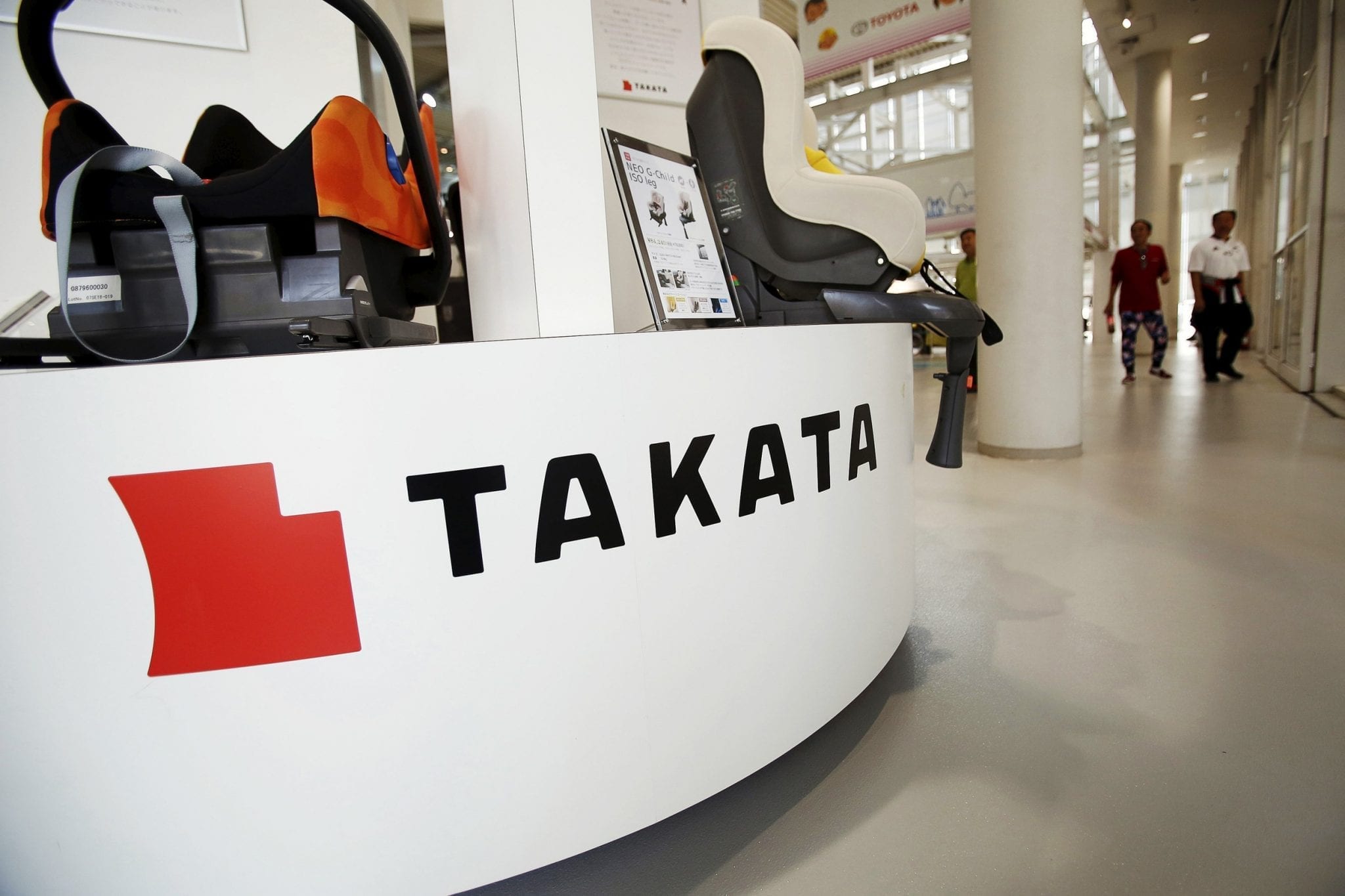
    Japan’s Takata, facing bankruptcy over the biggest recall in automotive history, would stop making air-bag inflators after completing a global recall, under a restructuring plan under consideration by its steering committee, sources told Reuters on Friday.

    The committee is discussing plans with rival Key Safety Systems Inc (KSS) which is negotiating to take control of the company. Any plan would require final approval from Takata’s board before the air bag maker submits them as part of expected bankruptcy filings in the United States and Japan.

    Takata declined to comment on the plans.

    Takata is still building replacements required under a recall of around 100 million inflators that could detonate with excessive force after prolonged exposure to heat.

    Exploding Takata airbag inflators have been blamed for at least 16 deaths and more than 150 injuries worldwide.

    Takata would stop producing airbag inflators after it completes production of replacement parts and fulfills existing supply contracts for them with automaker clients, the sources said.

    One source said existing contracts would likely end around 2020.

    Job cuts are also on the table, the sources said, including upper-level managers involved in manipulating inflator test results to conceal possible defects. Many plant managers would likely remain to ensure that production continues during the transition period.

    The plan is critical for a bankruptcy restructuring that could be launched as early as next week. Takata is hoping to erase billions in liabilities and resolve the recall of air-bag inflators.

    Any bankruptcy would pose limited risk to Takata’s ability to supply the roughly 100 million replacement inflators required to complete the global recall, one of the sources familiar with the company’s plans said. U.S. vehicle safety regulators are putting pressure on Takata and automakers to speed up the replacement of defective inflators in the United States.

    The plan would also have Takata air bags and seatbelts rebranded as KSS products after Takata emerges from bankruptcy. Michigan-based KSS, owned by Chinese supplier Ningbo Joyson Electronic, currently is a smaller competitor to Takata in airbags and seatbelts.

  • MSIG Insurance Continues its Digital Transformation with a Social Purpose in Singapore

    MSIG Insurance Continues its Digital Transformation with a Social Purpose in Singapore

    With its recent launch of the MSIG SpeeDi app in Thailand, MSIG Insurance continues its digital transformation in the region with the introduction of a unique telematics device for its motor customers. With the aim of encouraging safer driving in Singapore, the device tracks driver behaviour and provides feedback after each trip via a mobile app.

    Supporting traffic safety solutions in Singapore since 2007

    MSIG Insurance, in collaboration with its non-profit organisation Mitsui Sumitomo Insurance Welfare Foundation, has been offering research grants in Singapore over the last 10 years to encourage researchers to come up with novel solutions to tackle road safety issues. Some of the research that the foundation has supported in the past years include a study to design and create prototypes that improve traffic safety among secondary school students (2008), understanding an elderly driver’s perspective to determine if age affects their driving abilities (2012), and more recently, to analyse cyclists’ behaviour on roads and footpaths (2016). 

    “It is our mission to help secure a sustainable future for the community at large. Traffic safety is an important topic in Singapore where there is increasing usage of roads, by both pedestrians as well as vehicle owners. We wish to play our part in raising awareness of this issue and to also positively impact driver behaviour through the use of technology,” said Mr Alan Wilson, Regional CEO, MSIG Holdings (Asia) Pte Ltd.

     Promoting safer drivers

    The introduction of MSIG’s telematics device will contribute to this social purpose. The device aims to influence driver behaviour to create safer drivers, which will in turn lead to safer roads. A pilot study conducted with over 100 drivers in March 2016 showed that 85% of drivers agreed that the device had encouraged them to be safer drivers. The app will provide drivers with feedback on their driving behaviour once each journey ends, and an overall driving score will be assessed based on these factors: distance, speed and driving style such as cornering, acceleration and braking. Four scoring bands will indicate the driving score, with Green indicating the best (or safest), followed by Yellow, Orange, and Red.

    Introducing MSIG UMax

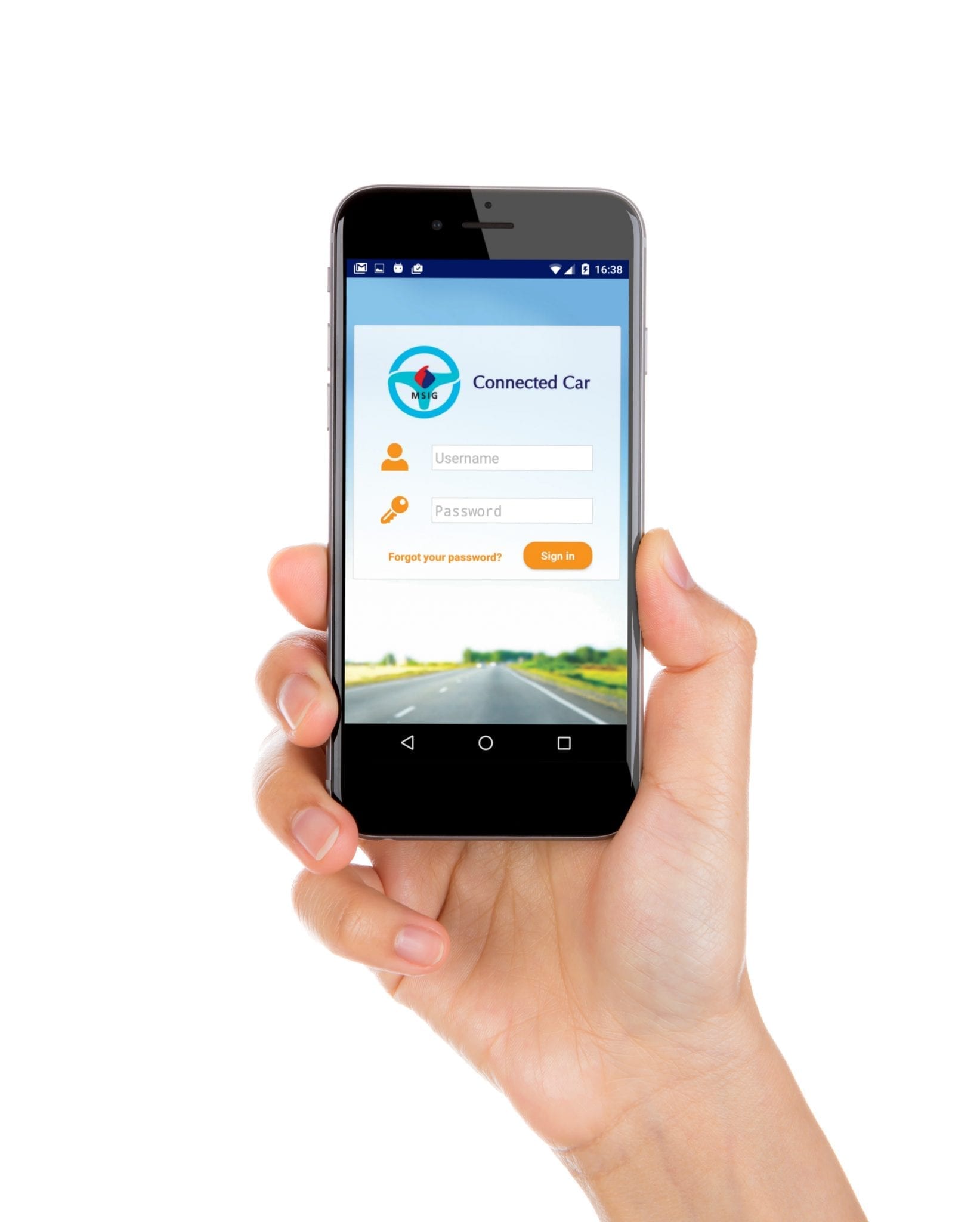
    The encouraging results from the pilot study has led to the introduction of a new product – MSIG UMax motor insurance, a ‘Pay How You Drive’ model that rewards the customer based on driving performance. Customers who sign up for MSIG UMax will have the device professionally installed without extra costs and are able to access their driving data through the free smartphone app – MSIG Connected Car.

    “We are delighted to be introducing more options to the market. As consumers become more connected than ever, ‘Pay How You Drive’ is a more intuitive model for drivers. It is also a customised system and encourages our customers to drive more safely as they get direct feedback from the app,” said Mr Michael Gourlay, CEO, MSIG Singapore.

    Locate your vehicle in Singapore and Malaysia

    Drivers with the device will also be able to use the mobile app to locate their vehicle in Singapore. A value-added option will allow the vehicle location service to be enabled in West Malaysia.

    Enjoy savings as a proven safe driver

    In the first year, the premium will still be based on the existing pricing method using a combination of factors such as the vehicle make and model, driver’s profile and claims history. Driving data will be assessed 60 days from the policy commencement date.

    In the unfortunate event of an accident, drivers can bring down their own damage excess by 50% if they have achieved a driving score within the Yellow band in a 30-day period before the accident, or even a complete waiver of the excess if their score is within the Green band.  This excess adjustment is unique to MSIG UMax’s model.

    “With the excess adjustment, drivers can literally reduce their excess to zero if they maintain an excellent driving score,” said Mr Jeremy Lian, Senior Vice President of Technical Services, MSIG Singapore.

  • Rental services popping up in every corner of South Korean life

    Rental services popping up in every corner of South Korean life

    The rental service market in South Korea is rapidly expanding into every corner of South Koreans’ life with items ranging from fashion accessories to digital cameras and furniture, as a growing number of consumers are willing to borrow products at affordable prices.

    According to the KT Economy and Research Lab, the rental business in the country has increased over 30 percent in the last five years, with businesses that rent personal and household goods seeing a 50-percent jump.

    Last year’s market size for rental services is estimated at 25.9 trillion won (US$23.1 billion), sharply up from 19.5 trillion won posted in 2011. The local rental market is expected to further grow to reach 28.7 trillion won this year, 32 trillion won in 2016 and 40 trillion won in 2020, the think tank predicted.

    “Consumers are getting increasingly smart by reducing unnecessary spending while meeting their need to consume,” said Kim Jae-pil, a researcher at KT Economy & Research. “They are also not adverse to sharing goods with others to reduce their financial burden.”

    The researcher says that renting goods has emerged as a lucrative business here, as people, especially the younger generation, are increasingly open to the idea of borrowing items for everyday use and less inclined towards ownership, which was the case with their parents.

    In the past, the country’s rental service sector has been largely led by the auto rental business, as a growing number of young consumers on tight budgets want to experience a wide range of vehicles, with some players nimbly moving to capitalize on such subtle changes.

    Cars registered to rental services are estimated at some 624,000 units in 2016, a more than twofold increase from 280,000 units in 2011, according to data compiled by the Korea Rental Car Association.

    Retail giant Lotte Group and energy conglomerate SK Group are among those who have entered a car rental business.

    Market leader Lotte Rental has some 25 percent market share, with a customer base of some 2.3 million, followed by AJ Rent-a-car with a 12 percent share and SK Networks, which has an 11 percent market share.

    Recently, however, the rental business has further expanded its territory. People nowadays have started renting miscellaneous goods that can be considered rather unusual to borrow.

    SK Planet Co., the operator of leading e-commerce site 11Street, opened up a fashion rental service within the online shopping site named Project Anne last September, joining the rental business race.

    Over 30,000 apparel, handbag and accessory items from some 150 brands are available, with total subscribers standing at 95,000 as of end-February this year, according to the company. A subscriber can rent Gucci or Ferragamo handbags for a minimum fee of 80,000 won per month, with no laundering required, and can later purchase the item.

    SK Planet has partnered up with 17 companies that sell household goods to offer rental services to its users, diversifying the lineups to high-end wedding suits, kids items and beauty equipment, while retaining the existing lineup of air and water purifiers and massage chairs.

    Since its launch on November 2016, transactions in the rental shop have spiked 146 percent as of February.

    “Consumers are becoming more interested in rational or reasonable consumption, opting to borrow goods rather than to own something,” said Kim Min-seok, a manager at 11st. “Consumers can save on the cost by paying reasonable prices (to rental services), and they can trust such rental services.”

    Lotte Department Store, the country’s largest department store chain, operates a premium rental boutique named Salon de Charlotte, which mainly caters to those wanting to borrow party dresses, fancy suits and jewelry.

    Rare or less-sought-after items ready for rental services include suitcases, adjustable beds and golf clubs.

    “The rental business has seen rapid growth in the past few years as consumption was not backed by a rise in income,” said an analyst at SK Securities. “Without a sharp rise in disposable income, rental business in the country will continue to grow.”

  • India’s telecoms sector under “severe financial stress”

    India’s telecoms sector under “severe financial stress”

    India’s Department of Telecom (DoT) has asked the nation’s finance ministry to cut its target for non-tax revenue to be raised from the telecoms industry by nearly 40% due to the “severe financial stress” the sector is facing.

    The Finance Ministry has set a revenue target of 473.04 billion rupees ($7.3 billion) to be raised by the telecom ministry. But the department has asked for this to be cut to 295.24 billion rupees in light of the rapidly declining revenues from all the major operators.

    Non-tax revenue from the sector comes from sources including license fees, spectrum usage charges and spectrum acquisition costs. But the DoT believes there is little prospect of holding the next round of spectrum auctions this year.

    In addition, because license fees are paid as a proportion of revenue, license fees that had been projected to total around 166.64 billion rupees are likely to decline to 92.55 billion rupees in the current financial year.

    Spectrum usage charges are also tracking to be lower than anticipated at 49.7 billion rupees.

    Major operators have been grappling with declining revenues since the entry into the market of disruptive pan-Indian LTE operator Reliance Jio Infocomm with its aggressive free services promotion.

    While the free service period is now over, experts expect the trend of falling revenues to continue for some time as operators feel the brunt of the large tariff cuts they made to stay competitive.

  • SK Telecom sets distance record with quantum repeater

    SK Telecom sets distance record with quantum repeater

    SK Telecom has announced it has developed and successfully tested a quantum repeater over a 112km pilot fiber network.

    The repeater can dramatically extend the distance of quantum communication, and could pave the way for the application of quantum cryptography to commercial LTE networks.

    Quantum cryptography is the most secure form of communications equipment known that cannot be broken with any existing hacking technology. But the previous maximum transmission distance of 80km has been viewed as the largest obstacle to the commercialization of the technology.

    SK Telecom said its new Trusted Repeater can dramatically extend the distance of quantum key distribution (QKD), and has set a new QKD distance record of 112km. For example, the company would be able to transmit quantum keys from Seoul to Busan, at a distance of 460km, by installing five repeaters.

    The operator plans to work with global partners to apply quantum cryptography solutions including the repeater to commercial networks worldwide.

    “SK Telecom has opened a new chapter in the field of quantum technologies by developing the Trusted Repeater, an enabler for long-distance quantum communication,” said Park Jin-hyo, senior vice president and head of network technology of SK Telecom’s R&D Center.

    “SK Telecom will continue to focus on developing key quantum cryptography technologies and building a related ecosystem.”

    The company has been developing quantum cryptography technologies since 2011 at its Quantum Tech lab. In February, SK Telecom entered an agreement with Nokia to cooperate on the quantum cryptography business, and jointly established the Quantum Alliance with Deutsche Telekom.

  • Chanel opens Singapore pop-up store

    Chanel opens Singapore pop-up store

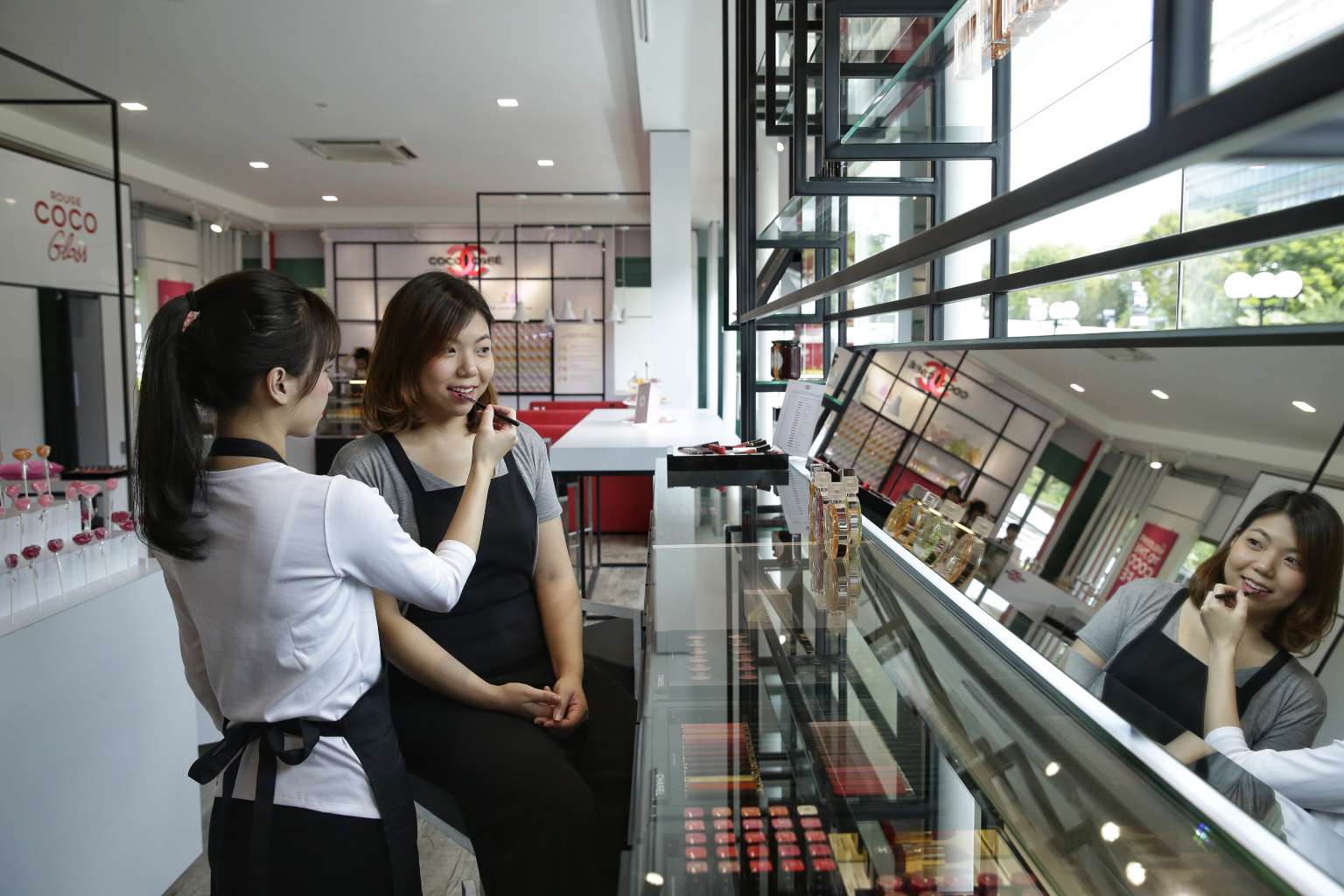
    Chanel has opened new standalone ephemeral boutique at The Shoppes at Marina Bay Sands (MBS). It’s the first of its kind to come to Singapore, in a bid to attract new customers with a hotel-esque retail experience and expanded product offering.

    The French luxury house has opened the Ritz-inspired, 3,000 square-foot-space, as a temporary replacement for the MBS Chanel store, which is currently closed for renovations.

    Split into four rooms, the boutique boasts the Parisian couture brand’s signature black, white and beige palette for an Art Deco-themed store that represents Chanel’s latest collection of women’s fashion and accessories.

    However, Chanel Singapore was very selective with the store pieces, allowing the pop-up to offer a wider selection of items.

    Of particular interest is Chanel’s Paris Cosmopolite 2016/17 Metiers d’art ready-to-wear collection. The Ritz Hotel in Paris, as well as the French capital’s cafe culture and the personal style of Chanel founder Coco Chanel inspired the new line.

    “We wanted the pop-up to not only offer something exciting and unique for our existing customers, but also to encourage new customers, who might not have visited our previous stores,” Stephanie Nussmann, managing director of Chanel for Singapore, told the Strait Times.

    The new MBS Chanel boutique will reopen in November, at the closure of the pop-up. Once completed, the renovated store will cover 9,277 square feet — from its original 6,509 square feet — with extra floor room for ready-to- wear collections. Meeting the needs of a more discerning Singapore customer, it will also offer a wider line of jewellery and watches.  Styling services, allowing customers to have personalised shopping experiences, will also be available.

  • Japan’s Aube comes to Australia

    Japan’s Aube comes to Australia

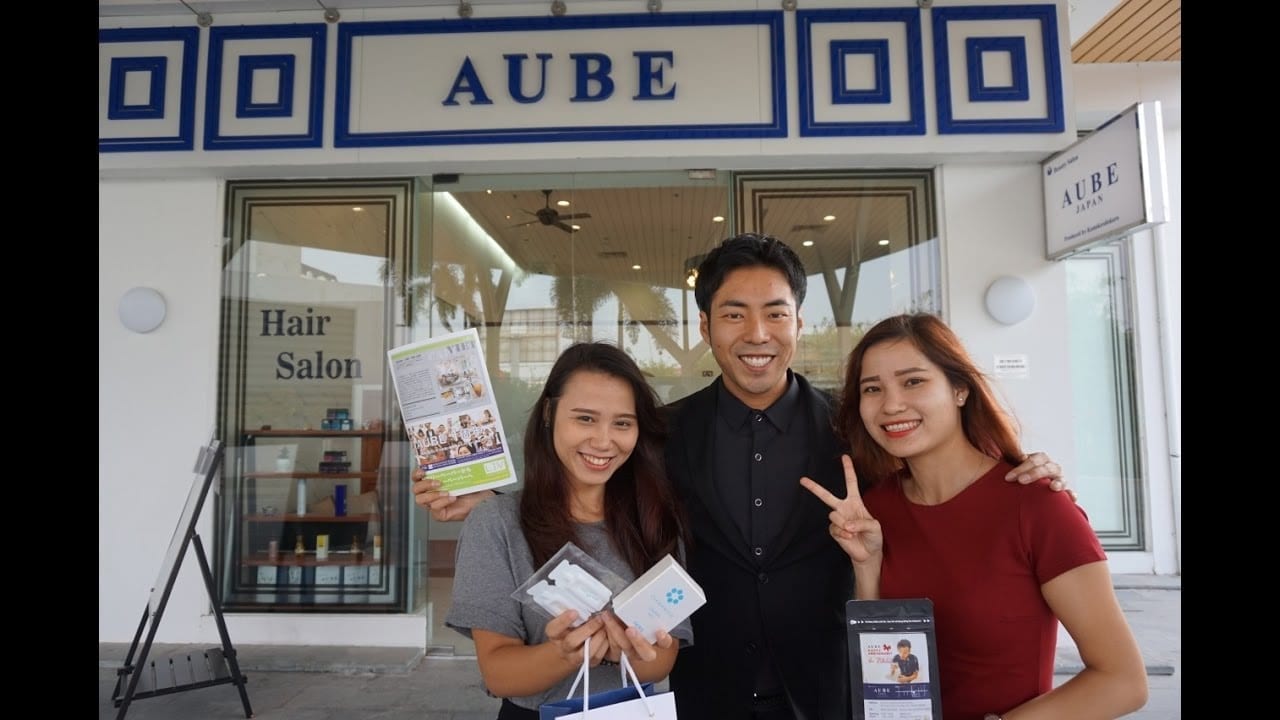
    Japanese beauty and retail group Aube is opening its first Australian store, bringing its unique brand of Japanese style to Sydney.

    Located in Sydney’s CBD, the retail space covers 75 square metres on the ground floor of 28 Market Street, a heritage building between Clarence Street and Kent Street.

    The property was leased by Ray White Commercial South Sydney’s John Skufris on behalf of Samka Pty Limited, with Aube represented by Tamaki Terada from Starts International.

    “The property offers excellent pedestrian traffic between Queen Victoria Building to Cockle Bay where many Sydneysiders have commuted this month for Vivid,” said John Skufris from Ray White Commercial, adding Aube has signed for a five-year term at $100,000 per annum.

    Known for its innovative equipment, treatments and state-of-the-art products,
    Aube Hair group operates 110 beauty hair salons in Japan as well as overseas, including nearby Singapore and Hawaii.

  • SIA’s digitalisation efforts take off amid operating challenges

    SIA’s digitalisation efforts take off amid operating challenges

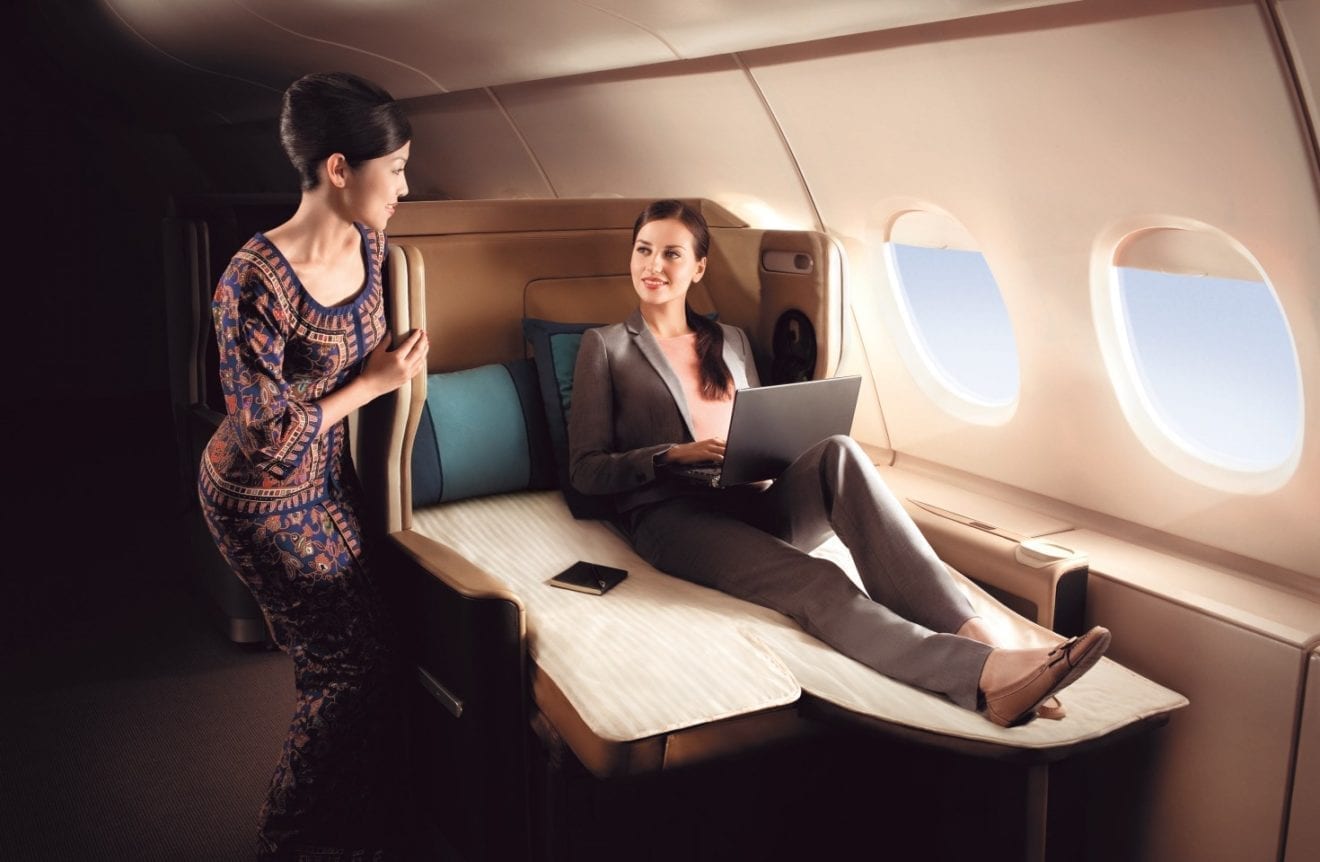
    Singapore Airlines (SIA) is investing significantly in its digital initiatives as it seeks to boost revenue as well as enhance operations and customer service amid increasingly crowded skies.

    The airline group is channelling “several hundreds of millions” of dollars over a five-year span as part of wide-scale efforts to digitalise its operations.

    “It’s increasingly difficult for companies to stand out from others,” SIA’s senior vice-president (sales & marketing) Campbell Wilson said in an interview with The Business Times. “SIA has been able to stand out from others for a long time by virtue of history, service reputation (and) the Singapore Girl. We can’t rest on these laurels.”

    One key part of its ongoing digital revamp is building a holistic database on its passengers, from which it will leverage data analytics and algorithms to derive insights on each passenger. Such insights will enable the airline group to offer tailored products and services to individual consumers via channels such as its website or electronic direct mailers (EDMs).

    “What technology allows us to do is to present the right combination of products, services and price that .best suits (a) person’s profile,” added Mr Wilson, stressing that this enables the airline group to differentiate itself from low-cost carriers and other full-service carriers that may not be able to put together similar packages.

    The aim is to convert existing website traffic to a transaction and ultimately, revenue. While increasing conversion is the “lowest hanging” fruit, it would also be the “biggest mover of the needle”, he noted. “A lot of people get to our website and don’t actually complete through the transaction.”

    One example of a personalised offer for the silver generation could include promising a meet-and-assist service on arrival and a seat near the front of the cabin – services that may not cost extra, but could provide value to a passenger. Personalising the sales experience is increasingly important as more and more consumers let their fingers do the shopping by going online, Mr Wilson went on to highlight.

    Some of these efforts are starting to pay off. Thanks to data analytics, SIA has been able to drive a 20 per cent greater uptake in sales of preferred seats – which come at a fee – to selected passengers. This can be expanded to other areas of ancillary revenue such as duty free products, insurance and cabin upgrades.

    This comes as legacy carriers such as SIA and Cathay Pacific grapple with an increasingly competitive industry, with the Gulf and Chinese carriers expanding aggressively on routes, often at cutthroat fares. For FY16/17, SIA posted a 55 per cent slump in full-year earnings to S$360.4 million, weighed down in part by declining yields.

    The airline is working on improving operations by rolling out apps for its pilots and ground staff, while its engineering division is leveraging predictive maintenance for the upkeep of aircraft. To this end, it is working with tech giants such as IBM as well as startup firms. Its cabin crew already have an app to help them better serve passengers onboard, as well as to enhance operational processes.

    From mid-June, its pilots will have access to apps on company-issued iPads giving them flight-related updates, which will allow them to go straight-to-the-gate without having to stop at the control centre. The app covers pre-flight through post-flight operations – such as the flight plan and pilot rosters – and also cuts down on paperwork.

    “That saves a lot of time and improves productivity for pilots,” pointed out George Wang, SIA’s senior vice-president of information technology. In the interest of security, data in the app is protected with encryptions and access controls; pilots will also only be able to access information relating to their own flights.

    Similarly, an app will be made available for ground services staff by year end so they can work more efficiently, while giving them access to more data which will help with decision-making and serving customers, Mr Wang added.

    Meanwhile, other features are due to be introduced for SIA’s website and app, namely tie-ups with Samsung Pay, Apple Pay and ride hailing service Grab. A one-touch payment option is also on the agenda for added convenience.

    On the back-end, the group is “re-wiring” its underlying technical framework so that improvements and new features can be rolled out more swiftly on its website and app. The first phase is slated for completion by the beginning of next year.

    Other airlines are also turning to various forms of digitalisation to keep costs low, increase revenue and improve customer satisfaction. It was reported that low cost carrier AirAsia, for example, plans to analyse passenger data to find ways to enhance passenger experience.

    Digitisation aside, SIA chief Goh Choon Phong has set up a transformation office as part of a broad review so that the airline can position itself better for long-term growth. This will include taking a hard look at ways to generate additional revenue, reduce costs, exploit synergies and improve businesses processes.

    “SIA has done more to respond and adapt than most of its peers,” noted Centre for Aviation (CAPA) analyst Brendan Sobie, commenting on the transformation efforts in a recent report. “However, the industry is changing at an even faster speed and competition has never been so intense,” he went on to say, adding that SIA may still need to push the envelope even further.
  • The dark zone in Asian shipping supply chains

    The dark zone in Asian shipping supply chains

    CEOs of global shipping companies are operating in a complex environment where business, cultural and geopolitical issues come into play.  There are many intertwining factors that the CEOs have to take into account when they make or condone strategic decisions that affect the value of their companies.

    Sometimes, these decisions seemingly, on the surface, would bring in revenues, improve bottom line or reduce costs.  But in fact, these are myopic decisions that not only negatively affect the value of their companies but also will have a larger negative impact on the industry as a whole.  These decisions may be illegal or corrupt in the western context, but in the Asian context, they are seen as cultural norm.

    Corrupt custom pervasive in Asia

    Whether we want to admit it or not, it is a fact that corruption is relatively prevalent in Asia to the point that it is perceived to be an acceptable and routine way of conducting business.  According to Transparency International, the majority of Asia Pacific countries sit in the bottom half of the Corruption Perceptions Index 2016. 19 out of 30 countries in the region scored 40 or less out of 100.

    Corruption is endemic in the shipping business as it is relatively opaque, and because it operates across the globe in a wide variety of cultural, economic and political situations. And, there is hardly any recognition for a standardized anti-corruption compliance culture, either from the respective governments or the industry itself.

    For example, in day-to-day operations of shipping lines, bribing local officials like port inspectors is an expected part of the transaction to grease the processing of cargoes through ports or checkpoints.

    Illegal oil bunkering occurs when ship-to-ship transfer of fuel takes place not at designated areas and without paying the official fees.  Perpetrators blatantly exploit weak legislation and enforcement.  In this corrupt tradition, they can earn, depending on their status on the hierarchy, anywhere between US$40,000 and US$640,000 per run.

    To show the wide reach of illegal oil bunkering, there are incidents occurring even in Singapore, a country with strict regulations, extensive enforcement and heavy penalties.  In a recent case, JL Petroleum has been fined by Singapore’s court after pleading guilty to supplying marine fuel without a valid license.

    Singapore’s police had said that the illegal trade in ships’ fuel is a lucrative business, and more people have been caught stealing, selling and buying such diesel.

    Intrigue on the high seas

    According to latest figures from the International Maritime Bureau, more than half of the world’s piracy are occurring in South East Asia. Specifically, piracy in the waters off Indonesia, the Strait of Malacca and Singapore Strait has increased exponentially, representing almost 40 per cent of attacks globally.

    Given the scale and frequency of these attacks, it is not hard to have an educated guess that there is corporate collusion with these pirates.  Corrupt insiders within the industry and at the targeted ships’ companies are crucial for the pirates to gain valuable intelligence on when and how to rob the ships of cargoes and fuel.

    In another instance of high sea intrigue, there are many cases of shipping companies ignoring United Nations’ sanctions against rogue countries.  In a recent example, the United States Treasury Department had blacklisted a Singapore company, Senat Shipping, for providing extensive support, including arranging the purchase, repair, certification, and crewing to North Korea’s Ocean Maritime Management Company vessels.  The United Nations had sanctioned Ocean Maritime Management Company for its involvement in the shipment of banned weapons. 

    Increasing valuation by cleaning house

    In as much as we like things to remain business as usual, the fact remains that these corrupt practices in the Asian shipping industry are detrimental not only to the companies involved but are also reflecting badly on the industry as a whole. Bad practices, like the aforementioned corruption, illegal oil bunkering and collusion with pirates, fundamentally erode the ability of shipping companies to operate efficiently and profitably.

    There is much to gain by having an industry with open, transparent legal and regulatory mechanism.  Change, of course, will not be immediate but incremental, as bad practices are so entrenched in the industry.

    If CEOs are aware and are convinced that change is necessary to increase the value of their companies and uplift the image of the whole industry, then this will go a long way to attract investors and funds.  Therefore, CEOs must have the courage and conviction to take corrective measures to weed out these bad practices.

  • GateHouse talks supply chain nirvana at IoT Slam Conference

    GateHouse talks supply chain nirvana at IoT Slam Conference

    Logistics data unifier GateHouse Logistics A/S announces that it has been invited to present its vision of the future direction of data used in the logistics industry at the upcoming IoT Slam Conference being staged at Raleigh in North Carolina on June 21 and 22. The annual Conference brings together the The Internet of Things Community (IoT Community), the world’s largest group of CxOs and IoT professionals.

    The function of the community is to focus on the adoption and application of IoT in commercial environments such as the transport industry, seeking to understand and contribute to applying the technology or overcoming the wide variety of barriers, inhibitors, and technical and operational issues involved.

    “The logistics industry is moving into the smart connected era and an industry-wide and truly system agnostic mobility platform is needed now by all parties involved in the supply chain to control, make visual and rationalize the mountains of data involved in order to reach the next level of business efficiency,” says Jesper Bennike, CEO, GateHouse Logistics.

    He adds: “Data about connected trucks and Just-in-Sequence supplies to smart factories are just the tip of tomorrow’s supply chain issues and the IoT Slam Conference is the perfect platform for GateHouse to discuss its IoT solution with leaders responsible for shaping the use of data in the future IoT logistics industry.”

    As a leading independent logistics data unifier and aggregator, GateHouse Logistics believes that it is within its remit to propose a cross-system data mobility platform to the transport industry that can not only collect and unify all data from all telematics systems, but also distribute it to authorised enterprises as one datastream.

    The mobility platform provides LSP’s with a mixed fleet a unified and consolidated data stream from their whole fleet. The data stream can be easily integrated with any TMS system and it can also securely be shared with third parties.

  • 12,000 shoppers turn to GoSpree app

    12,000 shoppers turn to GoSpree app

    The Great Singapore Sale (GSS), from June 9 to Aug. 13, is going digital this year with a new mobile phone app called GoSpree. The free app will operate as a “super mall” platform, allowing customers to get their hands on various e-coupons from different categories of retailers across the island.

    Using the app, available in English and Mandarin, seems easy enough. Shoppers pick the discounts they want to enjoy and the app compiles the offers on a virtual card to be used at designated physical stores before they expire. The geo-location enabled app will also let retailers send e-coupons and flash deal alerts to shoppers nearby.

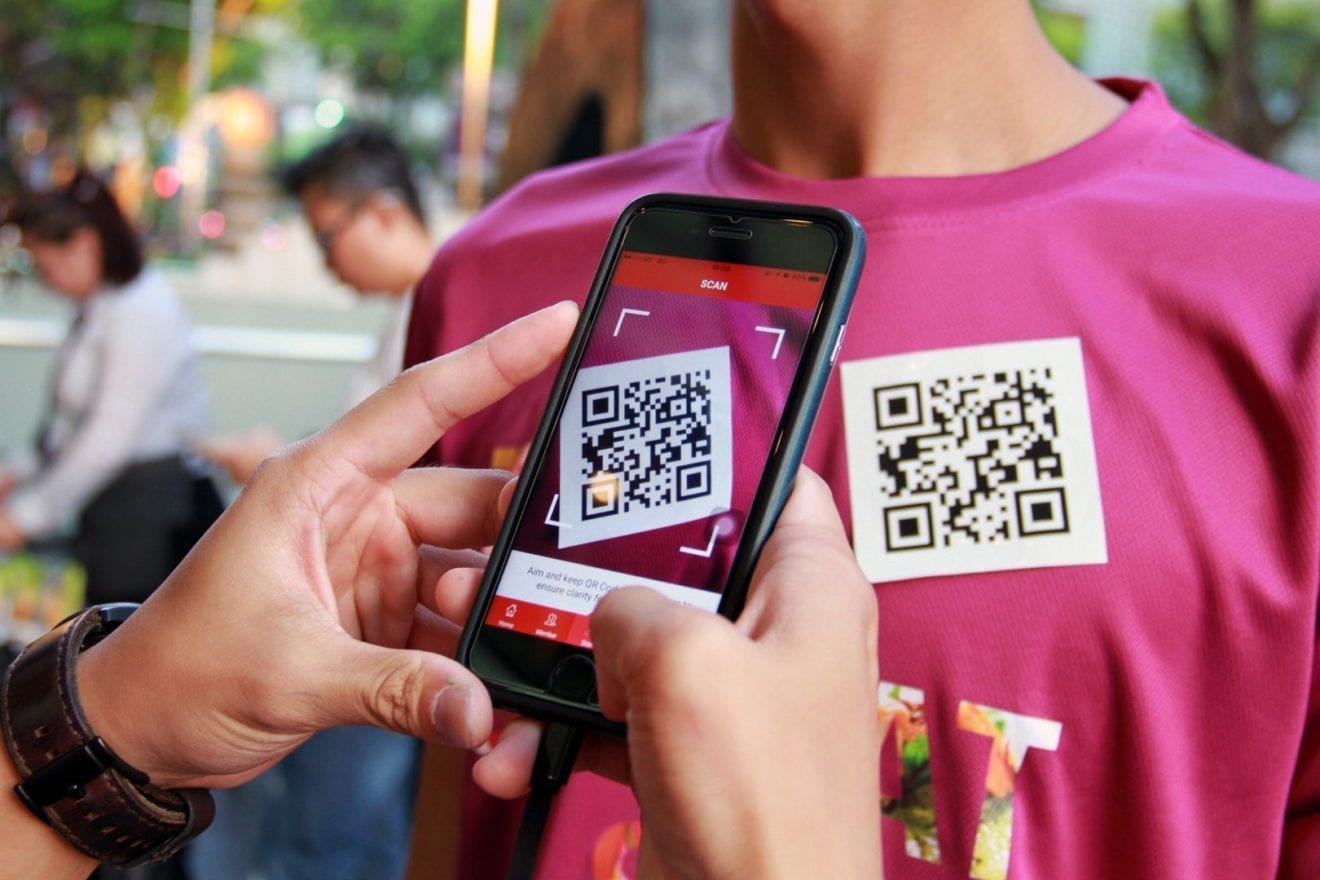
    Each GSS retailer will also get a unique QR code, which may be displayed around the island. Users can collect these codes using the app’s code scanner to unlock special deals.

    The app will also have a directory of participating retailers for users to browse through. To be launched on the first day of the nine week-long sale, the free app can be downloaded through the Apple Store and the Google Play store.

    Its aim, says the Singapore Retailers Association (SRA), which organises the annual GSS, is to reach out to younger tech-savvy shoppers, as well as to help participating retailers, especially smaller stores in the heartlands, pull in shoppers during the sale.

    Said SRA’s executive director Rose Tong: “With the GoSpree app, we are hoping to target anyone with a phone and incentivise their shopping experience.”

    “We particularly want to reach out to smaller, independent retailers who can really leverage on the platform to target new customers and get additional publicity at no cost,” she said, adding that the sale will stretch past the National Day public holiday so shops can hold themed promotions.

    Retailers will not be charged to list their offerings on the app, which is owned and copyrighted by SRA.

    One retailer already on board is local design and lifestyle store Naiise, which will be offering $5 GoSpree e-coupons as well as exclusive discounts and offers to app users.

    Said Naiise founder Dennis Tay, 32: “For us, getting on GoSpree offered us a chance to reach digital natives – many of whom are our target audience.”

    “We feel the app is a move in the right direction because it is allowing retailers to transform the offline shopping experience and take it beyond the transactionary.”

    Also on the app are retailers such as furniture and electrical giant Courts, department store Takashimaya and Millenia Walk mall – all of whom have e-coupons and special deals such as free parking vouchers that will be revealed when the app launches on June 9.

    In addition, UnionPay cardholders will get access to exclusive deals through the app. The GSS this year, supported by Singapore Tourism Board (STB) and UnionPay, is in its 24th run. The event has helped cement Singapore’s reputation as a shopping paradise and was launched by STB in 1994 to market the island as such.

    The move to digitise the sale comes in the wake of the retail industry transformation map announced last September. The map, among other things, calls for retailers to innovate and try out new technology to reach out and engage with consumers.

    So far, it seems like shoppers will bite.

  • Dutch firm aims to deliver first flying car in 2018

    Dutch firm aims to deliver first flying car in 2018

    From ‘The Jetsons’ to ‘Chitty Chitty Bang Bang’, flying cars have long captured the imagination. While several futuristic projects are under way in different countries, a Dutch design may be the first one sold and soaring into the skies.

    After years of testing, the PAL-V company aims to pip its competitors to the post. It is poised to start production on what they bill as a world first: a three-wheeled gyrocopter-type vehicle which can carry two people and will be certified for use on the roads and in the skies.

    “This kind of dream has been around for 100 years now. When the first airplane was invented people already thought ‘How can I make that driveable on the road?’,” chief marketing officer Markus Hess told.

    The PAL-V (Personal Air and Land Vehicle) firm, based in Raamsdonksveer in the Netherlands, is aiming to deliver its first flying car to its first customer by the end of 2018.

    The lucky owner will need both a driving license and a pilot’s license. But with the keys in hand, the owner will be able to drive to an airfield for the short take-off, and after landing elsewhere drive to the destination in a “door-to-door” experience.

    Different versions of a flying car are being developed in the Czech Republic, Slovakia, Japan, China and the United States.

    But final assembly on the PAL-V will start in October, with the company seeking to be the first to go into commercial production.

    ‘No falling from sky’

    The PAL-V uses normal unleaded petrol for its two 100-horsepower engines, and can fly 400 to 500 kilometers (248 to 310 miles) at an altitude of up to 3,500 meters (11,500 feet).

    On the road it has a top speed of around 170 kilometers an hour.

    In 2019, the company expects to produce between 50 and 100 vehicles, before ramping up to “quite a few hundred” in 2020.

    It won’t be cheap. The first edition, the PAL-V Liberty, costs 499,000 euros ($599,000), while the slightly cheaper PAL-V Liberty Sport, to be made next, has a price tag of 299,000 euros.

    PAL-V was founded in 2007 by Robert Dingemanse and pilot John Bakker.

    “In the beginning it was, let’s make a gyrocopter drivable,” said Hess.

    But the company, which has some 40 to 50 employees, realized the weight and length of a gyrocopter’s blades gave the vehicle a high center of gravity when driving, especially taking corners.

    They have designed the car so at the flick of a button the blades fold down and gather like a bat’s wings on the top.

    And they have incorporated into the car a 2005 breakthrough — when the Dutch company Carver invented a tilting system for three-wheelers — to counter the high center of gravity and make it roadworthy.

    The company insists the PAL-V is not a helicopter, in which the blades are powered by an engine. It is a gyroplane, in which the blades rotate thanks to airflow.

    Even if both engines cut out, the blades will still turn, so “even if you go at zero speed it still keeps rotating and you are not going to drop out of the sky,” said Hess.

    While he refused to divulge how many orders they have, he said the company “was more than satisfied”.

    ‘Selling a dream’

    Clients put down a non-refundable deposit of 10,000 to 25,000 euros depending on the model. A third option is to put 2,500 euros into an escrow account, which secures them a place in the line.

    “In some senses we are selling a dream,” Hess said, standing next to the sleek, black first model developed in 2012 which has already put in “substantial hours” of flying and driving time.

    Parts are on order, with the first already in stock. Once built, the vehicle will have to complete at least 150 flying hours, and undergo extensive tests to receive its certification from the Cologne-based European Aviation Safety Agency (EASA).

    Hess defended the hefty price tag. It’s not a lot more than “a super-duper sports car with a few extras,” he said.

    “Considering the extra certification standards we have to go through for aviation, and that a super-duper sports car can’t even fly, we think it’s actually a bargain.”

    The PAL-V staff know many inventors in other countries also developing flying cars, but remain unconcerned by the competition.

    And Hess laughs when asked whether the skies will become too crowded.

    People at first “cannot even imagine flying cars. Then suddenly when they start imagining it, they see millions of flying cars in the air.”

    That new reality, for the time being, is still a long way off, he said.

  • Kerry Logistics expands network through joint venture in CIS

    Kerry Logistics expands network through joint venture in CIS

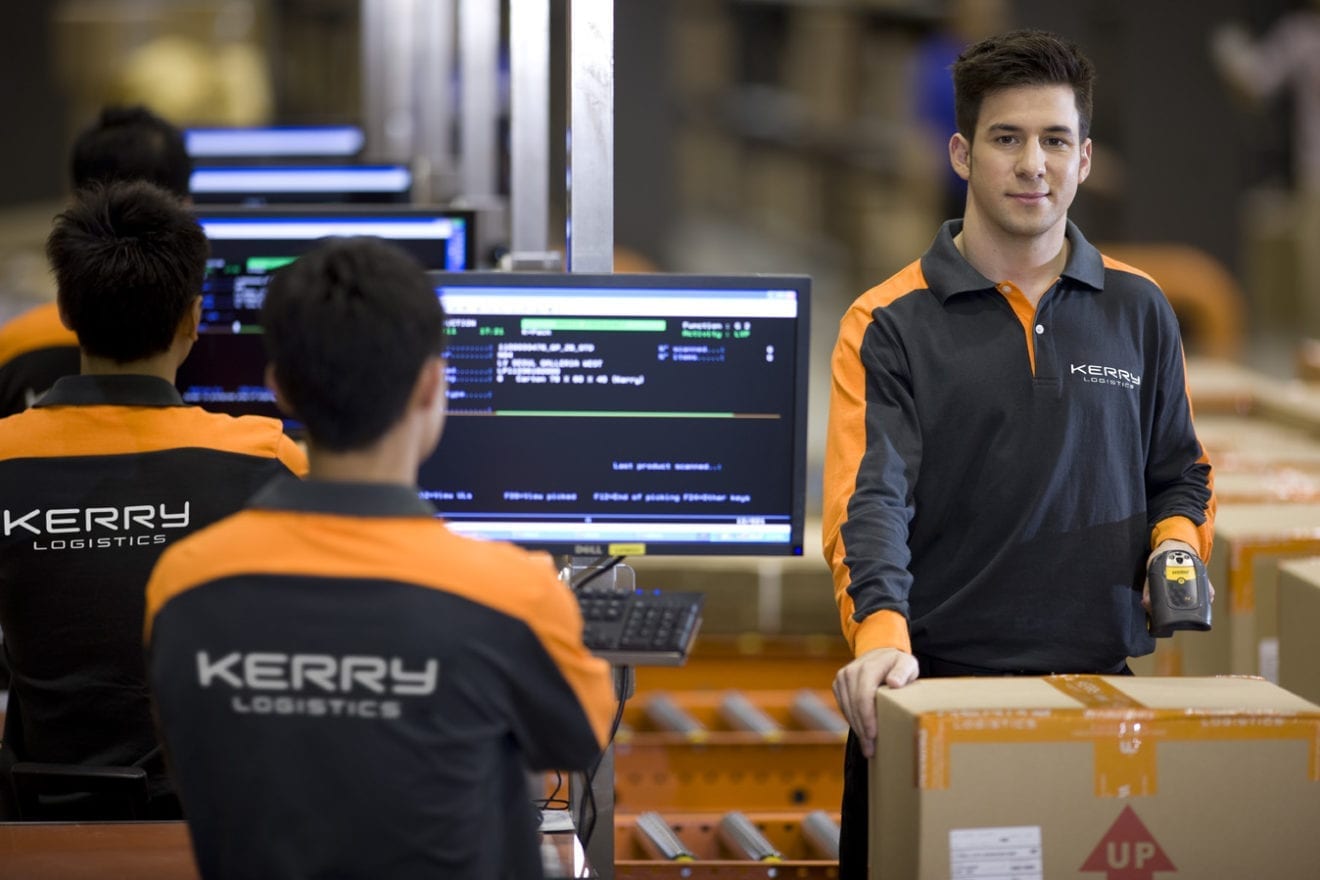
    Kerry Logistics Network Ltd enhances its services and network under the ‘Belt and Road’ Initiative by entering into a joint venture through participating in the equity of Globalink Logistics DWC LLC, a freight forwarding group headquartered in Dubai with operations spanning across The Commonwealth of Independent States (‘CIS’). The move will significantly expand Kerry Logistics’ coverage in Central Asia and the CIS, opening the door to potential markets with tremendous growth prospects.

    The partnership will see nine countries added to Kerry Logistics’ global network. They include Kazakhstan, Uzbekistan, Kyrgyzstan, Tajikistan, Turkmenistan, Georgia, Armenia, Azerbaijan and Ukraine. Leveraging the booming trade between China and Europe, Kazakhstan, in particular, is expected to benefit most from the increasing transit cargo flow along the trade lanes.

    William Ma, Group Managing Director of Kerry Logistics, said, “We are very excited about this joint venture, which is part of our development strategy to tap into the immense opportunities from the Belt and Road Initiative. The new partnership will allow the two groups to leverage each other’s competitive strengths and provide new options and cost-efficient multimodal solutions to our customers with greater flexibility and access to the strongest network in Asia.”

    “While we will continue to develop an overland transportation network for road, rail and multimodal freight services from China to Central Asia and Europe, we will also build upon our expertise in project logistics within our global network to exploit new business opportunities,” added William Ma.

    The move came at the heels of Kerry Logistics’ launch of its rail freight operations between China and Europe. The Group was the market pioneer to complete the first westbound charter freight from Yiwu, Eastern China to Madrid, Spain in August 2016; while the first UK-China eastbound freight train from London to Yiwu commenced its journey in April 2017.