Tag: asia

  • Nike to cut 1,400 jobs in reorganization

    Nike to cut 1,400 jobs in reorganization

    Sports apparel and footwear giant Nike will cut about 1,400 jobs, part of a plan to expand direct selling to consumers as e-commerce roils the retail sector, the company announced Thursday.

    Nike said it would cut about two percent of its global workforce as it implements the “Consumer Direct offense,” a reorganization initiative that targets customers in 12 key cities.

    “In the new alignment, the company will drive growth by deeply serving consumers in 12 key cities,” the company said in a news release. “Nike is moving closer to the consumer — creating a local business, on a global scale.”

    The focus cities — New York, London, Shanghai, Beijing, Los Angeles, Tokyo, Paris, Berlin, Mexico City, Barcelona, Seoul and Milan — are expected to account for more than 80 percent of the Nike’s growth through 2020.

    The company restructured its global business, cutting the number of geographies from six to four and creating new employee teams so that digital and merchandising will be more responsive to key markets.

    Other changes include the goal of cutting product cycle times in half and new investments in categories seen as offering the greatest growth potential, including running, basketball, global football and young athletes.

    The changes come as department stores and other retailers close hundreds of stores due to the growth of e-commerce and mobile technology.

    “Today we serve our athletes in a changing world: one that’s faster and more personal,” said Trevor Edwards, president of the Nike Brand.

    “This new structure aligns all of our teams toward our ultimate goal — to deliver innovation, at speed, through more direct connections.”

  • Japanese retailer Aeon to launch English version of AeonEshop.com

    Japanese retailer Aeon to launch English version of AeonEshop.com

    Since entering the e-commerce market in January 2017 with the site AeonEshop.com, the Japanese supermarket Aeon has quickly gained the attention of customers thanks to its unique selling point compared to other e-commerce websites – high quality Japanese goods. To better serve customers, the firm is about to release the English version of AeonEshop.com.

    Success thanks to uniqueness

    AeonEshop’s initial success stems from its products’ variety and quality. With a focus on selling high quality Japanese goods to meet customers’ demand, the site has quickly established its foothold and become customers’ favorite shopping destination, while numerous other online sales websites have to be stopped after a short time of operation.

    AeonEshop’s operation has been pretty successful. Its products are always ensured to be updated and diverse to meet Vietnamese consumers’ needs and high standards.

    Recently, the site has made a big step by expanding its reach to the northern provinces of Vietnam like Hanoi, Vinh Phuc, Bac Ninh, Hung Yen and Hai Phong to satisfy customers who enjoy using Japanese goods.

    Hanoi is usually considered a difficult market due to geographic conditions, people’s traditional consuming habits and shopping culture. However, for those who are fond of Japanese goods, this is good news and marks a new beginning in AeonEshop’s attempt to access the northern region, which has a lot of potential for development.

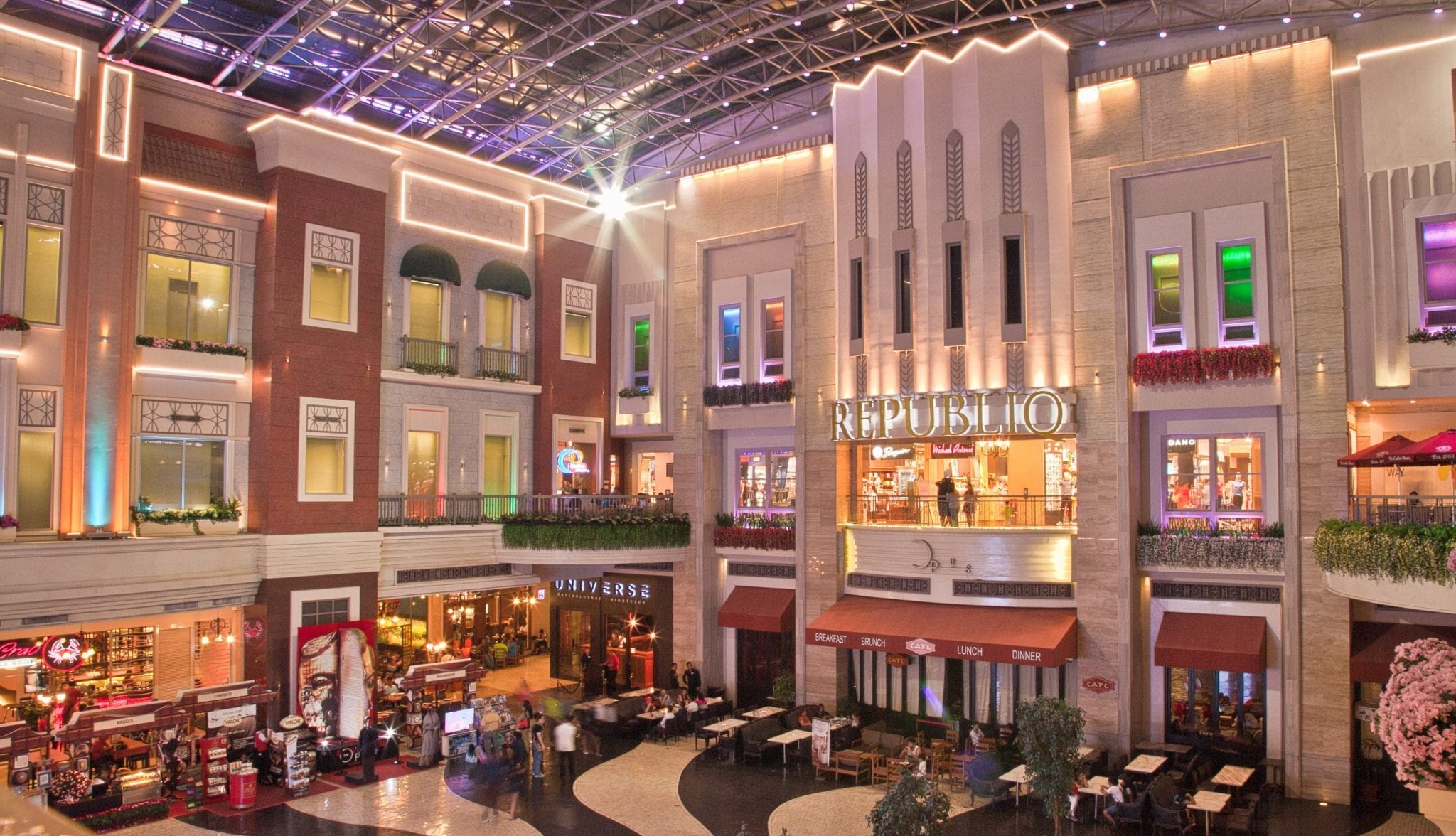
  • Resorts World Manila set to reopen shopping section

    Resorts World Manila set to reopen shopping section

    Recovering from a deadly tragedy, the hotel-casino complex set on fire by an attacker last week will begin to open its retail section soon. Stephen Reilly, chief operations officer of Resorts World Manila, said that while management has been eyeing to open the shopping area which had 114 outlets, the gaming area will remain closed.

    “We’re not intending to open the gaming facilities at this given time. It’s insensitive to do so,” Reilly said on Friday.

    “But for the retail component, people still love to come to Resorts World. Go to restaurants, go to the cinema, go and dine and shop. We’d be looking to open up the retail component by the end of this week,” he added.

    Reilly maintained, however, that the business keeps as its priority the victims and families of the fatal incident on June 2 when gunman Jessie Javier Carlos armed with a rifle entered its premises and set parts of the gaming area on fire.

    Javier, the lone suspect behind the deadly attack, was a heavily indebted gambling addict, police said Sunday. Thirty-seven died due to suffocation while 78 others were injured. Outside the premises, people are still holding a vigil before a memorial set up for the victims of the assault.

    Reilly said Resorts World Manila is wholly shouldering medical expenses of the victims, among whom were its own employees, giving out P1 million for each and setting aside funding for their dependents’ education.

    Financial matters ‘irrelevant,’ says exec

    Asked how much the company is losing each day it remains closed, Reilly chose not to disclose and dismissed the concern as “irrelevant.”

    “What is important to me, to the company and to the executives is: let’s work through this in the best interest of everybody, the victims, the families, the industry, and also how the Philippines is perceived,” he said.

    Still, the franchise of casino giant based in Pasay City is facing threat as it remains in hot water over possible security lapses that resulted in scores of casualties.

    “I wouldn’t like to comment that we would lose our franchise. We’ll wait for the investigations to be concluded. That would also include PAGCOR. They are our governing body,” Reilly said.

    The executive, who has over a decade of experience in surveillance and security before helping set up Resorts World in the Philippines, also said experts and third parties are coming in to sort out the establishment’s fault in the tragedy.

    While insisting that the complex has followed international security standards, Reilly said it would not be foolproof.

    “We’re engaging experts from prior military field, intelligence field to totally review all areas of operation with regards to security protocols of Resorts World Manila,” he said.

  • Japanese ‘lifestyle retailer’ opens first foreign brand store in North Korea

    Japanese ‘lifestyle retailer’ opens first foreign brand store in North Korea

    A four-year-old retail company which claims to be headquartered in Japan and has branches in South Korea and the United States recently opened the first ever foreign brand chain outlet in North Korea confirm. A branch of Miniso, a Uniqlo-style Japanese-Chinese low-cost retail brand that sells everything from umbrellas and humidifiers to computer mice and neckties recently opened on Pyongyang’s Ryomyong Street, a showcase development featuring over 3,000 new and refurbished apartments which was completed in April this year.

    But the firm’s claims to have stores in the United States and a headquarters in Japan – despite the majority of its factories and distribution network being based in China – could mean its presence breaches tightening unilateral sanctions from Washington and Tokyo against the North.

    North Korean state media is yet to report on the store, but sources in Pyongyang told that news of its existence is quickly spreading throughout the city.“It’s a huge hit with the younger Pyongyang crowd,” one source said, requesting anonymity due to the sensitivity of speaking to media about the issue. “All items are two or three dollars and it’s legit.”

    Observers familiar with the North Korean economy told on Tuesday that the branch’s presence was a significant development in light of Pyongyang’s traditionally sparse range of retail options.“I think the most notable thing is that it appears to be a foreign chain operating a modern, branded store in Pyongyang, there’s nothing else quite like that,” said Andray Abrahamian, an honorary fellow at Macquarie University.

    “As far as I know, their products are quite cheaply sold in most markets – cheap enough to be competitive in the DPRK,” he said. “I think the shop will be seen by Pyongyangites as modern and affordable: I’d bet it does quite well.”Benjamin Katzeff Silberstein, an associate scholar at the Foreign Policy Research Institute, and co-editor of North Korean Economy Watch, described the new store as a “really interesting development both from an economic policy point-of-view, and from a consumer’s perspective.”“In the first realm, it is a telling sign of how much the North Korean economic landscape really has changed, from a time when the opening of a pizza restaurant was considered a radical breakthrough, to a foreign retail chain opening up shop,” he said.“It also says something about the changed character of North Korean consumption, from goods like these being sold only on marketplaces sometimes in a semi-clandestine way, to them being offered front and center in a chain store in the capital of the revolution.”

    While the firm’s Japanese representatives claimed ignorance about the new Pyongyang branch during Tuesday calls, a January 2017 press release issued by the company’s Chinese office specifically confirmed the connection.“On 18 January, 2017, Japanese fast fashion designer brand MINISO took another step forward, signing strategic cooperation agreement with North Korea…” the notification said, describing the deal as having been made with the “North Korea Economic and Trade Department”.

    But while Miniso has come under fire both for appearing to be a Chinese company only feigning Japanese ownership for branding purposes, as well as for a low-level quality of advertising copy often associated with Chinese companies, it nevertheless continues to claim it is a Japanese company in media and press releases.“On the face of it Miniso’s activities in Pyongyang are not a violation of UN Security Council sanctions,” said Tristan Webb.“The more relevant issue here is unilateral sanctions: Miniso’s business operations in the DPRK bring it within the remit of Japanese and U.S. unilateral sanctions because, according to a press release apparently issued by Miniso, it has company headquarters in Japan, produces at least some of its products there, and also has a U.S. presence.

    ”Therefore, if Miniso hasn’t obtained permission for its DPRK operations from Japanese authorities, Webb said, then it may well be breaking the law.“Specifically, since Japan’s Cabinet decision of 7 April 2017 to renew unilateral sanctions which go back at least as far as 2013, Article 48 paragraph 3 of Japan’s Foreign Exchange and Foreign Trade Act prohibits any exports from Japan to the DPRK without METI approval, and Article 25 paragraph 6 prohibits any transactions involving the movement of goods between the DPRK and a third country without METI approval,” he said.“If Miniso does not have permission from METI to trade with the DPRK like this, then its only defense under Japanese law is if the goods are for humanitarian purposes: the claim could be made, but I wonder if METI would be persuaded by it.”

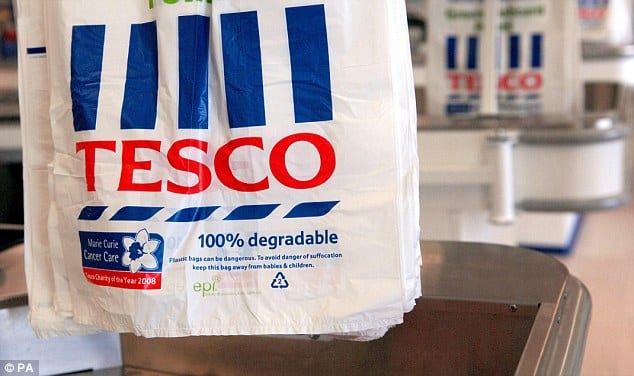
  • Tesco pulls plug on Thailand bulk business as UK sales grow

    Tesco pulls plug on Thailand bulk business as UK sales grow

    Tesco has shut down a “bulk selling” operation in Thailand after concluding it could not make a profit. The decision to walk away from nearly 6 per cent of Asian revenue contributed to a 3 per cent decline in like-for-like sales at Tesco’s international business, taking the gloss off a sixth consecutive quarter of growth driven by price rises and volume growth in the UK.

    Dave Lewis, chief executive, said the shuttered Thai unit served independent merchants rather than individual consumers, and sold “large volumes of mainly tobacco and alcohol”.

    He added: “It’s not profitable and it adds complexity to the way we run the operation. We took a decision to exit that segment in order that we could focus on direct retail customers.”

    The supermarket chain is trying to extend its lead in UK convenience retailing with the £3.7bn takeover of food wholesaler Booker Group, announced in January.

    Booker serves independent merchants rather than retail consumers and derives 30 per cent of its revenue from bulk tobacco sales. The acquisition has drawn criticism from two large shareholders and prompted the chain’s senior non-executive director to quit in protest. Richard Cousins, who left after just two years on the board, complained that Tesco “need[s] to make the business simpler, not more complex”.

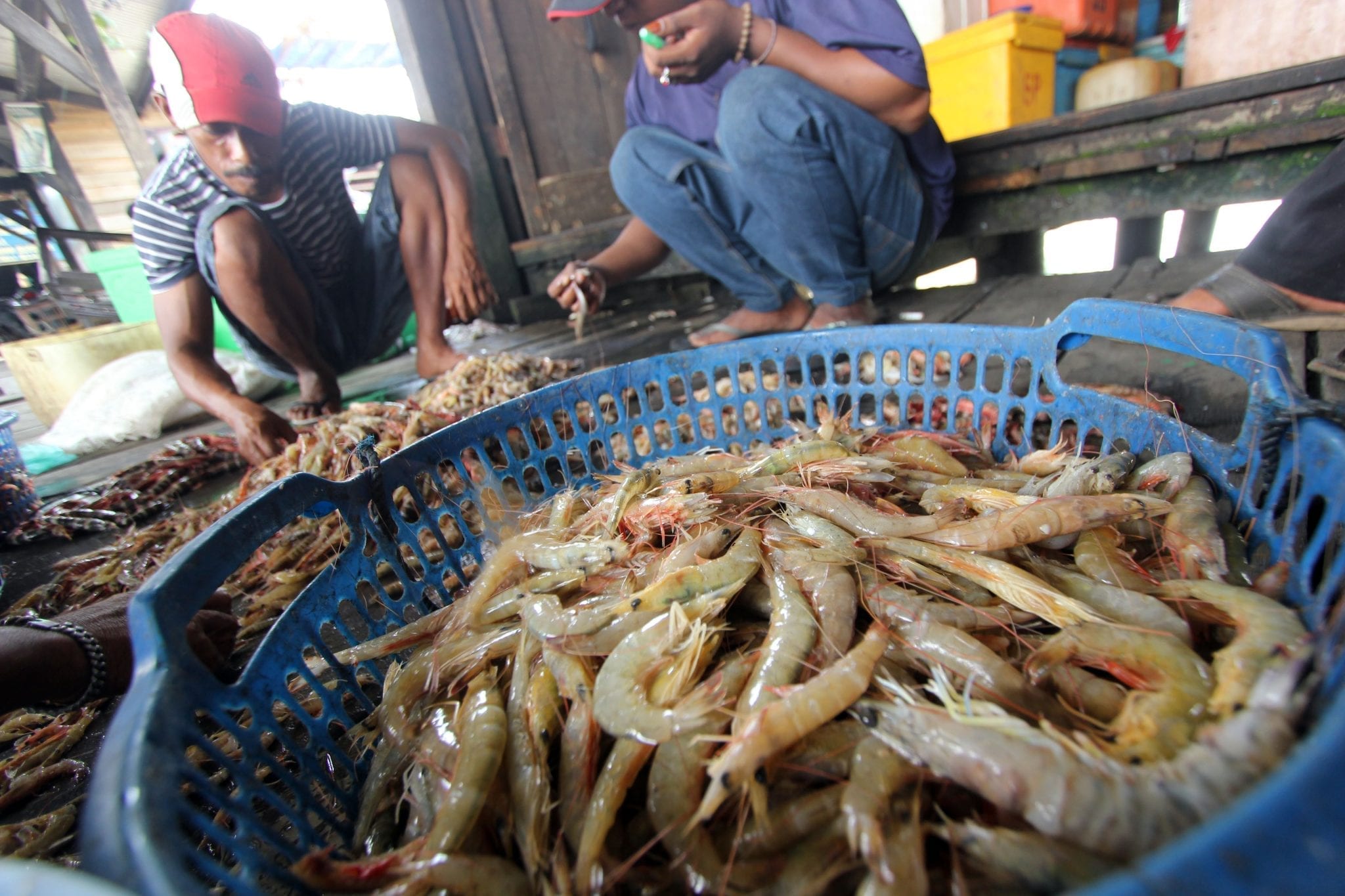
  • Thai producers plan to recover shrimp output in H2, as prices rise

    Thai producers plan to recover shrimp output in H2, as prices rise

    Thai producers plan to increase their shrimp output in the second half of this year, after output from farms dropped year-on-year in the first two quarters of 2017, industry sources told us.

    Heavy rain, which has caused floods in several provinces, as well as ongoing disease issues, limited the growth of Thai shrimp production in the first half of this year, Thai Union Group’s shrimp unit managing director, Preerasak Boonmechote, told us during a recent visit to the firm’s processing plant near Bangkok, before the Thaifex trade show in Bangkok.

    Thai shrimp production is expected to grow 5% overall this year, lower than earlier expectations of 10-15% output growth, Boonmechote said, pointing to the fact that heavy rain had limited the country’s production growth plan.

    In 2016, Thailand’s production increased around 50,000 metric tons to 300,000t, Robins McIntosh, senior vice president of Thai agribusiness and food processing giant Charoen Pokphand Foods, said in January, at the Global Seafood Market Conference in San Francisco, California. According to Thai Union’s estimates, Thai production in 2016 totaled slightly less, about 250,000t.

    Meanwhile, Thai shrimp prices, which are on the rise again, are expected to either remain stable or grow 5% y-o-y in 2017, according to Boonmechote.

    Output growth

    Thai Union plans to increase its shrimp production 5% this year, up from 65,000t in 2016, Boonmechote said.

    Thai Union owns three shrimp processing plants in Thailand, which currently operate at 60-70% of their capacity, said Boonmechote. The firm, which is Thailand’s largest shrimp producer, plans to expand sales to the retail sector, particularly in Thailand and Korea, as well as in Australia, China and Middle East.

    Another large Thai shrimp producer, Marine Gold Products, plans to increase its shrimp production to 25,000t in 2017, up from 20,000t in 2016.

    Marine Gold has also introduced some new value-added products (see the photo of the firm’s new Thai green curry ready-to-eat product), mainly for the local market, as well as for China, Taiwan, Korea and Japan.Heavy rain in Thailand has caused a decrease of production compared with 2016, but the firm aims to recover its output in the second half of the year, Panuwat Wat Tanakijrungrueang, a marketing executive with the firm, told us during the Thaifex trade show.

    Several other large Thai shrimp processors told us they are looking to up production, as well as diversify to other products, during Thaifex.

    An executive with May Ao Group said the firm plans to increase its output around 5-10% y-o-y in 2017, from 12,000t in 2016.

    Thai Royal Frozen Food, which produced about 20,000t of shrimp last year, also plan to increase its production, with a 10-20% rise planned for 2017, an executive with the company told us, during Thaifex.

    Another processor, Lee Heng Seafood, also aims to increase its shrimp output in 2017 from almost 3,600t last year, having built a second processing plant in the Phang-Nga province, Thailand, the company said, during the show.

    Other processors are looking at more diversification.

    Thai frozen food manufacturer Surapon Foods is currently building a new frozen sushi and chicken processing plant, as it plans to focus more on value-added seafood and chicken products, Auhtaphon Ratana Arporn, assistant managing director at the firm’s trading arm Surapon Finest.

    The firm is investing THB 200 million ($5.8m) in 2017 to build the new plant and renovating its other plants.

    The firm has recently reorganized its structure and introduced a new value-added product line. It also launched a new logistic firm, named Mobile Logistics, which distributes frozen products across the Thai market, Ratana said.

    Meanwhile, PTN Group has started the sale of live Osaki oysters on the Thai market.

    The firm was promoting the new Japanese farmed product at the Thaifex trade show, targeting both retail and Horeca sector. It also sells breaded oysters and salmon nuggets.

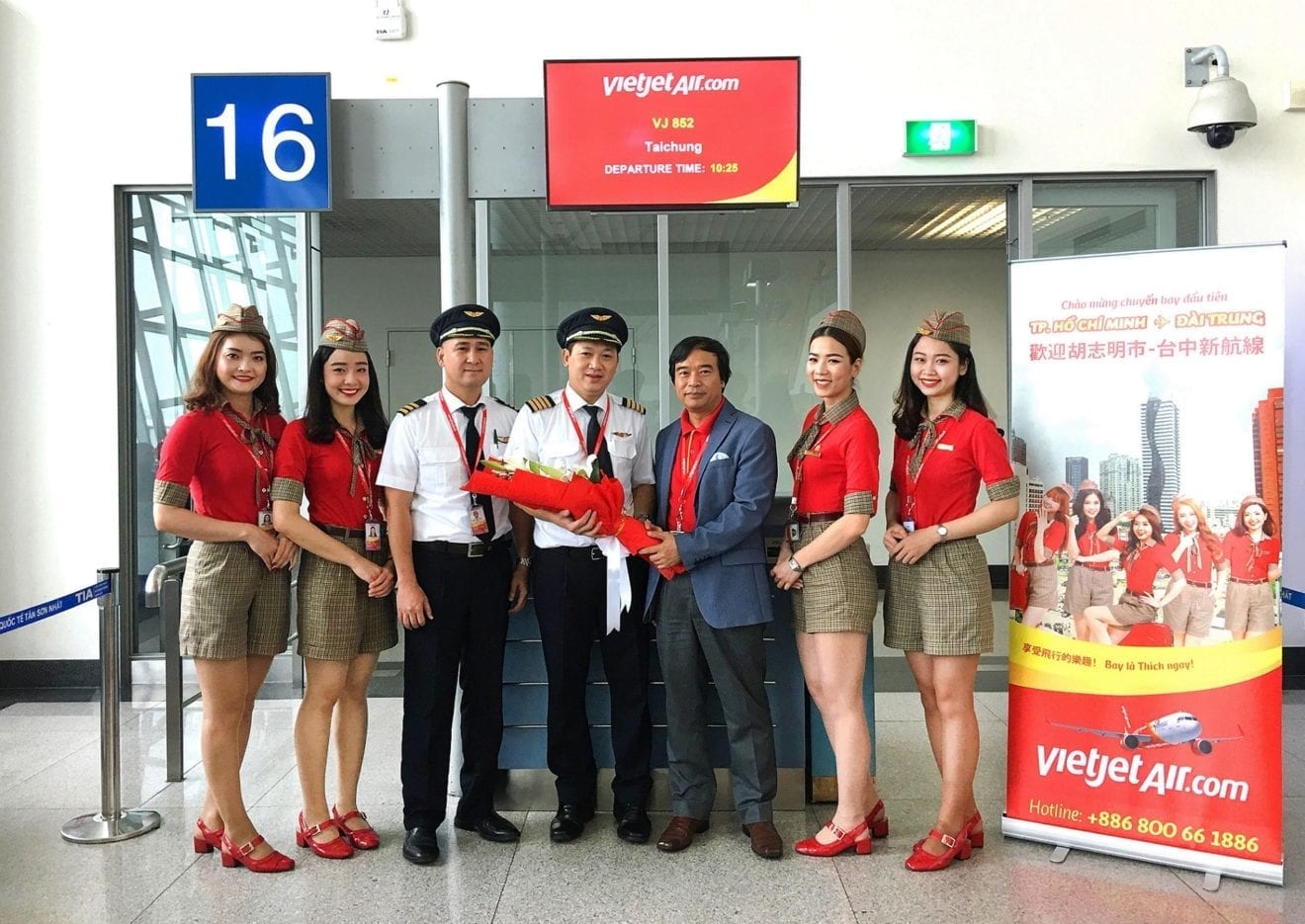
  • Vietjet Air takes first step to list shares in New York

    Vietjet Air takes first step to list shares in New York

    Dinh Trong Thinh, an economist, said that listing shares on foreign stock markets is the goal of many enterprises because joining transparent financial markets will help them become global companies.

    However, Vietnamese enterprises will have to satisfy strict requirements. To be eligible to list shares on NYSE, for example, a business must have at least 5,000 shares, 2.5 million public shares, and $100 million of gross pre-tax profits made in the last three years.

    The high listing fee and the required financial sources to maintain presence on foreign bourses are also a big barrier.

    At SGX, for example, the lowest listing fee is 50,000 SGD and the highest is 200,000 SGD. The listing application fee is 20,000 SGD. Enterprises also have to pay a fee of 25,000 SGD to 100,000 SGD every year.

    Hoang Anh Gia Lai had to cancel the plan to list its shares at SGX because it was time- consuming and costly, and it was not sure about the efficiency.

    “These will still be challenges for Vietjet for the immediate time and future,” Thinh said.

    He said that it would be risky for Vietjet and any other Vietnamese businesses to list shares on foreign bourses if they still cannot satisfy requirements according to international standards.

    If they are weak at corporate governance, production and business capability, they will not be recognized in the international market, even if they can enter foreign bourses.

    “It is more important to consider how long they can stay on the bourse,” he said.

    “Vietjet needs to think if it is powerful enough and its shares are prestigious enough to interest international investors. It is not a simple matter,” he said.

    Tran Dinh Ba from the Vietnam Economics Science Association believes that with strong determination and potential, Vietjet will succeed.

    Vietjet Air is now second to Vietnam Airlines, the nation’s flag air carrer, in domestic market share, but the gap is small, just 1 percent (Vietjet Air 41 percent and Vietnam Airlines 42 percent).

    In the stock market, Vietjet Air’s share price is 4.2 times higher than Vietnam Airlines, while its capitalization value has exceeded VND1.448 trillion.

    VietJet Air CEO Nguyen Thi Phuong Thao,  is one of two Vietnamese representatives in Forbes 2017 billionaires list. The other is Vingroup chairman Pham Nhat Vuong.

  • Sa Sa hit by China-South Korean political fallout

    Sa Sa hit by China-South Korean political fallout

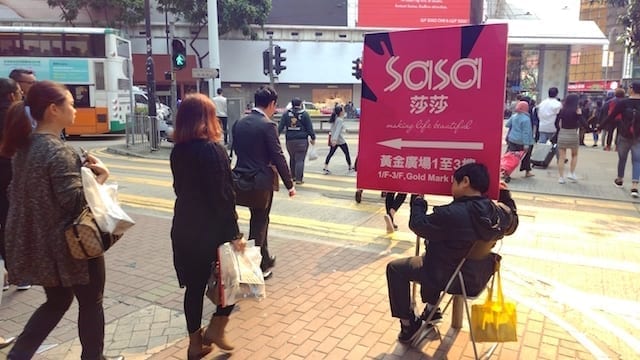
    Leaders of businesses that have interests in China generally do not like to talk politics but the chairman of Hong Kong cosmetics chain Sa Sa International is an exception. He said Thursday that China’s tighter border security and Beijing’s rocky ties with South Korea have taken a toll on Sa Sa.

    With the Chinese economy slowing, Sa Sa has been filling its shelves with mass-market cosmetics products from South Korea to cater to price-sensitive Chinese tourists. About 21% of the company’s products come from South Korea, more than doubled from last year, but that strategy will change soon.

    “The THAAD (Terminal High Altitude Area Defense) missiles have affected the sales of our key growth driver — Korean products,” Sa Sa Chairman Simon Kwok Siu-ming told reporters on Thursday, referring to the deployment of a U.S. anti-missile system in South Korea that has strained relations between Beijing and Seoul.

    Kwok added that the company would switch to selling more low-cost cosmetics from Taiwan and Japan instead.

    But this change in strategy comes at a cost. Sa Sa saw a 2.8% drop in average spend per purchase despite a 2.9% growth in transaction volume. “Gone is the trend of conspicuous gifting. Chinese customers are shopping for self-consumption these days,” Kwok said.

    Security at Chinese borders has also been reportedly tightened ahead of an expected visit by President Xi Jinping to mark the 20th anniversary of the territory’s handover to Chinese rule on July 1.

    “If you asked me in May, I’d expect a rebound in retail sales in Hong Kong. Now, the market is at most stabilizing but with the recovery slowing,” Kwok said. He added that more stringent border checks have discouraged mainlanders to shop in Hong Kong. “I hope the impact is only short-lived.”

    Sa Sa operates a growing sales network of some 280 shops in Hong Kong, mainland China, Singapore, Malaysia and Taiwan. Its profit dropped 14.8% to 326.7 million Hong Kong dollars ($41.9) in the year ended in March from a year ago.

    Turnover slipped 0.6% to HK$7.75 billion as retail sales in Hong Kong and Macau, both of which accounted for 80% of the total, remained flat. Its sales on the mainland fell 4% on the year.

    Investors reacted negatively to Sa Sa’s results, sending its shares 8.3% lower to a one-month low of HK$3.32. It proposed a final dividend of HK$0.08 per share, bringing its annual dividend to HK$0.17 per share, down 28% from a year ago.

    The company said it would not pay a special dividend for the first time since 2002 due to hefty costs required to relocate its warehouse in Hong Kong and HK$35 million it expects to spend on upgrading its e-commerce platform.

    Sa Sa’s e-commerce sales grew 9.5% to HK$475 million last year, contributing to about 6% of total sales. But the company, which operates its own online sales platform, started to hike prices from April in a bid to contain losses in e-commerce. It has also doubled the minimum spend for free delivery to 530 yuan ($78) per order.

    “Our platforms were selling too cheaply before and we have to survive,” said Kwok. Inefficiency has been the “biggest weakness” of Sa Sa’s online platform as it would typically take nine to 10 days for goods to be delivered. “Our target is to make it happen in seven days,” he added.

  • Budget airline AirAsia announces discount fares

    Budget airline AirAsia announces discount fares

    There is good news for air travellers. Budget airline AirAsia has come out with ‘discount fares’ as part of its sales promotion campaign.

    The ‘discounted fares’ begin from as low as Rp1,099 for domestic destinations on flights operated by its Indian joint venture and Rp2,999 for international flights operated by other group airlines. However, these ‘discounted fares’ are for a limited period.

    Booking period

    Tickets for ‘discounted fares’ can be availed from June 4 to June 11 for travel between January 15, 2018 and August 28, 2018.

    “Travellers can enjoy fares as low as ₹1,099 to domestic destinations such as Bengaluru, New Delhi, Hyderabad, Kochi, Goa, Srinagar, Ranchi and Kolkata operated by AirAsia India. They can also fly to international destinations such as Kuala Lumpur, Bangkok, Phuket, Krabi and many more destinations operated by AirAsia Berhad, Thai AirAsia, AirAsia X Berhad and Indonesia AirAsia X at fares as low as Rp2,999,” said a release.

    “Guests travelling on AirAsia X will also be able to enjoy its award-winning Premium Flatbed to Sydney, Melbourne, Korea, Japan, Bali at a fare of ₹11,999.”

    “The lowest fare during this promo applies to all bookings made through www.airasia.com and the AirAsia mobile app,” the release added.

    “Big sale is the best time to lock down travel plans for next year. With so many fantastic destinations on offer, it is perfect for a long break or even just a quick weekend getaway,” said Amar Abrol, MD and CEO.

  • Alibaba launches new sales channels in Singapore, Malaysia

    Alibaba launches new sales channels in Singapore, Malaysia

    Chinese e-commerce giant Alibaba Group Holding Ltd on Monday said it is launching new sales channels in Singapore, Malaysia, Hong Kong and Taiwan as China’s deep-pocketed e-commerce firms vie for new users in the region. The new service, branded Tmall World, will allow overseas Chinese users to buy goods from Alibaba’s Tmall, its popular brand-to-consumer retail site, the company said in a statement.

    “Alibaba will provide end-to-end solutions including logistics, payment, and localization support catering to each local market’s needs,” the statement said.

  • Online retail giant Amazon buys a grocery chain for US$13.7 billion

    Online retail giant Amazon buys a grocery chain for US$13.7 billion

    Online retail giant Amazon is making a bold expansion into physical stores with a US$13.7 billion deal to buy Whole Foods Market, setting the stage for radical retail experiments that could revolutionise how people buy groceries and everything else.

    Amazon will be able to use automation and data analysis to draw more customers to stores while helping Whole Foods cut costs — and perhaps prices — and better tailor its offerings to customers.

    Amazon, meanwhile, will be able to use hundreds of Whole Foods stores as distribution hubs — not just for delivering groceries but as pickup centres for what customers order online.

    “The conventional grocery store should feel threatened and incapable of responding,” Wedbush Securities analyst Michael Pachter said.

    Moody’s lead retail analyst Charlie O’Shea said the deal could be “transformative, not just for food retail, but for retail in general.”

    Amazon already offers grocery-delivery services in five markets, but analysts say expansion is tough because its current distribution centres are set up for dried goods, not perishables. Just two years ago, Whole Foods CEO John Mackey predicted that Amazon’s foray into grocery delivery would be “Amazon’s Waterloo.”

    But it was Whole Foods that fell behind as shoppers found “good enough” alternatives to the organic and natural foods it helped popularise.

    Founded in 1978, Whole Foods has seen its sales slump and in February said it no longer saw the potential for expanding its flagship chain to 1,200 locations, up from about 460 in the United States, Canada and the United Kingdom. It also had announced a board shake-up and cost-cutting plan amid pressure from activist investor Jana Partners.

    Groceries are already a fiercely competitive business, with low-cost rivals like Aldi putting pressure on traditional supermarket chains and another discounter, Lidl, opening its first US stores just this week. Whole Foods itself had launched an offshoot chain named after its “365” private label brand in a nod to the popularity of no-frills chains.

    The Amazon-Whole Foods combination could put even more pressure on those chains and other big grocery sellers. Walmart, which has the largest share of the US food market, has been working on lowering prices, while Target has been struggling to turn around its grocery business.

    Amazon could have built up its groceries business without acquisitions, but that would have been costly and time-consuming, said Neil Saunders, managing director of GlobalData Retail.

    With Whole Foods, Amazon gets an established business that it can transform through its technology and supply network expertise. And it should be able to bring cost-cutting technologies, such as robots to move inventory around, while the company gets a better picture of customers by marrying data from Amazon and Whole Foods’ loyalty programmes.

    That, in turn, could help Amazon do better with pricing and promotions, branding and the overall store experience, said Robert Hetu, a retail analyst at Gartner.

    Amazon also has been testing automation technology at a Seattle convenience store that’s currently open only to Amazon employees. The store uses sensors to track items as shoppers put them into baskets or return them to the shelf. The shopper’s Amazon account gets automatically charged.

    Whole Foods has had a reputation of high prices and has been derided sometimes as “Whole Paycheck.” That could change if Amazon not only cuts operational costs but passes those savings onto customers.

    “As Amazon has more resources, they might be able to streamline some efficiencies for Whole Foods, allowing the retailer to offer its organic and more sustainable products at more affordable prices,” said Lauren Beitelspacher, a marketing professor at Babson College. “I think that this might be an opportunity for consumers who have felt that Whole Foods is inaccessible.”

    “Dominant players like Walmart, Kroger, Costco, and Target now have to look over their shoulders at the Amazon train coming down the tracks,” O’Shea said.

    Online delivery of groceries so far has been tough for any company to pull off because of customers’ concerns about the quality of meat and produce, Wedbush Securities analyst Michael Pachter said. But if customers know that what they are getting is the same as what they’d get at the local store, they are more likely to try it out.

    Pachter said that even if Amazon gets 20 million members of its Prime loyalty programme to pay US$15 a month extra for AmazonFresh grocery-delivery service, that’s 20 million not going to traditional supermarkets. He added that these are likely the higher-income households who tend to buy more expensive brands and cuts of meat.

    And because customers can buy foods and bulk items like toilet paper from a single retailer, discount retailers such as Costco, Target and Walmart should feel threatened, too.

    Walmart has been trying to address some of those online threats, pushing harder into online to build on its strength in its stores and groceries. It announced Friday that it’s buying online men’s clothing retailer Bonobos for US$310 million in cash, following a string of online acquisitions including ModCloth and Moosejaw.

    Whole Foods, which will keep operating stores under its name, said in an email to customers, that it will maintain the same standards under Amazon, including bans on artificial flavours and colours and antibiotics in hens producing its eggs.

    Mackey will stay as CEO, and the headquarters will stay in Austin, Texas. The deal is expected to close later this year.

  • Worst over for jewelry sector

    Worst over for jewelry sector

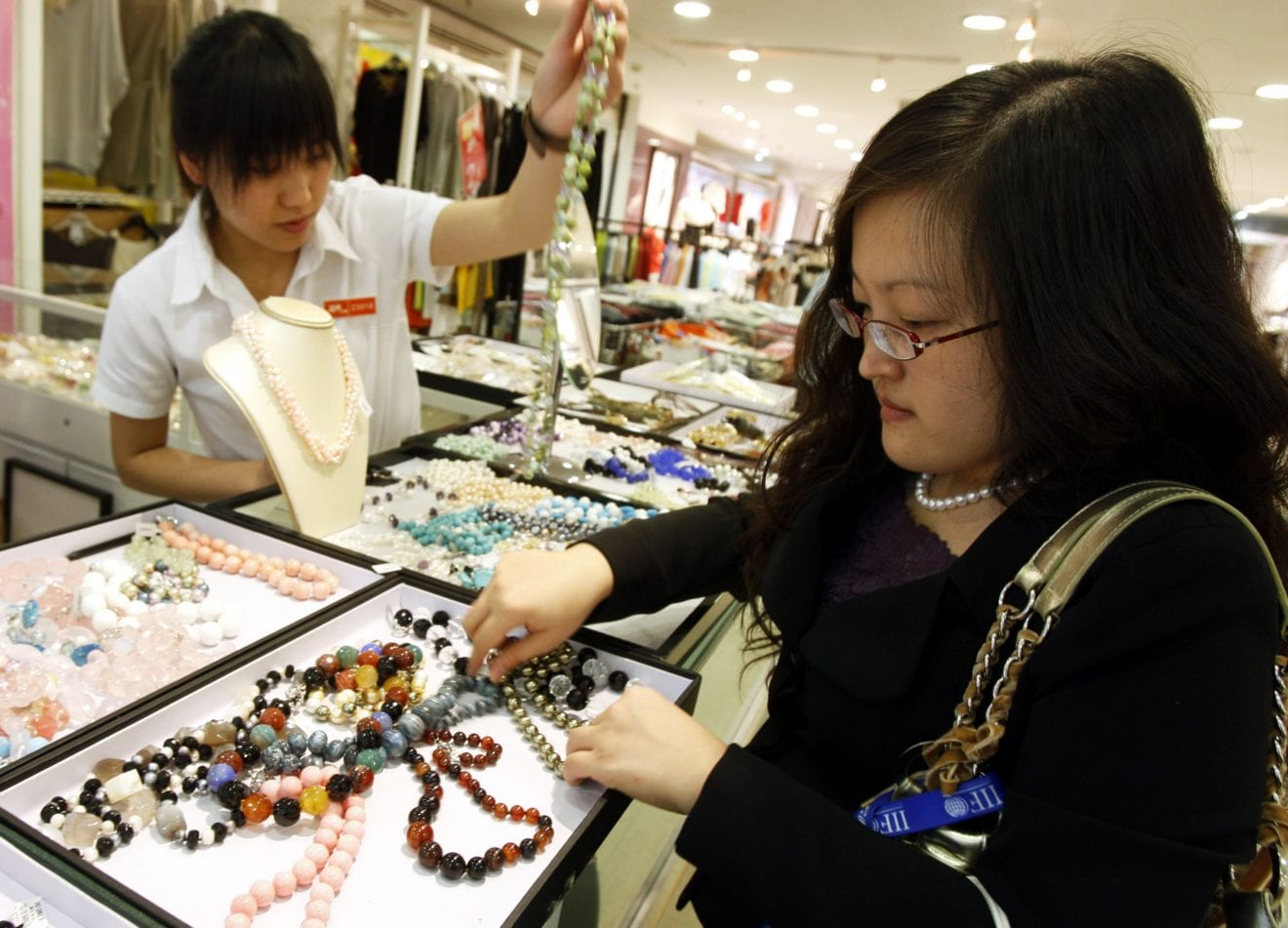
    Chow Tai Fook Jewellery Group yesterday reported a 3.9 percent rise in profit, buoyed by a sales rebound in the second half of the year as consumer sentiment improved.

    Executive director Adrian Cheng Chi-kong said Hong Kong’s retail and jewelry industry has already bottomed out. He also expects a single-digit increase in sales in 2018.

    Cheng said the company is planning to target local VIP customers and residents of the New Territories instead of tourists, as the company’s performance was previously affected by the decrease in visitor numbers.

    To tap the demand of Chinese customers overseas, China’s largest jeweler by market value launched three points of sale in Korea, Malaysia and the United States in the fiscal year that ended in March.

    Net profit came in at HK$3.06 billion for the year ended in March, from HK$2.94 billion profit a year ago, snapping two consecutive years of decline. That matched a HK$3.1 billion forecast by SmartEstimate.

    Revenue for the 12-month period slipped 9.4 percent to HK$51.25 billion from HK$56.59 billion in the same period last year as lower purchases by mainland tourists continued to affect the sales volume.

    Meanwhile, same-store sales of its jewelry business in mainland China fell 5.2 percent for the year, while those in Hong Kong and Macau plunged 12.4 percent.

    Chow Tai Fook plans to launch 70 to 100 sales points in China this fiscal year, but may close five non-efficient stores in Hong Kong due to high rent and feeble sales.

    As of the end of March, the company’s retail strength expanded to 2,381 points of sale, including China, Hong Kong, Macau and Taiwan, compared with 2,319 in the year before.

    Analysts are holding positive views on the city’s retail segment, aided by signs of improvement in the operating environment.

    Last week, Hong Kong posted a second month of growth in its retail sales, rising 0.1 percent in value in April. Sales of jewelry and watches edged up 0.5 percent in value.

    Hong Kong’s tourist arrivals in April rose 1.9 percent from a year earlier, according to the Hong Kong Tourism Board.

    However, some retailers remain conservative. Cartier owner Richemont said in May that it was too early to say the worst was over in the Hong Kong market, which has collapsed over the past two to three years.

    Shares of Chow Tai Fook have surged more than 40 percent this year, outpacing an 18.5 percent rise in the benchmark index.

  • Centara Relaunches Stunning Danang Resort After Major Upgrade

    Centara Relaunches Stunning Danang Resort After Major Upgrade

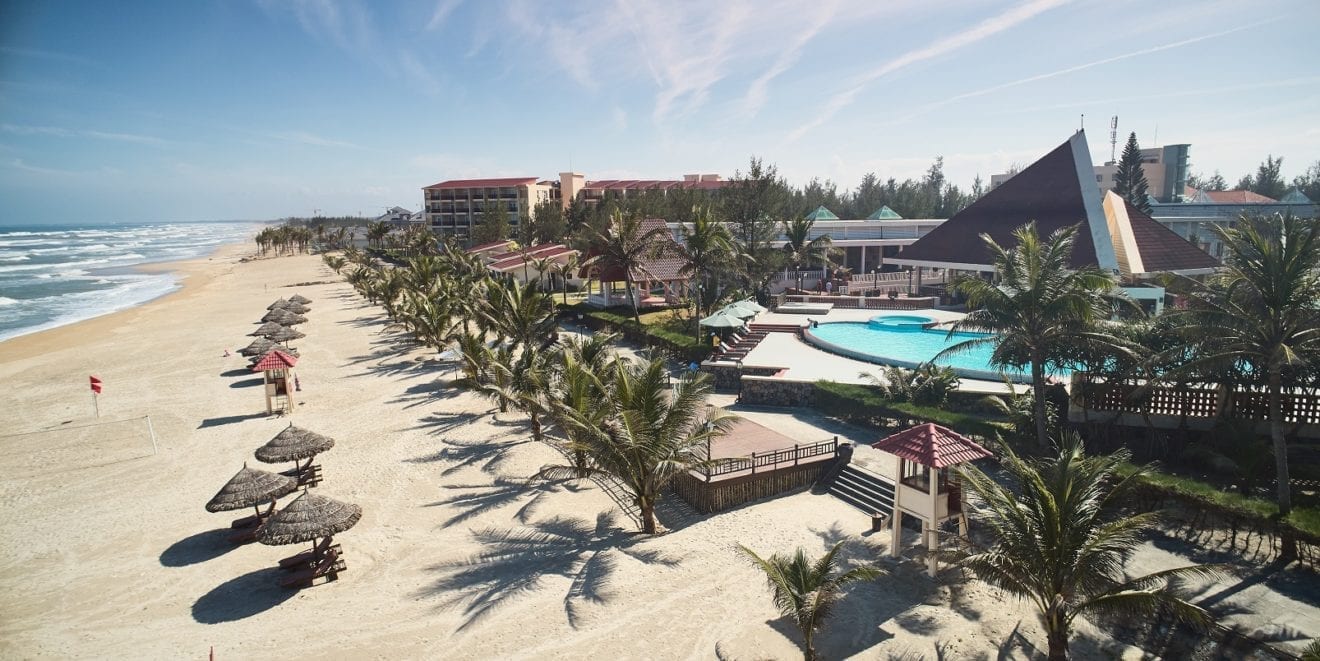
    Centara Hotels & Resorts, Thailand’s largest hotel operator, reopened the Centara Sandy Beach Resort Danang following an extensive renovation and upgrade. The resort offers an excellent location on the white sands and clear waters of Non Nuoc beach. The site is designed to offer secluded privacy on a private beach, but is conveniently within 20 minutes of Danang’s airport and downtown, two championship golf courses, and the Hoi An World Heritage site. Its beautiful surroundings, combined with the recent improvements, make this a destination worth considering for vacationing families, couples or friends, as well as weddings or business events.

    A choice of accommodations includes rooms, villas and bungalows, with up to 92 square meters of living space. The resort’s newly-designed premium rooms and suites feature furnished balconies where guests can enjoy views of the East Sea, forested mountains, and 42 acres of manicured gardens. All 198 rooms are just a few steps away from a swimming pool – one in the gardens, the other at the beachfront.

    For families with young children, Centara offers a children’s pool, Kids’ Club, and babysitting service. Active adults and teens will enjoy the fitness centre, tennis court, games area, and activities such as kayaking, beach volleyball and kite flying.

    Amenities include Centara’s SPA Cenvaree, a sanctuary set in the tropical gardens that pampers guests with traditional Thai treatments and herbal balms. Centara added two new restaurants, giving the resort a total of five. They range from Ginger & Lime, featuring Thai, Vietnamese and Asian fusion dishes, to the two delightful poolside bars that offer an eclectic array of pizza, gelato, international classics and Vietnamese street food.

    For weddings and business events, the resort now has two flexible function rooms with seating up to 90, plus outdoor areas popular for large receptions. The garden or beachfront pool areas can accommodate cocktail, banquet or cabaret functions of several hundred guests.

    The improved resort also offers a library, tour information desk, complimentary shuttle service to Danang and Hoi An, and free wireless internet.

    “Centara Sandy Beach Resort Danang benefits from one of the most beautiful sites in Vietnam,” said Thirayuth Chirathivat, Chief Executive Officer, Centara Hotels & Resorts. “Our goal when we upgraded the rooms, facilities and landscaping was a resort deserving of its exceptional natural surroundings. We wanted the result to be a vacation or event that would be unforgettable.

  • Bibica power balance coming to an end?

    Bibica power balance coming to an end?

    In June, Bibica announced that it has received PAN Food’s offer to purchase 7.27 per cent of its outstanding shares in the market, an equivalent of 1,121,670 shares, at the price of VND112,800 ($5) apiece.

    It means that PAN Food will have to spend about VND127 billion ($5.6 million) on the deal. If the transaction succeeds, PAN Foods’ stake in Bibica will rise to 51 per cent, turning Bibica into a subsidiary.

    However, currently, Lotte has two representatives in Bibica’s board of directors, while PAN Food has only one, Nguyen Khac Hai.

    Even if PAN Food can successfully hold 51 per cent stake in Bibica, it cannot add another representative to the board of directors immediately, as they will have to wait until a Lotte representative or an independent member end their term. Otherwise, in accordance with the Law on Enterprises, PAN Food should hold 65 per cent of Bibica’s stakes to call a shareholders’ meeting and call for the election of a new member.

    Previously, Truong Phu Chien, vice chairman cum general director of Bibica, registered to sell his 0.72 per cent stake in the company on May 19, 2017.

    Bibica’s leader, who has devoted 30 years of his life to Bibica, said that he wanted to transfer his entire shareholding due to personal financial reasons.

    However, investors do not completely give credence to this reason, as Chien used to say that stake sale was the best way to eliminate conflicts between the two biggest shareholders.

    At the same time as Chien, Vo Ngoc Thanh, another shareholder, also registered to sell a part of his stake in Bibica. From May 23 to June 11, 2017, 2.66 per cent of Bibica’s stakes have been offered for sale.

    From 2013, there have been conflicts between Bibica’s two biggest shareholders, PAN Food and Lotte, which was exacerbated by their similarly large holdings that prevented either of them from making the final decisions in the company.

    Purchasing this 7.27 per cent would give PAN Food an advantage over the other majority shareholder. Also, Chien’s wish for Bibica to have one biggest shareholder will come true.

    A shareholder in Bibica since 2007 by acquiring a 38 per cent stake, now Lotte holds 44.03 per cent as the biggest shareholder.

    Lotte is one of the most famous confectionery manufacturers, offering vital support to Bibica’s research and development department. Moreover, thanks to Lotte, Bibica’s products are now exported to five countries, all part of Lotte’s system of 16 foreign markets.

    Meanwhile, Saigon Securities Inc. (ticker SSI on HOSE) has been holding a 9 per cent stake in Bibica since the middle of 2009.

    As Nguyen Duy Hung fills the position of chairman at SSI and The PAN Group, this acquisition raised PAN Food’s stake in Bibica to 43.73 per cent.

    PAN Food offers Bibica both financial support (on account of SSI) and support in the agriculture and food sectors.

    Bibica scheduled electing additional member to its board of directors at its May 26, 2017 annual shareholders’ meeting, but the plan fell through and the board remained unchanged.

    Nevertheless, the two board members’ decision to sell is expected to alter the balance between the two biggest shareholders.

    Hung is expected to play a major role in this. In the past, when asked whether he wanted to increase ownership in Bibica and gain control, Hung said that even if he wanted to, not enough shares are available on the market.

    “When mentioning me or SSI, people may think that my investment in Bibica is a financial investment instead of a strategic one. If Kinh Do Vietnam Joint Stock Company (now Mondelez Kinh Do Joint Stock Company) had not sold 80 per cent of its stake in the confectionery sector to Mondelez International (an American multinational confectionery, food, and beverage company), we would not have invested in Bibica. We finally decided to invest in this company because in the next five years, we do not want to see our ancestors’ altars covered by foreign confectionery,” Hung told VIR at a recent meeting in Ho Chi Minh City.

    Ambition of becoming a leading confectionery company

    Chien agreed with Hung about Bibica’s development target, saying that the 2.66 per cent stake will be transferred to a new owner based on Bibica’ benefits, such as its brand and product development, instead of personal benefits.

    This is an important thing as Bibica is deploying its key products.

    One of its main products is chocolate pie. Upon mention of this type of confectionery, Vietnamese people may think of ChocoPie, a product of Orion Group, which generated $174.5 million of revenue in 2016 in Vietnam, or Lotte Pie.

    However, in April 2017, Bibica introduced Mini Pie Orienko, which was adjusted to better suit the Vietnamese taste, so that this product can compete with other foreign brands.

    Talking with VIR, Phan Van Thien, deputy general director of Bibica, said that this will be one of Bibica’s main products.

    The company targets to win 20 per cent of market share away from its competitors with this product.

    Previously, Bibica already introduced this product, geared towards the high-income segment, but failed.

    Thus, Orienko is now repositioned as a product for the middle-income segment at the price of VND30,000 ($1.32) per 264 gram box.

    “We employ high-technology for product preservation without using preservatives. The product’s quality is as good as foreign pies, while its price is 30-40 per cent lower. I believe that in the short term we will gain market share, and in the long term our products will replace foreign brands,” Thien said.

    With the capacity of 20 tonnes per day, this chocolate pie product is expected to induce VND200 billion ($8.8 million) of revenue, which will account for 13-14 per cent of Bibica’s total revenue in 2017.

    Currently, Bibica holds 30 per cent of the candy sector and 25 per cent of the pie/cake/cookies sectors.

    At present, Bibica is taking advantage of agricultural products, such as coffee and coconut, or manufacturing products with functions similar to supplementary food, such as candies for sore throat.

    Bibica develops its products based on the advantages of domestic agricultural products.

    Other candy brands for the high-income segment will be produced in June 2017 to reach the target of 50 per cent annual growth rate.

    Chien said that Bibica will develop its products in the domestic market and considers this its main market.

    Bibica’s products were exported to 15 countries, but they contributed only 7 per cent to the company’s total consolidated revenue.

    It is forecasted that the confectionery market in Vietnam will have a growth rate of 8.5-9 per cent per year, with more competition coming, as duties and tariffs in the ASEAN will be eliminated gradually.

    Regarding technology, most companies in the industry across the ASEAN stand on the same technological level (except for Korea and Japan). This requires every manufacturer to focus on quality to win market share.

    Bibica targets to become a leading confectionery company in Vietnam by 2021, with a revenue of VND2.618 trillion ($115.2 million), an equivalent of 20 per cent annual growth rate. This is a challenge to Bibica’s board of directors and supervisors.

    Bibica has announced expanding its manufacturing at Eastern Bibica Co., Ltd. and Northern Bibica Co., Ltd. In particular, in 2017, Bibica expects to spend about VND217 billion ($9.5 million) on investment (in 2016 the amount was $800,800).

    Targets include Bibica Bien Hoa factory (about $2.8 million), the biscuit production line in the Eastern factory ($5.6 million), upgrading the bread production line in the Hanoi factory ($316,800), upgrading the cookie production line ($264,000), and upgrading the fire protection system of Bibica Bien Hoa factory ($132,000).

    Additionally, Bibica is developing an online store with the aim of developing its distribution channels in Ho Chi Minh City and Hanoi, so that the two cities will contribute 30 per cent of Bibica’s total sales.

    At present, Bibica has more than 2000 products in over 500 big and small supermarkets, with 120 exclusive distributors and retail outlets in Vietnam.

    To reach these targets, it is vital for Bibica that its big shareholders get on with each other and put a stop to conflicts.

  • E-commerce, rural shoppers boost China’s retail sales in May

    E-commerce, rural shoppers boost China’s retail sales in May

    Retail sales in China for the month of May witnessed double-digit growth, pushed on by incredible growth in online consumer purchases and rural shoppers, according to local data released this week.

    Online sales grew 26.5% in May, accounting for 13.2% of total retail sales

    China’s retail sales jumped 10.7% last month, hitting RMB2.95 trillion (US$434.2 billion), reported the National Bureau of Statistics (NBS).

    Despite the yearly leap, China’s sales growth remained steady from April, just surpassing the median estimate of 10.6% growth from economists surveyed by Reuters.

    The biggest mover and shaker was online sales, which grew 26.5% in May, accounting for 13.2% of total retail sales. This figure compared to growth of 25.9% for the four months ended April. But sales growth at larger enterprises remained flat from April at 10.7%, said NBS.

    By location, Chinese consumption was stronger in rural areas, with retail sales increasing 12.7% last month, besting urban areas, which recorded a retail sales climb of 10.4%.

    Moreover, China’s industrial production was also steady in May, growing 6.5% year on year, and exceeding expectations it would slow to 6.3%, reported the Financial Times.