Tag: asia

  • McDonald’s shuts up shop on Olympic support

    McDonald’s shuts up shop on Olympic support

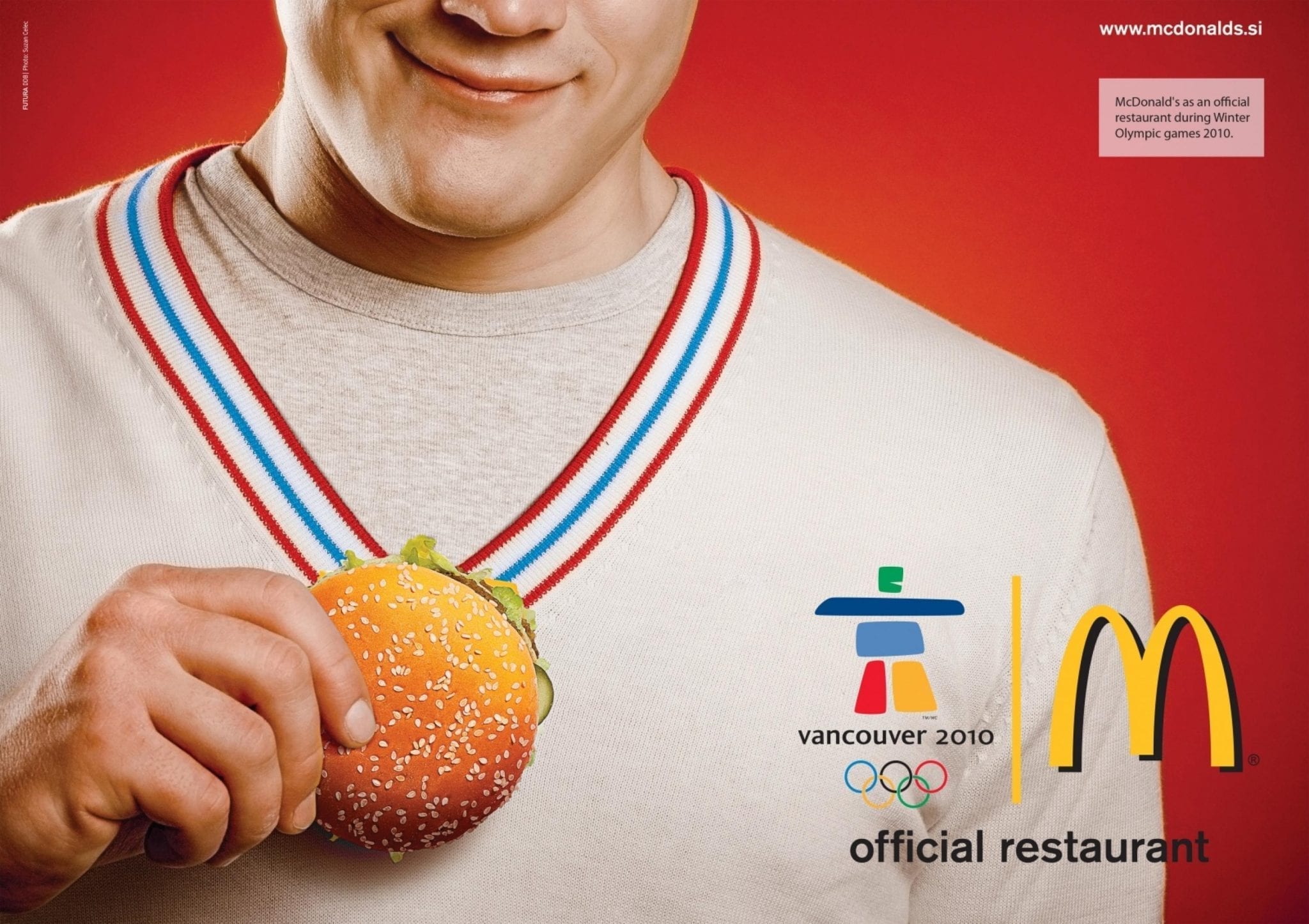
    McDonald’s has ended its longtime Olympic sponsorship dating back to 1976, the International Olympic Committee announced today. The fast food giant has supported the Olympics since the Montreal Games and although the split takes place with immediate effect they will continue to be a sponsor at the 2018 Winter Games in Pyeongchang.

    “The IOC and McDonald’s have announced that they have mutually agreed to bring their worldwide partnership to an end,” an IOC statement confirmed.

    The burger chain, which is cutting its Olympic ties with three years of its contract still to run, was one of the IOC’s heavyweight “TOP” partners along with the likes of Coca Cola, Visa, Bridgestone, Panasonic, Toyota and Omega.

    The IOC, giving the reasons behind the divorce, wrote: “In today’s rapidly evolving business landscape, we understand that McDonald’s is looking to focus on different business priorities.”

    McDonald’s global chief marketing officer Silvia Lagnado commented: “As part of our global growth plan, we are reconsidering all aspects of our business and have made this decision in cooperation with the IOC to focus on different priorities.”

    Whilst McDonald’s first became an official backer at Montreal in 1976 and a TOP partner in 1997, the company’s Olympic appetite was first whetted at the 1968 Grenoble Winter Games. McDonald’s on their website explained how they “airlifted” burgers to Olympic athletes who had become “so homesick for American food” in the French Alpine city.

    Over the decades the fast food chain has contributed hundreds of millions of dollars into the IOC’s cash tills and had a popular presence at every Olympic village since. At last year’s Rio Games their promotion of free meals for athletes triggered lengthy queues from sunrise to sunset. One marketing guru suggested the split was logical given the emphasis on health-conscious diets.

    Illogical and counterproductive

    “The scale of obesity and diet-related disease around the world is alarming, and although we can’t put this at McDonald’s door they must be aware that sponsoring the Olympics has now become ‘illogical’ and even in many ways ‘counterproductive’,” British sports marketing expert Patrick Nally told AFP.

    “McDonald’s have many other ways of promoting themselves but the logic of them sponsoring the Olympics does not now fit with the current attitude to fast food,” Nally added.

    Looking ahead to their last association with the Olympic movement next year, the IOC said: “McDonald’s will continue to be a sponsor of the Olympic Winter Games Pyeongchang 2018 with domestic marketing rights in the Republic of Korea only.

    “The company will deliver its Games-time operations, including restaurants in the Olympic Park and the Olympic Village.”

    The IOC said it had “no immediate plans to appoint a direct replacement in the retail food operations sponsorship category”.

    The IOC, with over 500 employees on its payroll, receives 70% of its revenue from broadcasting rights, which for 2013-2016 rose by 7.4% to $4.1 billion (3.67 billion) compared to 2009-2012, according to IOC figures.

    The bulk of the revenue is paid out to international sports federations, national Olympic committees, and Games organisers.

    McDonald’s deal would have run through the Tokyo Olympics in 2020, and bowing out will likely to save it hundreds of million of dollars if it had continued into the next four-year Olympics cycle and beyond.

    McDonald’s has been trying to hold down costs as it invests in improving food quality, restaurant service and online ordering to woo back U.S. diners. Intense competition has gnawed away at sales.

    “We are reconsidering all aspects of our business and have made this decision in cooperation with the IOC to focus on different priorities,” said McDonald’s Global Chief Marketing Officer Silvia Lagnado.

    The company’s move may also reflect a rising view among consumer brands that exclusive Olympics sponsorship deals do not offer the marketing impact they once did. Some companies find it is much cheaper to work directly with athletes or specific countries than the IOC.

    Moreover, in a trend that began after the Beijing games in 2008, shrinking television audiences for the games could be diminishing the value of sponsors’ ads. With the Rio de Janeiro games in 2016, many viewers turned to social media alternatives like Twitter and Facebook.

    In the United States, Comcast Corp’s NBCUniversal said it had attracted 8.6 percent fewer eyeballs for Rio than it did for London in 2012.

    The fast food chain has been part of the IOC’s top sponsors program that contributes more than $1 billion in each four-year cycle for the games.

    While terms of Olympic sponsorship are not disclosed, a source who negotiated previous IOC sponsorship deals said that top global sponsors like McDonald’s spend about $25 million a year or about $100 million for a four-year period that includes a summer and winter games.

    Reuters previously reported that the IOC had wanted to roughly double fees to $200 million per four year period starting in 2021.
    While it is unusual for an Olympic sponsor to leave early, sponsors change regularly within the IOC’s top program. The most recent addition was China’s Alibaba Group Holding Ltd, which signed a deal in January for a partnership through 2028.

    The next three Olympics take place in Asia, and this could turn off U.S. sponsors trying to reach a U.S. audience. The U.S. Olympic Committee also has lost recent sponsors such as AT&T and Citigroup ahead of the 2018 winter games in South Korea.

    The IOC said it was not planning a direct replacement for McDonald’s, but it is expected to announce a new global deal with Intel next week, according a source familiar with the matter. Intel did not immediately respond to a request for comment.

    “Companies with a deep focus on technology are barging in while others migrate out,” said Peter Land, who works with Olympics and Paralympics sponsors for communications firm Finsbury.

    The IOC has faced criticism from public health campaigners for allowing sponsors such as Coca-Cola and McDonald’s to use the games to market their products, which are perceived to be unhealthy.

    John Lewicki, who oversees global Olympic sponsorship deals for McDonald’s, said last year the company would reevaluate its Olympic relationship after changes to a rule that ended a marketing blackout for companies that sponsor athletes rather than the event itself.


  • Fiat Chrysler recalling 297,000 vehicles for inadvertent air bag deployments

    Fiat Chrysler recalling 297,000 vehicles for inadvertent air bag deployments

    Fiat Chrysler Automobiles NV is recalling 297,000 older minivans because of a wiring problem that can lead to inadvertent air bag deployments, the company said on Thursday.

    The recall of 2011-2012 model year Dodge Grand Caravan minivans is linked to eight minor injuries, the automaker said, after initially reporting 13 injuries. Wiring may short-circuit, resulting in the driver-side air bag deploying without warning.

    The recall will begin in late July and includes 209,000 vehicles in the United States and nearly 88,000 vehicles in Canada. Dealers will replace the wiring if needed and add protective covering.

    Fiat Chrysler share fell nearly 2 percent to $10.69 on the New York Stock Exchange.

    Automakers have been recalling tens of millions of vehicles in recent years for a series of air bag problems, mainly tied to Takata inflators.

    More than a dozen automakers have called back 46 million Takata air bag inflators in 29 million U.S. vehicles that can rupture and emit deadly metal fragments. By 2019, automakers will recall 64 million to 69 million U.S. inflators in 42 million vehicles, U.S. regulators said in December.

    The new Fiat Chrysler recall is not linked to Takata, the company said.

  • French fashion brand ba&sh says bonjour to Asia

    French fashion brand ba&sh says bonjour to Asia

    Once the best kept secret of a generation of modern French women, ba&sh, a leading affordable luxury brand for women seeking effortless, carefree elegance, has arrived in Hong Kong, its first stop in Asia.

    Building on the brand’s strong success in Europe, the Parisian fashion house is now focused on international expansion. To capitalise on Asia’s growing appreciation for all things French, the brand’s unique take on feminine, joyful chic is now available in three boutiques of prime shopping destinations in Hong Kong, the brand’s Asia headquarters:the IFC mall in Central, Times Square in Causeway Bay and Harbour City in Tsim Sha Tsui. Besides, ba&sh’s famed ideal wardrobe of everyday pieces in sumptuous fabrics is also available online via a dedicated site.

    Considering the McKinsey consultancy group estimates the current size of China’s middle class at around 225 million households-compared with just 5 million in 2000-this exploding growth entails soaring demand for affordable luxury. By the end of 2017, ba&sh will have opened six stores in key strategic locations across China’s tier one cities, thus reaching a new generation of style-conscious women who want uncomplicated feminine yet urban designs for work and play. Flagship stores will open in fashionable destinations in Beijing and Shanghai.

    Barbara Boccara & Sharon Krief, two childhood friends, did create ba&sh out of a shared love for fashion, which accounts for the name of a brand that takes after the first two letters of the founders’ names. Their idea was to bring their dream wardrobe to life, so that they could share it with other women. A little more than 10 years later, their designs can be found in more than 400 point of sales worldwide, among which 90 point of sales in France and flagship stores in prestigious locations such as London, Madrid and Berlin.

    Confirming their success and the power of Barbara and Sharon’s vision, private equity fund L Catterton acquired a 50% stake in the brand in 2015, which has enabled its international growth. The fund was established with the sponsorship of LVMH and Groupe Arnault, the latter also being ba&sh shareholders. For Greater China, ba&sh has entered into a management service partnership with ImagineX Group, the brand distribution arm of The Lane Crawford Joyce Group, in order to leverage their local fashion retail, marketing expertise and operational efficiency. Besides entering Asia, the brand is also expanding towards the US and Middle East.

    To celebrate the brand’s arrival in Asia, Barbara Boccara & Sharon Krief hosted an intimate private party to introduce Hong Kong’s leading fashionistas to the world of ba&shon June 8, 2017. The informal event turned out to be a huge success, the two founders previewed their latest collection,which is distinctly Parisian, as it combines an expression of freedom with an easy, joyful elegance.

  • BT launches device security management platform

    BT launches device security management platform

    BT has launched a new security service that uses technology from IoT security company ForeScout Technologies to  provide real-time agentless visibility and control of devices connected to corporate networks.

    BT Managed Endpoint Access Security can support managed, unmanaged, private, BYOD and IoT devices.

    ForeScout’s agentless approach to network security is designed to real-time discovery, classification, assessment and monitoring of devices allowing end-customers to see what is on their network, from campus to cloud, and to securely manage it.

    ForeScout can also orchestrate a policy-based security enforcement operation, with leading IT and security management products to automate security workflows and accelerate threat response.

    “By bringing ForeScout’s technology into our portfolio, we extend our ability to protect organizations against the latest threats through improved visibility and control,” BT vice president for security David Stark said.

    “Whether it’s protecting a head office or a branch site, adding the ability to monitor just about any device connected to the network offers a much required additional layer of security to companies moving into the digital world.”

    The service will be available globally from June 2017.

  • Nu Skin picks XPO Logistics as lead logistics provider

    Nu Skin picks XPO Logistics as lead logistics provider

    XPO Logistics, a global provider of transportation and logistics solutions, has been selected by Nu Skin Enterprises, Inc. as global lead logistics provider under a multi-year contract. Nu Skin is a US$2.2 billion provider of premium-quality beauty and wellness solutions to markets in Asia, the Americas, Europe, Africa and the Pacific.

    In collaboration with Nu Skin, XPO is developing an integrated, global supply chain logistics solution that utilises proprietary technology for end-to-end management of product flows. Components include transportation management, warehousing and order fulfillment, as well as value-added services such as co-packing, kitting and real-time inventory tracking. The network will be managed through regional control towers around the world.

    “Our growth strategy requires that we transform our supply chain logistics through scale and innovation,” said Brad Morris, Nu Skin vice president of logistics and fulfillment. “In XPO, we’ve found a partner with industry-leading capabilities and the commitment to invest with us. Together, we’re building a next-generation supply chain logistics partnership that will support our expansion well into the future through continuous improvement.”

    Ashfaque Chowdhury, XPO Logistics president, supply chain­-Americas and Asia-Pacific, said, “We’re excited to work with Nu Skin as the architects of their supply chain logistics transformation. Our team is engineering a technology-rich infrastructure that will be highly efficient on a global scale. This partnership will benefit Nu Skin’s distributors, sales associates, retailers and end-customers.”

    In the first operational phase, XPO will establish a control tower and distribution center in Singapore, and assume responsibility for transportation management and satellite warehouses throughout Southeast Asia and the Pacific, with expansion into other regions projected to follow.

  • China’s retail crossover

    China’s retail crossover

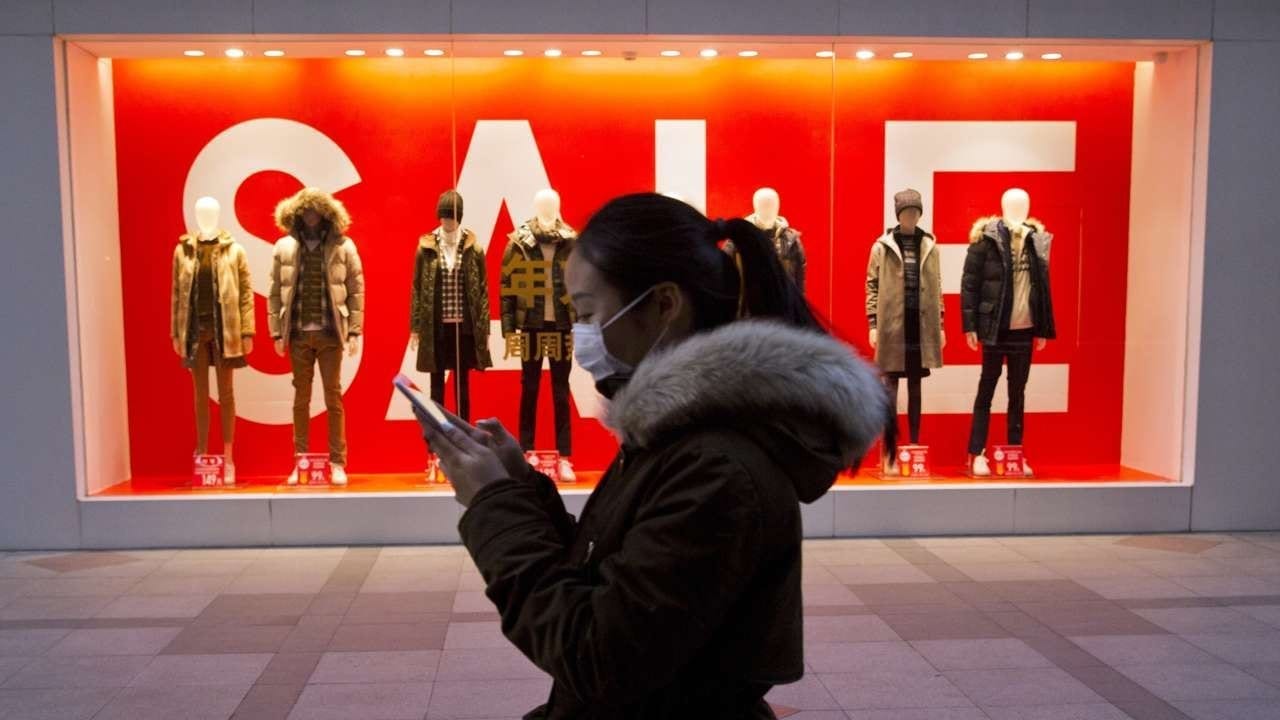
    With the tenant mix gravitating away from straight retail towards entertainment, food and lifestyle concepts. The catalyst for change – adopting to the needs of the millennial shopper and counteracting e-commerce penetration.

    Across China, retail is becoming an increasingly digital story. Traditional shopping spaces have been forced to take notice, and for good reason. China’s online retail sales accounted for approximately 40 per cent of the global market in 2016, with an estimated 731 million internet users, as reported by the Chinese Ministry of Commerce.

    Given this backdrop, the big question for psychical retailers now is how to differentiate their services against a more agile opponent? Recently, brand crossovers are seen as a solution.

    Across China, we are seeing a trend for the typical fashion retailers to expand their offer to create a destination shoppers cannot find online. For example, many brands have incorporated F&B into flagship locations. China is Muji’s largest overseas market with over 150 locations, their flagship store on Huaihai Road in Shanghai houses China’s first Cafe & Meal Muji. Further down the same road, Gucci also opened its first 1921 Gucci Restaurant on 4F of IAPM.

    Local brands are also diversifying. Popular homegrown fast fashion brand Urban Revivo from South China, with over 100 stores in China, recently opened new lifestyle concept OCE. Now with 12 locations in China the lifestyle concept typically occupies over 1500sqm housing homewares, home accessories, plants, stationary as well as a varied fashion offer.

    The crossover phenomenon is not only restricted to fashion brands. Korean lifestyle brand Line Friends has recently opened a new kids entertainment concept in Chengdu‘s In99. Offering slides, climbing walls, ball pits and other kids entertainment the concept has been very well received by local shoppers.

    Many retailers are also utilizing “pop ups” to experiment with concept crossover. Coco Cafe on Shanghai’s Nanjing Road West took over a local Aunn Cafe, with queues hours long. The concept created a real buzz in the market as shoppers lined up to try the cosmetic / cafe concept. Magnum has also housed another successful pop up cafe in K11 recently after big success in 2016 with massive social media coverage and over 90,000 customers in a two-month period.

    To differentiate against the omnipresence of digital retailers, concept crossovers will only become more mainstream in China. And with over 1.4 billion potential consumers up for grabs, we also believe this phenomenon is here to stay ensuring shoppers have a reason to visit China’s growing shopping mall portfolio.

  • Huawei teams with Tableau on big data

    Huawei teams with Tableau on big data

    Huawei has teamed up with business intelligence and analytics company Tableau Software to provide comprehensive big data services for various industries.

    The companies have announced the mutual authentication of Tableau’s data visualization software with Huawei’s FusionInsight big data platform.

    FusionInsight is a converged data processing and service platform integrating the Hadoop ecosystem, a massively parallel processing database and big data cloud services. Tableau’s data visualization software can help customers analyze and share the collected data.

    “Tableau is the leading global visual analytics company,” Huawei president for IT cloud computing and big data products  Ren Zhipeng said.

    “Our collaboration with Tableau extends the value to our customers with even more comprehensive and diversified big data solutions, helping them to utilize the value of data effectively, as well as explore new business growth.”

    Tableau director of product management Robert Green added that the collaboration “aims to enable more people to see and understand their data more easily. Tableau’s wide range of technology partners help our customers make the most out of their analytics investments.”

  • Cebu Pacific dominates Manila-Sydney route

    Cebu Pacific dominates Manila-Sydney route

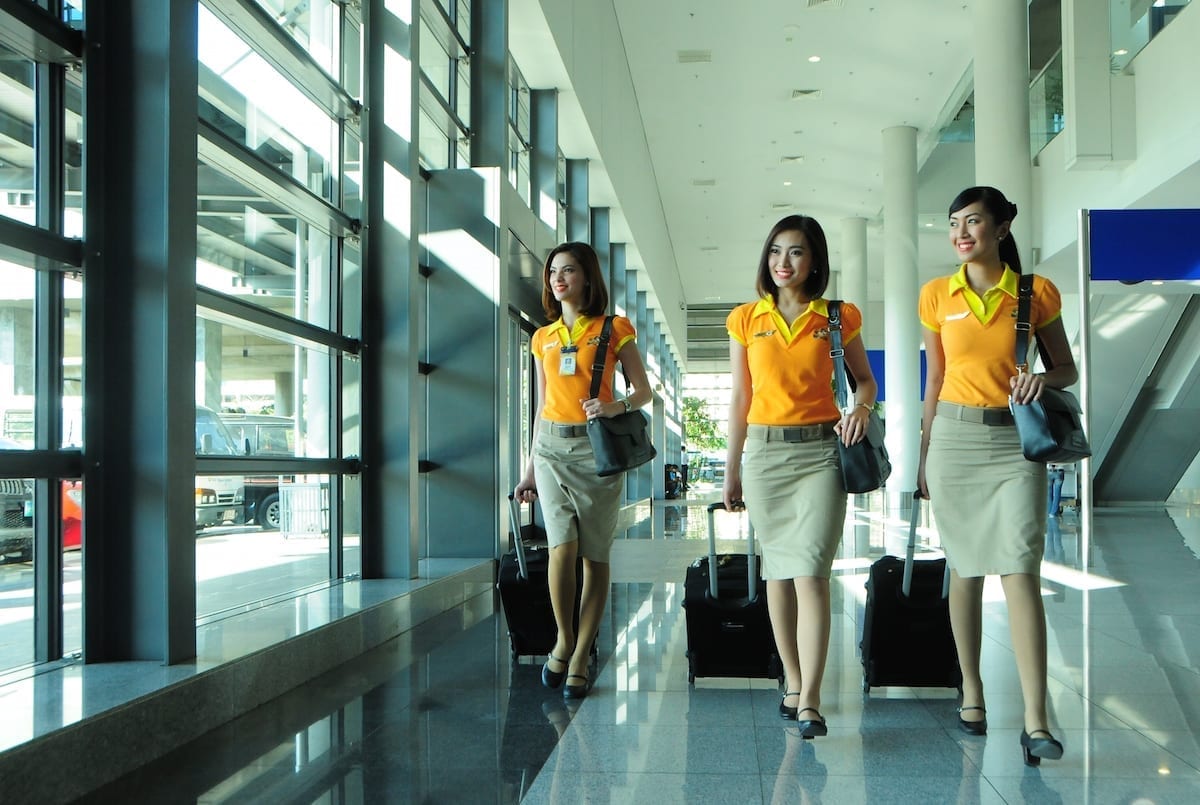
    he Philippines’ leading airline, Cebu Pacific (CEB) continues to soar high, capturing the lion’s share for both passenger and cargo traffic between Manila and Sydney in the first quarter of 2017. Data from the Bureau of Infrastructure, Transport and Regional Economics (BITRE) of Australia showed that CEB carried over 43,512 passengers, representing 42% passenger market share on the Manila-Sydney route, the highest among the three carriers covering this route.

    The BITRE report noted that from January to March 2017, passenger traffic between Manila and Sydney totalled 104,446, up seven percent (7%) versus the same period last year.  The growth in passenger traffic was dominated by CEB, which carried 16% more passengers from the 37,640 reported in the first quarter of 2016. Load factor for CEB for the Manila-Sydney route was at an average 78% for the first three months of 2017.

    “We are very pleased to see that the Cebu Pacific effect continues across one of our strongest international markets. Our goal is to make flights affordable, accessible and available to a greater number of travellers. These numbers do not only showcase the Philippines as a flourishing destination, but it also shows our strong commitment to remain and further stimulate our key market in Australia,” said Candice Iyog, Vice President for Marketing and Distribution of Cebu Pacific.

    Aside from the growth in passenger volume, Cebu Pacific also reinforced its leadership in the Manila-Sydney airline cargo service. CEB flew 1,131 tons of cargo between Manila and Sydney in the first three months of 2017, covering 49% of the total 2,325 tons carried by the three carriers.

    The growth in CEB’s cargo service tracked the increase in total volumes, from 1,567 tons carried in the comparable quarter last year.

    BITRE, an agency under the Department of Infrastructure and Regional Development of the Australian government, “provides economic analysis, research and statistics on infrastructure, transport and regional development issues,” according to its official website. The bureau holds data and statistics on the aviation industry.

    Cebu Pacific offers the most number of seats between Manila and Sydney, covering close to 40% of the route’s total capacity.

  • Gaming firm Razer opens first store in Hong Kong and sets its sights firmly on mobile industry

    Gaming firm Razer opens first store in Hong Kong and sets its sights firmly on mobile industry

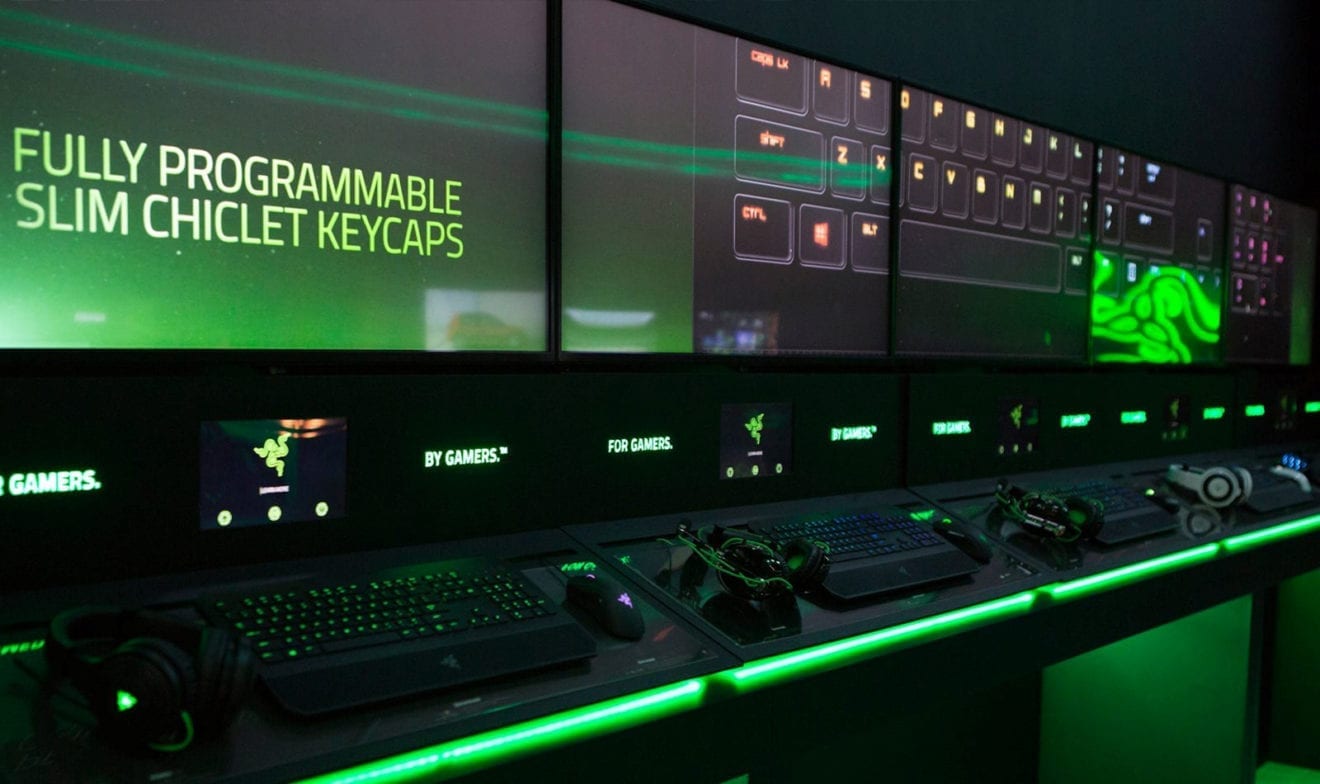
    Razer, the popular US gaming peripherals brand which opened its first concept store in Hong Kong on Saturday, is now hoping to take on the mobile gaming industry after successfully disrupting the PC gaming scene with devices such as its powerful gaming laptops and mice, its chief executive has told us.

    Razer, which is in partnership with Three Group – the mobile telecommunications arm of Li Ka-shing’s CK Hutchison on the development of the Hong Kong outlet – has its sights on taking on the mobile gaming landscape, too, which chief executive Tan Min-liang said “is going to be a huge part of our business”.

    “There is so much potential for Razer – we’re still growing exponentially through the PC market … we’ve shipped over US$1 billion in hardware over the last three years, and we haven’t even gotten started on the mobile gaming market yet,” said Tan, who splits his time between San Francisco, where the company is based, Singapore and Taiwan, where Razer has its design centres.

    The company on Saturday opened the doors to its sixth RazerStore worldwide, on Cannon Street in Hong Kong’s bustling Causeway Bay shopping district. Razer’s other shops are in Shanghai, Taipei, Bangkok, Manila and San Francisco in California.

    An alliance was formed last month where Razer and Three will work together to offer specific tariff plans, services and devices to electronic games players around the world.

    Tan also said Razer and Three will work together on “future mobile devices”, although he declined to elaborate on further details.

    While Razer’s current product offerings are largely PC-focused, with its array of mice, keyboards and sleek gaming laptops, the company has yet to offer any peripheral devices for mobile gaming, although Tan believes is an industry that is ripe for disruption.

    “When Razer first looked at gaming laptops, there were no products or services that really worked well for gamers. Similarly, right now I don’t see any mobile device or software platform that really fulfils the needs of the [mobile] gamer … there is a huge opportunity to disrupt the mobile market,” Tan told SCMP.

    Razer is yet to reveal its plans in the mobile space, but it has made several acquisitions in the past couple of years to suggest it is moving towards eventually developing its own mobile devices or gaming platform for the growing number of users who play games on their smartphones or mobile devices.

    In July 2015, it acquired Android gaming company Ouya for its Android TV games and online retail platform to bolster the game offerings for its Forge TV console product.

    And in January this year, it bought Nextbit, the startup headed by several ex-Google employees who worked on Android and who produced the Robin smartphone, which amassed over US$1.3 million in pledges on crowd-funding platform Kickstarter.

    “We’ve put together some of the best talent in mobile design,” Tan said.

    “With Nextbit, we now have the top tech leads of Android from Google with us, and the former lead designer for HTC who has helped design HTC phones for [years].

    “We’re bringing together the best possible talent at Razer to work on next generation devices,” he added.

    Razer already has a large following in China and Hong Kong with its gaming peripherals consistently coming top in the category on e-commerce platforms such as Tmall and JD.com, Tan said.

    A third of Razer’s business comes from Asia, a large part of which comes from China, he added, declining to provide specific numbers.

  • OJK to Monitor Fintech

    OJK to Monitor Fintech

    The Financial Service Authority (OJK) has formed two new directorates as a response to financial technology (fintech) development. OJK deputy chief commissioner Rahmat Waluyanto said that the two new directorates are Digital Financial Innovation Unit and Fintech Permit and Monitoring Unit.

    “The directors have been appointed, but it can’t yet be announced because it’s not official yet. The Digital Financial Innovation Unit will handle regulatory sand box and research,” he said, as quoted by Antara last week.

    In a bid to respond to fintech development, OJK has also formed Fintech Expert Forum and fintech innovation hub. The forum will facilitate fintech industry development comprising individuals from 21 entities, such as ministries, agencies, associations, universities and other relevant business players.

    The committee will give recommendations and inputs as well as facilitate coordination between agencies and fintech start-up companies. Meanwhile, OJK’s fintech innovation center is projected to become a hub of various fintech incubators to discuss developments.

    OJK chief commissioner said that Fintech Expert Forum will facilitate and ensure coordination of various start-up players. The forum will discuss developing fintech issues. “And discuss future developments in fintech industry,” he said.

    Indonesia has seen a rapid growth of fintech players. As of January 2016, Indonesia Fintech Association reports that the country has 165 domestic start-ups. The figure has quadrupled compared to that of in the first quarter of 2014 with 40 companies.

  • Spar International Appoints New Head of Buying

    Spar International Appoints New Head of Buying

    SPAR International, the world’s largest voluntary retail chain, has today announced the appointment of Wouter Lefevere as Head of International Buying.

    Based in the organization’s international head office in Amsterdam, Mr. Lefevere will take on key buying responsibilities including supplier relationships and negotiations, working in close co-operation with SPAR partners worldwide to build on the brand’s growing international scale and presence.

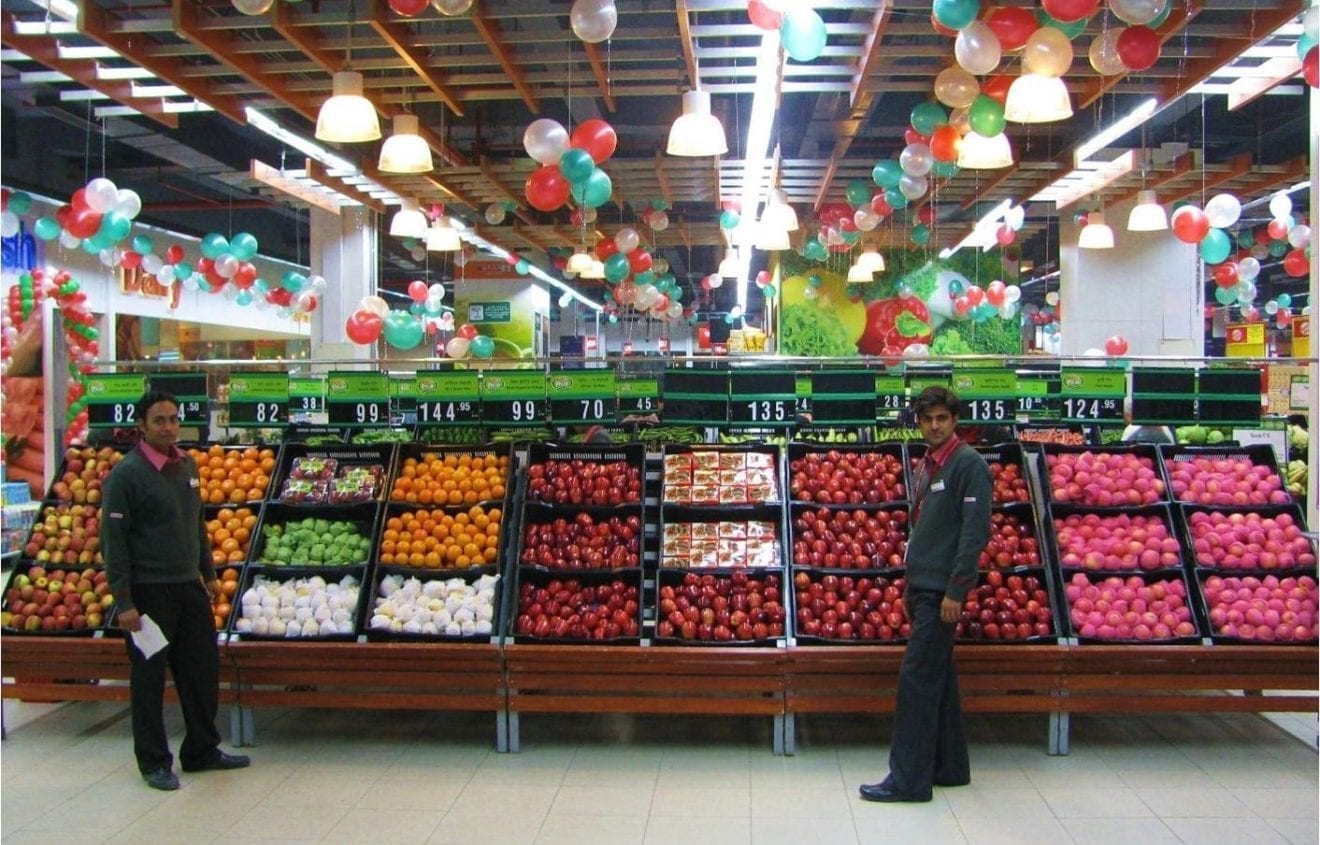
    SPAR, which has 12,545 stores in 44 countries, recently reported sales of €33.1 billion for 2016.

    Mr. Lefevere joins SPAR with a wealth of international buying experience, having held a number of senior buying and commercial development roles for LIDL in France, Belgium and the Netherlands.

    Welcoming Mr Lefevere, Tobias Wasmuht, Managing Director of SPAR International said, “Buying better together internationally is a key pillar of the scope of services provided to our partners, and the appointment of Wouter signals our intention to further enhance this scope. Today we collaborate with our supplier partners on behalf of our SPAR partners in 44 countries across four continents. As a result we have a uniquely strong global network which, not only allows us to source better by leveraging our international scale, but also to provide extensive market access opportunities for our international suppliers.”

    Lefevere will be responsible for delivering on SPAR’s recently launched Buying Better Together strategy, leading a team which will focus on collaboratively working with partners and suppliers in the areas of own brand development, warehouse & logistics, supplier partnerships and analysis & marketing.

    Wasmuht continued: “As a partnership of independent retailers and wholesalers, SPAR International doesn’t adopt a traditional transactional supplier-buyer relationship with our SPAR partners but takes a collaborative approach. We offer resources and buying services to our partners to help them grow their business. Wouter and his team will work to grow joint buying volumes of SPAR partners and the penetration of SPAR International Own Brands, as well as facilitate the pooling of buying volumes of FMCG brands.”

    SPAR International works with Partners to develop supply chain, retail operations, staff training, retail design and brand development strategies, while its multi-format strategy sees its Partners operate hypermarket, supermarket, neighbourhood, convenience and online stores, now serving the needs of 13 million customers daily.

  • AEON in Collaboration with The Mall Shopping Center Anniversary Happy Surprise

    AEON in Collaboration with The Mall Shopping Center Anniversary Happy Surprise

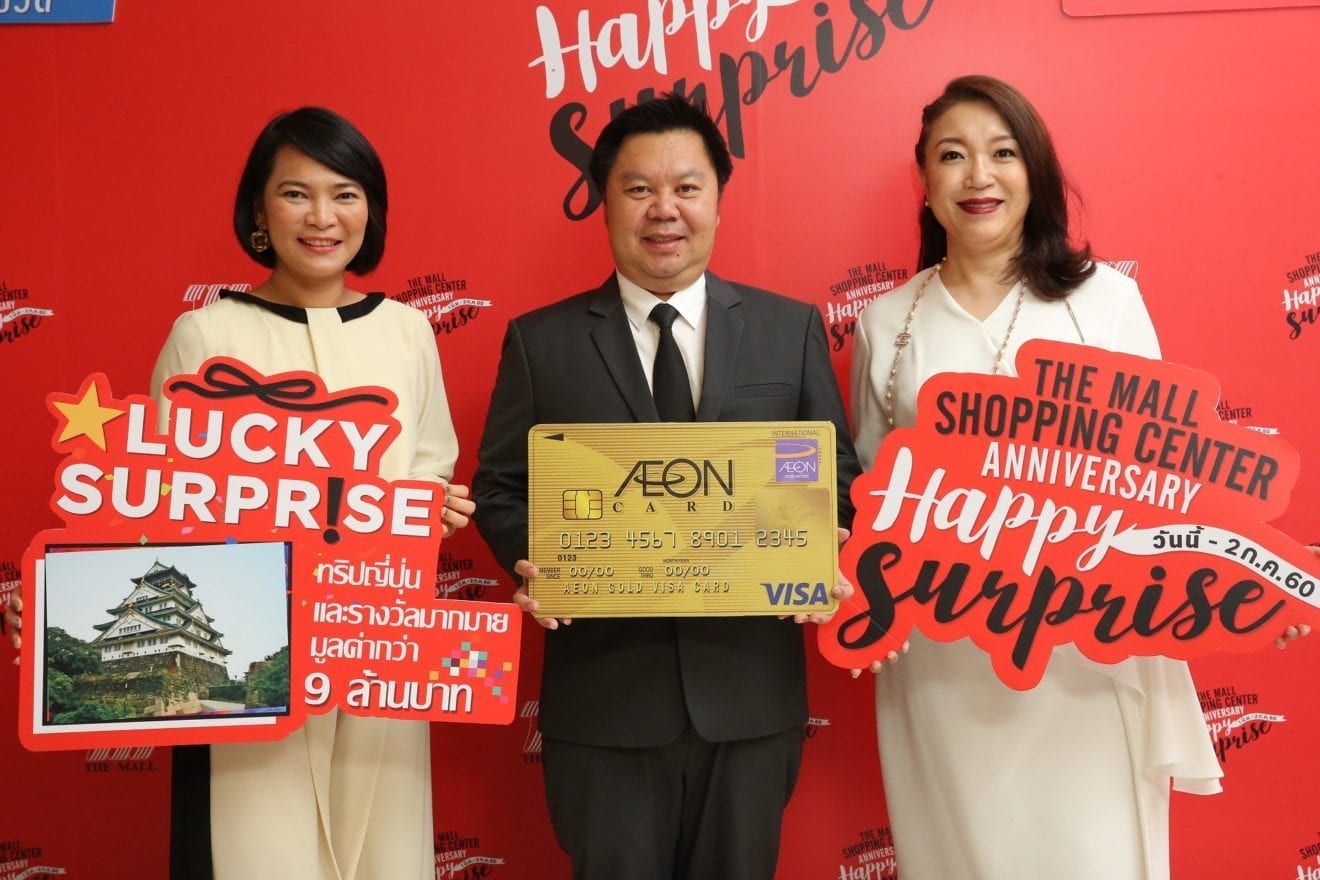
    Mr. Tula Pharuehaspailin (Middle), Marketing Senior Manager AEON Thana Sinsap (Thailand) Public Company Limited, Ms.Voralak Tulaphorn (Right), Senior Vice President Marketing The Mall Group, and Ms.Duangta Phongwilai (Left), Group General Manager – Shopping Center Corporate Marketing The Mall Group launches “The Mall Shopping Center Anniversary Happy Surprise” campaign for AEON shopping enthusiasts, with a “Lucky Surprise” draw when choosing to spend at every branch of The Mall Shopping Center.

    Every 1,000 baht spent, customers will get an x3 lucky draw coupon to win a special trip to Japan, Osaka with a round-trip flight ticket and accommodation for up to 5 prizes for 2 seats per prize totaling 650,000 baht. Followed by “Surprise Digital Box”, where customers spending 800 baht and above will get a chance to win a Surprise Digital Box. Most importantly with “AEON Surprise” ,when spending 5,000 baht or more with The Mall Shopping Center receive cash vouchers up to 500 baht , together with many promotions starting today until the 2nd of July, 2017.

  • Garuda Indonesia poised to trim losses with Idul Fitri traffic

    Garuda Indonesia poised to trim losses with Idul Fitri traffic

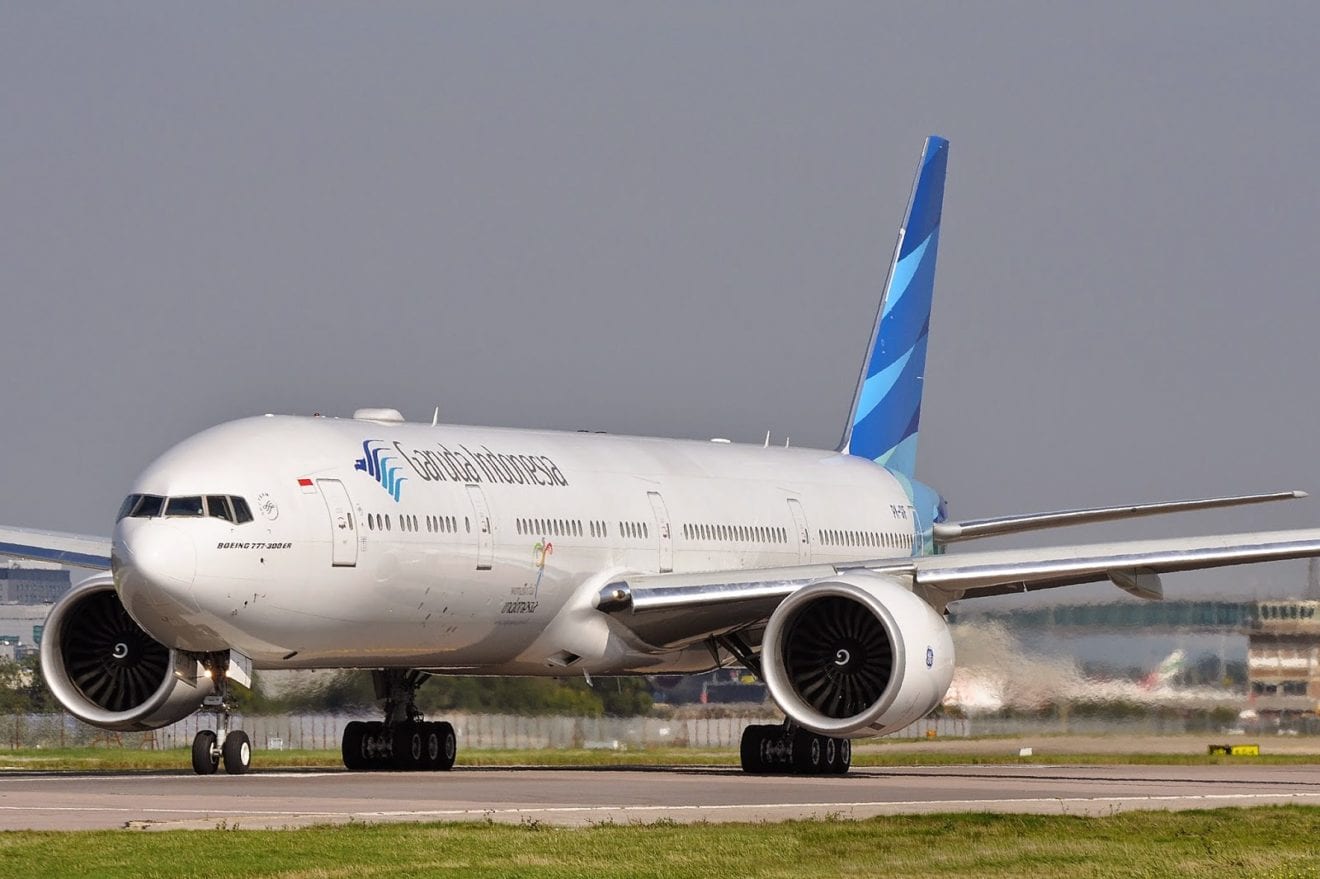
    After suffering US$89.49 million in losses during the first quarter of the year, PT Garuda Indonesia is poised to see a recovery in the second quarter, especially in the June and July months that encompass the Idul Fitri holiday.

    Garuda Indonesia president director Pahala N. Mansury said the second quarter offered good prospects and the Idul Fitri exodus would help improve the company’s accumulative performance in the first semester.

    In the first quarter of 2016, the state-owned flag carrier booked $74.48 million in profits, but still suffered $63.2 million, or around Rp 824 billion, in losses.

    “Even if the losses have yet to be covered, hopefully we can at least push the losses down,” he said after accepting an award from TripAdvisor as one of the top 10 best airlines in the world on Friday.

    He also denied accusations from Rizal Ramli about the company’s lavish spending and potential corruption in the purchase of an Airbus A350.

    “We don’t have an Airbus A350 and thus the statement is not true,” he said, adding that the company was currently focused on optimizing efficiency.

  • Vietnamese banks look to tap into big data

    Vietnamese banks look to tap into big data

    To successfully deploy big data in the banking sector, there must be a comprehensive strategy using professional teams who have deep understanding of both finance and technology, said Nguyen Kim Anh, Deputy Governor of State Bank of Vietnam.

    At a conference on Thursday in Ha Noi, Anh said that digital data was becoming a new resource and big data was playing an important role in the banking and finance sectors.

    The conference, titled “Big data for banking and financial industry,” was organised by the Banking Academy of Vietnam.

    At the workshop, participants focused on big data technology from a variety of perspectives. They discussed the latest technology and ways for banks and financial institutions to optimise the application of big data into information systems.

    Through the discussion, experts shared hopes that they could identify the opportunities and challenges of big data to improve the productivity, quality and efficiency of financial and banking operations.

    The fourth industrial revolution is taking place across the globe and having a strong impact on all aspects of socio-economic life, according to the experts. It promises to create more opportunities and an impetus for the country development of each nation or organisation.

    The fourth industrial revolution with Internet of Things, automation and artificial intelligence has brought digital data to the centre of the business world.

    Digital data had become a very important resource from which businesses can generate revenue and provide new application ecosystems, services and digital products, said Anh.

    “Therefore, digital data will grow and become an important industry in the fourth industrial revolution,” he added.

    At the workshop, the deputy governor also said that the specificity of banking is creating a huge amount of data from structured data such as transaction histories and customer records to unstructured data such as customer activities on Internet and mobile banking application.

    “Applying big data to exploit the data will bring significant competitive advantages and efficiency for the banking and finance sectors,” he added.

    In addition, Pham Anh Tuan, director of Vietcombank’s tech modernisation department, said that data in the banking system and those collected from the outside include many types. These include structured data, semi-structured data, and unstructured data.

    “The current banking data is unstructured, which meets all big data standards in volume, movement and diversity,” Tuan emphasised.

    The representative of Vietcombank also said that when banks as well as financial institutions identify data with great value, they must consider data assets of the bank. “In other words, data must be treated like any bank assets, which have to be taken care of and ensured on asset security.”

  • Singtel quad-play subs offered free Stingray Music access

    Singtel quad-play subs offered free Stingray Music access

    Singtel has launched a promotion granting its Singtel Circle quad-play customers free access to 50 live music stations operated by Canada-based music service Stingray Music.

    Subscribers to Singtel’s postpaid mobile, fier broadband and Singtel TV plans will be granted complementary 24/7 access to music genres in English, Mandarin, Malay, Tamil and other languages.

    The service will be available on Singtel TV, mobile devices and computers and will be added to the list of benefits available to quad-play customers.

    Singtel Circle also offers perks including free local data on Sundays, mobile plan discounts and an annual handset upgrade discount worth S$350 ($250).

    “We are always keen to explore new ways to add value to our customers’ lifestyle experiences,” Singtel CEO consumer Singapore Yuen Kuan Moon commented.

    “Singtel is pleased to be the first in the Asia Pacific region to introduce Stingray Music and provide countless hours of music entertainment for our Singtel Circle customers’ listening pleasure. We’re not stopping here and will continue enhancing Singtel Circle’s suite of benefits.”