Tag: asia

  • Vietnam among top 6 most-attractive retail markets

    Vietnam among top 6 most-attractive retail markets

    Vietnam has been named among the Top 6 most-attractive retail markets in the world this year by A.T. Kearney in its Global Retail Development Index (GRDI), following India, China, Malaysia, Turkey, and the United Arab Emirates (UAE).

    It outstripped populous markets such as Indonesia (8th) and countries with good retail markets in recent years, such as Thailand (30th), Philippines (18th), Kazakhstan (16th), and Saudi Arabia (11th).

    This is evidence that Vietnam’s retail market is again attracting foreign investors, as it was outside of the Top 30 in 2002, then 6th in 2009, 14th in 2010, and 23rd in 2011, according to A.T. Kearney.

    The reason why Vietnam is in the Top 6 is that its investment laws are open and promote its attraction among foreign retailers.

    The government has permitted foreign retailers to own 100 per cent of capital in the country’s retail sector and has adopted priority policies to attract them.

    This is reflected in a 12.5 per cent increase in foreign investment in 2016. The recent free trade agreement (FTA) signed with the EU is expected to push investment even higher.

    Retail sales have also increased significantly in recent times, reaching $118 billion in 2016, up 10.2 per cent against 2015.

    “It’s a suitable time for Vietnam to boost up its economy, which is shifting towards private enterprise and high-value export items, and this is expected to increase incomes and consumption in the long term,” said Mr. Soon Ghee Chua, AT Kearney’s Southeast Asia chief.

    He also believes that government incentives, urban and middle-class population growth, a young population, and GDP growth expected at 6.6 per cent this year gives foreigners plenty of reason to be optimistic about Vietnam.

    E-commerce also contributes significantly to retail revenue in the country, which is expected to increase 22 per cent this year, and online discounts and promotions are boosting sales. AT Kearney notes, however, that businesses will have to be careful and have a long-term strategy to sustain this growth.

    Foreign retailers are expanding their business systems in the domestic market. According to A.T. Kearney, convenience stores and mini-marts are the fastest growing segments. Circle K and FamilyMart entered the market in 2009 and are expanding rapidly. FamilyMart expects to have more than 800 stores by 2020 and 7-Eleven will open its first store in Vietnam this month under a franchise agreement with Seven System Vietnam, and aims to open 1,000 stores over the next ten years.

    According to forecasts to 2020, modern retail channels will increase up to 45 per cent, the country will have about 1,200-1,300 supermarkets, the number of trade centers will also increase to over 300, and convenience stores will number in the thousands.

    The GRDI was first published in 2002, ranking 30 developing countries on their attractiveness for retail investment.

    It analyzes 25 factors related to macroeconomics and retail, to help retailers identify global strategies and identify emerging market investment opportunities. The study not only indicates the most attractive markets today but also potential markets in the future.


  • Visa Partners ShopBack to Host Three-Day Buka Puasa Treats Online

    Visa Partners ShopBack to Host Three-Day Buka Puasa Treats Online

    Top Cashback platform ShopBack and global payment technology company Visa today announced a three-day Buka Puasa Treats ‘Jom Iftar Bersama ShopBack’ campaign, which will be organised in the form of online meals booking via ShopBack Malaysia’s Visa store from 14th – 16th June 2017.

    During the event period, the public can go to the site and order a meal/voucher from Eatigo, Fave by Groupon, Foodpanda, or PappaDelivery for themselves and the person they want to sponsor and enjoy a Buka Puasa dinner with, whereas Visa and ShopBack will giveaway RM25 Cashback to their accounts thereafter.

    “We are truly glad to team up with Visa on this campaign in the spirit of Ramadan. We hope to express our appreciation to our users and encourage the spirit of sharing among the online community in Malaysia, starting by ordering and sharing a meal with the people around us. The Cashback earned is meant to be transferred to their bank account after verification, which is also a savings that could be put to good use.” Alvin Gill, the Country Manager for ShopBack Malaysia said.

    Alvin expressed that the company has seen at least 60 per cent increment in terms of the number of users from its website and app in the past six months, which indicates more Malaysians are spending cautiously and constantly looking for the ways to save due to current economic challenges.

    Currently, there are more than 650,000 Malaysians making online purchases through ShopBack account every month. The company collaborates with over 500 international and online e-retailers such as Booking.com, Fave by Groupon, Foodpanda, Hermo, Lazada, Zalora and more to reward shoppers with up to 30% hard cash whenever they make a purchase online.

    ShopBack is the top Cashback platform in Southeast Asia that has enabled Malaysian online shoppers to save RM13.5 million thus far. Other than Malaysia, it also has a presence in India, Indonesia, Philippines, Singapore and Taiwan.

  • Digital Realty expands to Japan

    Digital Realty expands to Japan

    Digital Realty has inaugurated Digital Osaka 1, its first data center in Japan, a 93,000 square foot facility providing 7.6 megawatts of IT capacity.

    Digital Realty also announced the acquisition of an adjacent land parcel for the development of a Digital Osaka 2 data center. Upon completion, the Osaka connected campus will support up to 27 megawatts of additional IT capacity.

    “Digital Osaka 1 was fully leased prior to the official opening, a reflection of the strong demand in the Japanese market for Digital Realty’s comprehensive data center solutions,” Digital Realty managing director for Asia Pacific Edward Higase said.

    “The development of our Osaka connected campus will enable us to further expand our world-class data center platform and support our customers’ rapidly growing demand here and around the world.”

    Japan has become one of the most highly sought-after markets for cloud data center locations, according to a Canalys report.

    Strict data sovereignty laws and high customer demand are some of the factors pushing cloud service providers to seek data centers in Japan, where personal data is increasingly required to be stored in facilities that are physically located within the country.

    “With the addition of Osaka to our global connected campus network, customers will soon have new opportunities to connect, extend their reach and find new business opportunities across our global data center platform,” Digital Realty CEO A. William Stein added.

  • Hanoi shops employ topless men to lure customers

    Hanoi shops employ topless men to lure customers

    The trend started at a restaurant on Thai Ha Street. The images of young men without a shirt on and hot body made many curious and went to the restaurant to see for themselves.

    Tran Thai Linh, a local in Dong Da District, said she also went to the restaurant out of curiosity but then she was disappointed after discovering that the men only appeared for two minutes when the restaurant introduce new dishes.

    Linh said the restaurant definitely hit the nail on the head as everybody liked beautiful things. The images were shared by women are those who came to the restaurant at that moment.

    “I wasn’t there personally but it looked like both adults and children were at the restaurants while the topless waiters appeared. This may not be good for children as they are too young and people of different age groups also come here to eat and may find it offensive,” Linh said.

    After the images and the video clip were shared widely on the internet, many people commented that the PR stunt was crude and that they prefer waiters in ties and shirts.

    Nguyen Minh Hoang, head of the marketing department of the restaurants, said, “This is a private event to introduce new dishes. All 120 guests we invited are students and office workers age 18 to 35. However, some people who couldn’t attend gave their tickets to their relatives and acquaintances. That’s why there are elderly people and children.”

    Hoang said the restaurants couldn’t exactly tell the guests to leave then. He said such private event had been held in many countries before but the restaurant failed to predict the unexpected outcome.

    Not long after, another clip was quickly shared on Facebook, showing hairdressers in only trousers and ties serving customers. Many said they would ask their friends to go to the salon.

    Trinh Minh Hang from Quang Ninh Province said, “I needed my hair done and wanted to experience the service by those muscular and handsome men so I called the salon. However, they said the men were there for a special event and they only washed and dried your hair.”

    Kim Anh, an office worker in Thanh Tri District, said at first she wanted to try too but then was persuaded by her friends that it was not very appropriate.

    Hanoi Department of Culture, Sports and Tourism fined the Tran Anh Company which runs electronic goods stores VND40 million (USD1,920) fast year for employing promotional girls wearing bikinis to greet customers last year. The company claimed that they just co-operated with a partner to make a sex education video series, and it was not a marketing campaign.

    In 2012, VietJet Air was also fined VND20m for in-flight bikini show to celebrate its first flight between Ho Chi Minh City and Nha Trang.

  • Vietnam’s exporters hunt for robusta coffee as supplies dwindle

    Vietnam’s exporters hunt for robusta coffee as supplies dwindle

    International trade is holding bulk of Vietnamese robusta stocks. Vietnamese coffee exporters, faced with dwindling robusta supplies in the world’s top producer, are paying up to buy beans from international trade houses who scooped up much of the crop early in the season.

    Local exporters in Vietnam are struggling to find coffee to fulfill their contracts, trade sources said, after farmers sold forward much of the harvest early on in the season when global prices hit their highest in more than five years.

    The squeeze comes at a time of tight supplies in the country, after a smaller crop this season and heavy rains during harvesting that wreaked havoc on crop quality.

    Vietnam is the world’s top grower of robusta coffee, which is mainly used to produce instant or soluble coffee.

    The coffee is priced against ICE robusta futures and international trade houses were able buy at a discount of $50 to $70 a tonne when farmers were selling heavily.

    “The international trade has been stockpiling basically,” said one European trader. “They decided to get long early on.”

    Local exporters, now unable to get supplies from farmers, have been forced to buy from the international trade houses at premiums of $20 to $30 a ton, industry sources in Europe and Vietnam estimate.

    They pegged profits for the international trade houses, who have stored the coffee in their warehouses in Vietnamese ports, at $70 to $100 a ton.

    “They used financial leverage to buy at discounts at the beginning of the harvest season,” said Phan Hung Anh, deputy director of Anh Minh Co, a coffee-trading firm in Daklak, Vietnam’s largest coffee-growing province. “And now they sell back to companies at premiums.”

    “Vietnamese firms can’t do the same because their financial capability and storage don’t match those of international trading houses.”

    Vietnam is expected to produce 26.3 million bags of coffee in the 2016/17 season, down from 28.4 million in the prior season, Rabobank figures show.

    International traders were holding roughly 6.5 million 60-kg bags (390,000 tons) at the end of May, out of about 9 million in stocks in the country, sources estimated. They have sold about 30,000 to 40,000 tons to local exporters, Vietnamese traders said.

    These trades have been painful for local Vietnamese exporters, some of whom sell beans to coffee giants such as Nestle and Jacobs Douwe Egberts.

    Traders said many had sold coffee far in advance to roasters at much lower prices and are now feeling the pinch of strengthening differentials as they inch towards delivery.

    The exporters have been left with little choice, however, as farmers sit on their remaining good quality coffee in the hope that prices will climb.

    Farmers are holding less than 15 percent of the crop at this point in the season, compared to about 35 percent in a typical year, traders estimated.

    Local exporters could find themselves squeezed further in coming months as supplies continue to dwindle and differentials strengthen before the start of the next harvest in October.

    There is also a risk international trade houses may stop selling coffee to Vietnamese exporters, as they shift attention to delivering on their own contracts with roasters later in the year.

    “That tightness is starting to materialize,” said another trader. “And if they turn off the tap, the prices and the differentials will go even higher.”

  • 4.36 Percent Inflation Expected in 2017

    4.36 Percent Inflation Expected in 2017

    The Governor of Bank Indonesia Agus Martowardojo projects year-on-year inflation rate in 2017 of 4.36 percent, an increase compared to late 2016 of 3.02 percent, mostly attributable to pressure from administered prices.

    Agus said yesterday that the projection was based on the movement in the Customer Price Index (CPI) that was down in January to May 2017 and lower compared to January to April 2017.

    “At the meeting of the Board of Governor in April, the year end inflation rate is predicted at 4.63 percent (year on year/yoy). In May 2017, it will drop to 4.36 percent (yoy),” Agus said.

    Lower annual inflation forecast, according to Agus, was due to correction to inflation impacts of administered prices.

    Bank Indonesia views that inflation pressure from administered prices, particularly raise in electricity price for 900 VA category will not be as high as predicted before.

    Moreover, controls on food prices and other components in volatile foods category from January to May 2017 have convinced the central bank that inflation rate can be curbed.

    Inflation due to volatile foods as of May 2017 stood at 3.26 percent (yoy), whereas inflation contributed by administered prices hit 9.14 percent (yoy).

    “We will see the year-end inflation rate if the current forecast remains the same as has been targeted before,” he said.

    Bank Indonesia expect to set inflation target through out this year in the range of 4 percent plus or minus 1 percentage points. Inflation control is also the reason behind the central bank’s decision to hold the benchmark 7-Day Reverse Repo Rate at 4.75 percent for the eight consecutive time on May 18.

    Meanwhile, the government in the 2017 state budget (APBN) assume the inflation rate at four percent.

  • China Telecom aims to make Shanghai a gigabit city

    China Telecom aims to make Shanghai a gigabit city

    China Telecom’s Shanghai branch Shanghai Telecom plans to deploy the first commercial FTTH network in China using 10G PON technologies, and aims to provide full 1Gbps fiber coverage across Shanghai over the next three years.

    Shanghai Telecom has contracted Huawei to help with the rollout, which marks an important step towards making Shanghai China’s first gigabit city, the vendor said.

    Shanghai Telecom was providing 1Gbps access for 269 communities in the city, and through the deployment aims to increase the average access rate for its network from 50Mbps to 280Mbps by the end of 2018.

    The operator is using its high-speed network to offer a range of home broadband services, such as multi-channel 4K video streaming, video calls and conferencing an video-based smart home services.

    Under the latest rollout, the company is adopting Huawei optical line terminals (OLT) and optical network terminals (ONT) capable of providing gigabit convergence, 4K video streaming to 16,000 concurrent households over a single subrack, 8K video streaming, VR applications and smart home services.

    Separately, Nokia has announced it has secured a contract to deploy millions of ONT home gateways in 29 provinces across China for China Mobile.

    China Mobile plans to deploy home gateway units based on Nokia’s solution to over 30 million users this year, and use established FTTH networks to extend internet coverage in the home and enable IoT communications between devices and sensors.

    “China Mobile is progressing fast as a converged telecommunications operator — with more than 31 million FTTH subscribers — and has proven it can successfully leverage its extensive fiber access network to deliver ultra-broadband applications such as 4K TV services and Gigabit access to customers across various provinces.,” IDATE principal analyst Roland Montagne commented.

    “With the addition of intelligent home gateway technology, China Mobile will be able to further differentiate its services, providing consumers with enhanced internet coverage in the home and a more seamless experience for connecting various devices and sensors.”

  • David Jones poaches Self-Portrait from rival Myer as fashion war continues

    David Jones poaches Self-Portrait from rival Myer as fashion war continues

    Australia’s department store giants David Jones and Myer are at it again. In the latest war of the women’s ready-to-wear brands, high-end retailer David Jones has poached Britain’s Self-Portrait label from competitor Myer.

    David Jones group executive of merchandise David Collins told the Sydney Morning Herald the London-based Self-Portrait was picked up to bolster the department store’s current bridal offering in its Sydney flagship, as well as its regular women’s fashion fold.

    “Self Portrait has become a fast favourite within our bridal category and a brand that we believe will strongly perform in the womenswear ready-to-wear space,” Collins told SMH.

    Founded by Malaysia-born, London-based Han Chong in 2013, Self-Portrait is fashion favourite of the Duchess of Cambridge. Known for its modern lace designs, the brand looks set to be better positioned with a David Jones listing, considering the department store’s brand position as more high-end, compared to Myer.

    “David Jones’ vision to amalgamate the most innovative designers from around the world under their roof is inspiring and we look forward to partnering with them in Australia,” said Chong, in a statement.David Jones said Self-Portrait would be available in store from June 11. Myer started stocking Self-Portrait in 2015.

    In recent months, Australian labels Aje, Karen Walker and By Johnny have also changed sides, heading from Myer to David Jones. As the fashion war roars on, Myer took another blow late last month in its youth fashion segment, following the collapse of Topshop Australia, of which it owns one fifth.

    However, the department store chain said had begun investing in its own Maticevski label and Misha Collection, and was growing its network of shop-in-shops, including Morrison and Skin & Threads. It has also opened concessions for French brand The Kooples and Zadig & Voltaire, and most recently announced a one-year distribution deal with up-and-coming women’s brand We Are Kindred.

    The Australian retail market is facing one of its most frenzied phases. While fast-fashion moguls H&M and Zara continue to steam roll homegrown fashion retailers — including David Lawrence and Marcs, which were recently rescued by Myer after entering administration — the impending arrival of American e-commerce Amazon in Australia is adding to local business blues.

    And consumer fashion spending is bleak. While Australian retailers enjoyed their best monthly sales in nearly three years in April, up 1%, sales growth in clothing and footwear was an anaemic 0.3%.


  • Electric vehicles reach 2 million cars in 2016

    Electric vehicles reach 2 million cars in 2016

    The number of electric cars on the roads around the world rose to 2 million in 2016, following a year of strong growth in 2015, according to the latest edition of the International Energy Agency’s Global EV Outlook.

    China remained the largest market in 2016, accounting for more than 40% of the electric cars sold in the world. With more than 200 million electric two-wheelers and more than 300,000 electric buses, China is by far the global leader in the electrification of transport. China, the US and Europe made up the three main markets, totalling over 90% of all EVs sold around the world.

    In Norway, electric cars had a 29% market share last year, the highest globally, followed by the Netherlands with 6.4%, and Sweden with 3.4%. The electric car market is set to transition from early deployment to mass market adoption over the next decade or so, says the Global EV Outlook.

    Between 9 and 20 million electric cars could be deployed by 2020, and between 40 and 70 million by 2025, according to estimates based on recent statement from carmakers.

    Still, electric vehicles only made up 0.2% of total passenger light-duty vehicles in circulation in 2016. They have a long way to go before reaching numbers capable of making a significant contribution to greenhouse gas emission reduction targets.

    In order to limit temperature increases to below 2°C by the end of the century, the number of electric cars will need to reach 600 million by 2040, according to IEA’s Energy Technology Perspectives. Strong policy support will be necessary to keep EVs on track.

    Cities are taking leadership roles in encouraging EV adoption, often because of concerns about air quality. Major urban centres often achieve higher EV market shares compared to national averages. A third of global EV sales took place in 14 cities in 2015.

    Paris, for instance, has mandated that any electric car is allowed to re-charge at the re-charge stations of its car-sharing program, called Autolib.

    Amsterdam has a strategy of offering the installation of charging points on public parking spaces to people who make a request, ensuring that charging infrastructure is installed where it’s actually needed. London for its part encourages EV adoption by waiving its congestion charge.

    The analysis shows that fleet procurement is an important means of encouraging early EV uptake. Fleet operators, both public and private, can contribute significantly to the deployment of EVs, first from demand signals that they send to the market, and second thanks to their broader role as amplifiers in promoting and facilitating the uptake of EVs by their staff and customers.

    Clear and ambitious policy support is vital to keep the growth of EVs on track. Despite impressive improvements in costs and energy density over the past decade, battery packs are still expensive, driving up retail prices. Financial incentives for EV adoption and taxes on fossil fuels will continue to be important in the current phase of EV technology deployment to initiate and reinforce a positive feedback loop that, through increasing sales, production scale-ups and technology learning, will further support cost reductions for batteries and other components.

  • Vietnamese steel faces anti-dumping investigation in Australia

    Vietnamese steel faces anti-dumping investigation in Australia

    An Australian firm has accused Vietnamese manufacturers of manipulating market prices. Australia’s Anti-Dumping Commission (ADC) has initiated an anti-dumping investigation into steel rods imported from Indonesia, South Korea and Vietnam.

    The investigation was launched following a complaint lodged by OneSteel Manufacturing Pty Ltd, a manufacturer of steel coil in Australia.

    OneSteel said that that the goods are being exported to Australia at prices less than their normal value and that dumping has damaged the Australian industry through loss of sales, market share and profits.

    The products include hot rolled rods in coils that are not subject to export tax in Australia at present.

    OneSteel alleged that the dumping margin on products from Vietnam is at least 30.6 percent. The company said that the price of these products in Vietnam should not be used to calculate their global market value.

    Steel products from Indonesia, Taiwan and Turkey have also been subject to anti-dumping investigations in Australia, and both Indonesia and Turkey were slapped with anti-dumping taxes in 2015 for a year, while the same products from China were hit with a tariff in April 2016.

  • Taxi boom blamed for traffic jams in HCM City

    Taxi boom blamed for traffic jams in HCM City

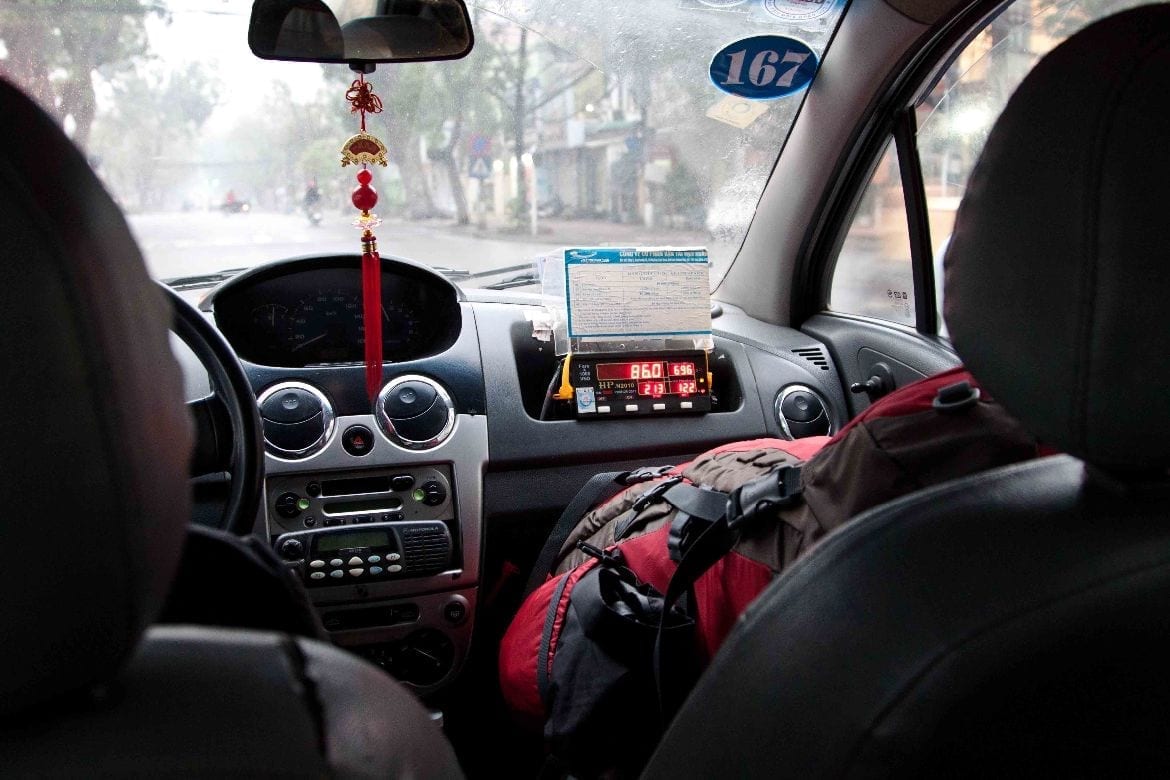
    The city was home to around 300 app-based taxis of less than nine seats in 2015. But the figure grew to 2,437 by the early 2016 and 22,000 by late April this year.

    Giao attempted to blame Uber and Grab for being partially responsible for HCM City’s traffic jams.

    Meanwhile, the city has more than 11,000 traditional taxis, raising the city’s total taxi number to over 33,000 against the set taxi number target of just no more than 12,700 by 2020. The mushrooming taxi development has worsened the city’s traffic jams.

    Nguyen Van Tam, deputy head of the HCM City Transport Department, suggested that app-based taxi boom has become a new problem for the city, so, the city has considered halting the transportation license for cars of below nine seats to operate under the form of app-based taxi service.

    The re-licensing will be carried out after the city finishes a plan on app-based taxi operation, Tam said.

    A representative from the Southern Airport Authority claimed the severe traffic congestion around Tan Son Nhat International Airport is also partially caused by Grab and Uber cars, many of which cruise around to wait for customers.

    Earlier, traditional taxi enterprises urged management agencies to take appropriate steps against foreign ride-hailing firms like Uber and Grab in order because they were proving far more competitive that traditional taxi services.

  • THAI will not increase capital in Nok Air

    THAI will not increase capital in Nok Air

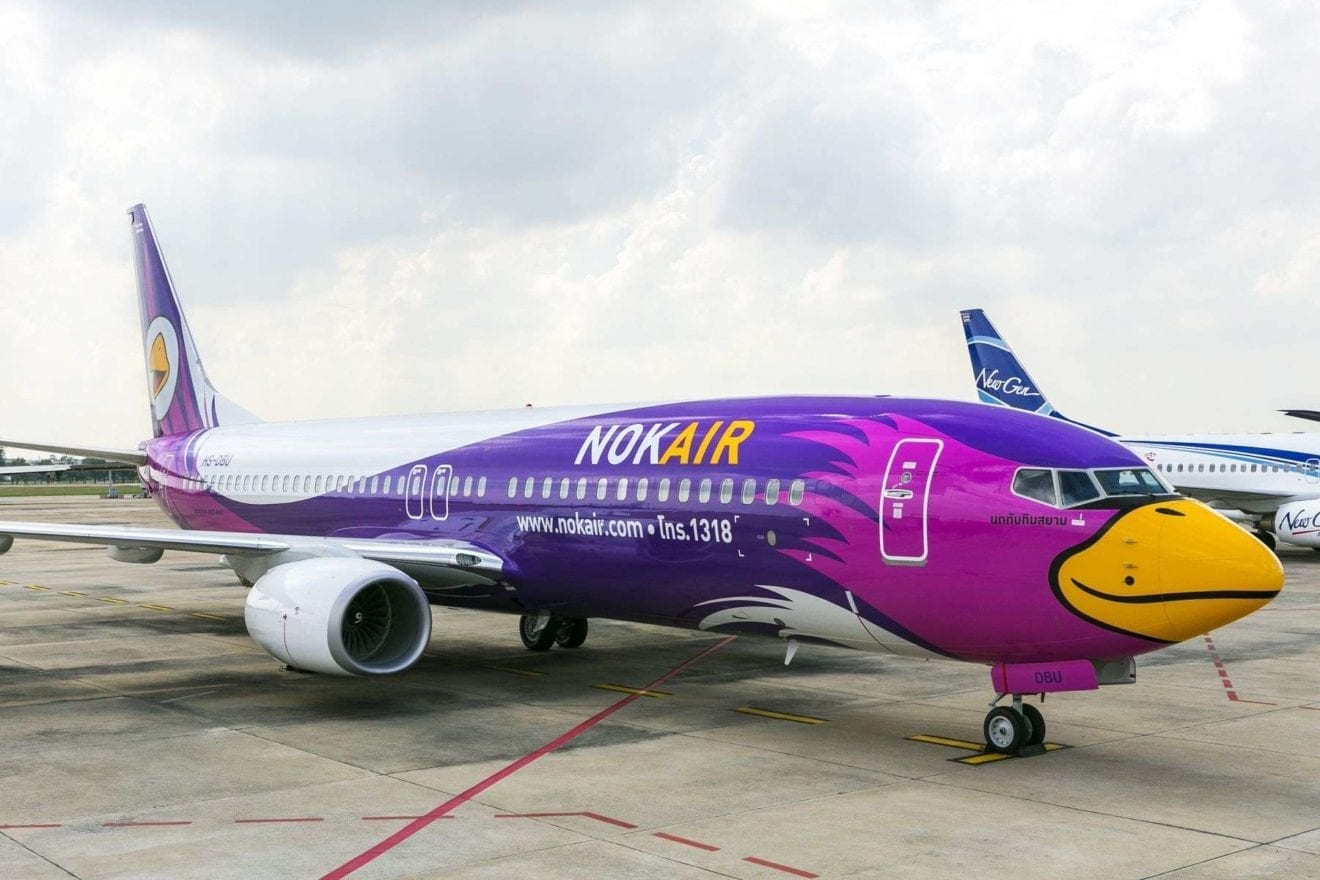
    Thai Airways International Public Company Limited (THAI) stated that THAI’s Board of Directors decided not to increase capital in Nok Air Public Company Limited (Nok Air), which lacks liquidity and needs additional funding to continue operations. Following the meeting on 12 April 2017, it was agreed that a Company representative would be sent to submit a vote on capital increase in Nok Air, which would open up opportunities for other shareholders to increase their shareholding. During this meeting, THAI’s Board of Directors did not yet decide whether or not to subscribe to new shares in Nok Air because a study had to be conducted on suitability and value prior to additional investment.
    On 21 May 2017, a THAI Board of Directors Meeting was held to consider subscription of new shares in Nok Air. THAI’s Board of Directors took consideration of the report prepared by the special task force that studied suitability and value for additional investment in Nok Air, given the Company’s current situation. With consideration to this factor, additional information, and opinions as well given that the transformation plan is still under implementation, THAI’s Board of Directors deemed that under the Company’s current situation it was not the right time to increase investment in Nok Air. Therefore, THAI’s Board of Directors concluded that the Company will not subscribe to new shares in Nok Air, regardless that the Company’s percentage of shares in Nok Air would eventually reduce.
    Even though there will be no subscription to new shares, the Company will continue to contribute as a shareholder and grant support for Nok Air’s eventual recovery and sustainable growth. A Company representative who is a member of Nok Air’s Board of Directors has been assigned by THAI’s Board of Directors to oversee and assist Nok Air through to successful completion of the transformation plan as soon as possible.
  • NEC opens big data analytics center in India

    NEC opens big data analytics center in India

    Japanese technology major NEC Corporation plans to strengthen its big data analysis presence globally as well as in India.

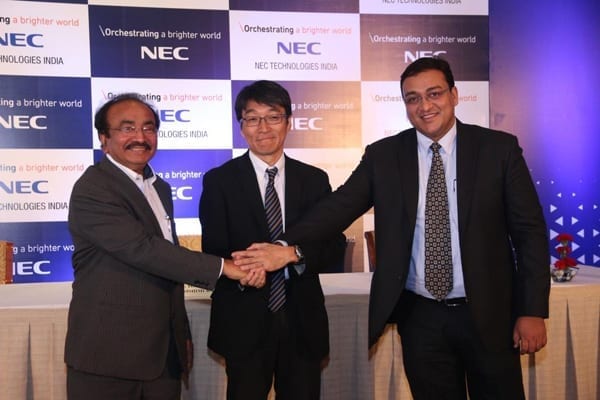
    NEC Corporation and NEC Technologies India Private Limited (NTI) have announced the launch of a Center of Excellence for Analytics Platform and Solutions (COE-APS) for promoting solutions and services of NEC’s Big Data & Analytics Platform, Data Platform for Hadoop (DPH).

    The COE-APS will simplify digital transformation and act as a one stop shop for both customers and partners in the telecom, retail, banking, financial services, insurance and manufacturing sectors, as well as government organizations. The COE-APS will initially focus on markets that include Japan, India, Singapore, Philippines and Hong Kong, then gradually expand services throughout APAC and other regions.

    With the global big data and analytics market expected to reach $210 billion by 2020, NEC plans to organize a team of 100 professionals within the first few years, to support these operations.

    Hadoop alone is expected to reach US$50.2 billion by 2020. With the industry already facing a shortage in talent, specifically in Hadoop and analytics areas, the establishment of the COE-APS will help NEC to leverage India’s strong talent base.

    In recent years, the exponential growth in data processing is straining the capabilities of conventional databases and data warehouse solutions. With the advent of big data & analytics solutions, data is comprehensively and reliably analysed, thereby enabling customers to make well-informed decisions at the right time.

    In addition, the COE-APS will leverage the computational power and scalability of NEC’s specialized hardware for big data & analytics in order to flexibly handle the ever increasing demand for storage and computation by Hadoop.

    “The key to success for organizations today is to make fast and informed decisions by extracting insights out of the huge volumes of data that are available to them. The new Center of Excellence is an important step towards utilizing big data analytics and NEC’s Data Platform for Hadoop to provide benefits for government bodies and enterprises in India and across the world,” NEC SVP  Tomoyasu Nishimura said.

    “Going forward, we aim to continue driving digital transformation for industries of all sizes and markets.”

  • NTT may sell African operations

    NTT may sell African operations

    Japan’s NTT Corporation, parent company of NTT Communications, is reportedly considering the sale of its African operations and could seek around $800 million for the assets.

    NTT is evaluating a sale of the African operations it acquired through the takeover of Dimension Data in 2010, three people familiar with the matter.

    According to the sources one potential outcome of the process is an acquisition of NTT’s Johannesburg-based internet solutions business, a Dimension Data subsidiary, by MTN. The African mobile group is planning to expand into the enterprise internet services segment for further growth, and could use the acquisition to facilitate this expansion.

    Dimension Data’s management are also considering an offer to buy back the company and re-list it publicly, the sources added. NTT acquired Johannesburg-based Dimension Data for around $2.7 billion seven years ago.

    But in 2015 NTT put Dimension Data on notice over its poor performance after years of failing to generate a profit, indicating it may seek to divest the acquisition.

    A sale at this stage is far from guaranteed. The report states that no decision has yet been made on a sale, cites NTT’s MEA CEO as denying that NTT is looking to sell the business and adds that representatives from the Tokyo headquarters refrained from commenting.

  • Tata Motors global sales decline 1 per cent in May

    Tata Motors global sales decline 1 per cent in May

    Tata Motors today reported over 1 per cent decline in global sales in May at 86,385 units, including that of Jaguar Land Rover (JLR) vehicles.

    The company had sold 87,414 units in May 2016, Tata Motors said in a statement.

    In the passenger vehicles category, global sales stood at 58,075 units last month as against 55,039 units during the same period in 2016, up 6 per cent.

    Sales of luxury brand Jaguar Land Rover grew 2 per cent to 47,131 units in May compared to 46,204 units in the same month of 2016.

    However, sales of commercial vehicles declined by 13 per cent to 28,310 units as against 32,375 units in the year-ago month.