Tag: asia

  • Landmark Hong Kong launches a new Beauty & Wellness space

    Landmark Hong Kong launches a new Beauty & Wellness space

    Hong Kong’s luxury shopping centre Landmark has opened a new beauty and wellness space, in a bid to bring a lifestyle concept of health to customers.

    Located on the third floor of Landmark Atrium, the newly named Women’s Beauty & Wellness Concept offers a “selection of specialists” to visitors, as part of Landmark’s ‘A Year of Wisdom’ campaign for 2017.
    “Wisdom is one of the essential qualities that defines beauty; after all, the modern view is that beauty stems from within,” said Landmark, in a press release.

    “It begins with getting to know yourself better and culminates in what we eat, what we wear, even how we travel – in addition to our beauty regimes.

    Encompassing this, the space is made up of four branded categories, designed to cater to women seeking food, fashion, beauty and lifestyle goods and service.

    Super Foods provides shoppers with gluten-free products and juices from retailers such as The Cakery, Catch Juicery and Verde Organic.

    Top-Flight Services offers quick beautification for time-pressed women. Customers can head to the airplay blow-dry bar and get a fast blow-dry or try their hand at an express manicures, before heading over to Careyou Beauty for semi-permanent makeup and eyeliner. Other facilities include facials at N°8 Organic Spa by Beyorg, teeth whitening at Smile Dental Surgeons, as well as lash treatments from Suavislash Couture.

    Finally, the At Home Beauty section will sell electronic tools and beauty gadgets via retailer The Artistry, while customers can pick up apparel and undergarments from the space’s Feel Good Fashion section, most notably with a selection of Caelum Greene activewear, Fogal leagwear and Sheer lingerie.

    To mark the launch of the wellness space, a launch event was successfully held on June 8th by the X2 Creative brand engagement agency, with the attendance of many Hong Kong socialites and bloggers.

    During the event, guests were treated to exclusive trial services and gift or redemption offers from twelve beauty and wellness specialists located within the new Landmark wellness space.

  • L’Occitane announces fiscal year 2017 annual results

    L’Occitane announces fiscal year 2017 annual results

    L’Occitane International, a global, natural ingredient-based cosmetics and well-being products company with true stories from Provence, France and around the world, today announces its annual results for the year ended 31 March 2017 (“FY2017”).

    The Group recorded net sales of €1,323.2 million for FY2017, an improvement of 1.7% at constant rates and 3.2% at actual rates compared to FY2016. The improvement in net sales was mostly attributable to the Group’s new stores and newly renovated stores, the good performance of its web channels and own E-commerce business, and double-digit growth in the Group’s emerging brands.

    Gross profit rose 3.9% to €1,102.4 million in FY2017, which was mainly attributable to more efficient supply chain management, better price and product mix and favourable FX effects. Gross profit margin expanded by 0.5 points to 83.3% in FY2017.

    The Group recorded an operating profit of €168.3 million for FY2017; an increase of 0.2% with operating profit margin decreasing 0.4 points to 12.7%, due mostly to continuous investments in R&D, brand awareness and emerging brands. Net profit rose by 16.6% to €132.4 million – the Group’s highest ever profit since its listing – reflecting the management’s ability to expand sales despite the challenging operating environment, the absence of a one-off, non-cash foreign currency loss that was recorded during last year, favourable FX effects and a lower effective tax rate.

    Sell-out sales accounted for 75.0% of the Group’s total sales in FY2017, amounting to €992.5 million, an increase of 1.3% at constant exchange rates. This growth was primarily driven by new stores and newly renovated stores, as well as the growth and development of the Group’s E-commerce channels, especially marketplaces. Under its selective omni-channel expansion strategy, the Group’s global own retail store network grew to a total of 1,514 stores during the year, while its E-commerce presence continued to expand.

    Sell-in sales accounted for 25.0% of the Group’s total sales in FY2017, amounting to €330.7 million, an increase of 3.1% at constant exchange rates. This growth was driven by dynamic growth in web partners, wholesale, distribution and B2B channels and in the emerging brands – L’Occitane au Brésil, Melvita and Erborian.

    Brazil and Japan registered the largest growth at actual rates, with sales growing 30.0% and 15.5% (due to the stronger Brazilian Real and Japanese Yen) respectively. Local currency sales in Brazil also grew by 18.4%, which was driven by both the L’Occitane en Provence and L’Occitane au Brésil brands. Sales in Japan benefited from a well-received TV advertising campaigns and improving sales growth in the Group’s own E-commerce business and web-partners.

    In terms of local currency sales, China was also stand out market for the Group in FY2017, with sales growing 11.0% compared to FY2016, as a result of accelerated growth at its physical and online stores (such as its flagship on TMall) and B2B, particularly in the last quarter of FY2017. Much of this great result was driven by a highly successful brand ambassador campaign that took place in the second half of the year.

    As part of its omni-channel sales strategy, the Group continued to significantly invest in its self-owned E-commerce websites, mobile sites, third-party marketplaces and social media platforms to drive traffic, conversion, sales and growth to its online platforms and physical stores. It also continued to push forward marketing initiatives and gifting strategies to safeguard its performance in markets with a more uncertain economic situation, including the United States, United Kingdom and other European countries.

    As part of its multi-brand strategy, the Group recently invested US$128 million in a 40% stake in LimeLight by Alcone, a fast-growing US-based natural skincare and personalized makeup company selling through “social commerce”, with the objective to develop its business model worldwide, and to speed up the Group’s expansion into the colour cosmetics sector. It will also seek to expand into other product streams to cater for a wider customer audience, including millennials.

    The Group’s balance sheet remained healthy during the year under review, with its net cash position amounting to €379.7 million as at 31 March 2017. L’Occitane is pleased to propose a final dividend of €0.0316 per share, representing a dividend pay-out ratio of 35.0% in FY2017.

  • Nok Scoot and Thai Airasia X receive AOC

    Nok Scoot and Thai Airasia X receive AOC

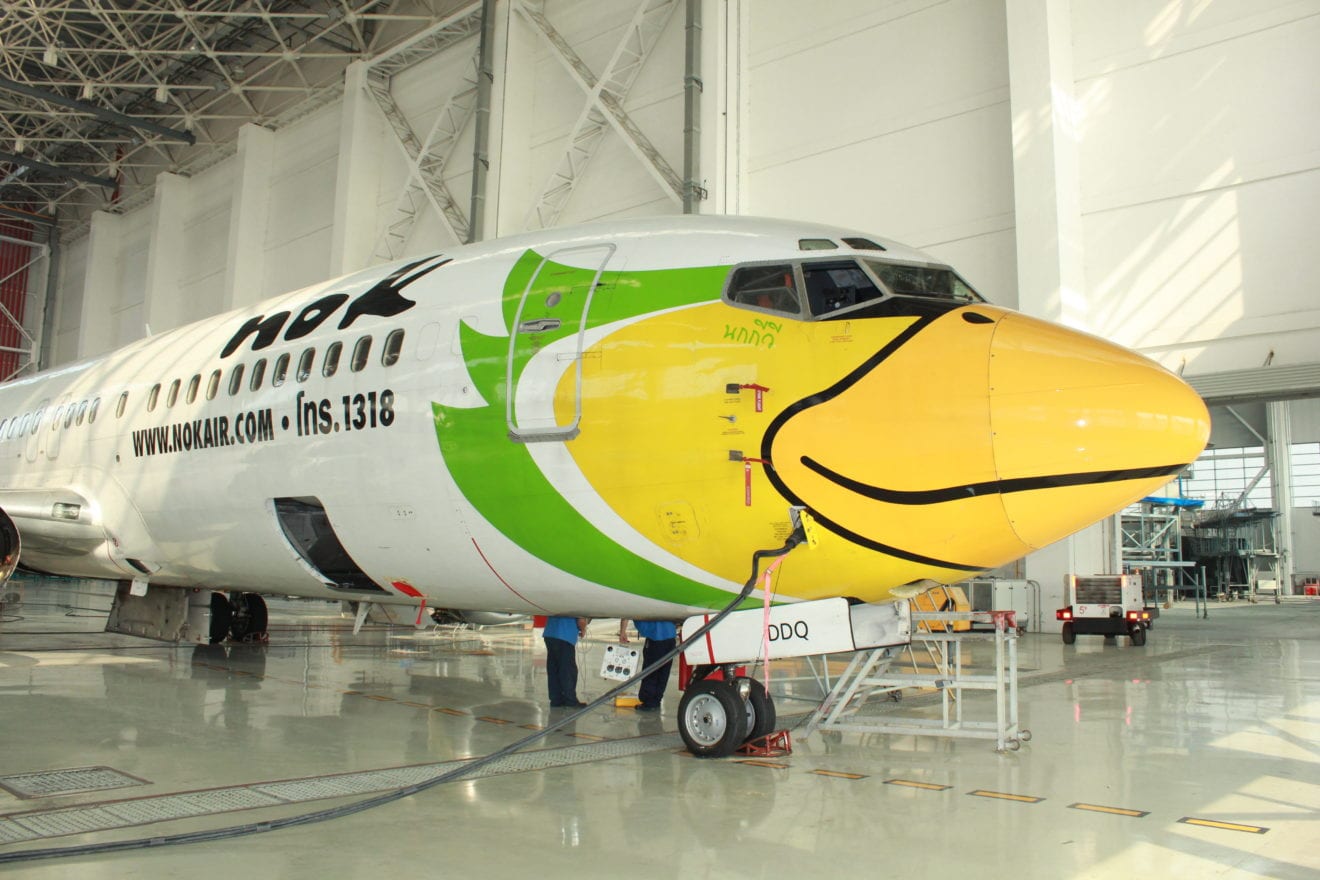
    Nok Scoot and Thai AirAsia X were yesterday announced to qualify for Air Operators Certificates (AOC) after both met the International Civil Aviation Organization (ICAO) standards.

    Both became the country’s 4th and 5th local airlines to be granted the AOCs.

    Nok Scoot and Thai AirAsia X are low cost international carriers operating in an extremely competitive field.

    Of all 5 local carriers that were granted AOCs, 77% are international carriers.

    The certificates were presented to executives of the two airlines by the Civil Aviation Authority of Thailand yesterday.

    CAAT director-general Chula Sukmanop said that the presentation of AOC certificates showed that the two airlines have security systems in place and their services met ICAO standards even though they are low-cost airlines.

    One final hurdle for Thailand is to petition the ICAO revoke its red-flagging of the local airline industry which should be successfully achieved by the end of this month, he said.

  • 7-Eleven heads to Okinawa to expand its reach in Asia

    7-Eleven heads to Okinawa to expand its reach in Asia

    Seven-Eleven Japan is finally setting up shop in Okinawa, the only Japanese prefecture where it has yet to open an outlet. The convenience store operator plans to use the southern island as a stepping stone for expanding sales of its in-house brand across Asia, where demand for Japanese food and snacks is growing.

    On Friday, Seven-Eleven Japan announced it will enter Okinawa in 2019 and open around 250 outlets there over the following five years, mainly in Naha, the capital.

    While the company is keen to boost domestic business, Okinawa’s proximity to foreign markets also proved an attractive draw for Japan’s largest convenience store operator. President Kazuyuki Furuya said the company plans to use the prefecture as a “transportation hub” for expanding sales of its Seven Premium brand.

    “Asia is full of attractive markets, including China,” Furuya added.

    Okinawa has traditionally not been an ideal location for the company’s so-called area-dominant strategy, which involves concentrating stores in specific areas to rapidly raise brand recognition and reduce transportation costs.

    The company also needed a factory within the prefecture to get food onto store shelves more efficiently. With prospective local partners lined up, however, the operator now plans to open a factory and distribution center as soon as possible.

    With local partners, rival convenience store operators FamilyMart and Lawson already have outlets in Okinawa — around 300 and 200, respectively. Seven-Eleven Japan will establish its first 100% subsidiary this year in the prefecture to better cater to local needs.

    Launched in 2007, the Seven Premium brand now has over 3,600 items, ranging from snacks and ready-made meals to fresh meat and vegetables. By fiscal 2019, the company plans to increase the number to 4,200 items, with a revenue target of 1.5 trillion yen ($13.6 billion), up 30% from fiscal 2016.

    Though the details are still being worked out, Seven-Eleven Japan plans to use a cargo hub in Okinawa operated by All Nippon Airways. Okinawa’s ideal location would allow more efficiently to deploy Seven Premium brand to Asian markets.

    Okinawa is closer than Tokyo to a number of major Asian cities: Taipei, Seoul, Bangkok and Singapore are all within five hours or so. This has allowed ANA Cargo’s air freight network to offer next-day parcel delivery from Japan to these cities. Products are first brought from around the country to Haneda Airport in Tokyo and then to Naha, which permits late-night air traffic and runs customs services around the clock.

    While these trials have has been limited to around 20 items, mostly snacks, Seven-Eleven Japan plans to roll out its Seven Premium brand at its first Vietnamese store in Ho Chi Minh, set to open on Thursday. The company aims to open 20 stores this year and 100 by 2019.

  • OJK to expand banking access to the Philippines

    OJK to expand banking access to the Philippines

    The Financial Services Authority (OJK) plans to expand banking access to the Philippines by signing a Letter of Intent (LoI) with the countrys central bank, Bangko Sentral ng Pilipinas (BSP).

    The cooperation will pave way for access to some Indonesian banks that already certified as “Qualified ASEAN Bank” (QAB), the authoritys Deputy Commissioner for Supervision, I Sukarela Batunanggar, said at a press conference in Jakarta on Friday.

    “Besides the positive trends in economy growth, the two countries also have similarities in the sectors of social and economy, mainly in their domestic credit ratios,” Batunanggar stated.

    Indonesia and the Philippines, he further remarked, also have great potential in terms of their population sizes.

    “The two countries still have more opportunities to continue flourishing,” he noted.

    The LoI that was scheduled to be signed on next Sunday is an initial measure for negotiating bilateral cooperation through the ASEAN Banking Integration Framework (ABIF).

    The framework, which is set by two main principles, including reciprocity and equality, is aimed at supporting the banks in expanding their business within the Southeast Asia region.

    In accordance with the framework, Batunanggar stated the authority has assessed several banks that seek to hold a QAB certification.

    Batunanggar hoped the negotiation between two countries could be completed soon, so it would enhance trade volumes between Indonesia and the Philippines.

    In 2016, the two countries trade volumes remained low, compared with other states.

    Indonesian exports to the Philippines reached less than 4 percent last year, while the imports were only about 1 percent.

    The authority had signed a similar LoI for bilateral financial cooperation with Bank of Thailand (BOT) in March last year.

    Another bilateral deal was implemented between the countrys financial authority and the Malaysian bank central in August last year.

  • Indonesia May motorbike sales up 15.2% yoy

    Indonesia May motorbike sales up 15.2% yoy

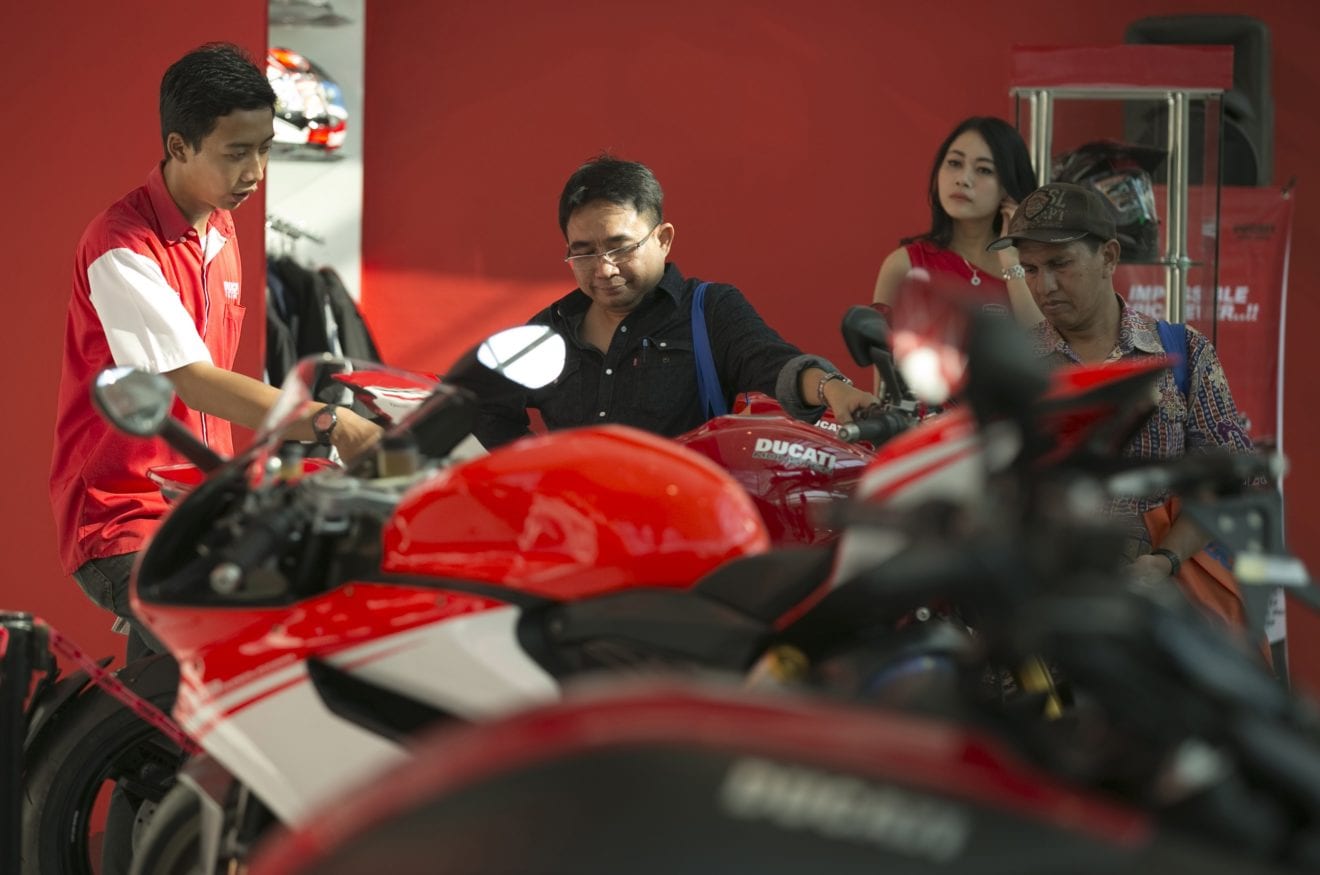
    Motorcycle sales in Indonesia rose 15.2% in May from a year earlier, data from an industry association showed on Monday.

    These sales are also the highest growth rate since August 2014.

    Sales stood at 531,496 motorbikes in May, up from 461,506 sold in the year-ago period.

    It was also higher than the 388,045 bikes sold in April. Motorbikes are hugely popular in Southeast Asia’s biggest economy and their sales are a key indicator of consumption.

    Sales in May were led by Honda Motor , Yamaha Motor Co Ltd and Suzuki, data showed.

  • Bank Mandiri Lends Rp1.5tn to Indonesia Infrastructure

    Bank Mandiri Lends Rp1.5tn to Indonesia Infrastructure

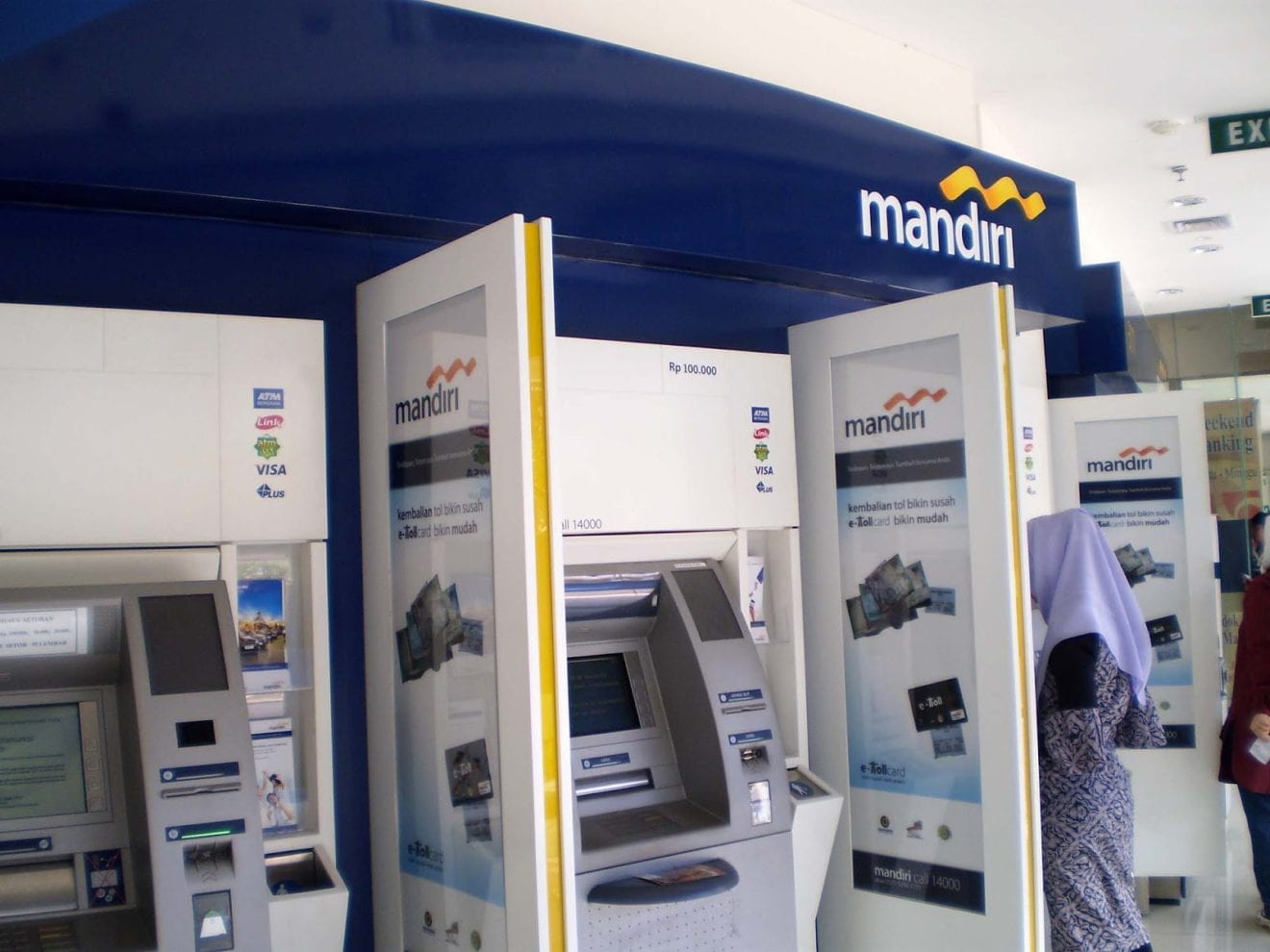
    State-owned Bank Mandiri is lending Rp1.5 trillion to Indonesia Infrastructure Finance (IIF) to help the non-bank financial institution support the acceleration of infrastructure development in Indonesia.

    IIF president director Arisudono Soerono said the loan will used to finance several infrastructure projects that are commercially viable and feasible.

    Bank Mandiri also gives IIF a treasury line facility with US$50 million limit to hedge the company’s transactions using foreign currencies.

    The bilateral term loan is a non-revolving credit with that will mature in three year.

    Bank Mandiri’s government & institutional director Kartini Sally said this is the second time the bank provided lending to IIF. In 2015, Mandiri disbursed Rp1 trillion loan to help IIF fast-track the completion of infrastructure projects in Indonesia.

  • What’s next for remittances to Vietnam?

    What’s next for remittances to Vietnam?

    Global economic and political conditions cast doubt on the inflows, which have been an important source of capital for Vietnam.

    Vietnam is still in the list of top remittance recipients, but experts are uncertain about the future considering recent economic and political developments in the world.

    According to World Bank’s estimates, during 2016, Vietnam received around $13.4 billion from overseas, up 3 percent from 2015.

    The Washington-based bank noted that remittances to developing countries, in general, fell for a second consecutive year in 2016, a trend not seen in three decades.

    For Vietnam, over the past 25 years, the flow of overseas funds has increased around 100-fold, from $140 million in 1993 to approximately $13.4 billion in 2016, according to latest data released in May by the World Bank.

    Last year, remittances made up for 6.7 percent of the country’s gross domestic product.

    The U.S. has been the largest source of remittances for Vietnam, accounting for around 60 percent of all remittance inflows last year, as calculated by us based on several estimates.

    But there are uncertainties ahead. Credit Suisse, in its report released in March this year, warned of a possible slowdown in 2017, given global economic and tighter border controls imposed by the Trump administration.

    Analysts said remittances could be affected by the recent hike in interest rates in the U.S., which means senders can earn good profits by keeping money in the U.S.

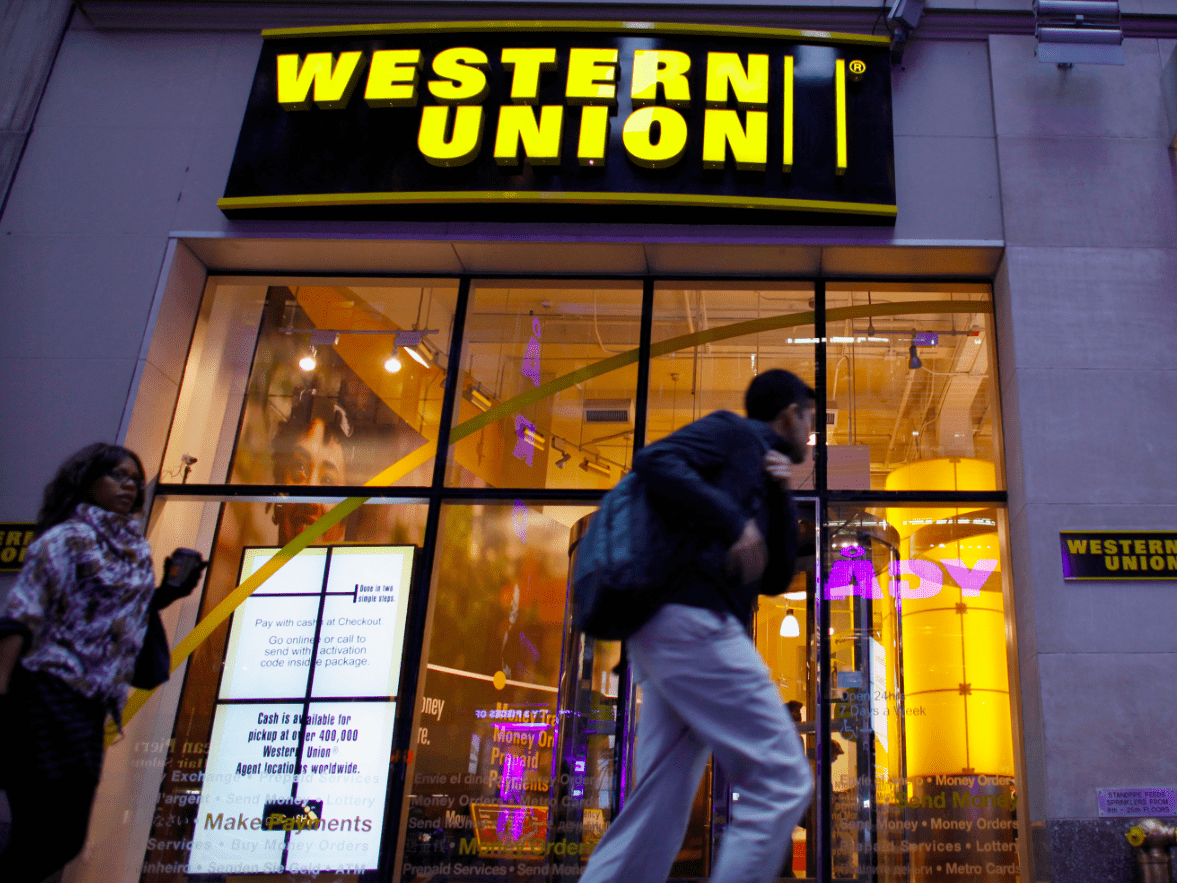
    In recent years, the purpose of using remittances shifts from family support to business investments, real estate and savings, Atish Shrestha, the regional director for Cambodia, Laos and Vietnam at Western Union, told via email.

    As such, the logic of holding on to their money makes sense, Shrestha said.

    He added that while economic and political conditions in the send countries may weaken remittance inflows to Vietnam, the growing number of Vietnamese migrants working abroad may help to offset these effects.

    In 2016, the number of Vietnamese who went to work abroad hit 126,300, exceeding the projection by over 26 percent, and up nearly 10 percent from the previous year, according to the Department of Overseas Labor.

    Vietnam’s major source of remittances, aside from North America, are Australia and European countries, according to Western Union.

  • How to Make Post-Truth Work for Tourism Businesses

    How to Make Post-Truth Work for Tourism Businesses

    A political environment of post-truth, confirmation bias and alternative facts can work well for tourism business marketers who are brave and have finely tuned customer antennae.

    She observes that people are more likely to believe things that confirm their existing positions than information that contradicts them. In the last couple of years consumers and voters have stopped feeling the need to apologize for such post-truth biases.

    “So are we saying it is OK to not tell the truth in marketing? No we aren’t!” says Childs. “But if you know who your customers are and what your brand values are, then you can make a decision on what to comment on and, just as importantly, how to comment.”

    Childs says that a good example of this is the response that some US destinations have made to the potential impact from the attempted travel ban on some (mostly Muslim) markets.

    Travel brands that feel they know their customers have responded boldly. “They have identified that they have more to lose than gain by keeping silent. They have therefore launched communication campaigns that reflect their own alternative position on these issues,” says Childs.

    She cites the clever move by San Francisco (You’re #AlwaysWelcome Here) and Los Angeles (#EveryoneIsWelcome) to launch tourism campaigns setting the record straight. Both emphasize that everyone is welcome, regardless of ethnic, cultural and sexual orientation.

    But brands which have a customer base across the political divide can also exploit this trend. Jet Blue’s “Reach Across the Aisle” and Heineken’s Worlds Apart online adverts fight the belief that disagreement and entrenchment are the new normal. The brands celebrate people that put aside personal and political differences. The message? Our brand believes unity is better than division.

    Childs says both Jet Blue and Heineken position themselves as brands that clear up misunderstanding and remind us of our common humanity. “That’s a powerful message for any brand. It’s like taking a stand without taking a stand.”

    However, she warns that companies should not jump on the latest trend bandwagon. Don’t be cynically opportunistic. It could backfire.

    “It’s that tiny sliver in time, when the thorniest, most divisive issues of the day become safe enough – but not so safe that they’re passé – for brands to speak out, take a position and reap endless buzz,” says Jonah Sachs, the CEO of branding agency Free Range Studios.

    Understanding your customers allows you to work out what you have permission to say and what you don’t,” says Childs. “Think about how your customers would react to this issue and what they would expect you to say about it,” she advises.

    MyTravelResearch.com goes into the importance of branding, persona building and understanding customers in clear detail in their Marketing Plan Blueprint and Five-Step Tourism Marketing System.

  • Government to establish electronic toll collection consortium

    Government to establish electronic toll collection consortium

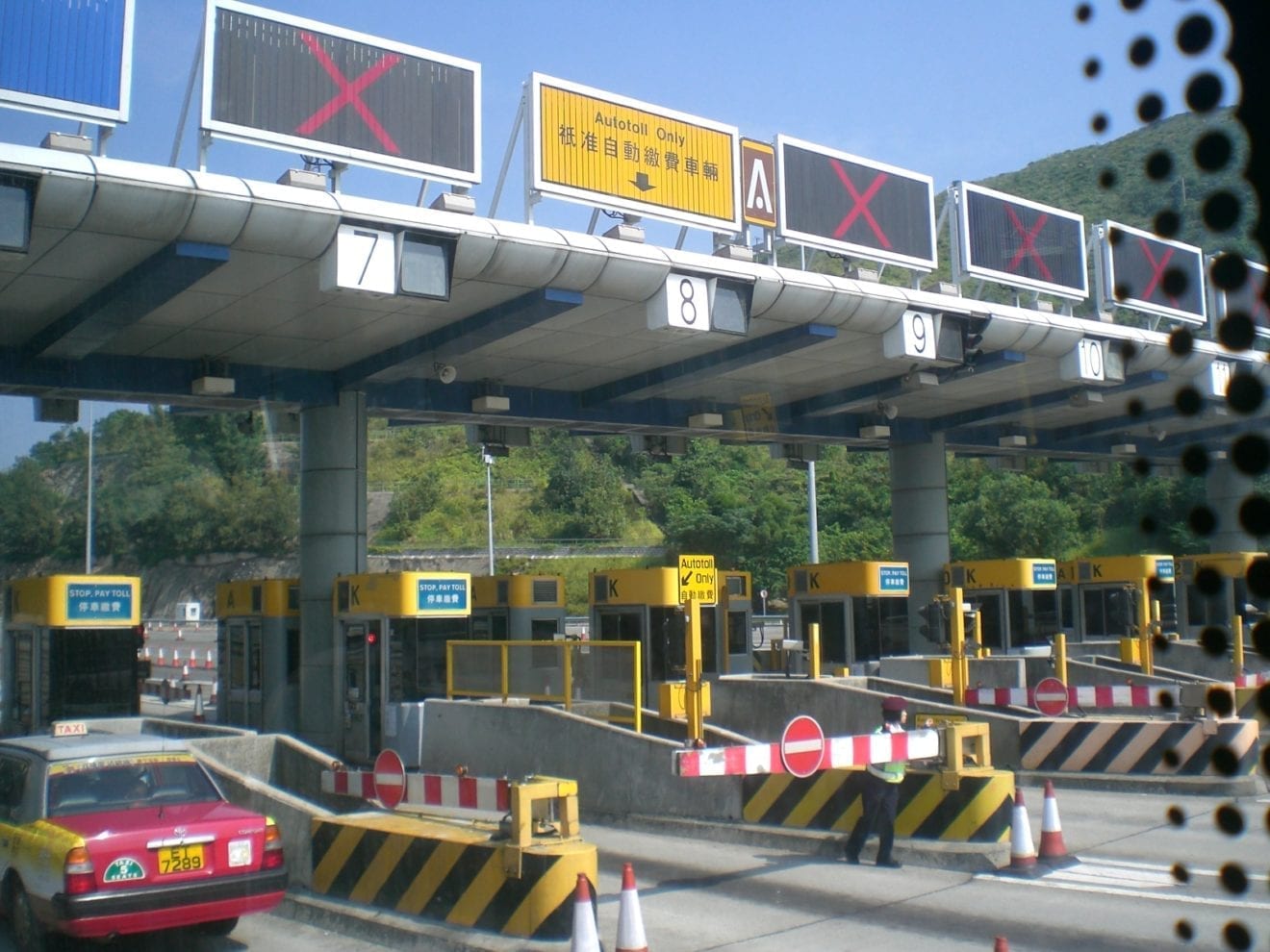
    The Public Works and Public Housing Ministry (PUPR), in cooperation with Bank Indonesia, will establish an electronic toll collection (ETC) consortium to set up a non-cash payment system on toll roads, which is targeted to operate thoroughly in Oct 2017.

    The shareholders of the consortium will consist of various stakeholders from bank companies, toll road enterprises, and switching companies.

    The consortiums role is to manage electronic payment facilities and infrastructure on toll roads, such as system and procurement of “reader,” data synchronization, and proportional profit sharing.

    “It will also play a major role in the integration of the toll road segments as well as in improving the business model and technical aspects of electronics,” BI Governor Agus Martowardojo told the press here on Wednesday.

    The establishment of the consortium is in line with governments target to change every payment in the toll roads using non-cash or electronic mechanism.

    BI has set a target to manage non-cash payment system in 35 toll roads in Oct 2017. Currently, only 25 percent of total payments in 35 toll roads in Indonesia are using non-cash payment.

    “Hence, this consortium is one of the required institutional aspects to be established,” Martowardojo noted.

    In addition to the institutionalization, electronicfication of all toll roads will also change the business model of various participating companies on the highways.

    Among some changes is the business commission that the bank must pay to the operator for the non-cash payment application of 0.3 percent, which will be replaced by a merchant discount rate (MDR) system. MDR will be implemented after the ETC consortium is officially established.

    To add incentives for banks to integrate, BI will also allow banks to charge additional commissions to customers when charging an electronic money balance used to pay for toll services. Such fee will be regulated in the revision of Bank Indonesia regulation concerning electronic money.

    Technically, BI and the PUPR Ministry divide the four stages of non-cash electronication including the electronification stage of the entire toll road in October 2017, the integration of the toll road system, the integration of toll roads and the establishment of the Electronic Toll Collection Consortium (ETC) as well as the implementation of Multi Lane Free Flow (MLFF), as a process of payment of tolls which not require the drivers to take a long stop.

  • Indonesia Eyeing Export Opportunities to Afghanistan

    Indonesia Eyeing Export Opportunities to Afghanistan

    Afghanistan has expressed interest to import Indonesian products. Indonesia and Afghanistan have already establish trade relations covering finished products albeit at a relatively small amount. Industry Minister Airlangga Hartarto said that the government has welcomed Afghanistan’s import proposal. The export will primarily include consumer goods.

    “Afghan President has come here, and now they said that they are interested in importing some commodities from Indonesia. Indonesia and Afghanistan trade volume is not quite significant yet,” Airlangga said yesterday after meeting Afghanistan Ambassador to Indonesia Roya Rahmani in Jakarta.

    Airlangga said that Afghanistan is one of Indonesia’s industrial product export destinations as the country imports almost 90 percent of its daily needs. Some products, according to Airlangga, have the potential to be exported to Afghanistan, such as textile, pharmaceutical, construction products, and food and beverages. Indonesian business delegates will be departing for Afghanistan in the near future.

    Data from the Industry Ministry show that electronics and its appliances make up the most of Indonesia’s industrial product exports to Afghanistan, reaching US$ 3.54 million last year.

    Other products with high export value are pharmaceutical, household products, cosmetics, mirror, tea and coffee, vegetable oil, rubber and chemicals. In 2016, Indonesia’s export to Afghanistan is valued at US$16.22 million.

    In the same period, imports from Afghanistan amounted to US$ 31.1 million, meaning that Indonesia posted a US$ 16.19 million surplus. Indonesia imported some commodities from the country such as processed fruit, electronics and steel products.

  • Garuda Indonesia soars above challenges, gears up for growth

    Garuda Indonesia soars above challenges, gears up for growth

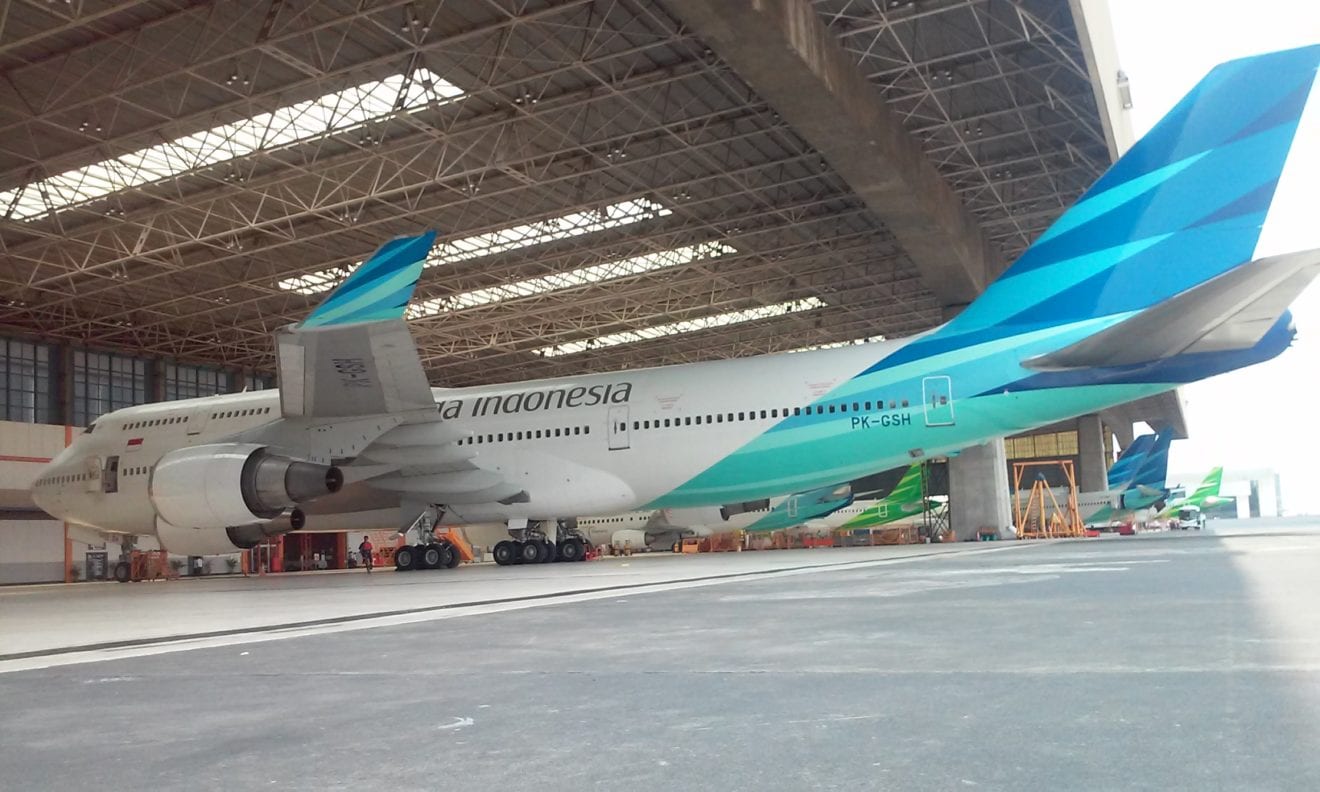
    Ready to face their business growth that is riddled with challenges, Garuda Indonesia is optimistic that both its operational and financial performances will experience sustainable and positive growth in the next two years. This will be attributed to their business strategy, which is to focus on financial performance transition.

    Antara News quoted Garuda Indonesia President Director, Pahala N Mansury, saying that the airline would focus on performance improvement by taking 10 financial and business performance initiatives in a manner that would improve both operational and financial conditions.

    The 10 financial performance strategy initiatives are optimising usage of their fleet, lowering fleet cost, improving service related to departure and arrival time as well as reforming the service user income management services. “We are quite optimistic about achieving it in one or two years time,” he said.

    Pahala said the company is currently in a good position in term of operation and services to the public. However, the main challenge the company is facing is to find ways to improve its financial performance in a sustainable way to ensure business continuity.

    “We have identified that the phase of the business cycle that the group is undergoing is temporary. Infrastructure, human resources and products, and all business lines have a good platform to support the performance improvement,” Pahala said.

    He also lauded all sides for their input and attention into improving the group’s performance and business dynamics.

    Meanwhile, state shipping company PT Pelayaran Indonesia (Pelni) has paired up with Patra Jaya, a subsidiary of state-owned energy firm PT Pertamina, to introduce a cruise ship to boost the tourism industry.

    PT Pelni Kupang brand Head Adrian on Sunday said a memorandum of understanding was signed between the two parties, where the MoU entails the construction of a cruise ship to support the nation’s tourism industry in 10 tourists destination.

    The ten tourists destinations include Labuan Bajo and Riung, East Nusa Tenggara. The ship is currently being built in South Korea and is expected to be completed and sailing by 2018.

    Both Pelni and Pertamina had initially planned to purchase a cruise ship but the plan was halted following a regulation banning government agencies to purchase second-hand goods from abroad.

    Pelni currently operates both passenger and transport ships.

  • BI launches food price information center

    BI launches food price information center

    The central bank of Indonesia, Bank Indonesia (BI), has launched a Strategic Food Price Center website (PIHPS) application which will serve as a reference of pricing information to help those in charge of making policy on inflation management.

    BIs Governor Agus Martowardojo said, at the PIHPS launch here on Monday, that data collection was one of important factor in controlling price to manage inflation.

    “The success of inflation policy application requires not only information but also supporting data. We follow the presidents directive, stated on April 11, 2016, to develop food information system center,” Agus stated.

    He explained that at an early stage, PIHPS will focus on 10 food commodities that contribute more than 50 percent to inflation of the volatile foods category.

    Referring to PIHPSs website at www.hargapangan.id site, the 10 strategic food commodities are rice, beef, chicken, chicken egg, red chili, cayenne pepper, onion, garlic, cooking oil, and sugar.

    Controlling the prices of these 10 food commodities has become the foundation of BI and the government to control inflation of volatile foods.

    Data presented by PIHPS is compiled from 164 traditional markets from 34 provinces. The data collected from 9.00 to 11.00 Jakarta time will be validated by BI at 10.00 to 12.00 and then published at 13.00 Jakarta time.

    PIHPS can be accessed at www.hargapangan.id or by downloading PIHPS National at android and Apple iOS operating system for free.

    In future, the Central Bank will develop the application by extending data coverage that includes modern markets, wholesalers, and producers, Agus remarked.

    “In 2018, we will collect data at the producer level for the 10 commodities, and we will also develop the site, hoping that wider access to food information will gradually lower the price fluctuations,” Agus revealed.

    Through PIHPS, the Central Bank wants to keep the inflation at 3-5 percent this year by paying particular attention to volatile foods, considering that its pressure from administered prices will be high following the energy subsidy adjustment policy that is applied this year.

    BI and the government want to keep volatile foods inflation in the range of 4-5 percent year on year from this year.

    The government has listed an overall inflation assumption of 4 percent in the 2017 State Budget.

  • Jimmy Choo Tokyo Omotesando Hills by Christian Lahoude Studio

    Jimmy Choo Tokyo Omotesando Hills by Christian Lahoude Studio

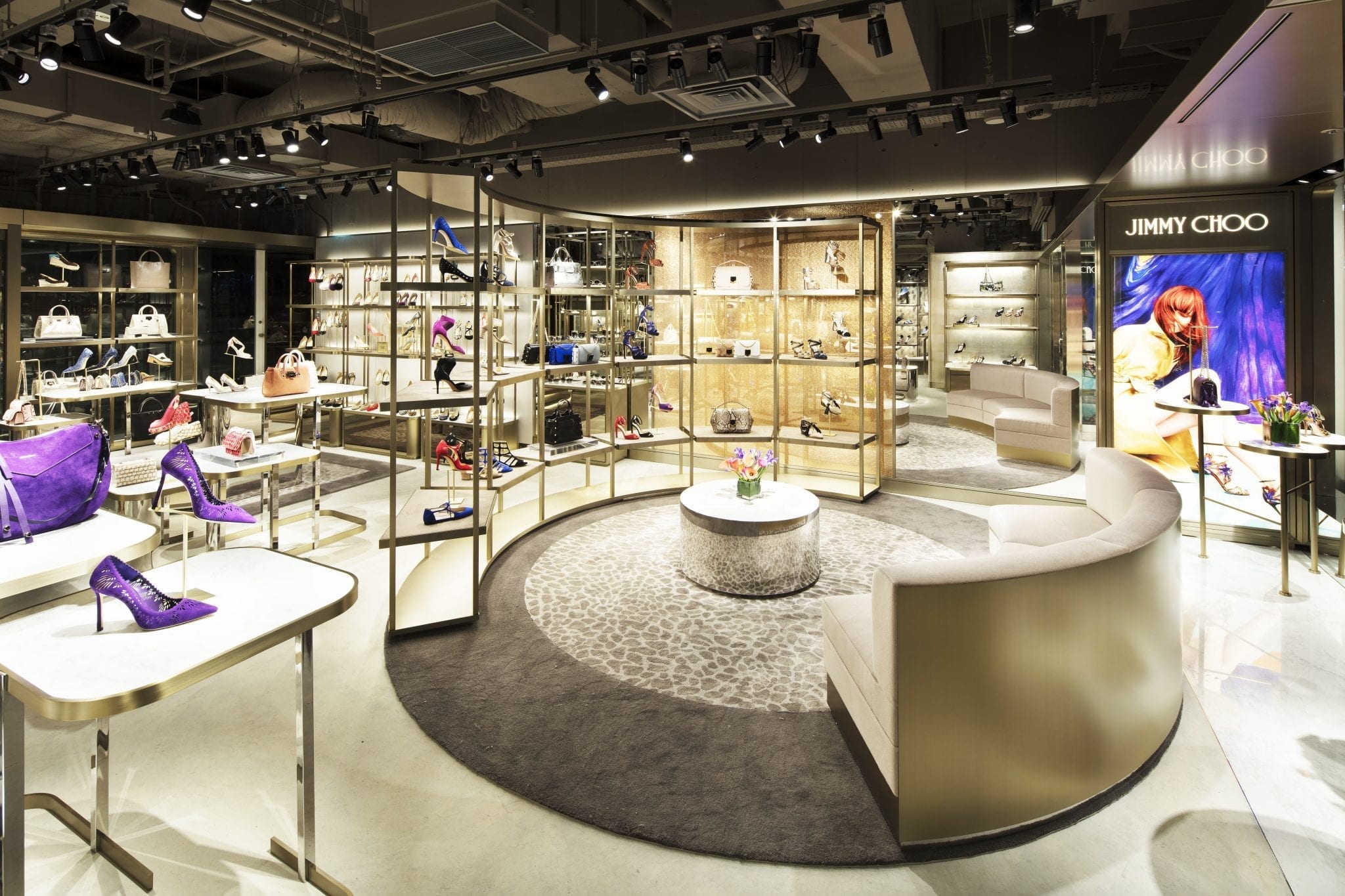
    Jimmy Choo’s 140 square-meter flagship dual gender store in Omotesando Hills Mall, Tokyo, Japan introduces its open floor plan with 2 grand facades. The main façade invites people from the street to enter the luxury store to experience a unique design combining industrial elements with the luxury materials Jimmy Choo is known for. Two entrances – one for men’s and one for women’s – from the mall’s interior are framed in gold metal and invite with lit signage and campaign images.

    Project manager Katharina Hoerath created a continuous flow between the multilevel spaces by designing dynamic curve inspired fixtures. The luxurious environment is warm and welcoming, featuring gold mesh panels on light washed walls juxtaposing the grey painted exposed ductwork ceiling. The marble floors with gold accents and light implemented in the steps are adorned with rich grey carpeting.

  • Indonesia`s fresh pineapples enter Italian market

    Indonesia`s fresh pineapples enter Italian market

    Indonesian fresh pineapples can now be consumed by Italian consumers after a container holding 18 tons of the commodity arrived in Italys city port of Venezia over the weekend.

    The 18 tons of fresh pineapples were exported in a maiden shipment by PT Great Giant Food in cooperation with Italian importer SAMA SpA.

    SAMA is planning to import up to 20 containers of the commodity until the end of the year, Counselor Charles F. Hutapea of the Indonesian Embassy in Rome, told us in Jakarta on Saturday.

    Previously, the Italian consumers could only enjoy Indonesian pineapples in the form of canned product. The unloading of the maiden export of fresh pineapple was witnessed by Indonesian Ambassador to Italy Esti Andayani together with general manager of SAMA, Giorgio Masiero.

    Ambassador Andayani expressed happiness over the fact that Italian consumers are increasingly fond of Indonesian fresh pineapples which could compete with fruit from other countries.

    “So far, many kinds of Indonesian fruits are imported by countries in Europe and now Indonesian pineapples could also penetrate the Italian market,” she said.

    The Italian company previously imported pineapples from Caribbean and African countries with a length of delivery time of about three weeks.

    The length of time for the importation of pineapples from Indonesia is about four weeks.

    However, the longer period does not affect the quality of and shape of Indonesian pineapples. According to the agriculture attache, Yusral Tahir, in Rome, pineapple is one of the Indonesian mainstay types of fruit.

    Pineapple production is ranked third in the volume of Indonesias fruit outputs after bananas and mango. Almost all regions in Indonesia produce pineapples.

    Pineapple production centers in Indonesia included the provinces of Lampung, West Java, North Sumatra, East Java and Jambi.

    Indonesias pineapples production reaches 1.84 million tons with productivity of 117.5 tons per hectare.