Tag: asia

  • Vietnamese property developers see new tricks in VR

    Vietnamese property developers see new tricks in VR

    As competition in the property market heats up, developers are seeking new ways of attracting buyers – one recent attempt makes use of virtual reality and augmented reality (VR/AR).

    It’s expected that VR will boom this year, with a wide number of sectors taking advantage of the latest technology, including real estate, which will allow potential buyers “real” experiences of property projects.

    A recent report by Cushman & Wakefield estimated that VR and AR would become a US$2.6 billion market in real estate by 2020, as headsets such as the Oculus Rift and the Microsoft Hololens become common place over the next few years.

    “It’s essential to begin preparing for the expansion,” Cushman & Wakefield said. “In addition to virtual walkthroughs of both finished and unfinished buildings and virtual models projected onto desks and tables in the real world – innovations which are already in development – companies see opportunities for more game-changing features a little further down the road, once mass adoption takes hold.”

    Cushman & Wakefield cited a research report released last year by Goldman Sachs, saying that VR/AR hardware and software is finally catching up with consumer expectations, and are posed to disrupt a number of markets, including real estate.

    Catching up with the trend, several Vietnamese developers have started to use VR and AR in their marketing to promote sales, such as Vingroup, Sun Group and BIM Group.

    At a recent sale opening of Citadines Marina Ha Long, BIM Group used the Microsoft Hololens to demonstrate every detail of the project in front of buyers’ eyes.

    A representative from the developer said that the use of new technologies would help make up for the gaps in traditional marketing tools.

    Phan Thanh Hue from Booyoung Vina was quoted by Dau Tu Bat Dong San (Real Estate Investment) newspaper as saying that the new technologies brought life-like experiences to customers.

    Dinh Anh Tuan, director of 3D Vni, which provides the hardware, said that many customers were excited about the new experiences. Tuan said that developers were staring to use VR and AR in marketing and more expansion was expected.

    Tuan said that VR was forecast to become an indispensable trend, changing the face of marketing and sales in many sectors, including real estate. This technology would also help increase the competitiveness of property products, he added.

    According to Pham Ngoc Mai Anh, director of ADT Creative, a start-up in VR applications, there is an increasing interest in using VR by property developers.

    However, because of current prices, VR is now only appropriate for high-end segments rather than having broad appeal, experts say.

  • Automakers diverge on how fast to deploy automatic braking

    Automakers diverge on how fast to deploy automatic braking

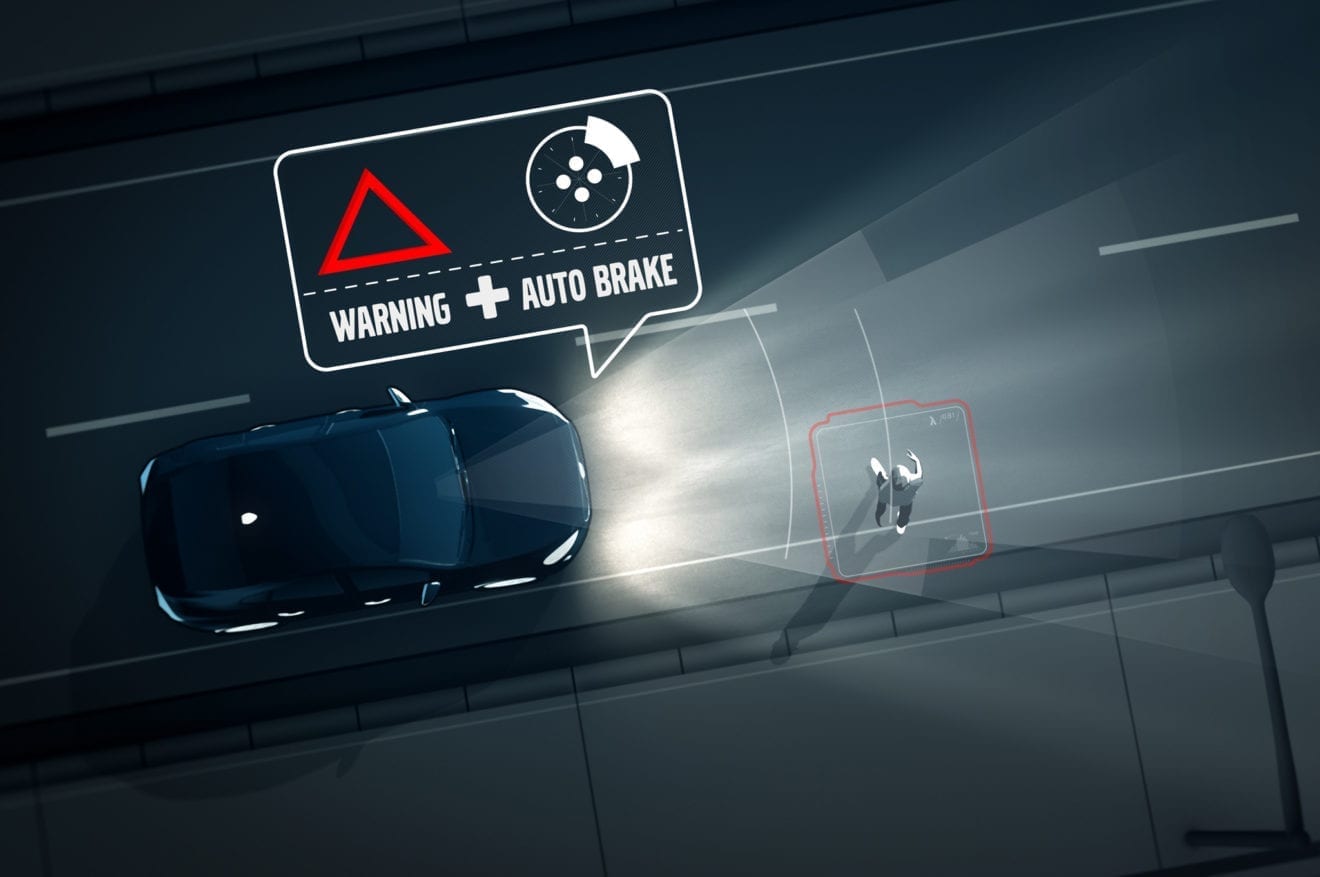
    Big automakers are rushing to launch self-driving cars as early as 2021, but the industry’s major players are moving slowly when it comes to widespread deployment of a less expensive crash prevention technology that regulators say could prevent thousands of deaths and injuries every year.

    Nissan Motor said on Thursday it would make automatic braking systems standard on an estimated 1 million 2018 model cars and light trucks sold in the United States, including high-volume models such as the Rogue and Rogue Sport compact sport utility vehicles, the Altima sedan, Murano and Pathfinder SUVs, LEAF electric car, Maxima sedan and Sentra small car.

    Rival Toyota Motor has said it will make so-called automatic emergency braking standard on nearly all its U.S. models by the end of this year.

    Overall, however, most automakers are not rushing to make automatic brake systems part of the base cost of mainstream vehicles sold in the competitive U.S. market. The industry has come under pressure from regulators, lawmakers and safety advocates to adopt the technology, which can slow or stop a vehicle even if the driver fails to act.

    So far, only about 17 percent of models tested by the Insurance Institute for Highway Safety offered standard collision-avoiding braking, according to data supplied by the auto safety research group backed insurance industry. Many of the models with standard collision-avoiding brake systems are luxury vehicles made by European or Japanese manufacturers.

    The systems require more sensors and software than conventional brakes, and automakers said they need time to engineer the systems into vehicles as part of more comprehensive makeovers.

    Last year, 20 automakers reached a voluntary agreement with U.S. auto safety regulators to make collision-avoiding braking systems standard equipment by 2022.

    Safety advocates have petitioned the National Highway Traffic Safety Administration to begin a regulatory process to require the technologies, but the agency has said the voluntary agreement will result in faster deployment than a formal rule-making process. NHTSA says the technology could eliminate one-fifth of crashes.

    “Do the math. That’s 5 million crashes every year – 20 percent reduction means 1 million less. Those are big numbers,” Mark Rosekind, the NHTSA’s then-administrator, told last year.

    But customers would likely experience the benefits of the technology infrequently. The technology to enable a car to drive itself is far more costly, but industry executives foresee autonomous vehicles driving revenue-generating transportation services that could be attractive to investors.

    General Motors Co (GM.N) offers automatic braking as optional equipment on about two-thirds of its models. The company did not say on Thursday how many vehicles have the technology as standard equipment. GM has not made public its plans to make the technology standard across its lineup.

    “Any time you have a voluntary agreement you have a spectrum of implementation,” Jeff Boyer, GM’s vice president for safety, told Reuters earlier this week. Asked when GM would roll out standard automatic braking, Boyer said, “let’s just say we honor the voluntary commitment.”

    Ford Motor “has a plan to standardize over time,” the company said in a statement on Thursday. Currently, automatic braking systems are optional on several 2017 Ford and Lincoln models, and will be offered on certain 2018 models including the best-selling F-150 pickup truck.

    Fiat Chrysler Automobiles offers automatic braking as optional equipment in nine model lines, using cameras and radar to detect hazards ahead. The company has said it will meet the 2022 target for making the systems standard.

    As 2018 models roll out during the second half of this year, more vehicles will offer automatic braking, said Dean McConnell, an executive with Continental AG’s North American business. Continental’s automatic braking technology systems will be on certain Nissan models.

    “We see it accelerating,” he said. “It varies. There are some (automakers) that are being aggressive” and others that are waiting.

    Nissan did not disclose how much prices for vehicles would rise to offset the cost of standard automatic emergency braking. The 2018 models will be launched later this year. Currently, Nissan, like most carmakers, offers automatic braking as part of a bundle of optional safety and technology features.

    A 2017 Nissan Sentra compact sedan has a starting price of $17,875. To buy the car equipped with automatic braking requires spending another $6,820 for a Sentra SR with a premium technology package.

    German auto technology suppliers Continental and Robert Bosch will supply the systems, Nissan said.

  • A Chinese unicorn backed by Google ready to take on the Amazon Alexa

    A Chinese unicorn backed by Google ready to take on the Amazon Alexa

    China’s Google-backed artificial intelligence (AI) start-up, Mobvoi, could soon take on the world’s leading smart voice assistant technologies, according to the firm’s founder and CEO. Speaking at the Consumer Electronics Show in Shanghai, Mobvoi’s Li Zhifei told that the firm could “absolutely” compete with the likes of Amazon in the digital voice assistant market space.

    “We are just like Amazon‘s Echo … We are making our own device and putting the technology into this device but gradually we are also going to open this AI service into third parties so that we can empower more devices,” Li Zhifei told on Thursday.

    In Western markets, Google Assistant, Amazon Alexa, Apple’s Siri, and Microsoft’s Cortana are the dominant voice assistants. Amazon has continued to push Alexa across numerous products, while Google has rolled out Assistant across Android devices and its own Google Home device. Even Apple came out with its own smart speaker called HomePod this week.

    Though Mobvoi’s CEO acknowledged his signature chatbot device still has long way to go in order to improve its sophistication and compete on a global scale, he stressed the company was making a “huge amount of progress” in its development.

    The Beijing-based start-up was founded by a group of former Google research scientists five years ago and gained prominence after launching its flagship smartwatch, Ticwatch, in June 2015. The watch’s success led to a direct investment from Google and by May 2017, Mobvoi unveiled Tichome, its Chinese language chatbot designed to facilitate human-machine interaction.

    “In the last few years we have made a huge amount of progress in speaker recognition but we haven’t made much progress in natural language understanding, which makes the device not that smart (yet),” he added.

  • Incheon Airport expects US$2billion duty free sales again in 2017

    Incheon Airport expects US$2billion duty free sales again in 2017

    Incheon International Airport says it expects annual duty free sales to reach US$2billion once again in 2017 following the complete remodelling of its 2,753square meter luxury boutique street, Airstar Avenue, at the central area of Terminal 1. Meanwhile the airport expects to open new T2 shops at the end of 2017 following a long and controversial tender process.

    The remodelled area which occupies approximately 16 percent of the airport’s duty free concession space (17,074 square meter), includes these 25 top luxury boutiques: Balenciaga, Bally, Bottega Veneta, Burberry, Bvlgari, Cartier, Celine, Coach, Fendi, Ferragamo, Gucci, Longchamp, Louis Vuitton, Marc Jacobs, Miu Miu, Montblanc, Moncler, Omega, Prada, Rolex, Saint Laurent, Tiffany, Tod’s, Tory Burch and Tumi.

    The Saint Laurent, Balenciaga and Moncler stores were the most recent additions to the revamped shopping street.

    Bum-Ho Kim, IIAC Executive Director of Commercial Marketing, made these comments: “We are pleased to announce the completion of the main terminal’s renovation. Last year, while the area was partially being revamped, the central boutique managed to deliver robust sales of US$224million.

    This sales amount covers approximately 11 percent of the total annual sales (US$2billion). As we have now completed the renewal process successfully, we are expecting to provide efficient customer experiences beyond passengers’ expectations, and aim to hit US$2billion sales once more.

    Turning to Terminal 2, he added: “Incheon Airport is currently putting its utmost efforts to successfully open duty free shops in Terminal 2, by the end of 2017. “Along with T1 duty free, we will do our best to create a place of which can deliver unforgettable, delightful airport shopping experiences and satisfaction for the passengers visiting our airport.”

    Lotte walked away with the L&T concession contract – awarded in May this year – and Shilla took P&C, while the terminal’s fashion tender was rebid.
    The three small and medium enterprise (SME) contracts will be operated by SM Duty Free (DF4), Entas Duty Free (DF5) and CityPlus (DF6), according to an announcement from the Korea Customs Service (KCS).

  • Design your own shoes at Asia’s first Tod’s pop-up

    Design your own shoes at Asia’s first Tod’s pop-up

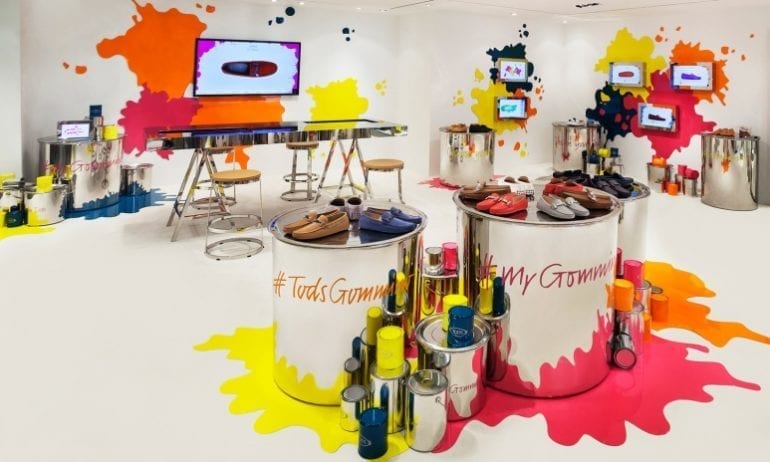
    Tod’s Gommino loafers are a style staple for celebrities, models, royalty and fashionistas the world over. It is now possible to buy a pair adding an own personal touch, as Tod’s is offering customers the chance to create their own pair of the iconic Gommino, complete with stamped initials.

    Hong Kong has been picked as the first city in Asia for a pop-up store that enables customers to create their own personalised pair of the Italian brand’s signature shoe.

    The custom loafers take just three steps to create. First, customers choose from 11 different styles of the brand’s signature shoe (there are five models for women and six for men). Next, clients decide on each of the design elements, from leather, colour and stitching, to the lining, pebbled outsole and any accompanying accessories.

    Once people confirm their initials for the hot-stamped monogram, the creation process is complete. Production takes about 10 weeks.

    With 133 rubber studs under its sole, Tod’s iconic Gommino has been a style staple since the 1970s, drawing widespread appreciation as a lightweight, unisex shoe suitable for all occasions.

    The MY Gommino pop-up is now open at Shop G309 in Harbour City, Tsim Sha Tsui for a limited time.

  • New Look to ramp up China expansion amid ‘appetite for British fashion’

    New Look to ramp up China expansion amid ‘appetite for British fashion’

    New Look is to step up the pace of store openings in China under its new owner Brait, the investment company controlled by South African tycoon Christo Wiese.

    The fashion chain intends to open 80 stores this year, compared with the 60 previously planned, and the vast majority of those will be in China.

    New Look has 30 stores in China, up from 19 at the end of March, and has signed up 40 of a planned 70 new outlets this year. A further 10 will open in Poland and France over the financial year, while only replacement stores are planned in the UK.

    “This is a great story of a British brand which has been successful in China. There is an appetite for British fashion there,” Anders Kristiansen, the chief executive, said.

    He said Brait, which will complete its buyout of a 90% stake in New Look on 25 June, would help the business “go faster”. “There are lots of mid-market brands charging high prices in China. We came in with strong, good fashion at affordable prices and Chinese consumers love it,” he said.

    Revealing a 3.4% rise in group sales to £1.4bn and an 8.7% rise in underlying profit to £153.2m for the year to 28 March, Kristiansen said the retailer had seen a strong bounceback from a difficult autumn season. “I think the outlook is very positive. We are taking market share but also the economy is better and customers are spending more generally.”

    Sales at established New Look outlets, including its website, rose by 5.4% in the three months to 28 March compared with a 1% fall in the previous three months, which were affected by unseasonably warm autumn weather.

    Kristiansen said the autumn quarter had been an exception and a 34% rise in online sales had been backed up by a positive performance in stores during the spring. “Momentum returned,” he said. “We are particularly proud of our performance in the UK business.”

    Sales at established UK stores rose 5% in the year as Kristiansen said improvements in design, the introduction of more menswear and new product areas such as cosmetics as well as items at the cheaper and more expensive ends of the spectrum had helped lift sales. For example, two years ago New Look only sold jeans priced between £12.99 and £22.99; now prices range from £7.99 to nearly £40, helping to broaden the brand’s appeal.

    Investment in linking stores and online services also paid off. “It is about making it as convenient and easy as possible for customers to shop,” Kristiansen said. “Whether it’s mobile, being easy to check out on your desktop, next-day delivery or click and collect or pick up goods at a local station, it’s all part of making it easier for customers and that’s well ahead of our competitors.”

  • Vietnamese firm to ship first batch of chicken products to Japan in August

    Vietnamese firm to ship first batch of chicken products to Japan in August

    It has taken the company two years to meet Japan’s strict quality control processes. A Vietnamese firm has completed the necessary procedures to start shipping processed chicken products to Japan.

    Koyu&Unitek Co. Ltd is the first poultry firm in the country to gain access to the Japanese market, and plans to export around 300-400 tons in August this year.

    Nguyen Van Quyen, head of the company’s export division, told that the Japanese market is very demanding and has strict control processes, so it had taken nearly two years to complete the necessary procedures.

    The most difficult phase was building the company’s own management oversight program following criteria laid out by the World Organization for Animal Health and Japan.

    Japanese importers pay special attention to antibiotic residue in products, banned microorganisms and bird flu, among others, said Quyen.

    In additon to Japan, his company is also seeking export opportunities in Europe, Australia and Canada. Each market requires its own strategy to meet the respective criteria of each country, said the official.

    According to Pham Van Dong, director of the Ministry of Agriculture and Rural Development’s Department of Animal Health, Vietnamese chickens are usually consumed in the domestic market and are not bred for export.

    Only two local companies have registered to export processed chicken to Japan: Koyu&Unitek in July 2016 and CP Vietnam Co. Ltd in late May 2017.

    Since the beginning of this year, Vietnam has exported $13.7 billion worth of farm produce, forestry products and seafood to the world market, up 9.5 percent against the same period last year, according to the ministry.

  • Huawei will leapfrog Apple and HP to lead the PC market in five years

    Huawei will leapfrog Apple and HP to lead the PC market in five years

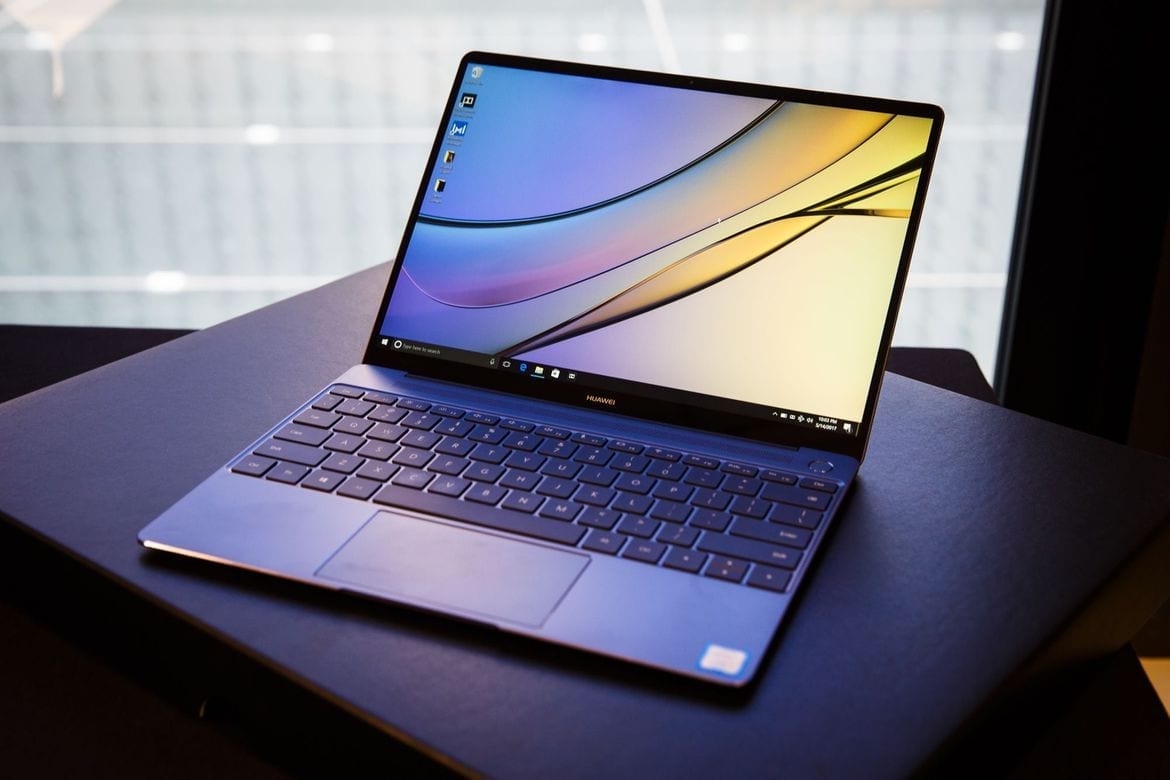
    Huawei will become the top personal computer maker in the world in three to five years, leapfrogging the likes of Apple, Lenovo and HP, a top executive at the firm told on Wednesday, just days after launching new notebook devices.

    In May, the Chinese firm took the wraps off of the MateBook X, MateBook D and MateBook E — the X is a laptop that competes directly with Apple’s MacBook line of products. For its part, the company says it is bullish on its plans in the PC space.

    “Whenever Huawei decides to enter an area, make a product, our target is always to be a global leader,” said Wan Biao, chief operating officer of Huawei’s consumer business group. “I think this comes from Huawei’s unswerving input in R&D, and our innovation capabilities. I think these has already been proven in our smartphone products.”

    When asked how long it will take to sit at the top spot in the market, Wan said the “process would take about three to five years.”

    The PC market has been declining for several years, but it recorded 0.6 percent growth in the first quarter of 2017, according to data from IDC. Given that low growth, it’s an incredibly tough market.

    HP, Lenovo, Dell, Apple, and Acer make up the top five players in the world by market share, IDC said. So if Huawei becomes number one, that would mean beating out those top players. Wan, however, said he’s confident.

    “Of course, we are confident because of Huawei’s powerful innovation capabilities. In fact, in the laptop space some technologies are the same with smartphone. In the meantime, with the development of AI, AR and VR [artificial intelligence, augmented reality and virtual reality] technologies, the chance to succeed will only grow bigger for a strong innovative company,” Wan told.

    Huawei’s consumer business is relatively young and began with smartphones. The Chinese giant is seeing success: reported revenues in its consumer business group were up 42 percent year-on-year in 2016 to 178 billion yuan ($26.19 billion). Smartphone shipments were up 29 percent to 139 million units, and Huawei is now the third-largest smartphone vendor in the world by market share.

    Wan’s projection of being the top PC maker in only a few years mirrors similar bullishness from the company about smartphones. In 2016, Richard Yu, the CEO of the consumer division at Huawei, told that the firm would be number one in smartphones by 2021.

    It may seem odd that Huawei is entering a stagnant market, but the tactic is to try and create an ecosystem of products for consumers. Not only does Huawei have smartphones, but it also sells smartwatches and Wi-Fi routers. Laptops are another edition to the portfolio.

    “I think for Huawei’s strategy, one of the most crucial points is the connectivity of all things. Every object in the world should be able to connect … Therefore Huawei is also developing our business over these notions,” Wan said.

  • Fendi Reopens The Fendi Store in Singapore Ngee Ann City

    Fendi Reopens The Fendi Store in Singapore Ngee Ann City

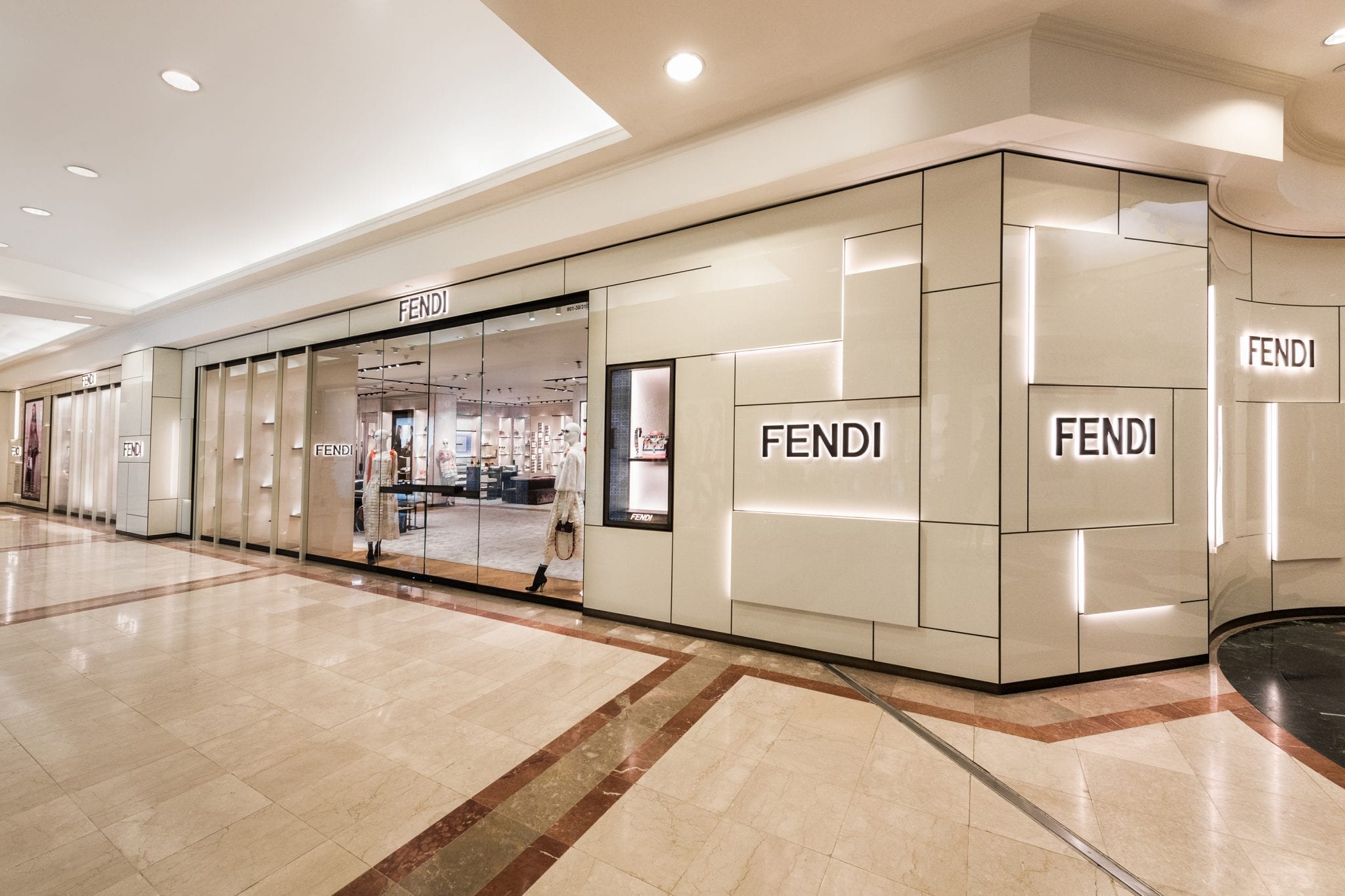
    Inspired by the Maison’s Roman roots, a refined and grandiose atmosphere pervades the spaces, reflecting the highest level of FENDI sophistication, obsession for details and the overall history of this luxury House. The store offers FENDI’s extensive range of Women’s Ready-to-Wear, Furs, Handbags, Shoes and Accessories, and Men’s Leather goods and Accessories.

    For the first time in Singapore, the store will feature a private VIP Room.

    To celebrate the opening of the Ngee Ann City store, FENDI has created a limited edition Mini Peekaboo bag in velvet. The Peekaboo bag features a special tapestry weaving technique pattern, as well as the signature Fendi whipstitch detailing. The tapestry technique comprises of embroidery that is composed of thousands of stitches and threads which are manually cut by the artisans, followed by ironing the design to enhance the colors and thicken the threads.  There will only be 5 pieces of this special Mini Peekaboo bag, retailing at SGD$11,010.

    In addition, FENDI will also be launching 3 other velvet Peekaboo bags at Ngee Ann City, with a limited quantity of 3 to 5 pieces each. They will be retailing at SGD$10,100 to SGD$13,780. It will be the first store in South East Asia to launch these Peekaboo bags.

    FENDI Store
    391 Orchard Road
    Takashimaya Shopping Center, Ngee Ann City
    #01-30/32, Singapore 238872

  • Korea moves towards scrapping basic mobile fees

    Korea moves towards scrapping basic mobile fees

    The South Korean government is increasing pressure to scrap monthly basic mobile service charges to reduce phone bills for customers.

    A presidential advisory committee has called on the Ministry of Science, ICT and Future Planning (MSIP) to draw up a plan for fulfilling these objectives.

    The monthly basic charge is currently 11,000 won ($10). These fees have historically been key drivers for telecoms industry profitability.

    A proposed abolition of basic monthly fees has been on the agenda for years, but the mobile sector has been opposed to the proposal, arguing that it could wipe out their profitability.

    The report states an unnamed industry official as stating that there is currently no appropriate alternative to the basic fees, and asserting that a better solution would be increasing the benefits offered to individual groups of customers.

    The hard-line stance marks an apparent reversal of the committee’s recent position that it is important that the interests of both the industry and customers are taken into account when evaluating reforms to regulations covering mobile price structures.

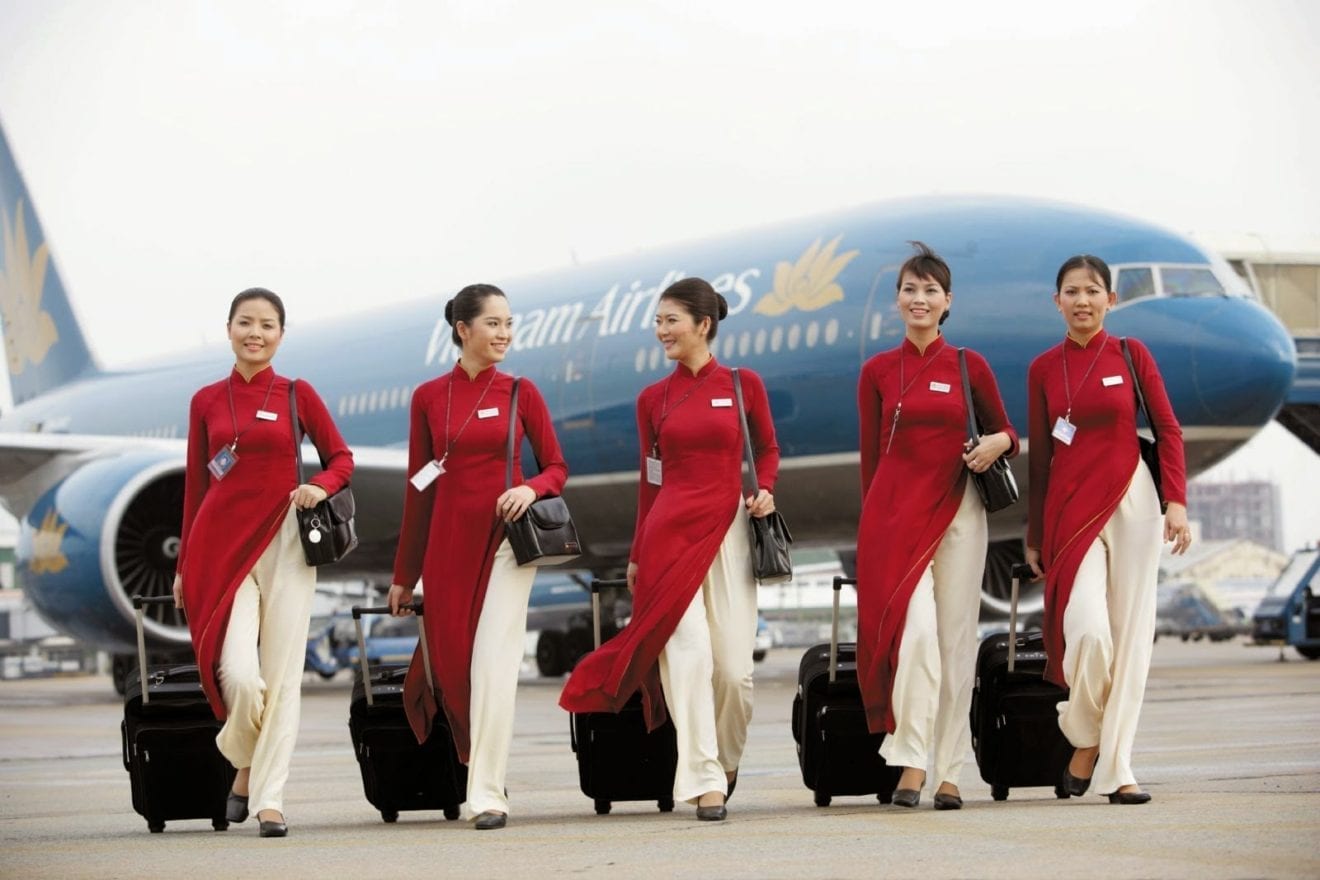
  • Jetstar Pacific leads in flight cancellations, delays

    Jetstar Pacific leads in flight cancellations, delays

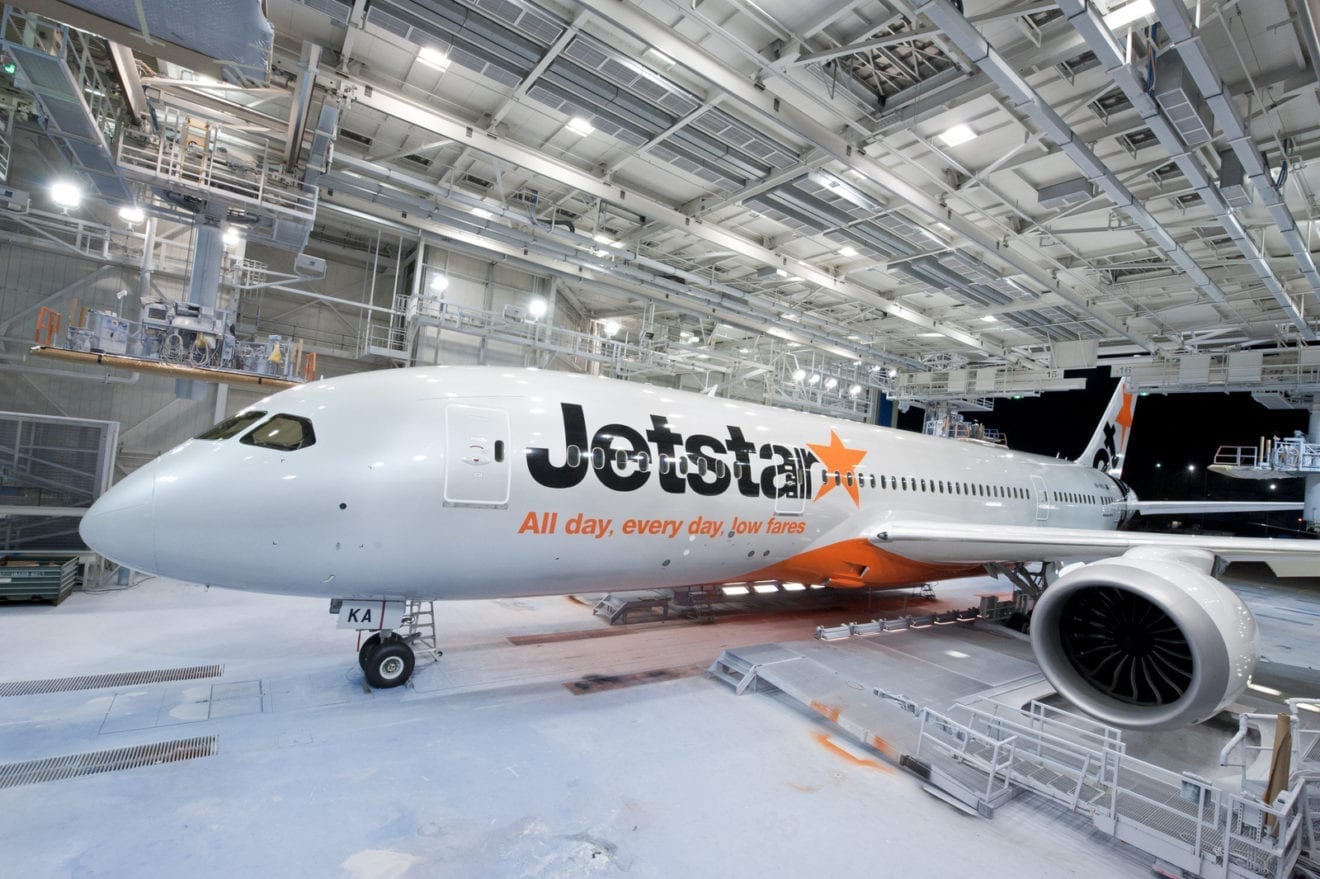
    Low-cost carrier Jetstar Pacific has cancelled and delayed about 15.4 percent of 568 flights it operated in a week, according to the latest report released by the Civil Aviation Authority of Vietnam (CAA).

    The CAA calculated the number of delays and cancelations in four Vietnamese carriers – Vietnam Airlines, VietJet Air, Jetstar Pacific and Vasco from May 31 to June 6.

    Jetstar Pacific was closely followed by national flag carrier Vietnam Airlines which delayed 380 flights and cancelled ten others, or approximately 15 percent, out of a total of 2,605 weekly flights.

    VietJet Air came third with 328 delays and four cancellations among 2,311 flights, or 14.4 percent.

    Vasco had no cancellation and only one delay out of 249 flights.

    There were 5,733 flights made available by the four airlines during the first week of June, of which 810 were delayed and cancelled, the CAA announced, adding that delays and cancellations accounted for 13.8 percent and 0.3 percent, respectively.

    Late arrival of planes before they take off again for return services was the main cause behind the problems, the CAA explained. Such a reason caused 69.1 percent of the delays and cancellations during the reviewed period.

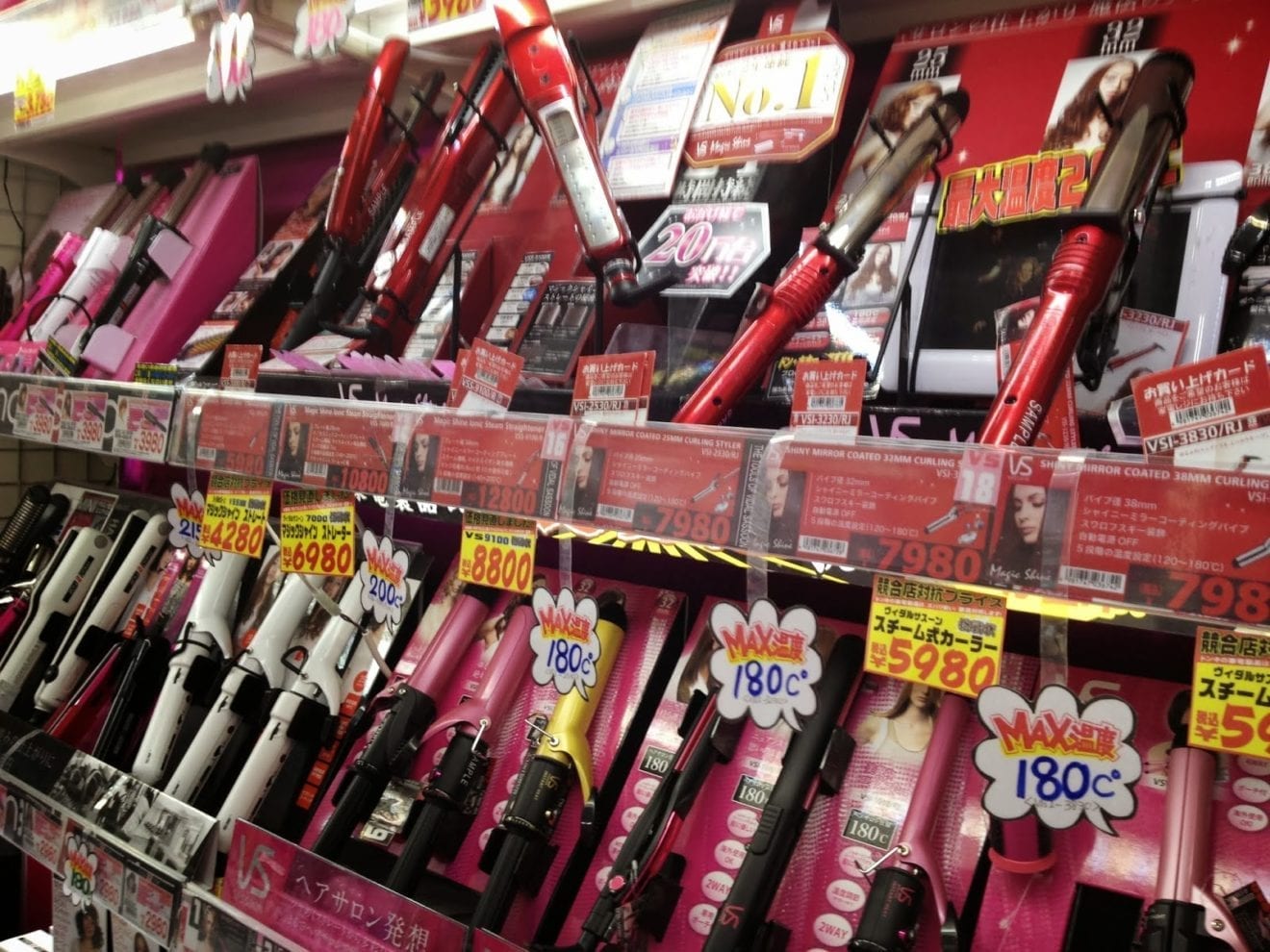
  • ‘Donki’ to bring ceiling to floor mega discounts to Asia

    ‘Donki’ to bring ceiling to floor mega discounts to Asia

    Don Quijote, a chain of neon-lit emporiums filled ceiling to floor with discounted goods, is opening its first store in Southeast Asia, where it expects to further expand.

    The chain — now with over 300 stores across Japan — is a must-visit among tourists to Japan. There is much to like — duty-free shopping and a vast selection of discounted products, ranging from packaged food, alcohol and consumer electronics to luxury brand items and cosplay costumes.

    Now shoppers in Singapore can get a taste of “Donki,” as it is commonly known, with a store opening in the city’s Orchard area, the company said this week.

    The branch will be developed by Donki’s holding company for overseas operations, Pan Pacific International Holdings, which was established in the city-state in 2013 to headquarter the group’s overseas operations.

    In Singapore, Donki will offer a range of Japanese pop culture products. But other details — like the store’s opening date, its operating hours and what kind of prices to expect — have yet to be announced.

    This isn’t the first time Donki has ventured overseas. It currently operates three stores in Hawaii. In 2013, it acquired Marukai, a small chain of Japanese grocery stores in the U.S. state of California.

    But the Singapore emporium will be the retailer’s first in Southeast Asia, and the group is looking at opening more stores in the region, a Donki spokesman said, without elaborating on details or strategy.

    In Japan, Donki is also known for its long opening hours, with around 10% of its stores open 24 hours. A typical store offers a selection of around 45,000 goods, stacked on shelves so high that shopping can be a mazelike experience. Thanks to their low prices and multilingual displays, the mazes have seen a surge in overseas customers. The number of foreign visitors to the stores soared 62.4% in 2016, the company said.

    Peek shopping hours for domestic customers are 3 p.m. to 5 p.m. The number of overseas visitors, though, tends to peak around 10 p.m., the spokesman said, with many visiting the stores after dinner or after spending the day sightseeing. He said South Koreans account for nearly 40% of its overseas customers, followed by Chinese, Taiwanese and Thais.

    Japan has been experiencing a tourism boom. Last year, it welcomed 24 million visitors, an increase of 21.8%. Of the total, over 20 million came from Asia, led by tourists from South Korea, China and Taiwan. Prime Minister Shinzo Abe’s goal is to increase the number of foreign visitors to 40 million by 2020, when Tokyo will host the Olympics.

  • Social media plays crucial role in Chinese consumers’ personal lives

    Social media plays crucial role in Chinese consumers’ personal lives

    ocial media is a fundamental part of Chinese consumers’ personal lives, but it is not used professionally as much as it is in Western countries, according to the Consumer Technology Association’s (CTA) new study, Digital Lifestyles in China.

    The study, unveiled today at CES Asia, explores Chinese consumers’ online behaviors in three key areas: social networks, shopping preferences and video content consumption. Owned and produced by CTA and co-produced by Shanghai Intex Exhibition (Shanghai Intex), CES Asia 2017 takes place June 7-9 in Shanghai, China.

    “In the span of just a decade, China has developed and deployed a world-class online services sector – and Chinese consumers have fully embraced it,” said Steve Koenig, senior director of market research, CTA. “Connectivity is shaping Chinese consumers’ lifestyles faster and more dramatically than we’ve seen in with other countries. Brands must understand how this mobile connection shapes Chinese personal networks, content consumption and buying behavior.”

    Social Networks

    Chinese consumers are highly engaged on social media, using messaging platforms to connect with personal contacts (63 percent). About half engage with social content by liking (49 percent) and commenting (42 percent) daily or even multiple times a day. However, only 28 percent of Chinese use social media for professional purposes.

    Additionally, smartphones are the preferred devices for Chinese consumers when it comes to interacting via social media, because they’re always in-hand. WeChat is the leading social networking site – 95 percent of Chinese have an account and 86 percent of those users connect multiple times a day. WeChat is also a leading platform for mobile payments in China – nine in ten Chinese (88 percent) use their smartphones to shop online.

    “Our research shows that Chinese consumers embrace social media as a necessary part of modern society,” said Koenig. “But the strong delineation we see between consumers’ social and professional social media use is striking. It’s possible that creating reliable firewalls between their personal and professional social networking could help the majority of Chinese express their individuality, while still maintaining a professional persona.”

    Buying Behaviors

    Shopping behavior is another area where CTA’s research identified a significant difference between American and Chinese consumers. Among Chinese consumers, an overwhelming preference exists for shopping online vs. in-store. Sixty-one percent of Chinese say they prefer to shop online, compared to just 11 percent who prefer to shop in-store. Almost all Chinese consumers (90 percent) say they’ve purchased a product from leading Chinese retailer Tmall in the last year. The study also shows there are very few products Chinese consumers can’t, or won’t purchase online — mainly expensive items they need to see, feel or try.

    Video Consumption

    Like many in the world, Chinese consumers use streaming video to relax and pass time. When it comes to content sources, Chinese consumers are generally receptive to engaging with both domestic and foreign content, slightly preferring domestic channels and outlets, especially for news.

  • Aviation infrastructure overloaded

    Aviation infrastructure overloaded

    The heavy investment made recently by the Airports Corporation of Vietnam (ACV) to upgrade airports and develop new infrastructure still cannot satisfy the increasingly high travel demand.

    The additional parking lots set up by ACV recently do not mean much if compared with demand, while airlines still have to scramble for the locations to park their aircrafts. Noi Bai and Tan Son Nhat Airports had many meetings to discuss the allocation of parking lots but they were not useful.

    Giao Thong quoted a high ranking executive of Vietnam Airlines as saying that the carrier’s fleet has 10-15 new aircraft every year while it has put next-generation aircrafts into operation. In 2015, Vietnam Airlines had 83 aircrafts, while the figure is expected to increase to 120 by 2020. This leads to a higher demand for parking lots and the upgrade of technical service areas.

    Nguyen Thi Phuong Thao, CEO of Vietjet Air, has repeatedly asked for more aircraft parking lots at the Tan Son Nhat, Noi Bai and Da Nang Airports. In 2016 alone, the air carrier needs at least 44 parking locations.

    According to Tran Van Thang, ACV’s deputy CEO, ACV has arranged 11 new parking locations at Noi Bai, raising the total number of licensed locations to 70.

    At Tan Son Nhat Airport, four new locations have been arranged for ATR72 aircrafts. The figures are 8 at Da Nang and 16 at Cam Ranh. However, he admitted that the additional supply still cannot satisfy the high demand from airlines.

    Head of the Civil Aviation Authority of Vietnam (CAAV) Lai Xuan Thanh confirmed the lack of parking lots for aircrafts. He said all the four large airports including Noi Bai, Tan Son Nhat, Da Nang and Cam Ranh need to have their parking areas expanded to satisfy the demand.

    A CAAV report showed that in the first six months of 2016, airlines provided more than 128,000 flights, 15.8 percent of which were delayed while the canceled flights amounted to 0.6 percent.

    About the reasons behind the delayed and canceled flights, the report pointed out that airlines’ technical problems were the direct reason of 10.3 percent of delayed flights, while the lack of equipment at airports caused the delay of 6.2 percent, or 1,250 flights.

    Meanwhile, the problems in flight control at the departure airports were the reason behind the late arrival of 11.3 percent of total delayed flights.

    Thanh from CAAV said that until the Long Thanh Airport is built and put into operation, the overloading at Tan Son Nhat would still not be settled.

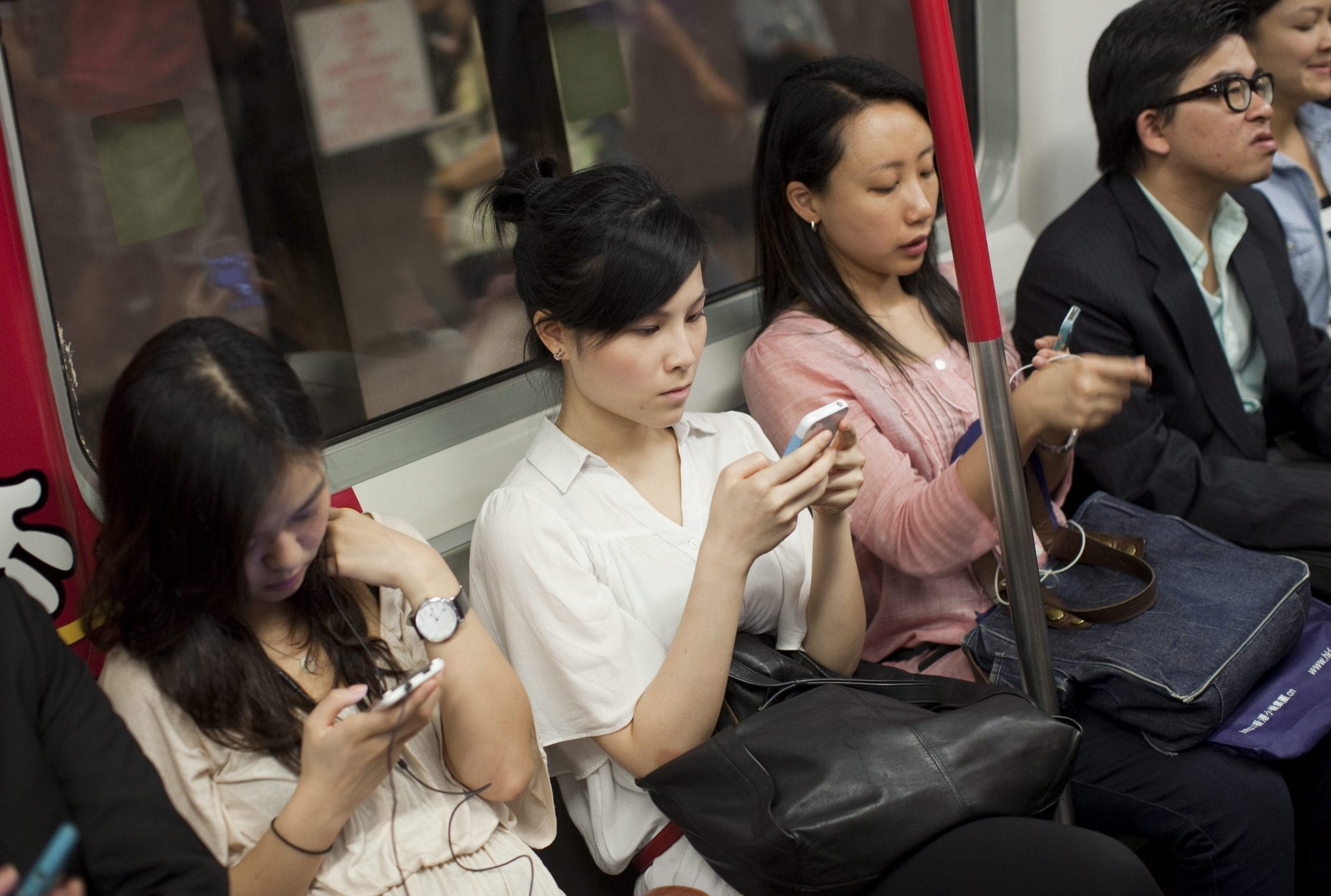
  • Korea’s Mobile shopping soars to record levels

    Korea’s Mobile shopping soars to record levels

    Purchases made through mobile devices like smartphones accounted for record-high levels of all products traded online in April, government data showed.

    Mobile transactions through smartphones and tablets reached 3.68 trillion won (US$3.28 billion) in April, surging 42.2 percent from a year earlier, according to the data by Statistics Korea. The amount was equal to 60.6 percent of all online purchases made in the cited month, which reached 6.08 trillion won, and outpaced the earlier record of 59 percent set in March.

    Mobile purchases in Korea have been on a steep rise for years as a growing number of people are spending more on their smart devices. The percentage of mobile transactions within total online sales was in the 40 percent range in 2015 and went up to the 50 percent level in 2016 before rising to the 60 percent range this year.

    Industry watchers said the increase is attributable to mobile shopping industry that launched aggressive marketing with ‘easy payment’.
    SK Planet Co., the operator of leading e-commerce site 11st offers customized products through ‘Digital Concierge’, which is a consultation service for digital appliances in applications (apps).

    The e-mart mall is equipped with a scanning function to support the mobile viewing of product information, shipping, and sending gifts, as well as the “”always-bought”” corner optimized for shopping malls.
    At the same time, the monthly value of mobile transactions has also been on a roll, reaching an all-time high of 3.74 trillion won in March this year.

    In April, mobile bookings for travel and movie tickets soared 32.9 percent from a year earlier to 509.6 billion won, while mobile sales and deliveries of foodstuffs shot up 68.8 percent to 547.5 billion won. Sales of clothing surged 40.1 percent to 439.8 billion won, while 300.8 billion won worth of cosmetics were sold through smartphones, up 37.2 percent.