Tag: asia

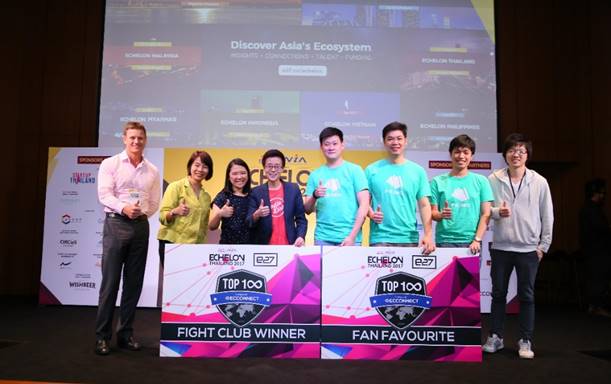
  • Healthy food delivery startup IndieDish announced as winner of TOP 100 Fight Club Thailand

    Healthy food delivery startup IndieDish announced as winner of TOP 100 Fight Club Thailand

    IndieDish was announced winner of the TOP 100 Fight Club Thailand at Echelon Thailand 2017, an enriching two-day tech conference organised by e27, in collaboration with Startup Thailand and the National Innovation Agency.

    Echelon Thailand 2017 is a digital insight, connections, talent, and funding platform crafted to connect people across Thailand, the gateway to Asia’s thriving tech startup community.

    Thirteen Thai-based startups were shortlisted from over 100 entries to battle for the coveted prize, which includes two tickets to the Echelon Asia Summit in Singapore, access to a VIP dinner with invited investors and corporates and a free TOP 100 Exhibition booth at the event.

    Founded by two ex-Amazon employees, IndieDish not only delivers healthy food at a relatively cheap price of THB 89 per meal on average, it also makes the delivery process efficient in traffic-congested Bangkok.

    IndieDish optimises its logistics algorithm by using a pre-order system. Based on the pre-orders it receives, which can be made a week in advance, IndieDish will work out the most efficient route for its delivery drivers. IndieDish has delivered over 18,000 meals so far. It doesn’t offer on-demand/same day delivery services but it is working on providing this service in the future.

    The judges were impressed with how thoroughly the team had thought through the delivery process and were drawn to IndieDish’s mission to broaden healthier food choices in the country.

    Meanwhile, the fan favourite prize, based on a live audience poll, was awarded to Primo, an app that organises and consolidates promotions from a user’s credit cards and membership cards. The app then pushes personalised deals based on the user’s preference.  Based on the user’s spending limits, Primo then recommends which deals best fit their budget.

    Even though the remaining startups may not have won a prize, they will be considered for qualification into the TOP100 Finale at Echelon Asia Summit 2017 this June 28-29 in Singapore and the e27 platform will continue to support them by connecting them to various stakeholders and investors in the regional ecosystem all year around.

  • Uniqlo steps foot in Davao

    Uniqlo steps foot in Davao

    It was the brand of a polo shirt I received as pasalubong from a Japanese friend way back in the early 2000s. Everyone would agree that this apparel brand has been a favorite pasalubong from relatives and friends working in Japan or have visited that country every time they return home in the Philippines, be it fashion wear for kids, teens and adults, male and female alike.

    Indeed, Uniqlo has become a favorite shop store among Filipinos in Japan, the reason it entered into partnership with Henry Sy-controlled SM Retail for its expansion in the Philippines in 2012.

    In June of the same year, retail giant SM Supermall opened Uniqlo’s first store in the country at the SM Mall of Asia with a promise to make it a leading fashion wear brand by year 2020, targetting to open at least 200 branches.

    Since then, the Japanese fast fashion retailer Uniqlo continued to massively expand with 36 branches now operating in different key cities in the Philippines, most of which are in Metro Manila.

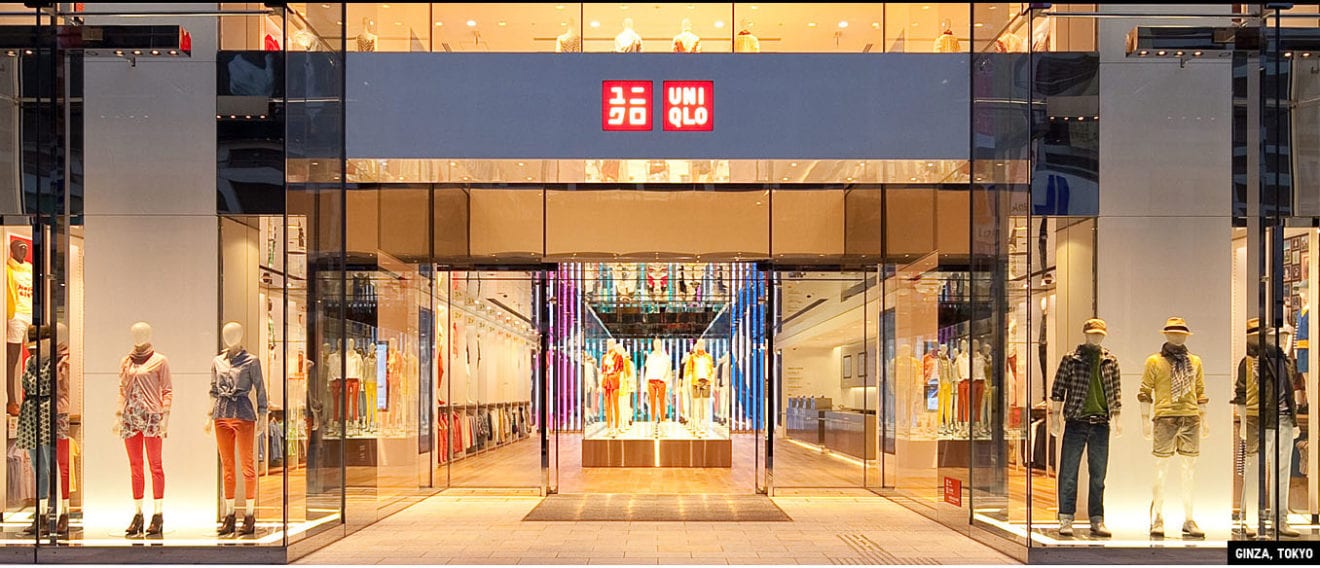
    Five years after it established its maiden store in the country, Uniqlo announced it is finally stepping foot on the island of Mindanao, at SM Lanang Premier in Davao City, where the brand’s 37th store and the first in Mindanao will be opened.

    The announcement indeed made Dabawenyos to get excited, especially the fashionistas, who are fond of the brand. For sure, shoppers are expecting a different shopping experience in Davao City with the store’s opening.

    Uniqlo is known for its high quality designed wardrobe essentials made with innovative fabrics at a very affordable price.

    But before it formally opens its doors on May 26, SM and Uniqlo will hold on Wednesday, May 24, the Mindanao launch, an exclusive event for media and very important guests to have a glimpse of what’s in store for Dabawenyos.

    Guests will be toured within the 1,200 square meter space occupied by the store at the ground level, near the main entrance of SM Lanang.

    Uniqlo’s SM Lanang branch is one of the three stores that are set to open in Mindanao. On June 2, the store’s 38th branch will be opened at SM City Ecoland, also in Davao City. By end of June, the 39th store will be opened at SM Cagayan de Oro Downtown Premier.

    “We are committed to growing our business in Mindanao, and look forward to delighting our customers in this region for years to come…We aim to make the lives of the Filipinos better through our innovative and high-quality Uniqlo Life Wear pieces,” Uniqlo Philippines chief operating officer Katsumi Kubota was quoted as saying in earlier reports.

    Uniqlo stores showcase a full line up of Uniqlo Life Wear, an innovative, high-quality clothing collection that is universal in design and comfort made for everyone.

    Also available are Uniqlo’s Heattech and Airism, the brand’s proprietary technology clothing lines. Airism is Uniqlo’s line of functional innerwear that solves a variety of discomfort by controlling sweat. The clothing line features quick-drying technology that keeps skin smooth and dry when perspiring. Meanwhile, the Heattech collection is an innerwear line that features heat retaining properties to keep the wearer warm and a soft tecture to keep the wearer comfortable.

  • Omnichannel Essentials for Ecommerce Success in China

    Omnichannel Essentials for Ecommerce Success in China

    The “Amazon effect” has disrupted the entire retail industry by conditioning consumers to expect personalized, customer-centric service. As ecommerce gains market share, U.S. retailers are looking abroad for growth. Nordstrom, for instance, recently expanded to Canada and boosted revenue.

    Another hot market for foreign expansion is China, with nearly 1.4 billion consumers who are tech-savvy, increasingly affluent and ravenous for American products.  To delight Chinese shoppers, U.S. retailers can make it easy and convenient to shop anywhere and anytime. Retailers need a cross-border strategy supported by relevant omnichannel marketing to realize ecommerce success in China.

    In 2016, China’s cross-border ecommerce market reached $917 billion US, according to iMedia. Mobile shopping accounted for 56% of China’s 2016 online sales. On Singles Day or 11/11 – the world’s biggest online shopping event, created by Alibaba in China and held on November 11 – mobile accounted for an astounding 82% of total sales; experts expect this figure to rise in 2017.

    In rural China, online shopping is often consumers’ only option – especially for U.S. and foreign products. While China’s tier 1 cities, including Beijing and Shanghai, represent affluent markets, Tier 2 cities like Suzhou and Ningbo enjoy lower living costs, giving consumers more disposable income for overseas shopping.

    U.S. retailers can reduce risk and costs by entering China through cross-border ecommerce and prioritizing five omnichannel essentials. Here are 5 tips to help you create ecommerce success in the massive, growing Chinese market:

    A responsive, localized website 

    China’s multiscreen users – online shoppers who use a combination of desktop, smartphone and tablet – spend 17% more than their mobile-only peers, according to McKinsey. Effective omnichannel strategies include responsive web design to reach these engaged shoppers who also shop online in 29% more categories and interact 14% more with businesses through social networks.

    To maximize online conversion rates, retailers must also localize their marketing to suit Chinese consumers’ shopping expectations. A user-friendly, mobile website with easy navigation, full language support, integrated payment and multilingual search are a must for retailers entering China.

    Mobile payment

    China is the world’s largest market for both smartphones and mobile payments. iResearch Global reports the transaction volume of Chinese mobile payments reached $1.5 trillion US in 2015; experts expect it will reach $3.20 trillion US in 2017. Six in 10 Chinese Internet users have used mobile payment, including Alibaba’s Alipay, WeChat Pay and Union Pay. Integrating these mobile payment methods in ecommerce websites can help U.S. retailers entice China’s burgeoning middle class.

    WeChat

    Pervasive social media platform WeChat attracts 700 million users and gives retailers the ultimate multichannel gateway for shopper engagement. WeChat’s integrated online browser, messaging app and social media platform lets users access over 10 million internal apps. WeChat users are highly engaged, as 94% users log in every day, 61% use it more than 10 times a day and 36% log in more than 30 times a day, according to Chinese Micro News. Starbucks just announced WeChat Pay now accounts for 29% of the retailer’s total transactions in China, according to Inside Retail Asia.

    German online pharmacy Bodyguard Apotheke created a successful Black Friday WeChat promotion. A well-respected mother and baby care influencer published a WeChat post on suitable medicines for babies, which earned more than 26,000 views and 2,100 likes, boosting brand awareness.

    QR codes

    In China, QR Codes are ubiquitous. Shoppers can scan codes (on print marketing, product labels, packaging, shop windows and receipts) with their smartphone WeChat app and store the information on their phone. Consumers can even pay for purchases using a QR code. Mobile integration helps retailers personalize their marketing to boost engagement.

    Bodyguard Apotheke produced banners and postcards with an offer for shoppers who scanned a QR code and became WeChat fans. The retailer increased traffic from its WeChat account, which represented 19% of total campaign sales and an average basket value of $93 US.

    Incentivized brand activities 

    U.S. retailers can connect with shoppers through loyalty rewards programs and interactive online games. These activities allow retailers to gather consumer data related to their shopping behaviors, then personalize their marketing to encourage sales and loyalty.

    These recommendations can help U.S. retailers realize cross-border ecommerce success in China by reflecting local shopping behaviors and product trends through relevant omnichannel marketing. For sustainable growth, many U.S. retailers form strategic partnerships with local experts to minimize their financial and infrastructural investments, and conquer China’s legal, financial, regulatory, linguistic and cultural barriers. Ultimately, success in China involves building a trusted brand by making multichannel shopping easy, convenient and seamless.
  • Techcombank to mobilize $220mn from shareholders

    Techcombank to mobilize $220mn from shareholders

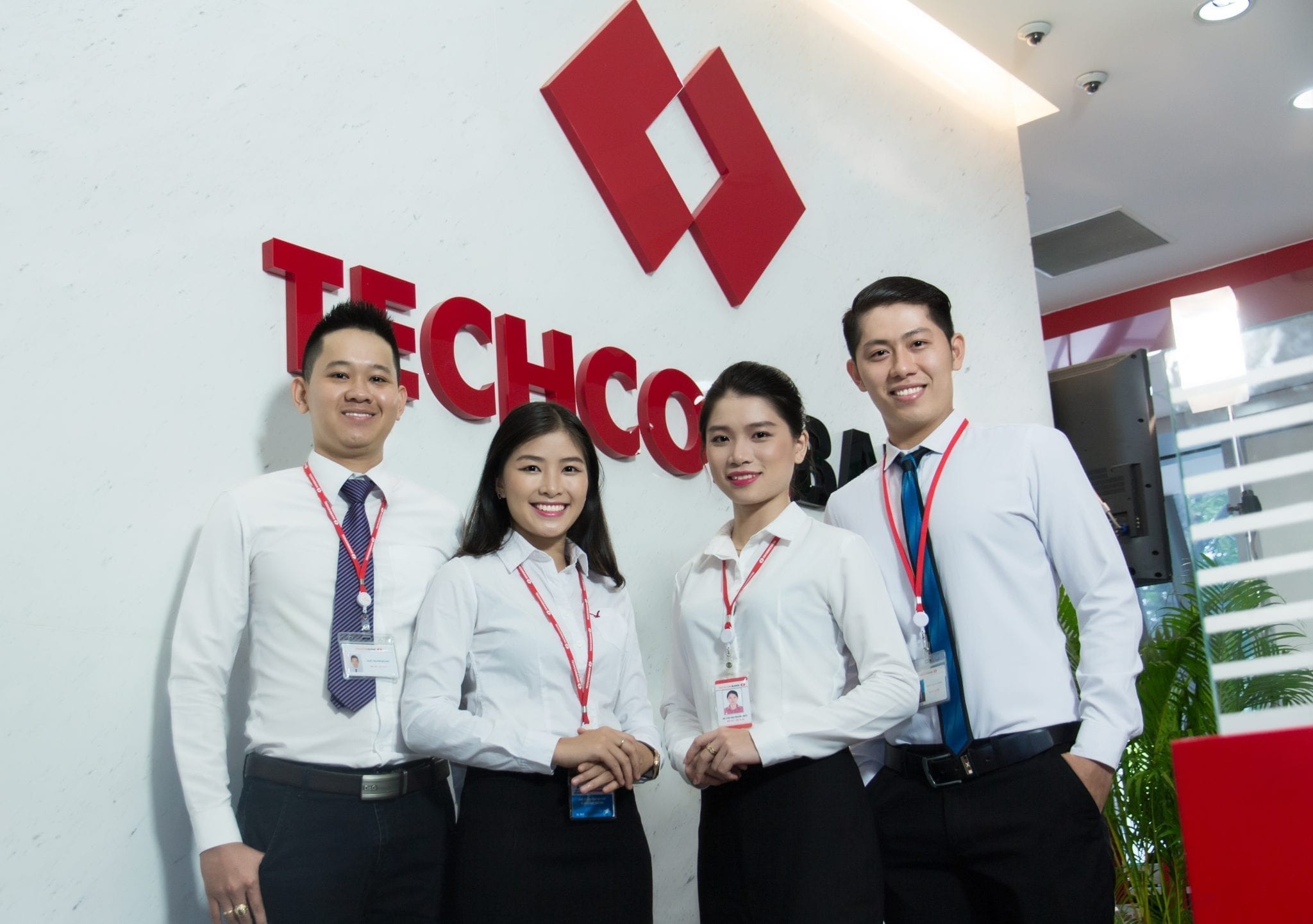
    The content of its plan to does not, in general, differ from the previous version submitted to the annual general meeting (AGM), but the offering period is expected to be extended to all of 2017, from only the second and third quarters.

    500 million shares are to be issued at a minimum price of VND10,000 ($0.44) per share. If the deal is successful, Techcombank’s charter capital will increase from VND8.8 trillion ($387.69 million) to VND13.8 trillion ($607.96 million).

    This is the largest capital increase Techcombank has made since 2008. From 2008 to 2012 its charter capital increased regularly, from VND4.7 trillion ($207.07 million) to VND8.8 trillion ($387.69 million).

    All proceeds from the share offer are expected to be invested in the VND916 billion ($40.35 million) expansion of its head office and fixed assets. It will also spend VND1.6 trillion ($70.5 million) on technology and equipment.

    The bank will also increase its capital for credit activities and investment in government bonds, to some VND2.4 trillion ($105.76 million).

    Techcombank’s pre-tax profit was VND1.3 trillion ($57.29 million) in the first quarter of this year, up 130 per cent year-on-year and representing 26.3 per cent of the 2017 plan.

  • Honda spreads its wings into Southeast Asia’s private jet market

    Honda spreads its wings into Southeast Asia’s private jet market

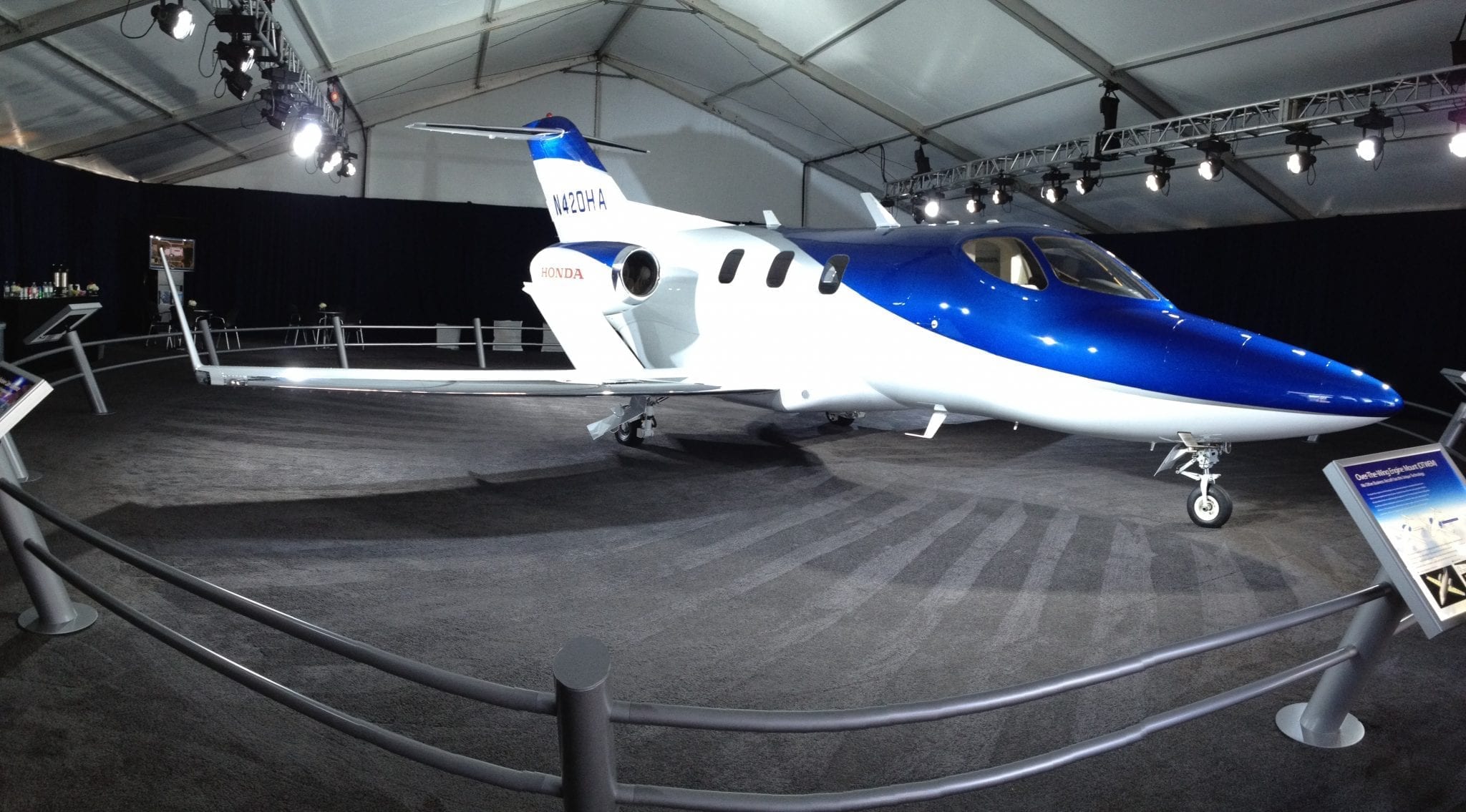
    With the fastest growing ‘super rich’ group in the world, Vietnam is going to be a prime target for the HondaJet. Honda Motor has announced plans to start selling its HondaJet private aircraft in several Southeast Asian markets to capitalize on the region’s economic growth.

    The Japanese automaker said on Monday that it has chosen Thai Aerospace Services (TAS) as its first-ever HondaJet dealer in Southeast Asia.

    “We see great potential for the HondaJet in Southeast Asia, one of the world’s fastest growing regions,” Honda Aircraft Company President and CEO Michimasa Fujino said in a company report.

    TAS will provide sales, service and support for HondaJet customers in Vietnam, Thailand, Cambodia, Laos, Malaysia, Myanmar and Singapore, said the report.

    The seven-passenger HondaJet aircraft first hit the market in December 2015, and orders have topped 100, according to Nikkei.

    The design places the engines above the wings, granting the plane more interior space. Other selling points include speed and fuel efficiency.

    Honda has dealerships in North America, Latin America and Europe, and the company had delivered 41 jets as of mid-April.

    Vietnam’s ultra-rich population is growing faster than any economy in the world, and is on track to continue leading the growth in the next decade.

    The Wealth Report by the U.K.’s independent real estate consultancy Knight Frank found there are 200 ultra high net worth individuals (UHNWI) in Vietnam, who are defined as people with investable assets of at least $30 million, excluding personal assets and property such as a primary residence, collectibles and consumer durables.

    In Vietnam, this super rich group grew by 320 percent between 2000 and 2016, the fastest in the world compared to India’s 290 percent and China’s 281 percent, the report said.

    The number is expected to continue rising to 540, or by 170 percent, by 2026, the highest growth rate in the world. Millionaires in Vietnam are expected to jump to 38,600 from 14,300 over the same period.

  • Nokia, Apple bury hatchet in patent dispute

    Nokia, Apple bury hatchet in patent dispute

    It’s an upgrade in the relationship between two companies. Nokia and Apple said Tuesday they were burying the hatchet in a bitter patent dispute with a cooperation agreement and an undisclosed cash payment by the U.S. tech giant to the Finnish group.

    By settling their ongoing intellectual property dispute, the two companies would “move the relationship… from being adversaries in court to business partners,” Nokia’s chief legal officer Maria Varsellona said.

    Following years of clashes, Nokia and Apple originally signed a licensing agreement in 2011.

    But last December, the Finnish group, once the world’s top mobile phone maker, complained that Apple was using Nokia technology in many products without paying for it.

    And it filed lawsuits in Germany and in the United States.

    Concretely, the dispute concerned 32 patents for innovations related to displays, user interface, software, antennae, chipsets and video coding.

    The deal reached on Tuesday would put the two companies’ relationship back on an even keel, with Nokia providing “certain network infrastructure products and services to Apple,” the statement said.

    Apple would “resume carrying Nokia digital health products (formerly under the Withings brand) in Apple retail and online stores, and Apple and Nokia are exploring future collaboration in digital health initiatives,” it continued.

    “Regular summits between top Nokia and Apple executives will ensure that the relationship works effectively and to the benefit of both parties and their customers.”

    Apple’s chief operating officer Jeff Williams said the U.S. giant was “pleased with this resolution of our dispute and we look forward to expanding our business relationship with Nokia.”

    The two sides did not disclose the financial details of the deal.

    But Nokia would receive “additional revenues during the term of the agreement,” the Finnish group said.

    The up-front cash payment would allow Nokia to “provide a comprehensive update of its capital structure optimisation programme,” a restructuring plan launched in late 2015, which may now be lighter thanks to the payment by Apple.

    Nokia’s shares were showing a gain of more than seven percent stake on the Helsinki Stock Exchange at around 10:00 GMT, while the overall market was up by just 0.8 percent.

  • Kenzo Kids deploys its unique style in store-in-stores and international boutiques

    Kenzo Kids deploys its unique style in store-in-stores and international boutiques

    Kenzo was revitalised by its 2011 change in creative direction, with the arrival of Opening Ceremony founders Carol Lim and Humberto Leon at the helm. The change has also benefitted the label’s children’s line, Kenzo Kids, for which the Kidiliz group (ex-Zannier) has held the licence since 2006. In fact, in a very competitive childrenswear market, Kenzo Kids has recorded annual growth fluctuating between 20 and 30%.

    The reason for its success? An urban style coupled with strong iconography – in the form of the tiger and eye brand motifs – which has proved appealing to a wider and more international clientele. “Under Antonio Maras, the Kenzo Kids style was closer to Catimini – fresh and feminine. Now it’s more on-trend so our network has changed. We are more international, in the department stores, in pure-player, designer-oriented stores,” explains Anne Michailidis, Head of Sales and Marketing of the three designer brands under Kidiliz.

    Resulting in the Kenzo Kids line being distributed at 750 sales points worldwide and even the opening of its own first monobrand boutiques. The first opened in Singapore in February (next to Paul Smith Junior) and others are planned for Hong Kong and Dubai. In Europe, the line is present in the form of stores-in-stores, expressing the world of Kenzo Kids across 30-square-metre spaces. Some 20 openings are forecast this year, including at La Rinascente in Milan. In France, the line is stocked at Printemps and at Galeries Lafayette Haussmann, with a network set for further development.

    Another ‘new’ feature: the line is aimed at boys as much as at girls, whereas previously the line was oriented almost exclusively towards girls. “Since winter 2016 we have had as many girls’ garments as boys’, and customers come to us for both, which is rare for children’s labels,” explains Michailidis.

    Every season some 350 Kenzo Kids items are available, from children aged 0-16 years. The price range is from around 50 euros for garments such as T-shirt to 200 euros for more ‘inspirational’ pieces from the runway. “We work directly with the parent company, we attend the show, we visit the showroom and keep the strongest design elements and use it to up our childrenswear savoir-faire,” says Laetitia Orlandi, head of collections at Kenzo Kids, who adds that her objective is to create for Kenzo Kids its own style world without imitating the adult version. In ‘kid format,’ the famous Kenzo tiger is surrounded by new friends including a little wolf with an extraordinarily long nose, and the Kenzo eye gives a mischievous wink.

  • Tata Aims to Build on Recent Truck Gains in Thailand

    Tata Aims to Build on Recent Truck Gains in Thailand

    Indian automaker Tata is moving production in Thailand as part of a company reset that aims to increase its Thai sales 83% this fiscal year to roughly 3,000 units.

    With a 10-year contract up at the Thonburi Automotive Assembly Plant in the south of Bangkok, Tata has signed a renewable 5-year pact with the Bangchan General Assembly plant, 20 miles (34 km) west of central Bangkok.

    Since its opening in 1970, Bangchan has been the home to assembly operations for 14 brands.

    Production will begin at Bangchan after the installation of assembly equipment at a cost the Bangkok Post puts at TB500 million ($14.5 million). The facility will have a capacity of 8,000 Tata Xenon pickups and 2,500 Tata Super Mint pickup trucks in a 1-shift operation.

    Tata says Xenon production will launch in September.

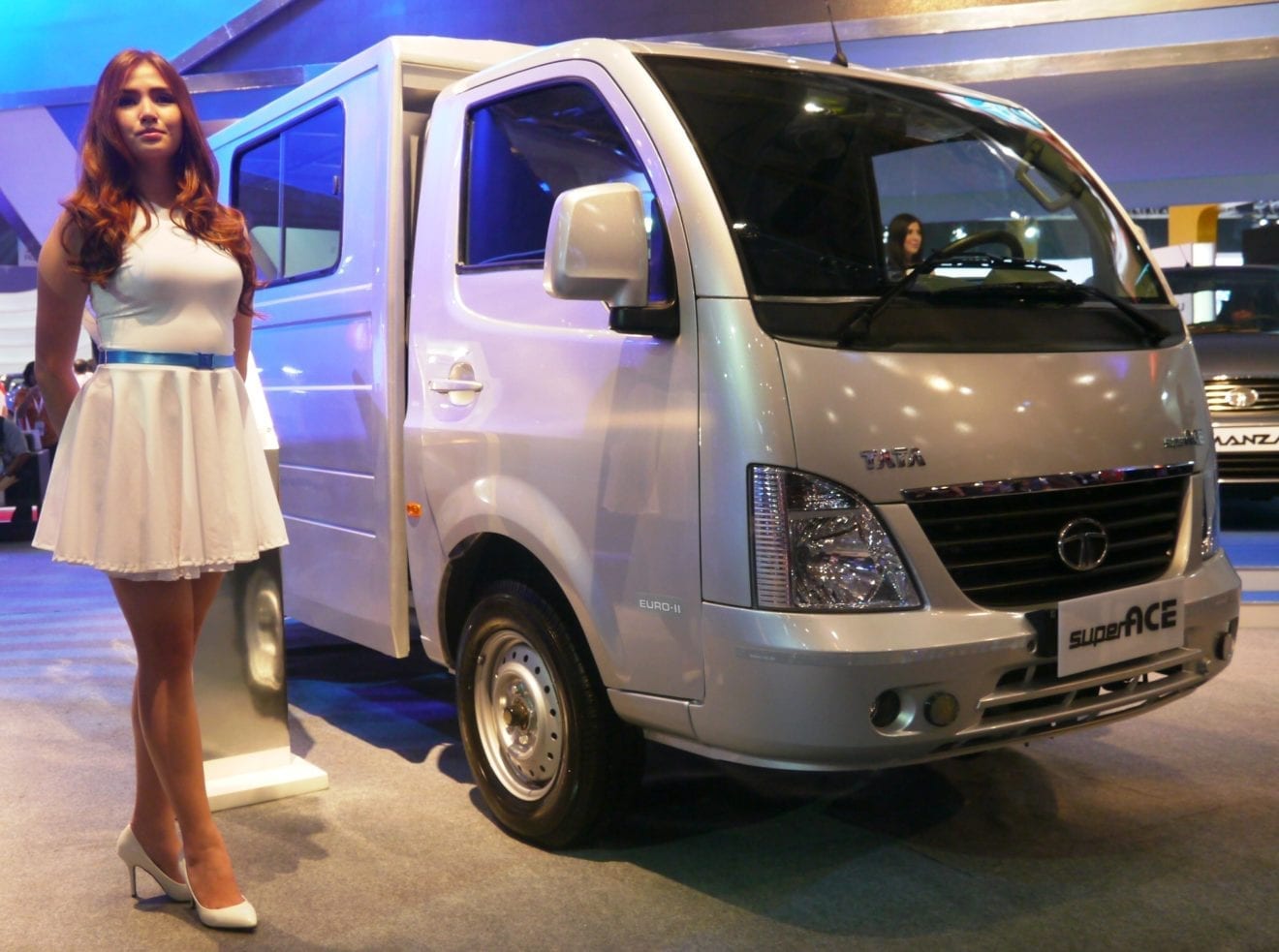
    The automaker says its Tata Super Ace line will be assembled in both right-hand and left-hand drive versions.

    To help reach its local sales target, Tata says it also will introduce more models to local showrooms.

    Tata Thailand CEO Sanjay Mishra says sales grew 19% year-on-year in the 2016 fiscal year ending March 31. “Fiscal year 2016 marked Tata’s best retail performance in Thailand ever,” he says in a statement.

    “Fiscal-year 2017 is a big step for the company’s future – we are making announcements for exciting new models as well as assembly upgrades and initiatives, new investment for the Super Ace Mint small truck and emerging opportunities that will deliver profitable and sustainable growth in Thailand.”

    Sales of Xenon pickups, the automaker’s core product in the Thai market, rose 38% to 1,398 units last year, The Nation newspaper reports.

    “With the major-change Xenon pickup to be launched in Q4 of this year, we expect to deliver 2,100 units of the new model – 1,800 domestic and 300 export – 500 units of the Super Ace Mint truck for a market share of about 10% for this type of car, 300 units of the Ultra and 100 units of heavy trucks this year,” Mishra says.

    “Our goal is being a full-range trucking solution provider, and we will be the only player in the entire commercial-vehicle segment.”

  • Yum China buys majority stake in delivery firm Daojia

    Yum China buys majority stake in delivery firm Daojia

    Yum China Holdings said this week it has purchased a controlling stake in Daojia, a food delivery firm, in a bid to improve the restaurateur’s outgoing food business.

    The operator of US chains Pizza Hut and KFC in China, Yum China has been in talks with Daojia since November, where it was reported by Reuters that the fast-food giant was willing to buy Daojia for up to $200 million.

    Terms of the deal to buy the majority stake in the holding company of DAOJIA.com.cn were not disclosed, though details will be finalised by the close of May.

    Yum China, with over 7,663 restaurants in China, currently offers home-delivery from more than 4,400 of its outlets.

    Commenting of the majority stake purchase, Yum China Chief Executive Micky Pant said delivery is one of the firm’s main future drivers of growth for the brand in China.

    “Digital and delivery are long-term strategic drivers of our business, and I am pleased to build on our technological know-how and capabilities in this high growth area,” said Pant in a statement.

    The company added that in the first-quarter, delivery sales accounted for 12% of total sales.

    Daojia, founded in 2010, is an online food delivery service provider focusing on orders in large cities including Beijing, Shanghai, Guangzhou and Shenzhen.

    Yum China is a licensee of Yum Brands and has exclusive rights to KFC, Pizza Hut and Taco Bell. Yum China also owns the Little Sheep and East Dawning restaurants.

    In February, Yum China said it plans to open approximately 600 new stores annually across mainland China, in a mass rollout that will see the fast-food attempt to outpace rival restaurateurs and boost same-store sales

  • Vietnam sees rise in mobile e-commerce

    Vietnam sees rise in mobile e-commerce

    By January 2017, Vietnam was home to almost 47.2 million mobile internet users, half of the country’s population, according to the report “Vietnam Digital Landscape 2017” by We Are Social.

    Some 39 percent of the population have purchased products or services online, of them 29 percent have placed at least one online order via a mobile device.

    The total value of the country’s e-commerce market was estimated at about 1.8 billion USD in 2016, the report said.

    The 2017 Vietnam e-Business Index by the Vietnam e-Commerce Association (VECOM) shows that the internet has been a great tool for local enterprises in cross-border trade.

    They can communicate with overseas partners via the internet and can access online public services, for example, e-customs and e-certificate of origin.

    It also found that 45 percent of domestic enterprises own a website but only 19 percent of the websites are compatible with mobile devices, down from 26 percent in 2015.

    To succeed, domestic firms must catch up with mobile e-commerce trends to maintain a competitive edge over the others, said VECOM Vice President Nguyen Ngoc Dung at the Vietnam Mobile Day last weekend.

    Dung suggested that selecting a suitable domain name should be the first step in building a reliable online presence for a business as a domain name is not simply an address on the internet but is closely attached to the enterprise’s operations and branding.

    A mobile-friendly website will draw more customers to the brand name and improve its competitiveness, he added.

    For those who wish to reach out to the global markets, the domain name “.com” indicates credibility thanks to its popularity and stability over the past 18 years, said Executive Director of Mat Bao Corporation Huynh Ngoc Duy at the event.

    Sharing this view, Nguyen Tu Hong Quan, Director of the Nhan Hoa software company, noted that many international companies, including those listed in the Fortune 500, use “.com” for their website, aiming to reach new customers outside their regions.

  • Off-White opens second Hong Kong store, launches capsule line

    Off-White opens second Hong Kong store, launches capsule line

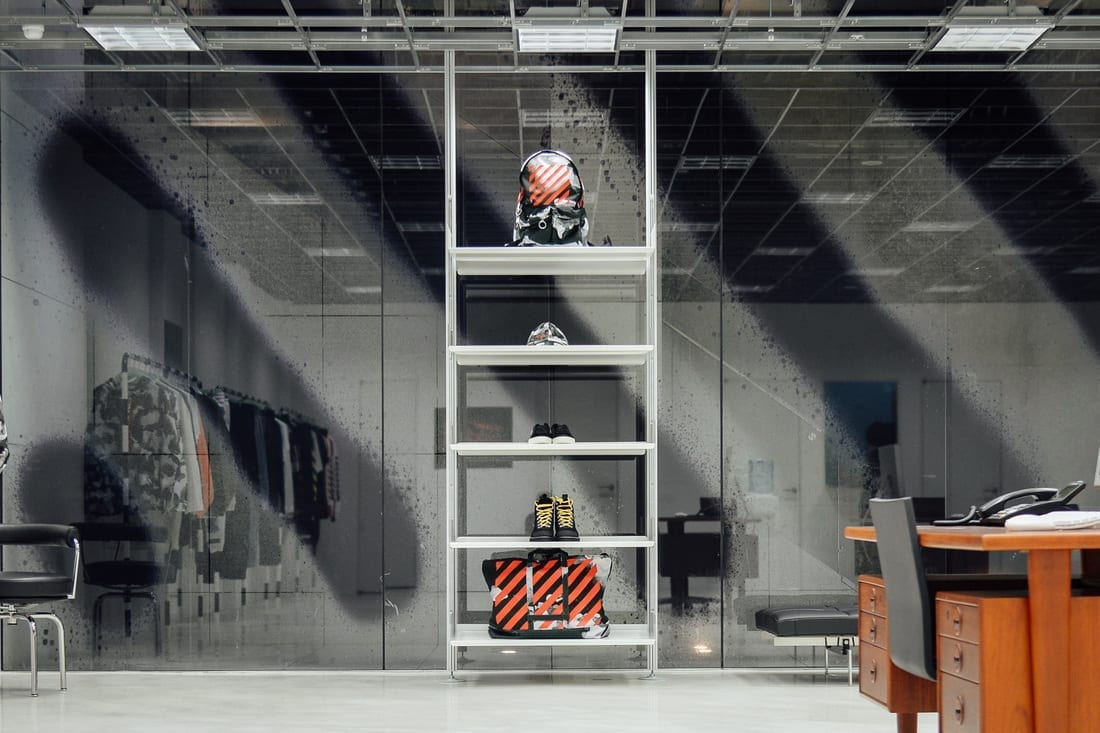
    Cult luxury streetwear brand Off-White continues its retail expansion in Asia with the opening of its second location in Hong Kong. Helmed by designer Virgil Abloh, the newest Hong Kong store opened last month, with the announcement of capsule collection – to be exclusively available at Off-White stores in Hong Kong – breaking news this week.

    The two-tiered, 746-square-foot space is designed by Virgil Abloh himself, and boasts an industrial finish with a concrete bottom floor and exposed interlocking metal rods that make up the ceiling. The factory setting is juxtaposed against gold countertops and fixtures, and a mint green curtain and matching carpet on the top floor.

    Marking the brand’s second Hong Kong location, Off-White has dropped a 10-piece capsule collection to coincide with the store debut.

    The Hong Kong collection features both men’s and women’s apparel and accessories, including t-shirts, sweatshirts, jeans, denim cut-off shorts, as well as socks, backpacks and a handbag; the latter features a strap with Off-White’s signature slant line pattern and an additional pink strap. The other collection pieces come stamped in a moniker ‘X’ arrow design and a 3D line pattern.

    Launching in 2013, under the helm of Virgil Abloh, Off-White has continued to expand its retail presence rapidly. With a specific focus on Asia, Off-White has two mainland China locations, including one in Shanghai’s I.T. department store and one in Beijing’s Galeries Lafayette.

    It currently operates ten stores around the world in Hong Kong, Beijing, Shanghai, Tokyo, Seoul, Singapore, London and Toronto. Off-White is planning a New York store this year.

  • Decathlon to open first Hong Kong stores in August

    Decathlon to open first Hong Kong stores in August

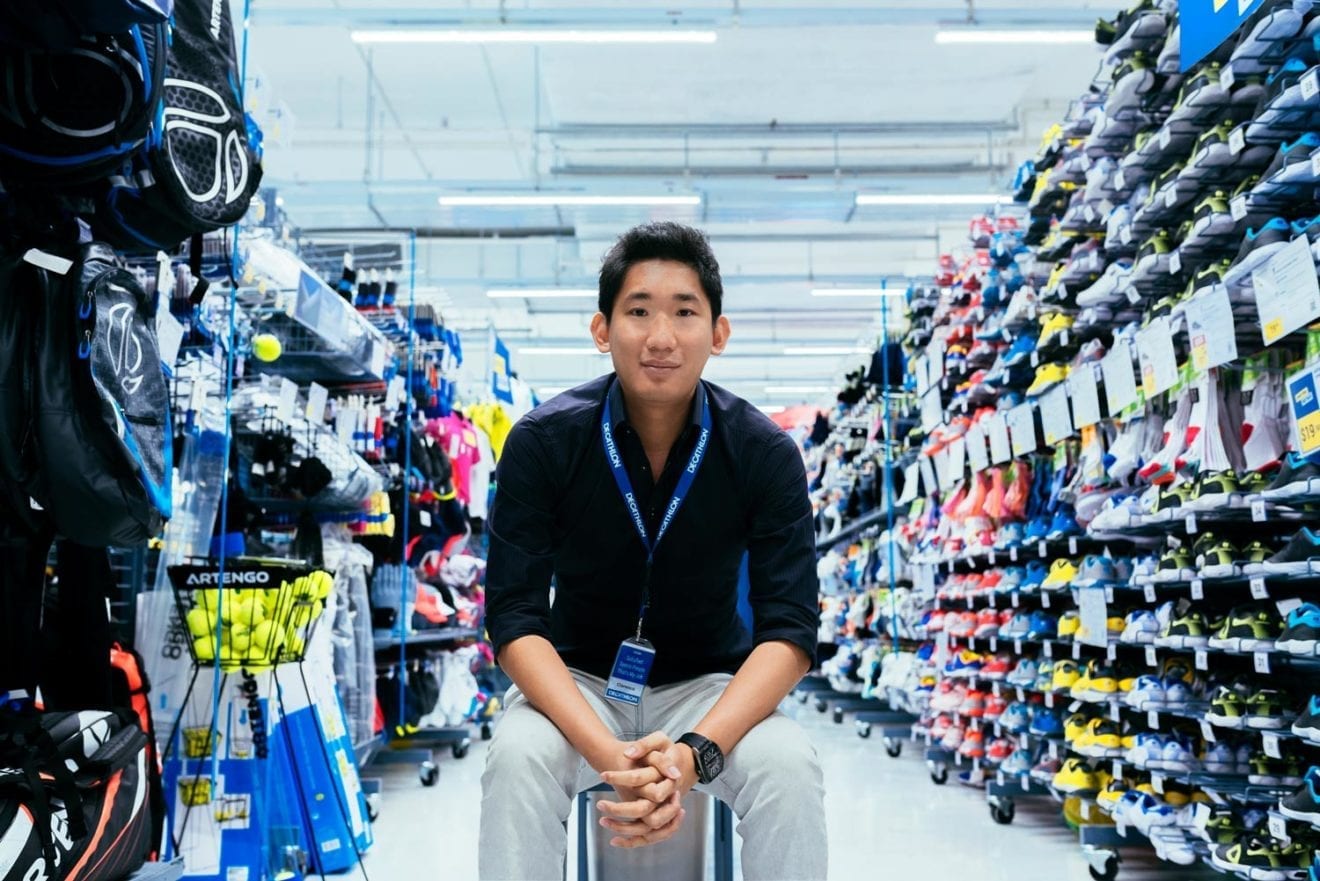
    Decathlon will open its first Hong Kong store this year, with plans for two locations – one in Mong Kok and the other in Causeway Bay.

    The French multibrand sports retailer will bow its first Hong Kong stores in Mong Kok Grand Plaza Basement and Causeway Bay Park Lane, according to a post on Decathlon Hong Kong’s Facebook account.

    While store specifics or dates have not been given, Decathlon Hong Kong said the openings would take place in August.

    “Finally, your new sports stores open in August,” said a post on Facebook.

    Decathlon first entered Hong Kong in 2015 with the launch of country-dedicated website and e-commerce platform.

    In February 2017, the French group reported a 12% lift in revenues during 2016 (+4.4% on a like-for-like basis), reaching 10 billion euros, excluding taxes.

    Earlier in the year, it launched sub-brands Itiwit — a paddle-board line, and Subea — an underwater sports brand, to bolster its current sporting goods offering

    A recent report published by corporate finance advisory firm Capitalmind pinned the global sporting goods market at $388 billion in 2015, up 5%. The report said Intersport, Decathlon and Foot Locker currently dominate the sporting goods distribution market worldwide.

  • Security issues challenge the digital future

    Security issues challenge the digital future

    A panel discussion at CommunicAsia2017 titled “Diversifying Your Business Model Through Creative Partnerships” veered straight into the critical subject of security at the outset.

    Juniper Networks’ CTO Kireeti Kompella declared that security issues will “only going to get worse unless we do something about them.”

    Failure to develop effective security solutions will hold back the development of the upcoming 5G digital landscape before next generation networks can begin to deliver new services through creative collaboration, he said.

    “We all know about SDN (Software Defined Networks), but I talk about the Self-Driving Network or the Self-Defending Network,” said Kompella, describing a network in which security was embedded and automatic.

    He said the sheer scale of the IoT means that human intervention cannot effectively counter the growing number of security threats and intrusions.

    “Humans are going to lose if you don’t have Artificial Intelligence on your side,” he said.

    Beyond security, Ericsson’s Magnus Ewerbring, CTO, Asia-Pacific, named “integrity” in addition to security as one of the key issues for the industry in the IoT era. By this he means issues around trust, privacy, fraud and data protection.

    “IoT will be both consumer and industrial, and security is important, but integrity will also be key,” he said, adding that “traditional operators enjoy integrity, trust and faith” from their customers.

    The panel, comprising representatives from carriers, vendors, and analysts, then wrestled with ongoing challenges to the traditional carriers’ business models.

    Whether they are providers of “dumb pipe or smart pipe,” and while internet giants like Facebook are highly dependent on them, Facebook and other OTT players were not significant sources of revenue for carriers.

    Rohit Talwar, futurist speaker, Fast Future, told the conference that many carriers “like to find a reason not to innovate” and were too focused on “boxes.”

    “Facebook and Google don’t want boxes,” he said. “They want the people who create intellectual property. They are selling people who create IP.”

    Helen Wong, director of network product technology & strategy for Asia Pacific, Verizon, countered by saying that the new technologies of virtualization and cloud-based services-by their very nature-meant that carriers are finding partnerships which were “beyond boxes and vendors.”

    Mike van den Bergh, CMO, PCCW Global, said his company actively collaborates with new players in areas from tap-and-go payments to smart housing.

    “They all deliver revenue to us,” he said. “Everything in the cloud is part of wider partnerships to deliver next generation services.”

  • Hitachi aims to become leader of Thai elevator market by 2020

    Hitachi aims to become leader of Thai elevator market by 2020

    Hitachi’s elevator and escalator distributor in Thailand is projecting aggressive sales growth to restore its top position in the local market in the next three years.

    Michael Tang, vice president of Hitachi Elevator (Thailand) Co., who has taken on a new role as head of its sales and marketing unit, said the company aims to increase its market share to 25 percent in 2020 from the current 17 percent in pursuit of market leader Mitsubishi Electric Corp.

    Hitachi was the market leader before the Asian financial crisis in 1997, which caused sales to decrease, Tang said.

    To attain the goal, the company needs to achieve annual sales growth of 20 percent on average and is seeking to sell 1,000 units this year, up 18 percent from 850 units in 2016. Of the 2017 total, elevators are expected to account for 70 percent and escalators 30 percent.

    Thailand’s elevator and escalator market, totaling about 5,500 units last year, is expected to grow 3 to 5 percent this year thanks to business expansion in the real estate and retail industries as well as public utility development in the country.

    Demand for home elevators will grow significantly in the next one to two years due to the rapidly aging population in Thailand, Tang said.

    The company forecasts that demand from the private sector, especially department stores and hospitals, will increase as government spending on infrastructure projects will motivate them to invest more, boosting the sales ratio of that sector to 65 to 80 percent in 2020.

    Hitachi expanded the annual capacity of its Thai plant from 1,500 units to 2,500 units last year and opened a regional training center in the country early this year to train and educate engineers from other Asian countries as well.

    The Japanese company plans to continue selling Thai-built products in overseas markets, expecting to boost the Thai arm’s revenue from exports to 60 percent of the total in 2020 from 10 percent at present.

  • Lazada Singapore moves warehouse operations to SingPost hub

    Lazada Singapore moves warehouse operations to SingPost hub

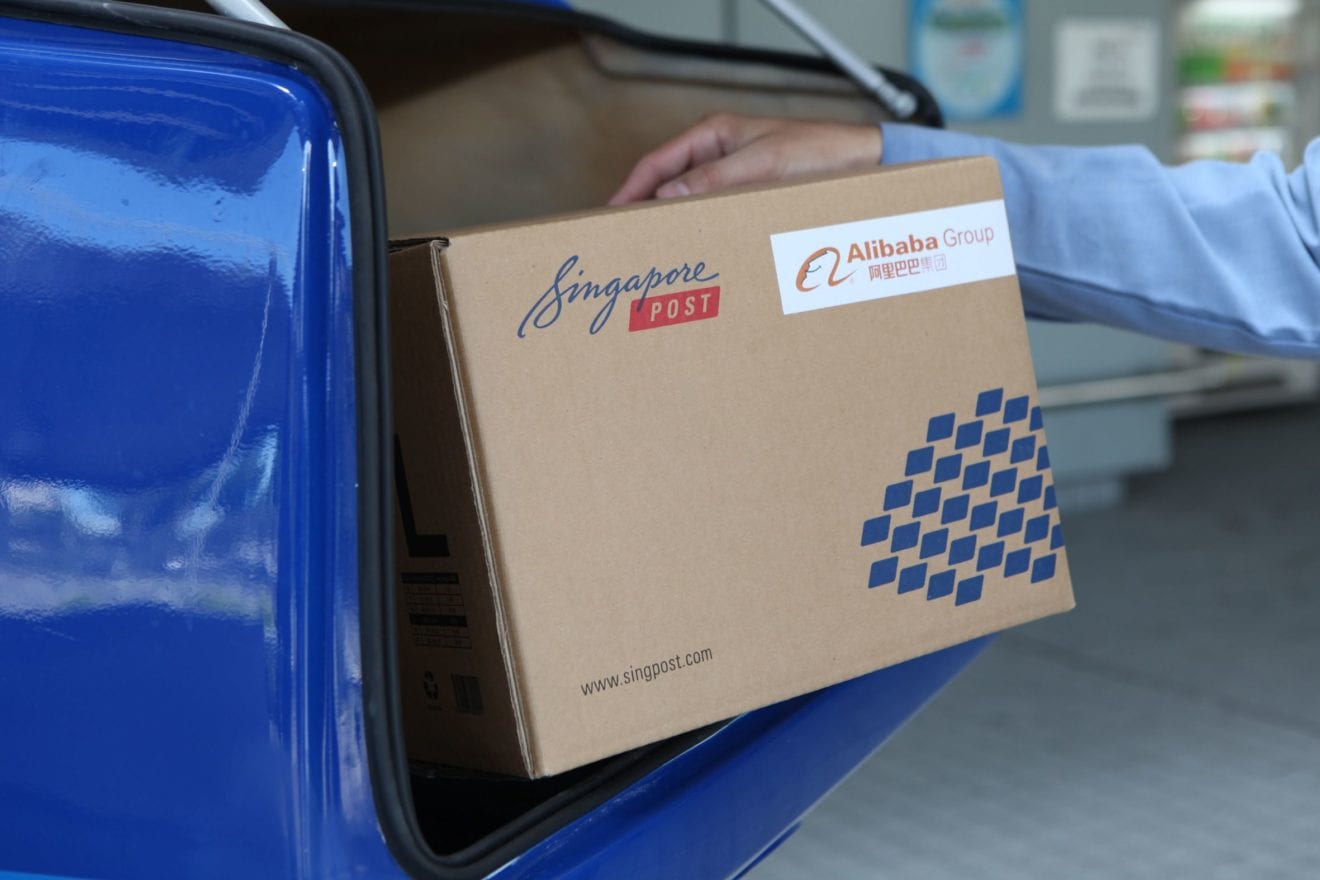
    Lazada, a huge online shopping destination in Southeast Asia, and Singapore Post Limited, the country’s postal and eCommerce logistics service provider, announced that Lazada Singapore has moved its warehouse operations to SingPost Regional eCommerce Logistics Hub in Tampines Logistics Park.

    With investments by Alibaba in both companies, the move allows Lazada and SingPost to leverage on each other’s strengths to meet rising eCommerce demand in Southeast Asia. This combination of strengths in eCommerce and logistics will enable both companies to be in a leading position in the industry to serve a wider spectrum of customers, both in Singapore and the region. This also emphasises Lazada’s aim to work together with the wider eCommerce ecosystem in Singapore.

    “Moving Lazada Singapore’s entire warehouse operations to the SingPost Regional eCommerce Logistics Hub is the next natural step as we seek closer integration with our partners to better serve the needs of Singapore customers,” said Alexis Lanternier, CEO of Lazada Singapore. “With the recent launch of 99SME, our local sellers have access to more than 3.5 million monthly visitors in Singapore. Moving forward, we can help them expand and sell regionally.”

    SingPost Regional eCommerce Logistics Hub consolidates and integrates both warehousing and delivery hub capabilities into one building. With an integrated, end-to-end solution housed in one building, SingPost is able to provide Lazada with improved efficiency, resulting in a faster turnaround time.

    Lanternier added: “This also adequately prepares us for the Great Singapore Sale starting 6 June, and we are bringing in more brands than ever before, local and global. Customers can shop more with the confidence that their orders will be processed and delivered faster.”

    Sam Ang, executive vice president of SingPost, and CEO of Quantium Solutions International said: “Technology plays a big part in our Regional eCommerce Logistics Hub, increasing productivity and efficiency. This collaboration sees Lazada’s eCommerce platform and SingPost’s end-to-end logistics capabilities coming together and it will result in scale and efficiencies for both of us.”

    “Better still, these efficiencies will help the SME eTailers that are connected with the Lazada platform to strengthen their competitiveness in the eCommerce market domestically and internationally. We look forward to working with Lazada and supporting them as they grow in Singapore,” added Ang.