Tag: asia

  • Only 57% of consumers feel rewarded with their loyalty programmes

    Only 57% of consumers feel rewarded with their loyalty programmes

    And here are three ways on how financial firms can improve their loyalty services. A research from Collinson Group research revealed three things ways on how financial services loyalty programmes could be improved.

    Three in five, or 60% of respondents in Singapore said they want a simpler user experience, whilst 52% noted that they would want the ability to combine points with cash. Forty-nine percent indicated that they want a larger selection of rewards.

    “This indicates that usability and accessibility of rewards are top of mind for financial services loyalty programme members,” Collinson Group said.

    The study said the two of the strongest categories of reward that are most popular with global financial services customers are travel and leisure.

    It added, “In Singapore, customers consistently place a high value on benefits such as airport lounge access, concierge services and unique social and cultural leisure experiences. Collinson Group research reinforces that customers value products and experiences offered outside of company core inventory as part of a financial services loyalty programme.

    Meanwhile, the research also revealed that only 57% of bank and financial service loyalty programme members in Singapore feel rewarded for their custom. Customers are looking for more opportunities to earn loyalty currency and more choice when redeeming their points.

    Here’s more from Collinson Group:

    Reward and recognition are becoming increasingly important for customer retention and revenue growth. As regulators encourage greater competition in the financial services market, new competitors emerge and consumers are given more opportunities to compare and switch services. Brands must consider how best to remain attractive to this sophisticated set of consumers who have a greater access to information and are always after the best value for money.

    The Collinson Group research with 2,250 consumers across the United States, United Kingdom, Singapore and the UAE revealed that more than three quarters of respondents (77 percent) look for loyalty programmes with a greater choice of rewards. Furthermore, four in five respondents (82 percent), said that the value of a programme decreases when there is only a limited range of rewards available.

    An enhanced redemption experience is delivered through a programme that offers the customer the ability to redeem in retail outlets and leisure stores, as well as an e-commerce platform. Survey respondents were clear that the value of a loyalty programme decreases if points cannot be redeemed in physical retail outlets, with 49 percent in Singapore agreeing.

    Chris Rogers, Director at Collinson Group said: “Traditional financial services models continue to evolve, with a focus on improved digital services and experiences, but a key area brands need to consider is how they recognise and reward existing customers. Other sectors such as travel and retail are demonstrating new ways of offering more personalised, timely and relevant rewards.

    “A key element in enabling this is providing customers with more ways to earn and redeem loyalty currency. Offering the opportunity to ‘spend’ points against non-financial products such as travel, leisure or more altruistic rewards is increasingly attractive to programme members. The chance to redeem points in physical stores such as retailers and to part-pay with loyalty points and cash all make programmes more relevant and therefore more valuable to consumers.”
  • Alibaba sues maker of fake Wuliangye spirits for RMB 123,000

    Alibaba sues maker of fake Wuliangye spirits for RMB 123,000

    Alibaba Group said Wednesday it has sued a seller of fake spirits, seeking RMB123,000 (US$17,835) in damages.

    The Shanghai Xuhui District People’s Court previously found defendant, Xu Wenqiang, had violated Yibin Wuliangye Group Co. Ltd.’s “Wuliangye” liquor trademark and ordered him to pay the brand owner RMB70,000 (US$10,150) for economic losses and expenses.

    Alibaba’s civil suit comes on top of that, with the group saying Xu violated trading rules on its Taobao e-commerce platform by infringing on the intellectual property rights of a trademark owner. The complaint also seeks damages for economic losses, legal and other costs and loss of goodwill.

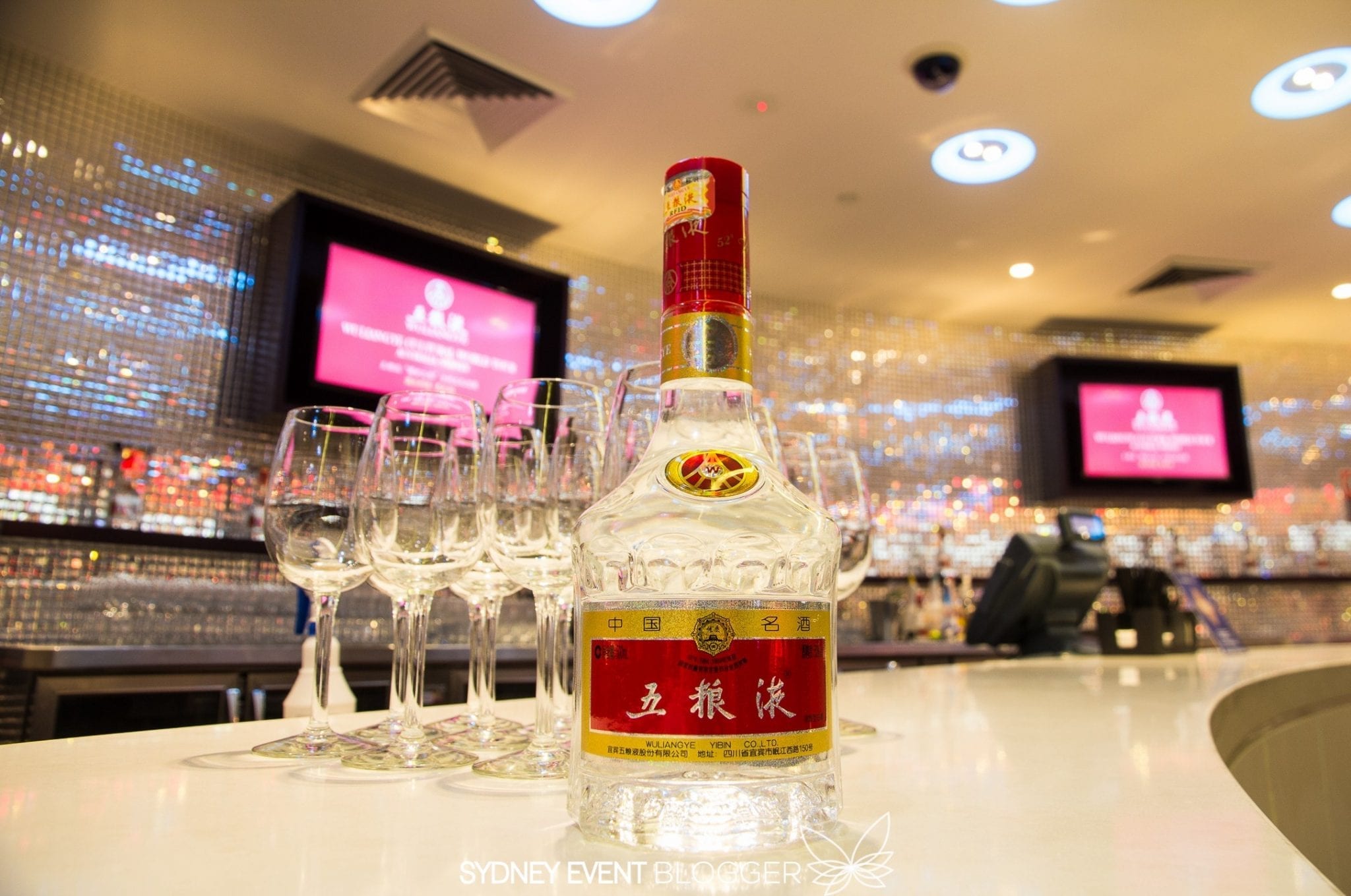
    According to the lawsuit, Xu, who first registered to sell on Taobao in 2009, was nabbed after the trademark owner recently bought a bottle that claimed to be 52 percent Wuliangye crystal liquor for RMB508 ($73.65) from the vendor online. Upon inspection, Yibin Wuliangye Group determined from the quality of the logo, packaging, bottles and anti-counterfeiting labels that the product was fake.

    Wuliangye, literally “Five Grains Liquid” in Chinese, is a premium spirits brand made from millet, corn, wheat and two kinds of rice. A 500-milliliter bottle in the company’s Taobao storefront starts at RMB299 (US$43.36) and can run up to RMB1,798 (US$260).

    Alibaba Executive Chairman Jack Ma recently called for tougher counterfeiting laws, stronger enforcement and stiffer penalties.

    The Alibaba lawsuit is the latest in its drive to protect brands and cause pain for counterfeiters by seeking heavy damages through the court system. The group previously sued makers of fake Swarovski watches and a Mars brand of cat food.

    In its latest legal filing in the Shanghai Songjiang District People ‘s Court, Alibaba showed the same fervor for protecting domestic brands and trademarks. The lawsuit also dovetails with a rise in purchases of wine and spirits on Alibaba platforms, as China’s burgeoning middle class seeks premium spirits, both imported and domestic.

    Last year, Alibaba held its first-ever 9.9 Global Wine & Spirits festival, an online shopping promotion that proved wildly popular among consumers.

    And earlier this month, Alibaba’s Ma signed a memorandum of understanding with Argentina to bring the countries foods and wines to China via Alibaba e-commerce platforms.

  • Bonus plan a win-win for customer and operator

    Bonus plan a win-win for customer and operator

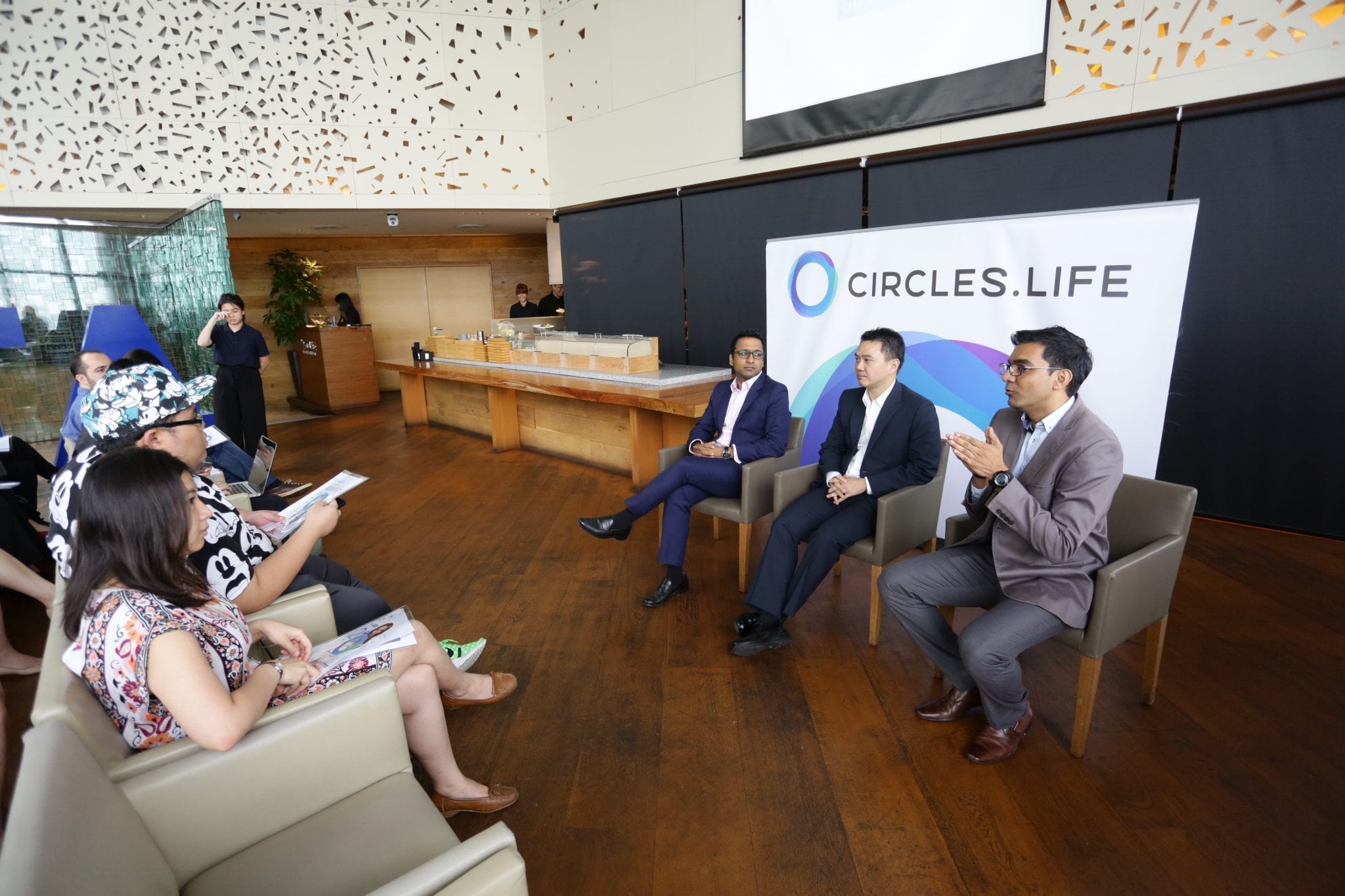
    n unnamed customer of new Singapore mobile operator Circles.Life likes the service so much that he has referred over 600 new customers, thus earning himself 100 GB of free data, said Donald Chan the firm’s international director.

    Chan outlined his company’s business model and strategy in a keynote on Day One of CommunicAsia2017 and included details of their data bonus plan-their cornerstone of customer retention.

    He described Circles.Life as Asia’s “first fully digital telco”–from customer acquisition to service delivery. Customers communicate with the company through their iOS-or-Android app, and 95% of queries are resolved via this channel.

    The only aspect of the experience which is not digital is SIM card delivery (via courier) to the customer two days after ordering.

    To drive retention, Circles has a bonus plan where customers who recruit new customers earn 200MB of data. The company maintains a leader board, and the current top rank is held by a customer who has recruited 600 others.

    Circles has no contracts-customers for the post-paid service engage on a month-to-month basis.

    The pricing plan, said Donald Chan, is like “buying a pizza” and deciding on the toppings later.

    The base plan is S$28 per month with 4GB of data, with up to 20GB of extra data for S$20 per month.

    Customers can go into the Circles app and determine settings on voice and data use, alerts and caps.

    Chan said Circles, which uses the M1 network in Singapore, was a “niche player” designed to appeal to “tech-savvy younger consumers who want control and flexibility.”

    He said the company was looking to expand to “three-to-five” other regional markets in the next five years.

    Circle’s proprietary operating system, which is “plug-and-play,” is easy to connect to any other MNO, limiting the cost of starting up in new markets.

  • Big money flowing into Vietnam stock market

    Big money flowing into Vietnam stock market

    The liquidity has improved considerably with trading value of VND4.5 trillion in each trading session. One month ago, Nguyen Huu, an investor, decided to buy Sacombank shares (STB). “If I make a bank deposit, I would get an interest rate of a maximum 7 percent for six months. Meanwhile, with the investment in STB, I expect profit at 15-20 percent at minimum,” he said.

    Huu bought STB when the share price was at VND9,500 per share. And if he had sold the shares some days later, he would have made a profit of 10 percent.

    According to Nguyen Duc Hung Linh from the Saigon Securities Incorporated (SSI), the cash flow to the stock market mostly comed from big investors who prepare in financial capability and have big targets.

    The VN Index has for the first time in the last nine years has regained the 700 point threshold, while the trading value has reached VND4.5 trillion per daily trading session and foreign investors’ portfolio value has reached the highest peak.

    On May 15 morning, the stock market witnessed a record morning trading session with VND3.1 trillion worth of shares were traded. Investors were excited when seeing 56 shares hitting the ceiling price level.

    On May 16, the trading volume increased to VND3.659 trillion, an increase of 18 percent, the highest trading volume in the history of the Vietnamese market.

    “There is so much money from new sources and new investors who are more hot-headed than old investors,” the representative of a closed-end fund said.

    Nguyen Tri Hieu, a renowned banking expert, at a workshop on the stock market held some days ago, commented that this was good news for Vietnam, but investors have been advised to be cautious.

    “The index has been escalating rapidly. If the trend continues, I think the VN Index would reach the 740 point threshold or even higher,” Hieu said.

    Tong Minh Tuan from VCB Securities commented that the most important thing is that the stock market has more good commodities this year to offer.

    “Foreign funds are very excited and they have taken action. I think the market would be even more busy towards the end of the year,” Tuan said.

    Other analysts also commented that they were optimistic about the market in 2017-2018, because there would be more good shares on the market once the state divests from several profitable companies.

  • DHL: Machine learning to mitigate supplier risks

    DHL: Machine learning to mitigate supplier risks

    DHL introduced a new integral part of its Resilience360 supply chain risk management platform called DHL Supply Watch. The extension of DHL’s early warning system uses machine learning and natural language processing to detect disruptions in a company’s supply base before they cause financial losses or long lasting reputational damage.

    With Supply Watch, DHL Resilience360 is adding a broad range of new risk categories to the system’s existing portfolio to monitor supplier risks on a company level, including financial indicators, mergers & acquisition, environmental damages, supply shortages, quality issues and labor disputes, using publically available data found by monitoring of online and social media sources.

  • Upgrade for Pizza Hut Malaysia’s restaurants

    Upgrade for Pizza Hut Malaysia’s restaurants

    The operator of Pizza Hut, QSR Brands (M) Holdings Bhd, plans to upgrade its 221 dine-in restaurants over the next two years, as part of its re-branding activity in conjunction with Pizza Hut’s 35th anniversary.

    QSR Brands chief executive officer Merrill Pereyra said Pizza Hut currently had close to 400 outlets, nationwide.

    “So far, we have upgraded more than 50 restaurants and we will also conduct 100 per cent asset enhancement in all 221 restaurants,” he told a press conference after Pizza Hut’s 35th anniversary celebrations in Kuala Lumpur on Thursday.

    Pereyra said the company planned to enhance dining experience at its restaurants as the segment was not only its core business but also made Pizza Hut stand out from its competitors.

    He, however, declined to elaborate on the capital expenditure for the upgrading exercise but said the company had allocated enough for the purpose.

    When asked on possibilities of new openings for this year, Pereyra said the company planned to spend the next couple of years to re-brand Pizza Hut and the exercise would include a new logo, website and also a new mobile application.

    The website was launched on May 5 and we are already seeing nearly 100 per cent increase in visits and 150% increase in new users.

    Order placement with the newly developed website and mobile application would reflect Pizza Hut’s refreshed brand mission of “easy and better”, he added.

    Pereyra said the mobile application will be launched in three months.

    Pizza Hut, in conjunction with its anniversary celebrations, on Thursday launched the 35 Bites Challenge where consumers can attempt to finish a large pizza in 35 bites, within five minutes.

  • Chinese regulator approves VW-JAC Motor electric car venture

    Chinese regulator approves VW-JAC Motor electric car venture

    Germany’s Volkswagen AG and Anhui Jianghuai Automobile Group have received approval from Chinese regulators to form a joint venture to make electric vehicles, the two automakers said on Monday.

    The National Development and Reform Commission (NDRC), China’s top state planner, gave a green light to JAC and VW to build 100,000 pure battery electric vehicles annually in a project worth 5.1 billion yuan ($740 million), according to a JAC Motor stock exchange filing.

    A VW spokesman confirmed the approval but said certain administrative procedures still needed to be completed for a joint venture contract to be signed with JAC Motor.

    Volkswagen, China’s largest foreign automaker, has pledged to rapidly develop a range of electric vehicles as the Chinese government aggressively promotes the segment as a way to cut intense smog in much of the country.

    VW already has joint ventures with China FAW Group and SAIC Motor Corp Ltd in the country.

    The has company previously said it aims to sell 400,000 “new energy vehicles,” a category which includes pure electric and plug-in petrol-electric hybrids, in China by 2020 to meet strict Chinese fuel economy and emissions regulations, with electric vehicles made with JAC Motor coming in addition to that figure.

  • Heightened danger in Singapore as cyber attacks increase

    Heightened danger in Singapore as cyber attacks increase

    Ransomware has rapidly moved from a “nuisance” to a public threat which could now endanger lives, a director of Singapore’s Cyber Security Agency told the CommunicAsia2017 conference on Tuesday.

    Ho Ka Wei, a director at the National Cyber Threat Analysis Center at the Cyber Security Agency of Singapore, said an increase in attacks in recent weeks-including the global WannaCry attack-has put agencies on “high alert” and led to “sleepless nights and non-stop action.”

    Ransomware attacks on the health system and facilities such as hospitals have the potential to threaten people’s lives, he said.

    “The number of attacks is increasing,” said Ho. “No one is spared.”

    “Critical infrastructure and government institutions continue to be attractive targets, and we see new sophisticated forms of ransomware and malware,” he said. “And now they are coming in malicious combos like WannaCry-which is both ransomware and a worm.”

    Attacks were also increasing in strength and power, with some measured at over one terabyte per second, where previously “20 gigabytes a second was considered quite high.”

    Ho outlined recent Advanced Persistent Threat (APT) attacks at two Singapore Universities in April, which were “carefully planned” with perpetrators seeking to steal government information and research.

    The APTs were designed to gain unauthorized access to networks and lurk there for long periods to access information.

    These attacks, at NTU and NTS, were identified and computers were isolated and then replaced.

    The threat environment, said Ho, escalates on a monthly basis, and will reach new levels with the unstructured rise of the IoT if rigorous action is not taken and standards enforced.

    “If IoT devices are unsecured by default, then they can be controlled and used,” said Ho. “The level of escalation is serious.”

    Singapore created the Cyber Security Agency two years ago under the auspices of the Prime Minister’s Office, and the country announced its first Cyber Strategy in October last year.

    Ho outlined four pillars to the strategy: to build a resilient infrastructure, create safer cyberspace, develop a vibrant cybersecurity ecosystem, and strengthen international partnerships.

    Digital technology, he said, was critical to Singapore’s “smart nation efforts” and the increased number of attacks from “new vectors” was a key national risk to overcome.

  • Alibaba sales beat estimates, plans $6m share buyback

    Alibaba sales beat estimates, plans $6m share buyback

    Alibaba Group’s first-quarter revenues surpassed industry estimates for the three-month period ending March, as the Chinese e-commerce giant witnessed strong growth in new business lines beyond online shopping.

    Total revenues for the last quarter reached 38.6 billion yuan (US$5.6bil), well above an average forecast of 36 billion yuan according to Thomson Reuters.

    “Our revenue base is now more diversified,” chief financial officer Maggie Wu said. The finance head added that Alibaba’s cloud and entertainment sectors became “more meaningful growth drivers” during the quarter.

    Despite the sales high, earnings fell flat for the three months, with profits adversely affected by tax increases after the expiration of a local tax reduction linked to Alibaba’s investment in Chinese electronics retailer Suning Commerce Group Co Ltd.

    Alibaba’s adjusted earnings per share (EPS), therefore, came in at 4.35 yuan (US$0.63), below estimates of 4.48 yuan.

    Coinciding with the results, Alibaba announced plans to buy back shares worth up to US$6bil over two years.

    The operator of online market place Tmall and financial payments system Alipay said the share repurchase scheme would replace its existing buyback program.

    For the last few years, Alibaba has been targeting news business lines such as cloud computing, big data, entertainment and offline retail as it expands beyond e-commerce.

    However, online shopping remains the firm’s bread and butter. In March, Alibaba said it plans to open a regional distribution hub in Malaysia to cater to its fast-growing business in the region. It also launched its Alipay business in the Asian nation last week, following a debut in the US earlier in the year.

  • AirAsia X’s profit hit by higher fuel expenses

    AirAsia X’s profit hit by higher fuel expenses

    AirAsia X Bhd’s (AAX) profit for the first quarter (Q1) ended March 31, 2017, was dragged down by higher expenses such as aircraft fuel cost, which ballooned by 55% from a year earlier.

    AAX, whose expenses are mostly denominated in the US dollar, said it posted a 43% year-on-year drop in operating profit to RM60.3mil mainly due to an overall 6% depreciation of the ringgit against the greenback.

    The long-haul, low-cost airline told Bursa Malaysia on Tuesday that net profit fell to RM10.34mil from RM179.49mil previously.

    Aircraft fuel expenses, the single largest operating cost, swelled to RM377.69mil from RM243.06mil a year earlier. Aircraft operating lease costs rose to RM70.82mil from RM45.64mil previously.

    Its profit took a hit despite a healthy growth in passengers carried – up 33% to 1.4 million in Q1 on the back of a higher available seat capacity – that led to a 22% jump in revenue year-on-year to RM1.18bil.

    Load factors were 2 basis points higher at 84% compared with the same quarter in 2016.

    Ancillary revenue per passenger remained constant at RM150 while freight and cargo revenue grew by 5.9% to RM32.8mil in the quarter under review.

    Revenue per available seat kilometer (RASK) was down 6% year-on-year from 15.11 sen to 14.20 sen during the quarter under review.

    AAX said the marginal drop was due to the expected increase in capacity on core existing routes as per its strategy to grow market share and therefore pressuring yields.

    In a press statement, it said Malaysia AirAsia X (MAAX) registered a healthy load factor of 84%, up 2 percentage points (ppts).

    Thailand AirAsia X outperformed despite regulatory constraints by posting US$5.5mil net profit in Q1. It recorded a strong 94% load factor, an increase of 5 ppts from 89% in the same period last year.

    As for Indonesia AirAsia X, the A330s service was still temporarily suspended in Q1 as part of a network restructuring aimed at improving operational efficiencies. However, it has resumed the A330 operations with the introduction of two new routes this month.

    On its prospects, the AirAsia group affiliate said that based on the current forward booking trend, forward loads and average fares were trending better than the previous year.

    However, it added, the relative weakness of the Malaysian ringgit remained a key concern as a large portion of the company’s borrowings and operating costs – including fuel expenses and aircraft operating lease exprnses – are denominated in US dollars.

    “Barring any unforeseen circumstances, including but not limited to terrorist attacks, natural disasters, epidemics, economic downturn, fuel price hike and fluctuation in foreign currencies against the Malaysian ringgit, the company expects its prospects to remain positive,” it said.

    In the press statement, MAAX chief executive officer Benyamin Ismail said: “Moving forward for the rest 2017, AirAsia X will focus on strengthening our market leadership through a number of strategies.

    “We hope to stretch our aircraft utilisation rate further with more incremental frequencies on high yield point-to-point routes and new routes in the second half of 2017. We have also set targets in ensuring the company remains lean through various cost initiatives and maximise the operational synergies between AirAsia and AirAsia X.”

  • ST Electronics launches WISX IoT platform for smart cities

    ST Electronics launches WISX IoT platform for smart cities

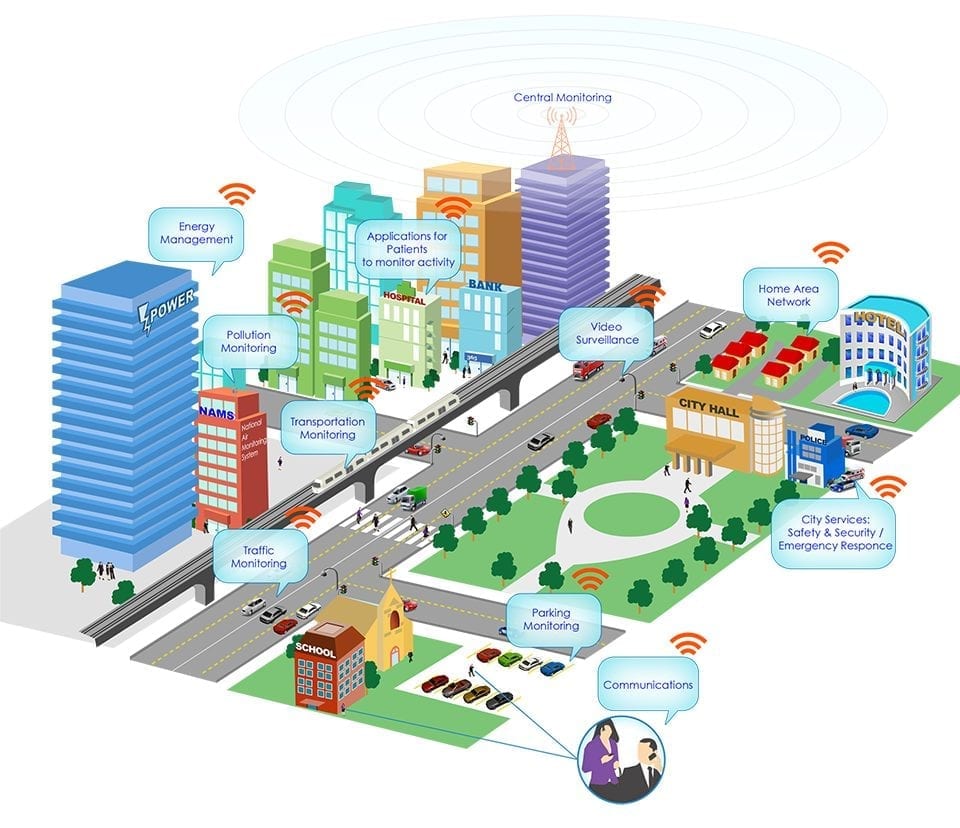
    Singapore Technologies Electronics Limited (ST Electronics) announced the launch of its World of IoT – Sense & eXchange (WISX IoT) platform on Day One of CommunicAsia2017.

    The WISX IoT platform is designed to integrate multiple IoT solutions into a common platform that facilitates data exchange and analysis. Developed to support IoT solutions for smart city initiatives worldwide, the platform aims to enhance city services and improve the quality of life for residents. The platform can be used for applications such as integrated estate management.

    The WISX IoT platform leverages ST Electronics’ knowledge in deploying and operating wireless communications networks for automated utility meters and infrastructure, lighting, public safety and environmental solutions and sensors in Singapore as well as global cities. The goal is to provide a multi-domain platform with advanced communications and cross-domain data analytics to benefit residents. The platform optimizes the management of cities by generating actionable insights from the data collected from individual IoT solutions and enables city planners to better understand what matters most to people.

    “Our successful track record in deploying more than 15 million wireless communications nodes worldwide has given us the expertise to develop a platform that seamlessly integrates IoT solutions across different domains,” Ravinder Singh, president, ST Electronics. “The WISX IoT platform will better equip city planners with valuable insights so that they can make informed decisions and improve the operational efficiency of city services.”

    The WISX IoT platform is showcased at the CommunicAsia2017, from 23 to 25 May at Marina Bay Sands, where its capabilities will be demonstrated through an Integrated Smart Estate Management case study. A suite of ST Electronics’ smart solutions comprising indoor and outdoor lighting, automated water and electrical meters, lift monitoring solution, environmental sensors, car parks and security systems is integrated in the platform as part of an overall Smart Estate showcase.

  • China Online Retail Giant Wants to Build a Drone That Can Literally Deliver a Ton of Stuff

    China Online Retail Giant Wants to Build a Drone That Can Literally Deliver a Ton of Stuff

    JD.com, one of the most prominent online retail companies in China, plans to create a drone capable of carrying—literally—a ton for long-distance deliveries.

    The retail giant plans to use the technology for food deliveries to and from agricultural centers in remote areas to cities, the company said.

    “We envision a network that will be able to efficiently transport goods between cities, and even between provinces, in the future,” Wang Zhenhui, chief executive of JD’s logistics business group, said in a statement.

    The company told the drone capable of carrying one ton will likely not be available for two or three years. The drones wouldn’t deliver directly to customers’s doorsteps. Multiple packages would be delivered to a local employee, who will deliver them to customers.

    The retail giant will work on the technology in Shaanxi, a Chinese province, where it reached an agreement to test low-altitude drones and flight routes. The company will also create a research and development center at the Xi’an National Civil Aerospace Industrial Base in that province to develop, manufacture, and test the drones.

    Headquartered in Beijing, JD (jd) has more than 236 million customers and a delivery system with 65,000 employees. The company launched its first drone delivery program in Nov. 2016 for the country’s “Singles’ Day” shopping festival.

    In the United States, e-commerce giant Amazon (amzn) has plans to use drones to deliver packages of up to five pounds to Amazon Prime customers. The company opened testing facilities in the U.K.

  • Retro Nokia phone hits the right buttons on return to Vietnam

    Retro Nokia phone hits the right buttons on return to Vietnam

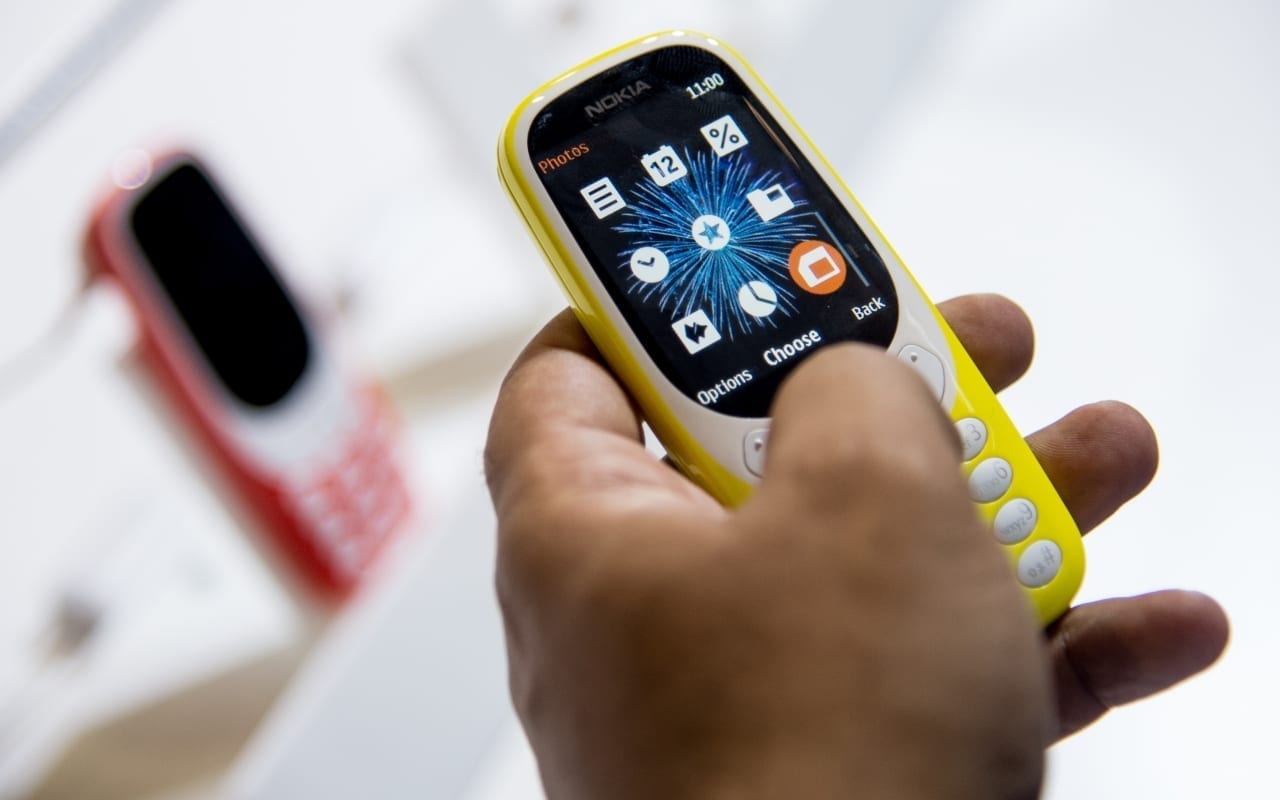
    Nearly two decades after being crowned the king of Vietnam’s cellphone market, Nokia’s classic 3310 has made a successful return to the mobile-crazy country, proving that its charms still work.

    The classic talk and text phone, which was reintroduced in a brightly colored version at the Mobile World Congress in Barcelona last February, hit Vietnamese shops on Monday and has already become a phenomenon.

    “It has triggered a hunt like when the iPhone first arrived in Vietnam,” said one customer who has been trawling the shops in vain for the revamped model.

    Many mobile retailers in Hanoi and Ho Chi Minh City said they had received limited supplies that sold out in a day. An independent shop in Hanoi was sent 20 phones while a retail chain received 500 for its more than 400 outlets.

    A source from the official distributor said that supplies will stabilize from next week. Many buyers have put deposits down for the phone, which costs VND1,059,000 ($46.67).

    Retailers said customers are buying out of a sense of nostalgia.

    The phone is a powerful reminder of Nokia’s popularity back at the start of the millenium, when the 3310 was one of the most popular models in many markets, including Vietnam.

    The original 3310 sold 126 million phones, the 12th best-selling phone model in history. Nine of the top 12 selling models were produced by Nokia.

    Many Vietnamese still consider the old model a benchmark for durability and battery life. The new model is designed for 22 hours of talk time and up to one month of standby time, which might heighten the phone’s appeal as a backup for smartphone users.

    Analysts hailed the 3310 launch as a smart retro gambit, but one which could overshadow the Finnish company’s re-entry into the global smartphone market. Nokia has also launched four moderately priced smartphones ranging from 139 to 299 euros ($156-336).

    Nokia sold its by-then ailing handset operations to Microsoft for $7 billion in 2014, leaving it with its network equipment business and a large patent portfolio.

    But last year, it gave the Nokia brand a fresh start by licensing its devices brand to HMD Global, a new company led by ex-Nokia executives and backed by Chinese electronics giant Foxconn.

    Industry analysts say the revived Nokia 3310 has the makings of one of the hit devices of 2017, appealing to older Nokia fans in developed markets looking for an antidote to smartphone overload, while also appealing to younger crowds in emerging markets.

  • Swift unveils industry’s first ever cross-border payments tracker

    Swift unveils industry’s first ever cross-border payments tracker

    SWIFT announces today the availability of its new cross-border payments Tracker that enables international payments to be traced in real-time. The Tracker is the cornerstone of SWIFT gpi – the cooperative’s new payments innovation service – which is revolutionizing the industry by combining real-time payments tracking with the speed and certainty of same-day settlement for international payments.

    Available since January 2017, more than 20 global transaction banks are using or implementing the SWIFT gpi service, with another 50 in the implementation pipeline. Hundreds of thousands of gpi payments have already been sent across more than 85 country corridors.

    “Uptake of SWIFT’s gpi service has been encouraging and the addition of the Tracker capability can only help build momentum and accelerate adoption of the service in international payments,” says David Bannister, Principal Analyst, Ovum. “The most common complaint from corporates is the lack of visibility on their payments’ status. With the Tracker capability, SWIFT gpi tackles that issue and will be a useful tool to help corporate treasurers to execute their core responsibilities.”

    SWIFT gpi enables companies engaged in international trade to get paid for services, or delivery of goods, in a more timely fashion, enabling a faster supply chain process. The highly innovative gpi Tracker provides corporate treasurers with a real-time, end-to-end view of their payments combined with a confirmation notice when the money reaches the recipient’s account. It also enables a more accurate reconciliation of payments and invoices, optimizes liquidity with improved cash forecasts and reduces exposure to FX risks with same-day processing of funds in the beneficiary’s time zone. The Tracker is available via an open API, making it compatible with proprietary banking systems worldwide – helping to ensure maximum impact of gpi benefits at a greater adoption speed.

    SWIFT gpi has garnered considerable industry support across the globe. More than 110 leading transaction banks have committed to the service, representing over 75% of all SWIFT cross-border payments. Recent joiners to SWIFT gpi include: Agricultural Bank of China, Bank of Communications, Banque Centrale Populaire, BayernLB, China Citic Bank, China Minsheng Banking Corporation, Commercial Bank of Kuwait, Denizbank, Ebury, Industrial Bank, Guangfa Bank, Lek Securities, Ping An Bank, Piraeus Bank, Postal Savings Bank of China, Shanghai Pudong Development Bank, Turkiye Cumhuriyeti Ziraat Bankasi, Westpac Banking Corporation and Yapi Kredi, and Zhejiang Rural Credit Cooperative Union. Click here for a full list of participating banks.

    The service is also compatible with and integrated into domestic payment market infrastructures(MIs) across the globe, facilitating local clearing and settlement of gpi payments. Banks can already exchange gpi payments over the 56 SWIFT-connected MIs as well as other MIs that have established local market practices for their participants that use the gpi service. SWIFT will also continue to actively engage with additional MI communities for future gpi compatibility.

    “Today’s announcement is a significant step towards a game-changing experience for corporates the world over,” says Christian Sarafidis, Chief Marketing Officer, SWIFT. “By taking advantage of the right technology, at the right time, with the right players behind us, SWIFT has successfully helped correspondent banking reach a significant milestone in its evolution.”

    Wim Raymaekers, Programme Manager for SWIFT gpi adds, “This is only the beginning for SWIFT gpi. We will continue to explore new technologies, such as blockchain, and deliver more value added payment services further transforming the international payments landscape and, in doing so, accelerating global trade.”


  • Indonesia aims for zero imports of garlic in 2018

    Indonesia aims for zero imports of garlic in 2018

    The government is looking to achieve its goal of zero garlic imports in 2018, following an expansion of garlic farms across the country.

    “We aim to see 100,000 hectares of garlic farms next year. If 1 hectare [ha] can produce 5 tons of garlic, we won’t need to import anymore,” Agriculture Ministry spokesperson Agung Hendriadi told over the phone on Tuesday.

    Annual garlic consumption for household and industrial needs reached 500,000 tons in 2015, but only 20,000 tons of it was planted domestically. The remaining 480,000 tons were imported from China and India, ministry data shows.

    Last year, the government expanded garlic farms, which jacked up the national production of garlic to almost 200,000 tons.

    Indonesia in the 1990s supplied most of its garlic to the domestic market, but gradually the farmers were discouraged from planting it due to a continuous decline in prices. Now, there are only 2,000 ha of garlic plantations, a massive decrease from the 28,000 ha of plantations in the 1990s.

    Agung also said that the Trade Ministry had set maximum price of Rp 38,000 per kilogram for garlic and would maintain the price to encourage farmers to cultivate garlic.