Tag: asia

  • Trai cracks down on Jio’s free service offers

    Trai cracks down on Jio’s free service offers

    Indian telecoms regulator Trai has finally ordered an end to disruptive new operator Reliance Jio Infocomm’s practice of offering free services to customers as promotional exercises.

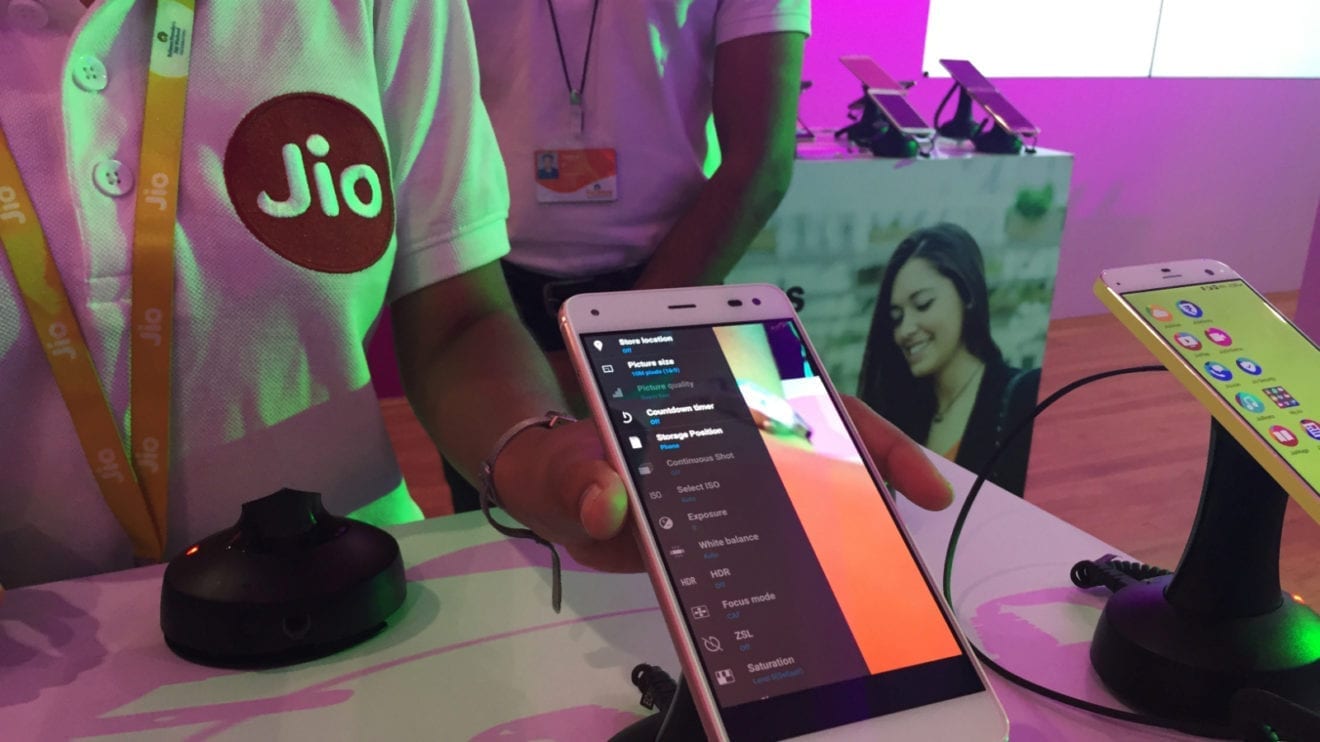
    The regulator has instructed Jio to withdraw its Summer Surprise offer, which would have entitled new customers to three months of free services upon making their first recharge payment of at least 303 rupees ($4.70).

    The regulator has declared that the offer does not fit with India’s regulatory framework covering promotions, which places limits on the duration that discounts can be offered.

    Jio has announced it will comply fully with the order, but that customers who have already signed up for the offer will remain eligible.

    Jio’s latest offer follows an initial promotion providing completely free services that had run for three months, and was subsequently expanded for a further three. This aggressive strategy helped the operator sign up over 100 million customers  in less than six months of commercial operation.

    Rival operators had objected to the offer extension, but Jio had insisted that the second offer represented an entirely new promotion and so did not violate the regulations limiting promotions. At the time, Trai sided with Jio, but this latest decision indicates that the regulator’s patience is wearing thin.

  • CVS Pharmacy introducing Korean beauty range

    CVS Pharmacy introducing Korean beauty range

    CVS Pharmacy is introducing Korean beauty products to the US, launching its K-Beauty HQ concept at 2100 stores across the nation.

    In one of the largest Korean beauty initiatives globally, more than 100 products – some exclusive to CVS – are being rolled out from this month in a partnership with Korean beauty expert Alicia Yoon, founder of e-retailer Peach & Lily.

    CVS VP of merchandising for beauty and personal care Alex Perez-Tenessa says the curated selection features innovative products including masks, skincare regimens, “whimsical” cosmetics and innovative ingredients such as egg oil and snail mucin.

    “While Korean beauty has been steadily growing in popularity, there are still so many people who cannot easily access the products,” says Yoon. “CVS Pharmacy’s focus on health and beauty is at the core of Korean beauty ideals.”

    Yoon will also launch her Peach Slices beauty brand exclusively at CVS Pharmacy. It includes nine K-beauty products with natural ingredients like honey and yuzu, and natural cotton masks without chemicals, dyes, alcohol, parabens or sulfates.

    K-beauty brands available for the first time in the US at CVS Pharmacy include waterless fruit-based Frudia skincare, Elisha Coy with naturally derived ingredients to help replenish skin moisture and support cell regeneration, pore-focussed JJYoung by Caolion Lab, and Ariul Egg Collection to help reduce inflammation, boost elasticity and fight free radicals.

    Other brands include Ariul mask, Saem natural products, and the Holika collection with its Sanrio-inspired Gudetama peeling gels.

    As well as stores, K-Beauty HQ products will be available online.

  • Fashion retailer Jaeger reportedly on brink of collapse

    Fashion retailer Jaeger reportedly on brink of collapse

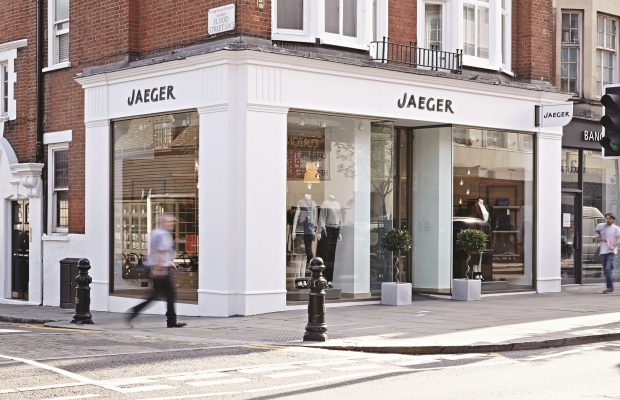
    Century-old UK fashion retailer Jaeger is reportedly on the brink of entering administration.

    The 25-store strong chain was recently sold by private equity company Better Capital to an unidentified buyer, but according to a report in the Sunday Times, the business is believed to be beyond repair.

    Better Capital paid £19.5 million for Jaeger in 2012, but the business has not been profitable since.

    Jaeger received a royal warrant in 1910 and in its heyday, its fashion models included Audrey Hepburn and Marilyn Monroe. But the business entered a decline in the 1980s, overtaken by more popular brands from Europe.

    The Sunday Times reported the mystery buyer was Edinburgh Woollen Mill, which has a track record of buying distressed retail businesses and turning them around.

    “Edinburgh Woollen Mill has a history of buying troubled retailers and turning them around, and it’s one of the more credible bidders for Jaeger,” an unnamed source told the Press Association.

  • King Power Group plans THB10 billion expansion

    King Power Group plans THB10 billion expansion

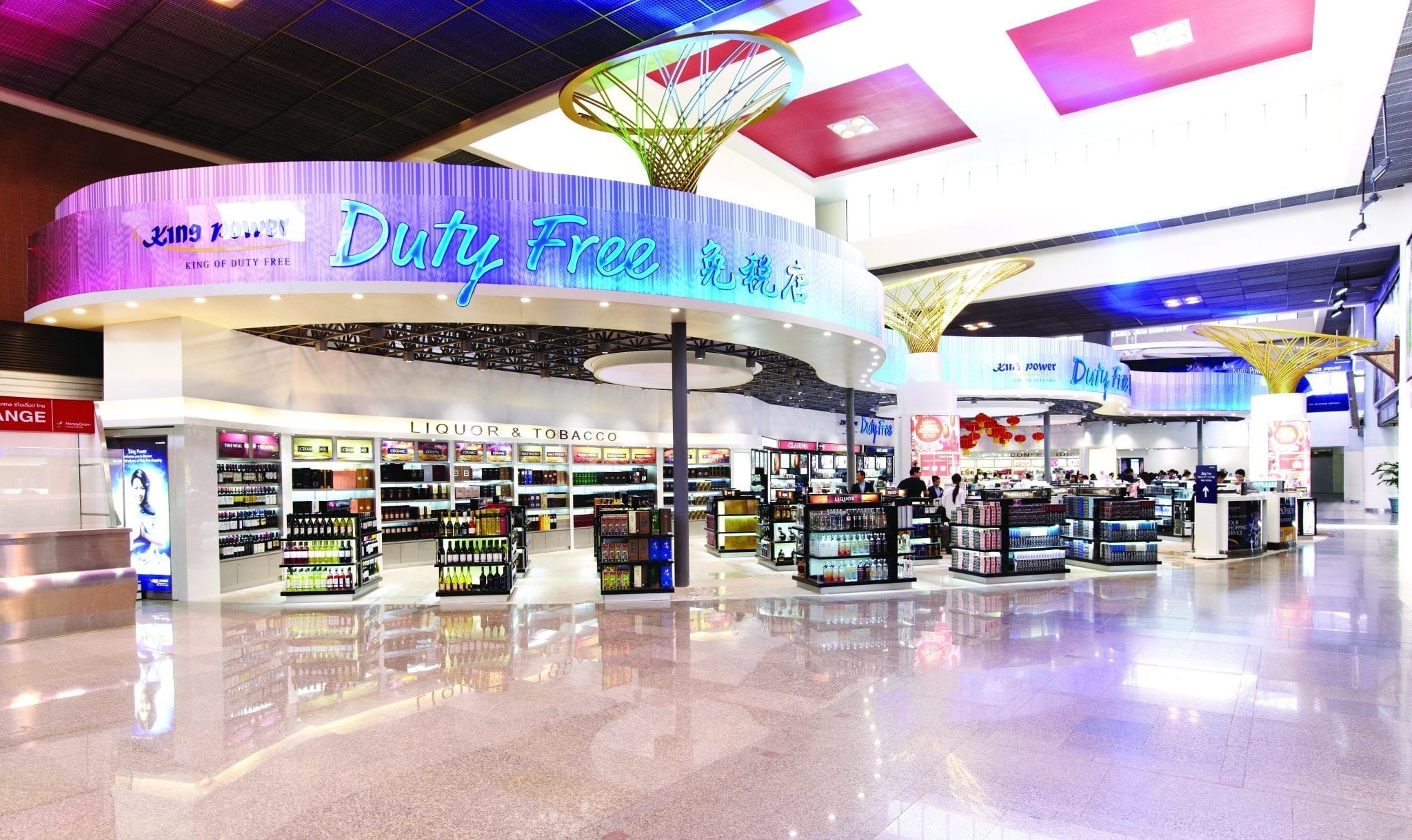
    Thai duty-free giant King Power Group plans to spend THB10 billion (US$290.4 million) for business expansion over the next five years.

    CEO Aiyawatt Srivaddhanaprabha says the budget will be used to open five branches in Thailand and overseas, bringing its total to 14 by 2021. The stores are planned for downtown in major tourist destinations, with Chiang Mai one location being considered.

    The group will also join the bidding for a duty-free shop concession at U-Tapao International Airport, which serves Pattaya and Rayong.

    King Power is also studying opportunities to open and manage duty-free shops at such Asean airports as Myanmar and the Philippines.

    “King Power is set to become a top-five duty-free chain within five years,” says Srivaddhanaprabha. “Expansion both overseas and domestically will help grow our sales by 20 per cent to reach 130 to 140 billion baht in five years, on a par with leading duty-free brands in the US.”

    The company is the world’s seventh-largest duty-free chain, with its sales of THB75 billion last year missing its target by THB11 billion because of weak spending by Thai tourists and a drop in Chinese tourists. Tourists from China, Thailand and other Asean countries contributed about 75 per cent of its total sales last year, and the group is aiming for sales of THB92 billion this year.

    “Chinese tourists have rebounded, but are not back to normal yet,” says Srivaddhanaprabha.

    King Power will allocate THB400-500 million to promote its business this year, and has already pegged THB100 million to place its logo on three Thai AirAsia (TAA) jets and put advertising inside more than 40 TAA aircraft. The group hopes the tactic will raise the number of shoppers at its branches by 20 per cent this year.

    Meanwhile, King Power is ready to bid for a new licence to run a duty-free shop at Bangkok’s Suvarnabhumi airport when its present licence expires in 2020.

    It will also allocate about THB2.5 billion to renovate its Rangnam branch in Bangkok, which will be closed for renovation from next month.

  • Louis Vuitton Changi duplex to open in January 2018

    Louis Vuitton Changi duplex to open in January 2018

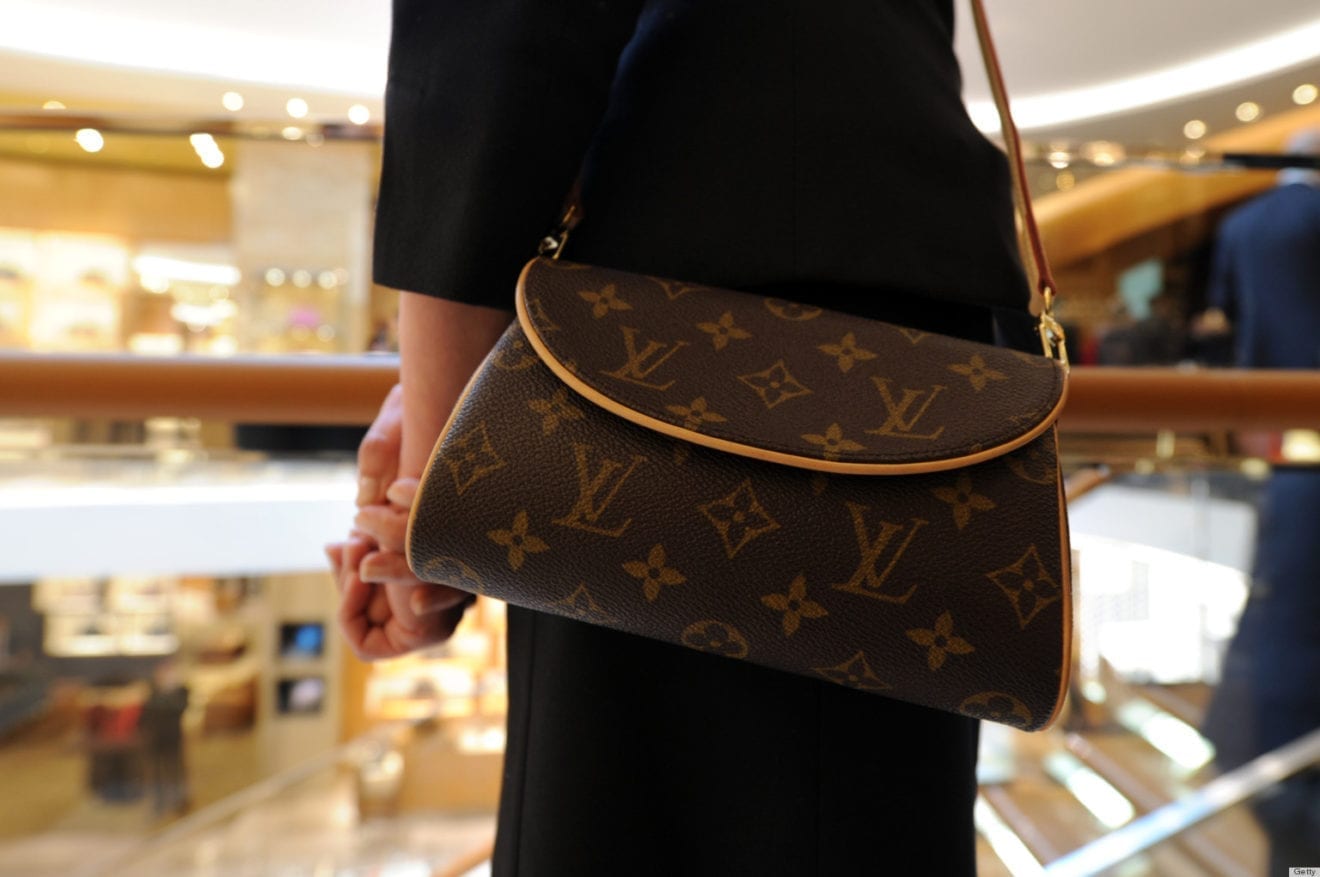
    Louis Vuitton is to open a two storey store at Singapore’s Changi Airport – its first passenger terminal duplex in the world.

    The Louis Vuitton Changi store is scheduled to open in January 2018 as the centrepiece of a new garden in Terminal 3’s departure transit hall.

    Designed as a glasshouse it will be built in the centre of the planned Crystal Garden, which Changi management say is “inspired by artistic floral centrepieces” and a new space “chicly adorned with tiered garden beds featuring a curated selection of flora and spheres of artisan glass sculptures”.

    The 530 sqm Louis Vuitton Changi store will be first the airport store in Asia Pacific to be directly managed by the French luxury retail group and feature a tailored product mix suited to travellers.

    Michael Burke, chairman and CEO of Louis Vuitton, says his company had waited for “the perfect moment” and “the perfect place” to open the new store at Changi Airport.

    “Louis Vuitton is a brand intrinsically related to the history of modern travel. Given the right place and the right timing, it was more than natural for Louis Vuitton to create a space inside Singapore Changi Airport, dedicated to modern travelers.”

    Since it opened in 1981, Changi Airport has pioneered the concept of airport gardens, now well-loved among travellers.

    “This is the first time Changi is integrating a feature garden with a retail store – a testament to how the airport constantly strives to rejuvenate its award-winning amenities and offerings to enhance the Changi Experience.”

    Changi Airport Group CEO Lee Seow Hiang says Louis Vuitton shares the airport company’s vision to redefine the future of luxury retail in an airport.

    “The revolutionary duplex store, set amidst an elegant Crystal Garden, will become a distinctive attraction for passengers who fly through Changi Airport, and we look forward to embarking on an exciting journey of discovery with them when the store opens.”

  • Study Reveals Hong Kong Shoppers Are Just Having a Fling with Fast-Fashion Retailers

    Study Reveals Hong Kong Shoppers Are Just Having a Fling with Fast-Fashion Retailers

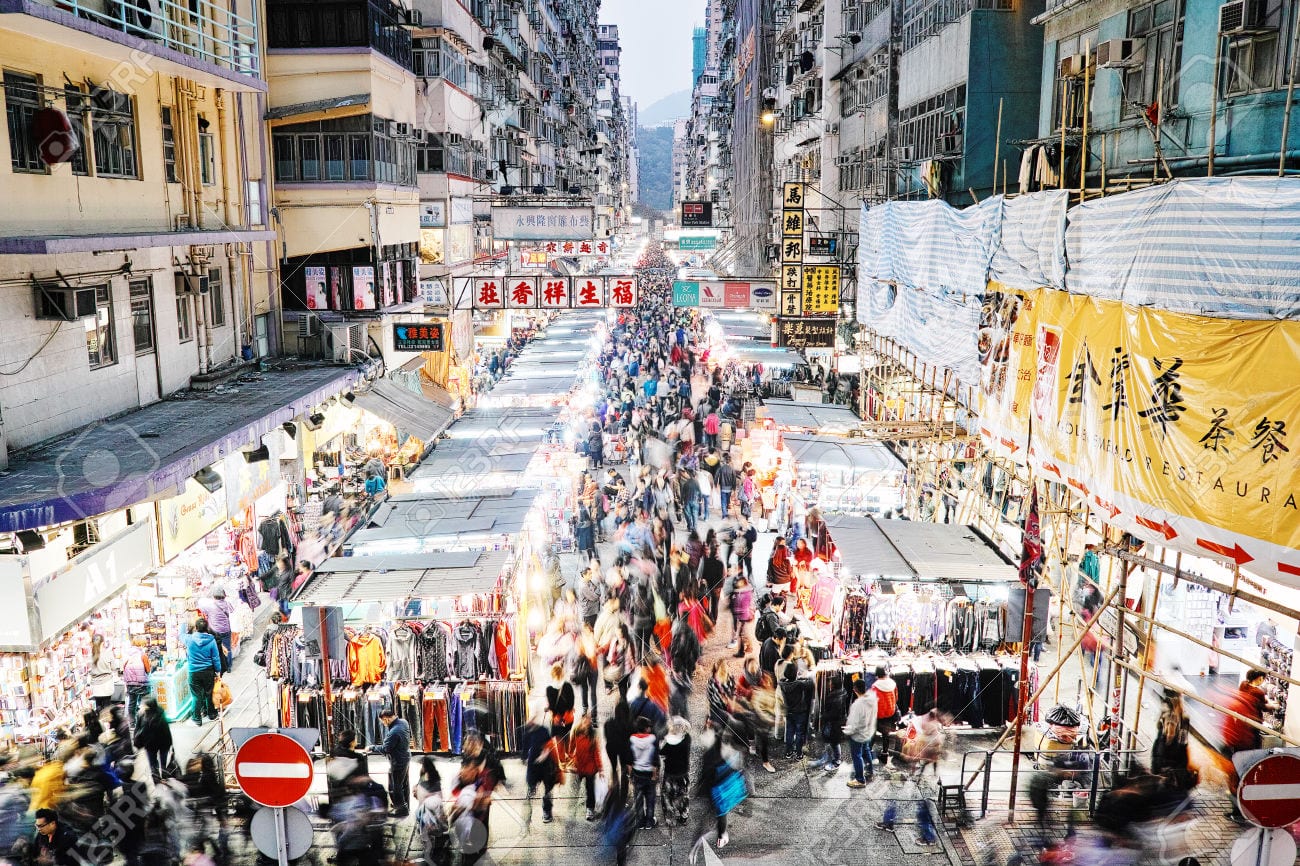
    Global loyalty marketing agency ICLP surveyed 750 consumers in Hong Kong and asked them the brand that comes to their mind first of the retailers that they shop regularly. The survey reveals a correlation between characteristics of sectors and brand relationships, and found that the two “most named” retail sectors are supermarkets and fast-fashion retailers. The findings show that Hong Kong consumers lack passion and commitment towards supermarkets. On the other hand, though 64% of Hong Kong consumers naming fast-fashion retailers as their top-of-mind brands are Millennials, one of every three are in a ‘casual’ relationship with that brand. Brands need to understand the individual buying behaviours and purchasing decisions of their customers in order to map out suitable solutions to engage them and thus strengthen the customer relationship.

    The survey, which reveals underlying gaps in the retail experience of Hong Kong consumers, asked respondents to rate their expectation and experience of core relationship criteria to determine if their relationship contained commitment, intimacy and passion. These criteria were then mapped onto a model based on Sternberg’s Triangular Theory of Lovei in partnership with an expert on relationship dynamics, Professor Ron Rogge at the University of Rochester in the United States. While retailers should be aiming for a devoted customer relationship which incorporates commitment, intimacy and passion, the study showed that Hong Kong retailers are still far from achieving this.

    Missing Passion and Commitment towards Supermarkets

    In the ICLP survey, over 30% of the total respondents named supermarket brands as their top-of-mind brands. More than half of them are Generation Xers born between 1965 and 1980. This is may be because, while supermarkets target the mass public, their most frequent customers are from mature age groups such as the elderly and housewives. Among those who named supermarket brands in the survey, 35% are in a ‘liking’ relationship which lacks passion and commitment. They only feel intimacy towards the brand, meaning that many come into contact with the brand on a regular basis, and are willing to share information and interested in obtaining information about products.

    The nature of the business and characteristics of the sector could well be one reason for the results. Supermarkets are where consumers acquire their daily consumption needs, and players in this retail sector offer close to the same selection of products, consistent quality, standardised commodities and self-service. Supermarket customers emphasise value for money and are price-sensitive. They are likely to switch supermarket brands when the next best offer comes along. This is also reflected from the smallest gap of reliability between expectation and experience of relationship criteria according to the study. Minimal brand enthusiasm with no engagement has resulted in the large percentage of ‘liking’ relationships. 

    The study also reveals the disconnection between expectation and experience of core relationship criteria is mainly attributed to communication, followed by rewards, representing 26% and 25% of experience not meeting expectation, respectively.

    Looking into the gap in these relationship criteria, the respondents’ actual experience compared to expectation fell behind in the following areas:

         9% in getting access to special and exclusive offers

         8% in being asked how they would like to be communicated to, e.g. phone, email, SMS

         6% in feeling that their custom and loyalty is rewarded

         6% in feeling that they are rewarded with offers that are tailored to them

    Mary English, General Manager at ICLP, commented: “The distribution of relationship type for supermarkets best demonstrates the application of the Triangular Theory of Love. It is normal for supermarket to achieve ‘liking’ relationships as customers actively look for daily product information from supermarkets and emphasise value for money. However, supermarket brands should consider how to create stronger reward programmes and ensure consumers access to special and tailor-made offers in order to enhance the emotional connection between their brand and customers, thus developing ‘devoted’ relationships.

    Loyalty strategies for supermarket brands have to evolve as the market is changing. Nowadays, comprehensive personalised loyalty programmes are more significant than traditional points-based reward programmes. Supermarkets need to understand the key drivers that build more loyal relationships, which encourage customers to spend more and become better brand advocates. Communication is of paramount importance to create a reciprocal sense of passion that drives ‘devoted’ relationships. It is recommended that supermarket brands maintain a close, interactive and instant communication with customers in the way that their consumers prefer, and be mindful of the tone of communication with customers.

    Fast-Fashion Retailers Missing All Three Relationship Components

    In the survey, 15% of total respondents voted fast-fashion brands as their top-of-mind brands. Over 60% of them are Millennials born post-1980, as fast fashion targets the younger generation who keep updated of the latest trends and expect a rapid response. Among those who selected a fast-fashion brand, 33% respondents are in a ‘casual’ relationship with limited passion, intimacy and commitment; that is, they like the brand but avoid getting too engaged. This may be explained by the characteristics of the fast-fashion sector. Fast-fashion brands do not heavily emphasise brand character and identity, but focus on the availability of options and trendiness, coupled with relatively low prices.

    Disconnection between expectation and experience of core relationship criteria in this sector is mainly attributed to recognition, followed by respect, representing 42% and 33% of experience not meeting expectation, respectively. Looking into the gap in these relationship criteria, the respondents’ actual experience compared to expectation fell behind in the following areas:

         16% in sending them a message, gift or offer on their birthday

         9% in feeling that the brands have their interest at heart

         8% in feeling that their personal information is treated with respect and is used for their benefit

    Mary added: “As a majority of Hong Kong Millennials are less committed and passionate towards their favourite retailers, fast-fashion brands need a cohesive consumer engagement strategy to improve commitment and passion, and foster ‘devoted’ relationships with Millennials. While fast-fashion retailers keep customers updated with the latest trends and products information, they still have some way to go in structuring their brand character and identity, and incorporating these elements into their loyalty programmes, which are only price-driven, in order to enhance emotional connection between customers and their brand.

    As a segment with high spending potential, Hong Kong Millennials are seen as an influential generation that loves online shopping. They can easily access online shopping platforms to review product information and comment before making purchase decisions. Any brand that is able to develop an innovative online-to-offline customer engagement strategy will have a chance to stay ahead of the competition. While online shopping brings convenience to both brands and customers, the conversion of online shoppers into real-life foot traffic remains essential for brands to succeed in an increasingly digital retail environment.

    With the rise of digital platforms and e-commerce, retailers need to understand individual customers’ needs by leveraging customer data such as purchase preference and consumption habits, and by big data analysis. To build closer connections with Millennials, fast-fashion brands should fully utilise social media such as fan pages, forums and social media activities with incentives to engage Millennials who frequently use digital media during their shopping journey, and actively listen across channels to win long-term trust from customers. Relevant recommendations and insights on the latest trends from the brand based on their preferences are top of Millennials’ demands. ”

    No Standard Formula for Customer Loyalty Approaches

    When comparing the two sectors – fast fashion versus supermarkets, fast-fashion retailers have more ‘casual’ relationships than supermarkets by nearly double. The uniqueness of each sector plays a certain role in affecting the distribution of relationship type. Compared to supermarkets, the disconnection between the expectation and experience is also larger for fast fashion. However, all retailers should acknowledge their shortcomings in order to build devoted relationships with as many of their shoppers as possible.

    Mary concluded: “Despite the same backdrop, different sectors of the retail industry require different customer loyalty approaches. Brands should start by understanding individual buying behaviours and purchasing decisions with the aid of different customer data analytics, in order to map out integrated solutions to engage customers and thus strengthen the customer relationship.”
  • NBTC may require OTTs to secure licenses

    NBTC may require OTTs to secure licenses

    Thai telecoms regulator NBTC is considering requiring OTT communications service providers to secure an operating license and an internet bandwidth fee to ensure a more level playing field between OTT players and telecoms operators.

    NBTC secretary general Takorn Tantasith told that a fee could be imposed on OTT services by 2018.

    Initially OTT services running over mobile networks could also be expected to secure an operating license from the NBTC and pay a value-added tax the same as traditional businesses, he said.

    He said the regulator is making the move to reflect the dramatic increases in revenues generated by OTT providers and the strain demand for services such as YouTube places on mobile networks and accordingly operator revenues.

    The NBTC plans to hold an open forum to discuss the issue in Bangkok in September, and will invite representatives from all telecoms regulators in the Asean region, as well as 50 operators across the region and the major OTT service providers.

    The NBTC’s decision was motivated by a meeting of the Asean Telecommunication Regulators’ Council focused on the challenges OTT services pose to business ecosystems.

  • Carrefour China opens 27th store

    Carrefour China opens 27th store

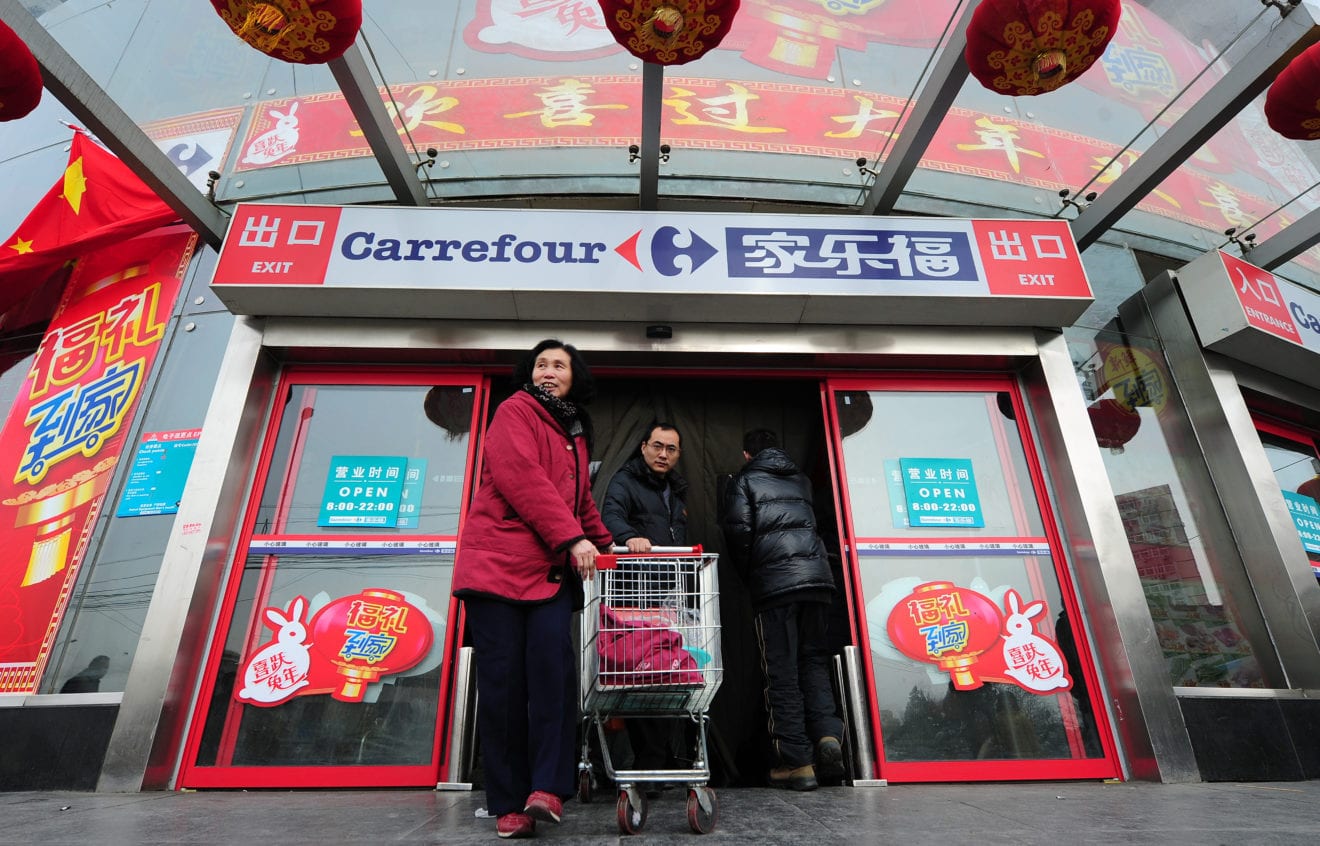
    Carrefour China has opened its 27th Easy Carrefour Store in Shanghai.

    On Long Dong Avenue, the 332 sqm store offers more than 4000 items.

    The French multinational retailer opened its first convenience store under the Easy banner in 2004.

    Meanwhile, Carrefour China has launched an app that allows customers to shop online, receive discount coupons, check their loyalty accounts, win gifts and find store information such as opening hours and how to get to them. The app is available for Android and iOS.

  • Introducing the largest integrated real estate project in Bangkok

    Introducing the largest integrated real estate project in Bangkok

    Described as “a city within a city”, Thailand’s largest integrated development, One Bangkok, is being launched as a joint project by TCC Assets (Thailand) and Frasers Centrepoint (FCL).

    Incorporating green-sustainability principles, the development covers 104 rai (16.7 ha), and will increase green and open areas in the city centre by 50 rai when it opens in 2021.

    One Bangkok 3

    One Bangkok will be the largest private-sector property development initiative undertaken in Thailand, with an estimated investment value of more than THB120 billion (about US$3.5 billion).

    “The fundamental aim in the planning and design of One Bangkok is to enhance Bangkok’s stature as a key gateway city in Asia,” says TCC Group and FCL chairman Charoen Sirivadhanabhakdi.

    One Bangkok 1

    A fully integrated “city-within-a-city” district, One Bangkok will comprise retail and leisure offerings within differentiated precincts, next-generation office buildings, luxury and lifestyle hotels, ultra-luxury residential towers, civic areas, and art and culture amenities as well as greenery and open spaces.

    Leased from the Crown, the land is in a prime location at the corner of Wireless and Rama IV Roads, next to Lumphini Park and with direct linkages to mass transit systems.

    “We are very honoured to be entrusted by the Crown Property Bureau to turn this important plot of land in the heart of the city into a showpiece district,” says Sirivadhanabhakdi.

    “With One Bangkok, I hope to enhance global confidence in Thailand as the epicenter of Asean and a key gateway and lifestyle city in Asia.”

    One Bangkok - Opening Ceremony

    Shared vision

    For the “game-changing” endeavour, he says he has placed his confidence in two TCC Group companies – TCC Assets (Thailand) and Frasers Property. “They are companies that perfectly complement each other and can, together, fulfill our shared vision of a quality development.”

    For the JV, TCC Assets hold an 80.1 per cent interest, with Frasers Property Holdings (Thailand) holding the balance of 19.9 per cent. Frasers Property is the international property brand of FCL, a multi-national real-estate company with more than US$17.6 billion in assets.

    One Bangkok 5

    “By forming such a strategic alliance, we are able to combine the financial strength and local know-how of TCC Assets, with the enormous international property development expertise of Frasers Property, which has an impeccable global track record of award-winning development projects,” says Sirivadhanabhakdi.

    “The partnership will ensure that we have the creativity, capability and capital to bring to life one of our most exciting development initiatives,” says FCL Group CEO Panote Sirivadhanabhakdi. “No single development of this scale and diversity has ever been undertaken in Thailand.”

    He says One Bangkok will attract top-level local and multinational companies to set up headquarters in the district. “It is Bangkok’s first fully integrated ‘people-centric’ development, designed around how people can seamlessly live, work and play, seeking to reinstate a sense of human scale in a way that enhances comfort and convenience.”

    He says One Bangkok’s development philosophy is centred on diversity of uses and architecture, overlaid with sustainability principles and sensitive to the local social and cultural context, incorporating Thailand’s heritage and aspects unique to Bangkok.

    One Bangkok’s CEO Su Lin Soon is supported by a development team of more than 100 specialists.

    “In creating a world-class district in the heart of Bangkok, we envision One Bangkok to be synonymous with Thailand,” she says. “New quality standards, international best practices and diversity in the mix of uses and architecture are fundamental features of the master plan, designed by Skidmore, Owings & Merrill, supported by local expertise from Plan Associates and A49.”

  • Boeing, Vietjet Finalize Vietnam’s Largest Ever Commercial Airplane Purchase

    Boeing, Vietjet Finalize Vietnam’s Largest Ever Commercial Airplane Purchase

    Vietjet Aviation Joint Stock Company and Boeing [NYSE: BA] have finalized an order for 100 737 MAX 200 airplanes, the largest ever single commercial airplane purchase in Vietnam aviation. His Excellency Mr. Trần Đại Quang President of the Socialist Republic of Vietnam, and U.S. President Barack Obama witnessed the historic agreement, valued at approximately $11.3 billion at current list prices.

    The signing ceremony, conducted by Vietjet President and CEO Nguyễn Thị Phương Thảo and Boeing Commercial Airplanes President and CEO Ray Conner, took place at the Presidential Palace in Hanoi, at approximately 11:40 a.m. local time.

    “Boeing is proud to again play an integral role in advancing Vietnam’s aviation industry. We’re honored to be joined by President Trần Đại Quang and President Obama for this historic milestone and order of 100 737 MAX airplanes,” said Conner. “Incorporating the latest design and technology features, the highly efficient 737 MAX will provide Vietjet’s growing network with market-leading economics, a superior passenger experience and contribute significantly to their future success.” – Mr Ray Conner shared in the event.

    The 737 MAX incorporates the latest technology CFM International LEAP-1B engines, Advanced Technology winglets and other improvements to deliver the highest efficiency, reliability and passenger comfort in the single-aisle market. The new single-aisle airplane will deliver 20 percent lower fuel use than the first Next-Generation 737s.

    At the signing ceremony, The President & CEO of Vietjet Nguyen Thi Phuong Thao, shared: “Vietjet is efficiently operating a fleet of narrow body airplanes. Our investment in a fleet of B737 Max 200 will accommodate our strategy of growing Vietjet’s coming international route network including long haul flights. Through this Agreement, Vietjet will contribute increasing bilateral trade turnover between Vietnam and the United States, as well as contributes in the integration and development of the aviation industry in Vietnam.”

    The airplanes in this purchase will be delivered to Vietjet from 2019 until 2023 for supporting Vietjet to continuously extend the domestic network as well as international network in the region. This agreement helps Vietjet increase its fleet to more than 200 aircraft by the end of 2023 with the most modern and advanced technology in the world.

  • Maruti Suzuki Alto becomes the largest selling car in India, maintains 13 year streak

    Maruti Suzuki Alto becomes the largest selling car in India, maintains 13 year streak

    According to the latest numbers, the Maruti Suzuki Alto is yet again the best selling car in India. Leading the sales in its 13th consecutive year, the car maker registered sales of over 2.41 lakh units of the Alto in 2016-17.

    The fiscal year of 2016-17 saw the Alto contributing about 17 percent of total domestic sales of 1,443,641 units for Maruti Suzuki. The Alto also alone sells more than the total volumes sold in a year by several other passenger car makers individually in India. Out of the 2.41 lakh sales last year more than 21,000 units of the car were exported countries like Sri Lanka, Chile, Philippines, and Uruguay.

    Maruti brought the Alto to India back in September 2000 and in its existence of nearly 17 years, the car maker has not only improved it but has sold multiple variants. It is said that the the car’s success has been due to two reasons.

    Firstly, Alto has the largest number of variants among the entry level hatchbacks with different fuel, transmission and engine options. Secondly, Maruti Suzuki has a vast distribution network.

    “Alto is the No. 1 best-selling brand for 13 consecutive years. This unique distinction is a reflection of Alto’s popularity. I am delighted that Alto once again dominates the car industry in 2016-17,” said RS Kalsi, Executive Director (M&S) at Maruti Suzuki.

    “Maruti Suzuki’s unmatched nationwide service network, guaranteed performance and lower maintenance cost, Alto is a natural choice of the customers across India. We are thankful to all our customers for their continued support to Brand Alto. Alto K10 with AGS is the most affordable two pedal technology in the entry segment,” he said.

  • PCCW Global, Keppel launch ICX in HK

    PCCW Global, Keppel launch ICX in HK

    Hong Kong based PCCW Global has teamed up with Keppel Data Centres to launch a joint international carrier exchange (ICX) in Hong Kong.

    The PCCW Global-Keppel International Carrier Exchange has more than 7,800 square feet of dedicated network facility management space.

    It is located in the same building as the Hong Kong point of presence for the Asia-Africa-Europe 1 (AAE-1) subsea cable and connects to the subsea cable landing station of Hong Kong hyper scale data centers via PCCW Global parent HKT’s extensive domestic fiber network.

    PCCW Global and Keppel Data Centres entered into a long-term agreement covering the development of the ICX last year. It aims to use the region’s subsea cable capacity to provide fast and robust connections to Asia, the Middle East, Africa, Europe and North America.

    The partners said the initiative is ultimately aimed at addressing the demand for access performance and network security arising from cloud services, big data, and rich media in business critical applications

    “We are very pleased to see the exciting ICX opening which highlights our very positive relationship with (Keppel Data Centres parent company) Keppel T&T,” PCCW Global CEO Marc Halbfinger said.

    “Our customers and carrier partners now have more low-latency Hong Kong Island choice in accessing digital solutions for responding to the increasing cloud adoption in the region.”

  • AirAsia Mega Sale: Two Days Left To Avail Big Discounts

    AirAsia Mega Sale: Two Days Left To Avail Big Discounts

    AirAsia India is offering all-inclusive fares starting from Rs. 1,249 for domestic travel while its Malaysian parent AirAsia is selling tickets from Rs. 1,999 for international travel as part of the “Mega Sale” scheme, which is open till April 9, 2017. Some of the domestic routes covered by AirAsia India include Guwahati-Imphal (all-inclusive fare from Rs. 1,249), Bengaluru-Hyderabad (Rs. 1,619), Kolkata-Ranchi (Rs. 2,249), Bengaluru-Goa (Rs. 1,719) and New Delhi-Ranchi (Rs. 2,699), as per the AirAsia website. The AirAsia India sale is applicable for travel till September 30, 2017, the airline said on its website.
    AirAsia is also offering discounts on international flights under the same offer to South-Asian countries, including Bhubaneswar – Kaula Lumpur (Rs. 1999), Bhubaneswar -Phuket (Rs. 3,739) and Bhubaneswar-Penang (Rs. 3,633). With the summer holidays just around the corner – traditionally the time when most Indian families go on vacation – airlines have taken to lucrative discounts and schemes to corner market share.

    Another airline Vistara had announced a Holi sale in March with fares starting as low as Rs. 999 while other airlines have also announced discounted fares to attract customers ahead of the summer rush.

    India’s aviation sector has witnessed a spurt of growth in the past few years with a 16 per cent rise in passenger traffic in February on year-on-year basis, data from aviation regulator DGCA (Directorate General of Civil Aviation) showed.

  • Hyundai, Kia plan major car recall in South Korea over engine issue

    Hyundai, Kia plan major car recall in South Korea over engine issue

    Hyundai Motor and Kia Motors are expected to recall more than a million vehicles in South Korea and the United States due to engine issues, the latest blow for two firms already struggling in key markets.

    The recall, which could cost the two firms hundreds of millions of dollar each, comes as Hyundai and Kia face a sharp drop in China sales and sluggish demand in the United States and South Korea.

    The two car companies said on Friday they will recall 171,348 vehicles in South Korea because of a manufacturing problem, which leads to possible engine stalling.

    The South Korean automakers have also submitted plans to U.S. authorities to recall an unidentified number of vehicles in the United States over a “similar” engine issue, a spokesperson at the South Korean duo said.

    Yonhap News Agency, citing Hyundai, said the U.S. recall would reach some 1.3 million vehicles, an amount close to the duo’s annual U.S. sales.

    The U.S. recall alone could cost the companies as much as 250 billion won ($220.19 million) each, hitting earnings, said Koh Tae-bong, an analyst at Hi Investment & Securities.

    A Hyundai official declined to confirm to Reuters the expected cost of the U.S. recall, nor the number of vehicles involved.

    The recall helped push Hyundai Motor shares lower by as much as 2.7 percent, compared to a 0.4 percent decline in the broader market .KS11. Kia Motors were down 1.1 percent.

    POSSIBLE ENGINE STALLING

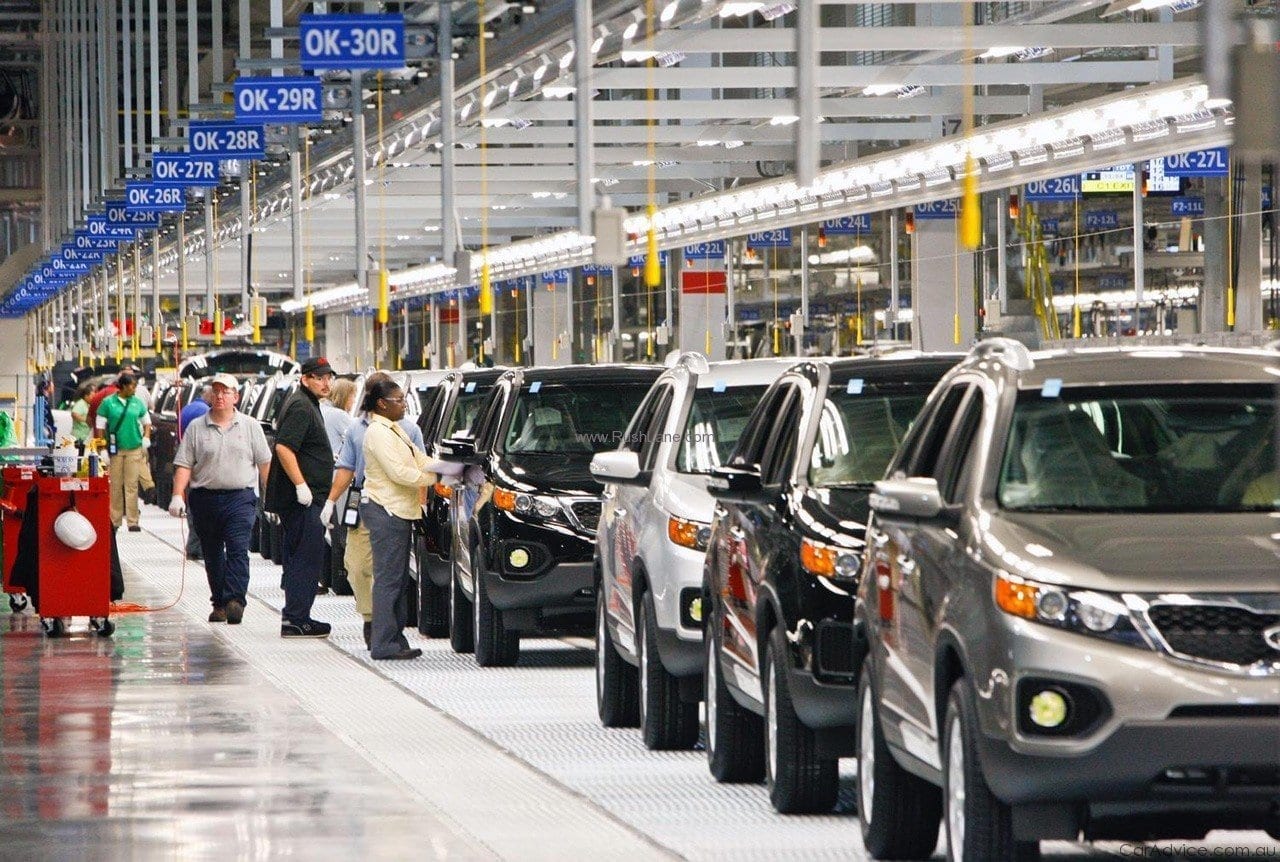
    The recall in South Korea covers Hyundai’s Sonata, Grandeur sedans and Kia’s K5, K7 and Sportage models equipped with a 2-liter or 2.4-liter Theta 2 gasoline engine produced before August 2013, the South Korean transport ministry said.

    The ministry said metal debris in crankshafts could cause engine damage, leading to possible engine stalling.

    “The recall is related to a manufacturing process problem, not the structural problem of Theta 2GDi engines and we have completed improvements through appropriate measures,” the companies said in a statement.

    Hyundai will replace a defective engine with a new one after inspection. The recall will start on May 22.

    In 2015, Hyundai Motor said it would recall 470,000 Sonata sedans in the United States to replace faulty engine parts, sparking questions of safety back home.

    But Hyundai and Kia has said that engines produced at domestic factories were not defective. They instead extended the warranty period for five Theta 2-equipped models in South Korea.

    The Hyundai spokesperson said the latest recall involves a new problem.