Tag: asia

  • Pakistan boosts orange exports to Indonesia

    Pakistan boosts orange exports to Indonesia

    Indonesian fresh fruit importers say Pakistan will face tough rivalry from China. Pakistan hopes to see an increase in exports of its famous Kinnow oranges to Indonesia, as it has started to infiltrate the market through giant retailers.

    A press statement from the Pakistani Embassy made available to The Jakarta Post states that consignments of the Pakistani Kinnow have started arriving in Jakarta, and are currently being sold in many major grocery chains, including Carrefour, Ranch Market, Hypermart and Giant.

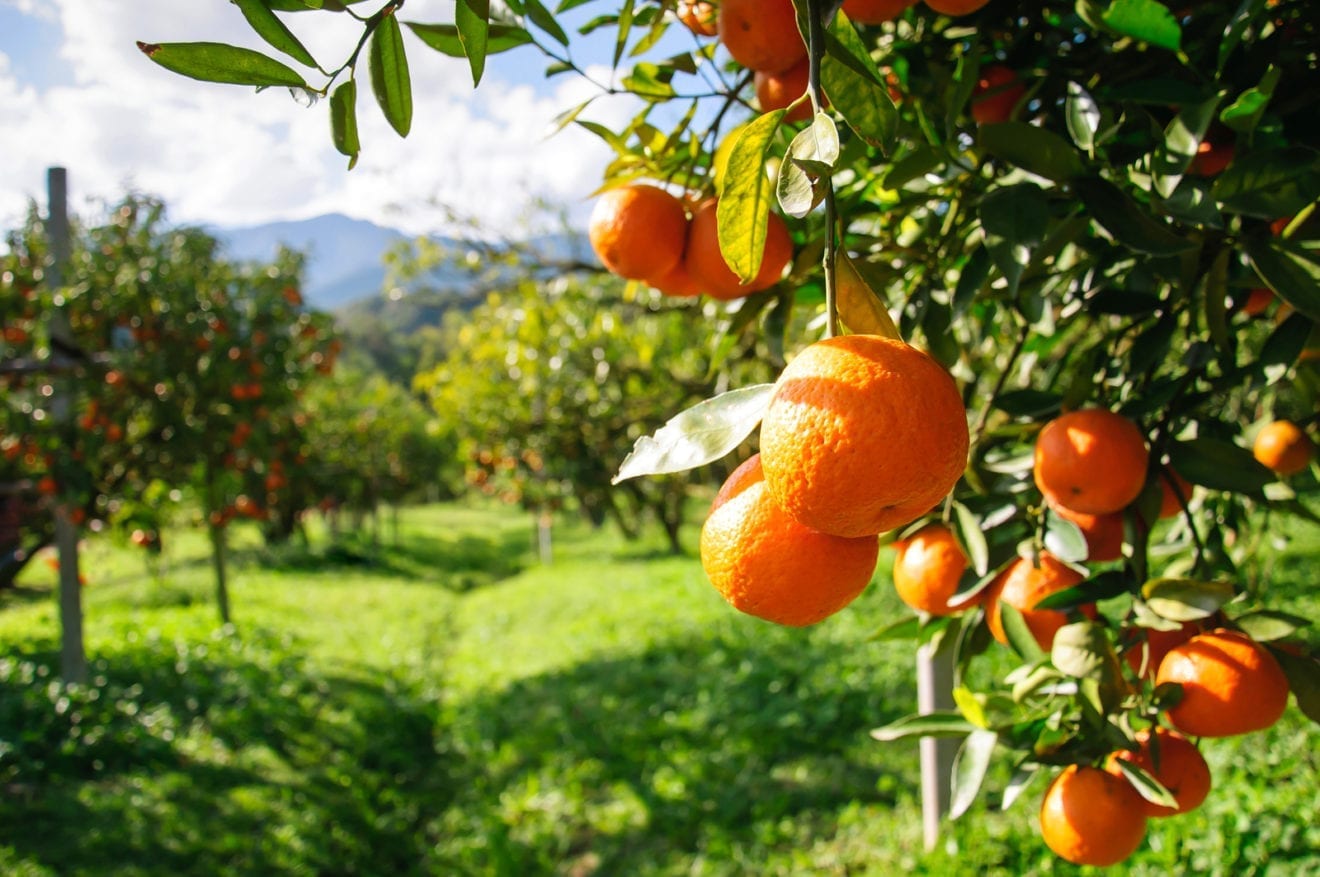
    The Kinnow is a larger orange, touted to be extremely easy to peel and is cited as having a unique flavor as a result of the soil and climate in which they are grown.

    “The Pakistani Kinnow made its entry into the Indonesian market at New Year and the Chinese New Year, to make them more joyous occasions. Last year, Pakistan’s exports of Kinnow oranges to Indonesia amounted to US$23 million and this figure is expected to grow significantly in 2017,” the press statement read.

    Indonesia has a preferential trade agreement (PTA) with Pakistan, which began in 2013, and Pakistan’s Kinnow oranges are allowed access through the country’s main port in Tanjung Priok, North Jakarta.

    In exchange, Pakistan exempts Indonesia, the world’s largest crude palm oil (CPO) producer, from paying 10 percent import duty on that commodity.

    Following the PTA, imports of Kinnow oranges from Pakistan reached $19.3 million in 2014, from $3 million in 2013.

    However, Indonesian Fresh Fruit and Vegetables Exporters and Importers Association chairman, Kafi Kurnia, said that it was unlikely Pakistan could significantly boosts its exports of Kinnow oranges because of fierce competition from similar oranges from China.

    Kafi noted that since existing regulations limited the size of imports of certain fruits, importers tended to be choosier.

    “The Kinnow imports arrived during a very good time, at around Chinese New Year. However, they have a lot of fierce competition, mostly from Chinese exporters. If my importing quota was limited, especially during this time, I would definitely prioritize oranges from China,” he told on Monday.

    Even so, the Kinnow orange will remain a major competitor for locally produced oranges, as there was a lack of research and development that could help raise the quality of local fruit and vegetables.

    Indonesia is also home to many other tropical fruits such as mangosteen, rambutan, snake fruit, jackfruit, soursop, breadfruit, guava and starfruit, but they are not exported in great quantities or even consumed heavily at home.

    The government aims to boost tropical fruit production by expanding land for fruit plantations while also improving infrastructure and transportation systems to reduce high distribution costs, as part of efforts to become the biggest tropical fruit producer in Southeast Asia by 2025 and in the world by 2045.

    Meanwhile, National Agriculture Council chairman Benny Kusbini concurred that a lack of uniform quality among locally produced fruit was an obstacle when it came to competing with imported fruit sold in Indonesia.

    He also noted that poor infrastructure remained a problem as some fruits were cheaper to import than to transport from regions in Indonesia.

    “The Kinnow, for example, can be very cheap to import from Pakistan to Indonesia. Sometimes 10 kilograms of Kinnows can be imported for only $5 to $6. Compared to oranges from Medan, for example, it is difficult to compete with those prices,” he told the Post.

    Indonesia imported $666.37 million worth of fruit and $558.08 million worth of vegetables in 2015, according to data from Trade Map.

  • How Indonesians Became Richer than Filipinos

    How Indonesians Became Richer than Filipinos

    An Indonesian boom sparked by growing economic stability and falling corruption and debt levels has helped Indonesians catch up and become better off than Filipinos in per capita income in recent years.

    That hasn’t surprised those following emerging markets closely, though the Philippines’ equity market has outperformed Indonesia’s in the last ten years. Nor has it been a surprise seeing the Philippines leave behind the old glory days of the 1960s, and be bypassed by the one Asian country after another in per capita GDP.

    “There was a time when the Philippines was seen as an Asian trendsetter, and fashionable young Malays would sport the barong, the formal embroidered shirt favored by Filipinos, to look cool,” writes Ruchir Sharma in Breakout Nations. “But that was back in the 1960s, when the Philippines had the second highest per capita income in Asia, behind only Japan. The nation’s fortunes shifted since then.

    By the 1970s South Korea and Taiwan had passed the Philippines in per capita income terms. Malaysia and Thailand followed in the 1980s and China in the 1990s. Then in 2009, in a moment the Manila elite thought it would never see, Indonesia’s boom made Indonesians richer than Filipinos for the first time in history.”

    That’s a trend that continued beyond 2009. In 2016, Philippines per capita GDP was close to two-thirds of that of Indonesia’s; the gap is even bigger in ppp. What has Indonesia done right that Philippines’ hasn’t?

    To begin with, it has managed to shake off the economic and political instability that came with the breaking of the Asian financial crisis – a crisis which hit Jakarta hard, with GDP falling close to 20 percent over the 1997-1998 periods.

    Moreover, Indonesia managed to bring its government debt down, which accounts roughly for 60 percent of that of Philippines. Then there’s the battle against corruption and cronyism, big killers of emerging market growth, though it still remains high compared to that of China and India.

  • Garuda Indonesia axes first class on London routes

    Garuda Indonesia axes first class on London routes

    Garuda Indonesia will no longer be offering first class seating to London from June 20 onwards as it looks to switch from a three-class to two-class Boeing B777-300ER.

    The configuration change for flights GA086/87 on the carrier’s Jakarta-Singapore-London Heathrow route will increase the overall number of seats from 314 to 393 at the expense of its first class cabin.

    While airlineroute.net reported the change on Friday, February 3, at the time of writing Garuda is still offering first class seats on the route on its website.

    Garuda currently operates the route three times weekly, with its Tuesday, Saturday and Sunday schedule not expected to change.

    Full details for the Jakarta (CGK)-Singapore (SIN)-London Heathrow (LHR) route are as follows:

    Flight No. From To Departs Arrives Days
    GA086 CGK SIN 0745 1035 Tue, Sat, Sun
    SIN LHR 1200 1855
    GA087 LHR SIN 2110 1730+1 Tue, Sat, Sun
  • AXA Financial Indonesia seeks new customers from digital platform

    AXA Financial Indonesia seeks new customers from digital platform

    Life insurer AXA Financial Indonesia, part of the AXA Indonesia Group, launched a digital tool to expand its customer base on Monday.

    The tool provides easy access to information for several purposes, namely creating a children’s education fund, retirement fund, business capital and tourism or pilgrimage fund.

    AXA Financial Indonesia chief agency officer Nina Ong said the tool and products were directed at modern dynamic citizens, ages 25 to 45 years old.

    The company expects the tool to help attract 20 percent to 30 percent of such citizens as its new clients and expand its customer base, which is now served by about 14,000 agents.

    AXA Financial Indonesia’s move is part of an overall strategy by the insurance industry, which has continued to report low insurance penetration despite Indonesia’s status as the largest economy in Southeast Asia.

    Data from the Financial Services Authority (OJK) shows that the insurance penetration ratio stood at 2.63 percent only, as of September, below the ratios in Malaysia, Singapore and Thailand at over 5 percent.

    AXA Financial Indonesia booked Rp 1.44 trillion (US$108.03 million) in total revenue in the first nine months of 2016, a more than sixfold increase compared to the same period in 2015, supported by positive results in its investments.

  • SKT, Ericsson, BMW achieve 3.6Gbps for 5G connected car trial

    SKT, Ericsson, BMW achieve 3.6Gbps for 5G connected car trial

    SK Telecom achieved what it says is the world’s fastest 5G speed for a connected car during a demonstration conducted with Ericsson and BMW Korea.

    SKT said the trio has successfully tested its pilot 5G network on a connected car running at 170 kilometers per hour, reaching a 3.6Gbps transmission speed over the 28-GHz band.

    The demo was conducted at the German car maker’s driving center in Yeongjong Island, Incheon, where the trio first successfully tested its pilot 5G network for multi-vehicular communications last November.

    SK Telecom said with 5G avoiding obstacles is difficult at high speeds, but the operator achieved this through the application of advanced beamforming and beamtracking technologies.

    “Connected car is regarded as the barometer for 5G as it can only be realized through the combination of all 5G technologies. As ultra-high speed and ultra-low latency are prerequisites for realizing autonomous driving and immersive media services, the 3.6Gpbs transmission speed we successfully demonstrated today not only brings us a step closer to realizing autonomous driving, but will also have a great impact on a broader range of industries,” SK Telecom said in a statement.

    The demo significantly enhances the stability of connected car services by improving image recognition and V2X (Vehicle to Everything Communication) technologies, the operator added.

    “That is, a vehicle will be able to communicate, in real time, with other vehicles, traffic lights and surveillance cameras to understand and respond to unexpected situations and obstacles… in a much shorter time.”

  • Allphones Australia closing 18 stores as it undergoes administration

    Allphones Australia closing 18 stores as it undergoes administration

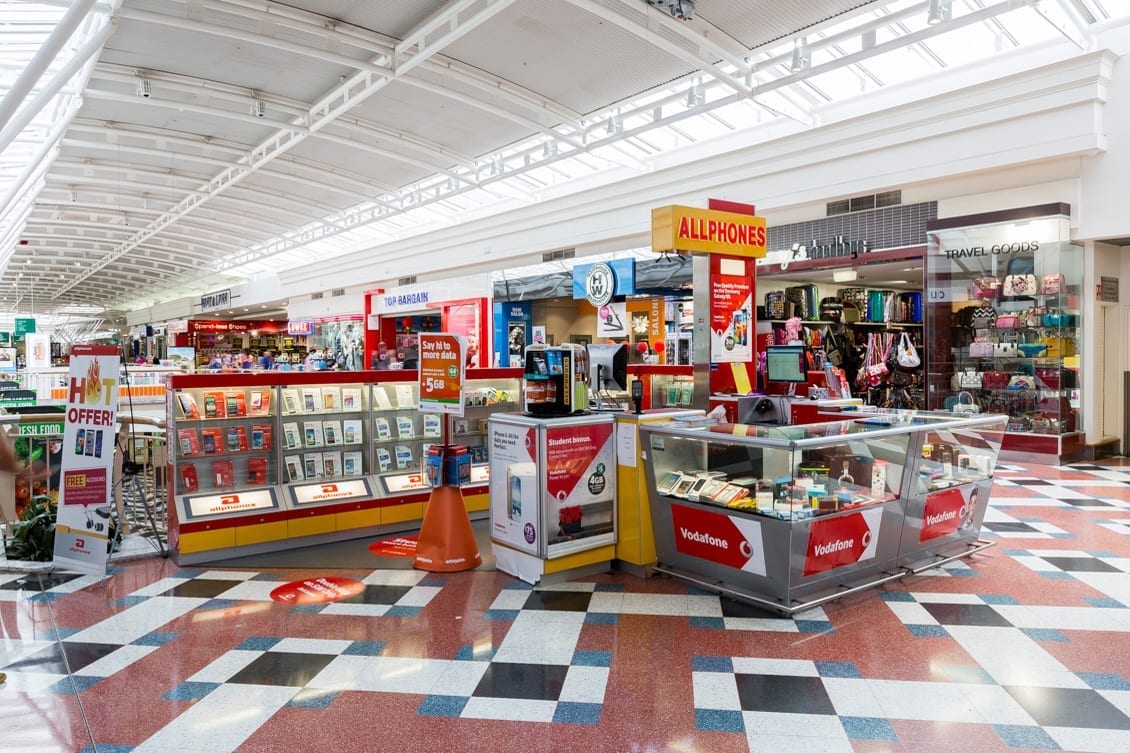
    Allphones closed its 18 stores on Monday after it has gone into administration. The decision took place after its new owner, Canadian company Glentel, has failed to improve the company’s status after a turnaround project. There are 66 stores that will continue to operate while PBB looks for someone who will take over the rest of the store network.

    “Despite financial support from the shareholder and significant efforts to deliver a successful turnaround, the shareholders are unable to continue funding the group’s losses. The Board of each entity (there are nine in total) has been left with no option other than to place each entity in the Allphones Group into Voluntary Administration this morning,” PPB Advisory said in a statement. Retaining an agreement to resell Vodafone services to help Allphones recover has failed that the company now entered into administration.

    There were 69 employees affected by the store closure. Phil Carter of PBB Advisory said that they were undertaking an urgent review of Allphones. They aim to ensure that the employees impacted were fully supported. However, the future of its employees was still uncertain.

    The company aimed to stabilise the current operations and store network. Carter said that their immediate priority was to work with the company’s key stakeholders, franchisees, licensees and staff to keep the store’s trading on a business as usual basis. Allphones group was acquired in May 2016 and it has employed 440 people. It owns 25 stores while seven were operated by franchisees. Allphones’ other stores were licensed to other parties.

    In 2013, the company has lost its contract to run 45 Virgin Mobile-branded stores in the country. It has suffered $25 million impairment due to the lost of contract.  In the same year, Allphones also ceased selling all Optus consumer products including mobile, broadband products and fixed telephony. Optus decided to end the contract to overhaul its retail strategy in improving customer relation. During this period, Allphones strengthen its partnership with Vodafone and expanded into the Philippines.

    “We’re contracted to do up to 250 Allphones stores in the Philippines for a telco,” CEO Shaun Colligan told in 2013 . “And the crux of that was this digital solution. You’re taking a quantum leap for those guys where retail has gone from being a very transactional prepaid environment and we’re helping to move them to a post-paid contractual environment.” The company currently has more than 60 outlets in the Philippines.

    Its naming rights sponsorhip of Sydney Olympic Park’s Superdome, now Qudos Bank Arena, has ended in 2016. The company’s first shopfront opened in 1989 in South Australia.

  • Cathay Pacific to launch new distribution capability to connect more effectively with customers

    Cathay Pacific to launch new distribution capability to connect more effectively with customers

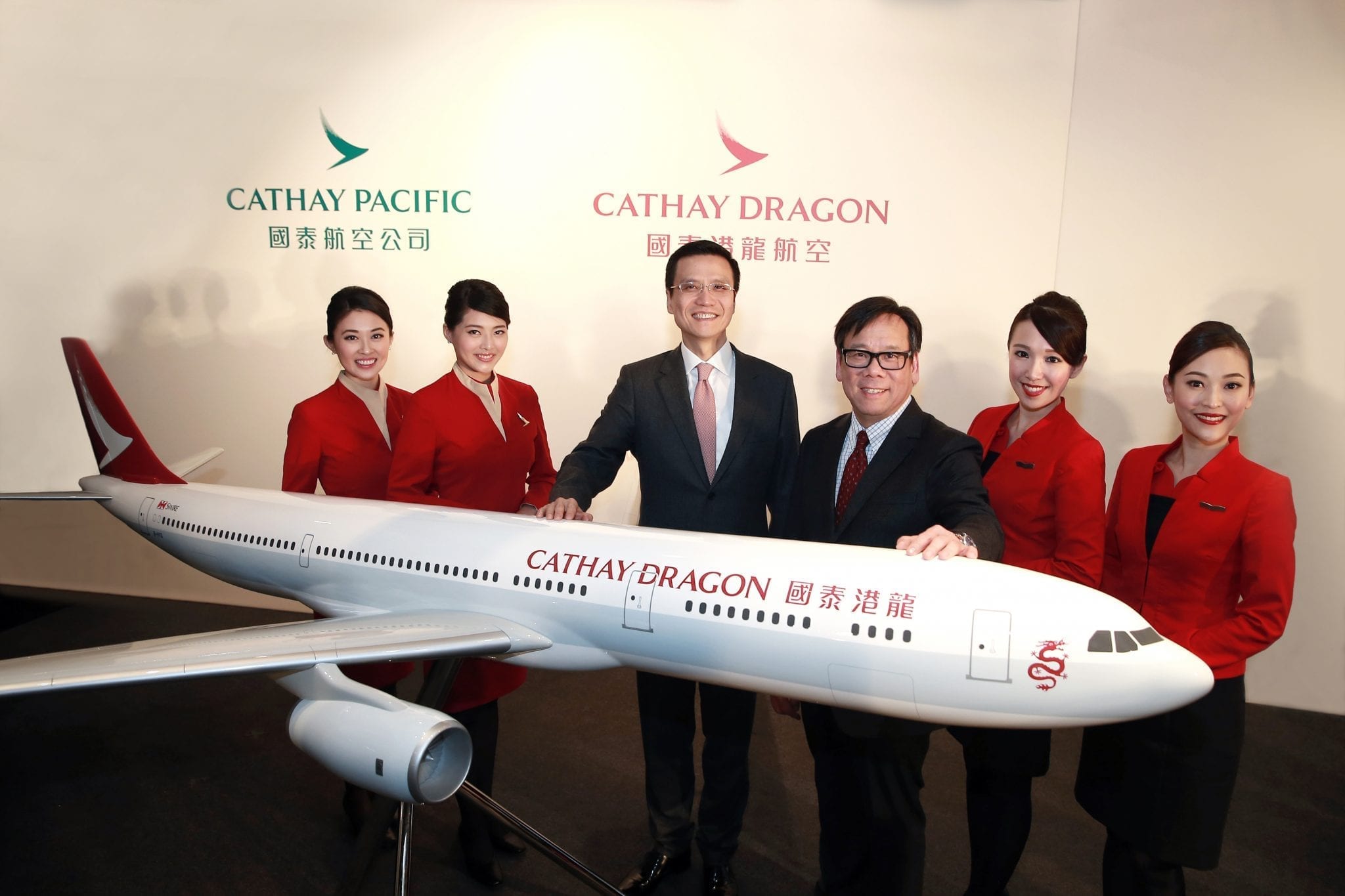
    Cathay Pacific announced it will adopt New Distribution Capability(NDC) in order to significantly enhance its customers’ experience when making travel arrangements through a multitude of sales channels.

    NDC is the International Air Transport Association’s (IATA) programme that improves communications between airlines, travel agents and web-based travel service providers by addressing the industry’s current limitations around product differentiation, time to market, access to full and rich content and the transparency of the shopping experience.

    Developed in response to key changes in the industry’s operating environment – including the customer shift towards travel comparison websites, their widespread use of social media when making travel decisions, and many airlines’ desire to offer more ancillary products – NDC has redefined travel technology standards and enables a more vibrant travel technology ecosystem.

    Cathay Pacific’s development and subsequent use of NDC will enable it to connect more effectively with customers by providing agents and other third-party sales outlets with detailed, image-led product content, promotions and advanced service information. By doing so, customers will have a better understanding of the airline’s premium ground and inflight products and will subsequently be able to make a more informed purchasing decision, wherever they shop.

    Cathay Pacific General Manager, Sales and Distribution, Toby Smith, said: “We continually strive to enhance our passengers’ experience at every stage of their journey with us – and that starts from the moment they plan their travel arrangements. Through NDC, Cathay Pacific will be able to provide customers with a wealth of detailed information about our flights and product offerings at all points of sale, which will enable us to deliver on our brand promise of a Life Well Travelled.”

    IATA’s Director NDC Program, Yanik Hoyles, offered his support: “We welcome the decision by Cathay Pacific to implement the NDC Standard. NDC is modernizing the way that airline products are presented through travel agents, providing consumers with greater access and transparency. With NDC, travelers will be able to compare the full product offering regardless of shopping channel.”

    After a thorough commercial and technology evaluation of potential vendors, Cathay Pacific selected Dublin-headquartered OpenJaw Technologies as its NDC platform partner. The airline has an existing relationship with the company, a wholly-owned subsidiary of Hong Kong-listed TravelSky Technology, with its product powering the Cathay Pacific Holidays website and flight-booking feature on the Cathay Pacific mobile app. OpenJaw recently achieved Level 3 NDC capability certification, the highest level of certification offered by IATA.

  • Vietnam’s top brewer Sabeco posts record profit in 2016

    Vietnam’s top brewer Sabeco posts record profit in 2016

    Together Sabeco and Habeco, both controlled by the state, account for about 60 percent of the domestic market. The country’s biggest brewer Sabeco has reported a profit of VND4.6 trillion ($205 million) for last year, a 33 percent jump from 2015 and 27 percent higher than its target, according to a statement filed at the Ho Chi Minh Stock Exchange.

    Saigon Beer Alcohol Beverage, as the company is officially known, just listed its shares on the country’s main bourse in December, eight years after its initial public offering. It reported VND30.66 trillion in revenue last year, up 13 percent from a year ago.

    Sabeco, one of a few state-owned companies which have performed relatively well, currently remains 89.59 percent owned by the government.

    With a share of nearly 41 percent of the domestic beer market, Sabeco is among the most sought-after companies by foreign investors, with suitors including Japan’s Kirin Holdings, Thai Beverage and Dutch beverage giant Heineken, according to an official from the trade ministry.

    In an attempt to accelerate the privatization of state-owned enterprises, the Vietnamese government said it would sell its entire stake in Sabeco this year.

    Meanwhile, Hanoi Beer Alcohol Beverage, or Habeco, posted a net profit of VND740 billion, down 20 percent from 2015.

    Habeco, with a 19.8 percent market share, is the third largest brewer in Vietnam, behind Sabeco with a market share of 41 percent and Heineken with 21.6 percent, according to the Vietnam Beverage Association.

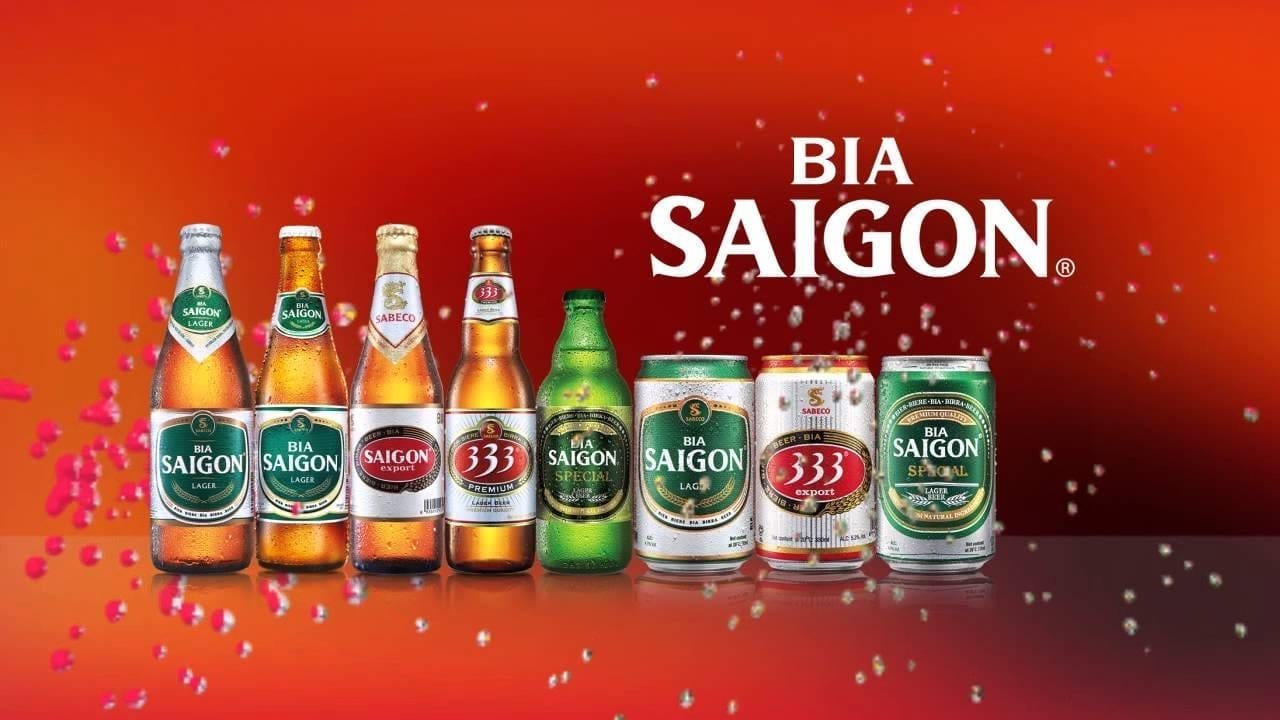
    That means as combined, Sabeco, known for Bia Saigon and 333 brands, and Habeco account for about 60 percent of the domestic market.

    According to market research company Nielsen, while Sabeco has managed to raise its market share in northern provinces to 15.5 percent in the first half of last year from 10 percent in 2014, Habeco has failed to strengthen its dominant position in the north. The latter controlled 50 percent of the northern market in the first six months of last year, down from 55 percent in 2014.

    Beer consumption in Vietnam rose 12 percent year-on-year to reach 3.8 billion liters last year, according to the trade ministry.

    Vietnam is Asia’s third largest beer consumer by volume after China and Japan.

    Industry expects annual growth of 4 percent to 5 percent for the next five years. The country’s annual beer output is forecast to hit 4.1 billion liters by 2020, according to  government projections.

    The stock market debuts of both Sabeco and Habeco have been sped up in the government’s latest attempt to boost investment and increase transparency.

  • Apple beats Xiaomi in China; Oppo takes lead

    Apple beats Xiaomi in China; Oppo takes lead

    Apple has finally halted the dream run of Xiaomi in China, the largest smartphone market in the world, edging the Chinese phone giant from the fourth slot by shipping nearly 45 million iPhones to the Communist nation, a report by market research firm IDC said.

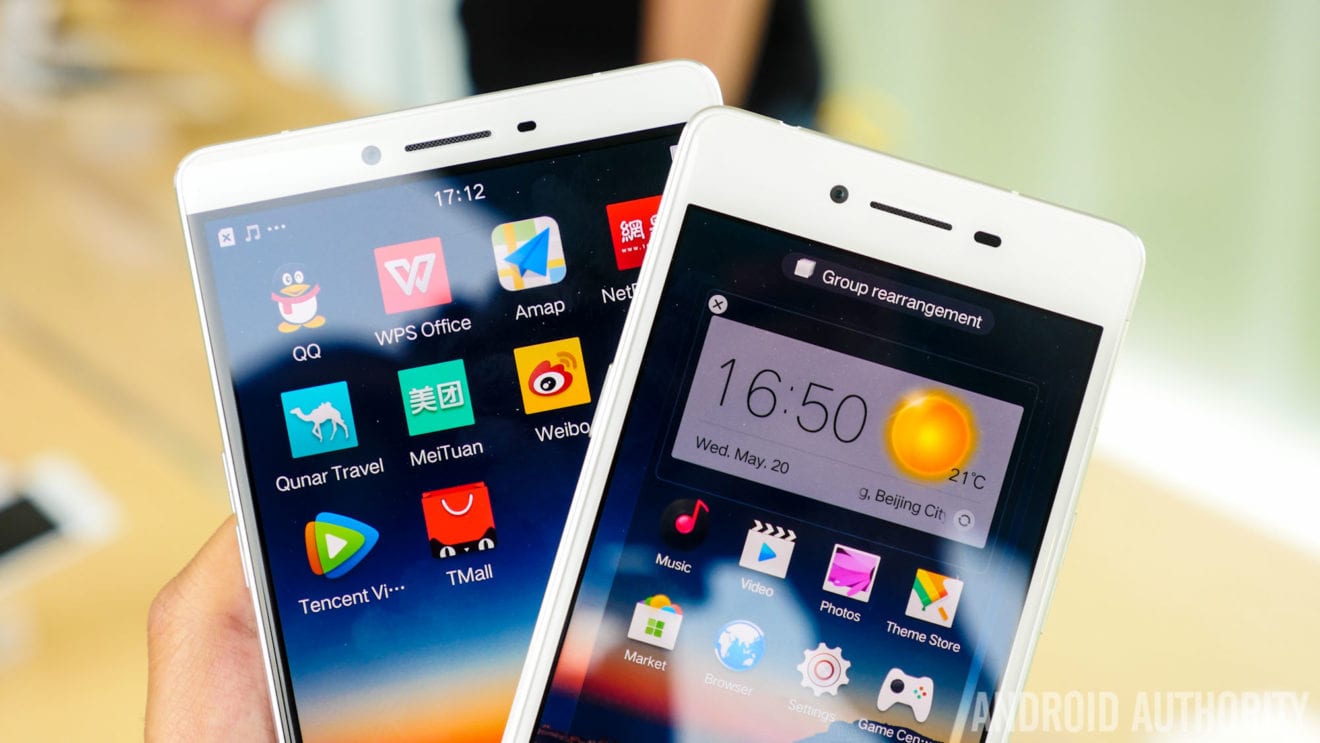
    OPPO, Huawei, and Vivo lead other smartphone brands in China in 2016, latest International Data Corporation (IDC) Quarterly Mobile Phone Tracker report said.

    “Xiaomi was China’s hottest phone brand in 2014 and 2015, but it couldn’t maintain the momentum in 2016,” tech news portal CNET quoted IDC data as saying.

    Shipping 41.5 million smartphones, Xiaomi once known as ‘the Apple of China’ was the No. 5 brand in China last year. Apple, which took the fourth slot shipped 44.9 million iPhones to China (vs.58.4 million in 2015), the world’s largest phone market, it said.

    “The big winner was Oppo, which shipped 78.4 million phones more than double the 35.4 million it shipped in 2015. Huawei came in at second, shipping 76 million phones, while Vivo managed to almost double its shipments, going from 35 million in 2015 to 69 million last year,” it said.

    “2016 was the first time ever that Apple saw a YoY decline in the Chinese market. Even though the new black coloured iPhones caught the attention of consumers, overall, the new launches did not create as much of a frenzy compared to the past,” the IDC report said.

    “Despite the decline, IDC does not believe Chinese vendors have actually eaten away Apple’s market share. Most Apple users are expected to be holding out for the new iPhone that will be launched this year, and that will help the brand to see a growth in 2017.”

    “Apple’s 10-year anniversary iPhone will also likely attract some of the high-end Android users in China to convert to an iPhone,” it said.

    Chinese market grew by 9 per cent last year.

    “Most brands are now using a combination of channels to increase their shipments. Xiaomi, previously focused on online channels, has opened more Mi Home stores to drive offline growth. Apple has also been aggressive in increasing its offline retail presence,” it said.

    The top three Chinese brands grabbed a total of 48 per cent of the Chinese market last year.

    Jin Di, a research manager with IDC China, said another reason behind the success of Chinese brands was their willingness to share profits with distribution partners.

    Apple dropped from third in 2015 to fourth in 2016, as shipments to China plunged 23.2 per cent to 44.9 million units.

    Xiaomi was top in 2015, but fell to the bottom of the top-five vendors, with a 36 per cent plunge in sales in China.

    Total smartphone shipment volume in China rose 8.7 per cent to 467.3 million handsets last year.

    The IDC forecast that the volume in 2017 will continue to grow as consumers replace old phones, but that the growth will be slower than 2016.

    Worldwide, the top five smartphone vendors in terms of shipments last year were Samsung, Apple, Huawei, OPPO and Vivo.

  • Vietnam’s government approves Samsung extra pouring

    Vietnam’s government approves Samsung extra pouring

    According to SDV’s plan, the firm will carry out the expansion for five years starting in 2018, bringing the sum to be invested in this project to $6.5 billion and making it the largest project invested in by the South Korean giant.

    “Government approval will be officially announced soon,” said Minister-Chairman of the Government Office Mai Tien Dung at a press meeting on February 3.

    The provincial government earlier asked for government permission to offer tax incentives for the additional investment, which will enable the project to be classified as large-scale project.

    The plan for expansion is likely to be finalized as soon as the first quarter of 2017, according to local media.

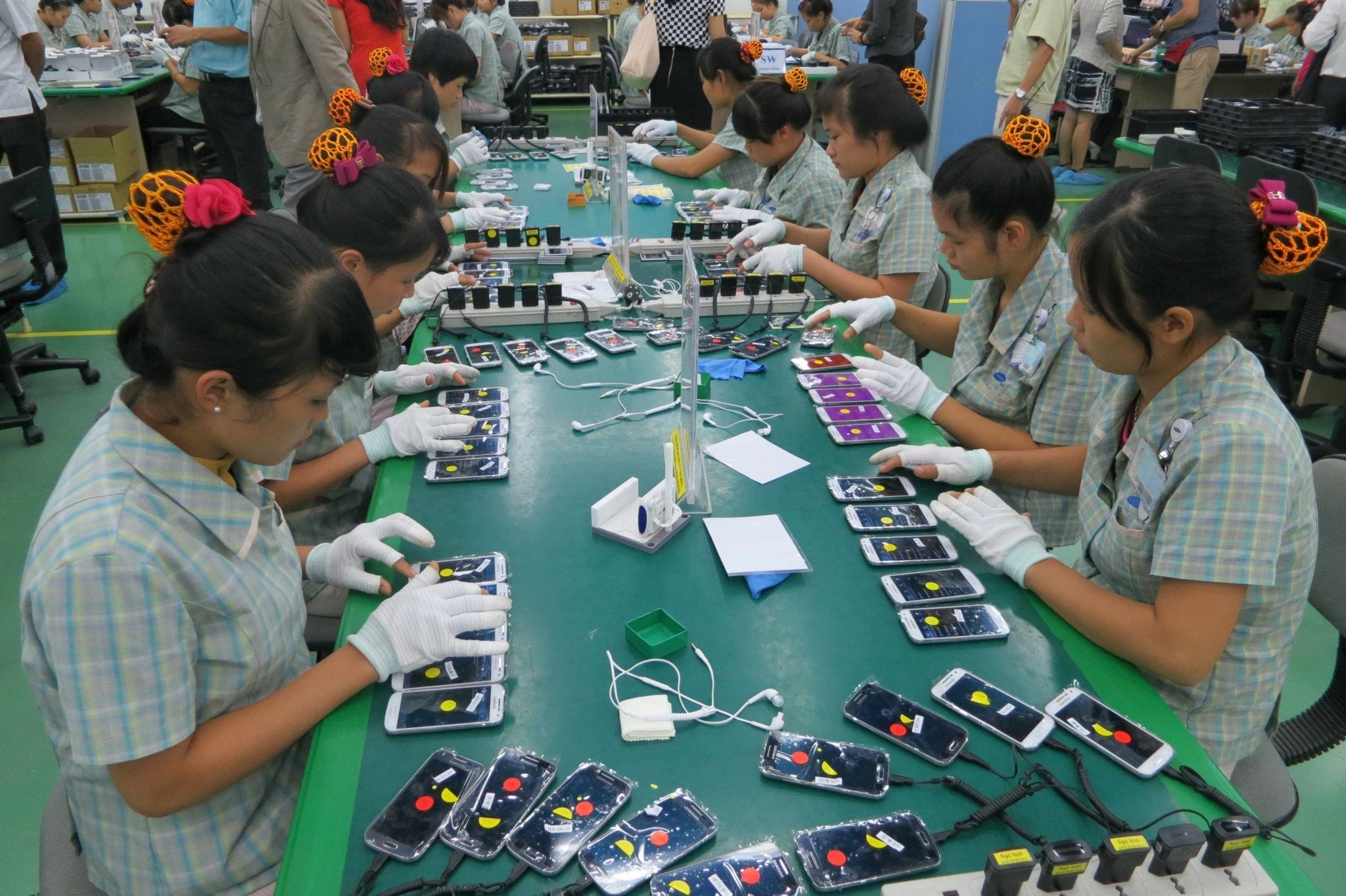
    Samsung Display in 2014 set up the factory to assemble AMOLED panels into modules for use by Samsung Electronics’ smartphone factories in Bac Ninh and Thai Nguyen, which is also in northern Vietnam.

    The AMOLED panels are transported from its factories in South Korea. The South Korean company has dominated the global supply of smartphone AMOLED panels.

    In order to maintain the market status and viewing that Apple is very likely to adopt AMOLED panels for the new iPhone to be launched in 2017, Samsung Display plans to expand the factory of AMOLED modules in Vietnam.

    Companies setting up plants in Vietnam, such as Samsung Electronics, are transforming the country into a manufacturing hub for electronics goods, including smartphones.

    From a trade deficit of $3.5 billion in 2015, Vietnam returned with a trade surplus of $2.68 billion in 2016.

    Wage cost competitiveness is the key reason it’s attracting capital away from countries with worsening demographic transitions in East Asia.

    Institutional reforms have also contributed to making Vietnam more foreign investor friendly.

    Revised investment and enterprise laws have cut the time needed to establish a new business. Lower corporate income tax rates and streamlined payments have also helped.

    South Korean companies have deployed 592 projects worth a combined $8.6 billion in Bac Ninh, accounting for 65.6 per cent of the total foreign direct investment (FDI) in the province.

    Samsung has been the largest single foreign investor in Vietnam, with its investments totaling some $15 billion.

    This is not the first time the Korean giant has asked for incentives for its projects in the country.

    The FDI sector continues to lift Vietnam upwards, with it making a contribution of more than 20 per cent to GDP growth since 2010.

    Last year, disbursed FDI rose by 9 per cent to a record $15.8 billion and committed FDI increased 7.1 per cent, to $24.4 billion.

    The Foreign Investment Agency at the Ministry of Planning and Investment announced that 2,547 FDI enterprises bought stakes of more than 50 per cent in Vietnamese companies or in conditional investment sectors last year, totaling $3.425 billion.

    But while exports rely heavily on specific FDI enterprises, the technology absorption and enhancement of human capital that Vietnam was supposed to acquire from FDI inflows are nowhere to be found.

    Vietnam’s workforce is largely engaged in the final assembly of products for export, which are primarily low value-added, labor-intensive and use low-level technologies.

    The foreign sector plays a crucial role in the Vietnamese economy, but considerable tax incentives granted to overseas investors may lead to distortions of the overall investment climate, the World Bank has said in a report.

  • Local retailers must prioritize selling online for 2017

    Local retailers must prioritize selling online for 2017

    As first blush, the arrival of transnational retailers in the metropolitan centres of Vietnam appears to be a boon for consumers who want wider choices and a death sentence for local retailers, most of whom are small.

    These local smallholders suddenly find themselves facing foreign rivals wielding a daunting array of advantages including – substantial financial resources, advanced technology, superior products, powerful brands, and professional staffs with seasoned marketing and management skills.

    Most of these small business owners think they cannot compete with their larger foreign rivals and are left calling on the government to reinstate trade barriers or provide some other form of support.

    Still others seek strategic alliances with the so-called ‘big and mighty’ transnationals, while a significant number of local companies just throw in the towel and shutter their doors.

    But experts advise that small retailers by the tens of thousands around the globe have managed to develop winning strategies to successfully defend their home turf against the same brand name transnational retailers the likes of Lotte, AEON, MM Mega Market and Big C that are gaining market entry into Vietnam.

    Defending with the Home Field Advantage

    The key to success say the owners of these small but successful companies is to concentrate on the advantages they enjoy in their home market.

    In the face of aggressive and well-endowed foreign competitors, they with near unanimity suggest to local retailers that they will do better by focusing on consumers who appreciate the local touch and ignoring those who favour global brands.

    Give effect to a strategy that concentrates on the large group of consumers who remain loyal to traditional products and stock the store shelves with brands positioned around beliefs in long-standing Vietnamese ingredients.

    Recognize the importance of Online Sales

    Recognize that the internet continues to attain more and more users with each passing month and online sales is growing faster than any other retail sector in Vietnam, say the experts. Local retailers should expect this trend to continue and recognize that their business needs to be part of it.

    The internet is growing very fast in Vietnam, says Vu Xuan Truong from the Institute for Brand and Competitiveness strategy. Nearly 50 million Vietnamese use the internet frequently to make purchases and internet sales are on a steep upward trajectory.

    With more than 60% of today’s youth shopping online and that percentage expected to grow at an astronomically fast rate, local retailers in Vietnam cannot afford to underestimate the importance of selling online.

    Truong says that 2017 should be the year that all local retailers throughout the country set up shop online and discover how to drive online domestic sales and access new export markets via social media, search engine optimization and ecommerce.

    Local retailers need to understand that the internet is the biggest supermarket in the country (and the globe). If they want to compete in retail with the large transnational retailers making market entry into Vietnam— they must be online.

    Truong adds that if they are not online, they simply cannot win in retail in Vietnam or anywhere around the globe.

    Though selling products online may seem a little daunting at first, a beautifully designed and developed website is indispensable for all local retailers in Vietnam, says Le Doan Hop, president of the Digital Communications Society.

    Local retailers must learn to master web technology to help their businesses increase sales utilizing an effective ecommerce online sales strategy if they are to successfully compete with the large transnational retail giants in this digital age, Hop concludes.

  • Top 5 yogurt brands in Singapore

    Top 5 yogurt brands in Singapore

    A recent study by Kadence International, in Singapore, found that Meiji is the number 1 yogurt brand, in terms of number of consumers using it, followed closely by Marigold.

    In addition, nearly all Singaporeans are aware of Meiji (96%) and Marigold (97%). Just under half of consumers (49%) currently eat Meiji yogurt, and in second place is Margiold (46%).

    Top 5 brands:

    1. Meiji
    2. Marigold
    3. F&N Magnolia
    4. F&N Magnolia 0% fat
    5. Nestlé Natural

    These two brands dominate the yogurt market in Singapore, with F&N Magnolia and F&N Magnolia 0% Fat significantly behind, taking up the third (33%) and fourth spots (20%) respectively.

    Nestlé Natural rounds off the top five, with 14% of Singaporeans currently consuming it.

    The online study conducted by Kadence included 1,555 respondents in Singapore to understand their perceptions of different yogurt brands and the influence of health trends upon this.

    When asked what imagery comes to mind about the brand, Meiji was seen to represent great taste, a great choice of flavors and was most likely to be considered a brand consumers trust. In contrast, consumers were much less able to associate other yogurt brands with particularly imagery or perceptions.

    The strong association between taste and trust helps explain the success of Meiji, as these are the main factors consumers look for when they shop the category.

    Taste is the most important driver of consumption for yogurt, and an area where Meiji dominates. The strong brand awareness of 96% and 97% respectively also means that Meiji and Marigold get chosen from the retail shelves.

    Healthy lifestyles

    The study also looked into current healthy eating perceptions in Singapore. It is of no surprise that many consumers pursue a healthier lifestyle, which includes food consumption.

    Two-thirds of Singaporeans (66%) said they try to eat healthily, but sometimes fall short. Whereas a fifth (17%) said they always eat healthily. In contrast, 17% of Singaporeans responded that they do not endorse a healthy eating lifestyle.

    The fortunes of yogurt brands change dramatically when looking only at those healthiest 17% of Singaporean consumers. For those following a healthy diet and lifestyle, Meiji and Marigold are replaced as the most consumed brands of yogurt by Fage (68%) and Chobani (60%).

    In contrast, both brands had very low levels of consumption when it comes to all Singaporeans in general, only 1% and 3% respectively, suggesting both brands represent a niche yogurt territory targeted towards healthy consumers.

    Both brands focus on their health credentials, promoting their all-natural Greek strained yogurt and very low fat content.

    These messages give them clear brand differentiation and resonate with the healthiest segment of consumers, as perceptions of Chobani as a brand that helps maintain a healthy diet jumps by 30% between all consumers and the healthy focused.

    Consumers also felt strongly that Chobani is a good choice of yogurt for the whole family, although relatively lacking on having a wide range of taste and exciting flavors. Fage enjoys a similarly strong shift in perceptions when it comes to the health-conscious segment. However Fage shows more positive numbers in having exciting flavors and formats as well as a brand with a ‘buzz.’

    The importance of trust in a brand’s health credentials become more important when choosing a yogurt for the health focused consumer group, rising from eighth place for all consumers to second place for the health focused.

    Health priorities for professionals

    When looking into who makes up the healthiest consumers in Singapore, we find that there are few differences in terms of age and gender.

    However, there is one group that does stand out. Doctors, lawyers, accountants, bankers and engineers are all more likely to say they always eat healthily.

    In contrast, students are more likely to identify with an unhealthy lifestyle.

    Arguably, those in the professions are more aware of the importance and role of diet in maintaining a healthy lifestyle and general health benefits; especially compared to students. Similarly, students have a tendency to focus on price, and so put a lower emphasis on health versus value for money, in contrast to those who can afford to maintain a healthy lifestyle.

    Taste vs. health

    Looking at the study results, it seems that there is a perception taste and healthy ingredients do not coexist in most yogurt products out in the market today – and this would be an area for yogurt brands to develop their products further.

    Currently, however, each brand and products are positioned to target different consumer segments – consumers looking for rich flavor, health-conscious consumers, children and teens, and the elderly, to name a few.

    Chobani, Farmer’s Union and F&N Marigold 0% are all perceived as healthy product choices endorsed by health-conscious consumer groups, but they lack in the diversity of flavors available on the shelves.

    Meiji, Marigold and F&N Marigold all provide a wide selection for consumers, but are perceived as not being produced with the finest ingredients.

    Of course larger dairy producers such as F&N or Yoplait already have a range of products within their portfolio to meet different consumer demands. However, knowing both the general and niche demands and the latest consumer trends according to different target groups helps when it comes to brand positioning, regardless of whether a brand is big or relatively small.

  • Korean sales +30.9% to $10.6bn as growth slows

    Korean sales +30.9% to $10.6bn as growth slows

    South Korea’s duty free industry saw total sales grow by +30.9% or $2.5bn to a record-breaking $10.6bn in 2016, although senior sources in Seoul tell TRBusiness that sales growth is expected to slow to between 10% to 15% in 2017 – resulting in incremental sales of between $1bn to $1.5bn.

    These estimates nevertheless assume that foreign tourist numbers (primarily Mainland Chinese) continue to increase in 2017 as expected.

    According to senior sources in Seoul, foreign visitors’ duty free purchases amounted to US$7.6bn in 2016, accounting for 72% of South Korea’s total US$10.6bn purchases last year. This sales result includes contributions from all airport, seaport and downtown shops (including internet) sales and ‘domestic duty free’ sales on Jeju Island, although it excludes inflight duty free sales.

    BIG CHINESE TOURIST DEPENDENCY

    Highlighting the dependence on foreign tourists for duty free growth, South Korean travellers’ share of sales came in at $2.9bn last year, which was equivalent to 28% of the national duty free revenue total.

    “In 2015 we had a big impact from MERS on our duty free market from July to October, then the market recovered from November. It meant half of 2015 was impacted by MERS so we had a big 31% sales increase last year,” said a senior industry duty free source in Seoul.

    He told : “Sales to foreign tourists increased about 40% last year in value, about 80% of them are Chinese; but sales to South Korean travellers saw only a 9.7% increase.

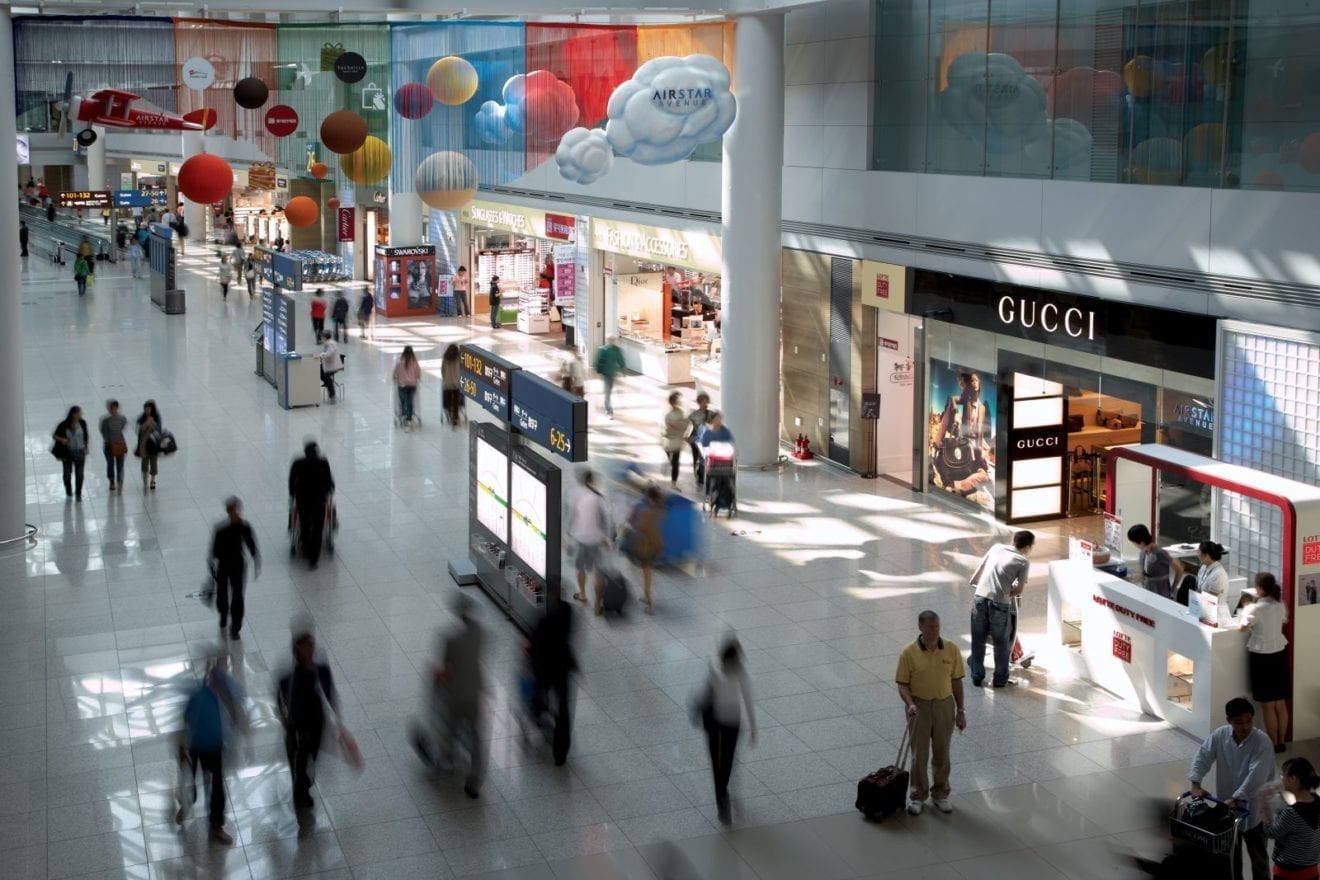
    A busy cosmetics counter at the Lotte World Tower duty free shop in Seoul.

    Meanwhile, per capita duty free spending amongst foreign visitors grew last year, allaying fears among duty free operators that changes made to China’s luxury goods import regulations in April might force a reduction in individual spending.

    20.6M FOREIGNERS BOUGHT DUTY FREE

    According to industry figures, a total of 20.6m foreign visitors bought duty free products in South Korea last year – a rise of 28% compared to those purchasing in 2015.

    In addition, 27.9m South Koreans purchased duty free goods last year – an increase of 13.6% compared to 2015.

    “Sales to foreign customers increased 40% in value and the number of foreign customers rose by 28%, so total per capita spending by foreign visitors increased last year,” said the source.

    By contrast, South Korean per capita customer spending slowed slightly in 2016 as total South Korean duty free purchases rose by 9.8% in value, although this was less than the rise in the number of customers making purchases.

    As expected, perfume and cosmetics continues to dominate as South Korea’s largest duty free category accounting for more than 50% of duty free sales, with Lotte Duty Free – the country’s leading operator – generating total sales of $5.7bn, of which perfume and cosmetics sales accounted for almost $3bn. These sales included all of Lotte’s various downtown and airport stores.

    HOTEL SHILLA SALES REACHED $2.6BN

    Hotel Shilla Duty Free was the next biggest operation with total sales registering $2.6bn in 2016 (not including its HDC Shilla joint venture in Seoul) and once again, perfume and cosmetics accounted for a large share of revenue.

    Other South Korean duty free operators – including new entrants to the industry – also registered good P&C sales, with many finding it easier to arrange supply deals with local cosmetics manufacturers rather than international brand suppliers.

    “The numbers are incredible; cosmetics is the number one item for Chinese visitors,” said the senior source. “South Korean cosmetics brands are about 60% of the purchases and imported cosmetics are 40%. South Korean cosmetics are very good quality and the prices are reasonable.

    “South Korean cosmetics companies are developing products to please East Asian customers, as their skin texture is different. They know what products Chinese visitors are looking for. South Korean face mask products are very famous with Chinese customers.

    SOUTH KOREAN COSMETICS GROWTH

    “The other thing is the price gap between the South Korean and Chinese markets. There are big perfume and cosmetics import tariffs in China; also, Chinese people do not trust products made in China, as there are many fake products.”

    While duty free operators are obviously happy to see products fly off the shelves, a number of perfume and cosmetics brands and luxury goods brands have started to limit the volumes sold to individual customers, as suspicions grow amongst some suppliers that not all these purchases are for personal use.

    ‘SURROGATE SHOPPERS’ ARE A CONCERN…

    “Many people are saying that a significant ratio of purchases are by surrogate shoppers,” said the source. “As foreign brands begin to withdraw from China, so mainland tour companies are sending tourists here to buy luxury branded goods and pay them a commission for buying.

    “The travel companies collect these products for re-sale in China, as there is a 30% to 40% price gap between South Korea and China because of the luxury goods tariffs. Chinese wholesalers organise these purchasing trips; they’re common now.”

    Individual brand product purchasing limits also vary, with most international P&C brands – along with top South Korean brands – limiting the number of pieces sold to individual customers to five items. For luxury fashion goods and accessories, many international brands also limit purchases to one or two items per customer.

    “The purchase limits are set by the brands, not the operators; the operators only think of profit. It’s the same around the world,” the source remarked.

    Foreign visitors are the major customers in South Korea’s downtown duty free stores, spending $6.4bn in downtown outlets in 2016, a huge figure which is five times the value of foreign traveller purchases worth $1.1bn in airport duty free shops last year.

    AIRPORT SALES EQUALLY DIVIDED

    Foreign and South Korean customers each accounted for half of the country’s total airport duty free sales that were worth $2.4 billion in total in 2016, of which the major share was recorded at Incheon International Airport.

    South Korean customer purchases were divided equally between downtown and airport shops, with spending reaching $1.3bn in the country’s downtown stores and $1.2bn in international airport shops last year, plus almost $500m was spent in Jeju Island’s domestic airport and seaport duty free shops.

    Foreign visitors accounted for 83% of all downtown store duty free purchases worth a total of $7.7bn in 2016, according to industry figures. Outbound South Korean traveller purchases accounted for just 17% of downtown duty free stores’ overall sales and included online and internet purchases estimated to account for 25% to 30% of total downtown revenue.

    More than 80% of purchases in almost all downtown duty free stores in South Korea were made by foreign customers (primarily Mainland Chinese) with the exception of the Shinsegae Duty Free and Lotte Duty Free Busan downtown shops, where South Korean customers accounted for 48% and 34% of purchases respectively.

    In addition, foreign visitors accounted for 71% of total sales in South Korea’s various SME downtown duty free stores, which recorded combined total sales worth $68m last year, a sales total equivalent to less than 1% of the nation’s total duty free revenue.

    Meanwhile, government policy to increase the number of duty free operator licenses in an effort to reduce large conglomerates’ dominance of the domestic duty free market has led to increased competition.


    LOUIS VUITTON STILL DELIVERS…

    “Last year there were 8m Chinese visitors to South Korea,” said the source. “South Korea’s duty free market is very concentrated and it’s difficult to make money as travel agents dominate an important share of the market. If they do not send tourists here there will be no group tour sales, so they receive huge a commission from South Korean duty free operators.

    “Two to three years ago the maximum commission paid was 20% for group tour customers, but nowadays over 30% is being paid. It’s impacting on operator profits. Most small operators and new starters cannot expect a profit – it’s a severe and critical problem in this market.”

    This follows the opening of new downtown stores in Seoul over the past 18 months by Shinsegae Duty Free, HDC Shilla, Doota (Doosan), Hanwha Galleria and SM Duty Free and another four downtown stores are also scheduled to open this year.

    As reported, Lotte has only recently reopened its Lotte World Tower store after winning a new downtown license, while three completely new downtown stores are scheduled to open in the capital city.

    DIPLOMATIC FALL OUT DUE TO MISSILE DEFENCE SYSTEM

    Work is underway preparing the Shinsegae Kangnam and Hyundai CO-EX duty free stores that are scheduled to open in Seoul’s growing southern area by the end of 2017 – along with the SME Top City Sincheon (City Plus) store in the capital’s western region.

    Meanwhile, one large dark cloud on the horizon is the deterioration in South Korea’s current diplomatic relations with China, which are causing serious concern for duty free operators.

    This has resulted in a dramatic reduction of Chinese visitor arrivals in both November and December, according to the Korea Tourism Organization.

    At the same time, South Korea’s current domestic political crisis, after the National Assembly voted to impeach Park Geun Hye over corruption allegations, has left the country in a leaderless limbo with no major statesperson in place to handle the escalating dispute with China – until new presidential elections in the spring of this year.

    GROUP TOUR NUMBERS ARE SUFFERING

    Some operators say this dispute has already prompted Beijing to quietly reduce group tour numbers visiting South Korea in January, as a clear warning that it means business with its protest against Seoul installing the proposed Terminal High Altitude Area Defense (THAAD) defence system.

    “South Korea’s duty free market should be increasing this year by 10% to 15%, but already in January we are losing the group tour market. We have already felt impact from South Korea and China’s tension,” said the source.

    “We will have presidential elections in April or May. Now there is no president as President Park is impeached and the South Korean government cannot react to China properly.

    “For the first half of 2017 we will be impacted by the China group tours situation. Also, Chinese customers are getting smarter and they are looking not only for luxury products, but reasonably-priced products and leveraging down their spend.”
  • Waterstones faith finally changes

    Waterstones faith finally changes

    UK bookstore chain Waterstones has posted its first profit in seven years.

    The return from the red comes after the company reviewed its network, closing six stores and opening seven. It has invested £9 million over the last year (on top of £8.3 million in 2015) to refurbish stores, including opening cafes in 46 of them.

    Mostafa Abd El Haleem, an analyst with GlobalData, says the cafes allowed the retailer to differentiate itself from its competitors.

    The return to profit also reflects a recovery in the book market after a period when it struggled to compete with online retailers and the growth in eBooks.

    “Waterstones has widened its product offering, benefiting from the growth of children’s books, seeing a 25 per cent rise in sales since 2010, with titles from Patrick Ness and Katherine Rundell performing particularly well,” says El Haleem.

    “The future for Waterstones looks brighter than it has for some time. E-books no longer pose the sort of digital threat that continues to devastate physical music and video sales, as consumers spend less time on e-readers in favour of mobile phones.”

    He said physical book sales continued to grow in the UK in 2016, “and we expect Waterstones to have been a key beneficiary of this”.

  • Clothing shoppers prefer stores

    Clothing shoppers prefer stores

    Shopping in-store is still the dominant means of buying apparel in Asia-Pacific, according to the latest study from research company YouGov.

    A poll of 9037 people across the region in December reveals that more than 79 per cent have shopped in a physical store in the past year. This is particularly prevalent for Hong Kong, Australia and Malaysia, where the figures were 88, 85 and 84 per cent respectively.

    Local markets and street vendors attracted 28 per cent of consumers in APAC. They were the most popular in Vietnam, the Philippines and Malaysia, where 41, 38 and 36 per cent of respondents respectively bought apparel.

    Websites turned out the second most popular way to buy apparel. Over the past year, 45 per cent of APAC respondents went online to shop for clothing and accessories, while in China the figure was 75 per cent.

    As yet, apps have not broken into the mainstream, being used for clothing purchases by only 15 per cent of those polled. Apps were most popular in Indonesia, China and Singapore (19, 18 and 18 per cent respectively).

    YouGov says young people are more than six times as likely to have shopped via an app than older generations, and more than twice as likely to have shopped using a website in the past year.

    Between the ages of 16 and 24, 51 per cent shopped using a website over the past year and 19 per cent used an app. By contrast, just 24 per cent of respondents 55 years and older shopped using a website and only 3 per cent via an app.

    Conversely, shopping in-store is most popular with older generations – 90 per cent of those 55 and older have shopped in store compared to 75 per cent of 16- to 24-year-olds. Yet local markets and street vendors seem to buck the trend, being more popular with young people (35 per cent in the 16 to 24 age bracket buy from markets compared with 23 per cent of over 55s.

    The most popular reason for shopping online is that it is quicker than going into a store, with more than half of online and app shoppers says prices are also an advantage.

    However, 78 per cent of buyers like to try out apparel before they buy it, 73 per cent want to check the quality first, and 56 per cent simply enjoy shopping around.