Tag: asia

  • Myanmar’s fourth cellco to use the brand name Mytel

    Myanmar’s fourth cellco to use the brand name Mytel

    Myanmar’s newly-licensed fourth mobile operator will use the brand name Mytel, and will aim to differentiate by targeting rural areas and competing on price.

    The joint venture between Vietnam’s Viettel, the consortium of local ICT companies that make up Myanmar National Telecom Holding Public and Star High Public Company was awarded a telecoms license last week.

    The new company’s external relations officer as stating that Mytel will make use of the telecoms assets used by Star High Public Company’s state-owned parent company Myanmar Economic Corporation (MEC). MEC owns MECtel, a state operator with access to extensive tower and fiber assets.

    Mytel also plans to utilize capacity on the Asia-Africa-Europe 1 (AAE-1) subsea cable, which lands in Myanmar. According to the report, state operator MPT acts as a co-landing party for the connection but does not participate directly in the project.

    The operator plans to offer 2G, 3G and 4G services with a focus on extending coverage in rural areas, and offering services at a lower price than rivals Telenor Myanmar, Uninor Myanmar and the joint venture between MPT and KDDI.

  • 5G value chain to generate up to $3.5tr in 2035

    5G value chain to generate up to $3.5tr in 2035

    A new study commissioned by Qualcomm projects that 5G technology has the potential to create 22 million jobs worldwide and produce up to $12.3 trillion worth of goods and services by 2035.

    The landmark study into the potential economic and social impact of 5G worldwide projects that by this time, 5G’s full economic benefit should be realized across the globe.

    The 5G Economy study was jointly conducted by research firms IHS Markit, PSB and UC California economist Professor Dr David Teece.

    According to the study, the 5G value chain itself is anticipated to generate up to $3.5 trillion in revenue in 2035.

    Over time, 5G will boost real global GDP growth by $3 trillion dollars cumulatively from 2020 to 2035, which would be the quivalent in today’s dollars of adding a new economy the size of India to the world.

    “I’ve spent many years studying the impact of general purposes technologies, and it’s clear that 5G will propel mobile into that category, assuring the technology’s long-term impact on society and continued growth for decades,” Teece said.

    Polling research conducted in tandem with the economic study also suggests that  business decision makers and opinion leaders around the globe overwhelmingly agree than 5G will enable new products, services and use cases that have not been conceived yet.

  • Alibaba Cloud to help boost Singapore’s digital economy

    Alibaba Cloud to help boost Singapore’s digital economy

    Alibaba Cloud the National University of Singapore (NUS), and EZ-Link, Singapore’s largest issuer of Contactless e-Purse Application (CEPAS) compliant cards, have teamed up to boost Singapore’s smart computing and data-driven capabilities.

    The three organizations have signed a memorandum of understanding aimed at bolstering the University’s data science curriculum and paving the way for a pilot data analytics project with EZ-Link.

    The collaboration is also aimed at helping build local IT skillsets, meet enterprise demands and support the research and development of advanced technologies in the big data era.

    Ethan Yu, Vice President of Alibaba Group and General Manager of Alibaba Cloud Global said, “Singapore has been a pioneer in fostering innovation and technological disruption in Asia, and we are proud to contribute to the nation’s development through our partnership with NUS and EZ-Link.

    By leveraging the expertise of academia, the government and enterprises, we intend to raise the bar in nurturing talent, business and communities to reach new frontiers of the digital economy.”

    Alibaba Cloud will contribute $500,000 in cloud credits towards the use of its cloud platform and data centres by students and researchers from NUS for academic and research purposes. IT experts from Alibaba Cloud will also offer hands-on lessons on the use of Alibaba Cloud’s platform for NUS staff and students.

    In addition, Alibaba Cloud and NUS will collaborate in the areas of cloud computing, big data analytics, artificial intelligence, cybersecurity, quantum computing, and interactive digital media, as well as identifying opportunities for joint research projects and information exchange.

    “NUS contributes to Singapore’s vision of becoming a digital economy through our University’s strengths – creating value through fundamental and applied research, and training the next generation of digital talent,” NUS deputy president for research and technology  Professor Ho Teck Hua said.

    “By working with Alibaba Cloud, a global cloud leader, we can tap into its extensive ecosystem and technology capabilities for these efforts. The partnership with Alibaba Cloud and EZ-Link further demonstrates the close collaboration between academia and industry in solving real-world problems, and will help contribute towards a future, cashless Singapore.”

    Alibaba Cloud and NUS are currently working with EZ-Link to analyze card usage patterns across the EZ-Link card schemes, service touch points, and customer segments to improve customer experience and create better services via real-time insights.

  • Vodafone Australia names new CBU director

    Vodafone Australia names new CBU director

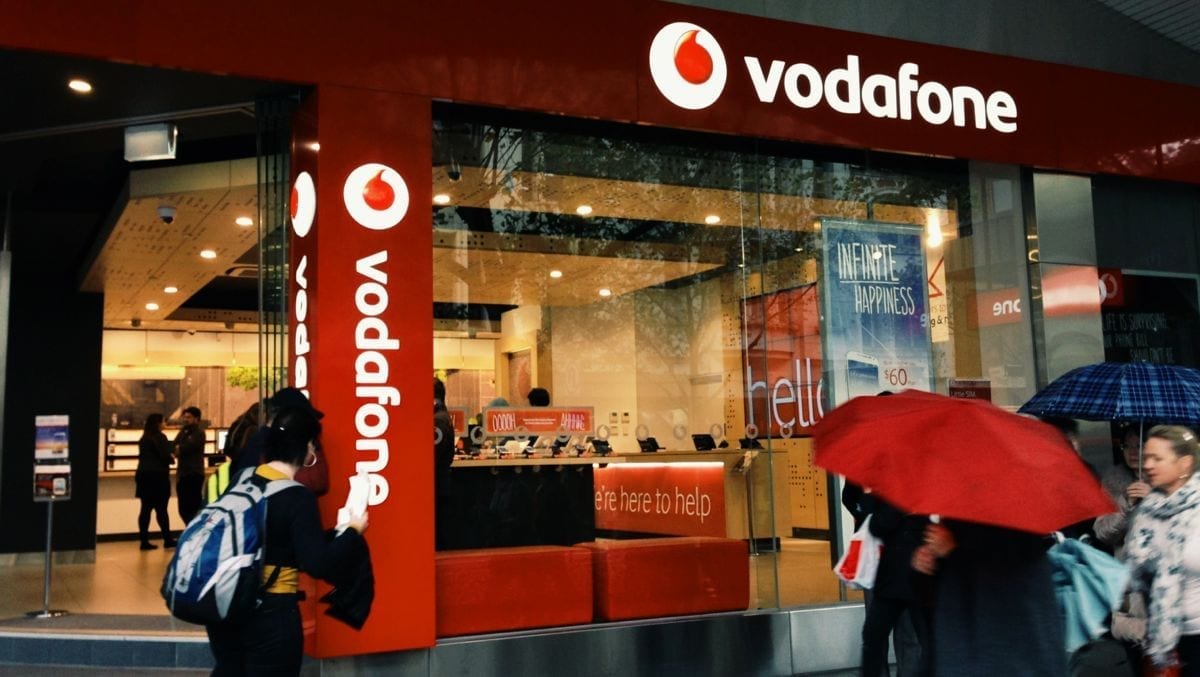
    Vodafone Australia has promoted its director of sales, Ben McIntosh, to the newly created position of consumer business unit (CBU) director.

    Chief executive officer Iñaki Berroeta said the new position merges the existing sales director and marketing director roles, following a decision by chief marketing officer Loo Fun Chee to return to Malaysia for family.

    “This new unit will see sales and marketing activities come under one leader and one team, creating a streamlined structure and simple and seamless end-to-end processes” said Berroeta.

    “The consumer business unit will drive our ambition to deliver the very best product, service and experience for our customers. Ben will bring great energy, experience and market knowledge to the role.”

    He said Vodafone’s brand had seen improvements in its awareness since Chee took on the leadership role two years ago.

    “Amongst the successes under her leadership are the launch of innovative market leading products such as MyMix. We’ve also seen the Vodafone brand strengthen in the Australian market and a dramatic improvement in Net Promoter Score which shows our customers are increasingly happy with their Vodafone experience,” the executive commented.

    McIntosh joined Vodafone Australia in 2014 as director of sales after a 17-year career at consumer products retailer Harvey Norman as general manager for technology and entertainment retail.

    McIntosh will officially start in his new role as CBU director on January 30.

    Former Microsoft executive and AI expert joins Baidu

    Chinese search giant Baidu has hired former Microsoft executive Dr Qi Lu as its group president and chief operating officer, effective immediately.

    In this new role, Lu will be responsible for Baidu’s products, technology, sales, marketing and operations.

    Lu joins Baidu from Microsoft, where he served most recently as global executive vice president responsible for its Office business.  He joined Microsoft in 2009 as president of its online services group and was promoted to global EVP in 2013.

    Lu holds a PhD in computer science from Carnegie Mellon University and has over 40 US patents in his name.

    “Dr. Lu possesses a wealth of leadership and management experience, and is a leading authority in the area of artificial intelligence. I am confident that Dr. Lu will make major contributions to the overall strength of our management and technology,” Robin Li, Baidu’s chairman and group CEO, said in a statement.

    “To achieve our goals, especially in artificial intelligence, which is a key strategic focus for the next decade, we will need to continue attracting the best global talent. With Dr. Lu on board, we are confident that our strategy will be executed smoothly and Baidu will become a world-class technology company and global leader in AI,” Li added.

  • Essilor and Luxottica to create global eyewear powerhouse

    Essilor and Luxottica to create global eyewear powerhouse

    France’s Essilor and Italy’s Luxottica have agreed to terms of a 46 billion euro (US$49 billion) merger, creating a global eyewear powerhouse with annual sales of  more than 15 billion euros.

    Essilor and Luxottica said they will be focusing on boosting sales in Asia and Latin America as well as building their eCommerce presence.

    Essilor is the world’s largest lens maker and Luxottica the world’s largest frame maker and vendor which owns extensive retail chains, such as Sunglass Hut, Australia’s OPSM and brands including Ray-Ban, Oakley and Persol.

    “Finally, two products which are naturally complementary – frames and lenses – will be designed, manufactured and distributed under the same roof,” said Luxottica’s founder Leonardo Del Vecchio, 81, in a statement.

    The two companies are battling slowing growth internationally, but believe there is massive potential in the market with an estimated 2.5 billion of the world’s population suffering from uncorrected eyesight issues.

    Once complete, the merger of the two companies could add as much as 600 million euros to their combined bottom line.

    The new entity will be headquartered and listed in Paris and have a staff of more than 140,000 across the globe.

    It will be jointly headed by Del Vecchio and Essilor CEO and chairman Hubert Sagnieres. Del Vecchio will be CEO and executive chairman and Sagnieres, 61, executive vice-chairman and deputy CEO – but the pair will have equal powers.

    “We have and share the same values, we have and share the same vision, we have and share the same interest in the product…,” Sagnieres said in a conference call to discuss the merger. “If we really want to provide consumers with the best product, Leonardo and I will have to co-manage.”

    “This marriage will take place and will work,” Del Vecchio added.

  • Indian fashion platform Fynd looks to SE Asia

    Indian fashion platform Fynd looks to SE Asia

    Indian fashion eCommerce platform Fynd plans to expand in Southeast Asia from April, which could include the Philippines.

    It also plans to expand beyond clothing, footwear and accessories to childrenswear, decor and furnishing.

    Fynd is run by Shopsense Technologies, which has among its investors Facebook executive Anand Chandrasekaran, Arvind Sports chief executive Rajiv Mehta and Snapdeal founders Kunal Bahl and Rohit Bansal. It offers same- or next-day delivery in 11 cities in India, and has tied up with about 250 brands. Its platform is both app- and webpage-based.

    This month Fynd deployed an omni-channel in-store product, Fynd Store, that lets customers browse all products of a particular brand on screens inside the brand’s physical outlet. If a customer cannot find a product or a size at that outlet, it can be ordered and delivered via Fynd Store.

    It is Fynd Store that the company plans to take to international markets.

    In-store initially

    Founded by Farooq Adam, Sreeraman MG and Harsh Shah, Fynd launched in 2012 as an in-store engagement provider, then branched out to an eCommerce platform before evolving into an omni-channel or online-to-offline retail firm.

    “This model would work in the international market, primarily in the areas where the customer is brand conscious and is clear he wants a particular product, whether it be size or colour,” says Shah.

    “Many times when customers shop and cannot find products in their size they settle for something that is one level lower in their liking hierarchy. Fynd is trying to solve this problem.”

    The company’s strategy for international markets will be the opposite of what it did in India — it will first deploy its omni-channel Fynd Store product before launching its eCommerce Fynd app.

    “In India we started with eCommerce then got into omni-channel. The reasoning was that with the retailer, sales is the holy grail. With eCommerce you can immediately show sales. With omni-channel you need to build it up – there’s the training in store and things like that.

    “Internationally we’ll start with Fynd Store because we need to develop delivery infrastructure and then get on to Fynd app,” says Shah.

  • Tourists drive Sa Sa sales

    Tourists drive Sa Sa sales

    Sales performance has improved marginally for cosmetics chain Sa Sa International Holdings for its third quarter, to the end of December.

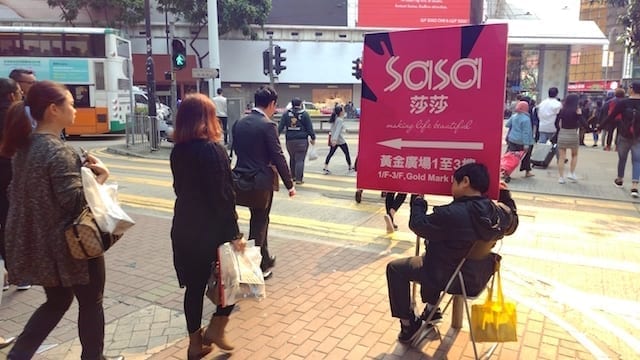
    This was mainly a result of a rise in numbers of mainland customers driving a 5.4 per cent increase in the number of transactions in Hong Kong and Macau while local trade remained flat. However, the average sales per transaction of local customers increased by 0.2 per cent while for mainland customers there was a 3.6 per cent drop.

    Sa Sa sales growth is a result of the group’s ongoing efforts to adjust its product offerings to adapt to the market demand for trendy products, the company says. This also resulted in continued downward pressure on gross profit margin for the quarter.

    For the quarter, the group’s retail and wholesale turnover eased up by 0.9 per cent year-on-year, while the figures for other markets outside Hong Kong and Macau – including China, Malaysia, Singapore, Taiwan and online – were flat.

    Following the gradual tapering of year-on-year retail sales decline in the first and second quarters in Hong Kong and Macau, same-store Sa Sa sales in the third quarter fell by 2 per cent while retail sales rose by 1 per cent.

    Sa Sa had 290 outlets in total at the end of December, up from 283 as at September 30. For Hong Kong and Macau, there were 115 outlets, up by two; China had three more stores for a total of 56; Singapore lost two stores to finish the year with 21; Malaysia gained five outlets for 73; and Taiwan lost a store to end the year with 25.

  • Easyship Fuels Its Growth By Expanding Into Singapore

    Easyship Fuels Its Growth By Expanding Into Singapore

    Easyship is a tech company that helps eCommerce businesses saving time and money on worldwide shipping. After a rapid growth in Hong Kong, it is now expanding its operations to Southeast Asia with Singapore as its first location. With Singapore being a major logistics hub for Southeast Asia, the company hopes to take advantage of its infrastructure and networks to aid its expansion plans in the region.

    Since launching in 2015, the company has experienced exponential growth, becoming the first choice for businesses that want to expand their sales worldwide. Easyship powerful API, allows eCommerce merchants and marketplaces to integrate a seamless shipping gateway to their shipping cart, allowing them to expand their sales worldwide seamlessly. For each order, Easyship compares all shipping couriers, and gives visibility to the buyer on delivery time, shipping cost, and taxes.

    Easyship integrates with more than 80 different shipping services including those from leading couriers such as DHL, FedEx and UPS, at prices discounted up to 70% compared to retail. This helps buyers to choose the best available option for a particular destination based on item specifications (type, weight and dimension) and provides visibility on delivery time, cost, reliability, and tracking. Easyship guarantees taxes & duties for shipments worldwide based on the type of item and its customs value – making sure that eCommerce sellers never experience unexpected costs or delays with international shipping.

    Since launching, Easyship has helped its clients to save up to $5,000 USD per month on shipping fees. It is completely free – customers pay only for their shipments and the platform generates all the necessary paperwork automatically.

  • Authenticity listed as top consumer value

    Authenticity listed as top consumer value

    Authenticity is the standout consumer value this year, according to market research company Euromonitor International’s Top 10 Global Consumer Trends for 2017 report.

    It cites such examples as AirBNB’s Guidebooks feature, which lets owners share local information, food apps that help consumers know more about what they are buying, and tour companies that promote “unplugged” vacations to help consumers escape the digital world.

    “Consumers are now more demanding of products, services and brands than ever before, and are using digital tools to articulate and fulfill their needs,” says Euromonitor International’s consumer trends editor Daphne Kasriel-Alexander. “They want authenticity in what they buy and expect elements of personalisation in mass-produced as well as upscale items.”

    Healthy living is becoming a status symbol as more consumers opt to flaunt their passion for wellness through paying for boutique fitness sessions, “athleisure” clothing, food with health-giving properties and upscale health and wellness holidays, says Kasriel-Alexander.

    “This is reflected in a thriving menu of more esoteric, boutique fitness workout choices in urban hubs and spas.”

    She says healthier eating options and fitness supplements are part of the trend, which even embraces pet food.

    Highlighted trends include…

    + Ageing: a changing narrative
    + Consumers in training
    + Extraordinary
    + Faster shopping
    + Get real: the allure of authenticity
    + Identity in flux
    + Personalise it
    + Post-purchase
    + Privacy and security
    + Wellness as a status symbol
    The free report can be downloaded from Euromonitor’s website.

  • Chinese government clamping down on app stores

    Chinese government clamping down on app stores

    China’s government has issued an order for all app stores on the mainland to be registered.

    In a notice on its website, the Cyberspace Administration of China says its offices should ensure that records are kept on the country’s many app stores.

    “Many apps have been found to spread illegal information, violate user rights or contain security risks,” says the post.

    Unlike in the west, China’s app store market is very fragmented with as many as 150 vying for customers, including market leaders Google Play and Apple’s App Store.

    Registration is necessary, it says, to ensure it is clear who takes responsibility if apps, or app stores, are found to engage in illegal practices.

    Three weeks ago, Apple removed the English- and Chinese-language news apps of The New York Times from its China app store. The US tech giant says the government had told it the apps violated local regulations.

    Google’s store for apps using its Android operating system is blocked in China, with third-party stores taking its place. Most of China’s biggest app stores are controlled by internet and smartphone companies such as Alibaba, Baidu, Qihoo 360, Tencent and Xiaomi, as reported.

    It says Chinese laws are often intentionally broad and open-ended to allow regulators discretion in enforcing them. Concrete steps like the new order for registrations can indicate how laws will be carried out in practice.

  • John Lewis fashion sales soar

    John Lewis fashion sales soar

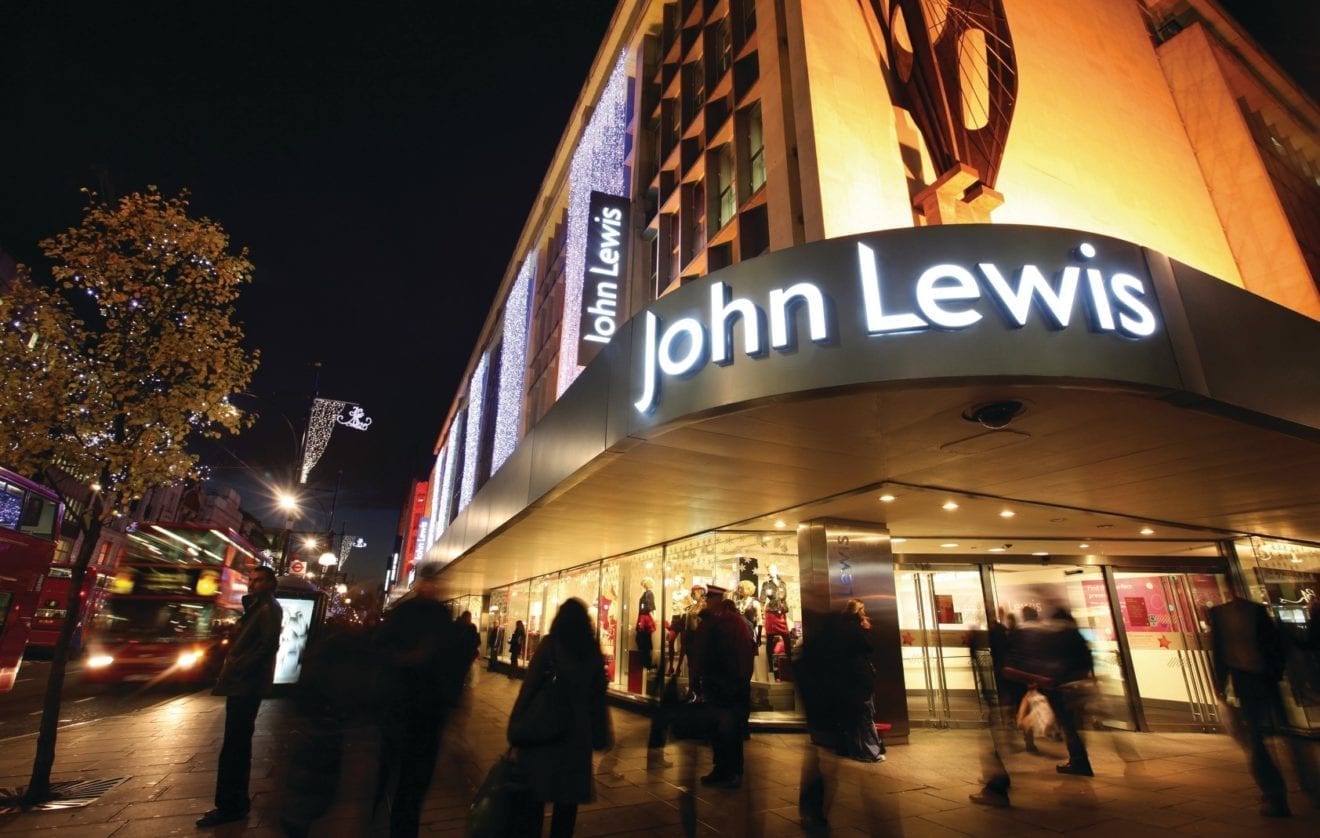
    John Lewis fashion sales rose a tremendous 7.2 per cent over Christmas – eclipsing the UK department store’s rivals, even robust performances by Debenhams, M&S and House of Fraser.

    Own brand collections continued to strengthen throughout 2016, with the inclusion of Modern Rarity filling a gap in its private label brand portfolio by appealing to a stylish, design-led shopper and taking Cos on as a direct rival. John Lewis should consider taking this brand into menswear, given the outperformance of menswear in 2017 versus other clothing sectors, and the current gaps in the market for brands targeting the 30-45 year old male shopper.

    Its Electricals Home & Technology division was up against the strongest comparative, rising 4.8 per cent against a 9.6 per cent rise last Christmas. The department faced huge discounting pressure from rivals Amazon, Argos and Dixons Carphone, particularly over Black Friday when promotions were offered over a week ahead of the main event. However, John Lewis’ strategy of selling the latest models across technology categories will have limited its exposure to the breadth of discounts available elsewhere.

    As one of the leading players in selling affordable smart home technology, John Lewis can expect to see a greater uptake in demand in 2017 following its significant investment in the department during 2016 and increasing consumer awareness.

    Home reported the slowest sales growth at 2.7 per cent against a 5.1 per cent rise last year, though this is outperforming both the home and furniture markets and is resilient given the fall in housing transactions.

    Paula Nickolds takes over the reins this month from Andy Street, marking the start of a new era for the department store. Nickolds’ understanding of the business will ensure Street’s legacy and strategy will be carried forward, but her new appointment begins at the start of what will be a challenging and unpredictable three year (at least) period, so new initiatives will be important to stimulate demand.

    -Honor Strachan

  • Alibaba joins forces with counterfeited brands

    Alibaba joins forces with counterfeited brands

    Chinese eCommerce giant Alibaba has teamed up with some of the world’s most-counterfeited brands to fight against copycats.

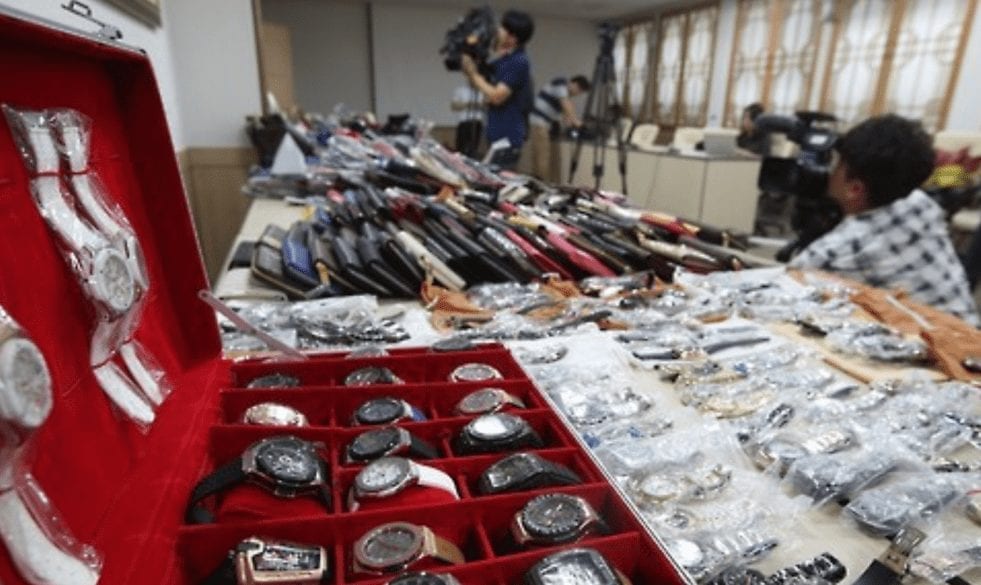
    Collaborating with such global brands as Louis Vuitton, Samsung and Swarovski, Alibaba will provide its members with big data and other support to help them block, identify and even take down listings from its marketplaces such as Taobao and Tmall. Those two sites boast 1 billion product listings at any given time.

    In return, the brands have committed to share their anti-counterfeiting data with Alibaba.

    The move follows a lawsuit filed by the internet powerhouse against two vendors selling knock-off Swarovski watches from their online shopping bazaars on Taobao, claiming 1.4 million yuan (US$202,950) in losses. Taobao is the retail platform for smaller merchants.

    “The most powerful weapon against counterfeiting today is data and analytics, and the only way we can win this war is to unite,” says Alibaba’s chief platform governance officer Jessie Zheng.

    “Alibaba welcomes brands and other organisations to join us in what we believe is the world’s first ‘big-data anti-counterfeiting alliance’.”

    Taobao was returned to the US government blacklist of “notorious markets” last month for hosting fake items, four years after Alibaba lobbied American trade officials to drop the platform from the list.

    Listings removed

    Alibaba says it is disappointed by the decision, noting it has “proactively removed more than double the number of infringing product listings than in 2015”. The company employs 2000 permanent staff and 5000 volunteers devoted to spotting fake goods.

    According to the International Anti-Counterfeiting Coalition, a nonprofit watchdog overseeing piracy concerns, China is the biggest market for knockoffs globally with handbags, footwear, watches and iPhones topping the list of most-faked items.

    Louis Vuitton, Nike, Ray Ban and Rolex are among the labels that seem to be more intensely targeted by counterfeiters, says a report by the Organisation for Economic Co-operation and Development (OECD).

    Domestic brands also have fallen victim. Chinese liquor maker Kweichou Moutai has confiscated 300 tonnes of fake Moutai in a three-year drive against bootleggers, whose products can feature packaging identical to genuine products.

    Chinese authorities have also stepped up efforts to root out people involved in marketing fake goods, staging raids and arresting thousands of suspected offenders.

  • Fuel prices increase at pumps in Cambodia

    Fuel prices increase at pumps in Cambodia

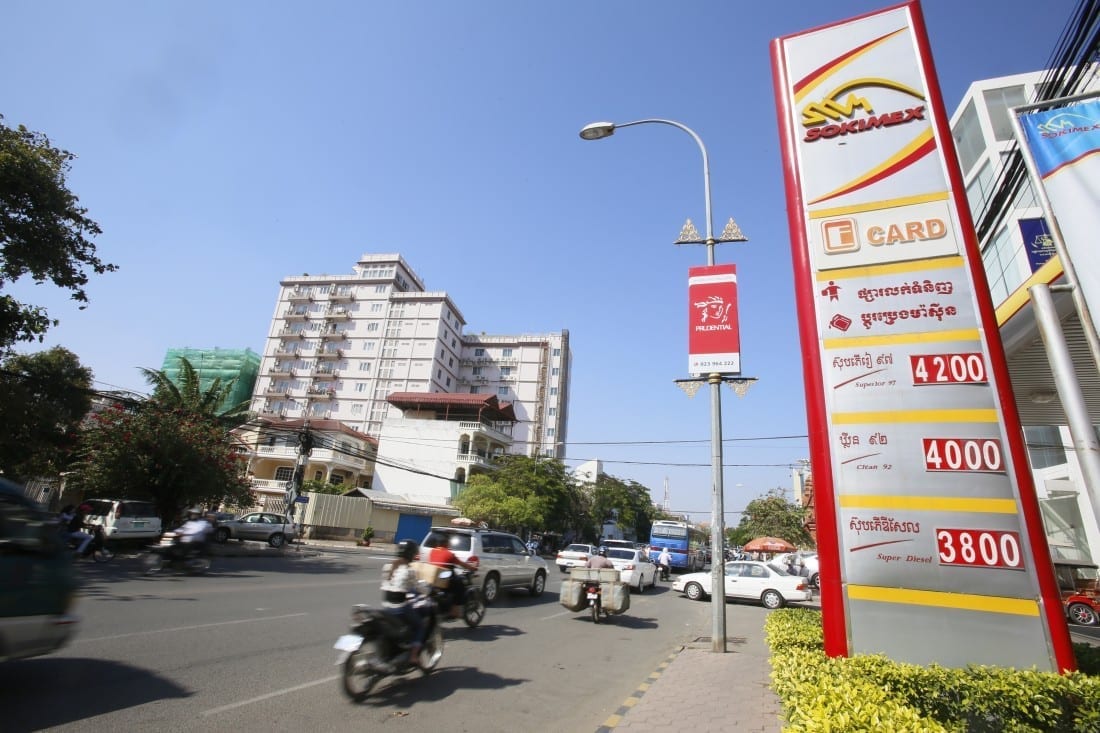
    Road users can expect to pay up to 500 riel ($0.12) more per liter of fuel due to the increase in global crude oil prices after the government last March pegged local prices to that of the international market, a Commerce Ministry official said yesterday.

    From today until January 21, drivers can expect to pay 3,850 riel ($0.95) per liter for Gasoline 95, up 500 riel ($0.12), 3,750 riel ($0.93) per liter for Gasoline 92, up 450 riel ($0.11), and 3,450 riel ($0.85) per liter for diesel, up 450 riel ($0.11).

    “Please understand that the mechanism is just to prevent gas prices from increasing higher than that of the global gas price or when global gas prices go down, all local retail gas stations in Cambodia are also compelled to bring down the prices,” Commerce Ministry spokesperson Soeng Sophary said.

    “This formula is not intended to keep gas prices in Cambodia low even when global gas prices are on the rise.

    “We just want to prevent retailers from increasing their prices beyond that of global prices. We will follow the global market price,” she explained.

    Gas prices have been steadily increasing since November last year.

    The government last March announced that it would be standardizing retail gas prices in Cambodia by pegging them to world oil prices in the wake of the plunging global crude oil price the year before.

    The Commerce Ministry was tasked with releasing updated prices to all retail stations every 10 days, on the first, 11th and 21st of each month.

    Ms. Sophary attempted to quell dissatisfaction over the increase in prices by explaining that the new mechanism of calculating prices made Cambodia susceptible to world oil prices, which fluctuate according to global markets.

    “We are easily affected if there is any issues going on within those larger economies,” she said. “We cannot ask to lower gas prices when the global economic system is always changing since we have to follow the global situation.

    “The price could go down after US President-elect Donald Trump takes office later this month or it could increase if there are any issues in the EU or if there is ongoing terrorism in Turkey,” she said, adding that Cambodia would only be able to experience consistently low gas prices if it could produce its own refined product.

    PTT (Cambodia) deputy managing director Bin Many Mialia told yesterday that he understood the price hike given the new pricing mechanism, but remained optimistic as given the uncertainty of the global political climate, world oil prices could see a reduction next month.

    “The price for gas in Cambodia goes up and down since we are solely, 100 percent dependent on international gas prices. We cannot adjust the price, increase it or lower it, we cannot predict what the gas price will be. It’s up to the international market price,” Mr. Many Mialia said.

    “Now we see the trend of the oil price being high, but we will wait and see next month whether it continues to increase or if it will fall. All the countries don’t know what the US policy will be like or what the regional situation will be,” he added.

    According to a report from the Cambodia Import-Export Inspection and Fraud Repression Directorate-General, oil imports to Cambodia increased by one percent in the first 11 months of 2016, while the value of oil imported dropped by about 28 percent.

    The report showed that from January to November 2016, Cambodia imported 1.5 million tons of oil, compared with 1.49 million during the same period in 2015.

    Gas prices decreased by 16 percent, while diesel and petroleum prices dropped 19 percent and 28 percent respectively.

    The value of the oil imported throughout those 11 months last year stood at $615 million compared with $858 million the year before.

  • Vietnam’s ‘bikini airline’ put to the test

    Vietnam’s ‘bikini airline’ put to the test

    VietJet Air has gone from start-up to Vietnam’s largest private airline in five years. Now it is pushing overseas to keep up that growth and absorb a bumper order of more than 200 planes – no easy task in a cutthroat Asean market.

    The airline, which was set up in 2011, grabbed headlines with its bikini-clad flight attendants. It tapped a rich vein – a fast-growing economy and a young population that was starting to travel more.

    But VietJet’s next step will be more challenging, industry analysts and executives say, as it expands further beyond Vietnam into choked Asean, competitive China or Russia, where VietJet’s fleet of narrow body jets would confine it to the country’s east.

    Infrastructure in the region is clogged and new airport slots are rare. Even Kuala Lumpur, a less crowded airport, is highly competitive, thanks to airlines like Air Asia.

    That has raised questions about VietJet’s ability to absorb one of the region’s largest aircraft orders. “VietJet have been extremely successful in the first five years but what they have done has been entirely domestic,” said Singapore-based analyst Brendan Sobie at consultancy CAPA.

    “The domestic market will start to slow and it is more difficult to expand internationally – some people doubt that they can continue growing at the current rate.”

    According to CAPA, Vietnam’s domestic aviation market grew 30 percent in 2016 to 28 million passengers – nearly five times the growth rate of the broader economy.

    At VietJet’s gleaming offices in Ho Chi Minh City, its chief executive and founder, Nguyen Thi Phuong Thao – also Vietnam’s first female billionaire – outlines plans to push into China, Australia and Russia, where she studied and first worked.

    She dismisses concerns of excess competition, even in China, where local airlines have boomed. More than 10 Chinese carriers have begun flying since the aviation regulator relaxed a six-year suspension on new airline licenses in 2013.

    “Other countries are still doing business with China and VietJet also has its own advantages,” she told.

    “We can ally with Chinese airlines when wanting to expand in the country’s local market.”

    Unlike other new generation carriers in the region who have sought to set up alliances to gain clout without merging, VietJet has resisted.

    Among the airline’s most imminent concerns will be its large aircraft order – more than 200 planes, including more than 100 Airbus A320 family aircraft and 100 Boeing 737 Max 200s – a mixed approach rarely taken by low-cost or new generation airlines, who prefer to streamline engineering needs.

    The Boeing order in particular, announced during a visit by US President Barack Obama, prompted questions over whether the order was placed for political reasons. Ms. Thao dismissed this.

    Industry sources, however, say some of the 200 planes on order may be subject to reconfirmation or other get-out clauses.

    Ms. Thao says the airline has support to finance its orders, worth over $20 billion, but has given no detail. The group has five trillion dong ($221 million) in debt.

    A Boeing spokesman said it had no change to its order. Airbus, which analysts say is most exposed to budget airlines in Southeast Asia including VietJet, declined to comment.

    VietJet ended 2016 with some 40 aircraft but is targeting more than 200 by 2023.

    And it is not without growth potential. Asia Pacific passenger growth is the fastest in the world. The carrier’s pre-tax profit almost doubled last year to over $100 million and it sees its bottom line rising by almost a third this year, thanks to a low cost base.

    An initial public offering to raise $170 million valued VietJet at $1.2 billion. Shares start trading in February.

    “So far, so good,” said analyst Shukor Yusof of Endau Analytics, describing growth so far as “a feat.”

    “But I’m a bit skeptical if this rapid growth can be sustained without affecting the airline’s bottom line.”


  • Krungthai Bank to transfer tax refunds via Prompt Pay

    Krungthai Bank to transfer tax refunds via Prompt Pay

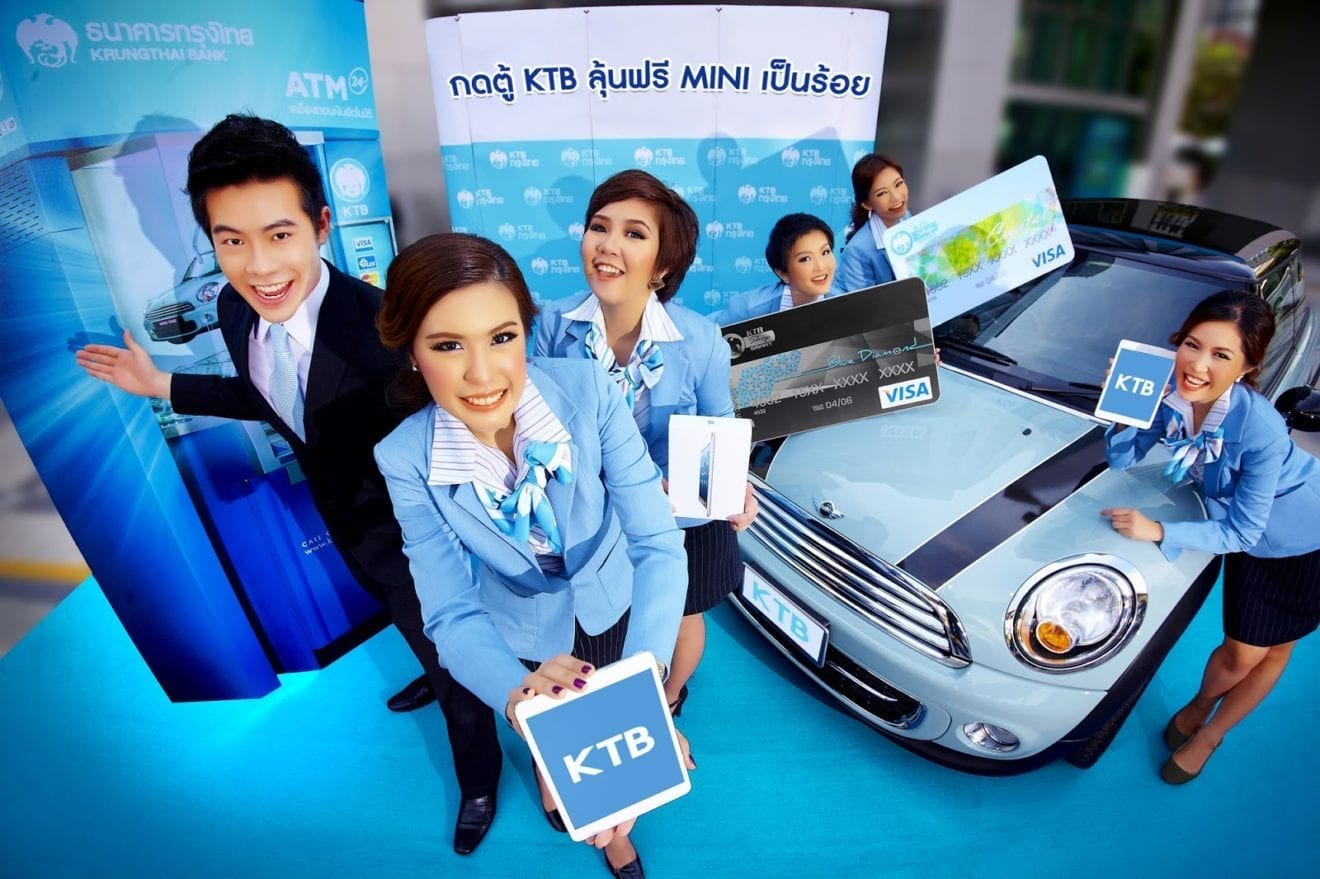
    Krungthai Bank has announced it is now fully ready to utilize the National E-Payment system ‘Prompt Pay’ and will starting January 4, 2017 use it to transfer senior citizen and disability stipends as well as tax refunds for the public.

    Vice President for Business Finances at Krungthai Bank Songpol Cheewpanyaroj has announced that from January 4 2017 onward, Krungthai, as the bank tasked by the Revenue Department with forwarding tax refunds to citizens signed on to the Prompt Pay system, will begin doling out the funds through the e-payment method. He noted that citizen can continue to register for the system between January 1 and March 31 so that they may use it to receive their refund.

    In February, the bank will also be using Prompt Pay to distribute government stipends to the elderly and disabled and urged those eligible for the assistance to register for Prompt Pay soon.

    At present, over 2.2 million citizens are in the Prompt Pay system, which was already used to disperse low-income earner aid to some 300,000 people.