Tag: asia

  • Has Starbucks met its match?

    Has Starbucks met its match?

    Vietnam – known for its deep-rooted coffee culture – has become one of the most diverse markets in Asia for the uplifting beverage, with scores of global giants, local chains and small cafés severing a wide variety of freshly roasted beans.

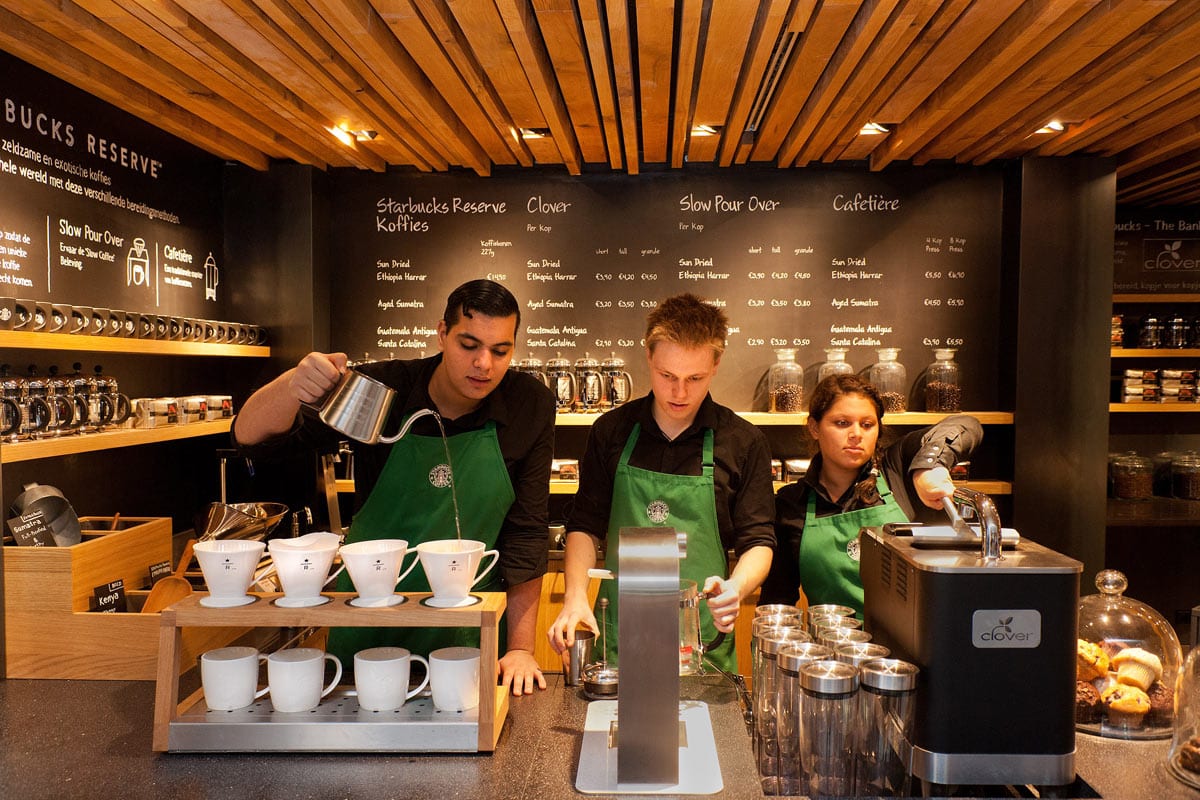
    Domestic chains are competing well against international brands including coffee giant Starbucks, which has opened 24 outlets across Vietnam since its debut in the country four years ago.

    Not long after Starbucks entered Ho Chi Minh City, the country’s southern business hub where people drink coffee from sunrise to sundown, local chain Phuc Long stepped up its game and presented a direct challenge to the global giant.

    At a main intersection at the heart of the city, a Starbucks shop is under fierce competition from two Phuc Long stores just a few steps away.

    Phuc Long has shown a determined attempt to take on international brands like Starbucks by building up its presence in busy downtown areas across Ho Chi Minh City that are densely crowded with office buildings and shopping malls.

    Where there’s a Starbucks outlet, there’s a Phuc Long store to draw in those who otherwise would be Starbucks clients, mostly upper- middle class consumers willing to pay a few extra bucks for a cup of premium-branded coffee.

    “We are not overwhelmed by international brands as we have targeted young consumers who enjoy international products at reasonable prices,” said a Phuc Long executive.

    Phuc Long is definitely not the only local coffee chain going head-to-head with foreign players.

    A survey conducted by Financial Times Confidential Research of 1,000 consumers in each of the five biggest economies in Southeast Asia found that Vietnam was the only country where Starbucks was not as frequently visited by local coffee lovers as local brands Trung Nguyen and Highlands Coffee.

    There remains far more growth potential, with more homegrown chains entering the market.

    Saigon Café opened its first shop in July last year. Since then the domestic chain has reportedly invested about $50 billion ($2.2 million), excluding rental costs, in 10 outlets across the city.

    “Despite increasingly fierce rivalry from international brands, we started generating a net profit not long after our first store opened,” said a Saigon Café executive. “Currently, each outlet is reporting monthly revenues of VND1.5 billion on average. Our estimate is that net profit can range between 20 and 25 percent.”

    Despite the fact international coffee chains such as Starbucks and The Coffee Bean & Tea Leaf have been well received in the Southeast Asian country, there has been a surge in the establishment of homegrown brands.

    On one hand, local coffee chains are confident that locals will stick to the strong taste of Vietnamese coffee. On the other, they have been responsive to the demands of a growing upper-middle class urban population who are more interested in sampling the ambiance of the store than the taste of coffee.

    According to Euromonitor International, a U.K.-based market research organization, annual growth of coffee franchises in Vietnam is currently standing at 7 percent.

  • Vietnamese franchise market in early stage of development

    Vietnamese franchise market in early stage of development

    The 2015 report of the International Franchise Association showed that the total value of franchise contracts in 2014 was $3.8 trillion. Of this, the contracts in the US made up $2.4 trillion and only $600 billion was from Asia. However, the future will belong to the continent.

    Asian countries have made heavy investments to franchise their brands in other countries. The Malaysian government runs a $2 billion program to support its businesses to franchise their brands.

    Meanwhile, in Vietnam, the franchise industry is still underdeveloped.

    At an international trade fair on retail and franchising held in Vietnam in June 2016, Sean Ngo, director of VF Franchise Consulting, which specializes in giving advice to foreign companies to franchise their brands to Vietnamese partners, said only 144 foreign brands have been franchised in Vietnam so far.

    A survey conducted by Euromonitor showed that in 2015, every household in Vietnam spent less than $4,000, the spending level which is just above Myanmar among 10 ASEAN countries. Meanwhile, the average spending of one family in Singapore was $73,704.According to Nguyen Phi Van, the founder of World Franchise Associates in South East Asia, international brands in Vietnam are still ‘sowing’, and cannot ‘harvest’ because the market is too small.

    Vietnamese brands are just beginning trial franchising in the domestic market. Van commented that if they don’t have good consultants, they will have to learn for three to five years to become experienced in franchising.

    In fact, there are many food and retail chains run by Vietnamese, but they just run their own chains, while there are few franchised chains.

    Meanwhile, of the top 10 leading food chains globally, only two brands – Starbucks and Darden – own more than 50 percent of their branches.

    In 2008, Burger King owned 12 percent of branches bearing Burger King brand, but the figure fell to 0.4 percent in 2013. Subway doesn’t own any Subway shop.

    According to Van, most of the brands franchised will be in food, education and healthcare sectors. Vietnamese will mostly franchise food brands.

    However, Vietnamese traditional food brands franchised such as pho (noodles served with beef or chicken), banh mi (sandwich) and banh cuon (steamed rolled rice pancake) are not from Vietnam. Pho Hoa, for example, with 80 branches in seven countries, is from the US.

    Van thinks that after five years, when the spending level increases sharply and businesses have better knowledge about franchising, the Vietnamese franchise market will boom.

  • Massive Failure of KBANK before New Year

    Massive Failure of KBANK before New Year

    Kasikorn Bank says it is working to fix the complete outage of its services Friday before New Year, which comes just before a bank holiday.

    On a day many say they need access to their money the most, K-Bank’s ATMs as well as online and mobile banking systems have been offline since Friday morning and were still unavailable as of 5pm.

    The bank has yet state the cause of the error, but responded to complaints on its Facebook page and Twitter account it was trying to solve the problem.

    The bank said it could not provide the specific time its website and application services would be working again.

    K-Bank’s mobile system was also disrupted briefly Thursday evening.

  • FedEx Trade Networks expands in Malaysia

    FedEx Trade Networks expands in Malaysia

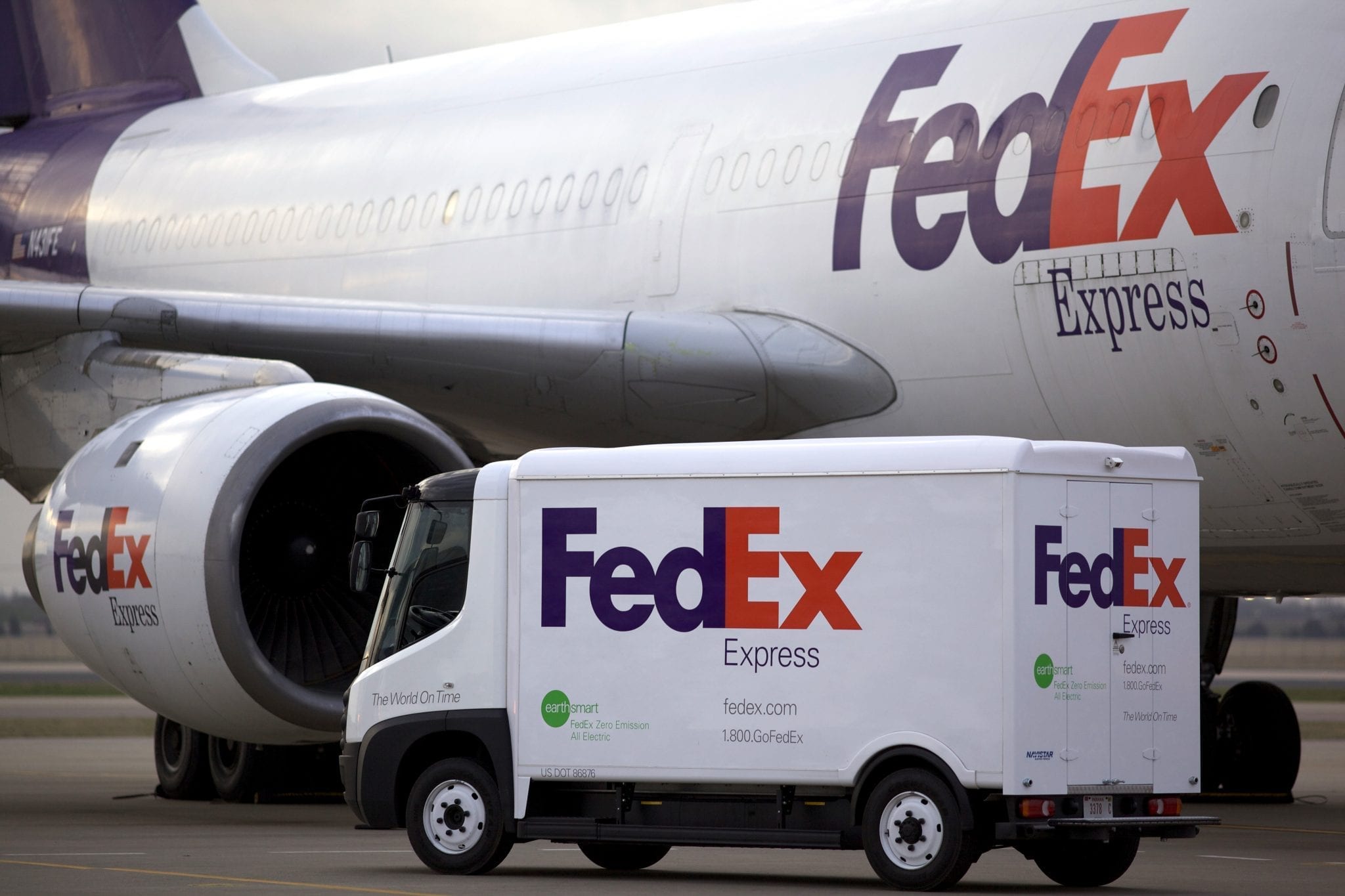
    FedEx Trade Networks, a premier international freight forwarder, announced the opening of a new office in Malaysia. Based in Penang, the additional facility highlights the continued expansion of FedEx Trade Networks to meet the growing market demand.

    “With our network stretching into Malaysia, we are well positioned to proactively respond to customer needs and support them in simplifying the complexities of international shipping,” said Udo Lange, executive vice president and COO, FedEx Trade Networks.

    The new FedEx Trade Networks office is strategically located in Penang’s central business district, with close proximity to the airport and the seaport as well as the city’s key infrastructure facilities. FedEx Trade Networks offers a comprehensive portfolio of services, covering e-commerce, international air and ocean freight forwarding, surface transportation (domestic and cross-border), customs brokerage, trade and customs advisory services as well as other value-added services, including My Global Trade Data, the company’s online suite of information management tools.

    “The world requires a new type of freight forwarder that understands how to turn global logistics into strategic advantages,” said Lange. “FedEx Trade Networks makes the complexities of global shipping simple, striving to provide customers with unparalleled supply chain visibility and logistics transparency to help move their businesses forward.”

    Penang is one of the most urbanised and industrialised states in Malaysia with a high concentration of key industries and sectors, including high tech, electronics and electrical products, industrial goods as well as aerospace, retail and e-commerce. Home to multinationals as well as small and medium enterprises, the city is one of the leading industrial sectors in the world.

  • Aeroports de Paris to hold 20 percent of Vietnam’s sole airport company

    Aeroports de Paris to hold 20 percent of Vietnam’s sole airport company

    Airport Corporation of Vietnam (ACV), which manages the 22 airports across the country is basically done negotiating the sale of a 20 per cent stake to Aeroports de Paris (ADP). According to a source of VIR, the two companies are on their way to sign the sales agreement by the end of this month, ending nearly one year of negotiations.

    The Ministry of Transport (MoT) in principle agreed to ADP becoming the sole strategic shareholder, holding at most 20 per cent of ACV. ADP will let ACV decide the price of services not related to air transport

    on the basis that ACV will keep rental prices at airports and necessary services within the limit prescribed by the government. In addition, the prices of the services will have to be publicised by ACV.

    The negotiations started in January 2016. ADP was the first investor to approach ACV after the prime minister approved the equitisation plan of ACV.

    At the moment, there is little information on the price, but earlier ADP sought to buy ACV shares at the minimum auction price  in ACV’s initial public offering, which is VND13,100 ($0.58). At this price, ACV

    expects to collect between VND2.8 trillion ($125.5 million) and VND3 trillion ($134.5 million) from the sale.

    ACV reported a revenue of VND14.5 trillion ($650 million) in 2016, up 25 per cent on-year, and a pre-tax profit of VND4.075 trillion ($182.7 million). The shares of the company, currently listed on the UPCom

    platform, closed at VND48,700 ($2.2) on January 16.

    According to ACV’s prime minister-approved equitisation plan, the government is going to hold 75 per cent of ACV, a strategic investor 20 per cent, and other investors the rest.

  • China, Europe drive shift to electric cars

    China, Europe drive shift to electric cars

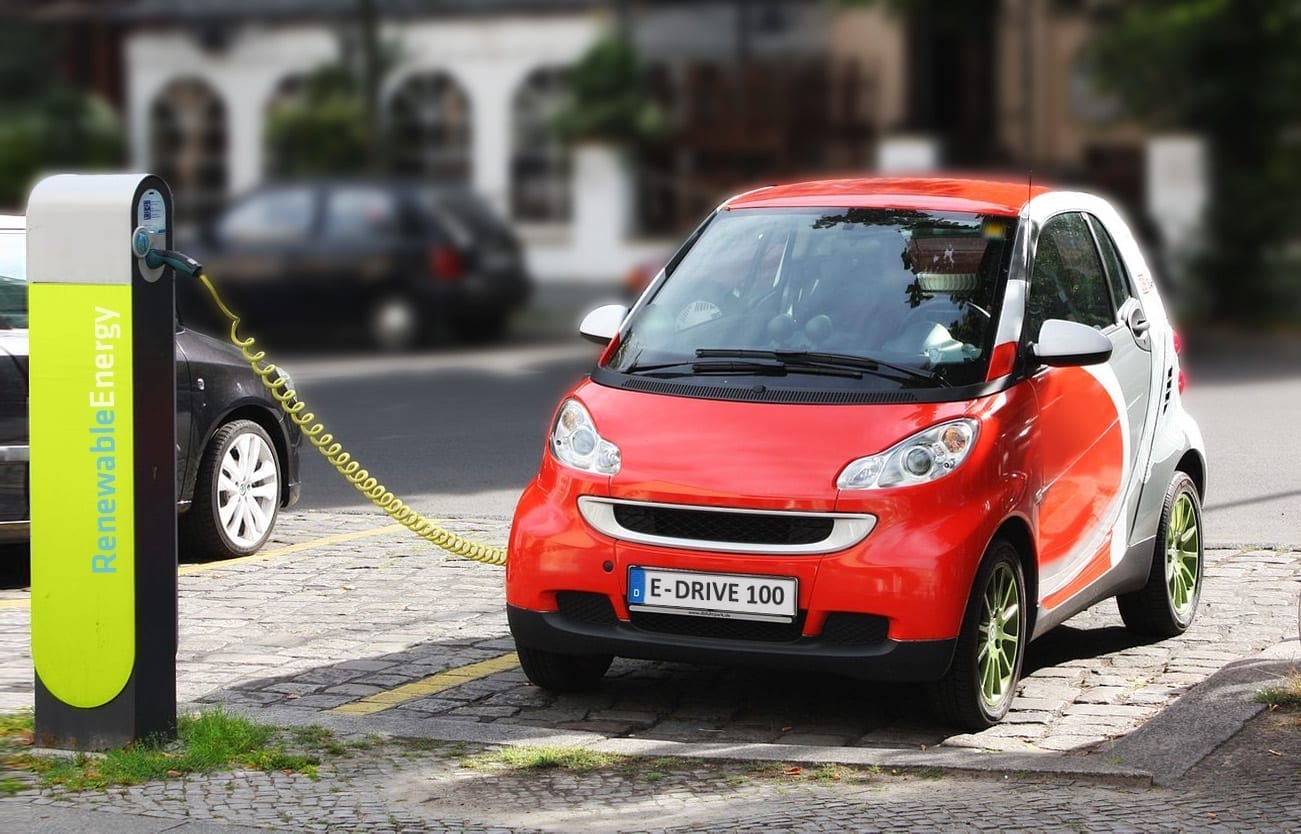
    Electric cars will pick up critical momentum in 2017, many in the auto industry believe – just not in North America.

    Tighter emissions rules in China and Europe leave global carmakers and some consumers with little choice but to embrace plug-in vehicles, fuelling an investment surge, said industry executives gathered in Detroit this past week for the city’s annual auto show.

    “Car electrification is an irreversible trend,” said Jacques Aschenbroich, chief executive of auto supplier Valeo, which has expanded sales by 50 percent in five years with a focus on electric, hybrid, connected and self-driving cars.

    In Europe, green cars benefit increasingly from subsidies, tax breaks and other perks, while combustion engines face mounting penalties including driving and parking restrictions.

    China, struggling with catastrophic pollution levels in major cities, is aggressively pushing plug-in vehicles. Its carrot-and-stick approach combines tens of billions in investment and research funding with subsidies, and regulations designed to discourage driving fossil-fueled cars in big cities.

    The road ahead for electric vehicles (EVs) in the United States, however, could have more hairpin curves.

    Regulators in California and a group of other U.S. states are pushing ahead with state-level rules mandating rising quotas for electric, or “zero emission” vehicles.

    But plug-in registrations in the United States fell in 2015, and the market share of electric-only vehicles declined further to 0.37 percent in 2016, as cheap fuel drove demand for gas-guzzling sport utility vehicles and pickup trucks.

    President-elect Donald Trump has pledged to roll back environmental and climate rules. Groups representing established automakers asked Trump to review Obama administration fuel economy targets out to 2025, even before the outgoing administration formally signed them into effect on Friday.

    Automakers have also asked Trump to work toward a single, national set of rules to govern automotive greenhouse gas emissions, a move that could spark legal challenges to electric car quotas in California and other states on grounds they present a separate standard.

    “THE WORLD IS GOING ELECTRIC”

    Still, industry executives in Detroit said hitting the brakes on electric vehicles in the United States would not relieve the pressure to bring them to market, because China and Europe are forging ahead with policies to expand sales of plug-in cars.

    That is why Ford (F.N) is moving forward with previously announced plans to invest $4.5 billion for plug-in vehicles by 2020, Chief Executive Mark Fields said earlier this month.

    “The industry is changing, the infrastructure’s starting to build, and that’s why our view is (that) within the next 15 years we’ll see more electrified offerings … than we’ll see gasoline-powered,” Fields said as he unveiled a $700 million plan to build a battery SUV and other plug-in vehicles in Flat Rock, Michigan.

    To drive the shift to electric, industry executives said they needed more help from governments. In China, Europe and the United States, automakers are advocating new infrastructure money go to public electric car charging networks.

    In the United States, EV manufacturers are pushing for the continuation of a $7,500 federal tax subsidy for consumers who buy a fully electric car. Even if Trump were to try to eliminate it, it would take time as Congress would have to act.

    “There is not a disagreement that the world is going electric,” California Air Resources Board Chair Mary Nichols said on the sidelines of the auto show, noting that all vehicle makers were now investing in electric models across their entire product lines. The debate, she said, was “over timing, not the goal.”

    The Chinese electric car market cast its shadow over the Detroit auto show, where manufacturers showed off plug-in hybrid and electric models that will likely do scant business in the United States.

    IHS Automotive predicts Chinese plug-in deliveries will hit 1 million in 2019, four years before the United States. China pulled ahead in 2015 with a fourfold sales surge before adding 55 percent last year to 348,000 vehicles, with the United States at 138,000.

    “Look to China rather than the U.S. for the future of electric cars,” Gerard Detourbet, a Renault-Nissan executive leading low-cost plug-in development, said recently. “China is compelled to act – that’s the main difference.”

  • AirAsia increasing flights for Chinese New Year

    AirAsia increasing flights for Chinese New Year

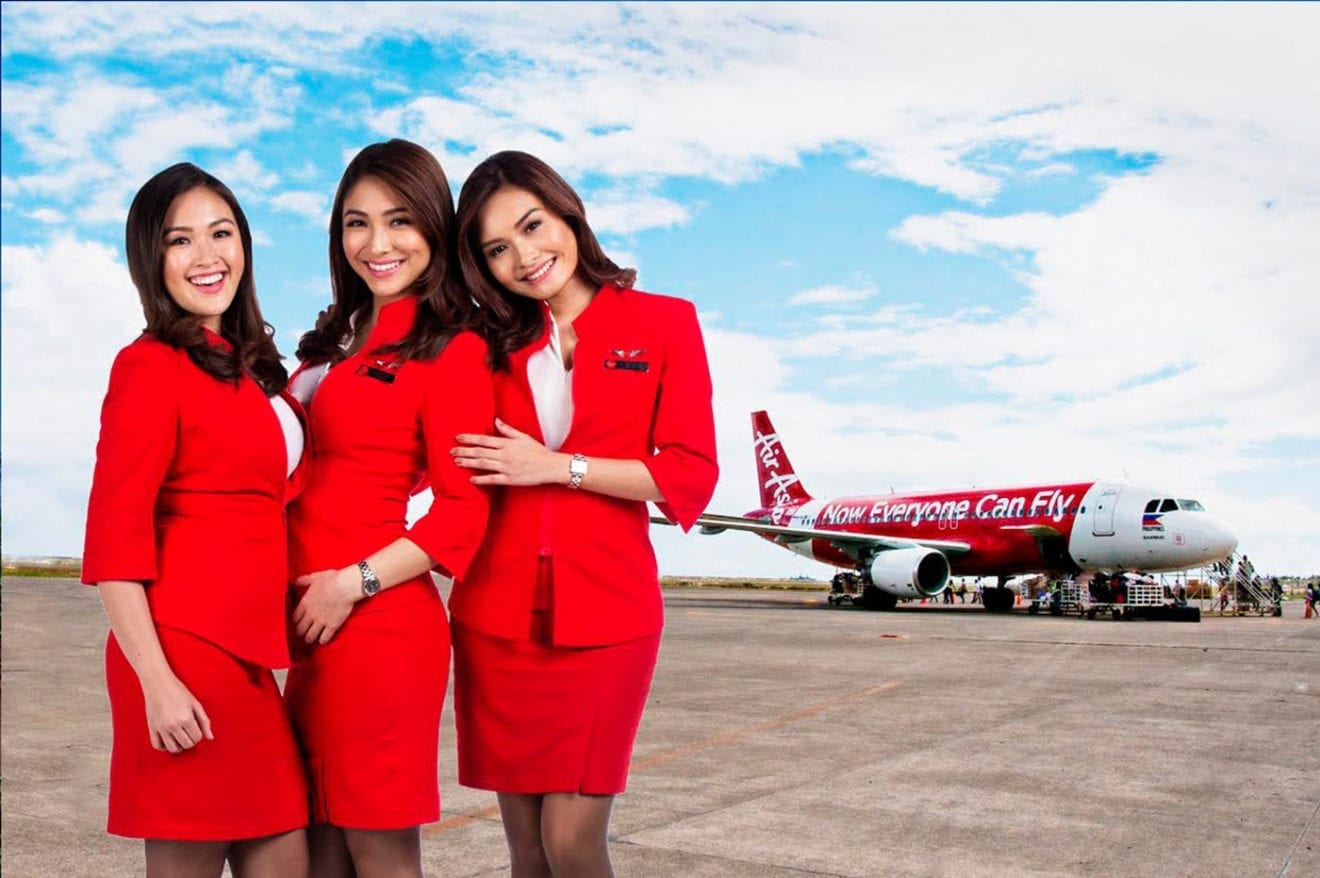
    AirAsia is increasing its flights for the Chinese New Year (CNY) period, offering 84 additional domestic and international trips. In a statement here yesterday, its Head of Commercial, Spencer Lee, said CNY has always been one of the busiest periods for the company as guests would travel back home or go for a short getaway during the long weekend.

    “As part of the airline’s festive promotions to welcome the Year of the Rooster, we have launched ‘#AyamComing’ campaign, offering all-in-fares from as low as RM29 (one-way), festive inflight meals and online pre-booking discounts at its duty-free shop,” he said.

    He said the special low fares would be available for booking starting from today until Jan 22, for travel up to July 31, 2017.

    “Aside from adding more flights to meet the demands, we want our guests to enjoy the exceptional connectivity of our flights,” he said.

    Lee said AirAsia X, the company’s long-haul affiliate, introduced 12 new routes last year, nine of which were exclusively operated by AirAsia and AirAsia X.

    As part of the promotion, Big Duty Free, AirAsia’s online duty-free shop, is offering 38 per cent discounts on all items from now until Feb 12, he said.

    “Guests can also spend and earn eight times AirAsia BIG points (loyalty programme) when they shop online,” he said.

  • South Korean prosecutors on the hunt for Samsung heir

    South Korean prosecutors on the hunt for Samsung heir

    The Samsung heir is accused of spending corporate funds on under-the-table deals. South Korean prosecutors on Monday sought the arrest of the heir to giant conglomerate Samsung for bribery in connection with a political scandal that has seen President Park Geun-Hye impeached.

    Samsung, the world’s largest smartphone maker, is already reeling from the international debacle over its Galaxy Note 7, which was recalled after some devices caught fire.

    In a statement, prosecutors investigating the political scandal said they asked a Seoul court to issue an arrest warrant for Lee Jae-Yong, the son of the Samsung group chairman Lee Kun-Hee.

    Samsung — the South’s biggest business group by revenue, which is equivalent to a fifth of the country’s GDP — has dozens of units including flagship Samsung Electronics.

    Lee’s arrest could have an “important” impact on the South Korean economy, a spokesman for the prosecutors acknowledged. “But we believe that achieving justice is more important,” he told reporters.

    The scandal centers on Park’s secret confidante Choi Soon-Sil, who is accused of using her ties with the president to coerce top local firms into “donating” nearly $70 million to dubious non-profit foundations which Choi then used as her personal ATMs, in exchange for political favors.

    Samsung is the single biggest contributor to the foundations and separately paid Choi millions of euros, allegedly to bankroll her daughter’s equestrian training in Germany.

    Lee, 48, is the vice chairman of Samsung Electronics and is accused of approving decisions to pay Choi large sums of money in a bid to win political favours.

    Samsung’s bribes totaled 43 billion won ($36.4 million), the prosecution spokesman said, adding Lee was also accused of embezzlement for spending corporate funds for bribery.

    In addition, he faces charges of perjury after he told a parliamentary hearing that he did not seek any preferential treatment in return for donations.

    The Seoul Central District Court said it would rule on the prosecutors’ request on Wednesday. If it approves the move, Lee — who was questioned by prosecutors for a marathon 22-hour session last week — will be the first senior executive arrested in connection with the scandal.

    In a statement Samsung said the prosecutors’ decision to seek his arrest was “hard to understand”.

    “There was no support that sought something in return,” it said. “We believe that a court will make a good judgment on this.”

    ‘Personal matters’

    Prosecutors are in particular probing whether Samsung’s donations and payment to Choi were aimed at securing government approval for a controversial deal it sought in 2015.

    The merger of two Samsung units, textile manufacturer Cheil Industries and construction arm Samsung C&T, was seen as a key step towards ensuring a smooth third-generation power transfer to Lee.

    The deal was opposed by many investors who said it willfully undervalued Samsung C&T’s shares. But the National Pension Service, a major Samsung shareholder, approved the transaction, which eventually went through.

    A former welfare minister, Moon Hyung-Pyo, who oversaw the operations of the pension fund at the time, was formally charged Monday with abuse of power for pressuring its managers to approve the merger.

    Park, accused of colluding with Choi to extract money from the firms and letting the friend meddle in a wide range of state affairs, was impeached by parliament last month.

    South Korea’s constitutional court is deciding whether to uphold the impeachment. If it does, Park will immediately lose her executive immunity from prosecution and an election to pick her successor will be held within 60 days.

    Both women have denied any wrongdoing.

    Choi, who is currently on trial for coercion and abuse of power, appeared at the Constitutional Court proceedings for the first time on Monday.

    She admitted visiting the presidential Blue House several times to help Park handle “personal matters” and had shared an e-mail account with a senior presidential aide to edit some of Park’s official speeches. But she denied seeking any financial favours using her presidential connections.

  • Vietnam’s Mobile World plans 300 grocery stores

    Vietnam’s Mobile World plans 300 grocery stores

    Vietnam’s Mobile World – the electronics retailer – says it plans to open 300 more grocery stores under the Bach Hoa Xanh banner this year.

    The convenience store chain targets time-poor Vietnamese housewives who prefer small stores to crowded supermarkets or hypermarkets.

    bach-hoa-xanh-inside

    With 50 stores in Ho Chi Minh City’s Binh Tan district alone, Bach Hoa Xanh stores each achieve more than VND1 billion (US$44,300) in monthly sales, prompting the rapid expansion strategy.

    Nguyen Duc Tai, chairman of Mobile World, expects Bach Hoa Xanh stores to replace wet markets and become the leading player of this grocery sector, a market worth an estimated $60 billion annually.

    Mobile World Is Vietnam’s third-largest retailer, behind only supermarket Coop Mart and hypermarket chain Big C.

  • Telstra debuts assured availability on two APAC links

    Telstra debuts assured availability on two APAC links

    Australia’s Telstra will introduce assured availability on two of Asia-Pacific’s busiest subsea cable routes,  Hong Kong to Singapore and Japan to Hong Kong.

    The company announced its new Always On service guarantee at the Pacific Telecommunications Council (PTC) conference in Hawaii on Monday.

    Telstra will use its significant APAC cable network to guarantee connectivity in the event of a cable cut or damage due to natural disasters. Telstra’s subsea cable network accounts for up to 30% of active intra-regional capacity in Asia-Pacific.

    Customers will be guaranteed connectivity for their subscribed bandwidth over one primary path and two protection paths through different cable systems along the same routes.

    Telstra’s executive director of global sales Ellie Sweeney said subsea cable damage can take weeks – or in extreme cases months – to fix.

    “With Telstra’s Always On service guarantee, customers will be rerouted to a protection path within a matter of hours initially and with automation we expect to bring this down to a few minutes in the future,” she said.

    “Connectivity is vital to the modern economy, with many consumers and businesses now relying on being able to connect anywhere at any time. Meeting customers’ expectations can be difficult when it comes to international connectivity, with cables at risk of service disruptions due to cable cuts caused by boats, earthquakes and typhoons.”

  • Banks post higher performance for 2016

    Banks post higher performance for 2016

    Several commercial banks have in the early days of 2017 posted positive business performance for 2016, with profits much higher than the previous year.

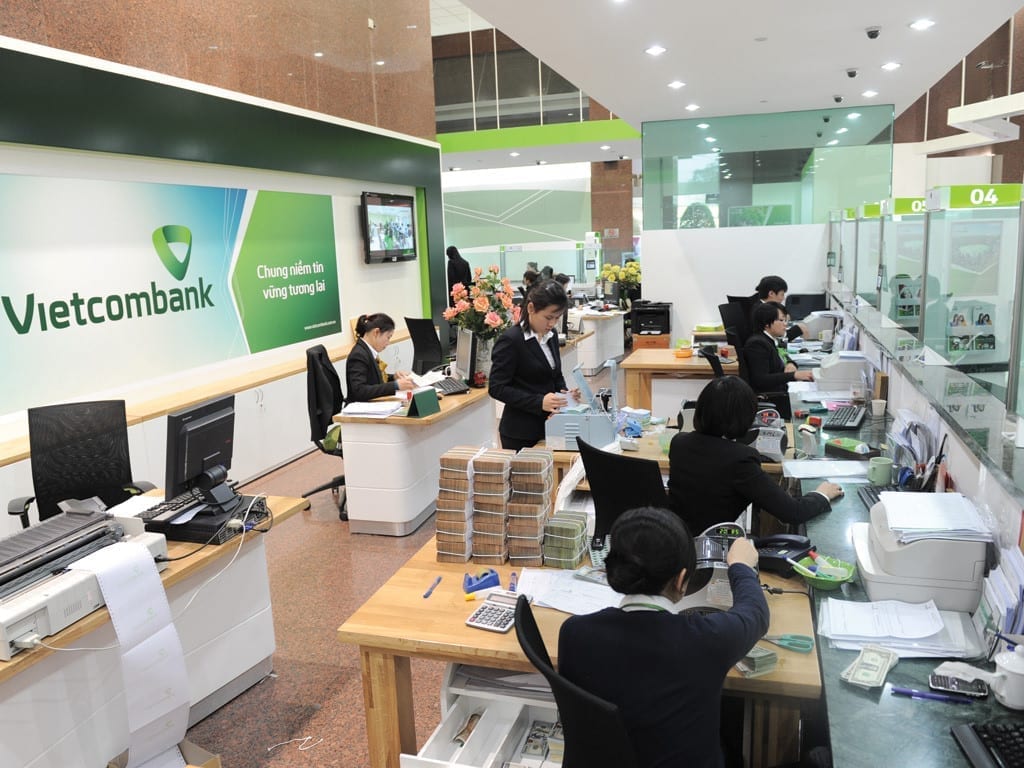
    The Bank for Foreign Trade of Vietnam (Vietcombank) was the first bank to report pre-tax profit in 2016, which hit a record high of 8.2 trillion VND (362 million USD). Its profit surged by 23.4 percent against 2015 and also exceeded the bank’s target for the year by 2.7 percent.

    In 2016, Vietcombank mobilised nearly 600 trillion VND from its depositors, up 19.4 percent from the previous year, while lending an estimated 470 trillion VND, up 18.9 percent.

    Vietcombank Chairman Nghiem Xuan Thanh said in 2016 the bank brought its rate of non-performing loans (NPLs) to 1.44 percent, down four basis points compared with the end of 2015.

    The bank’s capital adequacy ratio, which measures its capital to its risk, was 10.29 percent, higher than the minimum of 9 percent set by the State Bank of Vietnam.

    On solid ground in 2016, Vietcombank has targeted a pre-profit figure of 9.2 trillion VND in 2017, 12 percent higher than last year.

    The bank also expects its total assets to rise by 11 percent in 2017, while it has forecast that its credit growth and capital mobilisation will be 18 percent and 15 percent, respectively. The bank aims to keep its NPLs under 1.5 percent.

    The Vietnam Joint Stock Commercial Bank for Industry and Trade (Vietinbank) also reported a high profit of 8.25 trillion VND in 2016, 4 percent higher than the plan set by the bank’s general meeting of shareholders.

    Nguyen Van Thang, Vietinbank Chairman, said that as of December 31, 2016, the bank’s total merged assets were estimated at 947 trillion VND, up 22 percent from the previous year; while total mobilised capital reached 862 trillion VND, up 21 percent.

    Also in 2016, the bank’s total outstanding loans posted 720 trillion VND, a year-on-year rise of 18 percent, fulfilling the set target. Credit structure witnessed positive transfer with credit for prioritised industries growing 22.4 percent, higher than the common credit growth of the whole system.

    By the end of 2016, the bank continued to effectively manage the quality of assets with bad debt ratio of less than 1 percent.

    Le Duc Tho, General Director of Vietinbank, said in 2017, the bank set a target of a 15-17 percent rise in total assets and an 18 percent increase in outstanding credit.

    In addition, it strives to control the quality of debts, manage the bad debt ratio and ensure profit growth to achieve or exceed the year’s plan set by the general meeting of shareholders.

    The Bank for Investment and Development of Vietnam (BIDV) also estimated a pre-tax profit of 7.5 trillion VND in 2016, a rise of 7 percent against the previous year despite its deduction for the risk provision fund being quite high. In the first nine months of 2016, BIDV spared nearly 7 trillion VND for the fund, jumping 80 percent year-on-year.

    Positive results of BIDV in 2016 came from optimistic credit growth. Its total loans reached over 935 trillion VND, in which 758 trillion VND was offered to economic institutions and individuals, up 17.85 percent compared with 2015, while its deposits totalled 939 trillion VND, up 20.45 percent. The bank could control its bad debt ratio to 1.47 percent of total outstanding loans over the past year.

    Meanwhile, many other banks also surpassed their 2016 pre-tax profit targets, such as ACB, VPBank, Techcombank and VIB.

  • Vinatex and Itochu sign strategic co-operation agreement

    Vinatex and Itochu sign strategic co-operation agreement

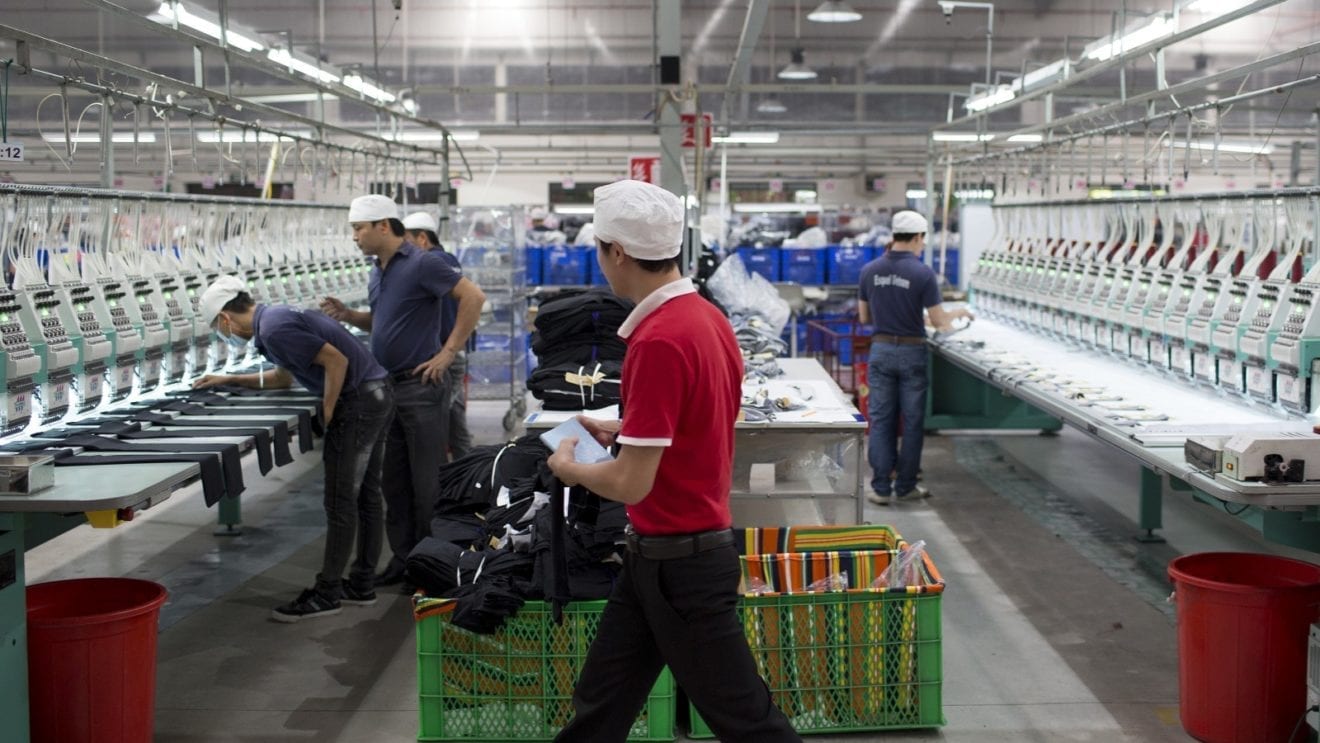
    Viet Nam Textile and Garment Group (Vinatex) on Monday signed a strategic co-operation agreement with Japanese firm Itochu, witnessed by PM Nguyen Xuan Phuc and his Japanese counterpart Shinzo Abe in Ha Noi.

    Itochu is expected to help Vinatex make a change in textiles and garment production and business method from Cut—Make—Trim to Free on Board, developing a sustainable retail distribution network to enjoy long-term benefits.

    Under the agreement, trading firm Itochu will assume the role of a consulting partner for Vinatex and its member companies in developing the textiles and garment supply chain from fibre to thread, fabric and sewing, retail distribution, co-operation and introducing domestic and foreign partners.

    Shuichi Koseki, senior managing executive officer, manager of CP·CITIC Strategy Office, president of Textile Company and representative director, said Viet Nam’s textiles and garment were an important part of Itochu, therefore it wanted to develop this area with Viet Nam, so that Vinatex could become its number one partner.

    In the near future, he said Itochu would boost co-operation between the two sides to develop textiles and garment products and supply them globally.

    Speaking at the signing ceremony, Le Tien Truong, general director of Vinatex, said the two sides would discuss in detail the co-operation plan and implement actions immediately to make a change in Vinatex’s textiles and garment production and business method from Cut—Make—Trim to Free on Board, developing a sustainable retail distribution network to enjoy long-term benefits.

    Itochu signed a framework agreement to support several projects in dyeing and materials production in Viet Nam, training in the country’s dyeing sector and utilising the capacity of Vinatex’s dyeing factories in the central region in 2015.

    At that time, Itochu owned five per cent stake in Vinatex through a subsidiary company.

    Itochu, one of the leading economic groups in Japan operating in various areas, including textiles and garment, has co-operated with some 100 textiles and garment companies of Viet Nam.

  • Singapore Airlines and Scoot take flight with ShopBack

    Singapore Airlines and Scoot take flight with ShopBack

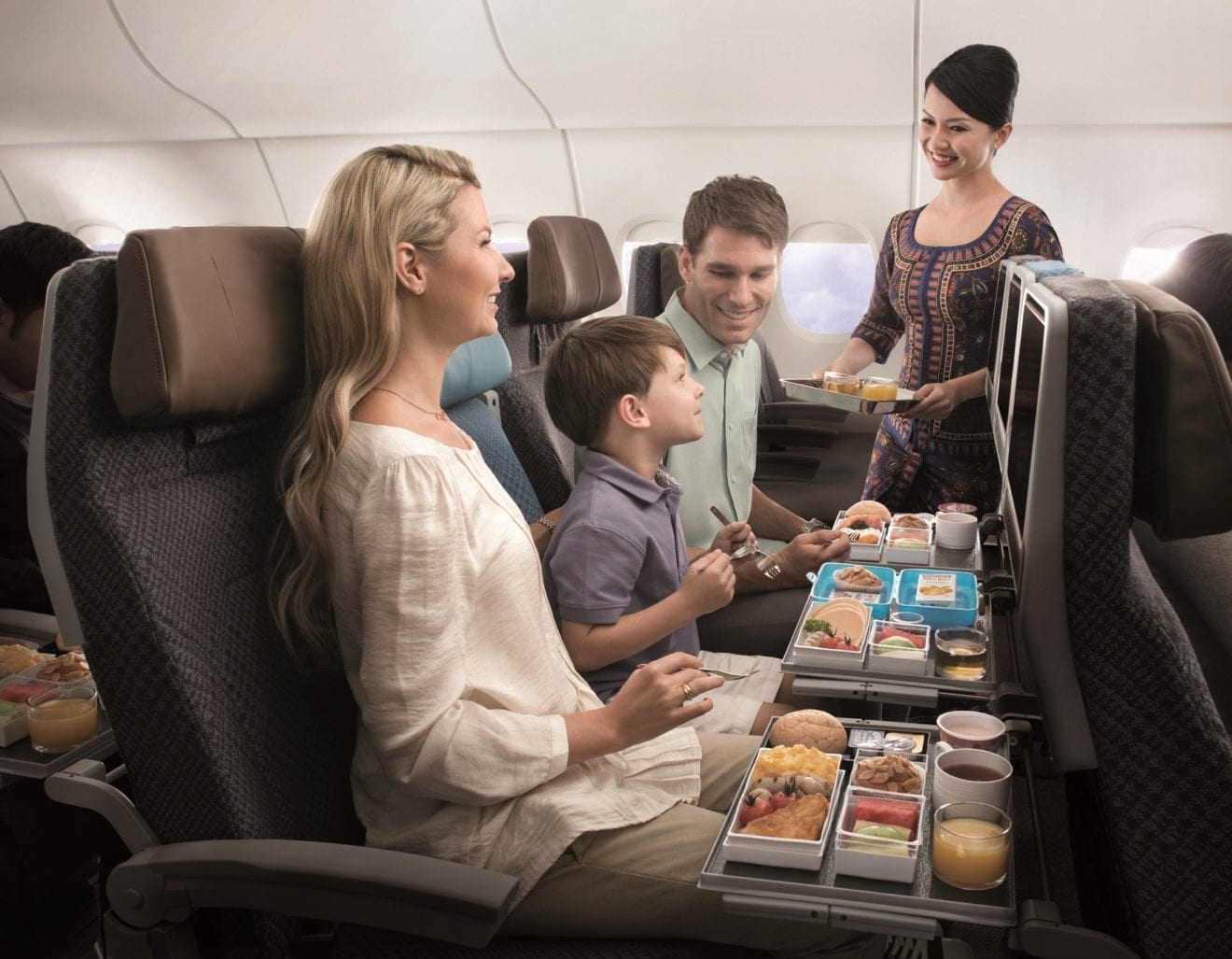
    Homegrown start-up ShopBack takes off the year with Singapore Airlines (SIA) and Scoot on board as its Flight vertical partners. The collaboration strengthens the runway for the smarter way to shop. All travellers can now access air tickets befitting their budget, elevated with Cashback from ShopBack all year round.

    The checking in of SIA and Scoot adds significant weight to ShopBack’s Flight vertical as it widens the runway of travel options for travellers, from first-class to budget.

    The start-up’s suite of top three world-class airlines (Source: Skytrax World Airline Awards) – Emirates, Qatar Airways and SIA – is now complete. With ShopBack, affluent travellers are empowered with a fuss-free way of spending and saving with poise.

    Scoot, the Best Low Cost Airline (Asia Pacific) as named by AirlineRatings.com for three consecutive years, is the first budget airline onboard. With ShopBack, cost-sensitive travellers are able to maximise the worth of their dollars with Cashback stacked atop credit card rebates and miles. 

    “For a two-year-old start-up, being able to have the chance to soar to greater heights with long established aviation partners might sound impossible,” said Mr. Joel Leong, Head of Merchants and Partnerships, ShopBack. “But with the belief that we can overcome disparity in company age and size with concrete data-backed results, our team pursued the golden ticket relentlessly and pushed boundaries to seal the deal for consumers.”

    Available on web, desktop and mobile (iOS and Android apps), ShopBack currently powers user’s online transactions with a stackable layer of savings in the form of Cashback, which translates to actual cash transferrable to either user’s bank or PayPal account.

    Consumers can enjoy 1.0% Cashback from ShopBack for their air tickets purchased from the SIA x VISA as well as Scoot site. For those who prefer to buy on the go, both airlines are also available on ShopBack mobile app.

    SIA and Scoot join ShopBack Singapore’s fleet of over 500 online retailers, including Uber, Cathay Cineplexes, Expedia, ASOS, Muji and more, to give consumers uplift in their savings through Cashback.

  • Huawei, Unicom complete FDD Massive MIMO field trial

    Huawei, Unicom complete FDD Massive MIMO field trial

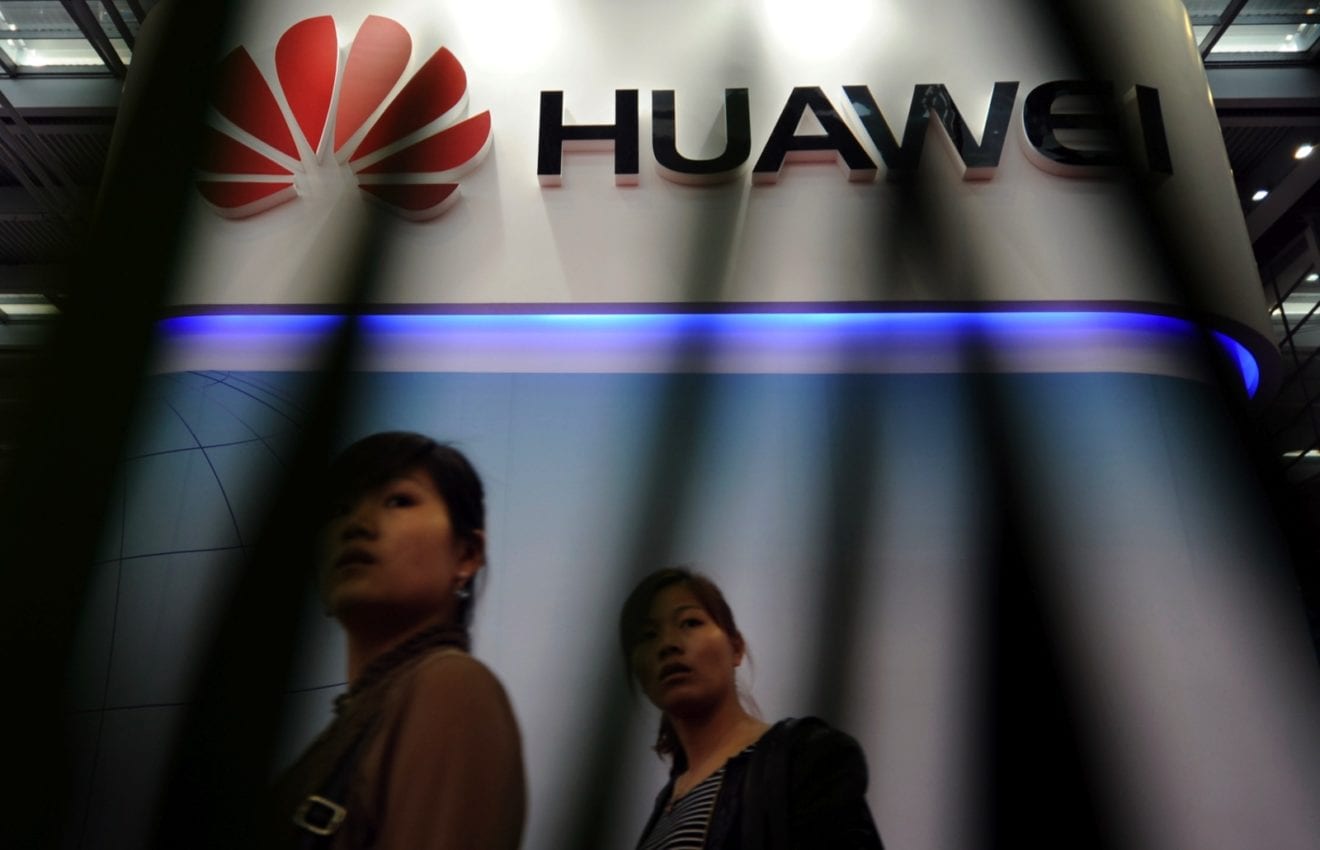
    Huawei and China Unicom have completed field verification of what they are billing as the industry’s first FDD-based Massive MIMO technology.

    The field test used the existing two-antenna receiving terminal on the 20MHz spectrum and an FDD LTE commercial terminal to achieve a peak network rate of 697.3Mbps, nearly five times that of traditional FDD LTE.

    Huawei said the joint test demonstrated that the average mobile phone rate grows up to 87Mbps, enough for the smooth streaming of 4K HD video.

    Massive MIMO architecture requires large-scale antenna array elements and RF transceiver channels. Huawei’s solution uses it AAU technology, which integrates RF and antenna elements. The technology also uses 3D user-level beamforming to improve coverage and reduce interference.

    Huawei president of FDD products Cao Ming said when end-user devices supporting the 3GPP Release 10, 13 and 16 protocols – which define eight, 16 and 32 port multi-antenna technology respectively – become available, the spectral efficiency of Massive MIMO will improve further.

    He said Huawei will continue to drive the development of the FDD LTE Massive MIMO industry chain.

    “Our goal is to bring considerable commercial value to operators through innovative technology,” he said.

    “This successful field verification between Huawei and China Unicom, once again demonstrated the innovative capability of Huawei’s 4.5G Evolution technology. Huawei’s Massive MIMO product has the ability to evolve to 5G to protect the operator’s investment in the coming 5G era.”

  • Ford recalls Kugas after cars burst into flames

    Ford recalls Kugas after cars burst into flames

    U.S. auto-maker Ford will recall 4,500 Kuga SUVs sold in South Africa after dozens of reports of the vehicles catching fire spontaneously, the head of the company’s South Africa unit said on Monday.

    In a joint statement with the National Consumer Commission (NCC), Ford’s Southern Africa President and chief executive Jeff Nemeth said the company could confirm 39 incidents of the cars catching fire.

    “We are not aware of any injuries that have resulted from our engine compartment fires,” Nemeth told a media briefing.

    He said early investigations revealed that fires in the Kuga 1.6 liter model, imported from Spain, were likely due to overheating caused by a lack of coolant circulation which could lead to a crack in the cylinder head and oil leaks.

    If oil reached a hot engine component it could catch fire, Nemeth said. Ford officials said at the briefing that hot weather in South Africa could be a contributing factor.

    The voluntary recall of the 4,500 cars is down from a previous estimate of 6,300, and will only affect Kuga models built between December 2012 and February 2014.

    Nemeth refused to reveal the cost of the recall to Ford, which will replace affected components on the cooling system, update software and conduct tests on cylinder heads.

    In October, the company’s North American arm recalled 400,000 units of the Ford Escape – the U.S. version of the Kuga – also due to engine problems.

    “A product that poses any risk to our consumers does not have a place in our market place,” NCC commissioner Ebrahim Mohamed said at the briefing.