Tag: asia

  • 200 Vietnamese firms in Samsung chain

    200 Vietnamese firms in Samsung chain

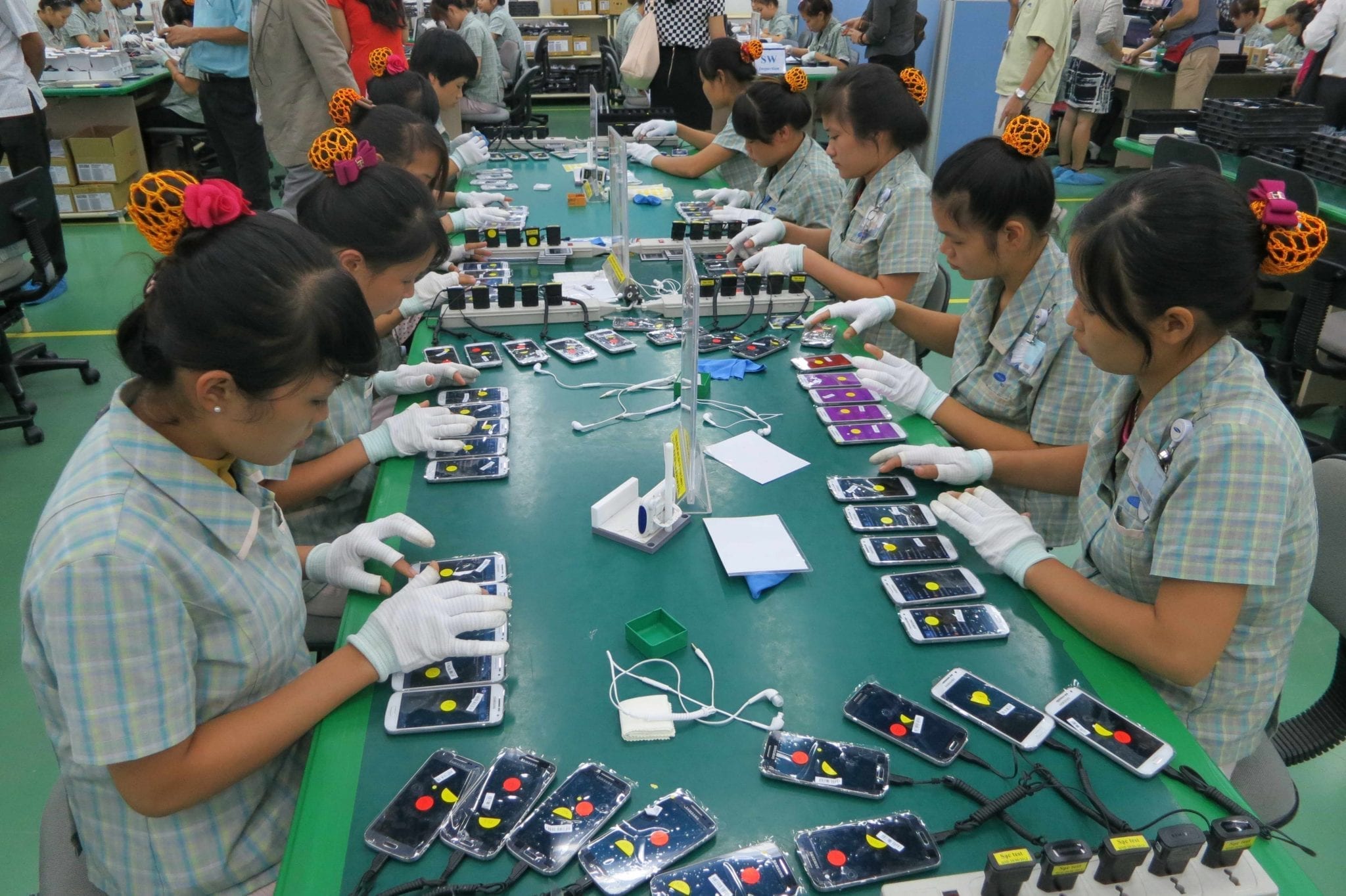
    Nearly 200 Vietnamese enterprises are participating in the component supply chain used by three Samsung plants in Việt Nam, including 20 tier-1 vendors and 178 tier-2 vendors.

    Also, Samsung plans to raise the number of level-1 suppliers in Việt Nam to 29 this year, said Han Myoungsup, President of Samsung Complex Việt Nam.

    Several local companies were able to join Samsung’s production chain, showing that Việt Nam’s support industry could be developed if domestic firms know how to take advantage of the opportunities provided by large enterprises.

    Samsung Việt Nam’s management board last week visited and surveyed the two companies, An Lập Plastic Co Ltd in Hà Nội’s Long Biên District and Việt Hưng Plastic Co Ltd in Hưng Yên Province. It also worked directly with three other suppliers, including PTE Company, Minh Nguyên Company and Việt Hưng Plastic Co Ltd in HCM City.

    This field survey is part of Samsung’s programme to provide experts to help Vietnamese vendors improve their capacity to join Samsung’s supply chain.

    “Samsung Việt Nam has also recorded a significant breakthrough in raising the localisation rate of products, from 35 per cent in 2014 to 51 per cent in 2016. This is a great contribution that helps made-in-Việt Nam products become popular worldwide,” Han said.

    Samsung’s five-vendor visit is part of the supporting programme of Samsung’s experts for Vietnamese businesses. Accordingly, Samsung’s experienced experts from South Korea have directly assisted the five enterprises in the past three months to improve their production process to assure they meet Samsung’s criteria. They are also five of 14 Vietnamese vendors who have received Samsung’s direct assistance since September 2015.

    This supporting programme has also confirmed a strong commitment of Samsung, in response to a call by the Government of Việt Nam, which is increasing the localisation rate and the presence of Vietnamese enterprises in Samsung’s component supply chain.

    “I do hope that, through Samsung’s supporting programme, Vietnamese enterprises could gain the knowledge and experience to enhance their capacities. Samsung believes that if a product can be localised, we will maximize its localised content,” Han added.

    Hoàng Anh Tuân, President of Việt Hưng Plastic Company, said their turnover has seen rapid growth since they have been supplying packaging to Samsung. Last year, their sales to Samsung accounted for half of their total VNĐ2 trillion (US$88.9 million) turnover.

    “Our largest advantage from Samsung’s supporting programme is the change in mindset. We commit to always learning and changing in order to apply experience from Samsung in the best way,” Tuân added.

    “Being suppliers to Samsung could be a quality measurement to help local firms easily participate into other value chains. We are also a packaging supplier to LG and Canon,” he noted.

    He emphasised that joining the supply chain for Samsung has been transparent and open to all businesses. Those seek to participate in the chain without sufficient capacity would be immediately removed.

    Trương Quang Khởi, An Lập’s director, said they have opportunities to modernise their company after joining the Samsung production chain.

    “We have received support from Samsung to upgrade our workshops, equipment and technology, as well as to learn effective management models,” he added.

    Samsung Electronics is one of the largest foreign investors in Việt Nam, with three manufacturing plants in Bắc Ninh (SEV), Thái Nguyên (SEVT) and HCM City (SEHC). With an export turnover of over $37 billion in 2016, Samsung Electronics in Việt Nam contributed 20 per cent to Việt Nam’s exports.

    This year, Samsung Electronics in Việt Nam has set a target of 7-10 per cent growth in export turnovers. Samsung aims to not only turn Việt Nam into the world’s smartphones and electronic appliance production base, but also create more opportunities for Vietnamese enterprises in the field of supporting industries to become involved in Samsung’s global supply chain.
  • Takata to pay $1 billion to settle U.S. air bag probe

    Takata to pay $1 billion to settle U.S. air bag probe

    Japan’s Takata is expected to plead guilty to criminal wrongdoing as early as Friday as part of a $1 billion settlement with the U.S. Justice Department over its handling of air bag ruptures linked to 16 deaths worldwide, sources said.

    The settlement includes a $25 million criminal fine, $125 million in victim compensation and $850 million to compensate automakers who have suffered losses from massive recalls, the sources said.

    The settlement also calls for an independent monitor of the Japanese auto parts manufacturer. It could help Takata win financial backing from an investor to potentially restructure and pay for massive liabilities from the world’s biggest auto safety recall.

    The company is poised to plead guilty to wire fraud, or providing false test data to U.S. regulators, according to the sources, who were not authorized to discuss the settlement publicly.

    In 2015, Takata admitted in a separate $70 million settlement with U.S. auto safety regulators that it was aware of a defect in its air bag inflators but did not issue a timely recall.

    It admitted it provided the regulator, the National Highway Traffic Safety Administration (NHTSA), with “selective, incomplete or inaccurate data” dating back at least six years and also provided automakers with selective, incomplete or inaccurate data.

    The wire fraud charge is expected to be filed in U.S. District Court in Detroit. The Justice Department is considering naming Ken Feinberg, a longtime compensation adviser, to oversee the Takata settlement funds. He declined to comment on Thursday.

    The settlement is expected to include restitution to some victims and automakers, who have been forced to recall vehicles with the defective inflators. Honda Motor Co (7267.T) and Takata have settled nearly all lawsuits filed in connection with fatal crashes. The recall impacts 19 automakers including Ford Motor Co (F.N), General Motors Co (GM.N), Toyota Motor Corp (7203.T), Volkswagen AG (VOWG_p.DE) Fiat Chrysler Automobiles NV (FCHA.MI).

    Takata spokesman Jared Levy declined to comment.

    Deaths linked to the company’s air bag inflators include 11 in the United States – nearly all in Honda vehicles. Regulators have said recalls would eventually affect about 42 million U.S. vehicles with nearly 70 million Takata air bag inflators, making this the largest safety recall in U.S. history.

    Takata is expected to agree to come up with the $1 billion within a year or when it secures a financial backer.

    Senators Richard Blumenthal of Connecticut and Edward Markey of Massachusetts backed a Takata deal but said in a joint statement they were “deeply concerned that the DOJ settlement appears to only target Takata Corporation and no executives.” The senators also said that if the company “files for bankruptcy, its new creditors, and not Takata, would be responsible for paying criminal fines on the company’s behalf.”

    Reuters reported in November Takata was considering a bankruptcy filing for its U.S. unit as the air bag maker looks for a sponsor to help pay for liabilities related to its faulty air bag inflators.

    The inflators can explode with excessive force, launching metal shrapnel at passengers in cars and trucks. Many of those killed were involved in low-speed crashes that they otherwise may have survived, including a 17-year-old high school senior in Texas killed last year. At least 184 people have been injured in the United States as well.

    In November 2015, Takata agreed to pay a $70 million fine for safety violations with U.S. auto safety regulators and could face deferred penalties of up to $130 million under a NHTSA settlement.

    The agency named a former U.S. Justice Department official to oversee the Takata recalls and the company’s compliance with the safety settlement.

    Last month, NHTSA said it would press the auto industry to accelerate the pace of replacements for defective Takata inflators and signaled a likely widening of the safety recall. Only about one third of the inflators recalled have been replaced, leaving more than 30 million to be fixed.

    In June, NHTSA warned that Takata air bag inflators on more than 300,000 unrepaired recalled Honda vehicles showed a substantial risk of rupturing, and urged owners to stop driving the “unsafe” cars pending a fix.

  • China Mobile to cooperate with Ericsson on IoT

    China Mobile to cooperate with Ericsson on IoT

    China Mobile and Ericsson have signed an agreement to cooperate on the Internet of Things as part of China Mobile’s Big Connectivity strategy.

    The companies signed a strategic collaboration agreement at the China Mobile Global Partner Conference in Guangzhou, China last month, and announced the development last week.

    As part of the agreement, China Mobile will use the Ericsson Device Connectivity Platform to streamline the provisioning process for IoT services and deploy services to capitalize on potential new business opportunities.

    The operator plans to use the platform to integrate resources from roaming partners and offer enterprise customers worldwide reliable connectivity based on service level agreements.

    “China Mobile expects to have 200 million IoT connections by 2017. We stick to the strategy of open cooperation with our partners for win-win results,” China Mobile EVP Yuejia Sha commented.

    “China Mobile strengthens the collaboration with global leading enterprises of advanced platform, application and intelligent hardware to drive the rapid development of our industry, and provides superior applications and services to our customers.”

    Ericsson said the Device Connectivity Platform has been adopted by more than two dozen operators since it launched in 2008, supporting 1,700 industry customers.

  • McDonald’s McMasala Breakfast Menu Options Meet ‘Meh’ Response in India

    McDonald’s McMasala Breakfast Menu Options Meet ‘Meh’ Response in India

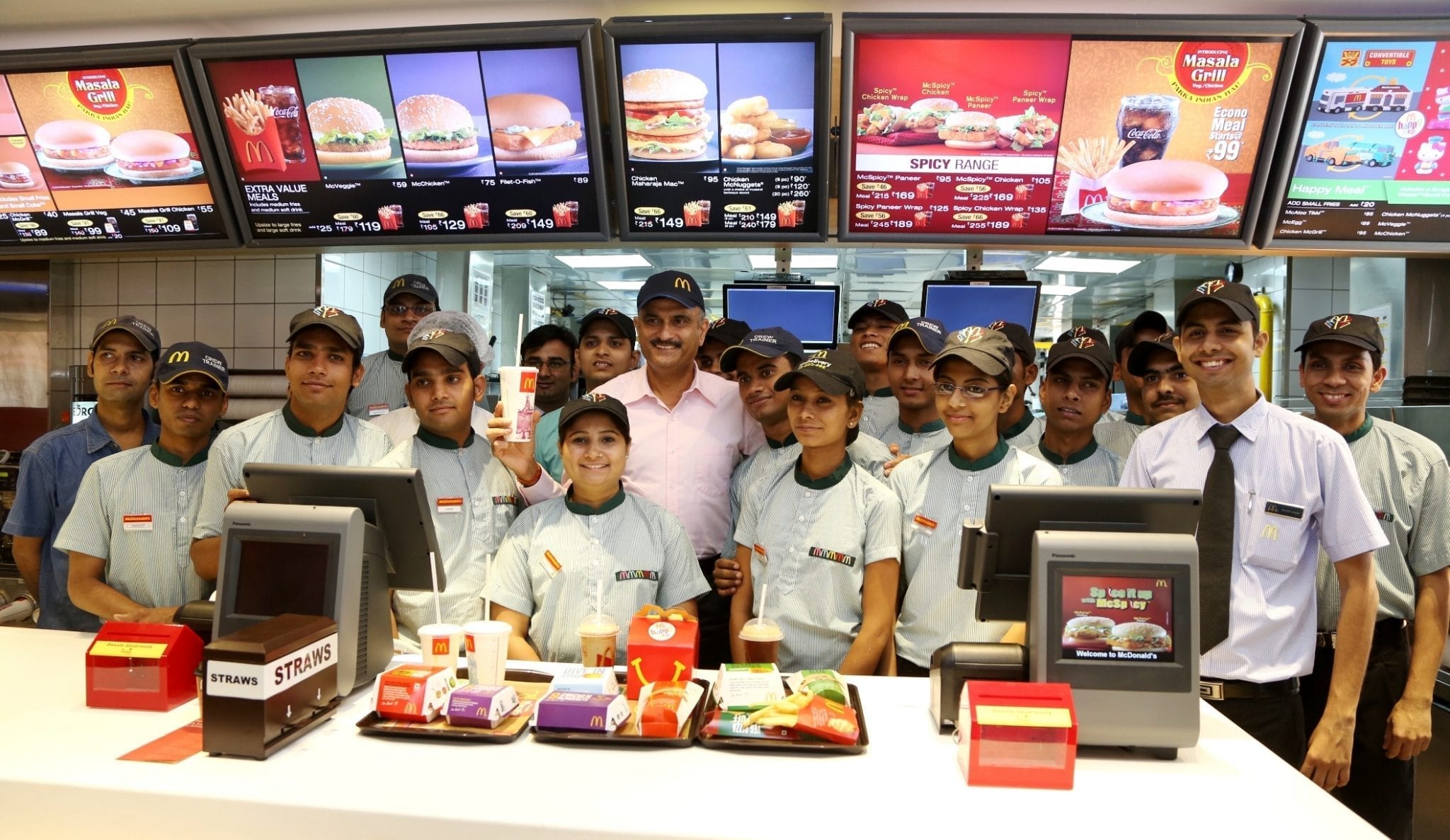
    McDonald’s India has added two new breakfast burgers, the “Masala Dosa Brioche” and “Masala Scrambled Eggs” burgers, to its product line-up to woo local customers amid rising competition from Domino’s and Burger King.

    The two new products will be served alongside more familiar fare such as vegetarian and non-vegetarian burgers, waffles, hotcakes and hash browns.
    The Masala Dosa Brioche burger features a grilled vegetable patty topped with molaga podi chili sauce, a flavor popular in the southern state of Tamil Nadu. The other burger features spiced scrambled eggs on a bun.

    The expanded menu has been rolled out across 44 restaurants, starting with Mumbai on January 13. Items on the McBreakfast menu cost between 30 rupees ($0.50) for a hash brown and 213 rupees ($3) for a meal.

    These items will also be served through McDelivery and takeaway kiosks. The menu will gradually be introduced across India.

    “Breakfast convenience on the go will increase as more people enter the segment. As a western quick service restaurant, we are going to grow the Indian breakfast market dramatically,” Amit Jatia, vice-chairman of Westlife Development, which runs over 240 McDonald’s restaurants throughout western and southern India, told the media.

    McDonald’s first launched its breakfast menu in India back in 2010. Six years later, the fast-food chain is anticipating a good response from its fans. However, initial reactions to the “Masala Dosa Burger” were lukewarm on Twitter, as well as outside its restaurants in Delhi’s Connaught Place where the product has yet to be launched.

    ​A regular McDonald customer told Sputnik, “If I have to east Masala Dosa, why would I come to McDonald’s. I will go to one of those south Indian cuisine restaurants.” Yet another said, “it is worth trying but it is not exactly a masala dosa, which is served with coconut chutney and sambar (a curry).”

  • Easy Pass users can now top up with MasterCard via “easyBills”

    Easy Pass users can now top up with MasterCard via “easyBills”

    2C2P, Expressway Authority of Thailand (EXAT) and MasterCard have partnered to launch a new top-up channel for Electronic Toll Collection System for Easy Pass users in Thailand. Easy Pass users can now top up their cards easily with their MasterCard via easyBills’ mobile application or its website (www.easyBills.in.th), without having to pre-register their cards with the respective issuing banks. They will enjoy benefits including points accumulation upon card usage, extended due dates for payments made through the credit card, convenient storage of their favorite billers for repeat usage and checking their historical transactions, as well as the ability to set bill alerts on their calendar.  A thousand gift cards worth 500 baht each will be given away to the top 1,000 MasterCard cardholders who accumulate the highest Easy Pass top-up value via easyBills from now till 28 February 2017.

    Mr. Piyachart Ratanaprasartporn, Chief Executive Officer of 2C2P (Thailand) Co., Ltd., said:  “easyBills is an innovative payment service catered to digital users who are familiar with the online platform. The collaboration marks the first time that Easy Pass users can easily and conveniently top up their cards without cash, using their MasterCard without pre-registering with their banks, simply by downloading and using the easyBills mobile application on either iOS or Android, or by visiting easyBills’ website.

    easyBills helps consumers pay their bills easily, bringing convenience to everyone. It is equipped with special features that enable users to store their favorite billers for future usage, store their credit card details securely for future payments with 2C2P’s PCIDSS Level 1 certification and set biller alerts on their calendar to remind them of the payment due. Users will receive their payment confirmation via their emails,” Mr. Piyachart added. 

    Mr. Antonio Corro, Country Manager for Thailand & Myanmar, MasterCard, said, “MasterCard is very pleased to join our partners to increase convenience to our customers. They can now top up their Easy Pass card through the easyBills mobile application and website, with their MasterCard that is issued by all the banks in Thailand. They can be assured that all the online transactions are secure, while enjoying the privileges from using MasterCard. We believe this service will pave the way for Thailand to become a cashless society soon.”

    Mr.Narong Gieddech, Governor of Expressway Authority of Thailand (EXAT) said: “Since 2010 we have provided our service for the Electronic Toll Collection (ETC) system;  there are 1.3 million Easy Pass card users. We are excited to join hands with MasterCard and 2C2P who developed easyBills. easyBills’ application and website will be the 12th top-up channel for Easy Pass. This service will be bolstered by Thailand’s National e-Payment system, which the government is set to launch to transform Thailand into a cashless society.”

    easyBills “Pay Bill Easily…Get More Easier”, is developed by 2C2P in collaboration with MasterCard. Through this service, cardholders can pay utility bills, such as electricity, water supply, telephone, mobile phone top-up and e-wallet, as well as for insurance premium, online products, games, books and several other bills all in one app, anywhere anytime. Most importantly, security meets the international standard of 3D Secure.

    There will be a giveaway of a thousand Tesco Lotus gift cards worth 500 baht each. The prizes will be awarded to the top 1,000 MasterCard cardholders who accumulate the highest top-up value on their Easy Pass via easyBills from now until February 28, 2017.

  • PappaRich Malaysia considering IPO

    PappaRich Malaysia considering IPO

    Food chain PappaRich Malaysia is considering a Singapore IPO, possibly this year.

    Insiders say the company, which opened its first restaurant in Malaysia in 2006, aims to achieve a valuation of at least S$200 million (US$140 million) in the share sale.

    PappaRich would follow other Southeast Asia-based restaurant chains including ABR Holdings, which runs Swensen’s ice cream parlours, and kopi tiam restaurant chain Oldtown in gaining a listing to fund expansion.

    paparich-logo


    A PappaRich representative says a listing has always been a consideration as the company considers fundraising options to support its expansion plans.

    Oldtown, which makes instant coffee and runs cafes, has risen 18 per cent in Kuala Lumpur trading over the past 12 months, and shares of Thai dessert chain After You, which raised US$21 million in a Bangkok IPO last month, have surged 167 per cent from their offer price.

    More than a million customers dine at the PappaRich outlets monthly, according to its website. The company has about 100 outlets globally including Australia, China, New Zealand, Singapore and the US.

  • Cebu Pacific collects donation for sick children

    Cebu Pacific collects donation for sick children

    Low-cost airline Cebu Pacific strengthens its partnership with the United Nations Children’s Fund to reach millions of undernourished children in the country.

    The endeavor is a part of the global organization’s Change for Good program which accepts contributions from passengers on board flights of partner airlines.

    Proceeds contribute to the UN children’s agency’s First 1,000 Days campaign which provides optimal nutrition, from a mother’s pregnancy to a child’s second year of life.

    Since July 1, 2016, Cebu Pacific began accepting contributions of all currencies from passengers. The contributions are being used to fund nutritional supplements distributed to poor households with pregnant mothers or malnourished children. A portion of the funds also support barangay-level information drives on nutrition in Unicef’s focus areas in Northern Samar, Zamboanga and Maguindanao.

    “We are very pleased with how warmly our passengers are receiving the Change for Good Program. Thank you for sharing in our vision of a better future for our children and in Unicef’s advocacy of uplifting lives through the First 1,000 Days campaign,” says Cebu Pacific president and chief executive Lance Gokongwei.

    “Children have the right to survive and thrive. It is important for all of us to pitch in and lift each other up, so that every Filipino child grows up happy and healthy. Your continued support to UNICEF will help make this happen,” says Unicef Philippines representative Lotta Sylwander.

    Sylwander explains the transformative impact of these small acts of generosity. “The nutrition received by children from the womb to their second birthday is crucial for their physical and intellectual development. If these children are able to grow to their full extent, they perform better in school and eventually get better jobs as adults.” A healthy and productive workforce, Sylwander says, is key to nation-building.

    In the Philippines, around four million Filipino children are “stunted.” These children are undernourished, causing irreversible damage to their health, physical growth and brain development.

    The global program Change for Good targets these children by cashing in donations for life-saving materials and services for vulnerable children in more than 150 countries.

    Cebu Pacific has piloted the program in the East Asia and the Pacific region and focuses its collection efforts exclusively to Unicef Philippines’ First 1000 Days program.

  • M1, StarHub may share more mobile infrastructure

    M1, StarHub may share more mobile infrastructure

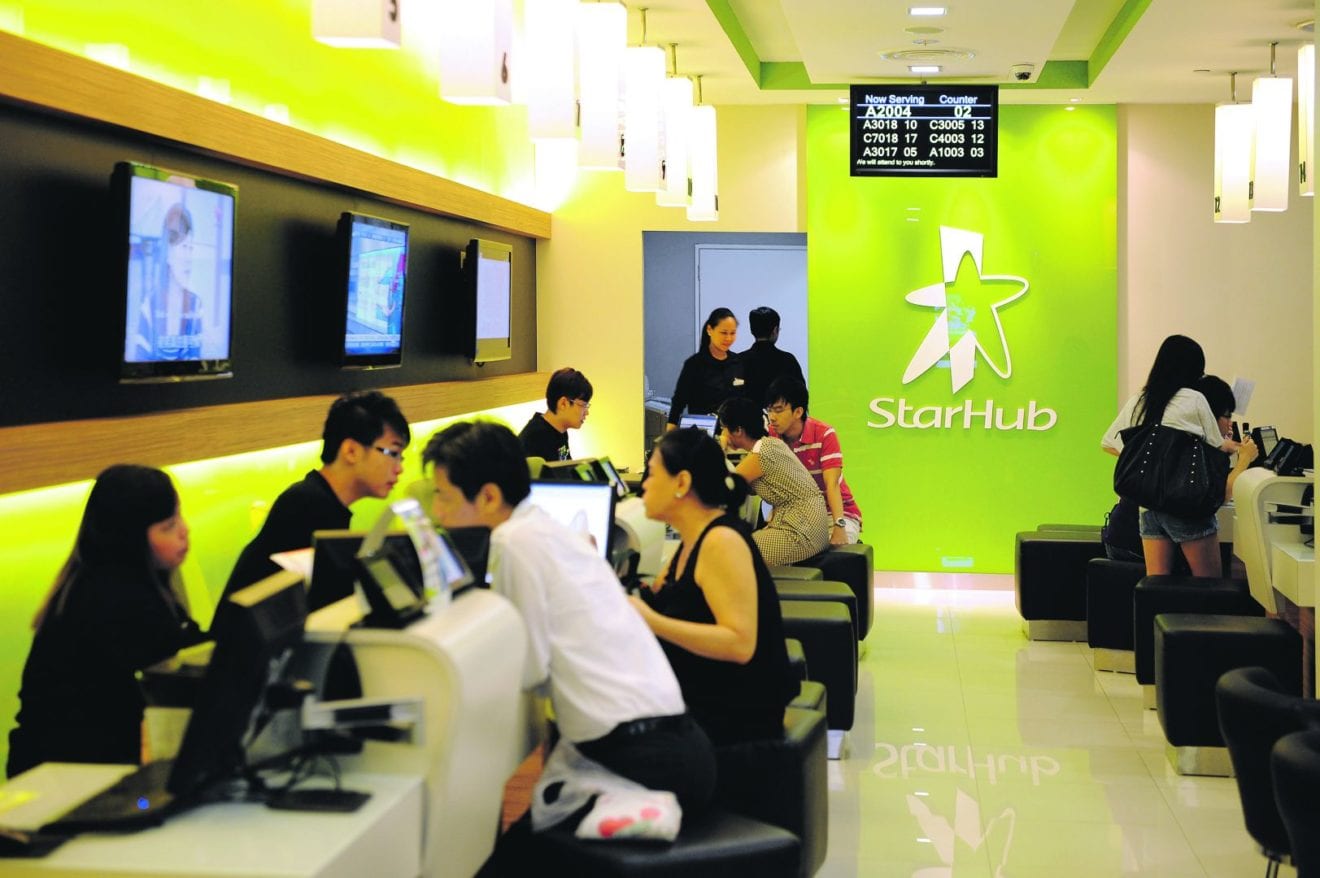
    Singapore’s M1 and StarHub are considering expanding their mobile infrastructure sharing arrangements to gain a greater competitive edge against new market entrant TPG Telecom.

    The companies announced they have signed a memorandum of understanding covering the evaluation of potential further collaboration in network infrastructure sharing.

    M1 and StarHub have been sharing infrastructure including combined antenna systems, in-building fiber and tunnel cables for many years.

    Now the operators are exploring a deeper collaboration focused on sharing radio access network, backhaul and access assets.

    The collaboration is aimed at enabling both operators to optimize the use of a number of network elements while improving coverage and capacity for customers. The companies plan to continue to manage network traffic independently.

    StarHub CEO Tan Tong Hai said pooling network resources will allow both operators to roll out more cost effective next-generation networks to manage the exponential growth in demand for mobile data.

    “We are cooperating to bring the Singapore infocomm industry to the next level, to compete not on pure infrastructure ownership, but at a higher level of customer service and innovative value creation,” he said.

    “Sharing mobile network radio elements with M1, but keeping our individual mobile core networks, will allow StarHub to provide better mobile service (in particular, mobile coverage) and still be able to differentiate ourselves.”

    M1 CEO Karen Kooi added that the agreement could lower both operators’ operational and capital expenditures, allowing them to invest in the future technologies needed to keep Singapore at the forefront of the ICT industry.

    Singapore recently granted a fourth mobile license to TPG Telecom, after the Australian fixed line operator won a new entrant spectrum auction with a bid of S$105 million ($72.8 million).

    The terms of the allocation call for TPG to provide nationwide street level 4G coverage within 18 months of the license coming into effect, meaning the company will soon be a competitive threat for StarHub, M1 and incumbent Singtel.

  • Thai electric car rolls out

    Thai electric car rolls out

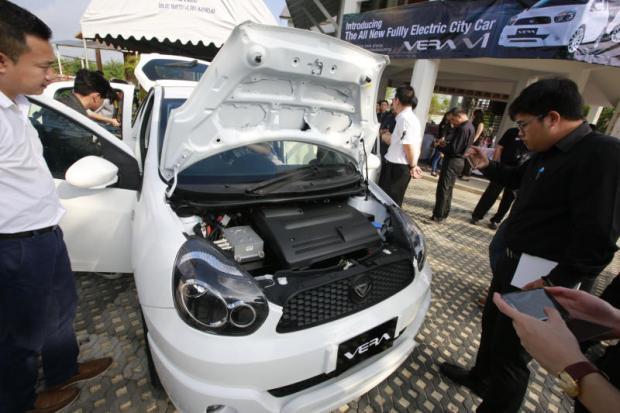
    Thailand’s first electric car brand has made its debut amid scepticism from an industry expert about its commercial viability. Vera Automotive, founded on Oct 7, 2015 by five Thai engineers from King Mongkut’s Institute of Technology Ladkrabang (KMITL), yesterday introduced the Vera V1 battery electric vehicle (BEV), powered with a battery capacity of 22 kilowatts per hour, which can be registered with the Land Transport Department as a passenger car.

    The maximum speed of the Vera V1 is up to 105 kilometres an hour. It can run up to 180km per charge, which takes six hours to complete.

    Co-founder Wanchai Meesiri said all Vera cars are designed by Thai engineers under the Thai brand, but the company has hired the Chinese carmaker Geely Automotive to produce the BEVs. The company imports the cars as completely built-up (CBU) vehicles to Thailand.

    Vera V1 is subject to all related taxes similar to other imported vehicles, including an 80% import duty, a 10% excise tax for all types of electric vehicles, a 10% interior tax and a 7% value-added tax.

    Yossapong Laoonual, chairman of the Electric Vehicle Association of Thailand (Evat), said it’s a good sign for the country to create its own electric vehicles, even if the vehicles are made by foreign firms.

    A retail price below 1 million baht is affordable for Thai customers, he said.

    But Asst Prof Yossapong warned that any startup that is selling electric vehicles has to plan its marketing strategy carefully, as the Thai car market has many dimensions for consumers to consider, including brand, service and trust.

    “Electric vehicles for Thailand remain very new, and they’re unlikely to become popular or proliferate in the short term,” he said. “If you are a new company or brand, the best solution is to sell electric vehicles as a fleet to other agencies, which are easier to provide after-sales services for.”

    Mr Wanchai said the primary purpose for establishing Vera Automotive is to make Thai BEVs for the local market.

    Managing director and co-founder Werachet Khan-ngern said Vera vehicles aim to capture only a niche market.

    He expects to sell about 100 units of Vera this year.

    “We hope in the foreseeable future the government will come up with clearer policies and supporting measures once the number of electric vehicles increases,” Mr Werachet said.

    He said the firm will provide after-sales services at its head office on Ladprakao Road.

  • Malaysia Airlines’ recovery plan on track

    Malaysia Airlines’ recovery plan on track

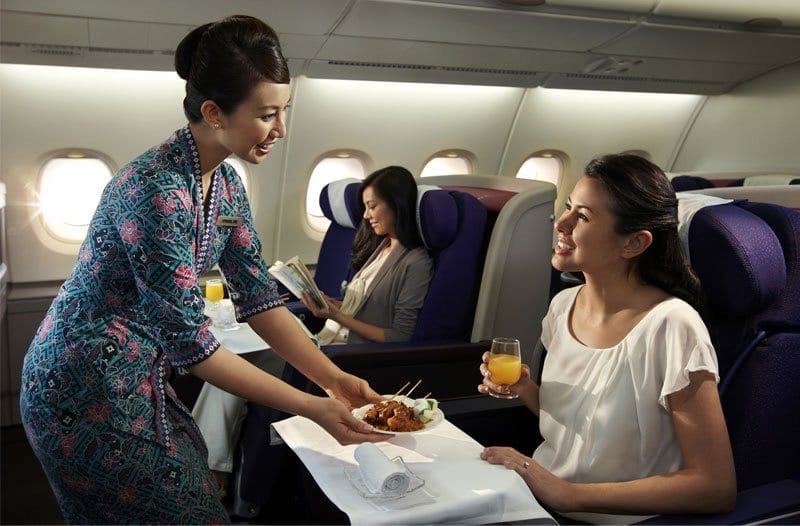
    Malaysia Airlines Bhd (MAB) has performed well in 2016 and the momentum is expected to continue in the year ahead, backed by its 12-point MAS Recovery Plan (MRP), said Khazanah Nasional Bhd.

    Managing director Tan Sri Azman Mokhtar expressed confidence that the five-year recovery plan, after its 28 months of implementation, was on track and on schedule.

    “They (MAB) are making good progress. Insya Allah (God willing), next year or the year after, (even MAB) have come out publicly to say they are on track to break even and be profitable,” he told a press conference on Khazanah’s financial and strategic performance for 2016 and outlook for 2017 in Kuala Lumpur on Friday.

    Khazanah is the sole shareholder of MAB.

    In August 2014, the Government investment arm unveiled its RM6bil MRP in the quest to return MAB to sustained profitability and revive the flag carrier of Malaysia.

    The plan included cutting 30 per cent of its workforce of 20,000 employees and introducing a new restructured entity which is now called MAB.

    On July 1, 2016, MAB appointed its chief operating officer, Peter Bellew, to replace Christoph Mueller as chief executive officer.

    On the ringgit performance throughout 2016, Azman believes that the currency is “clearly undervalued”.

    “Whether (the depreciation rate is) 10%, 8% or 12%, we believe that our ringgit is undervalued,” he said, adding that Khazanah had also undertaken internal research on the currency performance.

  • AirAsia’s group COO dies

    AirAsia’s group COO dies

    AirAsia has confirmed that its Group Chief Operating Officer, Anaz Ahmad Tajuddin, 43,  passed away at 5.50am today after battling cancer.

    In a statement, the budget airline said he would be buried at the Tanah Perkuburan Raudhah, Kota Seriemas, Negri Sembilan, after after Friday prayers at the Masjid Kuarters KLIA.

  • Viettel-led consortium gets Myanmar telecoms license

    Viettel-led consortium gets Myanmar telecoms license

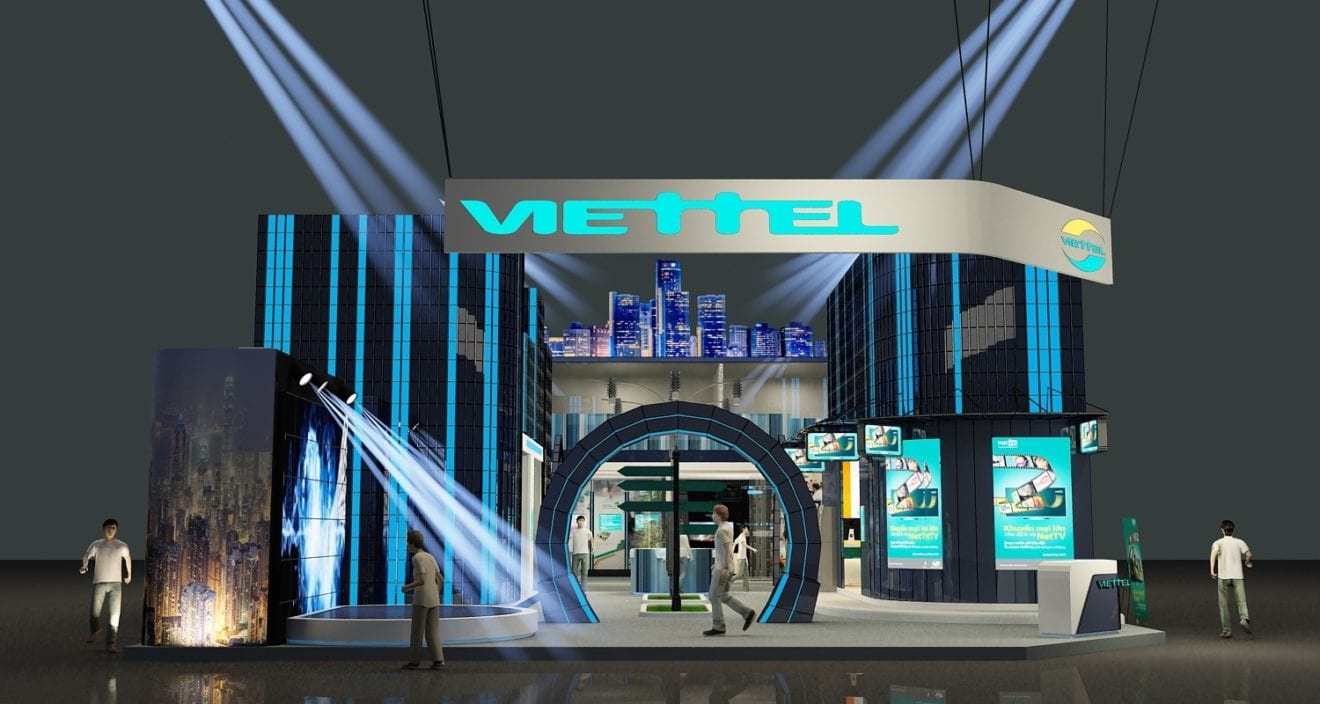
    Myanmar has formally awarded its fourth and final nationwide telecoms license to a joint venture consisting of Vietnamese military-run operator Viettel and local ICT companies.

    The consortium has been awarded a 15-year license to offer nationwide services in a move sure to heat up competition in the burgeoning market.

    The joint venture will be named Myanmar National Tele & Communications, and will compete against existing operators Telenor Myanmar, Ooredoo Myanmar and the joint venture between Myanmar Post and Telecom and Japan’s KDDI.

    Viettel was selected as the foreign partner for the new telecoms consortium in March last year, but the license has only now been allocated.

    Under the terms of the consortium agreement, Viettel will hold a 49% stake, while local companies Myanmar National Telecom Holding Public and Star High Public Company will own 23% and 28% respectively. Viettel has committing to investing around $1.5 billion in Myanmar’s telecoms sector.

    The report cites Myanmar’s Minister for Transport and Communications Thant Sin Maung as stating that the new operator “will help advance telecommunication in townships, rural mountain towns and will contribute to improving transportation, healthcare and education necessary for the people living in rural areas.”

  • Goodman secures five new customers signing at Goodman Pudong Airport Logistics Park

    Goodman secures five new customers signing at Goodman Pudong Airport Logistics Park

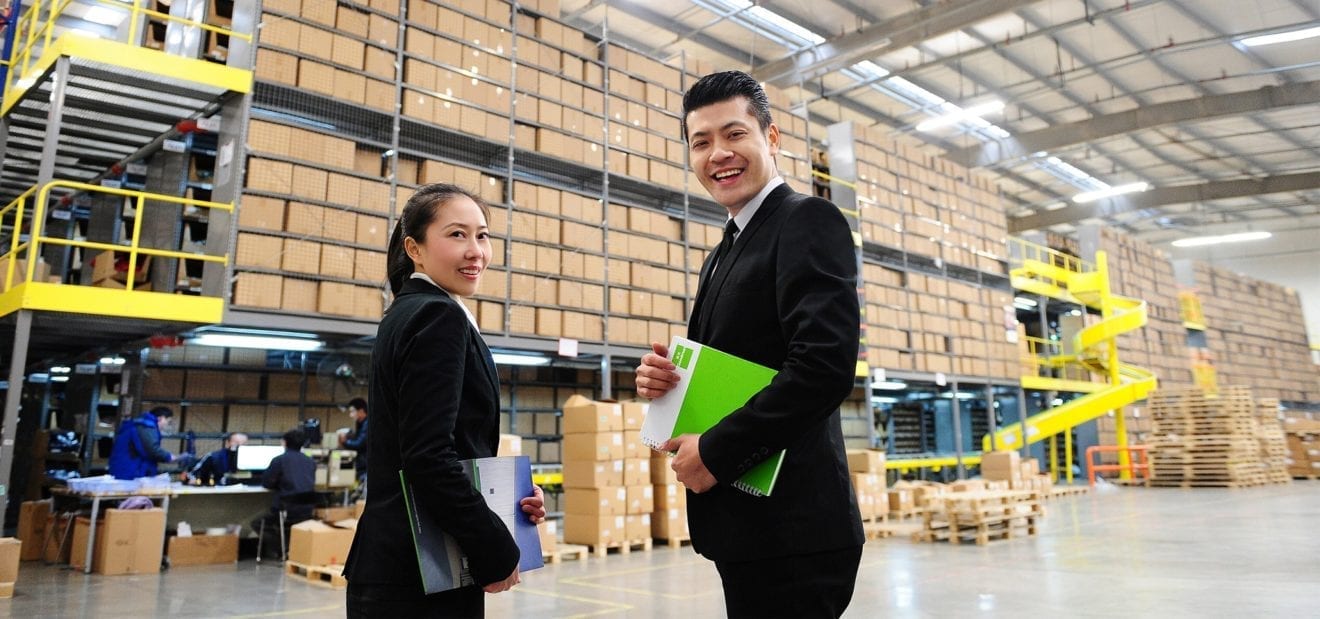
    Goodman Group (Goodman or the Group) is pleased to announce that it has secured five new major customer commitments totalling 98,120 sqm at the Goodman Pudong Airport Logistics Park (GPALP). The leasing success achieved reflects the continued robust demand for well located, high quality warehouse and distribution facilities in and around key gateway cities like Shanghai.

    Located next to the Pudong International Airport’s third runway, which is designated for airfreight only, the park is well serviced by strong transportation infrastructure. It comprises two-storey ramped up warehouses with sustainable features such as LED lighting, low-e glass curtain walls and steel structures made out of recycled materials.

    The five customers who have recently committed to GPALP are:

    • China Postal Express & Logistics, China’s leading postal services provider
    • DSV, a Danish transport and logistics service specialist
    • NTS Logistics Management Company, a leading Chinese integrated transportation firm
    • Shi Hao Vehicle Logistics Solutions, a Chinese vehicle logistics company
    • Success Master Consultancy Co. Ltd., an automobile pre-delivery inspection service provider

    Kristoffer Harvey, Chief Executive Officer, Greater China, Goodman said, “The strong demand for space at the Goodman Pudong Airport Logistics Park underscores our commitment to making it the preferred choice for companies wanting to locate in excellent proximity to China’s second busiest airport. We are pleased to welcome so many renowned customers to this facility and to be able to meet their requirements with our modern logistics solutions and high quality customer service.”

    China Postal Express & Logistics, one of the park’s new customers, committed to a total of 19,769 sqm.

    Wang Aiping, General Manager, Shanghai Branch, China Postal Express & Logistics said, “Shanghai Postal Express & Logistics is a modern and integrated state-owned express delivery and logistics company that professionally operates and manages Shanghai’s postal express and logistics services. Our business covers all of China and more than 200 countries overseas. Goodman has a strong reputation in the market due to the high quality of its warehouses, as well as its excellent property management capabilities.

    “We are very honoured to occupy Goodman’s best-in-class facility, which has been built in line with the highest standards. The adequate amount of space provided by the Goodman Pudong Airport Logisitics Park will play a key role in helping Shanghai Postal Express & Logistics improve its management and operational capabilities, boost its efficiency and provide integrated customer services. Meanwhile, Shanghai Postal Express & Logistics will also offer convenient, rapid, safe and reliable express delivery and logistics services to all segments of society.”

  • Bangkok to get 14 new malls as Thailand gets the shopping bug

    Bangkok to get 14 new malls as Thailand gets the shopping bug

    Retail space, in particular shopping malls, will continue to grow this year, with health, beauty and pharmacy stores becoming the new retail battlefield.

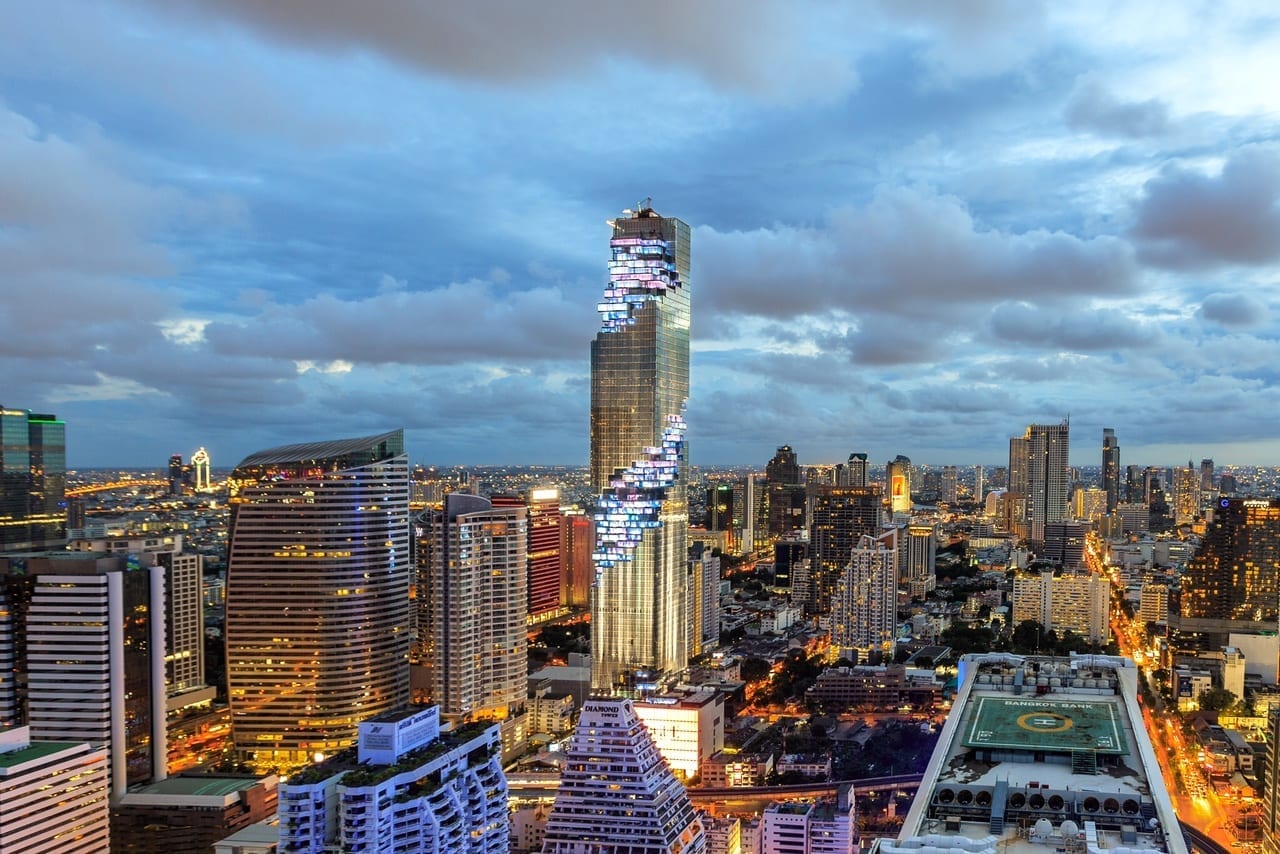
    Fourteen retail projects will open in Bangkok and its suburbs this year, adding a total of 272,800sqm of space, said Mr Surachet Kongcheep, associate director of Colliers International Thailand. Of the total, five are shopping malls totalling about 178,640sqm, seven community malls totalling 51,850sqm, one department store of 36,000sqm, and one retail plaza with 6,310sqm in an office building.

    Colliers said the seven community malls due to open in Bangkok this year are We Retail Nana with 2,100sqm on Sukhumvit Road, ZY Walk Chula Soi 5 (4,500sqm) on Banthadthong Road, Happy Avenue Don Muang (4,053sqm) on Songprapa Road, Canapaya (17,094sqm) on Rama III Road, Landmark Mahachai (5,000sqm) on Rama II Road, Muang Thong City Park (phase 1, 17,000sqm) on Chaeng Watthana Road, and Hyde Sukhumvit (2,100sqm) on Sukhumvit Road. Fewer community malls are opening this year compared to the past few years, following the lacklustre performance of some community malls in the past one to two years.

    The five shopping complexes to open are Iconsiam, a luxury retail project developed by a joint venture between Siam Piwat Co, the operator of Siam Center and Siam Discovery, and Magnolia Quality Development Corp, the real estate developer under Charoen Pokphand Group, on Charoen Nakhon Road with 51,500sqm, Show DC on Rama IX Road, Ikea@CentralWestgate in Nonthaburi’s Bang Yai district, Gaysorn II near Ratchaprasong intersection with 6,000sqm and G Tower with 7,140sqm on Ratchadaphisek Road. Meanwhile, one department store to be opened this year is Iconsiam with 36,000sqm. Pearl Bangkok is a retail plaza on Phahon Yothin Road with 6,311sqm.

    Outside of Bangkok, several retail projects are set to open upcountry this year. Central Pattana Plc plans to open at least three shopping complexes with one each in Samut Sakhon’s Maha Chai district, Nakhon Ratchasima and Phuket. Robinson Department Store Plc plans to develop three new branches this year. Two are lifestyle shopping complexes in Phetchaburi and Kamphaeng Phet provinces, and the location of the third has not been disclosed.

    TSCA president Wallaya Chirathivat said new investment in shopping malls during 2016-17 has declined to 70 billion baht (S$2.83 billion), down from 100 billion over the past four to five years. Retail investment slowed due to economic slowdown at home and abroad.

    Mr Chatrchai Tuongrattanaphan, adviser to the Thai Retailers Association, said he believes consumer purchasing power will gradually improve this year.

    “The health and beauty sector will be the new retail battlefield this year because Thailand is gearing towards an ageing society, and when people earn more, demand for health and beauty products also rises,” he said.

    The local health and beauty business in 2016 is expected to be valued over 280 billion baht. Health and beauty store chains are Boots, Watsons, Tsuruha, Pure and Matsumoto Kiyoshi.

    Siam Makro Plc, the operator of Makro cash-and-carry stores under CP Group, will slow the opening of new stores in Thailand and shift focus to nearby countries instead. Siam Makro recently set up a subsidiary, Makro Ros, to operate its cash-and-carry store operations in Cambodia. The opening of Makro stores in Cambodia will be under a joint venture with a local partner.

    Domestically, Siam Makro will focus on opening Makro Food Service stores to cash in on the continuing growth of the hotel, restaurant and catering business.

    Meanwhile CP All Plc, the operator of 7-Eleven convenience stores, is expected to open some 700 new stores this year, on a par with last year. Mr Chatrchai said he expects Thailand’s retail market — currently worth 3.4 trillion baht — to grow by 3 per cent last year, and growth in 2017 will probably be higher.

  • Russian Railways eyes high-speed Europe-China cargo trains

    Russian Railways eyes high-speed Europe-China cargo trains

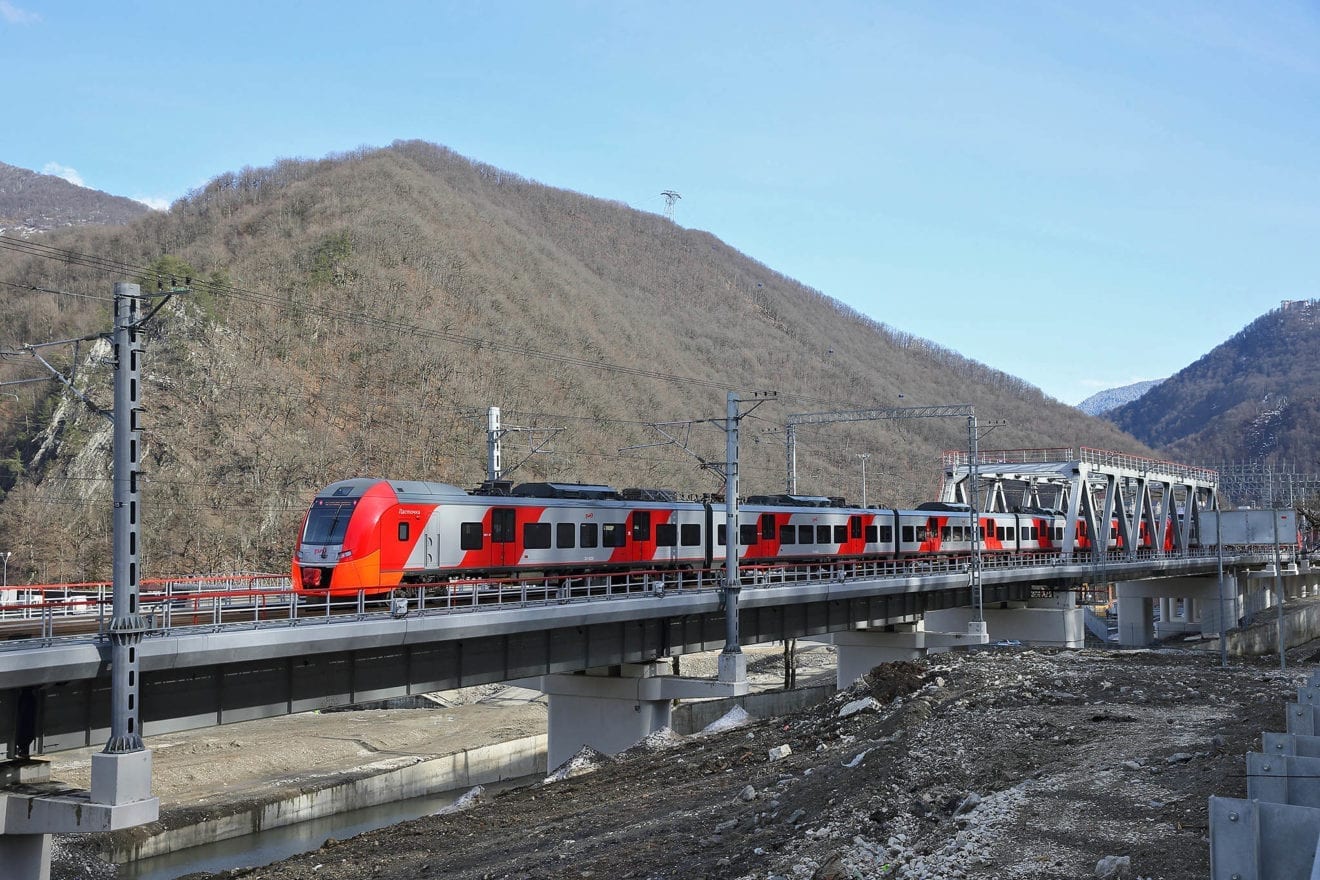
    The president of Russian Railways, Oleg Belozerov, proposed a high-speed cargo railway connection between Europe and China, allowing transport of goods to take as little as two days.

    “We plan to reach China via Kazakhstan and to carry special, high-profit cargoes to Europe via Russia, because a ship sails now 60 days, which is a long time. It sails round India and only then arrives to Europe. With a high speed rail transport we will be able to deliver goods in two days, and to earn extra money for our country,” Belozerov told a United Russia party meeting recently according to an Executive Intelligence Review News Service (EIRNS) report.

    Earlier Russian Railways said it was working on developing a cargo train capable of carrying from 300 to 600 tonnes of cargo at speeds up to 300kph.

    The China-Europe cargo line will be part of the Moscow-Kazan high-speed railway, whose construction should begin in 2017, Belozerov said. With a distance of some 770 kilometers, and a speed of of 350-400 kph, the rail route will cut the time between the two cities to as little as 3-3.5 hours; the current time is 14 hours. The line could be commissioned before 2022-2023.

    The US$16.8 billion railway project could later be extended to China, connecting the two countries across Kazakhstan. The Moscow-Beijing railroad will be 7,769 kilometers, with a travel time of 32.8 hours — four times faster than the current 130.4 hours. The average annual passenger traffic is estimated at 195 million people.

    China is committed to providing $6.5 billion as a credit for 20 years and $1.6 billion as a contribution to the charter capital of the special-project company. The German Initiative Consortium (includes Siemens, Deutsche Bank, Deutsche Bahn, and other companies) is ready to allocate €2.7 billion to finance the construction of the high-speed railway line and to attract up to €800 million for the project.