Tag: asia

  • Indonesia expects more investment from Japan

    Indonesia expects more investment from Japan

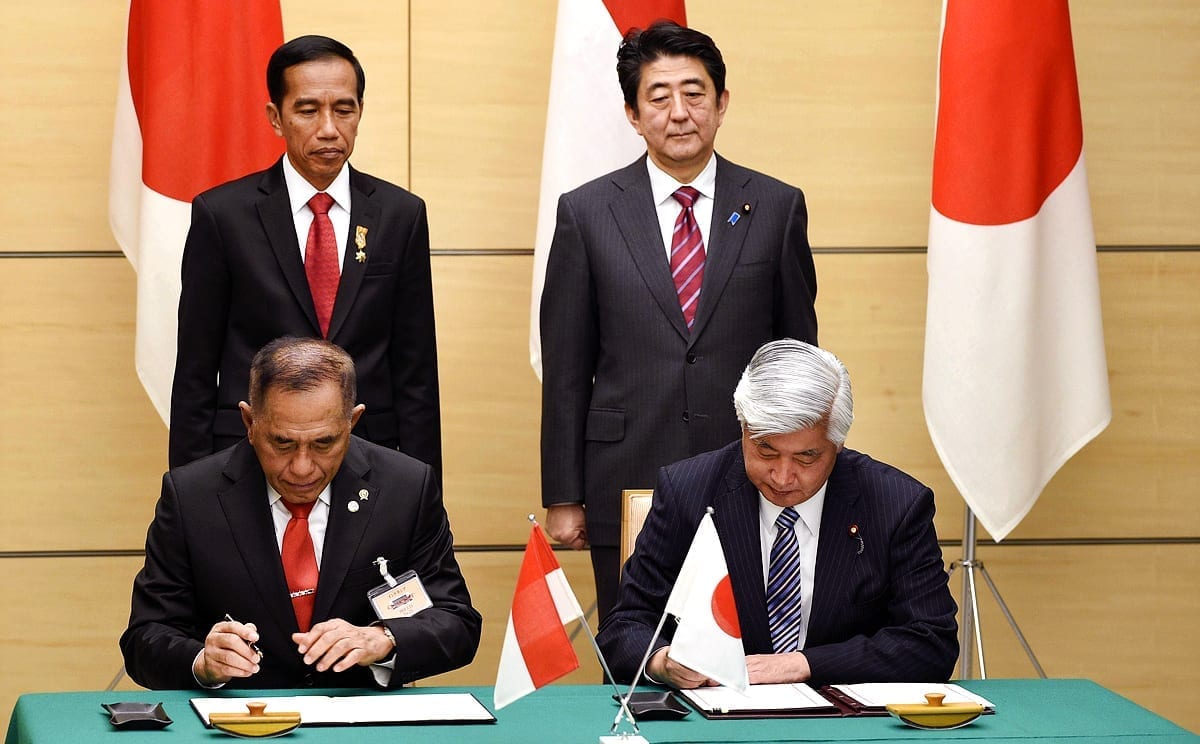
    Indonesia is hoping for more investment from Japan after the scheduled meeting between President Joko Widodo and Japans Prime Minister Shinzo Abe.

    This was said by Thomas Lembong, the chief of the Indonesian Investment Coordinating Board (BKPM), here on Friday.

    Shinzo Abe is scheduled to arrive in Indonesia for a two-day state visit on Sunday and Monday.

    The BKPM chief said Japan has so far been the countrys second biggest investor, focusing mainly on the infrastructure sector.

    “Projects such as power plants and Jakartas mass rapid transport system are funded by Japanese investment. In terms of investment, Japan is indeed one of our important clients,” he said in a press statement.

    Thomas Lembong said investment relations between the two countries have so far been going very well.

    “I think the Japanese premiers visit will be good for us. I also visited Japan five weeks ago and met with Japanese representatives from their chamber of commerce as well as many investors. Both countries have close relations. Japan has been an investor in Indonesia for decades now, and has been the second or the third biggest investor in the country,” he added.

    He stressed that Japanese investors have been involved in many infrastructure projects in 2016, such as power plants and the Surabaya-Sorong sea toll road project, both operational now.

    In 2017, Japanese investors plan to also invest in the real estate and property sectors.

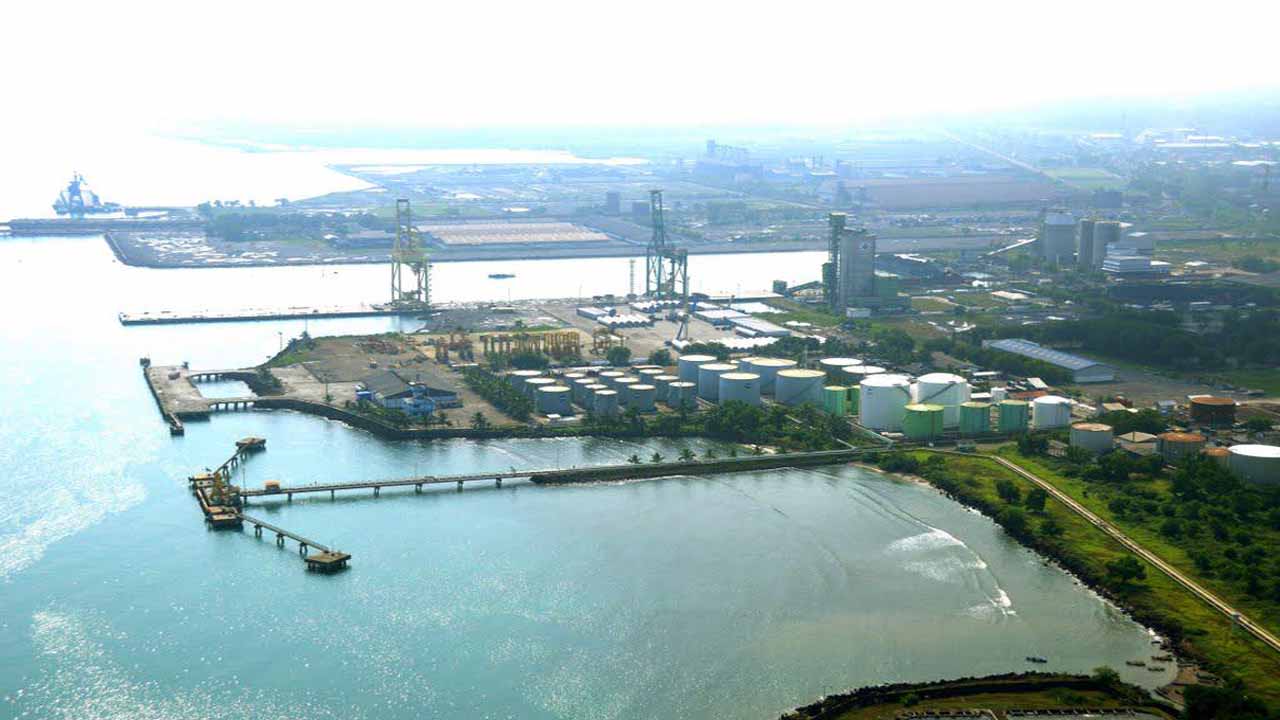
    “Discussions have been also on about starting a medium-express train service from Jakarta to Surabaya in East Java and Japan seems interested in it. A Patimban port development project located towards the east of Jakarta and close to the automotive industrial cluster is also on the anvil. All Japanese automotive industries are there. If a big port is available there, it will make our automotive exports more efficient. The Patimban project will also be funded by the Japanese investment,” he revealed.

    Saribua Siahaan, the BKPM Japan investment promotion official, explained that a Japanese company operating in the property sector is cooperating with a local partner to realize its plan to develop housing projects across Indonesia.

    The low-cost residential development program will cater to low-income people and will match the governments one-million houses development program.

    He pointed out that Japanese investors entering the real estate and property sectors will have different market targets.

    “Some plan to carry out property development particularly catering to expatriates and middle-class and higher strata, while others target workers in industrial zones. Right now, we are still coordinating with the BKPM office in Jakarta to facilitate a big Japanese group that has signed an agreement with a housing company in Indonesia,” he informed.

    Besides discussing investment in the manufacturing sector, Japanese Prime Minister Abe would also discuss investment in the Indonesian governments other prioritized sectors.

    PM Abe plans to bring along a number of executives from companies wishing to invest in Indonesia.

    Based on BKPM data, Japan had invested US$1.6 billion in 425 projects until the third quarter in 2016 to make it the second biggest investor in Indonesia.

    This was a significant increase from US$917.27 million in 399 projects in the same period in 2015.

    Cumulatively, from January to September 2016, Japans total investment realization had reached US$4.4 billion.

  • How a T-shirt helped a man become a millionaire

    How a T-shirt helped a man become a millionaire

    He helped a friend buy a S$51 Adidas T-shirt last year — and netted himself S$1 million on Sunday (Jan 15) in Changi Airport’s Be a Changi Millionaire draw.

    As a bonus, Mr Ade Iskandar Roni, 39, a procurement officer from South Jakarta, drew the name of his best friend in the Guess the Changi Millionaire lucky draw, winning his friend S$500 for picking the right millionaire out of eight finalists.

    Although the chances of winning increase exponentially with the amount spent at Changi Airport’s retail stores, Mr Ade’s purchase was the least expensive among the items picked up by the eight finalists in this year’s event — four of the other seven finalists, who hailed from Australia, China, India, Indonesia, Malaysia and the United Arab Emirates, bought liquor.

    An elated Mr Ade shed tears of joy when he was announced the winner. Mr Ade, who has five children aged 2 to 12, said he plans to use his windfall to bring his extended family for a visit to the Muslim holy cities of Makkah and Madinah, and perhaps buy a new car and house.

    “I didn’t think I would win, I cannot imagine how much this money is in Indonesia,” said Mr Ade through a Bahasa Indonesian interpreter.

    Into its seventh run, the 2016 edition of the retail promotion drew close to 1.2 million entries from 225 nationalities, primarily Singaporeans, Chinese, and Indonesians.

    To enter the draw, passengers and visitors to the airport must spend at least S$50 in a single receipt shopping or dining at Changi Airport. The eight finalists emerged after three rounds of elimination and gathered on Sunday to compete through several rounds of games to win the grand prize.

    Changi Airport Group (CAG) also shared on Sunday that sales at Changi Airport reached a record high of S$2.3 billion last year, up 5 per cent from the previous year.

    Online sales via the iShopChangi portal showed particularly strong growth of 76 per cent from the previous year.

    Chinese and Singaporeans were the strongest shoppers across platforms, contributing to half of overall retail sales.

    Travellers from Indonesia, India and Australia made up the next largest customer groups last year.

    The three most popular product categories were cosmetics and perfumes, liquor and tobacco, and luxury goods, contributing collectively to 70 per cent of sales.

    These were followed by electronic gadgets, and chocolates, candies, and delicatessen items. Online purchases comprised mostly beauty products, electronics, and alcohol.

    CAG executive vice president of commercial Lim Peck Hoon said high concession sales help to keep aeronautical charges — such as charges for landing, parking, and aero-bridges — competitive.

    The opening of second DFS Wines & Spirits Duplex at Terminal 2 — which houses a cigar room and whiskey house — and the Pokemon at Changi celebrations are examples of how the operator has tried to keep its retail strategy “innovative”, she added.

  • Maybank Indonesia sells stake in WOM Finance to Reliance Capital Management

    Maybank Indonesia sells stake in WOM Finance to Reliance Capital Management

    Private lender Maybank Indonesia has sold all stakes in motorcycle financing firm Wahana Ottomitra Multiartha (WOM Finance) to Indonesian financial services provider Reliance Capital Management in a deal worth Rp 673.8 billion (US$50.71 million).

    Maybank announced on Thursday that it had signed a conditional share purchase agreement with Reliance Capital Management on Jan. 11 to sell 2.39 billion shares—equal to 68.55 percent stake—in WOM Finance.

    “The transfer of shares is one of the company’s strategic initiatives to maximize the company’s capital allocation and to streamline customer segmentation, so they can contribute to the optimization of the company’s resources,” Maybank wrote in a statement submitted to the Indonesia Stock Exchange (IDX).

    The share transfer is expected to be completed in the first quarter of 2017, after both companies fulfill all terms listed in the agreement.

    Data from Maybank said the automotive slowdown in the past few years had dragged down its own financial performance, as WOM posted poor results.

  • Banten`s exports up 28.43% in value

    Banten`s exports up 28.43% in value

    Banten recorded a 28.43% increase in exports to US$941.27 million in November 2016 from the same period a year earlier.

    The increase was attributable mainly to 27.08 percent in the exports of commodities other than oil and gas, according to the regional office of the Central Bureau of Statistics (BPS).

    The exports in November also rose 20.01% from US$784.34 million in October that year, head of the regional BPS office Agoes Soebeno said here on Friday.

    Cumulatively, exports in the first 11 months of 2016 were valued at US$8,387.89 million, up 0.91% from the same period in 2015. Exports of oil and gas rose 89.82% and those of commodities other than oil and gas rose 0.71%.

  • Bank Indonesia forecasts current account deficit at 1.8% of GDP

    Bank Indonesia forecasts current account deficit at 1.8% of GDP

    Bank Indonesia (BI) had forecast that the countrys current account deficit last year would fall to 1.8 percent of the national gross domestic product (GDP) as compared to 2.06 percent a year earlier.

    The decline in the current account deficit would chiefly be the result of steady trade surplus, BI Deputy Governor Perry Warjiyo stated here on Friday.

    According to the Central Statistics Agency, the country had recorded a trade surplus of US$840 million in November 2016, although it fell from $1.21 billion a month earlier.

    “Hence, we forecast the current account deficit in the fourth quarter of 2016 to reach 1.9 percent of the GDP,” Warjiyo remarked at the BI Head Office.

    Current account is an indicator of the exports of goods and services from a country to other nations and vice versa. Current account is divided into current accounts of goods and services.

    When current account is in deficit, it means that imports are larger than exports. If the current account deficit steadily falls, exports and imports are improving.

    On the other hand, the declining current account deficit will improve the balance of payment (NPI), which comprises current account, capital and financial account, and foreign exchange reserves.

    “Indonesias foreign exchange reserves at the end of December 2016 rose to $116 billion, suggesting that the NPI will be positive (surplus), coupled with large foreign capital inflows,” Warjiyo added.

  • Public Bank and UnionPay International Launch PB UnionPay Lifestyle Debit Card

    Public Bank and UnionPay International Launch PB UnionPay Lifestyle Debit Card

    UnionPay International (UPI), a global payment network, has reaffirmed its presence in Malaysia by inking a first-of-its-kind partnership with Public Bank (PB), the third largest bank in Malaysia. The two collaborated to launch the PB UnionPay Lifestyle Debit Card in December 2016, targeted at customers and businessmen who are frequent travelers to Asia. 

    Poised as the best travel companion, the PB UnionPay Lifestyle Debit Card which is issued upon opening of a PB UnionPay Savings Account, will give Cardholders access to a range of perks and benefits. A PB UnionPay Lifestyle Debit Cardholder can access the Priority Lane at the Chinese Visa Application Service Centre in Kuala Lumpur and Kuching, to expedite the submission and processing of visa applications. Besides, discounts of up to 10 percent are  offered to these Cardholders at duty-free shops in 100 participating international airports. PB UnionPay Savings Account offers a flat interest rate of 0.5 percent per annum, and a monthly cash rebate of RM10 (S$3.21) for accounts with a minimum of RM10,000 (S$3,221) month-to-date average balance and no over-the-counter transactions for the month. 

    In conjunction with the launch, Public Bank is offering complimentary access to Plaza Premium Lounge Malaysia so visitors can partake in a host of facilities that will make traveling more comfortable and satisfying. A panda neck pillow and eye mask resembling the card design will be given to new PB UnionPay Savings Account holders with a minimum deposit amount of RM2,000 (S$643) which is earmarked for three months. Gifts are available while stocks last.

    Public Bank is the third largest banking group in Malaysia. Headquartered in Kuala Lumpur, Malaysia, the Bank entered its 50th year of operations in 2016 with a total group asset size of RM363.76 billion (S$116 billion) as of end 2015. With an extensive reach to its customers via a network of 259 well distributed branches and over 2,000 self-service terminals in Malaysia, this partnership between UPI and PB aims to provide PB customers with greater mobility within the region through the use of its high quality and secure cross-border payment services.

    ӡWe are excited to have Public Bank on board as our strategic partner for our issuing in Malaysia,ӱ said Mr. Wenhui Yang, General Manager of UPI Southeast Asia. ӡUnionPay International is fully aligned with Public BankӮs focus on providing the most efficient services to its customers through the innovation of new banking services, and we believe that this partnership will put us in a good position to serve the needs of consumers and businesses in Malaysia.ӱ

    ӡWe are proud to be the first local bank in Malaysia who had launched UnionPay Card which offers various solutions to fit our customersӮ financial and lifestyle needs. With the expanding business alliances between China and Malaysia, Public Bank continues to progress and expand in order to become the first choice of expatriates and students from China for their banking service needs as this card serves them well whenever they are in China, Malaysia or any other 160 countries and regions that accept UnionPay Cards.ӱ said Y. Bhg. DatoӮ Chang Kat Kiam, Deputy Chief Executive Officer of Public Bank.

  • Indonesia’s seaweed exports estimated to shrink 30 percent in 2016

    Indonesia’s seaweed exports estimated to shrink 30 percent in 2016

    The Indonesian Seaweed Association (ARLI) estimated that the countrys exports of seaweed shrank 30 percent in value from US$205.4 million in 2015.

    ARLI general chairman Safari Azis attributed the decline to weak demand amid the global economic crisis and U.S. policy in organic products.

    “In 2016, (seaweed exports) dropped around 30 percent . There was issue in 2016 that the United States would exclude processed seaweed from its list of organic products,” Safari said in a discussion here on Tuesday.

    Based on statistic data at the Marine and Fisheries Ministry, the countrys production of seaweed totaled 1.12 million tons in 2015. Around 21 percent or 236,900 tons of the production were exported to various countries including 97 percent in raw material and 3 percent in processed products.

    The exports of raw seaweed were valued at US$160.4 million and exports of finish products of seaweed was worth US$45 million or 22 percent of the total value.

    In 2016 , in the first 8 months , exports of raw seaweed totaled 121,500 tons valued at US$80 million ; and exports of processed products of seaweed totaled 4,000 tons valued at US$25.4 million.

    Apart from the report that the United States would exclude processed products of seaweed from its list of organic products, there are many factors hampering exports of that commodity, such as export restriction and plan to slap export tax on seaweed.

    “The government plans to impose an export tax of 20-40 percent on raw seaweed . The plan, however, has been shelved. The export tax was planned without consultation with the business players,” Safari said.

    The government is expected to offer incentives for the business players especially investors in seaweed cultivation and industry, he said.

    ARLI predicted that in 2017, exports of seaweed would increase both in raw material and processed products.

    ARLI also hopes more support from the government to develop and boost business in seaweed in the upstream as well downstream asn integrated industry.

  • Unilever Indonesia stocks see tenfold increase in 35 years

    Unilever Indonesia stocks see tenfold increase in 35 years

    Publicly listed consumer goods giant Unilever Indonesia has seen it stock value skyrocket by more than a thousand percent over the 35 years it has been listed on the bourse.

    If an investor bought 1,000 shares at our initial public offering IPO, which [at the time] were worth Rp 3,175 (24 US cents) apiece, its current investment value would be worth Rp 5 billion today, Unilever Indonesia president director Hemant Bakshi said before opening the bourse’s trading day on Wednesday.

    “We truly believe that our fortune has been closely linked with the country,” he said.

    Shares of Unilever Indonesia, the local arm of—Anglo-Dutch multinational company Unilever NV and Unilever Plc, opened the trading day at Rp 40,500, an increase of almost 1 percent from its previous close.

    The firm’s assets stood at Rp 16.75 trillion as of September last year compared to Rp 140.4 billion recorded during its initial public offering (IPO) in 1982, while sales had soared to Rp 30.1 trillion from Rp 159 billion.

    “We believe we will be in the country for more than the 35 years we have reached now, doing even better and bigger business,” he said.

    The Jakarta Composite Index (JCI), the IDX’s main gauge, opened at 5,316.15 on Wednesday or 0.12 percent higher than its previous close.

  • Citilink Serves 745,187 Passengers during Xmas and New Year Holidays

    Citilink Serves 745,187 Passengers during Xmas and New Year Holidays

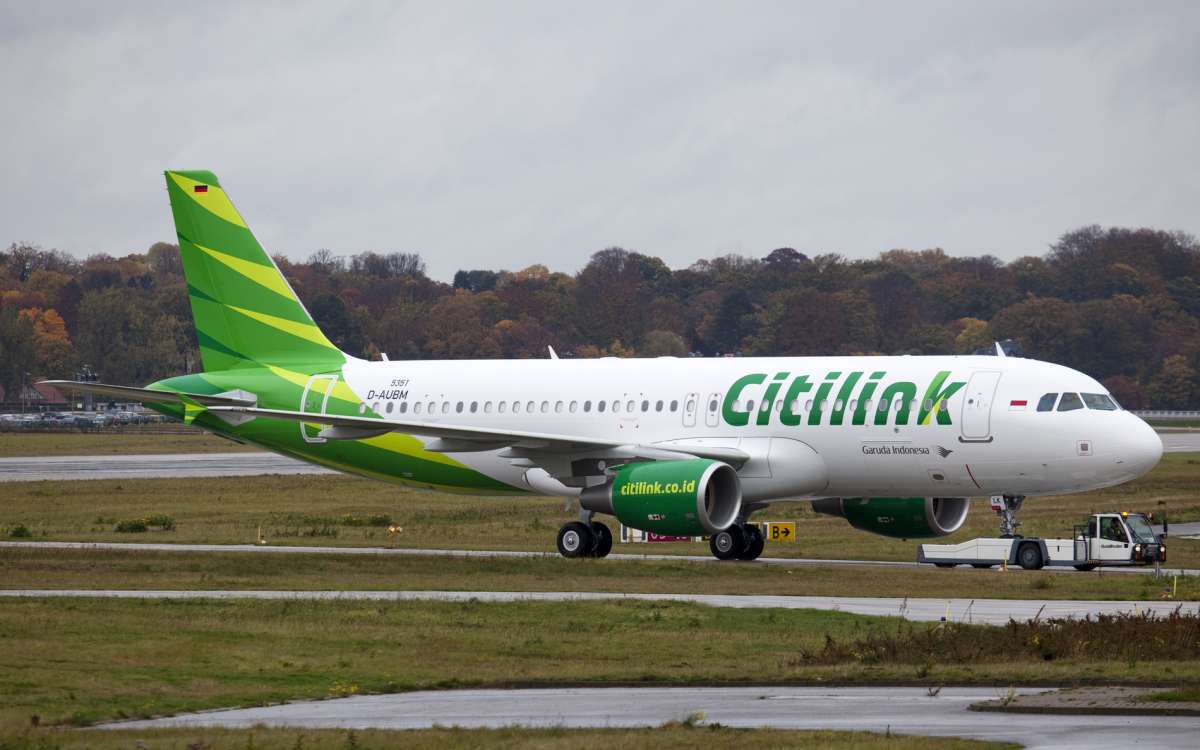
    Low-cost carrier Citilink Indonesia carried 745,187 passengers during Christmas and New Year holidays, a 2% increase compared to the same period last year of 730,925 passengers.

    Citilink Indonesia president director Albert Burhan said that the increase was made possible thanks to Citilink’s proposal for extra seats ahead of the peak season at the end of 2016.

    “Amid heavy passenger traffic in airports during the peak season, Citilink was capable of scoring high percentage of on-time departure, i.e. above 88% percent,” he said on Tuesday.

    Citilink noted the most popular flight routes during Christmas and New Year holidays were Jakarta-Surabaya v.v., Jakarta-Medan v.v. and Jakarta-Denpasar v.v.

    “We would like to express our gratitude to all customers for their thrust to fly with Citilink Indonesia,” Albert said.

    Citilink claims that it carried 11.08 million passengers in 2016, or a 16.6% increase compared to the preceding year figure of 9.5 million.

    In the same period, Citilink also served 58 flight routes, of which 9 are new routes opened in 2016. Citilink also served carter flight from Indonesia to Jeddah in Saudi Arabia and China.

    Meanwhile, Citilink is set to fly above Papua sky on January 23 this year in a bid to expand connectivity in eastern Indonesia, having failed to do so last year.

  • Bosch’s new electric power steering system offers new level of safety

    Bosch’s new electric power steering system offers new level of safety

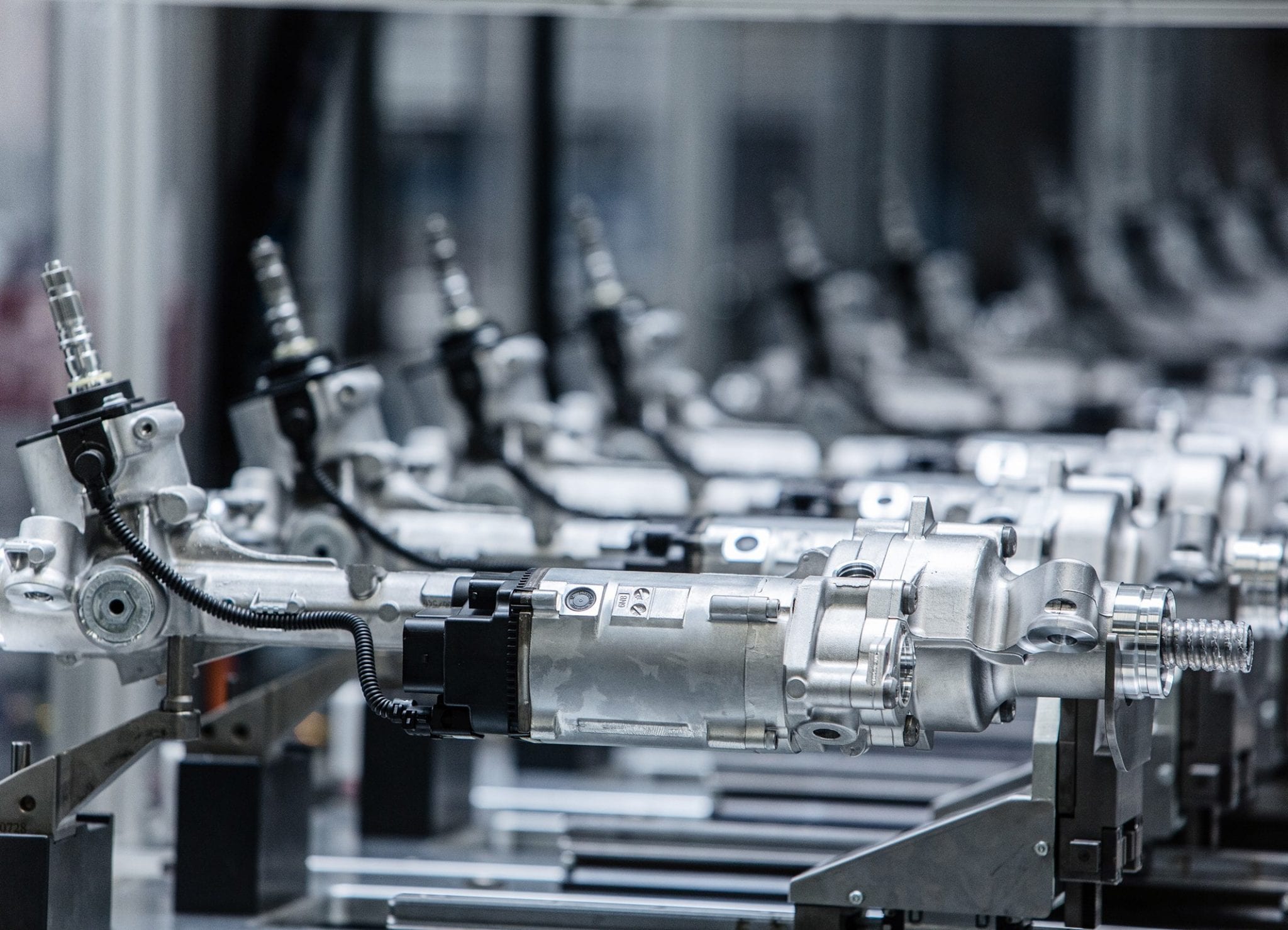
    German automotive components technology supplier Bosch has announced the global debut of its Electric Power Steering (EPS) system with fail-operational function at the North American International Auto Show.

    The system, which enables either a driver or auto pilot system to make a safe stop in the rare case of a single failure, is a key requirement on the path to fully automated driving.

    The fail-operational technology will enable OEMs to comply with the fall back strategies as proposed in the Federal Automated Vehicles Policy documents from the US Department of Transportation (DOT) and National Traffic Highway Safety Association (NHTSA).

    “Highly automated driving can make a significant contribution to improving road safety and we’ve seen great interest from our OEM customers as well as the public in this technology,” said Mike Mansuetti, president of Robert Bosch LLC.

    “The addition of automotive steering after the acquisition of our former joint venture ZF Lenksysteme GmbH allows us to better serve our customers with integrated system solutions on the path to highly automated driving. The new EPS with fail-operational function represents a milestone of the integration of automotive steering into our mobility solutions portfolio and is an essential technology to safely realize automated driving.”

    EPS with fail-operational function from Bosch enables an independent return to a minimal risk condition with about 50 percent electric steering support via an electrical fallback solution, claims the company.

    The system is able to detect a failure in the steering system and move to the electrical fallback solution. If the driver is still in the loop, they can safely steer the vehicle without the sudden increase in steering force.

    For highly automated driving, the EPS with fail-operational function will enable the system to recognize the situation and automatically steer the vehicle to a safe stop without bringing the driver back into the loop.

    Bosch has designed the system in a highly integrated way that leads to a costeffective solution for OEMs. Start of production for the EPS with fail-operational function in a scalable modular kit is planned for 2020.

  • Ford bets on Mustang to power up China profits

    Ford bets on Mustang to power up China profits

    Ford Motor is betting on one of its most distinctively American models, the Mustang muscle car, to boost the company’s sales and profits in China.

    Ford began selling the Mustang in China in early 2015, and it is a niche vehicle, selling at a rate of about 3,000 cars a year. Still, that makes the Mustang, which starts at 399,800 yuan ($57,670) the top-seller in a sporty car segment against more expensive vehicles like the Audi TT and the Nissan Skyline GT-R. Mustang last year outsold the Chevrolet Camaro from General Motors Co by nearly 15 to one.

    With styling that harks back to 1960s Detroit muscle cars, the Mustang stands out in a Ford lineup dominated by practical sedans and sport utility vehicles. Ford’s sales in China grew by 50 percent in 2013 and 20 percent in 2014, but in 2015 the pace slowed to 3 percent. In 2016, Ford added the Lincoln luxury brand to its China lineup and expanded sales by 14 percent.

    Industry analysts said Ford’s China market profits and profitability were relatively healthy, with operating margins for Ford’s joint ventures with Chongqing Changan Automobile Co Ltd (000625.SZ) and Jiangling Motors Corp (JMC) (000550.SZ) in the 14-16 percent range over the past three years.

    But competition in the world’s largest car market continues to heat up as global automakers, from GM to Volkswagen AG to Toyota Motor Corp, add more models to product ranges. Indigenous Chinese automakers, too, are launching models that can compete more head-on with global carmakers’ products.

    Ford officials said the company’s China operations did not have specific profit objectives but were trying to keep margins in their current “healthy” range.

    “In terms of having a pricing power on your brand, you want people to be choosing your brand for rational reasons, but if you could also (combine) that with emotional reasons, that’s when you get some pricing power,” Peter Fleet, Ford’s executive in charge of sales and marketing for the Asia-Pacific region told Reuters.

    The Mustang and the F-150 Raptor, a high performance version of Ford’s F-150 large pickup truck, provide the emotion, he said.

    The formula works for Dong Zirui, a 27-year-old small rental car business owner in the northeastern China city of Tangshan who bought a Mustang late last year.

    “The Mustang is a rear-wheel-drive car,” said Dong who decided to buy the Mustang when he spotted photos of it online. “It’s a savage when you try some drifting stunts with the car.” But Dong said he can fit his wife and young son in the car when he needs to.

    Dealers say the Mustang brings in two types of buyers to Ford stores: younger drivers, mostly younger than 30 years of age, from upper-middle class families, who have recently finished their studies and have financial support from their parents, as well as drivers in their 30s and 40s who have work or life experience outside China.

    “Ford has a cleaner sheet in China, so there might be an opening for those halo cars to help the company improve its brand image,” said James Chao, Asia-Pacific chief for consulting and research firm IHS Markit Automotive, referring to China being a relatively young market.

    As Chinese consumers typically make car purchasing decisions based on word-of-mouth advice from their family and friends, Mustang buyers can be influential opinion leaders for Ford.

    Guo Xin, a 30-year-old rally car racer and stunt driver for films and commercials in Beijing, said he liked the Mustang so much that in 2011 he helped form a Mustang Club of China which now has some 2,000 members.

    “Growing up I used to see the Mustang in movies,” said Guo who drives a 2006 Mustang and also owns a 1966 Mustang.

    Guo’s classic Mustang would turn heads even in Detroit. But he cannot take it out on public roads. Used cars brought in from outside China cannot be registered in the country.

  • Cebu Pacific requests flights to India

    Cebu Pacific requests flights to India

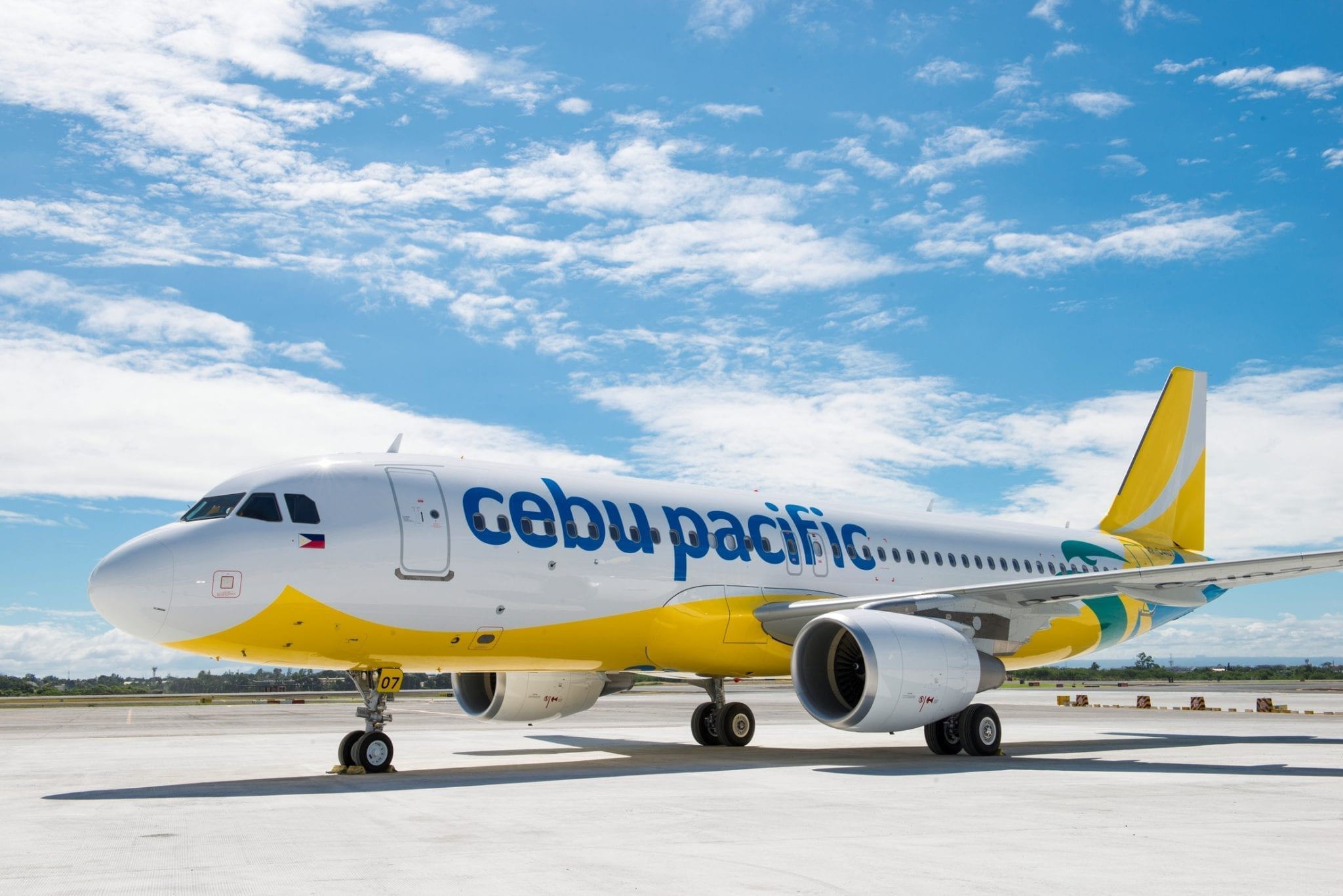
    Cebu Air, operator of Cebu Pacific, wants the Civil Aeronautics Board to reallocate the unused flight frequencies of rival Philippine Airlines to India. The Gokongwei-owned airline filed with the CAB an application for allocation and re-allocation of entitlements to India from PAL.

    Cebu Air’s request made the request in accordance to the existing air agreement between the governments of the Philippines and India.

    PAL flights to New Delhi were stopped in June 2013 amid low demand from local travelers.

    No Philippine carriers fly between Manila and India now.

    Philippines Air Asia Inc. filed with the CAB an application for designation as official Philippine carrier and grant of seven weekly flights to New Delhi, nIndia.

    Cebu Pacific earlier said it was studying to acquire an Airbus 350 and Boeing 788 in the third quarter this year for its long haul operation.

    Cebu Pacific launched its long haul operation in 2013, with A330-300 services to Dubai. It now operates five long haul routes to the Middle East and Australia and also uses its A330 fleet on several short haul routes.

    The airline last March launched four times weekly flights between Manila and Guam, its first US destination.

    Cebu Pacific currently offers flights to a total of 36 domestic and 30 international destinations, operating an extensive network across Asia, Australia, the Middle East, and USA.

    Its 58-strong fleet is comprised of six Airbus A319, 36 Airbus A320, six Airbus A330, eight ATR 72-500, and two ATR 72-600 aircraft.

    Between 2016 and 2021, Cebu Pacific expects delivery of two more brand-new Airbus A330, 32 Airbus A321neo, and 14 ATR 72-600 aircraft.

    Cebu Pacific earlier reported a net income of P7.09 billion in the January to September period, up 99.6 percent from P3.56 billion in the same period last year.

    Revenues increased 10.5 percent to P46.69 billion from P42.30 billion last year.

  • Consumers willing to accept ads on IoT devices

    Consumers willing to accept ads on IoT devices

    The majority of consumers, at least in the US, are fine with the idea of ads on IoT devices, according to an Interactive Advertising Bureau (IAB) study on consumer adoption patterns and trends.

    In the survey of 1,200 US adults, 65% of IoT device owners said that they are willing to see ads on their IoT screens. What’s more, 62% already do, the study added.

    Devices examined in the study included connected cars, internet-enabled home control devices, internet-enabled appliances, smart watches, wearable health trackers, internet-enabled voice command systems, smart TVs, VR headsets and smart glasses.

    Incentives are the prime motivators.

    The report showed that 55% browsed through ads get coupons, while 30% searched for extra features and 22% loved playing exclusive games.

    Affluence and age matter when gauging consumers’ willingness to see ads on their IoT devices.

    According to the report, 69% of those who earn $100,000 or more and 68% of those aged 18-34 years are “more likely to see the value exchange of receiving such ads on their devices.”

    While the above results cater to only US consumers, it does indicate a growing willingness among consumers to view ads if the rewards are clear.

    It also offers valuable clues for CMOs who are looking to cash in the upcoming IoT boom and get into the living spaces of consumers.

  • SmarTone enters IoT alliance with Cisco Jasper

    SmarTone enters IoT alliance with Cisco Jasper

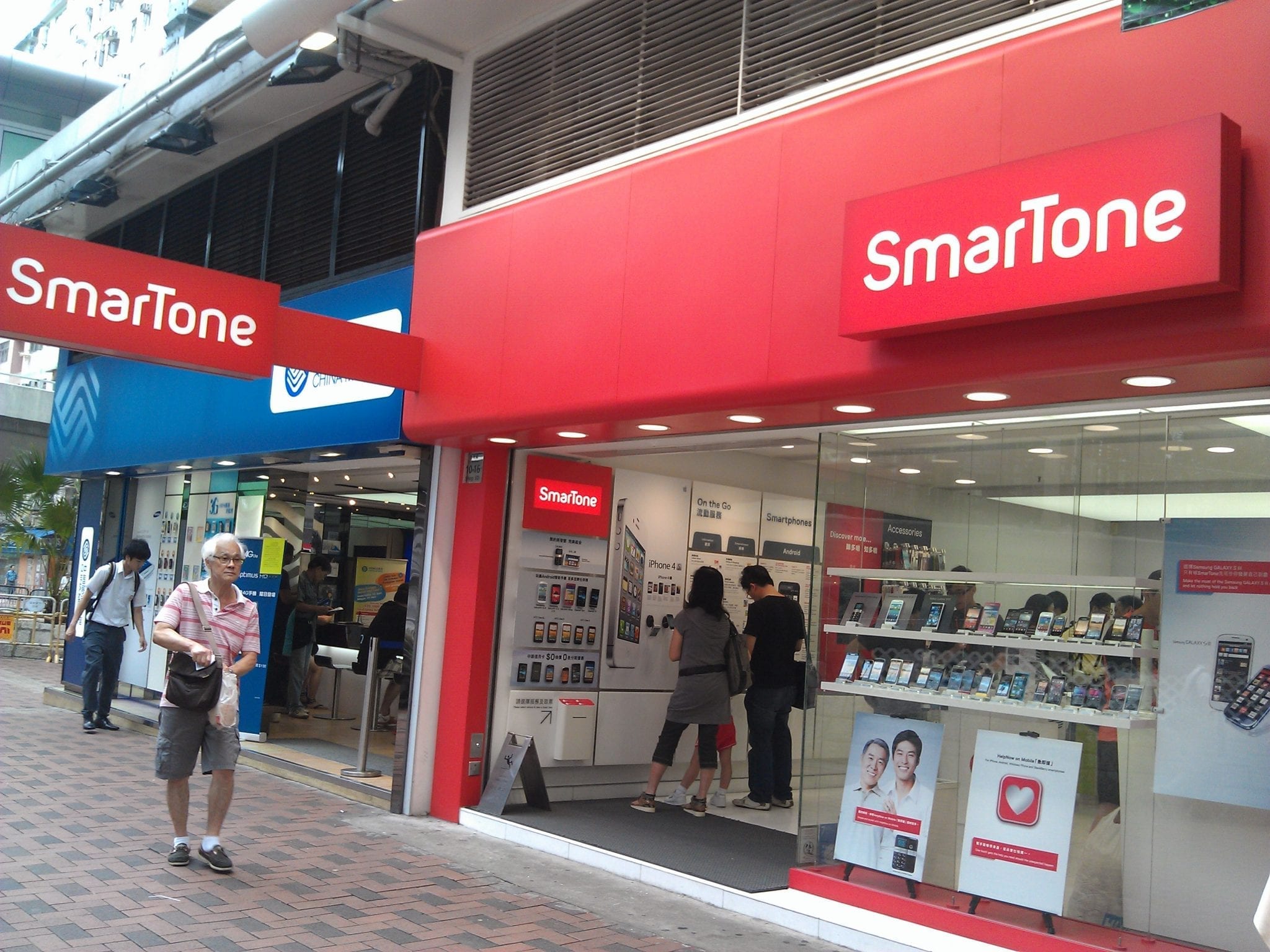
    Hong Kong’s SmarTone has teamed up with Cisco Jasper, Cisco’s IoT division, to launch IoT services in the market.

    The companies will offer Hong Kong businesses the opportunity to leverage SmarTone’s mobile network and Cisco Jasper’s Control Center managed connectivity platform for their IoT-based services.

    Announcing the deal, Cisco Jasper managing director for China and APJ Hong Lu said the company sees SmarTone as an ideal partner for the Hong Kong market due to its status as a total service provider, including cloud, mobile, fixed line, ICT and IoT services.

    “For more than 10 years we have been helping businesses across every industry automate the delivery of IoT services that have a direct impact on their bottom line,” Lu said.

    “Today, more than 6,500 companies in over 100 countries use Cisco Jasper Control Center to automate the connectivity management of their IoT devices around the world.”

    Customers include 23 of the world’s major auto makers leveraging the platform for their connected car initiatives. Cisco Jasper is also particularly targeting smart cities, as well as the industrial manufacturing, retail, security and smart home sectors.

  • Travel with AirAsia for Rs 99

    Travel with AirAsia for Rs 99

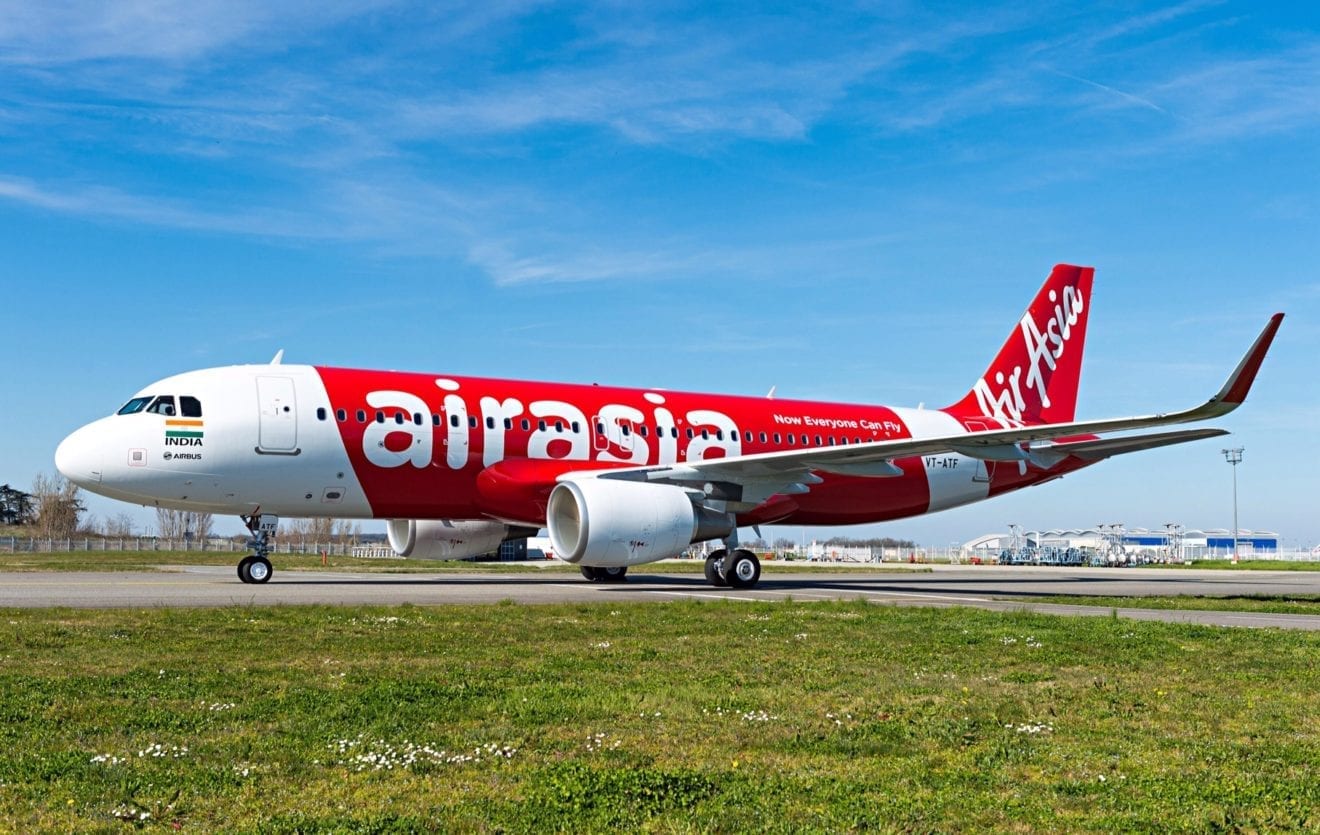
    Budget carrier AirAsia India on Saturday announced special low fares one way to select destinations across its network in the country.

    “Starting at Rs 99 one-way, the special fares can be booked between January 16 and January 22 for travelling from May 1 to February 6, 2018,” said the airline in a statement.

    The airline operates services to 11 destinations — Bengaluru, Chandigarh, Goa, Guwahati, Hyderabad, Imphal, Jaipur, Kochi, New Delhi, Pune and Vizag, with Bengaluru and New Delhi as its hubs.

    It has a fleet of eight Airbus A320 aircraft.

    The carrier’s parent company AirAsia is also offering promotional fares to Kuala Lumpur in Malaysia and Bangkok in Thailand from India on its Southeast Asia network, with one-way tickets priced at Rs 999.

    “The travel period for overseas destinations is from January 16 to July 31, and tickets can be booked between January 16 and January 22,” said the statement.

    The three-year-old low-cost airline is a joint venture between Tata Sons Ltd and AirAsia Berhad, with each holding 49 per cent equity stake, while its Chairman S Ramadorai and Director R Venkataraman hold 0.5 per cent and 1.5 per cent shareholding respectively.