Tag: asia

  • Airtel launches India’s first payments bank

    Airtel launches India’s first payments bank

    India’s largest mobile operator Bharti Airtel has launched the nation’s first payments bank in all 29 states, using its extensive network of retail stores as banking points.

    The operator will invest an initial 30 billion rupees ($440.3 million) to develop a pan-India banking network and payments ecosystem for its mobile customers. Customers’ mobile number will serve as their banking numbers.

    At launch, the Airtel Payments Bank will use Airtel’s retail network of around 250,000 stores in all 29 states of India as banking points. This is more than the total number of ATMs currently operating in the country.

    Airtel plans to develop a nationwide digital payments ecosystem consisting of over 5 million merchants. The operator said 1 million are already on board.

    The bank offers an interest rate of 7.25% per annum on deposits in saving accounts, and Airtel mobile customers will receive equivalent talk time for every rupee they deposit at the time of opening a savings account.

    Airtel also rolled out its payments bank app for Android and iOS, accessible via the MyAirtel app.

    “Just like mobile telephony leapfrogged traditional telecom networks to take affordable telecom services deep into the country, Airtel Payments Bank aims to take digital banking services to the unbanked over their mobile phones in a quick and efficient manner. Millions of Indians in rural areas will get their first formal banking experience with Airtel Payments Bank,” Bharti Enterprises chairman Sunil Bharti Mittal said.

    “We are fully committed to… Prime Minister Shri Narendra Modi’s call to build a Digital India and lay a strong foundation for India’s transition to a cashless economy. Airtel Payments Bank will invest towards building a vast digital payments ecosystem with millions of merchants, and allow customers to make convenient cashless payments for good and services with their mobile phones.”

  • South Korea approves VW recall of Tiguan vehicles

    South Korea approves VW recall of Tiguan vehicles

    South Korea said on Thursday it has approved Volkswagen’s (VOWG_p.DE) plan to fix 27,000 Tiguan sports utility vehicles to ensure they comply with emissions standards, after previously rejecting the German automaker’s proposals three times.

    Government tests showed the proposed fix to remove software that cheats emissions tests did not affect fuel economy or performance, the environment ministry said in a statement.

    The vehicles comprising two Tiguan variants were among the 125,522 vehicles South Korea ordered Volkswagen to recall in November 2015 after it admitted to cheating emissions tests around the world.

    Plans to fix the remaining 99,000 vehicles will be reviewed, the ministry said.

    South Korea has taken a tough line on Volkswagen, slapping it with a record fine, suspending sales and on Wednesday indicting seven current and former executives and employees in the wake of the emissions-test cheating.

    Volkswagen’s sales in Asia’s fourth-biggest economy slumped to their first annual decline in 12 years in 2016 as a result of the sales suspension.

    The carmaker has also recently received approvals from U.S. and German authorities for vehicle fixes.

    In the United States, Volkswagen on Wednesday agreed to pay the largest ever U.S. criminal fine levied on an automaker to settle charges that it conspired for nearly 10 years to cheat on diesel emission tests.

    U.S. prosecutors also charged six current and former senior Volkswagen executives for their roles in the scheme.

  • Singtel launches 450Mbps LTE-A nationwide

    Singtel launches 450Mbps LTE-A nationwide

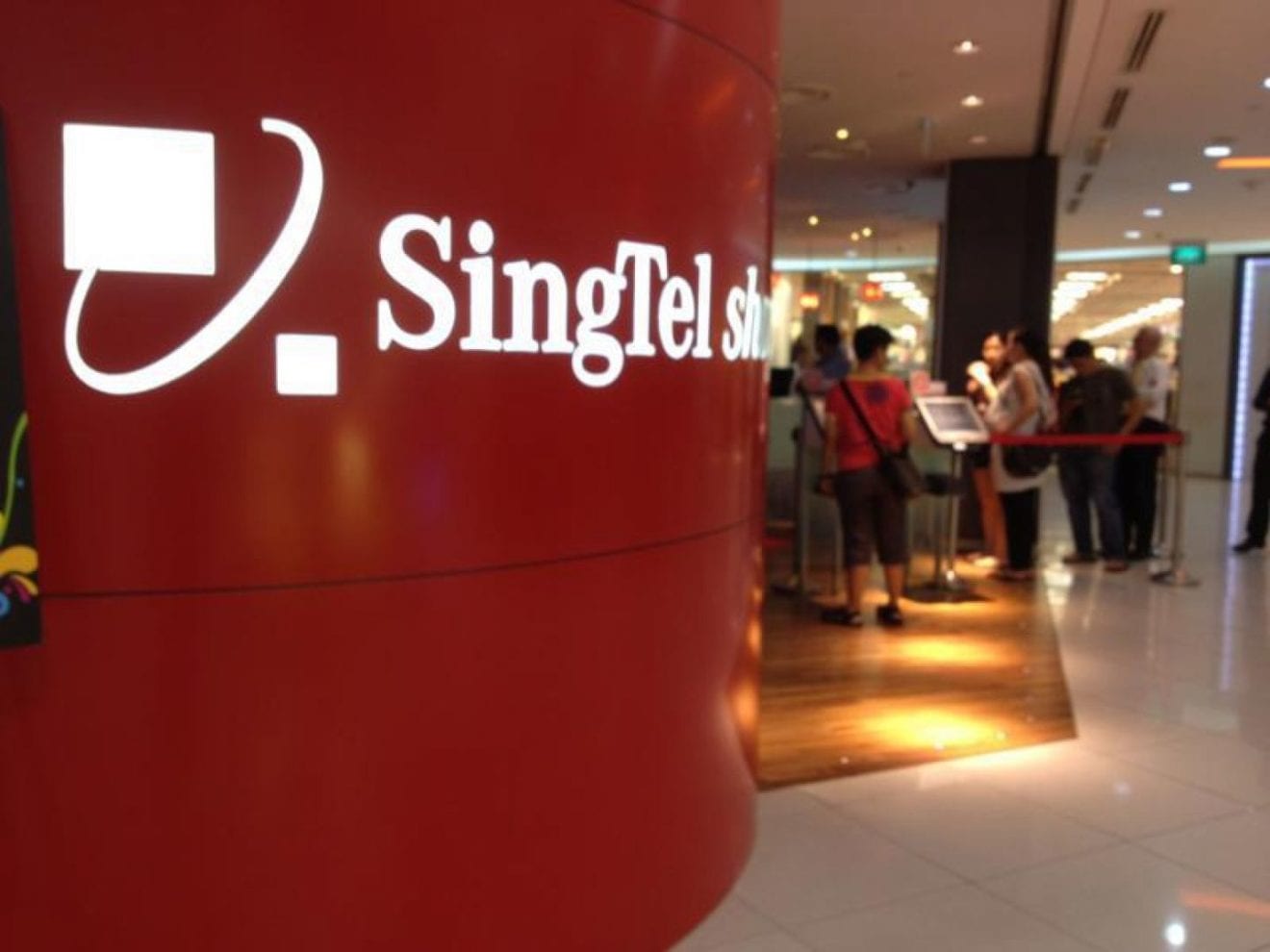
    Singtel has announced the nationwide deployment of its 450Mbps LTE-Advanced service as part of the operator’s journey to 5G.

    The company has upgraded its LTE network in Singapore to support the pre-5G technology 256 quadrature amplitude modulation (256 QAM).

    The technology is designed to increase the number of unique waveform shapes to allow the carriage of up to a third more data, as well as increased spectral efficiency.

    Singtel will make the 450Mbps service available to all its 4G customers with compatible devices at no extra cost.

    Customers with Galaxy S7 and S7 Edge smartphones can take advantage of the faster speeds already, and Samsung plans to release a software update to also support the LG V20. More compatible smartphone models are expected to reach the market early this year.

    “Singtel is investing ahead to deliver faster speeds and wider connections with the steady deployment of innovative technologies on our live network,” Singtel CEO consumer Singapore Yuen Kuan Moon said.

    “With more customers consuming and sharing mobile videos, 450Mbps speeds will enable them to download movies in a flash and give them a better entertainment experience while on the go.”

    Singtel also announced it teamed up with Ericsson to demonstrate download speeds of 1Gbps in a live 4G network pilot at two sites. The speed was achieved by combining 256 QAM with 4×4 MIMO and tri-carrier aggregation technologies.

    The operator plans to roll out 4×4 MIMO technology on its network from next year. The first compatible devices are expected to be ready for launch by the end of 2017.

  • Indonesia`s palm oil exports down 2 percent in 2016

    Indonesia`s palm oil exports down 2 percent in 2016

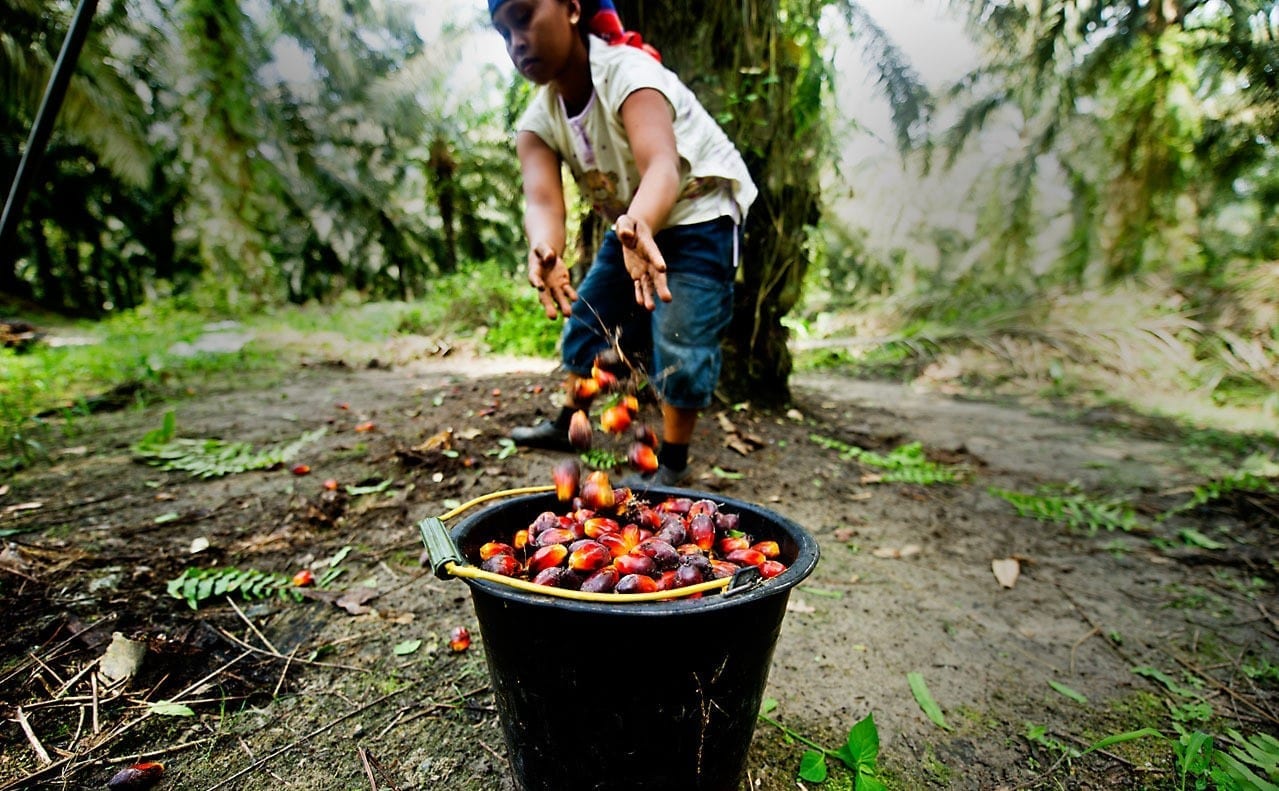
    Indonesias export of crude palm oil (CPO) and its derivatives fell by nearly 2 percent to 25.7 million tons in 2016 from 26.2 million tons in 2015 from after-effects of the El Nino weather phenomenon.

    “At the end of 2015, oil palm fruit production fell due to the El Nino-induced drought for all of 2015. Exports fell 2 percent by volume as production dropped by 7 to 30 percent,” President Director of the Oil Palm Plantation Fund Managing Board (BPDP) Bayu Krisnamurthi said at a press conference here Tuesday.

    Although the export volume of CPO, palm kernel oil (PKO) and their derivatives went down by 2 percent, the export value of palm oil rose by 8 percent to US$17.8 billion or Rp240 trillion from $16.5 billion or Rp220 trillion a year earlier, he said.

    The increase in the export value was caused by the improving global CPO prices which increased by 41.4 percent in 2016. The CPO prices stood at $535 per ton in June 2015, rose to $558 per ton in January 2016 and further moved up to $789 per ton in December 2016.

    Yet, the BPDP has asked exporters to pay attention to the latest CPO price which is too high because it can reduce Indonesias competitive edge in the vegetable oil market.

    “We know that Indonesian palm oil has to compete with soybean oil, so if the palm oil price is too close to the soybean oil price, our competitive edge will decline,” he said.

    Indonesia is currently the worlds biggest CPO producer.

    In 2015, Indonesias CPO production reached 32.5 million tons, with exports reaching 26.4 million tons. The export value went down from $21.1 billion in 2014 to $18.6 billion in 2015.

  • Luxury Cartier pop-up opens in Macau

    Luxury Cartier pop-up opens in Macau

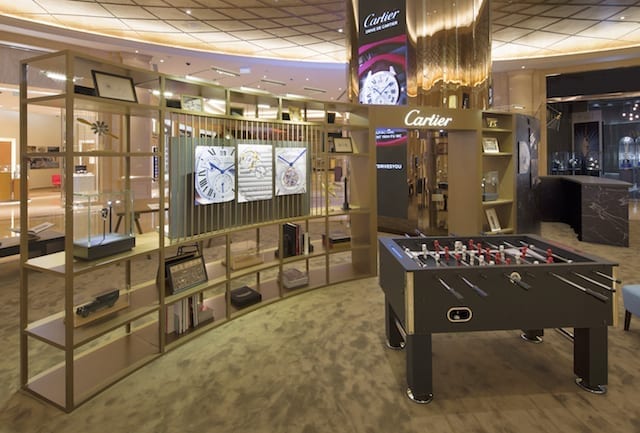
    Cartier has unveiled its first-ever lifestyle pop-up store with experiential display to exhibit the Drive de Cartier Watch Collection.

    The pop-up, located in the Macau Four Seasons T-Galleria by DFS, opened this month and will remain until the end of February.

    cartier-macau-1

    “Visitors will immerse in the cultivated and contemporary universe that is inhabited by gentlemen who wear Drive de Cartier watches,” said a Cartier spokesman.

    cartier-macau-2

    Cartier will transform the Shoppes at Four Seasons exhibition area into an “animated open home,” a retail display concept designed to reveal different aspects of the Drive de Cartier lifestyle. Each space will provide an interactive experience, combining the latest digital technology with specialist workshops conducted by a host of prestigious partner companies, creating the perfect space for Cartier’s guests to enjoy a vibrant experience blending dolce vita and celebration.

    Two distinct areas will be set up. A Library Lounge will display a miscellany of objects and collectibles such as books, music, one-of-a-kind figurines and the latest techie gadgets, alongside the new Drive de Cartier collection. It will also provide gaming platforms (including a new version of the classic Pacman) and a design bar area.

    cartier-macau-7

    In the second area, the Atelier, guests will discover holograms and design sketches of the Drive de Cartier collection, and the inspirations behind the watches, drawing their attention to the balanced aesthetic of the distinctive cushion-shaped case, and the refined detailing of the precision Manufacture movements.

    cartier-macau-4

    cartier-macau-5

    Guests will be invited to take part in workshops on craft beer and wine tasting, calligraphy and artisan leather stamping.

    cartier-macau-8

    The full Drive de Cartier collection will be showcased during the two months of the animation, but a particular highlight will be the horological wonder that is the Drive de Cartier Flying Tourbillon. This prestigious timepiece is fitted with the manufacture calibre 9452 MC mechanical movement with manual winding. Certified Poinccon de Geneeve, the Flying Tourbillon is a testimony to Cartier’s excellence in fine watchmaking.

  • Forever 21 expand on activewear

    Forever 21 expand on activewear

    US fast-fashion retailer Forever 21 has launched its activewear collection globally at its stores and on its website.

    The Forever 21 Activewear Collection provides low-, medium- and high-impact pieces in an array of soft and neon hues.

    forever-21-activewear-collection-2

    The Fit and Run assortment is designed for high-impact activity and features bold prints, sweat resistance, matching sets and lightweight jackets.

    The Booty Sculpt assortment is designed for medium-impact activity and aims to highlight and define curves. It features black and charcoal hues, with high-waisted shorts, capris and leggings with power mesh inserts.

    forever-21-activewear-collection-1

    For low-impact activity, the Dance and Yoga assortment features soft tones and delicate styles such as loose-fitting joggers and wrap-around tops designed for layering.

    With its headquarters in Los Angeles, Forever 21 was founded in 1984 and has more than 730 stores in 48 countries including Australia, China, Hong Kong, India, Japan, Korea and the Philippines.

  • A cloud of dispute above McDonald’s Korea franchisee

    A cloud of dispute above McDonald’s Korea franchisee

    McDonald’s Korea has become mired in a high-profile dispute with a franchisee.

    The local arm of the US restaurant operator terminated the franchise agreement with McDonald’s Mangwon branch on December 1 of last year. According to McDonald’s, the restaurant owner had been failing to fulfill the terms of agreement, including paying the company franchise commissions amounting to a total of about 700 million won ($586,264).

    The owner retaliated by claiming he suffered losses from another McDonald’s restaurant opening nearby, refused to pay the overdue amount and shuttered the restaurant on December 4 after firing some 60 employees who were owed 50-million-won ($41,865) in unpaid wages.

    This week, former employees and members of the Alba Organization, Korea’s labor union for part-time workers, protested in front of the now-closed Mangwon outlet, affixing signs festooned with angry slogans to the front of the building.

    In an official statement, the Alba Organization demanded that McDonald’s advance the overdue wages and severance pay to the former employees, then demand indemnity from the owner. It also requested that the company provide jobs to employees who wish to continue working at McDonald’s.

    “For part-timers, wages are essential to survival. We demand that McDonald’s resolve this matter as soon as possible,” said a spokesperson.

    McDonald’s Korea responded by saying  it was doing its best to help the employees, and claimed to have already hired 19 of the former Mangwon outlet workers at other McDonald’s restaurants.

    However, as for unpaid wages, officials said, “we need the work data for the part-timers to pay their overdue wages, but only the owner can access the data,” adding that “trying to access the information without the owner’s consent is a violation of the law.”

  • Korea food delivery app popularity booms

    Korea food delivery app popularity booms

    Food delivery has become more accessible than ever in South Korea.

    Korea food delivery apps have brought together thousands of restaurants across the country into a single location-based platform, growing significantly over the past few years.

    According to Woowa Brothers Corp., which operates the leading food delivery app Baedal Minjok, the monthly number of delivery orders exceeded 10 million for the first time last month at 10.7 million, which was an increase from 5.2 million in December 2014 and 7.12 million in 2015.

    Woowa Brothers added that the average number of orders per customer is also increasing steadily, from 3.2 orders per month in 2014 to 3.6 orders in 2015.

    Industry watchers expect the market to continue its growth, taking into consideration new types of food delivery apps with differentiated services entering the market, such as Shikshin Hero, which delivers food from famous restaurants that typically don’t provide delivery services.

    Newly emerging dining trends like eating or drinking alone are also expected to add to the continued growth of delivery apps.

    The Ministry of Agriculture, Food and Rural Affairs and the Korea Agro-Fisheries & Food Trade Corporation predicted last year that “do it yourself hype” and “more food options for take-out or delivery” would drive Korea’s dining trends in 2017, forecasting a positive outlook for the food delivery industry.

    “A greater number of single-person households gave birth to more people drinking and dining alone, and a greater variety of food options are now available for delivery,” said a Woowa Brothers official. “Such factors led to the rapid expansion of the market.”

  • China is Ted Baker’s savior

    China is Ted Baker’s savior

    China has helped drive a solid half year for men’s fashion retailer Ted Baker.

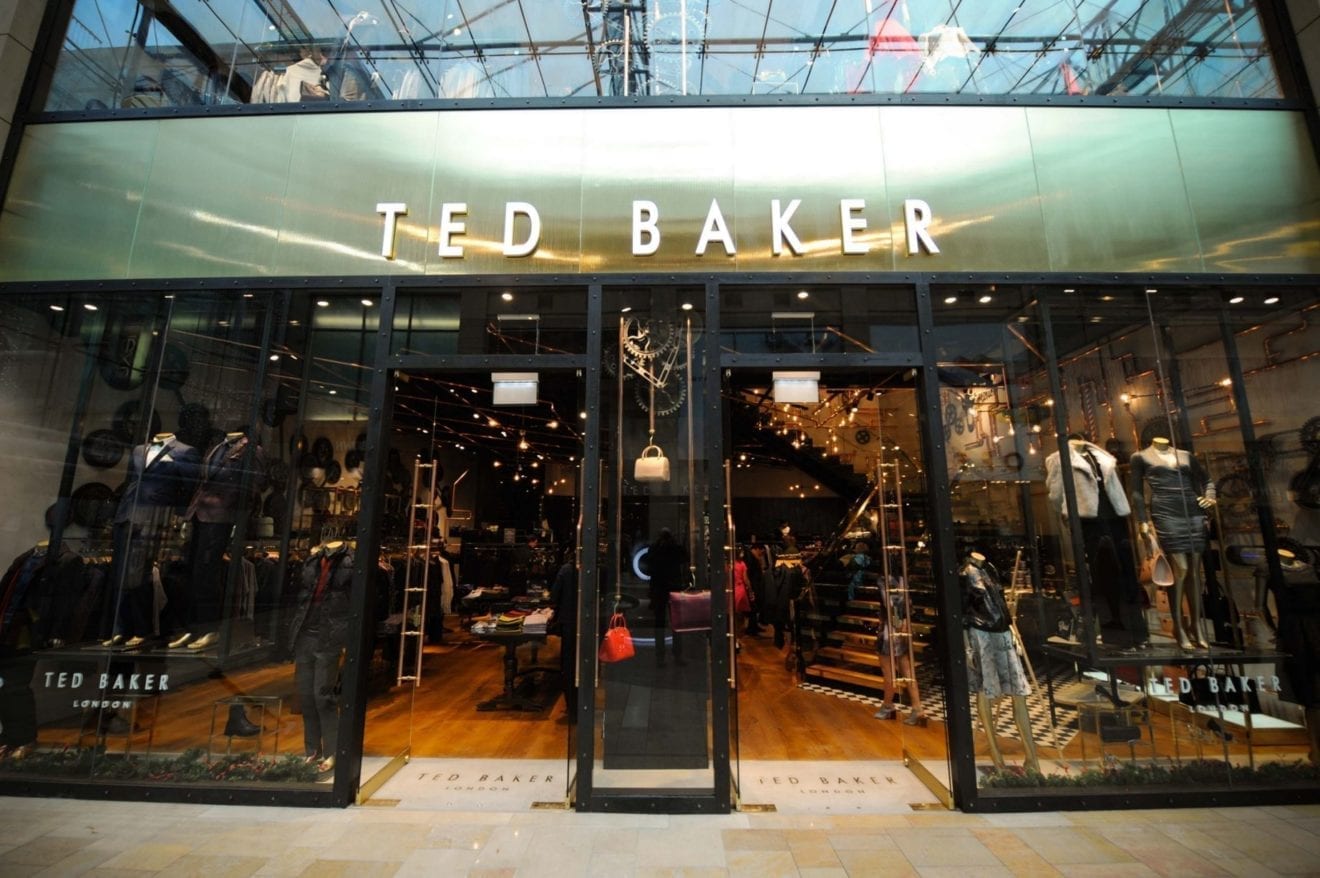
    The UK-based chain has been rolling out concessions in the mainland with a local partner. That helped the company’s average retail square footage to rise by 8.5 per cent over the period to reach 386,252 sqft. Store openings in Indonesia – and its newest market, Bahrain – also helped.

    Additionally Ted Baker’s website now delivers to over 200 countries with the retailer rolling out language specific websites – helping to drive impressive online growth and broaden its global reach.

    Fiona Paton, an analyst with Verdict Retail, describes Ted Baker as a go-to destination for Christmas gifting and self-treating due to its stylish designs, distinctive collection of partywear and its range of high-quality accessories and leather goods which appeal to aspirational shoppers. “It is therefore no surprise that Ted Baker has reported another impressive performance this Christmas.”

    UK retail sales will benefit from Ted Baker’s increasing international brand awareness, as the retailer becomes front of mind among tourists wanting to take advantage of the weaker pound and buy into British brands and premium goods while visiting the UK, says Paton.

    “Over the next five years menswear is going to be the fastest-growing clothing sector in the UK. Ted Baker benefits from a unisex brand appeal so should capitalise on this and invest in its menswear proposition to increase its appeal among new 25-34 year old shoppers looking to graduate from Topman and River Island, and who are prepared to spend more on their clothing.”

    She says refreshing its designs and increasing the frequency of newness in collections will also help protect Ted Baker against emerging competitors, such as Superdry, which launched a premium menswear collection with Idris Elba in 2016, Whistles and Jigsaw.

  • Shu Uemura withdrawing from Philippines

    Shu Uemura withdrawing from Philippines

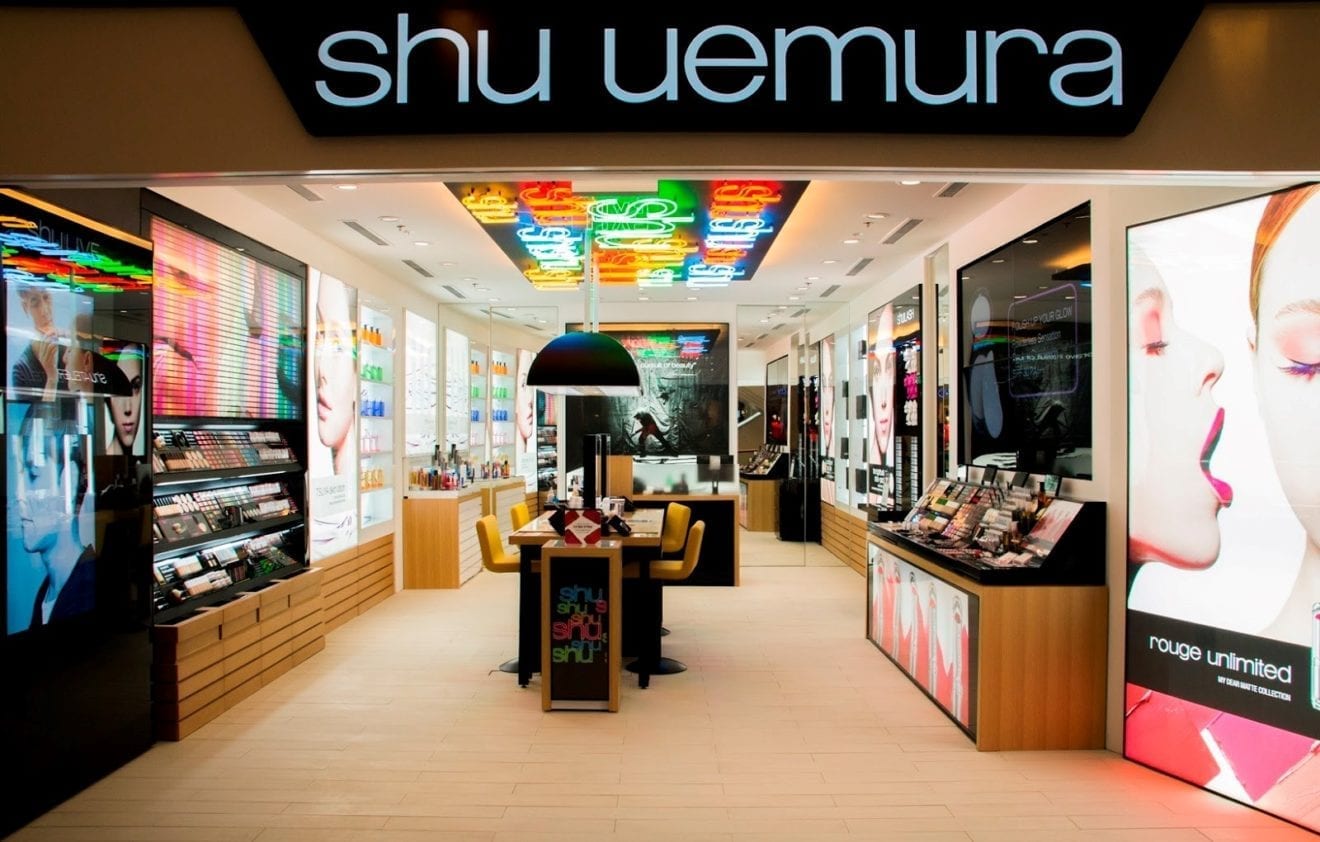
    Japanese cosmetic brand Shu Uemura is withdrawing from the Philippines.

    L’Oreal Philippines has confirmed that all branches and counters of the make-up line will be shut down by the end of April.

    While officially distributed by L’Oreal Philippines, the brand believes the closing of its Philippines outlets will be beneficial in the long term.

    Shu Uemura is known for its quirky collaborations and neon-filled palettes. One of its most famous collaborations was with iconic designer Karl Lagerfeld.

    Brand founder Shu Uemura went to Hollywood in the 1950s and started working as a makeup artist, becoming in demand after working on the Paramount movie My Geisha in 1962 with actress Shirley MacLaine.

  • Poh Kong Holdings plans five more stores

    Poh Kong Holdings plans five more stores

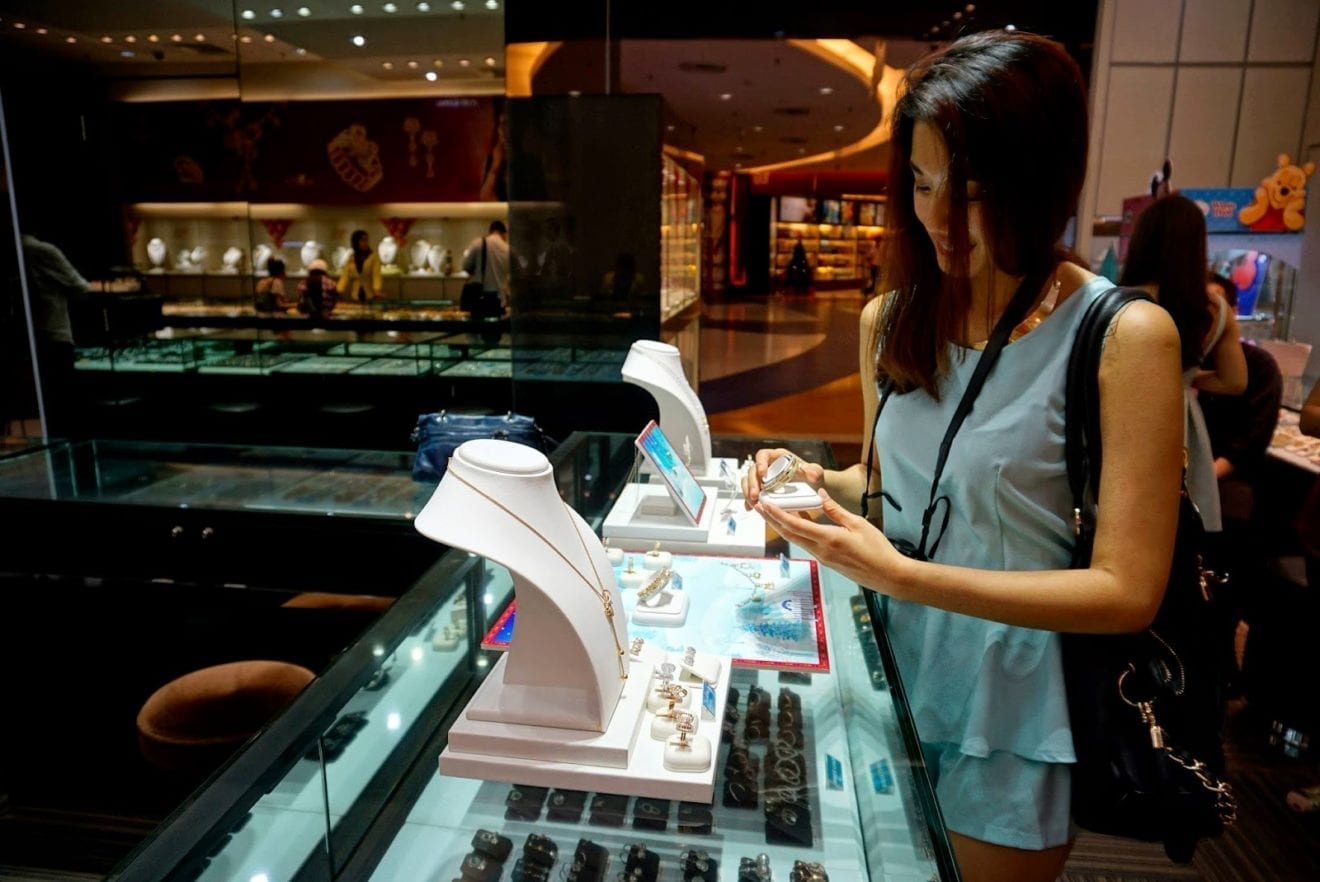
    Malaysia’s largest jewellery retailer, Poh Kong Holdings, plans to spend up to RM25 million (US$5.6 million) to open five more stores in Malaysia this year.

    The company says two of the outlets will be in Johor, a state with an appetite for gold and gemset jewellery.

    Each outlet costs up to RM5 million to set up, including inventories, says Poh Kong business development manager Edison Choon.

    poh-kong-jewelry-store

    He declined to reveal the locations of the other three possible stores.

    By year end, he says, the company aims to have at least 100 stores (there are now 97 outlets, all in peninsular Malaysia).

    At the moment, 71 per cent of Poh Kong’s revenue is generated in the Klang Valley. Analysts say the company has 16 to 20 per cent share of Malaysia’s gold jewellery market, which is estimated to be worth RM5 billion.

  • Social media drives Asos success

    Social media drives Asos success

    The first quarter was an especially promotion-abundant period for pureplay UK-based online retailer Asos.

    Blanket discounts of 20 per cent for Halloween and Asos’ five-day Black Friday period as well as 30 per cent off selected categories in the run up to Christmas drove sales growth of 52 per cent.

    Asos’ promotions clearly resonated well with UK shoppers, as first quarter UK retail sales grew to an impressive £244 million. Asos should use the wealth of data it has on customers to offer customers tailored discounts on products they are likely to buy rather than blanket discounting.

    Part of the reason behind the consistent Asos success is the way it successfully targets customers with creative email and social media marketing on platforms such as Twitter and Instagram. The retailer also offers attractive delivery options such as Asos Premier, costing £9.95 for 12 months of unlimited next-day delivery; this encourages consumers to choose Asos over other online retailers over this period. Asos.com is regularly updated with new fashion ranges and featured brands such as 3INA and Young Bohemians, all of which encourage repeat spend and maintain customer loyalty which is vital over the peak trading period.

    Asos is continually future-proofing the business, ensuring it can cope with increased demand as it expands globally. The strong growth in international sales, particularly in the US as a result of the weak pound, means Asos will have to keep up with order fulfilment as the retailer expands. This will be imperative as rival retailer boohoo.com seizes market share away from Asos (which stands at 6.6 per cent for the UK online clothing & footwear market in 2016) through its own global expansion.

    The decision from CEO Nick Beighton in January 2017 not to raise prices should help Asos stay competitive in a busier-than-ever online fashion pureplay market.

  • Old Chang Kee expansion to UK

    Old Chang Kee expansion to UK

    Singapore F&B chain Old Chang Kee is forming a JV in the UK so it can expand and build its brand there, primarily in London.

    With Singapore company 13 Wonders, which is mainly involved in the general wholesale trade and food retail, it is forming Old Chang Kee UK (OCK UK), which will be a direct subsidiary of Old Chang Kee. Its initial paid-up share capital of £500,000 (US$608,400) comprises 500,000 shares.

    Under the agreement, Old Chang Kee and 13 Wonders will hold 60 and 40 per cent respectively of the shareholding interest in OCK UK, which will run food retail outlets as well as manufacture, distribute and trade food products in the UK.

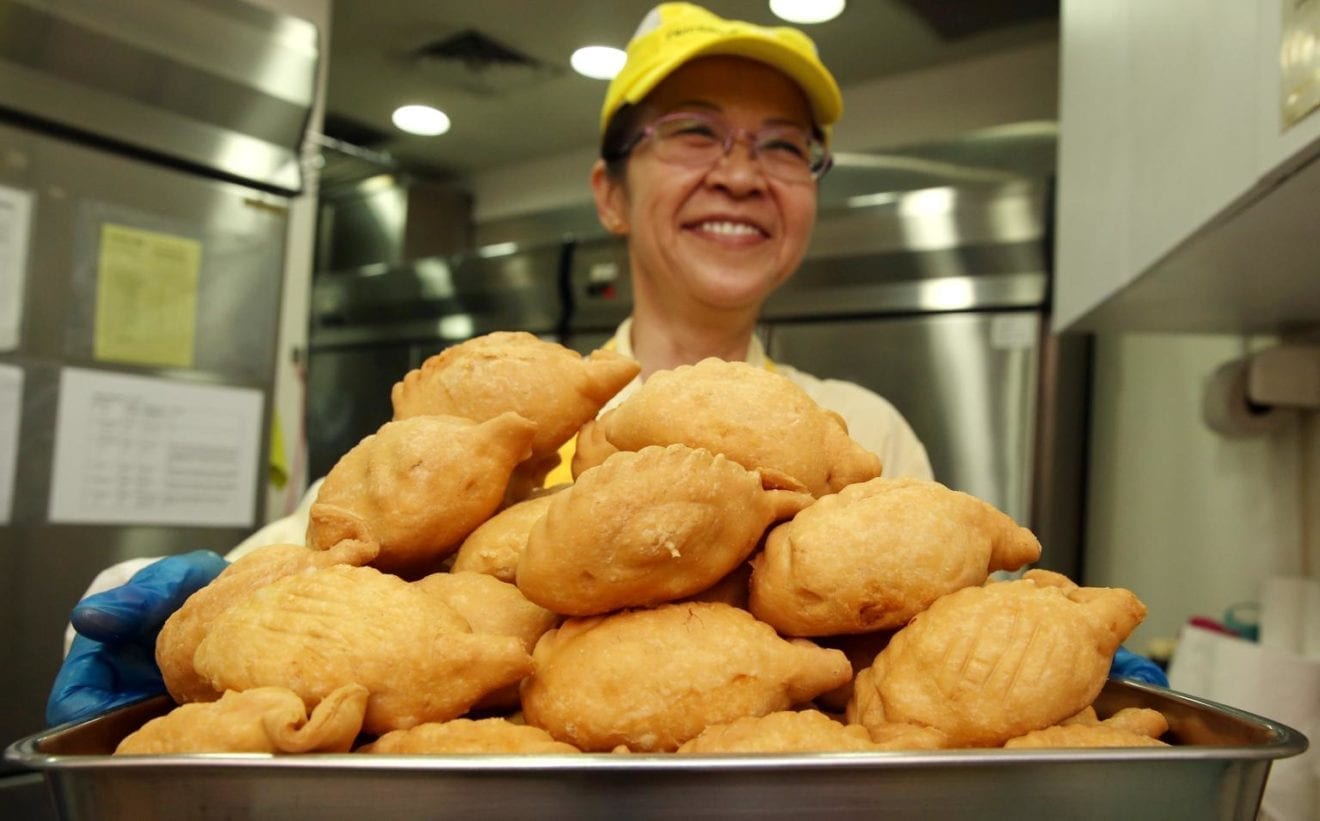
    Old Chang Kee started in 1956 in a stall in a coffee shop near the former Rex Cinema in Mackenzie Road, attracting people from all over Singapore with its curry puff. The brand was bought in 1986 by Han Keen Juan who evolved it into a fast-food chain with its own production factory. Old Chang Kee now markets its range of snack products, including its signature curry puffs, through kiosks and retail outlets at petrol stations and shopping malls.

  • Burberry Korea price cut is needed

    Burberry Korea price cut is needed

    Burberry Korea is under fire for cutting prices “too little, too late”.

    It’s not the first time Burberry has been criticised for its Asian pricing strategy. Last May,

    Jack Chuang, a partner with Hong Kong-headquartered OC&C Strategy Consultants, said that of all the luxury brands, Burberry is the one with the most significant price gap between Asian and European markets.

    “Prices in Mainland China are almost 40 per cent higher than in UK, while in Hong Kong, it is 20 per cent higher.”

    The South Korean office of Burberry recently marked down the price of some of its products to reflect the fallen value of the British pound, but only by a small margin compared with the currency’s depreciation, fashion industry officials said Wednesday.

    Burberry Korea dropped the local price by an average 9 per cent as the pound fell after Britain’s decision to leave the European Union in June last year. Industry officials say the markdown, however, falls far short of the 17 per cent fall of the British currency against the US dollar. The pound’s exchange rate against the South Korean won dropped 17 per cent from 1765.90 won in February last year to 1468.13 won as of January 9.

    The price adjustment in Korea also falls behind Burberry’s decision for Hong Kong, where the fashion brand’s product prices were taken down 10-15 per cent in September. Some of the products were down by 20 per cent. The markdown rate was more than the 9.75 per cent fall of the pound against the Hong Kong dollar at the time.

    Burberry Korea declined to talk on the matter despite repeated calls by news agency Yonhap.

    Consumer groups have long complained that foreign brands often take advantage of their popularity in South Korea to push demands they do not make in other countries or exclude South Korea from their market action.

    Swedish furniture maker Ikea caused ire last year when it kept selling dressers in South Korea that were recalled in the US and Canada after reported accidents involving children that resulted in deaths. The company had argued that the dressers meet local safety regulations. Volkswagen, who already settled on compensation to its consumers in the US from faked emissions tests, has yet to carry out full recalls or offer compensation steps in South Korea.

    US credit card company Visa in May came under fire for deciding to raise the processing fee by 10 per cent for overseas transactions, effective in South Korea but not in Japan or China.

    Such discriminatory actions are more stark at duty-free shops, industry officials say, who fiercely compete to host highly sought brands.

    “In case of popular brands, they often insist on excessive requirements, such as the cost of interior decorations when deciding to open their store,” an official at a Seoul duty-free shop said. “The retailers have to be compliant because of the brand power and because they have to attract customers, and they end up having to accommodate the demands.”

  • Bauhaus International sales drop 10 per cent

    Bauhaus International sales drop 10 per cent

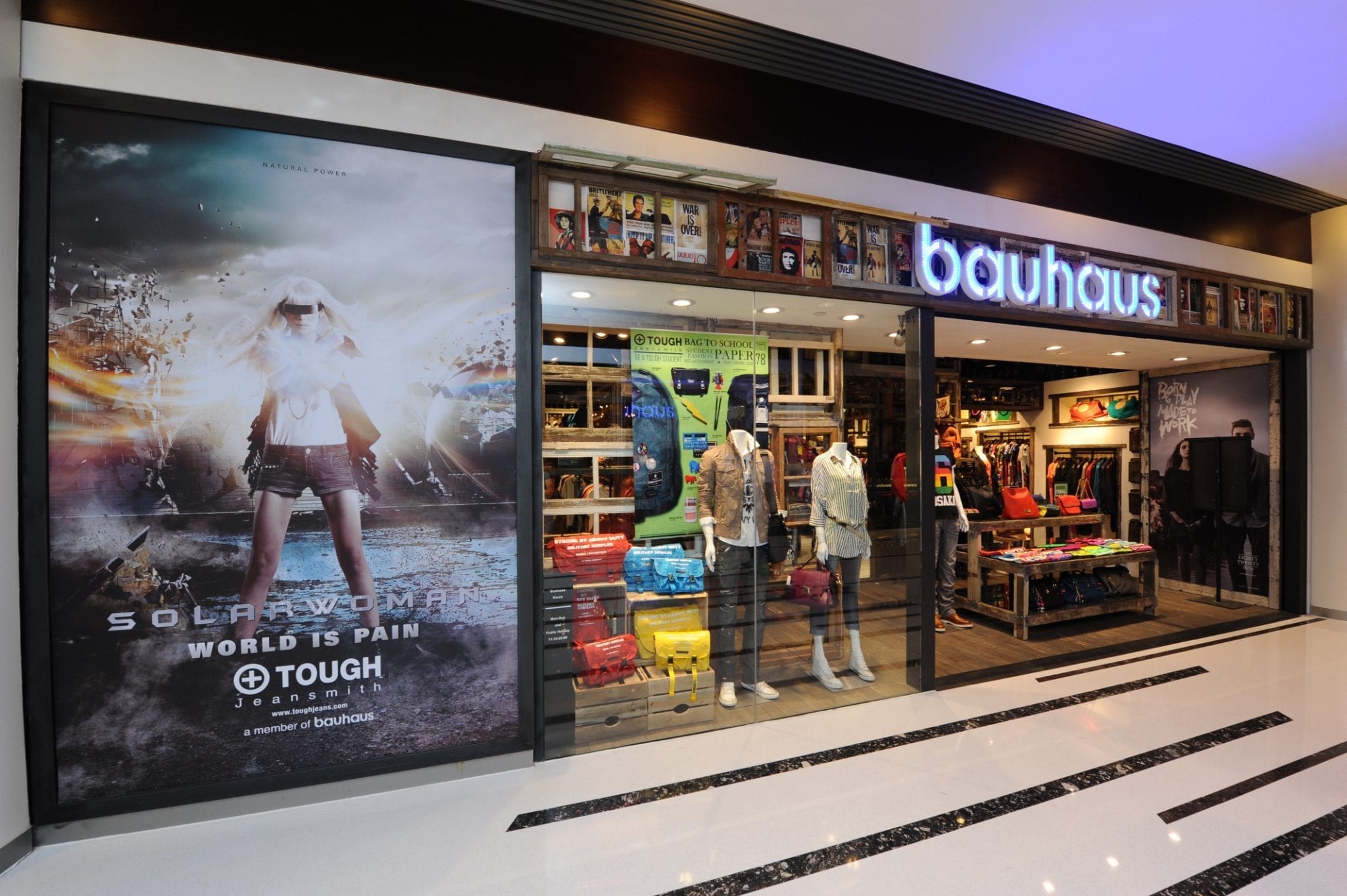
    Same-store sales for clothing retailer Bauhaus International in Hong Kong and Macau have dropped 10 per cent year-on-year for the three months ended December 31.

    The streetwear retailer designs and makes apparel and accessories which it wholesales and retails under its brand names including Bauhaus, Salad and Tough, as well as third-party labels, including Superdry.

    Sales in Mainland China decreased 4 per cent compared to the same period last year, according to its filing with the Hong Kong Stock Exchange.

    The three-pronged decline in sales helped drive down the company’s overall same-store sales by 3 per cent year-on-year. Nevertheless, its same-store sales in Taiwan grew by 12 per cent.

    Bauhaus International did not release the related financial figures in its filing.

    At the end of last month, nine months into its fiscal year, its total sales had fallen by 9 per cent year-on-year; in particular, those generated in Hong Kong and Macau had dropped 14 per cent.

    The company ended last year with 203 shops, of which 82 were in Hong Kong and Macau, 93 in Taiwan and 28 in China.

    At the end of September, halfway through its fiscal year, the company had turnover of about HK$501.4 million (US$  million). Turnover in Hong Kong and Macau fell 18.5 per cent year-on-year, amounting to HK$348.1 million.

    It also saw its interim net loss expand to HK$60 million from HK$26.6 million a year earlier. The company attributed this to the “adverse performance” of its retail business in Hong Kong.