Tag: asia

  • Trans Retail Indonesia eyes expansion

    Trans Retail Indonesia eyes expansion

    Grocery retailer Trans Retail Indonesia plans to open dozens of stores this year in a challenge to the online retail industry.

    This year it will open 30 stores under the Transmart Carrefour brand, says corporate communications GM Satria Hamid, without revealing costs.

    Trans Retail Indonesia, part of business tycoon Chairul Tanjung’s CT Corp, has decided to go head to head with the burgeoning eCommerce scene, reports The Jakarta Post.

    The retailer says it is determined to be more creative by way of promotional activities, intensive marketing and fresh products to lure customers to its stores.

    “We will refresh several stores with a new concept,” says Satria, citing a combination of retail and culinary experiences, and play areas for children.

    Trans Retail has 94 Carrefour stores nationwide, of which 15 stock the Transmart Carrefour brand. The house brand will be gradually rolled out to the other stores.

  • Global brands should grow in Philippines

    Global brands should grow in Philippines

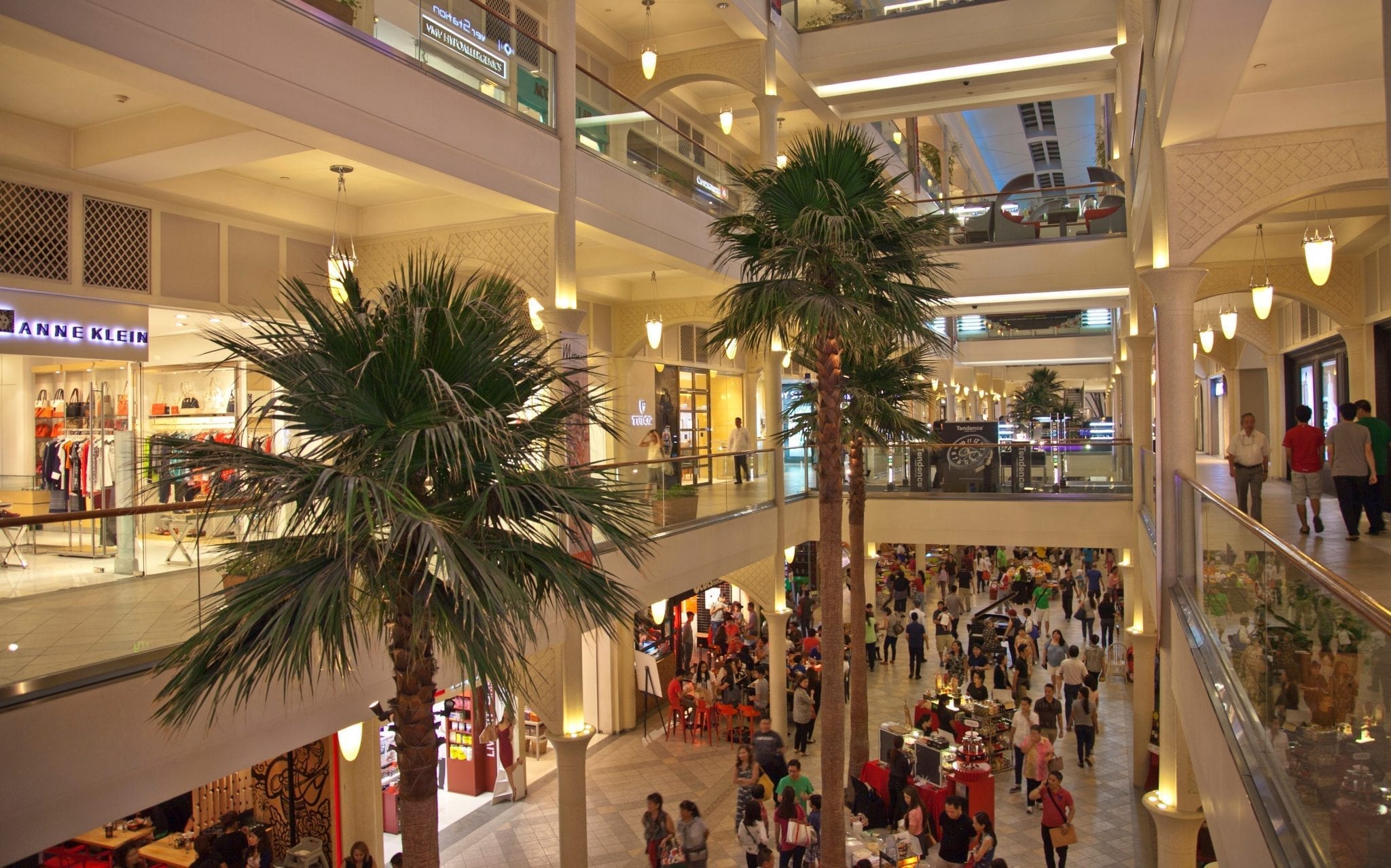
    With retail rents still affordable compared to other Asia Pacific countries, the Philippines should be attracting more international brands, says a property analyst.

    This would further fuel the growth of the retail property market this year, says Jones Lang LaSalle Philippines (JLL) regional director Sheila Lobien, who is also the company’s head of project leasing markets.

    She says that while rental rates for ground-floor retail in the Philippines are rising because of high market demand, regionally the country is still the cheapest.

    “If you look at the rental rates in Asia Pacific, Manila is the cheapest. Hong Kong is the most expensive, Singapore may be in the middle and even Kuala Lumpur is twice as high as us,” says Lobien. “So the Philippines is still the cheapest, though the rental is already increasing for ground-floor space.”

    Based on JLL figures for 2015, Manila continues to offer the most affordable shopping centers in the region at US$555 a square meter per annum. In contrast, Hong Kong commands the most expensive retail rents at US$15,661 a square meter per annum.

    Rising incomes

    As well as the lower retail rates attracting more international brands, the rising income of Filipinos is also a magnet.

    “Almost all the big brands that are in Singapore, Hong Kong and even the US are now here,” says Lobien. “We see Forever21, H&M and all the other big brands. Even brands as prestigious as Apple are looking at the Philippines now.”

    According to Jones Lang Lasalle’s Global Cross Border Retailer Attractiveness Index 2016, Manila is classified as a growth retail city, ranking 29th on the list of 50 top cities attractive for retail.

    “Strong retail sales growth is driven by an expanding population, rapidly rising middle classes and fast-track urbanisation,” says JLL.

    Lobien says the Filipino consumer market is becoming more sophisticated and is being more exposed to what is happening abroad, as travelling has become less expensive. “We didn’t know those brands before. Nowadays, we are familiar with all the international brands and we’re looking for them in the Philippines.”

    International brands that have entered the Philippines lately include Fatburger, Morganfield’s, Sugar Factory, Tokyo Milk Cheese Factory and Vera Wang, says JLL.

    To enter the Philippine market, foreign brands need a local retail partner, says Lobien, citing SM, which has partnered with Forever21 and H&M. “There are a lot of others like the Bench Group, which has international brands also.”

  • Lalamove to expand to 100 Asian cities

    Lalamove to expand to 100 Asian cities

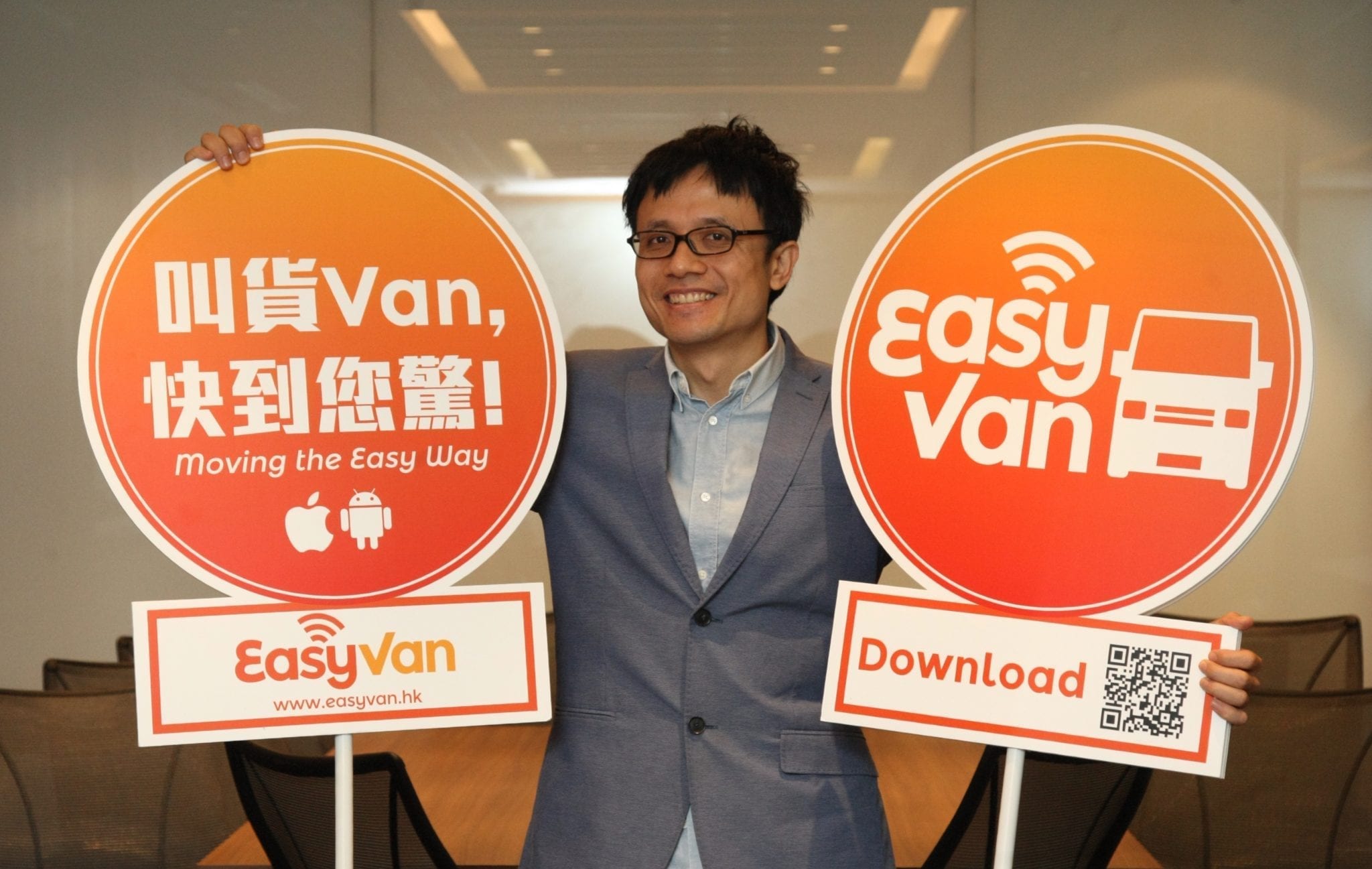
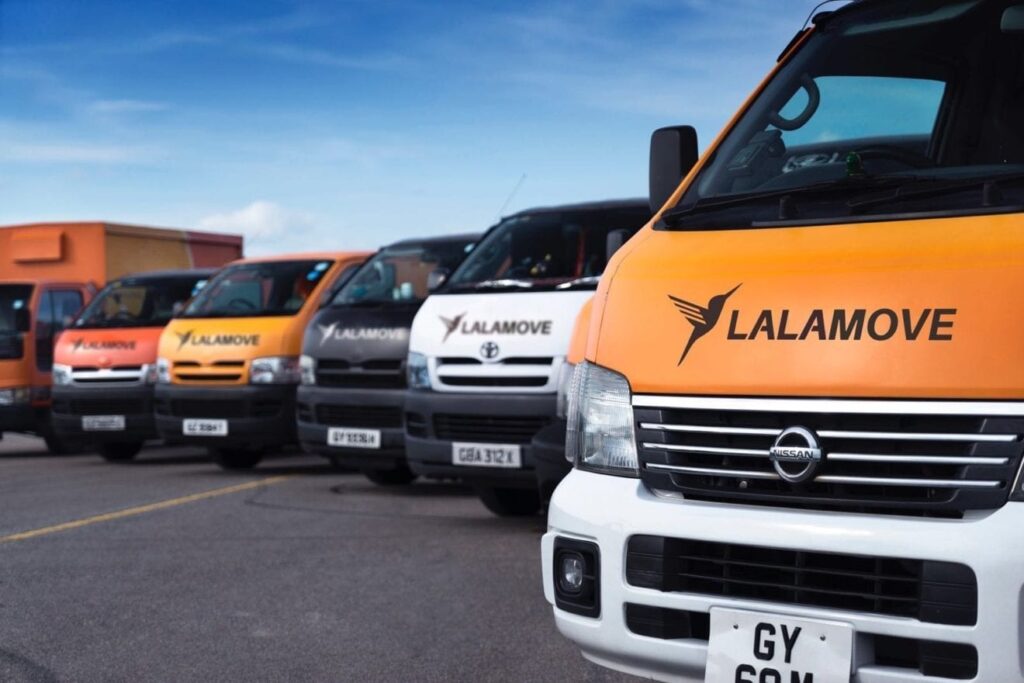
    Hong Kong-based logistics startup Lalamove has raised US$30 million in Series B funding to enable it to push into more than 100 cities in Asia by the end of the year.

    It is already established in 45 cities across China and Southeast Asia.

    Since it launched as EasyVan in 2013, the company has raised a total US$60 million in funding, with its latest round being led by Xianghe Capital from Beijing, with Blackhole Capital participating as a new investor. Previous investors Crystal Steam and Mindworks Ventures also contributed.

    Lalamove MD Blake Larson says the company is close to being profitable.

    Lalamove says it already has the largest service area for intracity deliveries in Asia with more than 500,000 drivers using the platform. More than 5 million people have used the service.

    Founder/CEO Shing Chow said he believes the logistics industry is underpenetrated by mobile platforms, citing the US$1.7 trillion market in China as an example.

    “The evolution of the logistics industry has not been as rapid as some other markets like communication, but we believe we are at a tipping point where transformation will now happen very rapidly.”

    Dubbed the “Uber for logistics” because it applies the on-demand economy to the delivery industry, Lalamove lets users choose pick-up and drop-off points, type of vehicle and either “advance booking” or “immediate delivery”.

    A company can schedule up to 20 stops per order, customise an account with “favourite drivers” and use one-click optimised routing to save time, reports E27.

    In Thailand, Lalamove partnered with Japanese chat company Line to set up Line Man so its user base could buy and deliver documents, packages, groceries and food items.

    In November, the company expanded into the Philippines, where its option to request round-trip deliveries for cash-on-demand was important.

    The company rebranded from EasyVan in November 2014, ahead of its Bangkok launch.

  • McDonald’s Malaysia bans non-halal foods

    McDonald’s Malaysia bans non-halal foods

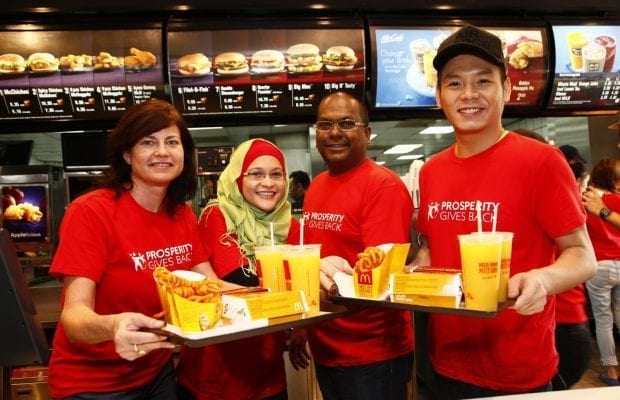
    McDonald’s Malaysia has decided to ban customers taking products that are not halal-certified into its restaurants.

    The fast-food restaurant chain says the measure is necessary to safeguard its own halal status, reports the Malay Mail.

    “This is in line with fulfilling requirements of our halal certification,” company official say.

    The new policy came to notice after an announcement was made in one of its restaurants that birthday cakes taken onto the premises must have halal certification or logo.

    McDonald’s Singapore and Malaysia franchise rights were sold last month to Saudi Arabian company Lionhorn as part of a broader plan by the US company to move away from direct ownership in Asia.

  • Chatime Malaysia master franchisor axed

    Chatime Malaysia master franchisor axed

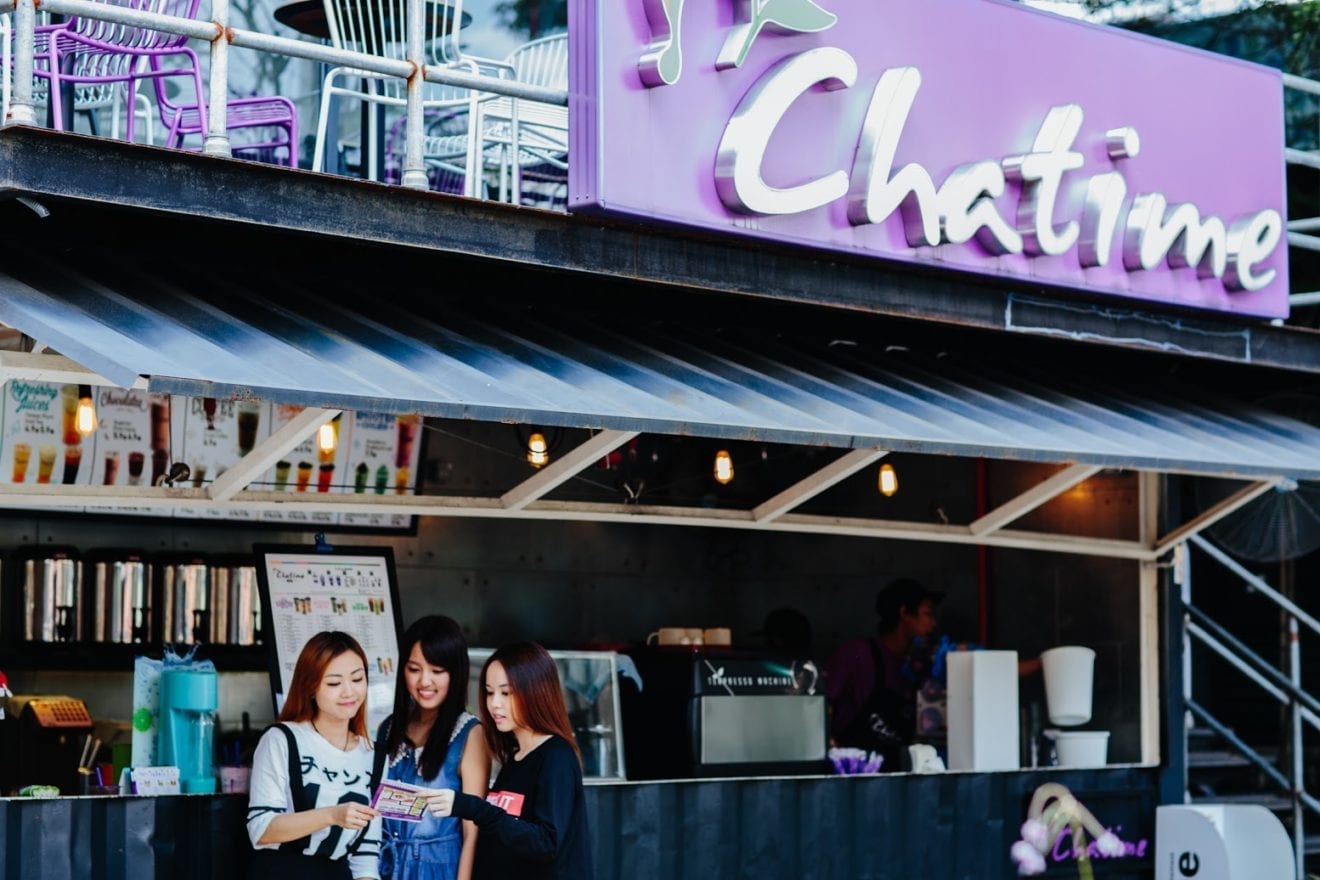
    Loob Holdings, which owns and runs the Chatime Malaysia outlets, says it will seek legal advice in response to news of a purported termination of the franchise agreement with La Kaffa International of Taiwan.

    Loob CEO Bryan Loo says that while the franchisor owns the brands, all Chatime outlets in Malaysia are owned and run by his company, either through direct ownership, sub-franchisees or joint ventures with sub-franchisees.

    While awaiting the legal process, he says all 165 Chatime outlets in Malaysia will be open as usual with Loob as master franchisee.

    Earlier, La Kaffa chairman Henry Wang announced the termination of Loob Holdings’ Chatime master franchisor contract, which it has held for six year, because of disagreements in the direction of business operations.

    Wang said La Kaffa would take over the Chatime business in Malaysia, assuring franchisees they would continue to receive support from the company.

  • Vietnam’s low-skilled labor force threatened by robots

    Vietnam’s low-skilled labor force threatened by robots

    86 percent of garment workers could lose their jobs in the coming decades, according to the International Labor Organization. Vietnam’s workforce is made up largely of untrained and low-skilled workers who are at high risk of being replaced by automation and robots in the near future, labor experts said at a conference in Hanoi on Tuesday.

    Dao Hong Lan, vice minister of labor, said Vietnam currently has 54.36 million workers but nearly 80 percent of them have not received any training or degrees for their jobs.

    The country’s labor force is expected to grow to 62 million in 2025, posing a very difficult task for the country to create more than 700,000 thousand jobs every year.

    “Globalization and technological revolution are posing increasingly greater challenges for Vietnam’s economy,” Lan said.

    Skill enhancement must be a priority to secure Vietnam’s labor market ahead of the time when low-cost labor will no longer be competitive, officials said at the National Policy Dialogue on Future of Work held by the labor ministry and the International Labor Organization (ILO).

    David Lamotte, ILO deputy director for Asia and the Pacific, said: “It will certainly shift in the coming years as technology costs decline while labor costs increase.”

    A recent ILO study found that workers in Vietnam’s two major and growing production sectors – garments and electronics – are at risk.

    In the garments sector, 86 percent of workers face increased automation, while about 75 percent of workers in the electronics sector could be replaced by robots in the coming decades, it found.

    The sectors provide the country’s key exports and account for around 40 percent of the nation’s manufacturing jobs, but productivity and the application of technology in the workplace are much lower than in other Southeast Asian countries.

    Productivity in Vietnam’s garments sector, for example, is only 20 percent of Thailand’s and nearly the same as Cambodia.

    Garment production in Vietnam currently relies on a large number of workers rather than highly-skilled employees while the electronics sector targets low-value production and low-skilled assembly work, according to the ILO.

    The ILO said young people in Vietnam should pursue courses in science, technology, engineering and mathematics to meet employment demands in the age of technology.

    “This is important, particularly among girls and young women who are more susceptible to job loss than men, when automation becomes more popular in manufacturing industries,” said Lamotte.

    A recent survey by the Institute of Labor Sciences and Social Affairs at the ministry also named creativity, foreign languages, teamwork and problem solving as the core competencies needed to survive the modern workplace.

    Both the ILO and the institute called for better connections between Vietnam’s policymakers, employers and training institutions to adapt to the changing workplace and technological innovations.

    The current link between businesses and training institutes mainly comes in the form of internships while their cooperation remains weak when it comes to training and planning for skilled workers.

  • International MVNE to launch on ASX tomorrow

    International MVNE to launch on ASX tomorrow

    Australia-based international MVNE United Networks will list on the Australian securities exchange (ASX) tomorrow after completing an A$7.1 million IPO.

    United’s main product is a white label global roaming service operating over cellular, Wi-Fi and GPS networks worldwide, targeted at corporate customers including insurers, airlines, banks and travel agents. The company also offers data and value added services.

    This month, United launched a white label Wi-Fi application connecting users to unlimited data in over 57 million hotspots across 120 countries.

    The company also offers a location based services platform that has recently been used to provide location and alert services for major events such as natural disasters and terrorist attacks.

    United plans to use the proceeds from its IPO to expand the strength and coverage of the United network to help broaden its customer base and product range.

    “The success of United’s white labelling has come from it being an attractive low cost customer acquisition program for corporates, as well as offering them a chance to convert this cost into a revenue earner,” United CEO Nicholas Ghattas said.

    “With the launch of the Wi-Fi app we have streamlined the use of the global roaming product and we expect it to be the basis for its growing appeal among new and existing corporate customers.”

  • OTT substitution to cost operators $104b this year

    OTT substitution to cost operators $104b this year

    Operator voice and text revenues will continue to be eroded by competition from OTT messaging services and social media, with the consumer migration to these services costing network operators nearly $104 billion this year, according to Juniper Research.

    The impact of OTT substitution will be the equivalent to 12% of operators’ service revenues, the research firm said.

    In a new report, Juniper Research said the major success of several platforms have substantially impacted operator margins, noting that WhatsApp alone now generates nearly three times as much daily traffic as SMS.

    While the threat to operator revenues posed by OTT substitution is nothing new, the report also notes that OTT messaging platforms are now trialing or incorporating multiple new communications options, such as group voice and video chat. This is likely to ensure continued erosion of traditional telecoms traffic levels in the future.

    But Juniper Research said there are a number of measures operators can introduce to stem the decline in core revenues and develop new sources of income.

    These include implementing big data and analytics packages for consumer and IoT devices, introducing carrier billing payment options or mobile money services, and developing mobile identity services for consumers.

    With operators increasingly deploying mobile as part of a quad-play offering for subscribers, report author Dr Windsor Holden added that it is essential for operators to provide consumers with attractive, original content to differentiate themselves from the competition.

    With mobile devices now regularly used for primary consumption of video content as well as snacking, operators providing popular film, drama and exclusive sports events over multiple channels are at a distinct advantage,” he said.

  • Sun Group’s resort property projects come with special gifts, privileges

    Sun Group’s resort property projects come with special gifts, privileges

    Sun Group will launch 20 resort villas and condotels next week and buyers will be given valuable gifts and have a chance of winning up to VND1 billion ($44,000).

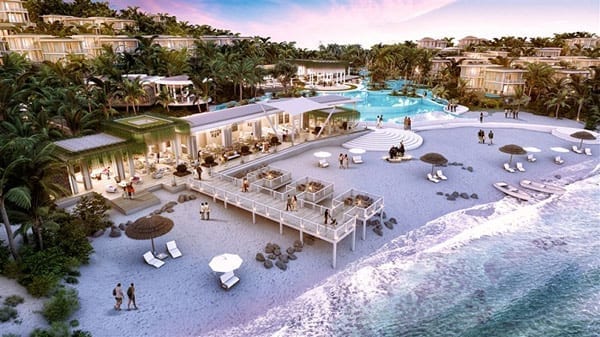
    The two resort projects, Premier Village Phu Quoc Resort and Condotel Premier Residences Phu Quoc Emerald Bay, will be unveiled at the launch event at JW Marriott Phu Quoc Emerald Bay Resort & Spa between Wednesday and Sunday next week.

    polyad

    Sun Group will launch 20 resort villas and condotels next week.

    Buyers of the Premier Village Phu Quoc Resort project will receive 2.5 ounces of gold worth around VND90 million ($4,000) and a lucky draw ticket for a $44,000 prize.

    Meanwhile, buyers of Premier Residences Phu Quoc Emerald Bay condotels will receive VND50 million and a chance to win five ounces of gold. The promotions are available for deposits made in the first quarter of 2017.

    Customers of the projects will also benefit from attractive perks and benefits.

    polyad

    Customers of the projects will benefit from many attractive perks and benefits.

    Sun Group, in collaboration with Techcombank, offers financing of up to 70 percent, zero-percent interest loans, and a grace period of up to 24 months on the principle. Loans will have terms of 15 years for the Premier Village Phu Quoc Resort and 25 years for the Phu Quoc Emerald Bay. The bank also provides support if customers repay their debt early.

    Real estate experts estimated that thanks to the preferential credit support, people will only need to have around VND1 billion to start living at the luxury Premier Residences Phu Quoc Emerald Bay at Khem Beach. And with the initial investment of just around VND6-7 billion ($270,000), they can own a Premier Village Phu Quoc Resort villa worth as much as $1 million at Ong Doi Cape, facing the sea on both sides.

    A Techcombank representative said it adopts flexible measures to assess customers’ financial capacity. Properties, saving books, stocks and other assets can all be used as collateral.

    polyad

    The projects are developed on prime locations with beautiful scenery.

    According to the developer, customers can expect a profit rate of 9 percent a year in nine years at Premier Residences Phu Quoc Emerald Bay and 10 years at Premier Village Phu Quoc Resort from leasing back the condotels and villas.

    They will receive 15 free night stays during the lease time at the very projects they invest in, or one of many Sun Group hotels or resorts around Vietnam, including InterContinental Danang Sun Peninsula Resort, which is the only resort to have won the prestigious World’s Most Luxury Resort from the World Travel Awards for the past three years.

    Other resorts on the list are Premier Village Danang Resort, one of the most beautiful beachside resorts in the world, Novotel Danang Premier Han River and JW Marriott Phu Quoc Emerald Bay Resort & Spa. They also have the chance to become a member of SOL Club to receive privileges at Sun Group’s parks and golf courses.

    polyad
  • Shares of world’s largest footwear maker plunge on false sales data

    Shares of world’s largest footwear maker plunge on false sales data

    Pou Sheng International Ltd, a unit of the world’s largest producer of branded footwear, recorded the largest intraday plunge in its stock price since 2008, after firing its chief financial officer for publishing inaccurate sales figures, and announced the departure of its chief executive.

    Shares of the company tumbled as much as 37 per cent to an intraday low of HK$1.30 in Hong Kong, wiping out HK$4.1 billion of its value. Share prices of Yue Yuen Industrial Holdings, the 62 per cent shareholder of Pou Sheng, fell as much as 9.8 per cent.

    “The Company discovered on 6 January 2017 certain incorrect sales records in the month of December 2016, which could potentially lead to recognition of revenue for sales transactions that did not take place before end of year 2016,” Pou Sheng said in its filing to the Hong Kong stock exchange.

    “The incident revealed weakness over the financial controls,”the Hong Kong-based company said, even though the relevant figures were not significant compared with the group’s overall revenue and did not materially affect any financial information published prior to the announcement.

    The retailer said it has sacked CFO Chen Luo-leng, while CEO Kwan Heh-Der has resigned.

    Pou Sheng is a spin off of Taiwan’s apparel and footwear maker Yue Yuen, which owns factories in mainland China, Vietnam and Indonesia, producing 300 million pairs of shoes every year for Nike, Adidas, Reebok, New Balance, Puma and Timberland.

    Deloitte has been hired by the Hong Kong-based retailer to carry out a check on accounting records of the company, Pou Sheng said.

    Pou Sheng has been in a tight financial spot for the past few quarters, as same store sales growth — a crucial gauge on a retailer’ s business well-being — slowed to 4.6 per cent for the first three quarters of the year from 6.7 per cent for the first half, spurring investor concerns over its long-term prospects.

    The incident has triggered a series of downgrades by research houses on Pousheng and Yue Yuen’s shares.

    “We are worried that a slowdown in Yue Yuen’s retail arm will only be more severe than what the market had feared, and the resignation of the CEO could lead to near term disruption of the company, indirectly affecting Yue Yuen’s financial performance,”a UBS report issued Monday said.

    Credit Suisse cut Yue Yuen’s rating to Underperform from Neutral, as it reckoned its earnings will be weighed down by a projected decline in Pou Sheng’s net profits, according to a Monday note. “This should significantly affect operations and financials of Pou Sheng in the near-term,”the investment bank suggested.

    However, Hugo Suen, an analyst with Sunwah Kingsway, painted a slightly rosier picture for Pou Sheng.

    “After all, this company has the best international sports brands [as its business partners], and the swift action by the board should be able to rescue its reputation in the long term,” Suen said.

    Pou Sheng closed Monday trading at HK$1.61, down 22.22 per cent while Yue Yuen erased some of the earlier losses to settle 6.88 per cent down from the previous close at HK$27.05.

  • Tata Motors” arm reports 12% rise in December retail sales

    Tata Motors” arm reports 12% rise in December retail sales

    Tata Motors’ subsidiary — Jaguar Land Rover (JLR) has achieved its best ever December sales performance in 2016, with total retail sales of 55,375 vehicles, up 12% on the prior year, primarily driven by the ongoing success of the Jaguar F-PACE, Land Rover Discovery Sport and the Range Rover Sport as well as strong demand for the long wheel base Jaguar XFL in China. JLR total retail sales for the full 2016 calendar year also reached record levels with sales of 583,312 units, up 20% compared to 2015.

    JLR’s global retail sales performance for December shows strong growth in China (up 36%), North America (up 30%) and Europe (up 8%) but softer sales in the UK (down 3%) and in other overseas markets (down 16%).

    Jaguar retail sales were up 95% in December 2016, retailing 16,349 vehicles driven by the ongoing success of the F-PACE and strong demand for the long wheel base XFL in China. Jaguar retail sales for the full 2016 calendar year reached 148,730, up 77% compared to 2015.

    Land Rover retailed 39,026 vehicles in December 2016, down 5% compared to December 2015 as strong retail sales of the Discovery Sport and Range Rover Sport were offset by lower sales of the discontinued Defender and Discovery models. Land Rover retail sales for the full 2016 calendar year reached 434,582, up 8% compared to 2015.

  • S4M sets new target in travel retail

    S4M sets new target in travel retail

    Mobile advertising tech company S4M has launched a service to target more than 30 million airport travellers each week.

    Using enriched geo-localised user behavioural and contextual data, the company wants to help brands boost their presence in 30 global airports.

    “Airports are more than just transit areas – they present a huge opportunity for brands to engage with consumers,” says S4M VP of APAC sales Gavin Buxton.

    “The smartphone is an extension of the individual, so it is a must-have touchpoint when creating fully integrated brand experiences. Advertisers should be combining the omnipresence of the mobile medium with real-time geolocation at airports to deliver seamless customer journeys.”

    S4M’s “geofencing” technology helps advertisers analyse and understand mobile user profiles at airports. The company combines anonymous mobile device identifiers with GPS co-ordinates, device language settings and online periods. This mix provides advertisers with more insights into consumer behaviours and offers a new opportunity to engage with travellers at airports.

    “Consumers break away from their daily behaviours when travelling, and the only constant is their smartphones,” says S4M CEO Christophe Collet. “Our goal is to reach people in transit, whether tourists or business travellers, when they are away from their everyday routines. Brands that can deliver tailored messages to their customers, even when they are hundreds of kilometres from home, are truly transforming mobile advertising into a valuable service”.

    About 1 million people a day travel through the Skytrax-rated top five airports in Asia: Singapore Changi, Incheon, Tokyo Haneda, Hong Kong and Beijing.

    More than two-thirds of air travellers are from middle- to high-income groups, according to figures from the World Bank.

    Demographics such as luxury-brand shoppers, digital high-tech users, high-end car buyers and business travellers can be reached in a duty-free setting via mobile. Luxury brands such as L’Oreal have already used S4M’s technology for cross-country campaigns.

    S4M (Success for Mobile) is an innovative advertising technology company that transforms mobile ads into personalised content for individual users. Founded in 2011 by mobile marketing pioneers, it now services more than 350 advertisers internationally. S4M has its headquarters in Paris with more than 95 employees and five offices covering Asia Pacific, Europe, Latin America and the US.

  • CapitaLand to manage La Botanica mall

    CapitaLand to manage La Botanica mall

    CapitaLand Mall Asia has signed its second management contract within five months, to manage the shopping mall in La Botanica, a township in Xi’an’s Chan-Ba Ecological District.

    The mall is being developed by (Xi’an) Property Development, a JV between CapitaLand and Hong Kong-based Henderson Land.

    The deal follow CapitaLand’s announcement in August that it is managing the retail component of Fortune Finance Center in Changsha, China, for Changsha Pilot Investment Holdings. It also follows the acquisition of CapitaMall Xinnan (formerly Galleria, Chengdu) by CapitaLand Retail China Trust in September.

    “We are fast-tracking the growth of our shopping-mall network in western China to capitalise on the region’s favourable economic prospects, which have been boosted by the Chinese government’s Western China development program One Belt, One Road economic initiative as well as the Sino-Singapore Chongqing Connectivity Initiative,” says CapitaLand Mall Asia CEO Jason Leow.

    “CapitaLand’s asset-light expansion strategy through management contracts will continue to gather momentum with this deal in Xi’an, and complement our core strategy of developing, owning and managing malls.”

    Under the contract, CapitaLand will oversee asset planning, pre-opening and retail management for a five-storey mall – four levels above ground and a basement level – with a gross floor area (GFA), excluding car park, of about 50,000 sqm.

    Expected to open in 2019, the mall will double CapitaLand’s retail presence in Xi’an, where it owns and manages CapitaMall Xindicheng, a 60,000 sqm one-stop shopping mall, about 10km south of La Botanica.

    Flagship developments

    Including the mall in La Botanica, CapitaLand manages a portfolio of 14 malls in western China with a combined retail GFA of about 1.13 million sqm. The region is also home to two CapitaLand flagship Raffles City integrated developments – Raffles City Chengdu, which opened in 2012; and Raffles City Chongqing, Singapore’s single largest investment in China at RMB24 billion (about US$3.4 billion) that will be opening in phases from next year.

    Leow says CapitaLand is preparing to open eight more malls this year, six of which will be in China. “As we continue to enhance our retail scale and network through acquisitions and management contracts, we will also look at reconstituting our portfolio to achieve an optimal asset mix to provide us with stability and a strong recurring income stream. ”

    CapitaLand-Henderson (Xi’an) Property Development GM Wu Xianyue says La Botanica is envisioned as a world-class garden city. It is in the heart of Chan-Ba Ecological District, a planned urban area integrating ecological, commercial, residential and cultural components. Targeted for completion in 2023, the township spans 3 million sqm, of which about 87 per cent is pegged for residential use. There is a commercial zone of more than 310,000 sqm, plus a 50,000 sqm central park, seven community schools and a general hospital.

    The shopping mall is at the heart of La Botanica’s commercial zone and will be served by arterial roads, 20 bus routes and a metro line. It is expected to serve an estimated 600,000 residents and working professionals living within a 5km radius. The population catchment is projected to reach about 1 million in the next four years.

  • Apple’s 10th anniversary

    Apple’s 10th anniversary

    As the late Apple boss Steve Jobs appeared on Macworld conference stage on January 9, 2007, attendees were already expecting the premiere of an Apple smartphone. But Jobs first sought to sow a little confusion.

    “Today we are introducing three revolutionary products,” Jobs said. “The first one is a wide-screen iPod with touch controls. The second is a revolutionary mobile phone. And the third is a breakthrough internet communications device.” Was he really introducing three new devices?

    Soon everyone in San Francisco’s Moscone Centre knew what he meant: “These are not three separate devices, this is one device. And we are calling it iPhone.”

    Apple had reinvented the phone, Jobs said. As it turned out Apple had invented far more: a way to comfortably carry a fully functioning computer in one’s pocket.

    Mike Lazaridis, at the time co-head of smartphone pioneer Blackberry, watched the Jobs announcement in his fitness room and began to ponder. A smartphone that can download music, videos and maps? How could they do it without overwhelming mobile networks?

    Indeed, some of the first iPhone users complained of clogged networks. A year later Apple provided the iPhone with a faster 3G wireless connection. With the iPhone 3GS in 2009, Apple started the tradition of denoting small model alterations with the letter “S.”

    With the iPhone 4, Apple in 2010 again took a big step forward. The radical new design impressed customers with its the high-resolution screen.

    The iPhone went on to become a mega-seller and led to Apple becoming the most valuable company in the world. More than one billion iPhones have been sold in the product’s 10-year history.

    In the process Jobs reversed the power dynamic in telecommunications, forcing network providers to dance to his tune, rather than the opposite.

    The iPhone’s influence was challenged only by Google’s Android operating system, used by Samsung and many others.

    At the premiere a decade ago, Jobs referred to how the iPhone and its software were protected by patents. But these did not prove especially effective in a bitterly fought patent war.

    Apple saw only small legal success against Samsung, but could not stop Android. While the Google system runs on more than 80 per cent of all smartphones, Apple still takes the dominant share of profits in the industry. In 2014, current Apple boss Tim Cook and Google co-founder Larry Page ended the patent war.

    The enormous economic success of the iPhone led to environmentalists and human rights activists making Apple responsible for many of the industry’s woes. Greenpeace charged in 2007 that the iPhone was made with dangerous chemicals. Also, Apple above all was blamed for poor working conditions at Chinese subcontractor Foxconn – not other customers like Hewlett-Packard, Dell, Microsoft or Sony.

    And every September, when Apple unveils a new model, consumer watchdogs debate if it is really necessary to purchase a new iPhone.

    Jobs’ successor Cook has emphasised that environmental protection principles be respected and, if possible, only conflict-free raw materials used. He also pushed for better conditions in Chinese factories.

    The debate around Apple has become less about politics and more about whether the company is still capable of innovation after Jobs’ death. Jobs died on October 5, 2011, a day after Cook introduced the iPhone 4S.

    Cook’s performance can be considered in pure economic terms. The iPhone 6 launch in 2014 was especially successful, with holiday season purchases of the larger model driving up iPhone sales 46 per cent to about 74.5 million units sold.

    In the last year, iPhone sales fell for the first time since entering the market. Critics doubt if the iPhone 7, with few new features, can reverse the trend.

  • Alibaba moves to privatise Intime Retail Group

    Alibaba moves to privatise Intime Retail Group

    Alibaba has announced a proposal to privatise the Intime Retail Group, an investment-holding company that manages department stores and shopping malls in China.

    Alibaba Investment, a wholly owned subsidiary of Alibaba Group Holding, together with an entity wholly owned by Shen Guo Jun, the founder of Intime Retail, have asked the board of directors of Intime to put forward to shareholders a proposal to privatise the company by way of a scheme of arrangement.

    Under the proposal, shares in Intime would be cancelled in exchange for a payment by the joint offerors at HK$10 (US$1.29) a share, representing a premium of about 53.59 per cent over the average closing price of Intime shares over the past 60 days, and 42.25 per cent over the closing price of HK$7.03 before trading was suspended on December 28.

    Intime runs 29 department stores and 17 shopping malls, mainly in first- and second-tier cities in China. It has a particularly strong footprint in Zhejiang province, where Alibaba Group is headquartered. Alibaba owns about 28 per cent of the equity interests in Intime pursuant to an initial investment in July 2014 and a conversion into equity of convertible debt securities in June last.

    Under the proposed transaction, Alibaba would become the controlling shareholder of Intime, and it is expected its shareholding in the company would increase to about 74 per cent. This reflects Alibaba Group’s strategy to transform conventional retail by leveraging its substantial consumer reach, rich data and technology.

    Dynamic shift

    The dynamic shift to mobile in China has enabled Alibaba Group to work with brick-and-mortar retailers to integrate online and offline customer data, enhance consumers’ in-store experiences as well as achieve improvements in inventory efficiency and sales turnover.

    As of the quarter ended September, 78 per cent of the gross merchandise volume on Alibaba Group’s China retail marketplaces was generated from mobile, and monthly active mobile users reached 450 million in September.

    “China’s total retail sector is a US$4.5 trillion economy and is growing at 10.7 per cent a year,” says Alibaba Group CEO Daniel Zhang. “Alibaba is working with offline retailers to transform conventional approach, create new consumer shopping experiences and use actions to embrace future opportunities under the new retail model.

    “We don’t divide the world into real or virtual economies, only the old and the new. Those who cling on to the old ways of retailing will be disrupted, and brick-and-mortar businesses will be able to create value for consumers if they are integrated with the power of mobile reach, real-time consumer insights, and technology capability to improve operating efficiency. Our combination with Intime will enable us to tap into the long-term growth potential of a new form of retail in China powered by internet technology and data.”

    Alibaba says the maximum amount of cash needed for the Intime proposal is expected to be about HK$19.8 billion. The two companies are financing the transaction through internal cash resources and/or external debt financing.

    The proposed transaction is subject to customary closing conditions, including approval from Intime’s independent shareholders and the sanction of the Grand Court of the Cayman Islands where the company is registered.