Tag: asia

  • Asia Pacific leads for mobile cross-border shopping

    Asia Pacific leads for mobile cross-border shopping

    Asia Pacific leads the world in mobile cross-border shopping, according to the third PayPal Annual Global Report, released in conjunction with global market research company Ipsos.

    With its investigation of the online domestic and cross-border shopping habits of more than 28,000 consumers in 32 countries, the report reveals international opportunities for merchants.

    Of the Asia Pacific shoppers interviewed, 68 per cent said they had made a cross-border purchase by smartphone in the past 12 months.

    There has been a marked shift to mobile purchasing in China, with an average of 35 per cent of cross-border purchases being made on a smartphone this year compared to 27 per cent last year.

    Fewer than 15 per cent of shoppers in both western and eastern European as well as North America, however, used a smartphone for cross-border purchases.

    Meanwhile, their online spending will increase in the next 12 months according to 64 per cent of internet users in China, 39 per cent in Russia and 26 per cent in the UK. This is primarily driven by convenience (76 per cent), changes in disposable income (30 per cent), faster shipping (35 per cent) and cheaper shipping (27 per cent).

    “Selling internationally is a substantial opportunity for merchants around the globe to grow their business,” says PayPal director of global initiatives Melissa O’Malley. “We’ve seen our cross-border volume grow 38 per cent in the past two years, from $14 billion in the third quarter of 2014 to $19 billion in the same quarter this year.

    Merchant benefits

    “PayPal’s mobile payment volume is also up 56 per cent over last year, so we see the direct benefits merchants can reap by optimising their mobile shopping offerings.”

    For the first time in the survey’s three years, China is the most popular online cross-border shopping destination – 21 per cent of online shoppers interviewed claimed to have shopped from Chinese websites in the past 12 months, followed by the US (17 per cent) and the UK (13 per cent).

    What is attractive about cross-border shopping? Of the global consumers in the survey, 76 per cent cited better prices, while 65 per cent said they could buy items not available in their own country.

    Factors that would make online shoppers more likely to buy from a website in another country include free shipping (46 per cent of respondents) and secure payment system (44 per cent).

    In 24 of the 32 countries surveyed, PayPal is most used for payments. Key factors for choosing particular payment methods include security (53 per cent of respondents), convenience (44 per cent) and acceptance by retailers (41 per cent).

    Of the shoppers using PayPal, 44 per cent say it is their preference as they do not need to share financial details with the seller.

    On behalf of PayPal, Ipsos interviewed a representative quota sample of about 800 to 2000 (28,012 in total) adults who use an internet-enabled device in each of 32 countries, including China, India, Japan, Singapore and Thailand. Interviews were conducted online between late August and early October.

  • SM Prime Holdings eyes China expansion

    SM Prime Holdings eyes China expansion

    Philippines property developer SM Prime Holdings is looking to acquire shopping malls in China as well as buying more land for expansion.

    But it is interested only in the Fujian province, says SM Prime executive committee head Hans Sy.
    “We are still continuing to really look,” he says.

    With “phenomenal development” in the past 10 years, the value of land has risen in China, and Sy says the group is assessing different areas that could offer value for money.

    While there are malls up for sale, SM Prime is being careful about possible acquisitions. “I’m being choosy,” says Sy. “I only want within Fujian province.”

    Fujian is the home province of his father, Henry Sy, the richest man in the Philippines, who built his retail empire from a small shoe store in Manila.

    “We have the advantage right now [in Fujian] because of our success,” Sy says.

    SM’s malls in China include Chengdu (166,665 sqm), Chongqing (149,429 sqm), Jinjiang (167,830 sqm), Suzhou (72,552 sqm), Xiamen (238,125 sqm) and Zibo (150,600 sqm) for a total gross floor area of 945,200 sqm. The company’s mall in Tianjin, which partially opened this year, has a gross floor area of 540,000 sqm.

    In all, SM is targeting to further expand its mall network in the Philippines and China to 10.6 million square meters of gross floor area by 2018, according to documents presented in a briefing by SM Investments. This would be an extra 28 per cent from the 8.3 million gross floor area the company hit last year.

    Of the target, 85 per cent would be accounted for by malls in the Philippines while 15 per cent would be in China.

  • Mall signed for Bukit Bintang City Centre

    Mall signed for Bukit Bintang City Centre

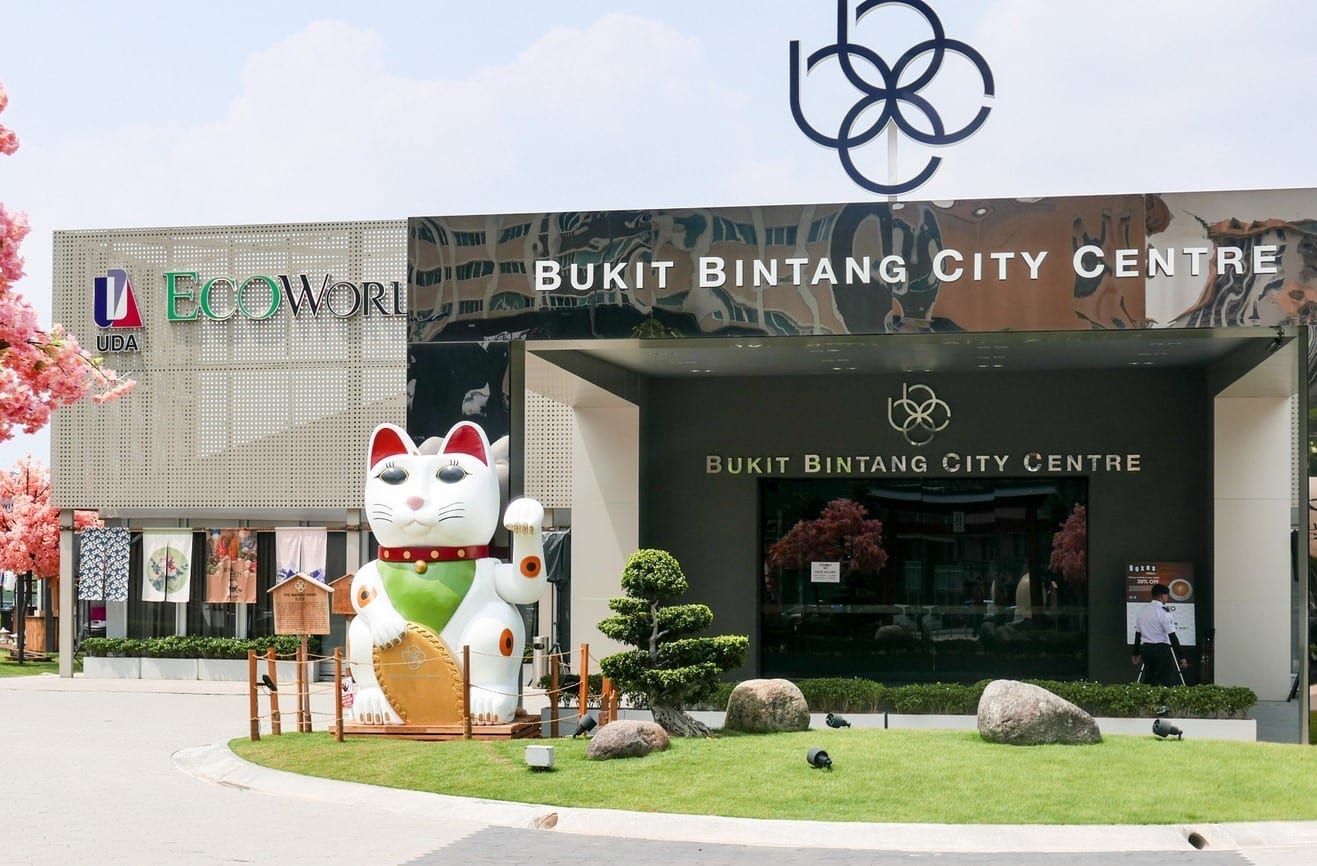
    Kuala Lumpur is to have a new  mall at Bukit Bintang City Centre (BBCC), on the site of the former Pudu Prison.

    Bukit Bintang City Centre Development has entered into a JV with Japan’s Mitsui Fudosan Asia for the development of the Mitsui Shopping Park Lalaport mall. Covering 130,100 sqm, it will have a net lettable area of 80,000 sqm and house about 300 stores.

    Construction is expected to start next year with the opening to be in 2021.

  • Changi Airport Group strengthens pharmaceutical supply chain in Singapore

    Changi Airport Group strengthens pharmaceutical supply chain in Singapore

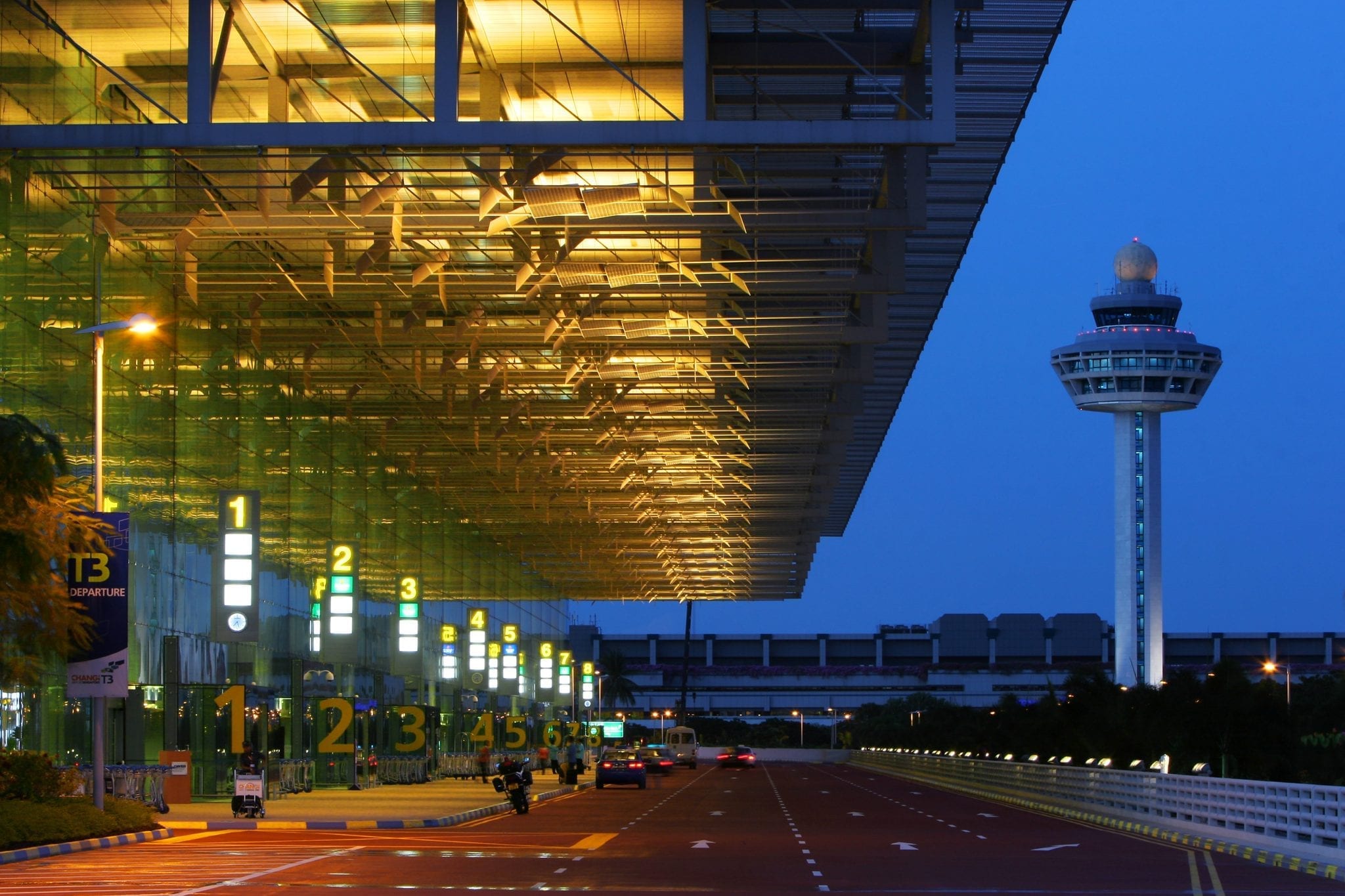
    Changi Airport is the first airport in Asia to join Pharma.Aero as a strategic member, together with partner Singapore Airlines Cargo who comes on board as a full member. Both parties envisage that this effort will raise pharmaceutical handling capabilities at Changi Airport.   An organization comprising stakeholders of air cargo supply chain from around the world, Pharma.Aero is dedicated to achieving excellence in end-to-end air transportation for pharma cargo.

    Pharmaceutical cargo is among the fastest growing segments at Changi Airport, growing 19 percent year-on-year for the first nine months of 2016, and registering a five-year compounded annual growth rate (CAGR) of 13 percent from 2010 to 2015.

    The South West Pacific and North East Asia regions account for 45 percent of total share of pharmaceutical cargo at Changi Airport. In terms of volume, Australia, China and India are Changi’s top three pharmaceutical markets on a year-to-date (January to September 2016) basis. The top markets showing strongest growth for the period are China (+51 percent), Vietnam (+35 percent) and Hong Kong (+32 percent).

    Pharmaceutical products that pass through Changi Airport include vaccines, tablets and pills. These products are highly sensitive to fluctuations in temperature. Pharmaceutical cargo is the sixth most valued segment in terms of total air cargo handled, and account for under 10 percent of total value of cargo handled.

    Changi Airport is well-equipped with specialized facilities to be the preferred gateway of pharma cargo in Asia, with the two ground handlers (Coolport by SATS and Coolchain by Dnata) having the ability to handle more than 300,000 tonnes of temperature sensitive cargo annually. Our excellent connectivity (6,800 flights to 330 cities served by over 100 airlines) and strong mix of freighter and bellyhold capacity provides ample options for pharma shippers to access the global economy.

    Changi Airport is the first airport in Asia to embark on a community approach for the IATA CEIV Pharma certification, thereby raising the local community’s handling standards and capability for temperature-sensitive pharma cargo. The pioneer group of companies in the Changi CEIV Community consists of Singapore Airlines Cargo, dnata Singapore, Global Airfreight International Expeditors Singapore, CEVA Logistics Singapore, and Schenker Singapore.

    SATS Coolport, a major cargo player at Changi Airport, was the first facility in the world to attain the IATA CEIV Pharma certification in 2014.

    Global spending on pharma cold chain logistics is projected to grow at eight-nine percent per year, totaling US$16.7 billion by 2020 according to Pharmaceutical Commerce. Asia is expected to account for the largest regional share growth with more than $1.2 billion of cold-chain growth through 2019.

  • DHL eCommerce will invest €70 million to expand its air hubs in Delhi and Mumbai

    DHL eCommerce will invest €70 million to expand its air hubs in Delhi and Mumbai

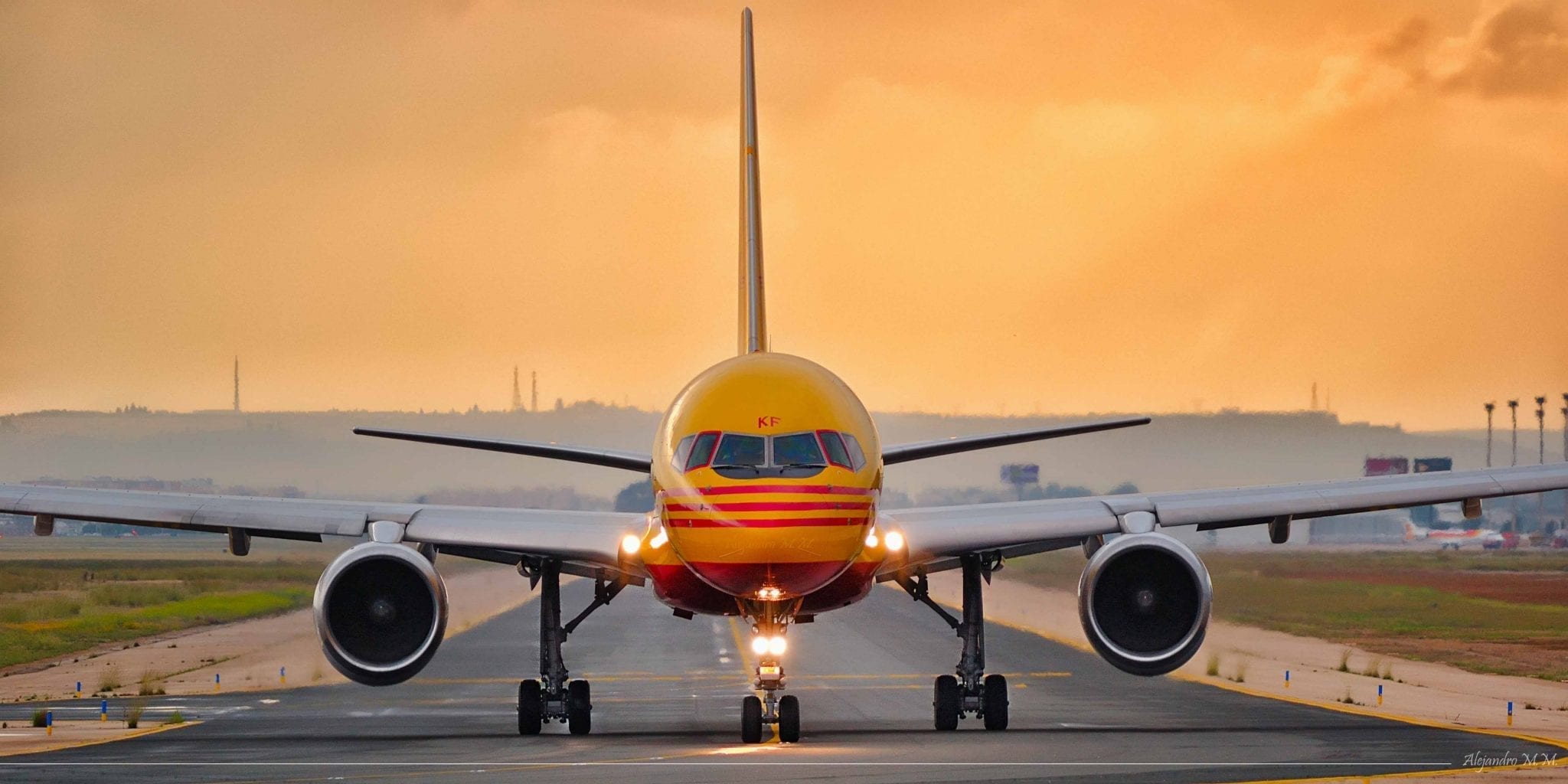
    DHL eCommerce will invest €70 million (US$75.1 million) to expand its air hubs in Delhi and Mumbai, supporting the growing e-commerce industry in India.

    According to DHL, the 5,761m2 Delhi hub and 4,274m2 Mumbai hub will be equipped with automation to handle a daily volume of more than 500 tonnes. The upgrade will allow Blue Dart Express, a subsidiary of DHL, to process more shipments faster and deliver them to Indian consumers by air.

    “The e-commerce industry is an extremely exciting one that offers tremendous opportunities for businesses and consumers alike,” said Juergen Gerdes, CEO of post, e-commerce and parcel at Deutsche Post DHL Group [third from right in photo]. “The global B2C cross border e-commerce market will multiply in size to US$1 trillion in 2020. The growth is driven by increasing consumption from expanding middle classes, greater mobile and internet penetration and improving logistics and infrastructure as consumers increasingly shop online and expect shorter delivery times. With our added focus on innovation such as the StreetScooter and In-Car Delivery, we are gearing up to ensure we stay ahead of the game and be able to anticipate and meet the needs of the overall industry, e-tailers and end customers.”

    Charles Brewer, CEO of DHL eCommerce, said that the completion of the upgrades will mark another milestone in the expansion of the DHL eCommerce logistics network.

    “India is a really important market for us and is one of the fastest-growing, with B2C e-commerce expected to grow from €9.6 billion (US$10.3 billion) in 2016 to between €30-40 billion (US$32.2-42.9 billion) in 2020,” said Brewer. “This investment in India, as well as recent investments in the Americas and elsewhere in Asia Pacific this year, showcases our commitment to the e-commerce industry by delivering high quality, reliable logistics solutions to meet the rising demands of e-commerce consumers.”

  • Ant Financial deploys V-Key tech for m-payment security

    Ant Financial deploys V-Key tech for m-payment security

    Ant Financial Services Group has deployed technology from Singapore-based V-Key to augment mobile payment security.

    V-Key will provide a virtual software solution called V-OS for Ant Financial to secure transactions on e-Commerce platform AliExpress, Ant Financial’s sister company. V-Key will also provide cryptographic services and trusted environments to help secure payments processed by Alipay on AliExpress, along with risk management for each transaction.

    V-OS, which is currently deployed by top banks, mobile payment providers, and governments globally, is the world’s first virtual secure element. With V-OS, card and cardholder data will be encrypted, providing for more secure user authentication.

    V-Key’s solutions allow businesses to roll out cloud-based payments, trusted digital identity and authentication necessary for mobile banking and other secured mobile applications. V-Key brings advanced user data protection to its partners without the need to use any form of hardware secure elements. Its mobile security solution works on both iOS and Android devices.

    “As more users opt for mobile payments, account safety assumes utmost importance. V-Key’s unique technology helps us deploy our risk engine to enhance mobile security. The partnership is part of our commitment to secure our services,” Ant Financial VP of fraud management Jason Lu said.

  • South Korean, Chinese cinema giants line up to enter Indonesian market

    South Korean, Chinese cinema giants line up to enter Indonesian market

    The government’s recent decision to allow full foreign ownership in local movie businesses has attracted the interest of South Korean and Chinese cinema giants to invest in Southeast Asia’s largest market, a government official said.

    Creative Economy Agency (Bekraf) head Triawan Munaf said a number of foreign investors were currently conducting feasibility studies for expanding their operations in Indonesia, home to more than 250 million people. Among the big names on the list are South Korean’s Lotte Cinema and Megabox, as well as China’s Dalian Wanda, which is also the world’s largest cinema chain operator.

    “Hopefully they can come by the middle of 2017,” he said on Thursday on the sidelines of the DBS Asian Insights Conference 2016 in Jakarta.

    Despite being the largest economy in Southeast Asia, Indonesia has one of the least penetrated cinema markets in the world. Data gathered from various commercial cinemas shows that there are only about 1,100 film screens available in the whole of Indonesia, with 35 percent of all theaters being in Jakarta.

    With its population size, Indonesia, Triawan said, ideally should have 15,000 screens.

    BKPM estimates that the recent removal of certain sectors from the nation’s negative investment list, signed by President Joko “Jokowi” Widodo earlier this year, will help efforts to hit the investment target of Rp 594.8 trillion (US$43.6 billion) by the end of this year.

    Under new regulations, foreign investors can now fully own local cinemas, film production houses and distribution firms.

  • Kia Soul Receives 2017 Consumer Guide Automotive Best Buy Award

    Kia Soul Receives 2017 Consumer Guide Automotive Best Buy Award

    Consumer Guide Automotive has awarded the Kia Soul one of its coveted Best Buy Awards for 2017 in the Subcompact Car segment, marking the third year in a row the fun-loving box car has received the award. Once again, the Soul’s funky personality resonated with the editors, along with its roomy interior, premium-looking cabin and long list of desirable features.

    “People gravitate toward the Soul because of its head-turning style, extensive feature content, and excellent value. Its practicality makes it a perfect fit for just about every type of lifestyle,” said Orth Hedrick, vice president product planning Kia Motors America. “Being recognized by Consumer Guide Automotive for a third consecutive year proves the Soul continues to be a crowd favorite, and with the new turbocharged version offered for 2017, we anticipate its popularity will surge to new heights.”

    For 2017, the Soul gains a 201-hp 1.6-liter turbocharged engine for more fun than ever. Though the 1.6-liter turbo engine adds 40 horsepower, fuel economy is 28 miles-per-gallon, city and highway combined1 —slightly better than the combined mileage of the 2.0-liter normally-aspirated 161-hp engine in the Soul Plus and in the Soul Base 1.6-liter, which produces 130 horsepower. Performance in the turbocharged Exclaim is further enhanced by the addition of a new 7-speed Dual Clutch Transmission (DCT), which contributes to a more engaging driving experience. Other new options for the 2017 model year are convenience systems such as Rear Cross Traffic Alert and Blind Spot Detection. The 2017 Exclaim also gets standard UVO32 with e-Services with integrated Android Auto and Apple CarPlay.

    Each year Consumer Guide Automotive editors select the best vehicles from 20 segments to receive Best Buy Awards, with vehicle price and value being major factors in their selection process. By prioritizing these key consideration points in the car-buying process, the Consumer Guide Automotive Best Buy Awards serve a practical purpose to everyday car shoppers. Celebrating its 50th Anniversary in 2017, Consumer Guide Automotive is one of the most trusted names in the automobile industry.


  • Indonesia en route to popularize tropical fruit

    Indonesia en route to popularize tropical fruit

    Thousands of farmers under East Kalimantan farmers group Gapoktan find it unfortunate that people outside Indonesia are missing out on their home-grown fresh and juicy mini papayas, bananas and dragon fruits.

    So far, most of their fresh fruit products are only consumed by locals buying from nearby markets due to a lack of infrastructure, making it expensive to deliver fruit across the country, let alone export them.

    Indonesian fruit exporter EK Prima Ekspor Indonesia, a subsidiary of the United Arab Emirates’ retail giant LuLu Group International, knows firsthand how selling prices at the consumer level end up depending more on transportation costs than on production costs.

    “Transportation — from farmers to warehouses to airports and finally to the destination country — is very expensive. If our unique fruit doesn’t appeal to consumers, we could lose out to other countries, especially if they can produce similar fruit for cheaper prices,” said Irawan Santoso, head of the fruit and vegetable division of EK Prima.

    Indonesia also has mangosteens, rambutans, snake fruits, jackfruits, soursops, breadfruits, guavas and starfruits that grow in the tropical country, but they are not frequently consumed globally or even domestically.

    The government aims to boost tropical fruit production by expanding land for fruit plantations while also improving infrastructure and transportation systems to decrease high distribution costs, as part of efforts to be the biggest tropical fruit producer in Southeast Asia by 2025 and in the world by 2045.

    President Joko “Jokowi” Widodo acknowledges that this is no easy task, especially with farmers’ preferences to use land for high-yielding commodities, such as palm oil, rather than fruit, which takes time to return on investment. Poor infrastructure has also driven up logistics costs for years.

    “If we can have 14 million hectares of oil palm plantations, we should also be able to have that much land for fruit,” Jokowi said during the opening ceremony of the four-day Fruit Indonesia Festival 2016 in the Jakarta Convention Center parking lot on Thursday. The President handed out various tropical fruits to children to remind people of the “love local fruit” movement.

    “If you see a lack of supporting infrastructure that could hamper distribution, please let us know,” he told the audience consisting of scientists, fruit planters as well as local and international trade delegates.

    To expand plantations, provincial administrations have been instructed to provide local farmers with 5 to 50 ha of land for fruit planting per business unit, as part of the bigger goal to provide 400,000 ha of land in Java, Kalimantan, Sulawesi and Sumatra.

    The program started with 100,000 ha in cooperation with state-owned companies. State plantation firms under PTPN also asked to start cultivating their under-utilized land for fruit production.

    “The state firms have been very enthusiastic to give sections of land for fruit plantations. They are used to producing palm oil, rubber, tea and other commodities but not fruit. So, a new management specializing in horticulture needs to be formed,” Bogor Agriculture Institute (IPB) rector Herry Suhardiyanto said.

    IPB is now studying a possibility to form another state company to develop horticulture based on the State-Owned Enterprises Ministry’s request.

    The business community is hopeful that the vision of becoming the world’s largest tropical fruit producer will be honored over time.

    “Let us not change the policy and vision every time we change presidents,” said Karen Tambayong, head of horticulture development with the Indonesian Chamber of Commerce and Industry.

  • Vodafone India boosts 1H revenue by 5.9%

    Vodafone India boosts 1H revenue by 5.9%

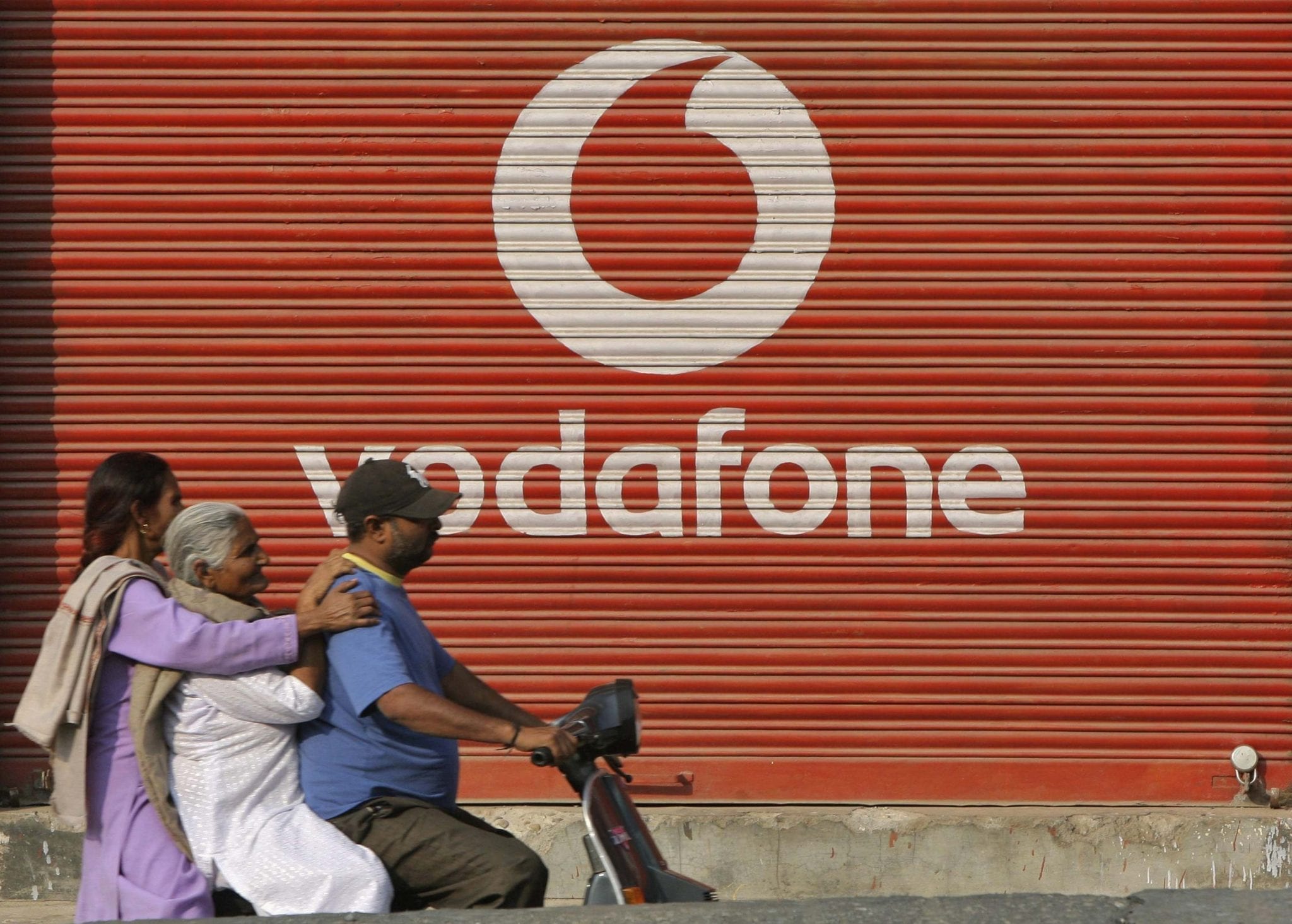
    Vodafone India has reported solid revenue growth for the first half of its financial year despite parent company Vodafone’s decision to take a €5 billion ($5.36 billion) writedown of its Indian operations.

    Service revenue for the first half increased 5.9% to 225.79 billion rupees ($3.32 billion), with mobile data revenue up 18.8% to 46.17 billion rupees.

    The operator crossed the 200 million customer milestone during the period, with a 6.7% year on year growth in subscribers to 200.7 million. Vodafone India is the market’s second largest by subscribers after Bharti Airtel.

    Vodafone’s network in India meanwhile grew to around 140,000 cell sites, with a little over half of these being 3G or 4G sites.

    The operator had a revenue market share for the quarter of 22.5% during the first quarter, up 0.6 percentage points year-on-year. But the company reported a service revenue ARPU during the second quarter of just 186 rupees, reflecting the tight competition in the market.

    With the entry into the Indian market of Reliance Jio Infocomm, these competitive pressures are only getting worse.

    In light of this, Vodafone Group has written down the value of its Indian business by €5 billion as the company braces for an expected significant revenue impact.

  • eHi Car Services Announces Third Quarter 2016 Results

    eHi Car Services Announces Third Quarter 2016 Results

    eHi Car Services Limited rentals and car services provider in China, today announced its unaudited financial results for the third quarter ended September 30, 2016.

    Third Quarter 2016 Highlights

    • Net revenues increased by 47.8% year-over-year to RMB582.1 million (US$87.3 million[1]) for the third quarter of 2016, from RMB393.8 million for the third quarter of 2015.

    Three months ended September 30,

    Year-Over-Year

    (RMB ‘000)

    2015

    2016

    Comparison

    Car rentals

    300,700

    464,271

    54.4%

    Car services

    93,080

    117,783

    26.5%

    Total Net

    Revenues

    393,780

    582,054

    47.8%

    Gross profit[2] increased by 83.9% year-over-year to RMB165.7 million (US$24.8 million) for the third quarter of 2016, from RMB90.1 million for the third quarter of 2015. Gross profit margin[2] increased to 28.5% for the third quarter of 2016, from 22.9% for the third quarter of 2015.

    • Net income increased by 269.5% year-over-year to RMB22.3 million (US$3.3 million) for the third quarter of 2016, from RMB6.0 million for the third quarter of 2015. Net income margin increased to 3.8% for the third quarter of 2016, from 1.5% for the third quarter of 2015.
    • Non-GAAP adjusted EBIT[3] increased by 97.4% year-over-year to RMB80.6 million (US$12.1 million) for the third quarter of 2016, from RMB40.8 million for the third quarter of 2015. Non-GAAP adjusted EBIT margin[3]increased to 13.8% for the third quarter of 2016, from 10.4% for the third quarter of 2015.
    • Non-GAAP adjusted EBITDA[4] increased by 60.0% year-over-year to RMB264.5 million (US$39.7 million) for the third quarter of 2016, from RMB165.3 million for the third quarter of 2015. Non-GAAP adjusted EBITDA margin[4]increased to 45.4% for the third quarter of 2016, from 42.0% for the third quarter of 2015.
    • Total average available fleet size[5] increased by 46.5% year-over-year to 41,742 vehicles for the third quarter of 2016, from 28,499 vehicles for the third quarter of 2015. Total fleet RevPAC[6] increased to RMB152 for the third quarter of 2016, from RMB150 for the third quarter of 2015.

    [1] The Company’s business is conducted in China and substantially all of its revenues are denominated in Renminbi (RMB). However, this earnings announcement contains translations of RMB amounts into U.S. dollars (US$) at specified rates solely for the convenience of the reader. Unless otherwise noted, all translations from RMB to U.S. dollars are made at a rate of RMB6.6685 to US$1.00, the effective noon buying rate as of September 30, 2016 in The City of New York for cable transfers of RMB as certified for customs purposes by the Federal Reserve Bank of New York.

    [2] Gross profit is defined as net revenues less cost of net revenues (vehicle operating expenses).  Gross profit margin is defined as the percentage representing gross profit divided by net revenues.

    [3] Non-GAAP adjusted EBIT is defined as net income before share-based compensation, interest expenses, interest income, provision for income taxes, gains from waiver of warrants and gains from sale of cost method investment. For more information, refer to “About Non-GAAP Financial Measures” and “Reconciliation of GAAP and Non-GAAP Results” at the end of this press release. Non-GAAP adjusted EBIT margin is defined as the percentage representing Non-GAAP adjusted EBIT divided by net revenues.

    [4] Non-GAAP adjusted EBITDA is defined as net income before depreciation and amortization, share-based compensation, interest expenses, interest income, provision for income taxes, gains from waiver of warrants and gains from sale of cost method investment. For more information, refer to “About Non-GAAP Financial Measures” and “Reconciliation of GAAP and Non-GAAP Results” at the end of this press release. Non-GAAP adjusted EBITDA margin is defined as the percentage representing Non-GAAP adjusted EBITDA divided by net revenues.

    [5] “Average available fleet size” is calculated by dividing the aggregate number of days in which the Company’s fleet was in operation during a given period by the total number of days during the same period. In determining the size of the Company’s fleet in operation, eHi includes all vehicles in its car rentals and/or car services fleets except for vehicles that have been written off in accordance with its accounting policy and vehicles that have not been consistently made available for rent and that it may consider to dispose of when appropriate opportunities arise.

    [6] “RevPAC” refers to average daily net revenue per available car, which is calculated by dividing the net revenues during a given period by the aggregate number of days in which the Company’s fleet was in operation during the same period.


    Average Available

    Fleet Size

    RevPAC

    (RMB)

    2015Q3

    2016Q3

    Year-Over-Year

    Comparison

    2015Q3

    2016Q3

    Year-Over-Year

    Comparison

    Car rentals

    26,200

    39,227

    49.7%

    125

    129

    3.2%

    Car services

    2,299

    2,515

    9.4%

    440

    509

    15.7%

    Total

    28,499

    41,742

    46.5%

    150

    152

    1.3%

    • Fleet utilization rate[7] for car rentals was 71.9% for the third quarter of 2016, compared with 73.8% for the third quarter of 2015.
    • As of September 30, 2016, total period-end fleet size[8] was 48,934 vehicles.

    [7] “Fleet utilization rate” refers to the aggregate transaction days for the Company’s car rental fleet during a given period divided by the aggregate days the car rental fleet was in operation during the same period.

    [8] “Period-end fleet size” refers to the aggregate number of vehicles in the Company’s car rentals and car services fleets as of the last day of a given period which the Company holds legal title to and reflects in its balance sheet, including vehicles that are currently missing but have not been written off in accordance with its accounting policy. The period-end fleet size as of September 30, 2016 excluded 144 vehicles which the Company had written off from its balance sheet in accordance with its accounting policy.

    Mr. Ray Zhang, eHi’s Chairman and Chief Executive Officer, said, “Our business continued to thrive during the third quarter, leading to both strong top-line growth and significant improvement in profitability. As a fast-growing company, we are committed to driving ongoing operating leverage and are well-positioned to capture the growing demand from China’s rapidly rising domestic tourism and business-related travel.”

    “The recent regulations regarding online car-hailing business in China, we believe, provide us with greater potential to explore business and strategic cooperation opportunities to enhance our competitive position. Looking ahead, we remain focused on continuing to execute on our growth plan and achieving our strategic objectives,” Mr. Zhang concluded.

    Mr. Colin Sung, eHi’s Chief Financial Officer, said, “We are pleased to report strong third quarter results with net revenues increasing by 47.8% year-over-year, while recording 269.5% bottom-line growth from the prior-year period. Notably, our continued focus on operating efficiency and cost control measures contributed to broad-based margin improvement. Our gross margin and non-GAAP adjusted EBITDA margin both reached record-highs of 28.5% and 45.4%, respectively. Our financial discipline is well-established, and we remain committed to prudent expansion and a balanced approach between growth and profitability.”

    Third Quarter 2016 Financial Results

    Net revenues for the third quarter of 2016 were RMB582.1 million (US$87.3 million), up 47.8% year-over-year, attributable to increased net revenues from both car rentals and car services.

    Net revenues from car rentals for the third quarter of 2016 were RMB464.3 million (US$69.6 million), up 54.4% year-over-year, primarily driven by the growing average available fleet size for car rentals in response to customer demand.

    Net revenues from car services for the third quarter of 2016 were RMB117.8 million (US$17.7 million), up 26.5% year-over-year, primarily driven by the increased car services RevPAC as we provided services to more business clients.

    Cost of revenues (vehicle operating expenses) for the third quarter of 2016 was RMB416.4 million (US$62.4 million), up 37.1% year-over-year, primarily driven by increased depreciation and labor costs.

    In the third quarter of 2016, 486 used vehicles were disposed of, and 358 used vehicles were under sales contracts pending title transfer. The Company recognized a disposal loss of RMB0.3 million (US$0.04 million) in aggregate for these 844 vehicles. In addition, a disposal gain of RMB0.7 million (US$0.1 million), which was unrecognized in the previous quarters, was recognized in the third quarter of 2016 as a result of the completion of title transfer during such period. The disposal loss and gain were both recognized as adjustments to the vehicle-related depreciation expense as part of the cost of revenues.

    Gross profit for the third quarter of 2016 was RMB165.7 million (US$24.8 million), up 83.9% year-over-year. Gross profit margin for the third quarter of 2016 was 28.5%, compared with 22.9% for the third quarter of 2015. Gross profit margin improvement was due to certain cost controls primarily in vehicle insurance, and to a lesser extent, in vehicle repair and maintenance as well as labor costs, in connection with enhanced economies of scale and operating efficiency.

    Selling and marketing expenses for the third quarter of 2016 were RMB28.5 million (US$4.3 million), up 81.8% year-over-year, primarily due to increased channel marketing and promotion fees as the Company expanded branding and channel promotion activities during such period.

    General and administrative expenses for the third quarter of 2016 were RMB63.1 million (US$9.5 million), up 38.6% year-over-year, primarily due to increased employee-related costs including salaries and welfare expenses as a result of increased headcount, as well as a foreign exchange loss in the third quarter of 2016 compared with a foreign exchange gain in the third quarter of 2015.

    Profit from operations for the third quarter of 2016 was RMB77.0 million (US$11.5 million), up 124.2% year-over-year.

    Interest expense for the third quarter of 2016 was RMB55.7 million (US$8.3 million), up 79.5% year-over-year, primarily attributable to the interest expense associated with the Company’s senior unsecured notes of US$200 million due 2018.

    Net income for the third quarter of 2016 was RMB22.3 million (US$3.3 million), up 269.5% from RMB6.0 millionfor the third quarter of 2015. Net income margin for the third quarter of 2016 was 3.8%, compared with 1.5% for the third quarter of 2015.

    Basic and diluted earnings per ADS for the third quarter of 2016 were RMB0.32 (US$0.05) each, compared with basic and diluted earnings per ADS of RMB0.09 (US$0.01) each for the third quarter of 2015.

    Non-GAAP adjusted EBIT for the third quarter of 2016 was RMB80.6 million (US$12.1 million), up 97.4% year-over-year. Non-GAAP adjusted EBIT margin for the third quarter of 2016 was 13.8%, compared with 10.4% for the third quarter of 2015.

    Non-GAAP adjusted EBITDA for the third quarter of 2016 was RMB264.5 million (US$39.7 million), up 60.0% year-over-year. Non-GAAP adjusted EBITDA margin for the third quarter of 2016 was 45.4%, compared with 42.0% for the third quarter of 2015.

    As of September 30, 2016, the Company’s cash, cash equivalents and restricted cash balance was RMB1.5 billion (US$223.7 million).

    Recent Development

    On August 30, 2016, the Company entered into a US$150 million syndicated loan facility agreement. This loan facility agreement includes an initial facility of US$110 million and a greenshoe facility of US$40 million. The loan facilities have a three-year term and will be repaid in installments. The interest margin is priced at 350 basis points per annum over LIBOR. Deutsche Bank AG, Singapore Branch is acting as the original mandated lead arranger of the loan facilities. The Company had fully drawn down the US$150 million facility as of September 27, 2016, and used part of the proceeds for repaying certain existing indebtedness with high interest rates. The remaining proceeds will be used for funding capital expenditures and other general corporate purposes of the Company.

    Outlook

    The Company estimates that net revenues for the full year of 2016 will range from RMB2.1 billion to RMB2.2 billion, and total period-end fleet size will reach approximately 57,000 vehicles as of December 31, 2016. This outlook reflects the Company’s current and preliminary view, which is subject to change.

  • 7-Eleven Singapore ups its game

    7-Eleven Singapore ups its game

    7-Eleven Singapore convenience stores are about to have a makeover, with some of them being enlarged by 30 per cent to offer freshly prepared meals and seating.

    COO Steven Lye says the chain will stock premium products, introduce seating areas and create a range of fresh-chilled, ready-to-eat meals delivered to the store daily.

    7-eleven-singapore

    “We want to convey the message that we are no longer just a place for small needs. We want to be at the top of our customers’ minds,” says Lye.

    As well as the ready-to-eat meals, the expanded and elevated product range includes lifestyle items and even IT gadgets. The stores are also adding 7-Connect lockers, self-collection stations where parcels from online shopping can be picked up, and cash-withdrawal machines.

    In July, 7-Eleven invested S$350,000 (US$247,384) in a branding campaign with the tagline “There’s Always 7-Eleven”, seeking to shift customer perception of its outlets from that of a stop for basic needs to a one-stop shop for groceries, toiletries, bill payments, cash withdrawals and more.
    “To accommodate the extensive additions, future 7-Eleven stores will have an area of about 800 sqft [74 sqm] where possible.”

    Vary by location

    He says the items sold at each store will depend on its location. Those in tourist areas such as Marina Bay and Orchard Road will stock backpacks, suitcases and souvenirs while its Marine Parade outlet near East Coast Park will sell kites.

    Tech developments are also in the pipeline, says Lye. One is a loyalty app, 7-Rewards, set to roll out next year. Another new service is the 7-Connect Kiosk, a self-help machine for quicker bill payments. Also, 7-Eleven counters will accept wave-payment methods such as Android Pay, Apple Pay and Visa Paywave.

    “As a brand, we understand the importance of keeping up with the times and constantly evaluating the needs of customers, hence we have made a conscious effort to innovate,” says Lye.
    He says the new range of meals, prepped and delivered upon order to ensure freshness, will replace the store’s frozen-thaw meals by the first quarter of next year.

    “The tech behind the fresh-chilled meals is a strong value proposition we are introducing to the market,” says Lye. “Over the past 18 months we have embarked on a strategy to take these ready-to-eat meals to a whole new level.”

    Flavours will include Hainanese chicken rice, braised duck rice, butter chicken biryani as well as three flavours of Japanese pastas. By next year there will be more than 40 choices.

    Run by Dairy Farm Group, 7-Eleven Singapore has a network of more than 430 outlets.

  • Bank Indonesia retains benchmark rate amid global uncertainty

    Bank Indonesia retains benchmark rate amid global uncertainty

    Bank Indonesia (BI) decided on Thursday to keep its seven-day reverse repo rate at 4.75 percent in response to global uncertainty following the outcome of the recent US presidential election.

    “BI is responding to the uncertainty in consideration of a stable condition in the domestic economy,” BI governor Agus Martowardojo said in a press conference at the central bank’s office in Jakarta on Thursday.

    Agus added that after the US election, which saw the victory of Republican candidate Donald Trump, global uncertainty as a result of the economic programs of the new government had made the rupiah volatile. A week after the Nov. 8 election, the rupiah depreciated 2.23 percent to Rp 13,340 per US dollar, but the year-to-date figure still shows that the currency appreciated by 2.97 percent.

    “We need to be careful with upcoming US policy, such as expansionary fiscal movement, trade protectionism and a Federal Reserve rate hike,” Agus said.

    Moreover, he added, the US economy had shown signs of recovery with better economic growth, decreasing unemployment and increasing inflation, which increase the odds of the Fed increasing its benchmark rate next month and put pressure on the world economy.

    A Fed rate hike would potentially lead to capital outflow from emerging economies, like Indonesia, as investors would likely move their money in search of better yields.

  • DoCoMo achieves 11.29Gbps in 5G trial

    DoCoMo achieves 11.29Gbps in 5G trial

    NTT DoCoMo and Huawei have achieved a peak speed of 11.29Gbps during a 5G large-scale field trial in the 4.5-GHz band.

    The companies tested a 3GPP 5G New Radio compliant numerology and frame structure using macro cell coverage in a real-world scenario in Yokohama’s busy Minato Mirai 21 commercial district.

    The trial also achieved a sub-0.5ms one way user plane latency. The macro cell was made up of one base station compatible with the 4.5-GHz band and 200 MHz bandwidth, as well as 64 transceivers and 23 user equipment devices.

    According to the test, 11.29Gbps of user throughput was achieved in 24 layers, with each UE receiving two layers. Peak spectrum efficiency reached 79.82bps/Hz/cell.

    “Our success in 5G large-scale field trial in the 4.5 GHz band has brought the whole industry one step closer to 5G commercialization by 2020,” commented Takehiro Nakamura, DoCoMo’s VP and 5G Laboratory managing director.

    “DoCoMo and Huawei have been expanding their collaboration on 5G from R&D to international spectrum harmonization initiatives for 5G since December 2014. Together with Huawei, we will continue to promote 5G both from technical and ecosystem perspective.”

  • MyRepublic, TPG to bid for Singapore mobile license

    MyRepublic, TPG to bid for Singapore mobile license

    Singapore’s Infocomm and Media Development Authority has pre-qualified ISP MyRepublic and Australian telecoms group TPG Telecom to participate in an auction for a fourth mobile license.

    MyRepublic and TPG will bid for a 60-MHz lot of spectrum in the 900-MHz and 2.3-GHz bands, in an auction expected to be complete by the end of the year.

    A third applicant for the auction, airYotta, has been disqualified for failing to meet the required pre-qualification criteria.

    The auction will be followed by a general spectrum auction open to existing mobile operators M1, Singtel and StarHub, as well as the winner of the new entrant auction. This second auction is expected to commence in the first quarter of next year.

    MyRepublic is a fiber-based ISP with a solid presence in Singapore, and a growing regional reach. The company recently arranged to launch broadband services with speeds of up to 100Mbps in Australia over the national broadband network (NBN), and also has operations in New Zealand and Indonesia.

    TPG Telecom is Australia’s second largest fixed line ISP and largest MVNO. The company has been steadily expanding through acquisitions and organic growth.

    Singapore MVNO Circles.Life has announced it “ welcomes IMDA’s on-going efforts to support competition in the telco space.”

    Circles.Life entered this year as a digital telco and has been aiming to disrupt the market with innovative offers for data-savvy customers, and looks forward to further disruption if a new entrant arrives in the market, the company said in a statement.