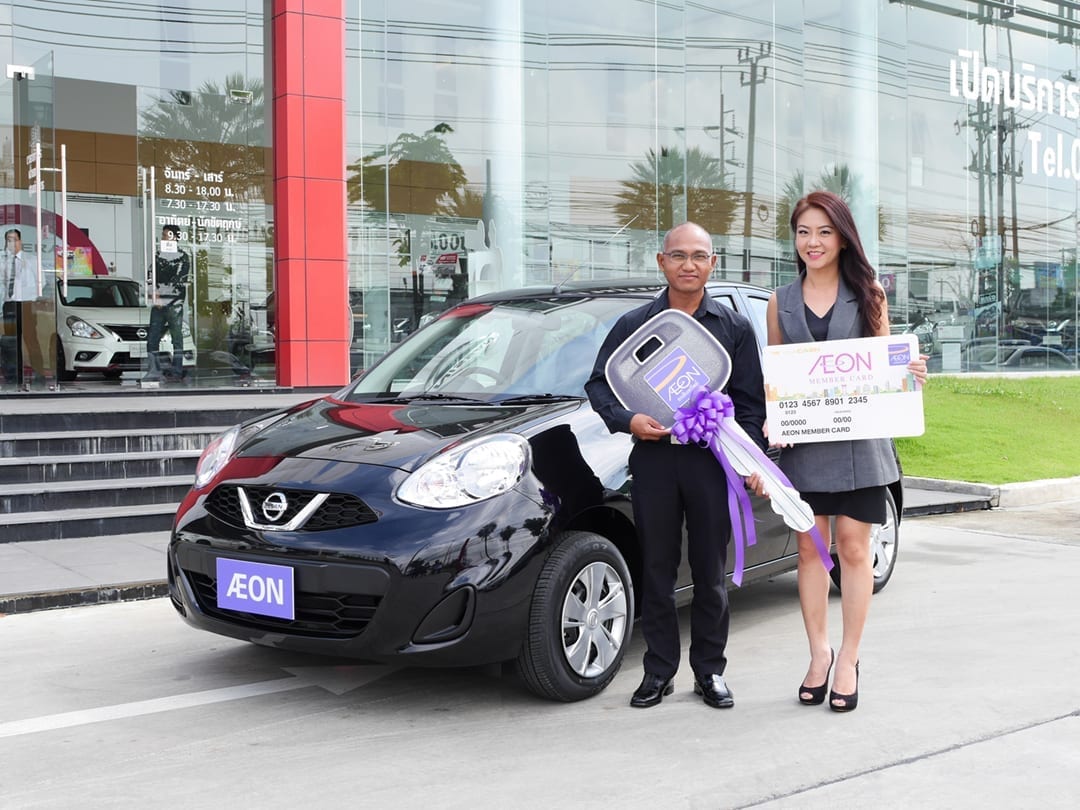
Saranya Pipoppinyo (right), Vice President Marketing of AEON Thana Sinsap (Thailand) Public Company Limited, hands over keys to a Nissan March, valued at 451,000 baht, to Suthit Saisuwan from Sisaket, the lucky winner of the grand prize from the AEON Promotion Your Cash Car Lucky Draw campaign which had run from July 1 to September 30.
Tag: asia
-
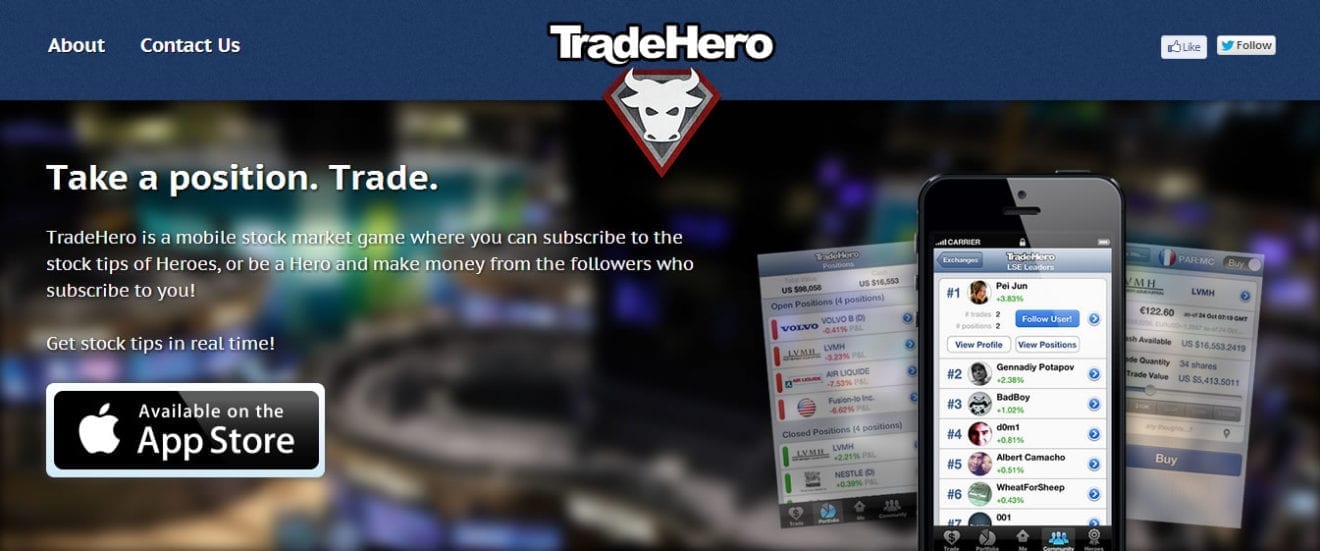
Gamified Trading App TradeHero’s Brand Acquired by Ayondo
Ayondo, a social trading technology developer for the financial services industry, has acquired the TradeHero brand, a Singapore-based trading gamification app.
The acquisition for TradeHero’s brand outside of China and the United States, expands ayondo’s footprint in Singapore nearly a year after it announced a partnership with KGI Fraser Securities Pte Ltd to launch KGI Contrax, a platform for investors to trade Contracts for Difference (CFD).
Robert Lempka, CEO of the ayondo Group, says: “For ayondo, mobile technology is a big part of the Group’s strategy for expansion and growth. The TradeHero brand is extremely well established in Asia and was the missing piece in our product range. Following Top Traders and taking social trading to the next level, in offering fully automated execution is exactly what is in ayondo’s DNA.”
Dominic Morris, co-founder of TradeHero and the new Head of Innovation for ayondo Group, adds: “ayondo and TradeHero share the same vision, that is to democratise the world of investing through easy-to-use disruptive technology and knowledge sharing.”
The team of TradeHero’s mobile technology specialists built the foundation for ayondo’s Singapore based Mobile Lab, where the group’s latest research and development takes place. The group is engaged in advanced negotiations with a SGX-listed company on a Reverse Takeover (RTO) transaction. This could result in ayondo being the first fintech company to be listed on the Singapore Exchange (SGX) and the head office being moved to Asia’s fintech hub.
-
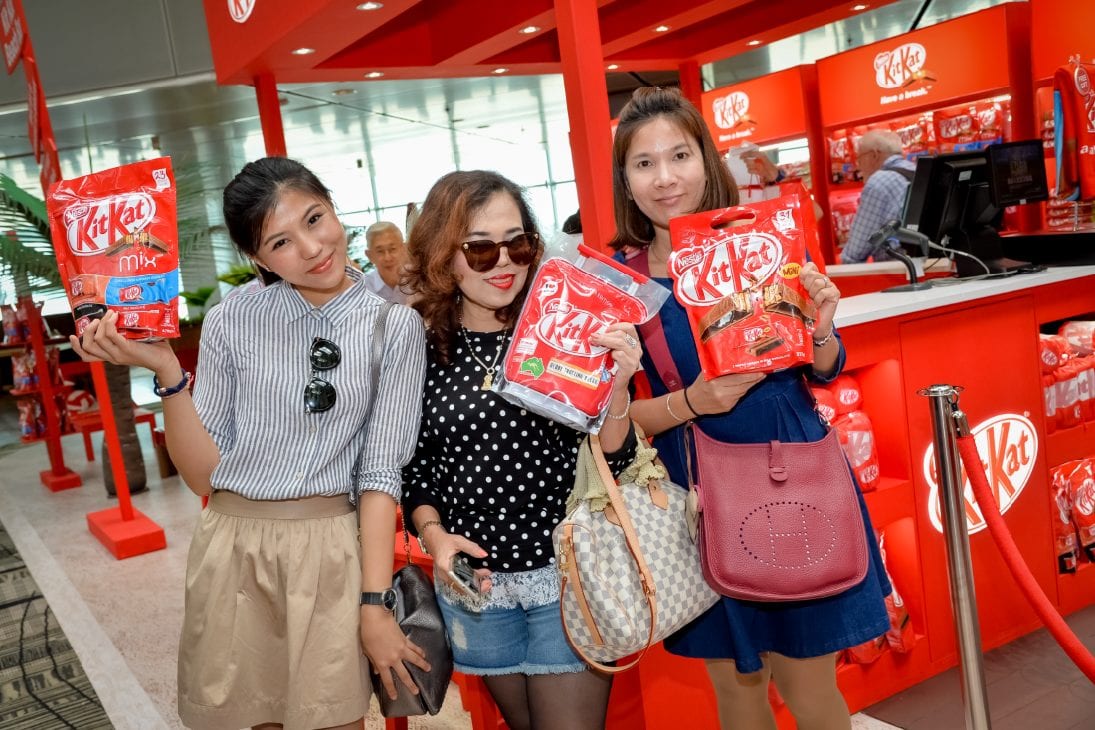
How Nestle plans to grow in travel retail
Nestle’s travel retail unit is a US$100m-plus business, which generates the lion’s share of its revenue from confectionery. Stewart Dryburgh, who heads the company’s travel retail business, says the sector, while a small part of the Nestle empire, presents a strong growth avenue for the group. However, Dryburgh acknowledges it is also a competitive and fast-paced channel and those companies that want to cash in need to navigate some unique challenges. Katy Askew spoke to Dryburgh to find out more.
Nestle generates more than US$100m in annualised revenues through its dedicated travel retail unit, which has gained market share since the world’s largest food maker set it up in 1999.
The KitKat maker is aiming to capitalise on the expansion in international travel retail, which it expects to see as air travel continues to grow. “There were roughly 3.45bn individual airport travellers last year. Roughly split 50-50 between domestic and international. And that is projected in the next ten years to basically double to over 7bn by 2025,” Stewart Dryburgh, the general manager of Nestle’s international travel retail unit, stresses.
However, this expanding consumer base makes the high-traffic sector a highly competitive one in which to operate. “Most people want to play here that is for sure,” Dryburgh says. “You have got at the moment [almost] 3.5bn people travelling through airports every year. And if you take the top 50 airports – the likes of Heathrow, Frankfurt, Singapore, Dubai, JFK – internationally there are 1bn travellers going through those airports every year. So there is a huge audience there in what is a relatively limited number of locations that they are going through.”
Standing out in this competitive environment – especially because consumers are not expressly travelling though terminals to shop but as part of their journey – is one of the key challenges for companies operating in the sector.
“That is a perpetual challenge no matter what channel you are in. A brand has to work hard to understand consumers needs and remain relevant. I have worked in big domestic markets like the UK, in emerging markets like India and I have looked after some of Nestle’s biggest brands including KitKat. No matter where you sit it is a challenge. Our challenge in this particular industry is to engage in a way that is relevant to the moment that consumers are experiencing. And that is a journey.”
Of course, there are different types of journey, Dryburgh continues. This gives rise to two distinct need-states Nestle wants to meet through its travel retail range. “It may be a business journey and if they are heading out they might want to take a gift to somebody who they are going to meet, or they might be heading back and want to take something to their loved ones. You might be going off for a long weekend and you want something more snacking oriented. There is a mix if you come very specifically into the confectionery world of gifting chocolate and consumption chocolate. The whole world of millennial consumer and the emerging middle-class consumer in Asia and LatAm continually creates opportunities for us. Then it is understanding how they can be relevant.”
Within the travel retail channel, chocolate and confectionery “comfortably” account for 80% of Nestle’s sales, Dryburgh notes. “The main category focus is chocolate and confectionery for the simple reason that is one of the key categories within the [travel retail] industry,” he observes.
The pressure cooker atmosphere of the channel means that trends born out in travel retail frequently develop ahead of the winder market, Dryburgh suggests. “I think as a whole this industry has done things that have been pushing the envelope. I think the challenge is always to stay ahead because often what you see being executed in this industry at certain premium price points then becomes translated into domestic markets. The continual challenge is to stay ahead of that curve.”
Dryburgh points to Nestle’s decision to expand its Cailler brand via the travel retail channel as part of a push to internationalise the 200-year-old brand of premium Swiss chocolate.
“We have been focusing in particular on Cailler as a first instance. It is one of the strategic priorities that has been called out by the organisation. Cailler is the original Swiss chocolate brand. It is the home of chocolate in Switzerland. It dates back to 1819 and Francois-Louis Cailler who set up the company making chocolate in the factory where we are [still] manufacturing at the foot of the Alps.
“This is an undiscovered diamond that Nestle has been sitting on. I would say, Lindt & Sprungli have done an outstanding job of driving the premium end of Swiss chocolate without a doubt, I take my hat off to what the team from Lindt have done. However, Nestle is sitting on the first and the original Swiss chocolate. It is a strong brand in Switzerland, but we have not done a good job of internationalising it.”
This year, Nestle kicked off “activations” first in Swiss airports, Geneva and Zurich. The company then piloted the brand in Dubai and Singapore, the “two big hub airports heading east”. Dryburgh says this roll out has gone “extremely well”. Marketing has included virtual reality point of sale activities to communicate the brand’s heritage and build a rapport with consumers.
Rolling out the brand to travel retail is a “premier example” of how Nestle’s travel retail business works to add value to the industry, Dryburgh says. “The way you add value is giving consumers a reason to buy because they are going to get something they can’t get at home. That is one of the things that people look for when they are travelling, part of the experience.”
Ultimately, Nestle does plan to broaden Cailler’s base, but the company does not intend to roll the brand out in traditional retail channels. “We are going to go high-end with this particular brand. I think the focus is very much on leveraging the travel retail channel as a spearhead in giving consumers the chance to engage with the brand in the first place and then encouraging them out.”
While confectionery sales dominate Nestle’s travel retail sales, Dryburgh says the trend-setting nature of the sector and evolving consumer demand mean in the longer term the company is likely to capitalise on opportunities to exploit other categories.
“You will be aware of Nestle’s journey in the direction of health science, delivering nutrition via food and health benefits via food, which is something that has historically always been part of what food brings you. Over the centuries people have understood the more holistic benefits that food can bring when consumed in the right way. That is also where our company is heading. For the future, [our travel retail business] tends to be far broader than confectionery and it will be far broader than that as consumer needs change with ageing populations. In the short term it is still going to focus on confectionery,” he says.
Nestle is also taking advantage of some niche opportunities in travel retail that are created by local conditions, Dryburgh continues. For example, the company has developed “interesting” business selling milk powders in the Middle East.
The company spotted an opportunity to cater to “blue collar workers” who have come from the Indian sub-continent to places like Dubai as part of the city’s construction boom. “These individuals have a once a year trip home and the opportunity to sell them milk powder was a very interesting one… What we discovered along with the airport authority was the opportunity to sell a relatively bulky, relatively heavy product like 2 kgs of milk powder in the airport duty-free store. The reason the consumer wanted to buy it there was because they didn’t have to put it in their checked luggage and they could carry it on the plane. It is a very simple little story but it is a hugely successful business. And that is about understanding your local consumer and local needs. That is something that is relatively unique to the Middle East.”
While Nestle picks up local opportunities such as this, they are not the “core thread” of the business because it would “create such complexity that it wouldn’t be worth focusing on,” Dryburgh adds.
Nestle’s focus on international brands, such as KitKat or Cailler, does not mean the company does not tailor its offering to cater to local preferences. “You have to deal with regional taste and you have to understand who is flying where. Often, in the bugger hub airports certain airlines fly through certain terminals… You have to tailor your offering subject to the terminal and the airport. If you have a brand that is a global proposition – like KitKat or Cailler – well that proposition is quite universal it is just a function of how you communicate or engage with consumers around it.”
Those operating in the travel retail sector face some unique channel-specific challenges. According to Dryburgh, while branded manufacturers still have negotiations around pricing “the environment you work within and also the margin structures” are specific to the channel.
“This is different because of the nature of the industry. Effectively, the way the industry is set up now, the airport authorities as a general rule of thumb earn around 70% plus of their revenue comes in now from non-aeronautical sources,” Dryburgh explains.
“The very clever game that the airport authorities play is for the main duty-free store they auction the space off. The retailers come and tender for a five or ten-year contract. But it is a very different world to a domestic supermarket world… retailers either win the tender or they don’t, you are either in or out. That means they have to put a very specific sum of money on the table as a guaranteed payment to the airport on an annualised basis. And therefore they demand extremely high margins from brand owners to be in the stores.
“The big four categories – tobacco, alcohol, perfumes, cosmetics – they are all offering 80-85% margin that is being earned by the retailer. But the retailer is having to earn that money because they are paying extremely high rental costs to the airport authorities. The airport authorities are the ones making the money, and they are ploughing it back into infrastructure because the whole sector has seen a dramatic growth curve. More people are flying so they have to invest in the infrastructure.”
Overall, Dryburgh says the underlying growth drivers for travel retail are “extremely positive”. However, the sector does face exposure to “very big peaks and troughs” that track ahead of the economic growth curve.
“For example, when 9-11 happened people tended to travel a little less and people weren’t shopping. The same when the SARS epidemic hit SE Asia back in 2003. That basically stopped people travelling in Hong Kong, Bangkok, Manilla. The industry collapsed. The Singapore industry collapsed. You can get some significantly negative downturns.
“You can also get some significantly positive upswings. When the globalisation trend was at its peak you had some more Russians travelling, more Brazilians travelling, more Chinese travelling. There were some extremely positive growth years for the industry. It tends to follow a more exaggerated curve than global GDP growth – you get very strong years and negative years. It is more of a roller coaster in that sense.”
The Nestle executive concedes this aspect of travel retail makes the business more difficult to manage. “If you have a crystal ball and you know what is coming you can do it very easily. But without one it is not so easy to call what is coming. It is one of the first discretionary spend items that goes. It is a challenging channel because of the peaks and troughs, but it is also part of the fun.”
-
UOB Indonesia Projects 5.2% Growth in 2017
Bank UOB Indonesia projects Indonesia’s economy to grow next year despite the global slowdown. UOB Indonesia president director Kevin Lam said Indonesia’s economy will grow steadily at around 5.2 percent in 2017, up from this year’s 5.0 percent.
Kevin is certain that the government will maintain the country’s growth momentum through various economic policy packages aimed at boosting investments. Several infrastructure projects that are currently underway are also expected to help achieve economic equality and income growth.
“The projects also create jobs, thus contributing to household consumption,” he said in a press conference after the UOB Indonesia Economic Outlook 2017 event in Jakarta.
Kevin said the government’s effort to attract investors by releasing policy packages—comprised of relaxations and deregulations—is working. According to the UOB Asian Enterprise Survey 2016, nearly a quarter of the respondents, which were Asian companies, chose Indonesia as a destination for their expansions in the next three to five years.
Last week, Finance Minister Sri Mulyani Indrawati projected that Indonesia’s economy in the fourth quarter will reach 5.0-5.1 percent, “due to fiscal expansions.”
The minister said state institutions will have plenty of expenditures ahead of the year-end, and the state’s spending figure will reach 96 percent of the target.
-
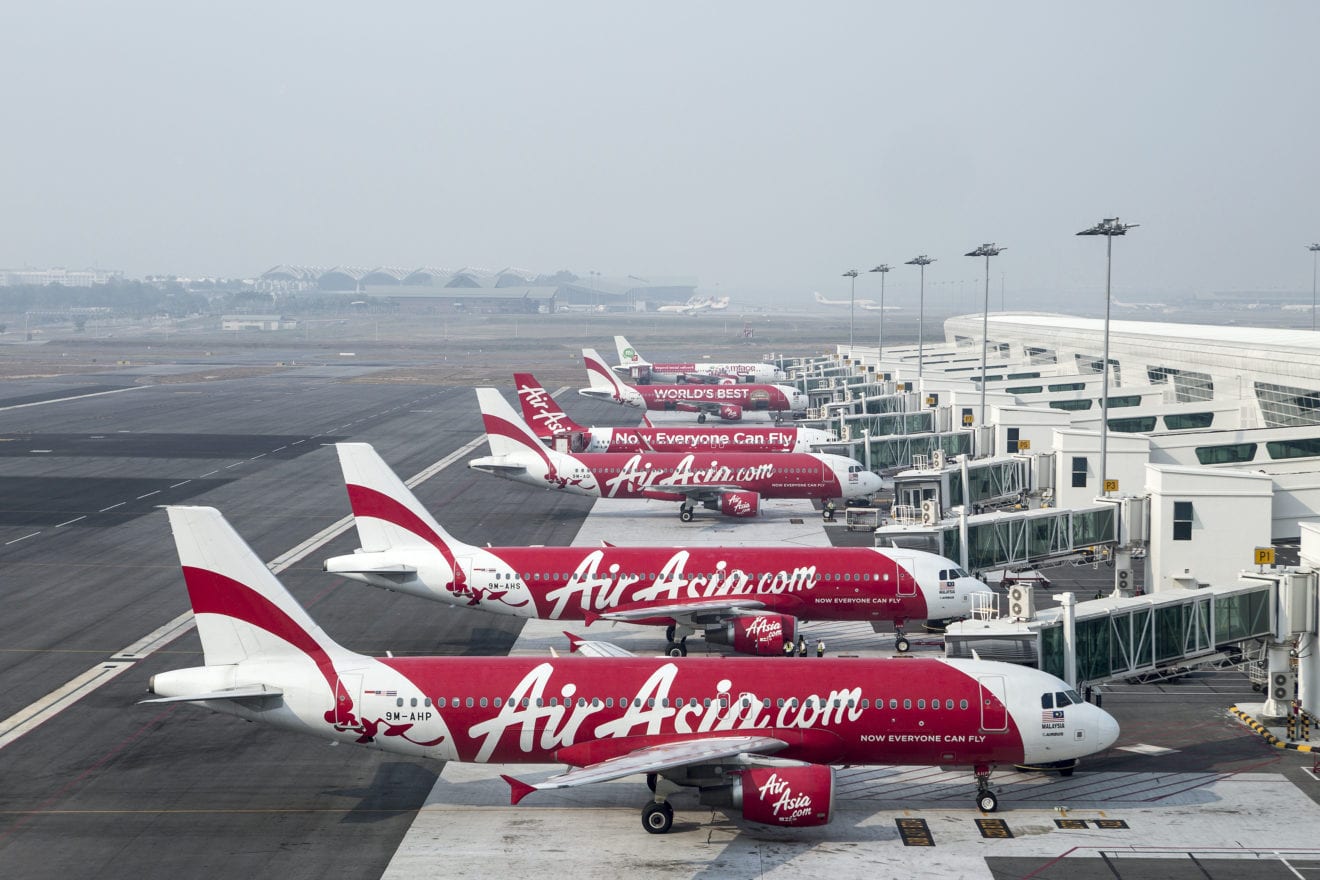
Thai AirAsia has plans to expand its fleet in China
Low-cost carrier (LCC) Thai AirAsia has plans to expand its fleet in China, revealing that it is planning to add five to six aircraft per year over the next few years.
Thai AirAsia CEO Tassapon Bijleveld told that half of the additional aircrafts would be allocated to China, its largest international market.
China has accounted for 26 percent of the carrier’s total international capacity to date. Thai AirAsia currently, has 38,880 weekly seats across 14 routes in the Thailand-China market.
CAPA–Center For Aviation stated that China accounts for 13 of the combined 35 international destinations to which Thai AirAsia/Thai AirAsia X flies.
Thai AirAsia currently serves 11 destinations in mainland China. Its sister medium/long haul LCC Thai AirAsia X serves another two Chinese destinations.
The airline, a joint venture between the Malaysia’s AirAsia and Thailand’s Asia Aviation, is keen to grow its base at U-Tapao near the city of Pattaya, which opened in September 2015 and is linked to Macau.
The expansion on the U-Tapao/Pattaya base would enable new routes to China.
The low-cost airline has two A320s based at U-Tapao operating three domestic and four international routes – including the two mainland Chinese routes, Macau and Singapore.
According to Bijleveld, all the U-Tapao routes “are doing very well”, and the Pattaya market is promising.
The carrier is also considering launching routes from Hat Yai to Hong Kong, Macau and Singapore.
Through the first three quarters of 2016, Thai AirAsia’s passenger numbers increased by 19 percent to 12.86 million.
Thai AirAsia plans to add five A320 neos aircraft in 2017. Under its current five-year fleet plan it envisages a fleet of 71 aircraft by the end of 2020.
Further, Thai AirAsia is also expanding in India, which it referred to as a logical growth market for Thailand.
-
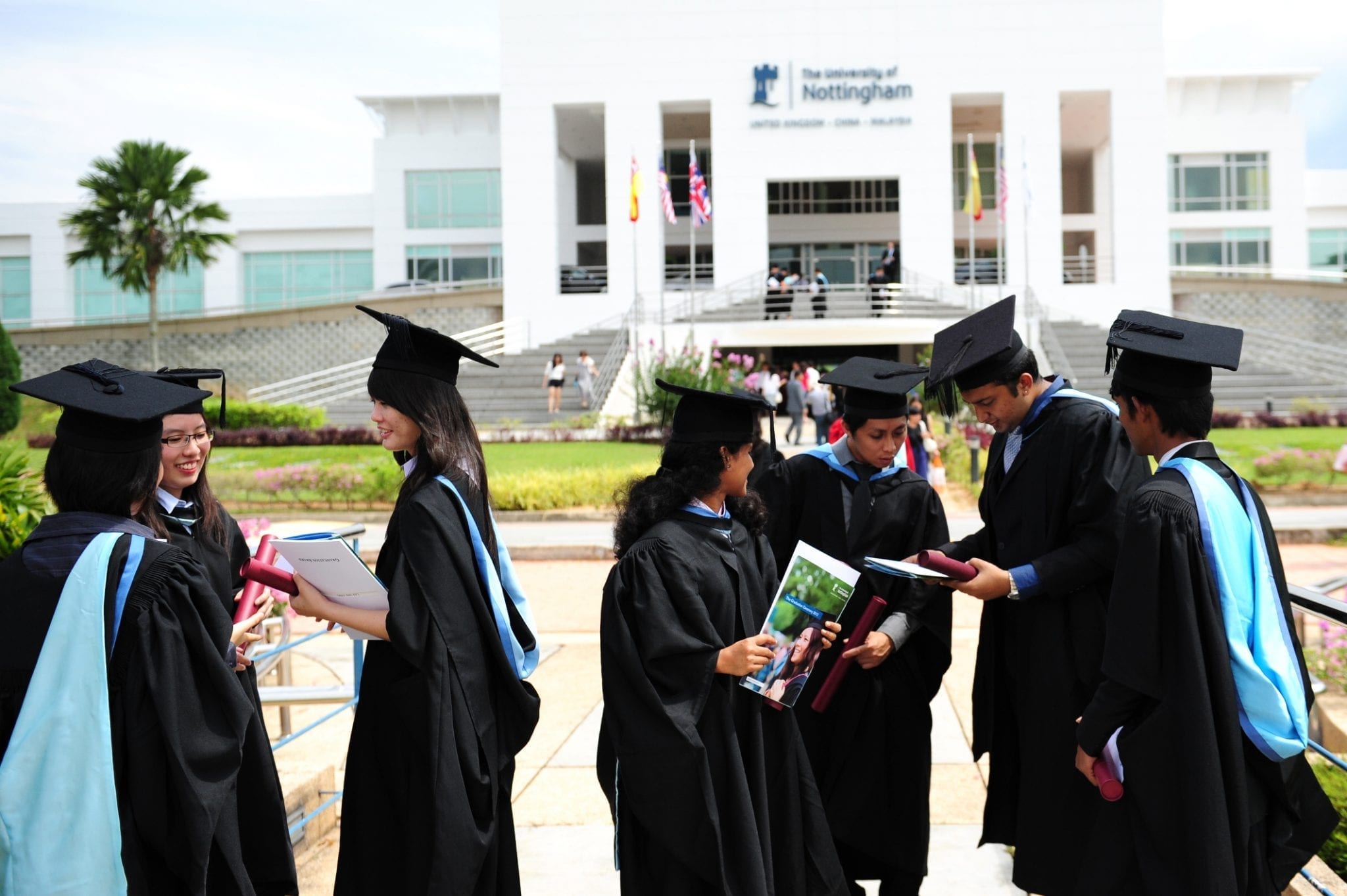
University of Nottingham Malaysia deploys Wi-Fi network
The University of Nottingham Malaysia Campus (UNMC) has become the first site in APAC to implement a network combining Brocade network switches and Wi-Fi access systems from Ruckus Wireless.
The new wired and wireless network, deployed under a managed service agreement, provides 2,400 on-campus students with coverage within UNMC’s student hostels.
“One of our key strategies for competing for the best faculty and students is to provide them with best-in-class facilities, which is why we’ve invested in a complete infrastructure revamp to support our student network services,” said UNMC’s Director of Campus Services Nicholas Ching.
Established in 2000, UNMC was the first branch of a British university in the country and one of the first to open outside Britain. It has been rated as “excellent” or Tier 5, making it the highest rated international university in Malaysia on a scale of Tier 1-6 by the Malaysian government.
Ching said a key requirement for UNMC was to provide students with highly reliable Wi-Fi access, offering predictable performance and support for the latest 802.11ac Wi-Fi standard.
The implementation team carried out a complete site survey across the 11 hostels to ensure seamless wireless coverage without any blind spots. The implementation utilizes Ruckus adaptive antenna technology and automatic interference mitigation, which is designed to deliver consistent, predictable performance at extended ranges, enabling strong wireless coverage in each student dorm room.
“University students are all digital natives with high expectations about Wi-Fi access quality and a low tolerance for service failure,” said Abdul Aziz Ali, country manager for Malaysia, Brocade. “Accessing high-bandwidth video services, class materials, and social applications is a big part of engaging in campus life.”
As part of the managed services agreement with UNMC, Brocade partner MYI Technologies will have a resident engineer on site for three years on a 24 by 7 basis. The engineer will also be responsible for supporting the Internet gateway and security components of the university’s student network services.
-
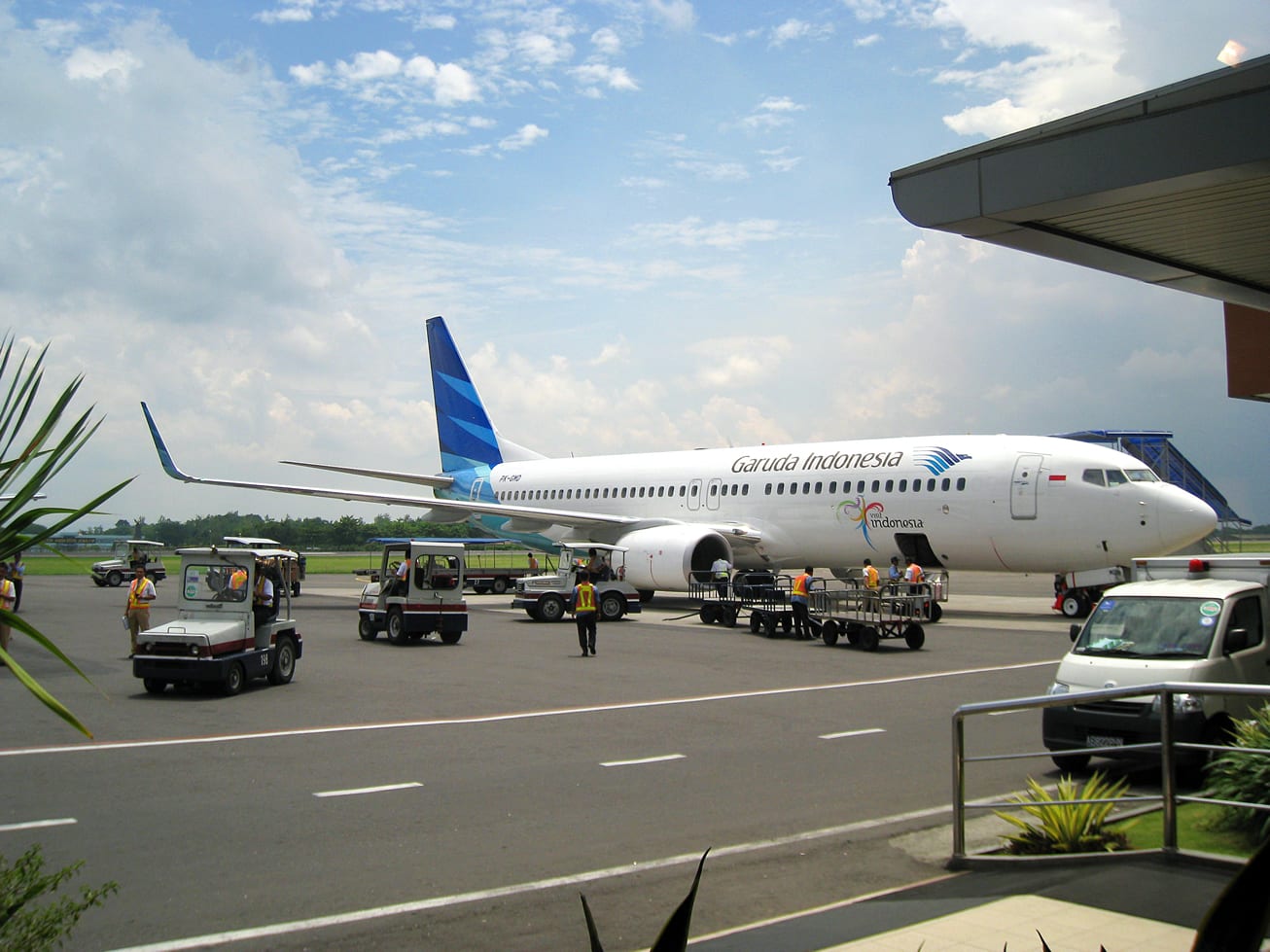
Direct air link to Indonesia from Mumbai soon
A direct air link between India and Indonesia is set to become a reality with Garuda Indonesia, the South East Asian country’s national air carrier, considering to launch a service soon.
Garuda Indonesia plans to introduce direct flights connecting Jakarta-Mumbai. In all likelihood, it should happen this December, Consul General of Indonesia Saut Siringoringo said here on Tuesday.
He hoped the move would not only address the biggest challenge — absence of direct air connectivity — but eventually also provide a boost to bilateral trade, tourism and people to people ties. Tourism, he added, has considerable potential, particularly in pushing up the number of people from India visiting Indonesia.
From 2,70,000 Indian tourists last year, which was a 13 per cent growth, the number would cross 3,50,000 this year. “I am very optimistic, this year it could even reach 4,00,000,” the Consul General said, pointing out visa free facility, for stay upto 30 days, was provided on arrival to Indian tourists. Mr. Siringoringo is from the Consulate in Mumbai that covers eight States, including all those in south India. His office, he added, issued around 7,000 working permits every year.
Bilateral trade
On the bilateral trade, he said it was around $16 billion and the need for Indonesia was to diversify it beyond the coal and palmoil. Pharmaceuticals and agriculture were two areas that could contribute to the diversification, he added.
The Consulate, he said, was keen on showcasing Indonesia and strengthening ties with India through programmes. It recently organised a two-day ‘Expo Indonesia 2016’ in Mumbai featuring 37 Indonesian companies. Apart from showcasing a range of products, including furniture, paper, health-care products, food, the event served as a platform to explore business ties. The last time such an exhibition was conducted was in 2007, Mr. Siringoringo said.
Stating that there is a lot of interest on both sides, he said 130 business delegates from India attended the ‘Trade Expo Indonesia 2016’ last month in Jakarta, an event that witnessed a transaction of $ 84 million.
Apart from holding another exhibition next year, the Consulate is also getting ready for the visit of a Ramayana troupe comprising 100 dancers from Indonesia.
-

3HK to offer a year’s free OTT video subscription
Hutchison Telecommunications Hong Kong Holding’s mobile division 3 Hong Kong is offering a year’s free subscription to its premium subscription TV and VOD service to all new and existing 4G users.
The mobile version of the myTV SUPER and TVB Premium subscription VOD service will be made available free of charge. A 12-month subscription has a usual price of HK$380 ($49).
The operator has also launched the TVB Data Pack subscription service, offering 1GB, 3GB or 6GB of data for HK$20, HK$50 or HK$80 respectively.
HTHKH COO Jennifer Tan said the company has introduced the offer to help usher Hong Kong into the 4.5G era after converging its FDD and TDD networks.
“Our smooth and stable network, together with abundant bandwidth from our 4.5G network, provides the capacity needed to build an OTT service platform, so we are now ready to carry all kinds of dynamic mobile apps,” she said.“myTV SUPER has become one of the most popular OTT offerings following inception earlier this year – and we are delighted to offer 12 months’ service free of charge to all 3 Hong Kong’s 4G users to help celebrate launch of our 4.5G network.”
Broadcaster TVB has been expanding the reach of its myTV SUPER subscription TV service. Earlier this month, the broadcaser expended its relationship with fixed line operator HKBN to cover the delivery of more myTV SUPER set top boxes for the company’s fixed line customers.
-
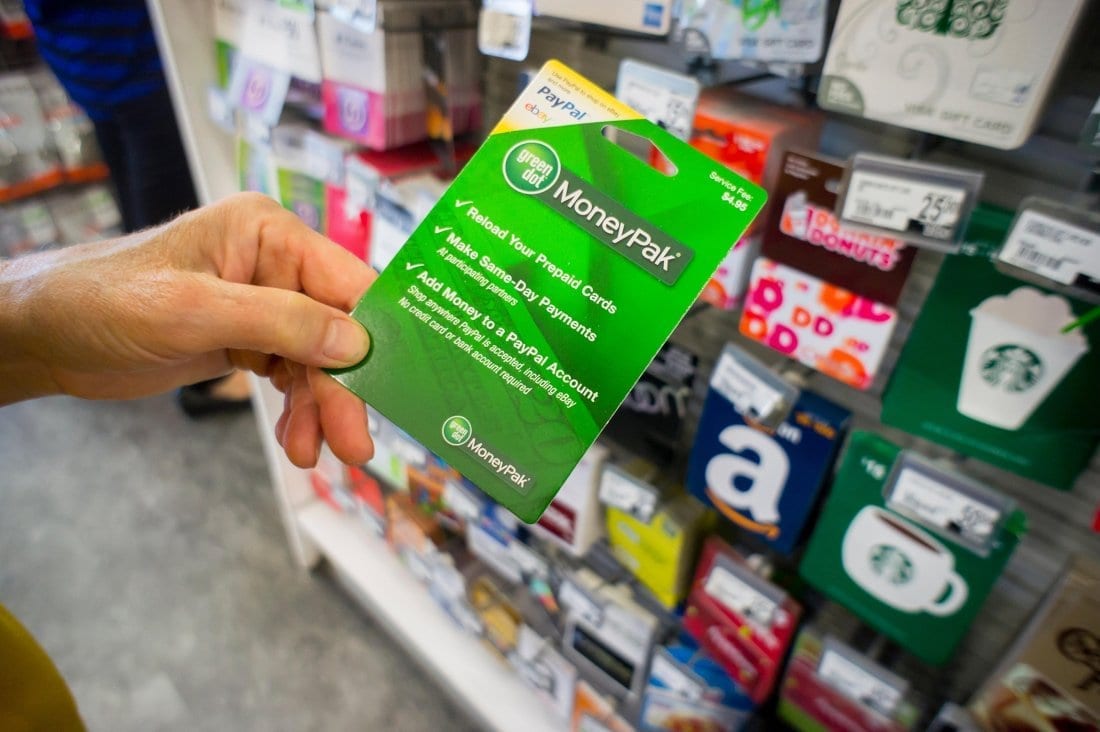
Prepaid purchases gaining traction in India
For the first time, cash is no longer king in India’s online shopping scene.
In a post-Diwali media release, India’s online marketplace Snapdeal reported that customers across India were willing to pay at the time of making the purchase instead of opting for cash on delivery.
“This was in part driven by Snapdeal’s partnerships with eight leading banks this Diwali including with American Express, Axis Bank, Citi Bank, HDFC Bank, Kotak Bank, Standard Chartered Bank, State Bank of India and Yes Bank,” the report noted.
These banks offered 10-25% additional instant discounts on each day of the sale in October. Data also showed that customers who bought electronics and furniture were the most likely to go for prepaid options.
Among the cities, Trivandrum had the highest share of prepaid orders, constituting a whopping 85% of the total orders from the city. But the preference for prepaid transactions was the strongest in South India, followed by North, West, and East in that order.
Snapdeal’s Unbox Diwali Sale was held from October 2-6. On the first 16 hours of the sale alone, Snapdeal reported more than 800,000 buyers from over 2,800 cities and towns across India, with sales volumes jumping six times the daily average. The orders went to nearly 50,000 sellers all over the country.
During the sale, the e-commerce giant said it recorded the fastest shipping track record by delivering an order within an hour. An order for iPhone 5s placed at 7.20 a.m. was delivered to the buyer in Gurgaon at 8.10 a.m.
To power faster deliveries, Snapdeal said nearly 72% orders were shipped out of its fulfillment centers (SD+). Nearly 32,000 people deployed every day of the month to deliver the packages across India.
On the seller side, out of the more than 300,000 sellers on the platform, more than 32,000 sellers saw sales grow 7X from last Diwali season. The cities where most of these sellers are based were: Delhi NCR, Mumbai Metropolitan Region, Bengaluru, Jaipur and Surat.
A little more than 60% orders came from Tier 2 cities and beyond. Moreover, over 82% of overall orders were placed through mobile platforms. The highest numbers of units ordered were for the fashion category, followed by home, electronics and mobiles in that order. In the fashion category, women’s’ ethnic wear was the most popular purchase.
Diwali or Deepavali is a Hindu festival of lights celebrated every year in autumn. People generally dress up and exchange gifts on Diwali night and shop during the festive period.
-

Plug and Play to invest in dozens of Indonesian start-ups
Indonesia is a few steps closer to becoming the largest digital economy in the region, as one of Silicon Valley’s largest players, Plug and Play, has expressed interest in investing in dozens of Indonesian start-ups.
Despite Silicon Valley firms being discouraged from investing abroad recently, Plug and Play seems to see huge potential in Indonesia’s digital economy, as the US tech giant signed a joint venture agreement with local investment firm Gan Kapital to establish Plug and Play Indonesia.
State-owned lenders Bank Negara Indonesia (BNI) and Bank Tabungan Negara (BTN) will be actively involved in the mobile financial technology-focused start-up accelerator.
The local branch will be officially established next January and invest in up to 50 early-stage start-ups per year. They will receive funding, mentorship and complimentary co-working space for a three-month period.
Plug and Play CEO and founder Saeed Amidi said the company hoped to establish 200 Indonesia start-ups in its portfolio by 2020 in response to the visit of Indonesian delegates, led by President Joko “Jokowi” Widodo earlier this year.
“It took us a few months to come here but we are super excited to start this journey together and work together to build a better economy, what we call knowledge-based economy and digital economy, here in Indonesia,” he said following a meeting with the President on Tuesday.
During his visit to Plug and Play’s headquarters in Silicon Valley, as part of his visits to the headquarters of US technology giants, Jokowi expressed his expectation to have the company partake in Indonesia’s efforts to become Southeast Asia’s biggest digital economy.
He even wrote “Start it up together, prosper together” at Plug and Play’s headquarters, from which up to 100 start-ups across the globe are developed every year, including Dropbox, with US$3.5 billion in funds raised by its start-ups since 2006.
Gan Kapital Group chief financial officer Wesley Harjono, who will also be managing director of Plug and Play Indonesia, said it will allocate around $10 million per year for the 50 start-ups that they have chosen to support.
“If there are 50 start-ups and we give an average of $500,000 per start-up, then we can prepare $10 million per year,” he stated, adding that start-ups would also enjoy exposure to the global market in hopes that investors abroad would also start to take part.
Communications and Information Minister Rudiantara highlighted the importance of Plug and Play’s presence in Indonesia to attract more foreign investment in the country’s e-commerce sector.
“He has come here even at a time when Silicon Valley is being discouraged from investing abroad. He said he is confident about Indonesia and this is a positive factor,” he said.
The government issued its 14th economic policy package last week, aimed at supporting the digital economy. The government expects the new policy package, dubbed the e-commerce road map, to create 1,000 “technopreneurs” and $130 billion in business value by 2020.
The road map is intended to better protect national interests and give priority to small and medium enterprises and start-ups, and will offer grants or subsidies to boost their chances of surviving in the tough e-commerce industry.
-
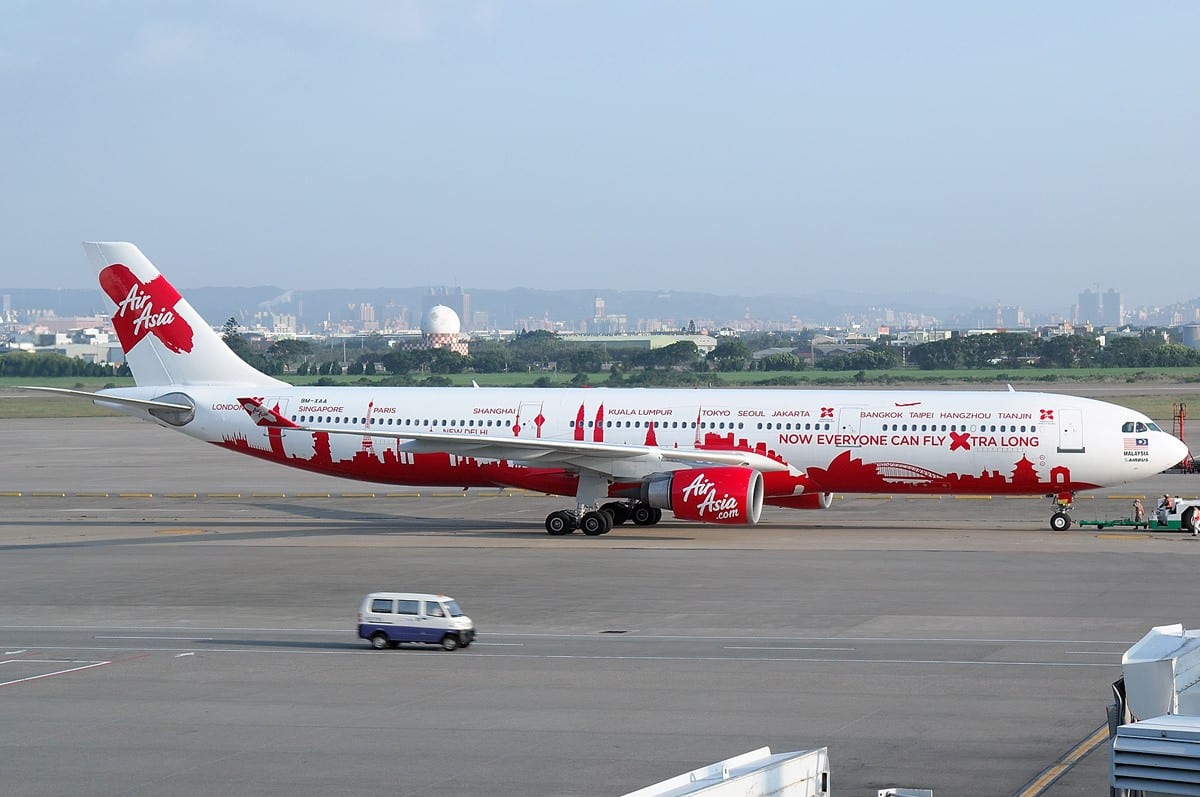
AirAsia India Sells Tickets From Rs 799 On Advance Bookings
Budget-carrier AirAsia India has announced a promotional offer with all-inclusive fares starting from Rs 799 on travel next year.
The AirAsia India offer is valid till November 20 and is applicable on travel from May 1, 2017 to February 6, 2018. The Rs 799 promotional offer is applicable on the Guwahati-Imphal route.
Also, there is a Rs 999 offer, which is applicable on Kochi-Bengaluru and Hyderabad-Bengaluru routes. Ticket prices on Bengaluru-Goa, Pune-Bengaluru, Bengaluru-Visakhapatnam routes start from Rs 1,299, Hyderabad-Goa Rs 1,599, Kochi-Hyderabad Rs 1,999 and Delhi-Bengaluru Rs 2,499, among others.
Promotional offers by airlines have spurred a strong demand for air travel in India, which is among the fastest growing aviation market in the world.
AirAsia India flew 5.89 lakh passengers in three months ended September, 2016, a 42 per cent increase from the number of passengers who flew with the airline in the corresponding period a year ago.
During the quarter, the airline added three new destinations in its route network – Bengaluru-Guwahati, Bengaluru-Hyderabad and Hyderabad-Goa.
-
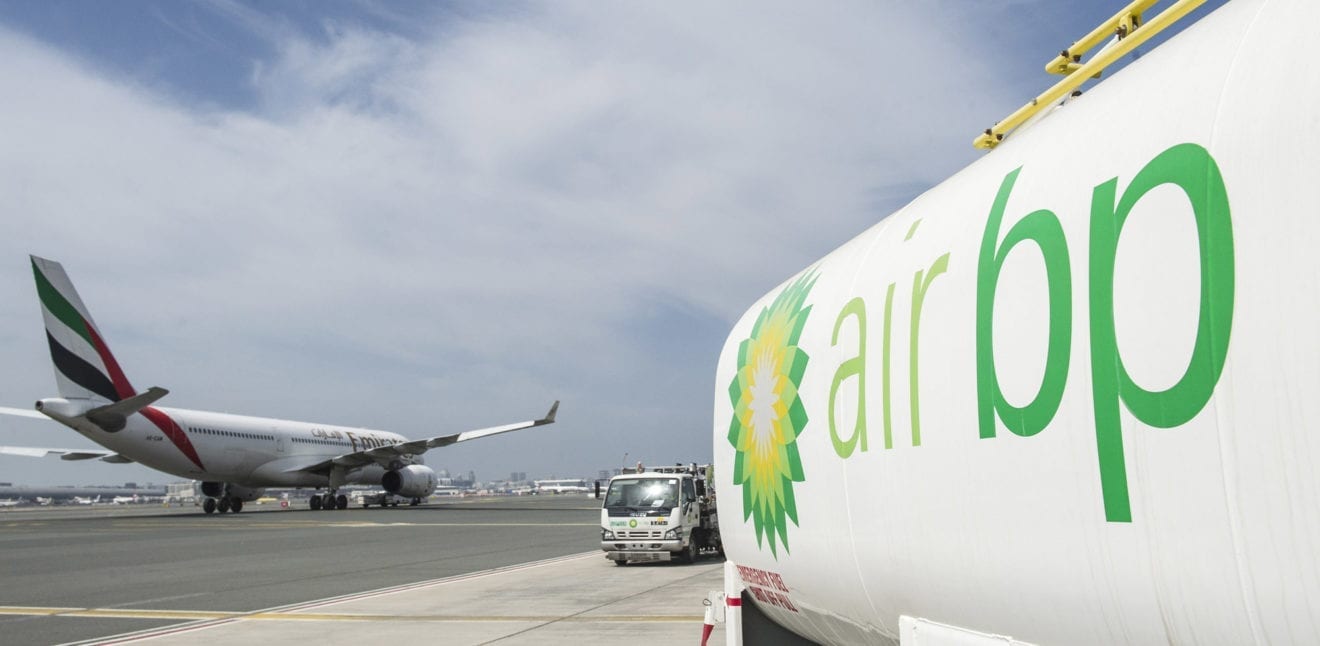
Air BP, AKR sign JV agreement in Indonesia
Air BP, the international aviation fuel products and services supplier, and AKR, an Indonesian distributor of chemicals, petroleum, logistics and supply chain solutions, have announced the signing of a JV agreement. The agreement was signed in London by Mr Jonathan Wood, Chief Strategy and Business Development Officer, Air BP, and Mr Haryanto Adikoesoemo, President Director of AKR.
The JV company, PT Dirgantara PetroIndo Raya, will operate under the name of Air BP-AKR Aviation, with the remit to develop an aviation fuel business in Indonesia.
Indonesia is one of the world’s fastest growing aviation markets where domestic travel is projected to grow by an average of 15% per year, reaching 180 million passengers in 2021. The market is being driven by the strong economy with a growing middle class, an archipelago geography and increased tourism. Indonesia is now the world’s fifth largest domestic market, behind only the US, China, Japan and Brazil.
“Air BP sees a great future for aviation in Indonesia and is pleased to be involved in this market and contribute to its future development and success,” said Wood.
-
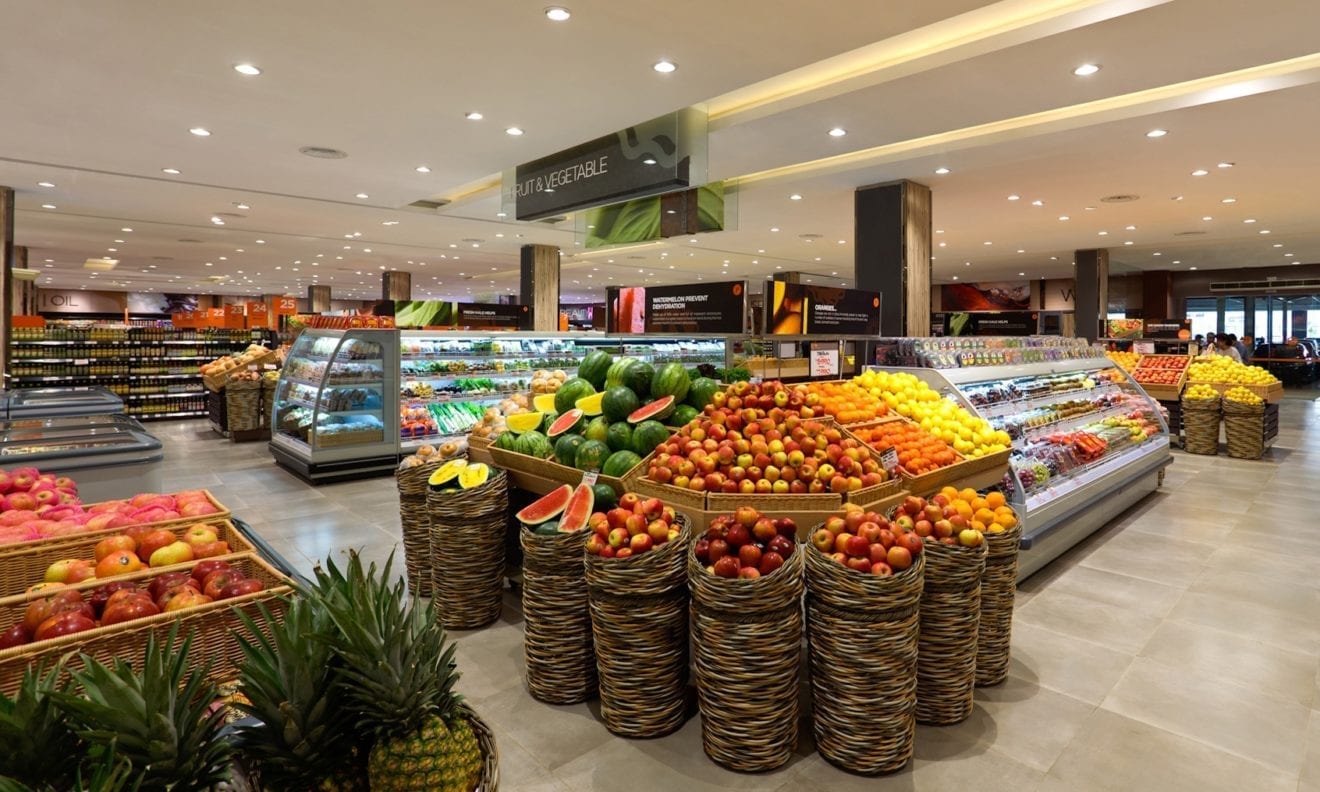
MPPA opens its premium supermarket format in Denpasar, Bali
The Foodmart Primo is a professionally designed upmarket supermarket with a café, “boutique” bakery and restaurant, offering a high level of local and imported goods in a pleasant ambience for a more enjoyable shopping experience.
Director of Foodmart Operations, Dave Rao stated “Level 21 Mall is a life-style mall. Our presence is to provide a “one-stop” experience for the customers, whereby they can enjoy shopping at the various outlets as well as eat, drink and get their complete daily/weekly groceries at Foodmart Primo – all under one roof. Our assortment also includes handicrafts, souvenirs, aromatherapy, local snacks and more to cater to the large tourists precence in Bali.”
”To date, the Company had already established a presence in the Kuta area and has been looking for an opportunity to venture further into the residential parts of Bali. So when a location in the Level 21 lifestyle mall in Denpasar became available, MPPA took the opportunity to open another Foodmart Primo there.” he added.
-

Salvatore Ferragamo Japan re-opens flagship
Italian luxury house Salvatore Ferragamo Japan has re-opened its wholly renovated and extended Tokyo flagship store, at Chuo-dori, Ginza.

Covering 600 sqm, the new store is now Salvatore Ferragamo’s largest in Japan. Extending over three floors, it carries the label’s full range of men’s and women’s collections: ready-to-wear apparel, handbags, footwear, leather goods, silk accessories, eyewear, fragrances, watches and jewellery.

Each floor comprises interconnected rooms creating a domestic feel. They are furnished with a blend of Italian design classics and references to period design from the 1930s to the 1950s. The decor is an Italian-style showcase, from Gio Ponti furniture to period Venetian glass vases, from sofas and chairs from Italy to handmade rugs, together with Venetian stucco and travertine marble. LED illumination highlights the products on display.
-
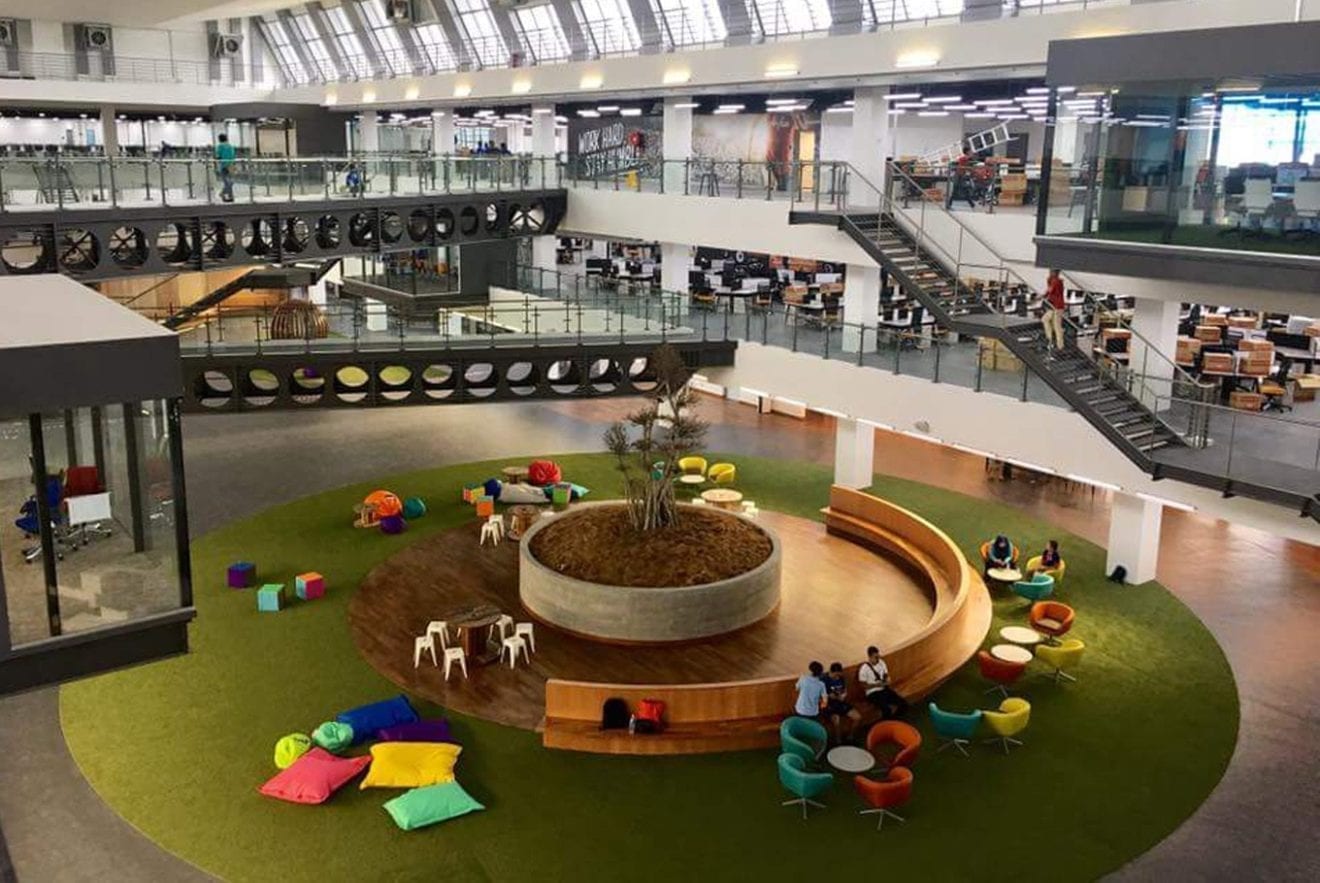
AirAsia moves into new open-space headquarters
After announcing that it would relocate to a new office in 2014, budget carrier AirAsia finally moved into its new space in Sepang, Malaysia, on Monday.
The office, dubbed RedQuarters, is located on an 18,000-square-meter plot beside Kuala Lumpur International Airport 2 ( KLIA2 ). It is reportedly set to house 2,000 AirAsia employees.
With features like indoor grass and colorful, stylish furniture, the huge open-plan office breaks away from conventional office stereotypes. AirAsia told that the design was intended to reflect the company’s determination to become Malaysia and the region’s best airline, “while incorporating elements showcasing the professional, fun and friendly attitudes.”
The company threw a celebratory opening party at the new headquarters featuring local entertainers SonaOne and Joe Flizzow.