Tag: asia

  • RideCell Delivers Global Carsharing And Ridesharing Platform For Automakers

    RideCell Delivers Global Carsharing And Ridesharing Platform For Automakers

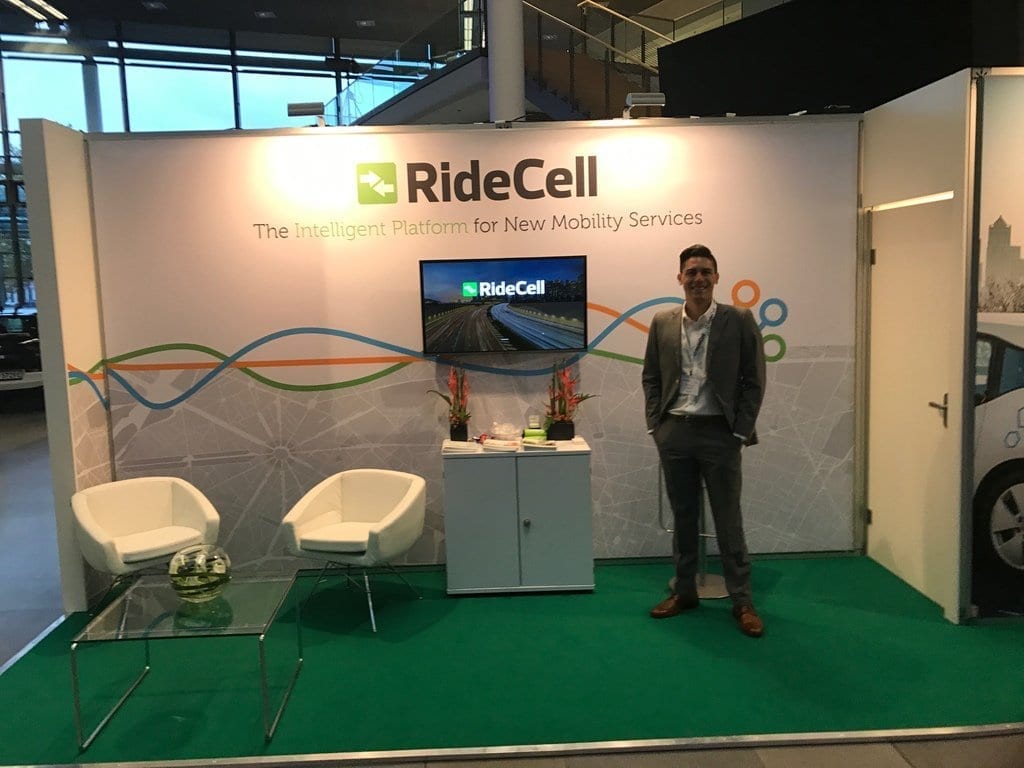
    RideCell, the developer of a Mobility-as-a-Service (MaaS) platform for leading automakers and transit providers globally, unveiled today at AutoMobility LA the worldwide release of its multiservice platform that allows car manufacturers to provide on-demand mobility when it’s needed and where it’s needed.

    By integrating ridesharing and carsharing into a single platform, RideCell makes it easy for car manufacturers to create and launch a premium mobility service in a matter of months.

    RideCell offers the ability for OEMs to brand and launch a standalone ridesharing service, a standalone carsharing service, or a service that offers both all from within a single integrated app experience. The white-label RideCell platform is a complete end-to-end solution and premium platform that automates every part of managing a ridesharing or carsharing operation, including: onboarding new riders, checking IDs, dynamic pricing, driver-rider matching, ride scheduling, payment processing, demand-supply balancing, personalized settings, and even referral programs and promotions. Using the RideCell platform, auto companies will be able to enter the carsharing market with a premium “free floating” carsharing service that allows customers to pick up and park cars anywhere within a service district.

    “Transportation is on the brink of a massive paradigm shift,” said Aarjav Trivedi, founder and CEO of RideCell. “We’re moving from a car ownership model to one where people order transportation for a specific purpose. Our expertise in powering mobility as a service since 2009 helps automakers become instant experts in carsharing and ridesharing. Our multiservice RideCell platform enables automakers to launch a service that provides choice, personalization, and convenience to every rider or driver.”

    The RideCell platform is being used by the BMW Group to power the ReachNow carsharing service. First introduced in April 2016, RideCell powers the service which has more than 370 BMW and MINI vehicles.

    RideCell is showcasing the multiservice platform for the first time publicly at AutoMobility LA in the Technology Pavilion in front of the West Hall at the LA Convention Center November 14-17. For more information about RideCell and its mobility services, please go to www.ridecell.com.

  • Saint Laurent Malaysia opens second store

    Saint Laurent Malaysia opens second store

    Just weeks after the opening of the Saint Laurent Malaysia store at Suria KLCC, another has started trading at Pavilion KL.

    Its latest store aims to reflect the fashion brand’s heritage and identity, offering an original shopping experience. The boutique offers prêt-à-porter, accessories, shoes, sunglasses and jewellery for both men and women.

    Across two floors, one at street level, the boutique offers a modern interpretation of the French modernist movement of the 20th century, reports Buro 24/7. It takes a minimalist approach and is finished with art deco materials presenting an interplay of matte and shine through a fusion of materials: the floors and walls are in white statuary marble and black silk marble, with structures in polished brass and extra-clear glass.

  • ‘Lead or lose’ message for food and grocery

    ‘Lead or lose’ message for food and grocery

    “Lead or lose” – that is the message for food and grocery businesses from chief executive Joanne Denney-Finch of the industry’s research and training charity IGD.

    Outlining her vision for the future of global retailing, she told delegates at the Canadian Grocer Thought Leadership Conference in Toronto that retailing was splitting into two parts: one largely automated and super-efficient, and the other based on delivering inspiration. “The blueprint is already emerging, not in one single place but spread across the world.”

    Drawing on examples of best practice from global retailers and manufacturers, she told how greater automation of everyday, staple purchases would drive shoppers to seek out excitement and creativity for the balance of their grocery shopping.

    “Eventually distribution centres will be run almost entirely by robots, and trucks will drive themselves,” she said. “Our smart appliances will use sensors to guarantee great cooking results, and people will hand over many decisions to their smart devices.

    “We’ll sign up to long-term deals, because that will be easiest and deliver best value. So as shoppers, our key staple items will turn up just in time, whenever we need them.

    “But on the other hand, as people’s lives keep growing more hectic, spontaneous buying and eating will also be even more popular. Online services will respond to this too, with meal kits and ready-to-eat food delivered to the door at rapid speed, but physical stores will always have the edge for instant gratification and for products we like to see before we buy.”

    More exciting

    Stores in convenient locations, such as train stations, would be favoured, so big stores would have to work harder to entice people. “They’ll become much more exciting, featuring lots of fresh food, new products, special events and more ways to taste, learn and discover. Experts will be on hand to give advice and deliver personal service.

    Branded manufacturers will be helping their retail customers to differentiate and deliver excitement, because those that don’t will be marginalised.”

    Retailers would also “compete fiercely” over health, said Denney-Finch, with the provenance of food and the ethics behind it being hugely important. “It will be an even more transparent world, and progressive companies will celebrate this. They’ll be really proud of the standards at every point of the chain for all the food they sell.”

    She said shoppers would be delighted and companies tested, “but the best will really thrive”.

    Denney-Finch said that having the right people with the right mix of skills would be needed to deliver this future of automation, from “highly capable food scientists, quality-control specialists and all-round good managers” to people who could bring new skills to both the in-store environment and supply chains.

    “Our research shows that most British shoppers view the leading supermarkets as largely interchangeable and even as part of the establishment,” she said, “so food stores need to become edgier and more inspirational. Both retailers and suppliers will need to invest in creativity and product expertise, because we’ll need more people in store to advise and recommend.

    “The more automated life becomes, the more essential it will be for companies to have a friendly face and to bring their brands to life.”

    Denney-Finch said a rich range of skills would be needed “as skills will separate the winners from the losers”.

  • Shiseido profits leap 135 per cent

    Shiseido profits leap 135 per cent

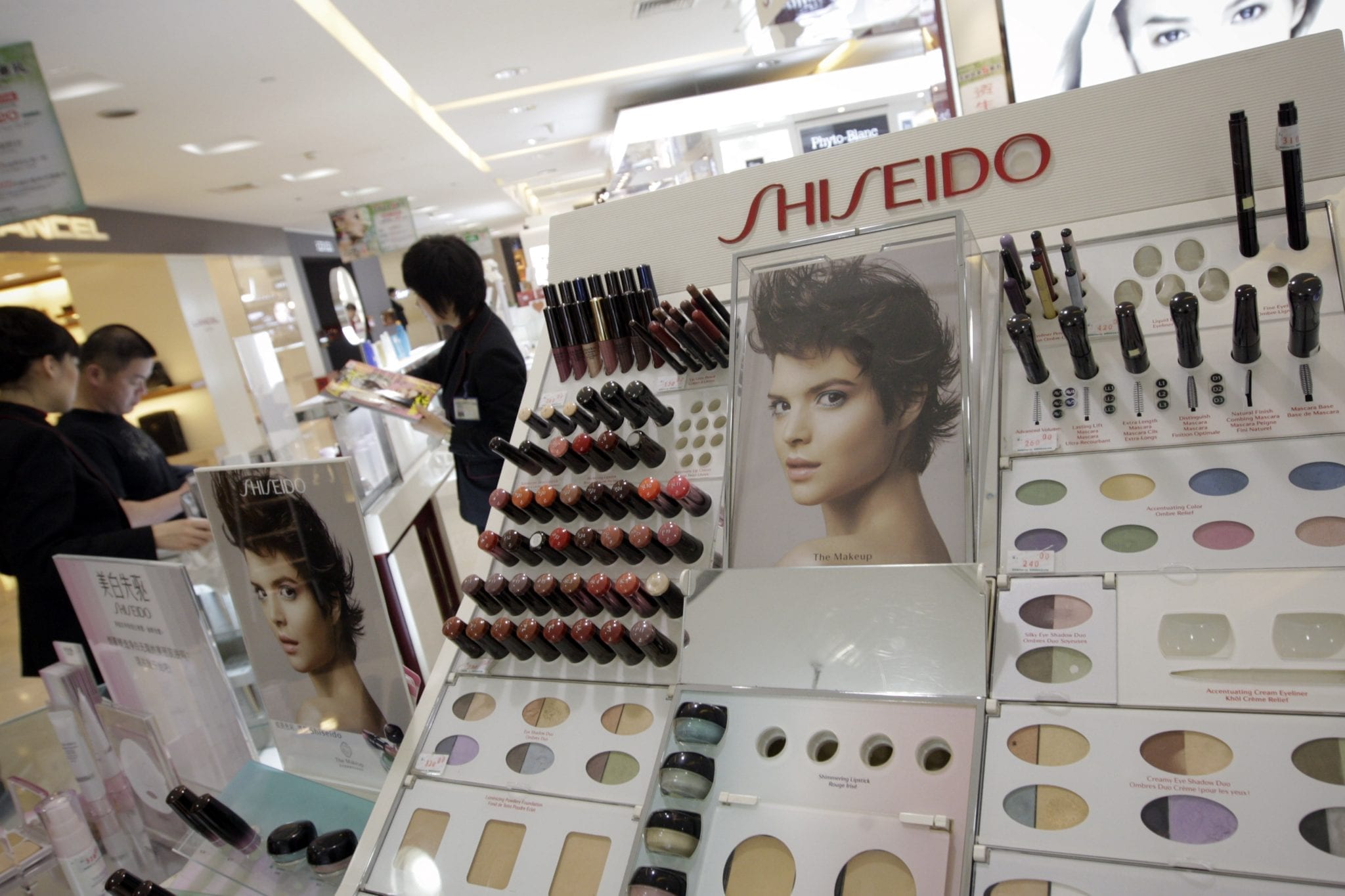
    Shiseido profits for its latest nine months more than doubled over the same period last year.

    ‘New income’ leaped 135 per cent to a record ¥37.2 billion (US$345.8 million) for the nine months to September 30. The cosmetics company attributes this to several factors including an increase in operating income, the sale of intellectual property rights associated with the Jean Paul Gaultier brand, and gain from the sale of its Kamakura factory site.

    Shiseido’s operating income increased 17.1 per cent year on year to ¥38.7 billion. As well as “substantial” grown in its home market, it also had higher sales in Chinai and in travel retail.

    However, sales fell in the Americas, Asia-Pacific, Europe, the Middle East and Africa.

    The company still expects its full-year net profits to grow by 1.8 per cent to Y30 billion with a significant year-on-year decrease in operating income in the fourth quarter.

  • Lawson China launching rewards points

    Lawson China launching rewards points

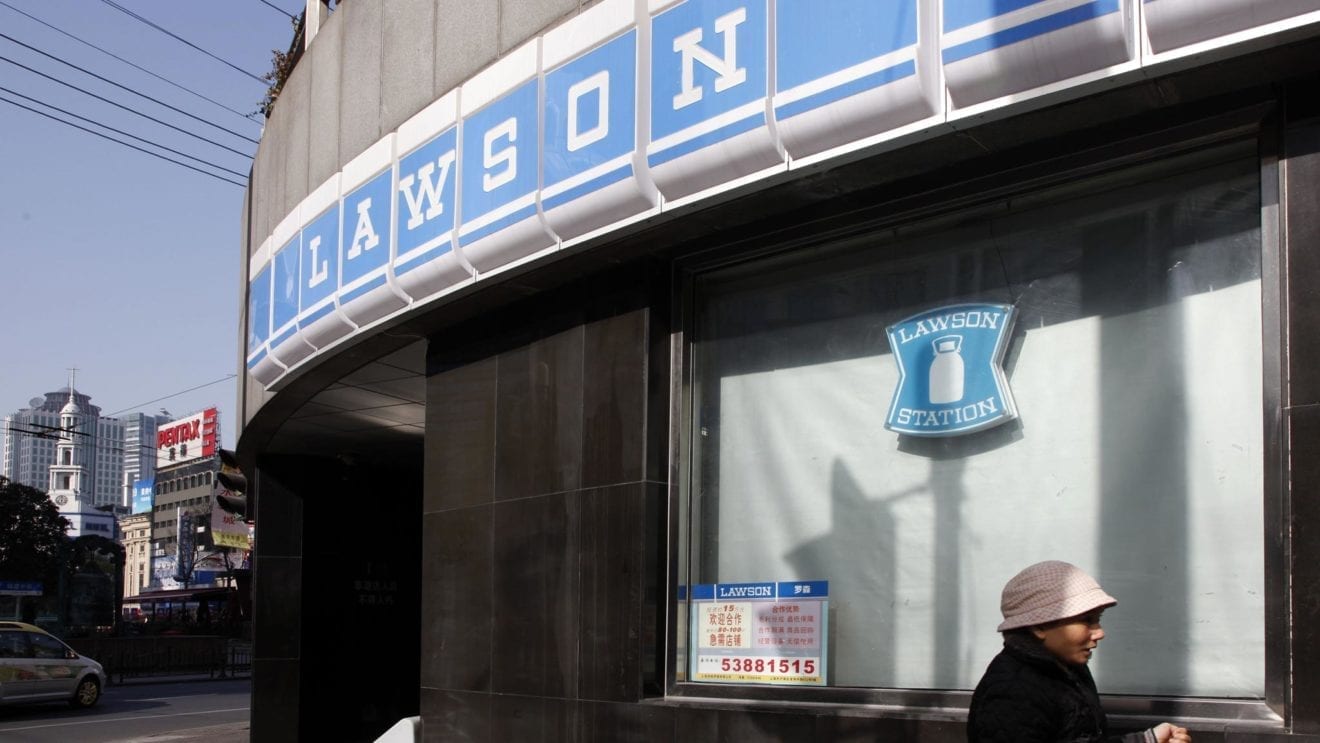
    From next month, Japan’s Lawson China convenience store group will offer rewards points to shoppers at its outlets.

    Points will be administered through the brand’s smartphone app, which already provides product information and discount coupons.

    Each yuan spent is expected to earn shoppers 10 reward points, exchangeable for store credit, likely at the rate of 1000 points for 1 yuan (US15 cents).

    Lawson has invested around $900,000 in Yoren, the Hong Kong-based developer of its app. As well as the points system, the duo has teamed up to analyse users’ purchases so the retailer can design sales campaigns and develop products.

    Lawson is considering similar efforts in other foreign markets. The group’s overseas network exceeds 1000 stores, including locations in Beijing, Dalian, Shanghai and Wuhan, and is rapidly expanding in China via franchise deals, particularly in Shanghai where there are more than 300,000 registered users of its app.

    Lawson will work with trading house Mitsubishi Corporation, which plans to become the retailer’s parent in January, to pursue a goal of having between 3000 and 5000 overseas stores by 2020.

  • Finance Magnates’ 2016 Summit Kicks Off in Downtown London

    Finance Magnates’ 2016 Summit Kicks Off in Downtown London

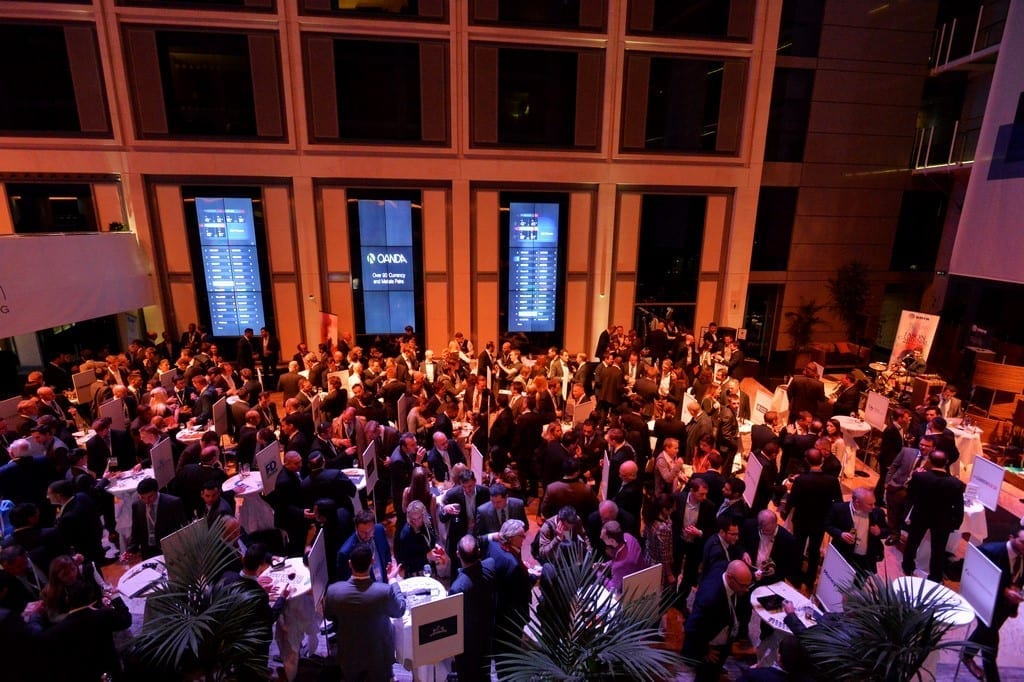
    The highly anticipated Finance Magnates London Summit kicked off today at The Brewery in the heart of the online trading industry. For five years now Finance Magnates has been hosting the prestigious event that has seen over two thousand attendees on an annual basis.

    2016 has been a very unique year for the foreign exchange and broader financial industry with two seismic events potentially redefining the current status quo. With the Brexit referendum in the UK and the victory of President-elect Donald Trump in the US, the industry seems primed for a shakeup, and the biggest names and players worldwide are now together under one roof to discuss the issues.

    Summit Kicks Off

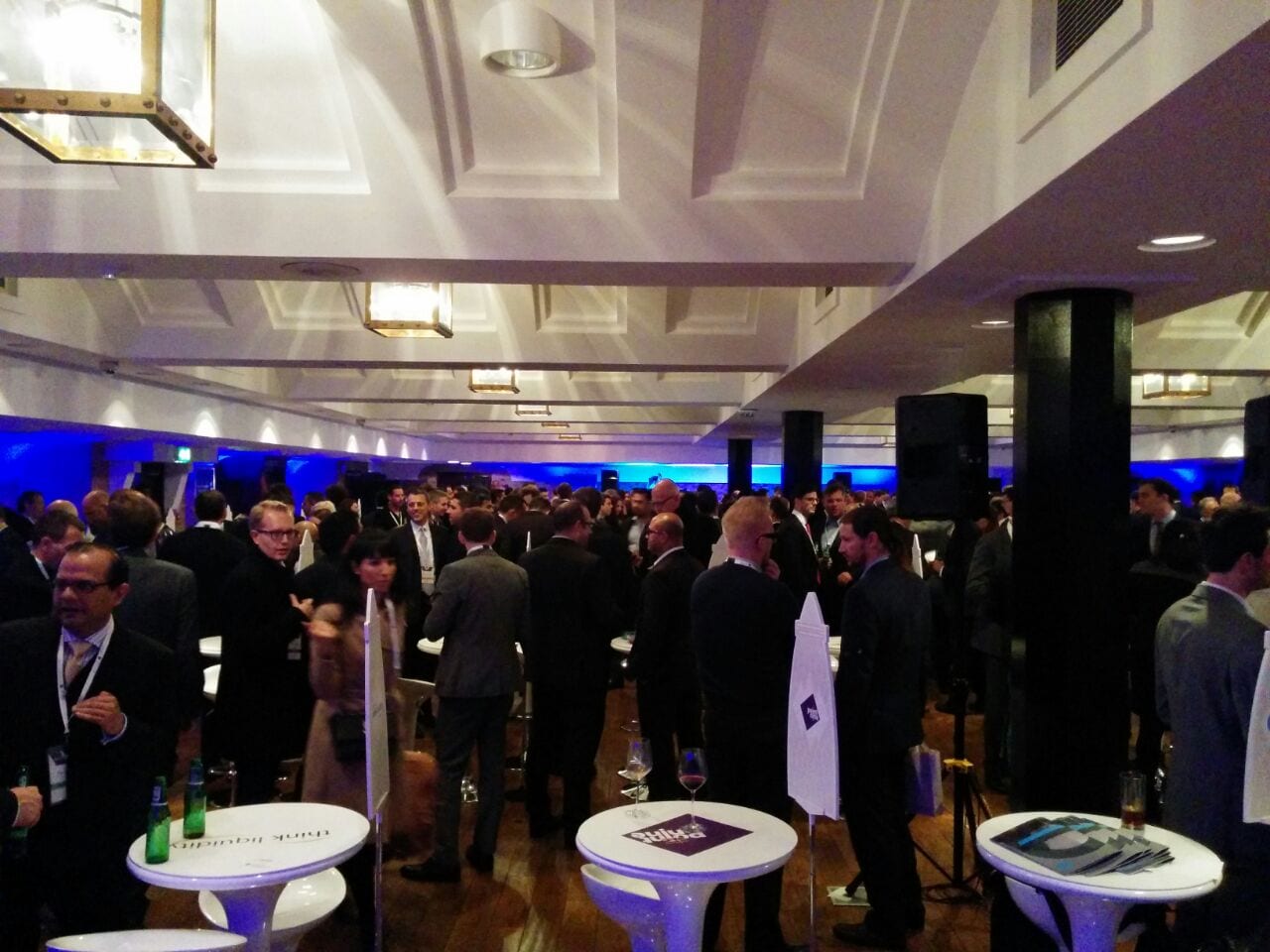
    The event began with the Networking Blitz Opening Party today, which saw over 1,000 individuals attend. The Blitz is the first part of the two-day Summit, which features over 2,000 attendees and 90 exhibitors at a prestigious London venue. Industry elites were able to enjoy a wide range of refreshments and entertainment, as well as several attractions such as in the Institutional Lounge and more.

    second

    What to Expect on Day 2

    Looking beyond today, the second day of the summit features a full schedule of panels, seminars, and workshops, including roundtable discussions between some of the industry’s most recognizable figures. Attendees will be able to explore and immerse themselves in a wide range of topics, including the adoption of data driven market intelligence, blockchain technology, the influence of the upcoming MiFID II regulation, retention management, and much more.

    In addition to a plethora of different topics and events, the Finance Magnates London Summit will also include multiple workshops and exclusive product launches. Attendees are invited to take part in each of these presentations, which will be capped by the Finance Magnates Awards ceremony tomorrow evening. The winning brokers, providers, and other groups will be announced at the ceremony – only London Summit registered attendees, the gold standard of the executive level of the global industry, are given the privilege of participating in the voting process, ensuring a truly transparent and representative competition.

    third

  • Village for Cafe Amazon’s Japan launch

    Village for Cafe Amazon’s Japan launch

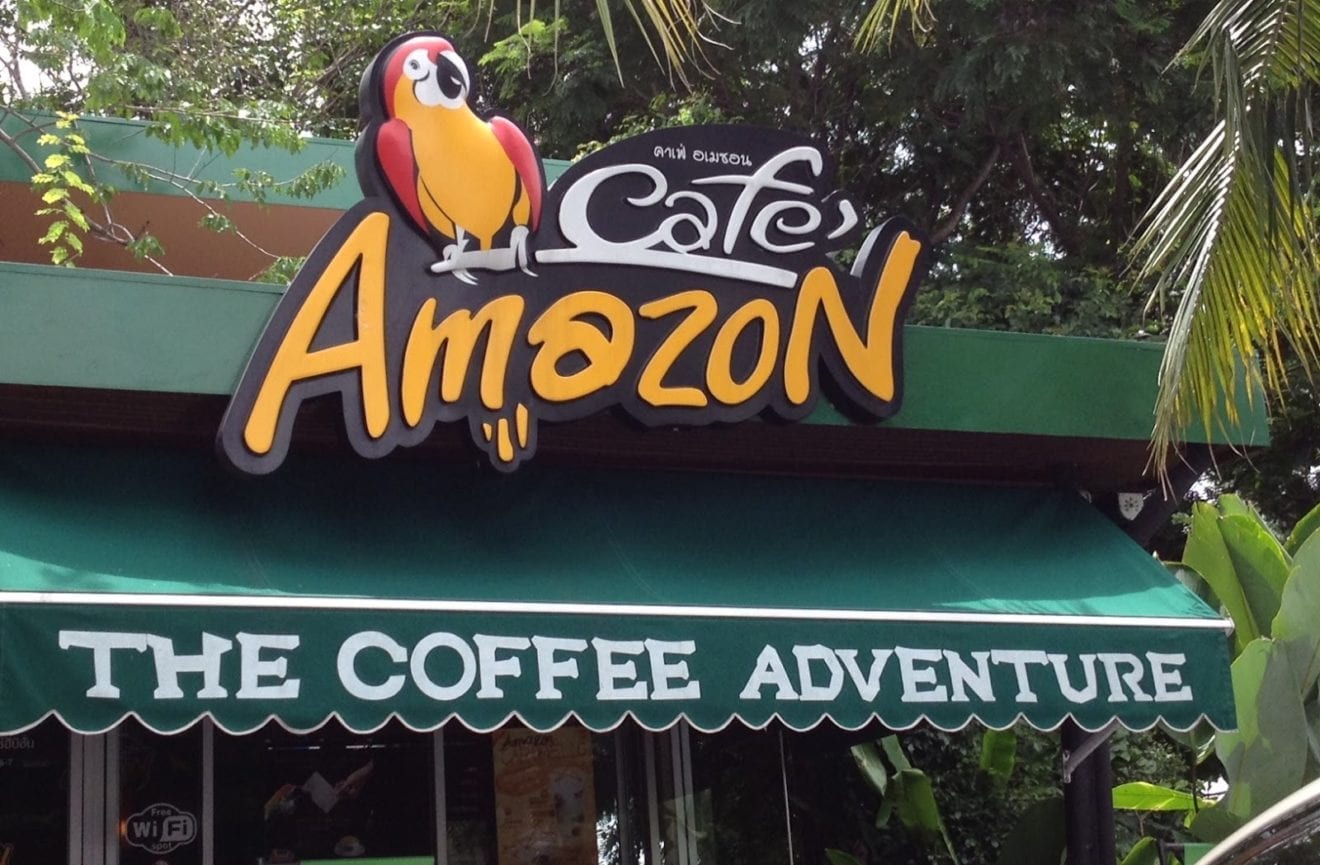
    Rather than a big city, Thai coffee-shop chain Cafe Amazon has chosen a village for its launch into Japan.

    More than 200km from Tokyo, Kawauchi in the Fukushima prefecture has fewer than 2000 residents, and the community is still struggling to recover from the 2011 nuclear disaster.

    Cafe Amazon Japan store

    Kawauchi is about 25km away from the Fukushima Daiichi nuclear power plant, which had meltdowns after the earthquake and tsunami on March 11, 2011. The village was temporarily evacuated, with about 30 per cent of the registered population of 2700 yet to return.

    However, Thai state oil and gas company PTT, which owns the Cafe Amazon chain, believes that starting out in such a location could help to raise brand awareness.

    PTT president/chief executive Kevin Vongvanich, who travelled from Bangkok to attend the Kawauchi shop’s opening ceremony, says the company hopes to open other branches across Japan.

    Cafe Amazon Japan open

    He says one of PTT’s objectives in Kawauchi is to gather consumer feedback. “We have a special coffee designed for the Japanese – a bit lighter than coffee in Thailand. The testing will provide us with information so we can adapt our coffee to suit Japanese tastes.”

    Cafe Amazon is using the same Thai beans it offers in its 1600 domestic outlets. A basic cup of coffee in Kawauchi sells for 250 yen (US$2.30), and the 60-seat shop resembles a wooden house, with customers being asked to leave their shoes at the entrance.

    Japanese building materials maker Codomo Energy, which has a factory in Kawauchi, has the Cafe Amazon franchise for Japan, and the partners plan to open several more branches next year, starting in Osaka.

    For Kawauchi, the cafe represents a rare investment from outside the community. At the opening ceremony, Mayor Yuko Endo said he hoped more outsiders would visit the village because of the cafe.

  • Military minimall for US troops in Korea

    Military minimall for US troops in Korea

    A $6.2 million US military minimall has been officially opened for troops relocating to an expandedCamp Humphreys in South Korea.

    The Army and Air Force Exchange Service (AAFES) centre includes fast-food restaurants, a barber shop and a retail store, across the street from a new barracks at the US Army garrison 88km south of Seoul. This means soldiers will no longer need to take a bus to the central food court and commissary that previously served the whole post.

    Soldiers at the opening ceremony were told the minimall will save them time and help alleviate queues and crowding. The complex also is near a chapel, theatre and gym.

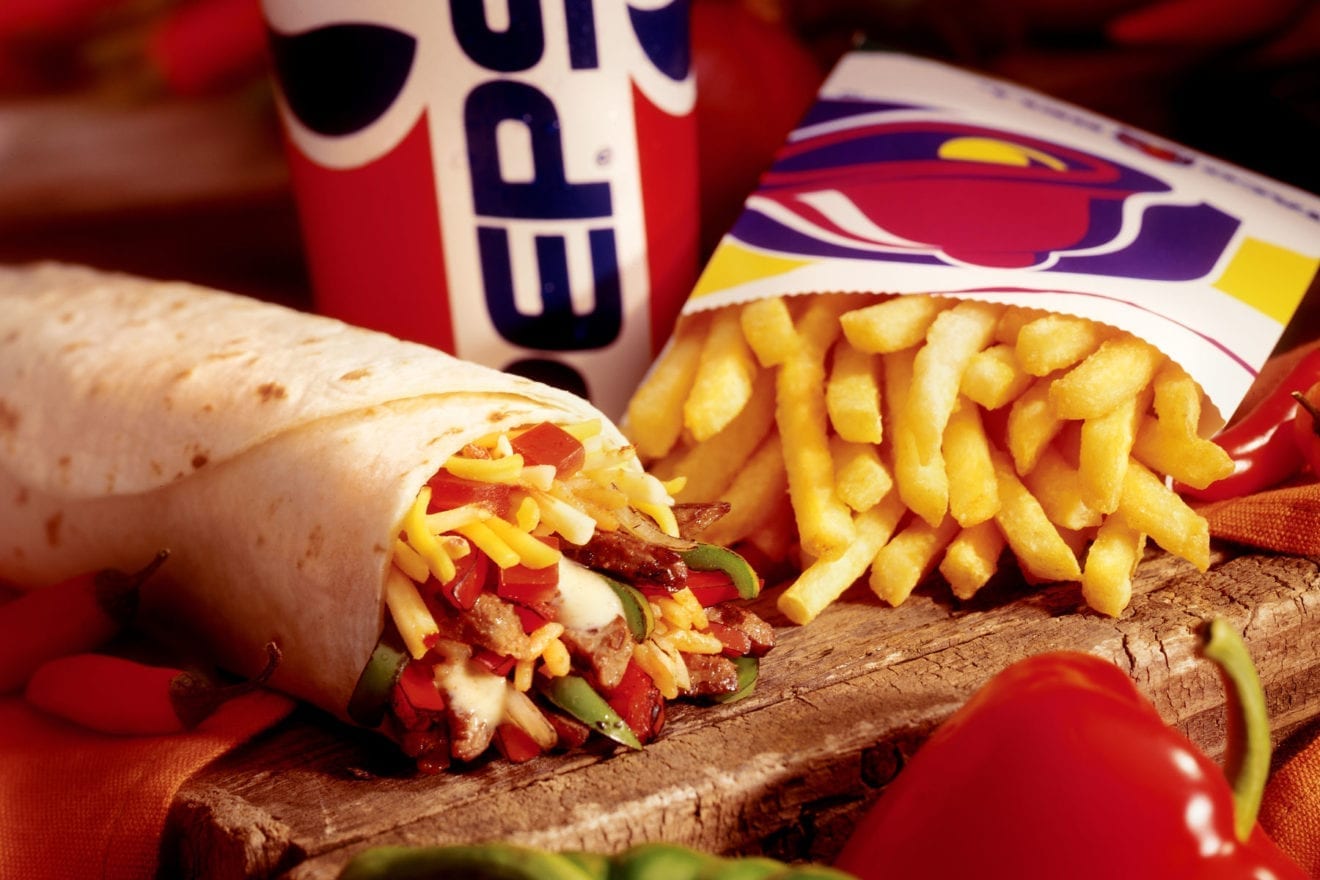
    Its 124-seat dining room has a Starbucks, Subway and Taco Bell. There is also a dry cleaner, an eight-chair barber shop and a grocery store that also sells other items.

    Construction of the almost 24,000 sqft (2229 sqm) building three years ago, with the South Korean government paying $4.4 million and the AAFES $1.8 million. The South Korean government is funding most of the $10.7 billion overall expansion project.

    AAFES regional senior VP Karin Duncan says four more amenities will open late next year, including a 300,000 sqft post exchange.

    The US has about 28,500 serving military in South Korea, which remains technically at war with the North after the 1950-53 conflict ended in an armistice instead of a peace treaty.

  • Retail decline in China, says Fitch report

    China’s traditional retail industry is continuing to decline with demand likely to “remain muted” into next year, according to a new Fitch report.

    The credit rating agency’s report covers shops and and department stores.

    “Not only are shopping preferences changing, but declining consumer sentiment affected retail sales in several categories this year,” analysts Yee Man Chin and Cathy Chao say in the report. “We think the rapid change in shopping formats will increase competition, and therefore expect persistent weak sales for traditional retailers as consumer preferences evolve.”

    In the first nine months of this year, the top 50 domestic retailers saw sales fall 1.9 per cent, representing a slowdown in growth of 2.6 per cent compared to the same period last year, according to the China National Business Information Centre.

    Despite the country’s middle class expanding, sentiment has been dampened by a devalued renminbi and the economic slowdown, says Chin and Chao. Shoppers are now increasingly favouring eCommerce, which makes up 20 per cent of the country’s retail sector, and shopping malls over traditional channels such as department stores and street-level stores.

    This is reducing profitability for retailers who run their own stores with a fixed cost base for rent and staff, the analysts say.

    While the retail sector expanded 10.4 per cent in the first-three quarters of the year, the growth was largely from online sales, which surged 26.1 per cent year-on-year to 3.5 trillion yuan (US$513.8 billion), according to data from the National Bureau of Statistics (NBS).

    Same-store sales for Parkson Retail Group fell 9.7 per cent in the first half, while for the Golden Eagle Retail Group the drop was 8.7 per cent. Chinese shopping centre group Intime Retail, which is backed by Alibaba, had a 3.7 per cent fall in sales in the first nine months of the year.

    More competitive

    Weakness in the industry is making the retail environment increasingly competitive, say Chin and Chao. “Retailers can gain an edge by improving their product mixes, because certain industry segments such as sporting goods are continuing to grow.”

    Sports companies went through consolidation in 2012, and with consumers becoming more health-conscious, suppliers like 361 Degrees International “should benefit accordingly from sales growth,” says the Fitch report. A Chinese athletics brand, 361 Degrees has seen same-store sales growth rebound by more than 5 per cent since 2013.

    Traditional retailers are also resorting to new tactics to attract customers. These include “experimental shopping” whereby outlets increase their F&B, lifestyle and entertainment options, as well as linking online-to-offline shopping capabilities, the analysts say.

    Through “gimmicks” and technology adoption, retailers can draw millennial and middle-class shoppers by offering digital and personalised shopping, says Colliers International (Hong Kong) associate director of research Joanne Lee.

    “We believe technology will come into the market, and artificial intelligence or virtual reality will enhance the shopping experience,” she says.
    Her colleague director Daniel Shih says social media will be a focal point for the future, for both retailers and shopping centres.

    These strategies have been evident in the roll-out of the annual Singles Day shopping event hosted by Alibaba, reports the South China Morning Post.

    While retailers can take steps to reduce costs, such as reducing inventory or closing stores, Fitch says the structural challenges facing the retail sector are likely to persist.

  • HDR key to offsetting profit erosion

    HDR key to offsetting profit erosion

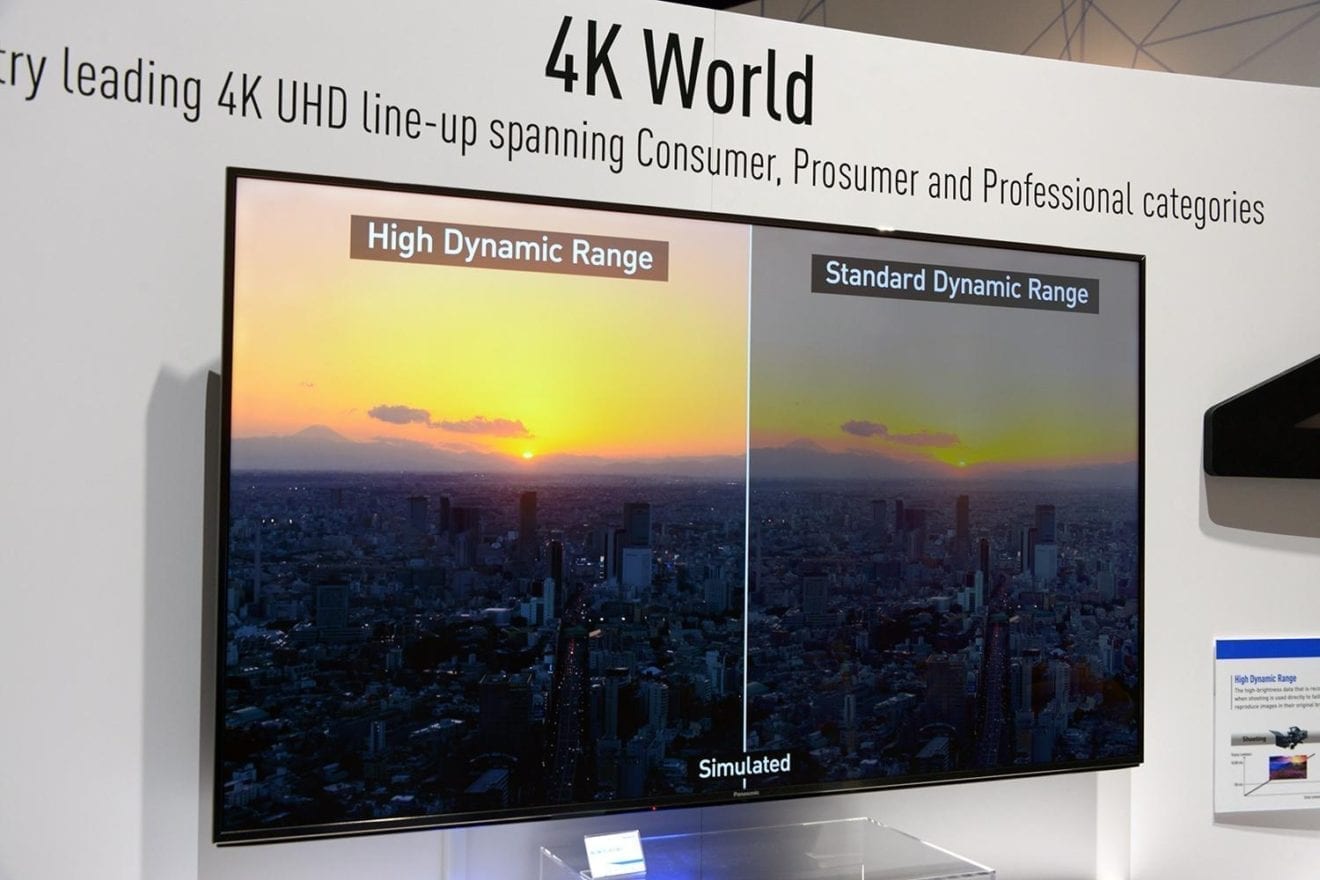
    High dynamic range, also known as HDR, is a new category of 4K TVs that emerged in 2016. HDR TV shipments will reach more than 4 million units in 2016 and growth to more than 30 million units by 2020, according to research firm IHS Markit.

    The market for HDR compatible TVs, defined as any sets compatible with basic HDR formats but using standard dynamic range displays, will be as much as four times larger. By 2020, IHS Markit expects that nearly all of the 112 million 4K TVs shipped worldwide will be compatible with HDR, but only 30 percent will have true HDR performance capabilities.

    Worldwide demand for 4K TVs continues to grow even though total TV shipments will decline slightly in 2016. The lack of unit volume growth in the total market and continuous price erosion, especially for categories like 4K, is a concern for TV manufacturers and retailers. New display technologies like HDR hold promise for improving ASPs and profits, but only if the technology and its benefits are communicated well to consumers.

    “As with many new technologies in the TV market, the ability to introduce them to consumers in a way that communicates the value is crucial to achieving lasting premiums and profits,” said Paul Gagnon, Director of TV sets research for IHS Technology.

    “In the case of HDR, only some sets have enhanced display performance that can allow the consumer to see the benefit, while the rest will have little discernable difference to consumers, who may become confused about the value of HDR as a result,” said Gagnon.

    Standard dynamic range, or SDR, TVs will shrink rapidly as a segment within the 4K TV market, but remain the only choice for HD and 1080p resolution TVs as HDR benefits are featured primarily with 4K content.

    The 4K TV market is growing quickly from 55 million units in 2016 to more than 100M units by 2019, achieving 100 percent share of 50-inch and larger TV shipments by 2019. As with many new TV technologies like 4K, HDR is featured in larger screen sizes where the additional costs are supported by larger premiums. More than 80% of HDR TV shipments will come from 50-inch and larger screen sizes.

  • Chinese shoppers lead way in digital commerce

    Chinese shoppers lead way in digital commerce

    While digital commerce is strong in the world’s two largest economies, Chinese shoppers use smartphones and tablets more than shoppers in the US.

    This is shown in a new study from IAB (Interactive Advertising Bureau) and IAB China, Understanding Digital Commerce in the US and China. Conducted by consulting firm Hypothesis Group, the research shows that both China and the US have achieved near-full adoption of digital commerce, with 89 per cent of Chinese digital users aged from 18 years upward and 84 per cent of US digital users in the same age bracket saying they had bought a product or service digitally over the previous 12 months.

    When it comes to mobile commerce, China leads the way in several areas:

    • 67 per cent of Chinese digital users had made a mobile purchase over the previous 12 months vs 34 per cent of US digital users.
    • 24 per cent of Chinese mobile shoppers purchase via mobile every day vs 15 per cent of US mobile shoppers.
    • 89 per cent of Chinese mobile shoppers are interested in making a mobile purchase over the next month vs 78 per cent of U.S. mobile shoppers.
    • 59 per cent of all monthly purchases in China are digital compared to 42 per cent in the US. Of those purchases, 48 per cent are made via mobile in China, while mobile commerce accounts for 26 per cent in the US.

    Plentiful cross-channel opportunities are available in both markets, says the report, with a similar percentage of Chinese and US digital shoppers using both digital and offline channels when deciding on a purchase (31 per cent in China vs 29 per cent in the US).

    Digital research

    Chinese shoppers are more likely to research and compare prices digitally while within a physical store, with 38 per cent saying they do so all the time or most of the time, while 23 per cent of US shoppers do the same. They are also more likely to use more than one digital device over the course of the purchase process (67 per cent China vs 43 per cent US).

    Americans tend to favour multi-product retailers when buying digitally, with 72 per cent of US digital shoppers buying from one of these outlets compared to 61 per cent of Chinese shoppers. Meanwhile, Chinese digital shoppers are more likely to buy from sites or apps that highlight discounts (63 per cent China vs 37 per cent US) or that let them compare prices from different sites or apps (51 per cent China vs 29 per cent US).

    Chinese shoppers are also more likely to make a purchase via a messaging app (29 per cent China vs 16 per cent US), while US shoppers are more likely to buy via auction sites (33 per cent US vs 25 per cent China).

    When it comes to making a purchase, American shoppers are much more likely to use a credit or debit card (63 per cent US vs 34 per cent China on computer; 37 per cent US vs 6 per cent China on mobile). In China, payment is much more likely to be through a digital payment service like PayPal or WePay (47 per cent China vs 15 per cent US on computer; 36 per cent China vs 17 per cent US on mobile) or a mobile wallet service like Apple Pay (21 per cent China vs 2 per cent  US).

    Security concerns

    While these numbers indicate strong adoption of digital shopping, obstacles still remain, says the report. The main concern is security, with only 13 per cent of Chinese digital shoppers and 30 per cent of US digital shoppers feeling completely safe shopping digitally. While American shoppers are mainly concerned about information safety and privacy, Chinese shoppers fear digital fraud and scams.

    The top benefits of digital shopping are listed as including convenience, ease of use, price and selection.

    “This study confirms that mobile is a crucial and growing part of the eCommerce experience,” says IAB senior VP/GM mobile and video, Anna Bager. “While China has always been a mobile-first culture, as its initial adoption of the internet was driven by mobile devices, we are now seeing tremendous year-over-year upticks in terms of mobile growth in the US. We expect to see that trend extend to US mobile commerce going forward.”

    IAB China head Chen Yong, who is also secretary-general of the Interactive Internet Advertising Committee of China (IIACC), says it is vital to note how much commerce happens on small screens.

    “Marketers who want to reach Chinese shoppers need to follow their lead by investing in mobile advertising so they can bring their messages to the right people at the right time and right location.”

    The IAB comprises more than 650 media and technology companies responsible for selling, delivering and optimising digital advertising or marketing campaigns.

  • Jaguar Electrifies With I-PACE Concept Car

    Jaguar Electrifies With I-PACE Concept Car

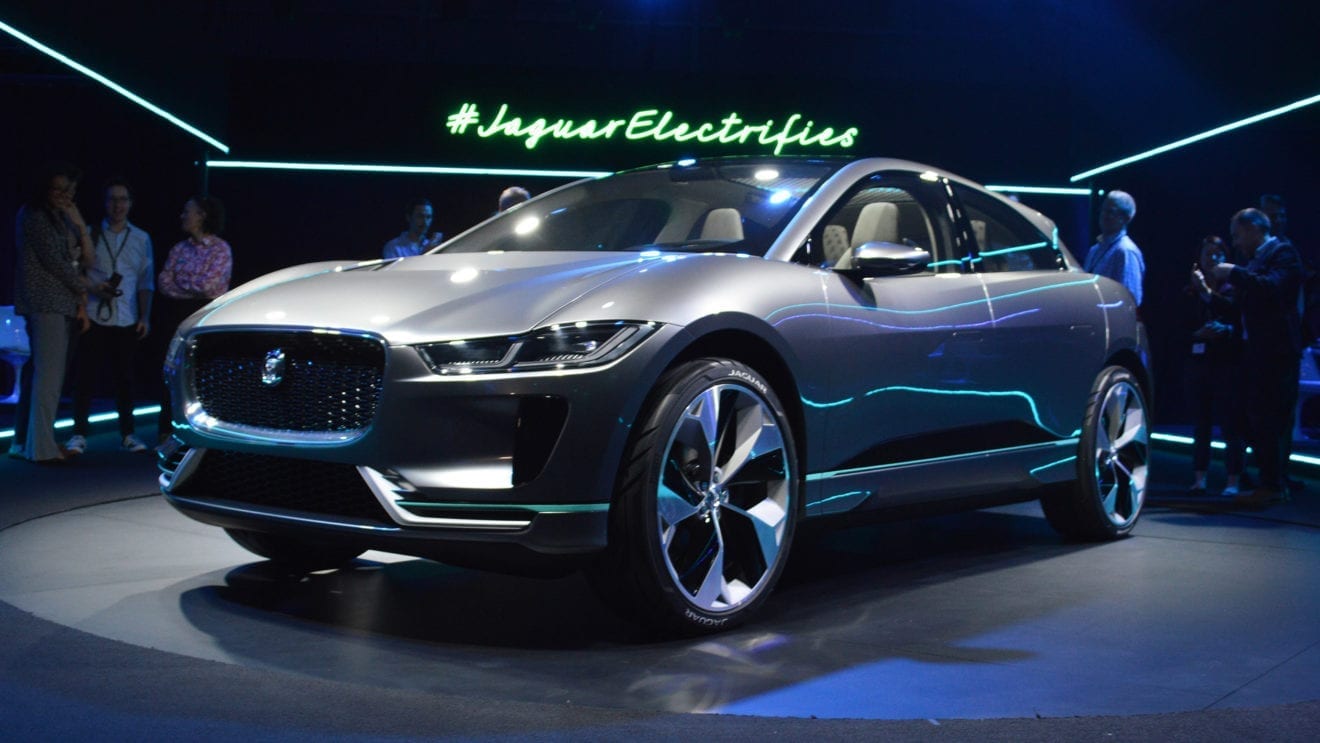
    Jaguar’s engineering and design teams have torn up the rule book to create a bespoke electric architecture, matched with dramatic design. The result is no-compromise smart, five seat sports car and a performance SUV in one.

    Ian Callum, Director of Design, said: “The I-PACE Concept represents the next generation of electric vehicle design. It’s a dramatic, future-facing cab-forward design with a beautiful interior – the product of authentic Jaguar DNA, electric technology and contemporary craftsmanship.

    “Our virtual reality reveal today has pushed technology boundaries as well, and captures the hi-tech essence of the concept car. We only have one concept car and it is in LA for the reveal. For the first time, VR has allowed us to share it across the globe in the most immersive way possible.”

    This unique and world-first ‘social VR’ reveal is believed to be the largest live and connected VR event of its type to date. Throughout the day more than 300 guests were transported into a specially created life-like virtual space, into which, two of the car’s creators, Ian Callum and Ian Hoban were projected.

    From VR hubs in Los Angeles and London, groups of 66 guests including A-list stars Michelle Rodriguez, Miranda Kerr, James Corden and David Gandy, used HTC Vive Business Edition headsets, powered by Dell Precision workstations, to put themselves inside the concept car and interact live with other participants. Guests ‘sat’ on the concept’s virtual seats, had a 360[0] view of Venice Beach as the concept was built piece by piece around them, and saw the I-PACE Concept race towards them across a virtual desert.

    Dr Wolfgang Ziebart, Jaguar Land Rover, said: “This is an uncompromised electric vehicle designed from a clean sheet of paper: we’ve developed a new architecture and selected only the best technology available.”

    The I-PACE Concept transforms the electric driving experience and offers the driver-focused performance and response Jaguar is renowned for. To help deliver this, the I-PACE has electric motors on the front and rear axles. Their combined output is 400PS and 700Nm of torque – the same torque rating as the F-TYPE SVR, accelerating from 0-60mph in around four seconds. For rapid charging, using a typical public 50 KW DC charging network, a full charge will take just over 2 hours – enough to deliver more than 220 miles range.

    The virtual reality experience also allowed participants to sit in the front and rear of the Jaguar I-PACE Concept and explore the beautiful interior, discovering hidden details and features.

    Ian Callum said: “The interior of the I-PACE Concept is finished with beautiful, premium materials and an unwavering attention to detail. From the expansive panoramic glass roof to the sporting, beautifully finished seats, every feature bears the hallmark of British craftsmanship.”

    Renowned VR Director, Alexander Horton, led the creative direction. Participants experienced the car being built around them, speeding towards them and appearing to fall to Earth from another planet – clearly signalling the future-forward nature of the revolutionary Jaguar.

    The new and exciting VR platform pushed the boundaries further than ever before, with the inclusion of social interaction and a live presenter broadcast into a single VR world, so groups in both LA and London were able to communicate and interact with one another.

    The VR content from the reveal will now be available on Vive Port through a dedicated Jaguar app allowing consumers to experience the I-PACE Concept at home.

    Jaguar joined forces with VR leaders HTC, Computer experts Dell and Creative agencies ReWind and Imagination to create the world’s largest, global, connected VR experience.

    Hervé Fontaine, Vice President Virtual Reality B2B and Business Development at HTC said: “Jaguar Land Rover is renowned for its innovative spirit, and with Vive Business Edition we’re thrilled to be the virtual reality partner to help bring to life their latest launch. With the blend of cinematics and Vive’s room-scale VR technology, the I-PACE Concept VR experience offers an incredible level of immersion, and showcases an exciting reimagining of the traditional car launch as we know it.”

    Rahul Tikoo, Vice President and General Manager for Dell Precision, said: “Dell has long been involved in VR, and we’ve been evolving our business model to introduce solutions that are optimized for the future of VR. The Jaguar I-PACE Concept, designed and introduced with VR, reinforces the incredible innovation that’s possible with VR technologies and the potential to ultimately transform industries.”

    Ross Wheeler, Head of Automotive at Imagination, said: “For the first time in history, a global automotive brand has used fully immersive VR to launch their latest car. This launch takes the individual far beyond any new car experience they would have witnessed before, allowing people across the globe to connect in real time, be fully immersed within the vehicle and share live together their experience of Jaguar’s first ever electric vehicle.”

    “Jaguar, by embracing cutting-edge technology in this way, has created an experience rich and rewarding for its consumers. It has undoubtedly redefined the future of how automotive brands introduce their new vehicles to customers.”

    The Concept will make its first public physical appearance at the 2016 Los Angeles Auto Show on Wednesday 16 November.

  • Jamie Oliver to announce its opening for the first Jamie’s Italian restaurant in Thailand

    Jamie Oliver to announce its opening for the first Jamie’s Italian restaurant in Thailand

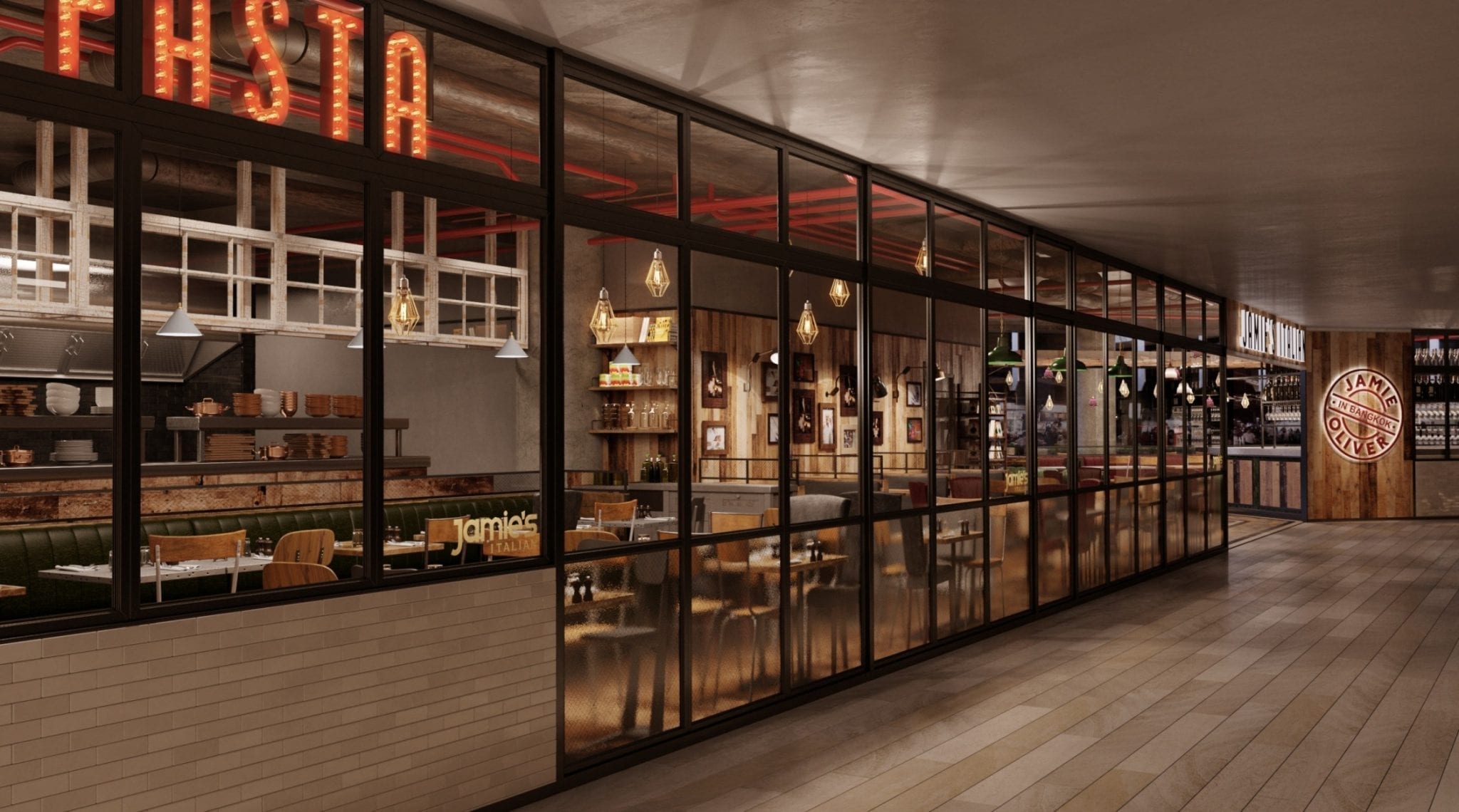
    Jamie’s Italian by Jamie Oliver is pleased to announce its opening head chef for the first Jamie’s Italian restaurant in Thailand, set to open in the fourth quarter of this year. Alex Barman, a dynamic and passionate chef with more than 11 years of culinary experience, will be leading the kitchen team as head chef of Jamie’s Italian Siam Discovery.

    Born in North Wales, UK, Alex started working in restaurants at a young age while still studying, beginning his culinary career as a kitchen assistant in a local hotel restaurant, and then progressing to be a sous chef in a local bistro, and head chef for Whitbread Group in Cardiff. In 2010 he joined the Jamie’s Italian family in Cardiff as a commis chef, moving swiftly through the ranks and taking his first head chef role for Jamie’s Italian in Cheltenham and Birmingham. He was also a member of the training support team for the opening of Jamie’s Italian Westfield, Stratford near the London 2012 Olympic Stadium. Alex moved to Singapore three and a half years ago to open the first Jamie’s Italian in Asia in VivoCity, where he started as the sous chef and was quickly promoted to head chef. In 2015, he moved to Bali as head chef for the new restaurant, Jamie’s Italian Kuta Beach.

    “Everything we serve is made with care,” Alex Barman, the head chef of Jamie’s Italian Siam Discovery said. “Good food is as the heart of everything we do. We are fully committed to supporting Jamie’s fight for better food worldwide, and his mission to make good food accessible for everyone.”

    As with all Jamie’s Italian outlets, the Siam Discovery restaurant will remain committed to sourcing only the best free­range, sustainable and ethically sourced ingredients. The restaurant will also work closely with Thai farmers to showcase local, responsibly grown produce.

    Alex said: “One of the most exciting parts of the job so far has been sourcing ingredients that fit in with Jamie Oliver’s food ethos. It’s not always easy, but it is always enjoyable as I have been able to meet some really amazing people. I am very passionate about sourcing and working with great local suppliers who are as passionate about great ingredients and the food ethos behind them, as I am. I’m really looking forward to seeing these ingredients feature throughout our menu.”

    “Since moving to Asia I’ve always wanted to work in Thailand and experience the culture, people and amazing local food on a regular basis, not just for a holiday, as you never really get to experience the real country and people on short breaks. It’s such a diverse and dynamic country with big differences from one province to another, making it very exciting to travel around and experience all the country has to offer. I love cities and actively seek to work and live in big, bustling, dynamic cities in which Bangkok has to be one of the best so far I’ve lived in.”

    Alex said: “Jamie’s Italian food is simple, rustic and inspired by dishes eaten all over Italy, delivered to the local market at affordable prices, which means it’s great for any occasion. I will also be creating some fantastic daily specials, maximising ingredients I can get at short notice from local markets and suppliers. I’m really looking forward to using some of the interesting products that are available here to create some brilliant dishes, with a new brigade of talented local chefs, and seeing our first guests enjoy our food.”

  • Netflix, Amazon top spenders on programming

    Netflix, Amazon top spenders on programming

    Netflix and Amazon have ramped up their investment in programming, spending $7.5 billion last year—more than CBS, HBO, Turner and most countries, including South Korea and Australia.

    According to IHS Markit, Netflix and Amazon more than doubled their annual expenditure on programming between 2013 and 2015.

    Amazon spending jumped from $1.2 billion in 2013 to $2.7 billion in 2015. In the same timeframe, Netflix spending rose from $2.4 billion to $4.9 billion.

    “The levels of investment we are seeing from Netflix and Amazon are only topped by Disney ($11.8 billion) and NBC ($10.3 billion),” said Tim Westcott, senior principal analyst at IHS Technology.

    Other online platforms like Hulu in the US and China’s Youku Toudu, iQifyi and Tencent have also increased their investment in original programming and acquisitions.

    “In what Netflix calls the era of internet TV, more and more consumers are watching content online, shaking the foundations of the traditional TV industry,” Westcott said. “However, it’s premature to declare that the era of linear TV is already over, and Netflix and Amazon have come hard on the heels of a boom in production of original drama and comedy by the likes of AMC and FX in the US.”

    After the US, the mature Western European region is the next most important, investing $38.6 billion, or just under one-third of the total. The biggest markets in Western Europe were the United Kingdom with $10.7 billion, Germany ($7.3 billion), France ($6.6 billion) and Italy ($4.6 billion).

    “Notably, China is now the second-largest market in the Asia-Pacific region, with $8.4 billion invested last year,” Westcott said.

    Japan is the largest in the region with $9.8 billion, followed by South Korea ($2.6 billion), Australia and India—both on $2.4 billion. Leading Latin American markets are Mexico ($1.5 billion) and Brazil ($1.4 million). Canada invested $3.4 billion last year. Russia and Turkey were both around the $900 million mark.

  • Aldi in Asia launch

    Aldi in Asia launch

    German discount supermarket Aldi is set to enter China, and broader Asia, using Australia as a springboard.

    Aldi in Asia will initially sell groceries and wine online to China in the first half of next year, with stores expected to open later, reports the Sydney Morning Herald.

    The site will sell shelf-stable groceries and wine, with most products sourced from the group’s Australian suppliers, says a spokeswoman.

    German retail blog Lebensmittel Zeitung, however, says Aldi intends to create “a truly local assortment” with German products as a “topping”.

    In Australia, the spokeswoman says there is a strong demand among Chinese consumers for Australian-made products.

    “Aldi has been active in the China market for several years undertaking detailed feasibility studies regarding potential market-entry options. This work has resulted in the decision to start retail operations in the China market initially with an eCommerce offering.”

    She says Aldi will start selling a “carefully selected” range of everyday grocery items to Chinese consumers via an online retailing platform, with products delivered to their homes.

    With a presence already throughout Europe as well as Australia, Britain and the US, Aldi is turning to Asia to maintain growth.