Tag: asia

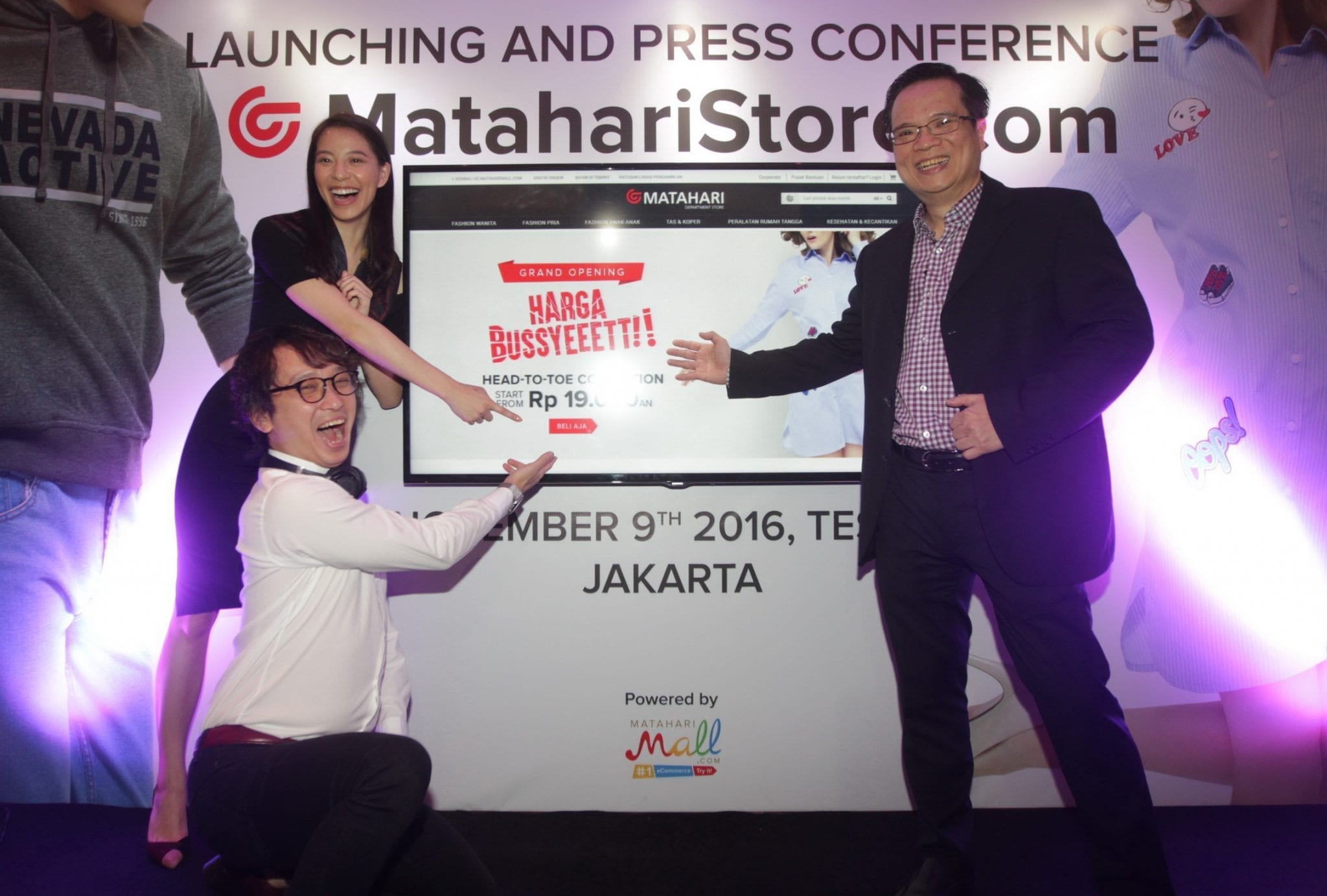
  • Matahari Department Store Launches MatahariStore.com

    Matahari Department Store Launches MatahariStore.com

    The launch of MatahariStore.com has provided more opportunities for the company and for the development of online and retail industries in Indonesia as research from Google and Temasek shows that e-commerce will contribute to nearly 60 percent of Indonesia’s overall online market, leaving behind online ticketing and ride-hailing booking services.

    “Through the retail stores, mobile applications and now with the newly-launched online platform, we believe that we can become an omni-channel retail player,” Christian said.

    MatahariMall.com will run all MatahariStore.com transactions and will provide content, a secure payment system and delivery of products.

    MatahariStore.com will also implement an online to offline strategy — which allows customers to shop online and pick up their goods at the retailer’s nearest delivery hub  with features that allow customers to pay, receive and return products at any of Mataharimall.com’s 649 delivery hubs across Indonesia.

  • Vodafone India to launch 4G in 8 more circles

    Vodafone India to launch 4G in 8 more circles

    Vodafone India has revealed plans to roll out 4G services in eight additional telecoms circles by March 2017, giving it a 4G presence in 17 of India’s 22 service areas.

    The operator aims to deploy 4G in 2,400 additional towns over the next four months, in the circles of of Maharashtra and Goa, Odisha, Punjab, Rajasthan, Tamil Nadu, Uttar Pradesh West, Assam and North East.

    Vodafone’s SuperNet 4G service already covers nine circles – Mumbai, Delhi and NCR, Kolkata, Karnataka, Kerala, Haryana, Gujarat, Uttar Pradesh East and West Bengal.

    Vodafone was the biggest winner of India’s recent $9.8 billion spectrum auction, securing 2x 82.6MHz of FDD and 200MHz of TDD spectrum across the 1800-MHz, 2100-MHz and 2500-MHz bands. The auction gave the company 4G capability in 17 of India’s 22 telecoms circles.

    Now the company plans to leverage this spectrum to expand its 4G network. This will allow Vodafone to better compete against disruptive new pan-India 4G operator Reliance Jio Infocomm, which has been shaking up the market with its mobile data focused approach. Jio’s unlimited voice and SMS plans threaten to further cut into existing Indian mobile operators’ low margins.

  • TV, video viewing shifts rapidly towards mobility

    TV, video viewing shifts rapidly towards mobility

    Average viewing times on mobile devices has grown by more than 200 hours a year since 2012, driving up overall TV and video viewing by an additional 1.5 hours a week, according to the latest Ericsson ConsumerLab TV & Media Report.

    The surge in mobile viewing is offset with a decline in fixed screen viewing of 2.5 hours a week, however the appetite for TV and video is not waning.

    Weekly share of time spent watching TV and video on mobile devices has grown by 85% (2010-2016). On fixed screens it has gone down by 14% over the same period.

    Also, 40% of consumers globally are “very interested” in a mobile data plan that includes unrestricted video streaming.

    In the US, 20% of mobile viewing is paid-for content using services such as Netflix, Hulu, and Amazon Prime.

    A major issue is low consumer satisfaction when trying to find something to watch, 44% of US consumers say they can’t find anything to watch on linear TV on a daily basis, an increase of 22% compared with last year (36%).

    In contrast, US consumers spend 45% more time choosing what to watch on VOD services than linear TV.

    Paradoxically, 63% of consumers claim that they are very satisfied with content discovery when it comes to their VOD service, while only 51% say the same for linear TV.

    The findings suggest that although the VOD discovery process is more time consuming than with linear broadcast TV, consumers rate it as less frustrating, as it implicitly promises the opportunity to find something they want to watch, when they want to watch it.

  • Oppo Joins Hands with Tokopedia

    Oppo Joins Hands with Tokopedia

    OPPO has officially established a partnership with e-commerce company Tokopedia to market its best products, such as its best-selling product OPPO F1s.

    “Our cooperation with Tokopedia is an added value to our customers throughout Indonesia,” OPPO Indonesia CEO Ivan Lau.

    Ivan said that OPPO’s customers who cannot be reached by OPPO’s physical stores will be able to get OPPO products through Tokopedia. In addition, he said, OPPO’s excellent sales volume in Tokopedia had also been factored in. “It was one of the reasons behind the strategic cooperation with Tokopedia.”

    Tokopedia CEO William Tanuwijaya said that Tokopedia users, known as Toppers, will be able to enjoy the ease of payment for OPPO products, ranging from cash payments via convenience stores and post offices to interest-free credit card installments.

    Tokopedia boasts two million pageviews per month, making it as one of the best distribution channels for many brands, including OPPO.

  • Indonesia can weather financial market volatility

    Indonesia can weather financial market volatility

    Despite concerns about volatility in the financial markets for the remainder of the year, experts are upbeat that Indonesia can withstand the turmoil, citing sound fiscal and monetary conditions as the prime driver of hope.

    The domestic bond market is particularly a concern as investors will remain jittery over how the global economy will develop given the lack of clarity in the policies of US president-elect Donald Trump.

    JPMorgan Securities Indonesia managing director and head of investment banking David Dharma Thomas said global investors were currently waiting for policy direction from Trump, who promised an expansive fiscal policy through infrastructure spending next year to propel growth.

    With expected higher economic growth in the US, he said inflation was predicted to surge, and thus encourage the US Federal Reserve to raise its fund rate.

    “The market has already priced in the potential higher rates in the US. With the new president-elect, I think it’s very likely for the Fed to basically increase the rate sooner rather than later,” he said.

    Such a situation would put pressure on Indonesia’s US dollar bond market, David said, as most of the debt papers’ pricing was based on US Treasury bills with 10- to 30-year tenors.

    Yields for 10- and 30-year Treasury bills stood at 2.12 percent and 2.93 percent, respectively, at close of trading on Nov. 10, according to Indonesia Bond Pricing Agency (IBPA) data.

    David said most of the holders of Indonesia’s US dollar bonds were foreign investors through global fund managers. This will encourage them to benchmark the local yields versus the higher-yielding assets offered in more mature markets, specifically those in the US.

    “When rates in the US are going up, obviously people will demand better yields from emerging market papers including from Indonesia,” he said, adding that there would always be risks of capital reversals during volatile times.

    However, David believed the government and Bank Indonesia (BI) had done well enough to cushion the impact of the volatility, such as through the tax amnesty program that was received positively by investors as a means of improving state revenue and foreign fund inflows through repatriation.

    He said the government’s plan to issue bonds for the 2017 allocation early, at the end of this year, would also help the government anticipate the risks that may unfold next year.

    Mega Capital Indonesia fixed income analyst Adra Wijasena said a Financial Services Authority (OJK) regulation issued earlier this year requiring insurance firms and pension funds to invest a minimum 20 percent of their funds in government bonds (SBN) had also helped ease the risks of fund outflows.

    “The policy has lowered the volatility risk and reduced foreign domination,” he said, adding that 38 percent of Indonesia’s government bonds were still held by foreign investors.

    Adra acknowledged global volatility had cut investors’ appetites for sovereign bond (SUN) auctions planned before year-end.

    If the incoming bids turned out to be below expectations, he said, the government would have to pay higher yields, which would then lead to higher costs of funds.

    “If the auction is not successful enough, the government can offer the debt through a private placement scheme,” he said, pointing to a scheme in which the government directly sold its debt papers to certain state institutions, such as BI, the OJK, regional administrations and major dealers.

    Edward Lee, the head of Southeast Asia equity capital markets with Deutsche Bank believed the financial market remained attractive despite the global turmoil as could be seen by Indonesia’s stock index outperforming its peers this year as a result of substantial fund inflows.

    The inflows amounted to between US$2.6 billion and $2.7 billion yearto-date, higher than the $1.7 billion in the same period last year.

    “There are clearly external factors beyond the control of the government, but I think with respect to the measures the government took on the macroeconomy, we feel that backdrop will be supportive of a continued improvement of the stock index and the whole environment of corporate earnings,” he said.

  • Taiwan’s TBC rolls out new digitized TV platform

    Taiwan’s TBC rolls out new digitized TV platform

    Taiwan Broadband Communications (TBC), a multi-system cable operator in Taiwan, has rolled out a newly digitized platform powered by OpenTV 5.

    NAGRA has been a key partner in TBC’s ongoing digitization efforts providing the operator with both OpenTV 5 advanced set-top box software and system integration services required to support a rapid transition to an all-digital platform and the fulfillment of regulatory requirements.

    As part of this effort, TBC shipped close to one million set-top boxes powered by the OpenTV 5 operating system, marking the largest deployment of OpenTV 5 in Asia.

    “We look forward to continued growth and maximizing customer satisfaction by delivering a new generation of high-quality services to our subscribers,” said Jimmy Chen, TBC’s CEO.

    “We congratulate TBC on their successful transition to an all-digital platform and for reaching a significant milestone in the delivery of advanced digital TV services in Taiwan,” said Jean-Luc Jezouin, SVP for sales in Asia Pacific at NAGRA. “We look forward to supporting TBC as they continue to grow in a very dynamic market.”

    TBC deployed OpenTV 5 with minimal configuration and customization enabling the operator to transition existing services onto a new hybrid TV platform blending both linear and Internet TV services.

    OpenTV 5 is part of NAGRA’s MediaLive Suite, a set of innovative digital television solutions that provides secure, engaging and intuitive user experiences via a back-end that supports an all-screen connected home scenario. TBC selected NAGRA’s OpenTV 5 operating system in 2015.

  • Fiat Chrysler, Cummins reject diesel cheating suit

    Fiat Chrysler, Cummins reject diesel cheating suit

    Fiat Chrysler Automobiles NV and Cummins Inc said on Monday they will fight a class-action lawsuit filed against the companies accusing them of cheating on diesel emissions tests.

    On Monday, lawyers representing owners of older 2500 and 3500 Dodge Ram trucks filed a class-action lawsuit in U.S. District Court in Detroit, asserting the companies “conspired to knowingly deceive consumers and regulators of illegally high levels of diesel emissions in their vehicles.”

    The suit accuses the automakers of fraud, violating the Racketeer Influenced and Corrupt Organizations Act and consumer-protection laws by intentionally misleading the public, concealing emissions levels and illegally selling noncompliant polluting vehicles.

    The suit filed by Seattle lawyer Steve Berman said the emissions catalysts are not durable and do not meet emission standards, and that at times emissions are nearly 10 times legal limits.

    The class action suit comes as Fiat Chrysler and Cummins are fighting over the costs of an emissions recall involving a different, newer population of trucks.

    Fiat Chrysler said in a statement it “does not believe that the claims brought against it are meritorious” and the company “will contest this lawsuit vigorously.”

    Cummins spokesman Jon Mills said the lawsuit “has no merit. We are obviously disappointed in the effort to tarnish our image and we plan to vigorously defend ourselves.”

    The suit covers owners of 2007–2012 Dodge Ram 2500 and 2007–2012 Dodge Ram 3500 pickup trucks.

    Reuters reported on Oct. 10 that Fiat Chrysler and Cummins Inc have been fighting over the $200 million estimated cost for a recall of 130,000 newer 2500 Ram pickup trucks equipped with Cummins diesel engines that could exceed U.S. pollution limits.

    The U.S. Environmental Protection Agency and California Air Resources Board have demanded a recall of 2013-2015 model year Ram 2500 pickup trucks with 6.7L Cummins diesel engines because moisture can lead to the deactivation of the selective catalyst reduction system, causing excess nitrogen oxide emissions, Cummins said.

    Fiat Chrysler has sued Cummins to recover the $60 million it has spent to date repairing 42,000 trucks at its own expense, a company lawyer said in court documents. Settlement talks are ongoing.

    Cummins counter-sued, saying Fiat Chrysler would not cooperate in the recall “for one reason – money” and said the automaker was “holding both Cummins and its own customers hostage.”

    When the emissions system fails, the warning light goes on and if the vehicle isn’t fixed soon the vehicles go into “limp mode” that allow them to only be driven very slowly.

  • Halal certification for DB Schenker’s Kuala Lumpur Logistics Centre

    Halal certification for DB Schenker’s Kuala Lumpur Logistics Centre

    Schenker Logistics (Malaysia) announced that the Kuala Lumpur Logistics Centre 9 (KLC9) warehouse located in Shah Alam is officially accredited for their halal logistics operations under the international halal standard for logistics IHIAS 0100:2010. The accreditation covers both storage and transportation.

    The certificate was presented by IHI Alliance executive director Hj Rafek Saleh to Schenker Malaysia Logistics director Claus Kuhnert in Shah Alam.

    According to Kuhnert, this recognition is timely as halal supply chain management is an emerging requirement for FMCG brands. It is a new milestone for DB Schenker to be the first accredited multinational third party logistics service provider to receive this international halal logistics recognition.

    “Schenker Malaysia understands the importance of a halal value chain, and an unbroken halal supply chain for big brand owners serving Muslim markets in Southeast Asia. We feel that this need is not well served by the logistics industry and we at Schenker Malaysia see this as an opportunity to become one of the first fully certified international logistics service provider in Asia. We are gearing towards full compliance to serve the halal industry as the innovative integrated logistics service provider of choice,” he added.

    DB Schenker expects the halal logistics solutions offered by the company will allow their clients to achieve a total halal supply chains for food, cosmetics and pharmaceutical companies, and strengthening its position in the FMCG business.

    The accreditation will also enable DB Schenker to actively participate as the MNC logistics player in strengthening Malaysia’s position as a global halal hub.

  • Hong Kong Wine & Spirits Fair Uncorks Asian Opportunities

    Hong Kong Wine & Spirits Fair Uncorks Asian Opportunities

    The ninth Hong Kong International Wine & Spirits Fair, organised by the Hong Kong Trade Development Council (HKTDC), concluded on Saturday (12 November). Held at the Hong Kong Convention and Exhibition Centre (HKCEC) from 10 to 12 November, the fair gathered more than 1,060 exhibitors from 37 countries and regions to showcase a sparkling range of global wine offerings.

    The three-day fair attracted close to 20,000 buyers from 68 countries and regions. Attendance from individual countries recorded encouraging growth including the Chinese mainland, Japan and Taiwan. The final day of the fair (12 November) was open to public visitors and attracted nearly 27,000 wine lovers. The blend of trade and public participants at the fair created a vibrant platform for doing business.

    Benjamin Chau, Deputy Executive Director, HKTDC, noted, “As a duty-free wine port, Hong Kong is seen as an efficient and convenient trading and distribution centre for the region. With growing demand for wine and wine-related products and services in Asia, Hong Kong has fully grasped the opportunities brought about by the trend. The Wine & Spirits Fair has also become an important industry promotion and trading platform for wine exhibitors to expand their business into the Chinese mainland and Asian markets.”

    Slovenia taps global markets through Hong Kong

    This year’s Wine & Spirits Fair welcomed the Ministry of Agriculture, Forestry and Food of the Republic of Slovenia to set up a pavilion at the event for the first time, showcasing quality wines from 18 local wineries. Dejan Zidan, Deputy Prime Minister and Minister of Agriculture, Forestry and Food of the Republic of Slovenia, attended the fair. He said that Slovenia is a unique wine region in Europe that produces a diversity of wines with their own characteristics, and he wants to develop the country’s wine industry and help wineries promote products to global buyers. “Slovenia has been expanding its economic ties over the last two years with China through the ’16+1′ cooperation framework, an initiative aimed at deepening the exchange and relationships between the Chinese mainland and 16 European countries. This fair is a truly international event. We are taking advantage of the Hong Kong fair to reach out to more buyers and promote Slovenian wines internationally,” said Mr Zidan.

    Buyers welcome speciality spirits from Mexico & canned wine from California

    ProMexico Hong Kong introduced a range of spirits including mezcal and tequila from six exhibitors at the fair this year. Alejandro Garcia, Trade Commissioner, ProMexico Hong Kong, noted that, “This is an international trade fair for wine and spirits. On the first day of the exhibition, the exhibitors from Mexico had received the attention of buyers from Hong Kong, Taiwan, the Chinese mainland, Southeast Asia and Europe.”

    Ming KS Sze, Managing Director, Oriental Pearl (HK) Limited, said, “Through promotion at the fair, our Californian canned wines have received wide media coverage with many buyers expressing interest in the product. Canned wine is especially suitable for young people to consume in outdoor activities as it is easy to bring along. During the fair period, we have received enquiries from many buyers from Hong Kong and the Chinese mainland.”

    French and Italian wines in vogue at the fair

    Michel Bettane, Chairman, Bettane+Desseauve, was one of the speakers at the Wine Industry Conference entitled “Uncover the Opportunities of the New Cool Climate Wine Trend”. He said that various French wines continue to be a hit with the Chinese mainland buyers. “This year we have once again organised a number of French exhibitors to showcase a wide range of French wines, and met with buyers and importers, particularly those from Asia. The fair helped us meet clients from the Chinese mainland and explore the huge mainland market. On the first day of the fair, we had already met with a lot of buyers and received a great response,” he said.

    Cave De Saint Chinian is a long-established winery in southern France. Norbert Gaiola, Director General of the winery, has joined the fair for several years. He is satisfied with the results this year. A Chinese buyer from Shanghai confirmed an order to purchase 13,000 bottles of wine. They have also established initial contact with other buyers from Hong Kong, the Chinese mainland, India and Japan.

    Attilia Merzari, Brand Ambassador – Asian Market, Tenuta Sant’ Antonio, said, “A number of buyers from Hong Kong, the Chinese mainland and Vietnam expressed strong interest in our Italian wine Amarone. We’ve got about 100 new contacts so far through the exhibition and will be following up with the order from Chinese mainland customer.”

    Optimistic outlook among Asian buyers

    Despite global economic uncertainty, the Hong Kong wine market is still vibrant and buyers at the fair maintained an optimistic outlook. Joining the fair for the first time, Ashley Wang, Category Supervisor, Wellcome Taiwan Company Ltd., said, “We have met with an Australian beer supplier and will have further negotiations with them. We expect to order a 20-foot shipping container of beer. The fair also features buyers with a wide range of wines. The number of French and Italian exhibitors is the largest among all the exhibiting countries, which is very impressive to me.”

    Park Hyeong Jin, Buyer, Hyundai Department Store Co., Ltd., from Korea said, “I have found some German wines, baijiu and distilled Chinese liquor from the Chinese mainland. A series of business matching meetings have been arranged with five exhibitors selling Japanese sake. I will visit the fair next year.”

    Zhang Shi Wei, Chairman, Jilin Morton Trade Co, Ltd., is a Chinese mainland importer and distributor. He noted, “We are looking for wine and sake. We are interested in placing an order of 2,000 to 3,000 cartons of wine from the Bordeaux supplier Joanne.”
  • Japan still deeply tied to Indonesia

    Japan still deeply tied to Indonesia

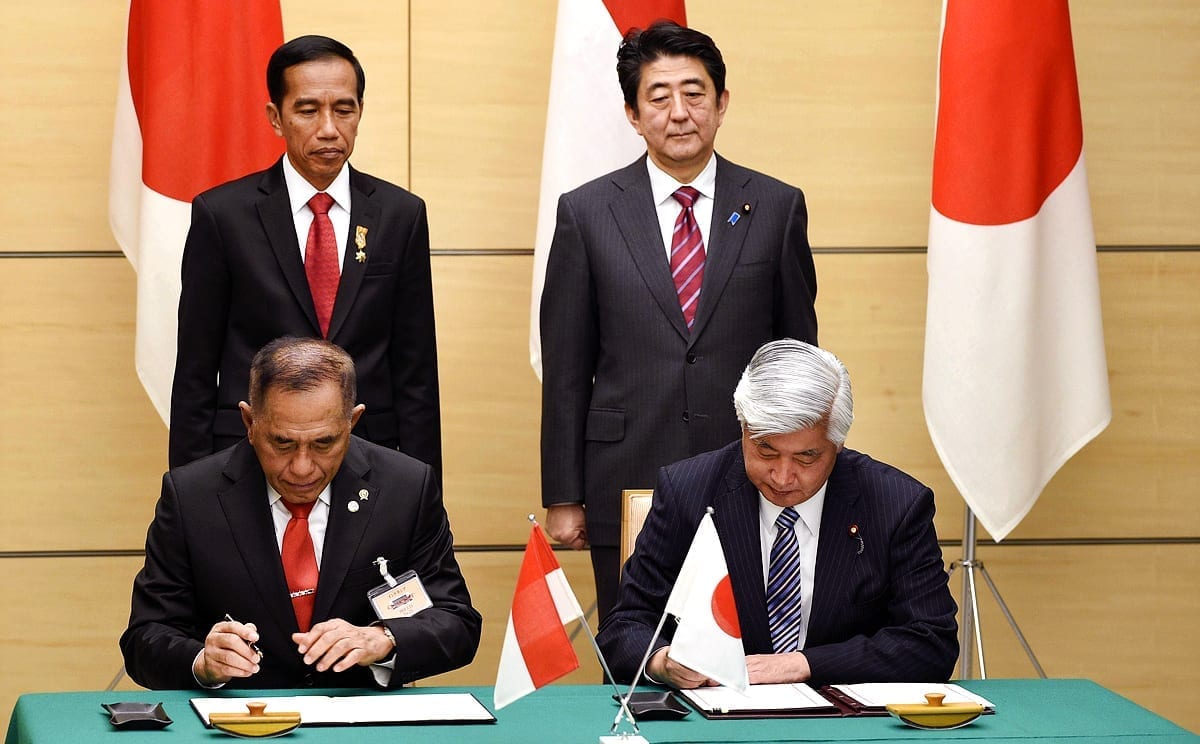
    Despite the seemingly robust investment coming from China, the government claims it has not forgotten Japan and stresses that its foreign investment and trade policies are not all about China.

    China beat Japan to secure the contract for Indonesia’s first high-speed railway project connecting Jakarta and Bandung in West Java. Furthermore, President Joko “Jokowi” Widodo has met with Chinese President Xi Jinping five times since the former was elected president in late 2014.

    Meanwhile, Jack Ma, founder and chairman of Chinese e-commerce giant Alibaba Group, previously agreed to become Indonesia’s e-commerce advisor and may continue to do so.

    This series of events, and several others, may suggest that Indonesia has shifted its economic orientation more toward China, the world’s second largest economy, from its “traditional” partners, including Japan.

    The government, however, strongly dismisses this notion. “There is a perception that we have only made deals with China recently,” Coordinating Maritime Affairs Minister Luhut Binsar Pandjaitan said after a meeting at his office recently.

    “But investments from Japan are still larger than those from China,” he added, trying to reassure those concerned that Japan remained Indonesia’s priority partner.

    Japanese investments are indeed larger than China’s and the amount of foreign direct investment (FDI) from Japan to Indonesia is set to reach between US$3.5 billion to $4 billion by the end of the year, according to the Japan International Cooperation Agency (JICA).

    Nonetheless, data from the Investment Coordinating Board (BKPM) show that Japan and China do appear to be locked in a tight race.

    While Japan has consistently put itself on the list of top three foreign investors and places in second position as of September, China has crept up over the past two years and has entered the big league as well.

    China even trailed behind Japan at number three in terms of realized foreign investment in the first nine months of 2016.

    The government, however, is inching closer to signing major agreements with Japan, a move that will strengthen the latter’s investment dominance.

    The agreements will see Indonesia reach financial closure from Japan for the deep-sea port development project in Patimban, West Java, in early 2017.

    The project is among various national strategic projects that will generate more ease in the distribution of goods shipped into the country.

    As much as US$1.7 billion in foreign loans are expected to be channeled into the project and the Indonesian government will also provide an additional $595 million to finance it.

    The Patimban Port will be located about 70 kilometers from the Karawang Industrial Estate in West Java.

    It will have a container capacity of 1.5 million 20-foot equivalent units (TEUs) once it is partly completed by 2019 and then 7.5 million TEUs by 2027, which is half the capacity of Tanjung Priok Port in Jakarta.

    Luhut said Japan would be involved in managing Patimban once it was completed, which is a plus in the government’s view as the Japanese are expected to transfer their knowledge in port management to their Indonesian counterparts.

    Luhut said the government would expedite the settlement for all administrative problems in the project, including ones related to spatial planning (RTRW) within the next two weeks.

    During that two-week period, the government will also formulate a financing scheme for another strategic project, a railway line connecting Jakarta to Surabaya in East Java.

    The government recently offered Japan the opportunity to take part in the railway project, estimated to cost Rp 102 trillion (US$7.64 billion). However, other countries will participate as well in the bidding process, including rival China, thus opening up the possibility of another round of heated competition.

    “There’s a preference for Japan to be chosen for the railway project,” Transportation Minister Budi Karya Sumadi said. Budi added, however, that Japan would still have to meet all the requirements set by the government.

    The new railway line will enable trains to run at 165 kilometers per hour and will shorten the travel time between Jakarta and Surabaya to around six hours from the current time of 13 hours. The project is slated to begin construction by the end of 2017 and is expected to be completed by late 2019.

  • Arvato opens bonded warehouse in China

    Arvato opens bonded warehouse in China

    Arvato SCM Solutions is expanding its presence in China with a new bonded warehouse that will serve clients in the high-tech and entertainment and consumer products industries. The new 2,000 m² facility is located in the Shanghai Waigaoqiao Free Trade Zone.

    “The launch of our third distribution center in China is necessary as we meet an increasing demand for logistics services in the region,” said Raoul Kuetemeier, Head of Arvato SCM Solutions Asia.

    The Shanghai Waigaoqiao Free Trade Zone is unique for its government incentives and preferential tax policies; a strategic location for the distribution of goods into mainland China and trade between Asia and rest of the world. “This new bonded warehouse enhances our logistics network in the Chinese market and underscores our commitment to provide the most flexible and competitive supply chain solutions for our clients.” said Kuetemeier. Arvato is already represented by five distribution centers across Asia.

    Arvato will provide end-to-end logistics services in the new multi-user facility. This includes the processing of imports and exports as well as warehousing, multi-channel distribution, returns management, and other value-added services. The access-controlled location is also equipped with a monitoring system and has more than five loading bays. In the licensed bonded warehouse, goods can be stored duty-free indefinitely.

    The new logistics center in Shanghai’s Pudong district offers outstanding structural conditions for efficient distribution. It is within close proximity to the Waigaoqiao harbor and Yangshan deep-water port. The airport, central highways and container freight station within Shanghai are also easily accessible.

  • DoCoMo to trial 5G self-driving vehicle monitoring

    DoCoMo to trial 5G self-driving vehicle monitoring

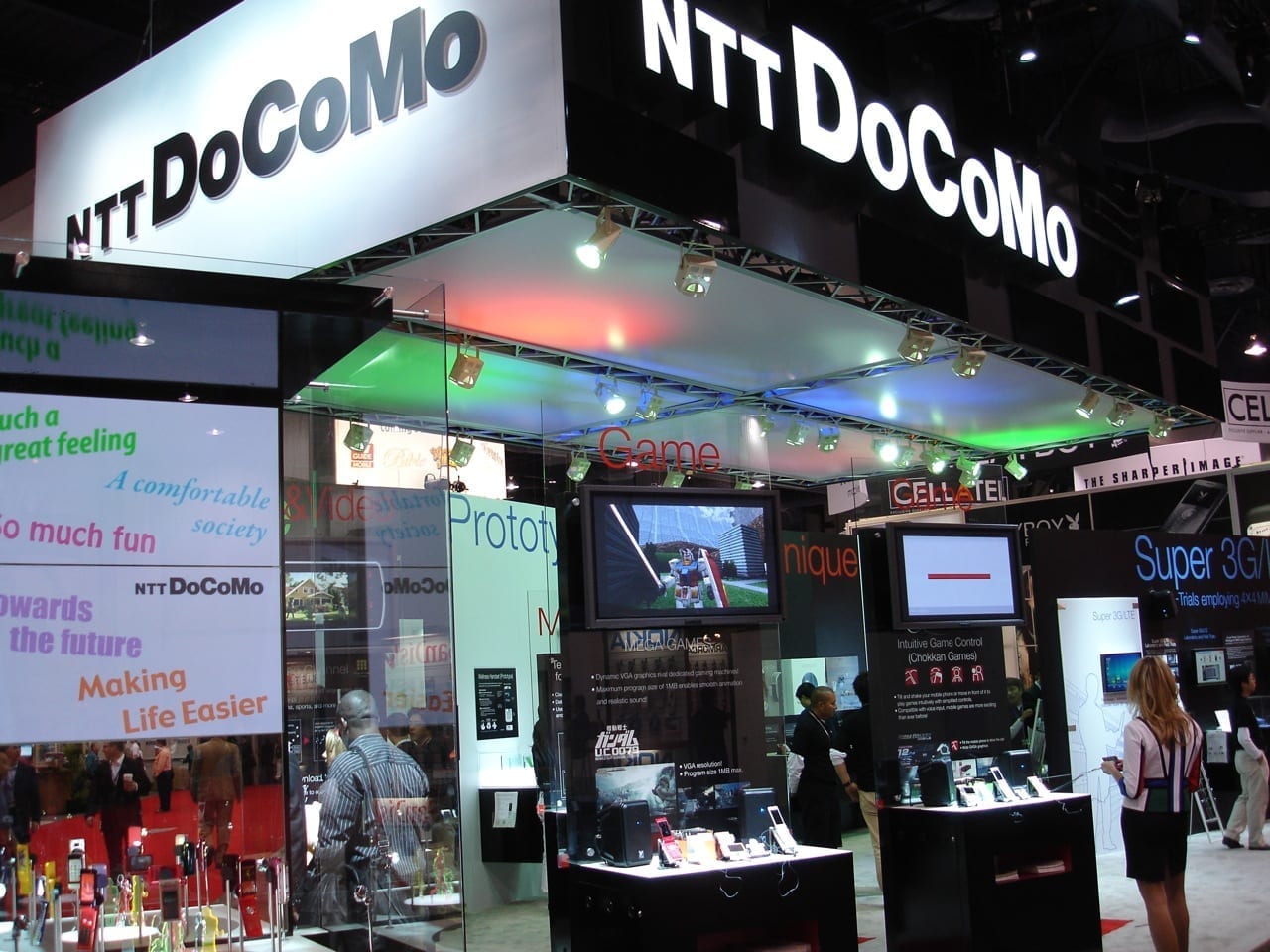
    Japanese operator NTT DoCoMo and mobile portal and online service provider DeNA Co have teamed up to trial a 5G communications system for remote monitoring of autonomous vehicles.

    The trial will involve connecting a vehicle and a remote center via a 5G network capable of data rates beyond 10Gbps.

    For the initial trial, high-resolution video images captured with HD cameras mounted on the vehicle will be transferred to the monitoring center in real time, to allow the center to check for any driving irregularities and assist passengers when needed.

    The trial will be demonstrated at the DoCoMo R&D Open House 2017, which will take place at the DoCoMo R&D Center in the Yokosuka Research Park near Yokohama on November 17-18.

    For the event, DeNA’s Robot Shuttle driverless bus will be used to showcase the transmission of live video from a connected vehicle via a demonstration 5G network.

    The collaboration is combining DoCoMo’s 5G technologies and DeNA’s experience building services for connected vehicles. DoCoMo is closely involved in the development of LTE and 5G systems for vehicle-to-everything communications.

  • PLDT profit falls 20% in 9M16

    PLDT profit falls 20% in 9M16

    The Philippines’ PLDT has reported a 20% drop in net income for the first nine months of the year to 21.7 billion pesos ($442 million) due to higher capex costs and declining revenues.

    Revenue fell 2% year-on-year to 125.4 billion pesos, but remained stable when excluding the impact of international and national long distance as well as interconnection costs.

    Fixed line revenues grew 7% to 46.8 billion pesos, driven by demand for data and broadband, which grew to account for 59% of fixed line revenues.

    But wireless revenues shrank 8% to 71 billion pesos, despite a 22% increase in wireless data and digital platform revenues. SMS and cellular domestic revenues by contrast declined 15%, and international voice revenues were 24% lower.

    PLDT’s consumer wireless business reported a 5% decrease in subscribers due to aggressive unlimited voice and SMS offers from the competition, the company said.

    PLDT has set aside 48 billion towards a network improvement program covering both fixed and mobile networks, and made major improvements in the coverage and capacity of mobile unit Smart’s mobile network during the nine-month period.

    Based on the operator’s results thus far, PLDT has reduced its projected full year ebitda by 4 billion pesos to 60 billion pesos. The company is accordingly projecting a consolidated core net income of 28 billion pesos.

    “We are making this adjustment, anticipating that while data and broadband will keep posting steady growth, toll, cellular voice and SMS revenues will, however, continue to wane,” PLDT chairman Manuel Pangilinan said.

  • Verimatrix boosts access to subscriber intelligence

    Verimatrix boosts access to subscriber intelligence

    Verimatrix has made available its quick-start evaluation program for Verspective Operator Analytics, which promises to help operators better understand how to securely and rapidly collate data from various sources in video services and demonstrate the benefits of actionable analytics across multiple departments in their organization.

    Through the availability of this program, service providers have the opportunity to expand their analytics capabilities with more census-based data sources and complement traditional network monitoring analytics to get a comprehensive view of subscriber intelligence and network performance.

    Implemented in the cloud, the Verspective Operator Analytics evaluation program consists of a pre-configured, software-based analytics platform that can quickly integrate with an operator’s key sources of operational and consumption data, including VOD, CDN or client device sources. Service providers also receive a set of report templates that help analyze data and determine return on investment (ROI) potential.

    “We have recognized the need to provide a secure entry point that service providers can use to adopt a centralized analytics approach that ties together insights from operations, product development and marketing,” said Steve Oetegenn, president of Verimatrix.

    “The Verspective Operator Analytics evaluation program provides that point of entry, plus the confidence knowing that data is both secure and compliant with appropriate privacy regulations,” said Oetegenn.

  • Bank Indonesia launches financial technology office

    Bank Indonesia launches financial technology office

    Bank Indonesias governor Agus Martowardojo has launched the Financial Technology (Fintech) Office that will serve as a think-tank in developing the financial services industry.

    “Technology innovation in financial sector is now a must. Therefore, innovation must be a continuous process,” Agus said in his speech while opening the Fintech Office here on Monday.

    He explained that the Fintech Office will have four roles to play. First, it will serve as a facilitator in ideas exchange among Fintech regulators and industry players.

    Second, Fintech Technology will contribute with business intelligence that will facilitate the system and generate tools to transform raw data into new information for analysis material.

    The third role that the Fintech will play will be to provide assessments besides testing various ideas and regulations. It will also help as a coordination and collaboration platform for Fintech stakeholders.

    “We will make it a one stop service accessible to the financial players where we will explain the policies that we issue,” Agus noted.

    The Fintech Office, he added, would also act as a regulatory sandbox or a policy formulating laboratory.

    “Such a sandbox will be a restricted platform for innovation development as well as policy testing and evaluation,” Bank Indonesias Deputy Governor Ronald Waas noted.

    However, he added, not all Fintech business segments will be included in Fintech Office as it has been specified that the facility will be for the new Fintech businesses which are not regulated by Bank Indonesia as a payment system authority.

    “The businesses included in Fintech Office will be the breakthrough ones or the new ones” Ronald noted.

    Data obtained from Financial Service Authority shows that currently, 120 Fintech companies have a total asset value of Rp100 billion (about US$7.4 million), a 50 percent increase over the early 2015 figure.