Tag: asia

  • Germany To Help Iran’s Port Infrastructure

    Germany To Help Iran’s Port Infrastructure

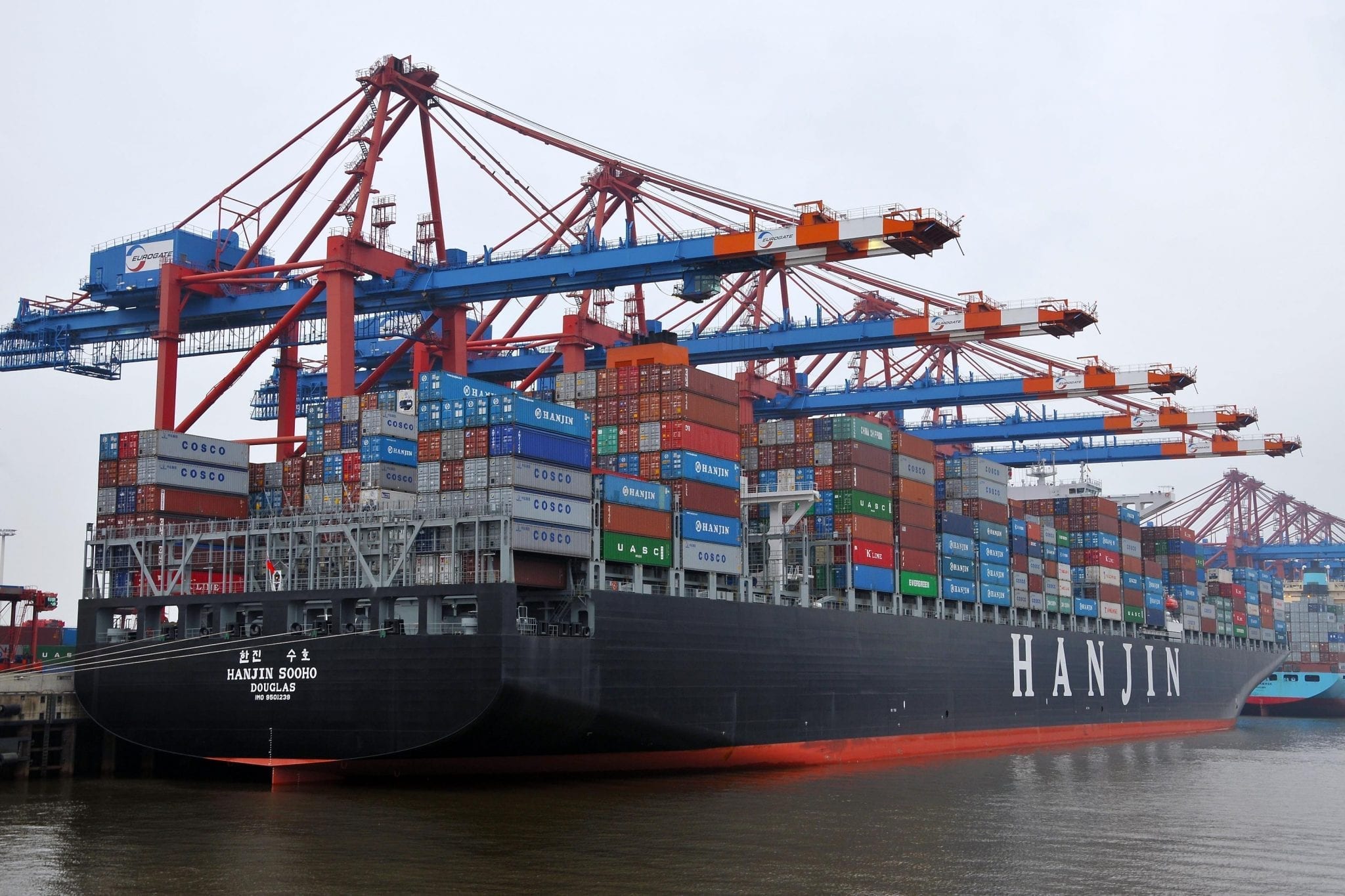
    Germany, which has been aggressively pushing for closer economic ties with Iran following the lifting of international sanctions against the latter, wants to play a pivotal role in the modernizing and upgrading of Iran’s dilapidated infrastructure and transport system. Germany signed six memoranda of understanding (MoUs) aimed at boosting transport cooperation following a late October meeting between Abbas Akhoundi, Iran’s minister of roads and urban development, and Alexander Dobrindt, Germany’s minister of transport and digital infrastructure, who led a delegation of major German shipping, port and marine companies.

    Iranian and German sources said that a German company is participating in a tender for completing two terminals at Chabahar Port in southeastern Iran, which was recently in the news because India is keen to develop it for strategic and trade reasons. German multinational Siemens is holding talks with Iran for developing suburb transport in Tehran and Tabriz, as well as the rail lines between Tehran and Tabriz.

    The lifting of sanctions against Iran has led German business executives and the shipping industry to tap what they describe as “huge business potential.” Hamburg Port, for example, has been trying to identify areas and ways to establish and upgrade ties with that country’s port facilities.

    Since the imposition of sanctions, Iran has struggled to have a normal trading relationship with the outside world. While the German industry has been euphoric – and this applies particularly to Hamburg, whose port prides itself as the “gateway to Asia” – the realities are different; indeed, access to Iran’s lucrative market is not an easy undertaking.

    Strategically located at the crossroads between the Arabian Peninsula and Central Asia, with ports in the Caspian Sea and the Gulf region, Iran is interesting for shipping lines. Iran also offers opportunities for foreign investment in important sectors such as oil and gas, electricity production, air, sea and road infrastructure, telecommunications, etc.

    Described as part of the “Axis of Evil” in 2002, Iran’s breakthrough came on January 16, 2016, when the first of the multiple layers of trade sanctions were removed, breaking the shackles that badly inhibited that country’s shipping and trade, and giving it access to huge sums of money that had been frozen under the sanctions regime.

    However, experts at a special event in Hamburg a few months back told shippers and others that only part of the sanctions had been lifted on January 16. While the ban on imports of Iranian oil and gas products, and against the country’s ship-building and shipping sectors, had been lifted along with restrictions on bank remittances, the situation remains complex in the sector of so-called “dual use” goods, which can be used both for civilian and military purposes.

    One of the first to take advantage of the lifting of sanctions was European aerospace company Airbus, which has bagged aircraft orders from Iran Air to replace its outdated A340 aircraft. The city of Hamburg, experts say, could flank trade with Iran by providing expertise in several areas, including modernization of Iran’s fleet of mercantile ships.

    US companies are not, yet, permitted to have dealings with Iran, although their associate companies in Europe can do so. However, weapons and certain police equipment are still prohibited. Also prohibited are deals with companies that are controlled by Iran’s revolutionary guards or those that have supported Iran’s atomic programme.

    Iran has been trying to recruit German companies to set up operations, particularly in the seven free trade zones in Iran for which the government has been dangling carrots in the form of incentives, including a 20-year tax holiday. Since Iran is keen to join the World Trade Organization, it has been trying to highlight the fact that many of its old agreements on trade and legal protection are in force. However, new companies to be established in Iran will be governed by certain religious laws and, as such, are required to have a Persian name or title, as Iranian legal experts have been saying during meetings with German companies. “Such a requirement can be a deterrent because many German companies are unsure what the implications would be on their business. I would suggest that companies do their homework before moving large-scale investments to Iran,” one German-Iranian told on the condition of anonymity.

    Meanwhile, Iran is in a rush to catch up with the rest of the world by modernizing its infrastructure and its economy.

    Hamburg and its port stand to benefit immensely from Iran’s opening. In 2014, German exports to Iran amounted to some €2.4 billion (approximately US$3.1 billion, in 2014 dollars), while imports from Iran were about €300 million, according to numbers from the German Statistics Bureau. Hamburg’s two-way trade with Iran amounted to roughly €214 million in the same year. International trade experts at Hamburg’s Chamber of Commerce are optimistic that German trade with Iran would double from its present level after all sanctions are lifted.

    Some 353 companies based in Hamburg already have business connections with Iran. Despite sanctions, some of these companies maintained business ties with Iran even during the embargo period. Hamburg, which is by far the world’s leading trading hub for Iranian products, including carpets, has the largest concentration – about 20,000 – of Iranian nationals or people of Iranian origin in Germany; the city hopes to resume its once flourishing trade and shipping through the Iranian diaspora.

    Another important German state interested in trade with Iran after the lifting of sanctions is Hesse, which recently sent a 40-member delegation led by Hesse minister for economics, energy and transport Tarek Al-Wazir to Iran. The trade volume between Hesse and Iran was around €212 million in 2015 (US$230 million), according to the state’s economics ministry.

    “The reputation of products and services offered by Hesse is traditionally good in Iran,” Al-Wazir said. There is huge potential in the expansion of the processing industry, the transport infrastructure and in urban development.

    During German minister for economic affairs and energy Sigmar Gabriel’s visit to Iran in early October, Gabriel’s second visit to Iran within 14 months, Iran’s oil minister had said that German banks were becoming a hindrance. “We have billions (of dollars) with which we could do good business with the Germans,” Bijan Namdar Zangeneh, the oil minister, was quoted as saying after his meeting with Gabriel in Tehran.

    The money cannot be transferred due to problems with the banks. Iran’s minister told journalists that that “is bad for us, but also bad for the Germans.”

    Germans say that although the sanctions against Iran were lifted in January, trade has not made much headway. A precluding factor is that part of the punitive measures – the so-called secondary sanctions – imposed by the United States are still in force. German and European banks are, consequently, dissuaded from financing Iran deals. In 2015, for example, Germany’s Commerzbank paid a hefty US$1.45 billion fine to US authorities because of violating American sanctions in deals with Iran. France’s large bank BNP Paris also had to pay a billion-dollar penalty.

    Iran’s economy has not done badly, with the International Monetary Fund forecasting an average growth rate of 4% for the next five years. Official Iranian projections suggest a GDP growth rate of 5% for 2016.

    Iran’s neighbour Turkey is also eyeing the opportunities unfolding in Iran; Turkey offers itself as an ideal transit point for German and other western companies wanting to enter Iran. Turkey trumpets its “manifold advantages,” particularly, for SMEs which can enjoy customs duty benefits. Turkish experts, who say that all the machinery and production tools in Iran are outdated, believe that German companies, with their past trade relationship with Iran, can look forward to a welcoming market with huge investment needs.

    Some German companies are looking at using Turkey to tap Iran’s huge business potential. Since 2014, Turkey has a preferential trade agreement with Iran. This agreement eliminates many customs duties. German companies can save customs duty twice because Turkey, a member of the European Customs Union, exempts German products from customs duty on exports to Turkey. All products shipped from Turkey to Iran are treated as Turkish products and thus spared the customs duties.

  • PayMaya Philippines, JCB team up to widen JCB cards acceptance in the Philippines

    PayMaya Philippines, JCB team up to widen JCB cards acceptance in the Philippines

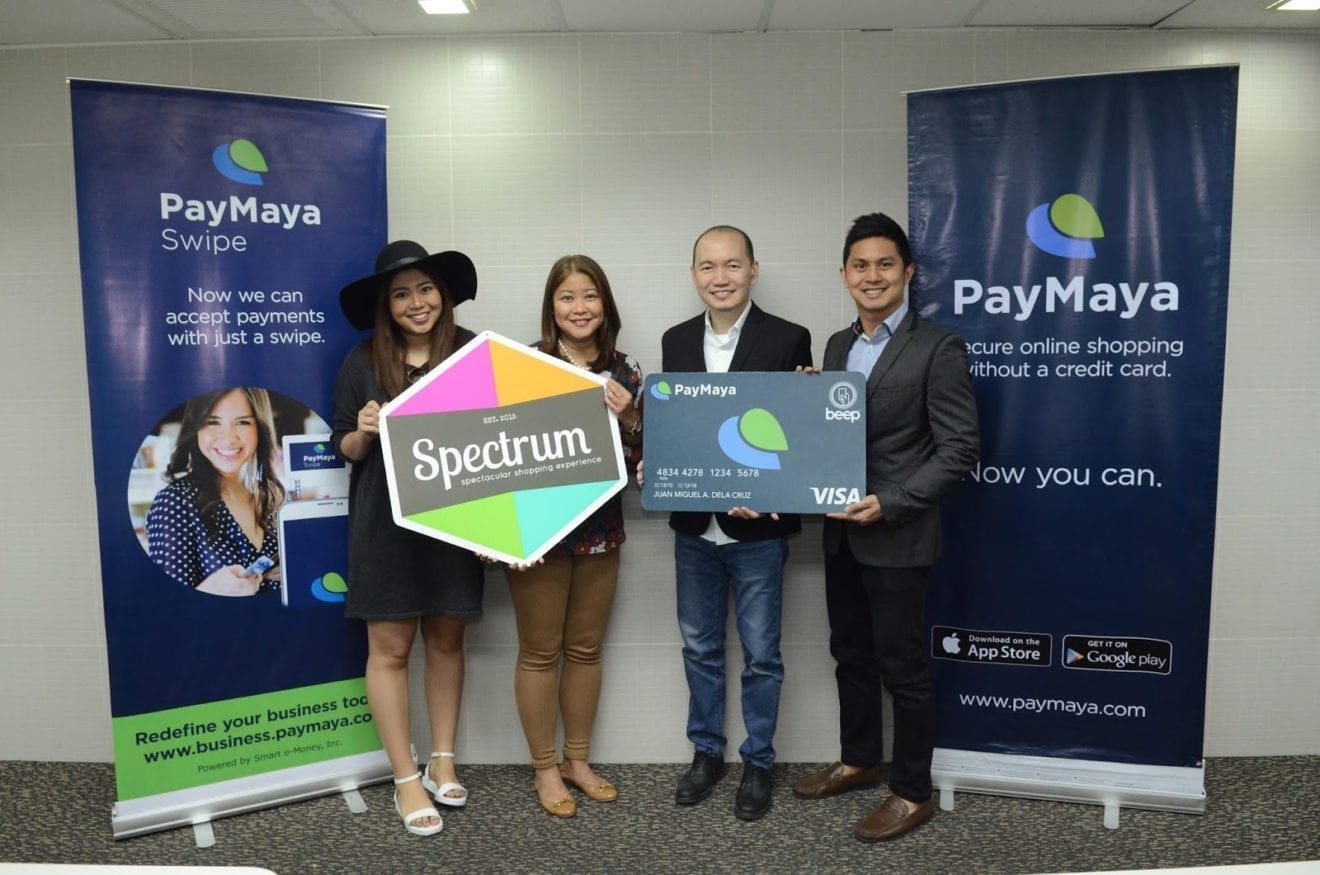
    PayMaya, the Philippines’ pioneering financial services provider, and JCB International Co., Ltd. (JCBI), the international operations subsidiary of JCB Co., Ltd., have forged a new partnership for JCB Merchant Acquiring and Card Issuing business in the Philippines. The partnership deals with the acceptance of JCB cards at online merchants that use PayMaya Checkout as the payment gateway. PayMaya and JCBI also plan to issue co-branded cards in the future.

    PayMaya Business is focused on delivering solutions that power businesses of all types and sizes to accept all kinds of payments. The services PayMaya Business provides are PayMaya Checkout, a system that enables online shops to accept card payments, PayMaya Swipe, a mobile point-of-sale device that can simply be attached to any mobile device so merchants can accept card payments, and PayMaya Touch, a payment solution which allows businesses to accept swipe, dip, and contactless card payments.

    The partnership will benefit all JCB cardmembers in the Philippines and overseas. JCB is a pioneer in the Japanese payment card industry with over 70M cardmembers and 95M in total worldwide. JCB cardmembers will be able to use their JCB cards at online merchants that use PayMaya Checkout as their payment gateway.

    In 2017, JCB cardmembers will also be able to transact in big retail outlets in the Philippines but also in micro- and small-medium enterprises including local boutiques, food carts, and community stores which offer a unique shopping experience through PayMaya Swipe and Touch. These outlets prefer more affordable and easier payment acceptance solution like PayMaya Swipe, Checkout, and Touch.

    Kimihisa Imada, Deputy President of JCBI, said, “The Philippines is one of the most important markets for JCB’s global business expansion and we are pleased to welcome our new partner to the JCB network. I am certain that this partnership with PayMaya will bring more benefits and convenience to all JCB card members, especially in the e-commerce space. We are also looking forward to exploring further business opportunities such as ‘PayMaya-JCB Card’ issuance soon.”

    “At PayMaya, we strive to shape the future of commerce and drive local business growth through digital payment innovations. We are strengthening this commitment by collaborating with strategic partners such as JCBI, which help us enable merchants to accept payments from more consumers here and abroad. We are thrilled to see the progression of our alliance with JCBI as we continue our mission in redefining the payment landscape in the Philippines,” said Orlando Vea, President and CEO of Voyager Innovations and PayMaya Philippines.

    The JCB “Uniquely Yours” Experience

    JCB is a major global payment brand and a leading payment card issuer and acquirer in Japan. JCB launched its card business in Japan in 1961 and began expanding worldwide in 1981. Its acceptance network includes about 31 million merchants and over a million cash advance locations in 190 countries and territories. JCB cards are now issued in 21 countries and territories, with more than 95 million card members. As part of its international growth strategy, JCB has formed alliances with hundreds of leading banks and financial institutions globally to increase merchant coverage and cardmember base. As a comprehensive payment solution provider, JCB commits to provide responsive and high-quality service and products to all customers worldwide.

    The unique benefits of PayMaya Business

    PayMaya handles the requirements of merchants in enabling their online and card payment acceptance–no need to talk to banks, expert programmers, or payment aggregators separately.

    For online payment, PayMaya Checkout API is easy to integrate in websites or apps. The process involves three simple steps: integration to sandbox environment, testing, and production.

    PayMaya provides simple pricing and fast settlements. Merchants are not required to settle monthly fees or present bank statements. They will only pay for the transactions they make. The package comes with access to a dashboard of transaction reports for sales performance tracking.

    The Philippine Airline’s mobile website and its recently launched online boutique, and the online gadget store Kimstore are powered by PayMaya Checkout.

  • Oppo R9 becomes the best-selling device in China

    Oppo R9 becomes the best-selling device in China

    The latest smartphone OS sales data from Kantar Worldpanel ComTech shows a solid 5.2% percentage point US market share increase for iOS during the third quarter of 2016 to 34.2%. Both iOS and Android made gains across most of the EU5 countries. However, Android posted a 3.3 percentage point decline in the US from 66.7 to 63.4%, while iOS share fell in Germany from 17.5% to 15% and in Urban China from 18.7% to 14.2%. 

    Europe’s big five markets include Great Britain, Germany, France, Italy, and Spain.

    In Urban China, Android accounted for 85.3% of smartphone sales in the third quarter of 2016, its second highest share ever in this market. 

    Oppo continues to see significant growth, gaining 8.2 percentage points over the past year to become the 4th largest manufacturer in Urban China with 11.2% of smartphone sales. The Oppo R9 overtook the iPhone 6s as the best-selling device in the third quarter, reported Tamsin Timpson, Strategic Insight Director at Kantar Worldpanel ComTech Asia. iOS posted yet another year-on-year decline to 14.2% of smartphone sales in the third quarter of 2016. Importantly, this marks a period-on-period return to growth in sales, up from 13.5% in the three months ending in August. With supply constrained on the iPhone 7, and particularly the 7 Plus, this positive turn for Apple is a good sign, suggesting that as supply grows to meet demand, Apple will be able to turn the tide in Urban China. 

    In the US, the new iPhone 7 and 7 Plus models made an immediate impact, becoming the best-selling smartphones in the month of September at 17.1%, said Lauren Guenveur, Consumer Insight Director for Kantar Worldpanel ComTech. Strong sales of the iPhone 7 and the lower-priced iPhone 6s, the second best-selling device in the US in September, contributed to an overall growth of iOS to 34.2% in the third quarter of 2016.

    Despite some sales from the beleaguered Samsung Galaxy Note 7, still technically available through the month of September, Samsung posted a year-on-year decline from 36.9% to 33.8% of US smartphone sales in the third quarter, Guenveur continued. The holiday sales season may prove to be more challenging than normal for Samsung, who competes head-to-head with Apple during this crucial time of year. Fallout from the Note 7 recall could have an unintended impact on continuing sales of other, similarly-named Samsung devices (chiefly the Galaxy S7 and S7 edge), as consumers may not always understand the difference between the model names. However, deep holiday discounts, as we saw with the Galaxy S6 last year, may counteract any expected negative impact, as the driving reason for choice among US consumers remains finding a good deal on the price of the phone.

    In Great Britain, the iPhone 7 and 7 Plus were top-sellers during the month of September, accounting for 15.1% of sales, said Dominic Sunnebo, Business Unit Director for Kantar Worldpanel ComTech Europe. In the third quarter of 2016, iOS accounted for 40.6% of smartphone sales, a 2.4 percentage point increase from the same period a year ago. Its interesting to note the continued success of the iPhone SE in Britain, accounting for 8.5% of sales in the quarter vs. a share of just 3.5% in the US. 

    Britain is the only market where Samsung made year-on-year gains, totaling 30.4% of smartphone sales, Sunnebo added. In Italy, Huawei replaced Samsung as the reigning smartphone leader to become the top brand sold at 27.3%, a 15.2 percentage point gain vs. the third quarter 2015. Samsung accounted for 24.7% of smartphone sales in Italy, a decline from 40.6%. In Spain, Huawei and Samsung are now neck-and-neck, with Samsung edging out Huawei 24.2% vs. 23.3%.

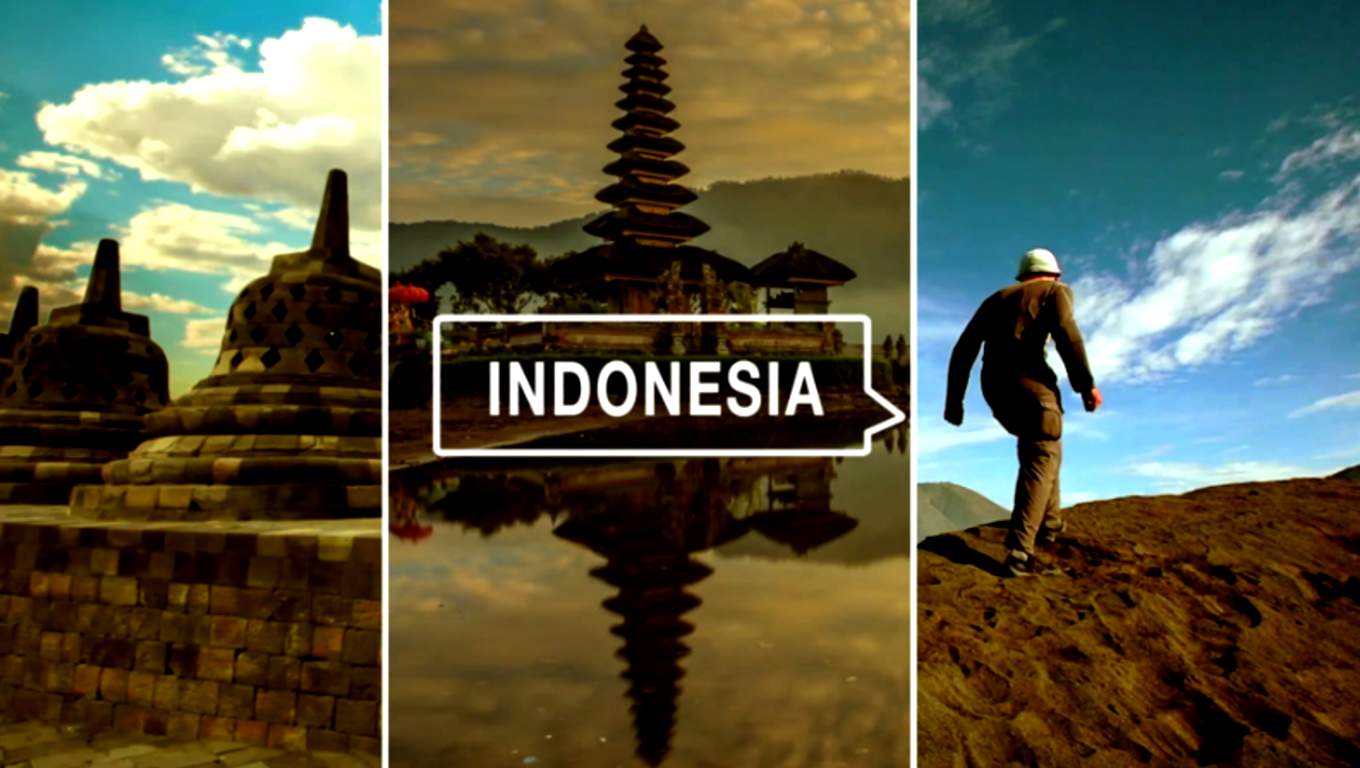
  • Indonesia has role in tourism development in maritime silk route

    Indonesia has role in tourism development in maritime silk route

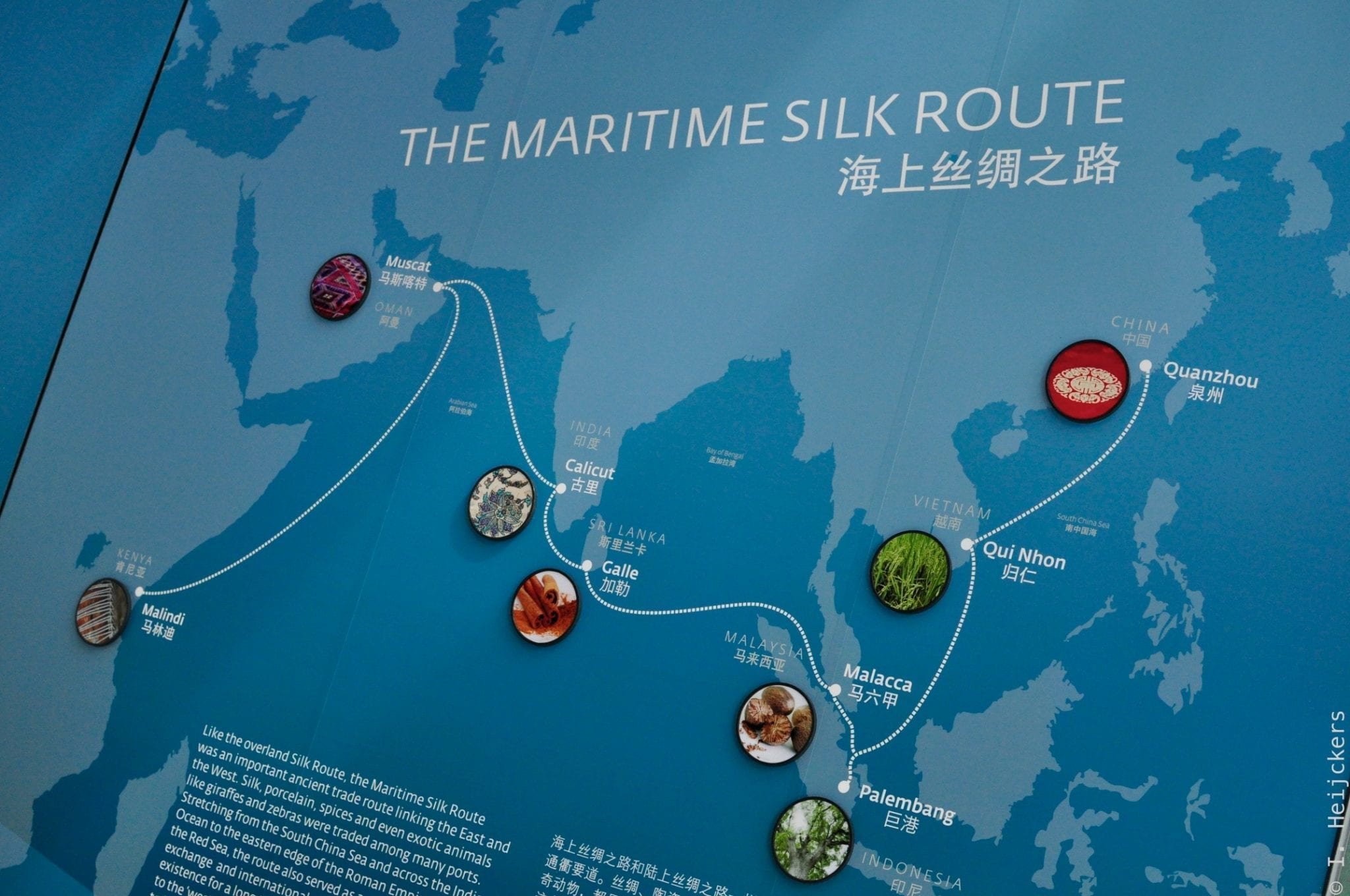
    Indonesia has an important role and can take advantage of tourism development in the maritime silk route of the 21st century in China, according to China National Tourism Administration (CNTA) Information Center Director Cai Jiacheng.

    “Indonesia has its own uniqueness as a global tourist destination, especially for the countries along the maritime silk road of the 21st century in China,” Jiacheng told.

    According to him, Indonesia has a lot of cultural diversity and unique and attractive natural sceneries that can make the country a world tourist destination.

    “However, Indonesia must fix the infrastructure and build good connectivity with a number of other countries, particularly with countries along the maritime silk road,” Jiacheng noted.

    “Indonesia should actually be able to provide maximum services, ranging from easing visas and providing adequate infrastructure, including connectivity, to attract tourists to come to the country,” he added.

    Jiacheng added that Chinese travelers can visit other countries through the ASEAN countries such as Indonesia, Thailand and Singapore.

    “Therefor e, Indonesia has opened the path for China to ASEAN, because of its strategic position to support tourism development in the maritime silk road of the 21st century that can also provide a great advantage for the country,” he said.

    Tourism is playing an increasingly important role in the economic growth of China. Tourism sector accounted for about 10.8 percent of the total growth in Gross Domestic Product (GDP) and 10.2 percent of the national job last year.

    CNTA is targeting 137 million foreign tourists to visit China in 2016, or up to 2.5 percent compared to that of the previous year, while the amount of targeted revenue from foreign tourist arrivals is US $ 121 billion, up by 6.5 percent over the previous year.

    “Therefore, China is serious to work on the tourism sector by using destination packages, connectivity, and the use of information technology for marketing and promotion,” he said, adding that Indonesia can take advantage of the tourism development in the maritime silk road of the 21st century.

  • Malaysia takes step toward digital economy goal

    Malaysia takes step toward digital economy goal

    The 2017 Malaysia Budget announced by Prime Minister Datuk Seri Najib Razak is an incremental step in realizing Malaysia’s vision of a fully connected digital economy, according to IDC.

    Although the specific financial breakdown of the budget initiatives is not yet available, IDC Malaysia said the direct and indirect impact on the Malaysian ICT sector is apparent.

    Data from IDC suggests that total IT spending that includes infrastructure, software and services will grow by 3.3% to be worth $21.16 billion in 2017.

    The research firm noted that it will be interesting to see if the recent budget initiatives will help Malaysia in achieving its vision of a digital economy given that key budget items are directly related to technology, such as improving the speed of fixed line broadband services, tax relief for purchase of select technology products and services, funding for specific MDEC programs focusing on specific initiatives, and launching a digital free zone.

    It likewise mentioned that the Malaysian government has placed a high emphasis on high-speed internet connectivity in previous budgets and continues to make it a priority in the 2017 edition, by mandating fixed line internet services to be increased to a baseline of 20Mbps.

    Currently, the average fixed line internet speed in Malaysia is at 6.8 Mbps, up 36% compared to the previous year. The proportion of internet users with access speeds greater than 10 Mbps and 4 Mbps has increased to 16% and 66% respectively.

    The government has also recognized the importance of further enabling SMEs in increasing macroeconomic indicators. SMEs’ contribution to the overall GDP for Malaysia was estimated to be 36.3% in 2015, whereas it tends to be about 50% and above in high-income nations.

    The $17.7 million allocated to promote SMEs development, as well as the funding for MDEC programs such as the e-commerce ecosystem and Digital Maker Movement, is a very positive step in this direction, IDC said.

    “The e-commerce ecosystem will continue to evolve in the future with the maturity of services, and the consumption patterns of the citizens. Two key areas worthy of future attention are figuring out how to retain more revenues from e-commerce sector within Malaysia, as well as encouraging global e-commerce platforms to increase investment in the country,” said Vijay Sundararaman, IDC Malaysia Country Manager.

    “There is a growing discussion on the creation of e-hubs that can accelerate SMEs output, as well as interconnectivity of these hubs globally to create a worldwide ‘Mega Trading Platform’.”

  • Save the Date for Volvo Group Capital Market Day 2017

    Save the Date for Volvo Group Capital Market Day 2017

    The Volvo Group invites financial analysts and institutional investors to the Volvo Group Capital Market Day, to be held in Eskilstuna, Sweden on May 23, 2017.

    The Capital Market Day on May 23 will start at 9:00 a.m. at Volvo CE Customer Center in Eskilstuna, Sweden, and finish with a dinner in the evening. The program will include presentations by the CEO and the Executive Management as well as the possibility to test drive products.

    A formal invitation with a complete agenda and registration information will follow in early spring 2017. Further information will also be made available on the Volvo Group website well in advance of the event.

    The Volvo Group is one of the world’s leading manufacturers of trucks, buses, construction equipment and marine and industrial engines. The Group also provides complete solutions for financing and service. The Volvo Group, which employs about 100,000 people, has production facilities in 18 countries and sells its products in more than 190 markets. In 2015 the Volvo Group’s sales amounted to about SEK 313 billion (EUR 33,4 billion). The Volvo Group is a publicly-held company headquartered in Göteborg, Sweden. Volvo shares are listed on Nasdaq Stockholm.

  • Yogyakarta`s coffee business potential reaches Rp350.4 billion

    Yogyakarta`s coffee business potential reaches Rp350.4 billion

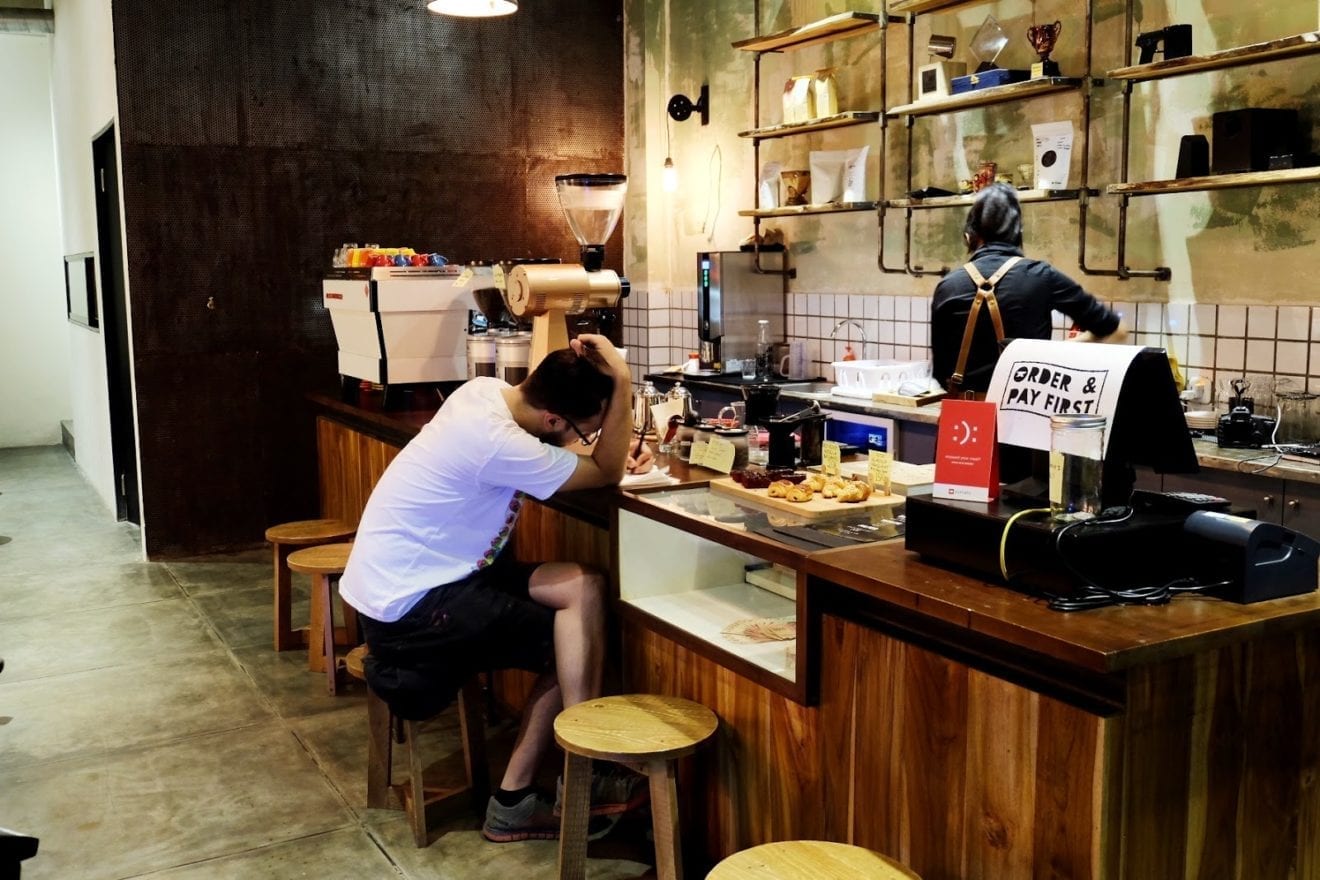
    Coffee shop ventures generate significant economic potentials in Jogjakarta, and it can reach Rp350.4 billion a year, generated from 800 coffee shops in the city.

    “The current economic realization that comes from 600 registered coffee shops in Jogjakarta reaches Rp262.8 billion per year,” the owner of Pitutur Coffee Shop Ponco Kusumo in Jogjakarta said on Monday.

    He explained in detail that a coffee shops economic realization comes from the volume of coffee sold each day, multiplied by the retail price of each cup.

    For example, every day there would be 80 cups of coffee sold in each shop, at a price of Rp15 thousand per cup.

    “That means that every coffee shop generates Rp1.2 million a day. When we multiply the total with the number of registered coffee shops across the town, the result comes out to be Rp262.8 billion, which is a substantial number,” he reiterated.

    The registered coffee shops are the ones that have signed up for the coffee business community, and there could be twice as many shops that are yet to be registered by the owners, he said.

    To reach a sales target of 80 cups per day, the shops need to operate from 10 am to 10 pm.

    “Our customer target includes students, general public and foreign visitors, who enjoy coffee,” he concluded.

  • Indonesia, Singapore launch Kendal Industrial Park

    Indonesia, Singapore launch Kendal Industrial Park

    President Joko Widodo, along with Singapores Prime Minister Lee Hsien Long, launched the Kendal Industrial Park in Central Java Province as a new model of bilateral economic relationship.

    “Prime Minister Lee and I agreed that the investment cooperation in Kendal Industrial Park marks a new milsestone in our bilateral relationship, particularly in the investment sector,” Jokowi said in a joint press statement here on Monday.

    Both heads of state also discussed the potential for more such bilateral investments, as Jokowi believed there was a big opportunity to further develop this economic cooperation.

    The president also stated that Indonesia was committed to improve its competitiveness to become an investment destination country.

    “During discussions, I explained that we are continuously reforming the economic and legal sector to improve Indonesias economic competitiveness,” Jokowi added.

    Jokowi reminded that both Indonesia and Singapore are also enhancing cooperation in the tourism sector by developing new tourism destinations in Indonesia.

    Indonesia hopes that a range of Memorandums of Understanding (MoU) that have been signed would lead to more effective cooperation in the tourism sector.

    Jokowi noted that Singapore also supports Indonesia on several regional and international issues such as counter terrorism measures as well as in the South China Sea dispute.

    “Singapore is an important partner of Indonesia in many sectors. Indonesia and Singapore will also celebrate the 50th year of their diplomatic relationship,” Jokowi noted.

    A project being built in Central Java through bilateral cooperation will create about 4,000 jobs.

    Prime minister Lee underlined that many Singapore companies have been investing in Indonesia, not only in the free trade areas of Batam-Bintan-Karimun (BBK) in Riau Islands, but also in other areas in the country.

  • 70 percent train tickets for Christmas season already sold

    70 percent train tickets for Christmas season already sold

    Seventy percent of the regular train tickets for travel during Christmas and New Year 2017 holidays have been already sold, Bambang Eko Martono, the Director of state railway operator PT Kereta Api Indonesia, said here on Monday.

    “We are targeting 258 million passengers this year,” Bambang Eko Martono stated.

    “PT KAI will offer new additional train tickets that could be ordered on Tuesday (Nov 15) at 12 noon,” he added.

    PT KAI has will make available 13,892 additional train seats during the Christmas and New Year 2017 holiday period.

    “We have made available 212,564 seats per day with 328 regular train trips and 28 additional train trips during Christmas and New Year holidays, about 11 percent more than last year,” he noted.

    The number of passengers travelling by train during the holiday season increased by six percent, from 4.3 million in 2015 to 4.5 million this year.

    PT KAI estimates that revenue during the holiday season could increase up to 10 percent, compared to last years figure for the same period.

  • OpenHydro eyes 300 MW of tidal power projects in Indonesia

    OpenHydro eyes 300 MW of tidal power projects in Indonesia

    OpenHydro, the tidal turbines business of French naval defence group DCNS, will seek to deploy 300 MW of tidal energy capacity in Indonesia by 2023 under a new partnership with local sector player PT AIR.

    OpenHydro said this week it has entered into a memorandum of understanding (MoU) with PT AIR to create an alliance aimed at driving forward the development of a tidal energy industry in Indonesia. The two companies have been working together over the past 18 months and during that time have identified at least 10 locations suitable for commercial-scale projects.

    The pair expect to start with a tidal energy array of up to 10 MW, for which a site will be selected over the coming months. The pilot system is planned for deployment in 2019. It will use European equipment provided by DCNS and its unit, plus locally manufactured content.

    OpenHydro noted that local industrial facility options have been identified and will be assessed by the partners.

    “The nature of the equipment involved in tidal energy projects results in a high level of local manufacturing content,” commented Thierry Kalanquin, chairman of OpenHydro and vice president of energy at DCNS.

  • Indonesia, Singapore agree to develop tourism cooperation

    Indonesia, Singapore agree to develop tourism cooperation

    Indonesia and Singapore agreed to develop cooperation in the tourism sector through the signing of a memorandum of understanding (MoU) in Semarang, Central Java, on Monday.

    Indonesian President Joko Widodo (Jokowi) and Singapore Prime Minister Lee Hsien Loong witnessed the signing of the MoU by Indonesian Minister of Tourism Arief Yahya and Singapore Industry Minister S. Iswaran, representing the Singapore Tourism Board (STB).

    Jokowi, in his statement after the signing of the MoU, said the cooperation will strengthen ties in the tourism sector, including the development of new tourism destinations in Indonesia.

    “We hail the cooperation in the tourism sector that has just been signed,” Jokowi said.

    In the meantime, Minister Arief Yahya said the cooperation, which will be developed, covered three areas. “There are three areas of Indonesian-Singapore cooperation in the tourism sector, namely joint marketing, cruise ships and MICE (Meeting, Incentive, Convention, Exhibition).

    Works that could be done are the development of ports and destinations, the development of human resources, cooperation in the private sector, and exchange of information.

    Yahya said that both countries did no need a long time in the process of reaching the signing of the MoU.

    “This is the fastest signing of MoU that Singapore has ever made,” said Leong Yue Kheong, Assistant Chief Executive of Singapore Tourism Board.

    Since 2010, Singapore has shown its interest to cooperate in the development of cruise ship business, but Indonesia was still calculating the advantages and disadvantages of the cooperation with Singapore.

    It was in the era of Jokowi did Indonesia decide to give priority to cooperation in the tourism sector with Singapore.

    Earlier, Jokowi and Lee Hsien Loong held a bilateral meeting at Perdamaian Guesthouse, Semarang, Central Java.

    Jokowi, who was accompanied by First Lady Iriana Joko Widodo, arrived at the guesthouse at 9.30 am after flying directly from Jakarta. He arrived ahead of the Lees arrival.

    Lee and his wife Ho Ching arrived at the guesthouse at around 9:50 am. He was accompanied by Central Java Ganjar Pranowo to walk into the guesthouse.

    After the welcoming ceremony, Jokowi and Lee directly held a bilateral meeting at the guesthouse.

    As planned, the meeting includes a number of activities, including Indonesia-Singapore “Leaders Retreat Tete-a-Tete,” a bilateral meeting, as well as signing of the MoU on the results of cooperation between the government of Indonesia and Singapore.

    After luncheon, Jokowi and Lee and his entourage are also scheduled to attend the official opening of Kendal Park Industrial Estate By the Bay, which is located in Kendal District, Central Java Province.

    The president and Lee are scheduled to make an observation tour in this area before returning to Semarang.

    The president and the First Lady are scheduled to return to Jakarta at night by the Indonesian Presidential Aircraft-1.

    Coordinating Minister for Maritime Affairs Luhut Binsar Panjaitan, Minister/State Secretary Pratikno, Tourism Minister Arief Yahya, and the Head of Capital Investment Coordinating Board (BKPM) Thomas Lembong accompanied the president during the flight to Semarang.

  • 2 Reasons Why Indonesia’s Economy Could Grow Much Faster Than Singapore’s

    2 Reasons Why Indonesia’s Economy Could Grow Much Faster Than Singapore’s

    The World Bank had recently released its October 2016 edition of the Indonesia Economic Quarterly (IEQ), titled, Pressures Easing. In the report, which goes through the state of Indonesia’s economy, the World Bank shared a few pillars that are supporting the growth of the country’s economy.

    The World Bank’s latest projections are for Indonesia’s economy to expand at 5.1% in 2016. This compares favourably to Singapore’s expected economic growth rate of 1% to 2% this year.

    Here are some of the pillars the World Bank shared in its report:

    1. Higher tax revenue from tax amnesty

    Indonesia’s government had rolled out a tax amnesty program in June this year that is scheduled to run till next March. The tax amnesty program has been highly successful so far and has already gathered IDR 93.4 trillion (around US$7 billion) in revenue for the Indonesian government in the first phase alone.

    The revenue was higher than estimated. The World Bank thinks that the additional revenue is “expected to raise capital spending and hence have a positive impact on Indonesia’s growth.”

    2. Effective social policies and plans for tourism growth

    The better fiscal position of the Indonesia government is not the only pillar supporting growth for Indonesia.

    The World Bank thinks it is possible that the Indonesian government’s policies that stabilised rice prices and expanded social assistance programs over the past few years have helped reduced Indonesia’s poverty rate by 0.4 percentage points in the first-quarter of 2016.

    Indonesia is also looking to boost the appeal of its tourism sector by attracting US$10 billion in private investments for tourism by 2019. Data from the World Travel and Tourism council show that every US$1 million spent on tourism in Indonesia helps support 200 jobs and US$1.7 million in GDP (gross domestic product).

    There are a number of stocks in Singapore’s market with heavy exposure to Indonesia’s economy and one of them is Lippo Malls Indonesia Retail Trust, a real estate investment trust that owns retail malls and spaces in Indonesia. Since the start of the year, Lippo Malls Indonesia Retail Trust’s unit price has climbed by 22%.

  • Indonesia-Singapore partnership to open 4,000 jobs in Central Java

    Indonesia-Singapore partnership to open 4,000 jobs in Central Java

    Singapore Prime Minister Lee Hsien Loong and President Joko Widodo (Jokowi) have issued a joint statement, that a cooperation project being built in Central Java is estimated to create 4,000 jobs.

    Prime Minister Lee and President Jokowi issued the joint statement at Wisma Perdamaian here on Monday.

    The visiting prime minister said there were many Singapore companies investing in Indonesia not only in the free trade areas of Batam-Bintan-Karimun (BBK) in Riau Islands, but also in other areas in the country.

    “Including in the Kendal Industrial Park to be officially commissioned today,” he said.

    According to Lee, the project in Kendal is an important cooperation project with big scale that could create 4,000 new jobs in Semarang especially in Kendal.

    He said the cooperation project constitutes a step of win win outcome between the two countries.

    “We also discussed development of cooperation in other sectors including tourism and we agree to increase tourist traffics mutually beneficial to the two countries,” he said.

    The two countries are designing joint destinations enabling tourists to visit to Singapore and Indonesia in a one trip.

    Lee hopes that the signing of the cooperation agreement on the tourism sector between Indonesia and Singapore, would lead to opening the route of tourist boats to boost development of cruise industry.

    “We encourage capacity building of Indonesia in hospitality and tourism sector,” he said.

    Both sides also discussed investment cooperation between the two countries, such as in the energy sector like energy that could be contributed to Indonesias 35,000 megawatt power generating program.

    Lee suggested to Jokowi, who agreed, the forming of Indonesia-Singapore Business Council to give added value to the partnership of the two countries.

  • H&M Vietnam launching in 2017

    H&M Vietnam launching in 2017

    International fashion brand H&M Vietnam (Hennes & Mauritz) has signed for its first store openings next year.

    No further details have been released by the Swedish fast-fashion company, which will also move into Colombia, Iceland, Kazakhstan and Georgia next year.

    Founded in 1947, H&M’s business credo is to offer fashion and quality at the best price in a sustainable manner.

    Other brands in the H&M Hennes & Mauritz group include & Other Stories, Cheap Monday, COS, Monki and Weekday, as well as H&M Home. The H&M Group has more than 4200 stores in 64 markets, including franchise markets.

    It’s debut in Vietnam was widely expected after rival brand Zara launched in Ho Chi Minh City in September, achieving the highest first day sales of any store globally.

  • The Hour Glass profits drops 14 per cent

    The Hour Glass profits drops 14 per cent

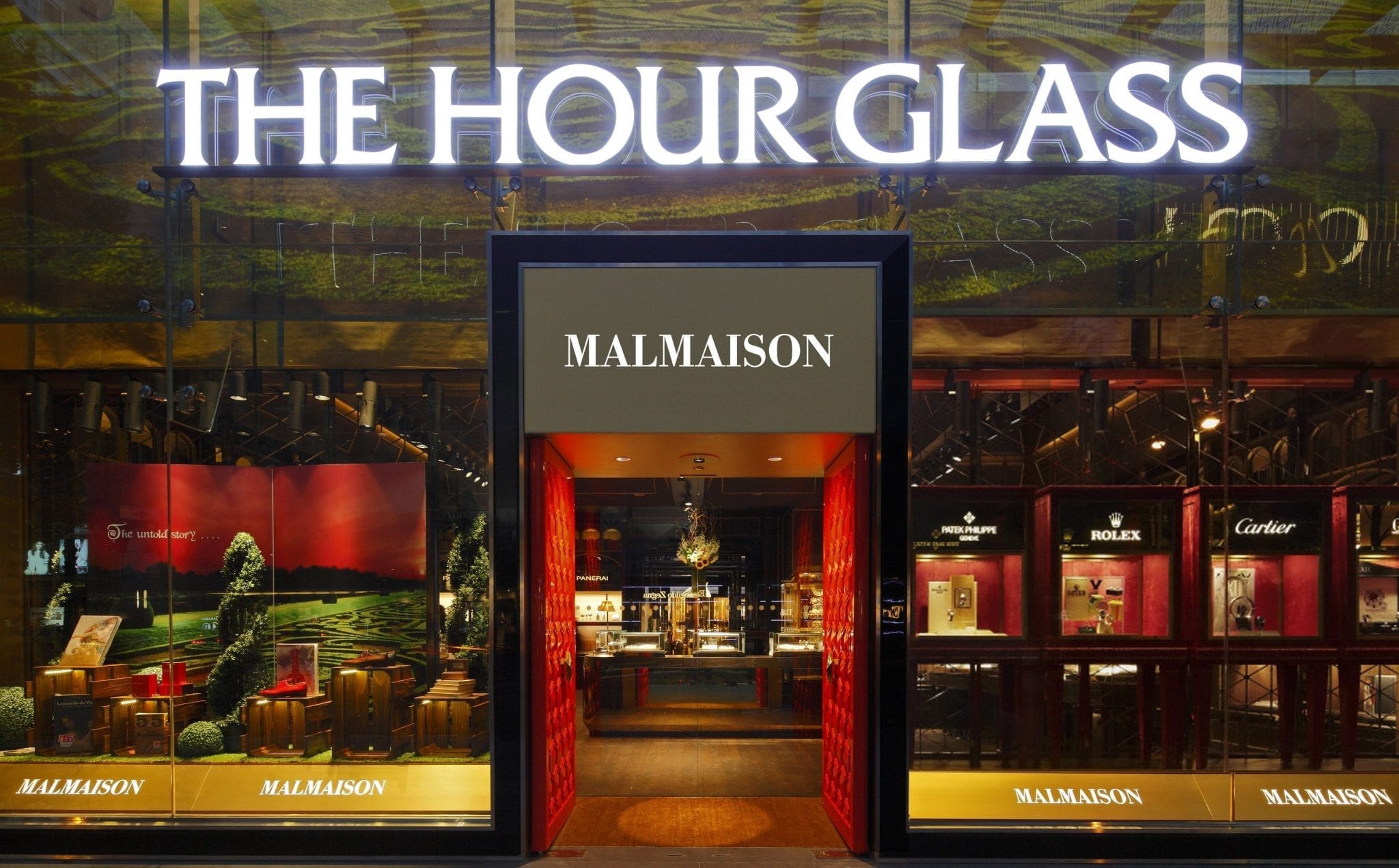
    Citing challenging business conditions and weakening consumer confidence, luxury-watch retailer The Hour Glass reports that its net profit for the second quarter ended September 30 fell 14 per cent year-on-year to S$8.32 million (US$5.88 million).

    Revenue declined 7 per cent to S$163.11 million for the period.

    For the six months to September 30, The Hour Glass profit slumped 18 per cent to $16.51 million and revenue was down 7 per cent at $311.3 million.

    The group says the death of the King of Thailand will have an impact on the performance of the group’s Thai associates as the country enters a prolonged period of mourning.

    While the retailer believes market conditions will continue to be challenging, it expects to remain profitable for the rest of the financial year.