Tag: asia

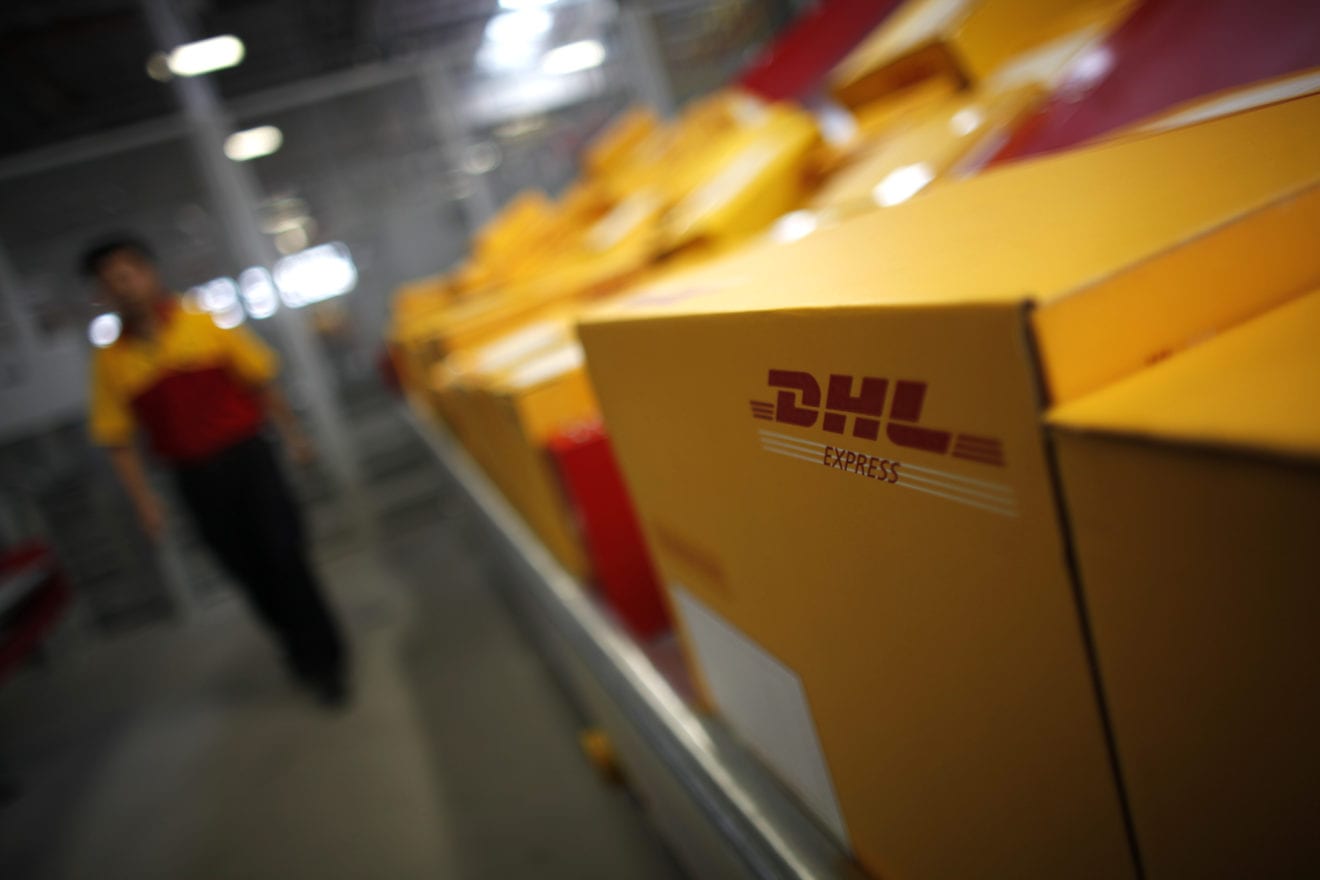
  • DHL Appoints New Hong Kong and Macau Managing Director

    DHL Appoints New Hong Kong and Macau Managing Director

    According to DHL, McQueen will be responsible for long-term growth across sectors such as aviation, consumer goods, healthcare, retail and technology. He will also be in charge of integrating solutions with freight and logistics services from South China’s major development zones.

    “Designing supply chain solutions that meet and exceed the unique needs of customers isn’t just my passion – it’s also essential for long-term growth that can withstand constant disruption and volatility in the marketplace,” said McQueen. “Having laid the foundations for such growth in the Greater China region, I’m excited to be focusing on Hong Kong as the linchpin in our regional operations, and look forward to leading our excellent team of more than 1,000 experienced supply chain employees to even greater heights.”

    McQueen has 24 years of supply chain experience. He was most recently in charge of business development at DHL Supply Chain Greater China, and was previously head of industrial development and solution design director for the Middle East and Africa.

    “We appointed Jez to lead our Hong Kong and Macau operations because of his outstanding track record in delivering rapid and sustainable growth across a wide variety of industries,” said Yin Zou, CEO of DHL Supply Chain Greater China. “Jez has proven invaluable as the head of business development for our operations in Greater China, combining deep expertise in all sectors with formidable acumen for turning supply chain innovations into substantial long-term improvements in customer satisfaction and revenues alike. Hong Kong remains a pivotal market for DHL Supply Chain, and I believe Jez’s skill set and passion for business development make him uniquely suited to handling its broad and dynamic range of multi-industry needs.”
  • KION Group completes acquisition of Dematic

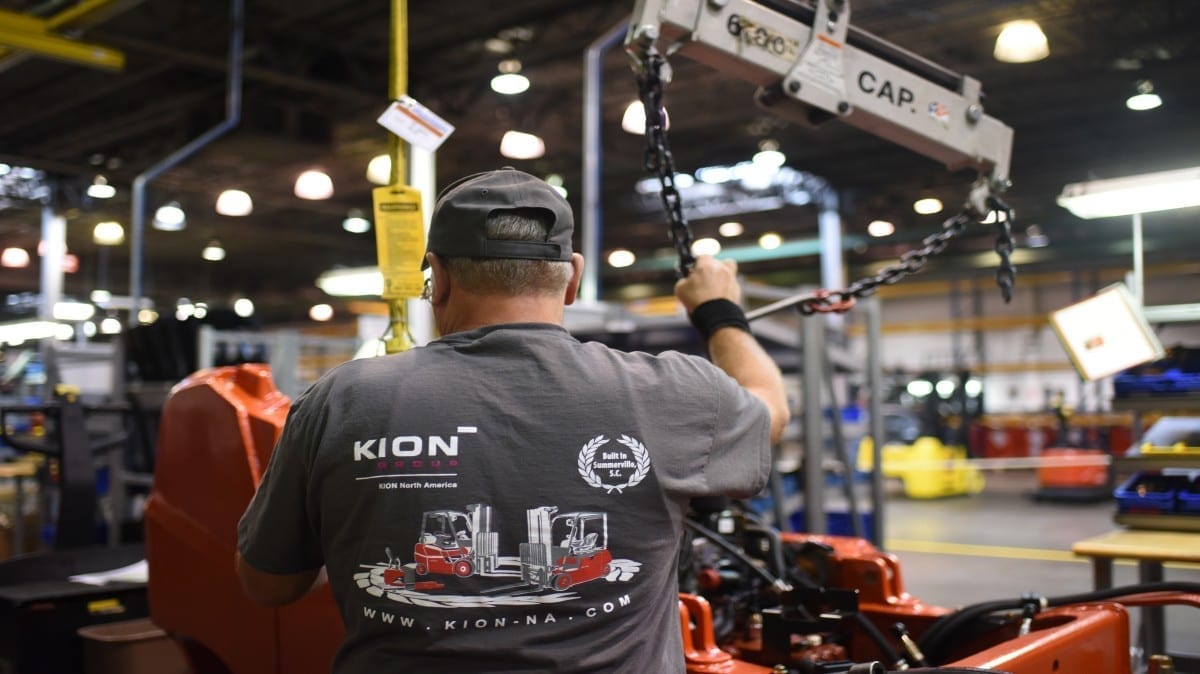
    KION Group completes acquisition of Dematic

    “Today marks the dawn of a new era for the KION Group, Dematic and our customers,” said CEO of the KION Group, Gordon Riske. “The transaction brings together the world’s most profitable manufacturer of forklift trucks and warehouse technology with one of the largest and fastest-growing warehouse automation and software solutions providers. Our combined global presence, intelligent and tailored material handling as well as comprehensive automation and software technology solutions, plus now more than 30,000 dedicated and highly skilled employees will enable us to deliver even more value for our customers.”

    The new Dematic operating unit will be led by John Baysore, previously CEO of Dematic North America, who will hold the role of president and CEO and has a proven track record in growing supply chain solutions business.

    “At Dematic, we are proud to move forward as part of the KION Group, which even better positions us to assist our customers with supply chain performance. The newly established solution portfolio affords our customers the ability to accommodate their ever changing business requirements and will dynamically optimize their warehouse and distribution functions,” said John Baysore. “The market for system solutions is expected to grow by around 10 percent per year in the medium term. We have the innovative technology, software expertise and global network to meet the supply chain requirements of the future, such as those resulting from the rapidly growing e-commerce sector and the many other vertical markets we serve.”

  • PT Telkom has added a number of new wifi hotspots in Bali

    PT Telkom has added a number of new wifi hotspots in Bali

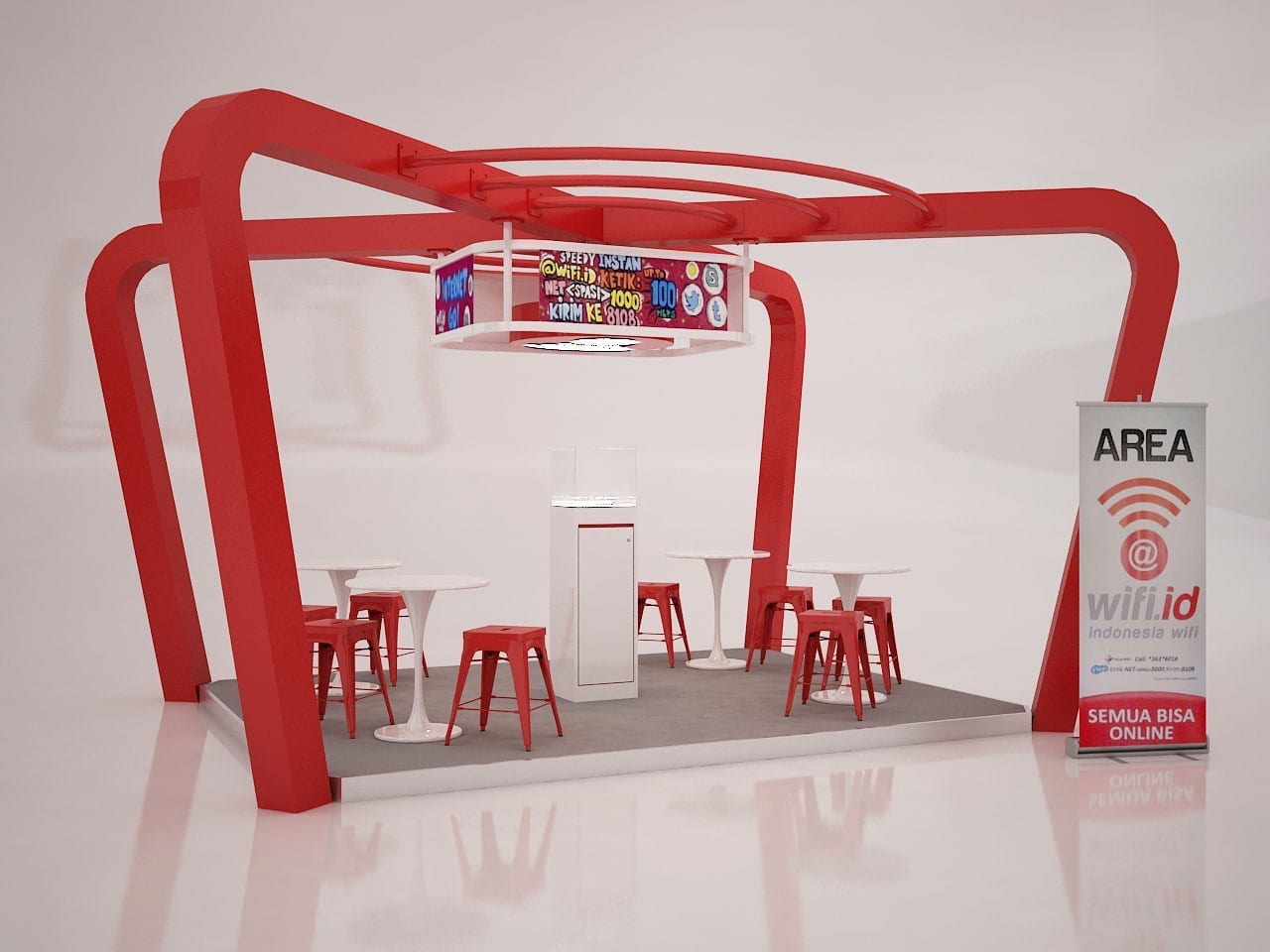
    The hotspots are under the network’s “Wifi.id.corner” program, which has users register for accounts and choose from a variety of packages that Telkom touts as affordable. 

    The new Wifi.id.corner spots are split between the island’s capital city, Denpasar, and north Bali city, Singaraja. 

    “In Bali, the fixed broadband services through Wifi.id.corner are spread across 200 locations. 170 of them are in Denpasar and 30 others in Singaraja, Buleleng,” quoted Nusra Suparwiyanto, executive vice president of PT Telkom Region 5 (East Java/Bali), as saying. 

    Suparwiyanto says Telkom is responding to the growing needs of Bali netizens with these 200 hotspots, which can be found in public spaces such as schools, universities, housing complexes, ports, and also city parks.

    Here’s the impressive part though—this wifi is supposed to be pretty darn fast. According to Suparwiyanto, the network is boasting speeds above 100 mbps—a speed we’re sure most of us aren’t familiar with in Bali. 

  • Forget Black Friday, Singles’ Day is the real retail event to focus on

    Forget Black Friday, Singles’ Day is the real retail event to focus on

    I recently got back from Engine’s Asia offices, where everyone was buzzing with excitement about this shopathon concept.

    This 24-hour shopping day is the Chinese equivalent of Cyber Monday. It started in 2009 by ecommerce giant Alibaba and has evolved into the biggest online shopping day of the year – raking in $14bn in 2015 with mobile purchases accounting for 75% of total sales.

    In the UK, the start of November means that the retail frenzy of Black Friday and Cyber Monday are fast approaching. But as reports this year suggest that Black Friday is no longer the money pit it used to be, it’s time for UK brands to think globally.

    While Black Friday sales are expected to disappoint with just 21% of UK shoppers saying they will be taking advantage of the slashed prices, Singles Day is set to break records with this year’s sales predicted to increase by 50%, with total sales reaching $21bn. That’s almost $1bn per hour.

    With success on these levels, it’s clear that Singles’ Day presents a huge opportunity for UK retailers. Brands like Topshop are already capitalizing on this phenomenon, reporting a sales surge of over 900% on the day in 2015 compared to 2014.

    With over 600 million internet users and 1.3 billion mobile phones nationwide – China’s 468 million digital shoppers equate to 40% of the total global e-commerce spend and a report by OC&C Strategy Consultants shows that in China, over 70% of people are more willing to spend on clothing than before – with a lot of this expected to come through ecommerce.

    Having skipped the PC era, Chinese consumers are savvier, more switched on and demand digital innovations at a level unprecedented in other markets.

    Different apps, such as WeChat, mean that platforms Western marketers might be used to, such as Twitter and Facebook, no longer apply.

    What does this mean for brands looking to tap into the lucrative Chinese market? Investing in ecommerce localisation is key. Adapting and tailoring your digital assets is a base requirement for those looking to appeal to a foreign audience.

    Brands seeking to enter the Chinese market will have to replicate the success of Singles’ Day retailers by understanding and responding to China’s changing demographics namely, its increasing disposable income, emerging middle class and increasingly affluent young population.

    For the event, Alibaba has sponsored a nationally televised gala, which leads to a midnight kick-off. By identifying the right celebrities (David Beckham headlined this year) and a format that fits with Chinese shopping mentality, Alibaba has successfully transformed the shopping event into a media spectacle with an expected viewership of around 200 million (doubling last years’ viewer figures), 10 million of whom will be from outside mainland China.

    This shift underlines a trend identified in a recent report from Cassandra, Engine’s leading provider of youth insights and emerging trends, which illustrates the changing shopping habits of millennials. They increasingly see it as more of an event and communal experience than previous generations ever did.

    This concept from the innovation hothouse of Asia will make brands and retailers eyes water. Agile players will surely be lining up to test and learn from Singles’ Day because discounting during the peak buying season, counter-intuitive though it may seem, is here to stay.

    -Debbie Klein


  • Indonesia moves away from TPP because of Trump triumph

    Indonesia moves away from TPP because of Trump triumph

    The Indonesian government has said it will not be in a hurry to seek membership of the US-led Trans-Pacific Partnership (TPP) trade deal following the election of Republican Donald Trump as the country’s president.

    The decision was made considering Trump’s promise on the campaign trail to scrap the TPP, a multinational trade deal between the US and countries in the Asia-Pacific.

    “We are still calculating the costs and benefits of the TPP. This kind of agreement requires thorough negotiation and recently the discussion was getting stressful,” Trade Minister Enggartiasto “Enggar” Lukita said on Friday during a media briefing in Jakarta.

    He explained that problems persisted because each country had its own “ego” in expressing its needs through the mega trade deal.

    President Joko “Jokowi” Widodo expressed his intention to join the 12-member trade bloc last year.

    The TPP, which covers 40 percent of global gross domestic product (GDP), was signed by Brunei Darussalam, Canada, Australia, Chile, Japan, Malaysia, Mexico, New Zealand, Peru, Singapore the US and Vietnam.

    The trade deal has not been ratified by the US Congress.

  • RHB expands e-Retail solution with MPOS

    RHB expands e-Retail solution with MPOS

    Malaysia’s RHB Bank has expanded its SME e-Retail Solution with the introduction of RHB Merchant Mobile Point of Sale (MPOS), which allows SME retailers to begin operating as quickly as seven days.

    SME e-Retail Solution offers Business Current Account for transactional needs, Reflex Online Cash Management system that enables low cost internet banking, cloud-based electronic point of sale (ePOS) system and remote access to back office analytics and CRM for better management for the proprietor.

    Other features include credit and debit card terminals to enable card transactions, customised SME insurance package specifically for retailers to protect their businesses, and business credit card to help SMEs with expenses and payment plans.

    Its latest offering Merchant MPOS is a wireless device that accepts all types of cards transactions, and is Chip & Pin enabled. Users can receive e-receipts via emails or notifications to their mobile phones.

    The MPOS is integrated to the merchant ePOS system to enable fast and convenient payment collection supporting bluetooth and Wi-Fi.

    Meanwhile RHB’s partnership with SAGE software Asia Pte Ltd will see the introduction of SAGE One cloud accounting software. This cloud solution will be synced to the ePOS terminal to enable automatic updates of transactions. SMEs will then have access to the real-time financial position of their businesses.

    “We are the first financial institution in Malaysia to offer a total connectivity solution for SMEs. The SME e-Retail Solution offers SME retailers a holistic solution for seamless connectivity. SMEs are able to achieve cost reduction and increase efficiency in their businesses,” said RHB Bank director of group business and transaction banking Datin Amy Ooi.

  • Government to take firm action against illegal textile imports

    Government to take firm action against illegal textile imports

    The government plans to take firm action against illegal imports of textile and textile products as these have been hindering business and impacting ind ustrial growth in the manufacturing sector.

    “We will take firm action against importers who have so far misused facilities to avoid official levies by the government,” Finance Minister Sri Mulyani said at a press conference here on Thursday.

    She stated that strengthening the textile industry and the textile products sector was very important as this sector has been asked to increase production to boost national exports.

    Smuggling of used clothes into several regions of the country to meet the increasing demand for cheap clothes has been disrupting growth of textile and textile products sector.

    Certain people were illegally importing products. These people held import licenses to transfer goods to other parties. Businessmen dealing in textile and textile products exploited these licensed importers.

    “We will enforce the law. We have invited police officers to a meeting attended by the chief of the crime investigation department to take a stronger and more consistent action against illegal imports,” she assured.

    Sri Mulyani informed that she would also invite other ministries to review regulations relating to textile and textile products imports. Some of these regulations overlap and run against the needs of the public, trade and industry.

    The TPT (textile and textile products) is a labor intensive industry that can absorb a lot of workers and even create new jobs in the distribution and trade sectors, she added.

    In 2016, Indonesias TPT exports contributed 9.61 percent to the total non-oil and gas exports, which is the second highest after palm oil exports, recorded at 10.3 percent.

    Based on national law enforcement data in 2015, 162 cases of smuggling were aborted by the Directorate of Customs and Excise of the Ministry of Finance. Until October this year, 151 cases of TPT smuggling cases had come to light.

    The Directorate of Customs and Excise would tighten coordination and supervision in cooperation with the Corruption Eradication Commission, the Indonesia Police, the Ministry of Trade as well as the Ministry of Industry to solve the TPT import problem.

    With improved TPT import policies and their implementation, the national manufacturing industry is expected to grow while domestic prices of TPT would be more stable and state revenues more optimal.

  • Honda plans North American production shifts to make more SUVs

    Honda plans North American production shifts to make more SUVs

    Honda Motor Co is shifting around its North American vehicle production mix and may raise imports from Japan to squeeze out more SUVs as it struggles to keep up with strong U.S. demand for larger models, a factor which has prompted the automaker to trim its annual sales forecast.

    From early next year, Honda will dedicate production at its Alabama plant to its Pilot SUV, Ridgeline pick-up truck and Odyssey minivan, shifting production of its luxury Acura MDX SUV to its plant in Ohio as part of efforts to align its overall production of popular models to better reflect market demand.

    Demand for multi-tasking vehicles from cost-conscious consumers and historically low gasoline prices have ramped up demand for SUVs and other larger models over that of passenger cars.

    So far this year, roughly 59 percent of all new vehicles sold in the world’s No.2 auto market have been light trucks, versus 41 percent passenger vehicles, compared with 55 percent and 45 percent, respectively, a year earlier.

    In comments scheduled for release on Thursday, American Honda Motor Co CEO Toshiaki Mikoshiba told reporters that by also shifting more production of its popular CR-V model to its Indiana plant from Mexico, and producing more of its HR-V models in Mexico, the company planned to lift its production weighting between light trucks and passenger cars more in favor of light trucks, from an even balance currently.

    “While maintaining our current overall capacity (in North America), we’d like to also consider our production options in Japan … to produce more light trucks to respond to strong demand,” Mikoshiba said.

    “So long as we don’t see a sudden reversal in gasoline prices, we believe this would be the right move for the market.”

    Japan’s third-largest automaker by vehicle sales also said that it was considering producing the CR-V and the Civic sedan in Japan to be exported to North America to fill any gaps in local production.

    Honda is planning to market the recently revamped Civic in Japan, which a company spokeswoman said would add to production capacity, while it is also considering marketing the latest CR-V at home.

    Last month, Honda lowered its annual North American vehicle sales forecast to 1.985 million, from its previous expectation for 1.990 million, due in part to the skew in market demand.

  • Indonesian government to give preference to Japan for semi-high speed train

    Indonesian government to give preference to Japan for semi-high speed train

    The Indonesian government will give preference to Japan to build a Jakarta-Surabaya semi-high speed train project, Transportation Minister Budi Karya Sumadi said.

    “Japan will receive preference,” he said after a coordination meeting at the Coordinating Ministry for Maritime Affairs here Friday.

    Despite receiving preference, Japan must continue to meet the qualifications set by the Indonesian government, Sumadi, one-time president director of state airport operator Angkasa Pura II, said.

    He made it clear that at the coordination meeting with Coordinating Minister for Maritime Affairs Luhut Binsar Panjaitan, National Development Planning Minister/National Development Planning Agency (Bappenas) Head Bambang Brodjonegoro and Finance Minister Sri Mulyani the government decided to expedite the construction of the semi-high speed train project.

    The government will soon complete a plan for the construction of semi-high speed train line and will discuss it with Japan in the next few months, he said.

    Meanwhile, Bambang said at the meeting the government still had to assess the semi-high speed train project.

    “We are still discussing and whether the project will use an ordinary loan scheme, government project, or private sector participation scheme,” he said.

  • VW’s Skoda Auto says October deliveries grew 10.6 percent

    VW’s Skoda Auto says October deliveries grew 10.6 percent

    Global deliveries of Skoda Auto, the Czech unit of Volkswagen, grew by 10.6 percent to 97,900 vehicles in October, boosted by growing sales in China and Europe, the company said on Thursday.

    In the January-October period, Skoda said sales had grown by 6.7 percent to 938,800 units.

    The company, the biggest Czech exporter, sold 1.06 million cars in 2015, the second year in a row it topped the 1 million mark.

  • China Singles Day: a retail goldmine

    China Singles Day: a retail goldmine

    China Singles Day is an entertaining festival widespread among young Chinese people, to celebrate the fact that they are proud of being single.

    To celebrate these singletons like to shop, for some reason.

    Regardless of motive, the opportunities an event like this presents is vast, and global retailers should be taking advantage.

    Delivering an effective online shopping in China is a challenge for outside retailers, but the benefits are worth investing in overcoming this.

    In a market with 600 million internet users, sales last year hit $14.3 billion, in comparison to the $1.35 billion taken on Black Friday. This is predicted to rise to $20 billion this year, which is absurd. But profitable.

    With a rapidly expanding population, China is by far the largest e-commerce market in the world, forecast to reach $1.1 trillion by 2020. China Singles Day is the largest retail day of the year, by some margin.

    Digital performance specialist Dynatrace has tested the websites of retailers around the world to see how geared up they are to maximise their revenue potential on the biggest shopping day of the year, and found that global retailers need to be doing more to tap into this market.

    Chinese retailers are outperforming the global competition, with an average time of 3.4 seconds before their websites become usable for Chinese customers (compared to 7.7 seconds for global retailers).

    H&M stood out as a shining light amongst the global retailers; with an average time of just 2.4 seconds before customers could start interacting with its website from China.

    Lean website design is critical to success in the Chinese e-commerce market; the best performing sites have minimal third-party host integrations, lighter pages with a low object count, and are hosted locally, in China or Hong Kong.

    Dave Anderson, VP Marketing EMEA and APAC for Dynatrace explained that by “digging a little deeper, we can see that the better performing sites are typically designed for speed. They use minimal third party hosts and keep objects in check. Page weight is also an important consideration – the lighter the better. Another fundamental, strategic decision is to host content locally or in HK.”

    Anderson went on to suggest that “user experience is fundamental to e-commerce success today, so retailers must be ready to tackle new markets with a localised site strategy. You can’t just replicate a site from another country, attach a local URL and assume it will work. This is especially the case in China.”

    “You need to be careful about how you use Google APIs, YouTube, marketing automation software or cart abandonment tools. Big images, video and pop up ads also create complexity that result in a poor experience for Chinese consumers. Best starting point is to strip the site back and measure the performance of everything very closely.”

    Alibaba is providing stats from the ‘festival’ in real-time.

  • SM Prime results boosted by strong economy

    SM Prime results boosted by strong economy

    SM Prime boosted net profit by 15 per cent to PHP4.9 billion in third quarter of 2016.

    Overall revenue rose by 14 per cent to PHP18.5 billion.

    The SM Prime results show year-to-date net income rose 13 per cent year-on-year to PHP17.5 billion, on sales up by 11 per cent to PHP57.8 billion.

    The company says the improved performance was down to sustained growth of its key rental operations and real estate sales businesses.

    “SM Prime sustained its overall performance as it benefited from the continued growth of the economy,” said SM Prime president Jeffrey Lim. “The synergy and contribution of our business units are reflected in our strong results. We expect SM Prime’s success to continue over the medium-term as economic growth spread to the rest of the Philippines, which should bode well with our expansion in other key cities and provinces.”

    Overall Philippine mall revenues increased by 9 per cent to PHP32.1 billion. Rentals posted an 11 per cent growth to PHP26.9 billion, driven by a 7 per cent growth in same-mall-sales, as well as new retail spaces of 1 million sqm in gross floor area (GFA) that were added in the past two years.

    Cinema and event ticket sales are at PHP3.44 billion, slightly higher from last year’s performance of PHP3.4 billion. Revenues generated from amusements and merchandise sales posted the same amount of PHP1.8 billon from same period last year. Operating income increased by 10 per cent to PHP17.8 billion from PHP16.1 billion in the same period last year as margins slightly improved to 55.3 per cent from 54.9 per cent.

    China rise

    Meanwhile, SM Prime’s China mall revenues rose by 5 per cent to PHP3.1 billion, while its operating income grew by 6 per cent to PHP1.5 billion, maintaining the previous year’s operating income margin of 49 per cent.

    Currently, SM Prime has 58 malls in the Philippines and six in China with a GFA of 8.5 million sqm. SM Prime is scheduled to open SM East Ortigas this December while SM City Tianjin will open in phases towards the end of the year. By the end of 2016, SM Prime will have a combined GFA of almost 9 million sqm.

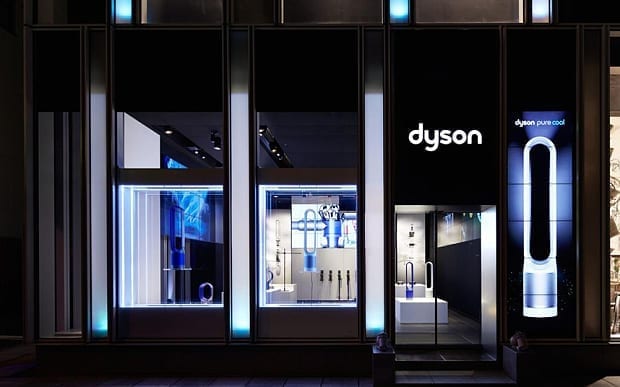
  • Dyson plans to enter India

    Dyson plans to enter India

    UK company Dyson, known for its innovative vacuum cleaners and air purifiers, plans to open its own retail stores in India by the middle of next year.

    It has already sought permission from the Department of Industrial Policy and Promotion (DIPP) to import and sell products in India.

    “If we get the permit, we’ll set up middle of next year,” says founder James Dyson, in New Delhi for the India-UK Tech Summit.

    “Over the first five years, we’ll invest about £154 million [US$190.8 million] in India. Our investment will be in building infrastructure (retail), taxes (to the government), marketing and promotions.”

    India will be the 76th market for Dyson, which in its last overseas foray entered China three years ago.

    “India is an interesting market, but it may take time to develop – unlike China, which has emerged as the third-largest market for Dyson after the US and Japan,” says Dyson.

    Online portals

    The company’s plan is to set up a retail store in each of the top 20 cities in India, as well as selling through other retailers and online shopping portals.

    “Online helps our business,” Dyson says. “We sell through Amazon in some countries and may sell through Amazon in India as well.”

    The company will import products from Malaysia, Singapore and Philippines for the Indian market. Depending on volume, Dyson may look at making products in India after a few years.
    As well as vacuum cleaners, the company will also look at the beauty and hygiene market with hair dryers and hand dryers, as well as LED lighting products.

    Dyson is a family-owned technology company that employs more than 7000 people globally—a third of whom are engineers and scientists.

    “India produces 1.3 million engineers every year – that’s very exciting. We’ll look at working with Indian universities soon,” Dyson says. The company spends £5 million a week in research, design and development, and has more than 200 live technology projects and 50 active research programs with 40 universities around the world.

    Dyson’s revenue rose 26 per cent to £1.7 billion last year while profit increased 19 per cent to £448 million.

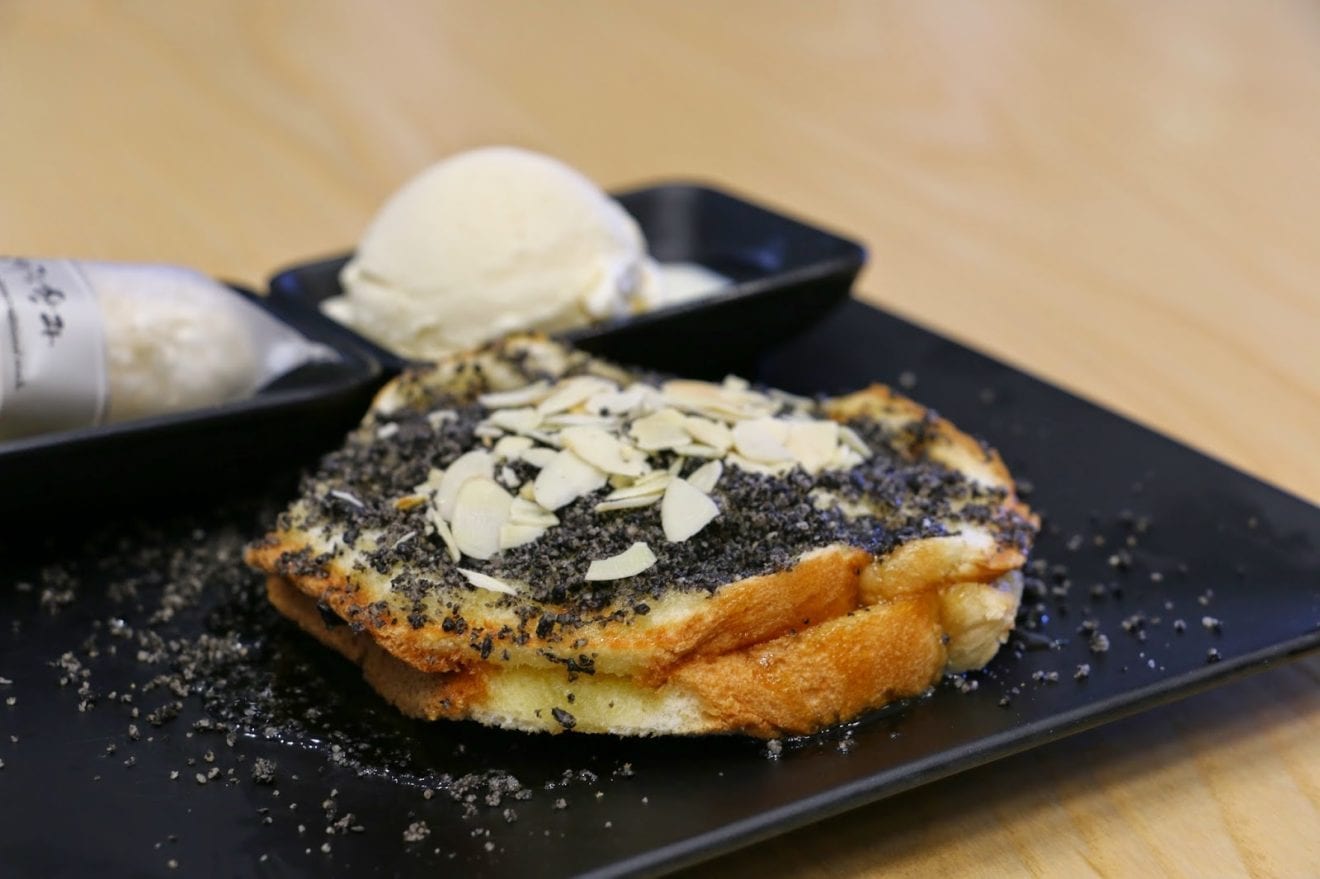
  • Korean cafe boom drives desserts market

    Korean cafe boom drives desserts market

    The booming networks of Korean cafes has driven a huge rise in the country’s dessert market.

    According to data issued by the government, the sector expanded sales by 13.9 per cent in 2014 from a year earlier – the last year for which figures are available – on rising demand for sweets and non-alcoholic drinks.

    The combined value of the local confectionery and non-alcoholic beverages markets stood at 8.9 trillion won (US$7.9 billion) in 2014, up 13.9 per cent from a year earlier, according to the available data compiled by the Ministry of Agriculture, Food and Rural Affairs.

    The dessert market accounted for 10.7 per cent of the country’s entire food service market worth 83.8 trillion won in 2014.

    The ministry said demand for high-end bakeries and cafes led the sharp growth in the dessert market as people tend to spend their time and money more on their health and well-being.

    The confectionery industry posted sales of 4.6 trillion won in 2014, up 10.5 per cent on-year, while sales of the beverage market jumped 16.8 per cent on-year to 4.3 trillion won.

    In particular, coffee shops saw their sales rise 25 per cent on-year to 2.5 trillion won in 2014, taking up 47 per cent of the country’s coffee market including instant coffee packets and drinks.


  • Silvers reject ‘outmoded stereotypes’ on ageing

    Silvers reject ‘outmoded stereotypes’ on ageing

    Retailers and brands need to change the way they market to older consumers if they want to engage them, says a new report by consumer insight firm Canadean.

    Traditional techniques used to market products to older consumers – also called the ‘silver segment’ – are not necessarily relevant or effective today, as the demographic has started to reject outmoded stereotypes associated with aging, according to the report, Speaking to the new Silver: Seniors today vs. tomorrow.

    The report finds that 77 per cent of consumers aged over 55 agree that they feel younger than they are.

    “As the Asia-Pacific region is home to some of the oldest populations worldwide, it is becoming increasingly essential to understand the diverse needs of this growing and dynamic consumer group,” observes Jamie Mills, analyst with Canadean.

    “Often stereotyped and perceived as having a homogenous series of preferences, seniors have historically been categorised and targeted solely by age. However, consumers in this age group are seeking to convey their own identity, style, and personality through the products they buy, and brands should not overlook this.”

    Canadean, which just presented their report yesterday (November 10) at InCosmetics Asia, will explain how the silver segment is evolving through their behavior, preferences, and attitudes, and in doing so identify key innovation opportunities to explore to meet the needs of this redefined consumer.

    The majority of consumers aged over 55 in Asia-Pacific say that they are unconcerned about the age they look or want their looks to reflect their age.

    Mills continues: “One of the most pervasive stereotypes takes a highly youth-centric view towards attitudes towards aging in assuming that older consumers have a universal desire to look younger.

    “However, our research contradicts this view, highlighting a common misconception of this consumer group. It will be essential for brands to challenge these stereotypes in order to unlock the potential of this segment both now and in the future.”

    Canadean provides in-depth market research across the fast-moving consumer goods (FMCG) sector, including food, packaging, ingredients, soft drinks, beer, retail, wines & spirits, cosmetics & toiletries, foodservice, baby food, tobacco and travel & tourism, specialising in conducting online survey panels, producing in-depth market insight country reports through qualitative and quantitative research.