Tag: asia

  • ITU pushes G.fast speeds to 2Gbps

    ITU pushes G.fast speeds to 2Gbps

    ITU standards experts have doubled the access speeds achievable with the G.fast standard, achieving the capability of enabling data rates of up to 2Gbps over traditional copper telephone last mile connections.

    The new standard has achieved first-stage approval, and is expected to see final approval by the end of the year, the ITU said.

    The third amendment of the G.fast standard doubles the aggregate net data rate achievable to 2Gbps using spectrum up to 212 MHz.

    According to the ITU, the update tot he standard maintains spectral compatibility with VDSL2, offering operators the ability to switch customers between the connection technologies as their demand fluctuates.

    “The amendment extends G.fast’s application to coaxial cable, enabling the coexistence of G.fast and satellite signals in coaxial cable infrastructure,” the ITU said in its announcement.

    “The amendment also specifies a mechanism for dynamic time assessment, functionality that enables upstream or downstream transmission to exploit G.fast’s full aggregate net data rate.”

    In addition, the ITU has completed and achieved first-stage approval for standards detailing commonalties in SDN and automatically switched optical networks, tools to meet the expected synchronization demands of 5G systems, and the characteristics of next-generation optical fiber.

  • Yaok offers online service for luxury boutiques

    Yaok offers online service for luxury boutiques

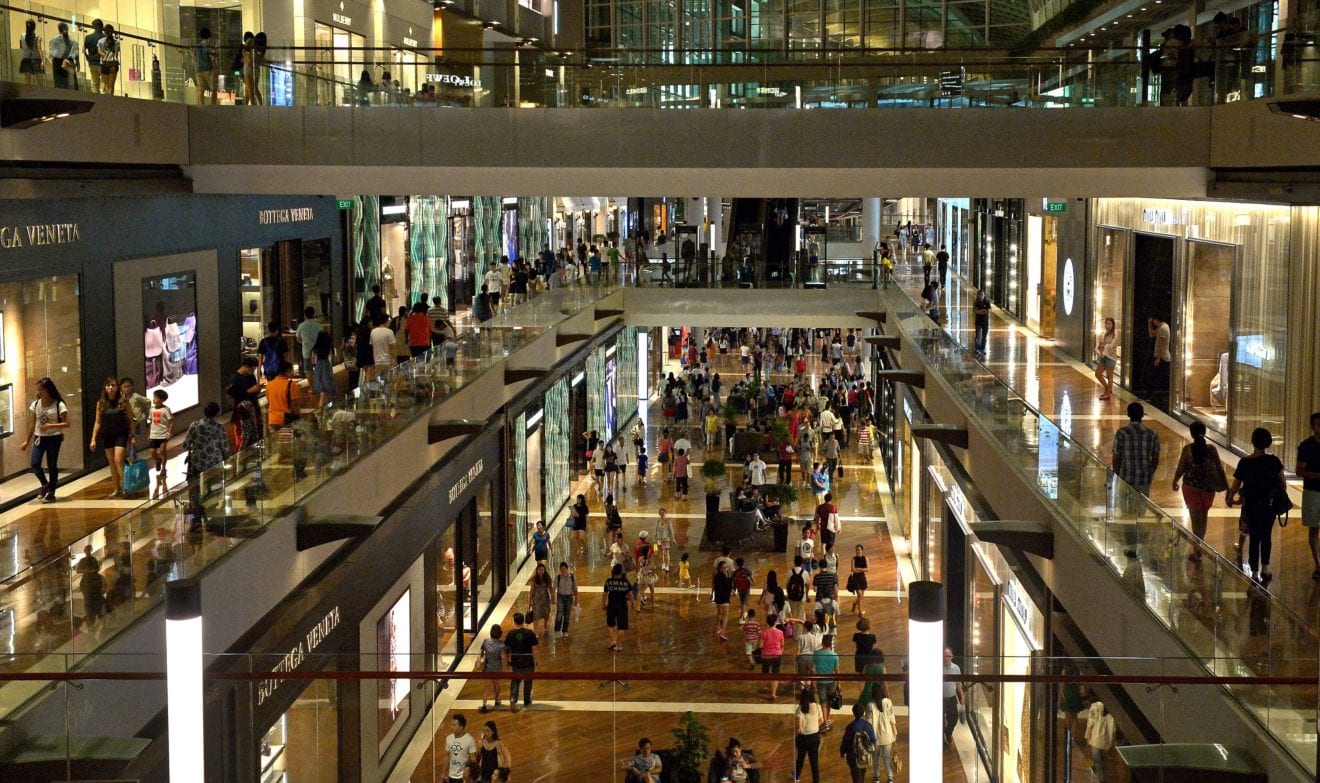
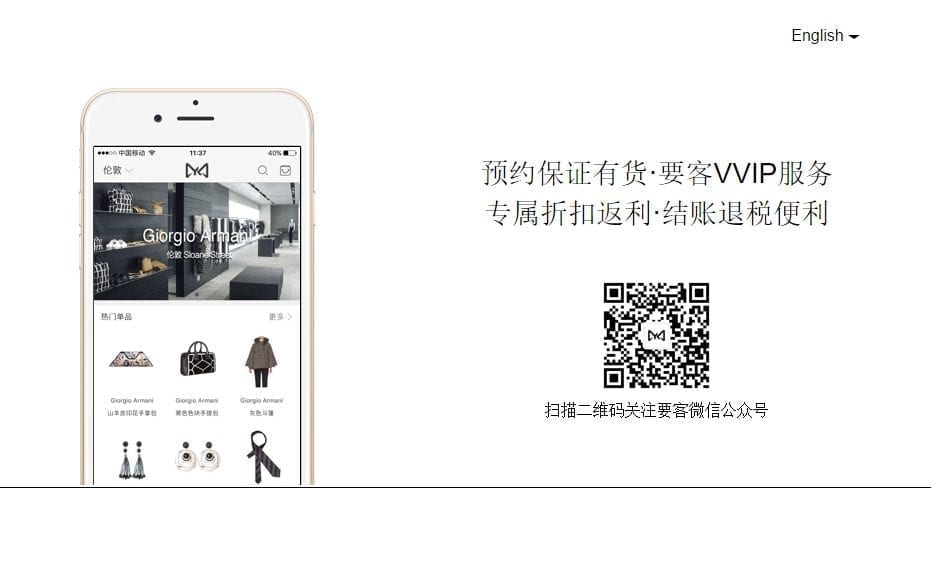
    Chinese company Yaok has built an online reservation service for offline brand boutiques to tackle the online/offline conflict.

    It is the result of 10 years of market research the preparation, including five years of in-depth communication with more than 100 luxury brands.

    Founder/CEO Steven Yao says that many luxury brands, including Chanel and Dior, have realised the importance of the internet, but while finding online partners still have concerns about brand image.

    “Everyone is looking for an online solution, especially one that’s appealing to Chinese consumers,” he says. “Unfortunately, current Chinese online players can’t fulfill luxury-brand needs because of false brand perception, unfit target audience, and lack of control on product authenticity.

    “Some chose to set up their own eCommerce platforms, but found it difficult to attract traffic with one single brand.”

    Through Yaok, a brand can have its own official reservation platform, giving it absolute control in managing its image, product inventory, order status and customer database. It also allows instant communication between brand and customer.

    According to the China’s Fortune Character Institute, 73 per cent of Chinese consumers have a shopping list before overseas travel, 45 per cent of which cannot be fulfilled because of such factors as lack of desired size or model, resulting in loss of sales and unsatisfying customer experiences.

    Agreements in place

    Yaok lets customers reserve products in advance and have VIP services in store. Already the company has global or regional collaboration agreements with most international luxury brands.

    Yao says that when the platform officially launches at the end of next month, products from 80 per cent of luxury brands will be available. Users will be able to make VIP reservations in nine countries and regions.

    He estimates that 500,000 shoppers, all with a net wealth exceeding $2 million, will use Yaok to buy luxury goods globally. Its prestige service is either by invitation only or for current brand VIPs. Applications can be submitted via Yaok app or WeChat, but acceptance is not guaranteed.

    Yaok has completed two rounds of fundraising, with Feng Ye as angel investor.

    Yao was the first CEO for the Hurun Report, the magazine known for its “China Rich List”. Other core Yaok members have also worked in brand houses like Giorgio Armani or Louis Vuitton for more than 10 years.

    Yaok is affiliated to the Fortune Character group, founded in 2008, which specialises in researching the luxury market.

  • Estee Lauder buys out Becca Cosmetics

    Estee Lauder buys out Becca Cosmetics

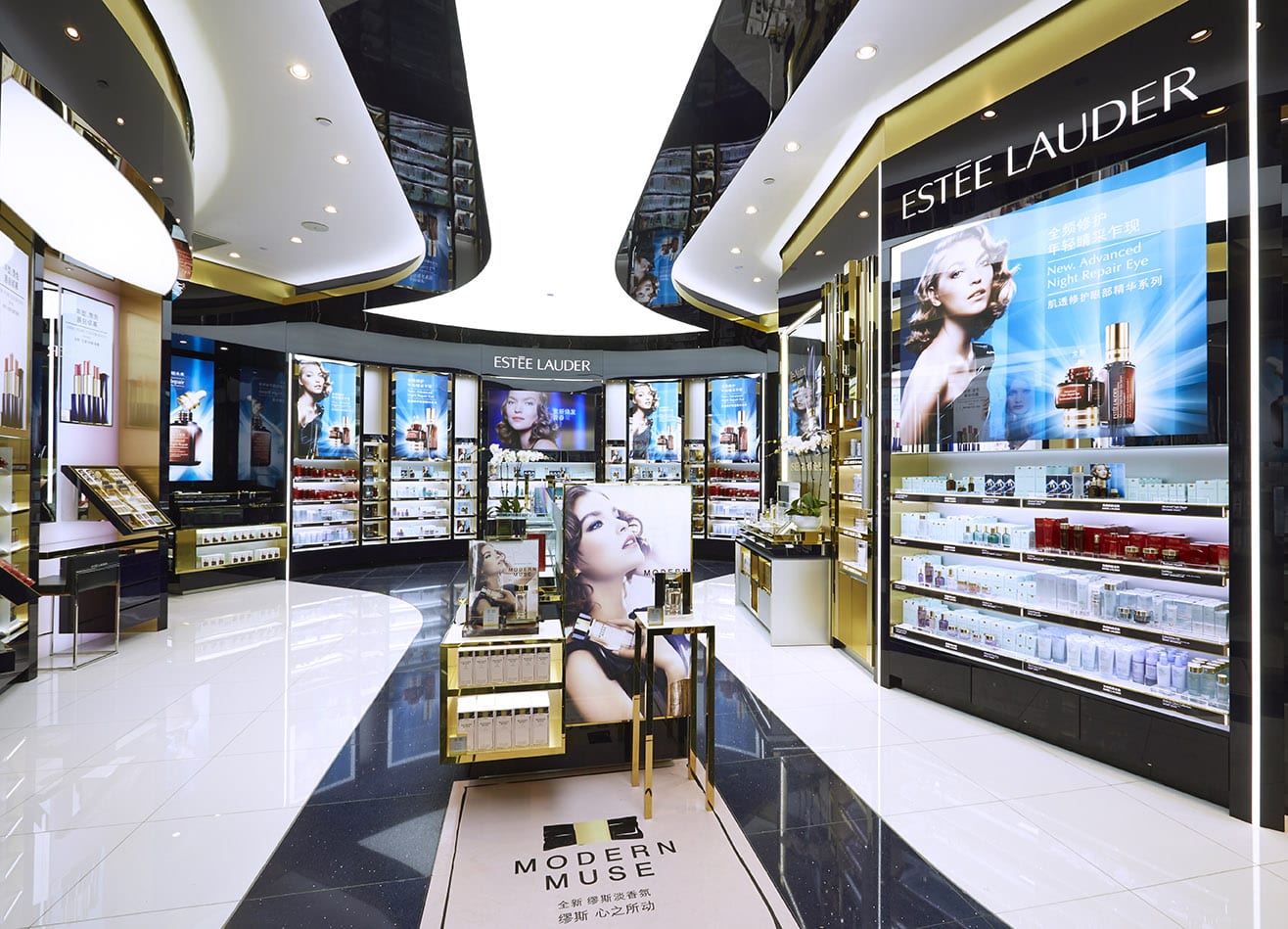
    Estee Lauder has signed an agreement to acquire Becca Cosmetics, a high-growth makeup brand offering complexion and color products that flatter a wide range of skin tones and enhance women’s features.

    Now the beauty giant says it wants to speed up the Becca Cosmetics’ brands rollout in Asia and further abroad.

    While the majority of the brand’s sales are in North America, it is currently engaged in a strategic global expansion with Sephora across Southeast Asia, Europe and the Middle East. Becca Cosmetics has a strong social media presence, with more than 1 million Instagram followers, and an engaged consumer base of all ages and backgrounds.

    Launched in 2001, Becca Cosmetics has experienced exceptional growth for years, with a curated product line-up including primers, concealers, foundations, blushes and highlighters that use “the beauty of light” to enhance the complexion. Most of the brand’s foundations are available in up to 20 shades, with half designed for medium to deep tones and half designed for light to medium tones.

    Since 2011, Becca has been led by president and CEO Robert DeBaker, and CFO/COO James MacPherson. It has been part of Luxury Brand Partners’ portfolio since 2012. The brand has a robust presence in specialty multi retailers Sephora and Ulta in North America, and is also sold in select department stores, as well as through BeccaCosmetics.com.

    “Becca Cosmetics is a wonderful addition to our portfolio of prestige beauty brands,” said Fabrizio Freda, president and CEO of The Estee Lauder. “Its unique focus on complexion products that flatter a wide range of skin tones, combined with its sophisticated yet accessible consumer and digital engagement across channels has inspired a devoted fan base. We see terrific growth opportunities for Becca as it expands globally and continues to cultivate its online and digital expertise.”

    “The Estee Lauder Companies is the ideal home for Becca,” said DeBaker. “The company has the scale and vision to help elevate Becca to its next phase of growth while encouraging us to continue to build our unique brand equity. We believe that beauty products should reflect a diverse range of skin tones and help all women create a naturally beautiful, yet individual look – and ELC is incredibly supportive of our mission.”

    Estee Lauder is one of the world’s leading manufacturers and marketers of skin care, makeup, fragrance and hair care products, its brands sold in more than 150 countries and including Estee Lauder, Aramis, Clinique, Lab Series, Origins, Tommy Hilfiger, Mac, Bobbi Brown, Donna Karan New York, Aveda, Jo Malone London, Michael Kors, Tom Ford, Smashbox, Ermenegildo Zegna, Tory Burch, Glamglow and By Kilian.

    Terms of the deal were not disclosed. The acquisition is expected to close in November.

  • Singapore, Manila rise in retail rent rankings

    Singapore, Manila rise in retail rent rankings

    The data may be a little dated, but Asian cities are holding their own in the retail rent rankings.

    New York’s Fifth Avenue still tops the list with an average rent of US$3500 per sqft per year. Hong Kong’s Causeway Bay is cemented in second place at $2399 and the Champs Elysee in Paris a distant third at $1372.

    (It should be noted, the list ranks the single most most expensive shopping strip in each country, not overall.)

    Data released by Cushman Wakefield this month – albeit more than a year out of date – shows the Philippines making the biggest gain: retail rental rates in Manila’s Bonifacio Global City High St were a mere US$56.40 per sqft per annum, but that is enough to make Manila 51st on the top 65 list – up eight places.

    Singapore’s Orchard Rd ranked 14th – up two places – at $336.80 and Taipei’s ZhongXiao East Rd 20th, up three places, at $273.20.

    The Ginza in Tokyo,  Japan, ranks a modest eighth at $881.90 in a virtual tie with Myeongdong in Seoul, Korea at $881.80.  The Ginza has fallen from sixth in last year’s survey, while Myeongdong has dropped from eighth.

    Cushman & Wakefield stresses that the global rankings focus on high street locations. This excludes mall rental rates – and in cities like Manila, Bangkok and Kuala Lumpur, malls dominate the premium retail landscape, not high street strips.

    Vietnam’s Ho Chi Minh City CBD retail rents are more expensive than in Bangkok at $150.50 for 32nd place, and $125.40 for 35th respectively. Bukit Bintang in Kuala Lumpur, Malaysia, ranked 40th (up one place) at $111.

  • Bangladesh’s oldest cellco set to lose license

    Bangladesh’s oldest cellco set to lose license

    Bangladesh’s oldest mobile operator Citycell is on track to losing its license after failing to pay its required license and related fees.

    The CDMA-based Citycell had its spectrum revoked last week, and now the Bangladesh Telecommunication Regulatory Commission (BTRC) is seeking permission from the government to revoke the operator’s license.

    Citycell owes dues of 4.77 billion taka ($60.8 million), which include unpaid spectrum renewal fees, license fees, late fees and value-added tax.

    The Supreme Court had ordered Citycell to pay two thirds of the amount owed by October 19, but the operator only managed to pay 1.3 billion taka, and its spectrum was accordingly revoked the next day.

    The BTRC has been advising Citycell customers since the end of July to switch to another operator in preparation for the shutdown.

    Citycell commenced operations in 1993, but found itself relegated to a niche player as GSM outmatched CDMA by popularity. At its peak in 2011 the operator had around 1.9 million customers.

    Singtel is the largest shareholder in Citycell with a 44.54% share, while Far East Telecom has 17.51% of the company. These shareholders have been attempting to sell Citycell’s license for several years but have not found any buyers.

  • iPhone 7 debut in South Korea hurts Samsung

    Apple Inc’s iPhone 7 went on sale in South Korea yesterday, seeking to fill a void left by archrival Samsung Electronics Co on its home turf following a damaging recall fiasco over the Note 7 smartphone.

    The South Korean electronics giant discontinued the Note 7 — one of its key iPhone challengers — on Tuesday last week following reports that replacements for combustible models were also catching fire.

    The decision is set to cost Samsung billions of US dollars in lost profits and there are already signs that Apple is reaping some of the benefits.

    Samsung shares fell nearly 2 percent yesterday as iPhone 7 hit stores across the nation.

    An official at mobile carrier Korea Telecom said the first batch of 50,000 iPhone 7s it put up for preorder a week ago sold out in 15 minutes.

    “I would attribute part of that to the Note 7 effect,” said the official, who declined to be identified because he was not authorized to talk to the media.

    Customer defection is one of Samsung’s biggest concerns, especially as the Note 7 was specifically aimed at taking on the iPhone in the premium handset market.

    In the hope of retaining customer loyalty, Samsung had offered Note 7 users a 70,000 won (US$60) phone bill credit if they swapped their faulty phones for another Samsung handset.

    The half-dozen customers buying the new iPhone at a Korea Telecom store in central Seoul yesterday were all long-time Apple users who had preordered their handsets.

    Office worker Lee Kyung-hee, 34, said she had moved fast when the preorder service opened, fearing a surge of interest from unhappy Note 7 owners.

    “I set an alarm and was very quick,” Lee said.

    In South Korea, retail prices for the iPhone 7 and 7 Plus start from 869,000 won and 1.02 million won respectively for the basic 32GB models.

  • Starbucks plans to double its stores in China to 5000 by 2021, opening a new one every day

    Starbucks plans to double its stores in China to 5000 by 2021, opening a new one every day

    Starbucks announced that it plans to double the number of its stores in China from more than 2,300 to 5,000 by 2021. According to CNN, Starbucks says that it will open more than one new store a day for the next five years.

    To oversee this task (which Starbucks also hinted at in January), the company promoted Belinda Wong to Starbucks China CEO. According to the company’s official statement, Wong will also be in change of “digital and e-commerce opportunities across China,” as well as the opening of Starbucks’ first international Roastery and Reserve Tasting Room in Shanghai in 2017.

    belinda_wang.jpgAs Starbucks China’s former president, Wong led a team that drove the company’s growth in China from 400 stores in 2011 to more than 2,300 stories currently, operating in over 100 cities.

    The 45-year-old Starbucks Coffee Company opened its first store in China 17 years ago. In an interview with CNN, Starbucks CEO Howard Schultz discussed the initial road bumps the company encountered in the tea-obsessed country. “We had to educate and teach many Chinese about what coffee was — the coffee ritual, what a latte was… So in the early years, we did not make money,” Schultz said.

    Since then, excluding some meat scandals, Starbucks China’s business has been doing quite well. The South China Morning Post reports that “Starbucks’ second-quarter sales rose 18% in China, a faster pace than the company’s worldwide revenue increase of 9% over the same period.” Starbucks’s growth is even more impressive given that China’s economic growth was just 6.7% this quarter (again).

    Compared to Starbucks, other Western brands have not fared so well in China. Disappointed with its poor profits and earnings for the third quarter this year, the CEO of Yum Brands, which owns KFC and Pizza Hut, has pointed blame at the South China Sea ruling. This rise and fall of Western food brands is also apparent in retail brands.

    Hopefully customers will show as much loyalty to the company as one “Starbucks uncle” during the recent flooding in Hong Kong.

  • Alibaba Group promises to redefine retail as it sets the clock ticking for Singles Day shopping festival

    Alibaba Group promises to redefine retail as it sets the clock ticking for Singles Day shopping festival

    Alibaba Group has started the clock on the Global Shopping Festival it will hold on November 11, which is known as Singles Day in the Chinese market where it dominates online shopping.

    The retailer, which trades through marketplace sites including Alibaba.com and TMall, has unveiled its plans for a festival that’s set to include a countdown gala, an eight-hour live streamed fashion show, virtual reality shopping, interactive games and more.

    These are all innovations aimed at enabling almost 100,000 merchants to build their brands, as well as engage with and sell to the hundreds of millions of Chinese consumers it predicts will shop on its marketplaces during the festival.

    Last year’s event, saw goods worth £9.3bn sold via the group’s websites.

    The press launch alone was attended by brands from Macy’s and Costco through to Swisse and eMart. There, Daniel Zhang, chief executive officer of Alibaba Group, said, “11.11 Shopping Festival has become the global retail benchmark over the past seven years, and we have raised the bar again this year to redefine the retail experience for consumers together with our merchants from around the world.”

    Zhang continued, “11.11 has evolved far beyond a 24-hours sales event. From today through November 11, consumers will discover, explore, play, watch, comment, share, recommend and shop across our entire ecosystem with our merchants both online and offline. Leveraging our robust infrastructure, global merchants have been empowered with unprecedented capability to seamlessly engage and serve customers through new technology and new environments.”

    Highlights of the Global Shopping Festival will include a Tmall eight-hour fashion show in Shanghai in which 50 international brands and 160 models will take part. It will be streamed live via Tmall and Taobao mobile apps that viewers can use to pre-order items as they appear on the catwalk.

    Shoppers will be able to use virtual reality to buy, as Alibaba pilots Buy+, billed as the world’s first complete virtual reality (VR) shopping experience. Those who use it will be virtually transported to select retail stores internationally, where they can experience the entire shopping process from product selection to payment, all via VR.

    In the run-up to the event, more than 600 international brands are streaming live broadcasts on Tmall to tell consumers about their brand and the deals and products they’ll be offering on 11.11.

    Katy Perry will headline the 11.11 Global Shopping Festival Gala on November 10.

    The event will link online and offline: Alibaba believes the future of commerce is not online only but will integrate the online and offline experience. A location-based augmented reality mobile, to be released two weeks ahead of the festival, will enable consumers to follow the Tmall Cat across the online and offline retail ecosystem: offline partners include shopping malls in Beijing and Shenzen, Shanghai Disneyland, KFC and Starbucks. Alibaba is also working with more than a million offline shops to present consumers with a joined-up experience.

    The retailer also promises each consumer a personalised shopping experience, thanks to the use of big data that will drive tailored product recommendations, search results, and user-generated content.

    The retailer is also focusing on going global, and aims within 10 years to serve two billion consumers, while supporting 10m small businesses, brands and retailers. The 2016 11.11 Global Shopping Festival includes a ‘buy globally, sell globally’ initiative that focuses on making Alibaba a gateway for international brands and merchants to sell to consumers in China. Meanwhile, it is also piloting approaches to supporting global retailers and brands as they sell beyond China. It is taking its infrastructure, including logistics and payments to Hong Kong and Taiwan – the first steps in its expansion strategy.


  • Retailers get boost with halal e-market

    Retailers get boost with halal e-market

    With nearly 60 merchants on board, including 55 SMEs, the launch of Aladdin Street gels with the Government’s push for retail firms to use e-commerce to reach out to more customers.

    The platform, which will eventually have offices in 30 countries, aims to promote halal products as a healthy, premium option even for non-Muslims.

    Aladdin Group, the company behind the e-marketplace, is headquartered in Kuala Lumpur, Malaysia.

    The businesses were screened for quality and compliance with halal standards by an in-house team, and operate in industries that range from food and beverage to cosmetics to fashion.

    Aladdin Group co-founder Sheikh Muszaphar Shukor cited a “growing acceptance” of the health benefits of halal products even in non-Muslim countries.

    But a lack of reliable marketing platforms means only a fraction of the demand can be met, he said.

    Noting that Singapore is one of the largest importers of halal products, he said: “Given the country’s good track record in governance and high standards of halal compliance, Aladdinstreet.com.sg will help these SMEs access this market to its fullest potential.”

    Ms Jacinta Ong, 40, who founded tea retailer Tea Ideas, sells her products through a blogshop and at roadshows in malls.

    She has not set up a permanent stall because of the high rental and manpower costs.

    “I think the right way forward is going online and collaborating with other retailers to harness demand in the halal market,” she said.

    Vielkaline founder Gavyn Lim, 38, said the platform would help him target big halal markets such as the Middle East.

    The firm sells alkaline ionised mineral water.

    “The entry barrier to putting my products up for sale at supermarkets is too high,” he said. “It is a lot cheaper to put them online.”

    The Singapore Chinese Chamber of Commerce and Industry (SCCCI) said yesterday that it is stepping up efforts to help local SMEs innovate and digitise their businesses.

    Last year, it took SMEs to Beijing and Shenzhen to learn about e-commerce business models in these Chinese cities and how they could penetrate the China market.

    This month, SCCCI organised a trip to Silicon Valley in the United States so SMEs could engage with businesses there to explore potential collaborations.

    It said it would continue to work with government agencies to help SMEs identify suitable partners to support innovation efforts.

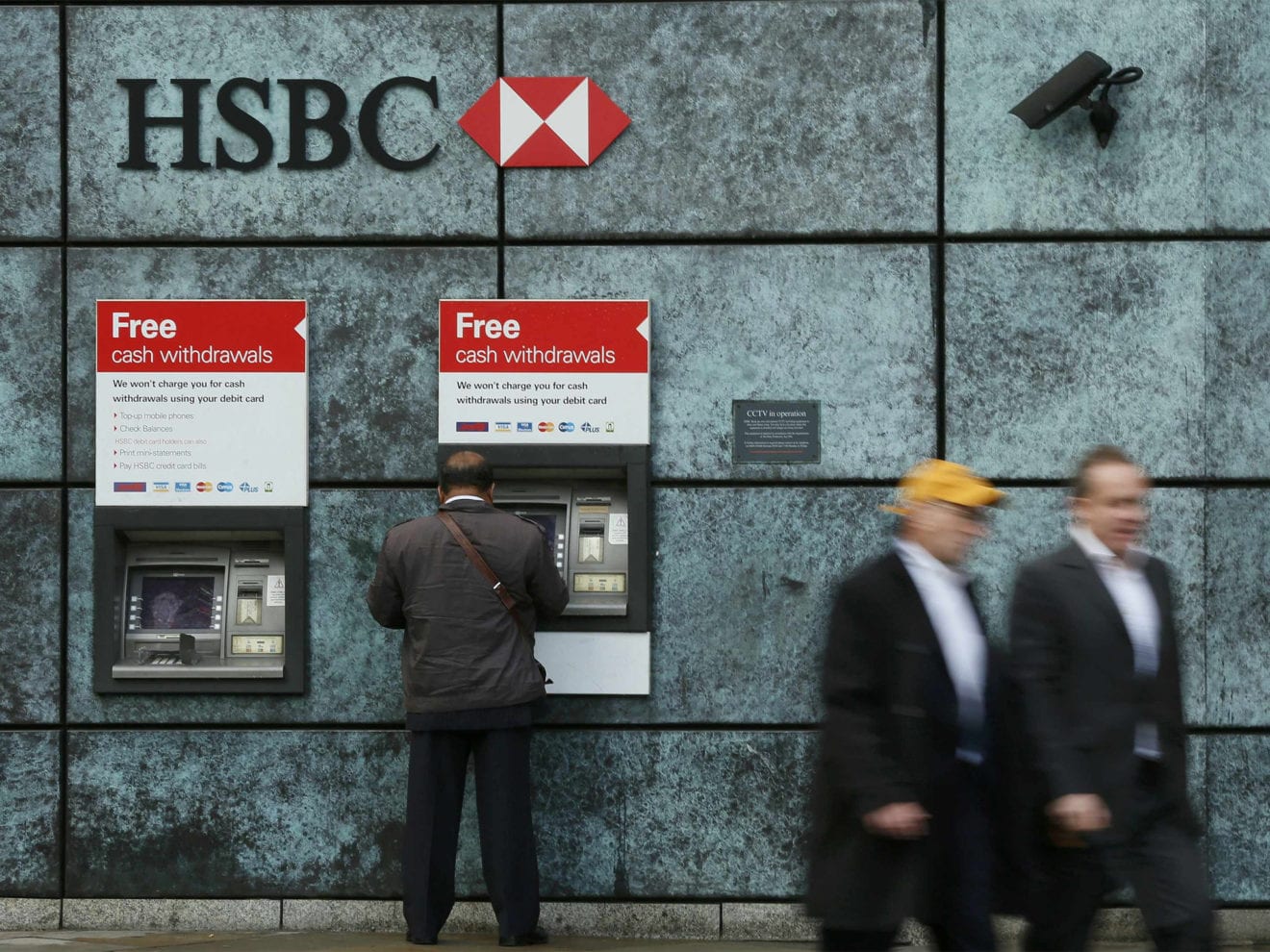
  • HSBC plans to inject $1 billion into Indonesia business

    HSBC plans to inject $1 billion into Indonesia business

    HSBC plans to inject $1 billion of additional capital into its combined Indonesian business with PT Bank Ekonomi Raharja, an official at the Indonesian financial regulator, Ariastiadi, said on Thursday.

    HSBC separately said it would integrate its Indonesian business with Bank Ekonomi, but a bank spokeswoman in Indonesia declined to comment on the planned capital injection.

    The move would help to resolve a long-running issue for HSBC in Indonesia, where the government has encouraged banks in the country to operate via a single locally incorporated entity.

    Since the 2008/09 global financial crisis, local regulators have encouraged banks in their jurisdictions to incorporate themselves locally in order to make them easier to police and to ring-fence them from external shocks.

    Before the integration, HSBC operated its own branch on top of having a controlling stake in Bank Ekonomi.

    HSBC last year offered to buy out the minority shareholders of Bank Ekonomi and delist the Indonesian lender from the Jakarta stock exchange.

    Under the integration process, all the assets and liabilities of HSBC Indonesia will be transferred to the combined entity, which will be called PT Bank HSBC Indonesia, said HSBC’s Indonesian legal consultant, Kemal Siregar.

    HSBC shares were down 1 percent in London by 0940 GMT, while the benchmark FTSE 100 index () remained flat.

  • Industry risks startup bubble

    Industry risks startup bubble

    Kaskus co-founder Ken Dean Lawadinata has broken his silence after marching out of one of Indonesia’s most prominent technology platforms, citing higher “risk” in the industry and even “a little bit of a bubble”.

    “I think right now the IT market is in a bit of a bubble in Indonesia, with everyone asking ridiculous valuations without any signs of profit in the near future,” local media quoted the 30-year-old, who brought Kaskus to fame in 2008 with his cousin Andrew Darwis.

    This — just days after Go-Jek co-founder Michaelangelo Moran also announced he had quit his popular company — has generated concerns over the state of Indonesia’s young and thriving startups, companies that have seen many investments flow in with little details and no guarantees about their revenues and profitability.

    “There is a marginal bubble forming because of the involvement of foreign investors, hence the global nature of the industry’s fears,” says Naveen Menon, head of communications, media and technology practice at A.T. Kearney.

    Foreign investors are flocking into startups operating in the country, with the biggest funding ever for a local startup rounded up by Go-Jek in August worth US$550 million from American private equity firms KKR and Warburg Pincus.

    “Indonesia’s startup scene is starting to look crowded, but compared to other markets such as India or the USA, it’s relatively small and still generating huge interest among investors,” he added.

    There are over 2,000 startups in Indonesia, most of which are valued at less than $10 million, according to a Google-Temasek report. The middle-income segment of the country is flourishing and internet users are expected to double by 2020 from over 100 million users at present, the world’s fifth largest figure.

    Even if startup investors are running higher risks, Naveen explained that it was very common for them to invest in unprofitable companies due to a scale effect, or a network effect.

    “Basically, investors in the startup system are giving up short-term gains for massive long-term gains. They just need one of their invested startups to become successful in order for them to say that they have succeeded,” he said.

    Startups and venture capitalists (VCs) have told that they see no bubble bursting in the near future as they are banking on the growth potential of the young industry.

    “I would see it not as a bubble, but more of a challenge of market and price adjustment,” said Sebastian Togelang, founding partner of Kejora, a local VC firm that focuses on building companies.

    The technology industry is well prepared to prevent bubbles from bursting because of lessons learned from the 2000 dotcom bubble burst, when tech firms in developed countries crashed and burned after going public based on unrealistic valuations, he said.

    “Everyone is being cautious and that’s a good thing for both parties,” Sebastian added.

    These days, fewer tech companies are going for initial public offerings (IPOs) and when they do, it takes more time and more maturity to do so, according to data from McKinsey Indonesia.

    Over 50 companies in the US are targeting IPOs in 2014, versus 371 in 1999, while median years to IPO stood at 11 years in 2014 from four years in 1999. In terms of networks, there are now 14 billion connected devices worldwide from half a billion in 1999.

    Metra Digital Innovation (MDI) Ventures CEO Nicko Widjaja said Indonesia was far from a bubble because many startups were funded by corporate ventures with big scales that had yet to reach their optimum levels.

    Local corporate ventures into the digital startup sector include those operated by Bank Mandiri and Bank Sinarmas, along with Telkom Indonesia’s Indigo Accelerator program, which Nicko and MDI are aligned with.

    The concerns over a bubble burst in the tech scene may have emerged in the first place because of a perceived “winter” for venture capital in Indonesia. For almost a year, fundraising has been more difficult due to a more cautious approach taken by both investors and startups in seeking profitability, VCs said.

    Startups admit that their focus is indeed on growth and eventual profitability, but the main aspect of their operations revolves around the effects of their business in changing the way people shop, travel, transact and use a wide range of services online.

    “From the start, one of our main focuses has always been on growth,” Go-Jek’s chief marketing officer Piotr Jakubowski said, admitting that satisfying investor returns on investment remained a “process”.

    “Our best takeaway is the fact that we continue to inspire new businesses and we are also innovating and growing in a way that’s beneficial for consumers.”

    E-commerce firm Blibli.com is of the view that the startup scene will continue to grow so long as enterprises serve to benefit the public.

    “In the end, it’s about educating the market, especially in e-commerce, which is something relatively new. It’s teaching people to try online shopping,” Blibli.com senior marketing manager Deny Agsana said.

  • Apollo Tyres setting up around Rs 3,460 cr greenfield plant in Hungary

    Apollo Tyres setting up around Rs 3,460 cr greenfield plant in Hungary

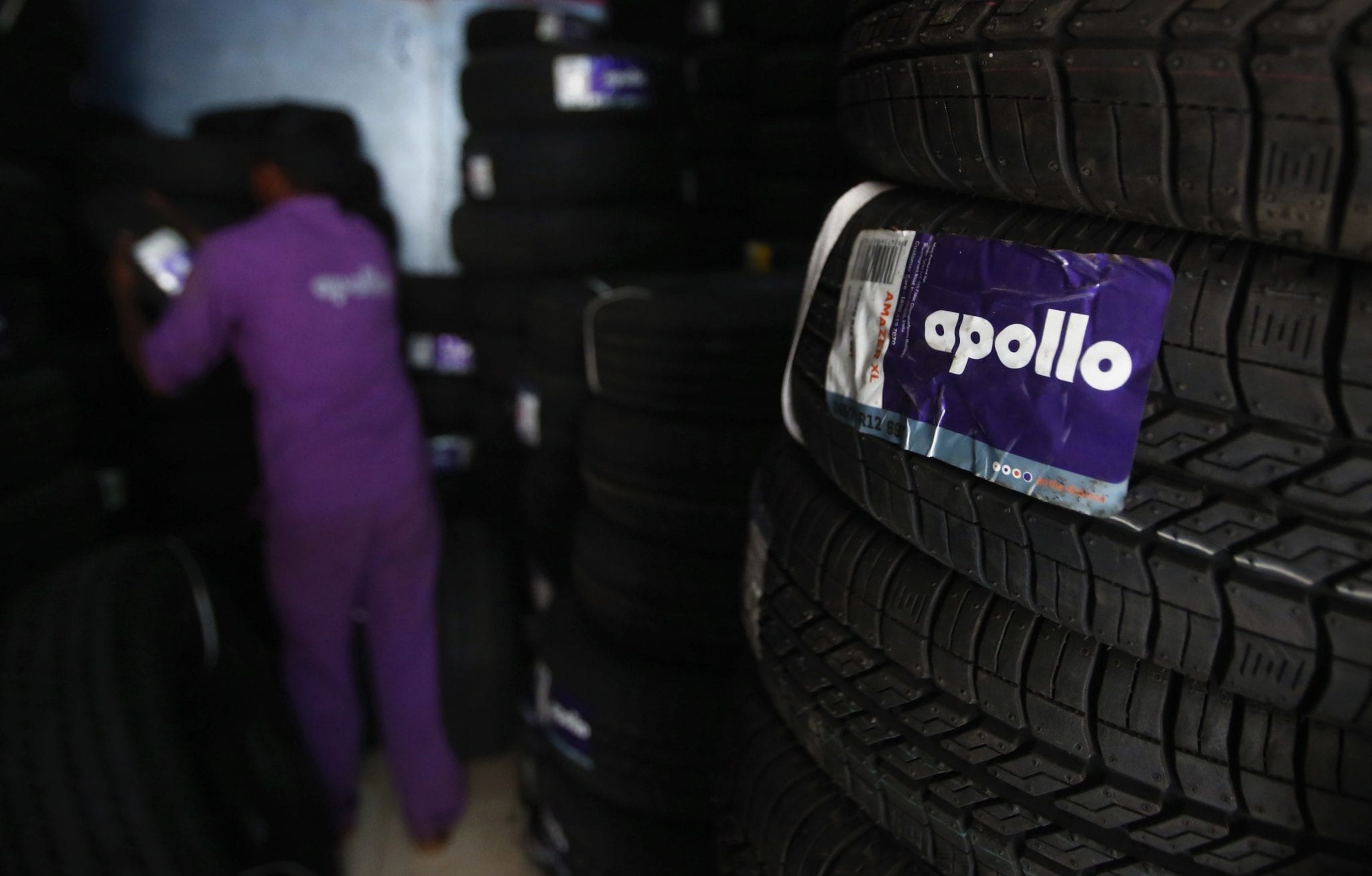
    Apollo Tyres is setting up Europe’s largest greenfield plant in Hungary with an investment of 475 million euros to produce nearly 62 lakh tyres for passenger cars and heavy commercial vehicles per annum.

    The facility at Gyongyoshalasz, located less than 100 km from here, will start production early next year and it will produce tyres to cater to the entire European market.

    “Construction of Apollo Tyres’ first European greenfield plant at Gyongyoshalasz has started on April 10, 2015 and we will start production in early 2017. It will be Europe’s largest greenfield tyres plant,” Apollo Tyres (Hungary) KFT, Head – Project Controller, Amitabh Arya told .

    The Hungarian facility will be a state-of-the-art plant and once completed it will have a capacity to produce 5.5 million (55 lakh) passenger car and light truck (PCLT) tyres and 6,75,000 heavy commercial vehicle (HCV) tyres per annum.

    The total investment in the facility will be 475 million euro (about Rs 3,460 crore) and the Hungarian government was very excited about the investment from a leading Indian company.

    Hungarian Prime Minister Viktor Orban, at a joint press conference with visiting Indian Vice President Hamid Ansari last week, had specifically mentioned about the Apollo Tyres plant saying it was one of the largest foreign investments in Hungary.

    The Gyongyoshalasz facility will produce both Apollo and Vredestein branded tyres and will cater to the entire European market.

    Apollo Vredestein B.V. is part of Apollo Tyres Ltd and has its head office in Enschede, the Netherlands. It designs, manufactures and sells high-quality tyres under the Apollo and Vredestein brands in Europe and North America.

    Onkar S Kanwar headed Apollo Tyres Ltd, with its corporate headquarters in Gurgaon, is in the business of manufacture and sale of tyres since its inception in 1972.

    The company has grown manifold, establishing its footprint across the globe. It has manufacturing units in India and The Netherlands.

    The company markets its products under its two global brands – Apollo and Vredestein, and its products are available in over 100 countries through a vast network of branded, exclusive and multi-product outlets.

    At the end of its financial year on March 31, 2016, Apollo Tyres had clocked a turnover of USD 1.8 billion, backed by a global workforce of around 16,000 employees.

  • Apple, Deloitte enter mobile business tie-up

    Apple, Deloitte enter mobile business tie-up

    Apple and Deloitte has entered into a partnership to help companies transform the way they work by taking advantage of the iOS platform.

    As part of the joint effort, Deloitte is creating a first-of-its-kind Apple practice with over 5,000 strategic advisors who are solely focused on helping businesses change the way they work across their entire enterprise.

    Apple and Deloitte will also collaborate on the development of a new service offering from Deloitte Consulting called EnterpriseNext, designed to help clients fully take advantage of the iOS ecosystem of hardware, software, and services in the workplace.

    The new offering will help customers discover the highest impact possibilities within their industries and quickly develop custom solutions through rapid prototyping.

    “We know that iOS is the best mobile platform for business because we’ve experienced the benefit ourselves with over 100,000 iOS devices in use by Deloitte’s workforce, running 75 custom apps,” said Punit Renjen, CEO of Deloitte Global.

    “Our dedicated Apple practice will give global businesses the expertise and resources they need to empower their mobile workforce to take advantage of the powerful ecosystem iOS, iPhone, and iPad offer, and help them achieve their ambitions, while driving efficiency and productivity.”

  • GM to add SUV production line at China JV in 2017

    GM to add SUV production line at China JV in 2017

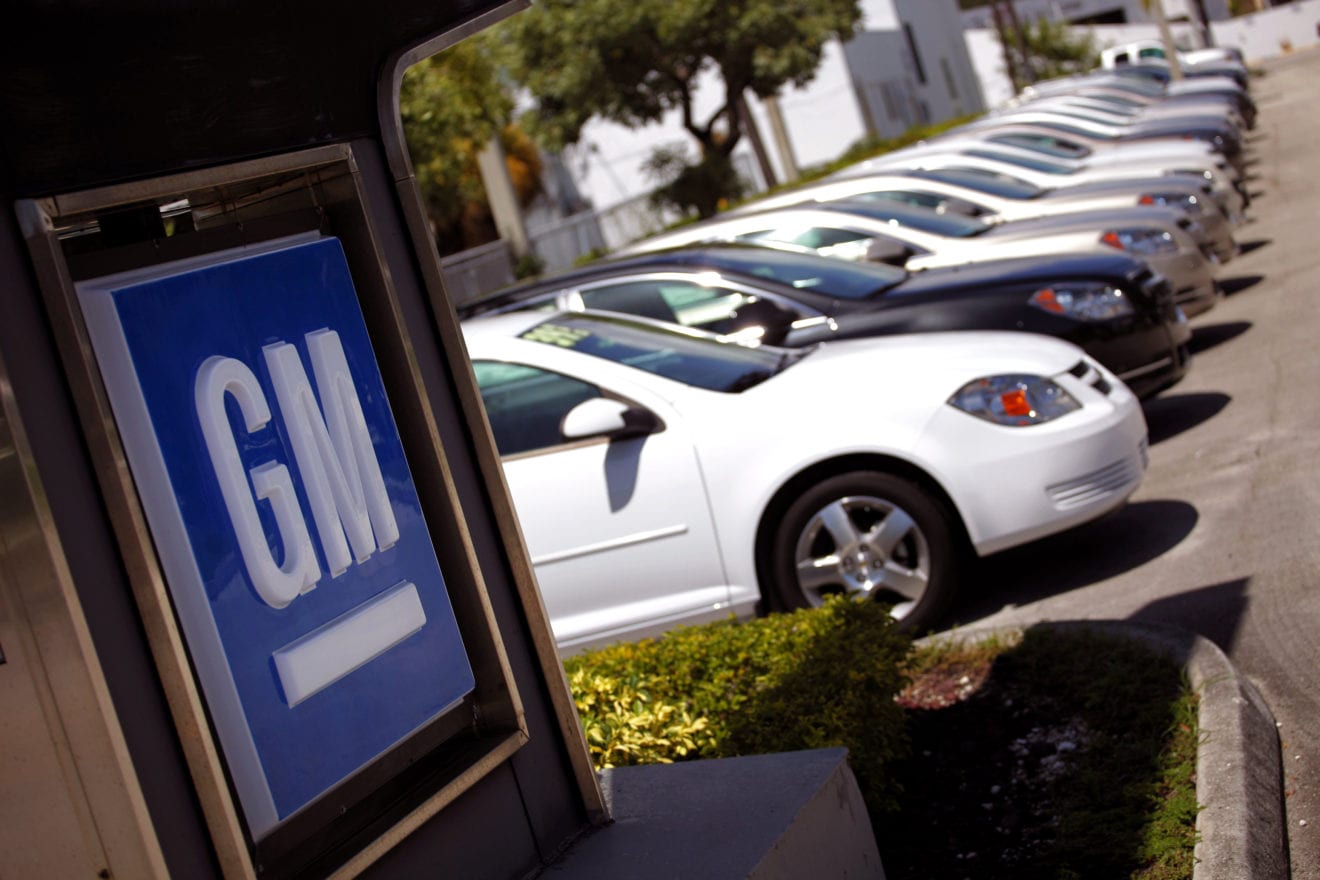
    General Motors Co (GM.N) plans to launch a new SUV production line at its joint venture factory in the Chinese central city of Wuhan during the first half of 2017, the official Xinhua News Agency reported on Sunday, citing company sources.

    SAIC General Motors (SGM), a joint venture between China’s SAIC and General Motors, started operations at the Wuhan plant last year. The new production line will be able to produce 360,000 vehicles a year, bringing the combined capacity to 600,000, Xinhua said.

    SGM said it has invested 7.5 billion yuan ($1.1 billion) for the new production line, which has been under construction since January 2015, the news agency reported. It will manufacture a new generation of GM Chevrolet Equinox SUVs.

    The plant generated revenue of nearly 23 billion yuan ($3.4 billion) in the first nine months of this year, Xinhua said.

    GM’s China chief Matt Tsien told a press conference in March that Wuhan plant was operating at maximum utilization, and a planned second phase is being added there that will double capacity.

    He said that sport-utility vehicles, multi-purpose vehicles and luxury cars will continue to be hot segments in China going forward, with SUVs and MPVs accounting for 40 percent of firm’s overall China growth to 2020.

  • Multi-device use on the rise in Asia

    Multi-device use on the rise in Asia

    Multi-device usage is on the rise in Asia, and users in the region interacting with their screens in increasingly complex ways. according to a new report from marketing company Appier.

    The report is based on an analysis of Appier-run campaigns and websites embedded with Appier site tag in Japan and across the region, and entails the company analyzing over one trillion campaign data points.

    According to the report, multi-device use is accelerating in Asia, and the number of multi-device users using more than four screens have increased by 40% compared to the second half of 2015.The number of users on more than four screens increased at a faster rate than those using three in markets such as Hong Kong (+16%), Japan (+11%), Malaysia (+17%) and Singapore (+15%). Moreover, cross screen campaigns outperform single screen campaigns to the tune of 67% in North Asia, 10% in developed markets and 16% in developing markets.For marketers, the evidence is that Asian users are ‘cross screening’ more than ever, and is an area that is crucial for marketers here. Moreover, the report also noted that the high number of devices in use also lends itself to usage patterns that will only get more complex and interconnected.

    Indeed, a wide variation in the final converting device among cross screen conversions paths across Asia was observed, with PCs and smartphones playing the greatest role in both driving awareness and conversions.

    “This latest report shows that cross screen is key in Asia, as users move between a growing number of screens in increasingly complex ways. One size does not fit all, and businesses need to consider how different messages and formats can help them connect with their audience across all screens,” said Caroline Hsu, the CMO of Appier.

    “Understanding these interconnections will allow marketers in the region to reach their users at various touch points in their journey, leading to more meaningful engagement throughout,” she said.

    PCs and tablets still relevant

    Smartphones are driving the greatest number of cross screen conversions at place like Hong Kong, Philippines, Malaysia, South Korea and Vietnam, though countries such as India and Singapore are seeing conversions on PC that outweigh those on smartphones.

    But while smartphones generate a greater number of page views and non-purchase actions taken on websites, PCs dominate in Asia when it comes to actual purchases. And with PC and tablet accounting for nearly a quarter and a fifth of conversions, respectively, there is no question that they are still relevant.

    Moreover, an examination of usage patterns also highlights the continuing significance of PCs and tablets in the region. Despite representing only about a third to a fifth of reachable devices, PCs generate 70% more volume of web usage than smartphones.