Tag: asia

  • SmarTone deploying 4G at two new HK rail lines

    SmarTone deploying 4G at two new HK rail lines

    Hong Kong mobile operator SmarTone is extending its 4G coverage to two new MTR rail network extensions.

    The operator announced it has provided full turnkey multi-operator integrated radio systems to the new Kwun Tong Line Extension, covering the Whampoa and Ho Man Tin stations, under contract from MTR Corporation (MTRC).

    By the end of the year SmarTone also plans to extend 4G coverage on all South Island Line (East) stations.

    The mobile systems will incorporate the latest LTE-Advanced technologies including tri-band carrier aggregation.

    “With the extension of our 4G coverage, SmarTone customers enjoy an outstanding mobile experience on the new MTR Kwun Tong Line Extension. We have also been working closely with MTRC to upgrade and expand the capacity of the existing MTR urban lines, which include the high-traffic stations on the Island Line, Kwun Tong Line and Tsuen Wan Line,” SmarTone CEO Stephen Chau said.

    “SmarTone will continue to invest in spectrum and LTE-Advanced Pro / pre-5G technologies within the next few years to provide a superior customer experience and to evolve SmarTone’s network into an advanced, dynamic and cloud-based network architecture.”

  • China’s garment retail sales grow 7.2% in Jan-Sept ’16

    China’s garment retail sales grow 7.2% in Jan-Sept ’16

    Retail sales of garments, footwear, hats and knitwear of Chinese enterprises above designated size increased 7.2 per cent year-on-year during the first nine months of 2016. The total value of retail sales of these goods was 1,002 billion yuan ($148.121 billion). However, the growth rate was lower compared to total retail sales of consumer goods.

    During January-September 2016, the total retail sales of consumer goods reached 23,848.2 billion yuan, up by 10.4 per cent year-on-year. Of the total, the retail sales of consumer goods of units above designated size was 10,834.4 billion yuan, up 7.8 per cent, according to the National Bureau of Statistics of China.

    The national online retail sales of goods and services during the nine-month period was 3,465.1 billion yuan, up 26.1 per cent year-on-year. Of this, the online retail sales of physical goods was 2,795.0 billion yuan, growing at 25.1 per cent and accounting for 11.7 per cent of the total retail sales of consumer goods. Of the online retail sales of physical goods, clothing sales went up by 16.3 per cent.

    The Bureau also released its preliminary estimate of the Chinese economy during the first three quarters of 2016. According to the estimate, the gross domestic product (GDP) of China in the first three quarters of this year was 52,997.1 billion yuan, a year-on-year increase of 6.7 per cent at comparable prices.

    The value added of the primary industry was 4,066.6 billion yuan, up by 3.5 per cent year-on-year; that of the secondary industry was 20,941.5 billion yuan, up by 6.1 per cent; and that of the tertiary industry was 27,989.0 billion yuan, up by 7.6 per cent.

    In terms of external trade, the total value of imports and exports in the first three quarters of 2016 was 17,531.8 billion yuan, a decrease of 1.9 per cent year-on-year. The total value of exports was 10,058.5 billion yuan, registering a drop of 1.6 per cent. The value of imports was 7,473.3 billion yuan, down by 2.3 per cent. The trade surplus was 2,585.2 billion yuan.

  • This Retail Tycoon Wants to Open 500 Stores in China in Three Years

    This Retail Tycoon Wants to Open 500 Stores in China in Three Years

    As Europe’s fashion giants brace for what could be the toughest leg of their expansion in China, a South African retail tycoon has launched a bold assault on the world’s most populous nation.

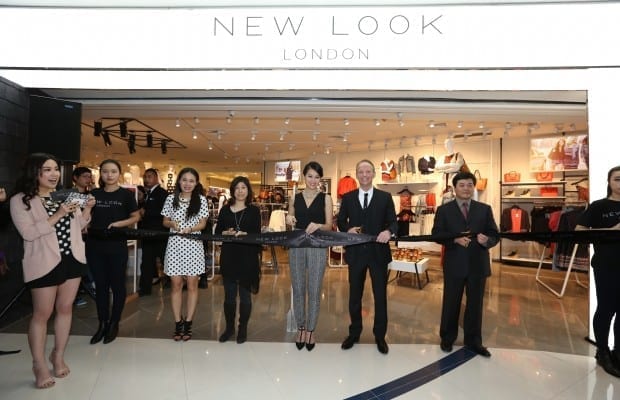
    Christo Wiese is promising to open 500 of his New Look stores in just three years, catapulting the British brand into the same league in China as the world’s top fashion chains – Spain’s Inditex and Sweden’s H&M.

    His plan is to make most of the clothes in China to ensure they cater to local tastes and can get to stores quickly – a strategy similar to the one successfully pursued in Europe by Zara-owner Inditex.

    The arrival of New Look – and its local sourcing strategy – poses a new risk for the likes of H&M and Inditex, already suffering from slower growth in China, fierce competition for real estate and the cost of investing in ecommerce.

    H&M is opening more stores in China this year than anywhere else in the world and the country is already the second biggest market for Inditex outside Spain.

    China is a big draw for retailers who hope to tap the aspirations of a fast-growing middle class, with mid-range names benefiting as consumers trade down from luxury brands since Beijing’s clampdown on corruption and conspicuous spending.

    But recent history offers plenty of examples of failure. Western brands that have struggled in China include Gap Inc , Abercrombie & Fitch and Marks and Spencer , which decided last year to close five stores in smaller cities to focus on flagship stores in large cities and online.

    “Most of the Western fashion labels that are mid-range fail in China. A large part of it is that the styles and the fit are so completely different,” said Shaun Rein, founder of market intelligence firm China Market Research.

    LOCAL TASTES, LOCAL SOURCING

    New Look, a chain founded in 1969 and bought last year by Wiese’s investment vehicle Brait SE, does not want to make the same mistake. It now runs 94 stores in China, out of a global total of 852, and hopes to have up to 150 by next March.

    “I will definitely give it a try if it is a foreign brand and as long as I like it,” said Chen Jie, a 32-year-old businessman from Shenzhen who was carrying an H&M bag in a shopping district in Hong Kong. “Price is not an issue but the design and quality must be good.”

    While New Look is cashing in on the popularity in China of British style – it is adding the “London” tag to its logo for its Chinese stores and website – it is also catering for local tastes.

    Sven Gaede, managing director of New Look’s international business, says the firm has an advantage over many European rivals as 85% of what it sells in China is sourced locally and more than a third is designed exclusively for China.

    That has allowed New Look to tap into the current popularity in Asia of culottes – flared, three-quarter length trousers. Gaede said they account for 12% of the firm’s sales in China, though they are not popular in its European markets.

    “South Korea and Japan drive a lot of the trends that the Chinese customer seeks, so our ability to be able to identify those trends, source them locally and get them into our stores quickly is key,” said Gaede.

    That helps explain the success of the Uniqlo chain of Japan’s Fast Retailing in China, which already has almost 500 stores in the country and is aiming for 1,000 stores in about five years – more than in Japan.

    “It’s pretty hard for the foreign fast brands to do the localisation that Uniqlo does in China as it was born with the Asian gene,” said Violet Shen, a marketing executive in Shanghai.

    The “fast fashion” model was pioneered by Inditex, which can bring new styles from the catwalk to stores in Europe within days from factories mostly in Spain and North Africa. However, Inditex does not have the same advantage in China.

    Inditex plans to add 60 stores in the next few years to the 582 it already runs in China, but it serves them from its logistics centres in Spain.

    “As their proportion of sales increases in the East, it challenges this model. You can’t hub out of Spain,” said Dominic Jephcott, chief executive of supply chain experts Vendigital.

    New Look is not the first Western retailer to try to bring the Inditex model to China.

    Denmark’s Bestseller, which runs brands like Vero Moda and Jack & Jones, says over 90% of its products sold in China are also produced in China and most of the designs for the Chinese market are adjusted to local tastes.

    That has helped the family-owned firm to become the clear leader in China, with more than 6,800 stores in over 300 cities, to give it a 2% share of the fragmented market, according to market research firm Euromonitor.

    Anders Kristiansen ran the China business of Bestseller before taking over as New Look chief executive in 2013. Gaede said Kristiansen’s experience in Asia is one of the reasons behind the group’s aggressive expansion strategy.

    H&M also buys many of its garments in China – the country accounts for about a quarter of its global sourcing.

    But the Swedish firm does not make a big point of adjusting its ranges for China, where it has opened 47 stores in the last nine months, taking its total to 400.

    “We see that fashion becomes more and more global and that China doesn’t differ much from the rest of the world regarding trends and fashion,” said investor relations head Nils Vinge.

    “There are of course local differences but that is true for every market. H&M has a business model that can adapt to this,” Vinge said, declining to elaborate.

    Rein of China Market Research says Western brands must strike a delicate balance.

    “You have to keep your global brand image and you can’t be that creatively different in China than other markets. The Chinese travel around the world,” he said. “It is good to localise. But it hard to localise an aspiration.”

    STORES VS ECOMMERCE

    A bigger challenge for New Look may be to secure the right locations, especially as rivals also seek to add hundreds of stores in the coming years.

    “To find 500 stores of real estate and roll that out in the right way … I think it is virtually impossible,” said Franklin Yao, managing partner at strategy consultants Smith Street.

    But the more established New Look’s brand becomes in China, Gaede said, the better the locations and terms it will be offered, adding that the firm was now pushing into smaller cities.

    “We are less wedded to the number each year and we are more wedded to getting quality locations,” he said.

    Meeting soaring Chinese demand for buying clothes online is also tough.

    Most international brands initially launch on Chinese ecommerce sites like JD.com and Alibaba’s Tmall and Taobao, but are keen to build up their own online operations to protect margins and integrate ecommerce and store services.

    New Look is currently available on Tmall and JD.com, but plans its own transactional site in the next 12 to 18 months.

    Partnering with Chinese sites and local payment and delivery service providers is essential to reach consumers across such a vast country, said Vendigital’s Jephcott.

    “It is a hard physical push and a very hard digital push, all premised on a strong relationship with the logistics partner like Taobao,” Jephcott said, noting that Taobao has established a delivery network of micro-stores even in small towns.

  • Sri Lanka Telecom to build government fiber network

    Sri Lanka Telecom has secured a contract to build a fiber network connecting government offices in the nation.

    The operator has been selected to build the LGN2.0 (Lanka government network 2.0).

    As well as connecting government agencies and public institutions, the network will be used to provide free public Wi-Fi to citizens.

    The LGN2.0 project is being overseen by the Information and Communication Technology Agency of Sri Lanka (ICTA). It has a total budget of 12.7 billion rupees ($86.1 million) over the next two years.

    Sri Lanka’s Minister of Mass Media Gayantha Karunathilaka has stated that the project aims to address concerns that the existing LGN is not fast enough to support Sri Lanka’s ambitions to digitize the national economy.

    The original LGN was deployed between 2007 and 2012. It is managed by the government-owned entity Lanka Government Information Infrastructure (LGII).

  • Walmart makes another big move in China

    Walmart makes another big move in China

    Walmart has made another big e-commerce investment in China.
    On the heels of launching three major e-commerce initiatives in China, Walmart will invest $50 million in New Dada — China’s largest local on-demand logistics and grocery online-to-offline (O2O) e-commerce platform.
    Walmart’s newest investment further extends its agreement with JD.com, which uses New Dada’s network to offer customers two-hour delivery on groceries ordered from Walmart stores through the JD Daojia Dada app.
    New Dada, an independent joint venture between Walmart’s Chinese partner JD.com and Dada, has more than 25 million registered customers. Providing local on-demand delivery capabilities with 2.5 million crowd-sourced deliverers across more than 300 cities in China, this new service complements the 426 stores that Walmart operates in nearly 170 cities.
    Overall, Walmart’s investment in New Dada will help the retailer target Chinese shoppers with faster delivery times in a popular, fiercely competitive online grocery market, according to a company statement.
    “All around the world, we’re creating seamless shopping experiences that bring together our stores, sites and apps to make shopping faster and easier,” said Walmart CEO Doug McMillon. “Our alliance with JD and cooperation with New Dada will enable seamless shopping to millions of customers across China.”
    Specifically, the business partners expect the combination of New Dada’s delivery network with Walmart stores to give “consumers convenient access to a wide range of high-quality goods delivered to their homes and offices in record time,” said Philip Kuai, CEO of New Dada. “We look forward to deepening our cooperation with Walmart as China’s O2O retail industry continues to evolve and grow.”
    Walmart’s next move is to double the number of its stores that offer two-hour delivery by the end of the year, the statement said.
  • Chinese Investors Consider GNC Acquisition

    Chinese Investors Consider GNC Acquisition

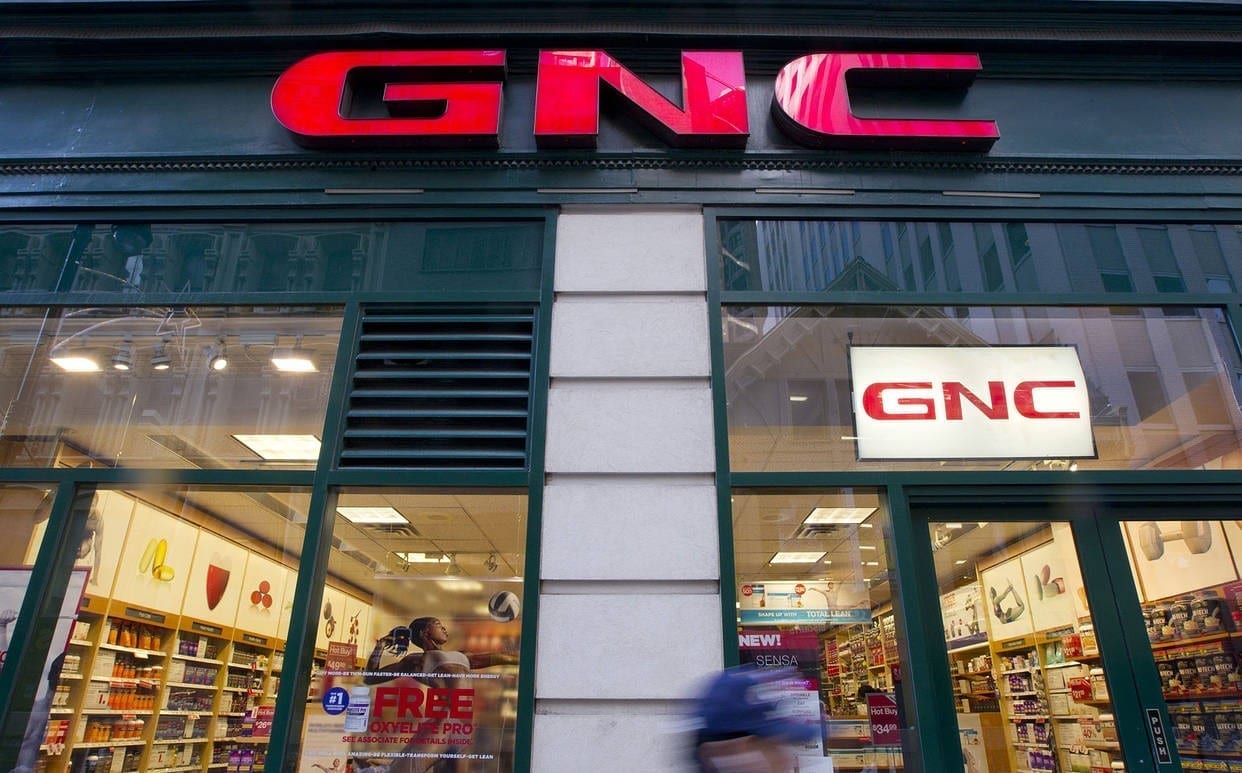
    GNC first popped up in Chinese towns and cities in 2011, with small stores within grocery stores, and now rumors are swirling the giant dietary supplement retailer might end up with a Chinese owner.

    The Wall Street Journal broke the news that GNC is up for sale and a pair of Chinese equity firms are among the interested parties. The journal reported any such acquisition could be worth US$4 billion, including debt—GNC’s market value is around $1.3 billion, with outstanding debt of around $1.4 billion.

    One of the prospective buyers named is Fosun Group, a Shanghai-based investment firm with holdings across insurance, financial, retail and other industries. Its motto is “Combining China’s Growth Momentum with Global Resources.” Fosun most recently bought the English football club Wolverhampton Wanderers and, through Fosun Pharmaceutical, acquired Indian pharmaceutical company Gland Pharma—a number of Chinese pharmaceutical firms are also interested in GNC.

    The other named suitor is Zhongzhi Capital (ZZ Capital), a Beijing- and Hong Kong-based asset management firm focused on media/entertainment, internet, high-end manufacturing, healthcare, financial, IT and logistics. Among its goals is to help overseas companies better penetrate the Chinese market.

    Speculation on the motivation of such firms interested in GNC to a Chinese buyer has centered on the growing trend of Chinese investors purchasing overseas vitamin and sports supplement companies to satisfy Chinese consumer demand for foreign nutrition brands in lieu of quality-challenged Chinese brands.

    Beijing-based Primavera Capital Group paid $238 million to purchase Australian nutrition contract manufacturer Vitaco Holdings in August 2016, and Binzhou, China-based Xiwang Foodstuffs Co. acquired Canadian supplement maker Iovate Health Sciences for $730 million in June 2016.

    GNC has opened around 60 store-within-store locations throughout China involving eight grocery chains. According to its 2015 annual report, released in February 2016, it had five locations  in China, including standalone franchise stores and a small regional retail office.

  • Ericsson swings to $22.4m Q3 loss

    Ericsson swings to $22.4m Q3 loss

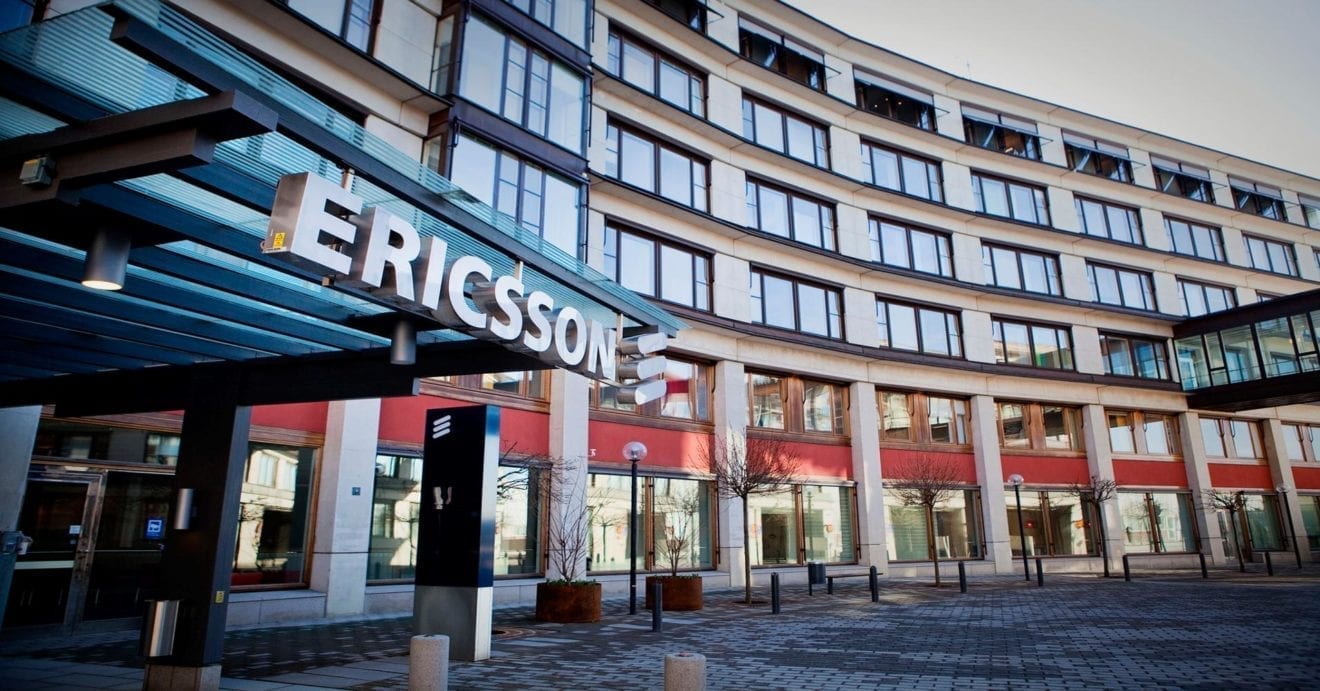
    Ericsson swung to a loss of 200 million kronor ($22.4 million) in the third quarter as a result of weaker sales, particularly in the networks segment.

    The net loss – which marked a reversal from a 3.1 billion kronor net income in the third quarter – can be attributed to a number of negative industry trends impacting demand, according to Ericsson.

    Reported sales declined 14% year-on-year to 51.1 billion kronor, with network segment revenues down 19% due to weaker demand for mobile broadband.

    Gross margins also shrank significantly – from 33.9% to 28.3% – as a result of the decline in demand for network equipment in comparison to the lower-margin services segment.

    “The negative industry trends from the first half of 2016 have further accelerated, impacting Q3 sales, primarily relating to mobile broadband…The current industry trends indicate a somewhat weaker than normal seasonal sales growth between the third and fourth quarters,” Ericsson president and CEO Jan Frykhammar said.

    “In addition a renewed managed services contract in North America, with reduced scope, will impact sales negatively. The current business mix of coverage and capacity sales in mobile broadband is anticipated to prevail in the short term.”

  • China’s Geely shows global ambitions, launching new compact SUV

    China’s Geely shows global ambitions, launching new compact SUV

    Chinese automaker Geely, the owner of Volvo cars, showed off the first model of its new Lynk & Co brand in Germany on Thursday, a compact SUV aimed at taking on the likes of BMW and Mercedes-Benz, as well as ride-hailing service Uber, across the world.

    The Lynk, made in China, will go on sale at home in 2017, followed by Europe and the United States in 2018, and marks one of the first attempts by a Chinese carmaker to create a global brand that makes use of European design and technology know-how.

    Chinese companies have been snapping up cutting-edge German technology to push upmarket and gain a global footprint. This year alone, Chinese home appliances maker Midea has agreed to buy German robotics firm Kuka and Fujian Grand Chip Investment Fund LP is taking over semiconductor equipment maker Aixtron.

    Long seen as a cheap, no-frills brand in China and unheard of in Europe, Zhejiang Geely Holding Group purchased struggling Swedish carmaker Volvo from Ford in 2010 to help it leapfrog a decade of research and development.

    While Volvo will continue to focus on premium vehicles, Lynk is an attempt to grab a slice of the mid market. It will initially take on foreign carmakers’ joint ventures in China, but – as shown by the global launch in Berlin – it also aims to challenge the world’s biggest automakers in their own markets.

    ‘SMARTPHONE ON WHEELS’

    At the launch of the ’01’ model at a former railway station in Berlin that now frequently hosts start-up conventions, Alain Visser, senior vice president at Lynk & Co, described the SUV as “our first smartphone on wheels.”

    It is targeting tech-savvy consumers that may have prioritized flexibility over car ownership in the past. “We are looking very much at millennial consumers all over the world who are very much concentrated around bigger cities,” he said.

    Each car will be permanently connected to the Internet and have a “share” button, enabling owners to rent out their car to other motorists via a smartphone app.

    “That becomes a source of income, which some of the consumers may use, a bit like an Airbnb vehicle,” said Visser, referring to the home rental company.

    Lynk has more models in its line-up, which the carmaker plans to launch over the next 3-5 years, but Visser declined to give details on body styles or launch dates apart from the name of the next car: ’02’.

    Once the full line-up is launched, Lynk aims to sell more than 500,000 vehicles a year by 2021, he said.

    EUROPEAN KNOW-HOW

    Geely’s design has been refined by British designer Peter Horbury, who headed up design at Volvo in the 1990s and oversaw it for Jaguar, Aston Martin and Ford’s other brands from 2002.

    In doing so, Geely is upping the competitive pressure on established global carmakers, which have long accused Chinese rivals of merely ripping off their designs.

    Jaguar Land Rover (JLR), for example, has sued China’s Jiangling Motor after it released the Landwind X7 SUV in 2014, a car that JLR says copies its Land Rover Evoque while costing around the third of a price.

    The car will be a hybrid powered by a 1.5-litre three cylinder petrol engine combined with a lithium-ion battery and electric motor, and will be the first based on the Complex Modular Architecture platform developed by Geely and Volvo.

    Mercedes-owner Daimler and BMW are also investing heavily in hybrid vehicles and will be watching closely to see how the ’01’ fares with European consumers.

    Geely said the car would be priced competitively and said it would be fixed across all markets, but declined to give details. It plans to keep down costs by selling the car online only and limiting the number of configurations available.

  • Seatrade has placed an order with Maersk Container for 4,000 containers

    Seatrade has placed an order with Maersk Container for 4,000 containers

    According to MCI, the containers will be Star Cool Integrated reefers that are equipped with an automatic ventilation system. A large number of the reefers will also be equipped with a controlled atmosphere system. Delivery is expected to be completed by December 2016.

    “We are delighted to have been chosen by Seatrade to support their strong market position with reefer containers as a complement to their specialized reefer services,” said Stig Hoffmeyer, CEO of Maersk Container Industry. “The results of their thorough testing confirmed that a reefer container is not a commodity. Innovation and cutting-edge technology is key to ensuring optimal cargo care and low energy consumption throughout the operational life of the reefer.”

    Before choosing Star Cool Integrated, Seatrade carried out live trials of every relevant refrigeration unit by shipping chilled bananas from Ecuador to Germany, monitoring energy consumption and cargo condition.

    “It is essential that our reefer container equipment supports our Fast, Direct and Dedicated concept,” said Yntze Buitenwerf, president and chairman of Seatrade. “Besides timely delivery, our customers need the longest possible shelf life for their produce. The vast majority of our cargo is perishable fruit and vegetables requiring chilled mode transportation with narrow variations in temperature and monitoring of food preservation. In addition, energy efficiency, whole-life costs and long-term operational value are critical to our operations.”

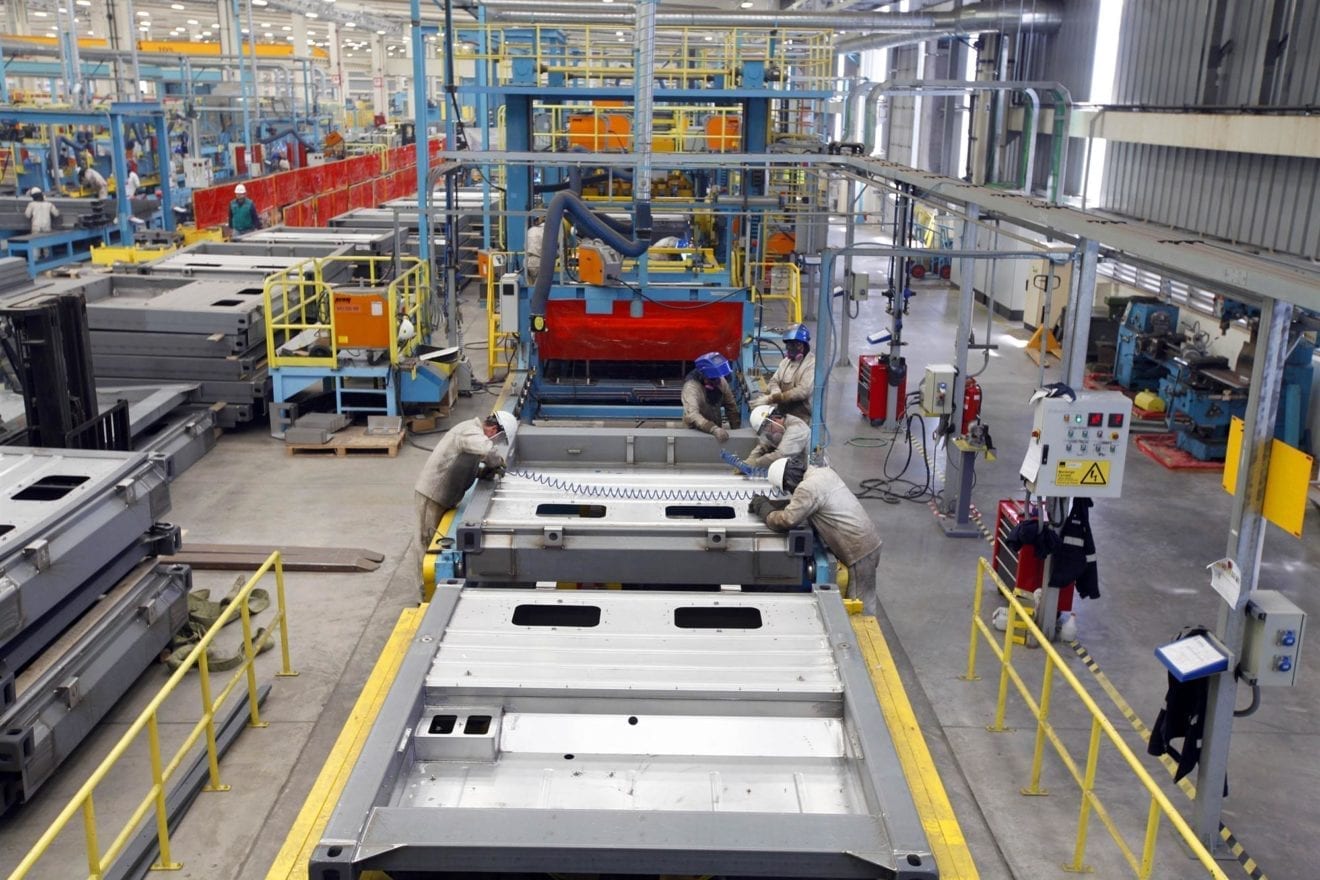
    Some of the units will be manufactured by MCI’s new factory in San Antonio, Chile, while the remainder will be made by the Qingdao factory, according to MCI.

  • Loyalty Program Pointo Aims to Manage Points Across Region

    Loyalty Program Pointo Aims to Manage Points Across Region

    “For points issuers, the Pointo system will help them limit their budget on marketing and add more value to its customers. Meanwhile for point receivers, it would help them generate more revenue as it would increase transactions,” Pointo Point Exchange chief executive Ari Stefanus said on Wednesday.

    Pointo now registers issuers including grocery stores Ranch Market and Farmers Market, home appliances retailer Electronic Solutions, national flag carrier Garuda Indonesia, Lippo Group’s theater chain Cinemaxx, ice cream shop Haagen-Dazs and many more.

    In the near future, Pointo targets to have at least 150 brands collaborate with them, including merchants in Asia, such as Universal Studios and Gardens by the Bay in Singapore, Ocean Park and Disneyland in Hong Kong and Japan.

    The company also wants financial companies, such as banks, flight carriers and telecommunication operators to join Pointo.

    Loyalty Program Indonesia is an information technology developer established in 2008. It built expertise on customer loyalty programs, serving clients from the retail sector, including convenience store chain operator Indomaret, retailer Centro Department Store, as well as shopping malls Grand Indonesia and Pacific Place.

  • Opportunity Grows in Indonesia as Tourism Sector Blooms

    Opportunity Grows in Indonesia as Tourism Sector Blooms

    The government’s ‘Wonderful Indonesia’ campaign (which began in 2011) has transformed Indonesian tourism into a vibrant, lucrative, and rapidly growing industry. Alongside national ‘gems’ like the ancient Borobudur Temple, the divers’ haven of Raja Ampat, and the Komodo National Park, a host of new destinations are becoming established – among them Bintan, Maluku, and Lombok.

    Tourism is responsible for creating close to 10 million jobs, and last year the government allocated a further Rp.1.3 trillion (US$98.4 million) to promote tourism. That year it contributed 9.6% of total GDP – behind Indonesia’s top earners of oil, gas, coal, and palm oil.

    Minister of Tourism Arief Yahya announced that in 2019, tourism would be Indonesia’s biggest foreign exchange earner. By that time, he wants tourism’s contribution to national GDP to have doubled, bringing in US$24 billion annually.

    The objective to reach 20 million tourists by 2019 is equally ambitious. This year’s target is 12 million; the total last year was 9.73 million. To support these targets, the Asian Development Bank agreed to lend Indonesia US$10 billion over the next five years.

    Business tourism lags behind leisure tourism: in 2014, total business tourists (3.16 million) were half that of leisure tourists (6.27 million). Events like the 39th PATA (Pacific Asia Travel Association) Travel Mart, recently hosted in Greater Jakarta, reflect the potential for business tourism. That event attracted 1358 delegates from 63 countries, and the tourism ministry must work with businesses to bring more events like this to Indonesia in the future.

    Business tourism could facilitate the expansion of the hospitality industries, particularly high-class hotels and restaurants (and other venues suitable for conferences and exhibitions). The government recently altered its ‘Negative Investment List’ such that foreign investors have greater access to (and ownership of) strategic businesses – including in the tourism and hospitality industries. Substantial cash injections should boost economic growth, creating more jobs and facilitating more creative enterprise, to ensure Indonesia remains globally competitive.

    Travel outside of Bali remains challenging, and the infrastructure is in need of a significant revamp. The government has responded to this increased demand by announcing plans to expand current airports as well as construct new ones. This is an essential strategy: after the upgrade of Labuan Bajo airport, Komodo Island, home of the endangered Komodo dragon, is able to accommodate 1.5 million tourists annually (before, the number was 150,000).

    Potential hotspots: Bintan and Maluku

    Bintan, the largest island in the Riau Archipelago, is known for its natural beauty, boasting long stretches of pristine, white-sand coastline. It is near Singapore and the Malaysian state of Johor, and is primarily marketed at people living in, or visiting, Singapore. Bintan thus profits from the international traffic running through Singapore’s world-class Changi airport.

    Julia Suryakusuma notes that development of Bintan has been slow, and a substantial cash injection is needed to transform Bintan to the level at which it is able to compete with Bali. So as not to appear hollow, sterile and just ‘another’ island resort, she recommends that Bintan markets itself as an ecotourism destination, based around the indigenous community of Orang Laut, in Tanjung Berakit (to the northeast of the island). After all, the incorporation of local culture is what lies behind Bali’s success. Ecotourism is a growing sector in the tourist industry with huge business potential, although difficulty is sometimes faced in getting the locals to participate. It is increasingly popular with American tourists, an important market which has long eluded Indonesia.

    The far-flung region of Maluku, albeit a popular diving destination, is being promoted in a broader capacity as a key tourism site for eastern Indonesia. With this it has the potential to open up the regional economy, for the more remote islands of eastern Indonesia are relatively undeveloped in comparison to the western regions. Within Maluku, the Buru regency has been spotlighted as one of Indonesia’s ‘tourist icons’. Here, the Ministry of Tourism recently launched the Bupolo tour festival, where various cultural events were showcased, in a bid to attract more tourism.

    Lombok and Halal tourism

    Lombok, in West Nusa Tenggara, is also in the midst of a significant transformation. Mandalika Resort in Lombok is a vast complex being developed by the Indonesia Tourism Development Corporation (ITDC), the state-owned company responsible for the Nusa Dua complex in Bali.

    The government has allocated Rp.1.8 trillion (US$138.57 million) to develop Mandalika. Mandalika is now a special economic zone (SEZ), which means investors will be granted tax and fiscal incentives, as well as other business-related benefits; a factor which will undoubtedly encourage the proliferation of hotels, restaurants and bars over the next few years, as well as better and stronger infrastructure. According to the ITDC, it will be ready by 2018.

    However, Lombok is becoming known for a different reason. At the 2015 World Halal Travel Summit and Exhibition in Abu Dhabi, Lombok was recognised as the World’s Best Halal Tourism Destination and Halal Honeymoon Destination.

    Halal tourism is a growing sector, given the increasing number of Muslim tourists, and as the world’s most populous Muslim country Indonesia is strongly positioned to exploit that industry. The government has officially listed West Nusa Tenggara, West Sumatra and Aceh as Halal tourism destinations.

    The government announced it would be targeting more Arab tourists, particularly from Saudi Arabia. Saudi Arabia is the largest tourism contributor to Indonesia from the Middle East, with 147,074 visits in 2014. It was recently added to the list of countries for which visa entry is no longer required. The government also signed agreements with key Gulf airlines, including Qatar Airways and Emirates Airlines, to increase the frequency of direct flights to the archipelago.

    Given Indonesia’s determined promotion of tourism, economic opportunity is rife and investors should be aware.

  • Indonesia central bank surprises with another cut to key rate

    Indonesia central bank surprises with another cut to key rate

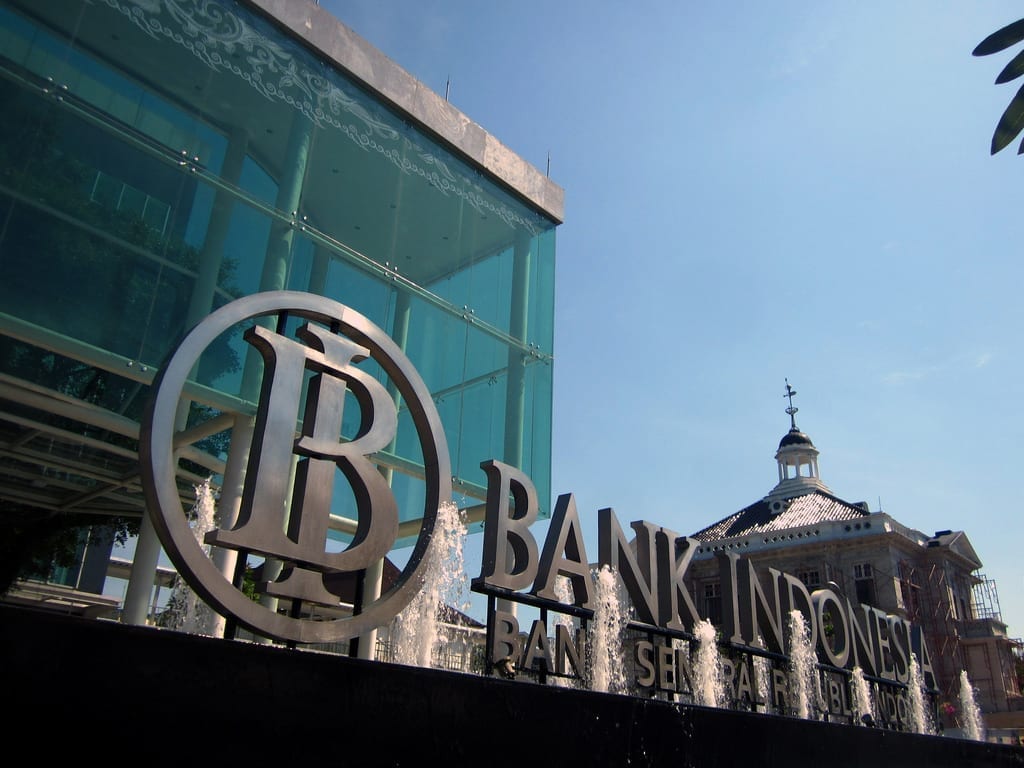
    Indonesia’s central bank surprised the market on Thursday by cutting its benchmark interest for a sixth time this year, renewing efforts to spur sluggish lending and growth.

    Bank Indonesia (BI) cut the 7-day reverse repurchase rate by 25 basis points to 4.75 per cent. “In the midst of a weak global economy, we believe this monetary easing will strengthen efforts to push domestic demand, including for credits, so that it could support the momentum for economic growth,” BI said.

    Thirteen of 17 economists in a Reuters poll had expected the benchmark to be kept at 5.00 per cent on Thursday.

    The central bank made six cuts to its benchmark this year by a total of 150 basis points.

    In August, it switched its benchmark from the 12-month reference rate to the 7-day reverse repurchase rate to try to more directly affect market rates.

    The economy gained some momentum in the second quarter, with good crops higher government spending helping push annual growth to 5.2 per cent.

    But the central bank said state spending cuts, sluggish bank lending, and weak global trade probably weakened third quarter growth to around 5 per cent. BI’s outlook for 2016 is between 4.9-5.3 per cent.

    So far, BI’s 2016 rate cuts have had limited impact on commercial banks’ lending. In August, it grew just 6.83 per cent from a year earlier, the weakest since November 2009.

    Indonesia is due to announce third quarter growth early next month.

    In September, Indonesia’s annual inflation rate was near the lower end of BI’s target band, at 3.07 per cent. The rupiah has been stable, trading near 13,000 a dollar since July. The third quarter’s current account deficit is expected to stay at a comfortable level.

    Ng Weiwan, economist at ANZ said real interest rates in Indonesia “remain elevated despite the rate cuts this year.”

    “Credit growth will be constrained with the overhang from the non-performing loan and the deposit rate caps limiting the interest that banks can pay for deposits,” Mr Ng added.

  • CapitaLand unveils Asia’s first AI chatbot concierge for shoppers at Future Cities

    CapitaLand unveils Asia’s first AI chatbot concierge for shoppers at Future Cities

    CapitaLand customers will soon get to enjoy a slew of virtual concierge services that allows them to hail rides, book restaurants, and browse retailer offerings by simply chatting with Sparkle – the Group’s fully automated artificial intelligence (AI) chatbot – the first chatbot piloted by a real estate developer in Asia. Unveiled at CapitaLand’s Future Cities: Asia Forum this evening, Sparkle is among a series of new features released on CapitaStar, Singapore’s largest multi-mall, multi-store cardless rewards programme. Members may start chatting with Sparkle from 1 November 2016 when the refreshed CapitaStar app is available for download from the App Store and Google Play.

    Mr Lim Ming Yan, President & Group CEO of CapitaLand Limited, said: “CapitaLand was among the first in our industry to embrace online-to-offline and offline-to-online (O2O). With the launch of Sparkle and partnerships with tech stalwarts and well-loved retail brands, we are now leading the way into the next era of consumerism, defined by convergent offline-AND-online (O&O) experiences. This is a first for an Asian real estate developer, and we want to invite our customers to join us to co-create Sparkle by interacting with it and making it smarter. This way, Sparkle will be a chatbot trained by customers, for customers. Ultimately, we want to create an exceptional customer experience that offers the best of both offline and online. As a market leader with scale and depth across the entire real estate value chain, CapitaLand is in a good position to optimise our customer touch points and harness meaningful data points to map out holistic customer journeys.”

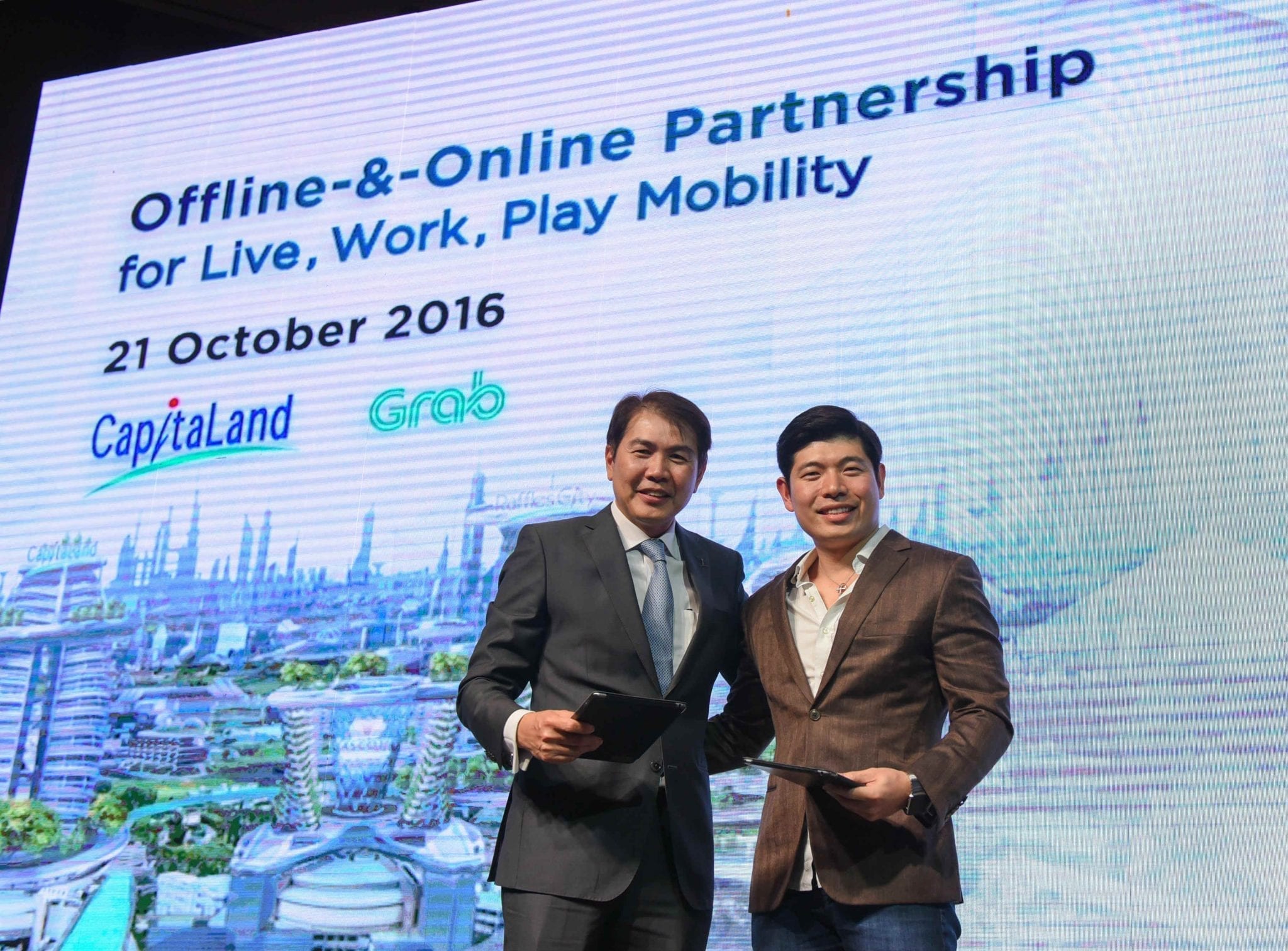
    Grab, Southeast Asia’s largest ride-hailing app company, has signed on as a launch partner, which will see integration of ride-hailing functionalities with Sparkle. This collaboration is part of an exclusive comprehensive tie-up with Grab announced as CapitaLand’s Strategic Mobility Partner to bring ‘live, work, play’ mobility across its diverse real estate portfolio to the Group’s customers in Singapore. Whether it’s a journey from home to work or a trip from a serviced residence to a shopping mall, shoppers, guests, tenants and residents in CapitaLand properties taking Grab rides to or from one of its properties in Singapore will get to enjoy perks ranging from special discounts to STAR$® rewards in CapitaLand’s CapitaStar loyalty programme, and priority bookings, in phases from 1 November 2016 onwards.

    Mr Lim Ming Yan and Mr Anthony Tan, CEO & Co-founder of Grab, inaugurated the partnership with a Memorandum of Understanding (MOU) at the Future Cities: Asia Forum. The MOU signing was witnessed by Guest-of-Honour and keynote speaker Dr Vivian Balakrishnan, Singapore Minister for Foreign Affairs and Minister-in-charge of the Smart
    Nation Programme Office.

    Mr Lim said: “CapitaLand’s partnership with Grab shows how the lines are blurring be tween what is online and offline. Our properties are social spaces where people and communities flourish and connect; and mobility solutions such as Grab are very much the venous systems that connect people with one another, and to the built environment. There is great synergy in this O&O integration. CapitaLand’s physical buildings have helped to incubate many successful Singapore companies and brands over the years. Moving forward, we look to partner more new-economy companies, to help bridge their services to our network of
    customers.”

    The Future Cities: Asia Forum brought together a panel of change-makers from the government, real estate and technology sectors to discuss what it takes to be the builder of future cities and the catalysts for change as Asia’s bustling metropolises evolve into smart cities.

    During the Future Cities: Asia Forum, Dr Vivian Balakrishnan shared his insights into Singapore’s Smart Nation initiative, the lessons learnt as a forerunner in this future-forward drive, and what is next as the city-state engages with global innovators for continued growth. Also on the panel were Mr Lim Ming Yan; Mr Hubert Yoshida, Chief Technology Officer of Hitachi Data Systems; and Mr Ming Maa, President of Grab.

    The new CapitaStar: upgraded with new functionalities and AI chatbot concierge CapitaStar is getting a boost with new functions to link up members and retailers with O&O convenience. The refreshed app comes with a simple digital-first STAR$® redemption mechanism that brings unrivalled convenience to both customers and retailers with simpler and faster processes. Customers can look forward to redeeming great deals with their STAR$®, which will be easily authenticated at the point of sale with a simple merchant app.

    The app also comes with an enhanced machine-learning receipt scanning system to help shoppers get their STAR$® credited faster than before. Another key feature of the new CapitaStar app is the pilot Sparkle virtual concierge chatbot. It
    is CapitaLand’s first endeavour into conversational commerce to connect CapitaStar members with other lifestyle services and forward-thinking retailers. Sparkle is designed to decipher localised linguistic cues while understanding and remembering context. The engine also learns automatically through intelligent feedback scoring algorithms, making the conversation
    smarter along the way.


  • Singapore retail sales decline gains pace

    Singapore retail sales decline gains pace

    Real Singapore retail sales fell 6.5 year-on-year in August – twice the rate of decline of the previous month.

    Retail sales august 2

    While the headline figures were 1.1 per cent over July, and 1 per cent over August 2015, those figures included motor vehicle sales. Excluding motor vehicles, retail sales declined 2.1 per cent from July to August.

    According to Statistics Singapore, the retail sales value in August 2016 was estimated at S$3.6 billion, including vehicles.

    While sales in department stores and of computers and phones increased by up to 3.1 per cent month-on-month, sales of recreational goods, apparel & footwear, furniture & household goods, optical goods and books, medical goods & toiletries, supermarkets, mini-marts & convenience stores, watches & jewellery and food & beverages all decreased between 0.5 per cent and 8.9 per cent month-on-month.

    Year-on-year, sales of computers & phones, watches & jewellery, apparel & footwear and recreational goods decreased by between 11.1 per cent and 19.6 per cent. Similarly, sales at petrol service stations, of food & beverages, furniture & household equipment, optical goods & books, supermarkets, department stores, medical goods & toiletries and mini-marts & convenience stores declined between 0.4 per cent and 9.9 per cent.

    Food & beverage sales

    Retail sales FB

    Meanwhile, sales of food & beverage services decreased 1.6 per cent in August 2016 over July.

    Compared to August last year, sales of food & beverage services declined 2.5 per cent. Fast food retailers grew their sales by 3.9 per cent and caterers by 4.7 per cent, but restaurants were down 5.3 per cent.

    Year-on-year, turnover of restaurants fell 8.8 per cent in August 2016.

  • Bata moves infrastructure into the cloud

    Bata moves infrastructure into the cloud

    Datapipe has partnered with footwear retailer Bata to drive its digital transformation by moving its technology infrastructures to the cloud.

    Bata is seeing strong growth in Asia’s multibillion-dollar footwear market, specifically in India, China and Southeast Asia. The company tapped Datapipe, a specialist in managed cloud services for the enterprise, to manage its cloud deployment and deliver the security, speed, cost-efficiencies, and scalability required for these high-growth markets.

    Bata’s global sourcing infrastructure, hosted on Amazon Web Services (AWS), is increasingly reliant on cutting-edge cloud infrastructure for its day-to-day operations including its Point of Sale (PoS) system, warehousing, logistics, and purchase order processes. As a managed cloud-service provider and AWS premier consulting partner, Datapipe was selected to assist Bata with developing and growing its presence in Asia by unlocking operational efficiencies.

    Jason Singh, head of marketing for APAC at Datapipe said that with Bata’s rapid growth in emerging markets, the company needed an IT infrastructure that was secure, scalable, and incredibly reliable.

    “We worked closely with Bata to optimise its AWS architecture and practice. This freed up the company’s technology team to focus on other core aspects of its business. As a result, Bata’s focus is where it should be: serving its customers and managing its production facilities, while Datapipe manages its cloud deployments.”

    To bolster Bata’s digital transformation, particularly around best practice design and security, Datapipe adopted a two-phased approach to ensure an optimised environment. Datapipe first redesigned Bata’s existing cloud environment based on AWS best practices including platform based security configurations. The second phase will deploy comprehensive network and instance-based security controls and services, ensuring secure connections to Bata’s eCommerce websites for users in the region.

    Jeremy Chong, director, global footwear services at Bata said the Datapipe team has strengthened the security and efficiency of Bata’s cloud infrastructure, allowing the company to focus on business growth.

    Bata has more than 5200 retail stores in 70 countries and production facilities in 18 countries. The APAC footwear market is projected to reach US$127.2 billion in annual revenues by 2020, according to Euromonitor, up from $104 billion in 2015. Growth in the global footwear market will be fuelled by demand from developing markets in Asia, according to Verdict Financial. eMarketer, meanwhile, predicts worldwide retail eCommerce sales will reach $1.915 trillion in 2016, with double-digit growth due to hit $4 trillion by 2020.