Tag: asia

  • DHL Express has opened its Jakarta Gateway 530 facility

    DHL Express has opened its Jakarta Gateway 530 facility

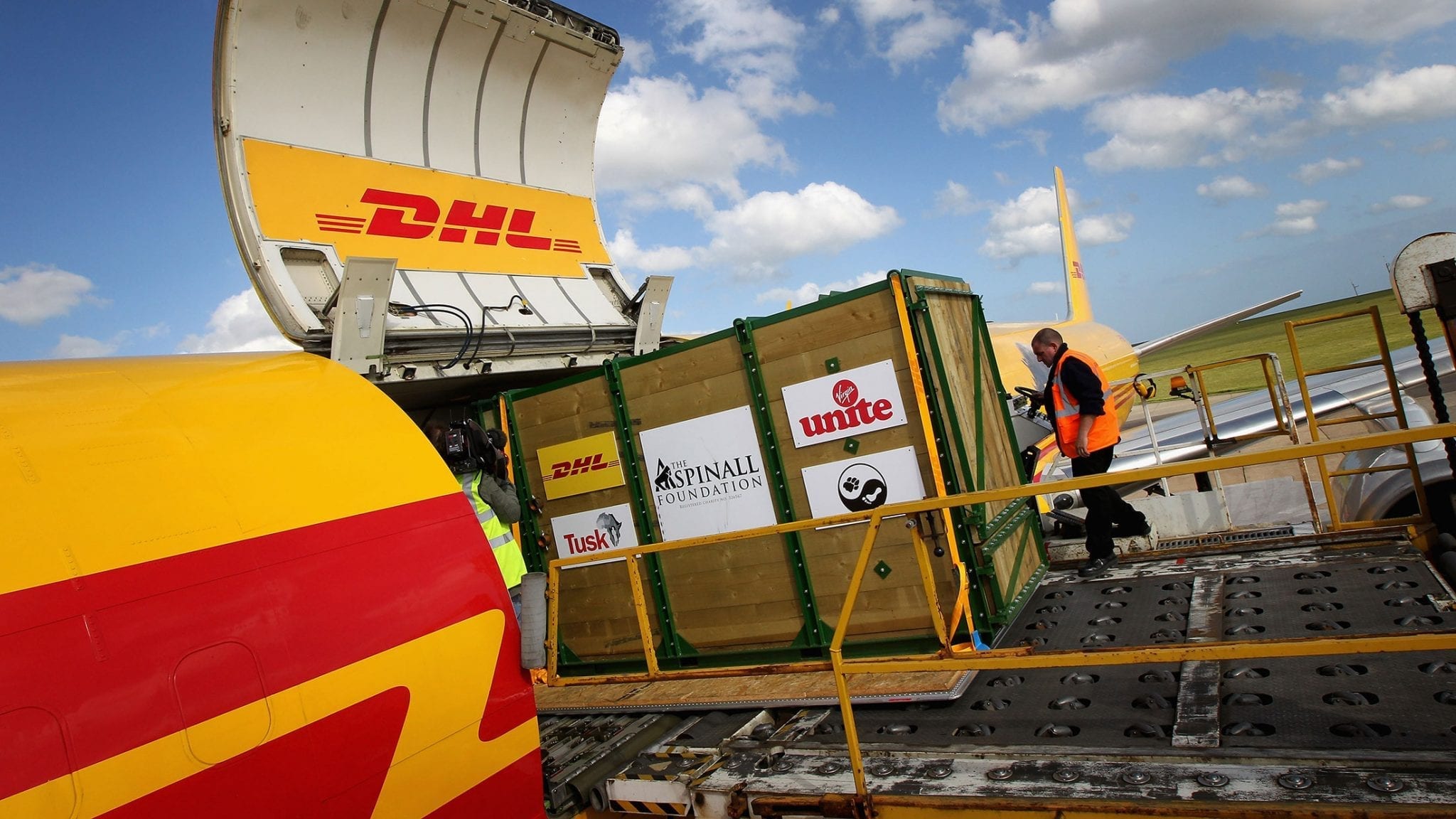
    DHL Express has opened its Jakarta Gateway 530 facility at Soekarno-Hatta International Airport to support Indonesian trade.

    According to DHL, the new 1,353-square-metre facility is an addition to the existing Gateway 510, which is at full capacity. Gateway 530 is capable of handling up to 2 million shipments per year and is equipped with dual-view X-ray screening, an explosive trace detector system and 103 CCTV cameras.

    “Our new Jakarta Gateway 530 will enable local businesses to trade seamlessly with customers around the world,” said Ken Lee, CEO of DHL Express Asia Pacific. “SMEs play a vital role in the Indonesian economy, contributing close to 58% of Indonesia’s GDP and Indonesia remains a key pillar in supporting South East Asia’s economic growth. This new facility allows DHL to continue supporting the growing export and import needs in Indonesia by providing greater access to international markets.”

    The facility offers direct airside access and in-house customs. Major trading partners that will benefit from Gateway 530 include mainland China, Germany, Japan, Hong Kong, Singapore and the US, according to DHL.

  • Hyundai to debut Genesis premium brand in China in two-three years

    Hyundai to debut Genesis premium brand in China in two-three years

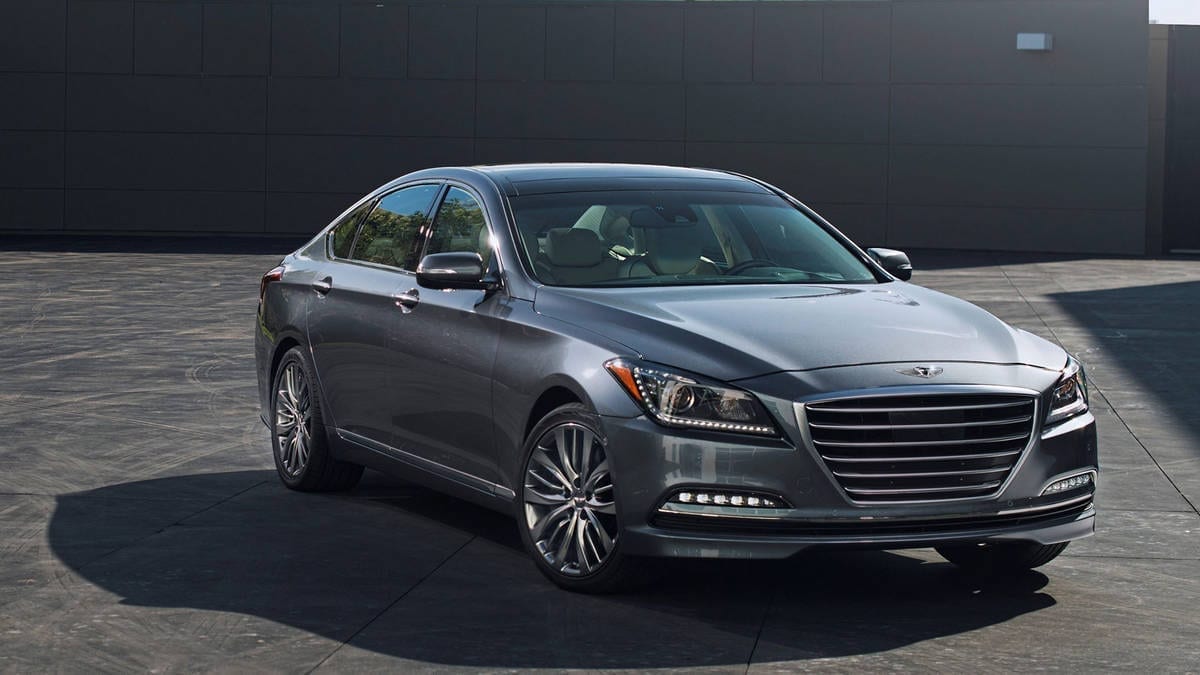
    South Korea’s Hyundai Motor will launch its standalone premium auto brand Genesis in China within two to three years, betting on a luxury lane to profit as competition bites at the lower end of the world’s biggest auto market.

    Genesis brand chief Manfred Fitzgerald told Reuters in a recent interview the company is considering building Genesis models in China “For sure. But there are also other examples of (automakers) who live pretty well off of importing cars,” he said, citing Toyota Motor Corp’s Lexus.

    The plans come as Hyundai tries to reverse out of 10 straight quarters of falling profit, hit in part by weakness in China.

    Rolling out Genesis in key markets like China marks a shift for a company better known for making value-for-money cars and lacking the brand cachet and tradition of Germany’s BMW BWMG.DE, Mercedes-Benz and Audi. That trio dominates the luxury market globally – and in China.

    “The luxury customer in China is very brand-conscious,” said U.S. national Fitzgerald, 53. The former executive with Audi’s Lamborghini brand was speaking at the first, and so far only, standalone Genesis store, in a glitzy mall in Hanam on the outskirts of Seoul featuring cars like G80 sedans that can fetch up to 74 million won ($67,100).

    “If you don’t get your brand right, you can have the best product in the world, it won’t work,” said Fitzgerald. “In two, three years’ time we will be entering China,” he said, declining to give sales targets for a global rollout that will follow launches in Korea late last year and in the United States last month.

    In China, imported cars carry a duty of more than 20 percent, putting pressure on automakers to produce locally.

    DISTRIBUTION DEBATE

    Genesis will open more standalone outlets, said Fitzgerald, and is exploring unspecified locations for its first U.S. store. The Genesis line-up currently features two models, a range that the company plans to expand to six by 2020, including two sport utility vehicles.

    Consultants like Eric Noble, president of California-based consultancy CarLab, say getting the sales channel right for premium cars is as important as the product itself.

    For now, over 300 of Hyundai’s more than 800 U.S. dealerships will also be selling the Genesis brand, posing an added challenge for differentiating it from Hyundai. By comparison, Toyota’s Lexus is sold through separate dealerships.

    “From a product standpoint, the prospects of the (Genesis) brand are encouraging,” said Noble. “But from a distribution standpoint, at least here in North America, it is much more problematic.”

    ‘TIPPING POINT’

    Hyundai Motor Group Chairman Chung Mong-koo, now 78, took the helm in 2000 and turned Hyundai and its Kia Motors (000270.KS) affiliate into the world’s fifth-largest automotive group by making inexpensive but reliable small cars.

    But the veteran’s 45-year-old son and vice-chairman Chung Eui-sun has sought to move Hyundai up the value chain. He spearheaded the move last November to hive off the Genesis sedan into a standalone brand, tapping a segment growing faster than the mass market to generate higher margins.

    Fitzgerald said meeting with the younger Chung was a “tipping point” in his decision to join a company long known for promoting from within.

    “He definitely gave me the feeling that no matter how long and how troublesome and how tedious this might be, they are in for it and they want to succeed.”
  • StarHub trialing mesh network on buses

    StarHub trialing mesh network on buses

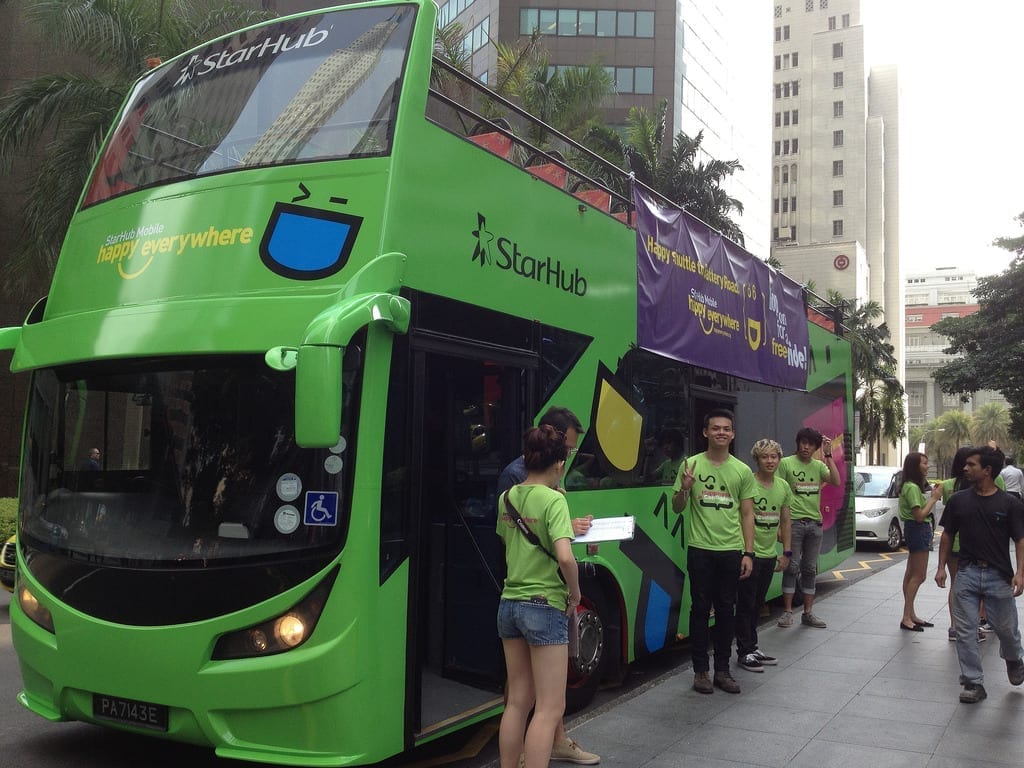
    Singapore’s StarHub has teamed up with the National University of Singapore, charter bus company ComfortDelGro Bus and “Internet of Moving Things” company Veniam for a mesh network of connected vehicles pilot.

    The trial at the university’s Kent Ridge campus is involving using buses as mobile WiFi access points connected to one and other and to fixed points in buildings on campus.

    Wireless mesh access points on the buses are being powered by a combination of 4G, WiFi and dedicated short range communications (DSRC) technology.

    The approach is designed to extend WiFi coverage will providing connectivity for a large number of IoT devices.

    Stephen Lee, Head of StarHub i3 (Innovation, Investment, Incubation), said companies will also be able to use the anonymized data generated to address Singapore’s logistic and transportation challenges.

    “This mesh platform at NUS allows StarHub to explore how we can use data generated from the platform to help companies in the logistics and transport sectors improve their operations and planning,” he said.

    “We look forward to working with more commercial partners to expand the network to other parts of Singapore and find new ways to analyse and utilise the data collected in order to address various urban concerns and challenges facing the transportation and logistics industry.”

  • Cyber attacks on the rise in Singapore

    Cyber attacks on the rise in Singapore

    Cyber attacks in Singapore are on the rise, with 72% of CIOs detecting more now than 12 months ago, according to research commissioned by specialist recruiter Robert Half.

    Findings show that 85% of Singaporean CIOs expect their companies will be attacked more often because they lack skilled IT security talent – well above the 78% average of the eight countries surveyed.

    The only two countries with a higher percentage than Singapore are Brazil (93%) and Japan (87%).

    Singapore has the highest percentage of CIOs predicting “significantly more” cyber-attacks in the next five years – 30% compared to the global average of 19%.

    “The fight against rising cyber threats is entering a critical phase as Singapore is experiencing a shortage of IT professionals with the right cyber security skills to defend companies against these attacks,” said David Jones, senior managing director of Robert Half Asia Pacific.

    “Companies know they need to take action to confront cyber attackers,” said Jones. “This means investing in a cyber-security strategy that brings together the right mix of technology and people.”

    IT leaders say the top three cyber security risks facing Singaporean organizations in the next five years are data abuse/data integrity (59%), spying/spyware/ransomware (54%) and cybercrime (53%).

    “New technologies raise new security concerns,” said Jones. “This can result in a skills gap where the available expertise has not kept pace with the evolving IT threats.”

    “As demand for new cyber-specialists entering the IT market outstrips supply, companies are being forced to reconsider their training and retention programs,” he said. “They are also recruiting from overseas, partnering with educational organisations, and developing flexible hiring strategies that include both permanent and contract specialists, including external risk agencies.”

    In response to the new wave of cyber-attackers, almost a quarter (23%) of Singaporean CIOs plan to add new permanent IT security professionals to their team in the next 12 months. One in three (29%) say they are planning to hire IT professionals for newly added contract positions within their team.

    Several specialised cyber-security roles are in high demand as organisations are confronted with additional security threats, including mobile, application and Big Data analytics security.

  • Telenor India said to consider merger with Tikona

    Telenor India said to consider merger with Tikona

    Telenor India is reportedly exploring a merger with wireless broadband provider Tikona Digital Networks to stay afloat in an increasingly competitive market.

    Both companies are in active discussions regarding a potential merger, citing multiple unnamed sources.

    The focus on the negotiations is a merger of the two operators’ data businesses, and Telenor’s voice operations could be kept separate, according to the report.

    Tikona holds 2300-MHz 4G spectrum and has operations in five of India’s 22 telecom circles, including three in which Telenor is also present. Telenor provides mobile services in six circles.

    A potential merger would also serve as another way for Telenor to secure the spectrum it needs to expand its operations, including effectively rolling out 4G to compete with disruptive newcomer Reliance Jio and the incumbent operators. The operator’s current spectrum holding is limited to 1800-MHz.

    In July, Telenor announced it has decided to sit out of the upcoming major Indian spectrum auction due to high reserve prices, and said the company has been “evaluating our options in India,” leading to speculation that Telenor may exit the Indian market.

    Both Telenor and Tikona have declined to publicly comment on “speculation.”

  • Lacoste China opens Shanghai duty-free outlet

    Lacoste China opens Shanghai duty-free outlet

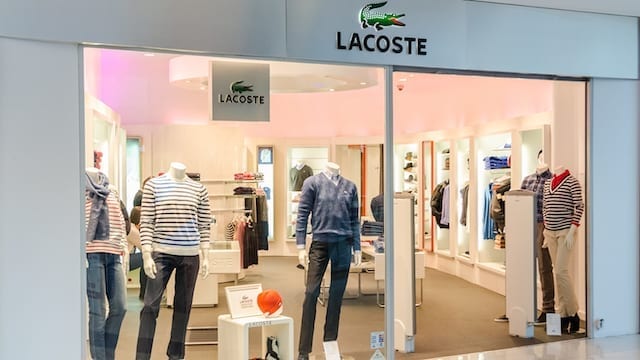
    French fashion brand Lacoste China has opened a duty-free corner in downtown Shanghai’s Yueda Plaza 889, run by CNSC.

    China National Service Corporation for Chinese Personnel Working Abroad is a state-owned enterprise of international trade and economic co-operation established in 1983.

    BUCHAREST, ROMANIA - OCTOBER 09: Lacoste store on October 09, 2013 in Bucharest, Romania. Is a French clothing company founded in 1933 that sells high-end clothing and most famously polo shirts.
    BUCHAREST, ROMANIA – OCTOBER 09: Lacoste store on October 09, 2013 in Bucharest, Romania. Is a French clothing company founded in 1933 that sells high-end clothing and most famously polo shirts.

    Lacoste says the point-of-sale is in line with the a Chinese duty-free policy that offers Chinese travellers a 190-day duty-free shopping period after returning from abroad.

    “We are aiming at building a long-term relationship with Lacoste,” says CNSC deputy-GM Jacky Yan.

  • DFS launches exclusive Burberry collection

    DFS launches exclusive Burberry collection

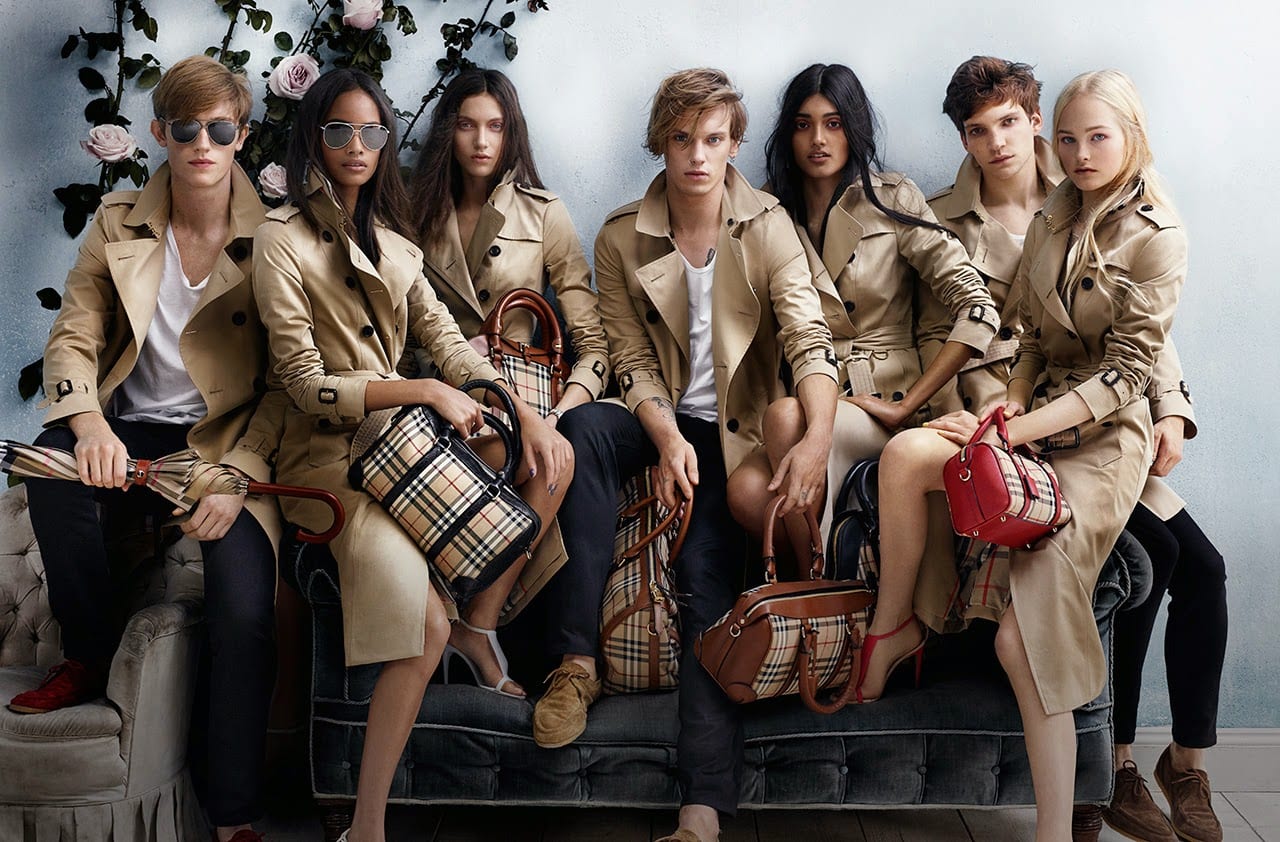
    Luxury travel retailer DFS Group has launched an exclusive Burberry collection which will be available only in DFS and T Galleria by DFS stores.

    The 22-piece BurberryxDFS collection was inspired by key elements from Burberry’s groundbreaking first straight-to-consumer runway show, referencing the brand’s unique British heritage. It comprises womenswear, menswear and accessories as well as a style of Burberry’s newest bag, The Bridle.

    The Bridle in wine and black with gold studs“When designing our new September collection, we were inspired by Virginia Woolf’s classic tale ‘Orlando’ and the spirit of Nancy Lancaster’s interior and garden designs, and we wanted the collection for DFS to reflect those elements,” said Christopher Bailey, Burberry chief creative.

    The Banner in mahogany red and black with gold studs

    The Burberry collection was revealed on the runway during London Fashion Week, where both womenswear and menswear collections were presented together for the first time for Burberry’s inaugural straight-to-consumer show.

    The Blouson jacket with studs in black

    “Seasonless, immediate, and personal, the new format has been designed with a global audience in mind. This move, announced in February, significantly shortens the traditional gap between the runway show and retail availability of Burberry’s collection.,” said a spokesman.

    The Halton wallet in mahogany red and camel with gold studs

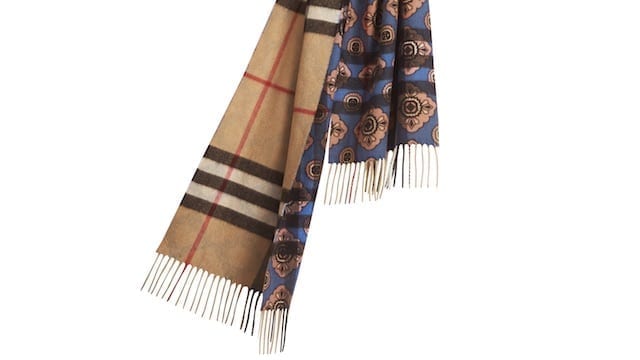
    Giant Check scarf with studs in camelIn addition to The Bridle, highlights from the BurberryxDFS collection include exclusive styles of the Sandringham and Kensington trench coats.

    The Sandringham studded collar trench in honeyThe BurberryxDFS collection will be available in 23 DFS and T Galleria by DFS stores across 13 countries beginning September 21. Prices range from HK$1300 – HK$20,000 (US$168 – $2600).

    dfs-burberry


  • Pre-owned category booms, notes Asia Luxury Index

    Pre-owned category booms, notes Asia Luxury Index

    Pre-owned luxury items are becoming more popular, according to the 2016 Asia Luxury Index, compiled by Singapore-based online luxury retailer Reebonz.

    Drawing on industry reports and its sales data, the index reveals 30 per cent sales growth in the pre-owned category over the last year, with bags and shoes the most popular items.

    While 62 per cent of online transactions on Reebonz involve bags, the index says timepieces and shoes are primed to be the next growth-drivers for luxury in Asia in both the new and pre-owned categories. Spending on timepieces increased by 39 per cent, whereas shoe shopping ballooned by 87 per cent.

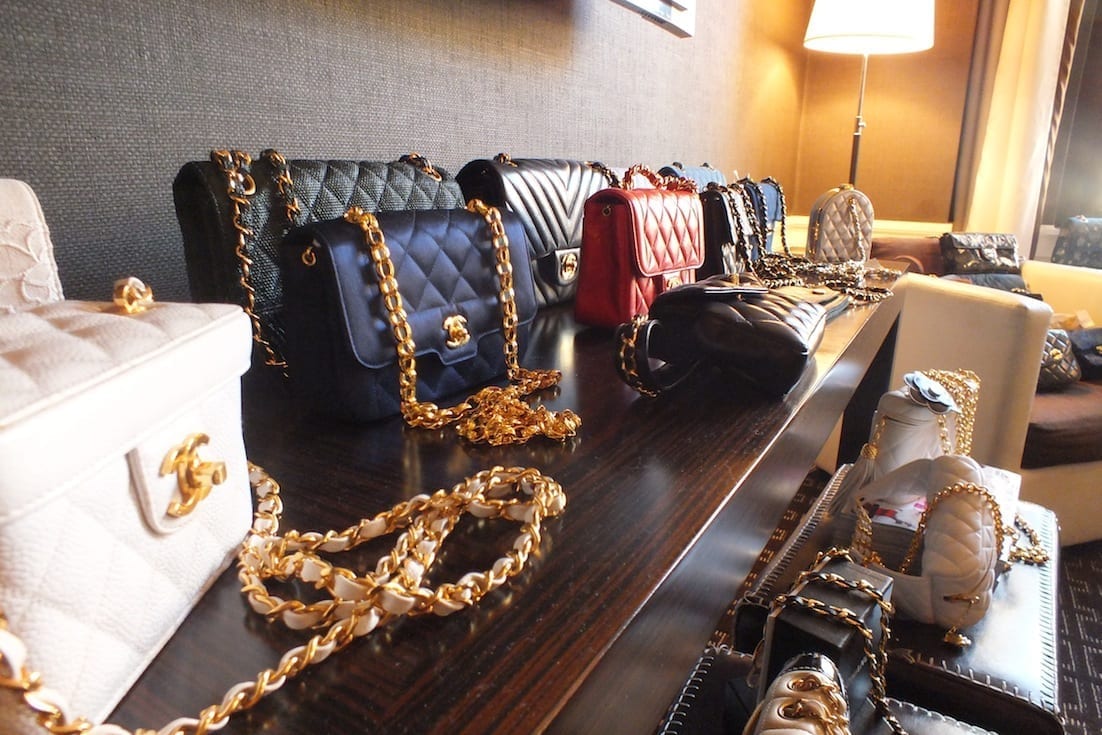
    Meanwhile, Chanel emerges as the top performer in Asia, with Burberry, Givenchy and Prada trailing close behind in the new luxury products category.

    “The group of luxury consumers is evolving and expanding – luxury is no longer just for the select few,” says Reebonz co-founder/CEO Samuel Lin. “With growing affluence and accessibility, more consumers can readily buy luxury goods.”

    A key finding from the index is that while there is still a growing demand for luxury goods, consumers are splurging more on higher-value new products. Expenditure growth has increased by 50 per cent while there have been only 37 per cent more transactions.

    “People are overlooking popularity for quality and exclusivity these days,” says Reebonz regional GM Benjamin Han.

    Blue-chip brands also command the pre-owned luxury category, with Chanel, Hermes and Prada posting strong performances across all product categories.

    Online luxury shopping continues to grow in Asia, with Hong Kong and Indonesia charting the biggest growth when it comes to high-end goods. Singapore is still firmly in first place for online shopping.

  • Alibaba Group now Asia’s richest company

    Alibaba Group now Asia’s richest company

    Alibaba Group Holding has surpassed Tencent Holdings and China Mobile in market capitalisation to become Asia’s richest company.

    Alibaba’s market value rose to US$261 billion in New York last week, overtaking Tencent’s US$255.98 billion capitalisation in Hong Kong on Thursday during a trading week shortened by a public holiday.

    China Mobile was the region’s third-largest company, valued at $249.38 billion.

    Alibaba’s shares have risen 28.8 per cent this year to $104.64, making the owner of Taobao.com and Tmall eCommerce platforms the world’s 10th-largest company by value, according to Bloomberg data. The world’s five most valuable companies now gain their revenue from technology or the internet – Apple, Alphabet, Microsoft Corp, Facebook and Amazon.com.

    In Asia, technology and internet-related businesses have displaced oil refineries, manufacturers and banks in the top three spots.

    Samsung Electronics of South Korea is the other technology company among Asia’s 10 most-valuable corporations, valued at $191.76 billion.

    As well as eCommerce, Alibaba has businesses in internet finance, cloud computing, film investment and logistics. The Hangzhou-based company’s second-quarter revenue rose 59 per cent, the strongest since its 2014 initial public offering in New York.

  • Max brings in the festive grandeur with Sanjeev Kapoor’s Limited Edition Virasat Collection

    Max brings in the festive grandeur with Sanjeev Kapoor’s Limited Edition Virasat Collection

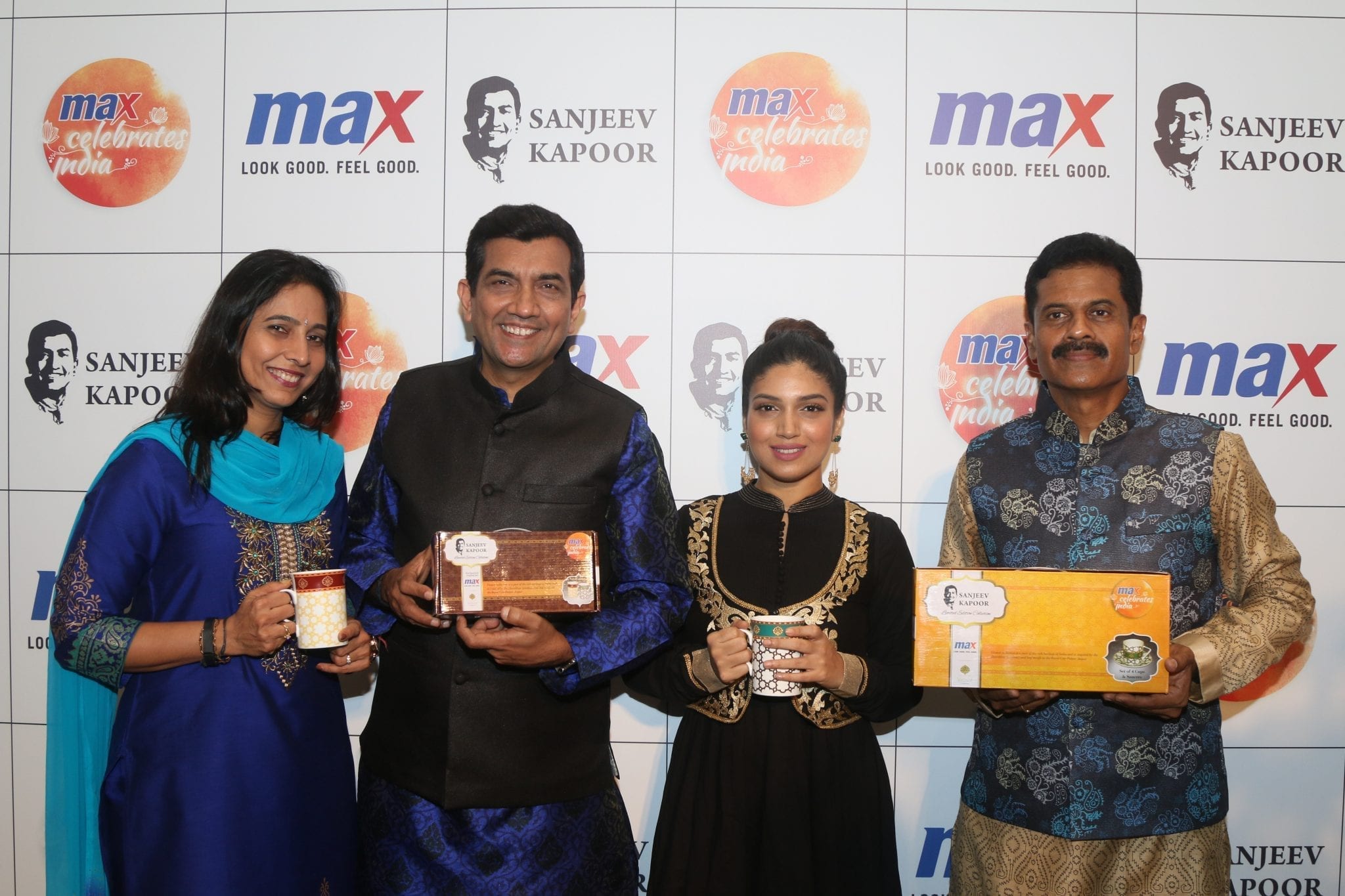
    Max, India’s largest value fashion brand, today unveiled its Festive Collection with the celebrated Bollywood actress Bhumi Pednekar. They also launched an exclusive festive offer –Sanjeev Kapoor’s Virasat Collection limited edition collection,making this festive season shopping experience a delight for the esteemed customers. Designed by India’s eminent Chef- Sanjeev Kapoor, the Virasat Collection is an ode to the opulence and the grandeur of India’s rich heritage. Exquisite coffee mugs and cups and saucer sets from the Virasat Collection were launched as a part of ‘Max Celebrates India’ festive collection and will be available across all leading Max Fashion stores in India.

    “I am very excited to be associated with Max’s Fashion Festive collection launch that ensures that there are grand designs for the entire family available. Festive time is an emotional time for all of us and this collection by Max brings out just the best of this warm spirit. The modern shoppers demand latest fashion trends and Max brings a variety of festive wear to make everyone stand out this season. Said Bhumi Pednekar, talking about her association with Max.

    Speaking on the launch, Mr. Vasanth Kumar, Executive Director, Max Fashion Indiasaid “We are excited to unveil ‘Max Celebrates India’ festive collection that showcases the beauty of India’s diverse and rich cultural heritage. We are also very happy to bring to our Max customersthe exclusive limited edition festive offer from Chef Sanjeev Kapoor’s Signature Virasat collection”.

    Chef Sanjeev Kapoor said, “This festive season, I am happy to bring forth my exquisitely designed Virasat Collection with Max Fashion, as it offers a perfect platform to reach out to millions of festive shoppers. The brand Sanjeev Kapoor signifies ethnicity, which is being intrinsically weaved into its Virasat range of crockery through its intricate designs based on royal architecture synonymous to Jaipur’s heritage. Moreover, patrons can have the pleasure to discover and cook traditional Diwali delicacies with the Virasat recipe book, which contains a treasure of festive Indian recipes”.

    Indian festivals are grand celebrations of our rich culture and heritage and to commemorate the festivities, Max Fashion offersexclusive limited edition offer from the Virasat Collection.  Inspired by the Jharokhas (window) and leaf motifs in the Royal City Palace, Jaipur, the Virasat Collection features exquisite coffee mugs and cup and saucer sets designed by India’s renowned Chef, Sanjeev Kapoor.  Max Fashion is exclusively offering its valuable customers a pair of Coffee Mugs on every purchase of Rs. 3499. For all purchase of Rs 6,999 and above, the festive shoppers at Max will receive the limited edition beautiful Virasat Collection set of 4 cups &saucers.

    The festive season shopping indulgence gets a royal touch with Max’s Festive collection. Showcasing variety of ethnic Indian wear that draws inspiration from phulkari embroideries, decorative brocades to dramatic baroques and heirloom, Max’s festive collection special merchandises are designed for the entire family. Max’s Men’s wear introduces ‘TAVISH’, a one stop ethnic solution of beautifully chanderis, art silk and rich brocadeembroidered kurtas to bandi jackets. The bright colours of voluminous skirts, traditional anarkalis, jewelled toned crop tops, vibrant coloured tiered kurtas and maxi dresses are a perfect way to brighten wardrobes. The cheerful ethnic collection for kids encompasses beautiful chanderi lehenga cholis, maxi dresses and brocades in delightful shades of magenta, vibrant orange and emeralds.

  • Garuda Indonesia opens new flight route in E. Nusa Tenggara

    Garuda Indonesia opens new flight route in E. Nusa Tenggara

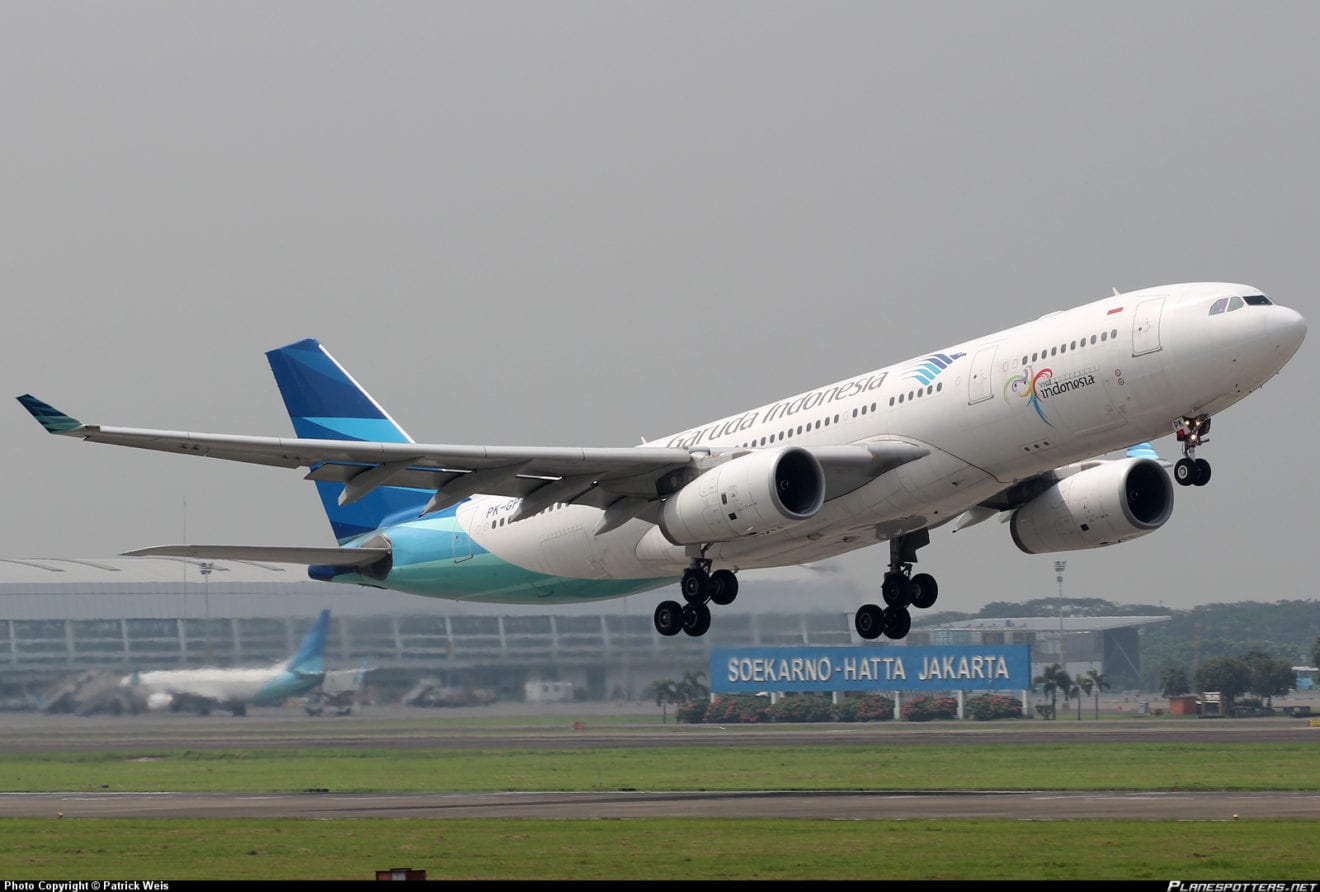
    The national airline Garuda Indonesia launched a new flight route here to expand connectivity in East Indonesia, said Director of Garuda Indonesia Cargo Sigit Murhartono on Thursday.

    “The two new routes are Maumere-Denpasar, round trip, and direct flights on Kupang-Jakarta, round trip,” he said in a press statement in Kupang.

    The inauguration of the new flight path for Garuda Indonesia was conducted at the Frans Seda Airport in Maumere, Sikka District, and was attended by Sikka Regent Yoseph Ansar Rera.

    Murhartono said the new flight service to and from the NTT is part of the expansion of the flight network, which continues to be conducted by Garuda Indonesia.

    In addition, the opening of the new route is part of the continued commitment of the state-owned airline to support the programs of the Presiden Joko Widodo (Jokowi) administration.

    “We have a commitment to always support government programs to improve connectivity between the island and the city, especially in developing the tourism industry to realize the target of 272 million tourists visiting Indonesia and to make NTT Province a new tourist destination,” he noted.

    He also expected the opening of the new routes would allow Garuda to increase the flow of tourists and businesspeople between Kupang City, as the capital of the province, and Maumere, which has many tourist spots.

    Murhartono explained that the Maumere-Denpasar route will be served by Garuda Indonesia four times a week — Tuesday, Thursday, Friday, and Sunday — with scheduled flights from Maumere departing at 10.55 a.m. and arriving in Denpasar at 00.55 p.m.

    Meanwhile, the Denpasar-Maumere trip will depart at 7 a.m. and will arrive in Maumere at 9 a.m. The Maumere-Denpasar round trip flight route will be served by an ATR 71-600 aircraft with a passenger capacity of 70 economy seats.

    The Kupang-Jakarta round trip flight will be served by a Bombardier CRJ 1000 NextGen aircraft, which is touted as being reliable and environmentally friendly with cost-efficient operations.

    “For the daily Kupang-Jakarta, round trip, service departure from Jakarta will be at 5 a.m., arriving in Kupang at 8.55 a.m. and then returning from Kupang at 6.55 p.m. and arriving in Jakarta at 8.10 p.m.,” he stated.

    With the opening of the new routes, Garuda Indonesia will serve up to 39 flights to and from NTT Province every week.

  • Esprit posts profit in major recovery

    Esprit posts profit in major recovery

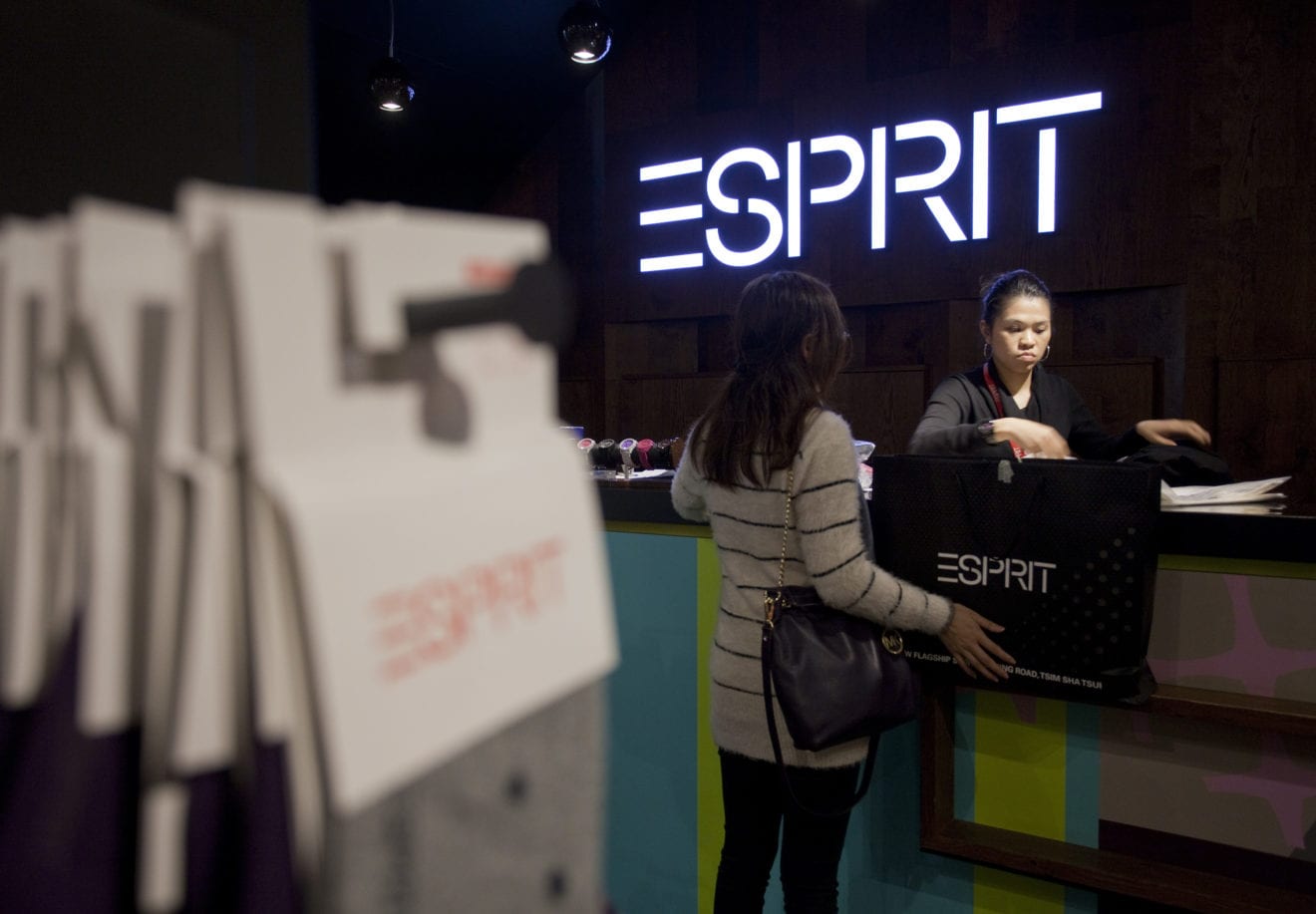
    Esprit Holdings (0330) posted a net profit of HK$21 million for the financial year ended June, marking a sharp turnaround from a HK$3.7 billion loss in the previous financial year.

    Chairman Raymond Or Ching-fai said the company’s return to the black was driven by the strong performance of its online and offline retail channels, reduction in the cost of operations and an exceptional gain from the sale of office premises in Hong Kong.

    “We have achieved what we wanted to do, we have stopped the ‘bleeding.’ For the first time, we were able to stop the continuous decline,” said chief executive Jose Manuel Martinez Gutierrez.

    It returned to profitability even if revenue fell 8.41 percent year-on-year to HK$17.79 billion. Sales from Germany, its biggest overseas market, slid 5.9 percent to HK$8.56 billion. Revenue from the rest of Europe, representing 37 percent of the group’s total sales, amounted to HK$6.58 billion, down 7.4 percent.

    In the Asia Pacific, including Hong Kong, revenue dropped 17.6 percent to HK$2.65 billion. Or said the overall market conditions remain challenging. He said the clothing industry was going through significant changes fueled by the development of online [marketing] channels and aggressive price competition.

    Europe’s macroeconomic prospects look uncertain, while the Asian market has turned weaker than before, Or added. In the financial year ended June, Esprit closed down 185 retail stores globally, reducing its net sales area by 10.90 percent. Gutierrez said Esprit will step up the closure of loss-making retail outlets.Over the next two years, it also plans to cut operating expenses by HK$1 billion. He said he expects the strong growth momentum of its online business in Europe and in Asia Pacific to continue. Revenue from its online e-shop grew 6.9 percent to HK$4.15 billion.

    Online sales made up 23.3 percent of total revenue, up from 20 percent in the previous fiscal year. Earnings per share was HK$0.01 and no dividend was declared.

    Chief financial officer Thomas Tang Wing-yung said no dividend was declared as profit was not significant, but Esprit will consider giving out dividends if it makes better profit in the next financial year.

  • The evolution of BreadTalk Singapore through the years

    The evolution of BreadTalk Singapore through the years

    It rolls out new bakery concepts every four years.

    To stay relevant in this difficult operating environment amidst the onslaught of e-commerce, constant make-over and product innovation are inevitable for retail stores.

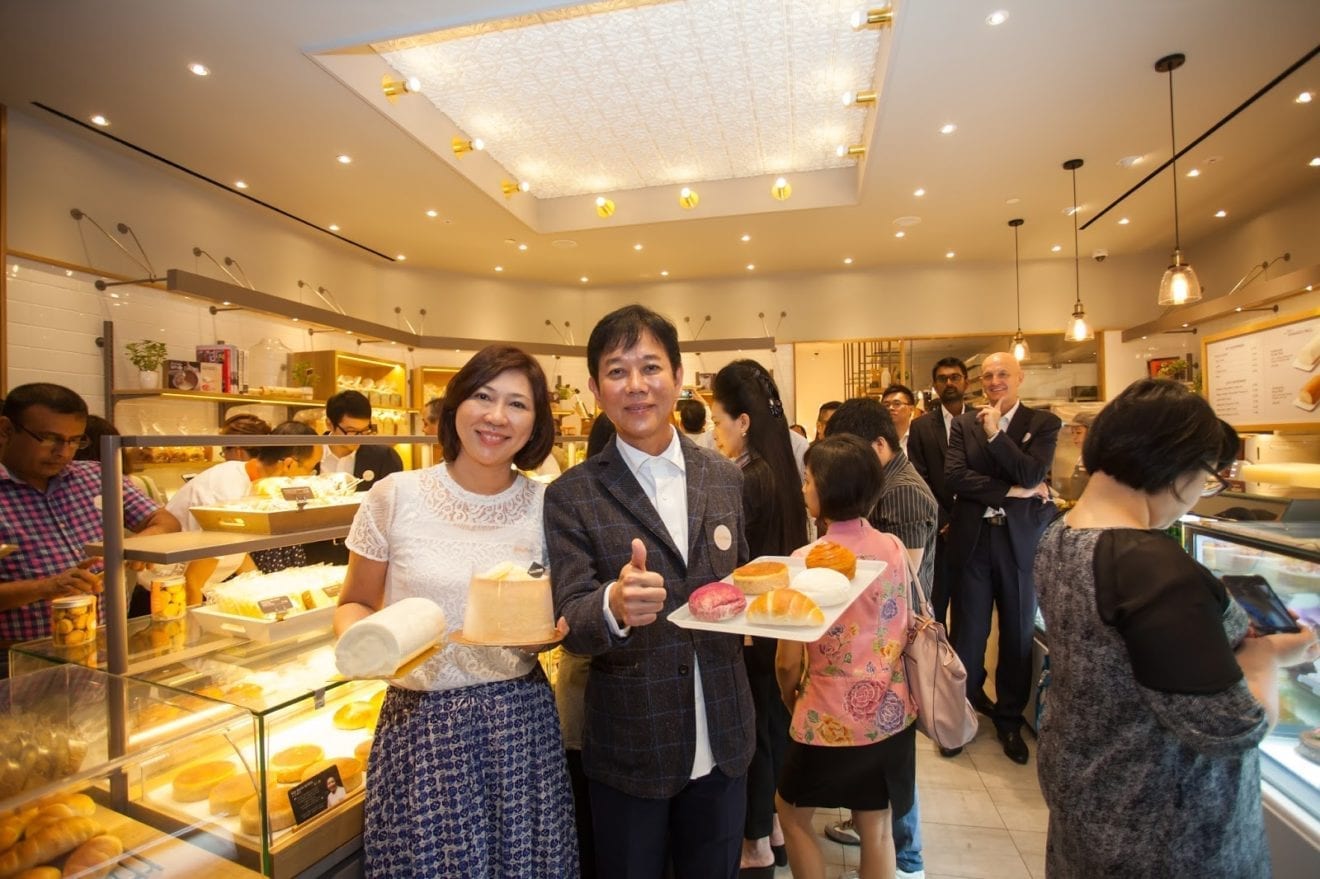
    Standing out amongst retailers in Singapore is homegrown bakery brand BreadTalk, which carried out a series of space revamps and exhibited willingness to experiment.

    RHB analyst Juliana Cai notes that BreadTalk launches a new bakery concept every four years to maintain a fresh brand image. It also rolled out 50 new products along with its latest concept launch.

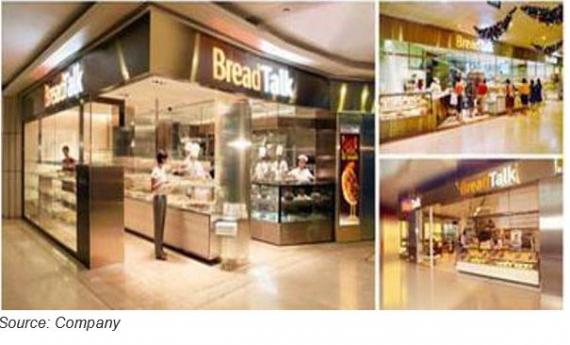
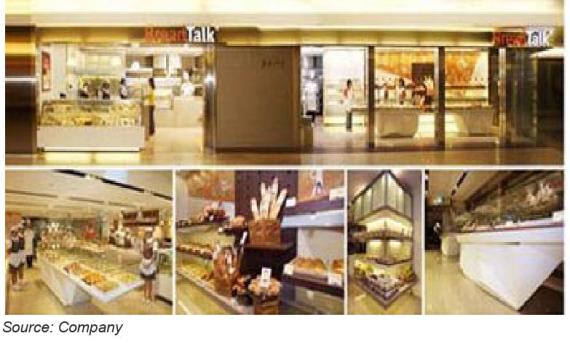
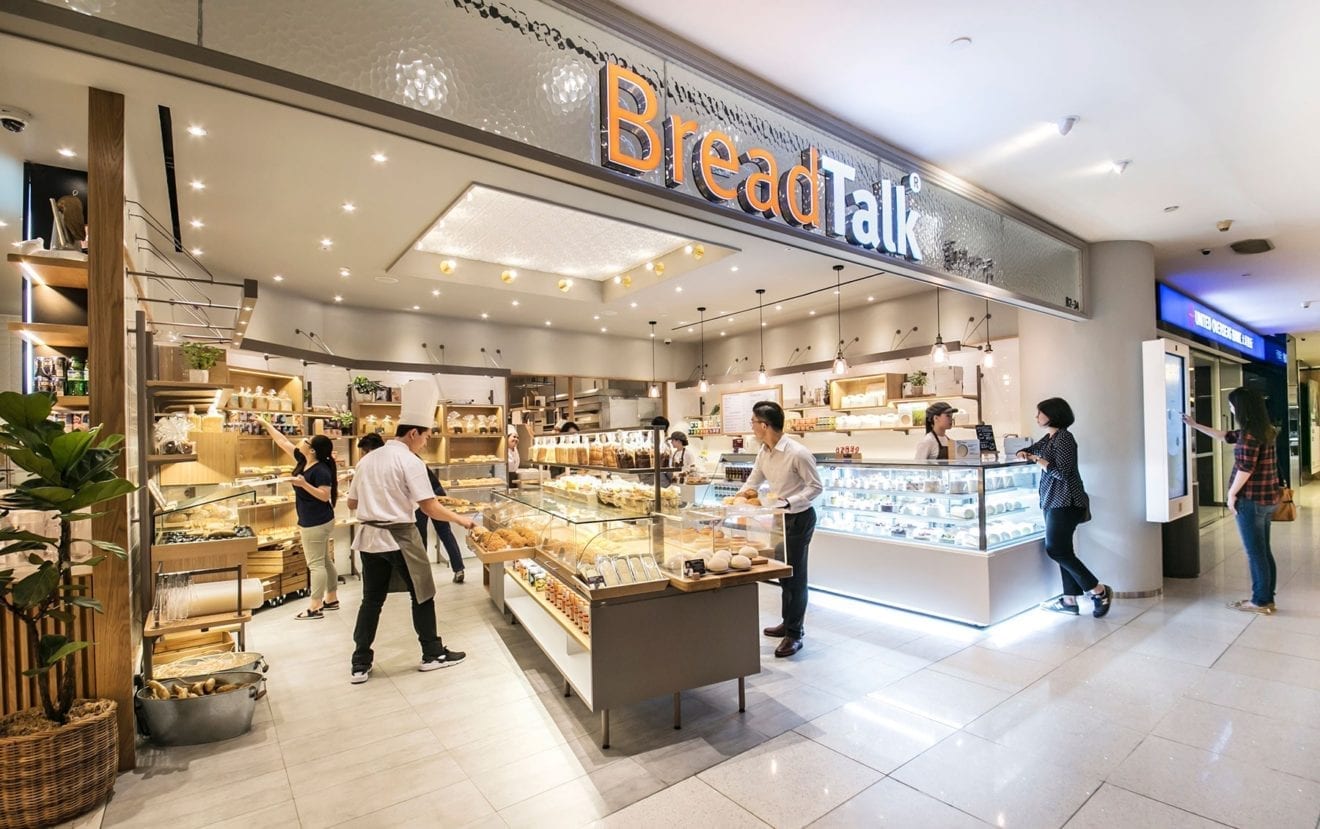
    Here are the four major faces of BreadTalk from year 2000 to the present, from a simple boutique bakery to a store with rustic feel:

    1
    Generation One – boutique bakery (2000-2004)


    2
    Generation Two – eye on elegance (2004-2008)


    3
    Generation Three – jewellery casing (2008-2011)


    4-breadtalk
    Generation Four – rustic feel (2012-present day)


    What do you think? Leave a comment about BreadTalk transformation.

  • Zara owner Inditex profits rise on clothes sales surge

    Zara owner Inditex profits rise on clothes sales surge

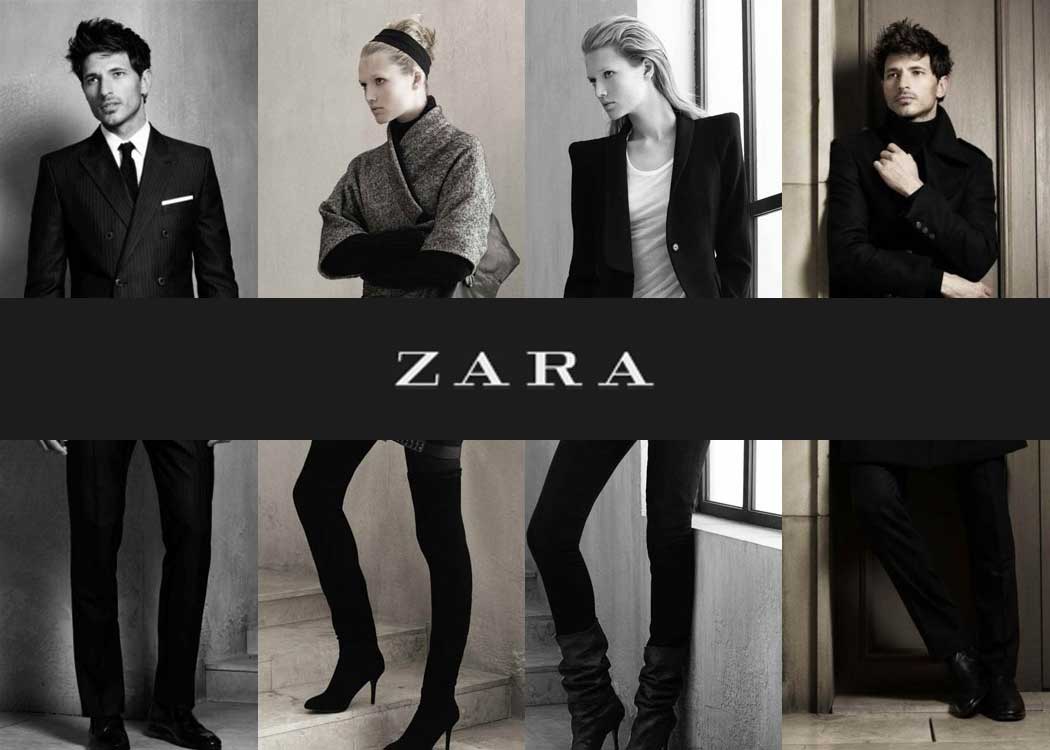
    Spain’s fashion retail giant Inditex, owner of popular brand Zara, on Wednesday posted an eight-percent rise in first-half profits thanks to a surge in clothes sales around the globe.

    One of the world’s largest fashion retailers said profit for the six months from February to July rose to 1.3 billion euros ($1.4 billion) from the same time a year earlier.

    “All of the group’s brands increased their international presence during the period, with 83 new stores in 38 countries,” Inditex said in a statement, adding that it ventured into three new markets — Aruba, Paraguay and Nicaragua.

    Sales in the first half rose 11 percent to 10.5 billion euros.

    The results of the company, which operates eight store brands including Zara, upmarket label Massimo Dutti and teen chain Bershka, beat analyst expectations, but only slightly.

    All brands posted a rise in sales.

    Zara and home decoration brand Zara Home were the clear winners, posting a 13-percent and 17-percent rise in sales respectively.

    The retail empire was founded in 1975 by the discreet, publicity-shy Amancio Ortega, who has since become the world’s second richest man after Bill Gates.

    Its main competitor, Sweden’s H&M, regularly challenges it for the global number one spot.

  • ShopBack Joins MDEC’s #MYCYBERSALE As Official Cashback Partner

    ShopBack Joins MDEC’s #MYCYBERSALE As Official Cashback Partner

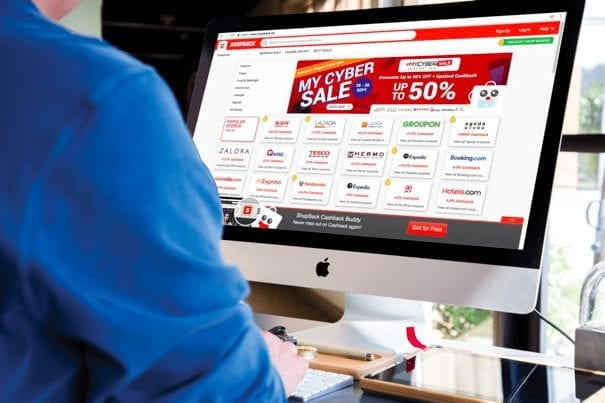
    ShopBack Malaysia, the most popular Cashback platform in the country, today announces that it is joining the much-awaited #MYCYBERSALE as its official Cashback partner to give away real, hard cash for online shoppers.

    Organised by Malaysia Digital Economy Corporation (MDEC), #MYCYBERSALE, the largest annual online sale event, is scheduled to be held from 26-30 September this year. The 5-day national event will see e-retailers like Groupon, Hermo, Lazada, Zalora, Qoo10, Photobook Malaysia, and more to collectively customise their products as well as services to surprise shoppers with best value deals and up to 90% discounts.

    Ms Wee Huay Neo, Director of eCommerce Enablement at MDEC says, “#MYCYBERSALE is all about providing value-added experience to online shoppers and having ShopBack on board as one of our partners will add-on more value and savings to buyers everywhere.”

    Sharmeen Looi, the Chief Operating Officer of ShopBack Malaysia expresses, “It’s our pleasure to be part of #MYCYBERSALE this year. As the leading Cashback platform in the country, ShopBack collaborates with e-retailers to give away up to 50% Cashback on top of the promotions they offered.”

    ShopBack brought the triple-win Cashback model that benefits all parties – shoppers, e-retailers, and Cashback provider – into Malaysia in February 2015. It has enabled Malaysian shoppers to cash out RM5.4 million so far, of which the top shopper received more than RM17,000 in his account.

    “Cashback can be obtained every time when shoppers click through ShopBack and make a purchase from any of our 500 over online sites, thereafter transfer the accumulated savings into their bank account. We believe that via this practical approach, the number of online shoppers will eventually increase and lead to a sustainable digital economy growth here,” Looi further explains.

    The company took the initiative to raise Cashback offerings since early this year to help Malaysians save more on their daily purchases, whereby approximately 300,000 savvy shoppers are getting Cashback incentives from ShopBack every month.