Tag: asia

  • Carrefour Taiwan Ping Jian store’s ‘unique’ experience

    Carrefour Taiwan Ping Jian store’s ‘unique’ experience

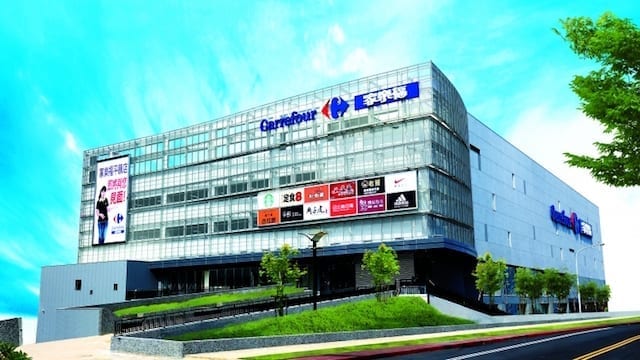
    Customers of Carrefour Taiwan’s new Ping Jian store have been promised “a new shopping experience in different universe”.

    The store, the French retailer’s 88th in the country, features what the company describes as an “integration of three dimensions: eco-friendly, digital application and customer experience”.

    “Many new concepts have been implemented to create a unique shopping experience,” Carrefour Taiwan said in a statement.

    Digital technology was applied to upgrade customer’s shopping experience. A 3D virtual fitting room delivers customers a brand new experience. Through searching products by different categories, users can try on different looks within seconds. The outfits fit customers’ bodies on the screen and users can view them at different angles and easily find an ideal match.

    carrefour-taiwan

    The two-level Ping Jian store has a sales area of 6855 sqm, a restaurant precinct and shopping mall. Built as a ‘green building’ it uses LED lights and various materials to reduce energy use by 25 per cent. A water recycling system collects rainwater for cleaning and gardening.

    Food options include a professional pizza oven. Customers can customise their own pizza with any ingredient.

    In the salads and soups bar, customer can make their own salad or lunch box.

    In front of the cashier area, hamburger, shawarma, fried chicken and drinks in “Oh Bar” are made for takeaway. Ping Jian also launched Australia’s premium Wagyu Kobe Beef which attract hundreds of customers during opening day tastings.

    Outside the cashier line, Customer can enjoy their food in a spacious rest area with nature and green outlook and an aquarium.

  • Beckham and Hart team again for H&M campaign

    Beckham and Hart team again for H&M campaign

    Sports star/fashion icon David Beckham has reunited with comedy star Kevin Hart for a fresh H&M campaign.

    In a commercial promoting the Modern Essentials selection by Beckham, the storyline picks up from their first H&M commercial together in which Hart was preparing to play Beckham in a biopic film. This time around, Hart is working on plans to star in I, Beckham: The Musical.

    David Beckham - Kevin Hart H&M 3

    “I loved shooting the first campaign with Kevin for H&M so much, we just had to do a sequel,” says Beckham. “This time we’ve pushed the story even further.”

    “It’s great to have the opportunity once more to show the world what everyone really knows, that I am the true inspiration for David Beckham’s style. He copies everything from me,” says Hart.

    David Beckham - Kevin Hart H&M 1

    In the commercial, the two take a road trip from Los Angeles to Las Vegas to meet financiers for the new Vegas movie.

    David Beckham - Kevin Hart H&M 2

    For the campaign, the duo wear two looks from the collection: a zip-up flying jacket with fake-fur collar worn with a turtleneck, and a block-stripe knit sweater.

    Beckham’s autumn/winter 16 Modern Essentials collection will be available in H&M stores and online from September 29, when the full commercial also launches on HM.com.

  • Cargill enters partnership with Japfa for poultry products in Indonesia

    Cargill enters partnership with Japfa for poultry products in Indonesia

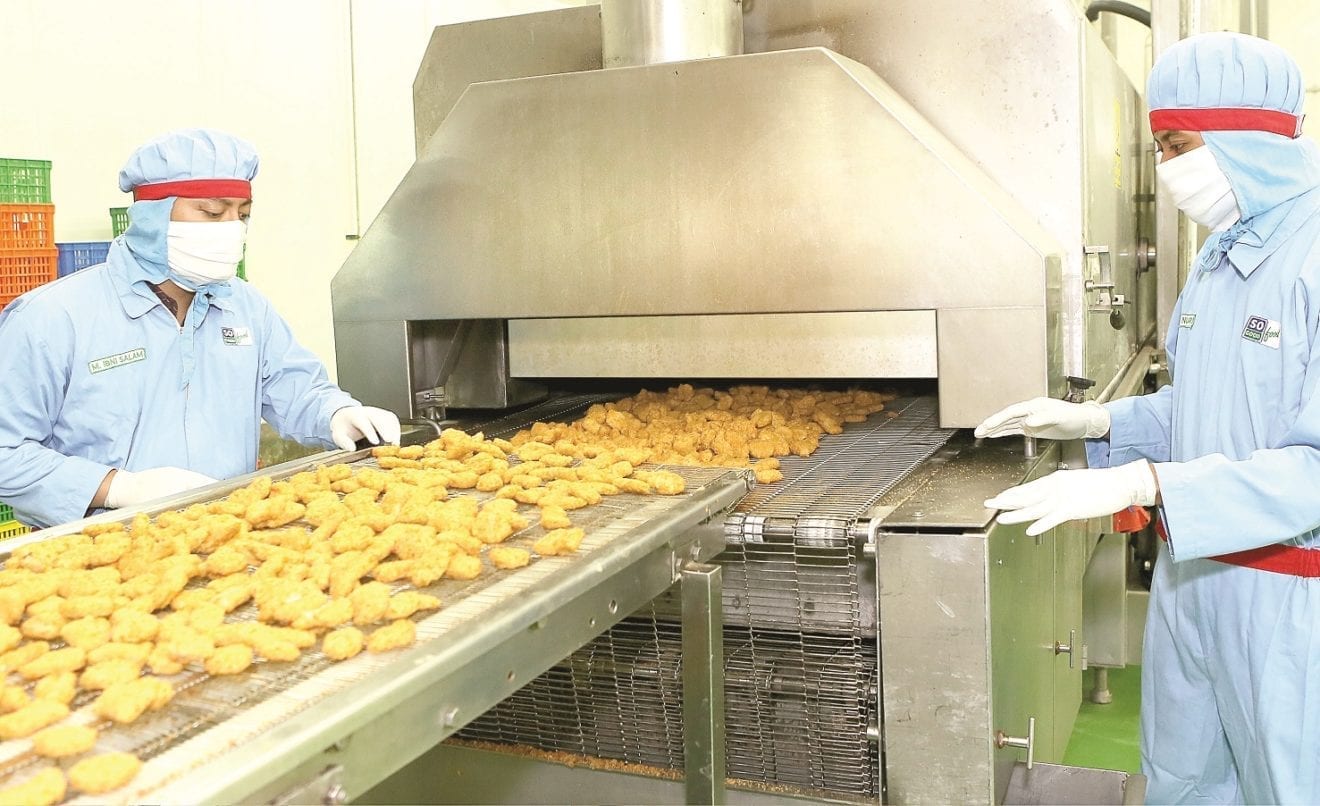
    Cargill and So Good Food, a wholly-owned Indonesian subsidiary of leading agri-food company Japfa, have entered into a 60-40 joint venture to produce and supply fully-cooked poultry products in Indonesia. The strategic partnership will leverage Cargill’s broad industry expertise to boost So Good Food’s capabilities in consumer food processing technologies, product innovation and quality assurance. Cargill and Japfa will also work together to produce a new range of value-added consumer food products.

    Besides toll manufacturing for So Good Food, the joint venture company, Cahaya Gunung Foods (Shining Mountain Foods), will supply high quality products to well-established and reputable quick service restaurants (“QSR”); hotels, restaurants, and the food service sector (“HORECA”); as well as convenience stores and petrol kiosks (“CVS”) in Indonesia. Cahaya Gunung Foods will also have the capability to export products to the region.

    Cementing Partnership, Strengthening Capabilities

    Derek Schoonbaert of Cargill was appointed Managing Director of Cahaya Gunung Foods and he stated: “Indonesia is an important growth market for Cargill. This is our first venture in the poultry business in Indonesia and we are excited to be partnering with Japfa. We will implement our world-class systems and processes to ensure high quality chicken products through our broad industry expertise and quality standards.

    On Japfa’s latest partnership, Mr Tan Yong Nang, Chief Executive Officer of Japfa, explained, “We are pleased to further cement our relationship with Cargill, whom we have had a long standing business relationship with. To be selected as Cargill’s JV partner is testament of Japfa’s high quality, food safety and welfare standards. We look forward to strengthening our capabilities and know-how with Cargill’s broad industry expertise, and deliver even better quality chicken products.”

    Cahaya Gunung Foods will initially operate out of So Good Food’s existing value-added meat plant at Boyolali, Indonesia and take over the employment of the employees at the processing facility. Both companies will look to invest and expand the operations together, focusing on new premium products.

    Meanwhile, So Good Food will continue to operate its four meat processing plants in Indonesia, focused on producing downstream branded ready-to-eat consumer food products such as chicken nuggets, meat balls and shelf-stable sausages.

    Growing Appetite in Indonesia

    According to Euromonitor, Indonesia is the largest foodservice market in ASEAN. The value sales for Indonesia’s foodservice market grew at a compound annual growth rate (“CAGR”) of 8.7% from 2010 to 2014, reaching US$36.8 billion in 2014, which was about US$14 billion higher than the next largest ASEAN market, Thailand.

    Full-service restaurants, fast food and street stalls/kiosks are the top three growth drivers for Indonesia’s foodservice market. The sales value of the foodservice market is estimated to increase at a CAGR of 9.0% from 2015 to 2019 to hit US$56.3 million by end 2018.

    “As the world’s fourth most populous nation, Indonesia’s foodservice market offers immense opportunities. Today, our So Good, So Good Sozzis and So Nice brands are already award-winning household brands in Indonesia for processed meats such as chicken nuggets, meat balls and shelf-stable sausages. Our JV with Cargill will take us a step further into new growth segments such as HORECA and CVS with a wider range of consumer food products,” concluded Mr Tan.

  • Google may face over $400 million Indonesia tax bill for 2015

    Google may face over $400 million Indonesia tax bill for 2015

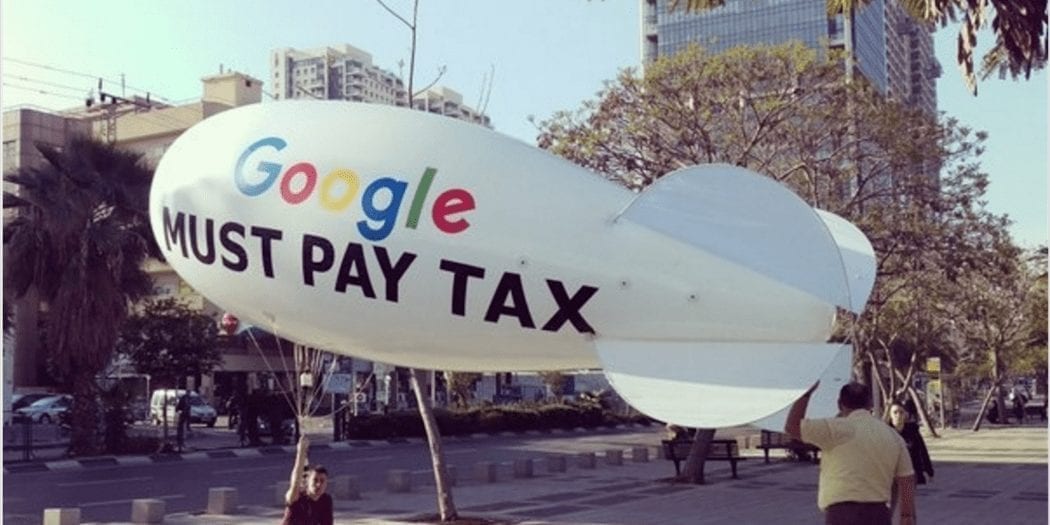
    Indonesia has really slammed Google this time around. If you can’t pay the fine don’t do the crime. The latest with the two is that Indonesia is arranging to seek after Google for a long time of back charges, and the colossal exploratory giant could be condemned with a bill of more than $400 million for 2015 single-handedly, in the occurrence that it is found to have maintained a strategic distance from installments.

    Muhammad Hanif, leader of the assessment office’s exceptional cases branch, went to Google’s neighborhood office in Indonesia on Monday. The duty office claims Google Indonesia paid under 0.1 percent of the aggregate wage and esteem included expenses it owed a year ago.

    Google Indonesia emphasized an announcement made a week ago in which it said it keeps on participating with neighborhood powers and has paid all pertinent charges.

    On the off chance that discovered blameworthy, Google will need to pay fines of up to four times the sum it owed, conveying the greatest expense bill to 5.5 trillion rupiah ($418 million) for 2015. OUCH!

    The greater part of the income produced in the nation is reserved at Google’s Asia Pacific base camp in Singapore. Google Asia Pacific declined to be reviewed in June, provoking the expense office to heighten the case into a criminal one,

    Google’s contention is that they simply did tax planning. Tax arranging is lawful, however forceful expense arranging – to the degree that the nation where the income is made does not get anything – is not lawful. That’s right, the law will bite you, so make sure you do your homework beforehand.

    Tax avoidance, not at all like tax evasion, is legitimate. Be that as it may, numerous expansive organizations push into legitimate hazy areas with forceful methodologies intended to expand “charge effectiveness”. A typical approach to move benefits seaward is through exchange evaluating, when auxiliaries in various nations charge each other for merchandise or administrations “sold” inside the gathering. This is especially prevalent among innovation and medication organizations that have bunches of licensed innovation, the estimation of which is particularly subjective. These intra-organization eminence exchanges should be arm’s-length, however are regularly evaluated to minimize benefits in high-charge nations and amplify them in low-impose ones.

    The assessment office will summon chiefs from Google Indonesia who additionally hold positions at Google Asia Pacific, including that it is working with the Indonesian police.

    All around, it is uncommon for a state examination of corporate assessment structures to be swelled into a criminal case. It ordinarily takes no less than three years for an Indonesian court to settle on a choice on an assessment criminal case.

    The duty office wants to pursue back assessments from different organizations that convey content through the web (over-the-top administration suppliers) in Indonesia.

    The Indonesian correspondence and data service is chipping away at another direction for OTT suppliers, and the duty office has suggested that an organization with system nearness in Indonesia ought to likewise be liable to tax assessment.

    Lawsuits are a pretty common manner with society and especially businesses. The Law dictionary outlines it significantly. According to the most recently acclaimed statistics, approximately 95 percent of awaiting lawsuits end in a pre-trial settlement. This means that just one in 20 cases are determined in a court of law by a judge or jury. It also means that planning for a pre-trial settlement is a vital factor of any lawful policy. Evidently, many seasoned plaintiffs use the immensity of the pre-trial preparation period to assemble a case that persuades their opponents into resolving for a favorable sum.

    We have to consider that Google is a very, very, very successful business. So despite them possibly being hit with this bill, chances are they can afford to pay for it. But of course who wants to waste money like that? How much does Google make exactly? I’m sure you’re all wondering. Moz indicates that in 2013, Google made $58.8 Billion in revenues. In Q1 of 2014, Google reported making $15.4 billion – on track to beat $60B for the year. For the financial year 2010, Google reported revenues of $29.3 Billion.

  • Alibaba-KFC partnership more than a shareholding

    Alibaba-KFC partnership more than a shareholding

    Why did Alibaba decide to take a stake in Yum China, buying into the Chinese fast food market?

    The Alibaba-KFC partnership was growing strongly long before the tech paid $50 million for a stake in Yum China.

    Last week, the fast food company opened a KFC flagship store on Tmall, the eCommerce giant’s B2C marketplace, to cultivate deeper ties with more customers, chief among them China’s internet-savvy youth.

    The KFC Tmall store isn’t selling chicken outright, but it is selling the sizzle of the KFC brand by encouraging consumers to join its membership program through the sale of e-coupons and gift cards that can be redeemed at its restaurants by using the Tmall or Mobile Taobao apps. KFC has more than 5000 restaurants in over 1100 cities in China, and the company is hoping to “build a new O2O [online-to-offline] model” that uses digital marketing to boost traffic at its brick-and-mortar stores, said Guan Bin, digital manager at Yum Brands.

    Connecting with China’s mobile-happy youth market can be an important strategy for any fast-food chain, but it’s particularly key for Yum China, which has seen its once-dominant position in the mainland fast-food market eroded by growing competition and food-safety scares. KFC’s market share in China has dropped from close to 40 per cent in 2012 to 23.9 per cent last year, according to Euromonitor International. Same-store sales in China outlets declined 4 per cent in 2015, Yum Brands disclosed in its 2015 financial annual report.

    Against this backdrop, KFC is making what Guan says is the company’s first foray into eCommerce (Yum’s Pizza Hut restaurant chain already has a Tmall presence). The goal is to boost KFC brand awareness and customer base by leveraging Tmall’s “massive traffic” as well as Alibaba Group’s marketing ecosystem and wealth of online consumer data, he said.

    “By opening a shop on Tmall, we want to convert more customers to members, and understand their consumer behavior both online and offline so we can come up with tailored discounts and awards for them,” Guan said. KFCs in China last year adopted Ant Financial’s Alipay cashless payment solution, which includes app-based food ordering and home delivery.

    For its September 6 debut, KFC’s Tmall shop offered bulk purchases of top-selling meals at discounted prices, such as 30 breakfast meals for RMB 199 ($30) and five family meals at RMB 320 ($48). The debut included KFC’s participation in one of Tmall’s Super Brand Day marketing campaigns as well as an augmented reality game: Sept. 2-6, users armed with smartphones and the Tmall app were able to “capture” images of Tmall’s cat mascot in physical KFC shops, which entitled them to buy products from KFC’s Tmall shop for just one yuan.

    On September 6 alone, some 3 million users visited KFC’s Tmall page, according to Tmall. Coupons for the purchase of more than 80,000 30-piece chicken nugget packs–totaling some 2.4 million nuggets–were sold on the day. The results were “beyond our expectations,” Guan said.

  • Indonesia-US economic ties to strongly develop in next five years

    Indonesia-US economic ties to strongly develop in next five years

    The US-Indonesia trade may increase by 46 percent in the next five years, according to the latest report from the US Chamber of Commerce in Indonesia, source from Vietnam News in Jakarta.

    The report appreciates efforts by President Jokowi’s government in carrying out economic reforms and improving the business environment, saying that the reform needs to be stepped up.

    It also urges the Indonesian government to boost the law enforcement and create a more solid and fair legal foundation, especially in respecting commercial contracts, which is very important in creating confidence for businesses who intend to do business in Indonesia.

    The report recommended the Indonesian government continue reforming administrative procedures and investment policy and cut investment licensing time.

    In 2014, two-way trade between the US and Indonesia surpassed 90 billion USD.-

  • Emirates has launched SkyPharma, its new facility at Dubai International Airport

    Emirates has launched SkyPharma, its new facility at Dubai International Airport

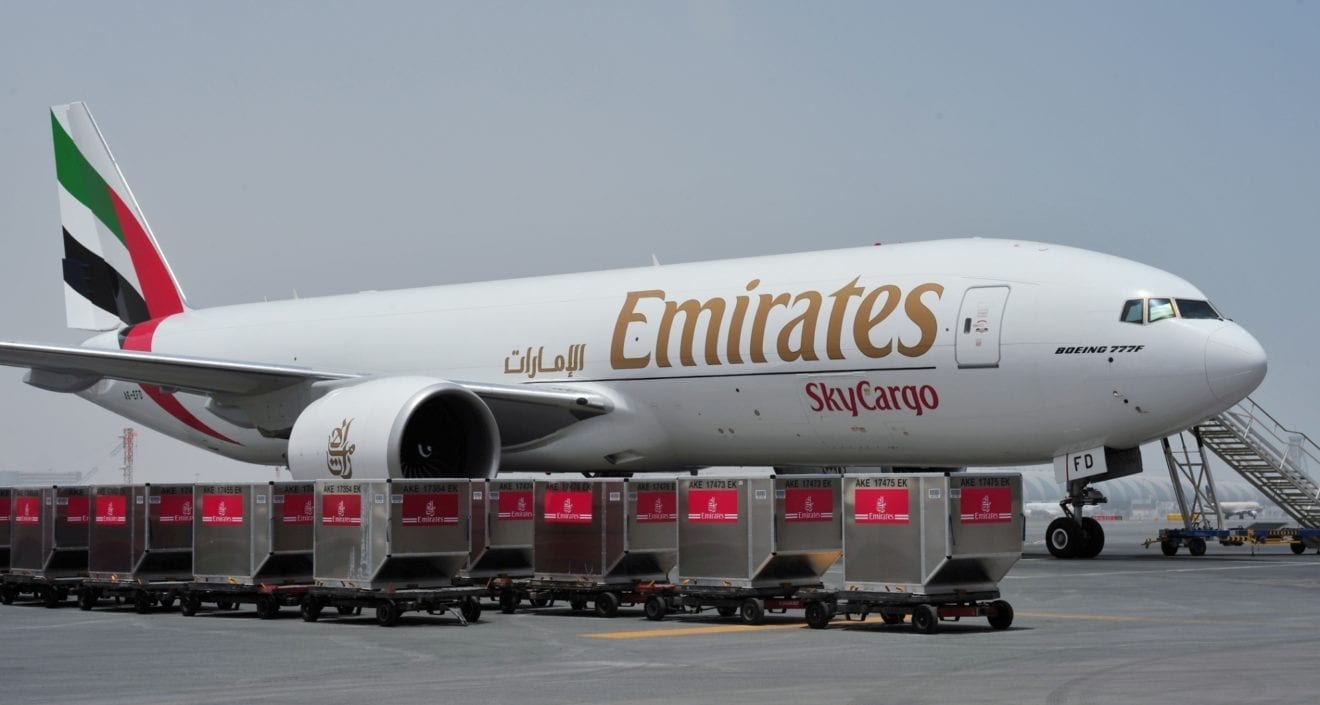
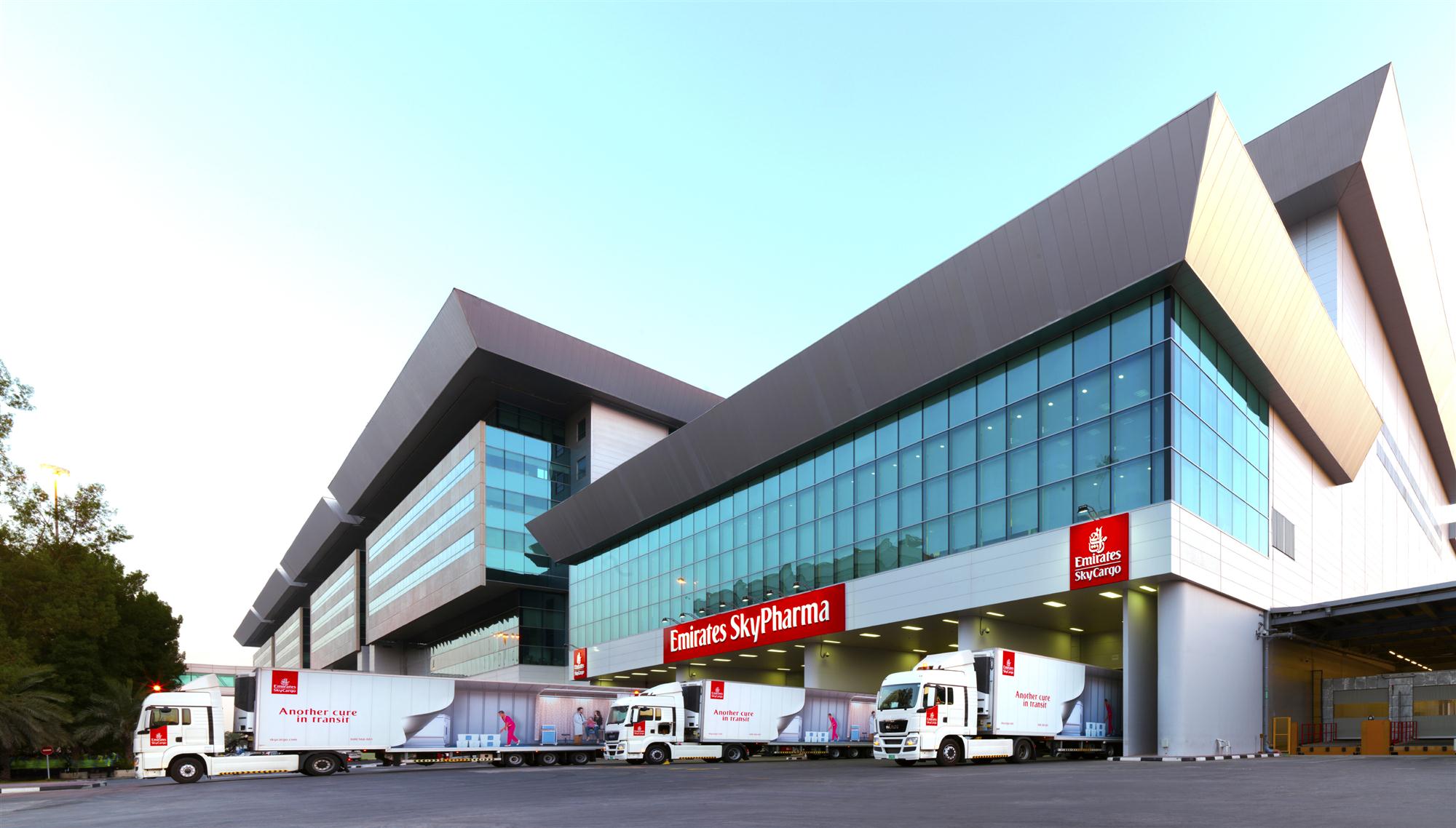
    Emirates has launched SkyPharma, its new facility at Dubai International Airport dedicated to temperature-sensitive pharmaceutical shipments.

    Self Photos / Files - IMG_20160918_093847

    “Every day, pharmaceutical products are critical to the health and well-being of people, and are transported from their place of manufacture to destinations across the world,” said Nabil Sultan, divisional senior vice president of cargo at Emirates. “For many of these products, such as vaccines, the time taken to transport the product from its origin to the destination is of critical importance and the air cargo industry plays an important role.”

    The new, 4,000m2 facility features two temperature-controlled zones of 2°C to 8°C and 15°C to 25°C, 88 cool cells and five temperature-controlled acceptance and delivery truck docks.

    Self Photos / Files - Emirates SkyPharma DXB

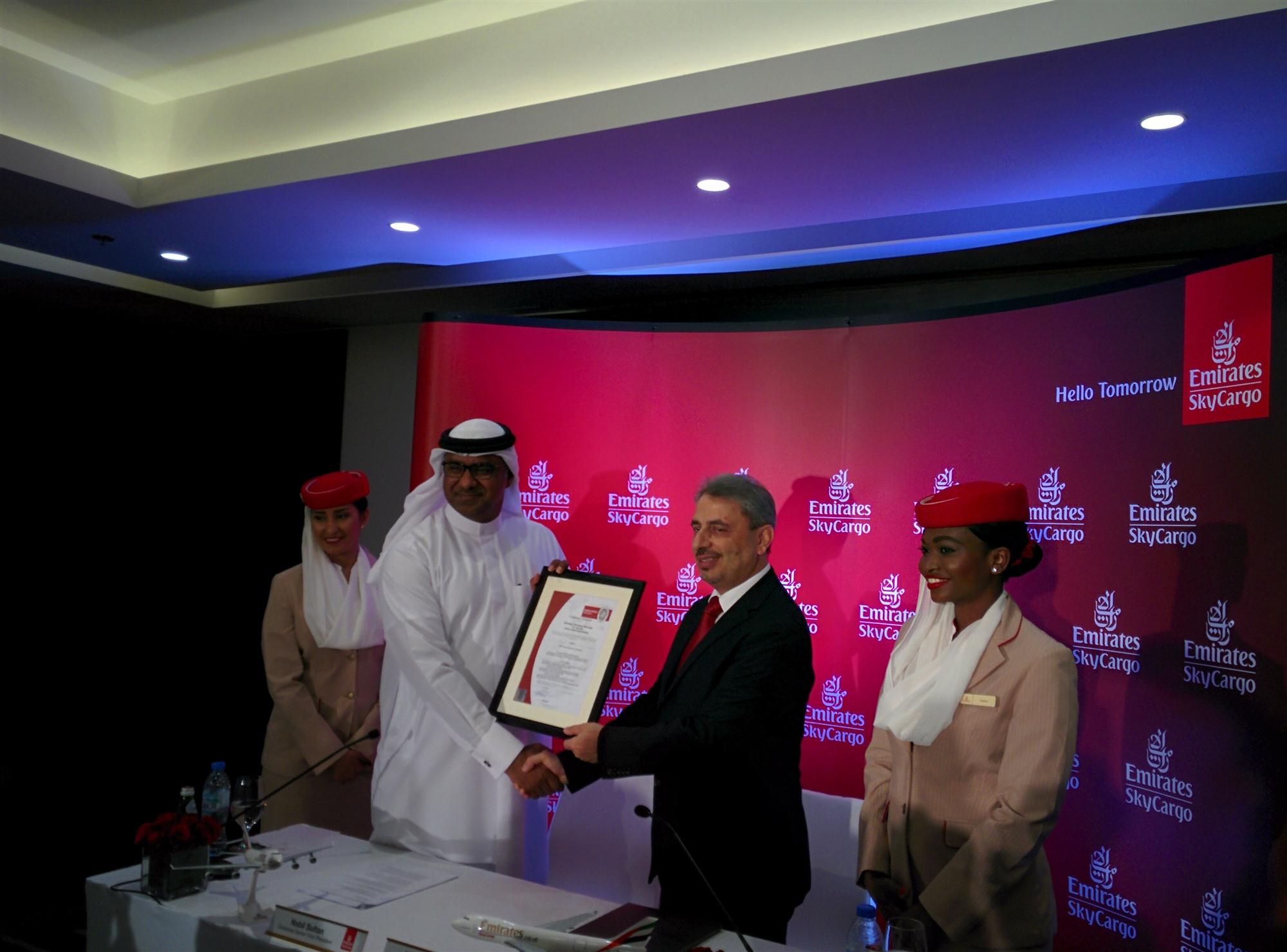
    SkyCargo has also been certified under the European Union’s Good Distribution Practice guidelines for medicinal products for human use, covering all of the carrier’s handling of pharmaceutical shipments at both SkyPharma at Dubai International Airport and SkyCentral, Emirates’ freighter hub at Al Maktoum International Airport, connected by a bonded trucking service consisting of 12 dedicated reefers.

    “The GDP guidelines are today considered the benchmark in the pharmaceutical industry for ensuring that the quality and integrity of the pharmaceutical product are maintained during the transportation,” said Sultan. “Emirates SkyCargo is the first cargo airline in the world that has obtained GDP certification for its multi-airport hub operation.”

    The certification was awarded by Bureau Veritas after an audit process carried out by the agency’s team from Germany.

    “Our new Emirates SkyPharma facility and our new GDP certification will allow us to work even more closely with our partners in the pharmaceutical industry,” said Sultan. “In addition, our dedicated pharma-handling facility at Dubai will further consolidate Dubai’s position as a leading transportation hub for healthcare and pharma logistics.”

    Cargolux was the first airline in the world to awarded the GDP certification for pharmaceuticals in 2014.

  • Arvato gears up for Asia

    Arvato gears up for Asia

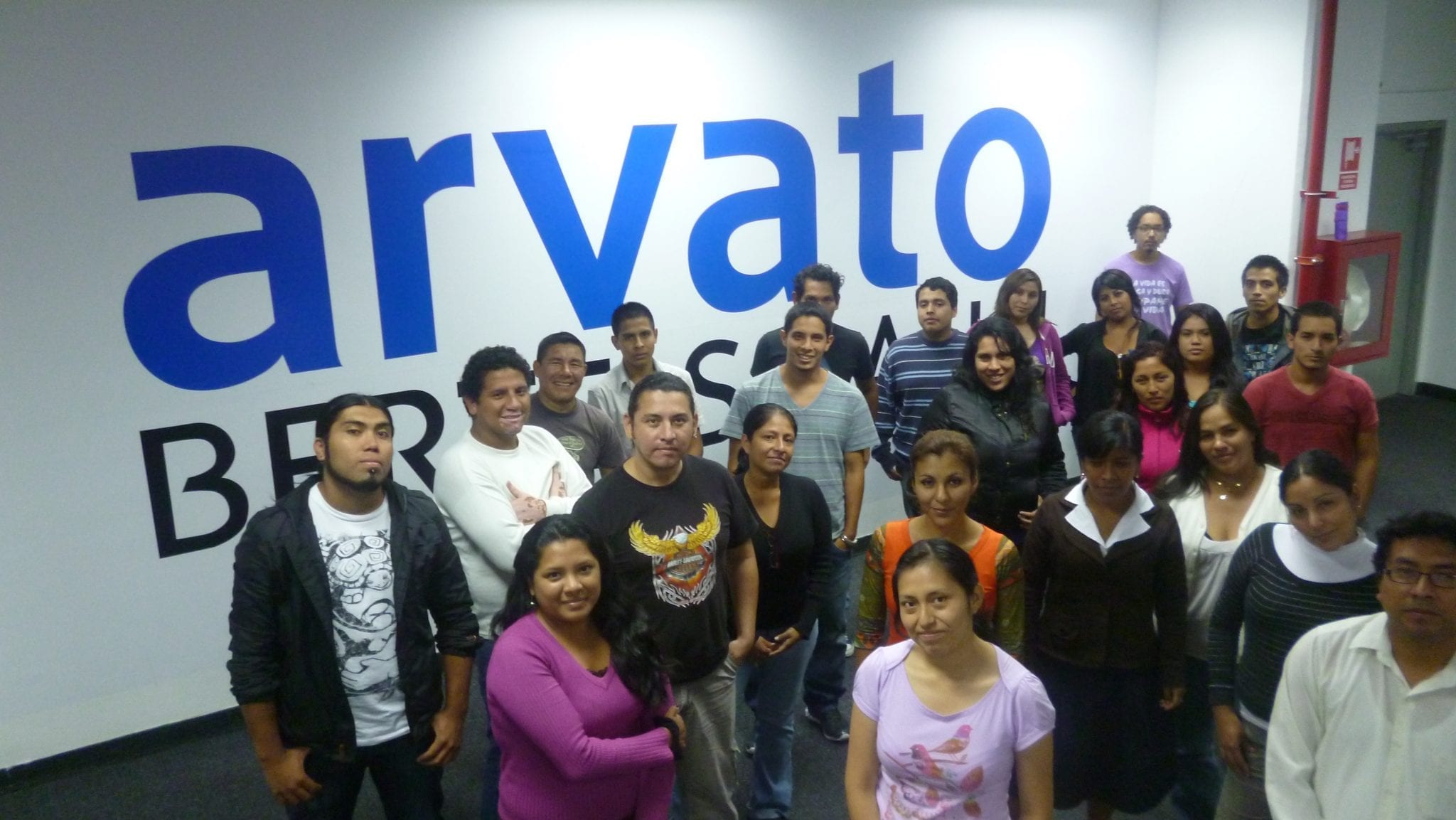
    Arvato has designated Singapore as the new Asia-Pacific headquarters for its supply chain management (SCM) Solution Group. To facilitate this, the company has relocated its existing sites in the country to a single 80,000 square feet unit. Raoul Kuetemeier has stepped up from his previous general management role in China to Head of Asia.

    “We see an increasing demand for SCM solutions that integrate China and other Asian countries and markets. The new headquarters helps us to establish a strategic footprint in the region,” said Kuetemeier. “With our resources pulled together, we also enhance the efficiency of our highly customized SCM strategies and strengthen our leading position as a SCM solutions provider in Asia’s high-tech and entertainment sector.”

    Arvato’s new premise in Changi International Logispark, one of Singapore’s most established logistics clusters, is furnished with an office, warehouse and assembly area where Arvato will carry out increased volumes of regional logistics and value-added services for its clients. The location is prime for its proximity to the Changi airport as well as freight forwarders and expressways. This way, it complements Arvato’s global operational network.

    As part of his new responsibilities, Kuetemeier will focus on streamlining the operations and sales activities for the Arvato SCM Solution Group in the Asia Pacific region. In his new role, he oversees more than 600 employees across Singapore, Shanghai, Shenzhen, Bangkok, Tokyo and Hong Kong.

    Kuetemeier joined Arvato in 2004 where he played a key role setting up new facilities in Germany and Austria. Prior to his current position, Kuetemeier was based in China for eight years. He has a proven track record of supporting multi-national clients to develop their strategic supply chain strategies in Europe and Asia.

  • Renault, Nissan buy French tech firm to develop mobility apps

    Renault, Nissan buy French tech firm to develop mobility apps

    Renault SA and Nissan Motor Co announced on Tuesday they would buy French software development company Sylpheo as they compete with global automakers and tech firms to develop new services including ride hailing and car sharing.

    The French and Japanese automakers said that the acquisition, under which they would absorb Sylpheo’s 40 engineers and consultants, would boost their software development and cloud engineering expertise.

    “The Sylpheo team of software developers and cloud engineers joining the Alliance will have a unique opportunity to work on our next generation of connected cars and other advanced technologies,” said Ogi Redzic, Renault-Nissan’s senior vice president of Connected Vehicles and Mobility Services.

    “They will be playing a critical role in this new era of tremendous change for the global auto industry.”

    Automakers from Toyota Motor Corp (7203.T) to General Motors (GM.N) have been investing in software firms and mobility start-ups to position themselves for the rise of autonomous driving, ride-sharing and other connected services which threaten the traditional vehicle ownership model that has dominated the past century.

    Sylpheo will develop the applications for the alliance’s connected car service platform, a Renault spokeswoman said. She said the acquisition was part of the alliance’s recruitment push to hire 300 technology experts to better compete in the fast-growing mobility services sector.

    These services will be integrated with autonomous driving technologies. In July, Nissan launched a suite of semi-autonomous driving functions in one of its Japanese minivan models which enables the vehicle to drive on single lane motorways and navigate congestion.

    The two companies plan to launch more than 10 vehicles with autonomous drive technology by 2020. Nissan is aiming to develop autonomous multiple-lane driving functions, including lane changes, by 2018, and functions for full urban driving, including intersection turns, by 2020.

  • GSMA details industry’s impact on UN SDGs

    GSMA details industry’s impact on UN SDGs

    The GSMA has published the first research into the global mobile industry’s contribution towards helping the UN achieve its sustainable development goals (SDGs).

    Prepared by Deloitte, the report also details several industry commitments and explores ways the industry can strengthen its impact on the goals.

    According to GSMA director general Mats Grannyd, the report will establish a benchmark for the industry’s progress in contributing to the goals and can serve as a blueprint for other industries to follow.

    The UN last year established a set of 17 goals for countries to achieve by 2030. These include eliminating poverty and hunger, achieving gender equality, building sustainable cities and communities and transitioning to affordable and clean energy.

    The report finds that the mobile industry impacts all 17 goals to varying degrees, with the greatest effects being felt in the goals covering industry, innovation and infrastructure, as well as no poverty, quality education and climate action.

    For example, the mobile industry has given more than 400 million people access to financial services through their phones in 90 countries. The industry has committed to developing new mobile money products for unbanked consumers in developing markets.

    On gender equality, 18 operators with a combined 90 million customers have so far joined the Connected Women Commitment Initiative, which aims to close the gender gap in the use of mobile internet and mobile money services.

    Another UN SDG involves promoting decent work and economic growth. The GSMA noted that the mobile industry added $3.1 trillion in economic value to the global economy last year, representing 4.2% of global GDP, and directly or indirectly supported 32 million jobs.

    New industry commitments include elevating the mobile industry’s focus on humanitarian assistance, partnering with the UN Secretary-Gernal’s Special Adviser to create a roadmap for ongoing engagement with the goals and advocating sustainability principles linked to the goals.

    “As an industry, we are focused on connecting everyone and everything to a better future,” Grannyd said.

    “In February, the mobile industry was the first to unite in supporting the UN Sustainable Development Goals, and this report reiterates our commitment to ensuring that connectivity plays a key role in helping achieve the 17 goals by 2030.”

  • Globe deploys CEM suite from NICE

    Globe deploys CEM suite from NICE

    Globe Telecom has become the Philippines’ first operator to implement NICE’s Total Voice of the Customer (TVOC) suite to help improve the customer experience.

    The operator has deployed the suite across seven of its customer-facing touchpoints, including the contact center, retail centers, self-service points and outbound calls.

    NICE TVOC combines instant solicited feedback with interaction analytics for insight into the drivers of customer satisfaction.

    This improved visibility has given Globe the ability to take immediate action for recovery, when necessary, as well as to identify best practices to be shared with all service representatives. Insights from the TVOC solution are being used to bring company services in line with customer expectations.

    TVOC is the latest addition to the portfolio of NICE enterprise solutions Globe has implemented, which also include applications for workforce management, interaction analytics and quality optimization.

    “Seeing that telco is a very dynamic space to be in, it is important for us get as much insight as we can about our customers so we can engage them at their ‘moment of truth’ and deliver real impact,” said Rebecca Eclipse, chief customer experience officer at Globe Telecom. “Eventually, this will be our competitive edge, as we can quickly identify opportunities to better serve our customers and immediately take action.”

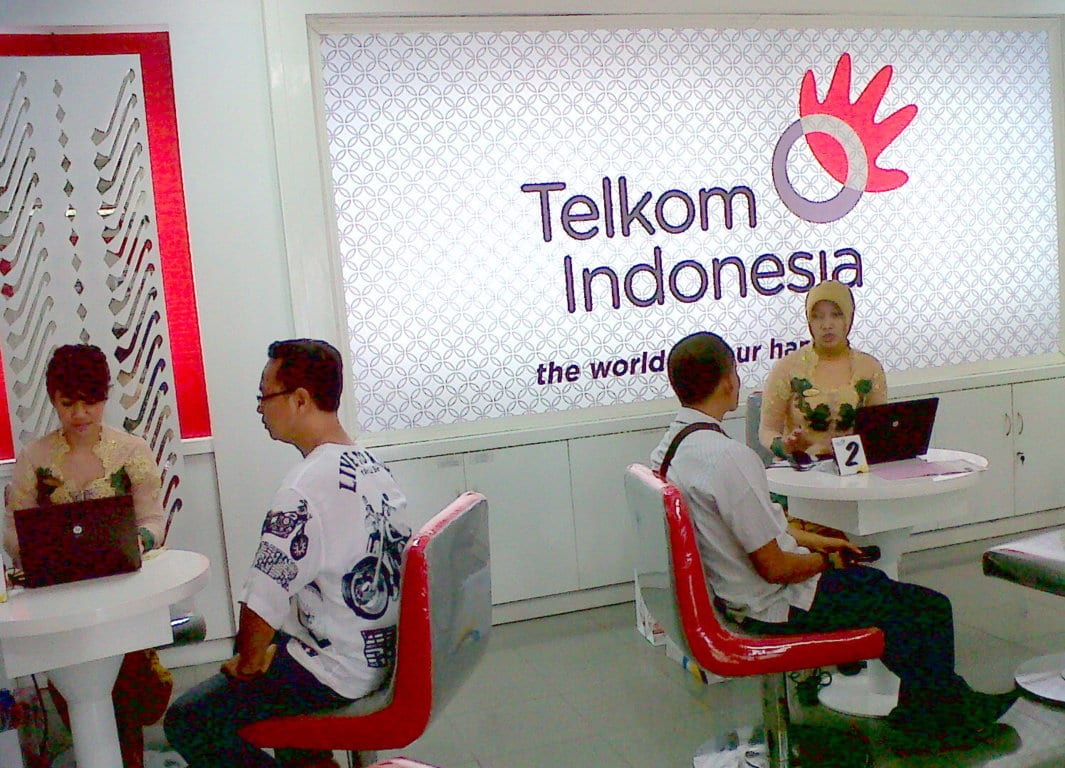
  • PT Telkom launches pay TV content and ad platform

    PT Telkom launches pay TV content and ad platform

    Indonesia’s PT Telkom, through satellite business unit Metrasat, has launched a new content and advertising solution designed to support the pay TV industry in Indonesia.

    Metrasat, itself a subsidiary of Telkom’s PT Multimedia Nusantara division, has announced the launch of Mediahub.

    The Mediahub project was initiated due to the Indonesian Broadcasting Commission’s regulations restricting foreign commercial advertisement on the foreign channels aired on local pay TV channels in Indonesia.

    MediaHub is the first solution specifically designed to help content providers, advertising agencies, the Ministry of Communication and Informatics of Indonesia, the Indonesian Broadcasting Commission and pay TV operators develop safe and convenient local content, as well as increasing revenue and optimizing cost efficiency.

    It aims to address practical solutions as a content aggregation and distribution service, helping the industry face ever-increasing distribution and monetization challenges. With its playout and ad-insertion system, MediaHub allows selected content to comply with national broadcasting regulations while distributing it in any format required by pay TV operators.

    MediaHub’s proprietary plug-and-play system means it is the only pay TV ad network to support local content developers.

    “Telkom is pleased to launch an integrated solution that not only caters to the telco industry, but is designed to create significant new value for the content and advertising industry in Indonesia,” said Telkom director of enterprise and business services Muhammad Awaluddin. He said the launch is in line with Telkom’s mission of transforming from a telco to a “digico” (digital telecommunications).

    “TelkomMetra focuses on adjacent business supporting the Telco Business and believes that the content industry will grow significantly in the years to come,” added TelkomMetra CEO Teguh Wahyono.

    “However, it will require support from efficient aggregation and distribution services. TelkomMetra will support the content industry by delivering contents effectively and efficiently while complying with Indonesian regulations. We expect local content to grow even more while global content will continue to honor and support Indonesian culture.”

  • Makansutra brings Singapore street hawker food to Manila

    Makansutra brings Singapore street hawker food to Manila

    Singapore food culture company Makansutra has created what it describes as one of the most modern but retro looking heritage food halls in Manila.

    Founded in 1997 by entrepreneur-photojournalist, KF Seetoh Makansutra aims to celebrate and promote food culture through food guides, online content, eateries, specialised events, projects and TV shows. Now it has brought 11 stalls and a refreshment and snack station to a 14,000 sqft prime retail space in the SM Megamall.

    “It has been a year coming, fraught with complex building issues, ingredients sourcing problems, lack of proper local equipments and expertise… among others,” explained Seetoh. “But Makansutra Hawkers has now launched in Manila.”

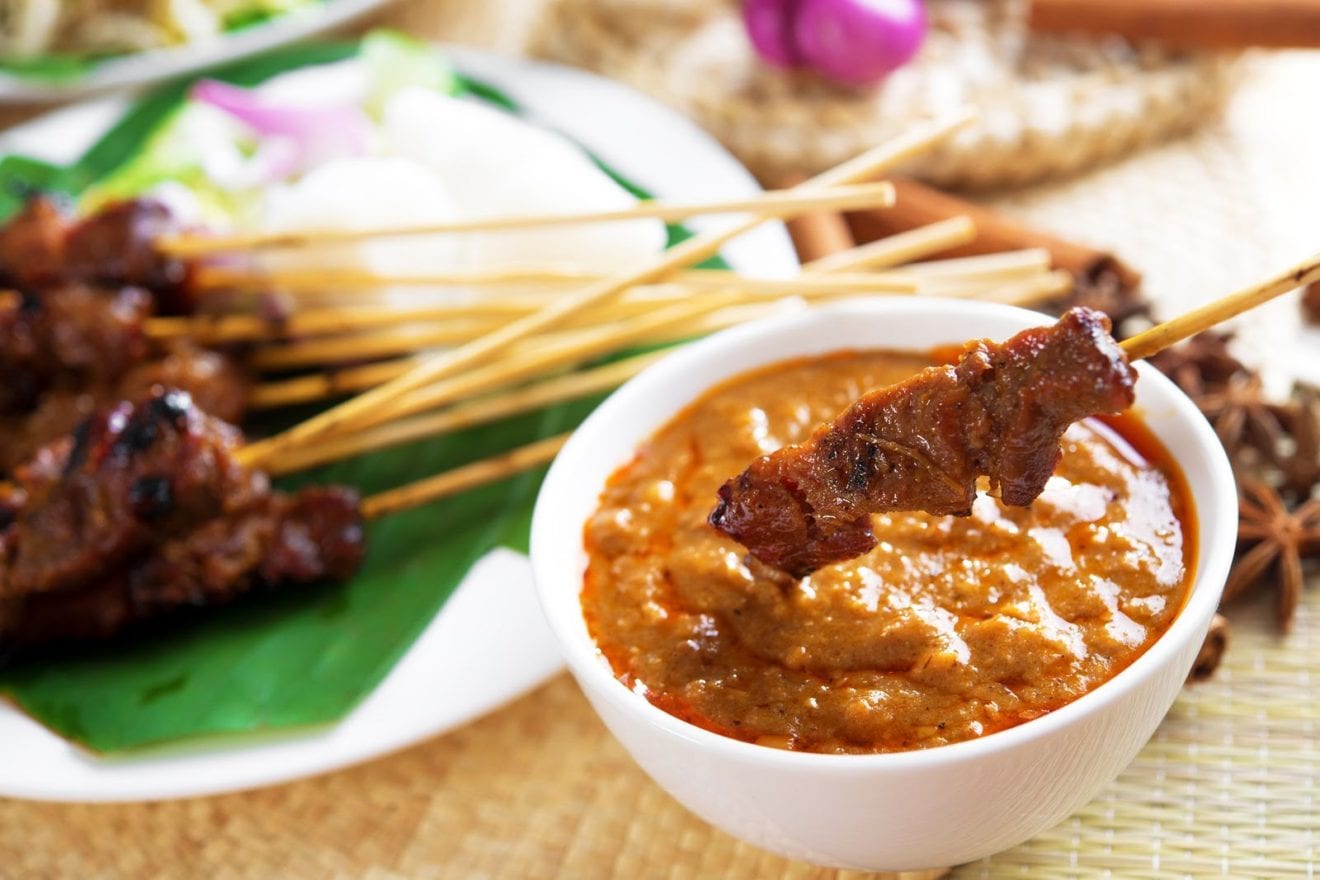
    Five famous hawkers and street food restaurants from Singapore and Malaysia made their international debut there: Geylang Claypot Rice, Alhambra Padang Satay, HK Street Old Chun Kee, Jin Ji Braised Duck and Kway Chap and the iconic Donald and Lily from Malacca. All, except for Geylang Claypot Rice which is a stall requested by show host Anthony Bourdain for his Bourdain Market in New York, were featured at the recent World Street Food Congress held in Manila.

    Makansutra

    The other stalls were new hawkers licensed under Makansutra and trained by the hawkers in the team. There’s Mian Ji (fried Hokkien prawn mee and soup version), Baoji Xiang (Chicken rice and paper wrapped chicken), Ah Tee (oyster omelette and carrot cake), Adam’s Ribs ( bak kut teh), and Curry Flurry (roti prata, fish head curry and nasi briyani).

    “The hawker centre’s design is a throwback to the era when street food was de rigueur and was like a treat, back in the 1960s and 1970s. We used corrugated zinc sheets for a ceiling and plain polished concrete floor with graffiti on the walls, construction beams smack in the middle of the eatery and the furniture don’t match,” explained Seetoh.

    Makansutra Hawkers is located on the second floor of SM Megamall Building A in Mandaluyong City. It is open from 10am to 10pm.

  • Pokemon Go device launched in Japan

    Pokemon Go device launched in Japan

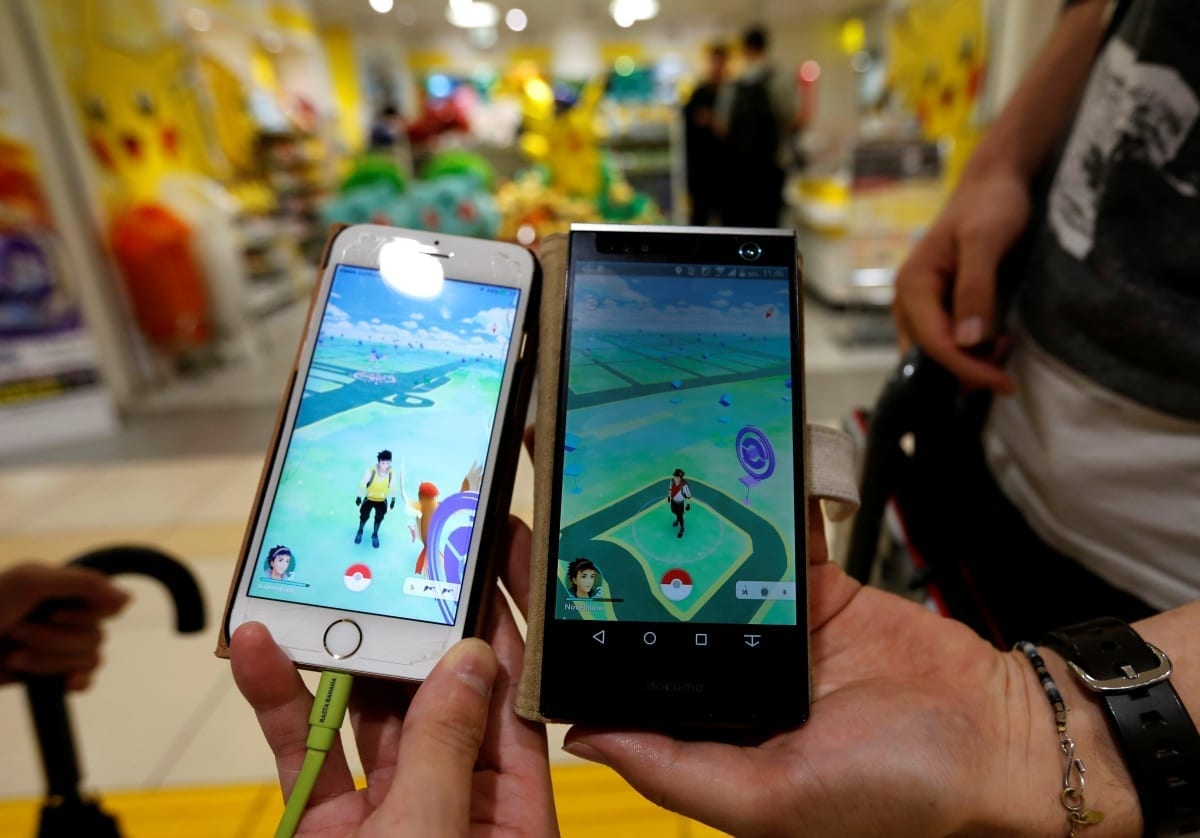
    Hundreds of people have stood in long lines outside Japanese stores to buy the Pokemon Go Plus device.

    In Osaka, around 700 people waited outside a Pokemon Centre shop to buy the device when the store opened at 0800, two hours earlier than usual.

    Pokemon Go Plus allows Pokemon Go players to interact with the mobile game without looking at the phone.

    “(Using the peripheral gear), Pokemon hunting will speed up because I don’t have to stare at the (Smartphone) screen. I want to get them (Pokemon monsters) one after another,” said Kana Sugiura, 29, who was waiting outside the store, to Japanese news agency Kyodo.

    Pokemon Go Plus is a gadget similar to a wristwatch but attached with a clip that connects to the game.

    The device, which costs around US$35 (A$47), is connected to the mobile phone via Bluetooth, and through a led light (green or blue) and vibrations notify the player when there is a ‘poke stop’ or a Pokemon nearby, which can then be captured by pressing the device button without any need for the phone.

    The peripheral add-on is available from Friday in most countries – including Australia, said game developer Niantic in a statement.

  • Aeon Mall inviting foreign firms to be tenants

    Aeon Mall inviting foreign firms to be tenants

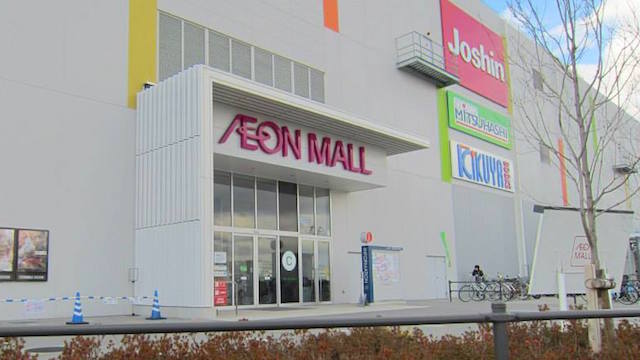
    Aiming to add variety in the face of intensifying competition, Japanese retail giant Aeon Mall is inviting foreign businesses to sign on as tenants in Japan.

    Aeon Mall, which has about 150 shopping centres across Japan, will aim to have its first new-look location open next spring. A new dedicated department includes two staff members assigned to Chinese businesses and three to businesses from members of the Association of Southeast Asian Nations (ASEAN). Tenants from other areas, such as Europe and the US, are also sought.

    A broad range of sectors is being considered, including restaurants, apparel, home products and services. As well as major chains, Aeon is interested in small businesses in the tourism sector.

    Aeon Mall is negotiating arrangements with more than 30 companies already. By inviting multiple tenants all at one time, the company seeks to recreate the feel of an Asian-style “restaurant alley”, for example.

    aeon-mall-japan

    Targeted candidates include foreign companies interested in doing business in Japan but hesitant because they lack knowledge of the market. To help deepen their understanding, Aeon will offer tours of its malls in Japan and abroad.

    Japan’s shopping centre market grew 4.5 per cent last year to 31 trillion yen (US$302 billion), according to the Japan Council of Shopping Centers, but was treading water on an existing-store basis.

    The market’s medium- to long-term outlook is also dim with the shrinking Japanese population and the rise of online shopping.

    “Mass-producing the same type of shopping mall will not lead to substantial growth going forward,” says Aeon Mall president Akio Yoshida. The company last year opened a more experience-focussed mall with an athletic track and racetrack.