Tag: asia

  • Analytics shift to predictive, prescriptive

    Analytics shift to predictive, prescriptive

    While the value of historical and descriptive analytics persists, the balance has been tipped towards more predictive and prescriptive analytics, according to a new report from Machina Research.

    For many decades, enterprises have solidly built their knowledge, strategic insights and processes around well-established approaches to data management and analytics.

    Terms such as ETL (extract-transform-load), data warehouses, data-marts and business intelligence became solid ground on which to build strategic and business approaches and decisions.

    With millions of connected devices providing real-time data about the physical world as it is, data management and analytics processes have been inundated with new requirements and opportunities.

    Machina Research said business and strategic decisions are being augmented with highly operational and predictive/prescriptive analytics, shifting the ground from “look at what happened” to “what may happen” and how best to address those potential scenarios.

    “One of the more significant developments as part of, and in parallel to, developments in IoT, is the approach of two different ‘waves’ in data management—Big Data and Fast Data,” said Emil Berthelsen, principal analyst at Machina Research.

    “Both are characterized by scale and speed, and the combination or aggregation of these two waves have led to significant changes and new requirements on data management technologies,” said Berthelsen.

    He said the landscape of IoT data and analytics is certainly evolving and will include a new age of machine learning, augmented insights and managed autonomy, as well as a new set of enabling technologies and data governance tools.

  • SAP China teams up with Alibaba Cloud

    SAP China teams up with Alibaba Cloud

    SAP China and Alibaba Cloud have teamed up to launch three cloud-based SAP services to Chinese customers by the end of the year.

    The companies have revealed plans to launch in-memory computing platform SAP HANA Cloud Platform and two other services in 2016.

    The two other services are the cloud-based SaaS CRM solution Hybris Cloud for Customer, as well as SAP Business ByDesign, integrated cloud suite tailored for mid-sized businesses.

    Alibaba Cloud president Simon Hu said the partnership is aimed at addressing the growing ubiquity of cloud services.

    “Cloud computing has become the new infrastructure for businesses around the world,” he said. “Through in-depth collaboration, Alibaba Cloud and SAP will join hands to bring more world-class cloud products with highly reliable and strong capabilities to companies in different industries.”

    SAP Greater China president Mark Gibbs said the company achieved triple-digit growth in the region from its cloud business in the first half of 2016.

    “The cloud business is a key part of SAP’s digital framework and one of the driving forces behind our rapid business growth in China.” he said.

    “The three cloud-based solutions that we are about to launch with Alibaba Cloud will further expand SAP’s cloud footprint in China, and meet the needs of more Chinese enterprises. It will help Chinese companies to effectively embrace the opportunities brought by digital transformation.”

  • Korean department stores trigger restaurant battle

    Korean department stores trigger restaurant battle

    Korean department stores have become the new battleground for Korean restaurant chains.

    Restaurants have long been a lucrative business for department store operators – accommodating hundreds of weary shoppers every day, they have sometimes been referred to as a ‘goose that lays a golden egg’.

    However, until now, opening such a restaurant had been a near-impossible task without deep connections to the store’s higher-ups.

    According to retail industry sources, several new restaurants are set to open next month in the food court section of Lotte’s flagship department store in Myeongdong, which is currently being renovated. Of note, the new owners didn’t have to lobby Lotte management or be a member of a Lotte family to open their establishments.

    Lotte faced significant criticism in June when the media spotlighted Seo Mi-kyung, Lotte founder Shin Kyuk Ho’s third wife, and her company Yuki Co, which operates a bibimbap restaurant (Yukyung),  naengmyeon restaurant (Yuwonjeong) and coffeehouse (Margaret) at the Lotte’s Myeongdong store.

    “We’re in the middle of clearing up our business with Seo’s company,” said the department store official. “We plan to operate our food court based on the popularity of restaurants and their competitive advantage.”

    A high-end sushi restaurant, Sushi Chohi, Chinese restaurant Luii, and European casual restaurant Elbon Grand Cafe operated by chef Choi Hyun-seok are among the new eateries that will open in mid-September.

    Hyundai Department Store, once criticised for giving favors to its subsidiary Hyundai Green Food, is also rearranging the food courts at its stores to accommodate popular restaurants from across Korea. And although it still operates Hyundai Green Food-owned restaurants like Bonga Sushi and Hansol Naengmyeon at its branches, it’s now focusing its efforts on attracting other popular restaurants.

    “Bonga Sushi and Hansol Naengmyeon have made a name for themselves, and their inclusion is not necessarily due to the Hyundai family relationship,” said a Hyundai Department Store official. “We’re concentrating more on attracting well-known restaurants to our food courts, because restaurants with no competitive edge aren’t likely to survive.”

    Italian restaurants Le Jiu and Signature Lab opened their latest locations at the Samseong-dong branch, while Amorino, an Italian gelato franchise, opened a new eatery at Hyundai’s Apgujeong branch.

    Shinsegae Department Store also introduced new restaurants this year. Youth-driven restaurants from Gangnam and Hongdae, including Chinese cuisine franchise Choma, steakhouse restaurant Fukuoka Hambageu, and premium tteokbokki restaurant Villa de Spicy, according to Shinsegae, were met with high acclaim.

    Shinsegae also said that new restaurants tend to attract more customers to its stores.

    “Department stores are no longer solely a place for shopping. They’re transforming into one integrated living space for consumers to spend their free time,” said a retail industry official. “Given the circumstances, the stores will continue with their efforts to accommodate more popular and competitive restaurants.”

  • North Korea’s KCTV said to launch streaming service

    North Korea’s KCTV said to launch streaming service

    An unlikely new player has reportedly entered into the video streaming business, according to reports – North Korean state broadcaster KCTV.

    BBC News notes that the broadcaster’s new set-top-box, Manbang, has been called North Korea’s version of Netflix in some reports.

    Manbang is said to connect to the North Korean intranet and allow viewers to watch documentaries on demand and five TV channels.

    While KCTV claims that consumer demand for the price is high, connectivity in North Korea remains at very low levels.

    This is not the first time that North Korea, notorious for keeping a tight grip on the control of information entering into and coming out of the country, has been found been developing its own limited versions of popular internet services.

    In May, researchers found a rudimentary social network, resembling a crude version of Facebook, designed for users of North Korea’s intranet. But this was quickly pulled down after pranksters started creating spoof profiles, including one for Kim Jong-Un.

  • India won’t relax FDI rules for DoCoMo case

    India won’t relax FDI rules for DoCoMo case

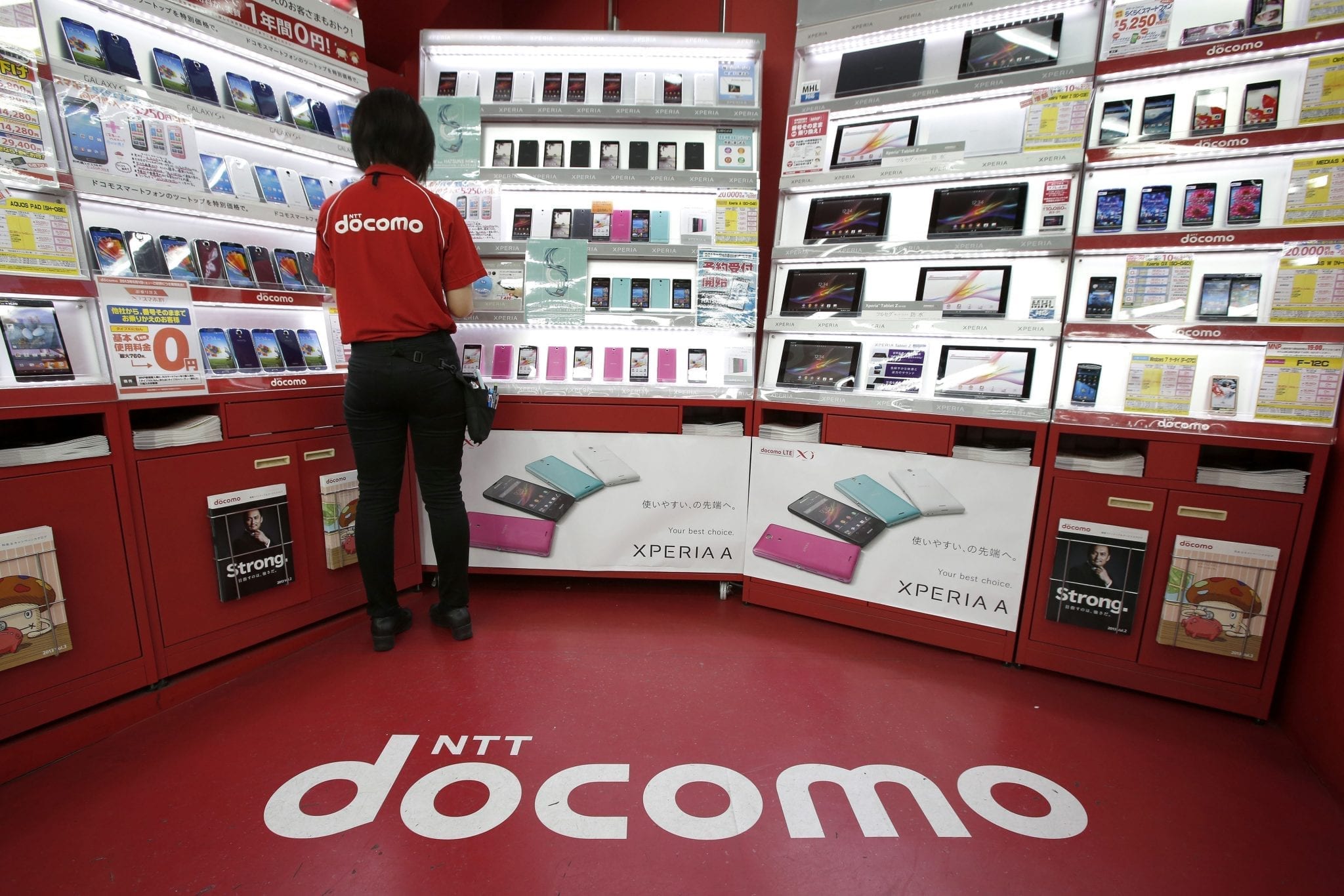
    The Indian government does not intend to relax rules regarding foreign investments to allow Japan’s NTT DoCoMo to exit its Tata DoCoMo joint venture at a pre-determined price.

    The government has taken the view that there is no case for bending the rules for a single company.

    Rules that have been in place since 2007 – almost two years before Tata Group and NTT DoCoMo entered the joint venture – stipulate that no foreign investor is entitled to exit its investment at a pre-determined price or with assured return, the report states.

    But the agreement between NTT DoCoMo and Tata Group stipulated that DoCoMo was entitled to sell its shares at the highest of either the market price or half the initial subscription price.

    An arbitration court recently found Tata Group’s majority shareholders and Tata Teleservices liable for $1.17 billion in damages due to the failure to live up to the shareholder agreement, even though the Reserve Bank of India is prohibiting the company from doing so due to the rules.

    The government is considering amending the regulations for future foreign direct investments, introducing a price band rather than the current fair price stipulation, to make the market more attractive to investors. But the finance ministry has ruled out applying the rules retroactively to cover the DoCoMo transaction.

  • Uber Japan about to launch UberEats

    Uber Japan about to launch UberEats

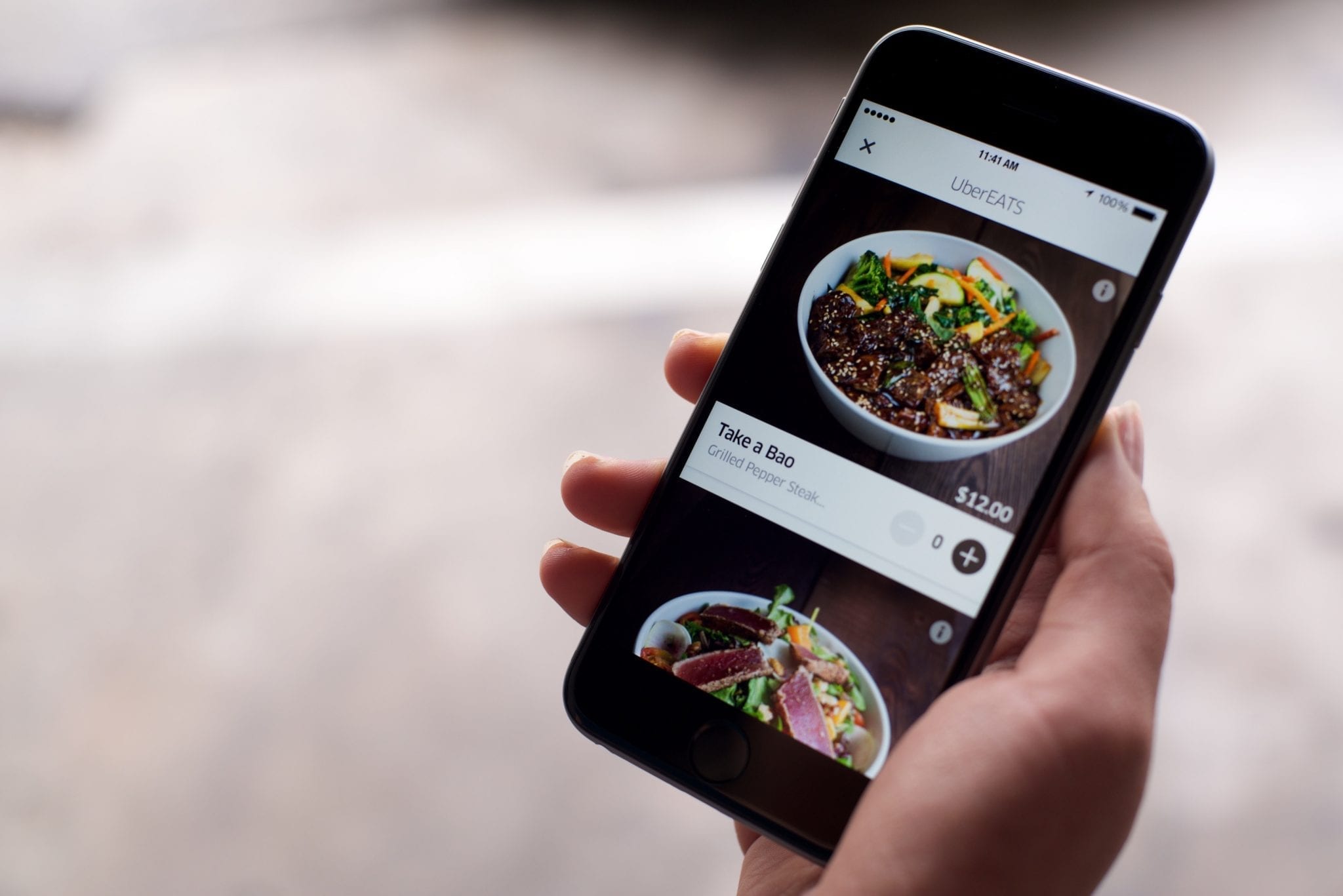
    Uber Japan is about to launch UberEats, with advertisements for bicycle and motorcycle delivery positions appearing on its Japan Facebook page last week, as well as a related video.

    An UberEats Japan website is already up, but only with a link for Tokyo restaurants to register.
    Launched in March, UberEats is available in 28 cities internationally.

    Generally, Uber has struggled in Japan, reports Tech in Asia. As regulations prevent drivers from accepting money from passengers in a private vehicle, Uber works more like a taxi. Its trial program in Fukuoka last year was shut down for paying drivers, and protests from taxi companies have prevented similar trials in other regions. There was also backlash from the taxi industry when Toyota invested in Uber this year.

    However, non-professional drivers can accept payments in areas where public transport is not available. Uber took advantage of this by launching a service with a non-profit organisation in Kyotango city.

  • Old Navy Opening Doors At First Store in Malaysia

    Old Navy Opening Doors At First Store in Malaysia

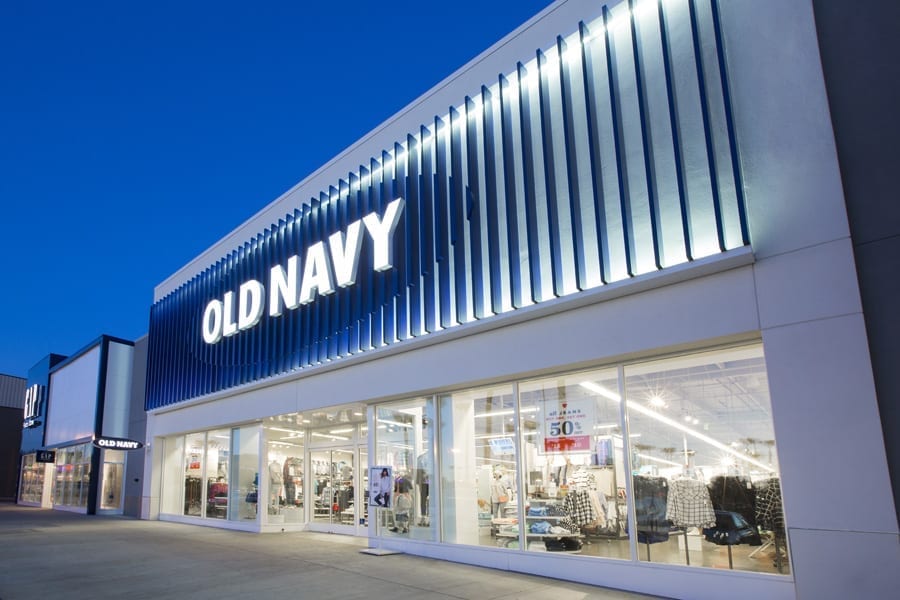
    Global apparel brand Old Navy announced today that it is opening its first store in Malaysia at 1 Utama Shopping Center, the fifth largest mall in the world, which is located in the heart of MSC Malaysia Cybercentre Township Bandar Utama. Old Navy makes current American fashion essentials accessible for every family, with a focus on fashion, family, fun and value. The brand launched in 1994 and quickly became one of the top apparel brands in the United States, making history in 1997 as the first retailer to reach $1 billion in annual sales in less than four years. Old Navy is part of the Gap Inc. portfolio of brands, which also includes Gap, Banana Republic, Athleta and Intermix.

    The brand’s entry into Malaysia marks another milestone in Old Navy’s continued global growth strategy. The first store will feature the same great product that the brand has become known for in the United States and will offer apparel and accessories collections for men, women, kids and babies. It will also provide a fun and energizing shopping experience for customers, featuring a spacious 800 square meter layout and Old Navy’s newest store design.

    The store will open its doors on September 30 at 5:00 pm and will be open until 10:30 pm. To celebrate the opening, customers can enjoy fun activities, meet special guests, and receive RM60 back when they spend RM200 and above. Additionally, the first customers in line will receive a free limited edition Old Navy Malaysia tote bag with any purchase, and the first 100 customers will be eligible to win a RM1000 shopping spree.

    This is the seventh franchise market expansion for Old Navy. In March 2014, the brand opened its first franchise-operated stores in the Philippines and has since opened stores in Qatar, Kuwait, Saudi Arabia, the UAE, and most recently, Indonesia. The brand’s move into Southeast Asia builds on the success that Gap and Banana Republic have experienced since entering the market in 2007.

    Franchise partner RSH Limited has a 39-year history of delivering seamless brand experiences to customers in Southeast Asia, the Middle East and South Pacific. Today, RSH Limited’s portfolio includes more than 70 international brands with over 700 stores and shops-in-shop in 11 countries.

  • JCB Introduces Corporate Social Responsibility Initiatives

    JCB Introduces Corporate Social Responsibility Initiatives

    CB Co., Ltd. (JCB), the only international payments brand based in Japan, today announced the introduction of corporate social responsibility (CSR) initiatives.

    JCB selected four priority areas to address in response to the expectations of stakeholders and society: education, protection of the environment, international support and disaster recovery support. JCB is focusing its CSR activities especially on the Asia Pacific region in 2016.

    JCB has been conducting a wide variety of CSR activities for over 10 years. In 2011, JCB’s 50th anniversary, it established the JCB Employee Social Contribution Program that enables employee to participate in activities contributing to society, and also started financial support of NPOs working to revitalize areas stricken by the Great East Japan Earthquake.

    Major CSR activities in 2016

    – International support: Honolulu Museum of Art artwork preservation (March 2016)

    JCB is supporting the Honolulu Museum of Art, which has an extensive collection of Japanese traditional art, ukiyo-e, and other Asian artworks.

    – International support and protection of the environment: Indonesia forest conservation (May 2016)

    JCB is supporting the planting of mangrove trees to protect natural resources. Planting these trees also helps to preserve and improve the livelihood in Indonesia’s coastal regions.

    – International support and education: Myanmar school construction (February 2017)

    JCB is supporting the construction of schools in non-urban areas in order to help enhance education in this rapidly developing country. Construction is to be completed in December 2016 and presented to the community in February 2017.

    Hiroshi Terada, Executive Vice President of Corporate Communications Department said, “JCB started to enhance our efforts to promote international CSR activities from this year. The areas include the markets where are important for our business or have strong relationships with Japan. JCB will continue cooperating with NPOs and NGOs around the world and actively fulfilling its CSR in the future.”

  • Grab Selects Adyen as Payment Solution Partner in Southeast Asia

    Grab Selects Adyen as Payment Solution Partner in Southeast Asia

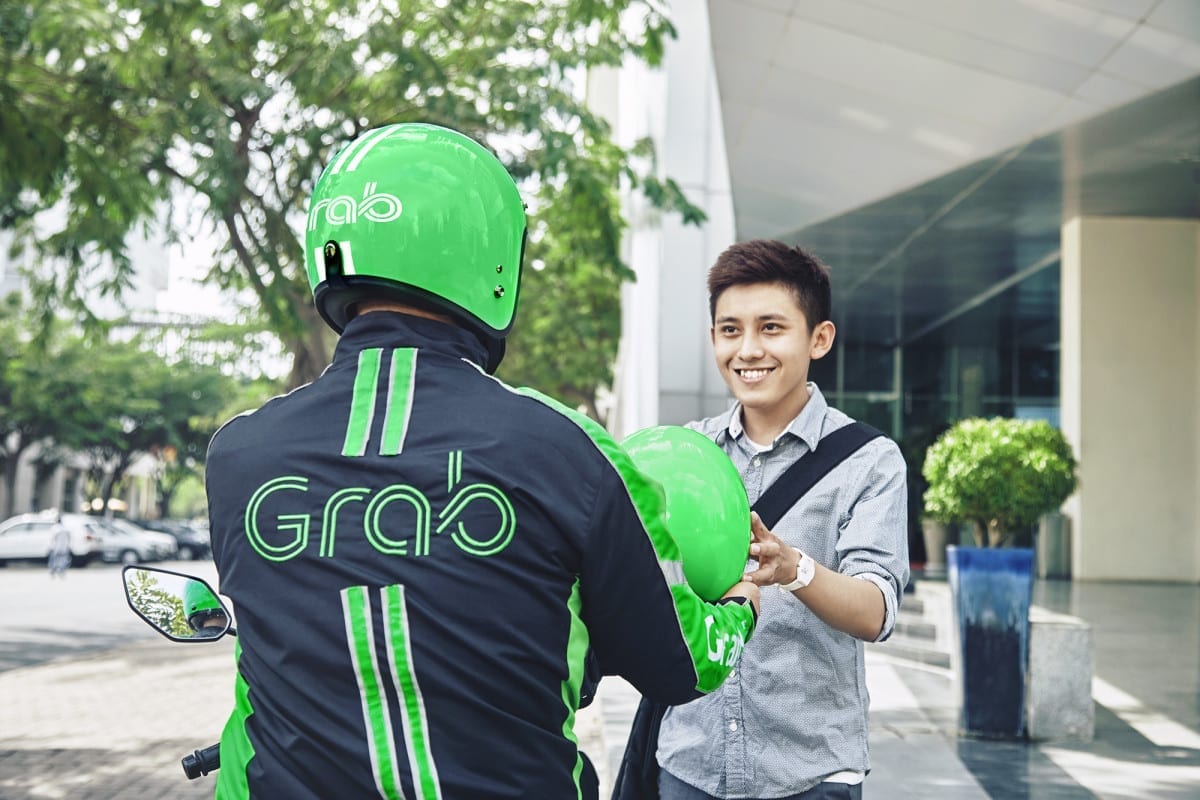
    Adyen, the global payments technology company, today announced that Grab, Southeast Asia’s leading ride-hailing platform, has selected Adyen to extend the capabilities of its GrabPay platform in Indonesia, Philippines, Thailand and Vietnam. Grab will partner with Adyen to deliver a consistent, frictionless payment experience for customers traveling across markets regardless of their device or payment method.

    “As part of Grab’s drive to make ride-hailing even safer, easier and more accessible to everyone in Southeast Asia, providing trusted, seamless mobile payments is crucial for the overall customer experience. Grab wanted a partner who could support a variety of traditional and alternative payment methods to support our growth across the region. Adyen fits the bill and we are excited at now being able to offer our passengers even more payment options when they pay through GrabPay,” said Joel Yarbrough, Head of Payments & Commerce Product, Grab.

    With Adyen supporting 250 payments methods around the world, Grab customers will be offered both traditional cards and, over time, country-specific payment methods, using Adyen’s expertise and data to expand payment options.

    Business travelers who work within the region can also easily tabulate their business ride spending with Grab through the Grab for Work portal, and companies can automatically pay for their employees’ rides through the use of corporate cards.

    “Southeast Asia is a diverse and highly fragmented region and there is no one preferred method of payment. However, mobile penetration in the region remains high and drives several key trends including the rise of mobile payments and platforms as a service. Partnering with a fellow innovator and disruptor such as Grab, we are eager to empower commuters in Southeast Asia with the same convenience of hailing a ride seamlessly as paying for their Grab ride with equal ease,” said Warren Hayashi, President, APAC, Adyen.

    This partnership announcement is in conjunction with Adyen’s growth momentum in the region as it expands its presence in Singapore with a new, bigger office. Adyen began operations from its new office in August 2016.

  • US Mart opens second HCMC store

    US Mart opens second HCMC store

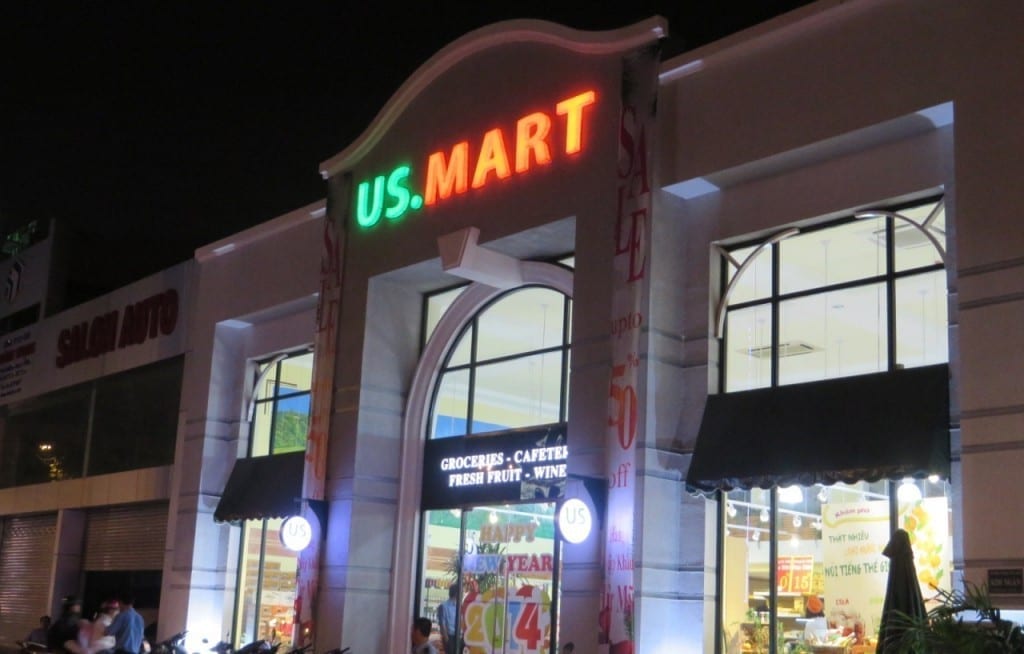
    Quality imported grocery retail pioneer US Mart has opened its second store in HCMC – and is ready, preparing for its third.

    After three successful years in the city, US Mart has opened a second store in District 7.

    The new store is located at 169 Nguyen Huu Canh St, in what is a residential enclave popular with Asian expats and and high-income locals. The company hopes this positioning strategy will bring growth to the chain, reflecting its success in downtown Saigon, District 1.

    Kim Ngan, US Mart director of communications, said the store is selling around 10,000 items, 70-80 per cent of which are imported directly from the US, including food and beverage products. The other 20-30 per cent are Vietnamese high-quality products, including specialties from Southern provinces.

    All US products are imported as a part of the Taste of America program, a joint effort with the US Department of Agriculture. According to Gerald H Smith, senior attache for Agricultural Affairs at the US consulate, Vietnam is the 11th largest market for US food and agricultural products. Statistics showed the trade in food and agricultural products reached US$5.9 billion last year.

    US Mart was founded in 2013 by businessman Nguyen Manh Tien, who recognised local customers’ need of imported goods after returning from studying in the US. Despite the high competition in Vietnam retail market, US Mart has successfully built its customer base thanks to high quality goods, food sanity, frequent promotions, and a five-day goods return policy.

    After D7 store, US Mart will open its third store in Tan Binh district this Sunday.

  • China to fuel VF Corporation brands

    China to fuel VF Corporation brands

    Multibrand fashion group VF Corporation sees Asia – and especially China – as the primary driver of growth in the years ahead.

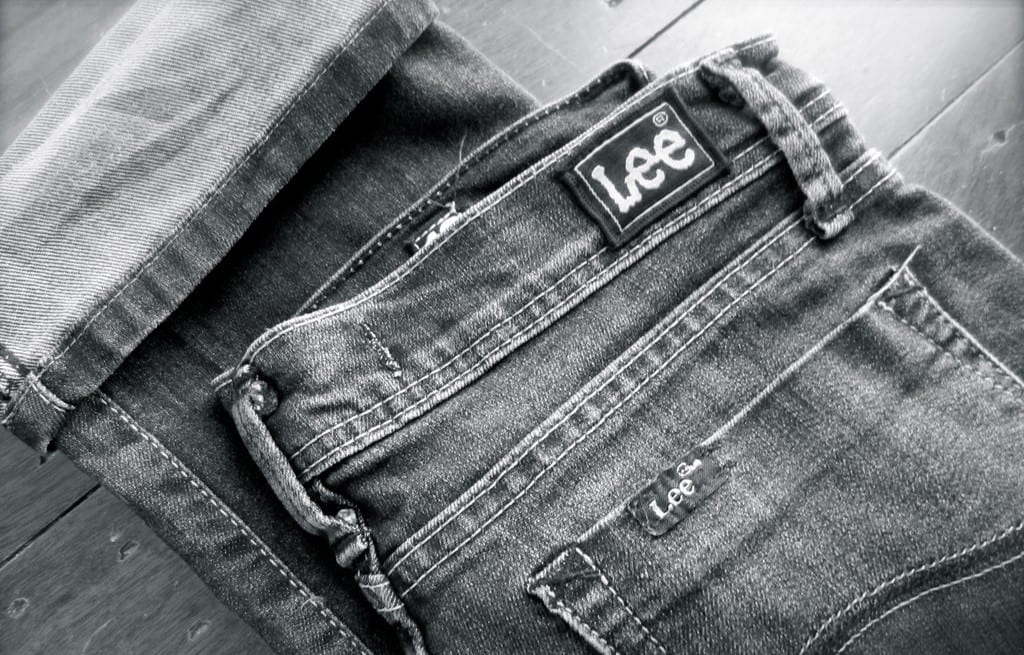
    VF Corporation brands include Vans, Kipling, Lee and The North Face.

    The US-headquartered company says it is focused on expanding geographically to take advantage of its scale in markets around the world.

    “The Asia Pacific (APAC) market, and in particular China, represent robust growth opportunities for VF, according to the company’s business lead,” the company revealed in an online newsletter.

    “Asia Pacific is an important region for business development and remains a priority focus for the company,” said Aidan O’Meara, VF’s Asia Pacific president. “Our plan is to continue to focus on locally relevant innovation, further invest in demand creation and leverage our scale and capabilities as ‘One VF’ to fully capitalise on the growth opportunities and take market share.”

    VF’s APAC business continues to expand. In 2015, currency neutral revenues in the region were up 10 per cent reaching US$1.2 billion.

    China, which accounts for roughly half of APAC revenue, has seen consistent, strong growth from the country’s three largest brands: The North Face, Lee and Vans. In particular, Lee in China has experienced consistently strong growth over the years for the company, with product innovations driving recent success.

    Denim leads the charge in China

    VF brands currently maintain presences in more than 170 Chinese cities. And, that number is expected to increase in coming years.

    “We see growth potential in a market with increasing affluence, a burgeoning middle class and increasing sophistication and demand for quality jeanswear,” O’Meara said.

    The company sees a competitive edge in the market, particularly at Lee. VF launched Lee as the company’s first owned business in China in 1995.

    “Statistics show that while jeans ownership is about eight pairs per person in North America,” O’Meara said. “In China, it is less than one pair per person, and if you look at India, there is still a lot of room as jeans ownership averages about three pairs per person.”

    O’Meara noted there was a time when many jeans manufacturers rested on their laurels. However, as competition intensified, many consumers lost excitement with the products available on the market, opening a door for an innovative new product.

    Lee saw this opportunity and put its research and development to the test. The resulting JadeFusion Denim has been a resounding success and garnered a Bronze Innovation Edison Award in the Materials Science category.

    JadeFusion immediately accounted for 13 per cent of China’s denim sales in its first season on the market in the spring and summer of 2015.

    “Lee exemplifies VF’s continuous innovation as one of the key strategies which differentiate us from our competitors,” O’Meara said.

  • Boss puts positive spin on Estee Lauder results

    Boss puts positive spin on Estee Lauder results

    Cosmetics maker Estee Lauder has forecast a lower-than-expected profit for the full year, hurt by fewer customer visits to department stores and uncertainties in some markets.

    “We believe the risk of other economic and political disruptions will remain high as we start our new fiscal year,” says CFO Tracey Travis of the latest estee Lauder results.
    Weak sales in some Asia-Pacific countries, mainly Hong Kong, helped dent its sales figures.

    The company also says it expects to incur charges of about US$80 million to $100 million in fiscal 2017, related to restructuring initiatives, quitting businesses in certain markets and cutting its global workforce.
    However, president/CEO Fabrizio Freda has a positive spin, saying the company’s performance “gives us much to celebrate”.

    He says the company capitalised on shifting consumer preferences by leveraging its strength in makeup and positioning the company to win in luxury fragrances.

    “We nimbly allocated resources and made strategic investments in areas that gave us terrific results, including emerging markets, our makeup category, and the online and specialty-multi retail channels. Importantly, we achieved these results against a backdrop of social and political instability, currency volatility and economic challenges.”
    For the quarter ended June 30, the company had net sales of $2.65 billion, a 5 per cent increase on the prior-year period. It posted across-the-board sales gains in all geographic regions and product categories, except fragrance.

    Sales benefitted from new products and double-digit growth in several emerging and developed markets. The company also generated double-digit gains in its travel retail and online channels. Net earnings for the quarter were $93.5 million, compared with $153 million last year.
    For the year, the company achieved net sales of $11.26 billion, a 4 per cent increase over the previous year. Net earnings were $1.11 billion, up 2 per cent.
    Freda says the company will continue to seek geographic and channel opportunities to reach more consumers “while keeping a sharp focus on like-door growth”.

    During the fourth quarter, the company recorded restructuring and other charges of $101 million ($69.6 million after tax).

  • New Arrival app helps Chinese shop abroad

    New Arrival app helps Chinese shop abroad

    A new fashion app, New Arrival, aims to introduce Chinese travellers abroad to lesser-known boutiques abroad.

    The New Arrival app serves as a platform and guide for brick-and-mortar stores Chinese shoppers might otherwise miss in their travels.

    Founded by Howell Hu, the app has two sections. One part focusses on “new arrivals” from on-ground stores, letting users browse products with a swiping feature. Shoppers swipe right to like a product and see more like it, swipe left to “pass” on the product, and swipe down to add it to their shopping cart.

    From there, they can either access more information about the store or arrange to make the purchase directly on the app via Alipay. Users can also browse using a navigation system to shop by category.

    The other section of the New Arrival app lets users tour shops by city. A “nearby” option lets travellers find stores on the go, or they can search by city (destinations include Beijing, Shanghai, New York, Paris and Hong Kong).

    More than 200 stores are presently collaborating with the app, all of them either multi-brand stores or individual designers. While most of the countries included are major tourist destinations, China is also represented as well as several destinations in Asia, such as Johor Bahru in Malaysia.

    The New Arrival app allows returns within one week, and the stores themselves handle shipping.
    Available for iPhone, the app will have an Android version next month.

  • Private-label deal for E-mart Korea

    Private-label deal for E-mart Korea

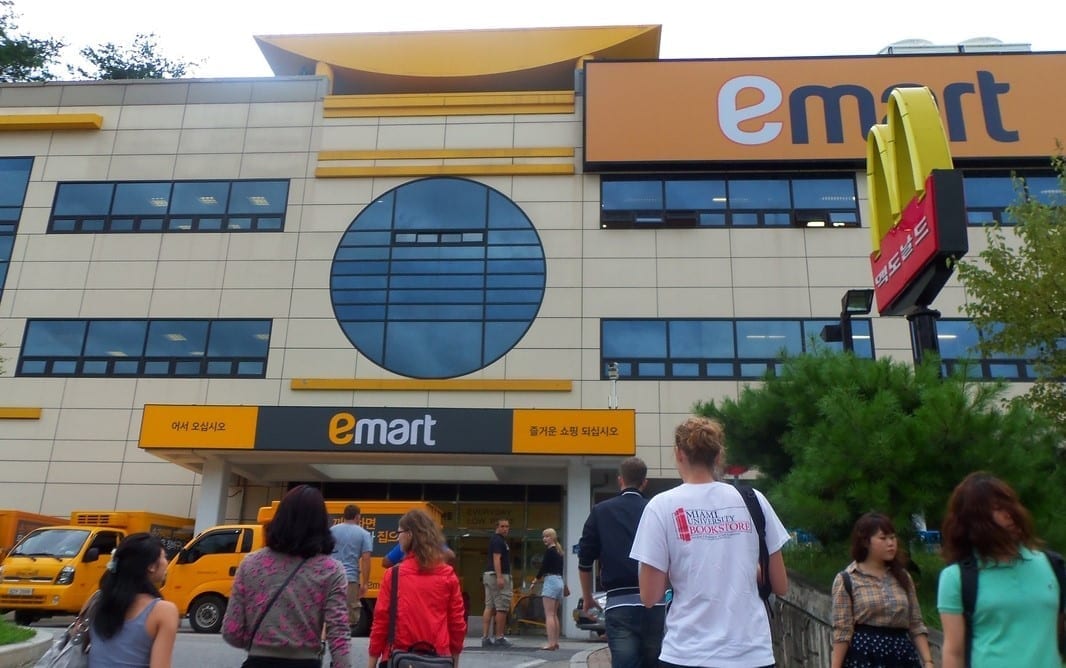
    Discount seller E-mart Korea has signed an agreement to supply its private-label items to Metro China.

    It is introducing four items from its No Brand range, to be sold from next month. It is the first time for E-mart to export to an overseas offline store.

    E-mart’s private-label products already sell in Mongolia and Vietnam. Sales of its No Brand range at its Ulaanbaatar branch, which opened last month, have already reached 600 million won (US$533,000), accounting for about 7 per cent of total sales. No Brand contributed 3 per cent of sales at its Vietnamese outlet, which opened in December.

    Introduced in April last year with nine items, No Brand now has more than 300 products, from butter cookies to car window wipers, and posted 63.8 billion won turnover in the first half of this year.

    Metro is a German retailer that is the third-largest franchise globally following Walmart and Carrefour. It has more than 2200 outlets in 33 countries, with 88 in China.

  • Ted Baker Vietnam makes debut

    Ted Baker Vietnam makes debut

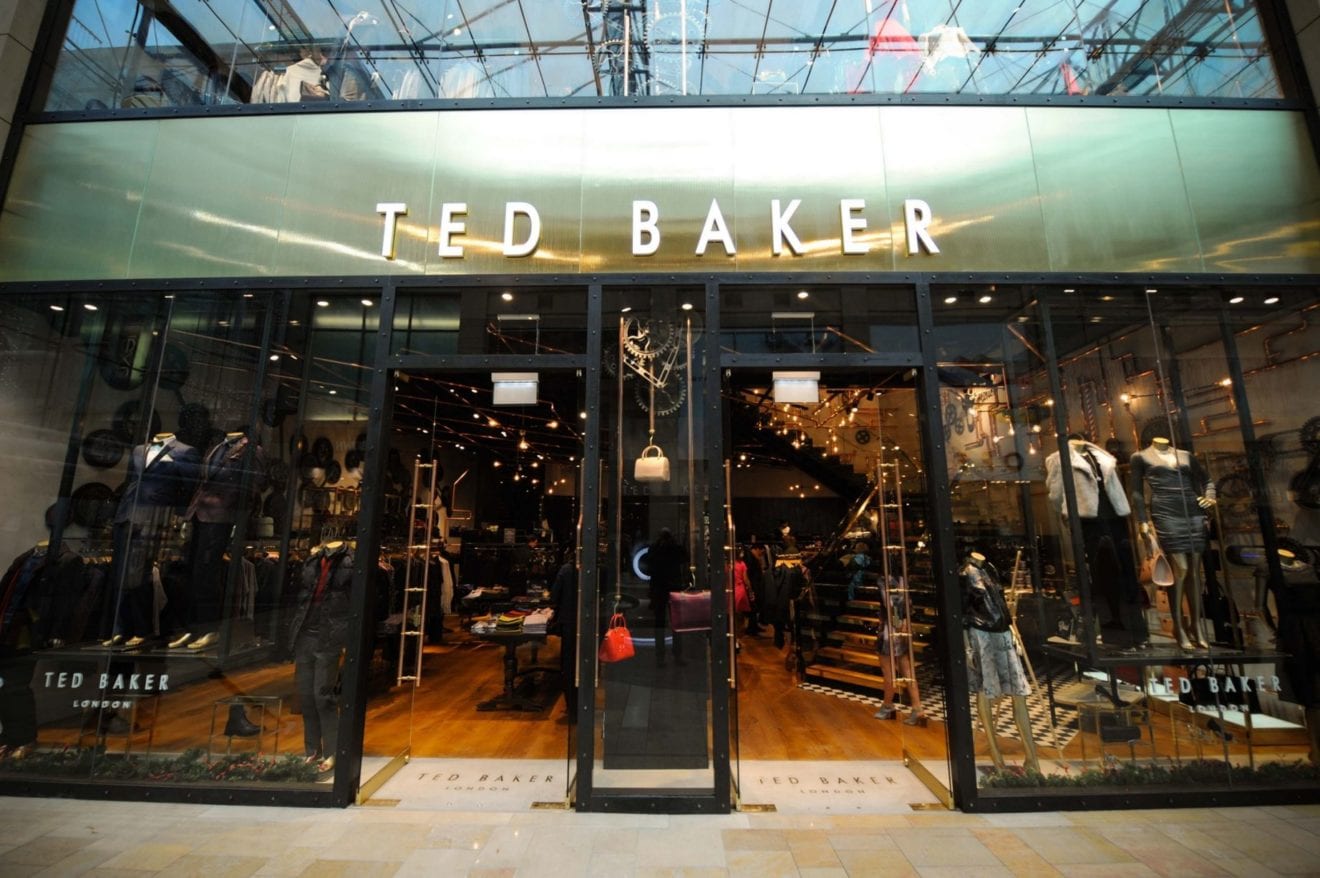
    Unconventional British fashion brand Ted Baker has opened its first store in Vietnam.

    Ted Baker Vietnam joins other luxury brands at the revamped Saigon Center in Ho Chi Minh City, with its re-opening celebrated at an event featuring Vietnamese entertainers. Guests included representatives from the UK Consulate General.

    Brought to Vietnam by retail management company Maison, Ted Baker was described at the event by British Business Group Vietnam (BBGV) director Peter Rimmer as “the most outstanding luxury fashion brand in the UK” and an inspiration for people seeking an individual style.

    Ted Baker introduced its latest collection with a mini-catwalk show at the event. Many of the guests were also wearing the label.

    Established in 1988 with a focus on menswear, the London brand has also produced collections for women seeking to blend traditional and contemporary styles.

    Maison, launched in 2012, has brought more than 17 international brands to Vietnam including Coach, Dorothy Perkins, Karen Miller, Mango and Topshop.