Tag: asia

  • Pop-star eateries for Bangkok’s Show DC complex

    Pop-star eateries for Bangkok’s Show DC complex

    K-pop star Psy of Gangnam Style is one of several celebrities who will have eateries at the upcomingShow DC/YG Republique integrated food and entertainment complex in Bangkok.

    He will have a noodle house, while other Korean stars featured are singer Rain with After The Rain restaurant, and boy band BTS (Bangtan Boys) with Brick Cafe.

    Mr. Chayadit Hutanuwatra, Chairman of SHOW DC Corp Ltd (Right) and Dr. Julianne Hur, Vice President of The The Mall OF Korea (Left)

    Mr. Chayadit Hutanuwatra, Chairman of SHOW DC Corp Ltd (Right)
    and Dr. Julianne Hur, Vice President of The The Mall OF Korea (Left)

    This was revealed at a media update event, which featured a K-pop fashion show featuring Thai model Rawiwan Bunprachom (“Yoghurt”).

    Show DC 5

    Mr. Chayadit Hutanuwatra, Chairman of SHOW DC Corp Ltd (Center), Mr. Thammarat Thuratong, Celeb E-san’s owner (Far Right), Dr. Wichuda Na-Songkhla Sriyaphai (Far Left), Deputy Managing Director of Wandee Culinary Art School

    Near Rama IX Road the Bht9.5 billion (US$274.8 million) project is 90 per cent complete and on track to open in November. It covers 18,000 sqm over six levels, and more than 400 brands have already signed up 93 per cent of the retail space.

    Show DC 1

    K-District @Show DC will be the largest K-Pop town outside Korea. As well as retail and restaurants, it will showcase an acting and talent academy from Korea, plus Korean plastic surgery clinics, cosmetics, fashion and lifestyle shops.

    Show DC 2

    “Our plan is also to stimulate the economy and promote Thai products by putting together best-in-class Thai products at the Thai Thai Market, covering 2500 sqm on the fourth floor,” says Show DC chairman Chayadit Hutanuwatra. The market will feature 150 shops.

    Outlets at the project’s “Shop & Enjoy” experience include Asia Herbs Association, Hot Star (Taiwanese snacks), Kanna (health food), Krua Wandee Culinary Art School and Stick House (Italian-style ice cream), along with fashion brands BKK Original and H&M.

  • Gitanjali Gems eyes world expansion

    Gitanjali Gems eyes world expansion

    After announcing plans to capture the global recovery in demand for diamond jewellery and other luxury items, India’s Gitanjali Gems saw its share price hit a 52-week high.

    This follows the jewellery manufacturer and exporter’s share price dipping to its lowest in many years on March 1.

    As well as diverting its focus from gold ornaments to diamond jewellery, Gitanjali has introduced low-carat gold content in stone-studded products, and is planning to raise Rs 110 crore (US$1.64 million) for its proposed expansion plan in both domestic and global markets.

    “The company is going in for diamond jewellery retailing all over the world, and also for more profitable items,” says MD Mehul Choksi. “It plans 50 more stores in the US to expand its presence by 50 per cent in the world’s largest diamond-jewellery consuming market. We are also setting up distribution centres in China and the Middle East.”

    Gitanjali also plans to increase its shop-in-shop model by 3000 outlets worldwide.

    After the US, the company plans to concentrate on its home market, followed by China and west Asia.

  • CBRE Research urges landlords to engage

    CBRE Research urges landlords to engage

    Online and offline retailing in Southeast Asia is expected to merge further, according to a new study by CBRE Research Singapore.

    Its report It’s All About Place-making urges landlords to play their part to stay ahead in a fast-changing retail landscape where consumers transit seamlessly from physical to digital platforms.

    CBRE Research projects that nearly 4 million sqm of city retail stock across Malaysia, Singapore, Thailand and Vietnam will be completed in the next three to five years. CBRE studied retail stock in Bangkok, Hanoi, Ho Chi Minh City, Jakarta, Kuala Lumpur and Singapore.

    “Some retail developments across these six cities have had to shut down in the face of high vacancy rates and low footfall as they failed to capture consumers and retain tenants,” says the report. “One suggestion is for landlords to acquire eCommerce platforms or set up logistics networks to give consumers the fully integrated omnichannel experience.”

    Established shopping centres with online platforms that provide “click-and-collect” or “store-to-door” services give consumers a higher sense of reliability and earn trust as well, says the report.

    “Both physical and online-only retailers are also more inclined to expand their footprint in these shopping centres in their bid to incorporate an omnichannel strategy.”

    Wave of change

    Combining both online and offline channels is one of five strategies CBRE Research recommends to landlords as Southeast Asian economies cope with structural shifts in the face of disruptive technologies.

    This wave of change has affected retail sales across the markets, with CBRE Research using the PLACE acronym…

    Place-making: Conceptualising shopping developments with the consumer’s experience at the forefront. A good social experience makes a strong positive association on the consumer and is tougher to replicate on the digital platform, says the company.

    Leveraging technology: Landlords should take advantage of the high internet and smartphone penetration among SEA consumers to improve the offline shopping experience. Technology can provide consumer insights and interaction while helping boost foot traffic and sales.

    Actively engaging: Forging personal connections with consumers is imperative for landlords to stand out from the competition and gain loyalty. Tenant engagement, and landlords need to find ways to show support.

    Combining channels: Landlords can break down the silos between online and offline by helping tenants incorporate an omnichannel strategy through vertical and horizontal integration, such as acquiring an eCommerce platform or setting up a logistics network to fulfil delivery needs.

    Engaging digital tenants: Landlords should seek to lease space to up-and-coming eCommerce retailers as they are likely to be more savvy about digital marketing and in tune with modern consumer needs.

    New needs

    “The onus of ensuring that stores in shopping centres remain an important and relevant touch point for consumers should not lie with retailers solely,” says CBRE Research Singapore/Southeast Asia head Desmond Sim. “The roles of the asset manager, landlord and shopping centre need to evolve to cater to the new needs of retailers and consumers amid stiff competition.

    “This task is all the more urgent as the market is anticipating a surge in internet use among developing countries, particularly Indonesia and Vietnam where mobile phone use has the greatest potential to increase.”

    Store-based retailing will stay the key point of purchase among SEA consumers in the next five to 10 years and account for at least 90 per cent of total sales value, says CBRE Research. However, landlords will face increasing pressure to make every visit to the shopping mall a memorable experience.

    With its headquarters in Los Angeles, CBRE Group is a commercial real-estate services and investment firm with more than 400 offices worldwide.

  • Mega Market emerges from Thai investment

    Mega Market emerges from Thai investment

    Eight months after being acquired by TCC Thailand, Metro Cash & Carry Vietnam has undergone a range of changes, including a new name – Mega Market.

    Since taking over Metro, the Thai group has accelerated agricultural projects to support Vietnamese producers. In July, TCC started exported hundreds of tonnes of Vietnamese fruits and vegetables to Thailand through Big C Thailand. It has also been seeking other suppliers for such products as avocados, sweet potatoes and oranges.

    Mega Market now has 19 wholesale centres across Vietnam, with three each in Hanoi and Ho Chi Minh City.

    As the main shareholder of Big C Thailand (97.94 per cent), TCC Group has plans to merge Mega Market with the Thai supermarket.

    TCC Thailand chairman Charoen Sirivadhanabhakdi says Vietnam offers good resources for agricultural development.

    TCC Thailand paid US$704 million to acquire Metro Vietnam in January, buying Big C Thailand the following month for US$3.5 billion.

  • FJ Benjamin secures Marc Jacobs rights

    FJ Benjamin secures Marc Jacobs rights

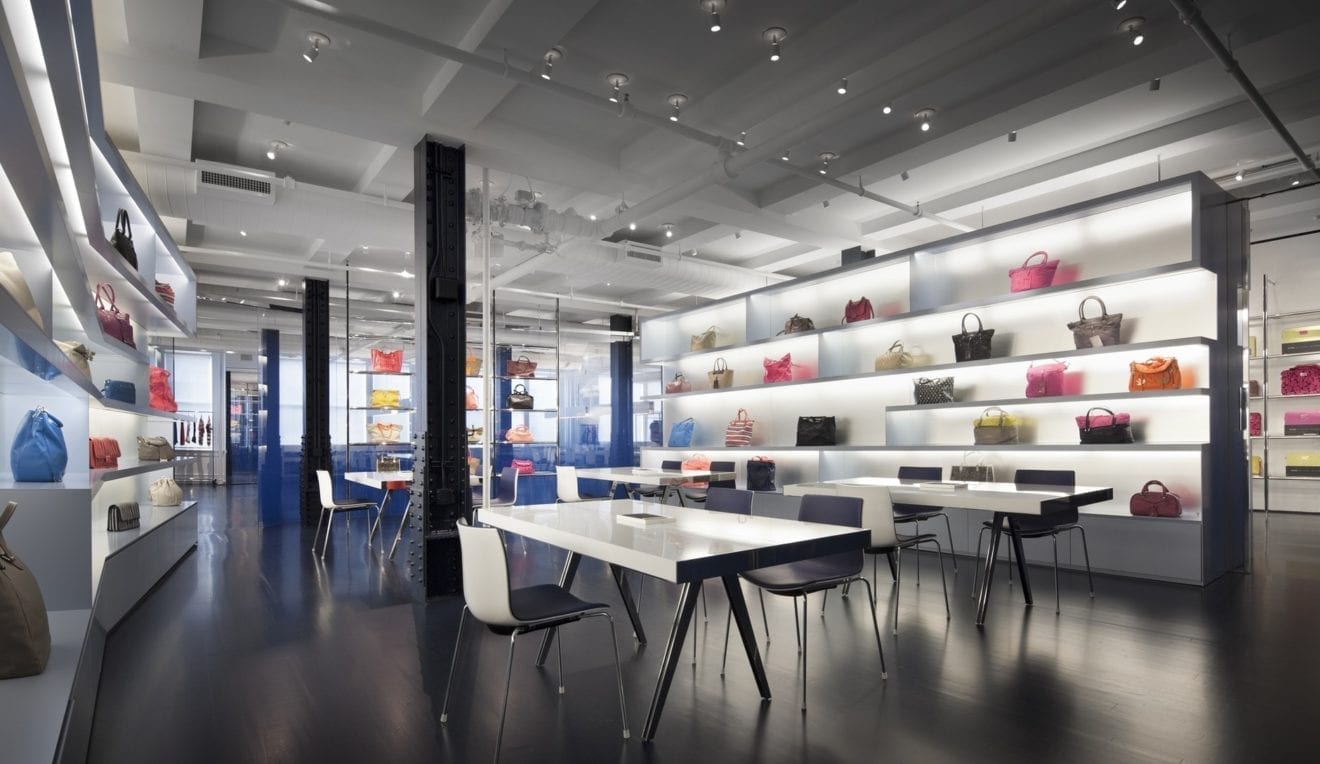
    Singapore fashion and lifestyle group FJ Benjamin has secured exclusive rights to distribute the Marc Jacobs brand.

    An agreement with Marc Jacobs International allows FJ Benjamin to open Marc Jacobs stores in
    Indonesia, Malaysia and Singapore.

    FJ Benjamin plans to open four stores in the next two years carrying the full range of the American designer’s women’s ready-to-wear, shoes, jewellery, bags and accessories.

    Starting his own label at the age of 23 in 1986, Jacobs became the youngest designer to win the Perry Ellis Award for New Talent from the Council of Fashion Designers of America.

    FJ Benjamin Holdings group COO Douglas Benjamin describes Marc Jacobs as one of the most exciting and sought-after fashion brands.

    Dating back to 1959, FJ Benjamin Holdings specialises in brand building and management through distribution and retail. With offices in Indonesia, Malaysia and Singapore, it manages more than 20 brands and has 226 stores.

  • Why retailers should embrace showrooming

    Why retailers should embrace showrooming

    Trends eventually stop being trendy and either disappear into obscurity or become part of everyday life.

    The trends which end up only being fads often come in with a bang and leave with a thud, leaving embarrassing photos and fashions in their wake. Remember those 80s hairstyles?

    The other trends — the ones that create a whirl of buzz and actually manage to stick around — can often change social, cultural and political landscapes. When it comes to the world of retail, trends are often born and die in a single day. This isn’t without good reason.

    Consumers now control the retail landscape. Your competitors are now only a click or tap away. Lower prices, more sizes and dynamic shopping experiences are waiting in the shopper’s purse or pocket as they navigate your retail spaces.

    This specific shift in consumer behavior has led to one trend that has now become part of nearly every shopping experience.

    Love it or loathe it, showrooming is a behaviour that retailers need to embrace.

    Many retailers have taken a defensive stance against consumers visiting their physical stores to research items they find and often plan to purchase only online.

    Headlines encouraging retailers to “battle” or “combat” showrooming conjures images of war.

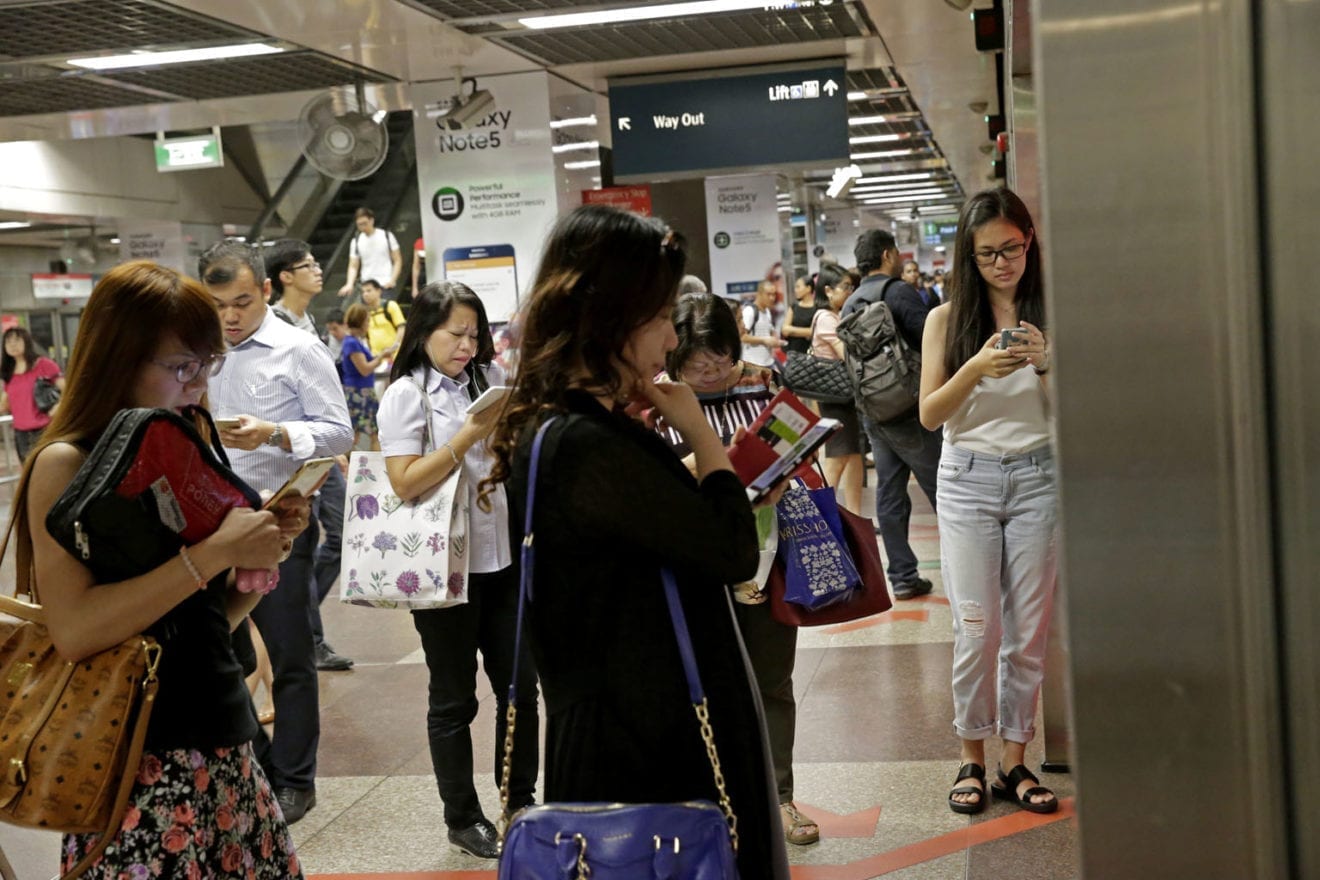
    Going against the tide of consumer behavior will rarely lead to success. Especially when you consider MasterCard’s recent Mobile Shopper study, which found that nearly one-third of shoppers in Singapore (31.9 per cent) will use their phones to research product costs and details while in a brick and mortar store.

    Understanding the reasons consumers want to showroom can help you to find ways to embrace this consumer behaviour and connect with your shoppers in a way that encourages them to buy when they are ready.

    Retailers must consider the catalysts for showrooming, the information consumers seek and how to position their brand as a source for everything they need to be an informed consumer.

    Let’s look at a few of these behaviours more closely.

    Research purchases

    A primary reason shoppers showroom is to research items they have discovered online. The knowledge that better deals and desirable products are so easily accessible has motivated consumers to become informed shoppers.

    Retailers can meet this showroomer need by ensuring product pages are optimised for mobile devices and that the information on these pages is comprehensive. Communicate product specifications as well as other value propositions that help your brand stand out. Are your materials locally sourced or all natural? Let your shoppers know! Have your handbags been carried on the red carpet? Share the photos!

    Help the in-store consumer to reconnect with the items they shopped online by making the shopping cart accessible on a mobile device and include details such as SKU, product number, brand, style, size and color as potential search criteria.

    Finding a lower price

    After viewing an item in your store, the shopper may try to find a lower price at one of your competitors. If price is not a differentiator, other shopper services could cause the showroomer to stray.

    Promote information about low price guarantees as well as return and exchange policies. Show perks such as repeat buyer discounts or loyalty program rewards.

    Tout services such as ship from store or in-store pick up at nearby locations. These also include low-price guarantees, in-store pick up, loyalty rewards and international shipping.

    phone, shopping mall, hand

    Look-alike items

    Many showroomers may use your app to locate an item in your stores. Give the shopper more reasons to buy from your brand by including product recommendations based on their shopping, buying and profile information.

    This level of customer intelligence is now more accessible to marketers and packs a lot of power to keep the showroomer engaged with your brand while helping to raise your average order value.

    Virtual store representatives

    Lastly, think of all the ways your store shoppers interact with your store staff.

    What questions do the shoppers ask? What concerns or problems do they encounter in your stores? Your site needs to serve as a virtual store representative by being making all of this information easily accessible.

    Consider how many times you’ve asked a store representative if they have an item in a different size only to find out they don’t have your size in stock. Now consider that 32 per cent of global respondents to PWC’s Total Retail 2016 study said they would be happier shoppers if they could check stock levels at other stores while in a store. That’s nearly one in three shoppers in your stores that want this kind of information.

    Make sure they can find answers! Additional areas to cover are product reviews, manuals, detailed specifications, installation information, warranties, demos, product videos… anything that answers the most commonly asked questions in your stores.

    Rather than seeing showrooming as a threat to your sales, accept the fact that this is how today’s consumer will shop — so find ways to use this behaviour to your advantage, keeping shoppers engaged.

    Shifting your perspective to empower today’s multi-device, multi-channel shopper will only help to boost sales and show your shoppers that you care.

    *Benjamin Glynn is managing director for Southeast Asia with Emarsys.

  • Telcos not connecting with Singapore teens

    Telcos not connecting with Singapore teens

    Only 8% of teenagers in Singapore (versus 12% globally) feel that telecoms service providers understand their lifestyle and offer services to match it, according to research from Vanson Bourne.

    But at the same time, only 18% (30% globally) report experiencing poor customer service from their service provider over the past year, while 46% (same as globally) say that as a result, they will not use the same provider again. Significantly, a 41% of respondents shared this information with family and friends.

    The study, which was commissioned by Amdocs, covered 4,250 respondents (15-18 years) from the United Kingdom, United States, Canada, Brazil, India, Germany, Russia, Mexico, the Philippines and Singapore.

    Among respondents in Singapore, 49% (43% globally) believe their smartphone makes them smarter and “cooler”, while 55% (52% globally) check their social media accounts first thing in the morning. Almost half (31% globally) say they would probably not meet someone again if they didn’t have a WhatsApp account.

    Also, 56% say they prefer using emojis (47% globally) to sending emails, as they feel it allows them to express their feelings more clearly than words. A similar number said the same about posting photos (45% globally).

    In addition, teens demand constant internet connectivity, with 68% (56% globally) saying they are likely to feel anxious and alone if separated from the internet than if separated from family (51% versus 52% globally). The value of internet access is so significant that 56% (55% globally) strongly believe fast Internet access to be a human right.

    Further, 59% (61% globally) stream videos, compared to 20% (14% globally) who download.

    For TV, 47% (51% globally) stream versus 18% (11% globally) who download, while for music, 41% (46% globally) stream, compared to 37% (28% globally) who download. And they are typically doing so for free, with less than a third saying they ever pay for content.

    The study also found that teens perceive content and app providers as “service providers” and love them more, they want to harness technology to design their own experiences, and they expect future technology to allow them to become digital beings as much as human beings.

  • Former Thai ICT minister spends first night in jail

    Former Thai ICT minister spends first night in jail

    Former ICT Minister Doctor Surapong Suebwonglee is spending the night in jail after being found guilty of criminal malfeasance regarding an amendment to the Thaicom / Shin Satellite contract.

    The case, brought by the counter corruption commission, accused Surapong and former ICT Ministry Permanent Secretary Kraisorn Pornsutee and former Space Administration Bureau director Chaiyan Pungkiatpairoj (himself later permanent secretary) of illegally amending the concession to allow Shin Corporation to lower its shareholding of Shin Satellite from not less than 51% to not less than 40%.

    This materially changed the requisites in the concession contract as it would lessen the risk Shin Corporation had in Shin Satellite, and it could, though unlikely, open the way for the 60% of shareholders to get together to outvote concession holder Shin Corporation.

    Such a material change would have needed cabinet approval.

    The courts noted that while Surapong did submit evidence that he had asked the Thaksin Shinawatra cabinet for approval; and evidence that the attorney-general said he had the power to go ahead with the amendment whilst the cabinet approval was pending, Surapong had omitted one important detail.

    The former ICT Minister withheld information from the attorney-general that the cabinet secretariat had refused to table the amendment as it would have been a conflict of interest.

    Thaksin Shinawatra’s family and associates (driver, cook, and maid) still held a controlling stake in the company that bore his name at that time.

    Doctor Surapong was given a one year jail sentence beginning immediately and was led away to jail immediately after the verdict was delivered. The two others were given one year jail sentences, suspended for five years.

  • Cellcard launches carrier billing in Cambodia

    Cellcard launches carrier billing in Cambodia

    Cambodian mobile operator Cellcard and mobile payments company Fortumo have teamed up to offer direct carrier billing for digital content.

    Cellcard’s 4 million subscribers will be able to pay for digital content via their monthly mobile bill.

    The alliance is aimed at providing payment options for the Cambodian market, which has a credit card penetration of less than 5% but a smartphone penetration of around 40%.

    Fortumo’s direct carrier billing platform is used by smartphone app stores Google Play and Windows Phone Store, digital media companies including Sony, Hooq and Gaana as well as game developers such as EA Mobile nad Gameloft.

    The company’s alliance with Cellcard comes in the wake of recently-announced partnerships with Reliance Communications in India, Zong in Pakistan and Viettel in Vietnam covering payments over Google Play.

    Across APAC, Forumo’s direct carrier billing platform is now available to 1.5 billion customers in 16 countries.

  • Taiwan Mobile to offer enterprise IoT services

    Taiwan Mobile to offer enterprise IoT services

    Taiwan Mobile plans to offer enterprise IoT services in the Taiwanese market using the Cisco Jasper Control Center platform.

    The operator plans to offer plug-and-play IoT services that can be configured to provide analysis, automation and diagnostic intelligence.

    The company will offer services for any industry, with a particular focus on segments including connected cars, mobile payment, manufacturing, smart cities and public transport.

    “Enterprises throughout Taiwan are eager to deliver new, value-added IoT services to their customers,” Taiwan Mobile senior director of mobile marketing and IoT services Eddie Chan said.

    “Companies are increasingly focused on offering services that generate recurring revenue while improving the customer experience. Taiwan Mobile is excited to be at the forefront of enabling this transformation for businesses throughout Taiwan via the industry-leading Cisco Jasper IoT platform.”

    Cisco acquired US-based Jasper and its cloud-based IoT service platform for $1.4 billion in March, as part of efforts to gain a stronger foothold in the burgeoning new market segment.

    The Cisco Jasper Control Center offers real-time monitoring, management and control over IoT services, and is scalable to global implementations thanks to the company’s partnership with 30 global mobile operator groups representing more than 120 mobile networks worldwide.

  • Hong Kong Issues First Licenses For Stored Value Facilities

    Hong Kong Issues First Licenses For Stored Value Facilities

    Though its population of 7.5 million is equal to that of a mid-size mainland Chinese city like Hangzhou, Hong Kong makes up for lack of people with strength in its financial markets. And news today that the Hong Kong Monetary Authority has issued stored value facilities licences is big news.

    HKMA has granted stored value facilities licenses to five companies under the Payment Systems and Stored Value Facilities Ordinance: Alipay, Octopus, TNG, Money Data, and HKT Payment. Octopus’ license is effective November 13, 2016, but the other firms have effective licenses from today, August 25.

    “The grant of the first batch of licenses for SVF issuers is turning a new page in the retail payment development in Hong Kong,” Norman Chan, CEO of HKMA.

    The Ordinance commenced operation on November 13, 2015. Under the Ordinance, the HKMA is empowered to implement a mandatory licensing system for multi-purpose stored value facilities and perform relevant supervision and enforcement functions.

    A one-year period is allowed for existing issuers of stored value facilities or new market operators to apply for stored value facilities licenses from the HKMA.

  • Starbucks Korea hosted 2nd annual Barista Championship for Partners with Disabilities

    Starbucks Korea hosted 2nd annual Barista Championship for Partners with Disabilities

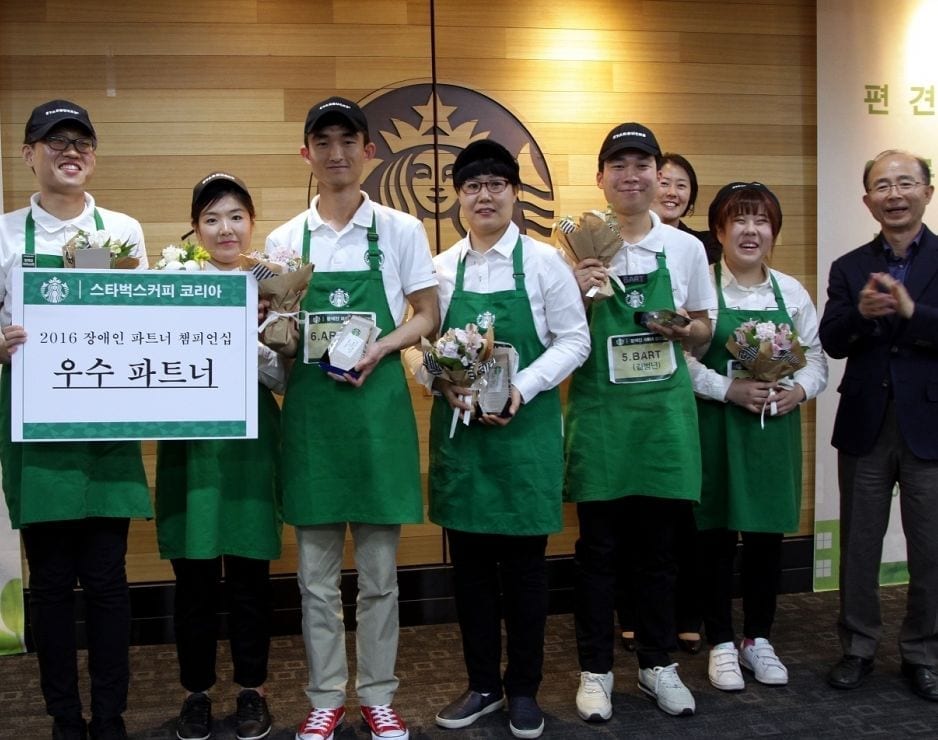
    Learning that she was the winner of Starbucks Korea’s Barista Championship for Partners with Disabilities was a surprise for Banny M.H. Choi.

    “When I found out about this championship, I wasn’t sure if I could do it, but I decided to challenge myself,” said Choi, who has a hearing loss. “When they announced that I was the winner I couldn’t believe it. I didn’t expect to earn first prize because I was so nervous.”

    Excelling in the competition was a source of pride for Choi.

    “I have always tried my best to eliminate prejudice about the disabled,” Choi said. “After winning this competition, I am confident that I can do anything regardless of my disability.”

    Starbucks Korea hosted the championship for the second consecutive year, as a way to recognize partners (employees) with disabilities. Choi and the remaining nine finalists were selected to participate based on recommendations from their district managers.

    During the competition, they were judged by three partners from the Starbucks Coffee Leadership and Operations Service Team on beverage quality, speed of service, cleanliness and latte art. As the victor, Choi received a trophy and a Starbucks Card loaded with 100,000 Korean Won (approximately USD$90.00).

    “We take pride in the fact that Starbucks is a welcoming workplace for everyone,” said S.K. Lee, president, Starbucks Coffee Korea. “We hope to demonstrate the talents of all our baristas and change perceptions about the abilities of people with disabilities.”

    The company’s effort to hire and train people with disabilities has not gone unnoticed. In April, Starbucks Korea received the presidential award from the Korea Employment Agency for the Disabled and the Ministry of Employment and Labor.

    “This year’s finalists had very impressive skills, which made it difficult to select one winner,” said Lee. “Next year, we will offer a competition in each market in the China and Asia Pacific region to recognize more of our partners.”


  • AskMe may shut down ops from August 31

    AskMe may shut down ops from August 31

    Consumer internet firm AskMe may shut down operations from August 31, suggest minutes of a meeting held in July. It has terminated the services of its delivery boys and asked employees to work from home.

    The meeting between the authorised representatives of majority shareholder AENL and minority shareholders was held on July 18, the minutes of which refer to August 31 as a longstop date after which the business will wound up. “If deal is not consummated by 31/08/2016 – business to be wound up and adjust USD 5 million towards closure cost,” the minutes of meeting said.

    In an email to staffing firm Innov, which provided delivery boys to the company, AskMe said that August 31 will be the last day for working for all the delivery boys it engages. “We would like to inform you that last working date for all delivery boy/procurement boys hired through you. You are requested to prepare the full and final calculation, for all boys engaged through you, as per the terms of agreement and share with us,” it said.

    AskMe sent a similar email to employees stating, “No employee is required to report to their respective offices/location from 24th August onwards. All are required to work from home.”

    While the email sent to employees cited “temporary suspension of operations while the strategic direction is awaited” as the reason, the minutes of the meeting which took place on July 18 between the authorised representatives of majority shareholder AENL and minority shareholders suggest the company is headed for closure.

    The minority shareholders in the company said in a statement, “We don’t find much merit in Astro doing an audit, bid more time thereby holding dues of employees and vendors. It should be noted that the last quarterly audit committee comprised their own nominees. The Astro-appointed audit committee has been there for the last two years overseeing good governance in AskMe.”

    They further said, “PwC Malaysia also did a quarterly group audit since AskMe is a subsidiary of Astro, which is a Malaysia based company. Furthermore, to make matters even more problematic for employees, Astro is not even issuing relieving letters (forget dues) to the staff who have resigned, thus marring their future employment opportunities. We also have a mail from them that includes the minutes of meeting between Astro and Getit Group where they have acknowledged the closure costs including salaries. They have already been accused of harassing a female company secretary as highlighted in a formal complaint to the MCA and ROC. All these actions are total departure from professional and corporate ethics.”

    Malaysia-based Astro, the majority shareholder in Getit had earlier said that “there is little prospect for turnaround and the business is insolvent”. It had made public its intent to appoint a forensic auditor to review Getit’s books and said that it will take appropriate steps based on the results of that audit.

    Getit, which now owns AskMe, has been tottering financially following a feud between its owner, Astro, and its minority shareholders. Despite a huge marketing push it failed to get the required traction and customer base.

    A battle of sorts was brewing between the minority shareholders and Astro since early this year over financial issues. The minority shareholders had earlier alleged that Astro had not cleared dues worth Rs 300 crore and is exiting from the company, while Astro had cited AskMe’s inability to meet its plans due to lack of scale and difficult times in India’s e-commerce market, among other factors.

  • Foreign convenience stores in China to face lower-tier challenge

    Foreign convenience stores in China to face lower-tier challenge

    • Convenience store growth is surging, bucking the trend of weakening physical retail store sales. 7-Eleven is the market leader, though FT Confidential Research’s latest consumer brands survey found that other foreign chains were increasingly popular.
    • This is, however, a highly fragmented market and foreign chains will struggle to expand into lower-tier cities, where domestic operators offer greater competition, sometimes supported by local governments.
    • International operators are also coming under pressure from other big foreign retailers in China, while domestic newcomers are expanding aggressively in the belief that online-to-offline (O2O) services will help them seize market share and overcome short-term profitability issues.

    Convenience stores continue to eat into the retail market share of larger formats. In a second-quarter FT Confidential Research survey, 83.4 per cent of urban consumers described themselves as regular convenience store patrons, 0.9 percentage points up on our previous survey in the fourth quarter of last year, while the proportion regularly frequenting supermarkets or hypermarkets fell 1.2 percentage points (see chart).

    The convenience store format has been a standout in an otherwise gloomy market for bricks-and-mortar retailers. Though nationwide sales of fast-moving consumer goods rose 13.2 per cent last year, according to Kantar Retail, a consultancy, hypermarket sales slipped 0.2 per cent and sales at traditional, independent grocery stores fell 10.4 per cent.

    Convenience store chains are stealing market share, with store count growing an average 10 per cent each year from 2010 to 2015. Our survey found that 88.6 per cent of younger shoppers, aged 24-29, frequently go to convenience stores, up 3.4 percentage points from our survey six months ago. In contrast, the proportion of this cohort regularly going to supermarkets or hypermarkets fell 0.8 percentage points in that time.

    Despite growing demand, the convenience store market remains fragmented, with no national leader. The most popular chain was different in 10 of the 11 major markets in China, according to our survey (see chart).

    Beyond Shanghai

    Growth is concentrated in first-tier cities such Beijing and Shenzhen and certain second-tier cities. Shanghai, the biggest market by far, is now saturated, with store count increasing just 2.9 per cent in 2015, having shrunk in 2013, according to the China Chain Store & Franchise Association. Shanghai had one convenience store for every 3,466 residents, a far greater concentration than in Beijing (7,185 people per store) and Chongqing (28,846 people per store). Second-tier Harbin, Wuhan and Changsha were the three cities with the fastest-growing store count in 2015, while Beijing came in seventh (see chart).

    Foreign chains out in front

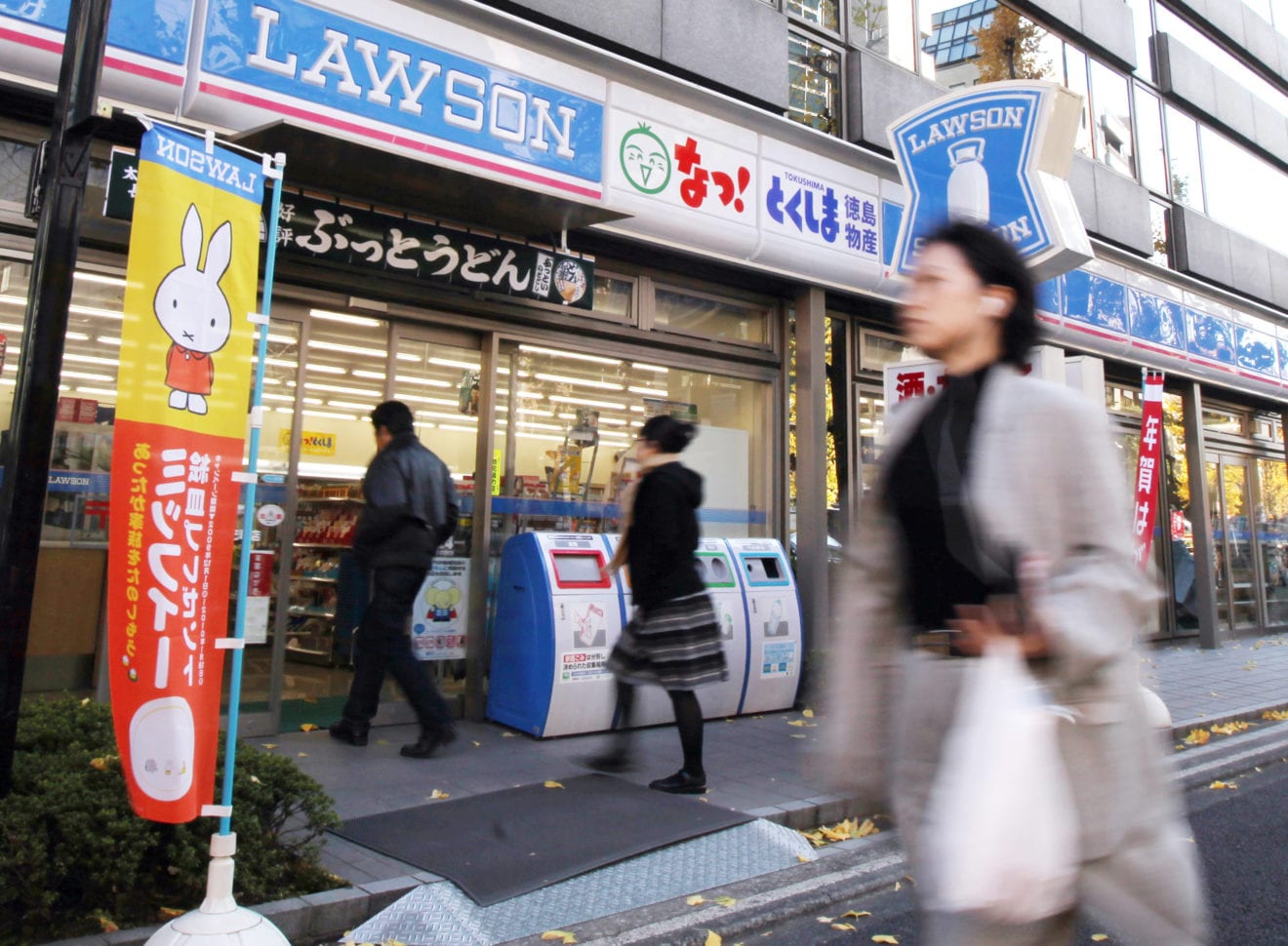
    Our survey found that foreign brands remain more popular than their domestic peers. Japanese brand 7-Eleven was the most popular, with 20.4 per cent of respondents saying they frequently shopped at its stores, up 1.1 percentage points from the fourth quarter of last year (see chart). The popularity of two other Japanese chains, FamilyMart and Lawson, also rose, up 0.8 and 1.2 percentage points, respectively.

    After years of losses, foreign brands may finally have found ways to consistently turn profits in China. Shanghai FamilyMart, a joint venture between FamilyMart Japan and Ting Hsin Group formed in 2004, turned a profit for the first time in 2013. This ¥745m ($7.4m) profit expanded to ¥1.5bn last year.

    FamilyMart’s clean, reliably stocked outlets appeal to white-collar workers, but it is the prepared fresh food options that have really proved popular. The company now has four factories preparing ready-made food in or around Shanghai and reportedly sells about 300,000 bento boxes each day in the city. Prepared fresh food makes up roughly half of the total sales of each FamilyMart store, according to Ting Hsin vice-president Wei Yingxing.

    Bottlenecks to expansion

    The nature of convenience stores makes brand loyalty tough to engender: is a Shanghai urbanite going to walk further to their favourite chain for something as basic as a bottle of water?

    This is helps explain why the expansion of foreign brands into lower-tier cities has been harder than they anticipated. In 2010, FamilyMart set a goal of opening 4,500 stores in China, but had only reached one-third of that by February 2016. Three years ago, Lawson targeted 1,500 stores in Shanghai and 500 in Chongqing by 2015. As of May 2016 it had opened just 506 and 111, respectively. Among the top 10 chains nationally, the market share of domestic chains has actually rebounded slightly since 2012, while the rapid growth of foreign chains has slowed, according to Kantar (see chart).

    Domestic competition tough to overcome

    Shanghai has provided domestic companies with a case study in how to compete against foreign entrants. Almost all big domestic convenience store chains have beefed up their offerings of ready-to-eat food products, mimicking FamilyMart’s success in Shanghai. Many are now accelerating store openings in areas dominated by foreign chains, while some have managed to poach middle managers from international companies.

    This competition from domestic chains is dragging on store count growth for the multinationals: the number of 7-Eleven stores in Chengdu dropped to just 56 by May this year from 87 in February 2013 (see chart). FamilyMart has also expanded only slowly in Chengdu. In contrast, local leader Hongqi has 1,543 outlets in the city, and reported a 15.2 per cent increase in operating revenue and a 5.3 per cent rise in net profits to Rmb170m ($26m) in 2015.

    The target demographic of foreign convenience stores is much smaller in second-tier cities than in the major coastal hubs, given lower incomes and different consumption patterns. In Beijing in 2015, the daily revenue of each 7-Eleven outlet was, on average, more than Rmb16,000. The equivalent figure in Tianjin and Chengdu rarely breaks Rmb10,000. This has forced foreign companies to be more strategic about where they open outlets in these cities.

    Government policy may also limit expansion. Since 2009, the Chinese government has banned retailers with foreign backgrounds from selling cigarettes nationwide, a business we estimate could account for a third of convenience store sales. In Shanghai, the municipal government also offers subsidies to state-owned firms, and in second-tier cities the relationship between local companies and local government is usually even closer.

    In response, Lawson has signed a franchise contract with Wuhan Zhongbai, authorising Hubei’s leading retailer to open Lawson convenience stores in the province — even though Zhongbai has its own convenience store chain, named Haobang. These sorts of tie-ups may be a solution for foreign chains to expand in the provinces, but maintaining service quality will prove a challenge.

    Here come the newcomers

    Furthermore, the market’s rapid growth is luring in new players. Large, established foreign retailers are looking to leverage their brand popularity and existing infrastructure. Carrefour, for example, has already opened 13 Carrefour Easy convenience stores in Shanghai. Germany’s Metro also recently opened its first two My Mart convenience stores in the city.

    Domestic entrants are even more aggressive. Quanshi has opened 270 stores in Beijing since it was established in 2011. In comparison, 7-Eleven had 192 stores in Beijing as of May 2016, having entered the market in 2004.

    Quanshi’s ampm brand (not to be confused with BP’s chain of service stations) is one of a swath of Chinese operations, across numerous industries, banking on O2O services to drive growth. The chain claims that short-term profitability issues from its model can be overcome once economies of scale are achieved. Companies like Quanshi see O2O services, including package storage but also delivery, as the future of the convenience store business.

    The commercial viability of this strategy is so far unproven. A deal between JD.com and Taiyuan Tangjiu, a Shanxi chain, in which the online mall hosts the convenience store’s online presence while its couriers provide one-hour delivery, has not been a success.

    Given such intense competition, we believe the convenience store market will remain fragmented and locally focused. For now, it is unclear that a national leader will emerge, as 7-Eleven has in Japan. In second- and third-tier cities, lower incomes and local protectionism mean that foreign chains may take over bustling, high-rent street corners, but will struggle to establish a dominant position.

     

  • Sunway’s footfall and sales up due to Pokemon Go

    Sunway’s footfall and sales up due to Pokemon Go

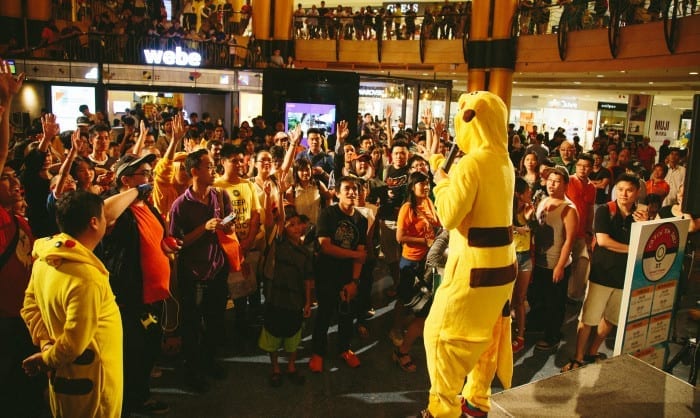
    Sunway Malls is seeing a surge in traffic and sales on the back of the launch of its Pokemon Go Lure Module earlier on 9 August- just a few days after the popular game was officially introduced in the country.

    The retail group said in a statement to A+M, with the retail industry already beset with a 4.4% fall in Q1 2016, the surge has offered a temporary relief for retailers. In comparison, growth was up 4.6% a year ago according to Retail Group Malaysia’s figures.

    Riding on game’s ability in moving large traction of traffic across various Poke stops, Sunway Malls was among the early adopters of the lure module activation to drive traffic into group’s four malls – Sunway Pyramid, Sunway Putra, Sunway Giza and Sunway Carnival in Klang Valley and Penang.

    “To date, we have seen traffic increase by an average of 10% for Sunway Pyramid, 8% for Sunway Giza, 6% for Sunway Putra Mall, and 4% for Sunway Carnival Mall,” Kevin Tan, chief operating officer of Sunway Malls said.

    Sunway said its preliminary report also suggests a rise in sales especially for its F&B retailers.

    “We are unable to verify exactly the total amount of overall sales achieved at the moment, but some of our retailers have shared that their shops have been busy because of the campaign. Currently, it looks like F&B operators have the most to gain whilst fashion retailers see the traffic but business is as usual,” Tan added.

    For example, for its Sunway Pyramid – F&B operator Gong Cha at recorded a 10% increase in sales while snacks retailers J&G Chicken and Crispy Crust saw higher than average sales. Similar trends were also observed in both Sunway Putra Mall and Sunway Giza, averaging an 8% increase.

    Over in Penang, Sunway Carnival reported the best results by far, with retailers such as Bread History recording a sales increase of 50% since the campaign began. Meanwhile, F&B operators Mocktail Bar and Blackball saw a 30% increase while Winter Warmers reported a 20% increase in sales.

    Other F&B operators of the mall such as Chatime, Sushi King, Kim Gary, New Zealand Natural and Shihlin Taiwan Street Snacks recorded a 15% increase in sales while Sakae Sushi, Yoshinoya, Starbucks and Kaffa Signature saw sales increased by 10%.

    A check on Google Trends also showed that the search for Sunway Pyramid coordinate shot up by a whopping 5000% due to its popularity as one of the locations with the most Poke stops, whereas Sunway Putra Mall saw a 180% increase for searches related to the mall’s tenant offerings.

    Much of this could be attributed to the fact that Malaysia was made to wait for Pokemon Go launch until recently, said the company. The game has been trending worldwide pending its official release here.

    “We saw it as our opportunity to leverage on game’s immense potential. The one thing unique about Pokemon Go is that gamers are finally coming out of their houses and converging in the outdoors. They have to explore their surroundings and learn the locations of the stops and gyms and familiarise themselves with whichever areas they are in, which is great for us as it means they explore our mall.  All these will ultimately translate into business and sales for our retailers,” Kevin said.

    It is widely known that malls in general have high traffic during the festive period and school holidays, but Sunway said – the introduction of Pokemon Go has certainly spiked up the footfall for the non-peak season.

    Ever since the introduction of GST (Goods & Service Tax) April last year, Malaysians were subsequently hit by the removal of petrol subsidy, sugar, inflation and drop in currency value.

    The retail and mall industry has been hit with lower consumer confidence, lower consumer spend and certainly lower footfall for certain malls. This prompted various malls in Malaysia to step up efforts in attracting more footfall, and riding the well-received Pokemon Go games is just one of the many strategies in place.