Tag: asia

  • Apple To Build Its First R&D Center in China

    Apple To Build Its First R&D Center in China

    Apple plans to open its first research and development centre in China this year, the latest in a series of steps to bolster its presence in a vital region as sales slow down.

    Tim Cook, Apple’s chief executive, revealed the plans to increase investment in local R&D during a meeting this week with Zhang Gaoli, China’s vice premier.

    The move comes after Apple reported that revenues fell one-third in the latest quarter in Greater China, where Apple faces growing competition from local smartphone makers such as Huawei and Oppo as well as tougher economic conditions.

    The new R&D centre will be made up of both new and existing staff. Apple already has 9,000 staff in China, roughly half of whom work in its 42 retail stores. In the past four years, Apple has doubled the number of corporate offices in China to 45.

    “We look forward to expanding our operations in China with a new research and development centre as we continue to grow our talented team here,” Apple said, without specifying the scale of staffing or financial investment in the effort.

    “The centre will open later this year, bringing together our engineering and operations teams in China as we develop advanced technologies and services for our products, both for our customers in China and around the world,” Apple added.

    Even as revenues slide, Apple is increasing its investment in future products and international expansion. Last month, the US tech group revealed a 26 per cent increase in its quarterly R&D spending to $2.6bn, a record 6 per cent of revenues. Its annual R&D spending is now approaching $10bn.

    In May, Apple invested $1bn in Didi Chuxing, a Chinese car-hailing service — an unusual move for a company that has typically favoured much smaller deals. As well as providing a strategic partnership as a secretive Apple team works on developing its own car, the investment was widely seen as an attempt to build goodwill with the Chinese government after a series of setbacks in the region.

    Earlier this year, Apple’s iTunes films and iBooks services were blocked in China as part of a wider crackdown on foreign content. Apple also lost a patent case in Beijing that threatened to block sales of the iPhone 6.

    “The new centre is also aimed at strengthening relationships with local partners and universities as we work to support talent development across the country,” Apple said.

    China has also become a growing focus for Apple’s environmental efforts as it pushes its supply chain partners to use more renewable energy. On Wednesday it said that Lens Technology, a glass manufacturer, would obtain 100 per cent of its electricity from wind power by the end of 2018 — the first Apple supplier to make such a commitment.

    In last month’s earnings call Mr Cook stressed the “long-term opportunity” in China, where sales grew 55 per cent to $40bn during the first three quarters of Apple’s fiscal year. Revenues from its books and movies stores in China were “less than $1m” before they were blocked, he added.

  • CapitaLand Retail China Trust to buy shopping mall in Chengdu for 1.5b yuan

    CapitaLand Retail China Trust to buy shopping mall in Chengdu for 1.5b yuan

    CapitaLand Retail China Trust (CRCT) is acquiring a shopping mall in Chengdu for 1.5 billion yuan (S$303 million).

    Galleria is located in the Xinnan Tiandi retail precinct of Gaoxin District in the south of Chengdu, a major shopping belt in the city.

    The mall has been valued at 1.52 billion yuan by Savills Valuation & Professional Services as at July 26. Including acquisition-related expenses, the total investment cost for the mall is expected to be about 1.527 billion yuan. CRCT plans to finance the purchase with a mix of existing cash and additional debt.

    When the transaction is completed, the acquisition will enlarge CRCT’s portfolio size by about 14 per cent to 12.55 billion yuan. The mall has a current net property income yield of about 5.4 per cent and the acquisition is expected to be distribution per unit-accretive for CRCT.

    Tony Tan, chief executive of the manager of CRCT, said: “The proposed acquisition will diversify CRCT’s income and strengthen the resilience of our portfolio to deliver sustainable growth. With the opportunity to tap on CapitaLand’s network of five existing malls in Chengdu, the proposed acquisition is aligned with CRCT’s investment strategy to expand our footprint by leveraging on our sponsor’s strong presence in key Chinese cities where it has a competitive edge.”

    Leases accounting for about two-thirds of the mall’s total rent are up for renewal by 2018, which will give it an opportunity to boost rental income by adjusting the tenant mix, he added.

    The six-storey mall, which opened its doors in 2010, has a gross floor area, excluding car park, of about 53,619 square metres and 900 car park spaces. As at end-May, it was fully occupied.

  • CDFG opened 3000sqm Duty Free in Phnom Penh

    CDFG opened 3000sqm Duty Free in Phnom Penh

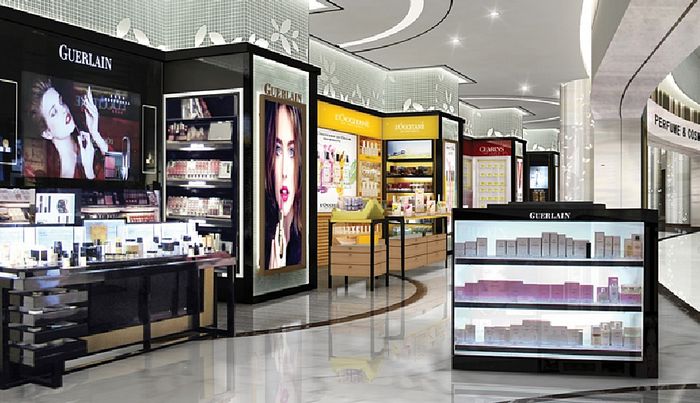
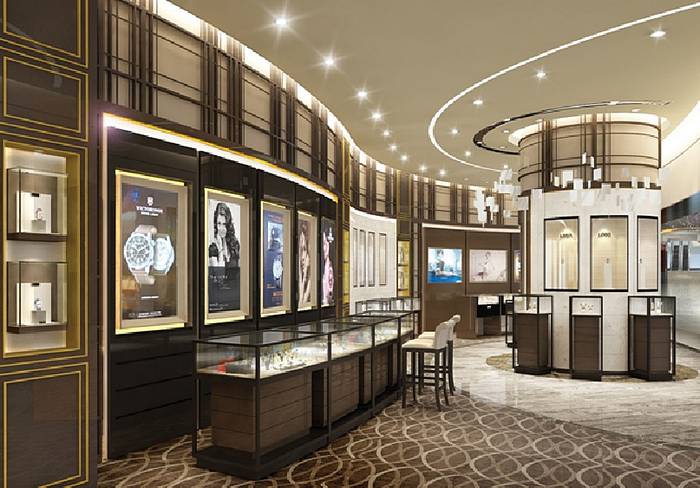
    Phnom Penh Duty Free is located inside the integrated entertainment destination of Naga City at Naga City Walk which connects Naga World to ‘Naga 2’. It offers approximately 4,000sq m of retail space with all the main DF&TR and luxury categories available: cosmetics, perfume, jewellery, sunglasses, watches, fashion, beverages, tobacco, travel goods and confectionery as well as “famous local products”.

    The end of September will see the arrival of a slew of further brands: Estée Lauder, Kiehl’s, La Mer, SK-II, Lancôme, MK, Rimowa, and Tumi.

    CDFG Phnom Penh beauty cambodia

    The beauty area in the new store.

    State-owned CDFG, which operates a brand company in Cambodia, comments: “We are the top luxury retail store in Phnom Penh providing a high-end shopping destination to tourists and business travellers. Customers can choose from more than 200 brands from around the world.”

    On opening, branded boutiques will include Longines, Tissot, Swarovski, Samsonite and Prada, with further boutiques from Armani, Coach and Furla to be unveiled at the end of this year.

    SILK ROAD TARGET

    The Phnom Penh development is part of an international expansion policy targeting the so-called ‘Silk Road Economic Belt’ to which CDFG parent, China Travel Group, is committed.

    Cambodia is a key market within the plan: CDFG has already opened its Angkor duty free store in December 2014 (where it competes with DFS), followed a year later by the Shihanoukville duty free store in December 2015. CDFG says it has “the full support at all levels of government in Cambodia”.

    CDFG – which claims to be China’s largest retailer of luxury merchandise – says that with its three stores in place it “will write a new chapter in the tourism industry in Cambodia”.

    To celebrate today’s soft opening, promotions are in place with a 15% discount on all shopping; a chance to experiencing the VIP shopping service; and a gift on purchases over $100. Scanning the company’s official WeChat account, or clicking ‘like’ on the company’s official Facebook, also qualifies for a surprise gift.

  • 7-Eleven Hits Milestone of 60000 Stores in 17 Countries

    7-Eleven Hits Milestone of 60000 Stores in 17 Countries

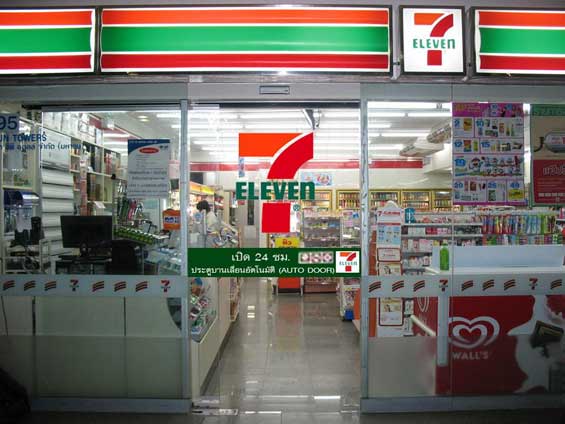
    7-Eleven Inc., the largest convenience retail chain in the world, keeps getting bigger with the opening of its 60,000th global store.

    The Irving-based company traces its roots to the 1927 opening of Southland Ice Co. in Oak Cliff, Texas. In 1946, with stores open from 7 a.m. to 11 p.m., the name was changed to 7-Eleven. Stores started staying open around the clock in 1971.

    7-Eleven moved into Canada in 1969 and into Mexico in 1971 as part of joint ventures. In 1974, the retail chain expanded into Japan with Seven-Eleven Japan, which became the parent company in November 2005.

    7-Eleven now has stores in Thailand, Taiwan, South Korea, China, Malaysia, Singapore, Philippines, Australia, Sweden, Norway, Denmark, Hong Kong, Macau, Indonesia and UAE through area license and master franchise agreements.

    The first 7-Eleven store in Vietnam is expected to open next spring, which will extend the retailer’s operations to 18 countries.

    “The 7-Eleven story is amazing and inspiring; we started as a small local ice house and have grown over the years store by store, community by community, and country by country into an iconic global brand,” said Joe DePinto, 7-Eleven Inc. president and CEO. “We will continue to grow by staying focused on the constantly changing convenience needs of our customers and by staying committed to the communities we serve.”

    Last year, 7-Eleven opened one store every 2.5 hours, for approximately 4,000 stores.

    The company currently has the most stores in Japan (18,860), followed by Thailand (9,278), the United States (8,378), South Korea (8,238) and Taiwan (5,057).

    Other milestones in 7-Eleven’s history include:

    • 1927: First store
    • 1952: 100th store
    • 1963: 1,000th store
    • 1984: 10,000th store
    • 2003: 25,000th store
    • 2010: 40,000th store
  • Starbucks Asia showcases local art

    Starbucks Asia showcases local art

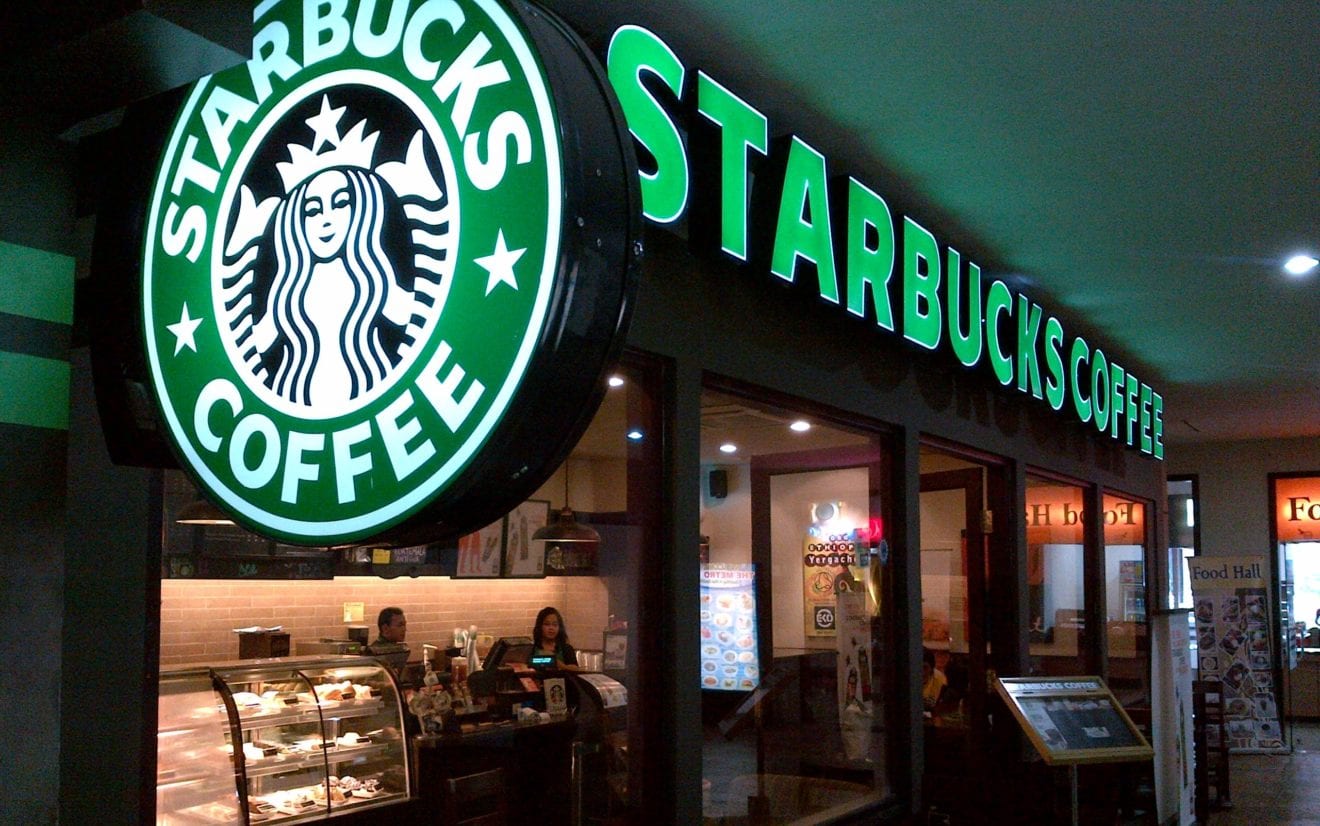
    Art is playing a major role in the store design of Starbucks Asia.

    Michael Izon, director of store design in Starbucks China/Asia Pacific region, says his team works with artists, who work in a variety of mediums, to enhance stores in the Philippines and Thailand.

    Gaysorn_Starbucks_Thailand_(1)

    “Sometimes we seek the help of companies that represent local artists, while other times we find artists by chance. We once discovered an artist’s work while walking the streets of Hong Kong and asked to commission his work for one of our stores,” Izon said.

    Decisions about artwork occur at the beginning of the store design process.

    “We call our process holistic store design because we don’t want elements like artwork to look additive, we want them integrated in the overall design and become a natural part of the store,” said Izon.

    He added, art in Starbucks stores should be visually pleasing, but also informative in telling the brand’s story.

    One of the artists whom Starbucks was worked with is Ella Hipolito. Known for using coffee grounds to create realistic paintings, Hipolito has created artwork for Starbucks Philippines, including one for the S’Maison Starbucks in Pasay City.

    SMaison_Starbucks_Philippines_(5)

    “We wanted to highlight the work that takes place on Philippine coffee farms. Ella created a huge landscape painting on one of the walls in the store that depicts farmers harvesting coffee cherries,” Izon said.

    In Thailand, as customers enter the Gaysorn Starbucks in Bangkok, they encounter a mural that represents Starbucks’ travel around the world to source coffee. The mural was created in partnership with Jeentee Baiposuwan, a local artist and graduate of Silapakorn University.

    Gaysorn_Starbucks_Thailand_(3)

    Gaysorn_Starbucks_Thailand_(4)

    “Jeentee is a traditional Thai painter and used this style to develop a wonderful piece depicting the Starbucks Siren and the beginning of the Starbucks coffee journey,” said Izon.

    Smaller landscape paintings featured throughout the store share the story of single origin coffees and farmers.

    “Gaysorn is a premium mall, so the store has a luxurious look to it and the artwork reflects that as well,” added Izon.

    Gaysorn_Starbucks_Thailand_(2)

    When Izon and team received the design brief for the Siam Discovery store in Bangkok, the vision was to showcase Starbucks global social responsibility efforts in addition to highlighting coffee.

    Siam_Discovery_Starbucks_Thailand_(2)

    In the seating area of the store is Jeentee Baiposuwan’s large wire-art installation depicting 12 of Starbucks social impact initiatives.

    “There’s a lot of satisfaction knowing that what we design on paper for several months, will engage customers for many years,” said Izon.

  • Laura Ashley to expand to China

    Laura Ashley to expand to China

    After several attempts at cracking the market, Laura Ashley will finally launch in China.

    The British retailer, owned by Malaysia-based MUI Group, will open a website via the Alibaba-owned Tmall website and will have a concession within the first House of Fraser store in China set to open this autumn.

    Laura Ashley finance director Seán Anglim said its long-term aim was to find a Chinese franchise partner.

    “China is not easy as evidenced by how many have got in and how many have come out,” Anglim said.

    “It is all about finding the right partner and doing it at the right time.”

    Laura Ashley currently has franchise partners in 30 countries outside the UK and an online store in six.

    The company also has ambitions to establish new online stores in Hungary and the Czech Republic in coming months.

    The Chinese move comes after the retailer this week reported a £25.8 million profit before tax and exceptional items for the 74 week period to June 30 – a 12.6 per cent increase on the 2015 figure.


  • Earthlink teams up with Velocloud on SD-WAN

    Earthlink teams up with Velocloud on SD-WAN

    Earthlink has formed a partnership with SD-WAN technology provider VeloCloud, as part of the former’s strategy to help clients transform their business by deploying solutions that deliver more personalized customer experiences, reduce cost, and increase sales.

    Under the partnership, VeloCloud Cloud-Delivered SD-WAN will be offered as part of EarthLink’s complete suite of solutions that includes network access, hosted voice, security services, optimized application performance, bandwidth prioritization controls and always-on customer service to satisfy the needs of a wide range of enterprises.

    EarthLink will launch its full-service SD-WAN (software-defined wide area network) offering in fall 2016.

    Joe Eazor, CEO and president of Earthlink, said this technology enables customers to realize the full potential of the cloud by supporting application growth, network agility and simplified branch implementations while delivering optimized access to cloud services, private datacenters and enterprise applications.

    “Companies wanting to enhance the experience for their customers need to maximize application performance and meet increasing bandwidth demands with a viable cost effective solution. Implementing SD-WAN alongside other managed network services will give our customers more visibility and control over the applications, websites and devices that utilize their network,” the executive said.

    VeloCloud CEO and cofounder  Sanjay Uppal said SD-WAN provides the visibility and control that customers need to capitalize on technology evolution to migrate services to the cloud, and implement new IP services like voice, digital signage, video conferencing and other applications.

    “Implementation of specific business policies ensures the availability and performance of critical business applications and can improve overall user experiences and the customer’s bottom line,” Uppal noted.

  • ABS-CBN scales back MVNO ambitions

    ABS-CBN scales back MVNO ambitions

    Philippine media group ABS-CBN has scaled back its MVNO business in response to a declining subscriber base.

    The company has cut the annual fees it is paying network provider Globe Telecom in half as part of efforts to curb losses from its ABS-CBN Mobile operations.

    ABS-CBN CFO Aldrin Cerrado told the publication that the company plans to continue its mobile operations but has scaled down its ambitions, and has not yet decided whether to renew its MVNO agreement with Globe after it expires in two years.

    He said the company’s annual fee for using Globe’s network has been reduced from 400 million pesos ($8.6 million) per year to 200 million pesos.

    The cuts came after the MVNO reported a 13% decline in subscriber base for the first six months of 2016 to 520,000.

    In addition, ABS-CBN’s strategy had been based on luring customers via offering exclusive access to television content via its iWant TV app. But the company has since altered its model to open up access to iWant TV to Globe and rival mobile operator Smart.

  • China Unicom aims to turnaround despite record slump in 1H profit

    China Unicom aims to turnaround despite record slump in 1H profit

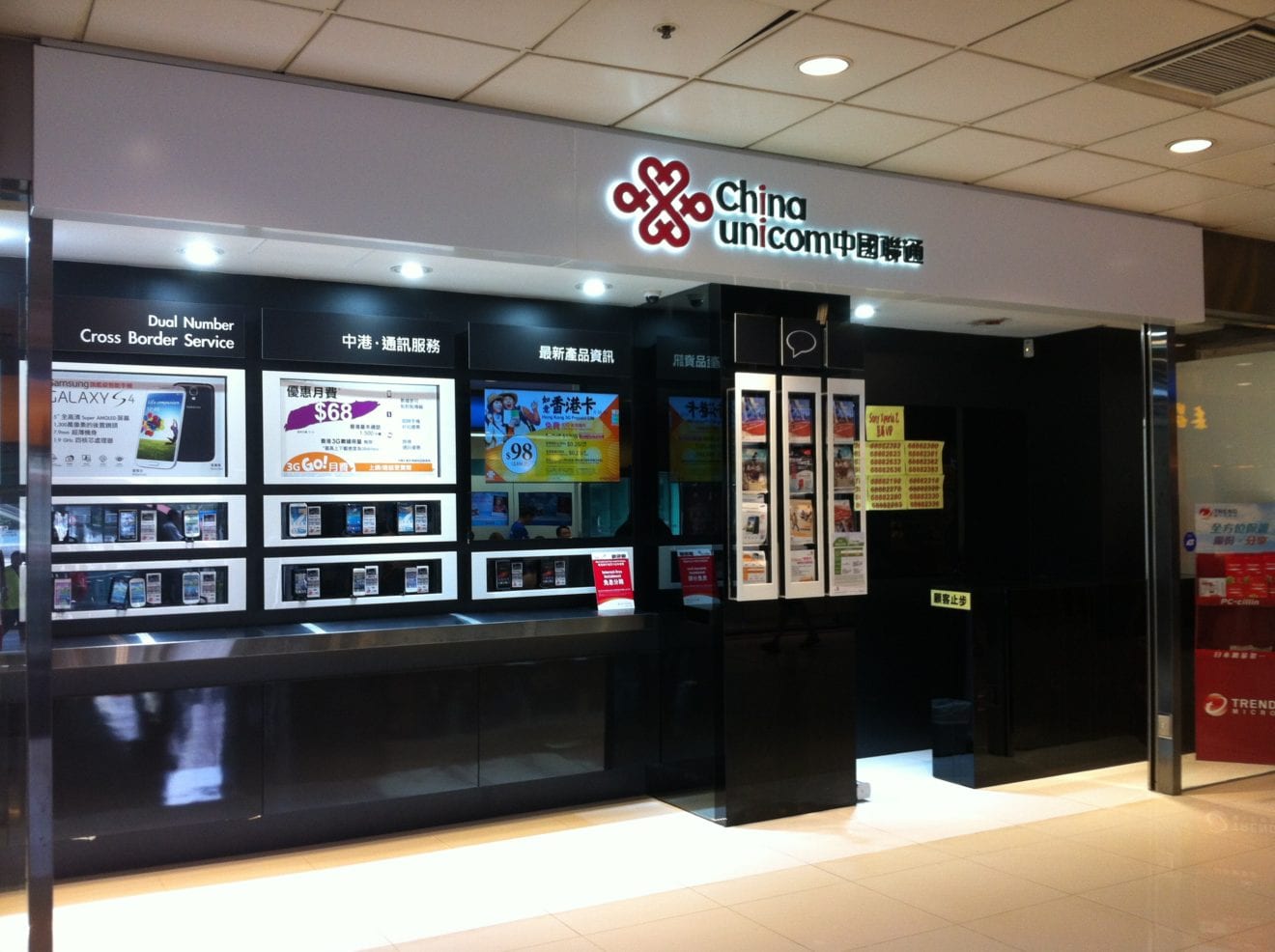
    China Unicom, the country’s second largest mobile carrier by subscribers, is expecting a gradual turnaround as soon as next year after the company reported its largest slump in first-half net profit since 2000.

    Unicom chairman and CEO Wang Xiaochu said “a more solid foundation has been built for healthy development in the future with stronger growth momentum.”

    “The company’s most difficult time was over,” Wang told a media briefing in Hong Kong on Wednesday. “We expect a sales turnaround in November and December, and a profit turnaround next year.”

    Unicom announced on Wednesday that its January-June net profit reached 1.43 billion yuan ($216 million), down 79.6% from a year earlier, in line with apreliminary estimate in July. EBITDA fell 18.2% to 41.28 billion yuan while revenue dipped 3.1% to 140.26 billion yuan.

    But the results nonetheless marked a significant improvement of the 3.36 billion yuan loss – excluding the gain from the tower asset disposals – recorded during the second half of last year.

    Unicom blamed the poor interim results on hefty costs resulting from increased tower costs and heavy expenses to market its 4G network and services.

    According to Unicom, the company saw up to 15% fee increase for using China Tower, as well as electricity tariffs and property rental hikes during the first half of this year.

    Meanwhile the delays in building the LTE network for 4G services also led to substantial increase in marketing costs, with sales and marketing expenses in the first half racking up 17.1% on the year to 17.1 billion yuan, while handset subsidies jumped 43.5% to 1.756 billion yuan.

    “Our biggest problem is having missed almost two years to become well-geared for the 4G era,” Wang said.

    Biggest rival China Mobile has been offering 4G service using TD-LTE technology since December 2013. China Unicom and China Telecom, however, were only granted a license to conduct hybrid FDD and TDD LTE network trial in June 2014.

    Despite that, Wang said the company achieved initial success in turning around the unfavorable conditions in business development, by mitigating the underlying shortcomings in areas such as network, terminals, channels, services, IT, systems and mechanisms. This includes focusing its mobile business on 4G and driving availability of 4G handsets and accelerating 4G network rollout through partnership with China Telecom.

    As a result the company achieved a net addition of 8.39 million mobile subscribers during the period. This compares favorably to the operator’s performance last year, when the company recorded net losses of customers for consecutive months.

    Unicom also saw its 4G base grow to reach 72.42 million as of June, thanks to “improvement in 4G network quality, terminal market share and competitiveness.” Yet this number still far behind China Mobile’s 430 million 4G subscribers.

    Unicom and China Telecom signed an agreement in January to push through a five-pronged collaboration, which embraces costs sharing on 4G network build-outs in rural areas and promotion of the so-called “six-mode” smartphones that are compatible with all networks.

    Wang said the collaboration is necessary as Unicom’s network could now support 63% of the mobile handsets in the market, up from 40% at the end of last year. The partnership with China Telecom on 4G infrastructure sharing also helped Unicom achieved 3 billion yuan savings in capex, he added.

    Unicom will continue to push forward comprehensive and strategic cooperation with China Telecom on areas including mobile and fixed infrastructure sharing, Wang added.

    To recoup the lost ground in 4G from China Mobile and China Telecom, Unicom has earmarked 30 billion yuan for 4G network deployment in the second half of the year, with plans to increase the number of its 4G base stations to 680,000 by year-end, up from 280,000 last year.

    China Mobile last week posted a 5.6% increase in net profit to 60.6 billion yuan in the first six month of this year.

    Smaller rival China Telecom will announce its 2016 interim results on August 26.

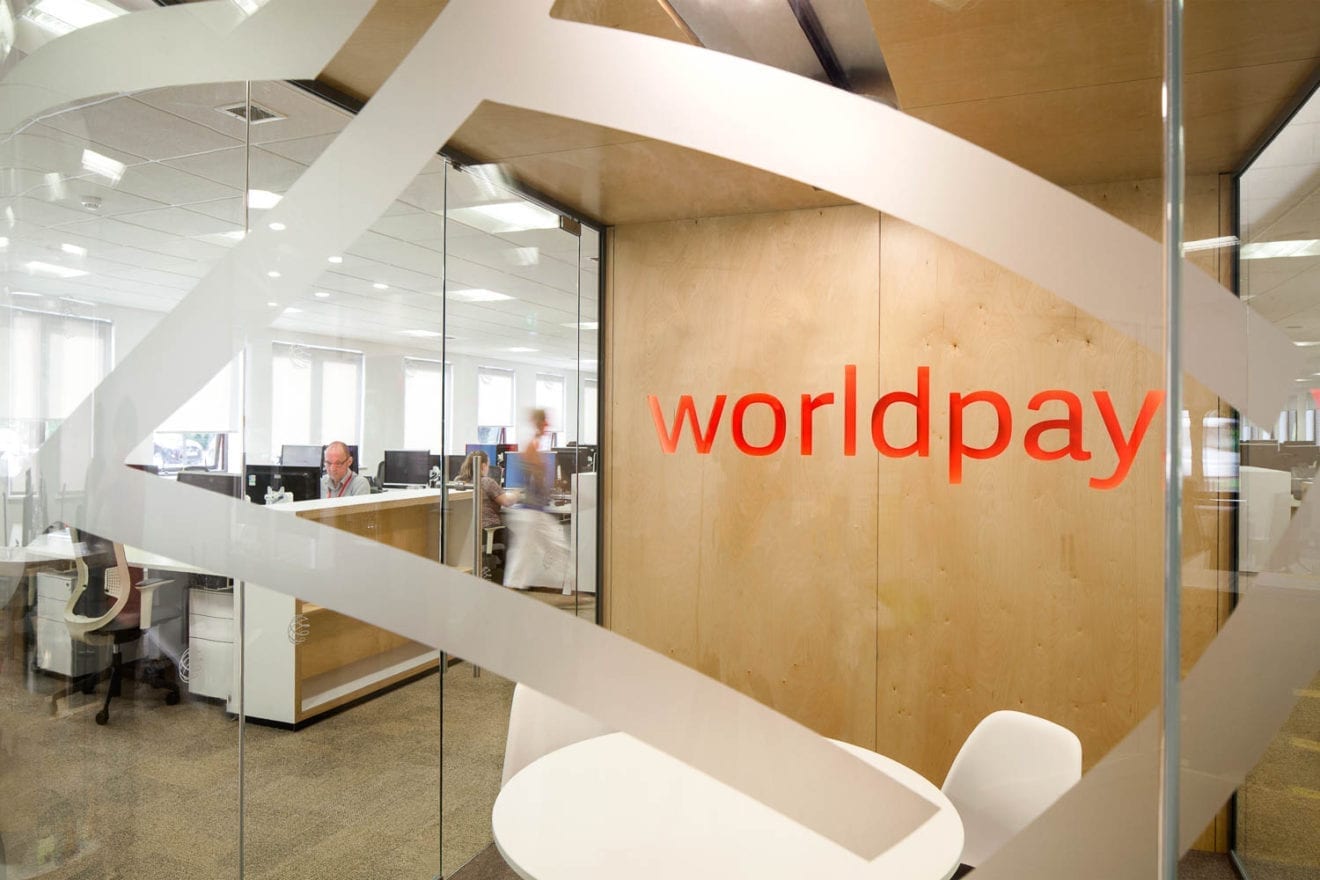
  • Worldpay research uncovers an elite club of shopaholics in APAC with enormous spending power

    Worldpay research uncovers an elite club of shopaholics in APAC with enormous spending power

    A global survey of 20,000 consumers by Worldpay has discovered that buying power in the internet age is highly concentrated within a group of high spending, high frequency Super-Shoppers. In China, Super-Shoppers make up just 5% of the general population yet accounted for an incredible 92% of all the money spent buying physical goods online in China each month. Worldpay’s research into three Asia Pacific markets further reveals that APAC Super-Shoppers are some of the most likely to shop online via a mobile device and some of the most demanding when it comes to payment method.

    Worldpay polled 2,000 consumers in each of the 10 countries covered by the Why Do They Pay That Way? Study including China, Japan and Australia. Key findings include:

    1. Chinese Super-Shoppers are more likely to use a credit or debit card than the average Chinese shopper.
    2. More than 60% of Japan’s online shoppers will switch to another retailer if they can’t use their preferred payment option at checkout.
    3. Australian Super-Shoppers were the world’s second biggest buyers, spending on average more than £200 (US$260[1]) during their last online transaction.
    4. The Chinese are the biggest mobile shoppers in the world, with 33% of Super-Shoppers making their last online purchase via a mobile phone.
    5. Australian Super-Shoppers had the second highest levels of mobile shopping (19%).

    Phil Pomford, General Manager Asia Pacific, Global eCommerce at Worldpay, said: “With ecommerce markets developing at lightning speed across the Asia Pacific region, it’s no surprise that elite shoppers are taking their spending power online. The Super-Shopper trend is driven by a growing middle class, high mobile penetration and recent advancements in consumer technology. APAC Super-Shoppers are passionate about what they buy and sophisticated in how they shop. They do research to find the most competitive prices, and will turn elsewhere if they discover they can’t use their preferred payment method at checkout.”

    Around the world, 36% of Super-Shoppers said they had experienced the situation of reaching checkout and being unable to pay with any of the listed payment options. This was particularly the case in China, where 44% of Super-Shoppers said they were unable to make purchases using their preferred payment method.

    When faced with not being able to use their preferred payment option, Super-Shoppers may buy the same item from another website or abandon their purchase all together. A staggering 61% of Japanese Super-Shoppers said they would switch to another retailer if unable to use their preferred payment option at checkout. Worldpay estimates that for each lost sale globally, retailers are missing out on as much as £100 (US$130) – representing a significant amount of lost revenue from such frequent and high value shoppers.

    Super-Shoppers in APAC, as around the globe, overwhelmingly preferred credit cards, even in markets where card use is low. Although 41% of the general population in China prefer to pay online with Alipay, only 18% of China’s Super-Shoppers said they were likely to use their nation’s most popular eWallet. Instead, 54% of Chinese Super-Shoppers said they preferred to pay with a credit card.

    Pomford added: “Retailers should be looking at Super-Shoppers as a distinct group that often behaves very differently from other customers. In APAC, Super-Shoppers prefer credit cards even where these cards have little or no traction among the general population. Therefore, a retailer who doesn’t support the right range of payment methods could actually be losing major revenue without noticing.

    “The Super-Shopper phenomenon gives retailers much food for thought – in terms of not only what payment options are available, but in how to merchandise to these consumers to maximise basket size, or market to an audience who thinks of online shopping as a daily task, not just as an occasional treat. With so much buying power concentrated in this group in APAC and around the world, it’s essential that retailers innovate in such a way that they deliver what Super-Shoppers want, when they want it and let them pay for it in the way that suits them best.”

    APAC Super-Shoppers’ most frequent purchases vary from country to country. According to the Worldpay research:

    1. One in 5 (21%) Australian Super-Shoppers buy groceries online – 8% above the global average.
    2. 2. Australian Super-Shoppers are less likely to buy clothes online (21%) than the global average (28%) yet more likely to buy health and beauty products (15% vs global average of 10%).
    3. China leads the world in online meal purchases, with 13% of Chinese Super-Shoppers taking to the internet when they want to order a takeaway.
    4. Super-Shoppers in China also love fashion, with 40% of them buying clothes the last time they shopped online, compared to the global average of 28%.
    5. In Japan, Super-Shoppers are most likely to buy electronics (30%) and groceries (28%).
  • World Design Capital Taipei 2016 plans for world’s design devotees and designers

    World Design Capital Taipei 2016 plans for world’s design devotees and designers

    On the agenda for October are four major events in the World Design Capital® (WDC) Taipei 2016 program of International Signature Events: the International Design House Exhibition, International Design Week Forum, International Design Policy Conference, and Network of Cities Meeting. 

    WDC Taipei 2016 extends a warm invitation to participants and visitors from around the world to come and share their ideas and experiences, and bear witness to Taipei’s transformation into a model city that incorporates design thinking into public policy. 

    “October will be a defining month for the World Design Capital Taipei 2016,” says Pei-ni Beatrice Hsieh, Commissioner of the Department of Cultural Affairs of the Taipei City Government. “It is an opportunity both to reflect on the progress we have already made and to ignite international dialogue with other cities; to share experience and expertise. This is a chance to define a legacy for WDC Taipei 2016 that will be felt long into the future.”

    The International Design House Exhibition will be held at Taipei City’s historic Songshan Cultural and Creative Park, once home to a tobacco factory, from Thursday, October 13 to Monday, October 31. The Design House will bring together local and international designers, studios, and organizations to curate a series of thought-provoking exhibitions that will challenge visitors to reconsider their relationship with the urban environment and experience first-hand how design can radically change the world’s cities.

    An exhibition curated by Agua Zhou of Taipei-based studio Agua Design in the historical North Tobacco Factory, will showcase the results of innovative WDC Taipei 2016 projects, including the International Open Call and Designer in Residence Taipei programs, and explore the impact of Taipei City public planning and design policies.

    In Warehouse One, curator Li Wei-Lang, the Creative Director of Afterain Design (Taiwan), will mount an exhibition showcasing breakthroughs and innovation in Taiwanese design, particularly in the fields of science and technology, art and craft, and sustainability. In Warehouse Two, Page Tsou, celebrated visual artist and founder of Taipei-based studio, Auspicious Design, has invited renowned illustrators and visual artists from around the world to exhibit works that reflect on their impressions of Taipei.

    Warehouses Three and Four will be home to an international roster of exhibitors, with some participants hailing from cities that are past or future holders of the World Design Capital designation. The exhibition will explore the WDC Taipei 2016 theme of “Sisheng: Life Quality and Health, Ecological Sustainability, Smart Living, and Urban Regeneration.” In Warehouse Five, renowned Taiwanese contemporary calligraphic artist Tong Yang-Tze will collaborate with up-and-coming Taiwanese fashion designers, and spatial and sound designers to create an interactive exhibition that will breathe new life into traditional Chinese calligraphy.

    The International Design Policy Conference, which will be held on the weekend of October 15 and 16 at the Taipei International Convention Center, aims to explore how design thinking can be integrated into public policy. Policy experts, industry professionals, and academics will be invited to share their insights into and case studies on urban development through design. 

    The International Design Week Forum, which will be held on Monday, October 17 and Tuesday, October 18 at the Creativity Theater in Songshan Cultural and Creative Park, will bring representatives from various design weeks and festivals around the world to contribute their insights into how cities can support and harness the innovation of designers. The second day will be open to the public. Participants will be able to access free entry to both the International Design Week Forum and the International Design Policy Conference in August. Follow WDC Taipei 2016 on Facebook for updates: https://www.facebook.com/taipeidesign/.

    The final International Signature Event in the October series is the invitation-only Network of Cities Meeting. WDC Taipei 2016 organizers will invite mayors and city representatives from around the world to meet in Taipei, where together they will discuss WDC legacy programs, explore opportunities for collaboration, and share design-based solutions to the many civic and environmental challenges faced by cities around the globe.

  • CropLife Asia Signs Partnership with Asian Apiculture Association

    CropLife Asia Signs Partnership with Asian Apiculture Association

    CropLife Asia announced today that it has signed a Memorandum of Understanding (MoU) with the Asian Apicultural Association (AAA) to support a research initiative to catalogue and study the bee species and populations in Asia. CropLife Asia Executive Director Dr. Siang Hee Tan and AAA President Dr. Siriwat Wongsiri signed the agreement at Singapore’s M Hotel.

    It is estimated that at least 87 out 115 global primary food crops require some form of animal pollination, and insect pollination occupies a high value in the production of daily produce including vegetables, fruits, edible oil and spices.

    Comprehensive data on pollinators in Asia is scarce and much of the information that does exist has been derived using an array of different methods, making it difficult to draw comparisons across geographies and time. To better understand the state of Asia’s pollinators, a first step in protecting them and promoting their use in agriculture, CropLife Asia and AAA have agreed to collaborate in developing a harmonized method to survey the pollinators in key Asian countries.

    “When it comes to pollinators in Asia, there is a general lack of both awareness as to the important role they play in agriculture as well as reliable data reflecting their overall health,” said Dr. Tan. “Our industry has a responsibility to work with chief stakeholders who have unique perspective and expertise in this area, and our partnership with AAA is an important and impactful step forward on this front.”

    A key component of the MoU is developing a universally-applicable, harmonized method to capture the state of bee health in particular in key countries across the region. Specifically, this will entail surveying bee species in order to identify major pollinators (including indigenous subspecies) and their relative abundance.

  • Chinese Online Shoppers to ‘Walk Into Australia and New Zealand’ with Azoya

    Chinese Online Shoppers to ‘Walk Into Australia and New Zealand’ with Azoya

    A select group of influential online celebrities from China will arrive in Australia next week for the ‘Walk Into Australia and New Zealand’ campaign, organised by leading turnkey e-commerce solutions provider Azoya and China’s leading online shopping guide SMZDM

    The ‘Walk Into Australia and New Zealand’ campaign is focused on building the bridge between Chinese online shoppers and Australian retailers by offering face-to-face interactions to help them understand the authenticity and reliability of ethical products from Australia. Deterred by safety and quality issues with domestic products, particularly for healthcare and food supplements, Chinese consumers are increasingly looking to Australia to buy directly through cross-border e-commerce. 

    “China’s ecommerce landscape is rapidly evolving, offering Australian brands and retailers a huge opportunity to take advantage of it,” said Sylvia Wei, deputy managing director – Australia for Azoya. “If they’re going to survive in such a competitive market, they’ll need to build relationships with key online influencers, who are invaluable sources of promotion in China. This campaign will help them develop more effective and rewarding channels, as well as better understand what Chinese consumers need and want.”

    As traditional marketing channels continue to lose their impact in acquiring new consumers in China, live streaming marketing and influential online celebrities, known in China as key opinion leaders (KOLs), are emerging as the channels employed by the local ecommerce industry. While the marketing influence of celebrities in the Western world is useful, KOLs in China have a very powerful influence over consumers. They mainly attract followers by being an authority on a particular subject and gain credibility through a long history of interacting with followers, who have a high-level of trust in them. Therefore, leveraging high-profile bloggers and microbloggers boasting millions of followers is a very effective strategy for brands and retailers to reach target audiences. Retailers can directly influence a large community and reach thousands or even millions of potential customers.

    The 12 person delegation participating in the ‘Walk Into Australia and New Zealand’ tour – including four high-profile Chinese KOLs (selected from over 1,000 applicants) and editors from SMZDM – will participate in a series of online and offline events in Sydney, Melbourne and Auckland between 21-30 August. They will experience production, supply, marketing, order fulfillment and customer service from the stores and warehouses of five of Azoya’s participating retail customers, which all have established ecommerce businesses in China. These include Pharmacy Online (Sydney), Pharmacy 4 Less (Sydney), Amcal (Melbourne), Kiwi Discovery (Auckland) and Pharmacy Direct (Auckland). The delegation will also have the opportunity to meet with leading healthcare brands Swisse and Blackmores. 

    In return, the KOLs will share their experiences online on SMZDM and other sources, potentially exposing participating retailers and brands to more than four million Chinese consumers. The tour will also be broadcast by professional editors on online live streaming channels, giving Chinese consumers a glimpse into how their favourite products are packaged and distributed, showcasing the quality of the products they plan to purchase. During the live streaming, purchase links will be pushed to users to place orders immediately. In addition, a local team in China will help promote the ‘Walk Into Australia and New Zealand’ tour to attract more users to participate. 

    “We’re really excited to be able to offer our healthcare retail customers in Australia such an amazing opportunity to strengthen their brands with Chinese consumers,” added Ms Wei. “China’s healthcare sector keeps developing at an astonishing rate, fueled by favourable demographic trends, continuing urbanisation, an increasing disease burden, the overall economy’s healthy expansion and income growth. The campaign will help drive awareness of their quality healthcare products in China and take their ecommerce businesses to the next level.”

  • Modern Trade back for Growth for 2nd quarter of 2016

    Modern Trade back for Growth for 2nd quarter of 2016

    Kantar Worldpanel, the global market leader in consumer panels, reports the spending in fast moving consumer goods (FMCG) in 2nd quarter of 2016 grew by 4.6% year on year, faster than the 2.0% growth rate reported in 1st quarter of 2016.

    Modern trade (including hypermarkets, supermarkets, and convenience stores) showed a similar trend of improving growth, 1.4% positive growth in the second quarter in comparison to a decline of -0.5% in the 1st quarter. Modern trade’s growth was most prominent in county level cities and their surrounding urbanized counties – growth rates of 2.0% and 3.9% respectively. From a regional perspective, modern trade in the East and West performed much better than South and North regions. The East region grew at 2.8% – helped by strong performance of Sun-Art Group and Wal-Mart Group – while the West region grew at 3.6% driven by Wal-Mart Group and Yonghui Group.

    International retailers suffer from continuous share drop

    Wal-Mart Group has seen relatively stable performance in 2016, gaining 0.3 share points year on year in the latest quarter. Other international retailers such as Carrefour, Tesco and Lotus suffered from continued share erosion resulting in the overall poor performance of international retailers. Sun-Art Group and Yonghui lead the growth of Chinese players. Sun-Art group managed to grow its shopper base through both the continued development of existing stores and incremental opening of new one. Their growth was most marked in the competitive East region market; share increased from 13.5% of 2nd quarter of 2015 to 16.0% in the latest quarter – widening their leadership over competitors.

    Yonghui consolidates position as a top 5 national retailer: Yonghui continues to perform well in 2016, a fast pace of growth in penetration and basket size enabling its share to continue to exceed Lianhua Groups in Q2 after first overtaking it in Q1. Despite this strong performance – Yonghui still faces challenges in the East region. Strong growth of Sun-Art Group and Wal-Mart’s gradually recovery have meant that Yonghui’s acquisition of Lianhua has yet to see any sustained effects.

    Brick and Mortar and eCommerce retailers looking for cooperation: Continuous FMCG slow down combined with the impact from eCommerce growth in China, has pressured physical retailers into finding new solutions to drive growth. Kantar Worldpanel latest data show, 52 week end June.17th, show total FMCG eCommerce penetration% reached 49%, growing 10% from last year. The growth of online is leading by Tmall and JD, both with spend growth rate over 80%. While continuing to experiment with their own e-tailing platforms; the major retail chains are now seeking to bolster performance through strategic partnerships with existing digital players. Wal-Mart’s corporation with JD.com enables Wal-Mart to reach new online shoppers while allowing JD.com to utilize YHD’s broad footprint in East region. Vanguard’s strategic investment in the XinMeiDa (previously Meituan & Dianping) and Feiniu’s corporation with Shihui, both show brick-and-mortar chains’ new efforts to better realize their O2O strategy.

  • Acquisitions boost Robinsons Retail sales

    Acquisitions boost Robinsons Retail sales

    Newly acquired stores Savers Appliances and The Generics Pharmacy have given Robinsons Retail sales and profits a boost.

    Sales increased by 18.5 per cent from Php21.6 billion to Php25.6 billion in the second quarter of 2016, on the back of sustained high single-digit same-store sales growth (SSSG) and sales from stores acquired this year.

    For the first half of 2016, profit increased by 8.6 per cent to Php2.0 billion from Php1.9 billion last year.

    Net sales for the first half of 2016 reached Php48.3 billion, an increase of 16.9 per cent from Php41.6 billion last year. The robust blended SSSG of 9 per cent in the first quarter of 2016 was sustained in the second quarter brought about by the general bullish consumers sentiment on the back of successful and peaceful national elections, lower commodity prices and stable exchange and interest rates environment.

    The like-for-like sales in the second quarter were strong across all segments led by supermarkets at 8.9 per cent, department stores at 7.6 per cent, DIY at 8.3 per cent, specialty stores at 16.8 per cent, drugstores at 5.5 per cent and convenience stores at 2.9 per cent.

    From July 2015, Robinsons Retail added 128 stores to end at 1527 stores at the end of June 2016. GFA increased by 10.7 per cent year-on-year to approximately 998,000 sqm. Including The Generics Pharmacy’s franchised store portfolio of 1878 at end of June 2016, the store network hit 3405.