Tag: asia

  • Singapore retail sales continue their strong post-Covid surge

    Singapore retail sales continue their strong post-Covid surge

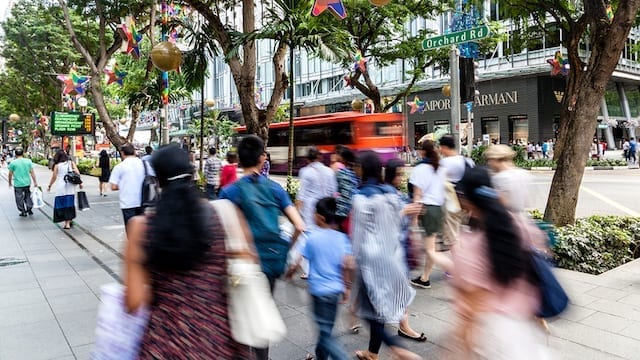
    Takings at the till in Singapore grew faster in May, helped by a low year-ago base and the continued boost from tourist spending after travel restrictions were eased. Retail sales surged 17.8 percent year on year, extending the 12.1 percent growth in April, according to figures released by the Department of Statistics (SingStat) on Tuesday (July 5).

    This exceeded the expectations of analysts polled by Bloomberg, who projected sales to grow by 13.4 percent.

    Excluding motor vehicles, growth was even stronger, coming in at 22.6 percent.

    “The year-on-year increase in retail sales in May 2022 was mainly attributed to the low base in May 2021 when measures such as international travel restrictions were in place,” said SingStat in a press statement.

    Experts said this growth is expected to continue but might be moderated due to higher prices and inflation.

    RHB senior economist Barnabas Gan said: “The retail sales momentum will likely stay buoyed into the third quarter as Asia moves on from Covid-19-related fears. Tourism levels have been picking up across Asian economies, including Singapore.”

    He added that the tight labour market and reopening of Asia’s borders should support spending. “On the back of domestic demand and tourism-led spending, we think retail sales from an index perspective will likely return to pre-Covid levels by the end of this year,” he said.

    But the bright outlook might be muddied by any unexpected worsening of the Russia-Ukraine conflict and China’s economic slowdown, he noted.

    Maybank Kim Eng economist Lee Ju Ye added that the surge in inflation and rising mortgage rates will likely result in some belt tightening by consumers.

    “In particular, sales of discretionary items such as watches and jewellery and recreational goods may be the most affected,” she said.

    Consumers are also expected to lean towards lower-priced items as costs go up, added National University of Singapore business professor Lawrence Loh.

    “In the near term, retail may face a double whammy of moderation in demand and escalation of costs.”

    Within the retail trade sector, most industries recorded year-on-year growth in sales in May.

    Discretionary industries such as wearing apparel and footwear saw sales balloon by 98.2 per cent due to the low base in May 2021, when there was lower tourist spending due to travel curbs.

    Department stores, which were hard hit by Covid-19 restrictions, also saw sales jump by 73.1 per cent.

    This was followed by retailers of watches and jewellery, which recorded higher sales of 60.7 per cent.

    Retailers of food and alcohol saw sales rise by 47.3 per cent, while petrol service stations recorded sales increases of 45.8 per cent.

    In contrast, sales of motor vehicles fell 10.2 per cent.

    Supermarkets and hypermarkets recorded declines in sales of 10.3 per cent, while minimarts and convenience stores saw sales fall by 4.8 per cent.

    This was due to the higher demand for groceries in May 2021 when more people stayed home during the Phase 2 (Heightened Alert) period, SingStat noted.

    Meanwhile, the sales of food and beverage services grew by 40.1 per cent in May on a year-on-year basis, compared with the 11.6 per cent increase in April.

    “The significant growth in food and beverage sales in May 2022 was mainly attributed to the low base in May 2021, when Phase 2 (Heightened Alert) measures were in place, with dining in at food and beverage establishments not allowed for half of the month,” SingStat said.


  • Nestle revamps coffee sustainability plan as climate challenges mount

    Nestle revamps coffee sustainability plan as climate challenges mount

    Food giant Nestle pledged on Tuesday to spend over 1 billion Swiss francs ($1.01 billion) by 2030 on efforts to source coffee sustainably, more than double its previous pledge, as challenges linked to climate change pose particular risks for the bean.

    Study after study has shown that by 2050 roughly half the land currently used to grow coffee, especially that of the high-quality arabica variety, could be unproductive thanks to rising temperatures, drought and disease.

    Multinationals are meanwhile facing increased reputational and legal pressure from consumers and governments alike to clean up their global supply chains in the fight against climate change.

    The European Commission has proposed several laws aimed at preventing and, in the case of forced labor, banning the import and use of products linked to environmental and human rights abuses.

    Nestle, which has already pledged to source all its coffee sustainably by 2025, said it is now also aiming, by that date, for 20% of its coffee to be grown using ‘regenerative’ agricultural practices.

    These include planting cover crops to protect soil, using organic fertilizers to improve soil fertility, and increasing the use of agroforestry and intercropping to preserve biodiversity – all to halve greenhouse gas emissions by 2030.

    The company, in a statement announcing its plan to double spending on sustainable coffee sourcing, said it is “committed to supporting farmers who take on the risks and costs associated with the move to regenerative agriculture”, and will provide programs aimed at helping them improve their income.

    A major coffee report published last year said there is little evidence efforts by the world’s top coffee roasters and traders to prevent human rights and environmental abuses are having any impact, with most farmers operating at a loss and unable to produce sustainably.

    The coffee sector is valued at $200 billion-$250 billion a year at the retail level, according to the report, but producing countries receive less than 10% of that value when exporting beans, and farmers even less than that.

    Around 125 million people around the world depend on coffee for their livelihoods, while an estimated 80% of coffee-farming families live at or below the poverty line, according to non-profit organisations Fairtrade and Technoserve.

  • Tesla’s Logistical Challenges Overshadow Record Deliveries

    Tesla’s Logistical Challenges Overshadow Record Deliveries

    Tesla Inc on Sunday announced lower-than-expected  electric vehicle deliveries in the third quarter, as logistical challenges overshadowed its record deliveries.

    The top electric car maker said “it is becoming increasingly challenging to secure vehicle transportation capacity and at a reasonable cost,” but some analysts were also concerned about demand for high-ticket items due to the weakening global economy.

    “The economy around the edges is still hurting Tesla that’s mostly logistical. But that I think there is some demand (issues) sprinkled in there,” Wedbush Securities analyst Dan Ives said after the delivery results.

    “There is a dark cloud over the auto sector. And Tesla is not immune.”

    Ford Motor said last month inflation-related costs would be $1 billion more than expected in the third quarter and that parts shortages had delayed deliveries.

    Apple Inc. is backing off plans to increase production of its new iPhones this year after an anticipated surge in demand failed to materialize, Bloomberg reported last month, citing people familiar with the matter.

    “I think that EVs are in for probably a little bit of a rough patch, just because people are probably going to be a little bit hesitant and less urgent to buy something new,” OANDA senior market analyst Ed Moya said.

    Tesla delivered 343,830 electric vehicles, a record for the world’s most valuable automaker, but less than the 359,162 analysts on average had expected, according to Refinitiv. A year earlier Tesla delivered 241,300 units.

    The latest deliveries fell short of Tesla’s production of 365,923 vehicles, which is rare for the automaker which has seen its deliveries higher or similar to production in many of recent quarters.

    “As our production volumes continue to grow, it is becoming increasingly challenging to secure vehicle transportation capacity and at a reasonable cost during these peak logistics weeks,” Tesla said in a statement on Sunday.

    Tesla CEO Elon Musk said on Sunday “Smoothing out crazy end of quarter delivery wave to reduce expedite costs & relieve stress on Tesla team.”

    Last year,  he said Tesla is having a “crazy wave” of deliveries at the end of each quarter, because its Shanghai factory makes cars for exports to Europe and other countries in the first half of a quarter and then cars to be sold in China.

    Tesla again asked employees to help deliver “a very high volume of vehicles to eagerly waiting customers during the final days of Q3” in California, according to an email seen by Reuters.

    Tesla on Sunday said it has “began transitioning to a more even regional mix of vehicle builds each week, which led to an increase in cars in transit at the end of the quarter.”

    Tesla set an ambitious target to produce almost 495,000 Model Y and Model 3s in the fourth quarter of this year, internal plans reviewed by Reuters show.

    The company’s production ambitions come against the backdrop of increasingly gloomy outlook for global growth, with Musk himself telling top managers in June he had a “super bad feeling” about the economy and planned to cut staff.

    During a conference call in July, Musk said at first that macroeconomic uncertainty might have some impact on demand for its electric vehicles, but when pressed for details by an analyst, he said the company did not have a demand problem but a production problem.

    The automaker expanded production capacity in Shanghai after a resurgence in COVID-19 cases forced a suspension at the plant and fueled the first dip in deliveries after a nearly two-year-long record run.

    In September, Tesla’s vehicle order backlog fell, especially in China, Troy Teslike, a Tesla data tracker tweeted.

    Tesla said it delivered 325,158 Model 3 compact cars and Model Y sport-utility vehicle, as well as 18,672 of its Model S and Model X premium vehicles to customers during the quarter.       Meanwhile, Musk on Friday showed off a prototype of its humanoid robot ‘Optimus,’ predicting the electric vehicle maker would be able to produce millions and sell them for under $20,000 – less than a third of the price of a Model Y.

    Experts were impressed by the speed of development of Tesla’s humanoid robots, but they agreed with Musk, who said “there’s still a lot of work to be done to refine Optimus and prove it.”

  • Apple adds 4 companies in Vietnam to supplier list

    Apple adds 4 companies in Vietnam to supplier list

    Apple has added four new suppliers in Vietnam for the 2021 financial year, bringing the total to 25 out of its 190 suppliers worldwide.

    The most popular Apple suppliers in Vietnam include Foxconn and Luxshare and subsidiaries of Samsung, Intel and LG.

    The only supplier it excluded from the list was Foster Electric with factories in Binh Duong and Da Nang.

    China remains the most significant manufacturing hub for Apple, accounting for half of all manufacturers.

    The biggest company in the world by market cap is said to be increasing its manufacturing activity in Vietnam, and is set to produce Apple Watch and Macbook in the country.

    Vietnam will make 65% of Apple wireless AirPods by 2025 as the U.S. tech giant continues to shift its production away from China, JP Morgan analysts have forecast.

  • Malaysia new budget airline aims for cheaper fares than AirAsia

    Malaysia new budget airline aims for cheaper fares than AirAsia

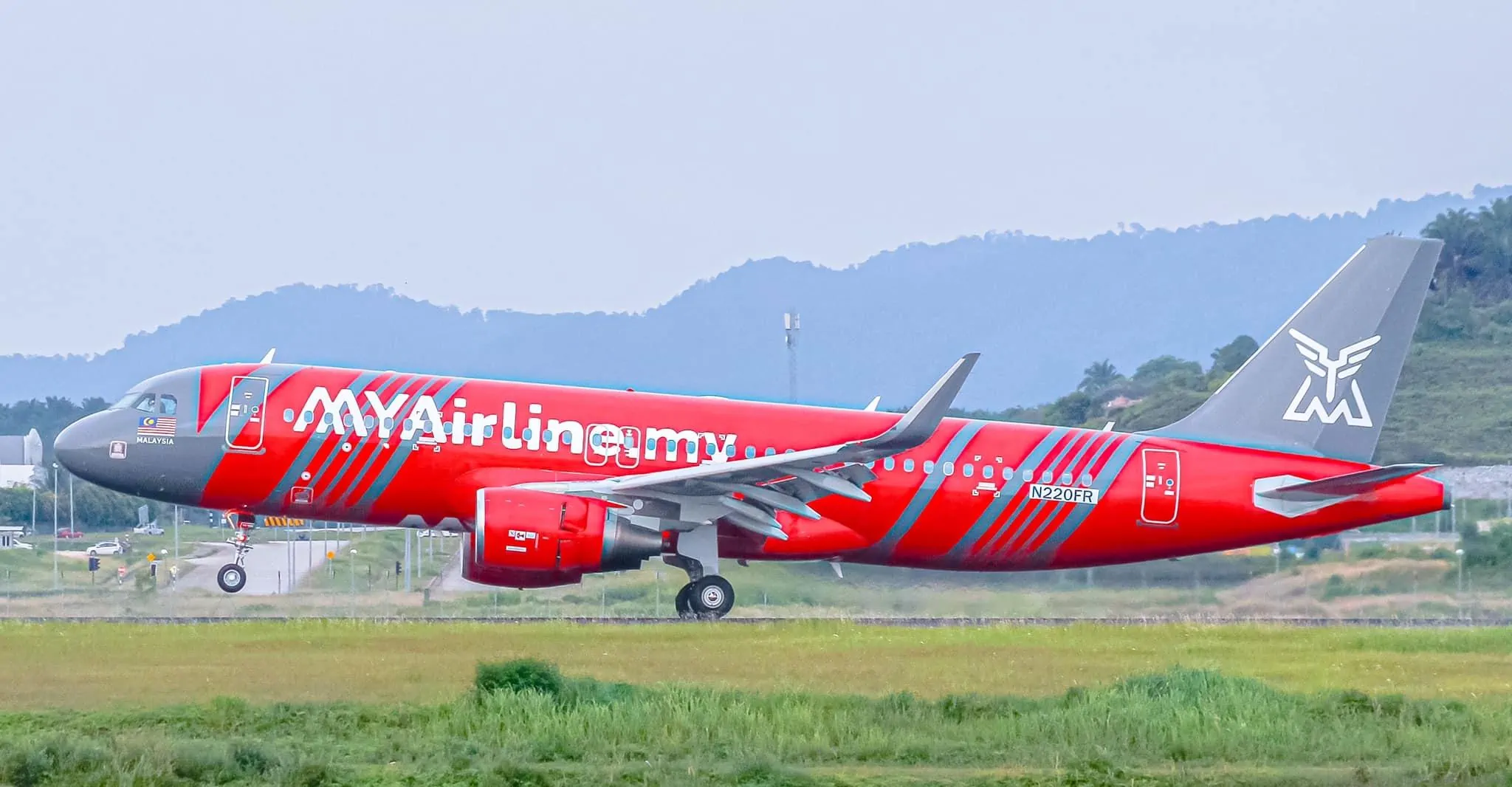
    Malaysia’s MYAirline plans to begin commercial operations by the end of this year, with its CEO saying it can sell cheaper fares than domestic rival AirAsia — the region’s leading low-cost carrier.

    CEO Rayner Teo sees demand for low-cost air travel rising as Asia emerges from COVID pandemic restrictions. MYAirline hopes to stand out with cheaper tickets, better real-time customer support and punctual flights.

    “We believe we can easily offer cheaper flights based on cost structure,” Teo, also the carrier’s co-founder, told Nikkei Asia in a recent interview at its humble operation center above a shopping mall in Subang Jaya, near the capital Kuala Lumpur.

    Although MYAirline is the David to AirAsia’s Goliath, Teo and senior management are confident of their strategy, with some of them having gained experience at the airline owned by the Tony Fernandes-led Capital A.

    Kathleen Tan, MYAirline’s chief executive adviser, logged 13 years working for Fernandes, who with another investor led the purchase of AirAsia in 2001 which eventually shook up the region’s travel industry with low cost fares and no frills service.

    MYAirline’s cabin operations manager Mohd Izwan Razak, meanwhile, was on AirAsia’s payroll for 17 years. Teo himself worked at the airline for 15 years until July 2019, leaving as the group head of sales.

    Teo said he had not planned to fill MYAirline with ex-AirAsia staff, but that he had simply recruited those who had lost their jobs or been placed on furlough, including pilots and cabin crew, over the last two years when airline operations were drastically reduced because of the pandemic.

    MYAirline, which has received a license to operate from the Civil Aviation Authority of Malaysia, plans to start with three secondhand Airbus A320s, but aims to increase its fleet size to 50 within the next five years.

    “We have signed some attractive deals with very large lessors,” Teo said, though he declined to provide details.

    Capital A’s Fernandes has refrained from commenting when asked recently by reporters about the MYAirline venture and the competition it could bring.

    Analysts say that MYAirline faces some challenges in competing on cost in an environment that includes established carriers AirAsia and Malaysia Airlines.

    “The airline is being marketed as an ultra-low-cost carrier, which is an interesting concept as AirAsia’s average cost per seat is one of the lowest in the industry and hard to beat,” said Shukor Yusof of Endau Analytics.

    Separately, Brendan Sobie, an independent aviation analyst, said that the start of MYAirline will intensify competition and bring back the problem of overcapacity that plagued Malaysia before the pandemic. Citing Malaysia Airports figures, Sobie said domestic passenger traffic in the country in August was at just 66% of pre-COVID levels in August of 2019, with international traffic at an even lower 38%.

    “There will be some stimulation as fares decline, possibly to pre-COVID levels, but this is hardly sustainable given today’s high fuel cost environment,” he said. “Prior to the pandemic domestic yields were very low and none of Malaysia’s domestic airlines was profitable.”

    Teo said the airline will use Kuala Lumpur International Airport as its central hub, plying domestic routes before expanding to international destinations after one year.

    A check with the Companies Commission of Malaysia showed that MYAirline has two million shares at one ringgit each, amounting to 2 million ringgit ($430,000) in paid-up capital. Private firms Zillion Wealth and Trillion Cove Holdings — both owned by local businessman Goh Hwan Hua — have stakes of 88% and 10%, respectively, in the airline. Teo owns the remaining 2% share.

    According to the website of money lender Trillion Cove, Goh who is listed as its CEO and director, has more than 20 years of experience managing information technology and application-related businesses in Malaysia, Thailand, Singapore and Indonesia. The site said he had been involved in various industries, including e-commerce, e-ticketing, fintech, retail and tourism.

    Teo said owning a commercial airline has been a longtime dream of Goh’s.

    “He has been asking me for the last seven years about the idea of forming an airline, and my answer has always been the same to him, that there are many ways to waste your money,” Teo said.

    “But in October 2020, when he (Goh) asked again, I thought this was the best time” to start preparing, he added, referring to the collapse in the global aviation sector due to travel restrictions and border closures.

  • Globe’s ‘Historic’ Subsea Cable Project to Be Completed by April 2023

    Globe’s ‘Historic’ Subsea Cable Project to Be Completed by April 2023

    Globe has announced that it has landed fiber optic cable in eight provinces within just two months, on track to complete the landmark project by April 2023.

    The $150-million Philippine Domestic Submarine Cable Network (PDSCN), the longest domestic subsea cable project in the Philippines, has landed in Lucena City, Boac in Marinduque, Calatrava in Romblon, Placer in Masbate, Iloilo City, Bacolod City, Roxas City and most recently, the tourist island of Siargao in Surigao del Norte.

    “This is a historic subsea cable project that will bring better connectivity and data capacity to several communities who rely on communications for their day-to-day needs, including education, work and livelihood,” announced Globe Group President and CEO Ernest Cu.

    The sites are among 33 landing points of PDSCN, which has a total cable distance of about 2,500 kilometers. The project commenced in July and is set to finish covering all sites by April next year.

    “Despite disruptive weather events this wet season, our PDSCN project has been touching down its landing points as planned, bringing reliable fiber connectivity to remote and underserved areas,” said Arlene Jallorina, vice president for strategic infrastructure investments for Globe Business, Enterprise Group.

    The project kicked off in July at the Subic Bay when Globe, Infinivan, Inc. and Eastern Communications, along with Japanese vendor partner Kokusai Cable Ship Co., started transporting fiber optic cable manufactured by global firm Nexans to the landing points across the country.

    The project is seen to deliver connectivity crucial to the country’s recovery from the pandemic, as it will support the government, education, business and even recreational needs for reliable communication facilities.

    Further cable landings will be made in the coming months, including in Mactan, Cebu and Boracay, Aklan. Fiber connections will be activated thereafter.

  • Philippines Re-elected as ITU Council Member

    Philippines Re-elected as ITU Council Member

    The Department of Information and Communications Technology (DICT) has announced that the Philippines was re-elected to the International Telecommunications Union (ITU) Council on October 3 in Bucharest, Romania.

    One hundred and ninety-three member states of the ITU selected 48 states to lead the Council. The Philippines is among the 13 states selected from Region E (Asia and Australia), along with Australia, Bahrain, China, India, Indonesia, Japan, Korea, Kuwait, Malaysia, Saudi Arabia, Thailand and the United Arab Emirates.

    Represented by DICT, the agency said that the country commits to working towards the fulfillment of the ITU’s mandate to make the digital future inclusive and more accessible for everyone, especially in developing countries.

    “The DICT looks forward to working with all our stakeholders both in the public and private sectors to attain our common aspirations of a digitally empowered Philippines. As a country, we are very eager to take an active part in building a better digital future for all as our commitment under the Bucharest Declaration,” DICT Secretary Ivan John Uy said as he addressed the nation’s win in the ITU Council.

    DICT Undersecretary Jocelle Batapa-Sigue assisted in the country’s successful bid for re-election and will be representing the Philippines until the end of the Plenipotentiary Conference on October 14, 2022

    “To us in government, it may be just work, but for others, it may mean their lives, their food, their education, their health. Let’s help the world in the next four years with every [bit of] knowledge, every sharing we can share. The PH is blessed to stand among nations and have a voice in the next four      years. Let us show the world that DICT is a government agency of global standards. Let us use this seat, this voice to help build a better digital future,” Batapa-Sigue asserted.

    The DICT is expected to lead the country’s involvement in discussions and decision-making that will significantly affect the member states’ digital agenda. The Department also enjoins the support and collaboration of government agencies to achieve its goals as a Council member.

  • HSBC Mulls Sale of Canada Unit

    HSBC Mulls Sale of Canada Unit

    HSBC continues to explore ways to improve profitability via market exits, this time with the potential sale of its Canada business. HSBC is reviewing strategic options for its Canada business, according to a statement from the bank.

    A review of the business is in its early stages, and one of the options would be the sale of HSBC’s 100 percent stake in the Canada unit, according to a report by British media outlet Sky News citing unnamed sources. HSBC is working with JPMorgan to sound out prospective buyers for the business, and the deal could be valued at an estimated $7 billion though no final decision has been made.

    If successful, the sale of the Canada unit would mark yet another market departure to improve profitability and another move to defend Ping An’s campaign to push for the bank to break up by spinning off its Asia arm.

    Last year, HSBC rejigged its retail business with the announcement of a US exit and the sale of its France unit. And over the weekend, HSBC started briefing a group of fund manager investors on the potential listing of its Indonesia business, according to a report citing unnamed sources.

  • Seafood exports to US surge 22% in 9 months

    Seafood exports to US surge 22% in 9 months

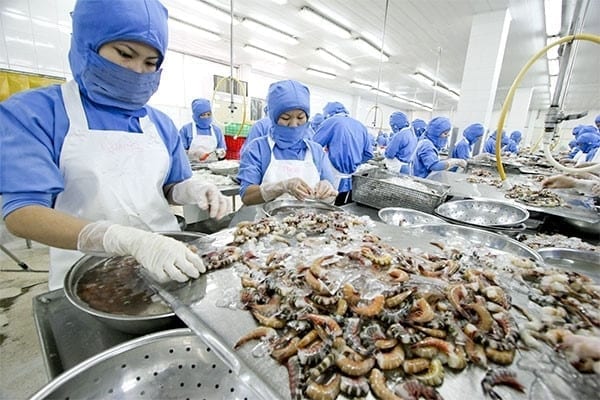
    Vietnam’s seafood exports to the U.S. rose 22% year-on-year to $1.8 billion in the first nine months as Americans remain the biggest buyers of Vietnamese seafood.

    Exports to China surged 76% to $1.35 billion, while to the EU the value went up 41% to $1 billion, according to the Vietnam Association of Seafood Exporters and Producers (VASEP).

    In total Vietnam’s seafood exports reached $8.5 billion in the first nine months, up 38% year-on-year.

    Shrimp exports rose 23% to nearly $3.4 billion, and pangasius fish went up 82% to $2 billion.

    Exports of pangasius fish in September alone nearly doubled year-on-year as inflation pressure urged consumers to tighten their spending and buy more of the affordable protein.

    VASEP forecast that Vietnam’s $10 billion exports target for this year will be achievable.

    China is expected to be a key market for the remaining months as consumption demand is rising while its geographical proximity with Vietnam is an advantage amid rising transportation costs worldwide.

  • Vietnam’s world’s best rice gets trademark in Australia

    Vietnam’s world’s best rice gets trademark in Australia

    Vietnam’s ST24 and ST25 rice varieties, the latter the World’s Best Rice award winner not long ago, have obtained trademarks in Australia.

    The ‘Gao Ong Cua Viet Nam’ trademark has been registered by Ho Quang Tri Private Enterprise, a company owned by the son of the main developer of ST25, Ho Quang Cua.

    The trademark is valid until June 2031.

    It includes a logo of the brand with Cua’s smiling face next to a stem of grain.

    ST25 won the World’s Best Rice contest in 2019 and secured second place in 2020.

    It was the result of 25 years of research by Cua and his colleagues who cross-bred the premium fragrant rice, described as having a sweet taste and a hint of pineapple flavor, in the Mekong Delta province of Soc Trang.

    Cua has been pursuing global trademarks for the grain since last year after several companies tried to register the ST25 trademark in the U.S. and Australia.

    He has successfully registered the brand in the E.U. and the U.K.

  • Aldi faces $10m underpayment bill after court ruling

    Aldi faces $10m underpayment bill after court ruling

    Aldi could be liable for millions of dollars in compensation after a federal court judge found the supermarket chain had underpaid warehouse workers.

    The court has found Aldi breached employment laws by directing employees to begin work 15 minutes before their rostered starting time.

    Workers at a Sydney distribution centre were required to undertake a number of tasks before clocking on, including completing safety checks on forklifts, checking communication devices and undertaking a group warm-up activity.

    Aldi claimed it was not underpaying its workers and that employees were only expected to be ready to commence work at the start of their rostered shifts.

    But judge Douglas Humphreys said he was satisfied there was a “clear implied direction” that employees had to arrive early and undertake those tasks, and that a consistent failure to comply would lead to disciplinary action.

    “There was no personal benefit to the employee in the activities carried out. Each was to the benefit of the employer,” he said in his findings.

    “In these circumstances, the court is satisfied that the activities carried out constitute work.”

    The SDA retail and warehouse union claims Aldi owes its distribution centre workers up to $10m in unpaid wages for working an extra 10 minutes per shift.

    It says the decision could affect about 4,000 current and former workers, a claim disputed by Aldi.

    The company said it respected the court’s decision and was determining the payment owed to four employees directly affected by the proceedings.

    “We are reviewing the implication of the court’s decision on other employees across our business and will seek to apply the principles of the court’s decision fairly to any other affected employees,” an Aldi spokesperson said on Wednesday.

    “Numbers quoted by the SDA are significantly inflated and are not representative of the number of employees we believe may be impacted by the decision.”

    The SDA said it was still working through calculating individual back-pay amounts for its members.

    “Aldi joins a long list of large employers found to have underpaid their workers,” the SDA’s NSW branch secretary Bernie Smith said.

    “Unlike the way the multinational likes to present itself in its advertisements, it turns out Aldi is not good and not different.

    “Multinational companies operating in Australia can’t set their own rules.”

    Humphreys is yet to make any orders regarding penalties. The parties are scheduled to return to court on Friday for a directions hearing.

  • Fonterra to retain Australia business, shares long-term strategies

    Fonterra to retain Australia business, shares long-term strategies

    New Zealand dairy giant Fonterra has decided to retain full ownership of its Australian business after a 12-month review, with chief executive Miles Hurrell saying the Australian consumer brands are important in the company’s strategy of moving higher up the value chain.

    Fonterra’s Australian business includes consumer brands Western Star butter, Perfect Italiano, and Mainland cheese. It also operates the Bega cheese brand under a long-standing license arrangement even though Bega Cheese is a rival dairy and food company.

    Mr Hurrell said in an investor briefing on Thursday that Fonterra did not get to the point of putting a value on its Australian business in the review after deciding that retaining full ownership was the best way of driving future growth and value creation.“We can do that on our own,” he said. “We looked at a raft of options.”

    Fonterra, a co-operative which is owned by 10,000 farmer shareholders, began the review a year ago. Among the options was a potential public float of the business or a sale of a partial stake. Analysts suggested the IPO could have been worth between $1 billion and $1.2 billion.

    It still intends to make a capital return to its shareholders by 2024, but it may not be as high as the previously foreshadowed return of about $NZ1 billion ($585 million).

    Fonterra is selling its Chilean business Soprole after an ill-timed expansion and has redirected its focus to being a big exporter from NZ.

    Mr Hurrell said the Australian operations were an important part of the group’s overall consumer brands strategy as it sought to move higher up the value chain. “The business is going well, and it will play a key role in helping us reach our 2030 strategic targets,” he said.

    Fonterra on Thursday reported its full-year results for the 12 months ended July 31, with normalized net profit up 1 percent to $NZ591 million. Total revenues were up 11 percent to $NZ23.4 billion.

    Mr Hurrell said inflationary pressures curbed profits. Fonterra paid out a record milk price to its farmers of $NZ9.30 per kilogram of milk solids. He said $NZ13.7 billion was injected into the NZ economy from milk price payments.

    The company has made a farmgate milk price forecast for 2022-23 of $NZ8.50 to $NZ10, with a mid-point of $NZ9.25. Mr Hurrell said milk prices appeared to have stabilised for now. “We’ve seen a little bit of stability,” he said

    In 2001, Fonterra Australia and Bega Cheese signed a 25-year exclusive trademark licensing agreement. Fonterra was able to use Bega’s name on natural and processed cheddar cheese, string cheese and butter products sold in Australia. In return, it paid Bega Cheese royalties based on retail sales of these products.

    The licence’s initial term ends in May 2026, but Fonterra has the right to renew as long as it sticks by the contractual rights, which include elements such as managing the Bega Cheese brand responsibly.

    Rich Lister and iron ore billionaire Andrew Forrest’s private family investment unit Tattarang in late July lifted its stake in Vegemite owner Bega Cheese to 11.5 per cent after buying an additional $15 million of shares.

  • Asahi Beverages buys premium mixer brand Strangelove

    Asahi Beverages buys premium mixer brand Strangelove

    Founded by mates James Bruce and Stafford Fox in 2013, the adult soft drink, premium mixer and mineral water business “set out to revolutionise the Australian soft drink market with eclectic, sophisticated flavours and local ingredients”.

    StrangeLove claims that it has more than doubled in volume and revenue in the last two years. The brand is now stocked by many of Australia’s “best” restaurants, high-end grocers and, more recently, premium Woolworths stores.

    Asahi Beverages Group CEO Robert Iervasi says it’s clear Australians want more sophisticated and lower-sugar soft drinks, fuelling demand for StrangeLove’s products in recent years.

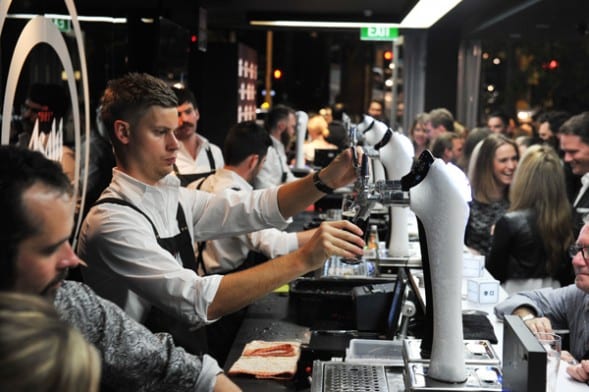
    “We are really excited about the impact that StrangeLove is going to have in restaurants, cafes, hotels and pubs,” he says.

    “We expect StrangeLove to really shake things-up in the on-premise premium mixer and adult soft drink space, with a high-quality, Australian-made brand.

    “This deal will also strengthen our offer to retailers, which are dedicating more shelf-space to premium non-alcohol beverages. StrangeLove complements our leading portfolio of beverages, and we are absolutely thrilled to add StrangeLove to the Asahi Beverages family.”

    Mr Bruce says the deal represents an amazing opportunity to speed up StrangeLove’s mission to revolutionise the adult soft drink market with more imaginative and high-quality beverages.

    “With their FMCG-expertise and long-standing customer relationships in retail, hospitality and beyond, Asahi Beverages will help grow StrangeLove in a way we couldn’t on our own,” he says. “They share our absolute commitment to quality and we’ve been impressed by how they’ve supported their other craft partners to retain their unique identity and foster innovation.

    “The StrangeLove management team and I will remain in our roles at the business, and we’re excited and committed to its long-term growth. This means the acquisition won’t affect day-to-day operations and nothing will change for our customers and consumers.

    “We’ll continue to challenge the status quo with imaginative, innovative and adult flavours, using real ingredients sourced, where possible, from local farmers and producers.”

  • Valiram opens Indonesia’s first Salvatore Ferragamo store

    Valiram opens Indonesia’s first Salvatore Ferragamo store

    Valiram, the Malaysian retail group, has opened the first Salvatore Ferragamo store in Indonesia. Located in Plaza Indonesia, the store is part of Valiram’s growing international network of stores under multiple licensed brands, including Victoria’s Secret, Tumi, Bulgari and MLB.

    The Indonesian store offers a range of the brand’s premium handbags as well as shoes.

    Salvatore Ferragamo was founded in Florence in 1927 by its namesake fashion designer and offers high-end clothing, accessories, and footwear for men and women, along with fragrances, watches, and eyewear.

    In July, the fashion business unveiled a brand-new concept store in Soho, one of New York City’s most fashionable neighbourhoods, at 63 Greene Street. It is the luxury brand’s first foray into fusing an upscale retail environment with digital creativity and customisation.

    Valiram has retail stores and businesses throughout the Asia-Pacific region, including Singapore, Indonesia, Australia, the Philippines, Thailand, Macau, and Vietnam.

    The business, which runs more than 350 stores, boasts 200 brands spanning many different categories, including fashion and accessories, watches and jewelry, perfume and cosmetics, as well as confectionery and dining concepts.

  • AirAsia revives routes to Indonesia

    AirAsia revives routes to Indonesia

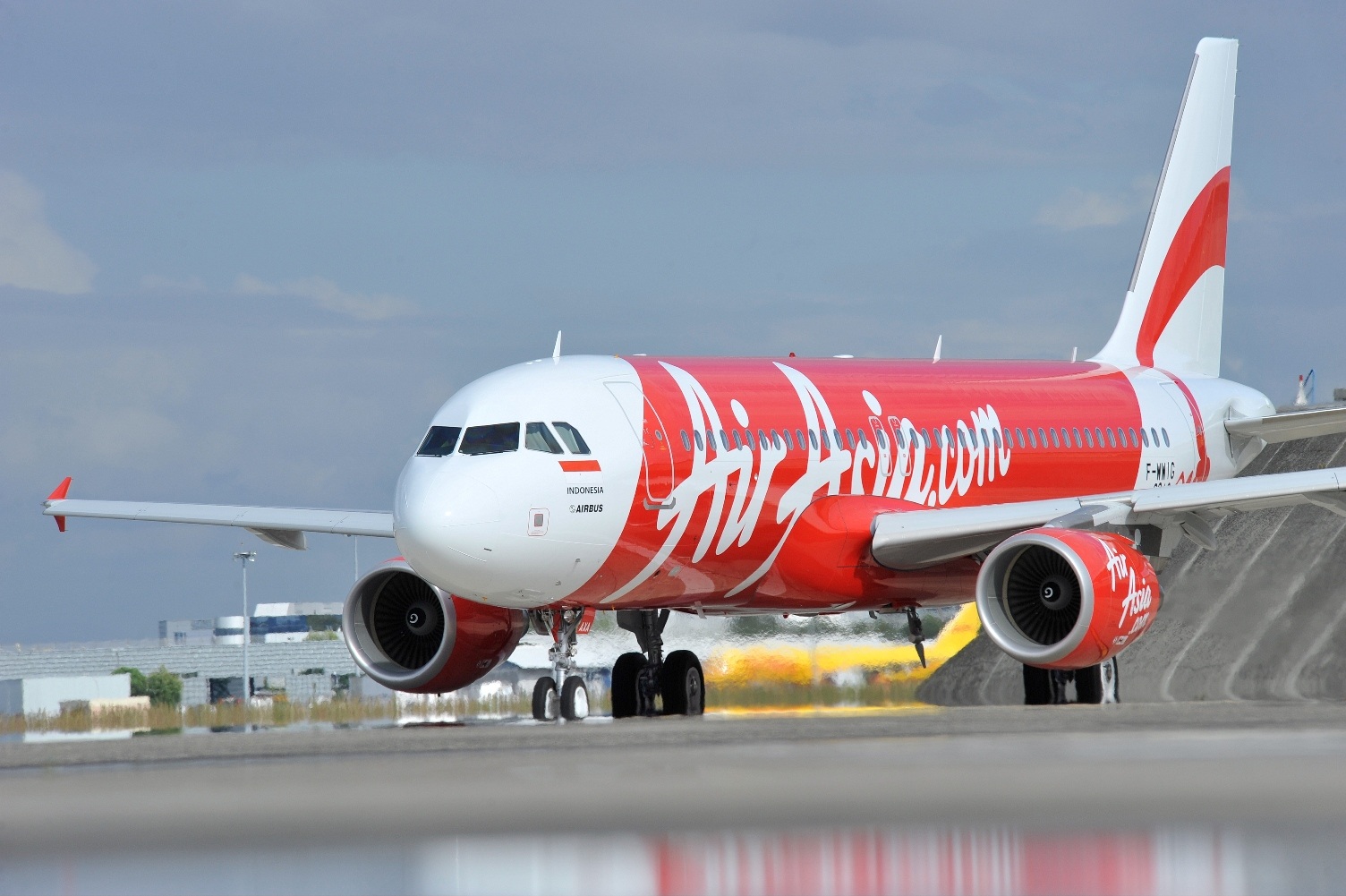
    AirAsia Malaysia (AK) continues to resume services to Indonesia by adding flights to Banda Aceh, Padang and Pekanbaru from Kuala Lumpur since 1 October 2022.

    In addition, the airline will launch flights from Penang to Denpasar in Bali starting on 20 October this year.

    In celebration of the service resumption to Indonesia, AirAsia welcomed flight AK421 from Kuala Lumpur to Banda Aceh on Monday with a delegation led by Dato’ Abdul Aziz Bakar, Non-Executive Director of Capital A.

    AirAsia Malaysia CEO Riad Asmat said: “Indonesia is a core market for AirAsia, and we are thrilled to be back, launching four new routes such as these with additional eight weekly flights, on top of six existing routes delivering a total of 66 flights weekly to Indonesia airports this month.

    “We are also very thankful for the strong support from the government of Indonesia and the provincial governments of Aceh, West Sumatra and Riau for their assistance in reopening these routes.

    “We are excited to reconnect these cities to Kuala Lumpur and Penang, bringing tourists from Malaysia, reconnecting families, and serving business travel.”

    Flights for Kuala Lumpur-Banda Aceh, Kuala Lumpur-Padang, Kuala Lumpur-Pekanbaru and Penang-Bali are now available for booking starting from MYR189 all-in-one way on the AirAsia Super App and online travel agents (OTAs).

    AirAsia Malaysia now flies 10 routes to Indonesia. From Kuala Lumpur to Jakarta, Bali, Medan, Makassar, Yogyakarta, Padang, Pekanbaru and Banda Aceh, as well as from Penang to Jakarta and Bali with plans to increase services to existing and new destinations in line with strong demand in the future.