Tag: asia

  • The Coffee House owner reports loss of $12 mln

    The Coffee House owner reports loss of $12 mln

    Seedcom Joint Stock Company, owner of The Coffee House and delivery company AhaMove, reported a loss of VND287 billion (US$11.96 million) for the first half, a 11% rise year-on-year.

    Seedcom CEO Nguyen Hoanh Tien said that the losses stemmed from two reasons, the first being the intensified investment and expansion into the B2B segment with omni-channel sales management solution Haravan, specialized F&B sales solution iPOS and a new unit to distribute consumer goods, CPG.

    Depreciation in the retail segment, the result of store development in recent years, was the other reason, he said.

    “By the second half of this year the financial results will certainly be better when business results are more positive.”

    The company’s chairman, Dinh Anh Huan, said Seedcom seeks to grow by 500% in 2022-25 and begin generating profits next year.

    Established in 2014, Seedcom also owns Giao Hang Nhanh (delivery), Juno, Hnoss (fashion), and Kingfoodmart (supermarket).

  • China Mobile Partners With ZTE to Unveil World’s First 5G NTN Field Trial

    China Mobile Partners With ZTE to Unveil World’s First 5G NTN Field Trial

    ZTE Corporation has announced its collaboration with China Mobile Research Institute, China Transport Telecommunications & Information Group, the Beijing Branch of China Mobile and other partners to showcase what it calls the world’s first 5G NTN (Non-Terrestrial Network) field trial at the 5G-Advanced Industry Development Summit in Beijing.

    The company said in its press release that this brings achievement breakthroughs in two aspects, ultra-long distances as far as 36,000 km and direct connection between mobile phones, that are enabled by two innovations including dynamic compensation of big latency and RF data conversion between the satellite and terrestrial.

    The trial was end-to-end and demonstrated services such as short messages and voice services, both with satisfactory performances. The trial included a comprehensive set of tests of the direct connection between the mobile phone and the satellite, which supports a network with ubiquitous connectivity, more use cases, highly integrated industry chains and low O&M costs.

    The trial was based on the 3GPP R17 and on a network architecture using high-orbit satellites for transparent forwarding to implement end-to-end link interconnection among terminals, satellites, terrestrial gateways, base stations, core networks and servers.

    The L-band satellite and terrestrial gateways, located between the NTN terminal and the base station, were responsible for air-interface message transmission. The terrestrial gateways were interconnected with the 5G NTN base station. The terminal was connected to the terrestrial core network and service platform through the satellite, gateways and NTN base station in turn to implement end-to-end service interconnection.

    During this trial, communication cases such as synchronization, broadcasting, accessing and data transmission, and services such as short text messages and voice messages were successfully tested. The latency of 64-byte ping is about 4s. The performance met the expectations, indicating the solution is very likely feasible. In the future, there will be emergency communication service pilot projects in Beijing, Yunnan and other provinces.

    Together with the terrestrial network, the 5G non-terrestrial network (5G NTN) forms an integrated ubiquitous network with a variety of use cases, highly integrated industry chains and low O&M costs. It uses satellite communication for powerful coverage to meet people’s demands for better accessibility of the mobile internet around the world and provide emergency, marine, remote areas and IoT communication services, facilitating the comprehensive development of CHBN (Customer, Home, Business, New).

    The satellite telecommunication network can reuse the cellular network and significantly reduce terminal cost. In addition, the number of cellular network base stations and centralized deployment can significantly reduce deployment and O&M costs.

    In this new stage of 5G-Advanced, this end-to-end 5G NTN field trial’s success helps build a solid foundation for a direct phone-to-satellite communication business model. This service provides users with more reliable and consistent experiences and connects space, air, ground and sea, forming an integrated ubiquitous network.

  • Bangladesh to import rice from Vietnam and India to replenish reserves

    Bangladesh to import rice from Vietnam and India to replenish reserves

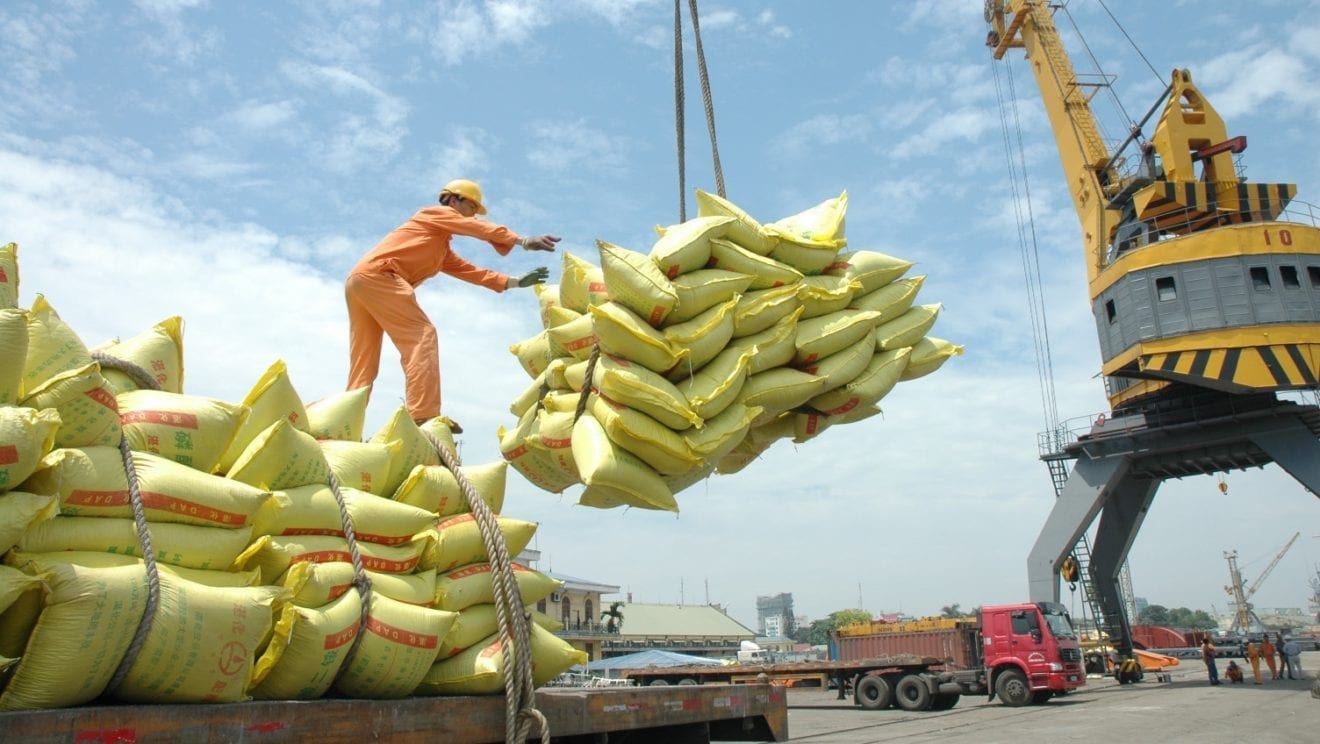
    Bangladesh is finalizing deals with Vietnam and India to import a total of 330,000 tonnes of rice as it races to replenish reserves and cool domestic prices, two officials with direct knowledge of the matter said on Monday.

    Soaring prices of the staple grain for the country’s 165 million people pose a problem for the government, which plans to expand cut-price rice sales to help people hard-hit by high costs.

    The south Asian country will buy 100,000 tonnes of parboiled rice from an Indian public sector firm and 200,000 tonnes of parboiled rice and 30,000 tonnes of white rice from Vietnam, the government officials said.

    The price for the parboiled rice from Vietnam will be $521 a tonne and white rice $494 a tonne, said the officials, speaking on condition of anonymity because the deals have not been made public.

    The price for rice from neighboring India will be $443.50 per tonne via seaports and $428.50 per tonne via railways, the officials said. All the prices included freight, insurance and unloading costs, they said.

    “Preparations are underway to sign the deals soon,” one of the officials said, adding the rice would be delivered within two to three months after the signing.

    The Bangladesh government is also holding talks with Myanmar to import rice, the officials said, putting aside a rift over the Rohingya refugee crisis.

    Bangladesh this week slashed import duty on rice to 15% from 25%, cutting it for the second time since July in a bid to boost private imports.Its private rice import plan, however, faces a setback with only 36,000 tonnes bought since July, after the government allowed private traders to import nearly 1 million tonnes of the staple grain after slashing duty to 25.0% from 62.5%.

    The government will begin selling rice at a cheaper rate for 5 million poor families and expand such sales from September, in an effort to rein in surging domestic prices, which saw yet another uptick after it hiked domestic oil prices early this month.

    Bangladesh, traditionally the world’s third-biggest rice producer with around 35 million tonnes annually, uses almost all its production to feed its people. It still often requires imports to cope with shortages caused by floods or droughts.

  • Booming foreign investment to push Vietnam up value chain

    Booming foreign investment to push Vietnam up value chain

    “Vietnam has repeatedly proven its ability to climb up the value chain over the years, to the point where the country has grown into a key manufacturing hub for tech products within the electronics space,” CEO of HSBC Vietnam, Tim Evans said.

    Apple is reportedly in talks to make watches and the MacBook in Vietnam for the first time, with its suppliers having started test production of the former in the north.

    Foxconn, a key Apple supplier, this month leased 50.5 hectares of land in Bac Giang Province and plans to build a $300-million factory there and employ 30,000 workers.

    South Korean conglomerate Lotte is seeking to expand in Vietnam, arguably its third most important market behind its home nation and Japan, and completely pull out of China.

    Over the last decade Samsung, Intel and many other multinationals have made significant investments in Vietnam and consider it an important base for their production.

    The country’s ectronics exports climbed to a record US$108 billion in 2021, equivalent to 32% of total exports, against less than $1 billion in 2000.

    “Vietnam has effectively turned itself into a rising star in global supply chains, gaining substantial global market share in sectors ranging from textiles and footwear to furniture and consumer electronics,” Evans said.

    This has come about because of its strategic location, competitive labor and production costs, and political, currency and social stability, have helped it become an attractive investment destination, he added.

    Vietnam attracted $31.15 billion worth of foreign direct investment last year, up 9.2% from 2020 despite Covid-19.

    Multinationals are moving part of their production from China to Vietnam since the risk of the latter facing punitive tariffs in future is low, according to analysts.

    The foreign direct investment flow from China to Vietnam reached $1.88 billion in 2020, up 245% from 2017, according to data from the United Nations Conference on Trade and Development, Thai lender Kasikorn – Kbank said.

    Michael Kokalari, chief economist of investment fund VinaCapital, said Vietnam still has a large number of workers who can move from the farm to the factory since over 40% of its workforce is still employed in agriculture.

    “I don’t see any other country in the world as a serious competitor to Vietnam in the assembly of high-tech products, which explains why Vietnam’s FDI inflows have remained so consistent.”

    But much remains to be done for Vietnam to take advantage of the increasing foreign investment.

    World Bank data shows its non-tariff trade costs are higher than for its ASEAN peers, with transport congestion costing as much as 21% of GDP in 2016, much higher than the global average of 12%.

    “Upgrading and modernising existing infrastructure will empower Vietnam to reduce the barriers to trade and strengthen its ability to attract additional FDI,” Evans said.

    Improving labor skills is another necessity as the demand for highly skilled workers is rising given the high level of technology and automation at foreign-invested manufacturers, he added.

    Kokalari said factors such as wages, workforce quality and infrastructure are more important than government policies in attracting FDI.

    More FDI means more opportunities for local firms to develop their capabilities to produce inputs the FDI factories require, he pointed out.

    “FDI brings not only money into a country, but also creates spillover benefits that help foster that country’s industrial sector.”

  • Gold prices fall to one-month low

    Gold prices fall to one-month low

    Prices of gold bars branded SJC on Monday dropped VND250,000 ($10.67) to VND66.55 million per tael, the lowest in a month.

    Prices of gold bars of other brands like DOJI and Phu Quy dropped further, by VND300,000-350,000.

    Selling prices of gold rings also decreased VND200,000 to VND51.2 million per tael.

    Prices of gold bars have declined for three straight trading sessions to the lowest over the past month. SJC gold prices are higher than the world average by some VND17.7 million per tael.

    In the world market, gold dropped for a second day after Federal Reserve Chair Jerome Powell pushed back against hopes the U.S. central bank would start easing monetary policy soon, signaling instead that interest rates would keep rising and remain elevated to stamp out inflation.

    Spot gold fell as much as 1% to $1,720.45 an ounce, the lowest level since July 27, and traded at $1,723.70 as of 10:21 a.m. in London, according to Bloomberg.

  • Vietnam’s first cargo airline inks deals with global manufacturers

    Vietnam’s first cargo airline inks deals with global manufacturers

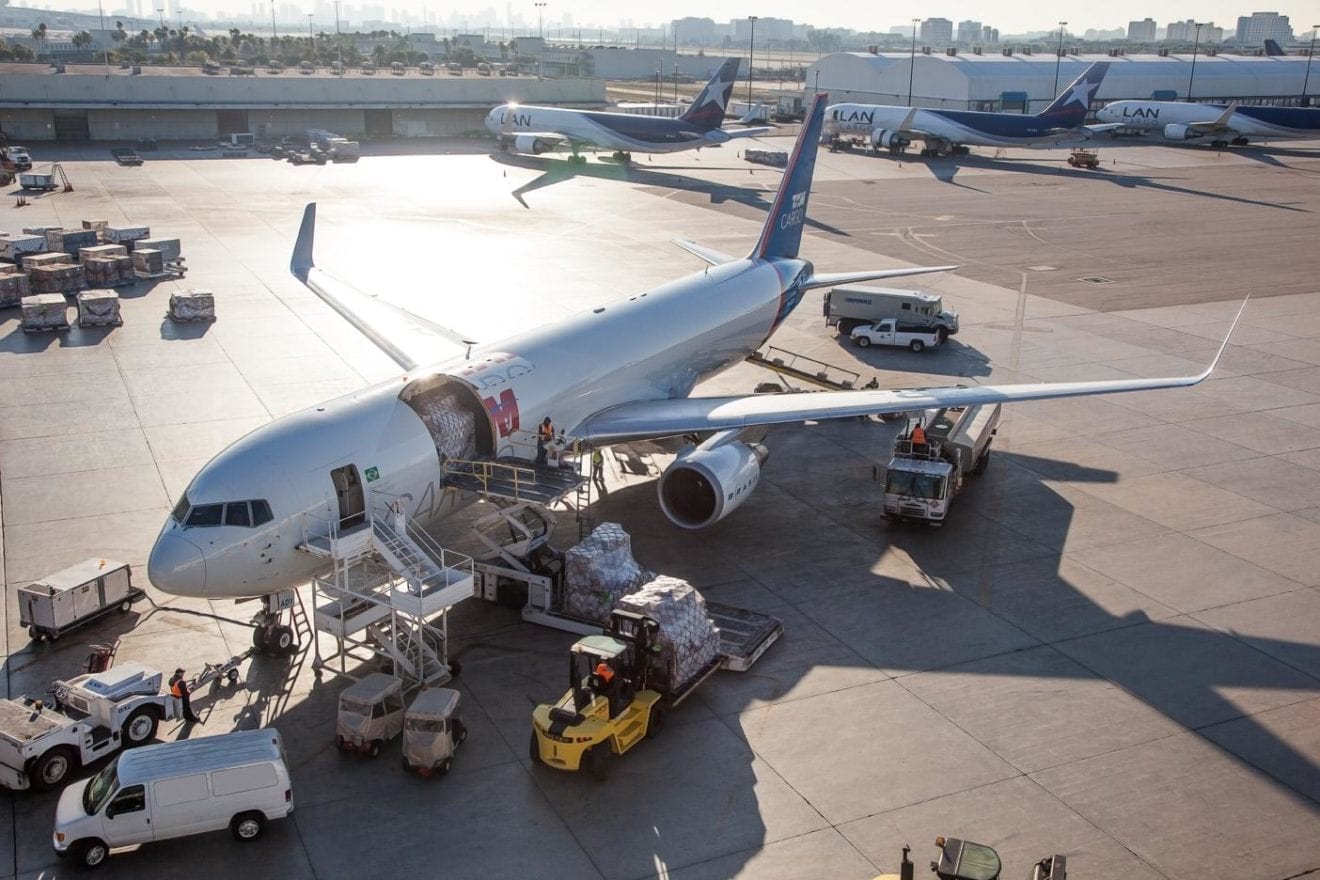
    IPP Air Cargo, Vietnam’s first cargo airline, could start flying from November, with several partnerships already established, says its chairman Jonathan Hanh Nguyen.

    Nguyen said that the Government Office has ordered six related ministries for their feedback on licensing IPP Air Cargo. There could be clear actions regarding the licensing next week, he added.

    Although the cargo carrier is yet to receive its license, it has reached transport agreements with two world’s leading chip manufacturers with factories in northern Vietnam. Each company has registered to use two aircraft of IPP Air Cargo, he said, without identifying the companies.

    If it gets its license by the end of November, the airline will launch its first flight from Cat Bi Airport in the northern port city of Hai Phong, Nguyen said.

    IPP Air Cargo is also expected to operate a weekly flight transporting agricultural produce from Queensland, Australia to Vietnam’s Da Nang City starting next year, as discussed during this week’s visit by Mark Furner, Minister for Agricultural Industry Development and Fisheries of Queensland.

    The airline has completed procedures to rent four Boeing 737 800BCF aircraft, one of which has been delivered, with the rest due in December and next April. It also signed deals worth $3.5 billion to buy 10 Boeing 777 Freighters.

    IPP Air Cargo has a charter capital of VND300 billion ($12.81 million), with Imex Pan Pacific Group holding a 70-percent stake and the family of Johnathan Hanh Nguyen, the company chairman, the rest.

    Nguyen had mooted the establishment of the airline in 2021, but the Civil Aviation Authority of Vietnam said it was not considering applications amid the Covid-19 outbreak.

    After obtaining an air transport license, the company has to get other permits to fly, including the aircraft operator certificate.

    It targets revenues of $71 million in the first year of operation.

  • Indonesia To Shift $1.6 Billion Portion Of Fuel Subsidy Budget To Welfare Programmes

    Indonesia To Shift $1.6 Billion Portion Of Fuel Subsidy Budget To Welfare Programmes

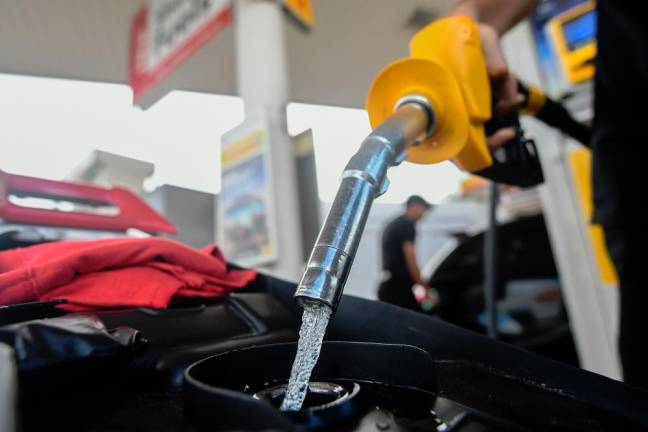
    Indonesia will reallocate 24.17 trillion rupiah ($1.62 billion), or nearly 5%, of its fuel subsidy budget to social spending, including cash handouts to 20.65 million households, its finance minister said on Monday.

    The move comes amid reports that the government has been considering raising subsidised fuel prices to manage rising fiscal pressure due to high global energy prices.

    Southeast Asia’s largest economy has already tripled its 2022 energy subsidy allocation from its original budget to 502 trillion rupiah – about 16% of total spending plans, but authorities have said more money could be needed if fuel prices were not increased throughout the year.

    Finance Minister Sri Mulyani Indrawati said the reallocation of spending will be enacted this week and was decided after discussing the fuel subsidy policy with President Joko Widodo.

    “The people will get social assistance in order to increase their purchasing power,” Sri Mulyani told an online news conference, speaking alongside Bank Indonesia Governor Perry Warjiyo.

    She did not take questions and did not mention fuel price hike plans.

    The government would also provide cash handouts to 16 million workers who make less than 3.5 million rupiah per month, she said.

    Regional governments would be instructed to use a portion of their fiscal transfer from the central government to subsidise transportation fares, she added.

    Lawmakers from parliament’s energy committee last week told Reuters the government may raise fuel prices by 30% to 40% and that such a move will add 1.9 percentage points to 2022’s inflation rate.

  • Shopify opens funding stream for Aussie online retailers

    Shopify opens funding stream for Aussie online retailers

    eCommerce platform Shopify has launched a new financing service for Australian businesses called Shopify Capital.

    Merchants who run their stores on the platform can receive offers of up to $2.5 million within two business days – once their applications are analyzed by Shopify Capital’s team using data-informed and machine learning models.

    The company says 67 percent of Australian merchants are deterred by high-interest rates and 53 percent are turned off by lengthy application processes and timeframes. Almost 40 percent of home-grown merchants sell internationally through Shopify Markets generating up to $39 million in economic activity.

    “Australian businesses are concerned about the increasing cost of capital, inflationary pressures impacting margins, and declining consumer confidence impacting sales,” Shaun Broughton, Apac MD at Shopify, said.

    “Shopify Capital is remitted only when a sale is made, so Australian merchants can be confident that they can afford to invest in their businesses.”

    Merchants repay funding based on an ‘agreed’ fixed percentage of daily sales helping reduce cashflow risks and uncertainty around compounding interest rates and hidden costs.

    Shopify Capital was first introduced in US, UK, and Canada in 2016. It has provided $5.51 billion in funding to thousands of businesses so far.

  • Coca-Cola teams with Berkley University to convert CO2 to sugar

    Coca-Cola teams with Berkley University to convert CO2 to sugar

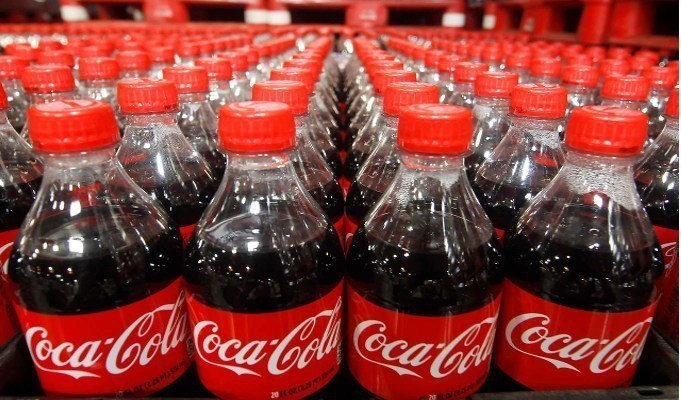
    Coca-Cola Europacific Partners (CCEP) is partnering with the University of California Berkeley (UCB), US, to develop methods of converting captured carbon (CO2) into sugar. The collaboration hopes its work will slash the emissions of some of the world’s most polluting supply chains.

    Established between CCEP Ventures and UC Berkeley’s Peidong Yang Research Group, the project aims to create packaging and other essential raw materials from industrial waste.

    Last year, the Peidong Yang Group received a prize from NASA for a viable prototype for CO2 conversion to sugar for potential use on long-haul space missions.

    “Air to sugar conversion could significantly impact our ability to preserve the natural world,” says Dr. Peidong Yang.

    “This is a bold, scientific vision that would bring immediate environmental benefits, fundamentally transforming the production and distribution of goods across the world. We are pleased to be working with CCEP Ventures on research that could make a significant impact on our ability to create a more sustainable future.”

    CCEP Ventures’ initial investment with UCB will support foundational research that will focus on enabling the production of sugar from CO2 on-site and at an industrial level, with the expectation of future investments to drive scale – from lab to pilot phase.

    CCEP says the investment demonstrates the role innovation can play in its journey to reach net zero greenhouse gas emissions by 2040.

    The development of lab-scale prototypes could make the generation of essential raw and packaging materials more environmentally sustainable in the long term. It could also reduce some of the largest CO2 contributors in supply chains while saving material, transportation and logistics costs.

    “CCEP Ventures is helping us find solutions to industry challenges and provide funding to make these foundational technologies a reality,” says Craig Twyford, head of CCEP Ventures.

    “We’re excited to be involved in this project that could lead the industry in the development of transformational technology capable of converting CO₂ into more complex, usable goods.”

    If driven to an industrial scale, carbon capture could provide an answer to crop production issues by creating synthetic sugar – potentially for use in soft drinks like Coca-Cola. This, in turn, would cut related energy usage.

    Since agricultural ingredients, including sugar, amount to approximately a quarter of CCEP’s overall carbon footprint, the technology could not only reduce emissions associated with sugar manufacturing processes but also positively contribute to optimizing land usage as less arable land becomes available due to the global population growth.

    In the longer term, this technology may also make the conversion of CO2 into PET plastic more efficient by reducing the need for crude oil in the manufacturing process and significantly lowering costs.

    Earlier this month, CCEP launched a new supply chain financing program in collaboration with Rabobank. The duo is aiming to enhance their respective ESG performances by rewarding suppliers who enhance environmental sustainability across the board and include sustainability-related KPIs that, if attained, would result in discounts from the initial funding rate.

  • Fonterra takes first step into non-dairy products

    Fonterra takes first step into non-dairy products

    Fonterra said it had worked with DSM, a global nutrition and bioscience company, since 2019 to speed up the making of proteins with dairy-like properties using precision fermentation. The partnership had already created intellectual property and filed patents, the statement said.

    Jonathan Boswell, program leader for complementary Nutrition at Fonterra said the patents were confidential because they were not in the public domain yet. Dairy nutrition would remain Fonterra’s core strength, the company said.

    But the food preferences of some consumers were changing to non-animal products. New technologies had a place alongside dairy, the company said. There would be a role for both dairy and other sources of nutrition to feed the world’s growing population, the company said.

    Food scientist Anna Benny, who researched how precision fermentation would disrupt the dairy market, said most milk produced in New Zealand was dried to make whole milk powder. This was sold as a commodity and acted as an ingredient in everything from yoghurt drinks to ingredients in the medicine.

    Benny said the million-dollar question was what would happen to the milk price and to farmers when whole milk powder could be replaced by products made by using precision fermentation.

    “People are still investing in farms and [farm-related businesses] that will not pay back in the next seven to 10 years. All the signals we are getting from industry players and the government is that milk is selling well and that dairy farmers are propping up the economy. It will be catastrophic for the economy if milk powder fails,” Benny said.

    New Zealand’s current reliance on whole milk powder meant it was overexposed to such risks. There were not enough signals from the government and the industry that the dairy industry was at risk, Benny said.

    Once companies were able to copy whole milk powder through precision fermentation, could make it on a large scale, and its price was similar or lower than whole milk powder from dairy, then there would be a tipping point, Benny said.

    She said Fonterra’s partnership was similar to companies overseas.

    In the United States, Perfect Day, which manufactured animal-free dairy alternatives, was working with ADM, she said.

    Waikato dairy farmer Pete Morgan said at its core Fonterra was a food company. If it looked decades into the future, it would see precision fermentation was part of the answer to feeding a growing world population.

    “The answer isn’t an us dairy and them other technologies, the answer will come from everybody. A company with a long-term focus would have to look at such technologies,” Morgan said.

    Morgan said it was widely known that if the world was to have enough food to meet its nutritional requirements by 2050, the amount of food being produced would have to double.

    Milk was important as a raw product, but Fonterra was not just about milk but had expertise in food manufacturing, intellectual property, supply chains and customers, Morgan said.

    There would be farmers who struggled to understand why Fonterra made this move, he said, but he believed Fonterra had a long-term view.

    There was disruption coming to the dairy market, and it was better to head into that disruption with knowledge, than to wake up one day and have fallen behind, Morgan said.

  • China’s Pinduoduo beats revenue estimates, eyes overseas growth

    China’s Pinduoduo beats revenue estimates, eyes overseas growth

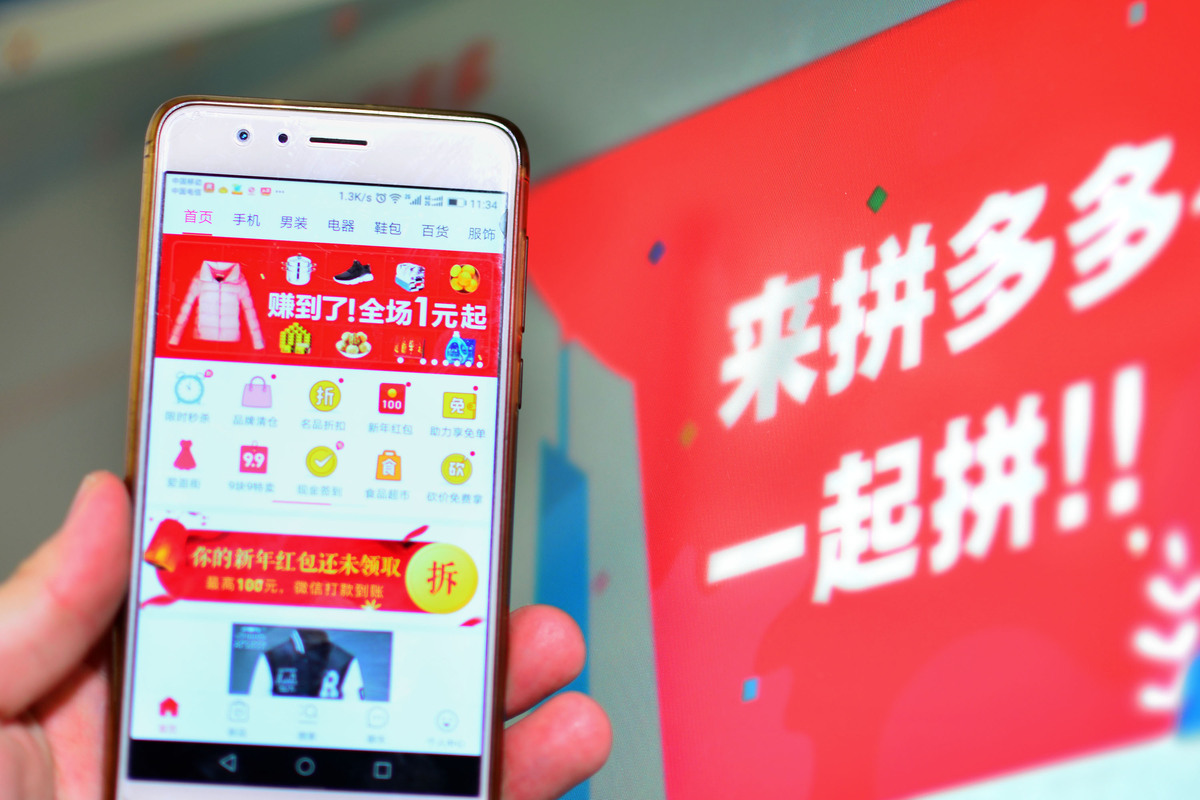
    Shanghai-based e-commerce giant Pinduoduo Inc reported quarterly revenue above Wall Street estimates on Monday, buoyed by a major shopping festival and price promotions to lure China’s increasingly reluctant consumers to open their wallets.

    The group’s U.S.-listed shares rose more than 15% in trading before the bell.

    “We saw a recovery in consumer sentiment in the second quarter, especially during the 618 shopping festival,” said Chief Executive Chen Lei.

    He cited agricultural produce, fast-moving consumer goods, consumer electronics, and beauty products as standout sales performers and said promotions had also driven up sales.

    As a regulatory crackdown ensnared tech giants across China in recent years, Pinduoduo heavily promoted its role in connecting farmers with consumers, waiving sales commissions to merchants selling agricultural products.

    During a post-earnings call with analysts, Chen said a similar program would be rolled out for craftsmen and artisans shortly.

    Pinduoduo, founded in 2015, first gained traction among consumers in smaller cities in China, but has since expanded its reach to top-tier cities.

    Budget constraints China-wide have become more apparent amid an economic slowdown and record-high youth unemployment.

    According to China’s National Bureau of Statistics (NBS), July retail sales increased 2.7% year-on-year, below the expected 5% growth and the 3.1% rate seen in June.

    The platform is now looking to international expansion, with a cross-border e-commerce platform slated for launch in the coming months targeting the United States as its first market.

    “The overseas business is one of the opportunities we see… (we) see many peers in the industry achieving good results, so we believe it’s a direction worth trying out,” CEO Chen said.

    Pinduoduo may benefit from a deal struck between Beijing and Washington last Friday to allow U.S. regulators to vet accounting firms in China and Hong Kong, potentially putting to rest a dispute that threatened to boot Chinese companies from U.S. stock exchanges.

    Peers JD.com Inc, and Alibaba, will also potentially benefit from that deal. Both also beat expectations with quarterly earnings announced earlier this month.

    Pinduoduo’s total revenue stood at 31.44 billion yuan ($4.55 billion) in the quarter to June 30, compared with estimates of 23.68 billion yuan, according to Refinitiv data.

    Pinduoduo’s net income attributable to ordinary shareholders was 8.9 billion yuan during the quarter, compared with 2.41 billion yuan a year before.

  • India’s Reliance to develop new smartphone with Google in $25 billion 5G push

    India’s Reliance to develop new smartphone with Google in $25 billion 5G push

    India’s telecom leader Reliance said on Monday it is working with Alphabet’s Google to launch a budget 5G smartphone as it laid out a $25 billion plan for introducing the next-generation wireless services within two months.

    Speaking at the company’s annual general meeting, Reliance Chairman Mukesh Ambani said Jio’s 5G network will be the world’s largest, launching in main cities including New Delhi and Mumbai before being expanded across India by December next year.

    Ambani, one of India’s richest men, said only that the phone being developed with Google would be “ultra-affordable”. The cheapest 5G phones retail for around $150 currently in India, where around 700 million people don’t have a smartphone.

    “To take the 5G mass market, a sub-$100 phone is imperative and Jio is rightly positioned to bring 5G to the masses,” said Neil Shah, vice president of research at Counterpoint.

    5G data speeds in India are expected to be about 10 times faster than those of 4G, with the network seen as vital for emerging technologies like self-driving cars and artificial intelligence.

    Reliance’s 5G plans throw down the gauntlet to rivals Bharti Airtel and Vodafone-Idea in the world’s second biggest mobile market. Shares in Airtel and Vodafone closed down 1.3% and 3.3% respectively in a weak Mumbai market where Reliance also slipped 0.78%.

    Jio, India’s biggest mobile carrier with more than 420 million customers, snapped up airwaves worth $11 billion in a $19 billion 5G spectrum auction earlier this month.

    The aggressive 5G strategy builds on Jio’s playbook of disrupting India’s telecoms market having sparked a price war in 2016 when it launched cheap 4G data plans and free voice services, and later a 4G smartphone costing just $81, again in partnership with Google.

    With a market value of $220 billion, Ambani’s business empire spans telecoms, retail, oil-and-gas and new energy.

    He said he was among those mentoring his children on a daily basis as they begin to take the reins at the company, with Akash and Isha assuming leadership roles in Jio digital and in retail respectively, and Anant joining the new energy business.

    Akash, 30, was also named chairman of the board of Reliance’s telecom unit in June.

    Ambani senior added that he would provide an update next year on IPO plans for Reliance’s digital and retail units, which raised around $22 billion from global investors such as KKR & Co Inc and Silver Lake in 2020.

    Reliance also announced the long-awaited integration of its grocery shopping app JioMart with investor-partner Meta Platform Inc’s WhatsApp, allowing users to shop via the messaging app.

    Separately, Isha Ambani said Reliance will launch a new consumer goods company this year, without giving details.

    Reuters exclusively reported in May that Reliance has plans to acquire dozens of grocery and non-food brands to build a $6.5 billion business to challenge foreign giants like Unilever

  • Twitter is concerned that bad actors can exploit its shopping features

    Twitter is concerned that bad actors can exploit its shopping features

    Well, it appears that Twitter has some serious concerns regarding one of its features. Last summer, the social media enabled users to purchase directly from the platform. US businesses received the ability to use custom shop names and create shopping sections on their profiles to list and sell items.

    More specifically, it discusses the problems that could occur if someone with bad intentions wants to use Twitter’s e-commerce function to sell illegal or dangerous items.

    The memo contains a section entitled “risk assessment,” which lists a few high-risk elements for Twitter’s shopping feature. One of these is the merchant fields, like shop names and descriptions, which, according to the memo, could be used by bad actors in harmful ways.

    The biggest problem is that, at least at the moment, Twitter doesn’t have good enough ways to deal with such “bad actors.” According to the memo, the platform uses automated detection tools that search for sketchy things in individual product listings, but its proactive measures aren’t enough because the company lacks the manpower needed to offer better detection.

    Another concern that Twitter has is the shareability of the stores. At the moment, users can’t share the storefronts, but if Twitter introduces such a feature, it could give bad actors the ability to share their dangerous items and reach even more people.

    According to a Twitter spokesperson, the memo is genuine and is part of a new initiative that allows teams to share their ideas on how to make product releases safer. The spokesperson also stated that Twitter is always searching for ways to improve the safety of its services and that this is especially true when it wants to add new features to its platform.

  • Netflix’s ad-supported plan expected to arrive at a $7-$9 price tag

    Netflix’s ad-supported plan expected to arrive at a $7-$9 price tag

    New details on Netflix’s controversial upcoming ad-supported plan have emerged. The information was first brought forward in a recent article by Bloomberg.

    The biggest questions on potential users’ minds – i.e. how much the ad-supported option is going to cost every month – has not received a definitive answer. Nevertheless, according to Bloomberg’s sources, we might be eying a figure of around $7-$9 a month.

    For reference, Netflix currently offers three subscription plans – at $9.99, $15.49, and $19.99, respectively. Currently, it seems that the midrange offering is the most popular one. With an ad-supported plan on the horizon (whose price will potentially be up to 30% less than that of the current entry-level option), we could see the figures shake up a bit.

    It should be noted that Netflix has historically opposed any form of ads on its platform. However, after the company reported a loss of monthly subscribers back in April, the streaming giant seems to have experienced a change of heart.

    With COVID-19 regulations easing up throughout the world, people are spending less and less time indoors and in front of their TVs. Hence, all streaming platforms are now doing everything they can to sway the remaining users their way. Perhaps the best tactic is offering a sweet subscription deal.

    Netflix’s ad-supported plan is nothing new per se as it replicates the approach of other streaming platforms like Hulu. Netflix, however, will reportedly be more reasonable with advertising time capping it at about 4 minutes per hour. The streaming service will also refrain from rolling ads after the end of a show.

    According to Bloomberg, the ad-supported plan is set to debut by the end of 2022, in the final quarter of the year. A more wide-scale release will reportedly take place in 2023.

  • Deliveroo Partners with “A Plastic Ocean Foundation” to Tackle Environmental Pollution in Hong Kong

    Deliveroo Partners with “A Plastic Ocean Foundation” to Tackle Environmental Pollution in Hong Kong

    Deliveroo today announces its partnership with A Plastic Ocean Foundation (APOF), a local charitable organisation dedicated to stopping plastic pollution and initiating ocean recovery from human impacts, to safeguard and preserve Hong Kong’s precious wetland region, Ha Pak Lai, from plastic pollution and soil erosion through beach clean-ups and planting local bamboo trees. The company has committed to a series of clean-up operations in the wetland from this month through the end of 2023 as part of APOF’s #OneTonneLess programme.

    Rallying the Deliveroo Community for Coastal Cleanups

    As one of Hong Kong’s richest biodiverse areas, Ha Pak Lai is home to many rare species. The commitment from Deliveroo will see over 250 of the company’s staff, riders, and their families participating in beach clean-ups at Ha Pak Lai to protect the beachfront from plastic waste. As a result, at least one tonne of ocean garbage is projected to be collected by the end of 2023. The initiative also strives to raise public awareness of environmental preservation while teaching the next generation about the necessity of sustainability.

    Protecting Hong Kong’s Endangered Species from Habitat Destruction

    As Ha Pak Lai is one of the most important habitats for horseshoe crabs, an endangered species under the IUCN Red List of Endangered Species in Hong Kong, it is crucial to prevent habitat destruction. In recent years, onshore human activities have created water pollution and soil contamination, accounting for up to 70% of the loss of young horseshoe crabs. In addition, abandoned farm activities cause severe soil erosion, which washes contaminated soil into streams and the sea. Deliveroo intends to help to restore the ecosystem at Ha Pak Lai by planting new bamboo plants and using the plant’s characteristics. With fresh bamboo grown under this initiative, over 2,500kg of CO2 will be absorbed by the bamboo stems. Additionally, the initiative will see that elemental pollutants are eliminated by phytoremediation, and prevent habitat loss as the new bamboo plants will establish a natural barrier to prevent land-based plastic garbage from being washed into the sea by rainwater and wind.

    Andrew Hui, General Manager of Deliveroo Hong Kong, said, “Deliveroo is committed to being a part of the communities by taking steps to drive sustainability. With this collaboration initiative, we hope to stimulate and accelerate new eco-friendly behaviours that will contribute to long-term, sustainable change across generations. We believe that the solution to climate change is a communal effort, and so we’re excited to collaborate with APOF to take another step toward environmental preservation by contributing to ocean conservation, repairing the local ecology, and developing sustainable economies that benefit everyone. In addition, we’re excited to work with like-minded riders and their families to promote environmental conservation, resulting in a cleaner, more sustainable environment for everybody.”

    Willy Kwong, Director of A Plastic Ocean Foundation, said, “We’re delighted to have Deliveroo come on board and join us for this important initiative. Hong Kong lies on the eastern edge of the Pearl River Estuary surrounded by the South China Sea, the healthiness of the sea has a direct impact on everyone’s living quality. We are obligated to do everything we can to protect and preserve it for the wildlife that calls it home, and of course, for the people of the city too. Together we aim to collect over one tonne of pollutants, and I am confident that with more companies like Deliveroo by our side, we can achieve our goal in creating a necessary momentum in advancing towards a healthier, more beautiful and sustainable ocean.”

    Mr Tsui, a Deliveroo Rider who attended the session with his wife and son, said,“I’m grateful to be a part of this important endeavour alongside my family. Giving back to the environment that makes Hong Kong such a wonderful place to live is always a satisfying feeling for me, because I firmly believe that we can all make a difference, no matter how small our efforts appear to be. Today, all three of us learned a lot, and thanks to Deliveroo and A Plastic Ocean Foundation, our family understands the importance of environmental protection. I look forward to taking part in future sustainability-driven Deliveroo programmes with my family and giving back to our city’s beaches and trails, and after today, I wouldn’t hesitate to recommend these initiatives to my   rider peers as well!”

    The partnership with APOF comes as Deliveroo pledged in 2020 to make imperative sustainable development goals. In early March, Deliveroo announced a major sustainability partnership programme with zero-waste packaging company, Sustainabl., which enables Deliveroo’s restaurant partners to adopt sustainable food containers at an affordable price under Deliveroo’s HK$2 million restaurant subsidy scheme. This programme aims to incentivise restaurant partners to go green in their delivery operations. The latest CSR effort with APOF, is among the many unique initiatives created by Deliveroo to support the community. Last year, two impactful initiatives were run to create compostable, eco-friendly food wrap packing for World Food Day with Cali-Mex, offering collection sites for Hong Kongers to drop off their mooncake boxes to be recycled – which saw over 500kg of packaging donated. The company has also launched cutlery opt-out globally since 2018.