Tag: asia

  • Grab says delivery business softening, still ‘laser-focused’ on profitability

    Grab says delivery business softening, still ‘laser-focused’ on profitability

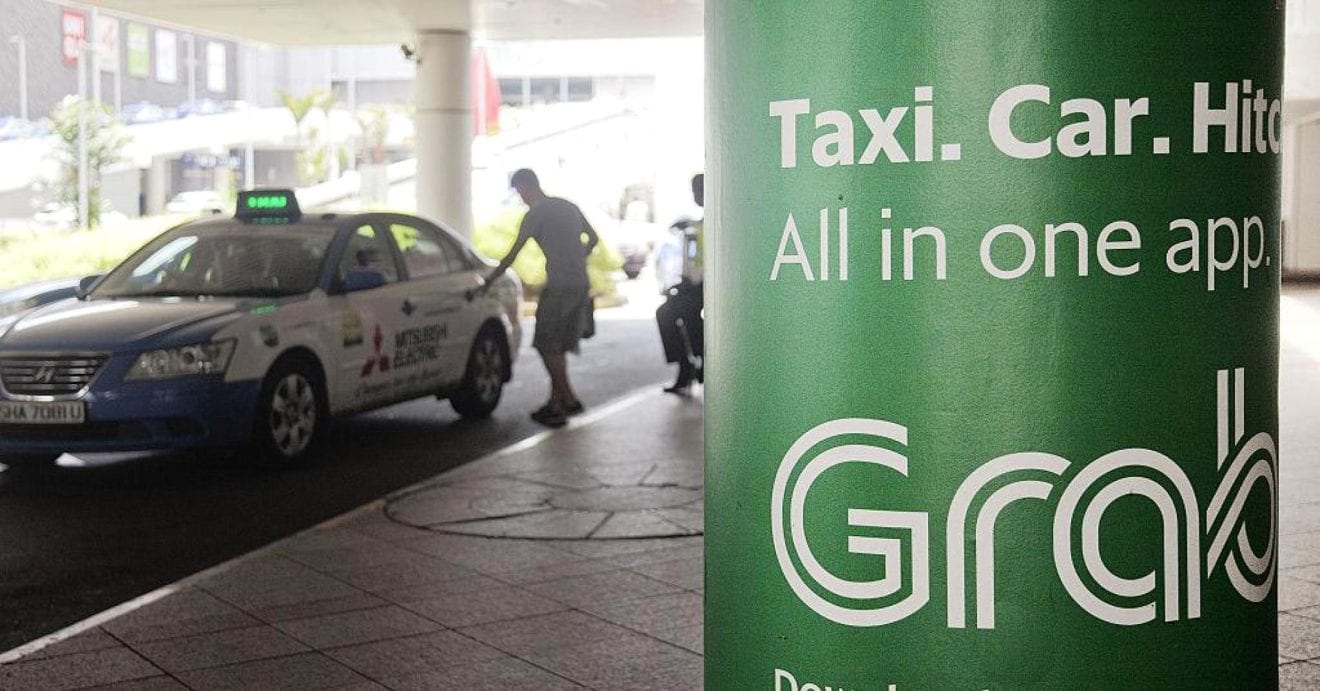
    Singapore’s Grab Holdings Ltd on Thursday slashed its gross merchandise volume (GMV) outlook for the year, blaming a strong dollar and cooling demand for food delivery services as consumers return to dining outdoors.

    U.S.-listed shares of Grab fell 16% in early trading.

    Grab and its peers recorded surging revenues during the pandemic as consumers stuck at home relied on ordering food. But as restrictions ease in most parts of Southeast Asia, consumers are heading out to grab their meals.

    “What we are seeing with some of the growth trends and consumer behavior is dining out has taken place,” Chief Executive Officer Anthony Tan told analysts.

    “Customers want to save money… they may actually show a preference to order groceries to cook for themselves.” Tan added, indicating Grab may stand to benefit from its grocery delivery business.

    The company, which operates in 480 cities in eight countries in Southeast Asia, lifted the lower end of its revenue forecast for the year and said it was “laser-focused” on profitability as demand for rideshare across Southeast Asia peaks.

    Tan said the company now plans to focus on launching new products that will help Grab focus on “profitable loyal customers” and lower the cost of serving users.

    He also expects the rideshare business to rebound as economies reopen.

    To cut costs, Grab said it would roll back incentives and promotions to lure drivers and users, exit unprofitable businesses such as its “dark stores” in some countries, and slow hiring.

    The company forecast revenue between $1.25 billion and $1.3 billion for the year, compared with its prior range of $1.2 billion and $1.3 billion.

    Grab forecast GMV growth between 21% and 25% for the year. On a constant currency basis, GMV is expected to grow between 25% and 29%, compared with its prior range of 30% and 35%.

  • Goodyear Launches New Assurance ComfortTred Tyres In India

    Goodyear Launches New Assurance ComfortTred Tyres In India

    Goodyear has launched the new Assurance ComfortTred range of tyres in India. Targeted at luxury vehicles, the company says that the new range of tyres combines advanced technology, sophisticated tread pattern and a consumer-focused design to offer a quieter ride and good levels of grip in the dry and wet.

    Sandeep Mahajan, Chairman & Managing Director, Goodyear India Limited said, “We are excited to introduce Assurance ComfortTred, a new product from Goodyear, tailored for luxury vehicles. Assurance ComfortTred is a true comfort provider that enables the vehicle to become a quiet space for the riders and thus provide superior driving experience to consumers.”

    Goodyear says that the new tyres use its trademark ANX Technology to deliver a quitter ride. The tyre’s closed tread pattern design helps to reduce air pumping noise when driving while the smaller treads reduce the force of impact with the road thus also reducing noise and vibrations. Additionally, the tyres also get an additional layer of noise and vibration-cancelling material during the course of manufacturing.

    The company also claims that the new tyre range is manufactured using a high amount of silica and resin to provide improved traction. The new range of tyres are available in 7 sizes ranging from 225/55 R16 up to 245/45 R18.

  • Boeing wants to expand Vietnam operations

    Boeing wants to expand Vietnam operations

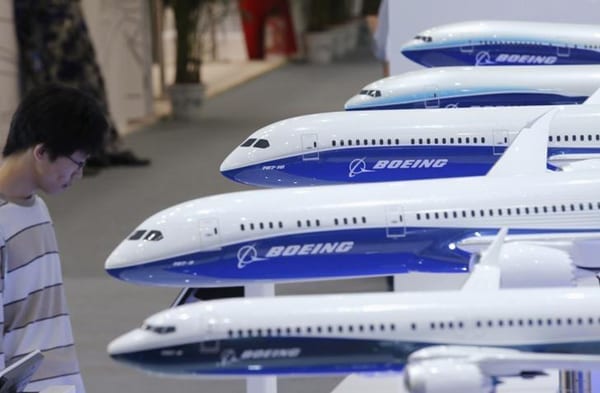
    One of the world’s leading aircraft manufacturers, Boeing, says it wants to develop its supply chain Vietnam by making more domestic businesses its suppliers.

    At the Boeing Aerospace Industry Forum held in Hanoi Thursday, Michael Nguyen, general director of Boeing Vietnam, said that in the next 30 years, experts believe Southeast Asia would need 4,000 planes. Vietnam is in a leading position to be part of satisfying such a demand, he said.

    Boeing would like to become a strategic supplier for Vietnam, he added.

    The aircraft maker currently has seven suppliers based in Vietnam, but there is only one Vietnamese company among them. In the long run, Boeing would like to directly work with Vietnamese suppliers as it is currently working with mainly South Korean or Japanese partners, Nguyen said.

    “We really want to directly work with Vietnamese companies, but domestic businesses need to learn to walk before they can run. We really want to help Vietnamese businesses to walk fast and run fast,” Nguyen said, adding that Boeing would like to cooperate with universities to train their personnel in the sciences.

    Craig Abler, Boeing director of supply chain Asia, said he had introduced to Vietnamese partners the Boeing’s criteria, including product quality and delivery time, to become a supplier for Boeing. The firm would also visit potential factories and have teams develop suppliers in Vietnam, he said.

    Nguyen said all Boeing planes have parts made in Vietnam, such as doors or door handlers. But the American giant believes Vietnamese workers and experts can grow even more and produce other components with the right guidance, so it would like to expand its operations in Vietnam.

    Do Nhat Hoang, head of the Foreign Investment Agency under the Ministry of Planning and Investment, requested Boeing and other U.S. companies to continue with cooperation initiatives, investments and technological transfer with Vietnam regarding fields like infrastructure and production, among other areas.

    He also wished that Boeing looks into developing a training center for pilots, experts and engineers in aerospace, not to mention aircraft production facilities in Vietnam.

    Boeing has been operating in Vietnam since 1995. Since then, the firm has made several contributions to Vietnamese aviation, including technical assistance in defense and commercial aviation.

  • Imported pork prices dip to record low over low demand

    Imported pork prices dip to record low over low demand

    Import pork prices have fallen to a record low at half their domestic equivalents due to modest demand at restaurants and hotels.

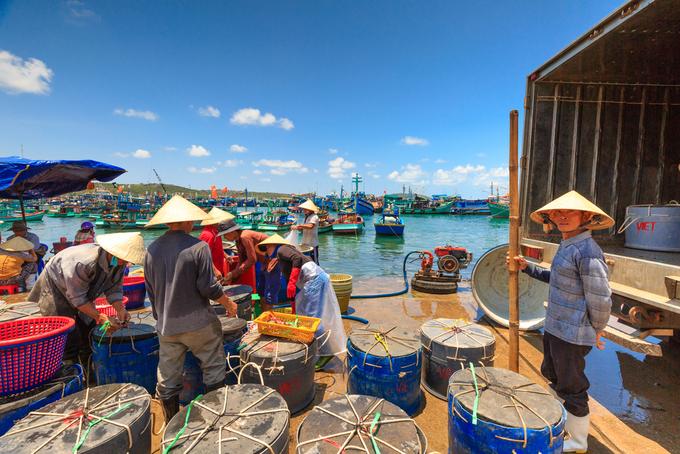
    Import pork prices have fallen by 36-40% year-on-year with ribs costing around VND88,000 ($3.76) per kilogram, half the domestic figure.

    Hanh, a pork seller in Ho Chi Minh City’s District 12, said that there has been weak demand for imported pork since the beginning of the year.

    “We sell imported pork mostly to restaurants, but consumption has been falling there, causing prices to drop.”

    Hanh has lowered her import by 30% year-on-year.

    Thanh, a seller in Go Vap District, stopped selling imported pork from Russia two weeks ago.

    “Only a few customers come by each day, and I was recording losses. I decided to stop selling it.”

    Tran Hoan, a media representative for a pork importer in HCMC, said that restaurants and hotels are the biggest buyers of this product, but they have not been buying because consumption is week.

    In the first six months, pork imports fell 48.7% in value to $96 million, according to Vietnam Customs.

    Brazil accounted for 35.1% of the value, followed by Russia, 25.7%, and Germany, 16.6%.

    An average kilogram of imported pork is priced at VND50,000-60,000, compared to domestic fresh pork prices of VND100,000-170,000.

  • Asia a Hotspot for US-China Cloud Giants

    Asia a Hotspot for US-China Cloud Giants

    Cloud computing momentum continues to build in Asia as cloud giants channel more attention toward the fast-growing region. Demonstrating this, Oracle Cloud, Google Cloud and Tencent Cloud successively announced – within a week’s time in August – expansion plans to capture cloud market opportunities in Asia.

    As one example, Oracle Cloud has just established a new Oracle Cloud Singapore Region to meet the rising demand for cloud services. According to Chin Ying Loong, regional managing director for ASEAN & South Asia Growing Economies (SAGE),

    Google Cloud, meanwhile, has its eye on Singapore’s neighboring country, Malaysia, where it announced the establishment of the first cloud region in the country, a move set to advance the next phase of the country’s economic growth. Google Cloud has said that this new region is its “most significant infrastructure investment in Malaysia to date to support its growing local customer base, including companies in regulated industries.”

    In addition, Google Cloud will also add a cloud region in Thailand. According to research by Google, with an economy expected to reach $57 billion by 2025, Thailand is a strategic cloud market that is predicted to churn out $79.5 billion in annual economic value in the country by 2030. This would put Google Cloud in direct competition with major industry players like AWS and Tencent. A new cloud region will also be added in New Zealand – totaling three new regions in the Asia Pacific.

    Karan Bajwa, vice president for Google Cloud, Asia Pacific, noted, “When they launch, these new regions will join our 34 cloud regions in operation around the world — 11 of which are located in Asia Pacific — delivering high-performance services running on the cleanest cloud in the industry.”

    Moreover, Google just opened its third data center in Singapore in August, in a move “to build the country into its regional hub for its network of data centers, cloud regions and subsea cables.”

    Also setting sights on different countries in the region, Tencent Cloud recently announced its partnership with CITIC Telecom’s subsidiary, Acclivis, to deliver private, public and hybrid cloud services, as well as ICT solutions to cater to the demands of enterprises in Southeast Asia, China and Hong Kong. Through this partnership, Tencent Cloud aims to expand its footprint beyond China to offer its services in Southeast Asian markets. According to IDC, Southeast Asia is the fastest-growing cloud computing market and is expected to be valued at $40.32 billion by 2025, attributed in large part to India.

    This wave of interest is spurred by increased cloud reliance as more organizations recognize the long-term benefits of embracing the cloud. Across Asia, governments are investing in cloud computing to fuel digital transformation, which in turn drives greater innovation in the private sector.

    In Asia Pacific, China is the largest cloud market, followed by Japan, India, South Korea and Australia. The clear cloud leaders in this region are AWS and Alibaba. According to Synergy Research Group, Asia Pacific now accounts for one-third of the global cloud market and is growing more rapidly than North America or EMEA regional markets.

    AWS, the global leader in the cloud computing market, posted a strong 33% revenue growth from its cloud business in the second quarter of 2021, signaling strong growth, albeit slower than the growth of rivals Google Cloud and Microsoft.

    Alibaba Cloud – the largest cloud provider in the Asia Pacific and the third largest globally, behind AWS, Microsoft and Google Cloud – posted a 60% hike in revenue in Southeast Asia alone last year, with plans to continue to leverage further overseas market opportunities outside of China.

    While China is dominated by local cloud companies like Alibaba Cloud and Tencent, the rest of the region is a playing field between Chinese and US cloud giants. The succession of cloud expansion announcements in the region is a clear indication that Asia is the coveted region for unprecedented cloud growth.

  • HKT Posts First-Half Results

    HKT Posts First-Half Results

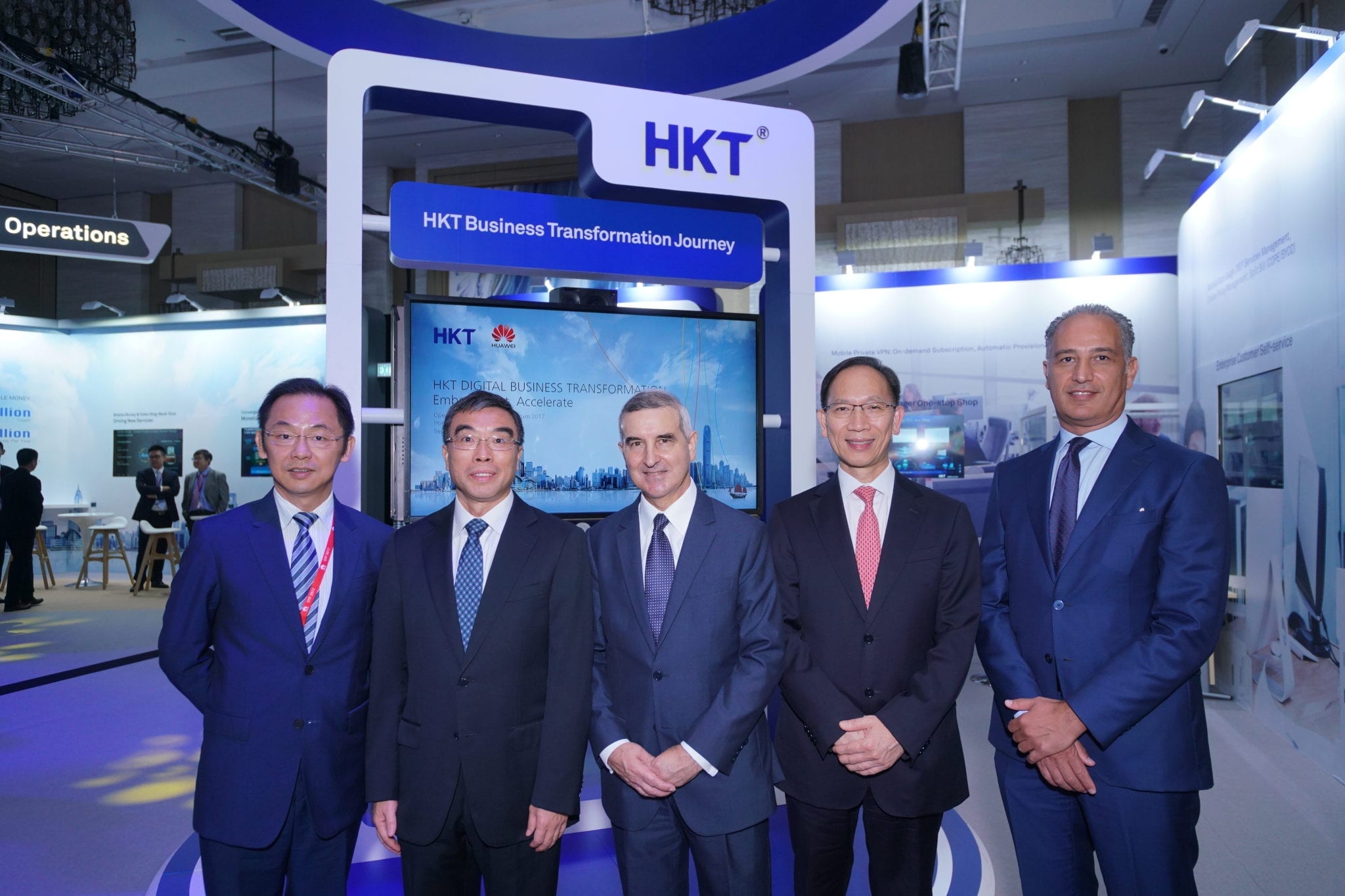
    HKT announced a 3% increase in its total revenue for the first half of the year, amounting to HK$16,157 million, while total revenue excluding mobile product sales grew by 5% to HK$14,868 million.

    The company cites continued strong demand for high-speed broadband services alongside the growing adoption of its 5G services by both consumer and enterprise customers as the reason for their revenue growth.

    According to HKT’s press release, total EBITDA increased by 2% to HK$5,834 million, while adjusted funds flow increased by 2% to HK$2,377 million, and profit attributable to holders of Share Stapled Units increased by 1% to HK$1,910 million.

    Despite the pandemic’s negative impact on the Hong Kong economy, HKT said it remained focused on its strategic priorities in serving both the consumer and business segments and thus managed to achieve steady growth during the period.

    With the subdued consumer sentiment in the first half, its mobile business recorded a 2% growth in services revenue to HK$3,647 million for the six months ended 30 June. Local core revenue grew by 2%, benefiting from continued 5G adoption, growth in the company’s post-paid customer base, as well as higher revenue contribution from mobile enterprise solutions.

    Comparatively lower mobile product sales were recorded by HKT during the period as a result of elevated sales in the first half of 2021 following the delayed launch of popular handset models and the adverse impact of supply chain disruptions.

    EBITDA from the mobile segment increased by 2% to HK$2,122 million during the period, in line with growth in mobile services revenue.

    As individuals, households and enterprises returned to hybrid arrangements during the onset of the fifth wave, the Telecommunications Services (TSS) business continued to benefit on the back of its reliable and extensive fixed network, with revenue growing by 5% to HK$11,596 million.

    The consumer broadband business, meanwhile, witnessed further uptake of its high-speed fiber-to-the-home (FTTH) services and home Wi-Fi solutions, helping to lift average revenue per user (ARPU). The enterprise segment continued to demonstrate robust growth as both private enterprises and the public sector accelerated their digital transformation and smart city initiatives. As a result, the local data services business registered a solid revenue growth of 6% during the period.

    The International Telecommunications Services business achieved 9% growth in revenue, driven by increased global voice revenue, resilient data revenue supported by recent cable projects and      the growing adoption of our Console Connect platform. Total TSS EBITDA increased by 2% to HK$4,104 million, reflecting further operating efficiencies.

    HKT’s group managing director, Susanna Hui, said, “This May, together with PCCW Limited and in partnership with The Sandbox, HKT became the first Hong Kong-based integrated communications, media and technology organisation to join the metaverse. We aim to leverage our digital ecosystem to explore opportunities presented by Web3 by connecting the physical world with the virtual.”

    Hui added, “As we capitalise on our resources for the good of the public and our business, we shall continue to closely observe the macroeconomic environment for effective contribution and efficient business judgement, to ensure our capabilities and resilience yield sustained returns for unitholders.”

  • Pinduoduo Trains Farmers in Online Commerce to Boost Agricultural Incomes

    Pinduoduo Trains Farmers in Online Commerce to Boost Agricultural Incomes

    Agricultural e-commerce platform Pinduoduo has helped to raise incomes for rural farming communities by widening market access for producers, who can now bypass intermediaries to sell directly to consumers.

    But while many farmers are aware of the benefits of selling online, they may still find it daunting to set up and run their own e-commerce business without help and training. This is especially so for those with less education and are less tech-savvy.

    Pinduoduo, which operates a digital platform connecting millions of farmers and consumers, identified the lack of digital skills as a potential sticking point toward wider adoption of agricultural e-commerce. Founded in 2015, Pinduoduo started as an online fresh produce retailer and has made it a core priority to use technology to improve agriculture.

    The company’s “Tech for Agri” approach is centered on increasing market accessibility, improving digital inclusion and literacy, and fostering innovation as key enablers for agricultural modernization.

    Recognizing that the lack of internet-savvy talent may prevent farming communities from participating fully in e-commerce and the digital economy, Pinduoduo set about creating a comprehensive learning platform to deliver courses for aspiring farmers to become agricultural entrepreneurs.

    In 2019, Pinduoduo partnered with China Agricultural University to train farmers on how to run their own online businesses. The inaugural class in Yunnan province was attended by dozens of local farmers. That year, Pinduoduo held more than 1,000 hours of instructor-led training sessions and trained hundreds of farmers. Together with its online courses, the company helped train 490,000 agricultural merchants.

    Since then, Pinduoduo has developed an extensive suite of online courses covering topics in business, finance and marketing. Delivered in the form of articles, videos and livestreaming sessions, the on-demand online courses leverage on the widespread availability of the mobile internet and provide a valuable resource for farmers and merchants to learn at their own pace.

    Pinduoduo has also focused on training the younger generation of farmers to take up e-commerce and help their communities. Many of these youths left their rural hometowns to work in big cities but have the desire to return to start their own businesses and to be closer to their families.

    As of the end of October 2021, more than 126,000 “New Farmers” born after 1995 have set up online stores on Pinduoduo. Many of these younger “New Farmers” have tertiary education.

    As digital natives, these “New Farmers” are more open to new technology and innovations. They are also more mindful of the need for more sustainable development in agriculture.

    Each young “New Farmer” is estimated to inspire another five to 10 youths to go into e-commerce. On average, each young “New Farmer” creates 50 local jobs directly and indirectly by boosting demand for ancillary services from logistics to packaging. This helps to grow agriculture-related industries and bolsters the agricultural ecosystem.

    To date, Pinduoduo has connected an estimated 16 million farmers to the digital economy through its platform. With its more than 800 million active consumers, Pinduoduo is helping to aggregate and channel consumer demand to benefit rural communities.


  • Uniqlo to expand physical presence into Poland

    Uniqlo to expand physical presence into Poland

    Japan’s leading fast-fashion brand Uniqlo is opening a pop-up in Domy Towarowe Wars Sawa Junior in Warsaw, the capital city of Poland, this fall.

    The opening of the two-floor, 8,600-square-foot pop-up store will mark the first time the Fast Retailing-owned brand will extend its physical presence to Poland, a market served by the retailer’s Europe online store for the past six years.

    The brand operates offline stores in the U.K., France, Belgium, Germany, Spain, Denmark, Sweden, Netherlands and Italy.

    Located a stone’s throw from the landmark building Palace of Culture and Science in Warsaw, the store will stock items from the brand’s women’s, men’s and babies collections.

    Taku Morikawa, chief executive officer of Uniqlo Europe, said the decision to establish a physical presence in this new market “builds on our experience of offering customers the latest products via the Uniqlo Europe online store.”

    “Through our pop-up store, we hope to gain a deeper understanding of the Polish market and use learnings to make long-term plans for the future,” he added.

    In a previous interview, Morikawa said that Uniqlo’s European expansion plans are not to increase sales, at least not for now.

    “The priority now is to show our company and to be respected by the consumers with flagship stores showing everything and offering a good shopping experience,” he said.

    Scott Dwyer, group managing director of retail at Atrium European Real Estate, the owner of Wars Sawa Junior, believes Uniqlo will “feel right at home” as “Wars Sawa Junior is the perfect place to start a presence in the Polish market for the most popular international brands.”

    “The location is right in the bustling city center, close to the city’s busiest commuting hubs, business districts and most popular tourist attractions. By working with brands such as Uniqlo, we wish to attract a new generation of customers that values a genuine relationship with brands and the ability to directly experience the products they offer.”

  • Domino’s Pizza buys businesses in three SEA markets

    Domino’s Pizza buys businesses in three SEA markets

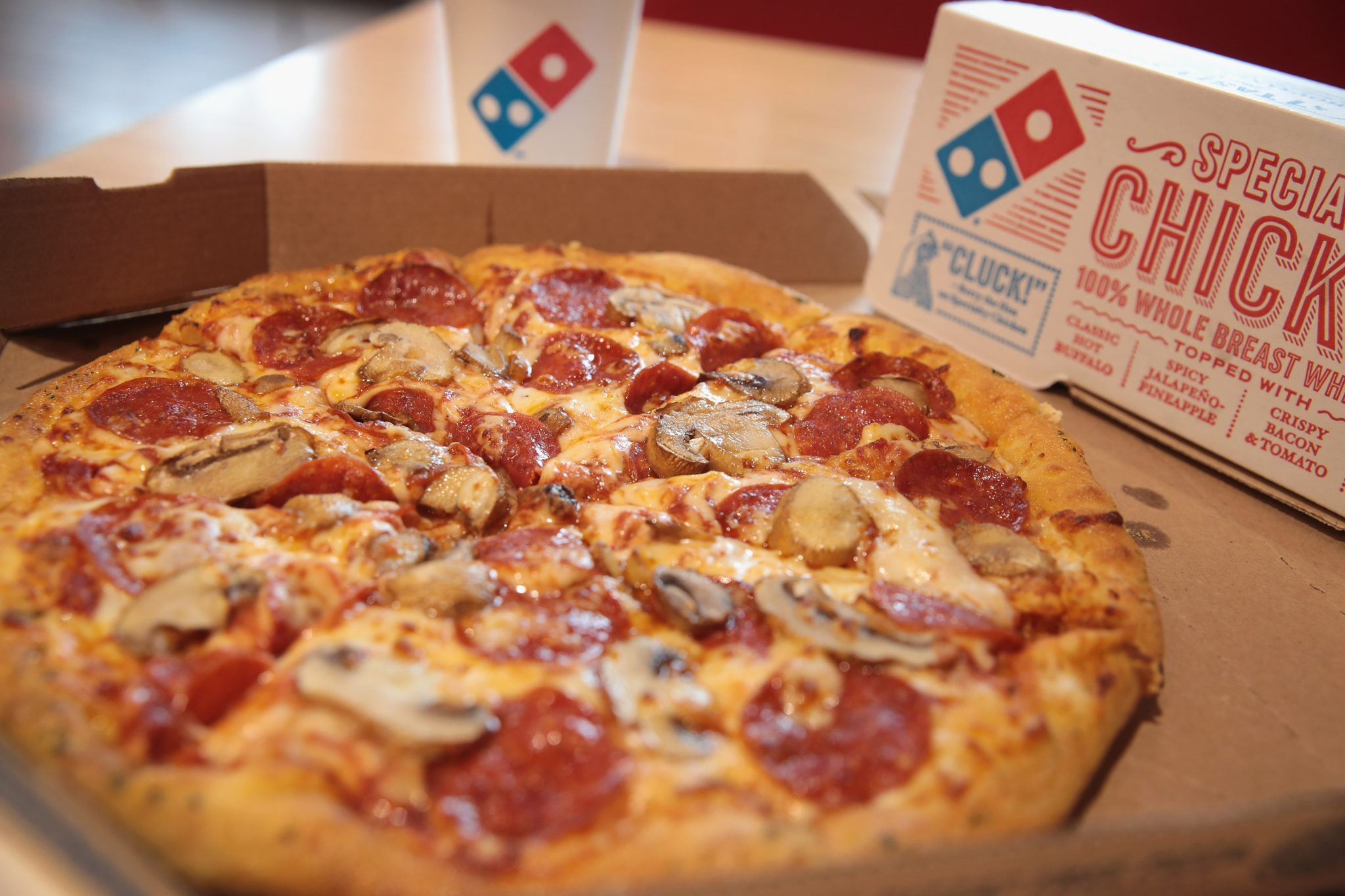
    Domino’s Pizza Malaysia is set to become part of the largest Domino’s network outside of the United States (US) via a proposed acquisition by Domino’s Pizza Enterprises Ltd (DPE).

    DPE is an Australian-based group that operates more than 3,400 Domino’s stores in ten markets around the world.

    DPE has entered into a binding agreement with Mikenwill (M) Sdn Bhd, which owns 100 per cent of

    Dommal Food Services Sdn Bhd, the master franchise holder in Malaysia; and Impress Foods Pte Ltd, which owns 100 per cent of Domino’s Pizza Singapore and 65 per cent of Domino’s Pizza Cambodia; as well as minority shareholders in Cambodia for the remaining 35 per cent stake.

    “This will see DPE acquiring 100 per cent of the Domino’s Pizza businesses in Malaysia, Singapore, and Cambodia, comprising 287 corporate stores across these markets.

    “The binding agreement entails the acquisition of the corporate stores and franchise rights held by Mikenwill (M) Sdn Bhd and Impress Foods Pte Ltd. The acquisition is expected to be completed by the end of 2022,” the pizza maker said in a statement today.

    Domino’s Pizza Malaysia, Singapore, and Cambodia group chief executive officer Ba U Shan-Ting said in tandem with the acquisition, the company aims to expand the number of stores to more than 600 over the long term, setting it on the path to becoming the largest pizza chain in the three countries.

    Domino’s Pizza Malaysia is the largest Domino’s market in Southeast Asia, managed by Dommal Food Services Sdn Bhd with 240 stores in the country while Impress Foods Pte Ltd manages the Singapore and Cambodia markets with 38 and nine stores respectively.

    “DPE’s latest strategic acquisition of Malaysia, Singapore, and Cambodia is in line with its ongoing expansion plans, particularly in Asia.

    “DPE’s impressive track record is reflected in its extensive international footprint which began in the Australian market, with Taiwan being the most recent addition to its portfolio, bringing its total presence to 13 countries around the world.

    “DPE aims to achieve a store count of 3,000 stores in Asia by 2033,” the company said.


  • Canada Goose China appoints Larry Li as new president

    Canada Goose China appoints Larry Li as new president

    Canada Goose has appointed Larry Li as president, China, effective immediately. In this role, Li will oversee all business activities in the Mainland China market, including commercial, marketing and finance. He will be based out of the company’s regional headquarters in Shanghai and report to Paul Cadman, president of Asia Pacific, Canada Goose.

    Li joins Canada Goose with nearly 20 years of experience in the luxury sector, having held regional senior leadership positions across retail, operations, and finance. Most recently, he was managing director, China at Dunhill, part of the Richemont group, and was instrumental in the brand’s repositioning and new product direction. Prior to that, he was with LVMH group and worked at brands including Louis Vuitton, Givenchy and Kenzo in Shanghai and Tokyo, holding various senior management roles, the company said in a press release.

    This announcement comes as Canada Goose continues its expansion in the China market, which the company entered in 2018. Mainland China is home to Canada Goose’s largest retail network, with 16 stores. In addition to the store that opened in Xi’an in May 2022, Canada Goose plans to open another three this fall in Tianjin, Qingdao and Chengdu. The brand will continue its category expansion, having launched its inaugural footwear collection last fall, and deepen its ties with local design talent, exemplified by its upcoming collaboration with Feng Chen Wang and Xu Zhen for Fall/Winter 2022.

    “Li is a proven strategic leader with an entrepreneurial mindset and exceptional business development skills. Running China from China has been pivotal to our success in the market. Li’s luxury expertise in China makes him uniquely suited to lead the local team, drive our business forward and seize the strategic opportunities that we see ahead,” Dani Reiss, chairman and CEO, Canada Goose, said.

    “I am honoured to join Canada Goose, as the business enters an exciting new phase of expansion in China. Canada Goose’s functionality, purpose and design in performance luxury have deeply resonated in China. I look forward to building on this great foundation and bringing the company vision to life,” Li said.

  • Heineken drops new sneakers

    Heineken drops new sneakers

    Are you ready to ‘walk on beer’? Because Heineken’s here to ensure that you do just that! The infamous Dutch brewing company recently unveiled Heineken Silver – a new smooth, easy-to-drink beer brewed for a new generation of drinkers. And they decided to kickstart its launch, with a pair of kicks! Heineken collaborated with celebrity sneaker designer Dominic Cambrione, more popularly known as The Shoe Surgeon, to create – the ‘Heinekicks’.

    What are the Heinekicks? Quite simply put, they’re limited edition sneakers FILLED with beer. There are only 32 pairs available in the world, and yes, you heard it right, they actually contain soles filled with the new Heineken Silver. Heineken promises these liquid-filled kicks “will have you Walking on Beer”.

    The Shoe Surgeon maintained the brand’s iconic red, green, and silver colors in the shoes as well. The acclaimed designer has created kicks worn by the likes of LeBron James, DJ Khaled, and Drake.“Partnering with Heineken for their new beer was a fun challenge. We both share a passion for innovation and pushing boundaries and created a design to reflect that,” said The Shoe Surgeon. “The shoe not only embodies the energy of Heineken Silver but literally carries it. I can’t say I’ve ever designed a sneaker that contains actual beer before.’’

    He power-packed the sneakers with a sleek green lenticular upper with silver and red accents. A removable metal bottle opener has been integrated into the tongue of the shoes. This could come pretty handy when it’s time to pop open a cold one!

    Of course, the most fascinating element of the shoes is the transparent soles filled with the golden liquid, which is Heineken Silver. The beer was inserted into the soles using a specialized surgical injection method!

    The one-of-a-kind soles provide the wearer with an extremely smooth walking experience, drawing a smart parallel to the smooth taste of Heineken Silver. These are the first pair of sneakers that allow you to walk on beer and a super genius marketing hack! We can’t wait to see how avid beer lovers react toward Heineken Silver!

  • Instagram is working on a feature similar to BeReal

    Instagram is working on a feature similar to BeReal

    It appears that Instagram is working on another new feature. A popular tipster and reverse engineer, Alessandro Paluzzi, has recently tweeted that the social media is developing a feature called Candid Challenges.

    With Candid Challenges enabled, you will receive a notification every day, at a different time, reminding you to take a photo using both the front and rear-facing cameras of your phone and share it within two minutes. But wait, doesn’t this sound familiar? Isn’t this like the main feature of the BeReal app? Well, yeah, it appears so.

    As we know, tech companies constantly copy each other, which isn’t a bad thing at all. This way, we, as users, get to experience nice features on more apps and devices. The goal of the BeReal app is for people to show their true selves without any filters or preparations. Furthermore, the BeReal app is currently a complete hit among younger people. By implementing such a feature, Meta may increase the time young people spend on Instagram.

    After Alessandro Paluzzi’s tweet, an Instagram spokesperson confirmed that the social media is really working on Candid Challenges, but it’s just an “internal prototype” at the moment. In addition, the spokesperson stated that the new feature hadn’t even been tested externally. However, they didn’t say when Instagram would make Candid Challenges available to everyone. Also, as with all features still in development, Instagram might decide to scrap the project and not release it at all. At the moment, it doesn’t seem likely — given the popularity of BeReal — but it’s still a possibility nevertheless.

  • Leading seafood firm to issue 1:1 bonus

    Leading seafood firm to issue 1:1 bonus

    Major listed seafood exporter Minh Phu Seafood JSC is set to issue bonus shares at a ratio of 1:1.

    It is expected to be done this year by capitalizing reserves, and will double the company’s charter capital to VND4 trillion (US$170.9 million).

    Minh Phu also plans to pay a cash dividend of VND2,300 per share.

    Its revenues in the first six months rose 43% to VND8.7 trillion, but profits fell 15% to VND236 billion due to bad debt provisioning and rising financial costs.

    It eyes revenues of VND18.96 trillion and profits of VND1.27 trillion for the full year.

  • Lotte to focus on Vietnam expansion

    Lotte to focus on Vietnam expansion

    South Korea’s fifth largest conglomerate Lotte Group is picking up the pace of expansion in Vietnam’s retail and F&B industries as it pulls out of China.

    Its chairman, Shin Dong-bin, recently released from jail, is set to visit Vietnam for his first overseas business trip after receiving a presidential pardon on Liberation Day on Aug. 15.

    The trip “shows how serious (South) Korea’s fifth-largest business group is about doing business” in its “third-most important market […] after S. Korea and Japan” as it is near completion of withdrawal from China, The Korea Times said.

    A number of Lotte CEOs, including Kim Sang-hyun of Lotte Shopping, Jung Jun-ho of Lotte Department Store and Kang Sung-hyun of Lotte Mart, have visited Vietnam this year to check on their businesses.

    The Korea Times quoted a Lotte Shopping official as saying: “We are actively operating in Vietnam and Indonesia currently. The Vietnamese market in particular shows steep growth in the retail business and there is still room to grow. Korea has a good reputation in Vietnam that helps with our business there and people’s income levels are rapidly growing too.”

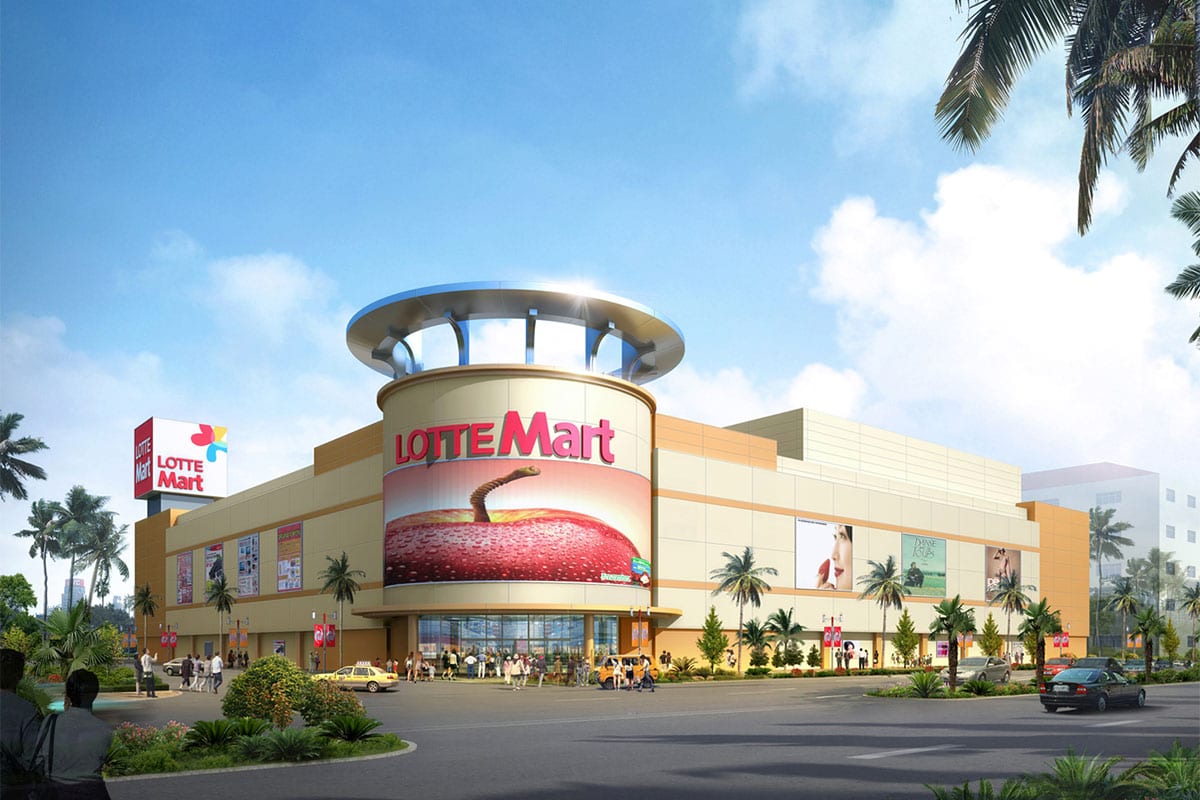
    Lotte has 270 Lotteria fast-food restaurants and 15 Lotte Mart hypermarkets in Vietnam. Its other subsidiaries are also building shopping complexes and residential apartments in Hanoi and HCMC.

    It established Lotte Ventures Vietnam last year, the first foreign venture capital firm to be approved in the country.

    Meanwhile, Lotte is planning to sell its last department store in China and pull completely out of the country after 14 years of doing business.

    China allegedly retaliated against South Korean firms there after the deployment of the U.S.’s THAAD anti-ballistic missile defense system in 2017.

    Shin was sentenced to 30 months in prison in a bribery case involving former president Park Geun-hye, and spent seven months in jail.

  • Google Opens Third Data Center in Singapore

    Google Opens Third Data Center in Singapore

    Google has opened its third data center in Singapore, marking 15 years since Google’s first office was established in Southeast Asia in the small city-state in 2007.

    Including this data center, Google has committed a total of $850 million in investment in Singapore to build the country into its regional hub for its network of data centers, cloud regions and subsea cables.

    The event was attended by Lawrence Wong, Singapore’s deputy prime minister and minister for finance, as well as other government and industry leaders, to celebrate Google Singapore’s 15th anniversary and Google’s Singapore cloud region’s fifth anniversary.

    The company noted that continued efforts will be reinforced to advance Singapore’s position as a leader in AI innovation. For instance, Google Cloud will partner with the Smart Nation and Digital Government Group to create novel AI solutions that will improve how Singaporeans work and live.

    As the Asia Pacific headquarters, Google Singapore has a team of 3,000 to support 2.5 billion people online across the region.