Tag: asia

  • Axiata Teams Up With Versa Networks To Deliver SASE Technology To Enterprises

    Axiata Teams Up With Versa Networks To Deliver SASE Technology To Enterprises

    Axiata Group Berhad announced it was teaming up with Versa Networks to provide Secure Access Service Edge (SASE) technology for rapidly digitalizing Asian enterprises.

    Under this agreement, Axiata Enterprise – the Group’s B2B unit – will collaborate with Axiata’s operating companies, Celcom in Malaysia and XL Axiata in Indonesia, to launch a wide variety of Versa SASE solutions covering Networking, Security and Cloud Access integration for enterprise customers in these markets.

    This latest partnership complements the expansion of Axiata’s existing enterprise offerings in areas of Managed Connectivity, Smart Services, Cloud and Cyber Security.

    In a statement, Axiata Enterprise’s CEO, Gopi Kurup, said, “Enterprises embarking on their digital transformation want to become more flexible, efficient and location-independent, as they embrace to new ways of working. With increasing connectivity, integration and security are critical to ensure uninterrupted business access. The Versa SASE innovation integrates security, networking, SD-WAN      and analytics to deliver scalable, secure and reliable enterprise-wide networking and security. This is done via adoption of a cloud-type gateway which can efficiently distribute and seamlessly offload between the private office network and the Internet to access other cloud services.”

    Versa SASE delivers tightly integrated services via the cloud, on-premises or a blended combination of both. This solution will be complementary to Managed Connectivity solutions offered by Celcom in Malaysia and XL Axiata in Indonesia.

    “This partnership with Versa Networks further cements Axiata Enterprise’s proposition to empower organisations across the region seeking to raise their digitalisation game. Our combined strengths in technology, capabilities and reach across emerging Asia markets positions us as the right transformation partner to Enterprises that are looking to adopt cloud-based applications and data to accelerate in the post-pandemic recovery phase,” Gopi said.

    Versa Networks’ vice president meanwhile also lauds this partnership.

    “Axiata, one of the leading telecommunications groups in Asia, continuously provides world-class communication services based on the most advanced technology available,” noted Tony Fallows, vice president, Versa Networks. “Versa is excited to be working with Axiata to expand Versa SASE further into the ASEAN and South Asia markets. Axiata, Celcom and XL Axiata will soon be able to deliver Versa’s industry-leading fully integrated and feature-complete SASE to support digitalisation in the regional markets.”

  • L’Oreal Korea names Samuel de Retail as its new CEO

    L’Oreal Korea names Samuel de Retail as its new CEO

    L’Oreal Korea announced Monday that it appointed Samuel du Retail as the new chief of its Korea operation.

    The new CEO has worked at the France-headquartered global cosmetics company since 1996. Over the past 26 years at the firm, du Retail has assumed various key roles, including finance, management and e-commerce.

    He served as CFO at L’Oreal China from 2006 to late 2011, which was followed by another CFO position representing the Western Europe operation of the company from 2012 to 2013. He went on to serve as global CFO of the consumer products division in France from 2013 to 2016, continuing working as general manager for the consumer products division in China from 2017 to 2020.

    Before his latest promotion, his previous role at the firm had been as a group e-commerce general manager in France from October 2020 to earlier this year. He’s been attributed with the successful growth of L’Oreal and Maybelline in the Chinese market. He also led significant growth in the profitability of the company’s e-commerce efforts.

    “I am very pleased to work as the chief of L’Oreal Korea, as Korea is leading the global beauty market with its K-beauty trends,” du Retail said, adding that he will focus on cooperative leadership to continue the innovative path of L’Oreal in the country.

  • 7-Eleven doubles coffee prices as it caves in to inflation

    7-Eleven doubles coffee prices as it caves in to inflation

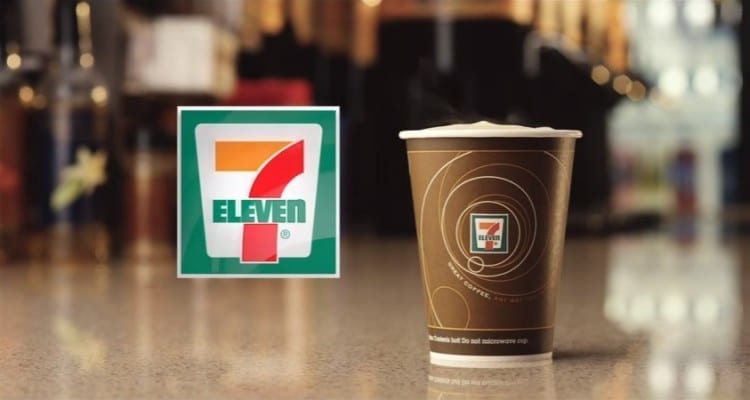
    7-Eleven’s $1 coffees and Slurpees are set to become the latest victims of Australia’s cost of living crisis, as the service station chain buckles under the pressure of inflation.

    In another blow for Aussies, coffee prices will be bumped up at 7-Eleven stores across the country to address the retail company’s rising operational costs.

    A regular cup of coffee at the service station will double in price as of Tuesday, October 4, becoming $2, while large coffees increase to $3 and super cups to $3.50.

    Those wanting to save some extra coin, however, can bring their own reusable cup in-store to save 50c on their morning cuppa.

    The service station’s $1 coffee isn’t the only caffeine hit you’ll be forking out more for, with the price of iced coffees and ice cream coffee melts set to rise to $3 along with the store’s hot chocolates.

    The price hike is the first in over a decade, with the retail store’s regular-sized coffee remaining at $1 since 2009.

    As for Slurpees, a small will become $1.00, a large will move to $1.50, a super to $2.50 and a mega will become $4.50.

    7-Eleven CEO and managing director, Angus McKay, said it was no longer possible for the retail company to absorb costs.

    “Although this is the first price change in more than a decade, a single $2 gold coin for a regular coffee remains among the best value offers in the industry,” Mr McKay told NCA NewsWire on Monday.

    “We will continue to provide our customers with great value and great quality, while ensuring our prices are sustainable for our store owners, our suppliers and our communities,” he said.

    Along with encouraging customers to use a reusable cups, Mr McKay said people could expect further announcements in the next few weeks which will target the company’s sustainability goals.

    “Our new offer is fair value for our community, store owners and suppliers, and we’ll keep working to make it better,” he said.

    Victoria, NSW, ACT, QLD and Western Australia are home to 720 7-Elevens, with more than 450 small family-owned businesses in the service station franchise network.

    The popular drinks add to a growing list of items becoming increasingly unaffordable, with petrol, energy and food costs putting thousands of Aussies under pressure.

    The annual inflation rate jumped to 6.1 per cent in the year to June, the highest level in more than two decades.

    Treasurer Jim Chalmers has warned Australians that the “confronting” figure will get worse before it gets better.

    “It’s going to be a difficult time ahead; we expect it to get higher,” he said in July.

    “It will get tougher before it starts to ease.”

  • China’s JD beats quarterly revenue estimates

    China’s JD beats quarterly revenue estimates

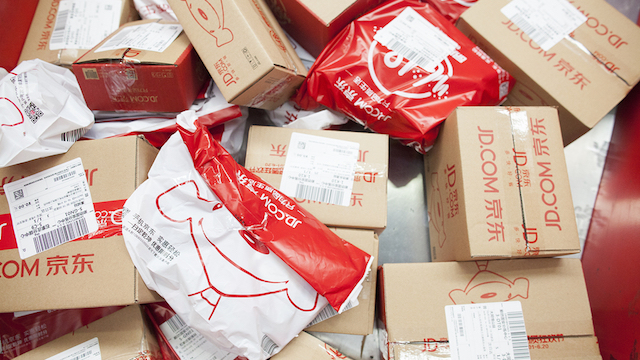
    JD.com, beat Wall Street estimates for quarterly revenue on Tuesday (Aug 23) as lockdowns in China to control the spread of the coronavirus boosted online shopping and the company’s “618” shopping event.

    US-listed shares of the Beijing-based company rose nearly 7 per cent in premarket trading.

    The company reported second-quarter revenue of 267.6 billion yuan (US$39.07 billion), topping analysts’ average estimate of 262.31 billion yuan, according to IBES data from Refinitiv.

    Sales in its product segment, which includes online retail sales, rose 2.9 per cent in the quarter, while those from services such as logistics and marketing jumped 21.9 per cent.

    JD.com said net income attributable to ordinary shareholders rose to 4.38 billion yuan, or 1.37 yuan per American Depository Share (ADS) for the three months ended June 30, from 794 million yuan, or 0.25 yuan per ADS, a year earlier.

    Peer Alibaba, beat expectations earlier this month even as it reported flat quarterly revenue growth for the first time in its history.

  • Steel prices 20% lower than in May after falling again

    Steel prices 20% lower than in May after falling again

    Steel prices have dropped for a 14th time in a row since mid-May with the total decline adding up to nearly 20%.

    Many producers like Hoa Phat Group, Viet Nhat, Viet Y, and Kyoei cut prices by VND300,000-500,000 ($12.81-21.36) a ton this week.

    Prices have fallen by around VND3.5 million a ton in the last three months to VND14.4-15.7 million though they remain higher than last year’s VND12.5 million.

    The relentless fall comes amid weaker demand and falling production costs.

    Steel output last month was 2.25 million tons while demand was for 1.99 million tons, both down 13% year-on-year.

    Demand had fallen by 7.3% in the first six months of the year as the property market slowed on credit tightening by banks and falling demand in China.

    Demand is unlikely to return in Q3 since it is the construction low season, and with inventories being high as well, prices would not go back up, BIDV Securities (BSC) said.

    Mirae Asset Securities made a similar forecast citing high inflation. Steel output this year would fall by 10% to around 27 million tons, it added.

    But BSC said steelmakers’ profit margins would increase thanks to falling input prices.

    Data from the Vietnam Steel Association showed prices of iron ore 62% FE, a key raw material for making steel, have fallen by almost half since early May.

    Coking coal, steel scrap and hot-rolled coil have become 35-60% cheaper.

  • Vinacafe sales up 19% in H1

    Vinacafe sales up 19% in H1

    Leading instant coffee producer Vinacafe Bien Hoa reported a 19% jump in sales year-on-year in the first half ending June to VND950 billion (US$40.6 million).

    Its post-tax profits were VND190 billion, up 21%.

    Vinacafe instant coffee and Wake-up 247 coffee-flavored energy drinks remained its top products with combined sales of VND800 billion. The rest came from instant cereal.

    For the full year, it targets revenues of VND2.5-2.9 trillion and profits of VND500-600 billion.

    The management said the company would promote coffee-based beverages and roll out new products to meet “the unmet needs of Vietnamese customers.”

    Last year, sales and profits were VND2.2 trillion and VND430 billion.

    Masan Beverage, a subsidiary of conglomerate Masan Group, owns 98.79 percent of Vinacafe.

  • Airtel Pays 5G Spectrum Dues Upfront to Prep for 5G Roll Out

    Airtel Pays 5G Spectrum Dues Upfront to Prep for 5G Roll Out

    Airtel has paid Rs 8,312.4 crores to the Department of Telecom (Government of India) toward dues for spectrum acquired in the recently concluded 5G auctions.

    Airtel has paid four years of 2022 spectrum dues upfront. Airtel believes that this upfront payment, coupled with the moratorium on spectrum dues and AGR-related payments for four years, will free up future cash flows and allow Airtel to dedicate resources to concentrate on the 5G rollout single-mindedly.

    Over the last year, Airtel has also cleared Rs 24,333.7 crores of its deferred spectrum liabilities much ahead of scheduled maturities.

    Speaking about the pre-payment of dues Gopal Vittal, managing director and CEO of Bharti Airtel, said, “This upfront payment of 4 years allows us to drive 5G rollout in a concerted manner given our operating free cash flow. Airtel also has access to Rs 15,740.5 Cr in capital from the rights issue which is yet to be called. With the ideal spectrum bank, best technology and adequate free cash flow, we are excited to bring to the country a world-class 5G experience.”

    This month, Airtel announced that it has signed 5G network agreements with Ericsson, Nokia and Samsung to commence 5G deployment. The choice of multiple partners was said to enable Airtel to roll out 5G services spanning ultra-high-speeds, low latency and large data handling capabilities, which will enable a superior user experience and allow the pursuit of new, innovative use cases with enterprise and industry customers.

  • Stop Making “Personalized” Content that Still Feels Generic

    Stop Making “Personalized” Content that Still Feels Generic

    Personalization – you’re doing it wrong.

    There are only a handful of trends or innovations in the world of loyalty marketing that can cause as much global stir as personalization does. And even though most companies have a pretty common understanding of what it is – an act of tailoring an experience or communication to your clients’ needs and preferences, that is – many of them still have troubles with implementing it correctly. The big question is: why?

    Presumably, the biggest reason for that is – personalization is hard; especially, when you have thousands of clients in your database. For real, how are you supposed to address each and every one of them while also paying attention to what they buy, watch, read (or whom they follow on Instagram)? Exactly.

    And so, hundreds of companies decide to lower the bar and opt for sending their clients “personalized” messages, which usually include a Hi-[name]-type greeting, and some bits of information regarding their activity (“Is it summer already? You’ve bought 10 bottles of anti-sweat lotion this month!”) – the rest remains the same for all.

    But is that personalization, really? To say it’s selective would be an overstatement. Anyone can notice that those are but cosmetics changes made to help create an impression that a given message is personalized. Some people fall for that, sure, but most clients – the ones that have seen hundreds of newsletters and special-offer signs in their lives – can tell it’s not real personalization (and so would you if you were in their shoes). That’s because the e-mails and notifications they receive don’t correspond with their needs and personal interests.

    Does that mean that personalization, as it is discussed and promoted by today’s marketers, is impossible to pull off? Nothing could be further from the truth. Think about it – do you actually believe that, with all the technology available to us, we cannot provide each customer with content they can relate to?

    We can, but it requires the right IT tools and… data. This is where modern loyalty management platforms enter the conversation.

    How well do you know your customers?

    Let’s start with the obvious – if you have a loyalty program, you are sitting on a gold mine right now. Why? Because you’re literally drowning in data concerning your customers. Not only can it tell you what, when, and how they usually buy, but it can also reveal what their hobbies, passions, interests, needs, and preferences are; how they perceive the world around them.

    Of course, with the amount of data we’re dealing with here, it is impossible for a human mind to process all of that information and produce findings that could help you improve your communication with your customers. For that, you must use an artificial one.

    In other words, what you need in this scenario is a modern AI-powered loyalty management system that can analyze insane amounts of customer data, identifying trends, interests, needs, and dreams within your clients’ shopping and loyalty program behavior in the process. Not only will a loyalty marketing platform (like the one that Comarch provides, for example) allow you to learn what your customers’ preferences are, but it will also help you craft the right message and send it over the right communication channel at the right time and place.

    How? Well, have you heard about customer segmentation? If you have, then you must know that AI-driven loyalty marketing platforms are now being designed to help you divide clients from your database into groups based not only on demographics but also on their hobbies and preferences. What it means is that the system can suggest creating specific messages for dedicated groups of individuals who feel the same way about particular products and how they want to be approached by a given brand. Because of its power, the system can identify thousands of such customer groups (or clusters, as we tend to call them) and help you automate your communication processes to make sure no client is left unsatisfied. Now, that’s an innovation.

    The important thing is that with AI, you can stop trying to create meaningful content and actually start creating it. Establishing strong customer relationships no longer feels like a job based on a gut feeling. Instead, you know exactly what you’re supposed to do – be genuine.

  • South Korean grocery-delivery startup Kurly wins IPO nod

    South Korean grocery-delivery startup Kurly wins IPO nod

    Kurly Corp., the operator of South Korean e-grocery platform Market Kurly, received preliminary approval for its push for an initial public offering (IPO) Monday.

    The approval by the Korea Exchange (KRX) came about five months after Kurly filed for a preliminary review of its IPO plan in late March.

    Kurly earlier sought to complete its stock listing in the first half, but the review process has been delayed apparently due to worries over its “unstable” ownership structure in which its founder has a small stake, along with continuing losses from its business.

    Kurly reportedly included in its IPO plan with the KRX the promises from its financial investors to maintain their holdings in the company for a certain period.

    Launched in December 2014, Kurly has appealed to customers by providing early morning deliveries of fresh foods through its e-grocery platform, Market Kurly.

    Last year, Kurly posted sales of 1.56 trillion won (US$1.16 billion) and an operating loss of 213.9 billion won. But it reported a net loss of around 1.28 trillion won.

    Concerns are high over its IPO process, as the stock market conditions remain unfavorable. Some experts say Kurly could have trouble in the process of setting the IPO price it sees as satisfactory.

  • Esprit set to achieve five-year profit milestone

    Esprit set to achieve five-year profit milestone

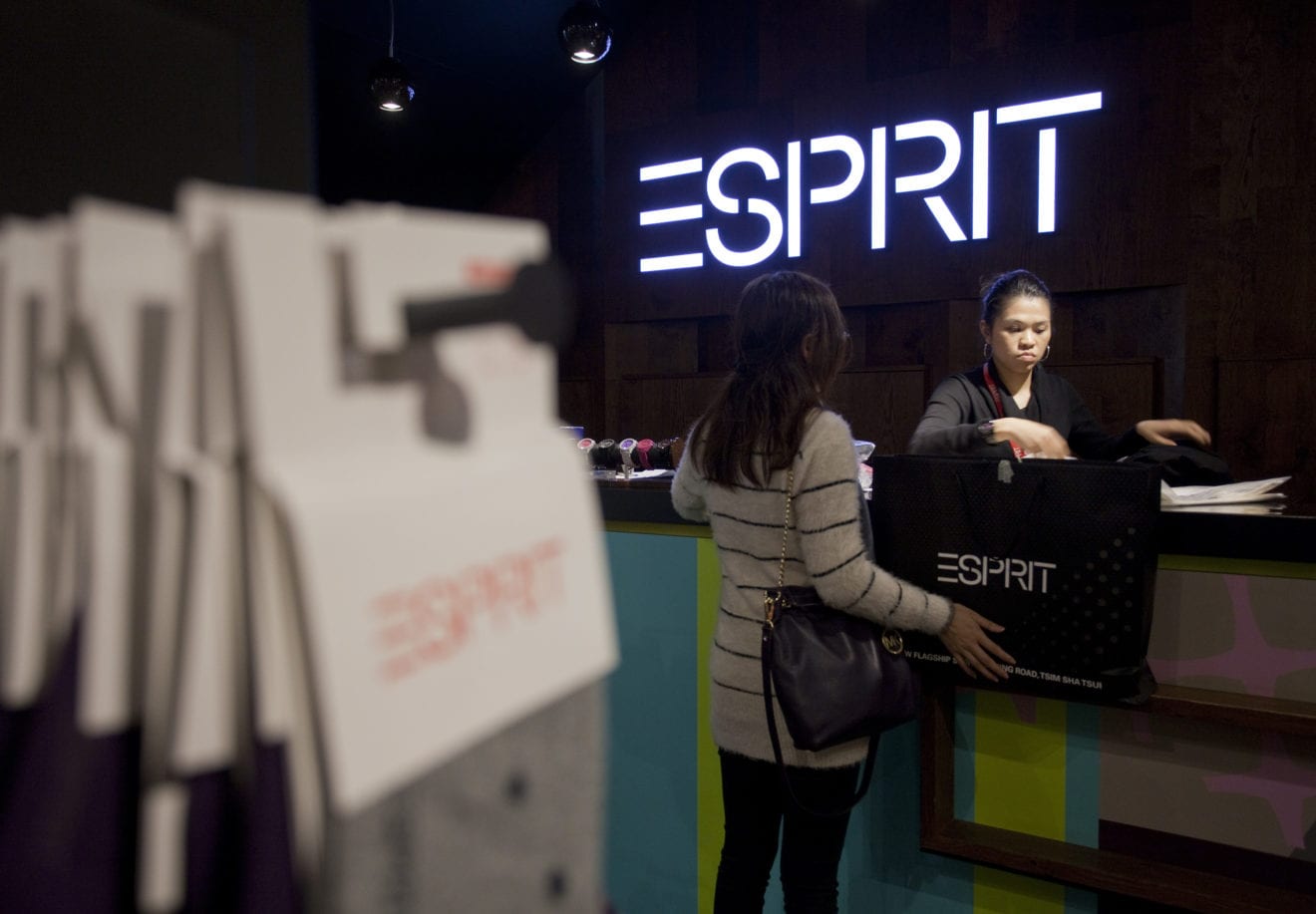
    The Hong Kong-listed fashion retailer says it estimates its profit attributable to shareholders for the year to Dec. 31 to reach approximately $47 million. This would mark the company’s first full-year net profit since 2017.

    Esprit has changed its financial year, so comparisons are not directly comparable. But for the six months to Dec. 31, 2020, the company posted a loss of $53 million, and for the 12 months to Jun. 30, 2020, it lost $503.2 million.

    In a stock-exchange filing, Chairman Christin Chiu attributed the profit turnaround to increased sales – especially online – together with a higher gross profit margin, and improved cost controls and inventory management.

  • Masan increases Phuc Long stake to 85%

    Masan increases Phuc Long stake to 85%

    Conglomerate Masan Group has bought another 34% in beverage chain Phuc Long Heritage to increase its ownership to 85%.

    It paid VND3.62 trillion ($154.60 million) for the deal on August 1, according to its half-year report.

    It has invested a total of VND6.45 trillion in Phuc Long.

    In the first half of this year Phuc Long reported revenues of VND820 billion, a 38.5% rise year-on-year.

    It has 98 flagship stores nationwide, according to its website.

  • UBS Faces Fine Over Messaging App Misuse

    UBS Faces Fine Over Messaging App Misuse

    A settlement is near in the US involving banks’ illegal use of personal messenger apps. Those banks involved, including UBS, are facing fines of up to $200 million each, according to media reports.

    Banks, which for months have been subject to investigations by the Securities and Exchange Commission (SEC) and the Commodity Futures Trading Commission (CFTC) into unauthorized communication via messaging apps, are close to reaching an agreement.

    The banks under investigation would concede in a settlement their employees violated regulatory requirements by using personal messaging apps such as WhatsApp or Signal. The fines are expected to be up to a total of $200 million per bank, according to the report, with the cumulative amount likely to exceed $1 billion. The settlement is expected to be announced by the end of September.

    The affected banks include UBS, Bank of America, Barclays, Citigroup, Deutsche Bank, Goldman Sachs, and Morgan Stanley, according to the statement. Jefferies and Nomura are also said to be close to reaching an agreement with regulators, but due to their smaller size, they would pay lower fines.

    The SEC and CFTC planned to announce the settlements by the end of the fiscal year on September 30, so that the results could be included in the government’s annual enforcement statistics. Neither the agencies nor the banks would comment to the newspaper.

    The expected settlements would be modeled on the agreement reached with the brokerage unit of JP Morgan Chase last December where JP Morgan Securities paid $200 million. That included a $125 million payment to the SEC and $75 million to the CFTC, and admission over a failure of due diligence over record keeping.

    Authorities have been investigating how traders and brokers used encrypted apps to discuss investment terms, client meetings, and other business. Brokerage firms are required to retain and monitor their employees’ written communications to provide evidence to regulators examining compliance with investor protection laws.

    With the onset of the pandemic and the introduction of the home office, the use of these non-compliant channels increased. In addition to compliance violations, authorities are also concerned about security vulnerabilities that can arise from mixing work and personal apps as well as devices, which could allow hackers to gain access to sensitive systems, according to the paper.

    Still, given the multiple points of vulnerability, it is likely to remain difficult for banks to completely police the use of such apps. Given that a messaging service goes through a user’s entire phonebook and uploads all contacts – potentially including client contact information – to a server located abroad, installing the chat app can represent a violation of the banking act and banking secrecy laws.

    The sheer act of installing Whatsapp for example on an unprotected phone can pose more than just a data breach, Urs Kuederli, PwC Switzerland’s cybersecurity and privacy lead.

  • Vodafone and Kacific Partner for Satellite Mobile Backhaul in Papua New Guinea

    Vodafone and Kacific Partner for Satellite Mobile Backhaul in Papua New Guinea

    Kacific Broadband Satellites Group (Kacific) has partnered with Vodafone PNG to deploy the satellite operator’s mobile backhaul services, helping to greatly expand Vodafone PNG’s voice and 3G/4G data network into rural areas of Papua New Guinea.

    Vodafone PNG, based in Papua New Guinea and part of the Amalgamated Telecom Holdings (ATH) Group of companies from Fiji, successfully launched in April 2022, disrupting the nation’s telecommunications market. It is now in the process of rapidly expanding its network and customer base.

    Vodafone PNG has committed to wholesale bandwidth delivered by Kacific’s high-speed Ka-band satellite, Kacific1. The cost-effective mobile backhaul bandwidth will primarily be used for voice and data and will serve both residential and enterprise end-users.

    “Kacific and Vodafone PNG see huge potential for growth in Papua New Guinea, as well as a genuine thirst from the country’s citizens for affordable and reliable mobile and data services. Together, we aim to disrupt the market in a way that brings more choice and better connectivity to everyday people,” says Brandon Seir, chief commercial officer, Kacific.

    “There is real potential for satellite-based communication services to help Papua New Guinea increase access to communications services from 10 percent (in 2009) to 100 percent of the population – a goal of the nation’s strategic development plan, Vision 2050,” he adds.

    “In every market, we aim to be the best. With Kacific, Vodafone can provide the best coverage and increase local people’s access to reliable, high-speed voice and data services,” says Nirmal Singh, managing director, Vodafone PNG. “Kacific satellite services vastly reduce the cost and complexity of remote terminal installation, allowing Vodafone to rapidly deploy our network across the nation, including to the underserved rural areas. Together we are providing greater access on a large scale, helping increase Papua New Guinea’s basic infrastructure in order to grow and prosper.”

    Papua New Guinea is a nation of 9 million inhabitants using over 3.3 million mobile connections, amounting to a mobile penetration of 36%2. 3G coverage currently reaches around 73% of the population.

    It is the world’s third largest island country by size, with an area of over 460,000 km, with the vast majority of its population residing in rural areas. It also has one of the lowest population densities in the world, with citizens scattered between islands, coastal areas and mountainous highland terrains. These characteristics add significant costs and impediments to deploying mobile and data services via terrestrial networks. However, satellite services are well-placed to meet the challenges of the varied geography and dispersed population.

    The Kacific1 satellite provides widespread coverage in Papua New Guinea, including the main islands of New Guinea, New Britain, New Ireland and Bougainville as well as the surrounding smaller islands and waters.

    Vodafone PNG is the latest customer in the wider Pacific to benefit from Kacific’s affordable, high-speed mobile backhaul services.

  • Grocery chain Bach Hoa Xanh to profit in Q4

    Grocery chain Bach Hoa Xanh to profit in Q4

    Bach Hoa Xanh is set to become profitable in the last quarter this year after closing 400 ineffective outlets in the first seven months, Mobile World Chairman Nguyen Duc Tai has said.

    The bulk closure is part of the company’s plan to renovate the grocery chain and remove seven low-performing product categories, he told shareholders at a recent meeting, adding that the plan is nearly complete.

    “It is true that we closed hundreds of outlets. But what happened? Total revenue continued to rise.”

    There were 1,735 Bach Hoa Xanh outlets by the end of last month, with a monthly average revenue of VND1.3 billion recorded by each.

    The chain’s revenue has been rising monthly since March and hit VND2.35 trillion in July, accounting for 18.6 percent of Mobile World’s total.

    In the 2017-2020 period, Bach Hoa Xanh pursued to offer customers a better shopping experience than traditional markets, and there were times when it opened a new outlet every day with hundreds of employees recruited each month.

    But now Mobile World wants to transform the chain’s model from “modern market” to “mini supermarkets” as it seeks to make customers feel like they are shopping at big stores.

  • SK Telecom to Help Upgrade Palau’s Communication Infrastructure

    SK Telecom to Help Upgrade Palau’s Communication Infrastructure

    SK Telecom (SKT) announced that its Vice Chairman Park Jung-ho and CEO Ryu Young-sang met with Surangel Whipps. Jr., the president of the Republic of Palau, to discuss cooperation to upgrade Palau’s communication infrastructure.

    SK Telecom also asked the Palauan government to support Busan’s bid to host the “World Expo 2030”.

    At the meeting, Vice Chairman Park Jung-ho said, “The World Expo 2030 Busan highlights the seriousness of the global climate change and the need for each country to take an active response. It will also serve as a great opportunity for Palau to experience Korea’s innovative technologies and methodologies to respond to climate change.”

    SKT CEO Ryu Young-sang also suggested cooperation with the Palauan government to upgrade Palau’s current 4G LTE infrastructure to 5G. “Based on SKT’s technologies and experience accumulated through the world’s first commercialization of 5G, we can work together to build 5G infrastructure in Palau,” said      Ryu Young-sang.

    According to SK’s press release, President Whipps showed great interest in SKT’s formidable 5G infrastructure built across Korea as well as other advanced technologies including AI, metaverse, IoT and cloud services. There was also discussion about renewable energy, another industry that SKT has much experience in.

    Meanwhile, in June this year, SKT has become the first Korean mobile operator to provide LTE roaming service to customers traveling to Palau, a popular tourist destination for Koreans.