Tag: asia

  • Choice Hotels Asia-Pac partners with Soap Aid for eco-friendly rollout

    Choice Hotels Asia-Pac partners with Soap Aid for eco-friendly rollout

    Choice Hotels Asia-Pac has partnered with Soap Aid to rollout large format bathroom amenities across its Australian and New Zealand hotels.

    The large format products will reduce singe use plastic use by as much as 83 percent per room, per year, or 7.8kg of plastic per room per year and reduce the cost of these amenities to hotels by almost 10%.

    Choice Hotels Asia-Pac Director of Performance and Revenue Management, Anthony Stanley, said there was great enthusiasm from hotels within the group and their guests to remove single use amenities from rooms and replace them with high-quality products with a lesser environmental impact.

    “We also see a growing demand for sustainable options among franchisees and their guests, who are eager to do their part in reducing plastic waste and choose more environmentally friendly accommodation options,” he said.

    “We are excited to partner with Soap Aid and contribute to the great work they do around the world, and here in Australia,” he added.

    Soap Aid is an Australian based charity committed to saving children’s lives through improved hygiene while positively impacting the environment. It collects and reprocesses soap bars from hotels, giving a reliable and safe source of critically needed soap to communities around the world.

    Hunter Amenities Managing Director APAC and Soap Aid Founder Michael Matulick said he was proud to be able to offer sustainable solutions for Choice Hotels franchisees that had a positive global impact.

    “Not only is this range reducing plastic waste in hotels, but it contributes to the work of Soap Aid to provide improved hygiene solutions around the world,” he said

    “Poor hygiene results in 1.4 million children under the age of five dying each year due to preventable childhood infectious diseases including diarrhea and pneumonia. We know that 40% of these deaths could be avoided by improved hygiene and particularly, hand washing with soap,” he added.

    The Soap Aid range for Choice Hotels includes bath and body collection are made with skin loving and vegan friendly formulations packaged in contemporary and on trend designs. The eye-catching bottles are made from 100% recycled plastic, and all bottles and caps are fully recyclable as well.

    Mr Stanley said many Choice Hotels properties were already recycling their soap bars through Soap Aid, contributing to 200+ tonnes of soap saved from landfill and recycled.

    The Choice Hotels product range will include 500ml bottles of Soap Aid Shampoo, Conditioner and Body Wash installed in shower stalls, with 16g paper box soap bar for vanity and an option small lotion at vanity.

  • Chinese retailer Miniso to ditch Japanese styling after backlash

    Chinese retailer Miniso to ditch Japanese styling after backlash

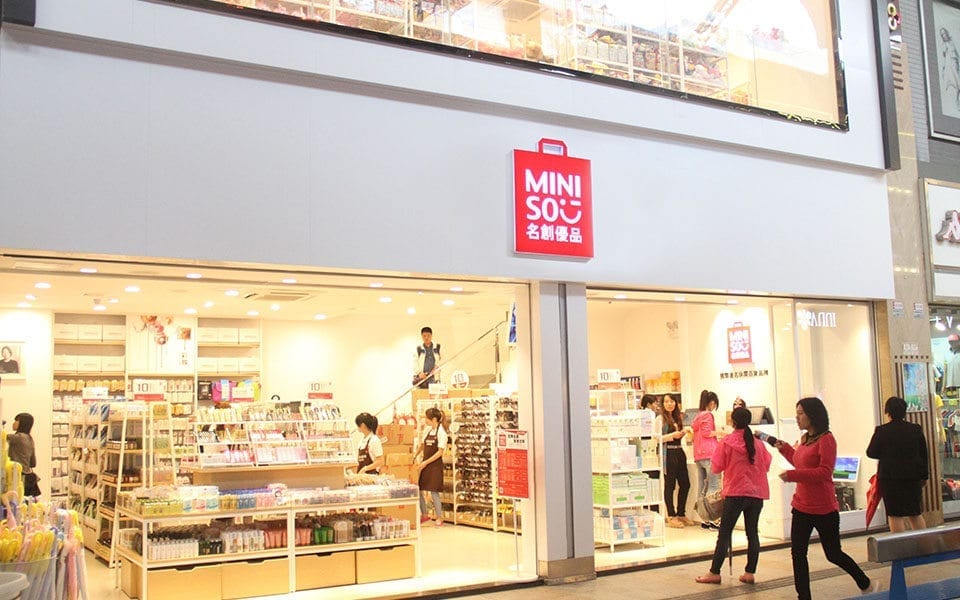
    Chinese budget retailer Miniso Group Holding Ltd. apologized for styling itself as a Japanese designer brand and said it would change its logo, amid a wave of local nationalism fueled by geopolitical tension over Taiwan.

    The Guangzhou-based company has long promoted itself as Japanese-influenced, with a Japanese chief designer and Japanese characters on its shopping bags and marketing language. This, it said in a statement on Miniso’s official Weibo account Thursday, was “wrong.”

    “We used wrong brand positioning and marketing campaigns during the early days,” the statement said. “We feel regret and guilt.”

    The seller of cheap household goods has been “removing” Japanese elements since 2019, including re-designing its logo and shopping bags to change Japanese characters to Mandarin ones in its more than 3,000 local outlets, said the statement. It will also more closely police overseas units.

    The pivot comes after Miniso became a target of nationalistic social media users due to an Instagram post by its Spanish unit in July that described a cheongsam-clad toy as a Japanese geisha. It apologized then as well, but pressure has grown as the China-Japan relationship deteriorated after U.S. House Speaker Nancy Pelosi’s controversial visit to Taiwan earlier this month.

    China called off a face-to-face meeting between Foreign Minister Wang Yi and his Japanese counterpart over a Group of Seven statement expressing concern about Beijing’s “threatening actions” around Taiwan during and after Pelosi’s visit.

    The Miniso pivot is another example of how consumer nationalism in China has become a minefield for brands to navigate, with companies ranging from Mercedez-Benz Group AG to Hennes & Mauritz AB. being boycotted for perceived slights in recent years. It also reflects how “foreign” elements have now become a liability in China, a sea change from several years ago when Miniso capitalized on the popularity of actual Japanese chains like Muji to lure local shoppers.

    Anti-Japanese sentiment is growing across the country. Local media reported that a young woman was detained and interrogated by police last week after wearing a kimono for a photo shoot in the eastern city of Suzhou.

    Officials in Tokyo have become increasingly outspoken about the importance of Taiwan’s national security to Japan’s own stability, a development that has sparked anger in China, which considers Taiwan part of its territory.

  • Egg producers claim 14 years is not long enough to phase out battery cages

    Egg producers claim 14 years is not long enough to phase out battery cages

    Australia will phase out battery eggs by 2036, after a lengthy battle between the egg industry and animal welfare groups that the latter says will finally bring the country into line with Europe and New Zealand.

    The reform was quietly announced on Thursday with the publication of the Australian Animal Welfare Standards and Guidelines for Poultry, a framework that has been in negotiations between governments and industry for seven years.

    The new guidelines state that egg producers will phase out the use of conventional layer hen cages over the next 10 to 15 years, and by 2036 at the latest, depending on the age of their current infrastructure.

    From that point, all caged laying hens must have 750cm sq of usable space for each bird, if kept in a cage with two or more others. If the hen is caged alone, the cage must allow for 1m sq of usable space.

    While animal welfare groups say the 14-year timeline is too long, industry group Egg Farmers of Australia released a statement that said it was “dissatisfied” the guidelines “fail to allow the option for conventional cage egg production to continue for a further 24 years”.

    CEO Melinda Hashimoto said the guidelines were a “slap in the face” to egg farmers and “totally ignored evidence on why conventional cage eggs should continue to 2046”. Farmers rely on 30-year loans to pay for cages and other infrastructure, she said, and a 2036 deadline “could derive many family egg farmers to the wall”.

    The new guidelines also require that ducks be provided with access to water to bathe in, and that chickens that are used in the meat industry be provided with “environmental enrichment” such as perches, hay or straw to scratch in, objects to peck and “dust-bathing materials”.

    There is currently no regulatory requirement that ducks be provided with water other than drinking water.

    RSPCA Australia’s chief executive, Richard Mussell, said it was a significant win for animal welfare.

    “But most importantly, it will eventually be a win for the millions of layer hens confined to battery cages,” he said.

    According to the Australian Bureau of Statistics, 5.36 million layer hens, or 32% of the national flock, was caged in 2020-2021. In egg production alone, 50% of birds are caged.

    Mussell said that he hoped state and territory governments would act to enforce the new guidelines long before 2036. The Australian Capital Territory banned the use of battery hen cages and sow stalls in 2014 but no other Australian jurisdiction has begun the legislative process to ban cage eggs.

    New Zealand ended the use of battery cages this year after announcing a 10-year phase-out process in 2012. Most of Europe, including the UK, banned the use of battery cages in 2012; Mexico, Israel, and Canada have also banned battery cages.

    Mussell said the slow pace of the reform – which included a public consultation process that received more than 160,000 submissions – was frustrating.

    “These poultry standards and guidelines were under review for nearly seven years,” he said. “The phase out is the right result, and it should have been put in place six years ago. Millions more layer hens have had to endure barren battery cages as a result of these delays.”

    The Humane Society of Australia, Animals Australia, and the Australian Alliance for Animals all welcomed the announcements that battery cages would be banned, but criticised the 14-year phase-out period.

  • San Pellegrino unveils new flavour in Essenza range

    San Pellegrino unveils new flavour in Essenza range

    S.Pellegrino Essenza has added a new Black Orange & Black Raspberry flavour to its range, joining the existing line-up of Lemon & Lemon Zest and Tangerine & Wild Strawberry.

    S.Pellegrino’s Essenza is a tasteful range of Italian sparkling mineral water with a subtle hint of fruit flavour, gentle bubbles, and no added sweeteners with zero calories.

    Essenza Blood Orange & Black Raspberry has a delicate scent and taste, beginning on a sweet note and ending with the taste of freshly squeezed orange. It pairs with rich, complex foods from red meat dishes to creamy, light pasta.

    S.Pellegrino Essenza’s range is a great on-the-go product with the can format; plus, it’s recyclable. It also works as a non-alcoholic mocktail spritzer option.

    It is available now in Woolworths and independent supermarkets at $15 per eight-pack.

  • Blackmores registers strong growth, momentum expected to continue

    Blackmores registers strong growth, momentum expected to continue

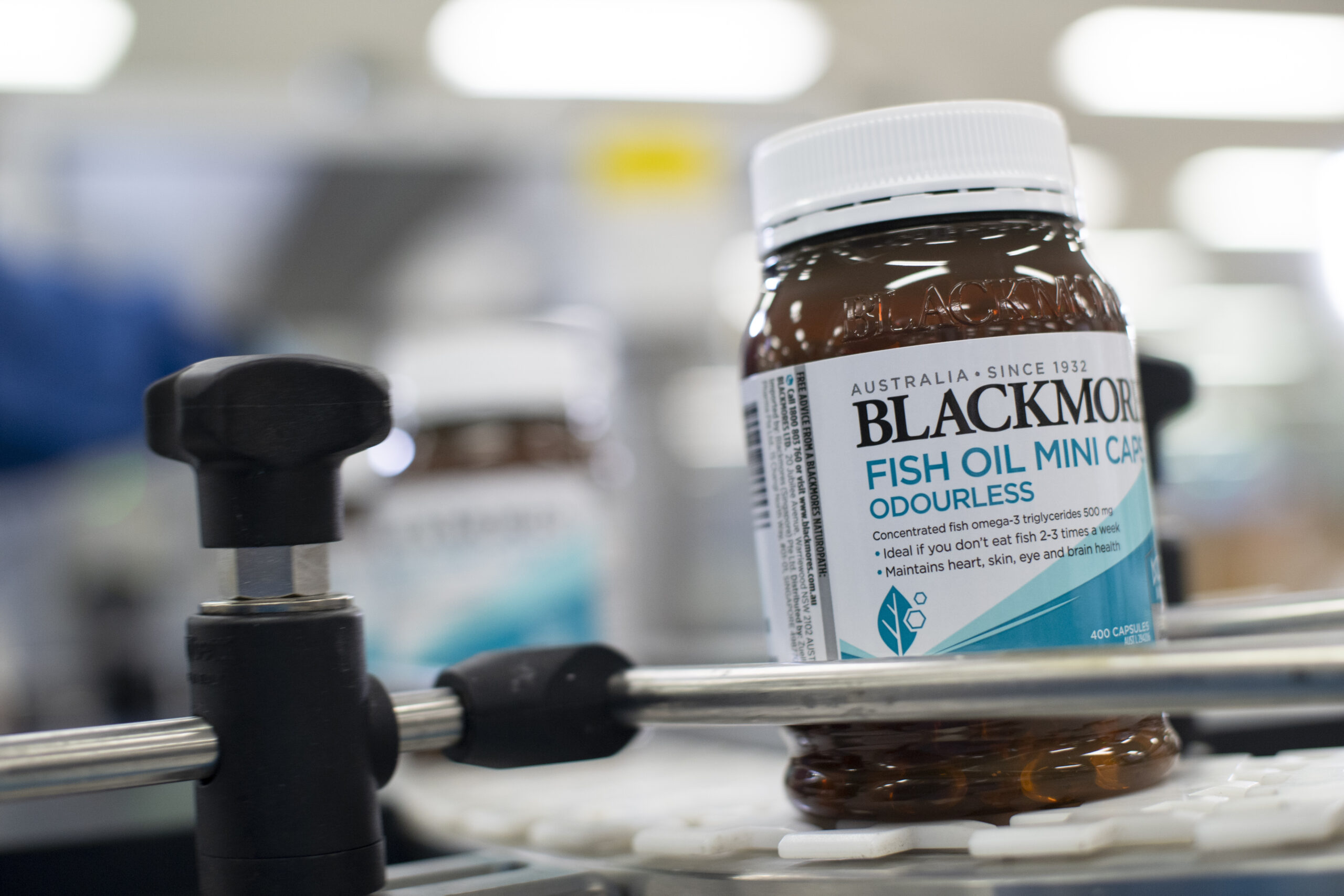
    Vitamin producer Blackmores has seen group revenue rise 12.8 percent in Fy22 to reach $649.5 million with growth across the company’s three major brands.

    This delivered a rise in underlying operating EBIT profit of 19 percent to $56.6 million, with margins expanding 1.1 points to 53.4 percent.

    CEO Alastair Symington said the company had delivered a strong result in a year impacted by the Covid-19 pandemic, increased input costs and significant supply chin disruptions.

    Symington said: “The resilience of our business model, together with the strength of our brands and distribution channels have enabled the group to respond to these challenges to deliver top line growth along with further margin expansion.

    “We recorded growth across all three brands – Blackmores, BioCeuticals and PAW – and all markets for the first time in the last four years.”

    Symington said the company’s focus on product innovation and investment in its brands, as well as selling and marketing spending up 4.6 percent, had delivered revenue growth of 12.8 percent.

    “This has enabled Blackmores to deliver a 22.6 percent increase in underlying net profit together with a 33.8 percent lift in full year dividend to shareholders to 95 cents per share fully franked.

    “Importantly this strong set of financial results has also been delivered alongside the implementation of improvements in our workplace health and safety and further commitments delivered as part of our ongoing sustainability agenda.”

    During the year Australian sales were up 2.7 percent, international sales up 31.7 percent and China sales up 10.6 percent along with an 11.2 percent rise in EBIT to $16 million.

    Blackmores ended the year with newt cash of $82.2 million.

  • Baidu Bags China’s First Fully Driverless Robotaxi Licenses

    Baidu Bags China’s First Fully Driverless Robotaxi Licenses

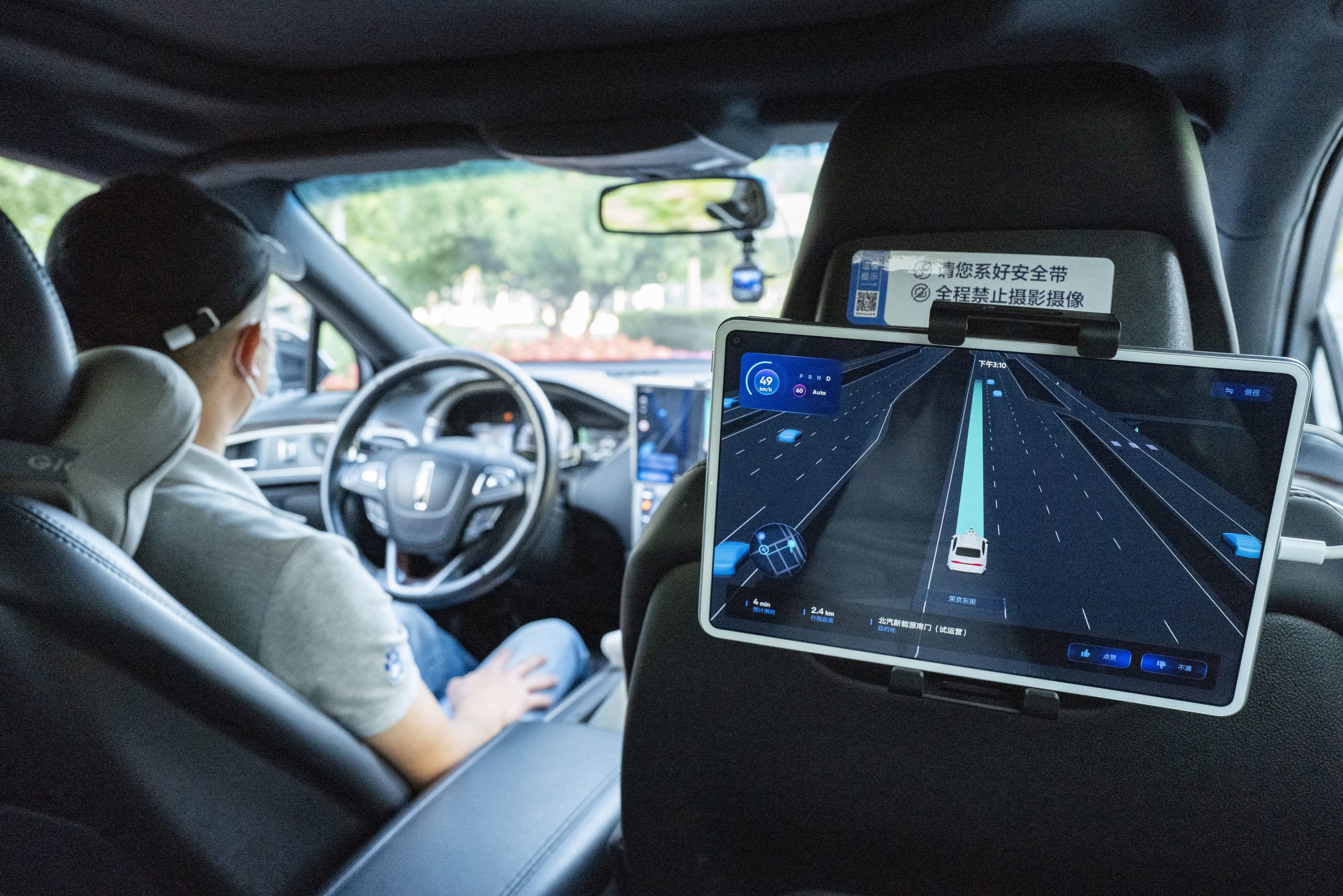
    China search engine giant Baidu Inc said on Monday it has obtained permits to operate fully driverless robotaxi services on open roads from two Chinese cities, the first of their kind in the country.

    The permits, awarded by the southwestern municipality of Chongqing and the central city of Wuhan, allow commercial robotaxis to offer rides to the public without human safety drivers in the car. They come into effect on Monday.

    Baidu said they marked a “turning point” in China’s policy-making towards autonomous driving.

    “These permits have deep significance for the industry,” Wei Dong, chief safety operation officer of Baidu’s Intelligent Driving Group, told Reuters in an interview. “If we think of the exploration of space, this moment is equal to landing on the moon.”

    At first, Baidu will deploy a batch of five fee-charging robotaxis in each city, where they will be allowed to operate in designated areas from 9 a.m. to 5 p.m. in Wuhan and 9:30 a.m. to 4:30 p.m. in Chongqing, the company said in a statement.

    The service areas span 30 square km (11.58 square miles) in Chongqing’s Yongchuan District and 13 sq km in the Wuhan Economic & Technological Development Zone.

    In April, Baidu’s Apollo and Toyota Motor Corp-backed Pony.ai said that they received permits in Beijing to deploy robotaxis without safety drivers in the driver’s seat on open roads within a 60 sq km area. But the Beijing permits  still require them to have a safety driver in the passenger seat. These services have started.

    Baidu is also in talks with local governments in Beijing, Shanghai and Shenzhen, to secure licenses within a year to test fully-driverless and unpaid robotaxis in those cities, according to Wei.

    China’s efforts to fast-track autonomous vehicle trials and permits come as U.S. regulators are also pushing ahead with milestone-setting autonomous driving policies.

    In January, self-driving company Cruise received a permit from the California Public Utilities Commission that allows it to offer paid and fully driverless rides from 10 p.m. to 6 a.m. in select streets in San Francisco.

    Apollo Go, Baidu’s robotaxi service, has operated over 1 million rides across 10 Chinese cities since its launch in 2020.

    Baidu has not reported any problems with the service and has not given a breakdown for how much it has invested in the project.

  • Auto association wants tax cuts for hybrid vehicles

    Auto association wants tax cuts for hybrid vehicles

    The Vietnam Automobile Manufacturers Association has sought cuts in excise tax and registration fees for hybrid electric vehicles.

    This would stimulate demand and encourage businesses to invest in power generation and charging systems, it said.

    Incentives for electric and hybrid vehicles should gradually decrease, and there would be no need for them by 2050 once these vehicles establish themselves in the market, it said.

    VAMA also called on the Government to soon finalize the development strategy and incentives for the auto industry to help achieve Vietnam’s goal of carbon neutrality by 2050.

    Earlier this year the National Assembly cut excise tax for electric vehicles to 3% from 15% for five years and to 11% from 2027.

    But hybrid cars are not eligible for the incentives, meaning buyers have to pay excise tax of 15% and registration fee of 10-12%.

  • Tether Switches Auditor

    Tether Switches Auditor

    The issuer of the world’s largest stablecoin has hired a new auditing company and will publish reserve updates on a monthly basis.

    Tether Holdings is partnering BDO Italia to conduct regular reviews and attestations of its foreign exchange reserves and will publish an attestation of its reserves for the second quarter in the coming days, it said in a statement late Thursday.

    BDO Italia is replacing previous auditor Cayman-based MHA Cayman.

    The reports that list the assets that make up stablecoins’ reserves are closely followed by crypto investors. However, they are not certified audits, as they do not require verification of the underlying data confirming whether an issuer’s information about its reserves is materially accurate.

    Tether, the issuer of the world’s largest stablecoin by market capitalization, USDT, has long been embroiled in controversy over the status of its reserves, which are used to back the supply of USDT.

    In February 2021, Tether was banned from operating in New York state. As part of an $18.5 million settlement with the New York State Attorney General’s Office, Tether is required to disclose its reserves each quarter. Last October, the company was fined $41 million by the Commodity Futures Trading Commission (CFTC) for making untrue and misleading statements about the reserves that support the stablecoin.

    Tether has previously faced questions about its holding of commercial papers in its reserves in particular.

    According to the company, this portion has been significantly reduced from $30 billion in previous years to $3.7 billion in July with plans to remove this asset class altogether. Until now, Tether has submitted its attestation reports quarterly and with a large delay.

    Stablecoin competitors such as Circle and Paxos submit monthly reports on their reserves. Both have limited themselves to holding only government bonds or bank deposits.

    In the wake of the collapse of the Terra Luna ecosystem, USDT’s market capitalization has fallen from $83 billion to about $67 billion this year. Circle’s USDC stablecoin, which is also pegged to the U.S. dollar, gained some of those outflows.

  • Stock market settlement to be speeded up by 4 hours

    Stock market settlement to be speeded up by 4 hours

    The stock settlement cycle is set to be shortened by four hours, enabling investors to receive their share or money on the second morning after a transaction.

    Thus, from August 29, they will get them at 11-11:30 a.m on the second day (T+2) instead of the current 3:30-4 p.m.

    Now they have to wait until the next morning to sell securities they buy since trading ends at 2:45 p.m.

    Depository participants must transfer money and stocks to customers before 1:00 p.m and report to the Vietnam Securities Depository before 4:30 p.m.

  • China Mobile and ZTE Complete Commercial Trial of Co-Routing Detection

    China Mobile and ZTE Complete Commercial Trial of Co-Routing Detection

    ZTE, together with the Yunnan Branch of China Mobile, has completed the commercial trial of co-routing detection in China Mobile’s existing optical network in Yunnan province, China.

    The trial involves two scenarios: co-cable routing detection and co-ditch routing detection. The trial result shows that there will be an early warning of active/standby paths in the same optical fiber or route so that it can be bypassed in time based on fiber sensing. In addition, the originally dumb fiber resource will be visualized. Thus, the operator’s service reliability and network O&M efficiency can be greatly improved.

    As digital transformation is developing rapidly in all industries, the optical network is facing a systems intelligence need. And intelligent O&M emerges as one of the main focuses when addressing the problem of low service survivability caused by co-routing.

    To resolve this, China Mobile has cooperated with ZTE to verify the feasibility of co-cable and co-ditch routing detection of service paths on the existing network, including active/standby service routing detection and inbound/outbound service route detection at specific sites.

    According to the verification, ZTE’s optical network co-routing detection function can specifically detect co-cable routing of 14 optical cables and 54 fiber cores by dynamic parameter optimization, AI algorithm and experience threshold adjustment. Also, ZTE takes contrast analysis and on-site specialist inspection to exactly detect co-ditch routing of 12 optical cables and about 20 ditches in 4 core equipment rooms. The verification proves that ZTE can provide the operator with flexible optical network co-routing detection methods, along with real-time, accurate and reliable intelligent O&M measures, which well guarantees service survivability and alleviates the difficulty in dumb fiber resource management.

    “The function can effectively solve actual problems in production and operation. Before this, active/standby routes are planned on the resource management map and routing is determined manually, which leads to high error rate. Additionally, the accuracy of resource management information is hardly under control, thereby increasing routing risks,” said a spokesperson at the Network Management Center of China Mobile Yunnan.

    “In the original routing detection, people pulled or pushed the cable underground manually, which resulted in low efficiency and service interruption. However, the co-routing detection now leverages dumb fiber resources without service switching. The innovative function remarkably reduces manpower and ensures service survivability while allowing resource management information modifications and route re-planning to avoid service interruption losses,” he added.

    The trial will further promote the growth of the operator’s autonomous optical network and lay a strong foundation for its intelligent network in the “east-data-west-computing” project.

  • UBS Outlines Mass Millionaire Ambitions in Greater China

    UBS Outlines Mass Millionaire Ambitions in Greater China

    UBS global wealth management has established a dedicated team to mass millionaires in the region and unveiled its ambition to double the number of clients in the segment for the Greater China market.

    UBS global wealth management has established a team dedicated to the coverage of private clients – mass millionaires with a net worth of $1 million to $5 million – the bank said during a media briefing yesterday when it announced the launch of the new business model for Greater China. Within this segment, it is mainly targeting four main groups of individuals: entrepreneurs, young families, financial and non-financial professionals.

    The Swiss private bank aims to double the number of clients in the segment over the next three years. Currently, the private client segment accounts for a mid-single-digit percentage of the total number of Greater China clients.

    The private client team has about 60 staff, including client advisors and specialists, alongside a wealth concierge team.

    In covering the mass millionaire market in Greater China, UBS’ digital capabilities will feature strongly, particularly with the usage of its content platform Circle One, which includes actionable investment ideas, and its digital banking app.

    UBS will rely on three levels of engagement with private clients including bank-led investing via discretionary portfolio management, an advisory model and self-directed investing – an option that is particularly suitable for financial professionals who are well acquainted with financial products and services.

    The private client market is a well-established segment in the industry with Hong Kong being one of the fastest creators of mass wealth, including one millionaire out of every 13 people living in the city, according to a study by Citibank. In fact, consumer banking units in Hong Kong have longstanding businesses covering the segment under the same nomenclature including Citigold Private Client and DBS Treasures Private Client.

    But UBS is confident that its wealth management roots will serve it well with competitive advantages such as a dedicated multi-asset chief investment office or access to a product shelf designed for the ultra-rich with solutions like customized discretionary mandates or exclusive hedge funds.

    «We are not a retail bank,» said Jamee Wong, UBS’ private client head for Greater China, commenting on competing against established rivals in the market. «We are a premier private bank and a wealth manager. This is in our DNA. We do wealth management every single day.»

  • Cebu Pacific boosts international flights

    Cebu Pacific boosts international flights

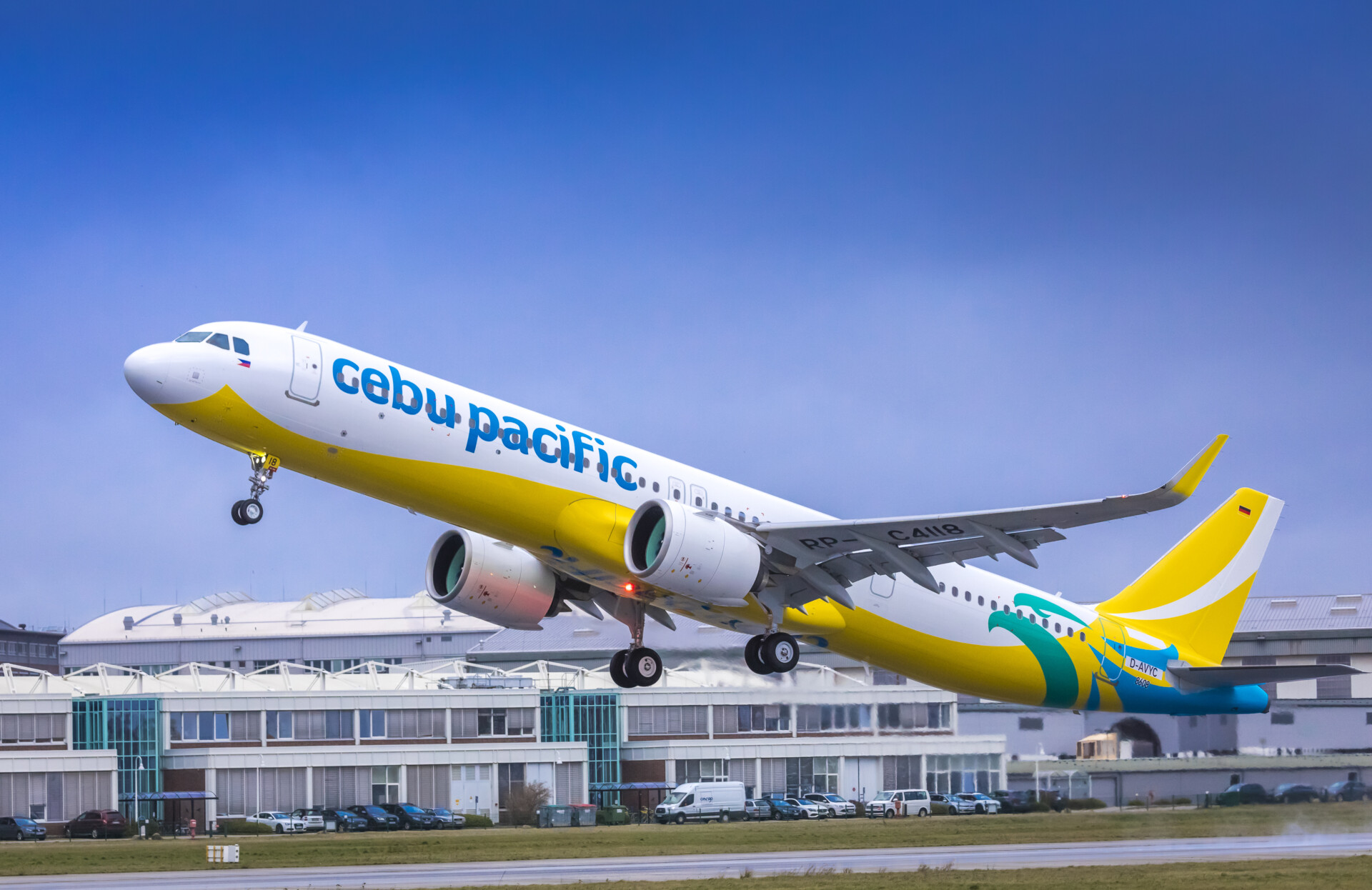
    Cebu Pacific, the country’s leading airline, continues to boost its international network as it adds flights to some of its top ASEAN destinations, namely Bangkok and Bali.

    Beginning Aug. 29, 2022, CEB will fly daily from Manila to Bangkok, coming from its current five-times-a-week frequency. By September, flights from Manila to Bali will also increase from thrice to five times weekly.

    The airline also intends to restart its Manila-Brunei flights by Sept. 1, starting with a twice-weekly frequency.

    “We are happy to keep growing our international network as we see an increasing demand for travel abroad, and as more destinations ease restrictions. It is exciting and encouraging to see more Filipinos travelling confidently in and out the Philippines, that is why we make sure we consistently provide convenient and affordable flight options to enable everyJuan to travel more for less,” said Xander Lao, CEB chief commercial officer.

    Fully vaccinated Filipinos flying to these three destinations are only required to present their proof of complete vaccination as Thailand and Indonesia have already eased its restrictions to easily allow tourists to enter.

    Apart from this, the airline also intends to increase its flights from Cebu to Seoul from twice weekly to a daily service by Sept. 9. On Sept. 23, flights to Nagoya from Manila will be daily from its current five times weekly.

    By Oct. 1, CEB’s Bali flights will increase to a daily service, while its flights to Hanoi and Taipei from Manila will both have one additional flight per week – from thrice to four-times-a-week for Hanoi, and twice to thrice weekly for Taipei.

    Coming home, boosted Filipinos no longer need to take a COVID test pre-departure. For more information, passengers may refer to CEB travel reminders page for the latest updates and complete travel guidelines to their destination.

    CEB continues to offer its guaranteed low fares to stimulate travel across its widest domestic network in the Philippines. It continues to implement a multi-layered approach to safety, while it operates with a 100 percent fully vaccinated crew, 95 percent of whom have been boosted.

  • India Offers Free 5G Test Bed to Startups and MSMEs

    India Offers Free 5G Test Bed to Startups and MSMEs

    With an objective to boost the 5G ecosystem within India and to achieve the objectives of Aatmanirbhar Bharat and Make in India initiatives, the Government of India has decided to offer the use of Indigenous 5G Test Bed free of cost to the Indian government-recognized start-ups and MSMEs for the next six months up to January 2023.

    It will be available at a very nominal rate to all other stakeholders. The Department of Telecommunications, Government of India has strongly urged all 5G stakeholders – i.e. industry, academia, service providers, R&D institutions, government bodies and equipment manufacturers – to utilize the 5G testbed facilities and expertise to test and facilitate the speedy development and deployment of their products in the network.

    In keeping sight of India’s specific requirements and to take lead in 5G deployment, the Department of Telecommunications (DoT) approved a financial grant for the multi-institute collaborative project to set up an “Indigenous 5G Test Bed” in India in March 2018 with a total cost of Rs 224 crore.  The eight collaborating institutes in the project are IIT (Indian Institute of Technology) Madras, IIT Delhi, IIT Hyderabad, IIT Bombay, IIT Kanpur, IISc Bangalore, Society for Applied Microwave Electronics Engineering & Research (SAMEER) and Centre of Excellence in Wireless Technology (CEWiT).

    The Indigenous 5G Test Bed was dedicated to the nation by the Hon. Prime Minster Shri. Narendra Modi on 17 May 2022.

    The end-to-end test bed is compliant with the global 3GPP standard and the ORAN standard.  Indigenous 5G Test Bed provides an open 5G test bed that enables R&D teams of Indian academia and industry to validate their products, prototypes and algorithms, and demonstrate various services. Further, it provides complete access for research teams to work on novel concepts/ideas holding potential for standardization in India and on a global scale. It provides the facilities of 5G networks for experimenting and demonstrating applications/use cases of importance to Indian society like rural broadband, smart city applications and intelligent transport system (ITS) and will provide help to Indian operators to better understand the working of 5G technologies and plan their future networks.

    The development of this Indigenous Test Bed is a key milestone for India’s becoming self-reliant in the 5G technology domain and pushing towards 5G Aatmanirbhar Bharat. This test bed is providing the indigenous capability for testing and validation of 5G products being developed and manufactured by Indian start-ups, MSME, R&D, academia and industry users. This has resulted in huge cost efficiency and reduced design time, due to which, Indian 5G products are likely to become more market competitive globally.

    The development of this test bed has also resulted in the development of many 5G technologies/IPs that are available for technology transfer to Industry players which will facilitate for Industry players the smooth and speedy deployment of 5G in India.

  • Apple supplier eyes $300-mln plant in northern Vietnam

    Apple supplier eyes $300-mln plant in northern Vietnam

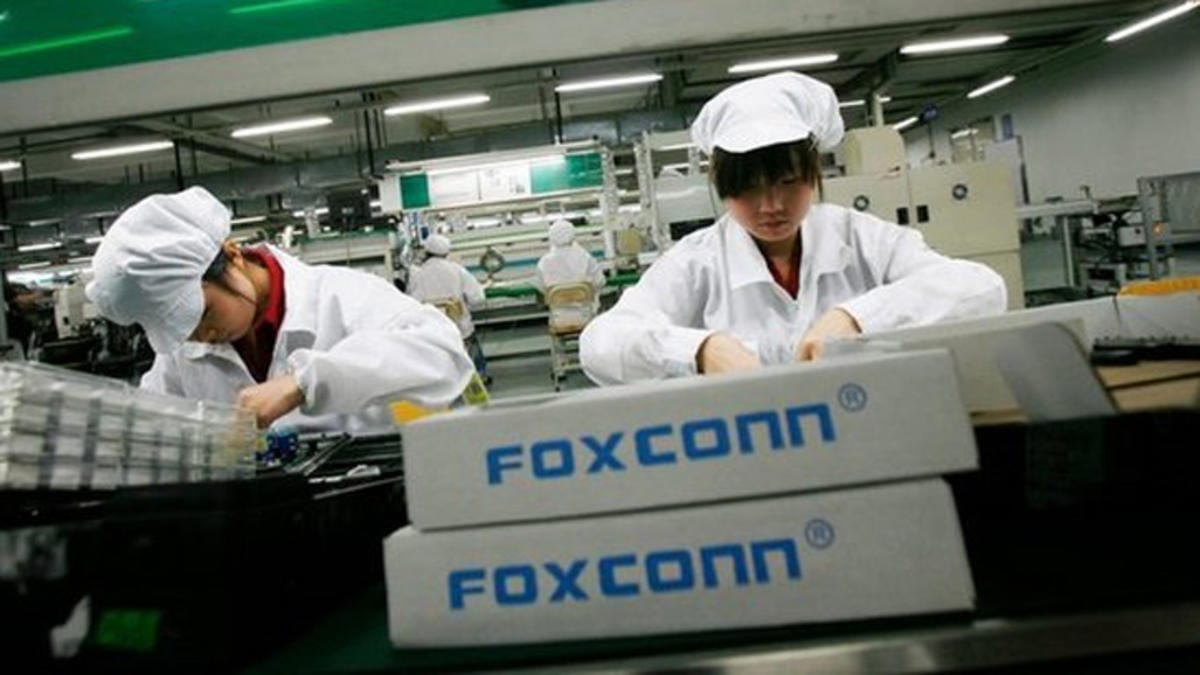
    Apple supplier Foxconn has leased 50.5 hectares of land in the northern province of Bac Giang and plans to set up a $300-million factory there.

    The plant will employ 30,000 people, according to a statement of industrial property developer Kinh Bac City, which manages Quang Chau Industrial Park where Foxconn eyes to make its investment.

    Foxconn and another Apple supplier, Luxshare Precision Industry, have started test production of the Apple Watch and MacBook in northern Vietnam and plan to produce them for the first time in the country.

  • DTS launches platform for Vietnamese technology startups

    DTS launches platform for Vietnamese technology startups

    DTS Digital Transformation Alliance has supported dozens of startups in technology, and is accompanying thousands of businesses through their digital transformation and journey into the Metaverse.

    In the global context of Industry 4.0, digital transformation is the biggest opportunity and challenge for businesses. To carry out digital transformation and develop successful technology schemes, Vietnamese startups and businesses are facing many barriers in terms of mechanisms, policies, financial conditions, and human resources. In this context, DTS is implementing many activities to support SMEs, creating huge thrust to accelerate digital transformation and blockchain technology in Vietnam.

    A launchpad for blockchain technology startups

    DTS has created a series of communication channels to provide accurate and educational information on blockchain technology. Since the establishment of the Blockchain Alliance for Sustainability (BAS) in 2021, up to now, DTS has been the main organizer and partner of the Blockchain Talk show, the Blockchain news column on VnExpress.

    DTS supports nearly 20 startup projects in the blockchain field and connects to nearly 50 investment funds and KOLs (who have many voices, knowledge, and experience in the blockchain field). Currently, DTS can support technology startups in many forms, from providing legal and financial advice, and project development orientation to supporting communication and developing projects to the public, including the international community,

    “There are many startup projects in the blockchain field today, but to succeed in the international market, the project needs to combine many factors: ideas, capital, technology, people, marketing, and communication strategies. With DTS’s current network of domestic and foreign experts and partners, we can complement what you lack in your projects,” said Truong Gia Bao, chairman of DTS.

    DTS – The new ecosystem for projects

    Currently, DTS is working with strategic partners like Vietnam Financial Consultants Association, Ho Chi Minh City Industrial Park Business Association, Trade and Investment Promotion Center of Ho Chi Minh City, and Business Development and Support Center. DTS directly accompanies many businesses in the process of digital transformation and application of new technology solutions.

    DTS solves the problem of leverage and connecting the strengths of partners and member companies to exploit each other’s opportunities and strengths. In line with the business philosophy, DTS aims to work with members and the business community to build a digital transformation ecosystem to serve each unit’s business activities, that is also the business philosophy of DTS.

    In addition, DTS is working with partners and global experts to develop an ecosystem equipping projects and startups with knowledge and experience in organizing and managing projects based on Blockchain technology applications. Entering the digital era – Metaverse requires not only creativity, but also a modern technology application management system, a marketing team that understands the global community and language, along with a technical team with both passion and technical expertise.

    “DTS wishes to become a companion of technology startups and Vietnamese businesses, a bridge between domestic units and investment funds. We provide financial consulting services and optimal operational solutions according to the business model of each unit. DTS is committed to accompanying, advising, and supporting young people to step into the Metaverse by world standards to confidently succeed,” the DTS chairman stated.