Tag: asia

  • Yum China applies to add primary listing in Hong Kong

    Yum China applies to add primary listing in Hong Kong

    YUM China Holdings said on Monday (Aug 15) it has applied for a primary listing in Hong Kong, as the company looks to circumvent a risk of delisting from the New York Stock Exchange amid tight regulatory scrutiny on Chinese companies.

    The move comes on the heels of an audit dispute between China and the United States, which is threatening to kick out hundreds of Chinese companies listed in New York.

    E-commerce giant Alibaba Group Holdings had also said last month it would convert its Hong Kong secondary listing into a dual primary listing.

    Five US-listed Chinese state-owned firms, including oil giant Sinopec, last week said they would voluntarily delist from the NYSE, after the Securities and Exchange Commission flagged more than 270 companies, including Yum China, for failing to meet US auditing standards.

    Yum China, which runs the KFC and Taco Bell chains in China, said the conversion from its current secondary listing status to primary listing is expected to be completed in October, subject to shareholder approval.

    The company will become dual primary listed on the NYSE and the Hong Kong Stock Exchange, it added.
  • GS Retail to exit beauty market, closing all Lalavla stores

    GS Retail to exit beauty market, closing all Lalavla stores

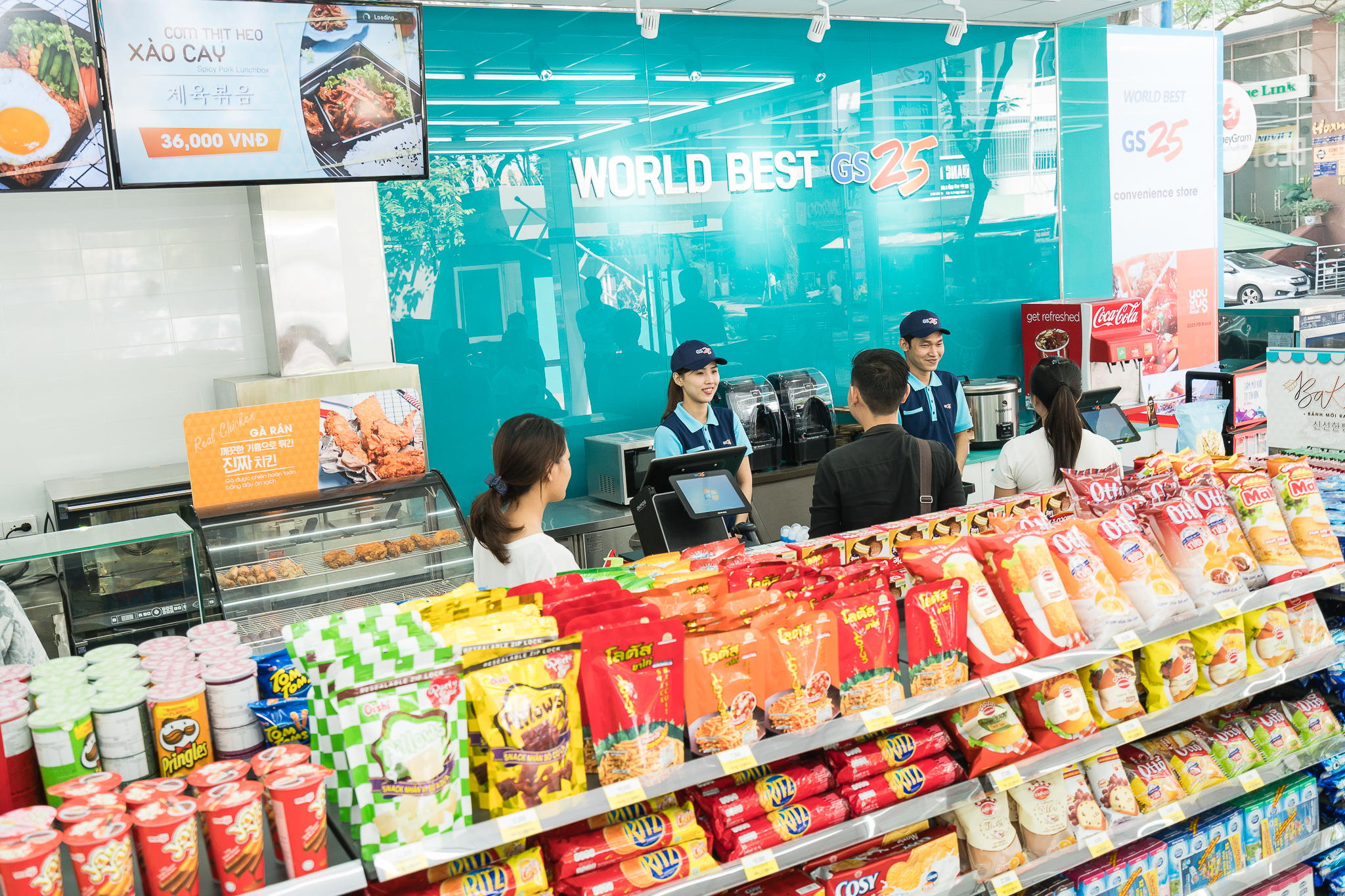
    CJ Olive Young looks set to solidify its front-runner position in the health and beauty store market, with GS Retail’s announcement that it will shut all of its Lalavla stores.

    Lalavla, GS Retail’s health and beauty store brand, will shut down all of its branches by the end of November.

    The brand’s online shopping mall will only take orders until Sept. 1 and will take customer inquiries about refunds or exchanges until Sept. 30.

    In 2005, GS Retail formed Watsons Korea — a joint venture with A.S. Watson, a Hong Kong-based health and beauty product retailer — to operate Watsons stores. It acquired the remaining 50 percent stake A.S. Watson held in the joint venture in 2017, becoming the sole owner and changing the health and beauty store’s name to Lalavla.

    Lalavla had as many as 200 branches in 2018, but the number quickly decreased to 34 branches this year as cosmetics sales decreased during the pandemic.

    The brand’s sales fell 37.5 percent on year to 25.1 billion won ($19.2 million) in the second quarter of 2020. Operating loss was 4.8 billion won, compared to a loss of 4.2 billion won the previous year. GS Retail hasn’t been providing sales figures for the brand since the third quarter that year, only reports the combined sales of Lalavla, its e-commerce division and subsidiaries.

    Once GS Retail shuts down all its Lalavla branches, the company said it will focus more on its convenience store and delivery business. It has been offering deliveries from its GS Fresh Mall branches to customers in Seoul, Gangwon and Chungcheong, since May.

    CJ Olive Young is expected to become the clear leader in the local health and beauty store market. The company has 59.1 percent of the market as of the first quarter, with 1,265 branches.

    Lotte Shopping decided to shut down all its individual LOHBs branches, the company’s health and beauty store brand, in November last year. It now only designates a small section at its Lotte Mart branches for cosmetics and health supplies, called LOHBs+.

  • Pronto launches ‘Stranger Things’ cafe

    Pronto launches ‘Stranger Things’ cafe

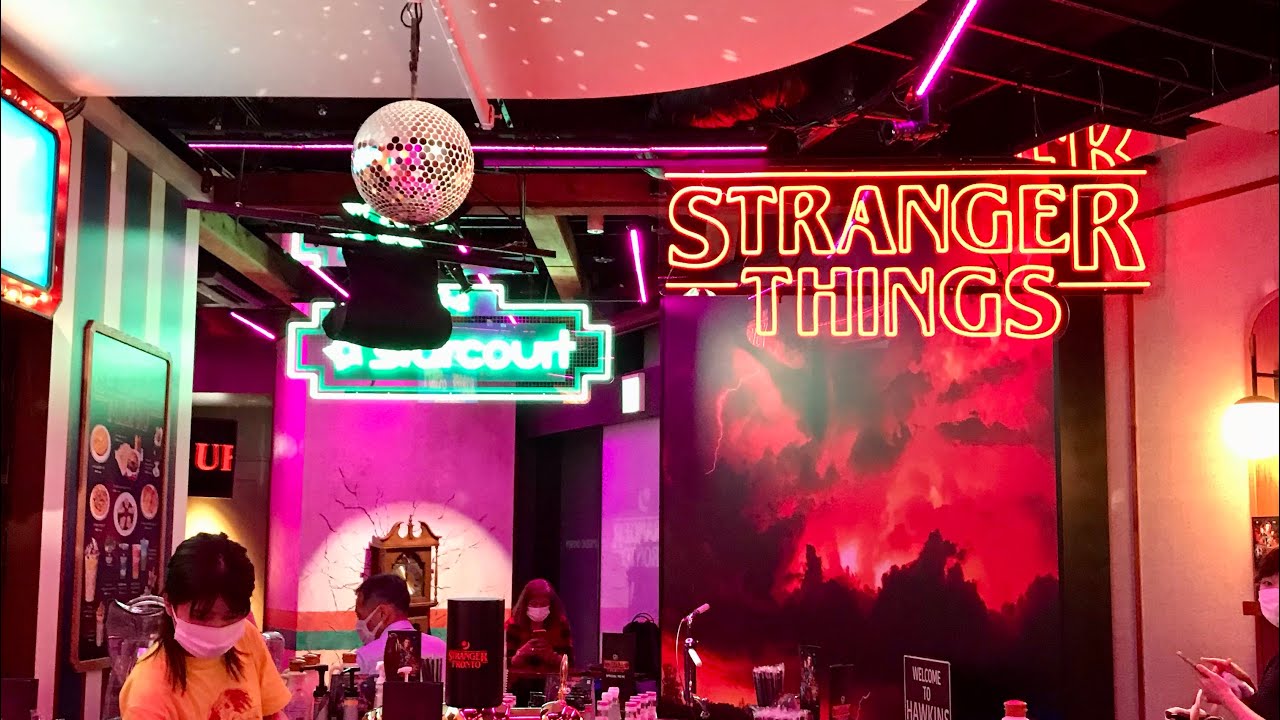
    Stranger Things may not be as popular as Spy X Family in Japan, but it has enough of a following to deserve a cafe! From July 6 to September 9, Japanese cafe Pronto’s Shibuya Fukuras branch will get a Stranger Things makeover called “Stranger Pronto”. The collaboration coincides with the recent release of the later half of Season 4 of the world-famous Netflix series. The cafe will be decorated in a Stranger Things theme and include a completely Stranger Things-themed menu, photo spots, artwork, and more.

    Menu items are based on characters from Stranger Things Seasons 1 through 4, including main character Eleven’s first burger (and of course, her favorite waffles), a roast beef pasta plated to look like the infamous Demogorgon monster, and Nancy’s Halloween Party mocktail. There’s even a cream soda made to look like the Upside Down (not pictured above but on the full menu).

    Some art they’ll have on display includes trick art of a Demogorgon coming out of a door, the famous Christmas light wall at the Byers’ house, the fiery road to Hawkins (possible spoiler), and the Surfer Boy Pizza van.

    There are markedly more references to Season 4 than the earlier seasons–likely due to its recent release–so it may be better to pay a visit after you’ve watched it all. The Shibuya Fukuras branch is open year-round, but if you want to visit the Upside Down, you’ll need to stop by between July 6 and September 9. We promise you’ll make it out alive!

  • Secoo files for bankruptcy for the second time

    Secoo files for bankruptcy for the second time

    Secoo, once China’s top online luxury goods retailer, has filed a bankruptcy petition for the second time this year, showing how difficult it is for some companies to survive amid waning domestic consumption power in the country.

    Beijing Siku Shangmao Co, the corporate entity of the Nasdaq-listed company, filed a bankruptcy case with the First Intermediate People’s Court of Beijing Municipality, according to public records database Tianyancha on Wednesday.

    In January, after several domestic media outlets reported that Secoo had filed for bankruptcy in Beijing, the company retracted a petition to wind up, according to a notice on China’s bankruptcy disclosure platform.

    Founded in 2008 by Chinese entrepreneur Richard Li Rixue, the retailer quickly gained backing from private equity firms. It grew from a second-hand handbag shop into China’s largest luxury goods exchange for individuals, with a 2017 initial public offering on Nasdaq raising US$140 million.

    Its stock fell to US$0.27 in New York trading on Wednesday, compared to a high of US$14.6 four years ago. Since late last year, Secoo’s shares have been trading below US$1.

    On December 17, 2021, the firm received a delisting warning after its closing bid price for 30 consecutive business days fell below US$1 per share, Nasdaq’s minimum bid price requirement.

    Under an initial 180-day grace period, which ended on June 15, Nasdaq said the company would be officially delisted if its closing bid price was not above US$1 per share for at least 10 consecutive business days.

    On June 17, the company said Nasdaq had granted it a second 180-day grace period, until December 12, 2022, to comply with the minimum bid price requirement.

    Analysts attributed the company’s problems to several factors. While it caught the early wave of luxury e-commerce business in China, it also made several business decisions that deviated from its original mission.

    For example, it invested heavily in live streaming, with a 7,000-square-metre facility and dedicated team, and also vowed to disrupt the luxury resale sector with a blockchain-empowered authentication service.

    Adding to Secoo’s internal missteps, demand for luxury goods has softened, with China’s total national retail sales only rising 3.1 per cent year on year in June.

  • Canoo Outsource Production Of Electric Vans For Walmart

    Canoo Outsource Production Of Electric Vans For Walmart

    Canoo has outsourced the production of its electric vans which it has been developing for Walmart. It announced this in its Q2 financial results filing. Its CEO Tony Aquila announced that it didn’t have the immediate capability to manufacture the vans itself so in the meanwhile an unspecific contractor till the end of the year. Originally, it said it will be shifting production facility in Bentonville where Walmart is also situated. Canoo has an order of 4,500 electric vans from the retail giant.

    Walmart also has an option of ordering up to 10,000 cars. Canoo already had a contract manufacturing deal with Dutch company VDL Nedcar but it backed out of the deal in late 2021 as it believed it could start production of the LifeStyle car.

    Aquila says that deliveries to Walmart are on track to begin in the first quarter of 2023. Canoo’s success is predicated on the completion of this agreement.

    “We have entered into an agreement with Walmart Inc. for the purchase of electric vehicles and expect that, at least initially, Walmart Inc. will be our largest customer. If we are unable to maintain this relationship, or if Walmart purchases significantly fewer vehicles than we currently anticipate or none at all, our business, prospects, financial condition, results of operations, and cash flows could be materially and adversely affected,” said Tony Aquila.

    Canoo is burning through its cash reserves quite rapidly. It has posted a net loss of $164.4 million for this quarter. It posted $289.8 million in the first half of the year.

  • China Tourism seeks $2.16 billion in Hong Kong’s biggest listing this year

    China Tourism seeks $2.16 billion in Hong Kong’s biggest listing this year

    China Tourism Group Duty Free Corp is aiming to raise up to $2.16 billion through a new listing in Hong Kong, according to a term sheet reviewed by Reuters, in what will be the largest share sale in the city so far this year.

    Shanghai-listed China Tourism is planning to sell 102.76 million shares priced between HK$143.50 and HK$165.50 ($18.30 and $21.10) each, the term sheet said.

    The offer has already been fully subscribed, according to two people with direct knowledge of the matter. The sources spoke on condition of anonymity because they were not authorised to discuss the matter with media.

    China Tourism, which has built the largest duty-free retail network in China, did not respond to a request for comment on the deal’s launch or subscription rate.

    The launch of the deal comes as Hainan island, in China’s south where China Tourism has several major shopping outlets, remains under tight restrictions due to an outbreak of COVID-19.

    The price range represents a 29.3% to 38.7% discount to the stock’s 201.19 yuan closing price on Thursday in Shanghai. The Shanghai shares fell 3.1% on Friday after the Hong Kong deal was launched.

    Hong Kong share sales of Chinese-listed companies are typically offered at a discount to entice investors to buy the stock but the flagged discount of China Tourism is higher than normal. The rate was chosen to help ensure the stock trades positively in the secondary market, one of the sources with direct knowledge told Reuters.

    China Tourism’s Shanghai-listed shares have recovered most of their losses since lockdowns across Hainan began to be ordered last week. Its shares are down 11% year-to-date.

    China Tourism plans to set the final price next Thursday, the term sheet said, and the Hong Kong stock will start trading Aug. 25.

    Almost 40% of the stock on offer in the deal has been sold to cornerstone shareholders who will invest about $795 million, according to the term sheet.

    Sanya, a holiday city on the southern end of Hainan island at the centre of the COVID outbreak, reported 1,690 symptomatic and 1,504 asymptomatic cases from Aug. 1 through Aug. 10.

    The duty-free shop operator’s deal, if executed, would surpass Tianqi Lithium’s $1.71 billion deal, which opened in late June, to become the biggest share sale in Hong Kong in 2022.

    Tianqi’s Hong Kong shares were priced at a 50% discount to its Shenzhen stock and are trading only marginally higher since it debuted in mid-July.

    “After the tepid performance by Tianqi Lithium, the only way they could get away with the China Tourism deal was by offering it at a decent discount,” said Aequitas Research director Sumeet Singh, who publishes on Smartkarma.

    “If it does go well other deals should follow as the pipeline for Hong Kong deals is now fairly full and needs to get moving soon.”

    There has been $4.9 billion worth of initial public offerings and secondary share sales in the city this year compared to $34.7 billion at the same time last year, according to Dealogic data.

  • Inflation Drives LatAm Nations to be Top Markets for Binance

    Inflation Drives LatAm Nations to be Top Markets for Binance

    Rising inflation and a strengthening dollar have driven Latin American countries to become market leaders for crypto giant Binance.

    Now that we are seeing inflation ramping up worldwide, we are seeing that more and more people are seeking cryptocurrency, like bitcoin, as a way to protect themselves from inflation, said Maximiliano Hinz, Binance’s head in Latin America.

    According to Hinz, Latin American countries have become the top markets for Binance, such as Brazil, Mexico and Argentina, where annual inflation is 90 percent.

    Overall, Latin America and the Caribbean posted an inflation rate of nearly 9.8 percent in 2021, according to data compiled by Statista.

    While a number of Latin American nations have yet to pass meaningful crypto legislation, unlike El Salvador which made headlines for adopting bitcoin as legal tender, Hinz does not necessarily view this as an issue.

    Regulation is a framework, but it’s not always negative that something isn’t regulated, he said. If something isn’t banned, then it’s legal.

  • Highlands Coffee posts first loss in 8 years

    Highlands Coffee posts first loss in 8 years

    Highlands Coffee chain lost VND19 billion ($812,069) last year, its first loss since 2014, VnExpress has learned.

    Its sales plunged by nearly 20 percent to VND1.7 trillion, which still made it the largest coffee chain in Vietnam, its earnings report, recently acquired by VnExpress, shows.

    It is not listed on the stock market, and typically such companies do not make public their financial reports.

    Highlands faced many issues with landlords who accused it of delaying rent payments of over VND1 billion for up to six months.

    It had admitted at the time, when social distancing restrictions were still in place, that it was facing financial difficulties.

    Highlands Coffee was established in 1999 to sell packaged coffee. It started opening cafes in 2002, and now has 522 of them, according to its website.

    It was acquired by the Philippines’ Jollibee Foods in 2012.

  • Coca-Cola to launch US-first paperboard packaging for multipack cans

    Coca-Cola to launch US-first paperboard packaging for multipack cans

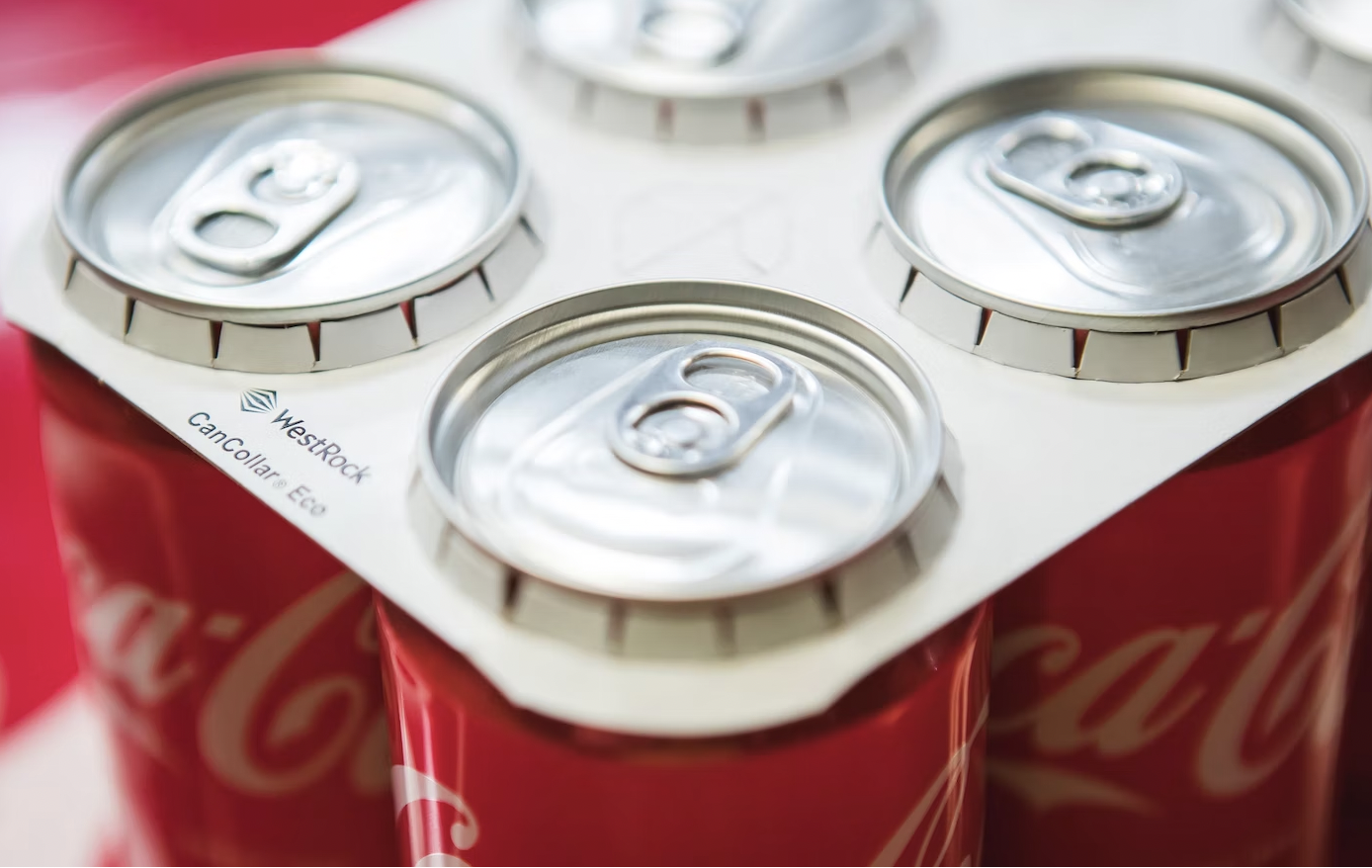
    Liberty, the local Coca-Cola bottler, has partnered with fiber-based consumer packaging supplier Graphic Packing International to produce multipacks in the paperboard packaging format called KeelClip, and use multipack carton application equipment in doing so. It will soon deliver this pack format to stores across the Philadelphia market.

    “Addressing plastic waste requires collective and collaborative thinking and action,” says Kurt Ritter, General Manager and Vice President of Sustainability, Coca-Cola North America. “Liberty’s ongoing commitment to sustainability is evident with the implementation of KeelClip, which is another demonstration of our system’s dedication to delivering our World Without Waste goals.”

    KeelClip equipment is a sustainable packaging system for cans that has already been successfully implemented and distributed through other local Coca-Cola bottlers in Europe. It is estimated by the company that the transition will remove 75,000 lbs of plastic packaging per year from the supply chain for approximately 3.1 million cases across Liberty’s service area, which includes Philadelphia, New Jersey, New York City, and parts of Connecticut and Delaware.

    “Liberty is thrilled to be the first bottler in the United States to implement this innovative packaging system,” Paul Mulligan, co-owner of Liberty Coca-Cola Beverages, says. “We know that the most valuable change to reduce plastic waste occurs when bottlers and packaging producers work together in partnership. We look forward to partnering with Graphic Packaging on sharing this sustainable packaging in our local communities for years to come.”

    Liberty is using the technology to improve sustainability across its entire distribution footprint. The installation of the KeelClip 1600 machinery means the sustainable fiber-based packaging is manufactured at one of Liberty’s production facilities located in New York and is being distributed across its entire footprint.

    Adds Bret Arnone, vice president, commercial operations & beverage packaging at Graphic Packaging. “This technology has seen incredible success wherever it has been used, winning 10 industry awards and becoming the gold standard for can multipacks in over 20 countries. Most importantly, it’s proven to help our commercial partners reduce their reliance on plastics for a more sustainable future.” The KeelClip packaging implementation is the latest effort Liberty is taking to advance its sustainability efforts. Last summer, Liberty became the first local Coca-Cola bottler to produce and distribute bottles made from 100% recycled material in the United States.

  • Vietnam considers $58.7 billion high-speed railway

    Vietnam considers $58.7 billion high-speed railway

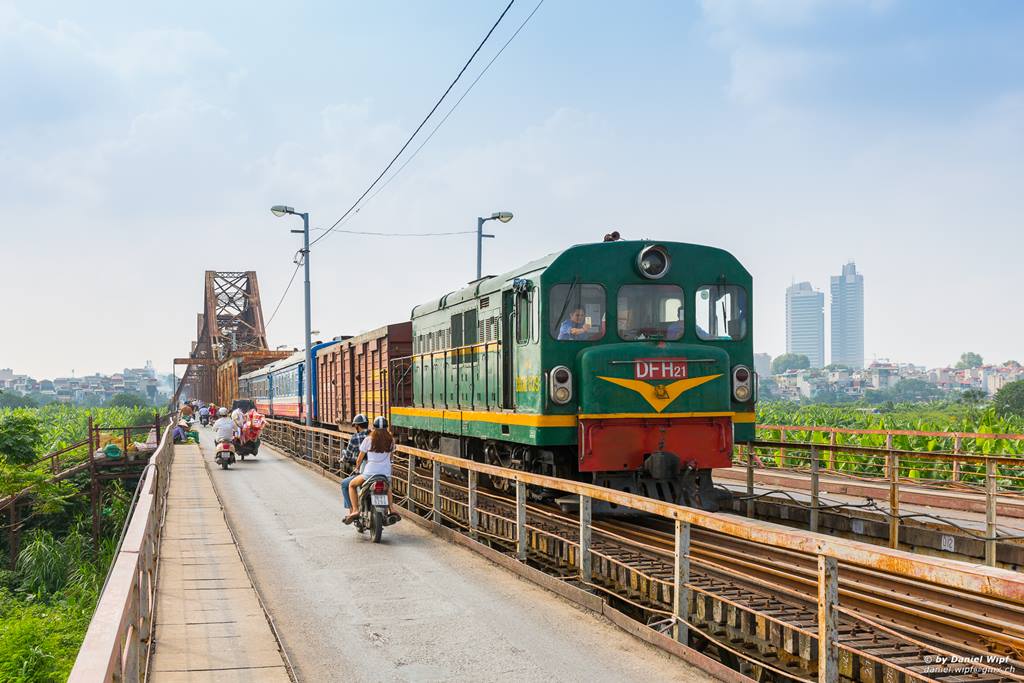
    Vietnam is considering building a high-speed railway that runs along the country’s length with a possible price tag of up to $58.7 billion, the government said on Sunday.

    The Southeast Asian country’s transport ministry will next month submit a proposal to build the 1,545 km (960 miles) railway to the Politburo, the powerful decision-making body of the ruling Communist Party of Vietnam, the government said in a news release.

    Vietnam, a regional manufacturing hub, is ramping up its investment in transport infrastructure to support its fast-growing economy.

    The first two sections with combined length of 665 km (413 miles) and total investment of $24.72 billion would be open to traffic by 2032, the government said, adding that the entire project would be completed by 2045-2050.

  • Mercedes-AMG Project One Enters Production

    Mercedes-AMG Project One Enters Production

    Mercedes-AMG had taken the wraps off the Project One F1-engined hypercar five years ago at the Frankfurt Motor Show and it’s been a long time coming since then. Destined to be the fastest road car ever by Mercedes, it was delayed due to development hurdles with making the turbocharged 1.6-liter V6 petrol engine meet emission standards and noise regulations. Well! It’s through all that and the car is on the assembly line now. Mercedes-AMG will only manufacture 275 units of the Project one.

    The cars are being put together by hand at AMG’s Coventry facility in UK while the hybrid powertrain with its four electric motors is made by the Mercedes AMG High Performance Powertrains division in Brixworth. The same division was also responsible for developing and producing the heart of its F1 car. To start production of the One, AMG teamed up with Multimatic to set up a bespoke production facility. The company claims that each and every vehicle has to go through 16 assembly and testing stations and Mercedes-AMG describes the process as resembling the production of luxury watches. Over 50 people are involved in the production of a One hypercar. Once the car is assembled, it undergoes a roll-out at an adjacent proving ground where a factory test driver gives it the proverbial green light.

    The engine is tuned to churn out 1034 bhp and is covered in protective wrap and transported in a closed truck to Affalterbach in Germany at AMG’s headquarters. This is where the owners finally get their hands on the hypercar and also receive a technical vehicle briefing by AMG One experts. The Mercedes-AMG Project One can can do 200 km/h in less than 6 seconds and has a top speed of 350 km/h. It has also run purely on electric power with a range of 25 km and its internal combustion engine will need to be rebuilt after 50,000 km something that is quite common for an F1 engine

  • Jollibee Foods struggles to make profits in Vietnam with 4 brands

    Jollibee Foods struggles to make profits in Vietnam with 4 brands

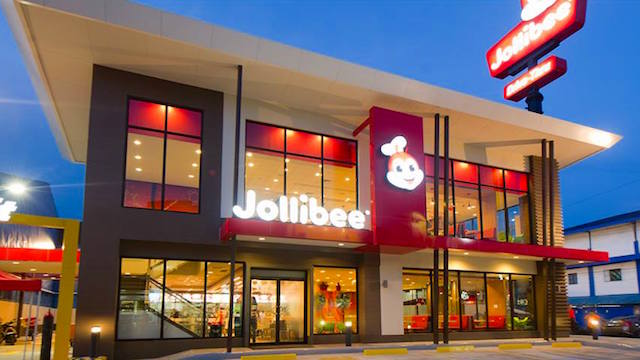
    All four brands that Jollibee Foods Corp of the Philippines operates in Vietnam, including coffee chain Highlands Coffee, posted losses last year.

    The corporation, founded by Filipino billionaire Tony Tan Caktiong, established its first company in the country, Jollibee Vietnam, in 2005, as a fast food operator.

    Since then it has branched into other food and beverage brands: Pho 24, Highlands Coffee and Coffee Bean & Tea Leaf Vietnam. But Highlands Coffee is its only profitable brand (except for last year), while all three other chains have been making losses for years

    Jolibee Vietnam planned to have 300 outlets in the country by 2020, but it only has 150 as of now, lower than its competitors KFC and Lotteria.

    It posted a loss of VND43.9 billion (1.83 million) last year.

    Pho 24, which sells the traditional Vietnamese rice noodles soup, is also struggling to make profits nearly 20 years after it was established.

    At one point, it had targeted 1,000 outlets, but only has 22 now, mostly in Ho Chi Minh City. It also has outlets in South Korea, Indonesia and the Philippines.

    It posted a loss of VND89.4 billion last year.

    The Coffee Bean & Tea Leaf is in an even worse situation with just six outlets in HCMC after 14 years in Vietnam. Its prices are 1.5-2 times higher than that of Highlands Coffee and its outlets are mostly located in large malls.

    It has been reporting an annual loss of VND26-29 billion in the last four years.

    Highlands Coffee, meanwhile, has reported profits for seven of the last eight years.

    The chain topped the VND1 trillion revenue mark in 2017 and doubled it in two years to cross VND2 trillion.

    Except for last year when it posted a VND19 billion loss due to Covid-19, Highlands Coffee had posted annual profits of VND55-100 billion in the previous four years.

    The chain now has 525 outlets in Vietnam and the Philippines.

  • Apple appoints first ever Vietnam country manager

    Apple appoints first ever Vietnam country manager

    Nguyen Thai Hai Van has been appointed the first Country Director of Apple Vietnam, a source has confirmed.

    While no official announcement has been made, Van’s LinkedIn profile says without disclosing details that she has been holding the post since May, 2022; and some of Apple’s authorized retailers told VnExpress that they have been working with Van in the new role.

    Van recently resigned as managing director of Grab Vietnam. Earlier, she was marketing vice president at Unilever Vietnam.

    Insiders consider the appointment a move to expand the U.S. tech giant’s operations in Vietnam. Previously, its operations in the country were overseen by a regional director.

    Apple CEO Tim Cook has said that Vietnam was one of four emerging markets contributed to the company’s success in the second quarter of 2022.

    “We set June quarter records in the Americas in Europe and in the rest of Asia Pacific region. We also saw June quarter revenue records in both developed and emerging markets with very strong double-digit growth in Brazil, Indonesia and Vietnam and a near doubling of revenue in India,” Cook said during the company’s earnings call late July.

    There is no official Apple Store in Vietnam yet, and its products are distributed in the country via a network of authorized retailers.

    Apple is also recruiting for various positions for its Vietnam operations.

  • Auto sales rise 20% in July

    Auto sales rise 20% in July

    Auto sales resumed in July with 30,254 units sold, up 20% from June, showing signs of recovery.

    The increase came after June sales plunged to a three-month low as the government’s decree to cut registration fee by 50% ended in May.

    The multi-utility vehicle Mitsubishi Xpander was the best selling model in July at 2,711 units, followed by Hyundai Accent, 1,423, and Toyota Veloz, 1,395.

    In the first seven months, 232,094 units were sold, up 39% year-on-year.

    Truong Hai Auto Corporation (THACO) led with 83,201 units sold, up 46% year-on-year.

    It was followed by Toyota with 48,650 units and Mitsubishi, with 22,361 units.

    Honda and Ford made up the rest of the top five.

    Last year, auto sales dropped 3% from 2020 to 383,444 units.

  • Singapore Strengthens Role as 5G Regional Innovation Hub

    Singapore Strengthens Role as 5G Regional Innovation Hub

    5G enables technologies such as AI, Digital Twin, and augmented and extended realities to seamlessly work together, a key need for businesses at the forefront of digital transformation, providing consumers with a better-quality experience. In advancing Singapore’s 5G ecosystem, the Infocomm Media Development Authority (IMDA) is working with the industry to unlock the real value of 5G by shaping new business use-cases and enabling enterprises to commercialize locally and globally.

    Lew Chuen Hong, Chief Executive, IMDA, said, “Singapore will continue to push the boundaries of innovation through frontier technologies such as 5G. We are excited to work with our industry partners to unlock the real impact of 5G. We look forward to seeing new and exciting ways 5G will benefit our businesses and consumers.”

    Three new 5G projects have been introduced to boost Singapore’s 5G ecosystem. Under IMDA’s 5G Innovation Programme, S$30 million has been set aside to accelerate the adoption and commercialization of 5G solutions.

    IMDA has announced the awarding of projects for Asia Pacific’s first 5G mobile edge computing for Mixed Reality and Holomedicine capabilities in health tech; the region’s first outdoor mass 5G-enabled cinematic quality AR experience; and Southeast Asia’s first maritime 5G augmented reality/virtual reality smart glasses solution.

    PSA continues to make waves, as the world’s first 5G mmWave port operations trial sees progress. Automated guided vehicles (AGVs) achieved a reduction in latency by 50% compared to the current 4G network. This will enable PSA to scale AGV operations at Tuas Mega Port beyond 2000 vehicles. Automated rubber tire gantry cranes (aRTG) have also seen significant stability in terms of throughput and low latency. 5G will enable PSA to completely automate its RTG operations and empower its staff for higher-value job roles and upskilling in new areas of work.

    IMDA’s partnership with Razer has also seen significant results. This first-ever mmWave trial for Razer was conducted at Ngee Ann City and Singtel’s Comcentre, and findings from this trial enabled a re-imagining of the mobile gaming experience with 5G-enabled gaming controllers.  Based on learnings from this trial, Razer has launched the Razer Kishi V2, a universal mobile gaming controller that promises a “console-class gameplay experience” for smartphones. It also launched the Razer Arctech, a heat-dissipating mobile phone cover that supports the heavy processing load required for a seamless gaming experience.