Tag: asia

  • Gasoline prices hit six-month low

    Gasoline prices hit six-month low

    Vietnam gasoline prices on Thursday dropped 3.6-3.8% to the lowest since Feb. 11 as global rates kept falling.

    A liter of popular RON 95 gasoline now costs VND24,660 ($1.05), down VND940, while that of biofuel E5 RON 95 costs VND23,720, down VND900.

    Thursday’s was the fifth consecutive downward adjustment made to gasoline prices. Compared to this year’s peak on June 21, prices have fallen by 24.22-24.98%.

    Prices of diesel and kerosine also dropped 4.4-5.2%.

    On the global market, gasoline prices have decreased marginally in the last 10 days, according to data from the Ministry of Industry and Trade and the Ministry of Finance.

    On the global market WTI crude futures slipped toward $91 per barrel Thursday as concerns over supply disruptions eased and markets looked for evidence of improving fuel demand.

  • Aldi opens Dumpling Truck, serving meals for less than $1.50

    Aldi opens Dumpling Truck, serving meals for less than $1.50

    Remember when you could get a whole takeaway meal for $1.50? We don’t either, but it sure beats paying $10 for a schooner and $12 for an iceberg lettuce.

    With the cost-of-living soaring, you’d be forgiven for thinking you can’t afford a Friday night out. But just wait until you see the prices at Aldi’s new pop-up dumpling truck.

    Opening for one night only, this Friday 12th August in the Aldi Bankstown Central car park on Chapel Rd, the pop-up dumpling truck will be dishing out servings of six takeaway dumplings for just $1.44.

    When you break down the prices, that’s 25c per prawn gyoza and 23c per chicken dumpling. Which will allow you to feed a family of four from just $5.76.

    The Urban Eats® dumplings include fan fave prawn gyoza and chicken dumplings, a new addition to the supermarket chain’s frozen food range.

    “At a time when consumers are feeling the pinch, it’s rewarding to provide an option for people to still enjoy their Friday night rituals when they shop with us,” said Frozen Food Buying Director, Andrew King.

    “The ALDI Dumpling Truck demonstrates how good food doesn’t have to hurt your pocket. You can dish up quick, delicious and affordable Friday dinners at home for less than $1.50 a serve!”

    The Aldi dumpling truck will be located at Aldi Bankstown Central on Chapel Rd this Friday 12th August from 5pm-7pm, while stocks last. Cards only, no cash accepted. (And before you get any shady ideas, there’s a maximum of 4 serves per person.)

  • Emart plans 20 more hypermarkets in Vietnam

    Emart plans 20 more hypermarkets in Vietnam

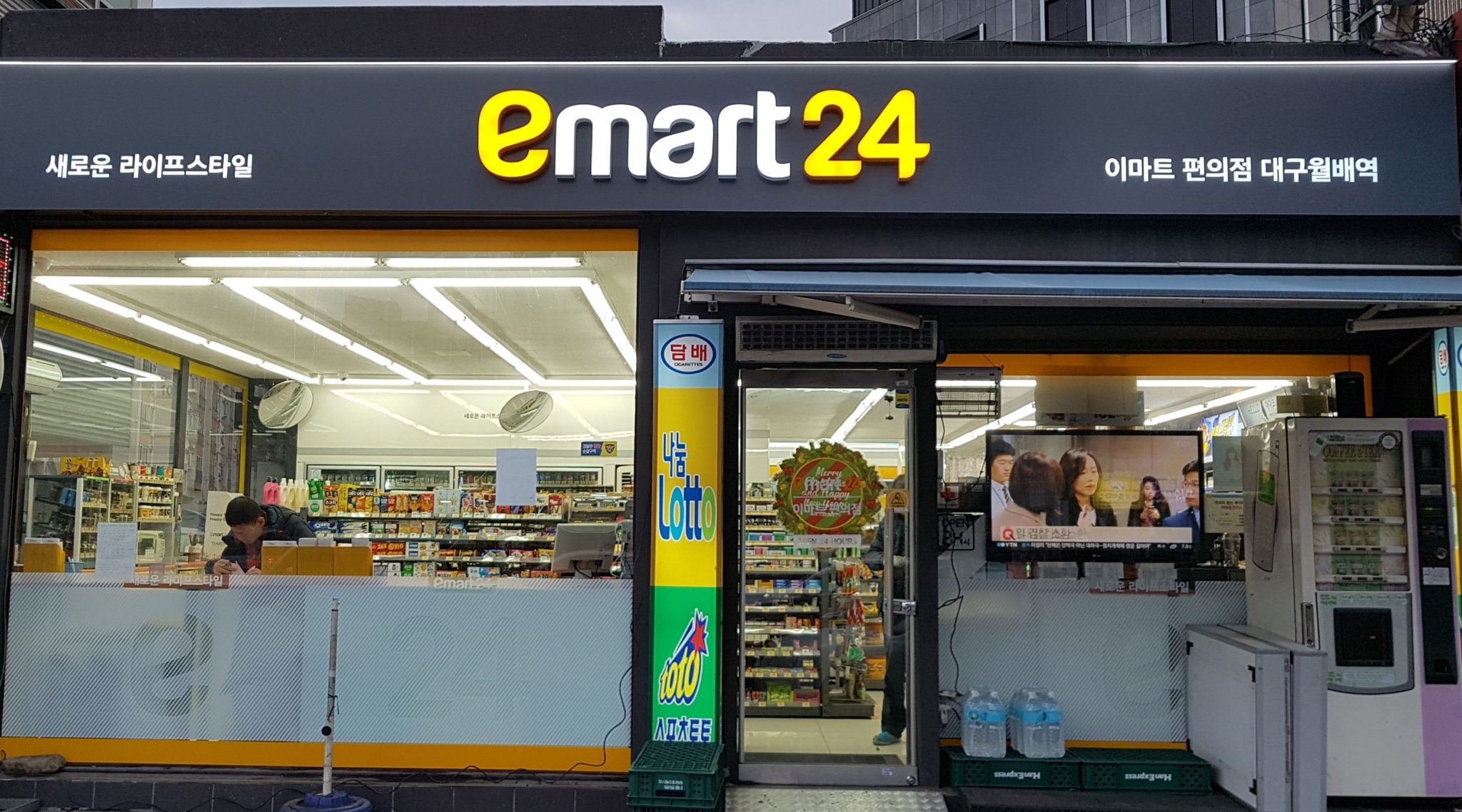
    Emart Vietnam is planning to open two more supermarkets in Ho Chi Minh City – one in Sala Thu Thiem and another in Go Vap District – part of a plan to launch 20 hypermarkets by 2026.

    Emart Vietnam was acquired by Thiso International Commerce and Services Corporation (Thiso), a subsidiary of Thaco Group, last year after the South Korean-born chain experienced difficulties with its expansion ambitions in Vietnam.

    The plans were revealed at an Emart Partners Day earlier this month. Chun Byung Ki, general director of Thiso Retail, reports that by 2026, the chain wants to have 20 locations nationwide and generate US$1 billion in sales, becoming the hypermarket chain with the largest market share in the country.

    The Emart Sala Thu Thiem, which will occupy more than 6000 sqm, will be located in Thu Duc city’s Thiso Mall, while Thiso Retail Hypermarket, Trading and Service Center will house the new Emart Go Vap, which the company describes as the largest supermarket in HCM City.

    Chun said Thaco’s real estate fund and multi-industry ecosystem will enable Emart to expand into other provinces, including Hanoi. An automated pick-up system will debut in Vietnam for the first time, allowing customers to pick up orders efficiently, and a one-hour delivery promise will be guaranteed to customers within a 5km radius.

    Emart is one of the largest retailers in South Korea with locations across the globe. It was founded in 1993 by Shinsegae as the first low-cost retailer in the country. The company opened its first store in 2015 at Phan Van Tri in Go Vap District.

  • Gold producer SJC eyes 7% rise in profits

    Gold producer SJC eyes 7% rise in profits

    State-owned Saigon Jewelry Company targets pre-tax profits of VND60 billion ($2.6 million) on revenues of VND18.8 trillion this year, up 7% and 6% from last year.

    Its targeted net profit margin is only 0.25%, much lower than the 5.11% for competitor Phu Nhuan Jewelry.

    This year the government tasked SJC with privatizing and expanding into neighboring countries, but in July director Le Thuy Hang said the only focus currently is on achieving the sales and profit targets to be able to pay salaries.

    Since 2012 SJC has been the sole gold bullion producer in Vietnam and its gold production is being closely monitored, Hang added.

    Last year its profits fell 25% to VND17.7 trillion, the lowest since 2015, as the Covid-19 pandemic hindered forced it to close several stores.

  • Cryptocurrency ATM Installation Rates in the Doldrums

    Cryptocurrency ATM Installation Rates in the Doldrums

    As cryptocurrencies were booming, the number of cryptocurrency ATMs grew accordingly. Now that Bitcoin & Co are trading well below last year’s highs, the pace of installations is waning.

    There are currently around 39,000 cryptocurrency ATMs installed worldwide, corresponding to a nearly 4,000 percent increase since 2017. But since the beginning of 2022, installation rates have plummeted as the cryptocurrency market crashed.

    Crypto ATM installations saw a meteoric rise from January 2020 to January 2022, increasing fivefold to 34,388 machines worldwide. But since the start of the year, barely 5,000 new machines have been installed, and this month, a net total of 44 were even removed. The last time the net number dropped for an entire month was in November 2015, according to US business magazine Forbes.

    The customers are less active, hence the operators get less volume, hence (they) don’t grow that fast and don’t install that many ATMs Patrick Mueller of online service Coin ATM Radar told Forbes. As of July, the net increase in ATMs was 572, modest compared to the peak of 2000 set in 2021. «However if you compare to the last bull cycle in 2017-2018, there was only around 250 net growth per month. So in the current bear cycle, we are still 2 (times) higher than the previous bull cycle, Mueller notes.

    The first physical ATM was installed in Vancouver, Canada, in October 2013, and of the roughly 39,000 crypto ATMs in operation, 95 percent are in North America. The US has by far the largest share of the global market at 87.9 percent, followed by Canada at 6.3 percent and Spain at 0.6 percent.

    In Europe, a net of 15 machines has been removed this year, while 78 machines have been shut down in the United States. Switzerland currently has 150 cryptocurrency ATMs, according to Coin ATM Radar, with Zurich having the most with 46 ahead of Geneva’s 19 and 17 in Lausanne.

    Still Low Penetration

    Overall, the global installation rate of crypto ATMs is still very low. This may be partly because crypto ATMs do not function like typical ATMs, since they are rarely operated by financial institutions and do not link to bank accounts.

    Instead, users deposit cash that is transferred to a digital wallet via a cryptocurrency QR code. Despite the integration of new cryptocurrencies, bitcoin remains the leading asset with over 99 percent of crypto ATMs supporting it.

  • Will Satellite Technology Be a Game-Changer in the Philippines?

    Will Satellite Technology Be a Game-Changer in the Philippines?

    The Philippines will soon have the first satellite-based internet connectivity in the country as SpaceX’s Starlink is set to be up and running by the end of this year.

    Starlink is a satellite internet constellation under Elon Musk’s SpaceX, offering satellite Internet access coverage to 40 countries, and aims to expand globally. It features speeds of up to 200 Mbps and latency as low as 20ms for residential use.In July, the company announced that Starlink Internet Services Philippines Inc. will already be available in the country, the first in Southeast Asia to be welcoming what is dubbed Starlink Technology.

    The Philippine government said they welcome this latest industry development as this will help enhance connectivity nationwide. The Department of Information and Communications Technology (DICT) secretary joined SpaceX representatives in Manila during the announcement of SpaceX’s rollout.

    The country’s ICT chief, Ivan John Uy, said that SpaceX stands by its commitment to provide satellite internet access to remote areas in the country. “The DICT is closely following the directives of President Ferdinand Marcos Jr., that is to provide digital connectivity across the many islands of the Philippines by building the country’s digital infrastructure, that will also lead to effective e-governance.”

    He added, “This will bridge the digital divide in the country especially in an archipelagic country like the Philippines where laying fiber cables or establishing cell towers in mountainous areas can be challenging.”

    According to a report by DataReportal, the Philippines’ internet penetration rate reached 68%, or about 76 million internet users.

    There are currently three major internet services providers in the Philippines, including those operated by two telecommunication giants, PLDT and Globe. But with many areas in the country still unserved or underserved, demand for internet connectivity continues to increase.

    From this year into the next, the DICT aims to speed up the deployment of internet infrastructure to connect several regions in the country. The plan also includes building cell towers and hi-throughput satellites servicing certain provinces.

    And with the introduction of satellite technology in the country, officials say that this will serve as a solution to connectivity challenges.

    Starlink is expected to connect rural and remote areas where there’s unstable or completely unavailable connectivity. Through this development, DICT said Filipinos from far-off areas can have better access to education, health services and online banking, among other digital needs.

    And to ensure that people in these geographically isolated and disadvantaged areas get to access the internet, the government also said they may start the free rollout of Starlink-powered internet hubs by the first quarter of next year.

    Moreover, satellite technology will also be ideal for those countries prone to natural disasters like the Philippines. Based on the company’s experience in 40 countries since it began operation in October 2020, SpaceX Government Affairs Senior Manager Rebecca Hunter said that Starlink’s technology has withstood “all sorts of inclement weather,” including heavy rains and cloudy weather.

    Some major natural disasters in the Philippines have affected communication access, including last year’s typhoon, which damaged telecommunications infrastructure, leaving people without internet access.

    How is Satellite Technology Changing the Local Telecom Industry

    Since SpaceX unveiled its plans to launch its services in the Philippines, several other satellite internet services providers have also followed suit.

    One of the largest telecom firms in the country, Globe, announced in April that it partnered with AST SpaceMobile Inc. to deliver the first satellite broadband service directly to standard mobile phones in the country. The company said this is part of its expansion to improve such service across the nation     .

    Its major competitor, PLDT also boasts that it has completed successful testing of high-speed broadband connectivity with Canada’s Telesat’s Phase 1 Low Earth Orbit satellite. This test allows opportunities for the telecom operator and its wireless unit, Smart, to use innovations in the satellite industry to expand      high-speed mobile and Internet services to more hard-to-reach communities.

    The Head of Technology at PLDT and Smart, Mario Tamayo, said in a statement, “This year, with our successful test with Telesat, we are a step closer to bringing satellite connectivity innovations and services to businesses and homes in the deepest rural and remote areas of the country.”

    The Smart wireless unit has also collaborated with US-based AST SpaceMobile and is scheduled to test space-based cellular broadband technology.

    The third telecom player in the Philippines, DITO Telecommunity, recently announced that it is      also planning to deploy satellite technology in a bid to expand its coverage, especially to those underserved areas.

    Local media reported that the company was already in talks with prospective satellite service operators to achieve this goal.

    Last year, internet service operator, Converge, also partnered with a foreign satellite company to provide satellite broadband connections to more than 2,000 public schools.

    A report by local media, Business World, also suggested that the local telecommunications regulator is expecting more foreign satellite broadband providers to enter the market. However, no further details were revealed.

    Earlier this year, telecommunications firm Philippine Telegraph and Telephone Corp. (PT&T) teamed up with Singapore-based next-generation broadband satellite operator Kacific Broadband Satellites Ltd.      to “offer high-speed satellite internet at a more economical cost.”

    In 2019, the Asian Development Bank signed a deal to provide a $50 million financing package to      Kacific to deliver satellite-based, low-cost, high-speed, wholesale broadband internet connections to the Philippines and other countries in Asia and the Pacific.

    As to whether or not satellite technology is a threat to existing telecom service providers in the country, PLDT Group’s President and CEO, Al Panlilio, doesn’t think so. During a stockholder’s meeting last June, he said that they welcome new technologies, including satellite, as these would enable wider reach, including to remote communities.

    SpaceX Executive Rebecca Hunter, in concurrence, said that Starlink will not compete with the country’s telecom operators, but instead will fill in the gaps particularly in the unserved and underserved areas in the country to further expand connectivity.


  • DITO Slapped With Interconnection Penalty by Globe After Filing Anti-Trust Complaints vs Telco Giants

    DITO Slapped With Interconnection Penalty by Globe After Filing Anti-Trust Complaints vs Telco Giants

    The Philippines’ two pioneering telecom firms, Globe and PLDT’s wireless unit Smart, hit back at new industry player DITO after it filed a complaint against the two firms for their alleged anti-trust practices.

    Local media reports cited Globe’s statement saying that it had asked the local telecoms regulator to penalize DITO with 622 million pesos’ worth of fines for violating telecom rules. The statement said DITO made “fraudulent calls” through its network to Globe, calls which allegedly sidestepped “proper voice traffic channels”.It said that an average of 1,000 fraudulent calls were allowed to pass daily through DITO’s network to Globe users, which breaches the interconnection rules. Globe said the calls were “fraudulent” as they were international in origins that were masked as calls being made locally.

    According to reports, Globe also asked the local telecom regulator to allow its “temporary disconnection” of interconnection trunk lines with DITO until it resolves all alleged illegal bypass operations coming from its network and until it pays Globe all existing charges for what it says are fraudulent calls.

    Smart meanwhile said in a statement that DITO’s complaint was “baseless” and denied that they are in any way involved in anti-trust activities against DITO.

    A day before Globe’s move, DITO filed with the Philippine Competition Commission two separate complaints against Smart and Globe. It accused them both of abusing their market dominance by imposing interconnection barriers, resulting in low interconnection for calls made by DITO subscribers to Globe and Smart.

    The Philippine Competition Commission said in a statement, “Our Competition Enforcement Office (CEO) is now evaluating the merits of Dito’s complaints. The Commission has 10 days within which to decide whether or not to give due course to the complaint. If given due course, our CEO will proceed to investigate the charges and if it subsequently finds sufficient basis, file with the Commission en banc a Statement of Objections against the allegedly erring entities. The PCC shall also consult with the National Telecommunications Commission for related regulatory concerns.”

  • Vietnam needs $8 bln-$14 bln power investment a year through 2030

    Vietnam needs $8 bln-$14 bln power investment a year through 2030

    Vietnam will need investment of between $8 billion and $14 billion a year through to 2030 to develop new power plants and expand its grid, its deputy industry minister said on Wednesday.

    Of the amount, 75% would be spent on new power plants, with priority given to renewable sources, and 25% on grid expansion, Deputy Minister of Industry and Trade Dang Hoang An said in a statement.

    He said the country will seek to raise funds from private investors for the new power projects, without elaborating.

    Vietnam, a regional manufacturing hub, needs to increase its installed power generation capacity by around 10% a year to support its fast-growing economy and population.

    An said Vietnam, which pledged last year to become carbon-neutral by 2050, will raise its offshore wind capacity to 7 gigawatts (GW) by 2030 and to 65 GW by 2045, while cutting the proportion of coal in its energy mix.

    “Vietnam will not add new coal-fired power plants to its master power development plan, and will only continue coal projects that are under construction until 2030,” An said.

    The ministry last month asked the government to remove future coal projects with a combined capacity of 14.12 GW from the master power development plan that is being drafted.

    Under the latest draft of the master power development plan, Vietnam’s total installed power generation capacity would be raised to 121 GW by 2030 and to 284 GW by 2045, from 76.6 GW at the end of last year, according to state media.

  • High Taxes Are Driving a Crypto Exodus in Japan

    Japan’s cryptocurrency industry is undergoing a wave of exits to friendlier markets due to the high corporate tax rate.

    At least 20 firms are choosing to establish their crypto business elsewhere and leave Japan, said Sota Watanabe, chief executive of digital infrastructure developer Stake Technologies, in an interview with Bloomberg.

    Crypto firms have been exiting Japan in recent years due to pressure from high taxes including a corporate tax rate of about 30 percent and an individual tax rate of up to 55 percent for crypto gains.

    In an effort to maintain the competitiveness of crypto in Japan, two of the top industry bodies – the Japan Cryptoasset Business Association and the Japan Virtual and Crypto assets Exchange Association – are reportedly submitting a proposal to the financial regulator for tax changes.

    According to a separate report citing a memo, the two groups planned to ask the government to stop taxing paper gains for crypto holdings held by companies for purposes other than short-term trading. The lobby groups also propose a uniform 20 percent income tax on individual investors’ crypto gains, instead of the current arrangement with rates as high as 55 percent.

    According to Watanabe, Japan is lagging behind in the global tech race while a growing number of governments elsewhere are ramping up efforts to woo crypto firms.

    Japan is an impossible place to do business,» he said. «The global battle for a Web 3.0 hegemony is underway, and yet, Japan isn’t even at the start line.

    Stake Technologies relocated to Singapore in 2020 over tax pressures but Watanabe hopes to return to his home country of Japan, assuming that the government will yield to industry calls and lower corporate taxes on crypto next year. He also noted that it may take a few more years before the tax rate for individual investors is reduced.

  • Thailand’s Lotus’s to invest more than US$350 million in expansion plan

    Thailand’s Lotus’s to invest more than US$350 million in expansion plan

    Manufacturer of the legendary speculoos (Biscoff) caramelised sugar biscuit Lotus Bakeries is set to build a new factory in Thailand. The first biscuits are expected to roll off the factory conveyor belt in 2026.

    Speculoos biscuits are already extremely popular in Asia, with company Lotus owning sales offices in China and South Korea, as well as teams in Hong Kong. To bolster growth in the region, Lotus will open a new factory in Thailand to satisfy the needs of the Asian market.

    The Belgian company has been expanding steadily in recent years. Just three years ago, Lotus Bakeries opened a factory in Mebane, in North Carolina, the United States. In South Africa, the group owns a factory for African treat Bear, a type of liquorice candy.

    According to a press release from the company, the Thai factory will be based in the eastern province of Chonburi, not far from the capital Bangkok.

    The factory will sit on the so-called “Eastern Economic Corridor” which is currently receiving massive economic investment. Goods flowing along this corridor, which connects China, Korea, and Malaysia, experience next to no import duties, according to Lotus CEO Jan Boone.

  • Missfresh summonsed by Beijing consumer rights group after complaints

    Missfresh summonsed by Beijing consumer rights group after complaints

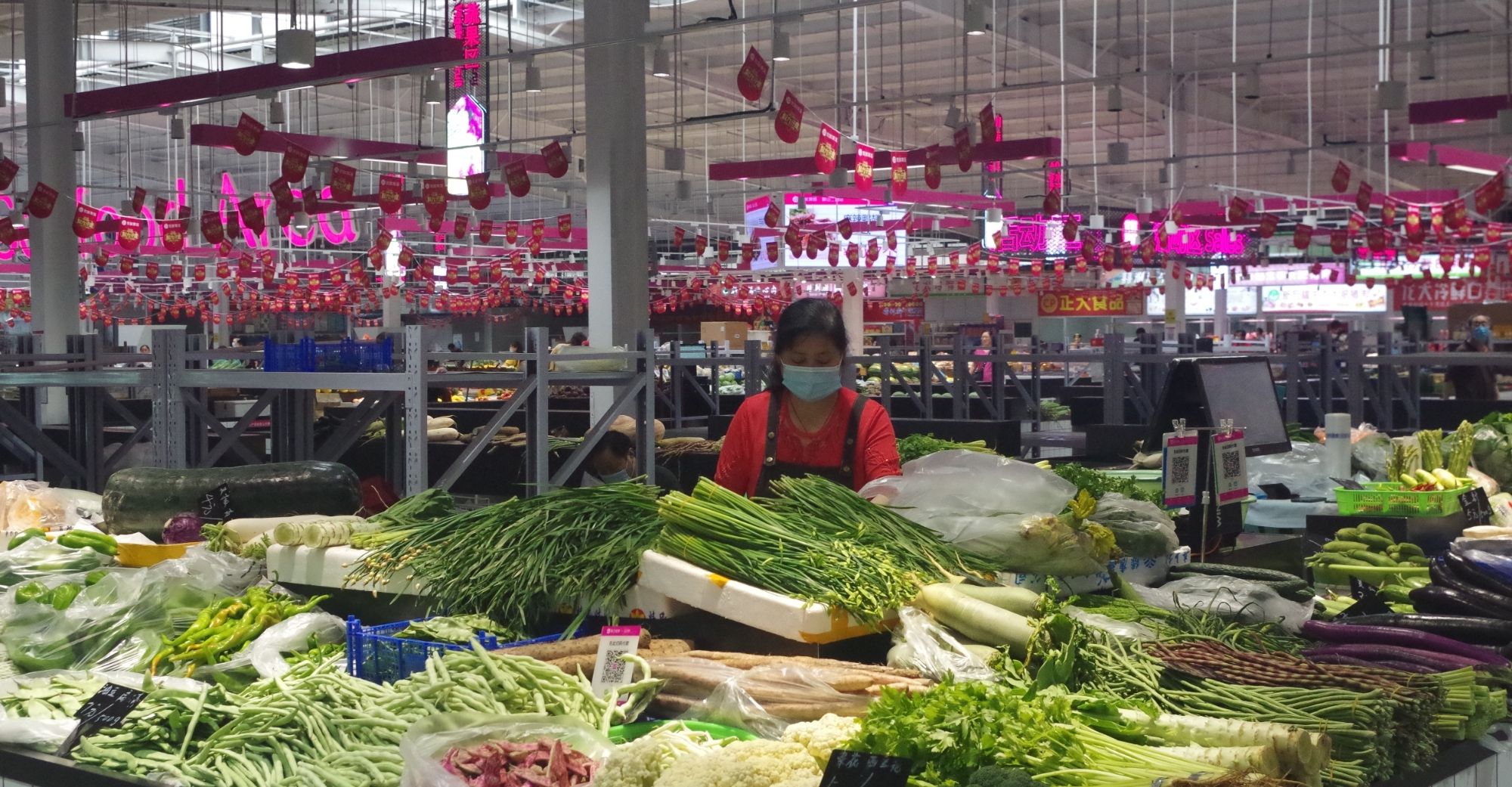
    A Beijing consumer rights group said on Tuesday it had asked Missfresh to work on plans to refund its customers and explain how it will rectify its business after receiving a number of complaints, adding to pressures facing the Tencent Holdings and Tiger Global-backed grocery startup.

    The government-backed Beijing Consumer Association said in a statement on its website on Tuesday that a large number of Missfresh customers had complained about the platform’s “abnormal operations”.

    Missfresh did not immediately respond to a request for comment.

    The grocery delivery firm’s troubles come as China’s tech sector grapples with slowing growth amid COVID-19 lockdowns and tightening regulatory oversight.

    The company pioneered one-hour fresh food delivery services in China, a model that is extremely popular with consumers but is labour and capital intensive. It listed on the Nasdaq in June last year, raising $273 million.

    However, the company’s stock has lost 98% of its valuation since and in late July local media reported that it had abruptly laid off hundreds of employees and had not paid salaries, triggering labour arbitration complaints.

    Missfresh has cancelled its one-hour delivery service, changing it to a next-day model, and told local media that it had conducted layoffs due to business restructuring.

  • China’s Luckin Plans Store Expansion, Remains Committed to USA Market

    China’s Luckin Plans Store Expansion, Remains Committed to USA Market

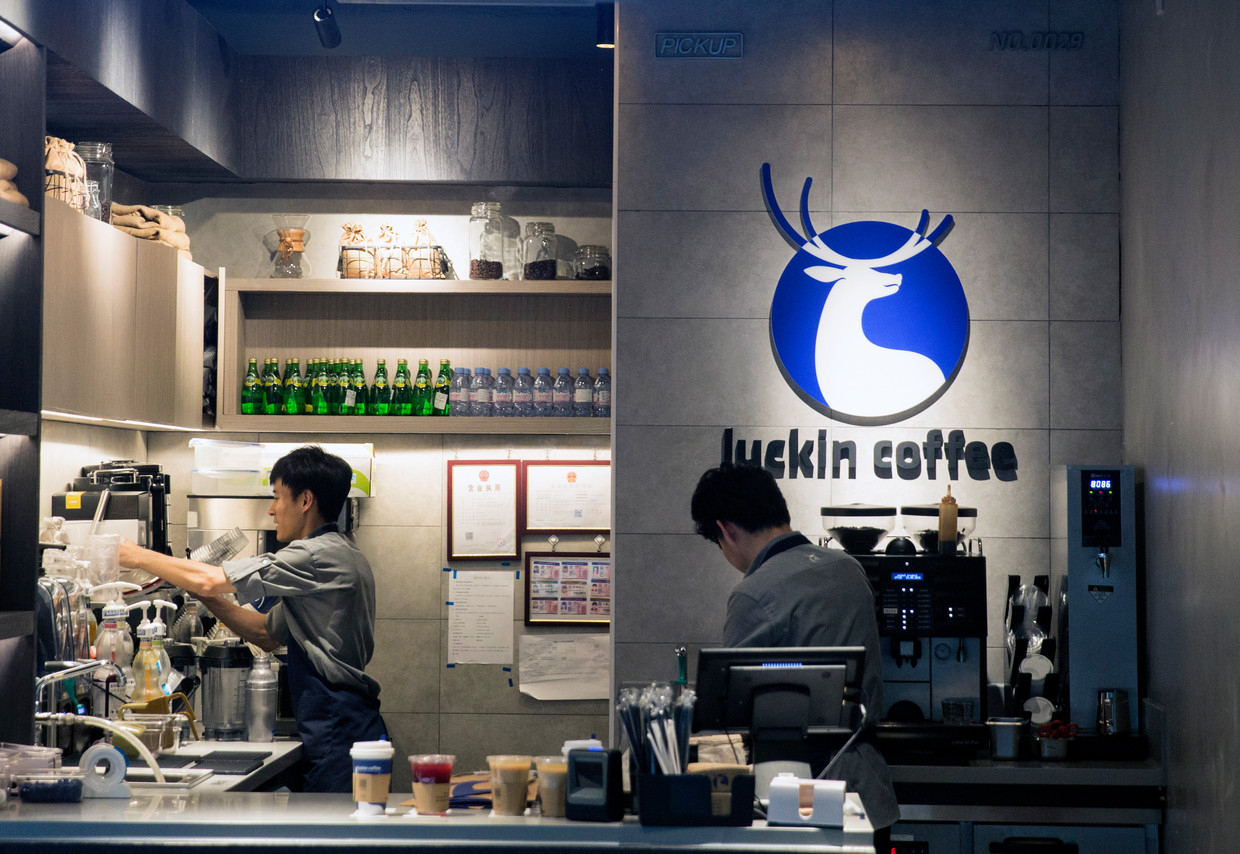
    Two years after it was forced to withdraw from the Nasdaq for an accounting fraud, China’s Luckin Coffee believes it has emerged from its “darkest moment”, and said it remains committed to U.S. capital markets as it expands its stores and sales.

    Luckin admitted in 2020 that about $310 million of its sales were fabricated in the previous three quarters, bringing the coffee maker to the brink of collapse after having blazed a trail as a homegrown challenger to U.S. coffee giant Starbucks.

    “That was Luckin’s darkest moment. The company was facing a huge crisis at the time”, David Li, chairman and chief executive of Chinese private equity firm Centurium Capital, told Reuters, referring to the accounting fraud.

    Luckin delisted from Nasdaq following the financial scandal, shocking Wall Street investors. After changes in ownership and top management, as well as paying hundreds of millions of dollars in fines, the company once again is flexing its muscles.

    A turnaround for Luckin would help vindicate the company’s top management and new owners, who have continued to push the chain to expand in China’s highly competitive coffee market.

    Luckin in May reported its first ever quarterly operating profit. On Monday, it reported a 72% jump in net revenue for the June quarter. In comparison, Starbucks said last week its third quarter comparable sales in China fell 44%.

    Centurium, a key early investor of the coffee chain, in January became the firm’s controlling shareholder after leading a consortium to acquire shares that used to be owned by two of Luckin’s founders for more than $400 million.

    Centurium dispatched seven of its professionals to work with Luckin’s management team for months in the aftermath of the fraud and in the following year poured $240 million into the business to finance its restructuring.

    It has also pushed Luckin to rebuild a more transparent and connected database to ensure there are no “data silos”, which Li blamed for the accounting scandal.

    Luckin plans to continue to open new stores, said Luckin’s chief executive Guo Jinyi, even as China’s stringent COVID-19 curbs have forced many catering chains to be more cautious about expansion in the near-term.

    He said Luckin would add more outlets across the country, including in the top-tier cities such as Beijing and Shanghai.

    Luckin, which was founded five years ago, currently has nearly 7,200 shops in China, compared with Starbucks’ 5,761 by early July.

    “We believe the potential of China market remains huge,” Guo said, adding that though Luckin has reached 230 Chinese cities, more than 5,000 of the stores are located in the 50 to 60 major cities.

    Ever after the Nasdaq delisting, Luckin remains tradable via pink sheet, off-exchange trading platform mainly involving penny-stock companies that do not meet the main exchanges’ listing standards.

    On Monday Reinout Hendrik Schakel, who relinquished his chief financial officer role but remains as chief strategy officer, told analysts the company remained committed to the U.S. markets.

    “We don’t have a specific timetable yet,” Guo said of a possible Nasdaq return. “But we will continue to pay attention to and focus on the U.S. capital market … So far, we haven’t considered (re-listing) in other markets.”

    Though Luckin is ahead of Starbucks in store numbers in China, the U.S. coffee chain is still the dominant player with 28.9% of the market in 2021, dropping slightly from previous year’s 31.2%, according to Euromonitor.

    Market share of Luckin rose to 7.8% last year from 6.3% in 2020.

    Asked how Luckin plans to restore investors’ confidence, Guo said: “We can only rely on Luckin’s business performance, rely on issuing (strong) quarterly, annual reports to restore their confidence. It takes time.”

  • Japanese designer Issey Miyake dies, at 84

    Japanese designer Issey Miyake dies, at 84

    The Japanese fashion designer Issey Miyake, renowned for his innovative pleated clothing and for producing 100 mock turtlenecks for the Apple co-founder Steve Jobs, has died of liver cancer in a hospital in Tokyo. He was 84.

    The Issey Miyake Group released a short statement about his work saying: “Miyake’s dynamic spirit was driven by a relentless curiosity and desire to convey joy through the medium of design.” It stated that “as per Mr Miyake’s wishes, there will be no funeral or memorial service”.

    Much like Andy Warhol, Miyake was interested in the overlap between art and design, and fashion. Throughout his 52-year career, the designer maintained an “anti-trend” stance, always referring to his designs as “clothing” rather than “fashion”.

    “I am most interested in people and the human form,” Miyake told the New York Times in 2014. “Clothing is the closest thing to all humans.”

    Perhaps best known for designing the polyester-cotton mock turtlenecks indelibly linked with Steve Jobs, it is believed he produced 100 at less than $200 each. Designed to alleviate “decision fatigue”, along with Jobs’ Levi’s 501s and New Balance 991s, the tops became shorthand for late 90s Silicon Valley uniform, based on the idea that busy people’s minds are on more important things than picking out ties.

    Born in Hiroshima in 1938, Miyake studied graphic design at the Tama Art University in Tokyo. But piqued by the crossover between disciplines, he pivoted to fashion and moved to Paris to become an apprentice to Guy Laroche and eventually work for Hubert de Givenchy around the time Audrey Hepburn was wearing his dresses.

    After witnessing the 1968 student protests, Miyake became disenchanted by an industry designed to dress only the wealthy. It was this interest in fashion as art and function, democratic but aesthetically pleasing, which led him to establish the Miyake Design Studio in 1970, and show his first very wearable collection in New York in 1971. One of his earliest pieces was a jersey body, hand-painted using traditional Japanese tattoo techniques.

    A keen sportsman, function became the linchpin of Miyake’s work. His most famous and most affordable clothes, the Pleats Please line, was launched in 1993 as a retort to the price and unwearability of high-end fashion.

    Featuring capes and trousers, and flowing sleeveless tabards made from heat-treated polyester to create permanent pleats, the clothes never creased, could be machine washed and be rolled instead of folded. The line remains one of the first and best examples of gender-free clothing and still fetches hundreds of pounds on resale sites.

    It was Miyake’s cynicism about the fashion industry, in particular the speed at which it produced, that gave his designs such longevity in reputation and design. In an interview with the Village Voice in 1983, Miyake outlined his opposition to the fashion cycle: “I want my customer to be able to wear a sweater I designed 10 years ago with this year’s pants.”

    Mikyake saw technology as a solution to the problem of overproduction, with one such solution the late 90’s “One Piece of Cloth” idea (later known as A-POC) which pioneered the idea of making clothes out of a single tube of fabric, cutting down and waste and showing exactly what could be done with a knitting machine, a computer and the right knowhow.

    Many of his designs are in museums, including the Museum of Modern Art’s permanent collection. In 2010, he received the Order of Culture in 2010 and in 2016 was decorated as a Commandeur de l’Ordre National de la Légion d’honneur.

    Loth to give interviews, Miyake had a pronounced limp – a result of surviving the 1945 atomic bomb dropped on his home town of Hiroshima when he was seven. Three years later, his mother died of radiation exposure.

    In a rare 2009 op-ed for the New York Times, Miyake recounted just how much that day, and his mother’s subsequent death, informed his creativity. “I have tried, albeit unsuccessfully, to put them behind me, preferring to think of things that can be created, not destroyed, and that bring beauty and joy. I gravitated toward the field of clothing design, partly because it is a creative format that is modern and optimistic.

    “I did not want to be labeled ‘the designer who survived the atomic bomb’.”

  • Kering Eyewear opens first South Korea store, its largest yet in Asia

    Kering Eyewear opens first South Korea store, its largest yet in Asia

    Luxury brand Kering Eyewear has launched its first store in South Korea, located on the eighth floor of Lotte Duty Free’s store in Busan.

    A collaboration between Kering Group and Lotte, the brand claims the new boutique is its largest store in Asia to date.

    Center stage in the store is a giant media wall showcasing new products. A virtual fitting service for Kering eyewear is provided by Lotte Internet Duty Free using augmented reality (AR) technology. Lotte Internet Duty Free plans to implement a virtual reality (VR) tool allowing customers to view the boutique in 360 degrees without physically visiting the store.

    Kering Group wants to expand its presence in Asia and deepen its commitment to sustainability. The group has also revealed plans to strengthen its Gucci brand’s presence in China, where it aims to become the market leader by 2025.

    Kering wants to cut its carbon footprint by 40 per cent by 2025. It also emphasizes its efforts in sustainable sourcing, buying 30 per cent of organic cotton, 100 per cent of gold, and 73 per cent of sustainable leather from suppliers who source their materials ethically.

    Last March, Kering Eyewear bought luxury eyewear company Maui Jim as part of its expansion strategy.

  • Indonesian fashion label Claude launches in Singapore

    Indonesian fashion label Claude launches in Singapore

    The store people have been impatiently waiting has finally arrived. The go-to IT fashion brand, Claude, has officially opened its first brick-and-mortar store at Takashimaya Shopping Centre, Singapore on July 29th, 2022.

    As it always go with Claude, they celebrated the grand opening of their 1600sqft store with flair and much grandiose. Hosted by Aimee Cheng-Bradshaw and accompanied by plenty of familiar faces and icons in the fashion and lifestyle industry from Andrea ChongMelissa C. KohNellie Lim, and Savina Chow. The famous Singapore socialite, Jamie Chua, also attended wearing Claude special Singapore collection, The Wildflower.

    “We have been receiving a lot of love from Singapore over the years,” said Christie Johana as the Co-Founder and Creative Director of Claude. “It is definitely the right step for us to finally open our first international store in our amazing and beautiful neighbour, Singapore.”

    Curved outlines, flora installation, and a splash of lilac and mint green definitely screams Claude. The Indonesian label known for its elegant dresses, pleated pieces, and its modern Gen-Z sub-brand Everyday definitely stole the show with its beautiful store. “The goal is to create an experience for everyone while touring the store and feel comfortable, relax and unwind in the massive lounge room, and taking pictures on many of the spots.”, the Creative Director said.

    This community focused brand also arranged its first ever international Claude Squad event at SPRMRKT, Dempsey Hill, just a day before the grand opening event. “One of our most important mission is to connect people who have passion for fashion, and we love to do it by hosting a gathering with our beloved Claude Squad!”, stated Christie.

    Some of people’s favourite fashion stars and fanatics were also seen during the gathering, from Iman FandiHailey Teo, and so much more. To add the excitement, consumers can see all of them rocking Claude’s Singapore special collection that will be available in store, while posing in front of their beautiful garden backdrop and iconic #ClaudeSquad signage.

    With the opening of the store, The Wildflower collection is exclusively available offline before their official launch on Claude’s website on August 1st, 2022 and August 8th, 2022. Pieces vary from original prints, pleated items, and their novel knitted pieces.