Tag: asia

  • HCMC lottery firm reports record H1 profits

    HCMC lottery firm reports record H1 profits

    The HCMC Lottery Company Ltd. earned profits of VND736 billion (over $31.46 million) in the first half of the year, an increase of 27% year-on-year.

    The company recorded H1 revenues of VND5.46 trillion, completing nearly 54% of the year’s target, the company said in its financial statement.

    The main source of income was the sale of traditional lottery tickets and scratch-off tickets; and the rest from office leasing and printing.

    The company leaders said that from the beginning of the year until mid-July, the company had paid out more than VND2.8 trillion to lottery winners

    After deducting all expenses, the company made a profit of VND736 billion. This was a record high in the company’s history.

    The company’s revenue and profits have been increasing steadily over the last 10 years.

    Current sales are twice as high as they were in the first half of the year 10 years ago, and profits have increased three-fold.

    The company’s management said demand for lottery tickets in the southern region has grown continuously, and the Ministry of Finance has increased the ticket volume by 10% to cover a larger area and expand its agent network.

    The scratch-off lottery, which has been in operation since the end of 2018, has also been successful, covering nine provinces and accounting for 4-5% of annual revenue.

    The company’s total assets exceed VND2.6 trillion, while its liabilities exceed VND900 billion. Cash and bank deposits account for a sizable portion of the asset structure.

    This year, the company expects revenues of VND10.15 trillion and pre-tax profits of VND1.17 trillion. Its payment to the state budget is estimated at around VND3.04 trillion.

  • Samsung to start producing semiconductor components in Vietnam

    Samsung to start producing semiconductor components in Vietnam

    Samsung is testing its ball grid array products and will mass produce them at the tech giant’s factory in northern Thai Nguyen Province in July 2023.

    Roh Tae-Moon, head of Samsung’s key smartphone division, said this at a Friday meeting with Prime Minister Pham Minh Chinh.

    On its homepage, Samsung has said that it is preparing trial production for semiconductor chip grid products and planning to open a research and development (R&D) center in Hanoi later this year or early next year.

    The company said the R&D center was about 85% complete.

    “Semiconductors would mark a third business for Samsung in Vietnam, where the company makes home appliances and half of its smartphones.

    In the first half of 2022, Samsung Vietnam’s export revenue was $34.3 billion, up 18% from the same period last year.

    In February, Samsung announced an additional $920 million investment into its factory in Vietnam.

    Before Samsung, Vietnam had Intel Products Vietnam (IPV), the largest assembly and testing plant in Intel’s network. During the global chip crisis, IPV not only maintained stable operations, but also made a number of innovative contributions to help it fill the shortage in semiconductors. One of the key initiatives was to improve the substrate treatment process at the plant.

    “Vietnam has the ability to establish the necessary infrastructure and policies needed to support cutting-edge manufacturing operations in the chip sector,” Steve Long, general manager of Intel’s Asia-Pacific and Japan region, had said during an interview with VnExpress in May.

    He said the stable socio-political environment, increasingly liberalized trade and investment policies, and a young and talented workforce were the reasons for foreign investors, especially large tech corporations, finding Vietnam an attractive destination.

    Vietnam is home to 60 percent of Samsung’s total smartphone production.

    Samsung, Vietnam’s biggest foreign direct investor, first invested $1.3 billion in its electro-mechanics unit in 2013. The unit produces main boards and other electronics components.

    As of last year, the world’s largest memory chip maker had invested $18 billion in Vietnam.

  • Samsung workers in Vietnam bear brunt of slowdown in global demand for electronics

    Samsung workers in Vietnam bear brunt of slowdown in global demand for electronics

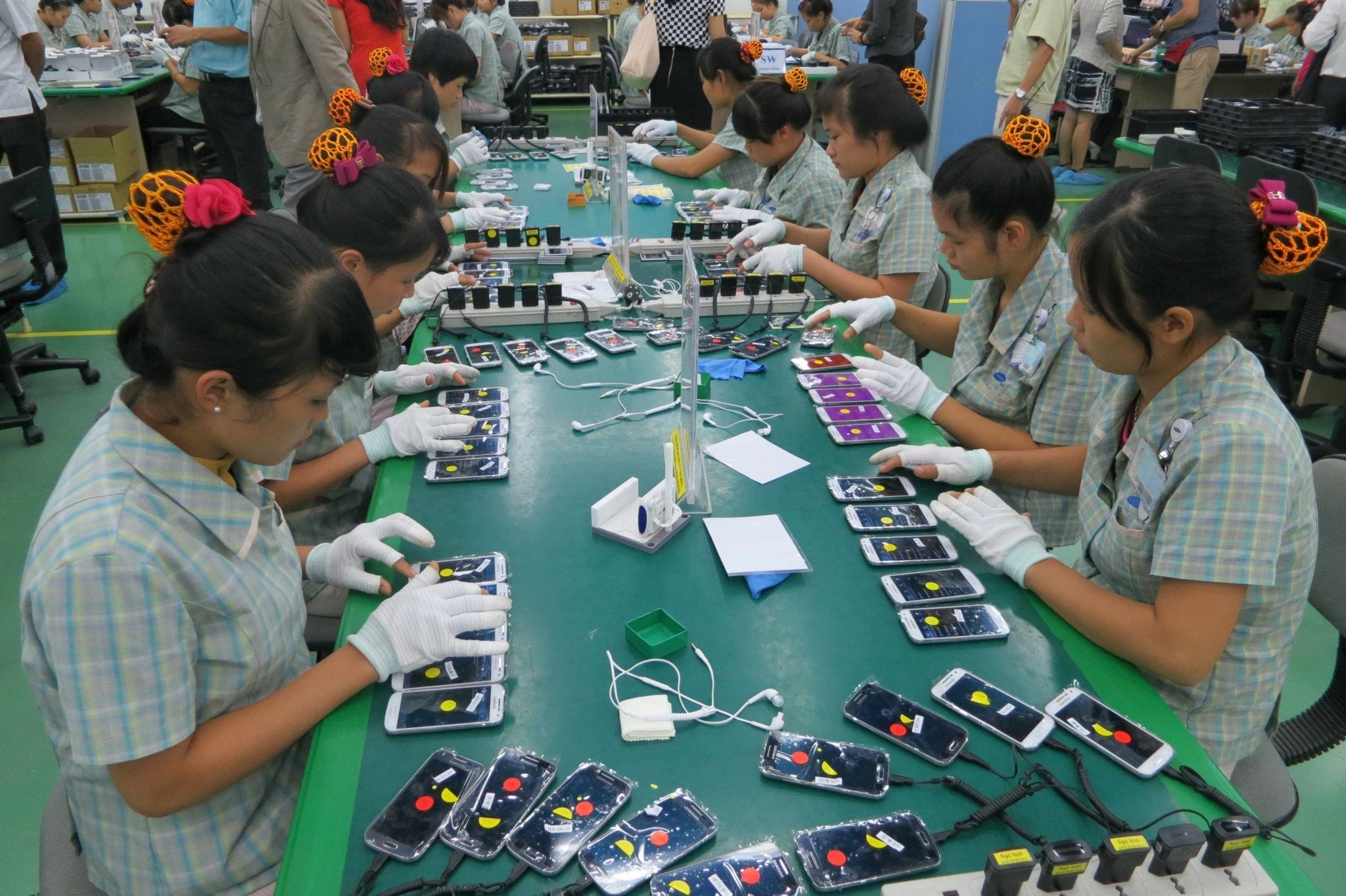
    Samsung Electronics Co Ltd has scaled back production at its massive smartphone plant in Vietnam, employees say, as retailers and warehouses grapple with rising inventory amid a global fall in consumer spending.

    America’s largest warehouse market is full and major U.S. retailers such as Best Buy and Target Corp warn of slowing sales as shoppers tighten their belts after early Covid-era spending binges.

    The effect is acutely felt in Vietnam’s northern province of Thai Nguyen, one of Samsung’s two mobile manufacturing bases in the country where the world’s largest smartphone vendor churns out half of its phone output, according to the Vietnam government.

    Samsung, which shipped around 270 million smartphones in 2021, says the campus has the capacity to make around 100 million devices a year, according to its website.

    “We are going to work just three days per week, some lines are adjusting to a four-day workweek instead of six before, and of course no overtime is needed,” Pham Thi Thuong, a 28-year-old worker at the plant said.

    “Business activities were even more robust during this time last year when the Covid-19 outbreak was at its peak. It’s so tepid now.”

    Reuters could not immediately establish whether Samsung is shifting production to other manufacturing bases to make up for reduced output from the Vietnamese factory. The company also makes phones in South Korea and India.

    Samsung told Reuters it has not discussed reducing its annual production target in Vietnam.

    The South Korean tech giant is relatively optimistic about smartphone demand in the second half, saying on its earnings call last week that supply disruptions had mostly been resolved and that demand would either stay flat or even see single-digit growth.

    It is aiming for foldable phone sales to surpass that of its past flagship smartphone, the Galaxy Note, in the second half. It is expected to unveil its latest foldables on Aug. 10.

    But a dozen workers interviewed by Reuters outside the factory almost all said business is not good.

    Thuong and her friends who have been working for Samsung for around five years said they had never seen deeper production cuts.

    “Of course there is a low season every year, often around June-July, but low means no OT (overtime), not workday cuts like this,” Thuong said.

    She said managers had told workers inventories were high and there were not many new orders.

    Research firm Gartner expects global smartphone shipments to decline by 6% this year due to consumer spending cuts and a sharp sales drop in China.

    Samsung town

    Samsung is Vietnam’s biggest foreign investor and exporter, with six factories across the country, from northern industrial hubs Thai Nguyen and Bac Ninh where most phones and parts are manufactured, to Ho Chi Minh City’s plant making fridges and washing machines.

    The South Korean company has poured $18 billion into Vietnam, powering the country’s economic growth. Samsung alone contributes one fifth of Vietnam’s total exports.

    Its arrival nearly a decade ago in Thai Nguyen, about 65 km (40 miles) from the capital Hanoi, transformed the area from a sleepy farming district into a sprawling industrial hub that now also manufactures phones for Chinese brands including Xiaomi Corp.

    Generous benefits including subsidised or free meals and accommodation have lured tens of thousands of young workers to the region, but reduced workhours have now left many feeling the pinch.

    “My salary was cut by half last month because I just worked four days and spent the remaining week doing nothing,” said worker Nguyen Thi Tuoi.

    Job cuts are on some workers’ minds but so far none have been announced.

    “I don’t think there will be job cuts, just some working hour cuts to suit the current global situation,” said one worker, declining to be named because she did not want to risk her team leader role.

    “I do hope that the current cut will not last long and we will soon be back to normal pace.”

  • 2G and 3G Migrations Completed or in the Pipeline

    2G and 3G Migrations Completed or in the Pipeline

    The Global mobile Suppliers Association (GSA) has released the findings of its new report ”2G-3G Switch-off July-2022”. Drawing on information collected by the GSA about the switch-off of 2G and 3G around the world, this report noted that 135 operators have either completed, are planning or are in progress with 2G and 3G technology transitions in 68 countries and territories.

    75 operators in 42 countries and territories have either completed or are planning 2G switch-offs with 23 operators in 14 countries and territories having completed 2G switch-offs.

    For 3G, the report reveals that 75 operators in 40 countries and territories have either completed, are planning or are in progress with network switch-offs, including 26 operators in 15 countries and territories that have completed the move.

    The report observes disparities between regions including the pace of 2G and 3G network switch-offs. Europe has or will be undertaking the largest number of technology migrations,   of the total. Asia will be responsible for 31 (23%), followed by North America, and the Middle East and Africa with 8 (6%) each, and Oceania with 7 (5%). Latin America and the Caribbean have just 2 (1%) 2G and 3G switch-offs.

    “When they were first introduced to the market, 2G and 3G were highly important innovations, but as greater technological advances have emerged, their importance has waned, and usage of both technologies is now diminishing worldwide,” stated Joe Barrett, President of the GSA. “As such, more and more operators and governments are coming to the decision that the older 2G and 3G technologies as well as the spectrum allocated to them should be migrated to faster and more efficient 4G and 5G networks. At the GSA, we are forecasting an increase in the number of operators moving off 2G and 3G networks as the transition to 4G and 5G will fully unfold.”

  • YouTube might soon let you zoom in on videos

    YouTube might soon let you zoom in on videos

    A new useful feature might soon come to YouTube. Apparently, the video platform is working on a new option called “Pinch to zoom,” which will let you zoom in on the videos you watch by pinching the video player with two fingers.

    At the moment, Pinch to zoom is only an experimental feature, but YouTube Premium subscribers can freely enroll in the testing through YouTube’s experimental features site and try it themselves. However, they can only do so until September 1st. After that, the Pinch to zoom test won’t be available.

    Most likely, after September 1st, based on Premium subscribers’ feedback, YouTube will decide if it will officially release Pinch to zoom on its platform or just scrap the project entirely.

    If you regularly watch YouTube videos, you know there could be many instances where you would like to zoom in on a portion of the video. For example, tutorial clips often arrange information in small tables, and a zoom-in option would really help you read the displayed data more easily. Or maybe there is a small detail in the latest video of your favorite YouTuber that you would like to zoom in on in order to pay more attention to. Whatever the reason, a zoom-in option on YouTube will most likely be a very useful feature. We really hope YouTube decides to release it to all its users after the testing is finished.

  • KFC and Hype team up in branded fashion drop

    KFC and Hype team up in branded fashion drop

    KFC may be known for its fried chicken, but it’s about to make a move into the fashion world, teaming up with HYPE to launch a 47-piece clothing line.

    The fast food chain has collaborated with lifestyle brand HYPE to create a collection of clothes and accessories including hoodies, puffer jackets and bucket (no pun intended) hats.

    The line-up of co-branded clothing and accessories features designs inspired by both brands, mixing KFC’s tongue-in-cheek interactive messaging with HYPE bold heritage statements.

    The exclusive range has your everyday staples covered and features bralettes, joggers, tees, caps and backpacks, which the brands claim will ensure you look “festival-ready and feeling finger lickin’ good”.

    Inspired by KFC’s history, including its menus and slogans, the collection includes HYPE’s original dad cap shape with ‘Bargain Bucket’ emblazoned across the front.

  • Gentle Monster opens new China flagships in Beijing, Qingdao

    Gentle Monster opens new China flagships in Beijing, Qingdao

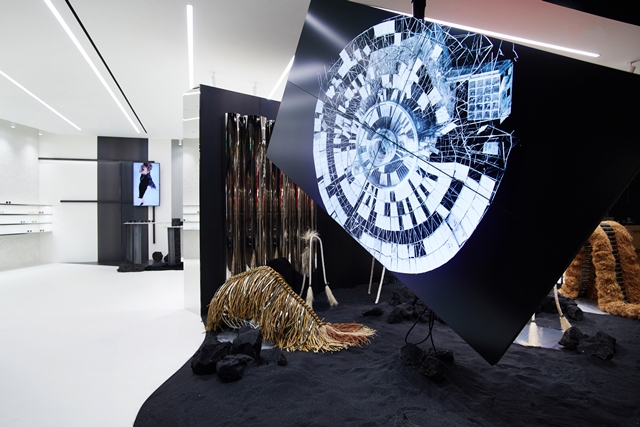
    GENTLE MONSTER announced the largest flagship store in the world will open on August 4th in Beijing Taikoo Li Sanlitun. “DATAIZED FUTURE” serves as the visual narrative theme for the flagship store. As mankind inhibits a fragmented and dislocated near future, visitors are allowed to express free movement, jumping across time and space. As the store relocates from the Taikoo Li Sanlitun North District to the South District, taking up a landmark location in the commercial area, the latest GENTLE MONSTER retail creation marks the brand’s 360-degree upgrade into the world’s largest mono-brand eyewear store in the world.

    The upgraded GENTLE MONSTER Beijing Taikoo Li Sanlitun flagship store presents multi-scale installations, images, and videos that occupy the space from the façade to the third floor. Together, they set in motion a series of static replacements and dynamic contrasts, creating subtle harmony through contrasting colors and materials. The GENTLE MONSTER Beijing Taikoo Li Sanlitun flagship store provides twice the number of styles and products as other stores. The flagship store will offer free repair services for the first time in the Northern China market. Special collaborations or product will also be launched here before any other stores. The third floor is home to only optical products, where shoppers can find professional optometrists in the exclusive optometry area.

    In 2016, GENTLE MONSTER opened its first-ever store in the China market in Beijing Taikoo Li Sanlitun North District. Its “Future Retail” proposition redefined the brick-and-mortar retail experience and has continued to reimage the future of retail. The brand quickly launched 17 flagship stores in 14 cities across China. In collaboration with high-end Beijing luxury department store SKP, GENTLE MONSTER curated the SKP-S department store, last year, it also brought the HAUS SHANGHAI concept to the storied Huaihai Road. As the brand’s launchpad in the China market, GENTLE MONSTER’s move to the South District, occupying the most prominent entrance space of Taikoo Li Sanlitun, gave the brand a chance to push further the expressive nature of retail art, enabling the store to become a new landmark for Taikoo Li Sanlitun.

    Occupying three stories and boosting more than 1,330 square meters, GENTLE MONSTER’s latest project marks the brand’s most prominent move in the China market. GENTLE MONSTER dove deeper into its unique DNA, disrupting conventional retail methodologies that prioritize efficiency and function. With “Future Retail,” GENTLE MONSTER offered a powerful retail experience by simultaneously presenting contrasting emotions, amplifying the brand’s singular worldview. For the first time in GENTLE MONSTER retail history, interior design extends to the exterior façade of the glass building, breaking free of physical boundaries.

    The opening of GENTLE MONSTER Beijing Taikoo Li Sanlitun flagship store marks the brand’s revolutionary move to unleash creative energy like never before. Expansive artistic vision and fresh retail experiences celebrate the brand’s continued pursuit to inspire and ignite the new generation of shoppers.

  • AirAsia rolls out welcome back campaign

    AirAsia rolls out welcome back campaign

    AirAsia Thailand unveils its latest advertising campaign, “Missing Moment”, building on its “Unseen Caring” concept, which became particularly important during the Covid-19 pandemic.

    AirAsia Thailand head of commercial Tansita Akrarittipirom remarked: “The new campaign is based on the fact that during the Covid-19 pandemic, everyone experienced “missing moments” especially being away from their friends and loved ones, and the places and destinations that give meaning to their lives.

    “We have received a positive response since returning to domestic and international service, with many guests telling us about how they missed sitting in the cabin and setting off on a journey. They even miss our cabin crew asking them to turn off their mobile devices and fasten their seat belts. This inspired us to create this campaign. We want to tell our guests that we are also delighted to be able to serve and glad to welcome them onboard once again,” Tansita added.

    AirAsia Thailand is rebuilding its extensive network to offer the best connectivity, both domestic and internationally, to 11 countries spanning Asean, India, Maldives and Hong Kong for a total of 22 destinations and more than 24 routes.

  • Monnet Cognac launches in Australia

    Monnet Cognac launches in Australia

    Monnet is one of the most historical signatures of the Cognac region, and since its founding in 1838, has become known around the world for its ‘art de vivre’ (bringing people together through the art of living).

    It is commonly referred to as the ‘sunny side of cognac’ as it sets itself apart by the liquids radiant glow and brightness. As well as being an iconic signature of Cognac, Monnet Cognac has become famous through Leonetti Capiello’s renowned poster, ‘Sunshine in a glass’, which was illustrated for Monnet in the 1920s.

    Made with fine grain French oak, Monnet Cognac offers a fruity eau-de-vie and floral flavour profile with great aromatic richness, and is the result of secular tradition and generations of cellar masters who have turned the cognac into a drink of refinement and pleasure. Monnet’s makers use Ugnic Blanc grape variety to create six sweet signatures with low levels of sugar and acidity, that burst with aromas of apricots, peaches, stone fruits, and white flowers to embody the perfect sunny beverage.

    True to tradition, Monnet uses a copper pot still double distillation to produce its cognacs. Aged for a minimum of two years to achieve a greater aromatic richness and finesse, Monnet distils with the lees, a method that reveals the sunny aromas associated with this beloved signature.

    Export manager of Monnet Cognac, Austin Cooney, said: “We’re so excited to launch Monnet in Australia, and offer locals a taste of our rich French culture and history. While many know our name, most are yet to experience the taste for themselves, so we are looking forward to sharing this bright side of cognac with a new audience and helping them learn new ways to enjoy cognac: whether it be neat, on the rocks, or in cocktails.”

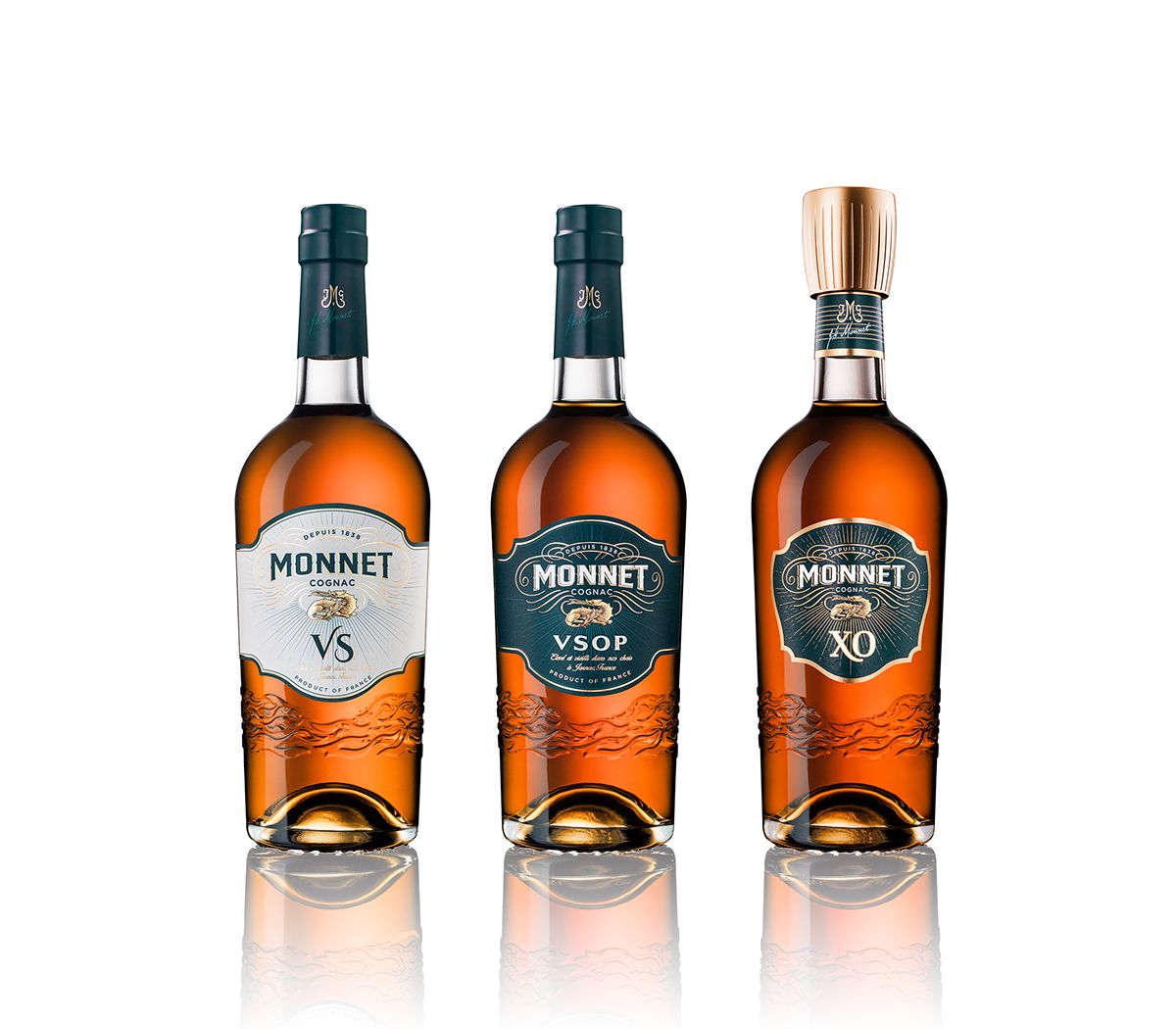
    With six Monnet Cognacs now available in Australia, there truly is a style to suit every palate and occasion:

    • Monnet VS – Monnet VS is aged in Limousin oak casks for a minimum of three years. Sparkling gold in colour, Monnet VS exudes aromas of fresh flowers and delicate spices with a soft touch of vanilla. On the palate, it reveals freshness and finesse, followed by a long, warm finish. RRP $72.99, ABV 40 per cent.
    • Monnet Sunshine – Monnet Sunshine’s roundness and fruitiness are remarkable, creating a product which is both elegant and accessible. Bright gold with a smooth texture, this SKU boasts warm sunset nuances. Full of aromas of quince jam accents and spring flowers like lilac and daffodils, Monnet Sunshine is smooth with hearty notes of summer fruits such as apricot and peach with a light touch of vanilla and gingerbread. RRP $75.00, ABV 40 per cent.
    • Monnet VSOP – At the heart of Monnet’s range, VSOP is aged in Limousin oak casks for a minimum of five years. Pure amber in colour, Monnet VSOP reveals spicy aromas of vanilla, dried fruits and hints of leather. On the palate, it is deliciously rich and balanced, with notes of honey, nougat and a long, smooth finish. RRP $82.99, ABV 40 per cent.
    • Monnet XO Carafe – Monnet Flamboyant is a bright and sophisticated XO decanter inspired by the sun. The Monnet XO decanter embodies a flower about to bloom in the sun. Full of life and energy, it is an ode to what nature and man can do when they work in harmony. RRP $189.99, ABV 40 per cent.
    • Monnet XXO – Beyond excellence Monnet XXO proposes an unprecedented journey into the exceptional nuances of Cognac. Produced in very small quantities, this rare XXO represents the epitome of Monnet’s savoir-faire, with a perfect roundness associated with a stunning delicacy. RRP X, ABV 40 per cent.
      Monnet Salamander – The perfect match of Cognac and gentle spices. The idea behind Salamander is to see Cognac from a different angle: a spirit which is also delicious when mixed with spices and other noble botanicals, as the Salamander is known for its capacity to withstand fire. RRP $41.95, ABV 30 per cent
  • In Singapore, Zalora launches supermart-style pop-up with Adidas

    In Singapore, Zalora launches supermart-style pop-up with Adidas

    Zalora Group has unveiled a supermarket-inspired pop-up store in collaboration with Adidas at Bugis Junction, Singapore.  The Supermart by Zalora store is designed with a supermarket layout, featuring pop colours and Instagrammable corners. The pop up stocks more than 90 SKUs of Adidas, ranging from footwear, apparel, and accessories for men and women, and an exclusive range.  Through a ‘click-and-mortar experience’, customers visiting the store can purchase their favourite ite

    Through a ‘click-and-mortar experience’, customers visiting the store can purchase their favourite items by scanning the QR codes tagged on them and adding them to their cart on the Zalora app. The order will then be delivered to their doorstep.

    Zalora also partnered with three local artists, Hoon Jialing, Eman Raharno Jeman and Tiffany Tan, to create gift-with-purchase packaging with graphic artwork that incorporates the brand and artists’ aesthetics. Marking the launch, Zalora is also running an interactive game to further engage with its customer.

    The Supermart by Zalora will open until August 12.

  • ZTE’s CEO Xu Ziyang Awarded at the GSMA’s Asia Mobile Awards

    ZTE’s CEO Xu Ziyang Awarded at the GSMA’s Asia Mobile Awards

    ZTE Corporation, a major international provider of telecommunications, enterprise and consumer technology solutions for the mobile internet, has announced that its CEO Xu Ziyang has been awarded the Outstanding Contribution to the Asia Mobile Industry Award at the GSMA’s Asia Mobile Awards (The AMOs) 2022, held in Hong Kong. The award recognizes Mr. Xu Ziyang’s outstanding leadership in guiding ZTE to continuously promote industrial innovation, increase cross-industry cooperation and boost the development of the global mobile industry.Mobile communication technology has become the key driving force in the booming digital economy for enriching people’s lives, accelerating the digital transformation of industries and promoting economic growth. In order to cope with the challenges brought by the Covid-19 pandemic with innovative ICT technologies as well as facilitate the digitalization and low carbonization of the industry for the healthy development of the economy, ZTE has carried out in-depth cooperation in digital infrastructure construction, digital industry development and more with its global partners. To date, ZTE has entered into cooperation with more than 110 operators worldwide on 5G, while working with over 500 partners to jointly explore more than 100 innovative 5G application scenarios in 15 industries.

    Moving forward, with a focus on the construction of ICT infrastructure, ZTE will keep working with the whole industry to expand the application scenarios of digitalization in order to build a green digital and intelligent world, and contribute to the sustainable development of the global mobile communications industry and society.

    The GSMA’s Asia Mobile Awards are the Asia Region’s leading stage for excellence, innovation, and achievement. As the highest honor in the Asia Mobile Awards, the Outstanding Contribution to the Asia Mobile Industry Award recognizes sustained or extraordinary contributions by individuals, organizations or collaborative achievements that advance the value and benefits of mobile communications for people, businesses and societies in Asia.


  • Rice exports jump 20 pct

    Rice exports jump 20 pct

    Vietnam exported 4.2 million tons of rice in the first seven months, 20 percent up year-on-year, according to the Ministry of Agriculture and Rural Development.

    But earnings were only 9 percent higher at US$2 billion since global rice prices have fallen by over 10 percent to $489 a ton.

    Exports to the U.S. grew fastest at 65.3 percent, followed by the Philippines, Vietnam’s top market, at 48.6 percent.

    Domestic prices also fell as adverse weather affected rice quality and demand was low compared to previous months.

    Exporters have slowed down purchases from farmers and await the peak harvest season.

  • How to Meet Demand in an e-commerce Age with Supply Chain Automation  

    How to Meet Demand in an e-commerce Age with Supply Chain Automation  

    Retailers across the Southeast Asian region are under tremendous supply chain pressure due to increased demand for online orders, hyper-competitive pricing and faster delivery times. For online orders, customers want the cheapest price, shortest delivery time, up-to-date information on stock availability, access to the real-time status of their orders, and seamless return options. On top of all this, businesses continue to contend with increasing labour costs, high staff turnover, increasing costs for building space, pressures from increased regulation and safety requirements, and supply chain disruptions, be they from pandemics, natural disasters and geopolitical tensions.

    All these factors combined have made the task of cost-effective order fulfilment more challenging than ever before. However, there is a way business can tackle these challenges and turn them into an opportunity to improve competitiveness. As this new age of retail and eCommerce coerces supply chains to work faster and harder, automation and technology in Fulfilment Centres are proving to play a critical role in helping businesses streamline their processes towards achieving higher levels of efficiency in their distribution operations.

    So, what can retailers do to meet demand in an e-commerce age when the only constant appears to be disruption?

    Optimised processes make for streamlined operations

    The answer to succeeding in the future involves adopting a strategy to optimise operations around cost-effectively meeting and exceed consumer expectations. Optimisation falls into three broad categories: processes, human efficiency, and inventory management.

    Processes provide the structure for supply chains to function. Automation and technology help optimise processes by removing non-value-adding activities, improving productivity, reducing errors and increasing the speed of the necessary tasks. As an example, the order fulfilment processes can be improved significantly in terms of speed, productivity and accuracy with the implementation of wearable devices to provide real-time instructions and interaction with operators. The process of order tracking is automatically improved with the same software that drives the technology, also providing the capability to track every transaction and movement of inventory through the order fulfilment task.

    Inventory management is key

    Inventory storage has transitioned from being a static requirement to a dynamic one, with many supply chains now able to drive high levels of optimisation across their logistics operations and their retail operations as well.  Automation and technology often play a key role in achieving these high levels of optimisation.

    Manual forklift trucks and Automated Storage Retrieval Systems (AS/RS) are no longer the only material-handling technologies that can be used to store inventory.  Technologies such as Automated Guided Vehicles (AGVs), mobile robotics and shuttle systems can provide much more flexible, scalable and dynamic storage solutions in a wider range of supply chain facilities.

    Make your workers more effective

    In traditional order fulfilment operations, operator travel consumes the largest portion of an operator’s time in fulfilling a customer order. One of the most effective ways to improve the efficiency of operators is to minimise operator travel, or to eliminate it altogether. In terms of automation, Goods-to-Person (GTP) picking solutions can increase operator productivity by over 5 times by eliminating operator travel.  Advances in robotic fulfilment technology have enabled order fulfilment processes to be performed without the involvement of operators at all in some cases.

    Case Study: RedMart’s Advanced Online Grocery Fulfilment with GTP

    To meet surging demand and growth in online orders, RedMart – the online grocery service of e-commerce giant, Lazada – implemented automation at its logistics facility in Singapore, in order to improve productivity, speed, accuracy, and space efficiency.

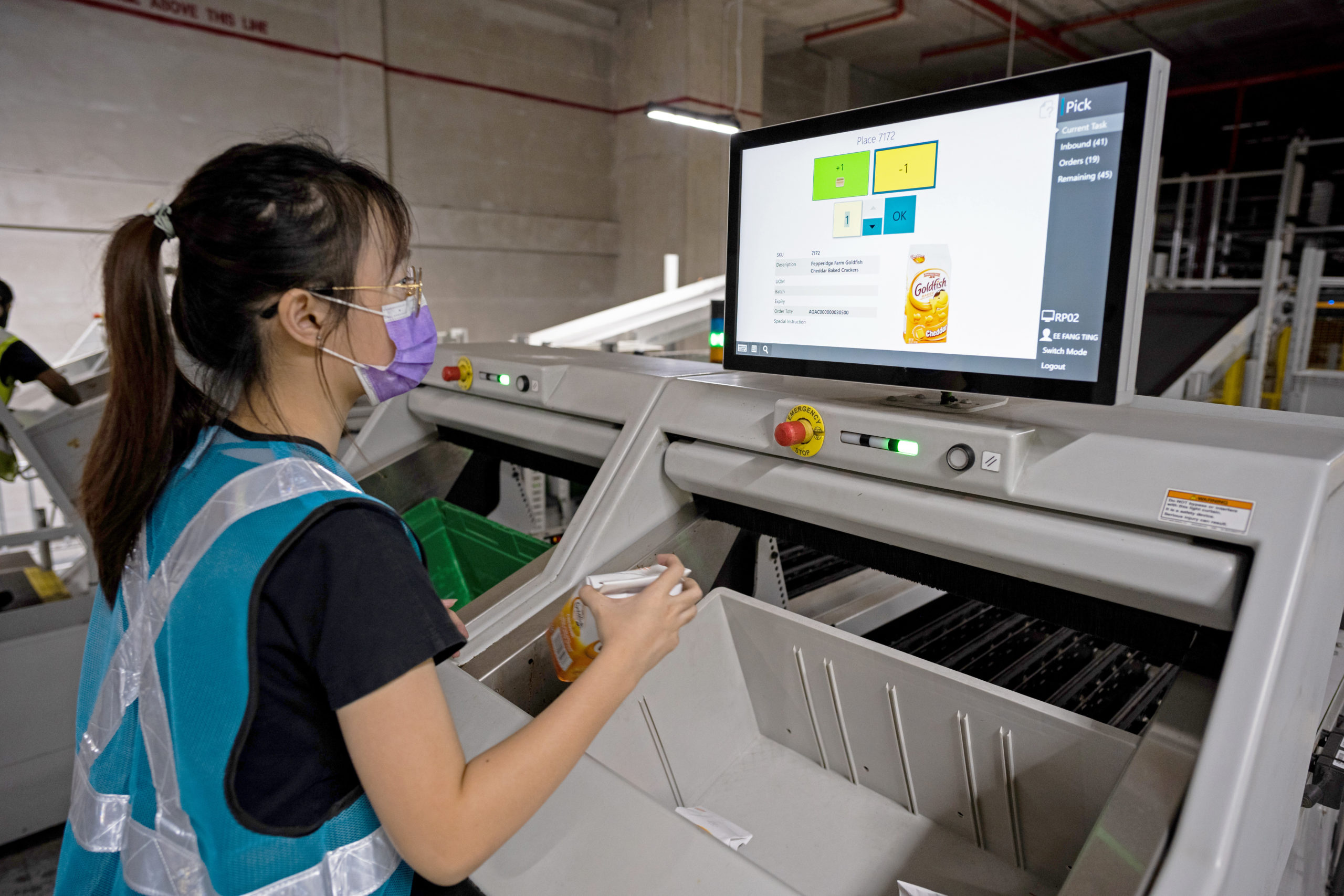
    A key part of the automation solution is the Goods-to-Person (GTP) order fulfilment, powered by a Dematic Multishuttle system. At the ergonomically designed workstations, operators pick orders up to five times faster than they were previously when they would have to manually travel through multiple aisles of shelving to pick the items required for an order.

    The GTP system covers a huge product range in a small footprint, with an extremely effective picking method. Workers stay in one place as items are automatically delivered to their workstation, increasing picking speeds, improving fulfilment accuracy, and advancing operator comfort and safety.

    Optimisation with information

    With the use of new logistics automation and technologies, retailers have a pathway to improve their fulfilment operations, achieving cost-effective and efficient fulfilment processes, higher levels of inventory availability, shorter lead times and improved traceability.  Robust and real-time integration between mechatronics, control systems and software platforms across fulfilment operations and their broader supply chain networks, is a key ingredient to achieving competitiveness and sustainable success in the future landscape of retail.

    For more information on how your business can optimise its supply chain operations and meet market demands, please visit: www.dematic.com/en-au

    Written by: Michael Bradshaw, Senior Regional Director Sales & Solution Development, Dematic Asia



  • Coles taps into carbon-negative beer with Lost Lager

    Coles taps into carbon-negative beer with Lost Lager

    An Australian-made, carbon negative beer made with unsold bread from Coles supermarkets is squaring up to some of the best-known beer brands in the country while tapping into surging customer demand for beverage makers taking tangible action on climate change.

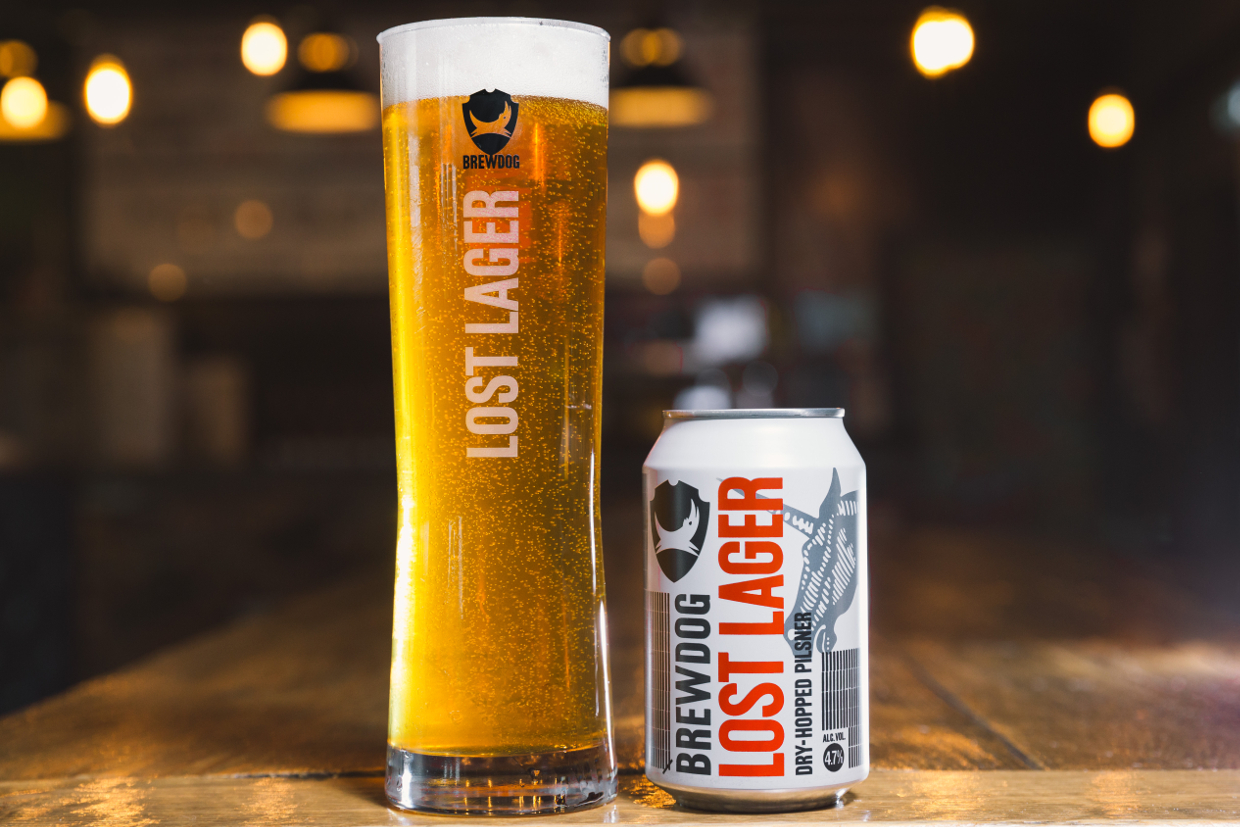
    Lost Lager is a premium brew created in collaboration between Coles Liquor and BrewDog Australia – the Brisbane operation of Scottish carbon negative brewer.

    The packaging for Lost Lager is 99% plastic-free and any emissions BrewDog is unable to avoid through the production process are ‘double offset’ through tree planting schemes around the world.

    Coles’ research shows that one in two customers care deeply about the environment and the majority want to do more, while 50% say they have changed what they buy in response to the packaging of a product.1

    Coles Liquor Acting General Manager Customer, Trade Planning and Insights Mia Lloyd said customers frequently told Team Members in Liquorland and First Choice Liquor Market stores that they wanted to support brands that were taking action on the environment.

    “Lost Lager will be hugely popular with customers given the easy-drinking style of the beer and BrewDog’s commitment to the environment and climate change,” Ms Lloyd said.

    “This is not a fleeting consumer trend, it’s a force that our customers are driving and we can already see support for brands that have moved early to embrace sustainable packaging, waste reduction or renewable power.”

    Additionally, BrewDog invests in a number of significant reforestation projects, including the Yarra Yarra Biodiversity Corridor in Western Australia. This is the only emission reduction project in Australia to be certified under the prestigious Gold Standard accreditation, a globally-recognised best practice benchmark.

    Locally, BrewDog donates the grain used in the brewing process to farmers as an alternative feedstock. Internationally, they are also the proud owner of over 9000 acres of Scottish highlands which will be home to a reforestation and peatland restoration project to sequester carbon.

    The brewer’s Australian CEO Ed Bott said the Lost Lager was a premium lager, similar in style to a German pilsner and created to deliver a craft option for Australian lager lovers.

    “Lager accounts for 90% of beer consumed in Australia, and our Lost Lager connects with the premiumisation of this broad segment of the beer market,” Mr Bott said.

    Lager has been at the forefront of beer sales growth for years. With recent consumer demand shifting towards premium lager, hospitality venues and hotels have seen growing consumption.

    As such, premium lager is one of the fastest-growing product segments in recent years, expanding at a compound annual growth rate of 4.5% from 2019 to 2025.2

    “It’s still in its infancy but lager is the last bastion for craft beer and we’re confident the fresh, uncomplicated style of this beer will prove hugely popular with customers who are seeking something more from their lager,” Mr Bott said.

    “We see how engaged our Australian customers are in relation to issues such as waste and emissions reduction and while we know we can’t save the world on our own, we’re proud that we’re doing our bit here in Australia and around the globe.”

  • Singtel to Invest Additional US$100 million into Innovative Tech

    Singtel to Invest Additional US$100 million into Innovative Tech

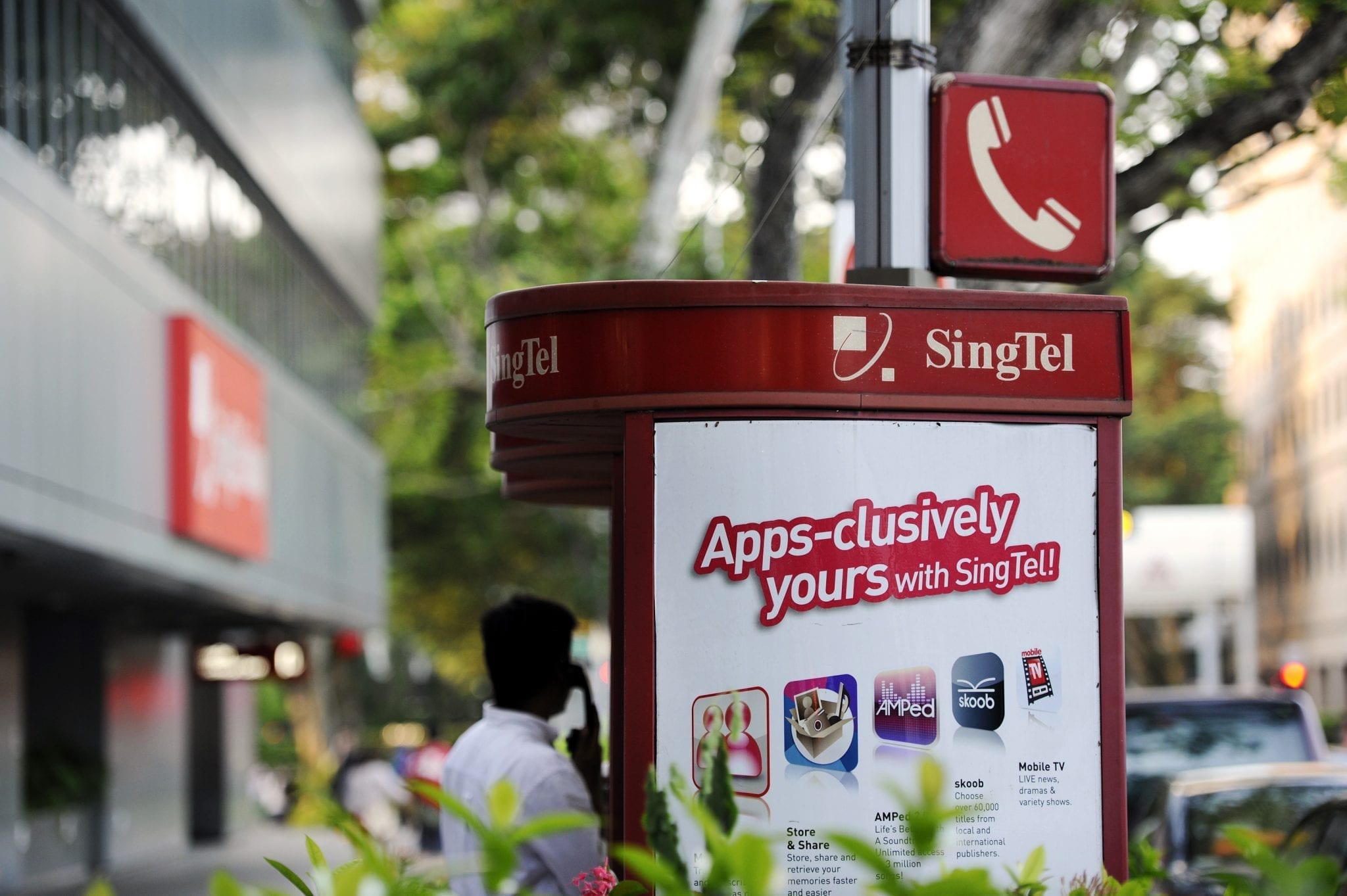
    Singtel plans to invest a further $100 million into Singtel Innov8, its corporate venture arm, raising its total capital commitment to $350 million. One of the earliest corporate venture capital firms in Southeast Asia, Innov8 invests in start-ups that align with Singtel Group businesses in the areas of 5G, artificial Intelligence, the digital economy, sustainability, cybersecurity and emerging technologies. It operates on an evergreen fund model, re-investing returns from portfolio exits into new investments. With the capital injection, Innov8 will further expand its portfolio of investments in Southeast Asia, the United States, China, Israel and Australia.

    “This capital infusion is meant for identifying and growing innovative start-ups with new technologies and capabilities that are synergistic and in lockstep with Singtel’s strategic reset to drive greater improvements in our core operations, accelerate our new growth engines, and place us at the forefront of new and fast-evolving areas,” said Yuen Kuan Moon, Group Chief Executive Officer of Singtel and Chairman of Singtel Innov8. “As we sharpen our business focus, we will recycle our assets and capital into selected growth areas, reshaping our portfolio to better serve our stakeholders and build momentum for the longer term.”

    Edgar Hardless, Chief Executive Officer, Singtel Innov8 added, “Singtel Innov8 is empowered to move quickly to capture investment opportunities in the fast-paced venture market. Our mandate is flexible, allowing us to invest in both early and growth stage companies. We believe in backing founders to execute on their vision and support the company’s growth through partnerships with the Singtel Group. Innov8 facilitates access to businesses units across the Group’s footprint, evangelises innovative technologies within the Group, and supports partnerships with the business units. This additional funding and our proven approach will help drive further investment deal flow and greater collaboration with the start-up ecosystem, unlocking more value for both the Group and our portfolio companies.”