Tag: asia

  • Amiri continues retail expansion with new Japan flagship store

    Amiri continues retail expansion with new Japan flagship store

    Following the recent news of the label’s Shanghai flagship store, AMIRI continues to expand their Asian presence with the opening of its latest bricks-and-mortar outpost in Tokyo, Japan.

    Situated in the city’s iconic fashion district, Minami-Aoyama, the store builds on the aforementioned international opening as a part of AMIRI’s ambitious global rollout. Embodying their relaxed, West Coast approach, the new space marries warmth, intimacy and modernism, taking cues from the brand’s established retail blueprint and expands by using the city’s personality as a springboard for design.

    Spanning two floors and a total of 155.6m2, the glass-fronted building features the likes of white concrete walls punctuated by suspended rails in brushed chrome, marble accents, oak podiums, artisanal checkerboard rugs and artwork by friend of the brand, US artist Wes Lang.

    Playing host to the full range of Men’s and Women’s ready-to-wear collections, accessories, footwear and leather goods, in typical style, the store also offers an exclusive Tokyo capsule collection for visitors which integrates a reimagining of AMIRI’s signature bones stack motif in the red and white of Japan’s national flag,

    Check out some shots of the new store below and check it out for yourself at: 5-3-27 Minami Aoyama Minato, Tokyo, Japan 107-0062.

  • Maybelline to shut all stores in China

    Maybelline to shut all stores in China

    The L’Oréal-owned American cosmetic brand Maybelline is gradually shuttering all of its physical stores across China as it aims to shift its focus in the market to online, the brand confirmed Wednesday.

    In a statement sent to local media, the brand said, “In response to changes in the market and consumer demand, Maybelline New York has been gradually strategically transforming its traditional offline channels since 2020 to achieve a cohesive online and offline shopping experience and to bring consumers a more diverse beauty shopping experience.”

    Customer service from the brand further revealed that the timeline for store closures is not clear so far, but counters within the drugstore chain Watson’s will continue to operate.

    The century-old beauty brand, acquired by L’Oréal in 1996, entered the Chinese market in 1997 and soon became a popular choice for a large number of women who moved from the countryside to big cities in pursuit of an office job as the nation was shifting to a service industry-led economy at the time.

    Maybelline was a key player in the affordable cosmetic sector through brick-and-mortar channels such as supermarkets and department stores, but the brand in recent years failed to catch up with local competitors and adapt to the disruptive Chinese e-commerce model.

    The brand withdrew from the supermarket channel in 2018 and began to leave department stores in 2020.

    This shift coincides with the rise of C-beauty brands, as well as L’Oréal gradually pivoting its focus toward the prestige category.

    Data from market researcher Qianzhan Industry Research Institute shows that Maybelline’s market share in the Chinese market fell to 4.9 percent last year from 10.7 percent in 2018, while Florasis and Perfect Diary became two of the most popular brands, taking market shares of 6.8 percent and 6.4 percent, respectively.

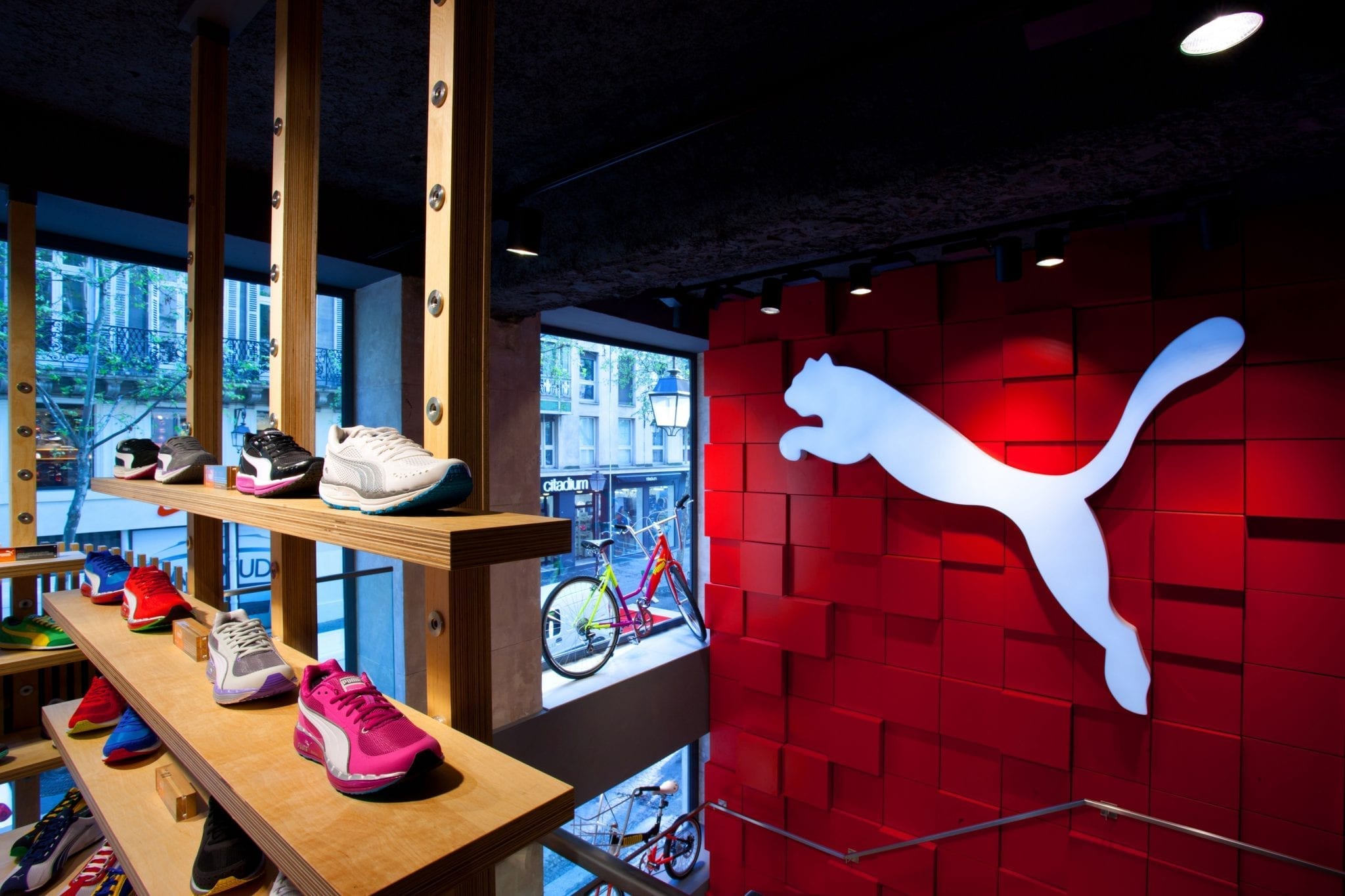
  • Puma raises revenue outlook, handling China woes better than Adidas

    Puma raises revenue outlook, handling China woes better than Adidas

    German sportswear maker Puma reported stronger-than-expected second-quarter earnings on Wednesday and raised its full-year revenue outlook, coping with headwinds in China better than rival Adidas.

    Puma said its earnings before interest and taxes (EBIT) rose 34.4% on the year to 146 million euros ($148 million), compared with analysts’ average forecast for 128.94 million euros.

    It raised its full-year sales forecast to a mid-teens percentage rise in currency-adjusted terms, from at least 10% – with upside potential – previously, and maintained its full-year EBIT guidance.

    Adidas on Tuesday cut its 2022 earnings target, citing a slower-than-expected recovery in China from pandemic restrictions.

    “It’s not easy for everyone,” Puma Chief Executive Bjorn Gulden said, adding his company “cannot expect growth in China in 2022”.

    But he said: “We feel that the increased investments into R&D, innovation and product development over the past years are starting to pay off.”

    Second-quarter sales rose 18.4% in currency adjusted terms to 2.002 billion euros. The company said it saw strong growth in all its performance categories, such as running, training, team sports, golf and basketball.

    Adidas blamed COVID-19 restrictions in China for a sales slump there. Puma’s Gulden saw the main reason as calls for boycotts against Western textile firms, which have been targeted on social media, in response to Western criticism of China’s treatment of the Uighur minority in the Xinjiang region.

    In late June, Puma rival Nike forecast first-quarter revenue below estimates as it expected to discount more and wrestled with pandemic-related disruptions in China, its most profitable market.

    “We do see an increased level of uncertainty around the world,” Gulden said, but added: “I remain optimistic for our sector in general and the PUMA brand in particular”.

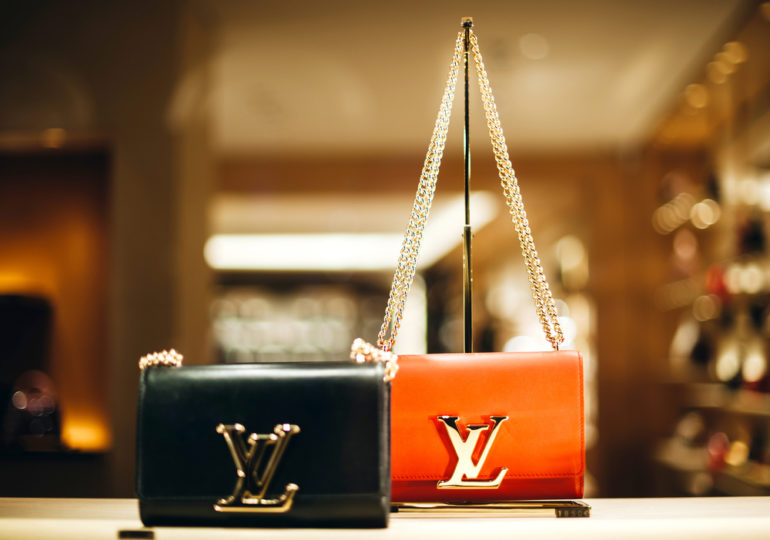
  • LVMH sales soar despite China slowdown

    LVMH sales soar despite China slowdown

    LVMH sales jumped in the second quarter as the owner of Louis Vuitton and Dom Perignon continued to thrive in spite of concerns about slowing economic activity.

    The luxury conglomerate was helped by strong sales of its fashion and leather goods. Solid results in Europe, the US and Japan also helped offset a poor performance in China, which suffered due to lockdowns in the second quarter.

    The results underscore the French company’s resilience. LVMH’s diverse offerings — from handbags to spirits to luxury hotel stays — and global footprint are enabling it to withstand a worsening economic outlook. It also shows that well-heeled customers aren’t feeling a global surge in inflation that has caused lower-income shoppers to rein in spending at retailers such as Walmart Inc.

    LVMH’s biggest brand, Louis Vuitton, has been able to maintain profitability “at an exceptional level,” during the first half, the company said. Its executives have been actively restricting entry-priced products such as its classic monogram-coated canvas bags. Instead, the brand is promoting higher-priced leather handbags.

    “The top end of the portfolio has done better than the entry price, but it’s on purpose because we intend to rebalance the two,” LVMH Chief Financial Officer Jean-Jacques Guiony said about Vuitton’s strategy during the analyst call.

    Geographically, LVMH was helped by a 48 percent revenue recovery in Europe, followed by solid rebounds in Japan and the US. Asia, excluding Japan, barely grew during the quarter.

    LVMH’s outlook on the US economy isn’t “particularly gloomy and pessimistic,” Guiony said, citing recent quarterly performance. “We’re trying to manage the business for the growth it can generate.”

    Should there be a downturn, Guiony said LVMH would react swiftly by cutting costs and store openings. Past experience, notably during the 2008 global financial crisis, has shown LVMH has a “strong rebound capacity,” he added.

    In China, store traffic is still “way below” last year’s levels, Guiony said, adding that LVMH is waiting to see how demand evolves there.

    The luxury conglomerate didn’t experience pushback from customers after raising prices across the board this year, mostly in the first quarter. Guiony doesn’t expect LVMH’s fashion and leather brands to be very active when it comes to further price increases in the second half of the year. Thanks to the recent appreciation of the dollar against the euro, LVMH noticed more American tourists spending in Europe toward the end of last month, Guiony said.

    LVMH’s wine and spirits division was a notable outperformer during the period. The division — which suffered some supply constraints in the past — bounced back with organic revenue jumping 30 percent. It was helped by demand for Champagne in Europe, the US and Japan, as well as price increases for Hennessy Cognac.

    First-half profit from recurring operations rose to 10.24 billion euros ($10.35 billion). Analysts expected 9.51 billion euros. Organic revenue for its biggest fashion and leather goods unit in the second quarter grew 19 percent, better than the 17 percent gain analysts expected.

  • UBS Clients Face Most Difficult Environment in a Decade

    UBS Clients Face Most Difficult Environment in a Decade

    Despite one of the most challenging investment environments in a decade, Switzerland’s largest bank managed to match its first-quarter profit performance in the second.

    UBS reported a net profit of $2.1 billion in the second quarter despite facing numerous challenges and despite an 11 percent drop in pre-tax profit in the global wealth management (GWM) unit, the bank reported Tuesday.

    The GWM unit posted a pre-tax profit of $1.2 billion in the second quarter compared to the same three-month period last year. Invested assets for the unit stood at $2.8 trillion. Although net new fee-generating assets grew by a modest 400 million in the second quarter, they increased by $19.8 billion through the first half of the year, underscoring the challenges faced during the second quarter.

    Switzerland and the Asia Pacific region reported net new money inflows during the second quarter of $1.1 and $3.3 billion respectively during the second quarter. The Americas region saw net outflows of $3.5 billion, while EMEA reported a $500 million outflow.

    In the asset management (AM) division, UBS booked a pre-tax profit of $1.0 billion. The unit saw net new money outflows of $12 billion in the second quarter, although for the January to June period, flows were a positive 2 billion. Invested assets for the unit were $1.0 trillion, according to UBS.

    The second quarter was one of the most difficult periods for investors in the last decade. Inflation remained high, the war in Ukraine continued, and parts of Asia continued to pursue a strict corona policy. In these uncertain times, our customers rely on our strong ecosystem to help them to meet market conditions and invest for the long term, said UBS CEO Ralph Hamers.

    Today’s financial results translate into diluted earnings per share of $0.61.

    The report said that high and increasing inflation and tight labor markets in many countries have led central banks to raise interest rates at an accelerated pace. The implications of Russia’s ongoing war in Ukraine, including higher energy and commodity prices, as well as the continuing effects of the pandemic and related restrictions, particularly in Asia Pacific, have increased uncertainty about the global economic outlook. As a result, equity and fixed income valuations declined steeply in the second quarter and high volatility persisted.

    Against this backdrop, client sentiment and activity among our private clients remained muted in the second quarter of 2022, while institutional trading activity remained strong. We expect these uncertainties to continue to affect client sentiment, which, combined with normal seasonality, may also affect client activity levels in the third quarter of 2022. While lower asset valuations will hurt our recurring net fee income and weak client sentiment may affect net new assets in our asset-gathering businesses, we expect higher interest rates will positively affect our net interest income.

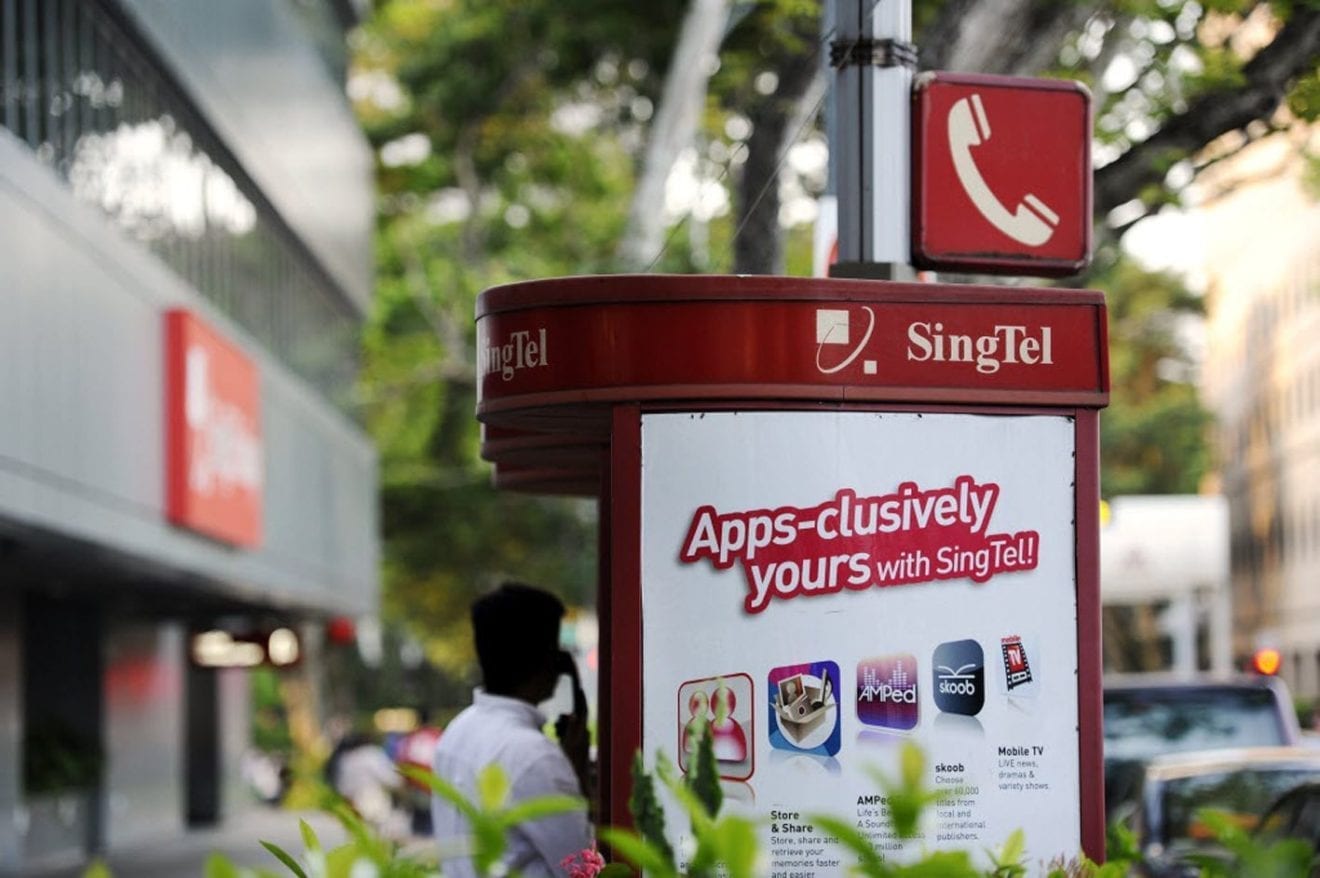
  • Singtel’s 5G SA Network Exceeds 95% Nationwide Coverage

    Singtel’s 5G SA Network Exceeds 95% Nationwide Coverage

    Singtel has achieved over 95% standalone 5G nationwide coverage. This comes more than three years ahead of the regulatory target of end-2025, effectively making Singapore the first country in the world to be fully covered by standalone 5G.

    Singtel’s standalone 5G network now covers more than 1,300 outdoor locations and over 400 in-building, as well as underground, creating immense opportunities for the development of ground-breaking applications and immersive experiences for both enterprises and consumers. Singtel was officially awarded the 3.5GHz and the millimeter wave spectrum as part of the 5G license issued by the IMDA in June 2020, and an additional 2.1GHz spectrum in November 2021 which supported the achievement of this critical milestone.

    “We’re extremely excited about this important milestone for both Singtel and Singapore as nationwide standalone 5G coverage is a major leap in technology that will spur unprecedented digitalization. Despite disruptions from COVID and the knock-on impact on manpower and resources, our planners and engineers managed to accelerate our 5G deployment, working through the pandemic to lay the groundwork and build a whole new infrastructure for a secure and resilient 5G network. This means that Singapore can now exploit the full capabilities and best applications that 5G can offer, paving the way for innovation and new growth that will propel our country forward,” said Yuen Kuan Moon, Singtel’s Group Chief Executive Officer.

    He added, “As a homegrown Singaporean company, we feel honored to have provided the critical infrastructure and essential services that have sustained the nation’s progress through the years and are pleased to launch this next-generation technology to commemorate Singapore turning 57. With a world-class 5G network in place, we look forward to keep doing our part in enabling Singapore’s next phase of growth as a global smart city.”

  • Indonesia Says Mitsubishi Motors To Invest About $667 Million Over Next 3 Years

    Indonesia Says Mitsubishi Motors To Invest About $667 Million Over Next 3 Years

    Mitsubishi Motors plans to invest about 10 trillion rupiah ($666.89 million) in Indonesia between 2022 and 2025, the country’s chief economics minister said on Tuesday.

    Airlangga Hartarto in a statement said the Japanese company had invested 11.3 trillion rupiah up to 2021 and was planning to expand its production in the Southeast Asian country.

    The statement quoted Mitsubishi Motors CEO Takao Kato as saying the company planned to produce hybrid electric vehicles and battery electric vehicles in Indonesia.

    He said Mitsubishi was aiming to increase its export capacity from Indonesia to 72,000 units this year and to 98,000 units in 2024, from 42,000 units in 2021.

    Airlangga met Mitsubishi’s executives during a visit in Tokyo, where they also discussed potential fiscal incentives for the company’s exported products.

    “Indonesia’s tax rate is actually competitive compared to other countries such as Thailand,” Airlangga said.

    “However, there are different regional taxes which make taxes seems bigger in Indonesia, this is what we are reviewing at the central government,” he said, without elaborating.

    Indonesian President Joko Widodo was due to visit Japan later this week.

  • Vestiaire Collective launches in South Korea

    Vestiaire Collective launches in South Korea

    Online fashion resale platform Vestiaire Collective said on Wednesday it is expanding into South Korea, choosing the fast-growing luxury market as a springboard for a deeper push into Asia.

    The expansion of the Paris-based tech start-up that hit unicorn status last year comes as pre-owned fashion sales continue to grow quickly, fuelled by young, environmentally conscious shoppers seeking bargains for second-hand clothing.

    The platform will be available in Korean and the company is adding an authentication site to its operations in Seoul.

    While luxury labels have traditionally been wary of secondhand sellers, an increasing number are exploring ways of getting involved in the market, partly as a way to engage with younger consumers or to provide an extra service to high-spending shoppers.

    Investors in Vestiaire Collective include French luxury group Kering SA which took a 5% stake last year, as well as private equity firm Eurazeo SE, Japan’s SoftBank Group, U.S. investment firm Tiger Global Management and Vogue publisher Conde Nast.

    Founded in Paris in 2009, the platform sells fashion and leather accessories from luxury labels such as Louis Vuitton, Gucci, Prada and Dior, and in May marked its highest transaction – a Birkin handbag from Hermes that sold for 158,000 euros

  • Vietnam’s biggest retailer Masan to bolster pharmacy retail interests

    Vietnam’s biggest retailer Masan to bolster pharmacy retail interests

    Vingroup JSC, Vietnam’s biggest listed firm by market value, said on Tuesday it will merge with leading consumer retailer Masan Group t create the country’s biggest retail company.

    Vingroup said in a statement that the two companies were finalizing legal procedures to sign an official agreement for the merger between its retail and agriculture units and Masan Consumer, a subsidiary of Masan Group.

    “The merger will enable us to expand our consumer base and ensure a fair retail playing ground for Vietnamese manufacturers,” said Truong Cong Thang, chairman of Masan Consumer Holding, which produces Vietnamese must-buy consumer goods.

    The new company is expected to run 2,600 supermarkets and convenience stores, and 14 hi-tech farms across the country, the statement added.

    After the merger, Masan Group will take control of the operation, while Vingroup will be a shareholder.

  • Carousell Group buys Indonesian electronics recommerce platform

    Carousell Group buys Indonesian electronics recommerce platform

    Carousell Group has acquired control of Laku6, an AI-first end-to-end electronics recommerce platform in Indonesia, as part of its vision to make secondhand the first choice for users. Temasek unit Heliconia Capital will be supporting Carousell Group in its acquisition of Laku6 and in accelerating circularity in secondhand electronics. The deal follows the initial investment Heliconia made into Carousell, less than a year ago in October 2021.

    According to Carousell, the partnership between Carousell Group and Laku6 will position Carousell Group as the market leader in the Greater Southeast Asia’s electronic recommerce industry, which is slated to grow over 2.5X to US$18.6 billion by 2026, based on research by RedSeer Strategy Consultants.

    Having inspected and transacted over half a million mobile phones and served over 16,000 mobile phone merchants, Laku6’s proprietary AI-first remote diagnostic technology can remotely inspect the condition of secondhand mobile phones in under two minutes. This proprietary solution is capable of remotely inspecting both software and hardware functionalities, including visible screen damage, and helps establish a credible inspection process to instill both buyer and seller confidence.

    Quek Siu Rui, Co-founder and CEO of Carousell said the partnership provides for a potent combination to secure Carousell’s leadership in the Greater Southeast Asia electronics recommerce market–bringing together Laku6’s AI-first remote diagnostic technology, Carousell’s regional recommerce platform of tens of millions of users, and one of the largest capital investments to-date into the region’s electronics recommerce space.

    “We are truly excited to partner with Alvin, Shing Kae, and the entire Laku6 team. The electronics recommerce opportunity is one that is win-win-win: great for users with affordable like-new devices, beneficial to the environment as people sell and buy secondhand instead of new, and an exciting business opportunity with over 2.5X electronics recommerce growth potential ahead,” said Quek.

    “It is exciting to be part of a regional leader that aligns with Laku6’s vision. Carousell and Laku6 share a deep commitment of making secondhand the first choice and the demand for electronics recommerce is growing faster than ever in Greater Southeast Asia. With Carousell’s scale and investment, we are well-placed to create a winning formula and offer our proven solutions to a very large audience of end-users and merchants,” said Alvin Yap, founder and CEO of Laku6.

    Every quarter, Carousell sees about two million new listings in its electronics category, making it one of the largest platforms to transact used electronics, and particularly mobile phones, in the region. Laku6’s proprietary solutions, pricing algorithms and instant cash service, when integrated with Carousell’s wide user network, will make buying and selling used electronics more accessible than ever before for millions of users.

    As the fastest growing waste stream globally, the e-waste crisis has been perpetuated by a rapid increase in electronic consumption and shorter gadget lifespans, with Asia consistently generating the highest quantity of e-waste globally. “By making it easier for our users to sell their idle devices and buying certified used devices, Carousell and Laku6 aim to extend the life cycle of electronics goods, thereby slowing down the growth of toxic e-waste, added Carousell.

    This partnership also follows Carousell’s acquisition of Ox Street, the leading authenticated streetwear marketplace, and Refash, Singapore’s largest omnichannel fashion recommerce retailer, and reflects the group’s strategic focus to cement its leadership position in the recommerce arena across verticals from fashion to electronics, and its commitment to making second hand the first choice.

  • Airasia Super App achieves record high growth in average monthly active users

    Airasia Super App achieves record high growth in average monthly active users

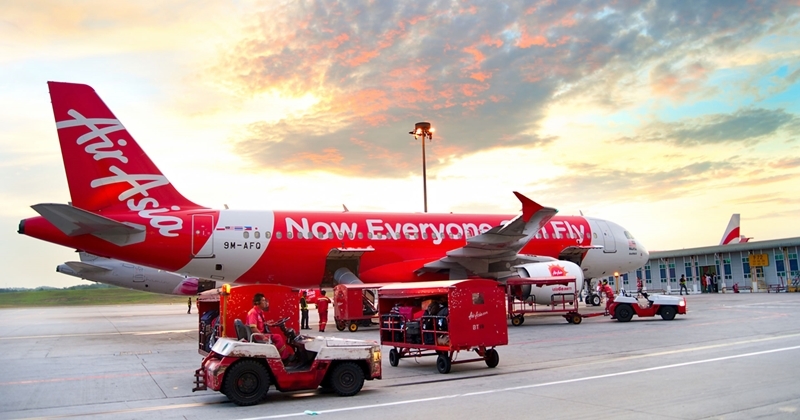
    Capital A Berhad‘s digital businesses airasia Super App achieved a record high growth in average monthly active users (MAU) which stood at 10.6 million in the second quarter of 2022, up 236 percent compared to the same period last year.

    Capital A said in a statement on Monday the growth is primarily underpinned by the strong return of travel and increased user acquisition on the mobile app.

    Additionally, the number of transactions increased 70 percent for quarter on quarter comparison and climbed five times as compared to the second quarter last year. These were driven primarily by increasing transactions from flights, airasia ride, FlyBeyond, and SUPER+.

    Meanwhile, BigPay reached 1.2 million carded users in the second quarter, a 62 percent increase from the same period last year.

    This was mainly driven by strong market adoption over the past year and throughout this year in line with the travel recovery and the expansion of product offerings, such as DuitNow payments and transfers, additional remittance corridors, and one of the first digital lending products in Malaysia.

    For Capital A’s logistics business, Teleport transported slightly lower cargo tonnage by 27 percent year on year due to the extended lockdowns imposed in China that began in March.

    Delivery, on the other hand, improved significantly, up 630 percent year on year.

    Teleport achieved a record-breaking total of 1.15 million deliveries in the second quarter. This was in part due to Teleport’s onboarding of a large new ecommerce platform in the second quarter which accounted for 10 percent of delivery volume.

    The new platform is expected to boost growth in the industry significantly with Teleport’s robust expansion plans across the region this year.

    Capital A consolidated airlines continues to post significant performance improvement, with a notable load factor of 84 percent, akin to its pre-pandemic levels, signalling that air travel revival is well underway.

    The consolidated airlines carried over 5.6 million passengers, a 633 percent increase year-on-year and 48 percent increase quarter-on-quarter.

    The consolidated airlines flew more than 35,000 flights in the quarter, up 483 percent year on year compared to the same period last year, supported by the growing domestic demand and the resumption of international travel in ASEAN countries.

    Correspondingly, available seat kilometres (ASK) rose by 456 percent year on year and revenue passenger kilometres (RPK) increased by 582 percent year on year.

    In the second quarter, total operating aircraft for AirAsia Malaysia, AirAsia Indonesia and AirAsia Philippines were 45, 12 and 8 respectively.

    AirAsia Malaysia posted a stronger load factor of 84 percent in the second quarter, up by 20 percentage points (ppts) year on year and 10 ppts quarter on quarter.

    Passengers carried and capacity increased significantly by 1276 percent year on year and 955 percent year on year to 3.8 million and 4.6 million respectively, with more operating aircraft added to support the huge surge in demand for both domestic and international flights.

    Load factor for international flights achieved 81 percent with 31 additional destinations reinstated and the highest number of international passengers carried post pandemic, attributed mainly from Malaysia-Singapore routes, followed by Malaysia-Indonesia and Malaysia-India routes.

    AirAsia Indonesia, meanwhile, recorded an encouraging load factor of 77 percent in the second quarter, an increase of 10 ppts year on year.

    Domestic flights achieved a healthy load factor at 73 percent while the load factor for international flights was stronger at 86 percent.

    Passengers carried and capacity improved by 132 percent year on year and 102 percent year on year respectively, on the back of the resumption of international flights, with 29 percent of the total number of seats sold from international flights.

    The number of flights flown has also increased by 102 percent year on year.

    AirAsia Philippines, on the other hand, posted the highest load factor among the group’s airlines at 93 percent, which grew by 15 ppts year on year.

    In the second quarter, the number of passengers carried increased by 480 percent year on year and capacity expanded 388 percent year on year.

    Flight frequencies were added on popular routes to meet strong demand which increased ASKs by 309 percent and the number of flights flown jumped 388 percent year on year.

    In June, AirAsia Philippines resumed international routes to Kota Kinabalu, Seoul, Hong Kong and Guangzhou.

    In the second quarter, AirAsia Thailand carried over 1.7 million passengers, up 133 percent year on year with a load factor of 75 percent, rising 14 ppts compared to the prior corresponding period.

    The airline added flight frequencies and routes to meet rising demand, resulting in an 87 percent increase in flights flown, to a total of 12,326 flights with 25 operating aircraft during the quarter.

    More international flights were reinstated during the quarter, operating 19 routes to 8 countries by the end of the second quarter.

    As a result, the ASK and seating capacity significantly rose by 116 percent and 90 percent respectively as compared to the same period last year.

    Additionally, the average sector length grew by 16 percent, mainly driven by flights from the South Asian market.


  • TUMI Featured In Sony Pictures’ Upcoming Summer Film ‘Bullet Train’

    TUMI Featured In Sony Pictures’ Upcoming Summer Film ‘Bullet Train’

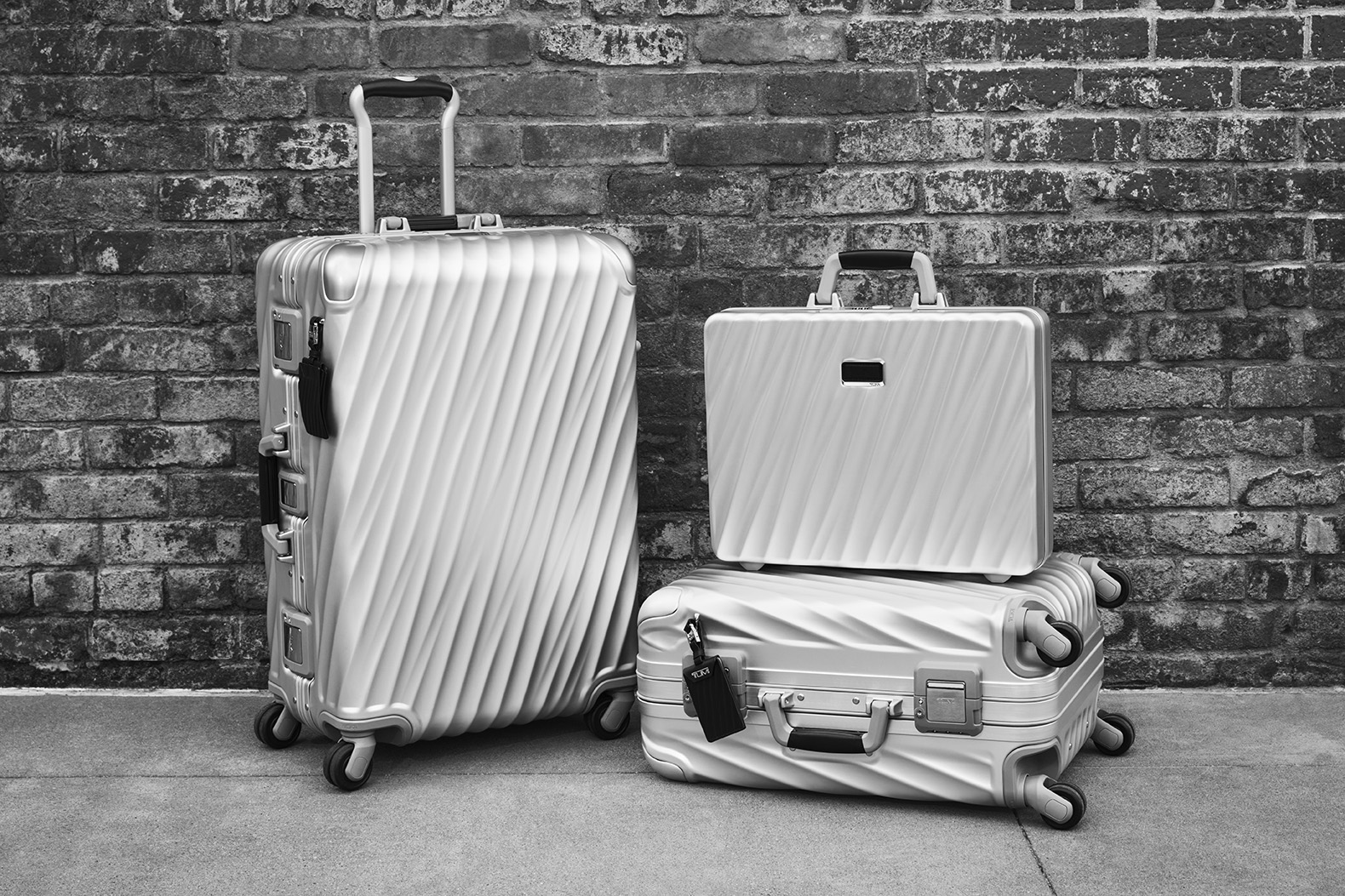
    Today TUMI, a leading international travel and lifestyle brand, unveiled its 19 Degree Aluminum Briefcase which is featured in Sony Pictures’ upcoming original action thriller “Bullet Train”, exclusively in theaters. 

    In the film, Ladybug is an unlucky assassin determined to do his job peacefully after one too many gigs gone off the rails. Fate, however, may have other plans, as Ladybug’s latest mission puts him on a collision course with lethal adversaries from around the globe—all with connected, yet conflicting, objectives— centering around the TUMI 19 Degree Aluminum Briefcase on the world’s fastest train. The end of the line is just the beginning in this non-stop thrill-ride through modern-day Japan from David Leitch, the director of Deadpool 2.

    Leading up to the film’s theatrical release in North America on August 5th, TUMI will be activating an integrated marketing program that includes a global red-carpet premiere and a variety of digital and in-store promotional activities. 

    “There was only one luggage brand who had enough style to fit in with the film’s all-star cast as well as the durability that could go head to head with an ensemble of assassins on one of the world’s fastest trains and that was TUMI, which perfectly fits in with this edgy, action-packed film,” said Jeffrey Godsick, EVP of Global Partnerships and Brand Management and Head of Location Based Entertainment at Sony Pictures Entertainment. 

    Equally striking from a distance or at close range, the TUMI 19 Degree Aluminum Briefcase boasts a sleek, aluminum crafted exterior with bespoke design and durability top of mind. This limited-edition briefcase features a “Bullet Train” patch card pocket with the “Bullet Train” logo in addition to a branded luggage tag.  Through the TUMI “Bullet Train” collaboration, only 150 limited-edition briefcases will be available starting July 20th worldwide across select TUMI stores and TUMI.COM. Please check your local TUMI website for pricing. For those unable to get one of these limited TUMI collector’s items, they can visit TUMI.COM to shop the full TUMI 19 Degree Aluminum collection, which is highly durable, and boasts a modern silhouette with fluid-looking, strategically contoured angles.

    “TUMI is synonymous with quality, durability, toughness and is always looking to the future for inspiration. As the screen writers and director started laying out what the environment would look like in the film, TUMI was at the top of their list. They looked to TUMI for a hero case that has  the aesthetics and durability to be able to surpass the battles that ensue throughout this epic journey,” said TUMI Creative Director, Victor Sanz.


  • Alibaba to apply for primary listing in Hong Kong

    Alibaba to apply for primary listing in Hong Kong

    Alibaba will apply for a primary listing in Hong Kong and keep its US listing, the first big company to take advantage of a rule change allowing high-tech Chinese firms with dual-class shares to seek dual primary listings in Hong Kong.

    Shares in Alibaba rose 4 percent in Hong Kong upon market opening in response to the news.

    Already present on the Hong Kong bourse with a secondary listing since 2019, Alibaba said it expects the primary listing to be completed by the end of 2022. Chief Executive Daniel Zhang said the dual listing would foster a “wider and more diversified investor base.”

    Seeking a dual primary listing will also allow Alibaba to apply for the Stock Connect scheme that will permit Chinese mainland investors to buy the company’s shares more easily.

    The move comes after the Hong Kong Stock Exchange in January changed its rules to allow innovative Chinese companies with weighted voting rights or variable interest entities (VIE) to carry out dual primary listings in the city.

    Under a VIE structure, a Chinese company sets up an offshore entity for overseas listing purposes that allows foreign investors to buy into the stock.

    “Hong Kong is also the launchpad for Alibaba’s globalization strategy, and we are fully confident in China’s economy and future,” Alibaba CEO Zhang said in a statement.

    Alibaba listed on the New York Stock Exchange in September 2014, marking what was at the time the largest IPO in history.

    In order to switch to a dual primary listing, the HKEX said companies had to have a good track record of at least two full financial years listed overseas, and a capitalization of at least HK$40 billion (US$5.10 billion) or a market value of at least HK$10 billion plus revenue of at least HK$1 billion for the most recent financial year.

  • % Arabica China franchisee raising funds at $1.2 billion valuation

    % Arabica China franchisee raising funds at $1.2 billion valuation

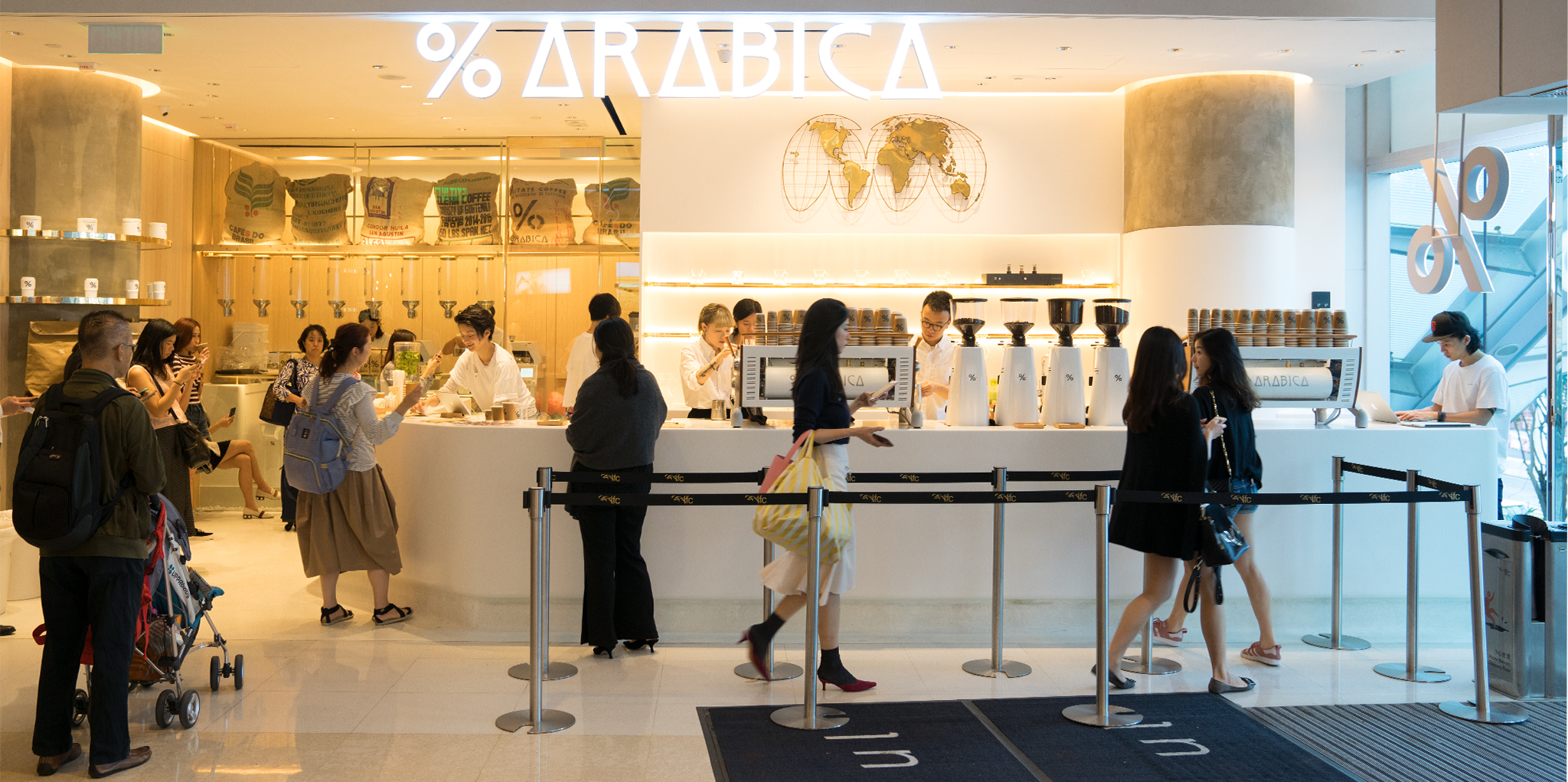
    The China operator of coffee chain % Arabica is weighing a new funding round and could seek a valuation for its business in the country of as much as $1.2 billion, according to people familiar with the matter.

    Lucky Ace International Ltd., which holds the exclusive franchise of the Japanese coffee retailer in Greater China, is looking to raise about $300 million to bankroll its expansion and has reached out to potential investors for the round, the people said. Lucky Ace was valued at about $800 million to $900 million in its last funding round, said the people, who asked not to be identified as the information is private.

    Deliberations are ongoing and the proposed funding size and valuation could still change, the people said. A representative for PAG declined to comment, while % Arabica didn’t immediately respond to requests for comment via email and its website.

    Founded in Kyoto in 2014, the gourmet coffee brand entered China in 2017 with the opening of two Hong Kong stores, and launched in Shanghai the following year, according to the operator’s website. There are 61 locations across the country, the parent’s website shows. Private equity investors PAG and General Atlantic are among the chain’s backers.

    China’s coffee market is growing, though it remains a niche beverage in a nation of tea drinkers, Bloomberg Intelligence analysts Angela Hanlee and Kai Lin Choo wrote in April. Annual consumption is just 5.3 cups per capita versus 51.1 cups elsewhere in Asia Pacific. Starbucks Corp. and Luckin Coffee. have increased coffee awareness in the country, with their more than 5,000 and 6,000 stores in China respectively.

    Shanghai-based Manner Coffee, which counts ByteDance Ltd. and a venture arm of food delivery giant Meituan as backers, is considering an initial public offering in Hong Kong that could raise at least $300 million.

  • Grocery delivery app Instacart founder Mehta to step down as chairman

    Grocery delivery app Instacart founder Mehta to step down as chairman

    Grocery delivery app Instacart said on Friday founder Apoorva Mehta would step down from his role as chairman and leave the company once it goes public.

    Chief Executive Fidji Simo, the former head of Meta Inc’s Facebook app, will succeed Mehta. She joined Instacart as CEO in August 2021 after Mehta transitioned to executive chairman.

    Mehta said in a Twitter post that stepping down from the company’s board would allow him to pursue other opportunities.

    However, there will be no change in his ownership in the company, a source close to Instacart said.

    Instacart in May said it had confidentially filed with the US securities regulator to go public. Reuters had reported that the company was considering going public through either a direct listing or a traditional IPO.

    In March, the San Francisco-based firm slashed its valuation by nearly 40% to about $24 billion, following market turbulence that impacted leading technology companies.

    Launched in 2012, Instacart benefited from the pandemic-led boom for doorstep delivery, although it faced stiff competition from companies such as DoorDash Inc and SoftBank-backed delivery startup GoPuff, which is also gearing up for a US IPO.